Miami plastic surgeon tied to multiple deaths


From the Miami Herald comes a terrifying story about a plastic surgery group tied to multiple patient deaths.  The surgical group which operated out of three different south Florida clinics are responsible for at least three deaths, including the recent death of a young woman from West Virginia, Heather Meadows, 29,  who had traveled to south Florida looking for cheap plastic surgery.

bandaid

In addition to this case, come reports that the group housed post-operative patients in a local horse stable.  The clinics; Encore Plastic Surgery in Hialeah, and two Miami clinics; Vanity Plastic Surgery and Spectrum Aesthetics have also been linked with multiple serious medical complications including the case of Nyosha Fowler who was comatose for 28 days after surgeons at the clinic accidentally perforated her intestine and then injected the fecally contaminated fluid into her sciatic nerve during a liposuction/ fat transfer procedure.  Ms. Fowler, who is lucky to be alive, is now permanently disabled and facing a two-million dollar medical bill for the life-saving care she received at an outside facility.

Now, Heather Meadow’s death has been ruled accidental, which is no comfort to her family or the numerous patients harmed by these surgeons. While the state of Florida has reprimanded two of the surgeons in the surgical group in the past, this hasn’t affected their practice, and the surgical clinics continue to accept new patients from across the United States and operate on unsuspecting clients.

money

Beauty, at any price?

While Florida state health officials issued an emergency restriction prohibiting one of the group’s surgeons, Dr. Osak Omulepu from operating, no charges have been made despite cell phone photographs documenting horrific conditions at the horse stables where patients were forced to stay while they recuperated from various procedures.  In fact, Dr. Osak Omulepu continues to have four star ratings on several online sites.  His license is listed as active on the Florida Medical Board, with no complaints listed under his profile page.  However, under the disciplinary actions page, there are eight separate listings that do not appear on his general profile.

One of these Complaints, (posted here) related to the death of a 31-year-old woman due to repeated liver perforation during liposuction.  The complaint also cites several other cases against the doctor and notes that Dr. Osak Omulepu is not a board certified plastic surgeon.  In fact, according to the complaints filed in March, the good doctor, holds no certification in any recognized medical specialty.

Related posts:

Plastic surgery safety & Buttloads of Pain

Patient satisfaction scores vs. clinical outcomes: The Yelp! approach to surgery

Is your ‘cosmetic surgeon’ really even a surgeon?

Patient Safety & Medical Tourism

Liposuction in a Myrtle Beach apartment

From news of the weird: Wrong-sided surgery


Admittedly, this is not where I usually look for information on medical quality and safety measures – but this case, as presented in News of the Weird for this week deserves mention:

Neurosurgeon Denise Crute left Colorado in 2005 after admitting to four serious mistakes (including wrong-side surgeries on patients’ brain and spine) and left Illinois several years after that, when the state medical board concluded that she made three more serious mistakes (including another wrong-side spine surgery).

Nonetheless, she was not formally “disciplined” by either state in that she was permitted merely to “surrender” her licenses, which the profession does not regard as “discipline.” In November, Denver’s KMGH-TV reported that Dr. Crute had landed a job at the prestigious Mount Sinai Medical Center in New York, where she treats post-surgery patients (and she informed Illinois officials recently that she is fully licensed in New York to resume performing neurosurgery). [KMGH-TV, 11-4-2012]”

This is an excellent example of the importance of the ‘Time-out” which includes ‘surgical site verification’ among all members of the surgical team.  This also shows some of the limitations in relying on the health care professions to police themselves.  Does this mean that I can absolutely guarantee that this won’t happen in any of the operating rooms I’ve observed?  No – but it does mean that I can observe and report any irregularities witnessed (or deviations from accepted protocols) – such as ‘correct side verification’ or failure of the operating surgeon to review medical records/ radiographs prior to surgery.

It also goes to show that despite lengthy credentialing processes and the reputations of some of the United States finest institutions are still no guarantee of quality or even competence.

What about Leapfrog?

This comes at the same time as the highly controversial Leapfrog grades are released – in which medical giants like UCLA and the Cleveland Clinic received failing marks.  (UCLA received an ‘F” for avoidable patient harm, and the Cleveland Clinic received a “D”.)

Notably, the accuracy of the Leapfrog scoring system has been under fire since it’s inception – particularly since the organization charges hospitals for the right to promote their score.

But then – as the linked article points out – so do most of the organizations ‘touting’ to have the goods on the facilities such as U.S. News and Reports and their famed hospital edition.

Guess there aren’t very many people like me – that feel like that’s a bit of a conflict of interest..

New venture with Colombia Reports


While I have written several books about surgery and surgeons in Colombia, much of this information I’ve obtained from my research has been consigned to sitting on the shelves of various bookstores.

But, now with the help of Colombia Reports, I am hoping to change that.  As I mentioned in a previous post, Colombia Reports.com and it’s founder, Adriaan Alsema have been amazingly supportive of my work, ever since they printed my first article on Cartagena in 2010.

Since returning to Colombia, I have kept in touch with Colombia Reports while we discussed ways to bring more of my research and work to the public.  Colombia Reports is a perfect platform – because it serves a community of English-speaking (reading) individuals who are interested in/ and living in Colombia.   With this in mind, Colombia Reports has created a new Health & Beauty section which will carry some of my interviews and evaluations.

It is an ideal partnership for me; it allows me to bring my information to the people who need it – and continue to do my work as an objective, and unbiased reviewer.  We haven’t figured out all of the details yet – but I want to encourage all of my faithful readers to show Colombia Reports the same dedication that you’ve shown my tiny little blog, so that our ‘experiment’ in medical tourism reporting becomes a viable and continued part of Colombia Reports.

This is more important to me that ever – just yesterday as I was revisiting a surgeon I interviewed in the past (for a new updated article), I heard a tragic story that just broke my heart about a patient that was recently harmed by Dr. Alfredo Hoyos.  While I was unable to obtain documents regarding this incident – this is not the first time that this has happened.

Previous accusations of medical malpractice against this surgeon have been published in Colombian news outlets including this story from back in 2002.

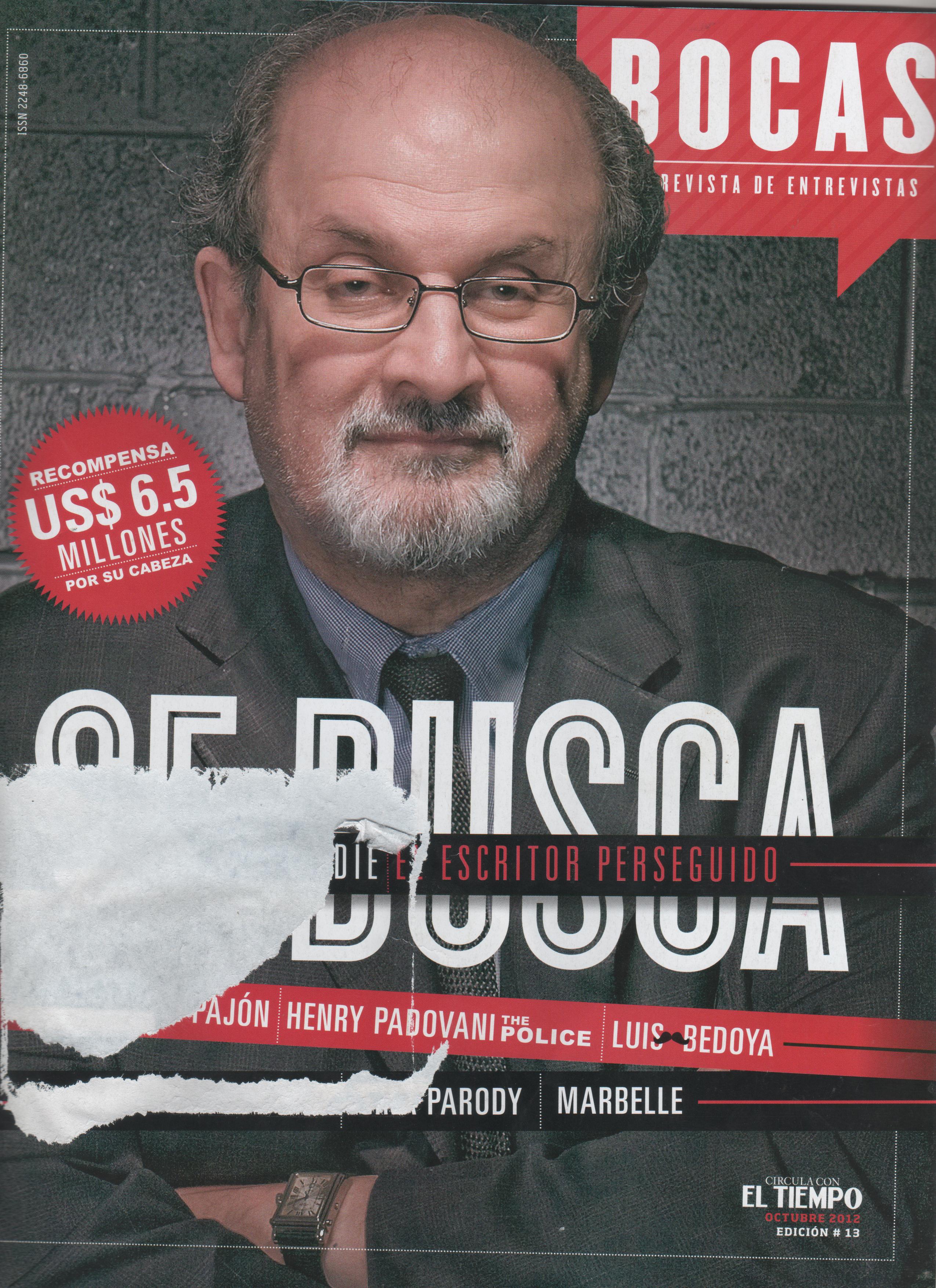
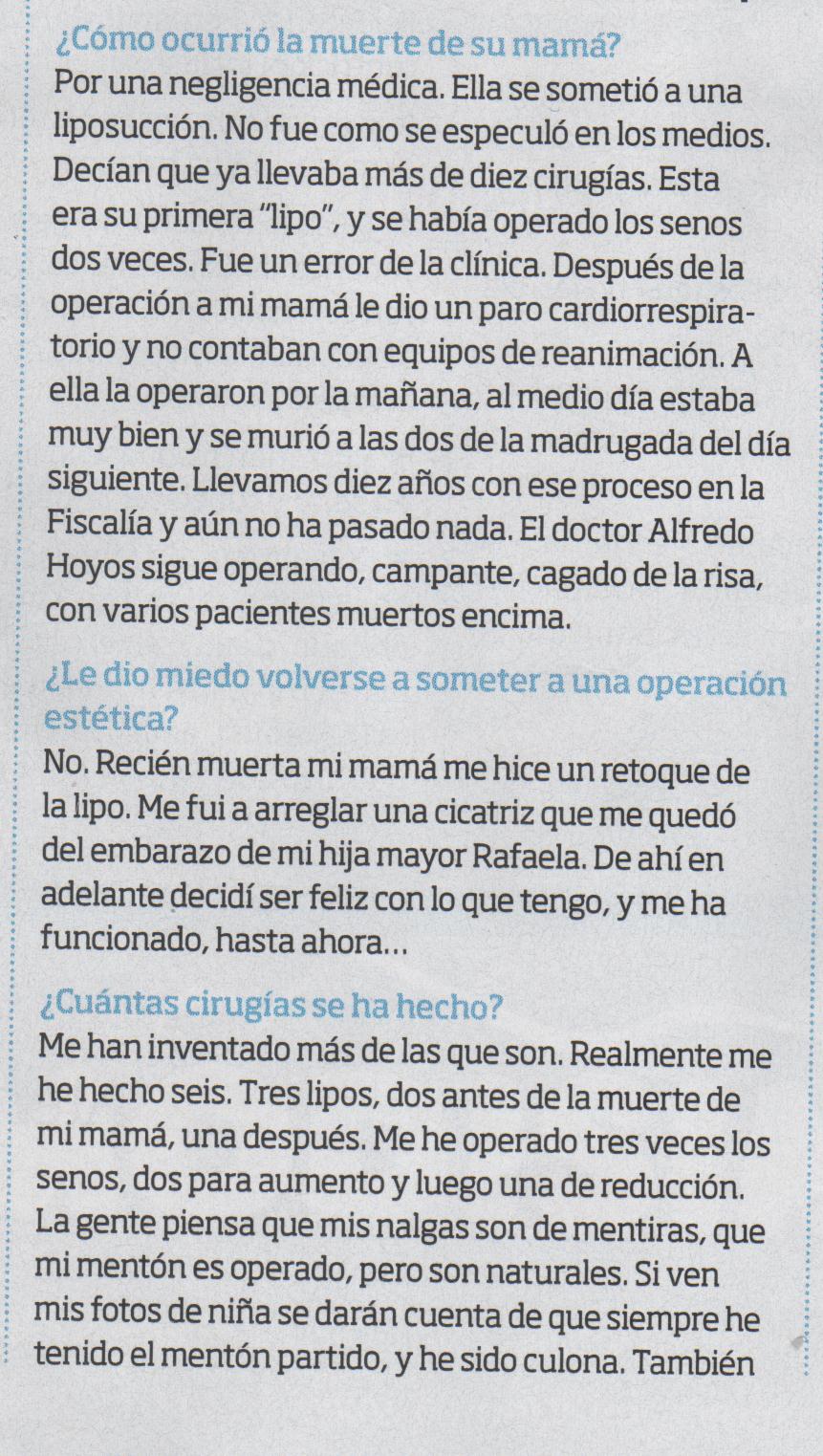
The accusations are from Marbelle, a Colombian artist regarding the intra-operative death of her mother, Maria Isabeth Cardona Restrepo (aka Yolanda) during liposuction.  These accusations were published in Bocas – which is part of El Tiempo, a popular Colombian newspaper, in which the singer alleges that Dr. Hoyos was unprepared, and did not have the proper equipment on hand to treat her mother when she went into cardiac arrest during the surgery.

story about the death of one of Dr. Alfredo Hoyos' patients.

story about the death of one of Dr. Alfredo Hoyos’ patients.

Kristin 002 Kristin 003 Kristin 004

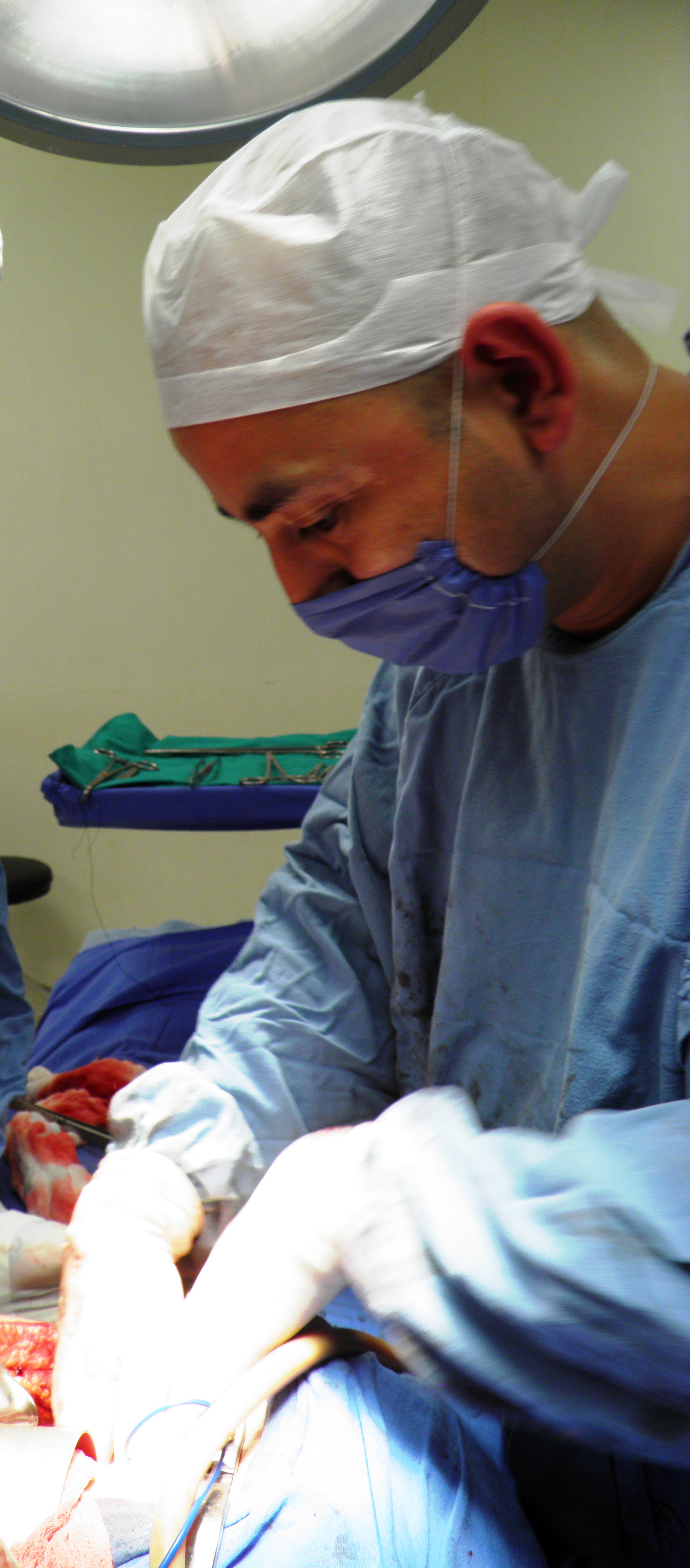
Now – as many of you remember, I interviewed Dr. Alfredo Hoyos back in 2011, and followed him to the operating room, giving me first hand knowledge of his surgical practices.

Readers of the book know he received harsh criticism for both failure to adhere to standard practices of sterility and patient intra-operative safety (among other things.)  I also called him out for claiming false credentials from several plastic surgery associations – and notified those agencies of those claims..   In the book, readers were strongly advised not to see Dr. Hoyos or his associates for care.

But – as I mentioned, my book is sitting lonely on a shelf, here in Bogotá – and in the warehouses of Amazon.com and other retailers.. So, people like that patient – didn’t have the critical information that they needed..

This is where Colombia Reports – and I hope to change all that.   So in the coming weeks, I am re-visiting some of surgeons we talked to in 2011, and interviewing  more (new) surgeons, more operating room visits..

The truth about TAVI/ TAVR


It looks like the rest of the medical community is finally speaking up about the overuse and safety issues of TAVI/ TAVR for aortic stenosis, but it’s still few and far between – and in specialty journals…  But in the same week that Medscape, and the Heart.org reported on a newly published article in the British Medical Journal on the overuse of TAVI therapies, and the need for earlier diagnosis and treatment of Aortic Stenosis – the Interventionalists over at the Heart.org (a cardiology specialty journal)  have published a series of articles promoting / pushing the procedure including an article entitled, “The TAVR Heart team roles.”

JAMA recently published a paper by Robert Bonow and Chintan Desnai, discussing the benefits, risks and expectations with TAVI.  This paper discusses the very real need for clinicians to address heightened patient expectations regarding TAVI as an ‘easy’ alternative to surgery.

TAVI is vastly overused – Reed Miller, The Heart.org

Here at Cartagena Surgery – we’ve been doing our own research – contacting and talking to a multitude of practicing cardiologists and cardiac surgeons to get their opinions – in addition to reviewing the latest data.

In related news, a review of the latest research on the ‘transcatheter’ valve therapies demonstrates considerable concern: including data on peri-valvular leaks as reported in the last national TAVI registries in Europe and in the US:

The incidence of  paravalvular leaks  after TAVI is extremely high  ( > 60%)

• It is technically challenging today to quantify these leaks.

• Most of them are quoted “mild”, but more than 15 % are estimated  “moderate” and “severe”.

• In > 5% of patients, the peri-valvular or valvular regurgitation grade increased significantly over time.

• there is no significant difference between Edwards SAPIEN and Medtronic COREVALVE

As one cardiologist explained:

“Importantly, the thrombogenic potential of mild leaks was recently demonstrated by Larry Scotten ( Vivitro System Inc. Victoria, Canada). High reverse flow velocities expose glycoprotein GP Ib-IX-V  platelet receptors  to circulating Von Willebrand molecule with, as results, platelet aggregation and fibrin formation.  The incidence of brain spots and stroke after TAVI was of great concern in the PARTNER A and B studies.  Whereas, Aspirin is not mandatory  in  patients implanted with bioprosthetic valves,   Plavix +  Aspirin is recommended for all TAVI patients. The rationales of such therapy were not explained so far.”

Valve oversizing – a surgeon explains

“To reduce  these peri-valvular leaks , cardiologists tentatively use large valve size, up to 29-mm.  The very large majority of valve sizes used in conventional aortic valve replacement are smaller than 25-mm.  Oversizing may increase the risk of late aortic aneurysms (aortic rupture has been reported) [emphasis added].

Moreover, atrio-ventricular conduction may be impaired  with the need of permanent pacing. Poorer outcomes have been reported in patients when the need for permanent pacemaker occurs.

“As we like to say about clothes and shoes, you forget the price overnight but you remember the quality for ever . The price of TAVI may be cheaper but patients may experience inferior outcomes. In view of these results, using TAVI would not be appropriate for the great majority of  heart valve candidates.  Moreover trans-catheter delivery and sub-optimal fit are not likely to increase tissue valve durability…  and everybody knows that tissue valves are not enough durable for young adults and children.  TAVI is thus a suitable strategy only for the neglected population of high risk patients who are no longer candidates for surgery [emphasis added].

Worth pointing out again  that there would be no need for TAVI and long-term outcomes of patients would be much better if severe aortic stenosis were correctly managed at the right time.  Enclosed the recommendations of Robert Bonow   (Circulation, July 25, 2012) for early valve replacement in ASYMPTOMATIC  patients.  A large cohort of accurate biomarkers is available today for correct timing of surgery  and consequent prevention of  irreversible myocardium damage. In the study of Lancellotti (enclosed) 55% of “truly asymptomatic patients” with severe aortic stenosis developed pulmonary hypertension during exercise and had  poor clinical outcomes. The measurement of both mean trans-aortic pressure gradient and systolic pulmonary pressure, which are technically easy, rapid and with good reproducibility may improve the management of such patients.

These updates on the natural history of aortic stenosis illustrate the present paradoxical and intriguing  focus of the industry on an experimental procedural innovation for end-stage old patients when more efficient heart valves are today feasible and could be used sooner for the benefit of all patients .

Enclosed an article on The Need For A Global Perspective On Heart Valve from Sir Madgi Yacoub.

Additional Reference / supporting data:

Modified from  Ross J and Branwald E   (Circulation 1968 (Suppl): 61-67)

• The  incidence of stroke was 9% after TAVI in  the 214 patients of the enclosed study published last week in the American Journal of Cardiology. The incidence of stroke with TAVI was >  two times higher than with conventional surgery in the PARTNER study.  Pooled proportion of postoperative stroke was 2.4%  with conventional surgery  in the  large meta-analysis of patients > 80 years old (enclosed)

• Peri-valvular aortic insufficiency is observed in more than  60% of patients undergoing trans-catheter aortic valve replacement.  Moderate or severe aortic insufficiency was seen in 17.3 % of the PARTNER inoperable and high risk cohorts at 1 year.  They have been reportedly associated with dyspnea, anemia,  cardiac failure and diminished survival. Most interestingly,  the FDA does not accept more than  1%   peri-valvular insufficiency in patients implanted with conventional prosthetic heart valves… The SJM Silzone mechanical heart valve was re-called  because of peri-valvular leakage rate of…  1.5 % .

• Traditionally, aortic stenosis involving a 2-cuspid aortic valve has been a contraindication to TAVI.  Of 347 octogenarians and 17 nonagenarians  explanted valves , 78 (22%) and 3 ( 18%) had stenotic congenitally bicuspid aortic valve, respectively.  Because the results of TAVI are less favorable in patients with stenotic congenitally bicuspid valves, proper identification of the underlying aortic valve structure is critical when considering TAVI in older patients . More than 50% of patients with aortic stenosis have bicuspid aortic valve and are not, therefore,  good candidates for TAVI. Most importantly, the great majority of patients with calcified stenotic  bicuspid aortic valves is  young ( < 60 years old)  and not candidate for tissue valve replacement.

•  The French Registry of trans-catheter aortic-valve implantation in high-risk patients was published in the New England Journal of Medicine on May 3,  2012. It reports  3195 TAVI procedures during the last two years at 34 centers.

The mean age was 83 years.  The incidence of stroke was 4.1%.  Peri-prosthetic aortic regurgitation was 64 %. The rate of death was 24% at one year. At the same time, the meta-analysis published in the American Heart Journal reports 13,216     CONVENTIONAL AORTIC VALVE REPLACEMENT in patients > 80 years old.    The rate of death was 12.4%  at one year,   21.3%  at 3 years and  34.6%  at 5 years


Full references for works cited in text:

Bonow, R. O. (2012). Exercise hemodynamics and risk assessment in asymptomatic aortic stenosisCirculation 2012, July 25.

Lancelloti, P., Magne, J., Donal, E., O’Connor, K., Dulgheru, R., Rosca, M., & Pierard, L. (2012).  Determinants and prognostic significance of exercise pulmonary hypertension in asymptomatic severe aortic stenosis.  Circulation, 2012 July 25.

Takkenberg, J. J. M., Rayamannan, N. M., Rosenhek, R., Kumar, A. S., Carapitis, J. R., & Yacoub, M. H. (2008).  The need for a global perspective on heart valve disease epidemiology: The SHVG working group on epidemiology of heart disease founding statement.  J. Heart Valve Dis. 17 (1); 135 – 139.

Gilard M, Eltchaninoff H, Iung B, Donzeau-Gouge P, Chevreul K, Fajadet J, Leprince P, Leguerrier A, Lievre M, Prat A,Teiger E, Lefevre T, Himbert D, Tchetche D, Carrié D, Albat B, Cribier A, Rioufol G, Sudre A, Blanchard D, Collet F, Dos Santos P, Meneveau N, Tirouvanziam A, Caussin C, Guyon P, Boschat J, Le Breton H, Collart F, Houel R, Delpine S,Souteyrand G, Favereau X, Ohlmann P, Doisy V, Grollier G, Gommeaux A, Claudel JP, Bourlon F, Bertrand B, Van Belle E, Laskar M; FRANCE 2 Investigators. Collaborators (184). Registry of transcatheter aortic-valve implantation in high-risk patients. N Engl J Med. 2012 May 3; 366(18):1705-15 [full abstract below].

BACKGROUND:

Transcatheter aortic-valve implantation (TAVI) is an emerging intervention for the treatment of high-risk patients with severe aortic stenosis and coexisting illnesses.

We report the results of a prospective multicenter study of the French national transcatheter aortic-valve implantation registry, FRANCE 2.

METHODS:

All TAVIs performed in France, as listed in the FRANCE 2 registry, were prospectively included in the study. The primary end point was death from any cause.

RESULTS:

A total of 3195 patients were enrolled between January 2010 and October 2011 at 34 centers. The mean (±SD) age was 82.7±7.2 years; 49% of the patients were women.

All patients were highly symptomatic and were at high surgical risk for aortic-valve replacement. Edwards SAPIEN and Medtronic CoreValve devices were implanted in 66.9% and 33.1% of patients, respectively. Approaches were either transarterial (transfemoral, 74.6%; subclavian, 5.8%; and other, 1.8%) or transapical (17.8%).

The procedural success rate was 96.9%. Rates of death at 30 days and 1 year were 9.7% and 24.0%, respectively.

At 1 year, the incidence of stroke was 4.1%, and   the incidence of periprosthetic aortic regurgitation was 64.5%.

In a multivariate model, a higher logistic risk score on the European System for Cardiac Operative Risk Evaluation (EuroSCORE), New York Heart Association functional class III or IV symptoms, the use of a transapical TAVI approach, and a higher amount of periprosthetic regurgitation were significantly associated with reduced survival.

CONCLUSIONS:

This prospective registry study reflected real-life TAVI experience in high-risk elderly patients with aortic stenosis, in whom TAVI appeared to be a reasonable option.

Rutger-Jan Nuis, MSc,  Nicolas M. Van Mieghem, MD,  Carl J. Schultz, MD, PhD,  Adriaan Moelker, MD, PhD ,  Robert M. van der Boon, MSc, Robert Jan van Geuns, MD, PhD, Aad van der Lugt, MD, PhD,  Patrick W. Serruys, MD, PhD, Josep Rodés-Cabau, MD,  Ron T. van Domburg, PhD,  Peter J. Koudstaal, MD, PhD,  Peter P. de Jaegere, MD, PhD.  Frequency and Causes of Stroke During or After Trans-catheter Aortic Valve Implantation. American Journal of Cardiology Volume 109, Issue 11 , Pages 1637-1643, 1 June 2012 [full abstract provided].

Transcatheter aortic valve implantation (TAVI) is invariably associated with the risk of clinically manifest transient or irreversible neurologic impairment. We sought to investigate the incidence and causes of clinically manifest stroke during TAVI. A total of 214 consecutive patients underwent TAVI with the Medtronic-CoreValve System from November 2005 to September 2011 at our institution. Stroke was defined according to the Valve Academic Research Consortium recommendations. Its cause was established by analyzing the point of onset of symptoms, correlating the symptoms with the computed tomography-detected defects in the brain, and analyzing the presence of potential coexisting causes of stroke, in addition to a multivariate analysis to determine the independent predictors.  Stroke occurred in 19 patients (9%) and was major in 10 (5%), minor in 3 (1%), and transient (transient ischemic attack) in 6 (3%). The onset of symptoms was early (≤24 hours) in 8 patients (42%) and delayed (>24 hours) in 11 (58%). Brain computed tomography showed a cortical infarct in 8 patients (42%), a lacunar infarct in 5 (26%), hemorrhage in 1 (5%), and no abnormalities in 5 (26%). Independent determinants of stroke were new-onset atrial fibrillation after TAVI (odds ratio 4.4, 95% confidence interval 1.2 to 15.6), and baseline aortic regurgitation grade III or greater (odds ratio 3.2, 95% confidence interval 1.1 to 9.3).

In conclusion, the incidence of stroke was 9%, of which >1/2 occurred >24 hours after the procedure. New-onset atrial fibrillation was associated with a 4.4-fold increased risk of stroke. In conclusion, these findings indicate that improvements in postoperative care after TAVI are equally, if not more, important for the reduction of peri-procedural stroke than preventive measures during the procedure.

Sinning JM, Hammerstingl C, Vasa-Nicotera M, Adenauer V, Lema Cachiguango SJ, Scheer AC, Hausen S, Sedaghat A, Ghanem A, Müller C, Grube E,Nickenig G, Werner N. (2012).  Aortic regurgitation index defines severity of peri-prosthetic regurgitation and predicts outcome in patients after transcatheter aortic valve implantation.  J Am Coll Cardiol. 2012 Mar 27;59(13):1134-41. [full abstract provided].

OBJECTIVES:

The aim of this study was to provide a simple, reproducible, and point-of-care assessment of peri-prosthetic aortic regurgitation (periAR) during trans-catheter aortic valve implantation (TAVI) and to decipher the impact of this peri-procedural parameter on outcome.

BACKGROUND:

Because periAR after TAVI might be associated with adverse outcome, precise quantification of periAR is of paramount importance but remains technically challenging.

METHODS:

The severity of periAR was prospectively evaluated in 146 patients treated with the Medtronic CoreValve (Minneapolis, Minnesota) prosthesis by echocardiography, angiography, and measurement of the aortic regurgitation (AR) index, which is calculated as ratio of the gradient between diastolic blood pressure (DBP) and left ventricular end-diastolic pressure (LVEDP) to systolic blood pressure (SBP): [(DBP – LVEDP)/SBP] × 100.

RESULTS:

After TAVI, 53 patients (36.3%) showed no signs of periAR and 71 patients (48.6%) showed only mild periAR, whereas 18 patients (12.3%) and 4 patients (2.7%) suffered from moderate and severe periAR, respectively. The AR index decreased stepwise from 31.7 ± 10.4 in patients without periAR, to 28.0 ± 8.5 with mild periAR, 19.6 ± 7.6 with moderate periAR, and 7.6 ± 2.6 with severe periAR (p < 0.001), respectively. Patients with AR index <25 had a significantly increased 1-year mortality risk compared with patients with AR index ≥25 (46.0% vs. 16.7%; p < 0.001). The AR index provided additional prognostic information beyond the echocardiographically assessed severity of periAR and independently predicted 1-year mortality (hazard ratio: 2.9, 95% confidence interval: 1.3 to 6.4; p = 0.009).

CONCLUSIONS:

The assessment of the AR index allows a precise judgment of periAR, independently predicts 1-year mortality after TAVI, and provides additional prognostic information that is complementary to the echocardiographically assessed severity of periAR.

Gotzmann M, Lindstaedt M, Mügge A. (2012). From pressure overload to volume overload: Aortic regurgitation after transcatheter aortic valve implantation.  Am Heart J. 2012 Jun;163(6):903-11.  [full abstract provided].

Severe aortic valve stenosis is a common valvular heart disease that is characterized by left ventricular (LV) pressure overload. A lasting effect of pressure overload is LV remodeling, accompanied by concentric hypertrophy and  increased   myocardial stiffness. Transcatheter aortic valve implantation (TAVI) has emerged as an alternative to surgical aortic valve replacement for patients with severe symptomatic aortic valve stenosis and high surgical risk.   Although TAVI has  favorable hemodynamic performance, aortic valve regurgitation (AR) is the most frequent complication because of the specific technique used for implantation of transcatheter valves.

During  implantation, the calcified native valve is pushed aside, and the prosthesis usually achieves only an incomplete prosthesis apposition. As a consequence, the reported prevalence of moderate and severe AR after TAVI is  6% to 21%,  which is considerably higher than that after a surgical valve replacement. Although mild AR probably has minor hemodynamic effects, even moderate AR might result in serious consequences. In moderate and   severe  AR  after TAVI,  a normal-sized LV with increased myocardial stiffness has been exposed to volume overload. Because the noncompliant LV is unable to raise end-diastolic volume, the end-diastolic pressure increases, and  the  forward stroke volume    decreases. In recent years, an increasing number of patients have successfully undergone TAVI. Despite encouraging overall results, a substantial number of patients receive neither symptomatic nor prognostic benefits from TAVI.   Aortic valve regurgitation has been considered a potential contributor to morbidity and mortality after TAVI. Therefore, various strategies and improvements in valve designs are mandatory to  reduce the prevalence of AR after TAVI.

Walther T , Thielmann M, Kempfert J, Schroefel H, Wimmer-Greinecker G, Treede H, Wahlers T, Wendler O. (2012). PREVAIL TRANSAPICAL: multicentre trial of transcatheter aortic valve implantation using the newly designed bioprosthesis (SAPIEN-XT) and delivery system (ASCENDRA-II).  Eur J Cardiothorac Surg. 2012 Aug;42(2):278-83. Epub 2012 Jan 30.  [full abstract provided].

OBJECTIVE

Transapical (TA- aortic valve implantation (AVI) has evolved as an alternative procedure for high-risk patients.  We evaluated the second-generation SAPIEN xt ™ prosthesis in a prospective multicentre clinical trial.

METHODS

A total of 150 patients  (age : 81.6;  40.7 % female) were included. Prosthetic valves (diameter :23 mm (n= 36), 26 mm (n= 57) and 29 mm (n= 57) were implanted. The ASCENDRA-II™ modified delivery system was used in the smaller sizes.   Mean logistic EuroSCORE was  24.3%  and mean STS score was 7.5 ± 4.4%.  All patients gave written informed consent.

RESULTS:

Off-pump AVI was performed using femoral arterial and venous access as a safety net.  All but two patients receivec TA-AVI, as planned.  The 29-mm valve showed similar function as the values of two other diameters did.  Three patients (2%) required temporary bypass support.

Postoperative complications included renal failure requiring long-term dialysis in four, bleeding requiring re-thoracotomy in four, respiratory complication requiring re-intubation in eight and septsis in four patients, respectively.

Thirty day mortality was 13 ( 8.7%)  for the total cohort and 2/57  (3.5%) receiving the 29 mm valve respectively.   Echocardiography at discharge showed none or trivial incompetence (AI) in  71%  and mild-AI in 22% of the patients.  Post-implantation AI was predominantly para-valvular and > 2+  in 7% of patients.  One patient required re-operation for AI within 30 days.

CONCLUSION

The PREVAIL TA multicenter trial demonstrates good functionality and good outcomes for TA-AVI, using the SAPIEN xt ™ and its second generation ASCENDRA-II™ delivery system, as well successful  introduction of the 29-mm  SAPIEN XT ™ valve for the benefit of high-risk elderly patients.

Subramanian S, Rastan AJ, Holzhey D, Haensig M, Kempfert J, Borger MA, Walther T, Mohr FW. (2012).  Conventional Aortic Valve Replacement in Transcatheter Aortic Valve Implantation Candidates: A 5-Year ExperienceAnn Thorac Surg.   July 19 2012  [full abstract provided].

BACKGROUND:

Patient selection for transcatheter aortic valve implantation (TAVI) remains highly controversial. Some screened patients subsequently undergo conventional aortic valve replacement (AVR) because they are unsuitable TAVI candidates. This study examined the indications and outcomes for these patients, thereby determining the efficacy of the screening process.

METHODS:

Between January 2006 and December 2010, 79 consecutive patients (49% men), aged older than 75 years with high surgical risk, were screened for TAVI, but subsequently underwent conventional AVR through a partial or complete sternotomy. The indications, demographics, and outcomes of this cohort were studied.

RESULTS:

Mean age was 80.4 ± 3.6 years. Mean left ventricular ejection fraction was 0.55 ± 0.16, and the mean logistic European System for Cardiac Operative Risk Evaluation was 13% ± 7%. Of the 79 patients, 6 (7.6%) had prior cardiac surgical procedures. Indications for TAVI denial after patient evaluations were a large annulus in 31 (39%), acceptable risk profile for AVR in 24 (30%), need for urgent operation in 11 (14%), and concomitant cardiovascular pathology in 5 (6%). Mean cross-clamp time was 55 ± 14 minutes, and cardiopulmonary bypass time was 81 ± 21 minutes. Concomitant procedures included a Maze in 12 patients (15%). Postoperative morbidity included permanent stroke in 2 (2.5%), respiratory failure in 9 (11%), and pacemaker implantation in 2 (2.5%). Hospital mortality was 1.3% (1 of 79). Cumulative survival at 6, 12, and 36 months was 88.5%, 87.1% and 72.7%, respectively.

CONCLUSIONS:

Our existing patient evaluation process accurately defines an acceptable risk cohort for conventional AVR. The late mortality rate reflects the advanced age and comorbidities of this cohort. The data suggest that overzealous widening of TAVI inclusion criteria may be inappropriate.

Industry fights back

Now it looks like Edwards Lifesciences,  the company that manufacturers the Sapien valve is speaking out to dispute recent findings that show TAVI to have less than optimal results.  Of course, the author at the site, Med Latest says it best, “Setting aside the conflict of interest stuff, which might be a red-herring, what we’re left with is a situation where evidence-based medicine, while being something all would sign up to, is not that straightforward.”


[1] Several cardiologists and cardiac surgeons contributed to this article.  However, given the current politics  within cardiology, none of these experts were willing to risk their reputations by publically disputing the majority opinion.  This is certainly understandable in today’s medico-legal climate in wake of widespread scandals and credibility issues. However, all quotes are accurate, even if unattributable with minor formatting (such as the addition of quotations, and paragraph headings have been added for increased clarity of reading in blog format.)  I apologize for the ‘anonymous nature’ of my sources in this instance – however, I can assure you that these ‘experts’ know what they are talking about.

  [All commentary by Cartagena Surgery are in italics and brackets]. 

Why read Bogota and other hidden gem titles?


As readers of my sister site, Cartagena Surgery know, I am currently hard at work on my third title in the ‘Hidden Gem’ series – with the latest offering on Mexicali, Mexico.  But I continue to get comments from readers, friends, and everyone else asking, “Why bother?”

Why bother reading Hidden Gem?

People should read these titles because we can’t assume that all medical providers have been vetted, or that all medical facilities meet acceptable criteria for safe care.  It is a dangerous assumption to expect that ‘someone’ else has already done the research. [lest you think this could only happen in Sri Lanka, be forewarned.  With new legislation, the critical doctor shortage in the USA will only worsen.]

Medical tourism has the potential to connect consumers with excellent providers around the world.  It may be part of a solution to the long waits that many patients are experiencing when seeking (sometimes urgent) surgical care.  It also offers an opportunity to fight the runaway health care costs in the United States.

But..

But it also has the potential, if unchecked, unvetted, unverified and left unregulated to cause great harm.

Another reason to read Hidden Gem is to find out more about the surgeons themselves, their training, and many of the new, and innovative practices in the realm of surgery. Often the best doctors don’t advertise or ‘toot’ their own horn, so you won’t find them advertised in the pages of your in-flight magazine as “One of the best doctors in XXX” even if they are.  (Many people don’t realize those segments are paid advertisements, either.)

Why bother writing Hidden Gem?

Because ‘someone’ needs to.

I am that ‘someone’ who does the fieldwork to find out the answers for you.  I can never assume that it’s been done before, by someone else.  I have to start from ‘scratch’ for every book, for every provider and every hospital.

I also believe that the public should know, and want to know more about the people we entrust to take care of us during serious illness or surgery.  We should know who isn’t practicing according to accepted or current standards and evidence – and we should know who has/ and is offering the latest cutting edge (but safe and proven) therapies.


Read more about the doctor shortages:

NYT article on worsening doctor shortage  (and one of the proposed solutions is a loosening of rules governing the training and credentials of doctors from overseas – coming to practice in the USA).

Hospital ranks and measures: Medical Tourism edition?


It looks like Consumer Reports is the newest group to add their two cent’s worth about hospital safety, and hospital safety ratings.  The magazine has compiled their own listing and ratings for over 1,100 American hospitals.  Surprisingly, just 158 received sixty or greater points (out of a 100 possible.)  This comes on the heels of the most recent release of the LeapFrog results.  (Leapfrog is controversial within American healthcare due to the unequal weight it gives to many of its criterion.  For example, it is heavily weighed in favor of very large institutions versus small facilities with similar outcomes.)

Consumer Reports has a history providing consumers with independent evaluations and critiques of market products from cars to toasters since it’s inception in the 1930’s.  It’s advent into healthcare is welcome, as the USA embraces new challenges with ObamaCare, mandated EMRs, and pay-for-performance.

While there is no perfect system, it remains critical to measure outcomes and performances on both an individual (physician) and facility wide scale.  That’s why I say; the more scales, scoring systems and measures used to evaluate these issues – the better chance we have to accurately capture this information.

But – with all of the increased scrutiny of American hospitals, can more further investigation into the practices and safety at facilities promoting medical tourism overseas be far behind?

Now it looks like James Goldberg, a bioengineer that we talked about before, is going to be doing just that.  Mr. Goldberg, who is also an author of the topic of medical tourism safety recently announced that his firm will begin offering consulting services to consumers interested in knowing more about medical tourism – and making educated decisions to find the most qualified doctors and hospitals when traveling for care.  He may be one of the first to address this in the medical tourism industry, but you can bet that he won’t be the last..

If so, the winners in the international edition will be the providers and facilities that embrace transparency and accountability from the very beginning.

Dr. Ramos, HIPEC and Radio Broadcasts


Finally caught up with the busy Dr. Gabriel Ramos, MD, oncologic surgeon and spent several hours with him in the operating room at IMSS (the social security hospital) for a couple of cases on Wednesday..  I’ll be writing more about him soon.

Dr. Gabriel Ramos, Oncologic Surgeon

Yesterday was a full day with clinics here and San Luis.  Also – more homework, so I have to get some studying in before heading back in this afternoon.

On the radio with Cartagena Surgery:

Recorded my very first radio interview with Ilene Little at Traveling 4 Health..  I hope I don’t sound too bad (when I get nervous, I laugh..)  It’s not a pre-determined format, so I didn’t know the questions until she asked them – which makes it more interesting, but I sound less polished as I search my brain for names, dates, places etc.  Trying to remember the name of the researchers who published a paper in 1998, 2008, or 1978 is daunting when you worry about ‘dead air’.. I was so nervous I was even forgetting my abbreviations.  I hope it comes across better to listeners.

We talked about the books, what I do (and how I am surviving on savings to do it).  We also talked about some of the great doctors I’ve interviewed, treatments such as HIPEC as well as some of the quackery and false hope being peddled by people with a lot to gain.. I kind of wish HIPEC and quackery weren’t in the same segment.  Since it was off the cuff – I didn’t have all of my medical references and literature to talk about to distinguish the two (so if you are here looking for information on HIPEC – search around the site – I have links to on-going studies, and research going back over a decade, both here at BogotaSurgery.org .  Of course, the crucial difference between the two is:

HIPEC is a new treatment, but there is NO assurance of success – in fact, some patients die from the treatment itself.

– There is a body of scientific literature on HIPEC for advanced abdominal cancers (ovarian, uterine, etc)

Quakery or pseudo-science can be a bit trickery.  Maybe they take an existing or  promising treatment (like therapies for stroke, Parkinson’s etc.) and apply it to something else – like treatment of serious cancers.  (Yes – people will find papers written about the ‘treatment’, but these papers may not meet scientific rigor, or may not be about the condition or treatment that they are receiving.)  They also promise miracles and cures.

In medicine, even the very best doctors and surgeons can’t promise these things – because medicine itself isn’t an exact science, and different people respond to the same treatments differently – ie. one patient may have complications and another patient doesn’t.

Lastly  – we just touched on it – but I think it’s an important concept – is patient self-determination.  That no matter what I, or anyone writes, does or says – people always have the right to determine their own medical treatment.

Dr. Fix-a-flat strikes again!


Syringe of unknown contents


Dr. Fix-a-flat (Oneal Morris) in Ft. Lauderdale, Florida has been re-arrested as more victims of his scam surgeries have come forward.

This arrest comes as other American cities, (most notably, Las Vegas) make a concerted push to protect consumers with a new campaign against fraudulent practices and unlicensed physicians.  However, these ‘campaigns’ are primarily informational commercials aimed at the Latino community.

There is a new statewide task force aimed at addressing these incidents, but as of yet – there have been no legislative changes to protect victims of these scams.  Equally disturbing, in at least one of these cases – one of the pretend doctors used his fake status to sexually assault his victims.

In another disturbing sidenote out of Nevada – Teva pharmaceuticals settled a case against them for the distribution of propofol outside of proper channels/ and in improper quantities.  (If you remember, this is how Dr. Conrad Murray obtained the anesthetic for use on Michael Jackson.)  As a result of this distribution of multi-use medications that should be exclusively used in hospital settings – several patients were inadvertently exposed to Hepatitis C (including the plaintiff who developed Hepatitis C as a result.)

[Multi-use vials mean that the same container of medication is used for multiple people – if the medication is drawn up using needles or other instruments that have already been exposed to patients – this places future patients in contact with blood and infectious agents.]   Multi-use vials are a cost-containment measure for many institutions.

I hope that someone takes issue with out-patient colonoscopies as a whole since this in itself can be a very dangerous practice – and the research proves it.  (The issue behind outpatient procedures such as colonoscopies is the use of unmonitored anesthesia.  Most patients aren’t on monitors, no anesthesiologist is present, and the doctors performing the procedure are often unprepared in the event that a patient loses his airway (or stops breathing.)  There was a landmark study several years ago – that showed that 70% of nonaesthesiologists underestimated the level of sedation in patients undergoing out-patient / office procedures.  [I will continue looking for the link to this source.]

Frighteningly, a related paper demonstrated similar findings in a pediatric population.  This South African paper voices similar concerns.

UK surgeons add their voices to speak out against Medical Tourism


As we’ve written before, local plastic surgeons are fighting the loss of income from medical tourism.  In the UK, where 1 in 20 patients (in one poll) have used medical tourism, are adding to the dissentThis isn’t the first time British plastic surgeons have spoken out against medical tourism – in fact, British physicians were the first ones to publish commentaries against the practice of traveling overseas for surgery in professional journals.   Last year, they released a statement condeming this practice.

Now, these surgeons are speaking out in the popular press.  The irony is, while these statements are primarily aimed at people travelling to India – as readers of our sister site know, they just as easily could apply to the United States (and our large contingent of ‘phony docs.’

But how much of this is real?  and how much of this is hype to boost their own sagging practices?  It’s hard to know since much of the ‘data’ is based on polls of UK plastic surgeons.

In related news, Las Vegas has started a new task force to weed out phony/ fake doctors operating in the hispanic community after several highly publicized incidents – including several deaths.

More stories from Cartagena Surgery:

How to investigate a potential surgeon

Busting a fake clinic in Los Angeles

Unqualified Arizona doc heads to trial after several patient deaths

The ‘fix a flat’ doc

The original fix a flat doc story

Follow cartagena surgery for more stories..

Looks like Panama may bite off more than they can chew..


In a recently published story, the government of Panama is now offering medical  insurance for all tourists to Panama for free.  This insurance is not  ‘Complication Insurance’ which is offered by private surgeons in Colombia and other countries for patients traveling specifically for medical tourism.  Complication insurance covers all possible medical complications resulting from medical procedures at the designated clinic or destination..

No – Panama is taking the European and socialized medicine approach and is offering general medical coverage for ALL short-term travelers to Panama.  (The long-term exclusion is a wise move given the numbers of Americans and other overseas residents who make Panama their retirement home.)  This insurance resembles typical travel policies in that it covers injuries, accidents and other medical situations that may occur while on vacation..  I just hope the Panamanian government hasn’t underestimated its tourists and their injury/ illness potential.

Now readers – don’t get any wild ideas.. This is not the time to stress that ‘trick knee’ while hiking to visit the Naso-Teribes..

Meanwhile, Costa Rica is making a pitch for more corporate clients such as Pepsi-Cola.  These multi-national corporations can potentially bring hundreds of millions of healthcare dollars by diverting their employees to medical tourism destination such as Costa Rica.  (Like Colombia – Costa Rica is an ideal destination for North Americans due to proximity, quality and diversity of services available.)

A new medical center for Bogota?


There’s a new article over at IMTJ about a new medical facility being built in Bogotá – but it’s not the facility itself that is interesting (sounds like a new private cosmetic surgery mega-clinic).

It’s the statistics within the article that caught my eye.  I’m not sure how accurate these statistics are, but if true – it confirms much of what we’ve been saying here at Bogotá Surgery.  I’ve placed a direct quote from the article below:

According to Colombia’s Ministry of Commerce, Industry and Tourism the most popular treatments sought by visitors are heart surgery (41%), general surgery (13%), gastric band surgery (10%), cosmetic surgery (10%), cancer treatment (6%), orthopedic treatment (4%, dental care (2%) and eyecare (1%).”

If this information is even remotely accurate – it confirms what many of within the medical tourism have been saying – and contradicts much of the popular media reports.

People aren’t just going overseas for breast implants and face-lifts – people are going overseas for essential lifesaving treatments, and procedures to improve their quality of life.

This is an important distinction to  make, but many people tend to see cosmetic procedures as frivolous, and consider the issues around medical tourism, and travel health to be equally unconcerning*.  So when they see flashy news stories (good or bad) about patients having overseas surgery (which the media usually portrays as plastic surgery) they shrug and change the channel.

Hmmm.. patient died of liposuction in Mexico (or Phoenix or India..)  Or Heidi whatshername had 26 procedures at a clinic overseas..

But as these statistics show – that’s not the reality of medical tourism – and that’s what makes all of the issues around it even more important.

People may not get fired up about insurance coverage for medical tourism for cosmetic surgery – but what about tumor resection?  or mobility restoring orthopedic procedures? Or as cited above, life-saving heart surgery?

When put into this context – the government (President Obama’s) stance against medical tourism looks a little less democratic – particularly given the state of American healthcare.

* This is not the opinion of the author – but an accurate reflection of statements made in multiple articles and news stories


In other news:  Joint Commission take note:  The Indian Health Commission plans to perform surprise health inspections of Indian facilities to ensure quality standards.  (Joint Commission announces their impending visits months ahead of time.)  Joint Commission is the organization that accredits most American hospitals.

Now available in the Kindle Lending Library!


Now you can read Bogotá! for free in the Kindle lending library..  (I hope this inspires some generosity among critics for impoverished medical writers – leave some positive feedback about the book!!)


BBC, Dr. Celso Borhoquez and Breast Implants


In this story from BBC, Dr. Celso Borhorquez, media spokesperson or the Colombian Society of Plastic and Aesthetic Surgery  (and previous interviewee here at Bogotá Surgery) talks about breast augmentation in the wake of the PIP scandal.  Dr. Borhorquez reports that many Colombian women are reconsidering their options, and electing to forgo breast implantation procedures after widespread media reports on the defective french implants.  (More on the defective implants can be found here.)

And for the estimated 14,000 women in Colombia who already have PIP implants – Thanks to the Colombian government, implant removal is free..

The future of medical tourism: the glass ceiling


The International Medical Travel Journal has a new article that questions the notions that ‘the sky is the limit’ in the medical tourism industry.  This article discusses the belief that many investors have that as long as there is a new shiny facility, medical tourists will flock..  In reality, the market for medical tourism is fairly narrow, particularly for American medical tourists – who are the ones most likely to open their wallets and pay cold hard cash for surgical procedures overseas.  (That’s because medical care in many other countries is less expensive for residents – so why travel and pay cash for something you can get at home for relatively little expense (even if it requires waiting.) Many of these Americans are uncomfortable or unwilling to travel to more exotic locations – as Dubai has found out first hand.

Of course, plastic surgery and other elective procedures are a little different.)  But most Europeans, Canadians etc.  aren’t going to have to fork over 100,000 for heart surgery (or be uninsured) so the pool is limited.

The other class of medical tourist – the wealthy residents of countries that may not have elite services is also a mixed bag,  Many of these patients are going to elect to go to ‘big name’ American facilities despite the cost – for a specific level of care.  They may seek out specialized procedures that are unavailable or even illegal in their home countries – but that market is smaller than most of us realize.

It’s a good article that brings a dose of reality to the concept of medical tourism as a ‘cash cow’ route to easy and limitless cash.  Medical tourism is not for everyone, as investors are finding out.

HIPEC: the latest research results


If you remember, previous New York Times articles questioned the efficacy of hyperthermic chemotherapy given during cytoreductive surgery.  We promised to investigate, and return with more results to this question.

Recently several articles have been published on the topic, including this one – in the journal of Clinical Oncology.  This narrative by Maurie Markman talks about the quick dismissal of HIPEC by many oncologists, particularly for larger tumors – and he questions the wisdom of this approach in light of recent research results.

In fact, several large new American studies – including one at Case Western are examining the use of HIPEC, particularly in gynecological cancers like ovarian and uterine cancers which carry a dismal prognosis.

American Hospitals are finally jumping on the HIPEC bandwagon…

Detroit hospital offering HIPEC

Atlanta docs, robots and HIPEC

This last link isn’t really news – it’s a press release, but since it’s on a surgical oncologist (Dr. Wilbur Bowne) who was an early American adopter of HIPEC, I thought readers might be interested.

Previous Bogota Surgery posts on HIPEC

HIPEC: The basics

Bogota Surgeons stay ahead of the curve

The Future is Now: HIPEC

Looks like it’s about time to check in with our favorite surgical oncologist, and HIPEC expert, Dr. Fernando Arias..

Check back soon for more..

Colombian life: an outsider looking in..


There’s a great blog here on WordPress that I wanted to recommend to anyone interested in Bogota – and all things Colombian.  The blog is called The Wanderlust Chronicles and it follows the life, and adventures of Kate – a young teacher / translator (who reminds me a bit of myself).  I do have to say – that as I ‘cruised’ around the site, reading her posts – tears almost came to my eyes, and I became wistful for all the things I loved and enjoyed about my time in Colombia.

For everyone else –

It’s a great reference for all of you who want a bit of a different vantage point (nonmedical) on the beauty of Colombia and Colombian culture.  I hope you enjoy!

Medical Tourism Forecast for 2012


Where is Medical Tourism & Travel headed for 2012?   Predictions vary according to sources, but all sources expect the medical travel phenomenon to continue, unabated.

Maria Lenhart at the Medical Travel Report (a private travel company blog) estimates 35% growth over the next year, based on Deloitte statistics.

Where are they going?  According to Depak Datta of the Medical Tourism Corporation – for the most part, people are staying fairly close to home..  Meaning that people from the United States and Canada favor locations in the Western Hemisphere over Thailand, India and other destinations popular with Europeans, Africans and Asians..

Domestic medical tourism remains a popular option with American corporations who are sending their employees to large, well-known facilities within the United States.

In fact, large American healthcare institutions often have the most to gain from medical tourism via international affiliations with institutions in South America, India,  and Asia.  John Hopkins, Cleveland Clinic, Duke, Harvard and several other well-known top-tier American medical giants have branding agreements and other lesser affiliations with hospitals and clinics across the globe.

In the midst of this growth, concerns over patient safety and quality of care should remain at the forefront (in all facilities – domestic and international.) But until more potential customers demand (or even display any interest) in quality, and safety issues – the industry is not going to go out of its way to provide this information.

Colombian government steps up..


In a surprising but admirable move, the Colombian government has announced that it will pay for the removal of PIP implants.    As we discussed at our sister site, Cartagena Surgery, recent disclosures that the French company knew their breast implants were defective as far back as 2005 has sent shock waves of outrage through the medical community.  Further disclosures that the implants contained substandard construction grade materials (not medical grade) and fuel additives which contributed to the exceedingly high rupture rate (7% versus an average rate of 1% for all other implants) has important health implications for women world-wide.

In the wake of this scandal, hundreds of thousands of women across the globe, particularly women in Latin America where the implants were heavily marketed, have been panicking and storming physicians’ offices for answers.

(In a related post at our sister site – we reassured readers who received implants in 2011 by some if the surgeons profiled here..

With the French government advising over 30,000 french recipients of these implants to have them removed promptly, this goodwill gesture by the Colombian government should go far to reassure and calm Colombian women.

Update: 14 Jan 2012

Medpage Today just published a nice comprehensive article on the Poly-Implant Prostheses (PIP) implant controversy.  It’s a good story for people playing catch up on this story – and wondering if they may be affected by this news.

2011 in review: State of the Blog


Thank you to everyone for making Bogotá Surgery.org a phenomenal success!  Surprisingly – this annual report shows a few less views than our own counters – but we are thrilled all the same..  Here’s hoping for more and greater successes in 2012!

Here’s an excerpt:

The concert hall at the Syndey Opera House holds 2,700 people. This blog was viewed about 9,700 times in 2011. If it were a concert at Sydney Opera House, it would take about 4 sold-out performances for that many people to see it.

Click here to see the complete report.

Feliz Navidad and Happy Holidays, my friends!


Click here to see a photo array (presented by Colombia Reports) showing the lights of Christmas time..

You can find more information about Christmas, Carnival and other festivals year-round in Bogotá at this webpage here.

Wishing all of my readers and friends a happy holidays and a healthy new year!

The Motley Fool & Medical tourism


The Motley Fool takes on medical tourism.  For you aren’t familiar with this site, it’s a very popular financial blog with stories on the economy, popular stock picks, predicted trends and investment strategies for retirement planning.  I am only passing familiar with the site myself since I come from a family of economists, but you can imagine my surprise (and delight!) to see medical tourism given serious consideration and discussion on their blog.

It’s about time that people talk about medical tourism in a fair and realistic fashion.   It tends to be sensationalized in extremes either fantastic! amazing! awesome! extreme plastic surgery makeover style or devastating.  graphic. and disturbing horror stories.

But this is a more rational and balanced discussion of health care and medical tourism – by the numbers, so to speak.. and it’s about time.

Por la navidad…


Perdoname porque mi espanol es un poco malo pero me gustaria dar vosotros una regalos por la navidad. Por todos mis amigos quien de leimos en espanol :

Ahora, en Smashwords.com – es un promocion por este libro – Bogota! una guia de quirofano. Este descuento es 25% cuando usas codigo TA47T.

Ir a Smashwords rapido! porque este promocion es corte – solomente desde ahora a 17 de enero.

I apologize to all my Spanish readers – my written Spanish is even worse than my spoken words.  (Luckily, I hired an excellent translator, Sra. Ochoa for the spanish edition of the book.)  Happy Holidays, and here’s wishing we all enjoy the best of health in 2012.

Bogota receives high marks from the Boston Globe


Ivy Hughes at the Boston Globe recently discovered the charms and attractions of this fair city in a feature article published  today.  She reviews some of the most popular sites and scenes of the city, while dispelling many of the myths surrounding Colombia and enjoying the Transmileno experience..

In other city news, Colombia Reports just published a new story on the development of a new plastic surgery center – catering to the needs of medical tourists.

I also wanted to thank everyone – we recently reached over 10,000 visits – in just the few short months since we started this site..

Hopefully, in the future, I’ll be able to afford to make this, (and the sister sites) ad free for less distractions..

Bogota’s LBGT community, tolerance and gender reassignment surgery


Here’s the link to a nice story published on Off2Colombia as part of a press release for the city of Bogotá.  It’s a nice article (and video) that shows the diversity of this beautiful city.  As someone who lived in Bogotá for several months – I have to say that everything about this story is very true – and people in Bogotá are very friendly, warm and welcoming to EVERYONE.

Just another interesting facet of this lovely, fascinating and teeming city in the Andes..


Heart Surgery Abroad – coming to the big screen?


Too bad, the independent filmmaker from Tennessee elected to travel to India rather than closer to home (like Latin America.)  Still – it places a lot of what we talk about into context – the affordability (or lack of) life-saving treatments in the United States versus numerous countries abroad..

Interestingly enough – despite making the choice to travel thousands of miles for a huge operation – it doesn’t sound like he throughly researched his surgeons, facilities  etc.  That is certainly troubling as medical tourism has not yet reached the Kayak, or Expedia level for interested travellers.  While I am very happy, relieved, pleased that everything worked out well – this could have easily been a cautionary tale (and loss for medical tourism) as a well-publicized win.

But, I will continue to hope that stories like his will help promote safe medical tourism, through the establishment of standards and regulations for medical tourism promoters.

Colombia and cultural standards of beauty


This article on Sabotage Times talks about some of the different cultural ideas of beauty – in this case, the cultural and historical appeal of the large behind or bottom in Colombia.  (This is definitely a case of Latin influence on the United States – as this beauty ideal has been rapidly adopted here at home) – leading to an increase in the number of ‘booty enhancement procedures’ for American patients.

These different cultural standards of beauty are also something we have talked about before – and how Latin America is setting the styles for USA and much of the world.  These ideals have been quickly adopted into the mainstream American beauty ideals of the 1990’s and beyond.

(If you remember the late 1070’s and 1980’s – most of us up here in North America [and our mothers] – were out there starving and aerobicizing ourselves to try an obtain the tiny, flat bottom of a 12 year old boy.)

While some of this is undoubtably related to the large population of American residents with hispanic origins and the reflection of their beauty ideals – Colombia, Brazil, and Argentina have long been trend setters for fashion and beauty (which includes plastic surgery.)  This is one of the trends that makes these destinations so popular for plastic surgery.

For more on Bogotá plastic surgeons – see here, here and here.

For more on plastic surgery and ‘booty enhancement’ gone wrong – see here at our sister site.

New article at Eternal Beginning blog


Eternal Beginning is book review blog by avid reader (and fellow writer), Christine Cunningham.  (It is also the title of her first book.)  Christine was kind enough to feature the Bogota book on her blog.

Clinica Shaio & Dr. Hernando Santos


Fundacion Clinica Shaio – the first cardiac hospital in Colombia has recently unveiled the updated english-language version of their website, as part of an effort to aid international travelers, and attract medical tourists.  As long time readers know, I spent quite a bit of time at Clinica Shaio, with the Doctors Santos, (and several others).    Now as part of our new podcasting project – we will be sharing one of my favorite surgery videos from the operating room of Dr. Hernando Santos.  (If you’ve spent time here at www.BogotaSurgery.org than this video will be familiar to you.)  To my new readers from iTunes – welcome & enjoy!

Brief introduction to Dr. Hernando Santos, MD.

Bogota Surgery Podcasts


As part of our continuing efforts to bring medical tourism and travel information to people in a multitude of formats, we are planning to begin a series of podcasts featuring physicians and topics discussed here at Bogotá Surgery.

Come back soon for more information on our latest endeavor.

The road to Monserrate


no, this isn’t some sort of quasi-poetic allegory, or sophomoric metaphor.  The road to Monserrate – really is a path, or more accurately, the stairs to Monserrate.   Monserrate is a popular tourism destination in Bogotá:  a church set high on the Mountain above the bustling city.  Despite the religious themes, Monserrate appeals to the faithful and the agnostic alike – due to the impressive and expansive views of the valley below.

the view from Monserrate

Traditionally, pilgrims climbed to the top of Monserrate on a worn-down path.  A train and a cable car also served to bring travelers, and tourists to the top of Monserrate.

The new upgrades to the footpath have just been completed – making the walkway more accessible to visitors.

The Bogotá Hilton (located in the financial district) also opened this week.

HIPEC in the news again..


Another story about bringing HIPEC to the masses – this time in Mumbai, India..  I have to wonder about the research for the article – everytime I see the phrase, “A ray of hope”..  sounds suspiciously like the original title of a certain article (in Colombia Reports.com) all of us are familiar with over here at Bogota Surgery.org.

HIPEC and peritoneal mesothelioma – more effective in women?

Dental care overseas


As reported in numerous stories, many Americans are travelling to Mexico and other countries for dental care. Ex-pats or Americans living abroad are also seeking dental services.

However, as highlighted in this article – determining the quality of your provider overseas is not easy.  (Of course, it’s not easy to find a good dentist for many of us at home – but that’s a separate issue.)

Evaluating dentists and dental services is different that evaluating other health care providers – due to the nature of the service.  Unlike most surgical procedures – most dental procedures do not require anesthesia, (which means that they can be evaluated on a first-person basis).  Of course – for my colleagues who assisted me in writing Bogotá! – it meant quite a bit of time in the dentist’s chair..

Medical tourism library


Recent Articles about Medical Tourism

This page will be frequently updated and contains stories from a variety of sources.  It’s a mix between media articles, patient and industry blogs and ‘scientific’ and medical journals.

Note: ‘Medical’ articles are often heavily weighted against medical tourism (but consider the source – as the majority are written by UK and USA physicians.)  However, many of these articles bring up important points to consider prior to considering medical travel, such as quality control , patient safety and objective measurements (and other issues that we have discussed here before).

For more on patient safety issues – see my sister site, Cartagena Surgery.

I have also omitted patient perspective/ ‘testimonial’ type stories for the most part – as we’ve discussed here and on Cartagena Surgery – first-person narratives are not helpful in that patients themselves often do not have all of the necessary components to provide recommendations.

Medical Tourism: the element of cost – Healthnews.com

Crime, drug wars threatens Mexico’s medical tourism – opinion article

A portable medical health record – for medical tourists and other travelers.  A paper talking about a new free application to assist travelers in maintaining portable health records, and how this may change the face of health care, and consumer expectations/ safety.

An excellent overview of the issues involved in medical tourism – including quality of care, cultural issues and informed consent.  (this is a British article and focuses primarily on medical tourism to Thailand, India).  However, all of the issues raised in this article are addressed in the Bogotá book.

A review of the literature surrounding ‘the patient experience’ of medical tourism’

A nice article talking about the availability and quality of medical tourism information available on the internet (something we’ve talked about many, many times.) Of course the name of the article, “Nip, Tuck and Click” does give a hint of the writers bias against medical tourism.

The App Store: Android Market


For anyone traveling to Bogotá or Cartagena, I have created some FREE mobile apps for Android phones. (Still working on iTunes versions).  These apps contain maps, local resources, travel links, and emergency information.  Where to go if you are experiencing chest pain?  Got you covered.. Where to stay?  also covered.. Cheapest flights – in the app..  Where to get a good meal – it’s in there too.. The apps will also keep you connected to the blog where I post all updates to the books, and news about the destination.

Bogotá Apps:
Bogotá Surgery – primarily based on the blog – for those who can’t stand to miss a post.

The Bogotá Companion– maps, travel resources and references, emergency information.

Cartagena app:
The Cartagena Companion – chock full of information, including short videos about Cartagena.

You don’t have to be a medical tourist to enjoy these apps – best thing is, they are all FREE..

Liposuction in a Myrtle Beach apartment


Another case of sketchy plastic surgery reported – this time in Myrtle Beach, South Carolina.   Yet again, I would like to caution readers about seeking ‘cheap’ plastic surgery on the internet.  (I’m not saying don’t look – please do!  But look smartly.)  This doesn’t only apply to plastic surgeons, but to all surgeons, physicians, and healthcare professionals.

‘The internet’ is not all the same – the grade of information can vary widely from scientific journals (highly reputable/ reliable) to fiery but heavily opinionated blogs (unreliable/ unscientific) to frankly fraudulent such as in this instance (in the story above).  People need to use caution, due diligence and common sense when researching anything, but particularly medical information on the internet.  You need to do your homework.

There are a few things to consider when researching medical information/ providers on the internet.

1.  Is the information independently verifiable?  (and by what sources?) 

As a medical writer – this is a huge portion of my job – verifying the information obtained during interviews, etc.  But when you are looking to purchase goods or services – you need to do a little investigative work yourself.  Luckily, once again – the internet makes this simple.

The first thing you should investigate is – the person making the claims/ and what their focus is.  Use this website for an example, if you like.  So take the following information (below) – that is easily available on the site..

(If this information isn’t readily available on the site – that should make you suspicious.  “Anonymous” blogs or hidden author websites are NOT reputable.  People with valid, truthful information have nothing to hide, and are not ashamed to stand by their work/ writings.)

so you’ve gathered the following information  from the site:

Author – XXXX   credentials claimed/ authority source:  Physician (MD/ DO etc.)

Product or service advertised on the site:  surgical procedure XX

Use this information to answer the following questions:

1. Who is this person?

2. How do they know this/ what special knowledge do they possess?  (for example – a hairdresser shouldn’t be giving medication advice)

3.  Can I verify this?

– Medical personnel can be verified thru state licensing boards. 

Some states make this easier than others, but ALL states have this information available to consumers.  So go to the website of the licensing board (medical board for doctors, nursing board for nurses) and look the person up.

In this example, I am currently licensed in several states – so pick one, and do an internet search for the board of nursing for that state.  (Tennessee is particularly easy since they post educational information, license violations etc. on-line).  If this licensing information isn’t easy to find on the website, call the board.**

If the website (ie. plastic surgery clinic) lists an address – use that state for your search.

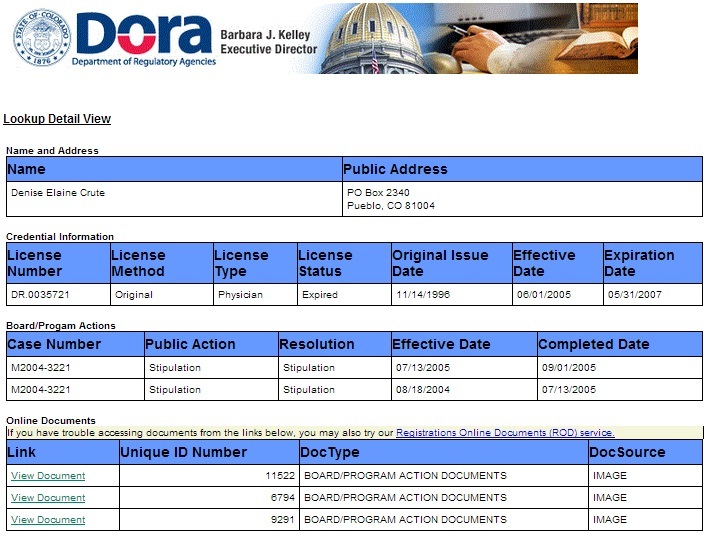
In another example – as seen below – we’ve looked up a surgeon at the Colorado Medical Board.

Looking up a medical license

Looking up a medical license

– All physicians should be licensed in the state of practice (where their clinic is.)  If they aren’t licensed in that state – STOP and find another provider.  Even if the doctor claims to be from another country, he or she is STILL required to have an active license in the state they are working in.**

Here is an example of physicians sanctioned by the Texas medical board (all of this information is freely available on the internet for your safety.)


Here is another example of a surgeon with multiple medical board actions against her.

licence details

license details

Many of the state medical boards will let you read the complaints, actions and disciplinary measures against physicians licensed in that state.  However, some states allow physicians under investigation to ‘surrender’ or inactive their license to avoid having disciplinary measures recorded.

– All surgeons, or specialty doctors should also be listed with specialty boards – such as the American College of Surgeons, or the American Society of Plastic Surgery(While membership is not mandatory, the vast majority of specialty trained surgeons maintain memberships in their specialty organizations.)  Other things to consider while investigating credentials:

Do the credentials match the procedure?  (Is this the right kind of doctor for this procedure?)

These credentials should match the procedure or treatment you are looking for: such as Plastic surgeons advertising breast augmentation.

This may sound obvious but it isn’t always the case.  (for example:  dermatologists shouldn’t be doing eyelid lifts or plastic surgery, primary care physicians shouldn’t be giving Botox injections, general surgeons shouldn’t be performing lung surgery etc.)
If you aren’t sure what procedures the doctor should be performing, look at the specialty surgery board – it should list the procedure.  i.e plastic surgery and liposuction.

4.  After verifying this information, it is time to do a basic internet search on the individual.  To do this – perform both a Yahoo! and Google search.   This should give you at minimum, 10 to 15 results.

These results should include several non-circular results.  “Circular results” are results that return you to the original website, or affiliated websites.   For example: Using the information from above – both Google and Yahoo! return several results that link directly to this website.  These results also return links for the sister sites.  All these of these are circular results – that return you to the starting point without providing any additional outside information.

However, if you scroll down the results:  outside links should appear.  These should include articles/ publications or scholarly work.  Other search results may include more personal information, social networking sites and other newsworthy articles.  This gives you a more comprehensive picture of the provider.

One of the things we should mention, is patient testimonials.  While many providers include extensive patient testimonials, I disregard these for several reasons:

– There is usually not enough information to verify the authenticity of these patient claims.  “I love my doctor. He’s a great surgeon.” – Gina S.  doesn’t really tell you anything.  In particular, there is no way to verify if there really is a Gina S. or if she is a fictitious creation of the website author.  (There have been several cases where people working for the doctors have created ficticious accounts including before and after photos talking about procedures that they never had).  Don’t be lulled into a false sense of security with patient testimonials.

– Some people use blogs, or message boards for the same purpose, and the same caveats apply.

– Another reason that patient testimonials are not useful in my opinion, is that patients (and their families) are only able to provide subjective information.  Several of the cases in the news recently (of fraudulent individuals posing as doctors) had several “happy patients’ to recommend them.  Patients, for the most part – aren’t awake and able to judge whether the surgery proceeded in a safe, appropriate fashion.  The testimonials are merely a comment on the physician’s charisma, which may give future patients a false sense of security.

I’ve finished my search – Now what?

   Use commonsense:

– Surgical treatments should be performed in an appropriate, sterile environment like a hospital or freestanding clinic.  A reputable surgeon does not operate in the back of a motor home, a motel room or an apartment.  (All of these have been reported in the media.)  If the setting doesn’t seem right – leave.  You can also investigate the clinic.

– Bring a friend.  In fact, most surgeons will require this, if you are having liposuction or another large procedure.  Doctors don’t usually drive their patients around (as was done in several recent cases.)  The exception to this rule is medical tourism packages.  These packages often include limousine transportation services but these services are provided by a professional driver (not the doctor, or ‘his cousin’).  Your friend/ companion is not just your driver – they are also there to help feel out the situation.  If something seems amiss – do not proceed.

– if the price is too cheap – be suspicious.  If every other provider in the same location charges a thousand dollars – why is this doctor only charging a hundred dollars? Chances are, it’s not a sale – and he/ she is not a doctor.

– Use reputable sources to find providers – Craigslist is not an appropriate referral source.

– Are the claims over-the-top?  Is the provider claiming better outcomes, faster healing or an ‘easier fix’ than the competition? (We will talk more about this in a future post on  “miracle cures’ and how to evaluate these claims.

I hope these hints provide you with a good start to your search for a qualified, safe, legitimate provider.  The majority of health care providers are excellent, however the internet has given criminals and frauds with an easy avenue to lure/ and trap unsuspecting consumers.

** The majority of cases that have been recently reported have taken place in the United States (Nevada, New Jersey, Florida and South Carolina.)  Many of the people perpetrating these crimes have posed as Latin American surgeons to capitalize on the international reputation of plastic surgeons from South America.  They also used these claims to try and explain away the lack of credentials.  A legitimate doctor from Brazil,  Argentina, Colombia, Costa Rica or another country, who is practicing in the United States WILL HAVE an American license.

Additional references/ stories on fraudulent surgeons.

(Hopefully this section will not continue to grow)

More on the Myrtle Beach story

Myrtle Beach – a nice article explaining why people should see specialty surgeons

Basement surgery

Article on unlicensed clinics in Asia (medical tourists beware!)

A truly bizarre story about unlicensed dentistry in Oregon

Additional references:

American College of Surgeons – lists doctors distinguished/ recognized as “fellows” in the academic organization, and provides a brief summary of specialties.