Talking with Andres Barrientos, Colombian film director


He lives at the top of the world, I think as I climb the hills of Bogota to his studio.   In a sliver of the window of his modest work space, the whole of Bogota is laid out beneath me.  I wonder how this affects the Bogota native’s work; which is dark, profound and futuristic in nature.

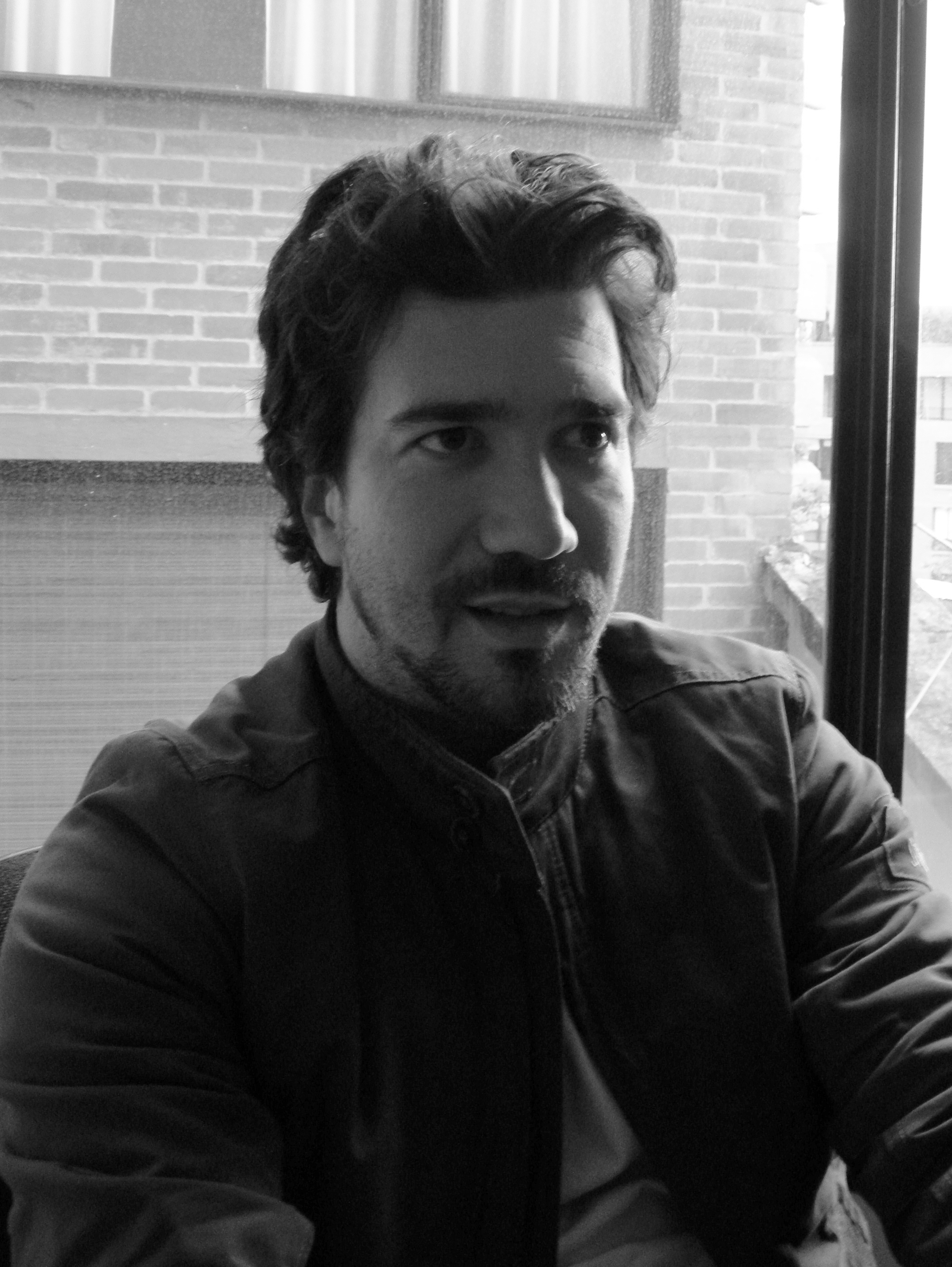
Film Director, Andres Barrientos

In a city where chance meetings are common, I had the good fortune to sit next to a charming and attractive young man at a friend’s dinner party.  As we made the usual small talk, he mentioned that he was a filmmaker.

Now, growing up in California, I had met my share of ‘filmmakers,’ all of who were the self-proclaimed ‘next Scorsese’ or ‘Tarentino’, and all of whom were waiting tables.  So we talked about YouTube and the like, along with one of his current projects, while I remained mainly grateful for the timely rescue his appearance made from the boorish oaf on the other side of me.  He was interesting and charming enough that I offered to interview for him for my modest little blog.

Imagine my surprise to find out that he’s not the next Clint Eastwood.  Or even Tarentino. No, he’s the Andres Barrientos, one of Colombia’s youngest critically acclaimed directors with over fifteen films (and numerous awards) to his credit.   Despite my appalling lapse, he was delightful, kind and prompt.  (The last is especially notable in Colombia, where time has its own interpretation.)

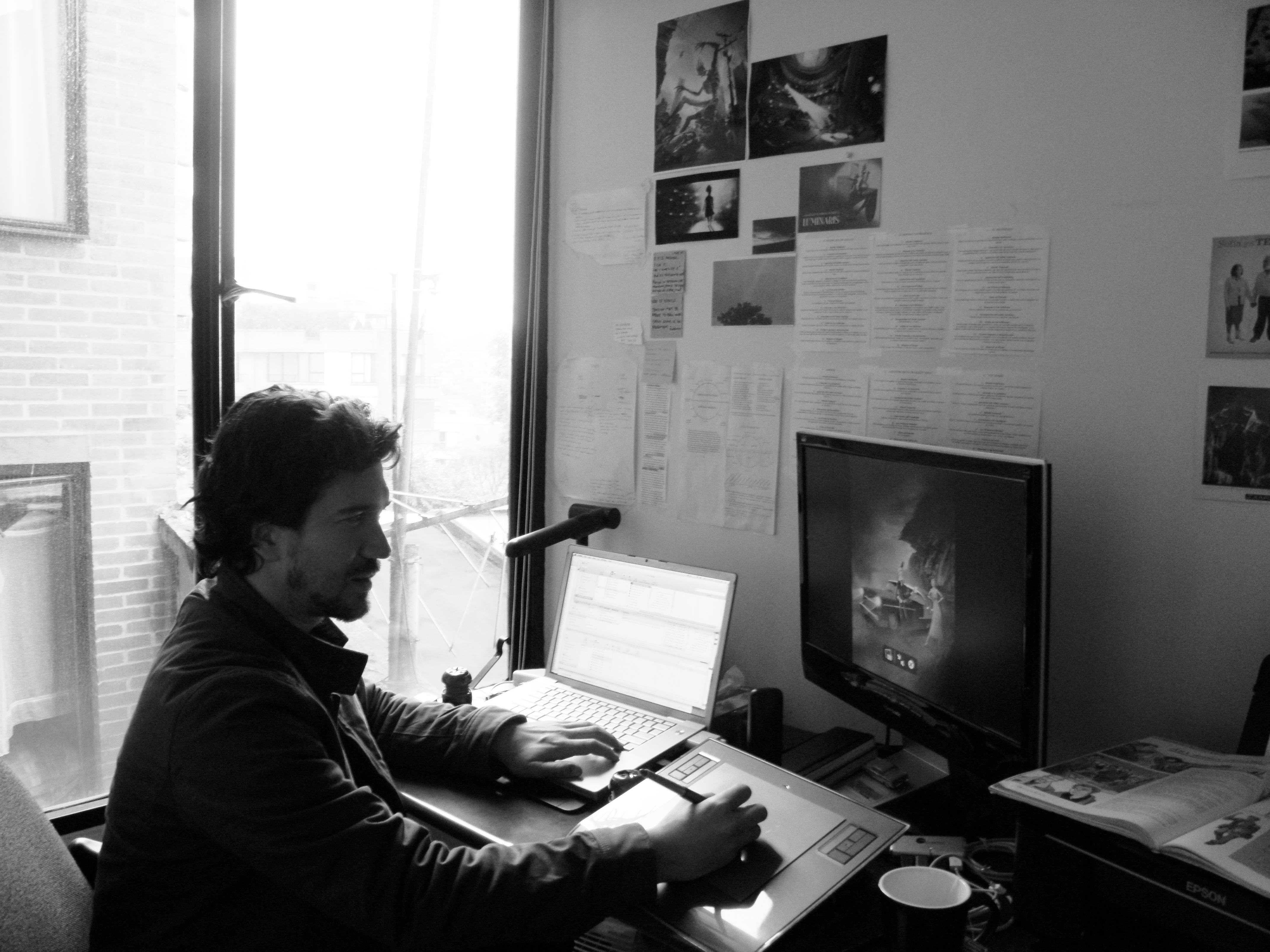
Andres Barrientos, working in his studio

It will take several days to unravel the complexities of Mr. Barrientos and his work – but I’ll be talking more about him and the three projects he is currently working on over at the Examiner.com.

Update: the full article can be seen here.

Christmas comes to the foothills of Bogota


Like I’ve said in a previous post – one of the great things about living in a city like Bogotá, is all of the interesting people..  Some of them are lifelong residents, some are visitors like myself – and others are making Bogotá a temporary home, like my friend, Johanna and her husband, Paul.

a true photographer, my friend, Johanna

Johanna’s a talented photographer (I’ve much admired her photos for a long time) so I am hoping to enlist her in some of my efforts..  She took several of the pictures here (the good ones!)

Yesterday, we went to La Calera which is a picturesque community just outside of the city.  Sundays are a particularly popular day for city residents to get a taste of small town life just twenty minutes outside Bogotá.

leaving the rainy city behind for a day in La Calera

But our excursion yesterday was a bit different from some of the lovely, and lazy afternoons I’ve had wandering the villages surrounding Bogotá.  This time, we were there for a cause.

nope, still not in trouble.. just hanging out

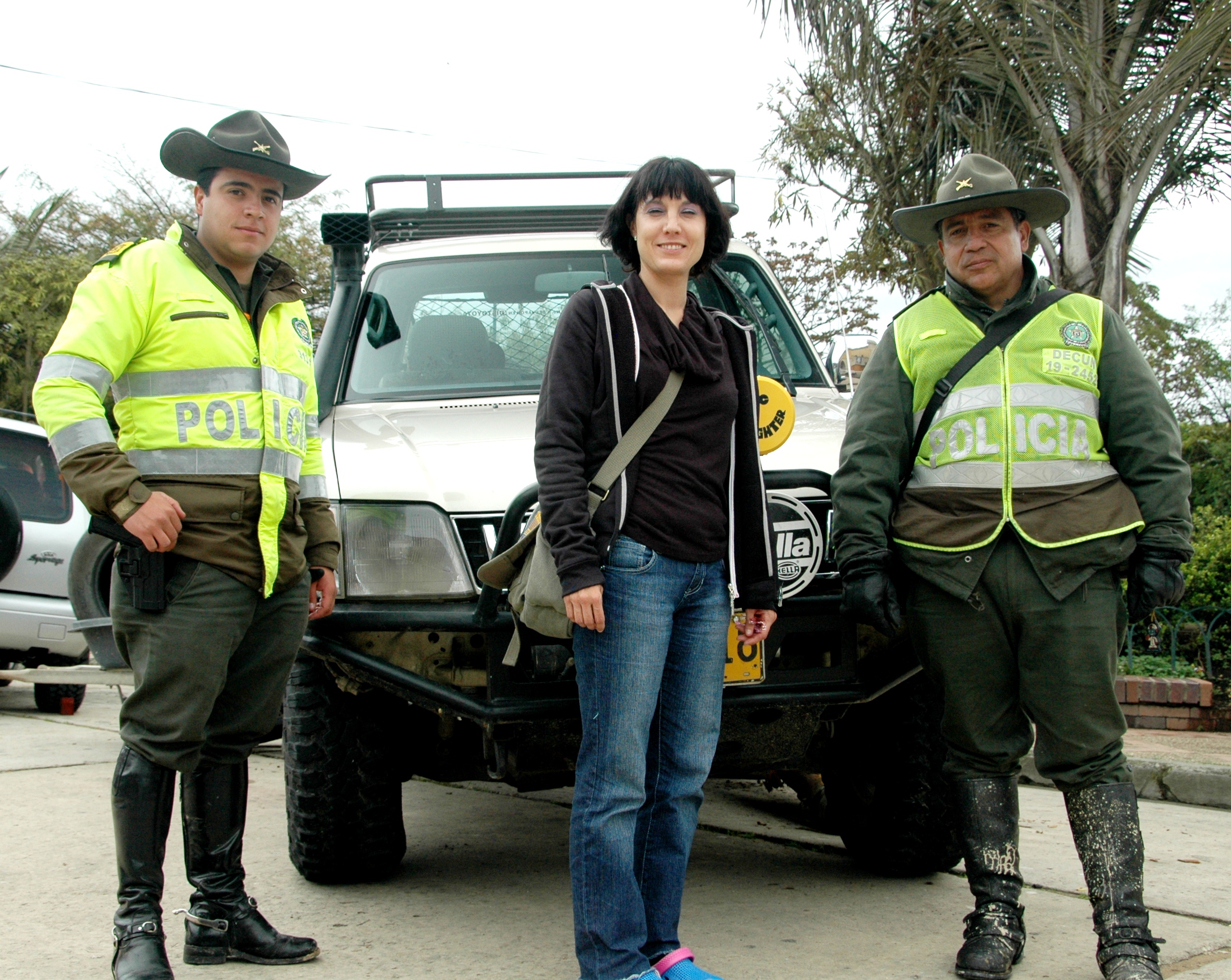
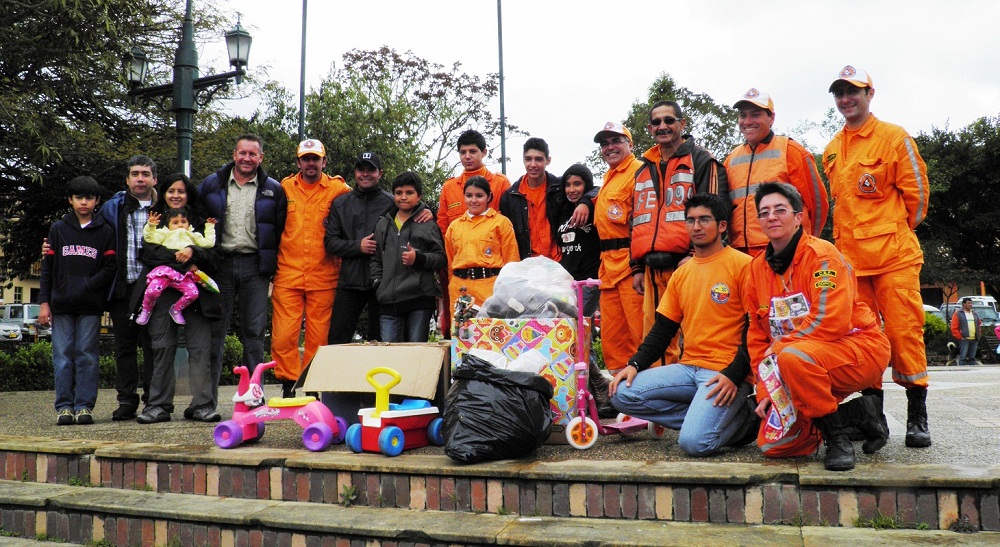
We joined Colombia’s Civil Defense – Cundinamarca division for a toy drive to benefit children in one of the outlying villages.

Civil Defense 4 x 4 division toy drive

They will deliver the toys by 4 X 4 next month..

with the Colombia’s Civil Defense

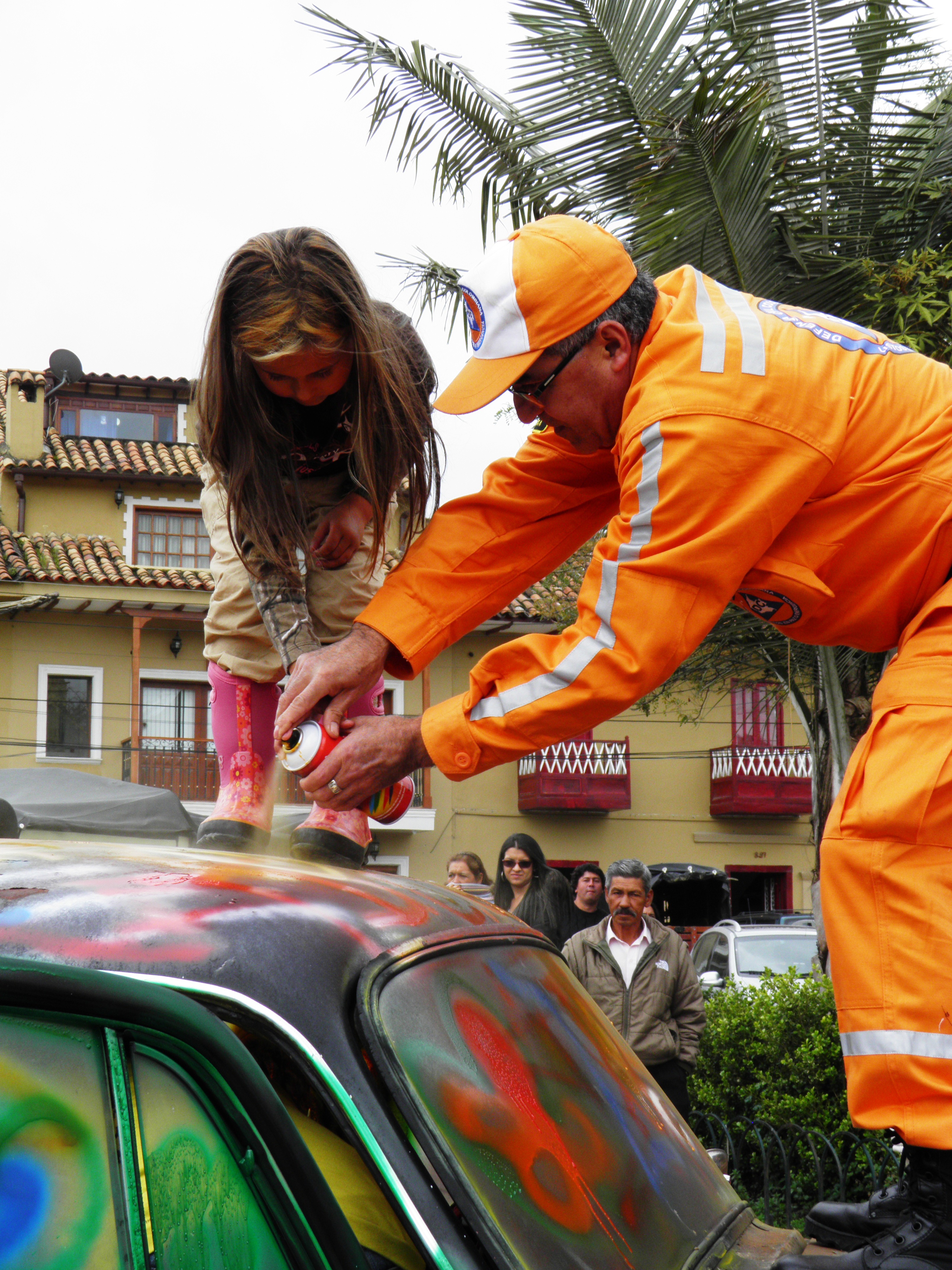
While they were collecting toys – they also had some activities for the local kids – including a ‘Paint the Car’ activity which proved popular with kids and adults alike.  (After all – how often do the police hand out spray paint?)

Civil defense officer helps a small child paint

It was a lot of fun – for a good cause, so I’ve written some more about it over at Examiner.com.

Hoping to do some more interviews this week – to bring more of Bogotá’s residents to readers..

Checking in at Santa Fe de Bogota


After a year and a half – it was time to stop in at Santa Fe de Bogotá and see what was new.

Dr. Roosevelt Farjardo, MD (general surgeon) has been instrumental in implementing some of these new and exciting changes such as the ‘Virtual Hospital’ that I will be writing about (soon).  He was very nice about taking time to update me on some of his new programs at part of the Center for innovation in education and health.  Telemedicine is just the tip of the iceberg as far as some of the cool things they are doing.

Unfortunately, the same can’t be said of the International Patient Center  – or rather – I can’t report anything other than the fact that Ana Maria Gonzalez (the previous director) has left for a position in the United States and that Dr. Carolina Munoz has taken her place.

I was hoping to get some statistics and report back about some of the specialty programs for overseas travelers – but Alas!  I am unable to bring this information to you.  I waited over 70 minutes after my scheduled appointment with Dr. Munoz – and despite several calls from her staff, she never showed up and never attempted to reschedule.

I wish I could say this is an isolated incident – but I am afraid this is more like a clash of “cultures”.  I say this because I met with Dr. Munoz  previously; during the writing of the book (when she was the Director of the International Patient Center at rival Fundacion Cardioinfantil.)

At that time, (if I remember correctly, she introduced herself as a cardiac surgeon who had retired to “spend more time with her children.”)

Of course, my obvious question – was “oh, and how many children do you have?**”

I thought we were making polite conversation – because at the time, I was less familiar with Colombian customs, culture etc.   In reality, she was reminding me of her elevated stature in comparison to mine (as ‘just a nurse’).  Dense as I was – it became obvious as the interview progressed – as she made sure that I knew that she had replaced her rival (Ms. Ana Maria Gonzalez – RN) who had also worked at Fundacion Cardioinfantil in the past.  I’m sure she resented having to answer questions about the Executive Health Program and other aspects of their medical tourism program from someone she found to be inferior to herself.  (She made that pretty clear at that initial interview back in 2011).

So I guess it is no surprise that she didn’t bother to show up to our appointment this week – which is a shame, as I had looked forward to finding out more about the evolving International Patient Center at Santa Fe de Bogotá.

Luckily for me – there was another nurse there, Sandra Salazar – who could give me some basics.   She was delightful, helpful and dreadfully embarrassed about the whole thing.  She was even able to give me a list of some of the American insurance companies they have worked with in the past.  I had lots of questions about the HIPEC program, which she couldn’t answer – but she outlined the entire medical tourist process – and answered a lot of other questions.  She showed me how they streamline the process for their international patients, and the process for medical and surgical evaluations.

Now, there’s some good news for readers:  You aren’t nurses.  You are paying customers – so I am sure that Dr. Carolina Munoz will put aside any of her personal feelings (whatever they are) towards foreigners and will make time for you.

**The answer as none – as she is not married, and was not planning to be married in the foreseeable future.

Now when I am talking about culture – I am not strictly talking Colombia – America.  I am talking about Doctor – Nurse relations.  Watch some old Turner Classic Movies sometime and you will see what I mean..

Now I debated writing about this, but after talking with some other non-Colombians here in Bogotá, I felt it was important to pass it along because it illustrates quite a few things about my work:

1.  It’s not as easy as it looks (I spend a huge amount of time waiting..)

2.  Cultural differences can cause a lot of problems – so be prepared to be tolerant.

3.  If there is a chance that patients may get poor service – I want to know about it!  (And part of readers need to know about – is my experiences.)

Calle de Mascotas – avenida Caracas


Just a few more weeks here in Bogotá before heading back to the United States.  My days are crammed with interviews – so I haven’t been posting as much as usual.

Right now, I am making copious notes – and taking plenty of photos so I can starting writing up several articles in the next several weeks.  Much of my  work will be published over at Colombia Reports.com so I will attempt to keep from duplicating it here.  (Also – I won’t have the time..)

I’ll still try to post pictures and stories here – about Bogotá life in general, to give readers a sense of the city, and the people here since that’s something that they won’t get with my (rather) dry surgical descriptions/ evaluations.

But – I am already working on plans to return to Bogotá, (and other parts of Colombia) this spring.  Once I have some concrete plans, I’ll post them here for readers and (potential travelers..)

homeless in Bogotá

I wandered around Avenue Caracas (Carrera 14) for a bit this afternoon.  It’s not the best area because there are a lot of homeless people, and it has a reputation for quite a bit of crime (muggings and such) but I couldn’t resist walking by the “Calle de Mascotas”  or the three blocks (from Calle 53-56) on Avenue Caracas that hold about a dozen pet stores..

The man crouched down in the photo above just finished stamping out his cooking fire as I came by..

kittens in a pet shop window

It was particularly heart-wrenching for me – while I’ve been down here in Bogotá, my long-time friend and companion – my 17-year-old cat passed away.  (Don’t worry, he was surrounded by loved ones, and died in my husband’s arms).

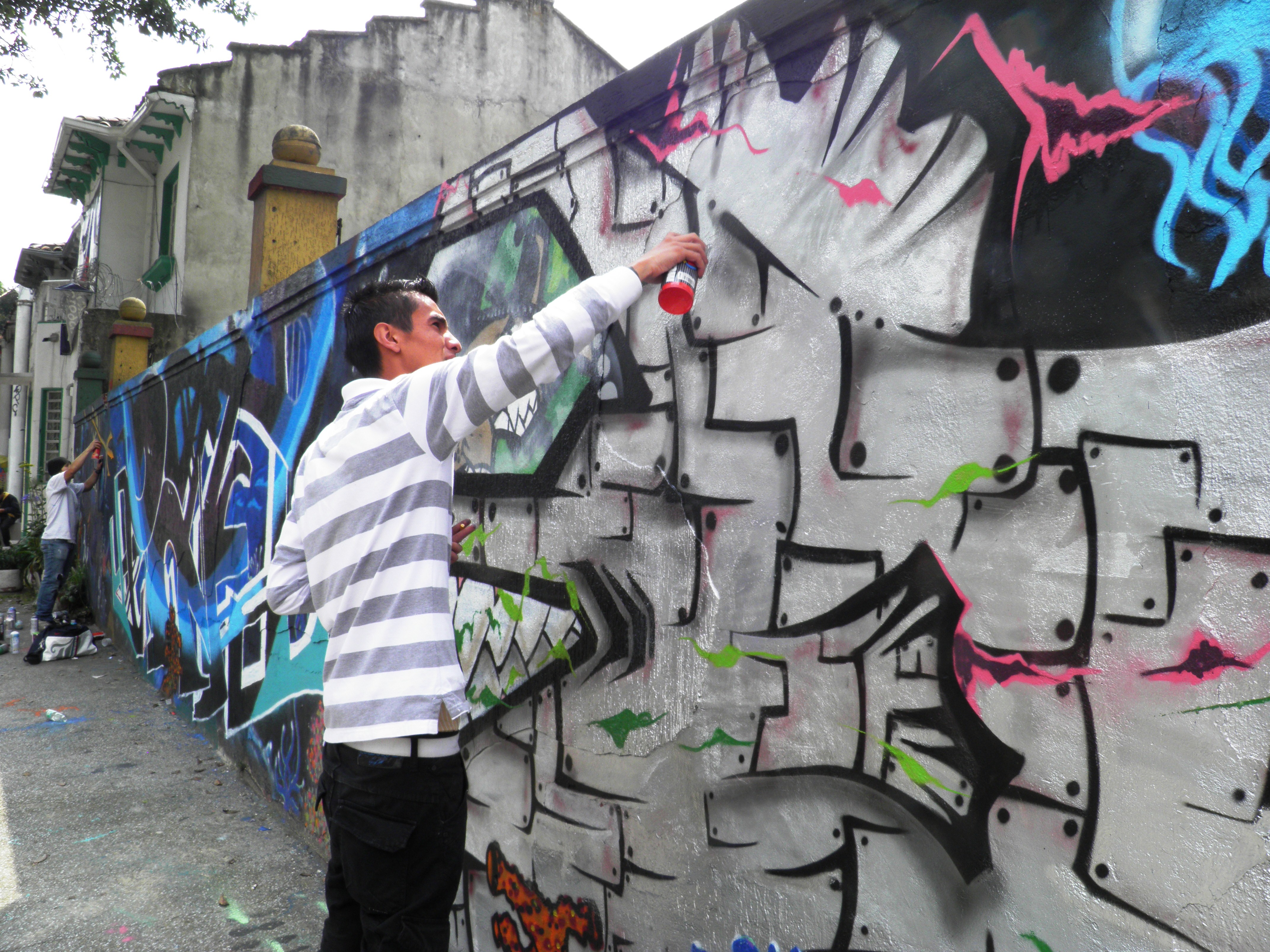
This inquisitive little fellow here reminded me quite of a bit of my cat (though they do not look-alike.)  So it was hard to keep walking – but then next to one of the pet stores, I watched two artists create this mural..

a work in progress

Hard to believe all this detail came from spray paint (no brushes!) but it did..

working on the mural

This artist, and his assistance were really nice, and didn’t mind me taking their pictures.

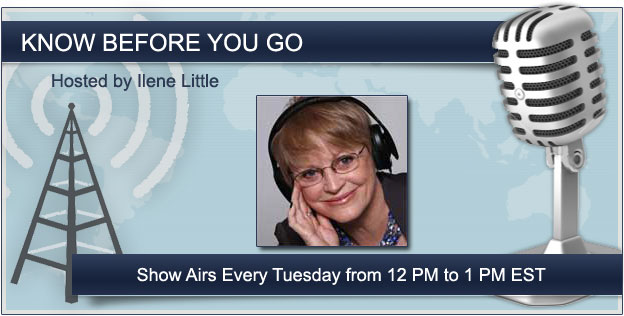
I’ll post some more stories soon.. In the meantime, you can read more about my recent interview with Ilene Little here.

New venture with Colombia Reports


While I have written several books about surgery and surgeons in Colombia, much of this information I’ve obtained from my research has been consigned to sitting on the shelves of various bookstores.

But, now with the help of Colombia Reports, I am hoping to change that.  As I mentioned in a previous post, Colombia Reports.com and it’s founder, Adriaan Alsema have been amazingly supportive of my work, ever since they printed my first article on Cartagena in 2010.

Since returning to Colombia, I have kept in touch with Colombia Reports while we discussed ways to bring more of my research and work to the public.  Colombia Reports is a perfect platform – because it serves a community of English-speaking (reading) individuals who are interested in/ and living in Colombia.   With this in mind, Colombia Reports has created a new Health & Beauty section which will carry some of my interviews and evaluations.

It is an ideal partnership for me; it allows me to bring my information to the people who need it – and continue to do my work as an objective, and unbiased reviewer.  We haven’t figured out all of the details yet – but I want to encourage all of my faithful readers to show Colombia Reports the same dedication that you’ve shown my tiny little blog, so that our ‘experiment’ in medical tourism reporting becomes a viable and continued part of Colombia Reports.

This is more important to me that ever – just yesterday as I was revisiting a surgeon I interviewed in the past (for a new updated article), I heard a tragic story that just broke my heart about a patient that was recently harmed by Dr. Alfredo Hoyos.  While I was unable to obtain documents regarding this incident – this is not the first time that this has happened.

Previous accusations of medical malpractice against this surgeon have been published in Colombian news outlets including this story from back in 2002.

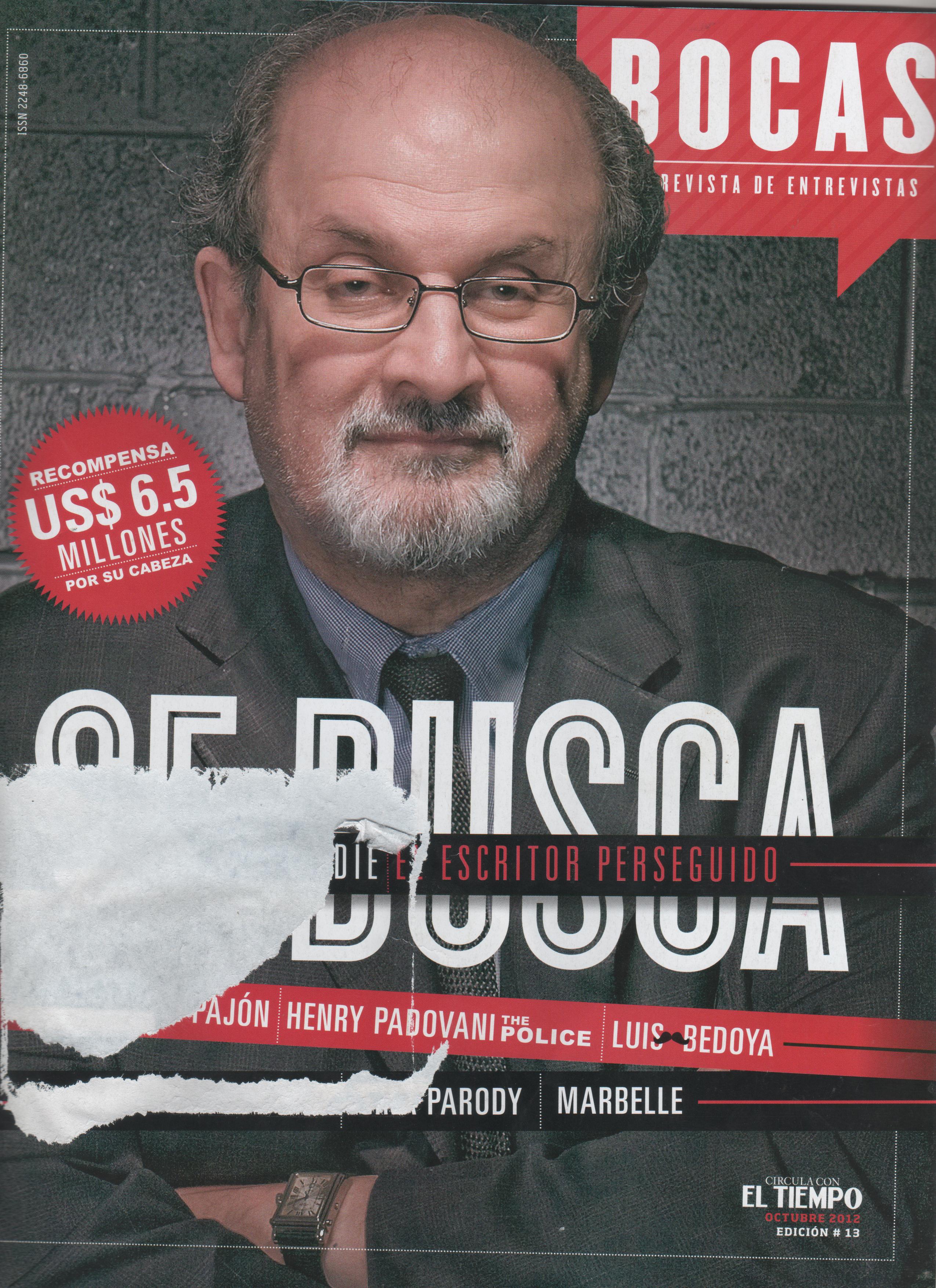
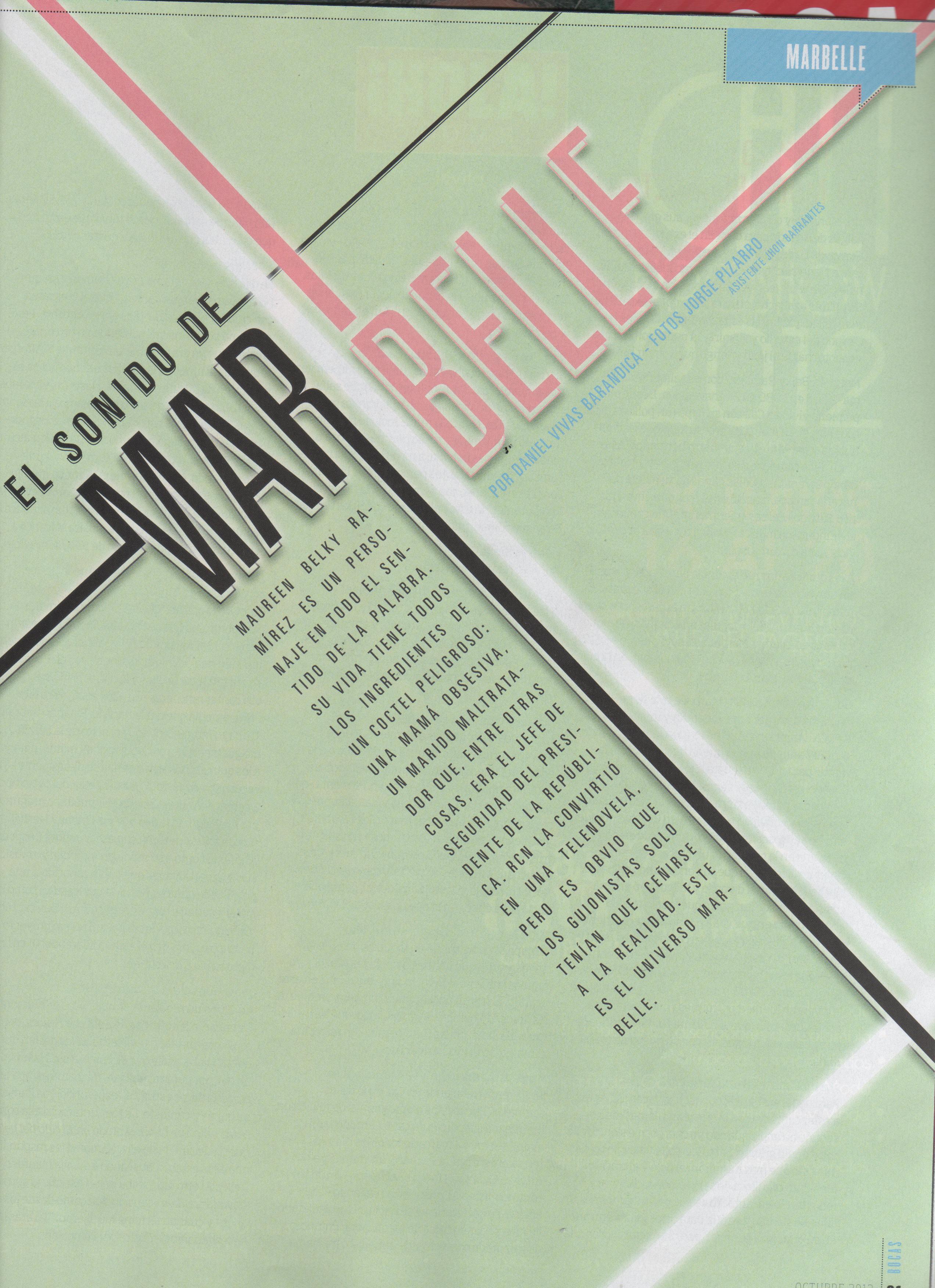
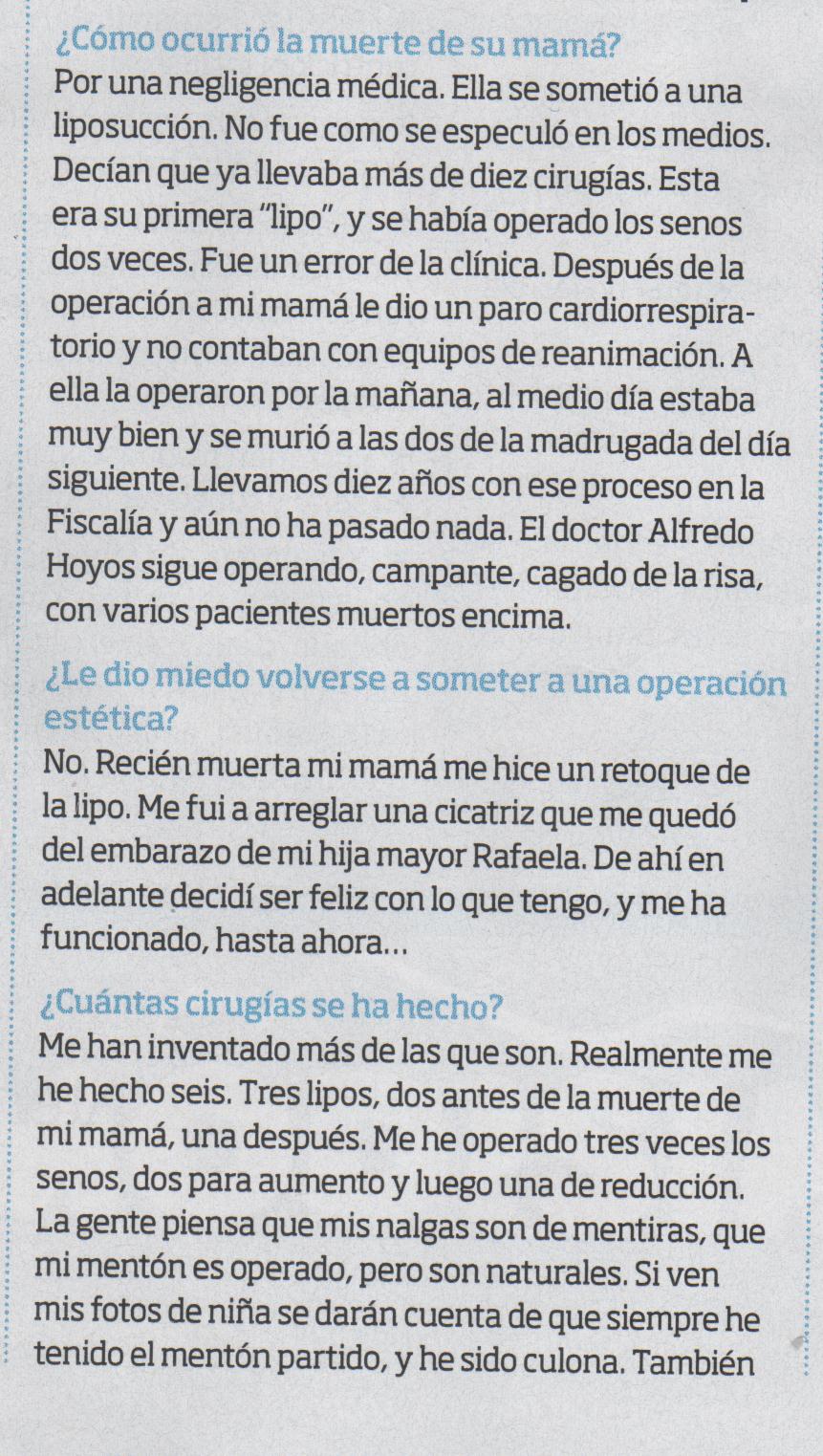
The accusations are from Marbelle, a Colombian artist regarding the intra-operative death of her mother, Maria Isabeth Cardona Restrepo (aka Yolanda) during liposuction.  These accusations were published in Bocas – which is part of El Tiempo, a popular Colombian newspaper, in which the singer alleges that Dr. Hoyos was unprepared, and did not have the proper equipment on hand to treat her mother when she went into cardiac arrest during the surgery.

story about the death of one of Dr. Alfredo Hoyos' patients.

story about the death of one of Dr. Alfredo Hoyos’ patients.

Kristin 002 Kristin 003 Kristin 004

Now – as many of you remember, I interviewed Dr. Alfredo Hoyos back in 2011, and followed him to the operating room, giving me first hand knowledge of his surgical practices.

Readers of the book know he received harsh criticism for both failure to adhere to standard practices of sterility and patient intra-operative safety (among other things.)  I also called him out for claiming false credentials from several plastic surgery associations – and notified those agencies of those claims..   In the book, readers were strongly advised not to see Dr. Hoyos or his associates for care.

But – as I mentioned, my book is sitting lonely on a shelf, here in Bogotá – and in the warehouses of Amazon.com and other retailers.. So, people like that patient – didn’t have the critical information that they needed..

This is where Colombia Reports – and I hope to change all that.   So in the coming weeks, I am re-visiting some of surgeons we talked to in 2011, and interviewing  more (new) surgeons, more operating room visits..

Dr. Ernesto Andrade interview fails again


As many long-time readers know, I spent several months trying to chase down Dr. Ernesto Andrade for an interview while writing the Bogota book, but only got a couple of minutes with one of his surgical interns – who was fairly dismissive.. Despite repeated requests, phone calls and emails were not returned.

Several months ago, I was contacted by Dr. Andrade on LinkedIn, the professional networking site, and he asked if I would interview him.  I was pleased, and explained that I would be in Colombia soon – and would be  happy to talk to him (and gave the date when I would arrive.)   Now after repeated emails, and even an office visit – it looks like I am getting the same run around.

Often when I fail to make contact with someone I would like to interview – I chalk it up to missed / miscommunication (maybe staff never forwarded messages, etc.) but this is clearly something else entirely.

So while I apologize to the many readers who have asked for more information about Dr. Andrade – there is little more that I can do at this point.

A Beautiful Mess: El Dorado International Airport


A Beautiful Mess:  El Dorado International Airport

The new international terminal at Bogota’s airport opened October 18th and it is gorgeous.  Walls of windows and sky-high ceilings give the new terminal a feeling of light and airy spaciousness.  The new space is great for International travelers and on a recent trip to another part of South America, I breezed through check-in and security in just minutes with no hassles.

But for in-country travelers – a word of caution:  while Avianca offers some of the best deals around* – finding their terminal for domestic flights can be a real headache.  While the majority of domestic carriers including LAN, COPA and Sabena are housed in the domestic portion of the airport – Avianca is housed in a completely different area.  Even with my basic Spanish skills, it took some maneuvering.   I had arrived at the airport in what should have been plenty of time; but between trekking  from the international terminal (where my taxi driver insisted on dropping me off despite my protests) walking around ongoing construction and upgrades down to the domestic terminal (passing three separate, but not the correct, Avianca desks) requiring several stops for directions and finally a ride on a bus to get to the Avianca domestic terminal;  I missed my first flight, for which they wanted to charge me a 100,000 peso fine.

While I was able to negotiate my way out of the fine, and ended up flying standby on the next flight – I would advise fellow travelers to other destinations in Colombia to leave early.  Give yourself plenty of time to get around – and catch the airport shuttle if needed.  (Of course, now that you know where the Avianca terminal has been relocated – just ask your transportation to take you there.)  From the outside it looks like a maintenance hanger, with corrugated aluminum walls, (the only different is that now the building is teeming with activity).

But despite the hassles – in six months – El Dorado International Airport will be beautiful and finished.  All of these hassles and confusion will be sorted out – and travel will be smooth and effortless; like it was for my recent trip to Chile.

In the meantime, if you get the opportunity to see other parts of Colombia like Medellin, Cali, Cartagena, Santa Marta or the Coffeelands – do it.. Just be prepared for a little chaos on the way out..  Try Viva Colombia for low-cost domestic flights..usually around 40 to 60 dollars a trip (Medellin to Bogotá, one-way)

*For my current domestic excursion consisting of a three leg journey – from Bogotá to Cali – then Cali to Medellin and then back to Bogotá again – the total price was only 156.00 dollars (taxes included).

Fundacion Santa Fe de Bogota ranks among the best in Latin America


Santa Fe de Bogotá ranked second in Latin America

In the most recent American Economics (AmericaEconomica), Fundacion Santa Fe de Bogotá ranked second in the category of “Capital Humano” coming in just behind Clinica Alemana, in Santiago, Chile.  Fundacion Santa Fe ranked #4 overall.

Capital Humano

This category ranks and measures the education, training and research among the staff of each facility, as well as on-going improvement projects and educational offerings.

Of course, it’s no surprise to readers of Hidden Gem that the surgeons over at Santa Fe de Bogotá excel at academic excellence.

Now – while we give Kudos to Santa Fe de Bogotá, as well as Hospital Israelita Albert Einstein (Brazil) and Clinica Alemana for their outstanding rankings – we remind readers that rankings aren’t always what they are cracked up to be.

AmericaEconomica, “The best hospitals and clinics in Latin America.”

The people of Bogota


I’m actually out of the city for a few days – but during my long flight, I reflected on some of the reasons I enjoy this city so much.

Why do I enjoy Bogotá so much?

Well, the people, of course!  Now, I know that people are shaking their heads – but for a small-town girl like me,  a cosmopolitan city like Bogotá is very exciting indeed.   So many festivals, events, galleries and museums**.

But it’s the people who are the heart of the city – and what really brings it alive.   Just this week, I had the opportunity to rub shoulders with and talk to a Colombian film director, a geo-petroleum engineer, a civil rights (labor) attorney  and one of the executives of Caracol.   It’s just that kind of town – like Washington D.C. but down-to-earth and accessible.  [Now, my little eight-year-old friend, Flavia has met President Santos just walking on the street one day, but I haven’t.]  But there are still wonderful opportunities to meet and talk to interesting people who I might not cross paths with in my ‘normal’ life in the hospital.

For example, I found myself sitting next to the film director, Andres Barrientos at a birthday party for a mutual friend. (Of course, the guests at the party were a like a small UN delegation – but less protocol and more fun;  it included Colombians,  two delightful ladies from Venezuelan, a British gentleman, and the guest of honor – another American like myself –except for her beautiful Argentinean Spanish.)  These are all just people and friends I have made wandering around the city..

Of course – talking about the ‘extranjeros’ or foreigners living in Bogotá is an entirely different topic – and one we will get around to one of these days.  But as I chatted with the very normal, very nice Mr. Barrientos (and he politely refrained from laughing at the ridiculousness of my YouTube efforts), it made me consider how many film producers I met in Danville, Virginia, Mexicali, Mexico or Reno, Nevada during my various moves.  (The cumulative answer is: Zero.)  And why would I – on the streets of my small southern town?  But Bogotá is a different matter entirely – it is a global city, with its tenacles on the pulse of Colombia, Latin America and the world.

Global positioning and perspectives

Talking with labor attorneys and several petroleum company officers just brings home some of the amazing lack of insight we (as North Americans) have on some many issues affecting the rest of the world – and our roles within this context.

While Americans are often accused of being willfully ignorant – this just isn’t true.  The reality is that: we are intentionally blinded as citizens to much of the outside world.  I mean, I make a continuous, specific concerted effort to find English language information about issues facing Latin America (for this blog) and it is exceedingly difficult.

What we do see on CNN, BBC and our nightly news and read has already been translated (and censored) for our consumption.  As a result – if it isn’t a  sensationalized report about a bomb going off somewhere – or a huge drug seizure, then there just isn’t much information available – whether we are talking about our southern neighbor, Mexico, the economic powerhouse of Brazil, Colombia, Peru, Chile or any of another dozen countries.

But when you live somewhere like Bogotá – you become more globally informed just by meeting and interacting with all of your fellow Bogotá residents – from UN representatives, other foreign nationals on down to your every day taxi driver.  (Always talk to the taxi drivers – they are usually exceedingly nice, have a wealth of information and different perspectives on everything from affordable healthcare, the American presidential elections, the environment and Latin American economic policies.  You will be surprised what you will learn.)

That’s just something I can’t get on Main Street, Danville, Virginia..

**Speaking of which – they are offering my book for sale at the Festival de Librarias in Parque 93 this weekend.

Back in the OR with Dr. Sergio Abello


Clinica Shaio

Spent part of yesterday back in the operating room with Dr. Sergio Abello.  Dr. Abello is an orthopedic surgeon who specializes in foot and ankle surgery.  (He also have a specialized computer system in his office for truly customized orthodics).

Dr. Sergio Abello de Castro, Foot & Ankle Center 

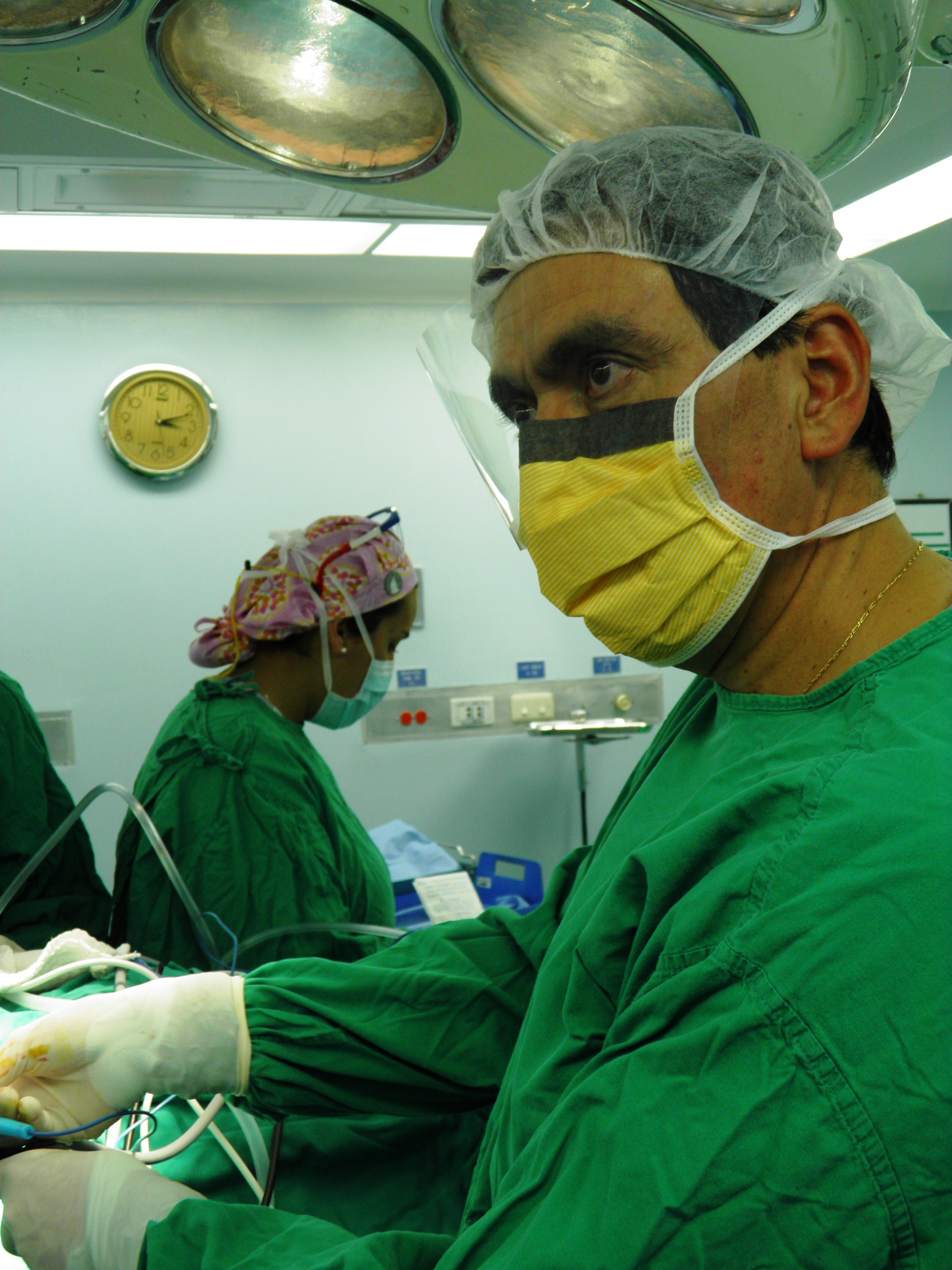
It  was a chance meeting in the hallway, but as always, with the gracious and genial surgeon – it led to the operating room.  He apologized, “it’s just a small case,” but everything went perfectly.

Dr. Sergio Abello (right) with orthopedic resident, Dr. Juan Manuel Munoz


Patient was prepped and draped in sterile fashion, with no breaks in sterile technique.  Case proceeded rapidly (previous surgical pins removed).

The was no bleeding or other complications.

Yvonne (left), surgical nurse

Anesthesia was managed beautifully by Claudia Marroqoon, RN – with a surgical apgar of 10.  The patient received conscious sedation and appeared comfortable during the procedure.  There was no hemodynamic instability or hypoxia.  Oxygen saturation 100% for the entire duration of the case.

More health problems from Vice-president Garzon


Long plagued by cardiac problems, and a recent stroke; Vice President Garzon now has another burgeoning health crisis; prostate cancer.  This news seems almost incredulous; just as the President of the nation, President Juan Manuel Santos recovers from his own surgery for prostate cancer.  This prompted a discussion among the Colombian senate a to whether Garzon will continue in his position as vice president – as his recent health problems are interfering with his ability to participate in the governing of the nation – Garzon acknowledged these limitations..

Speculation as to the extent of Garzon’s cancer varies, but it is presumed to be more advanced than President Santos, as Garzon is scheduled to undergo 39 radiation treatments rather than surgery.

Vice-president Garzon’s wife is recovering her own battle with cancer for renal cell carcinoma after a recent nephrectomy.

Colombian Economy

a homeless woman rests against a construction barrier of one of the newest Bogotá high rises

In other Colombian national news – a recent (last week) report gives the official unemployment rate at 16%.  Despite this – widespread construction and other signs of economic growth continue in the capital city, Bogotá.

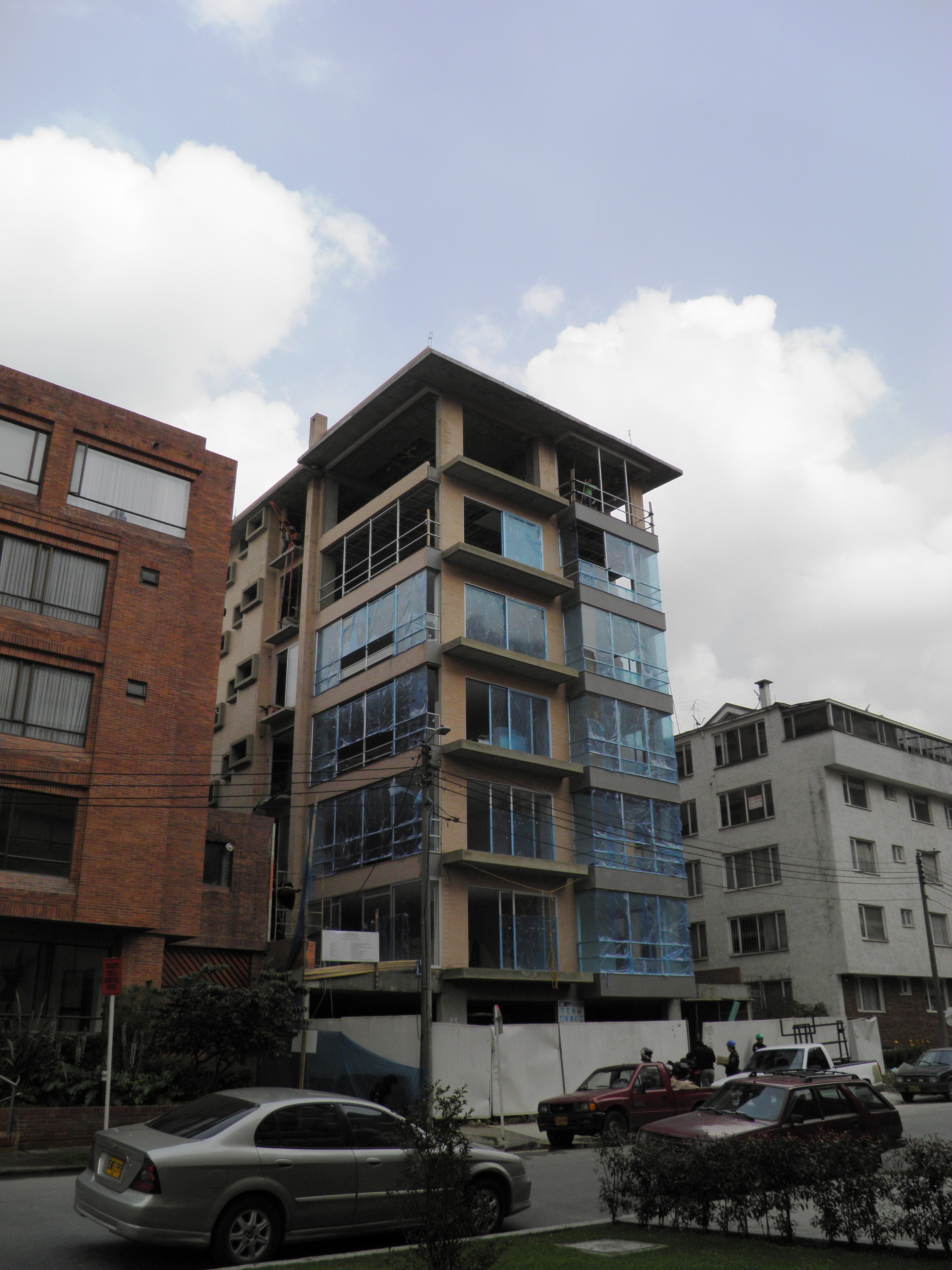
construction of new building on Carrera 19B, more construction seen in the background

It seems as if all of Barrio Chico, Usaquen and all of the surrounding (and mainly upscale neighborhoods) are undergoing extensive growth – as multiple high-rise apartment buildings are being added to the skyline.

More construction in Barrio Chico

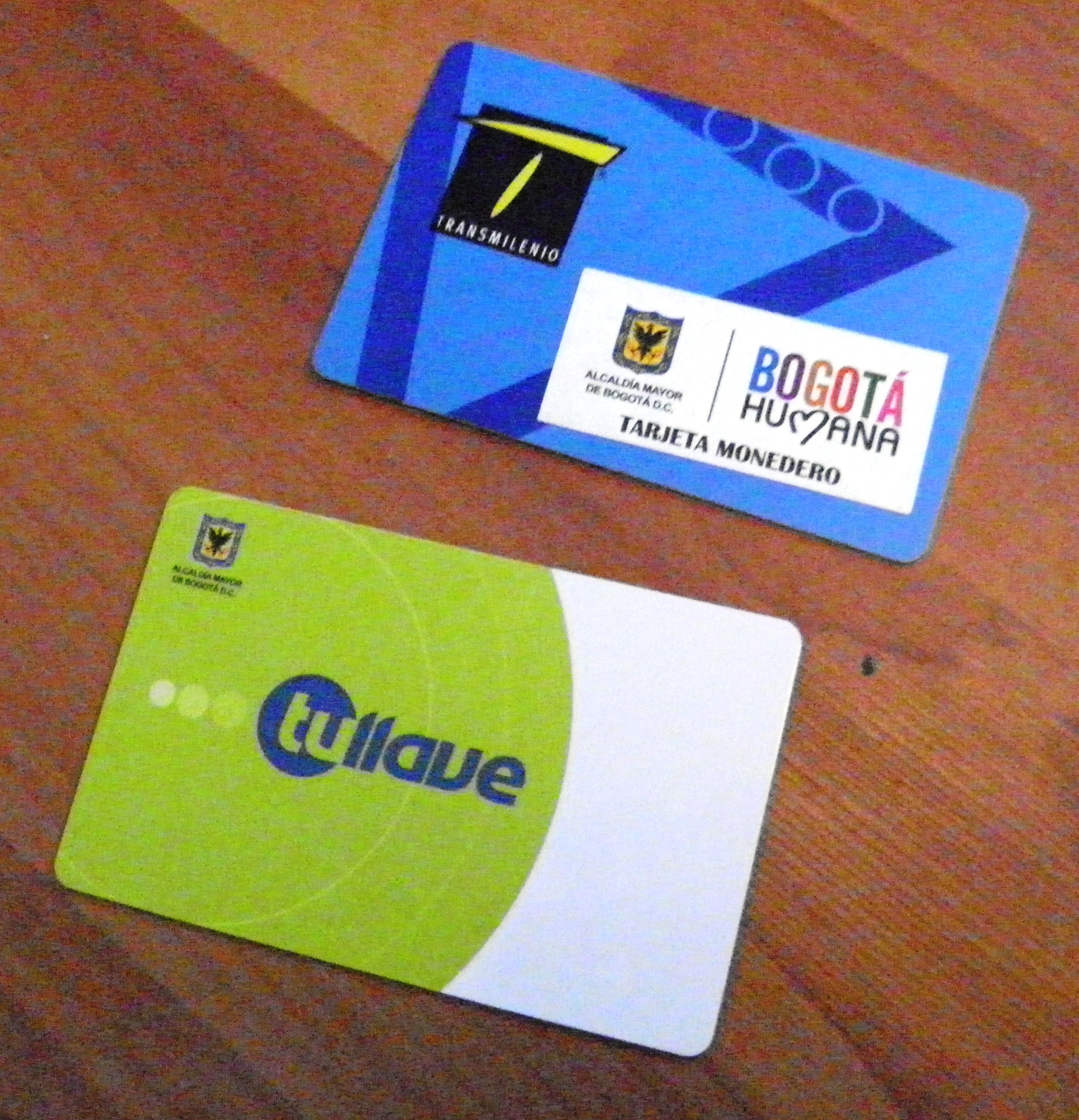
More upgrades and changes coming to Transmileno – so frequent riders and tourists need to be aware – the city is getting ready to change to the classic red “rojo’ translmileno card as they upgrade the transportation system.  (Cards come in green, blue and red versions).  Riders are being advised to buy tickets in a  pay-as-you-go fashion to avoid losing their fares as these changes are implemented over the next three weeks.

blue and green Transmileno cards

There  are new lines, new stops and new triple sized buses aimed to preventing some of the congestion and overcrowding which plagues the system at peak hours.  This is the third phase of a plan to integrate and upgrade the city’s transportation system.

Green living in Bogota


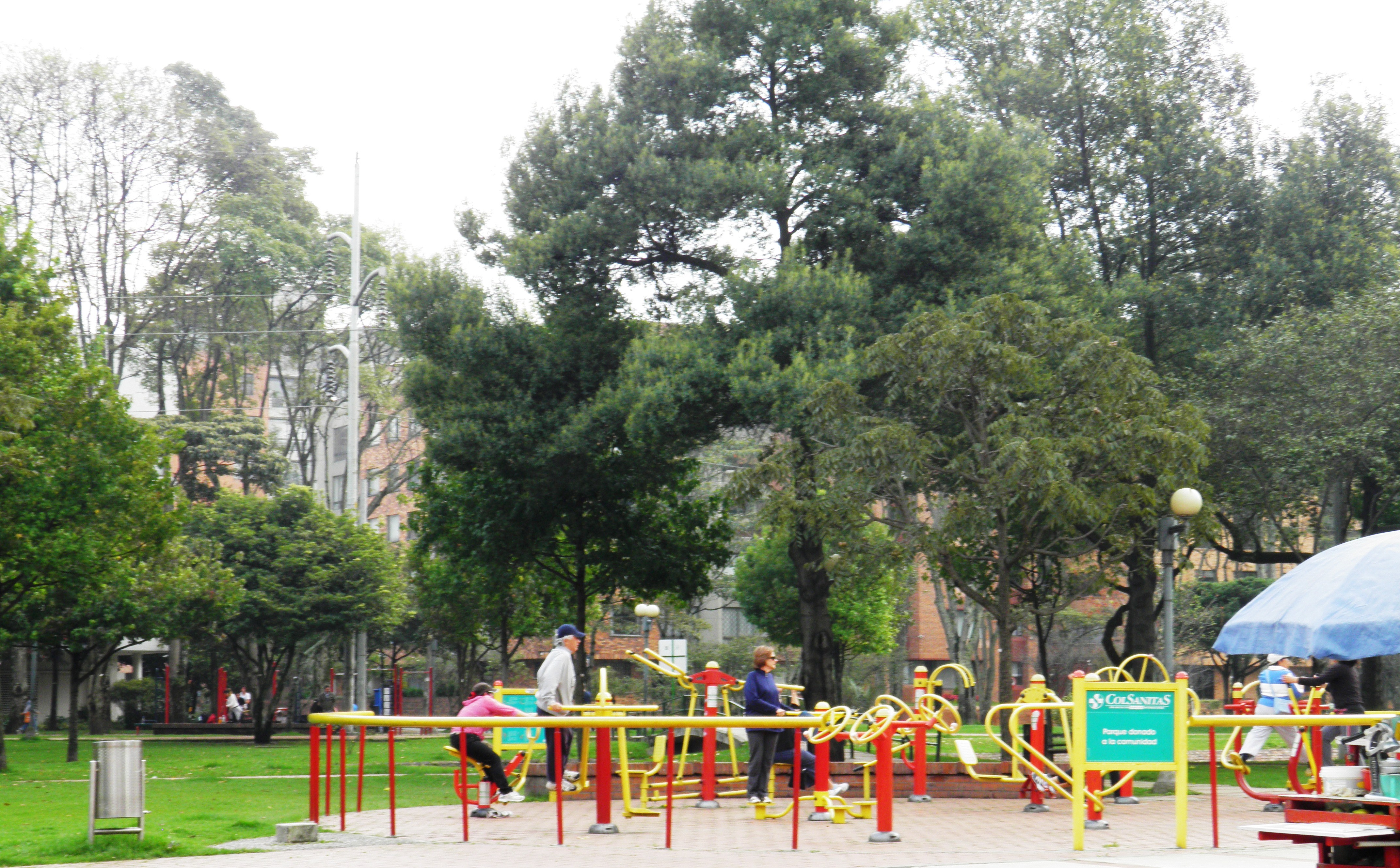
We’ve talked a lot about how the city encourages exercise on Sundays  – by closing the streets to promote family outdoor activities – but the city has quite a few more examples of healthy living… Many of the local parks have exercise equipment donated by local health insurance companies.

people exercising in the park

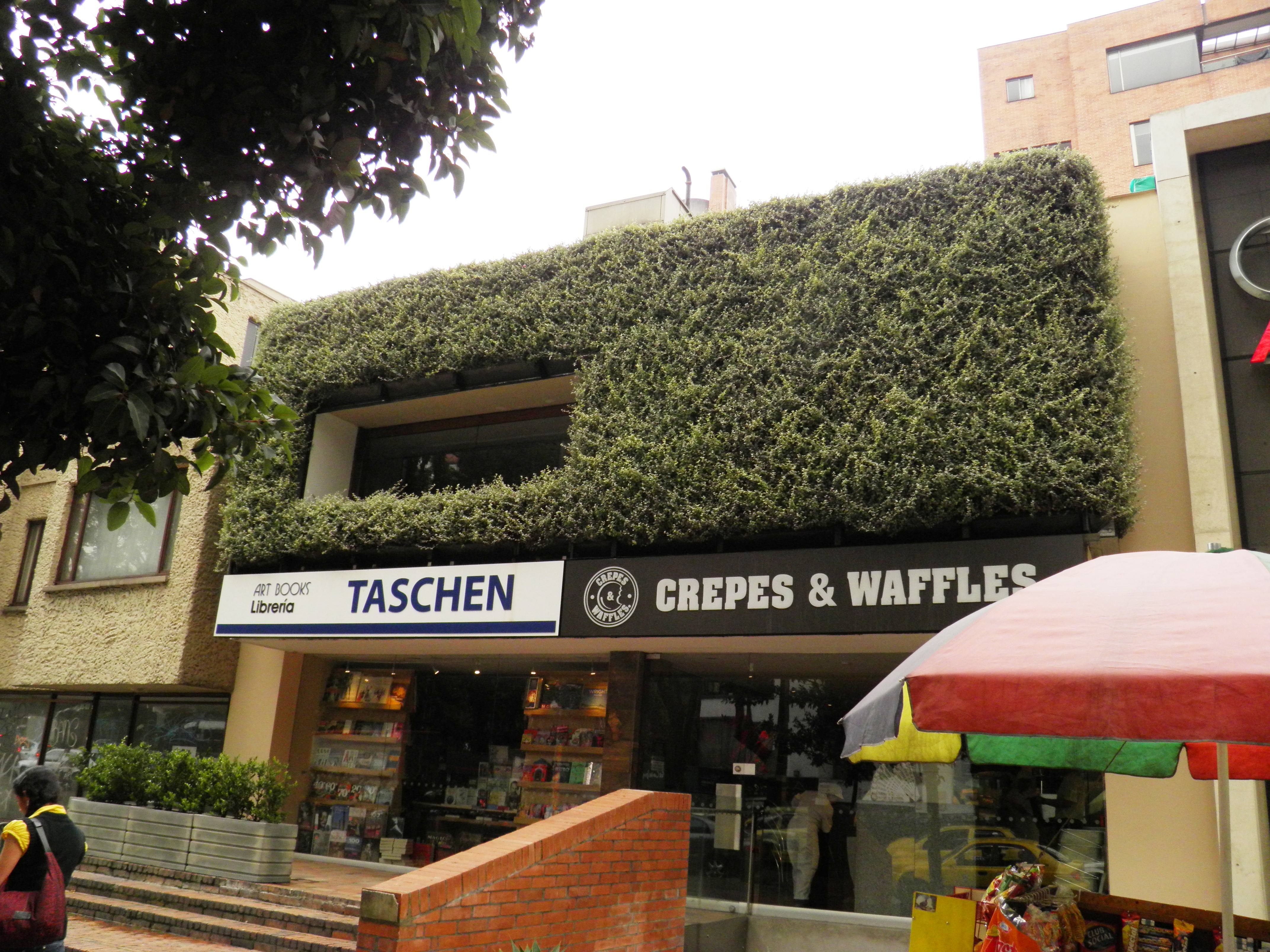
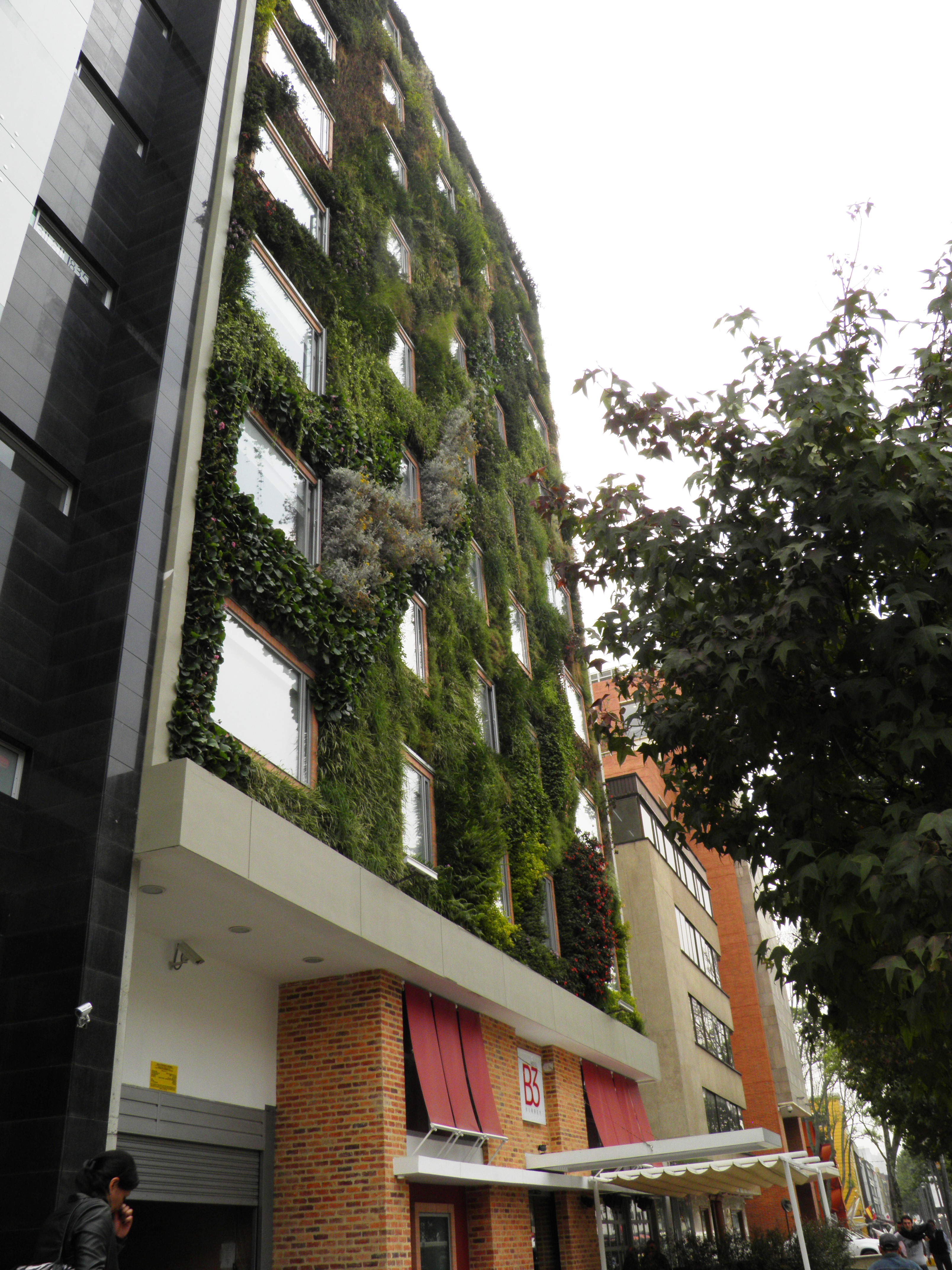
Even more interesting – is some of the green architecture in the city.  Here are a few examples just from my daily walk around Carerra 11 and Carrera 15.  (I’m sure there is a lot more if I actually made an effort to look.)

Green architecture in Bogotá

If you look close at this home, you will see the walls are completely covered in greenery – and it’s not creeping vines..

on Carrera 11

Here’s another example (a delicious one – since it’s attached to a Crepes Y Waffles restaurant.)

And for the finally, the Hotel B3 Virrey on Carrera 15 #88-36, (next to a park, and the flower stalls – and just three blocks from Clinica del Country).

The Hotel B3 on Carrera 15

Sunday in Usaquen


Sunday streets open for pedestrians

Since I am always talking about Sundays in Bogotá – I thought I would post some photos..

Today we walked along the streets (Carrera Septima) to enjoy the sunshine in Usaquen.

Streets closed to auto traffic to allow Bogotanos to enjoy the city, walking, on bikes, skates, skateboards – and strollers as families enjoy the sun.

We walked to the marketplace and enjoyed the park.  (One of things I particularly love is that when you go to the park – kids are playing soccer, not with their iPhones..  (of course they have iPhones- they just put them aside for a few hours.)

Flavia in park,, kids playing in background

Teaching Flavia some basic gymnastics today – cartwheels, handstands and such..

in the park

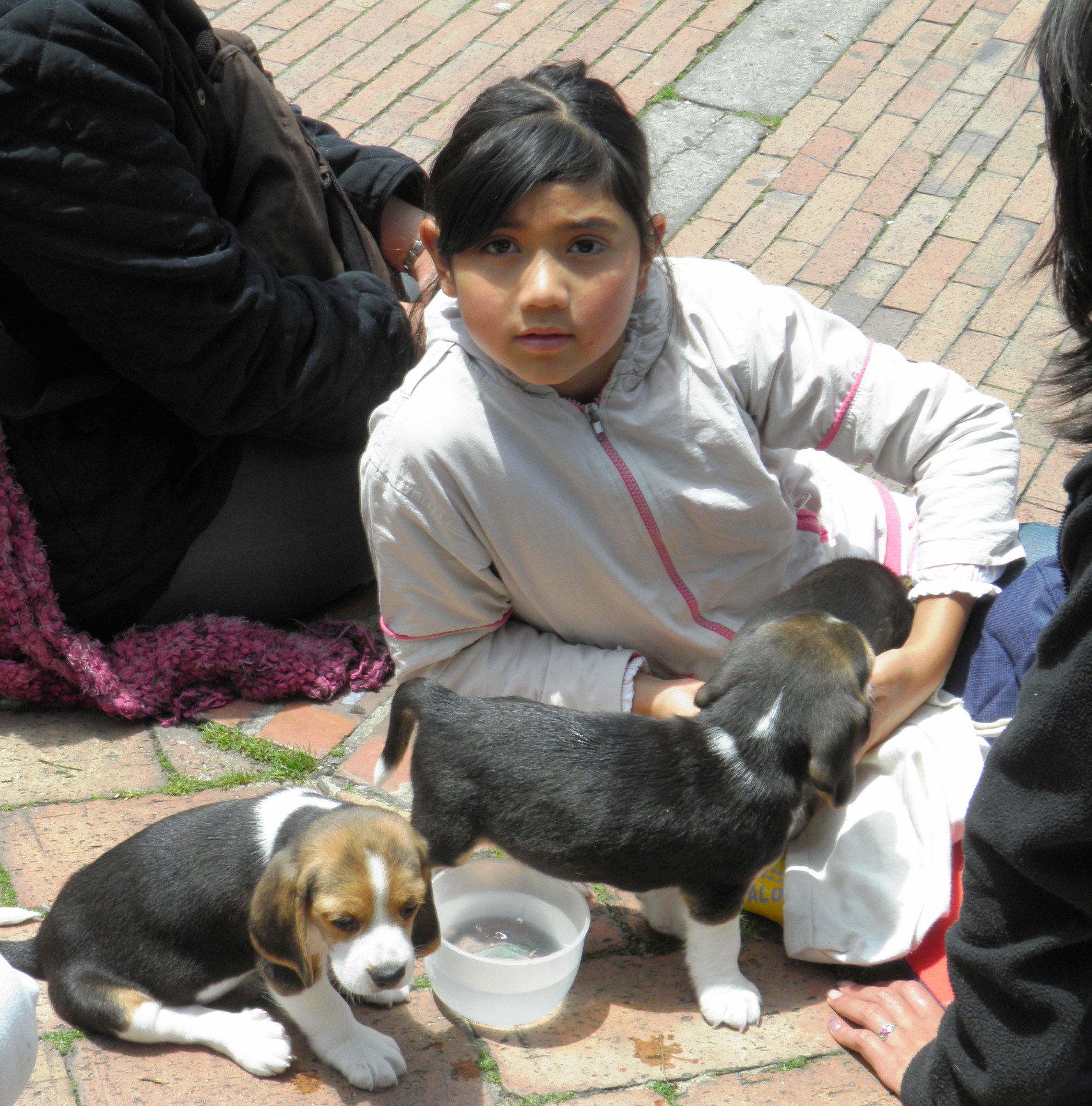
A girl offering puppies in the park (with parents, not pictured)

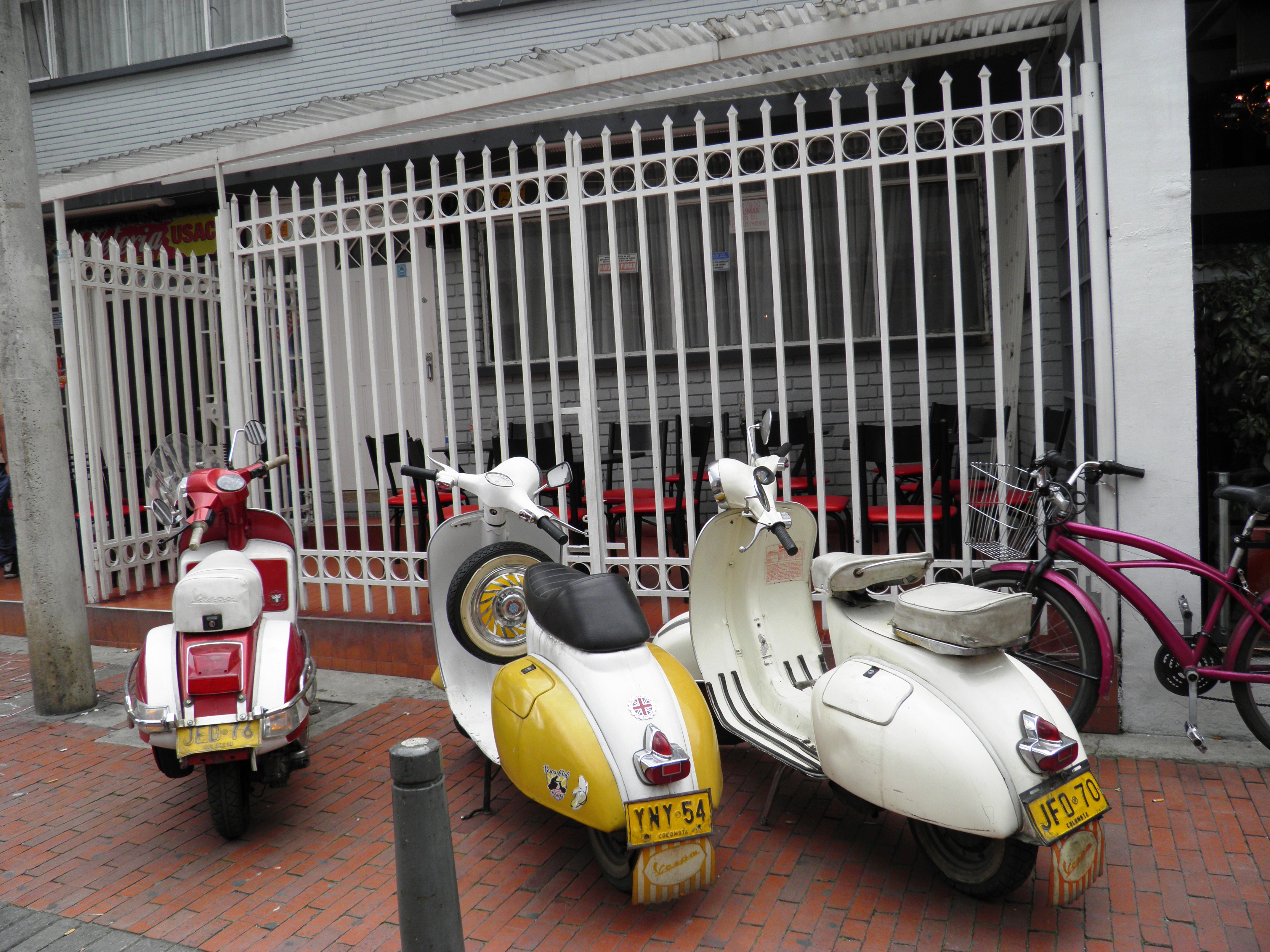
vintage rides in Usaquen

This guy was minding his own business – but he just looked cool (James Dean style)..


you can see the tips of the marketplace stalls (white tent tops)


Edward Lifesciences and TAVI wins again..but do patients?


A frightening decision by the FDA just as a savvy reader forwarded an episode of last season’s Grey’s Anatomy – which highlights the issues involved in the use of TAVI.   In this article, “FDA extends Sapien use to high-risk surgical patients“, Shelly Wood at the heart.org explains the FDA’s recent decision to expand eligibility criteria for TAVI use to patients eligible for surgery, (but deemed high risk).  No mention is made of the recent controversy over TAVI due to higher than expected complications.

At the same time, a reader encouraged me to watch last season’s Grey’s Anatomy episode where a low-risk patient demands (and RECEIVES) TAVI instead of traditional surgery because he doesn’t want a scar to mar his physique.  Of course, there is no mention on the show of post-procedural complications (because it’s a fictional program on television) but the very manner in which the episode was handled is frightening.

There was no discussion of unnecessary risk for the patient using experimental technology, or of the Major vascular complications that occur in more than one in seven TAVR patients: according the PARTNER trial.  There is also no mention of the drastic increase in mortality if these complications occur.  In the episode, the resident researches the procedure – and decides (appropriately) that the procedure is not suitable for the patient.  He is then scooped by the cardiac surgeon, who decides, “hey – what the heck – seize the day!”

Link to clip of Grey’s Anatomy

But as I said – it’s only television, right?  Except that it isn’t.  It’s a powerful medium used to disseminate information to the millions of people who watch that program.  (9.5 million people, according to recent ratings information.)  They also make a pretty huge leap on the program – changing TAVI from a procedure supposedly for patients with no other option (surgery ineligible) to a low-risk patient who wants to avoid a scar..

and now – the FDA expands criteria – despite a turbulent summer which included  previous criticism (by the FDA) based on irregularities in the PARTNER trial itself – and a violent controversy over the safety of this procedure.  The British Medical Journal also published an article over the summer decrying the overuse of the procedure.

Additional References – more in archives

1.  Amabile N, Azmoun A, Ghostine S, Ramadan R, Haddouche Y, Raoux F, To NT, Troussier X, Nottin R, Caussin C. (2012).  Incidence, predictors and prognostic value of serious hemorrhagic complications following transcatheter aortic valve implantation. Int J Cardiol. (2012 Oct 15). pii: S0167-5273(12)01131-X. doi: 10.1016/j.ijcard.2012.09.025. [Epub ahead of print]

Since the article is not available – I have included the abstract.

Abstract

BACKGROUND:

TAVI is an alternative solution for patients with aortic valve stenosis (AS) who are refused for conventional surgery. We sought to evaluate the incidence, characteristics, predictors and prognosis impact of serious hemorrhagic complications following transcatheter aortic valve implantation (TAVI).

METHODS:

One hundred and seventy-one consecutive patients with symptomatic severe AS (83.5±6.1y; 53% women; mean EuroSCORE=22.1±12.3) underwent transapical (TA) or transfemoral (TF) TAVI in our institution using Edwards SAPIEN© and Medtronic CoreValve© devices. The primary evaluated criterion was the incidence of any bleeding complication, according to the Valve Academic Research Consortium (VARC) criteria.

RESULTS:

VARC serious hemorrhagic complications occurred in 34.5% of patients (n=23 life-threatening/disabling (LT/D) and n=36 major bleedings). Most of these complications were related to access site complications (69%). Multivariable analysis revealed that TA access, low weight and underlying coronary artery diseases were independent predictors for development of serious bleeding. The mortality was significantly higher in patients with serious events compared to patients without bleeding (p=0.008, log-rank analysis). Although the survival didn’t significantly differ in patients with major hemorrhagic events, subjects with LT/D bleeding events had a higher mortality than the subjects with no hemorrhagic complications (p<0.001, log-rank analysis). Occurrence of VARC LT/D event independently predicted all-cause mortality (HR=5.35 [2.51-11.43], p<0.001) during the first year following TAVI in multivariate Cox regression analysis.

CONCLUSION:

Severe bleeding is frequent following TAVI procedure and is mainly related to local hemorrhage. VARC LT/D events are associated with decreased survival after AS correction.

2.  Gul M, Erkanli K, Erol MK, Bakir I. (2012).  Ventricular Embolization of Edwards SAPIEN Prosthesis Following Transcatheter Aortic Valve Implantation.  J Invasive Cardiol. 2012 Oct;24(10):537-8.  While this is a single case, this illustrates much of the data presented in a previous post.

3.  Latsios G, Toutouzas K, Tousoulis D, Stathogiannis K, Tentolouris C, Synetos A, Filis K, Stefanadis C.  (2012).   Prosthetic aortic valve removal from the abdominal aorta after successful “valve-through” TAVI.  Int J Cardiol. 2012 Oct 12. pii: S0167-5273(12)01285-5. doi: 10.1016/j.ijcard.2012.09.164. [Epub ahead of print]
Given that the patient almost lost his leg (and was taken to the operating room for emergency limb salvage surgery with a vascular surgeon), I think ‘success’ is a bit presumptuous for the title.  Reminds me of an old medical joke around the hospital when I was in training (which I have made some adjustments to.)
Dr. [exhultant as he leaves the cath lab] “I successfully implanted the new TAVI valve.”
Nurse:  But doctor, the patient died twenty minutes ago, [as she covers wheels corpse out of cath lab.]
Want more information on TAVI and aortic stenosis?  Just look in our archives.

Thoracic surgery and sympathectomy


Clinica Palermo,

Dr. Luis Torres, thoracic surgeon

I went back to see Dr. Luis Torres, thoracic surgeon and spent the day in the operating room with him for a couple of cases.   He is a very pleasant, and friendly surgeon that I interviewed last week.  Dr. Torres just recently returned to Bogotá after training in Rio de Janeiro for the last several years at the Universidade de Estado de Rio de Janeiro.  He completed both his general surgery residency and thoracic surgery residency in Rio after graduating from the University de la Sabana in Chia, Colombia.  (He is fluent in Spanish and Portuguese).

I spent some time out in Chia last year with the Dean of the medical school (and thoracic surgeon, Dr. Camilo Osorio).

The first case was a sympathectomy for hyperhidrosis.  I’ve written more about the surgical procedure over at Examiner.com, and I will be posting more information about the procedure – potential candidates and alternative treatments over at the sister site.


The second case was more traditional thoracic surgery – a wedge resection for lung biopsy in a patient with lung nodules.  **

In both instances, cases were reviewed prior to surgery, (films reviewed when applicable – ie. second case) and visibly posted in the operating room.  Patients were sterilely prepped, draped and positioned with surgeon present.  Anesthesia was in attendance for both procedures – and hemodynamic instability/ desaturations (if present) were rapidly attended/ addressed / corrected.

Dr. Torres utilized a dual-port technique for the sympathectomy, making 1 cm incisions, and using 5mm ports.  Each side (bilateral procedure) was treated rapidly – with the entire procedure from initial skin incision and application of final bandaids taking just 35 minutes.

Dr. Torres, performing VATS

The second case, proceeded equally smoothly, and without complications.  There was no significant bleeding, hypoxia or other problems in either case.  Surgical sterility was maintained.

** Both patients were exceedingly gracious and gave permission for me to present their cases, photographs etc.

Just as the second case ended – Dr. Ricardo Buitrago arrived – and performed a sympathectomy on one of his patients – using a single-port approach.  (I am currently working on a short YouTube film demonstrating both of these techniques.)

Patients with Passports: Medical Tourism, Law, and Ethics


A new book on medical tourism – this one by an associate professor at Harvard Law School ( I. Glenn Cohen), which follows the lines of the work done by Dr. Delmonico and several others in addressing the legal and ethical issues in medical tourism – particularly the grey areas (and downright black, in my opinion) such as transplant tourism and surrogacy tourism.  I haven’t had the opportunity to read his book yet  – but I hope he takes aim at the unethical practices of some of the giants like Planet Hospital.

He’s a much bigger voice than an unknown nurse / writer like me – so maybe he will get the attention that this issue deserves.

Maybe at the same time, it will spark interest in efforts like mine – to establish objective and unbiased evaluations of health care services so that people who are looking or relying on medical tourism for their healthcare aren’t just taking a blind stab based on slick marketing tools, and fancy websites?

I sure hope so – even if stories like this one aren’t front-page news like black market kidney sales, it is still a vital and important reason to do what I do.

Final draft.

Objective and unbiased reviews

Author to author – congratulations, Mr. Cohen and best of luck!

Do you dance (to) Reggaeton?


So – while making conversation here with new friends – music often comes up..  Ever since the Virgin Islands – I am a huge fan of reggaeton.  (There were two stations on the island – a horrible, horrible reggae and a station out of Puerto Rico..)

So every morning, I would cruise down the hill to the PR station jamming to the likes of Wisin y Yandel, Don Omar, and Daddy Yankee..


I mean – what’s not to like?

So when people would ask if I liked to dance to Reggaeton, I would shrug and say ‘sure’ and wonder why eyebrows were raised – and giggles abounded..

I mean – sure – I dance (if you can call it that) around my kitchen  listening to reggaeton, and singing (off-key) in Spanish..

Haha..  But that’s not exactly what they were referring to..

I don’t think it was lost in translation – (I am just too old for that sort of gymnastics – ‘cuz this video is actually extremely tame..)

So, to answer the original question – You can relax – this [middle-aged, klutzy] little gringa does not dance to reggaeton..

This week in Bogota


Finished a short film on robotic surgery yesterday and posted it to YouTube.

Going to the operating room this week with Dr. Torres, the nice young thoracic surgeon I spoke with last week.

Fashionistas beware!

I’ll be assisting Bogotano fashionistas this week – co-hosting a fashion party with my friend, Camila.  She is moving to Miami so she has to liquidate all the stock from her popular store on Calle 95.  It will be an afternoon of wine, cheese, fashion and fun – as she hosts a mini-fashion show for some of our friends on Saturday.

Closets by Camila is hosting a fashion event

A reggaeton group is playing down on Calle 83 this Friday – so we’ll be down there to check it out..

There’s also a big hip-hop event in Parque Simon Bolivar this weekend.  It’s the 16th year for this event – and it sounds like a lot of fun.

Still hoping to hike Monserrate but haven’t gotten around to it yet – but when I do, I’ll post some photos.

Robotic surgery at Clinica de Marly


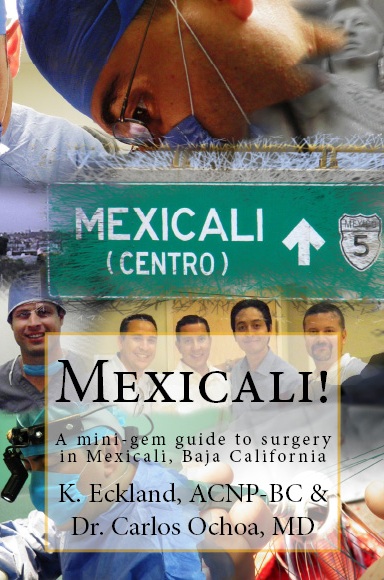
I hope everyone is enjoying some of the changes in format – after all the wonderful experiences I had writing the Mexicali book, I thought I would start incorporating more local culture and content in the blog when I am in Bogotá.  (I have always enjoyed Bogotá – but my writing tended to be rather dry and uni-focal so from now on, I’ll try to include more local information about the city since I am in the midst of it all.)

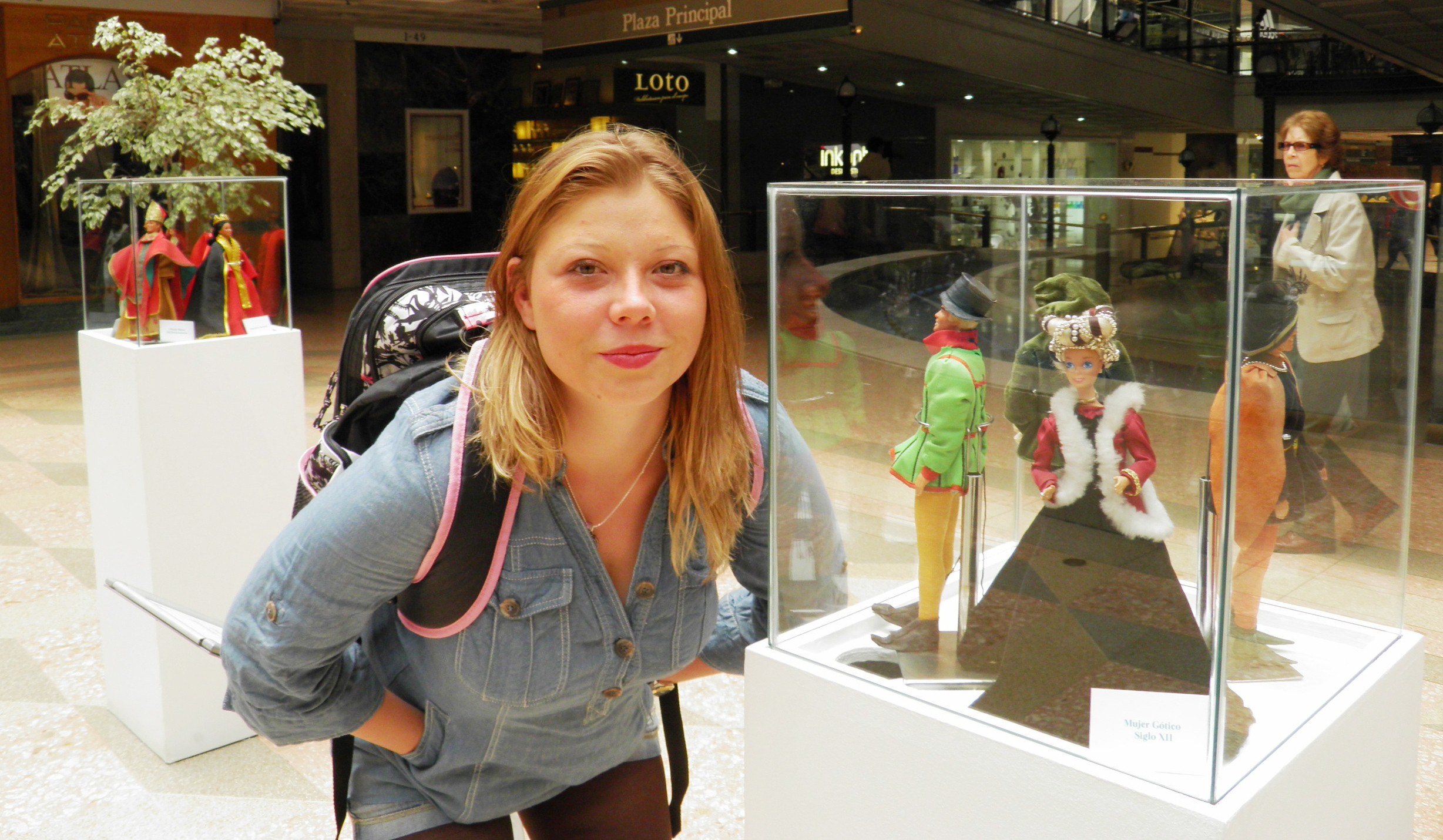
Barbie display at Andino Mall, Carrera 11 No 82-01

It doesn’t mean that I am any less interested in crucial issues in medical tourism, quality measures or surgery – I just won’t focus on these topics exclusively.

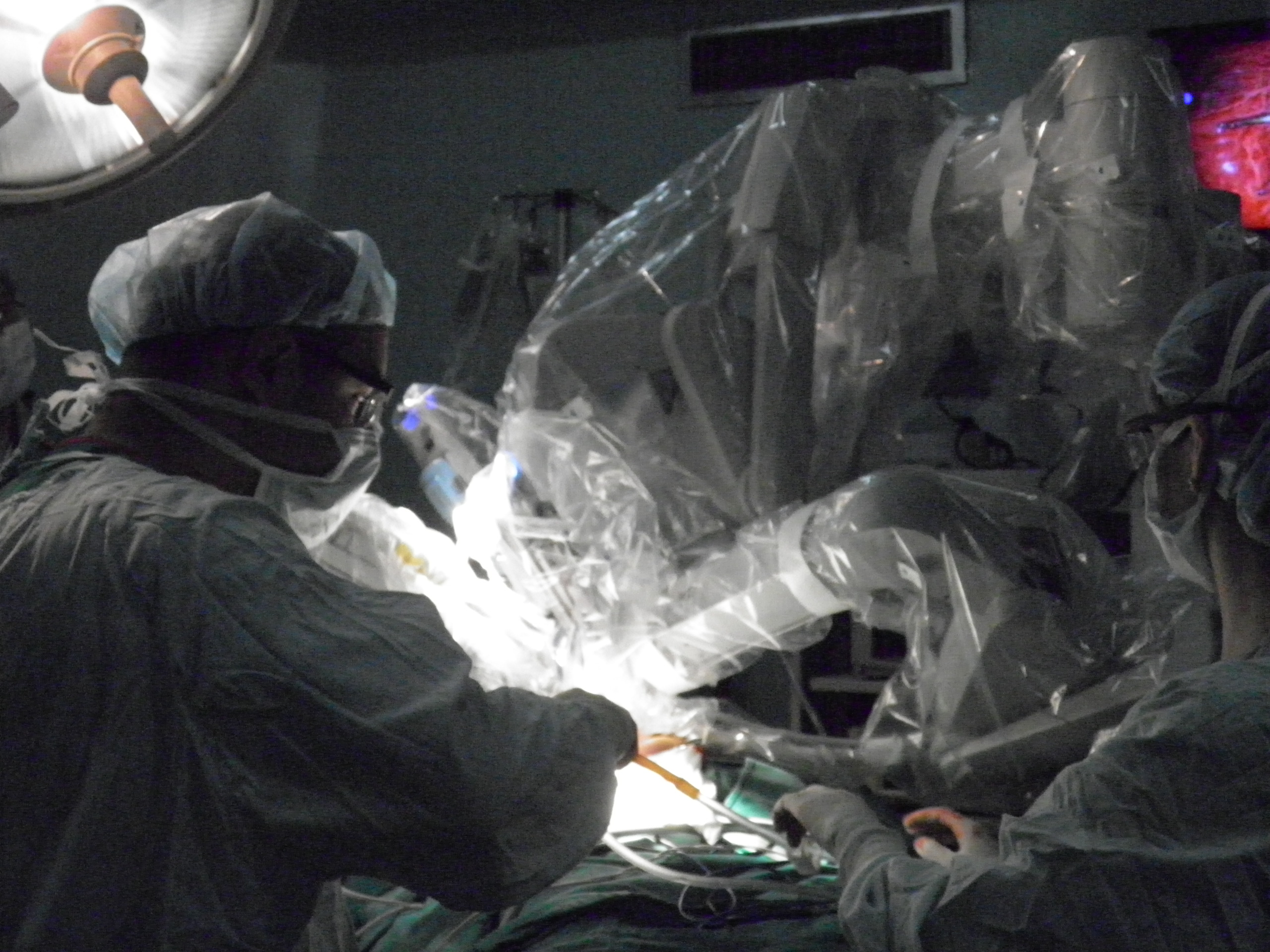
I spent yesterday over at Clinica de Marly with Dr. Ricardo Buitrago to watch one of his robotic surgery cases.  They’ve been doing robotic surgery over at Marly for several years – but Dr. Buitrago just started the first robotic program in thoracic surgery in Colombia.  (Previously the robot was used exclusively for urology and gynecology surgery).

Robotic surgery with Dr. Ricardo Buitrago

Dr. Buitrago trained with the renown robotic (thoracic) surgeon, Dr. Mark Dylewski – and has been a thoracic surgeon for over 20 years so it is always interesting to watch one of his cases – robots or no robots..

Just published a new article about robotic-assisted thoracic surgery over at the Examiner.com along with photos and a short film clip that shows the robot in action.  I am working on a longer film that provides a better look at what robotic surgery really is/ what it entails.


Photo shoot day 2


In National news today – sure don’t know what those Nicaraguans were thinking to ‘wander’  [ie. smuggle] into Colombian waters and cause an international ‘diplomatic’ incident..

Police found a truck literally full of drugs.. It was a construction vehicle – and when they examined it – it was literally stuffed with drugs that came pouring out when they pierced the body of the truck..

Completely hooked on the ‘El Patron’ series.. My Spanish must be getting better because I can actually distinguish the Medellin accent. Going to have to find a boxed set to bring back home with me since I missed the first season.

Can’t help but love this fabulous city – always something going on – something to see, people to meet and talk to..  (and Bogota loves all its citizens..)

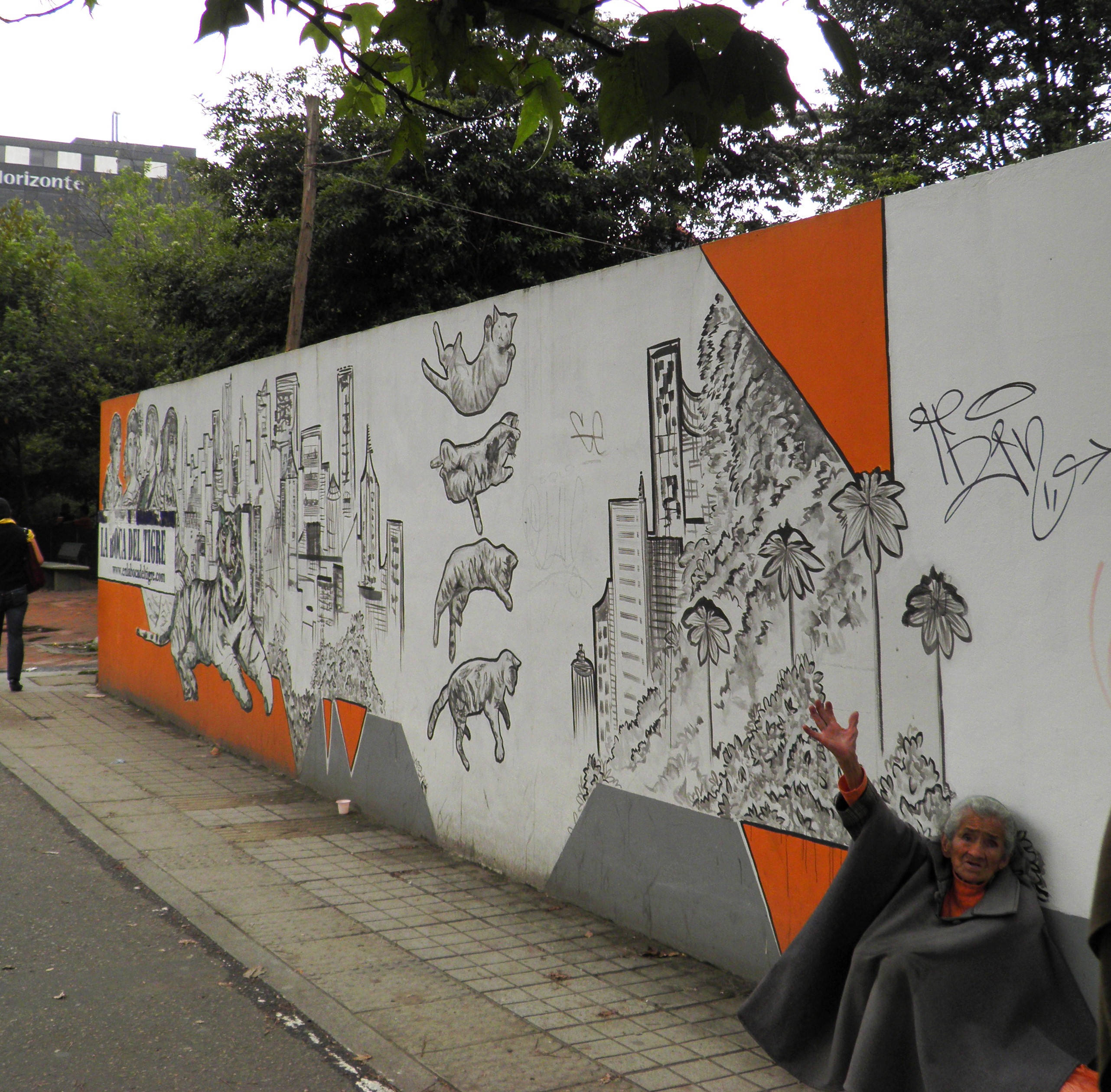
street art

Met some LDS missionaries from California today.. Such nice kids – said they are enjoying the city.

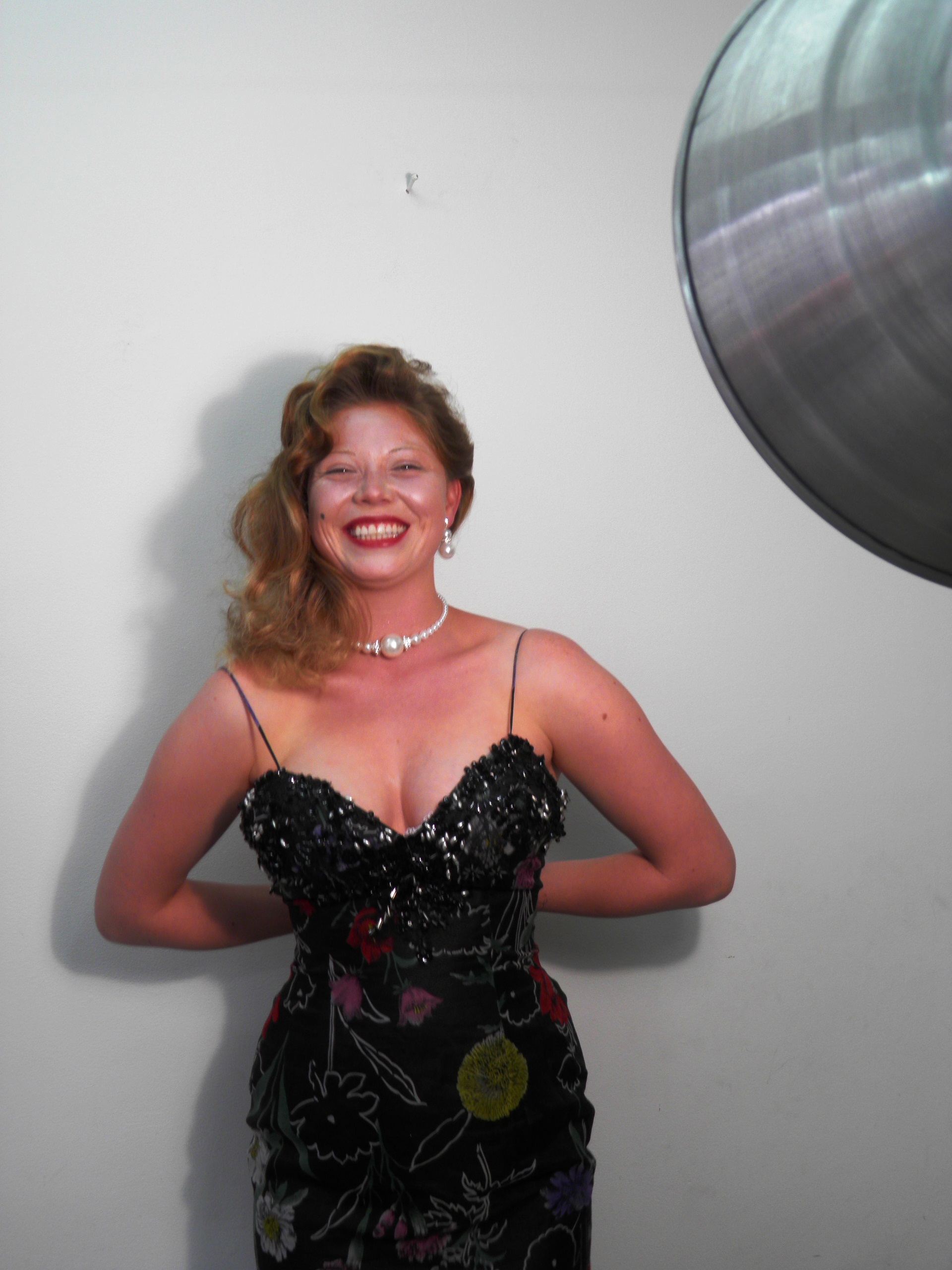
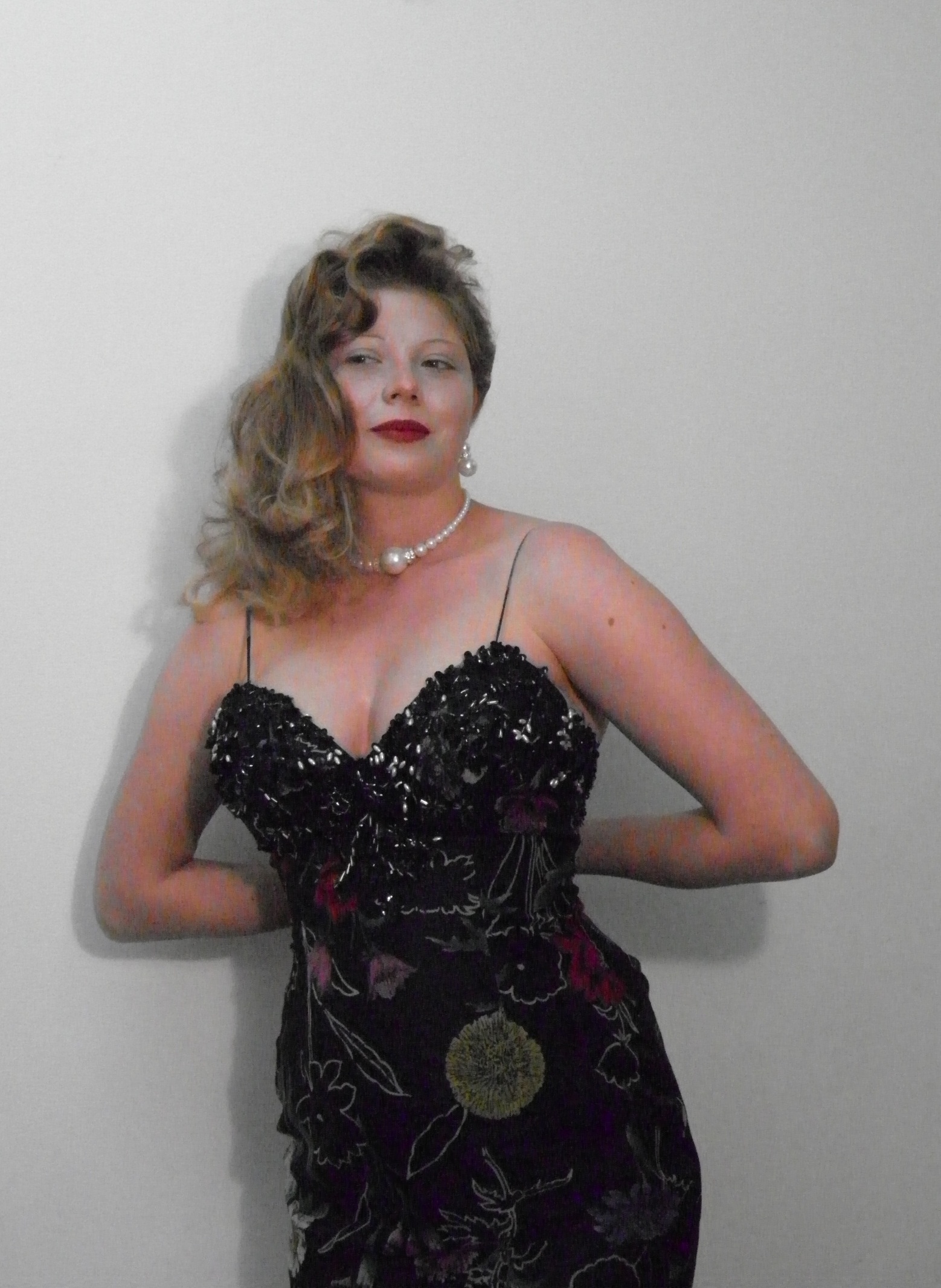
Back in the studio with the fabulous Aj for another dramatic photo shoot.. Two different looks today –   the first is 1920’s theme – aka “Betty Boop

Like I said – I’m not the professional photographer – he’s just nice enough to let me take some pictures while I’m there.. so these are the unretouched, unaltered versions.. He’ll probably do something really fabulous with the ones he took..  I just though y’all would enjoy seeing another facet of my daily life here in Bogotá.

The Betty Boop pout

I have a picture of Aj with the photographer – a great guy named Edgar Bernal.  He has a shop on Calle 64 No 7 – 38 (and a great eye for style.)

Aj gets a touch up – as if perfection needs any help!

One more Betty Boop –

For the next set – more of a traditional 1920’s Bob, if you can call fuchsia traditional.

getting ready

She has such the perfect face for this look –

Then a quick stop – just to pop-in and say hello to German Encino and his wife, Else.. They are the owners (and operators) of a little corner restaurant called the Superdeli on Calle 64 No. 8 -04.  I didn’t stay for lunch this time – but it’s definitely one of my favorites – just a laid back place – good food, nice atmosphere, and nice people..

German Encino and his wife

I do a lot of wandering / exploring/ adventuring around the city – so I end up at different little cafes and kitchens everyday but I wanted to mention Superdeli for a couple of reasons – one – the food is good enough that I’ve come back several times (and the Lulu juice!)  and secondly – they are always friendly and welcoming in a neighborly way – not a ‘hello tourist’ way…

On that note – of wandering – a little advice to fellow wanderers…

If you can see the mountains – you are never really lost..

If you can see the mountains – you are never really lost, and can always find your way home.. The carrera starts at the base of the mountain (carrera 1) – so if you walk a few streets – you’ll hit carrera 7 (septima) which is a main artery for the city..

The calles run in the opposite direction – Calle 1 is in the heart of town (not a particularly nice area but some interesting stuff is located here – like Hospital San Juan de Dios) and heads outwards in both directions..

they only look fierce –

Of course, if you are really LOST – these guys (above) are always happy to help.. Even if you don’t speak Spanish.. (Just keep a note card with your local address on it – it’s also good for taxicabs..)

Had a great day in the operating room today – so I’ll post something tomorrow (with pics)..

Typical Day in Bogota


Just another typical day in the busy city..

Spent the morning talking to a very gracious young thoracic surgeon named Dr. Luis Torres.  He’s Colombian but spent several years studying in Brazil.  He’s now back in Bogotá and working at Clinica Palermo.  He was delightful to talk to; I’ll tell you more after a visit to the operating room with him next week.

Then I stopped by to visit a friend during her photo shoot.. The vision was supposed to be “The Virgin Queen” aka Elizabeth the First of England but after a few modifications – she made a fantastic Veronica Lake..

The photographer/ make-up artist was fantastic – and let me peek over his shoulder and take my own photos.. Here’s my favorite one..

the fabulous Aj , Colombian model endures the flashbulbs of an enthusiastic press

I know, I know, I should have cropped out the light and blended the shadows – but I kind of like the feeling the light evokes.. (it reminds me of those old-time flashbulbs..)

Several more great photos 

I thought about editing some of the pics – but then I figured – that’s for the experts – and Aj is so pretty, my poor photography can’t take away from that..

Aj – Colombian model

Veronica Lake

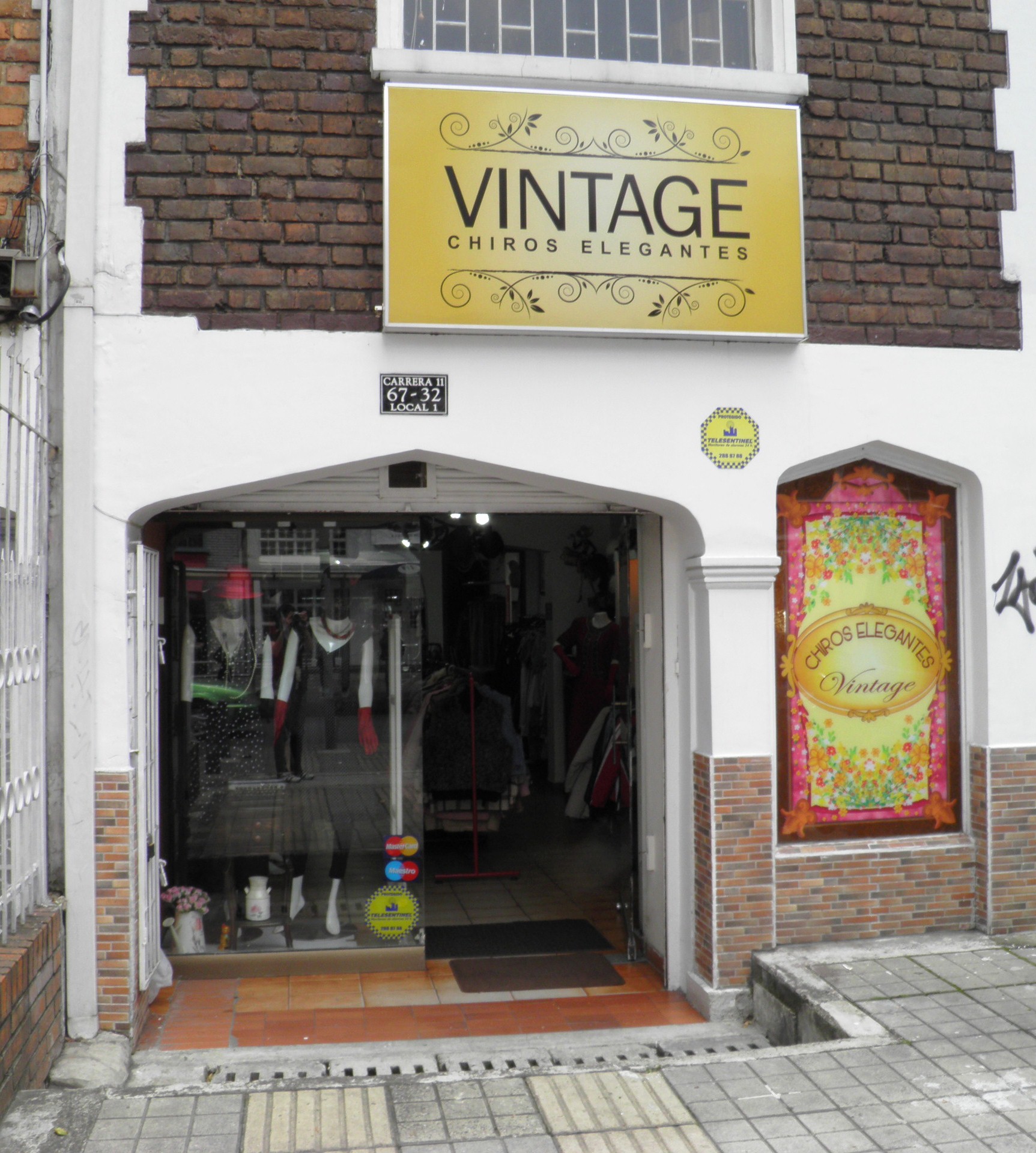
After the shoot – we went to another one of the random sidewalk cafes before window shopping at one of my favorite boutiques –  a little vintage shop called Chiros Elegantes on Carrera 11 No. 67-32.   Vintage shops are few and far between it seems around here – but this space is fabulous..

On the way – took a picture of some random graffiti – just because the slogan amused me..  haha.. now substitute ‘cojones’ for ‘conejo’ and it almost makes sense..  (Conejo is rabbit – as in ‘bunny rabbit.’

Ay carumba! who will save the conejos??

Talking with Dr. Jhon Jairo Berrio about vascular disease and Prostaglandin E1


XXIX Congreso Latinoamericano de cirugia vascular y angiologia

Santa Cruz de la Sierra, Bolivia

Dr. Berrio, Vascular Surgeon, Tulua, Colombia

Dr. Jhon Jairo Berrio is  the Chief of Vascular Surgery at the Clinica San Francisco, Tulua, Colombia, which is a small community outside of Cali.  He attended medical school in Colombia, completing his general surgery residency at Hospital clinics for Carlos.  He completed additional training at New York University and he completed his vascular surgery residency in Bogota at the Hospital de Kennedy  and trained under the instruction of Dr. Albert Munoz, the current president of the Association of Latin American Vascular Surgery and Angiography (ALCVA) .  He does a range of vascular procedures such as aortic aneurysm repair, fistula creation as well as endovascular surgery but his favorite procedures are limb salvage procedures such as aorto-femoral bypass, femoral-popliteal bypass and other treatments designed to prevent amputation.

He is here in Bolivia giving a presentation on the use of Prostaglandin E1 for critical ischemia / and last chance limb salvage.

Today we are talking to Dr. Berrio about the use of prostaglandin E1 (Iloprost/ iprostadil) for peripheral vascular disease (PAD).  In the past, we have used a myriad of treatments including statins, pentoxifylline, clopidogrel and even quinine for the prevention and relief of claudication symptoms.  However, all of these previous agents are designed for early PAD and are only minimally effective at treating later stages of disease.  Treatment of severe disease (rest pain or ulceration/ ischemia wounds) has been limited to stenting (angioplasty) and surgical revascularization – but this strategy often fails for patients with microvascular disease (or disease that affects vessels that can not be operated on.)

Last effort at Limb Salvage in critical ischemia

No – Prostaglandin E is not some magic ‘panacea’ for peripheral vascular disease.  There is no such thing – but it is a medication in the treatment arsenal for vascular surgeons – and it has shown some promising results particularly in treating limb-threatening ischemia.  In fact, the data goes back over 20 years – even though most people in the United States have never heard of it.  That’s because prostaglandin E1 is more commonly used for other reasons in the USA.  It is a potent vasodilator, and in the US, this medication is often used in a different (aerosolized form) for primary pulmonary hypertension.  It is also used for erectile dysfunction.  Despite a wealth of literature supporting its use for critical ischemia it is not currently marketed for such use in the United States – and thus – must be individually compounded in a hospital pharmacy for IV use.  Supplies of this medication in this form are often limited and costly.

Intravenous Prostaglandin E1

This medication offers a desparately needed strategy for patients with critical ischemia who (for multiple reasons) may not be surgical candidates for revascularization and is a last-ditch attempt to treat ‘dry’ gangrene and prevent amputation and limb loss.  Since more than 25% of all diabetes will undergo amputation due to this condition – this is a critical development that potentially affects millions of people.  (Amputations also lead to high mortality for a variety of reasons not discussed here.)

What is Prostaglandin E1?

As mentioned above, prostaglandin E1 is a potent vasodilator – meaning it opens up blood vessels by forced the vessels to dilate.  This brings much-needed blood to ischemia tissue (areas of tissue dying due to lack of blood.)

Treatment details:

A full course of treatment is 28 days.  Patients receive 60 micrograms per day by IV.

Patients must be admitted to the hospital for observation for the first intravenous administration of prostaglandin E1.  While side effects such as allergic reactions, rash or tachycardia are rare – since this medication is given as an IV infusion, doctors will want to observe you for the first few treatments. The most common side effect is IV irritation.  If this occurs the doctors will stop the infusion and dilute it further to prevent discomfort.  Once your treatment has been established, doctors may arrange for you to have either out-patient therapy at an infusion center, or home health – where a nurse comes to your house to give you the medication.

The surgeons will evaluate your legs before, during and after treatment.  If the ischemia or rest pain are not improving, or worsen during treatment – doctors may discontinue therapy.

Prostaglandin E1 therapy is compatible with other medications for PAD such as clopidogrel, aspirin, pentoxifylline and statins, so you can continue your other medications for PAD while receiving this treatment.  However, if you are taking nitrates such as nitroglycerin, (Nitro-dur, Nitropaste) or medications for pulmonary hypertension or erectile dysfunction – please tell your surgeon.

In Colombia, the average cost of the entire course of treatment (4 weeks of daily therapy) is 12 million Colombian pesos.  At today’s exchange rate – that is  a little under $ 7000.00  (seven thousand dollars, USD).

While this is a hefty price tag – it beats amputation.  In some cases, arrangements can be made with insurance companies to cover some of the costs.  (Insurance companies know that amputation-related costs are higher over the long run, since amputation often leads to a lot of other problems due to decreased mobility).

Additional Information about Dr. Berrio:

Dr. Jhon Jairo Berrio, MD

Vascular surgeon

Calle 414 – 30

Buga, Colombia

Tele: 236 9449

Email: vascular@colombia.com

Speaks fluent English, Espanol.

References/ Additional information about peripheral arterial disease (PAD) and prostaglandin e1

Pharmacotherapy for critical limb ischemia  Journal of Vascular Surgery, Volume 31, Issue 1, Supplement 1, January 2000, Pages S197-S203

de Donato G, Gussoni G, de Donato G, Andreozzi GM, Bonizzoni E, Mazzone A, Odero A, Paroni G, Setacci C, Settembrini P, Veglia F, Martini R, Setacci F, Palombo D. (2006).  The ILAILL study: iloprost as adjuvant to surgery for acute ischemia of lower limbs: a randomized, placebo-controlled, double-blind study by the italian society for vascular and endovascular surgery.  Ann Surg. 2006 Aug;244(2):185-93.  An excellent read – even for novices.

S Duthois, N Cailleux, B Benosman, H Lévesque (2003).   Tolerance of Iloprost and results of treatment of chronic severe lower limb ischaemia in diabetic patients. A retrospective study of 64 consecutive cases .  Diabetes & MetabolismVolume 29, Issue 1February 2003Pages 36-43

Katziioannou A, Dalakidis A, Katsenis K, Koutoulidis V, Mourikis D. (2012).  Intra-arterial prostaglandin e(1) infusion in patients with rest pain: short-term results.  Scientific World Journal. 2012;2012:803678. Epub 2012 Mar 12.e Note extremely small study size (ten patients).

Strecker EP, Ostheim-Dzerowycz W, Boos IB. (1998).  Intraarterial infusion therapy via a subcutaneous port for limb-threatening ischemia: a pilot study.  Cardiovasc Intervent Radiol. 1998 Mar-Apr;21(2):109-15.

Ruffolo AJ, Romano M, Ciapponi A. (2010).  Prostanoids for critical limb ischaemia.  Cochrane Database Syst Rev. 2010 Jan 20;(1):CD006544.

Volteas N, Leon M, Labropoulos N, Christopoulos D, Boxer D, Nicolaides A. (1993).  The effect of iloprost in patients with rest pain.  Eur J Vasc Surg. 1993 Nov;7(6):654-8.

New International Terminal to open October 18th


Returned to Bogotá after a conference, and I am happy to report that the massive airport construction project at Bogotá Airport (El Dorado International Airport) is almost finished.  The first flight from the new terminal will be on October 17th – with full operations commencing in the new terminal on October 18th, 2012.

As one of the busiest airports in Latin America – and a hub for Avianca, Copa, LAN, Satena and EasyFly – (offering 6,000 flights per week on Avianca alone) this new terminal will ease congestion and improve traveler comfort..  I am flying out again later this month – so I will update everyone on all the details soon.

Want to wait in style?  Check out the VIP lounges.

The Presidental Prostate: Santos to undergo surgery for prostate cancer


Since I didn’t pass through passport control, and I’m not leaving the airport before flying to the next destination – I guess I’m not really in Peru.

That’s okay, because all eyes are on President Juan Manuel Santos, back in Bogotá, where he has announced that he will be undergoing surgery for prostate cancer at Santa Fe de Bogotá.  My heart goes out to President Santos and his family.

I must admit that I am also wincing a bit in sympathy, as Caracol, RCN and all the other networks have been using multiple audio-visual aids to ‘enlighten’ the public as the state of the president’s prostate.  While I am not normally squeamish – I was just a bit embarrassed for him – particularly since one network imposed his head on a computer-animated model (complete with animation showing the effect of prostate hypertrophy on urination/ sexual function.)

Of course, the announcement of President Santos cancer diagnosis has added fuel to the ‘cancer conspiracy’ voiced by President Chavez (Venezuela) last year.  (Indeed, the blazing headlines of the famous communist rag, Pravda screams, “Washington puts evil eye on Latin American leaders“.

Now with the more moderate Santos on the list on cancer-stricken politicians, more mainstream journalists have picked up / rehashed the story.

All the same, this gringa wishes President Santos a successful surgery and a speedy recovery.

Sundays outside Bogota


Since we’ve talked about the beauty of Sunday afternoons in Bogotá in previous posts – today we will talk about another great Bogotano Sunday tradition – the afternoon ‘in the country’.

When Bogotanos need or want a break from the hustle and bustle of the city – they don’t have to go far to enjoy a sunny afternoon in a more rural setting.  Just twenty minutes outside of Bogotá – the climate becomes warmer, and the landscape more serene.  Bogotanos by the carloads head out to enjoy an afternoon of “Colombian tipica” cuisine which includes some of my favorites; Morcilla (a delicious blood sausage), a corn-based soup, arapas, ribs and an array of traditional Colombian foods.

Enjoying Colombian tipico with friends, outside of Bogotá

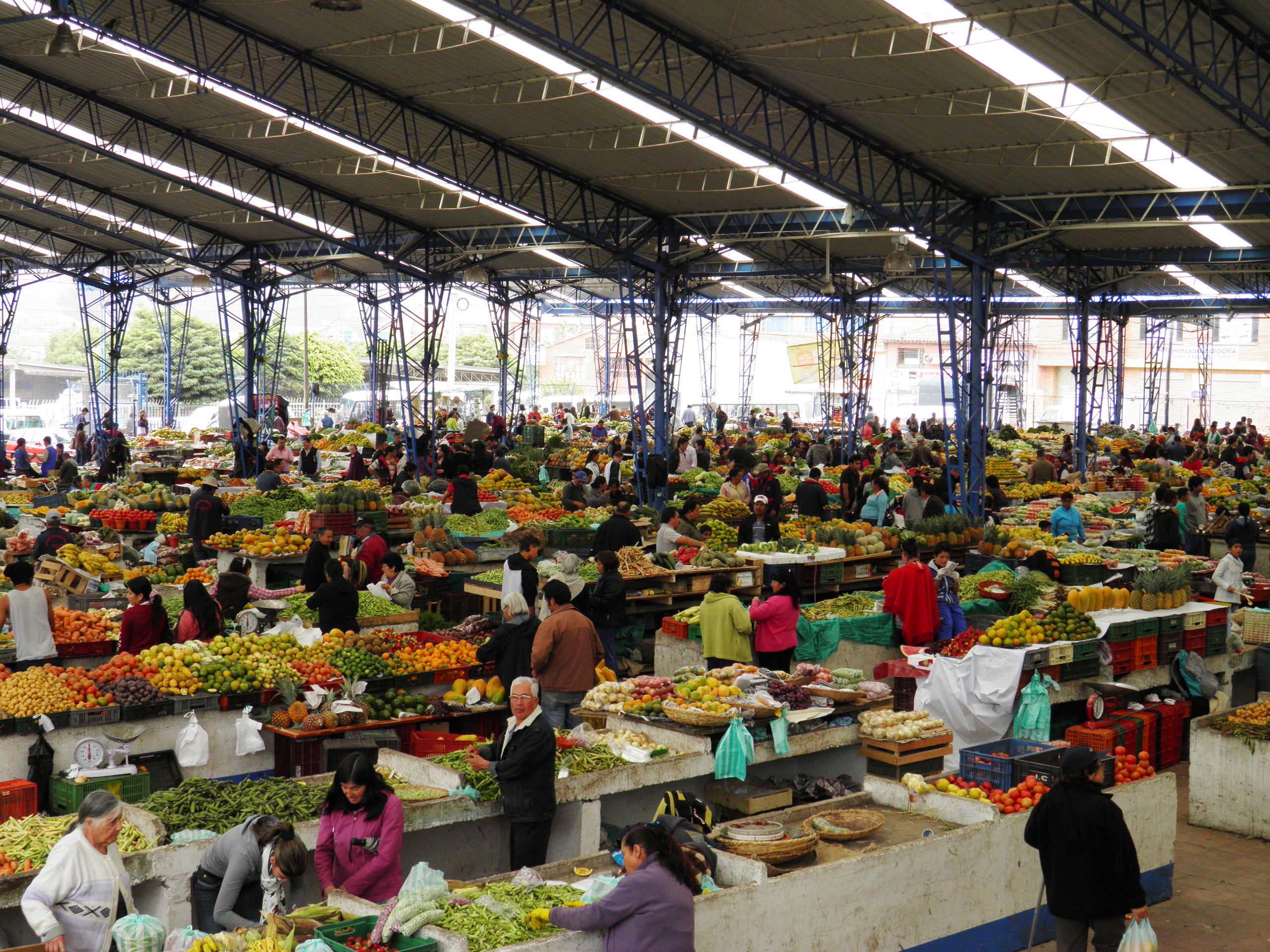
Afterwards, a trip to the market for farm-fresh vegetables and fruits.  Today, we went to the market in Chia – a cocoa-scented orgy of a wide array of fruits and vegetables..  (About the only thing I’ve never seen here in blueberries – but with the vast variety of fruits here in Colombia, you will never miss them..)

Market in Chia

I know that I’ve talked about the various fruit markets before – but for me; these fruit markets are a symbol of how I see Colombia as a nation:  a country with such a rich bounty of resources, and a colorful mix of history and culture.  To me – it is impossible not to feel this way while strolling through the aisles.. Beautiful, colorful, deliciously rich fruit; familar standards (bananas, apples, oranges, strawberries) mixed in with the more exotic textures and tastes (frujoa, uchuva, guabanaba, about ten varieties of mangos, six different pomagranate type fruits, the sweetest pineapples ever tasted..)  And that’s just the fruit..


But more than escaping the city for a few hours to enjoy the food, and the sunshine – it’s a day to spend time with family and friends..  (Which is another thing that Bogotanos and Colombians do with style and enthusiasm..)

Spending the afternoon with friends

In the United States, we often tout our love of family and friends – but just as often, we don’t make the time to spend with them.  (I am just as guilty of that as anyone else.)  But  – it ‘s different here – no matter how busy (and many of the people I know here are extremely busy!) people stop to have a leisurely cup of coffee, a stroll in the park, or a long lunch with friends..  As someone who frequently travels alone – the friends I have made here during my extended visits have made a huge difference.. It’s more than the informal tours, and accidental introductions – it’s the sense of friendship, love and comraderie which made six months away from home and family bearable..  Not only that – but I find that these habits, and traditions become part of the lifestyles of everyone who lives here – so the Americans, the Germans, the South Africans and everyone else I’ve met has adopted many of these practices as well.  I know I have – taking time to smell the flowers, enjoy the day, no matter what else is on my schedule – and remembering to enjoy time with and appreciate the people I am with..


Thank you, Dr. Francisco Cabal


I would like to thank Dr. Francisco Cabal – an orthopedic surgeon and director of Clinica del Country/ Hospital de la Mujer.  A few nights ago, a Colombian friend was seriously injured in a motorcycle accident – and the worried family asked me for help, so I called Dr. Cabal.

He was absolutely fantastic in making sure the family was up-to-date on the status of their loved one while she was in surgery, addressing all of their concerns and helping to relieve some of their anxiety.

I wanted to be sure to thank him on this (semi-public) forum, because I want readers to realize that medicine here is very different from the United States, in that  – most often, if you ask for help; people will go out of their way to provide it.  (I suspect given the time of day when I contacted Dr. Cabal – he was probably enjoying a nice supper or time with his family) but he had information for the family in just a few minutes..

Sometimes, at home, (the USA),  there is a barrier, or ‘gatekeeping’ that keeps us from our providers – and can make situations like this more difficult.  But here in Colombia, as I’ve said before – the doctors give you their cell phone numbers and emails because they want you to call if you have questions or concerns..

And when you do call – you are getting their personal phones, so you won’t be routed to a secretary or left on hold for twenty minutes.. [the only exception is during surgery].

Does this privilege get abused at times?  Certainly, which is what makes it more impressive that these doctors stay accessible to their patients.  [We’ve all  encountered obnoxious customers in all lines of work – medicine and health in no exception.]

What is home? (and where is home?)


One of the questions I am asked frequently when I travel is “Where do you live?” or “Where are you from?” and sometimes, “Where is home?”

While these questions seem the same – they aren’t.  For someone like me who travels often for extended durations – the answers are often deeper than the questions.  The nature of the question of home changes.  Of course, I am from the United States – and I always will be; a born and bred southerner from Virginia.  But is it home?  Probably not, as my extended family lives in several different points of the globe, and without a job or a house in Virginia there is very little reason to return.

the neighborhood I call home..

Where do I live?  Not so easily either – unless you are asking directions to the apartment here in Bogota where I am staying for the next several months.  But is that home?  The answer is yes, and no.

I am not a native Bogotano and never will be.  My trips here are always too brief stops before heading on. But at the same time, in many ways it does feel like home.  Just yesterday – as I took my Sunday stroll, I ran into a friend of mine, so we walked a bit and enjoyed the sunny day.  Then as I was coming back, two people asked me for directions – (which I was able to give)..  Today, I am helping teach an English class and tomorrow I will be doing more research..

if home is having a favorite restaurant, then this is certainly it..

So in that sense, Bogota is more my home than several other places I’ve stayed.  I have favorite places to lunch, to shop, to buy groceries – all of those things that come with familiarity, with belonging. I can hop on and off Transmileno like a native and navigate myself through this busy city.  But in a few months – I will leave again – and don’t know when I will return.. so I guess Bogota is not home either.

Maybe home is the place a person longs to be.  But even that is fraught with complexity.  While I love my friends here, and always look forward to being here, for example,  I am also ‘homesick’ for many of my friends back in Mexicali..

or is this (the operating room/ hospital) home? Because I am certainly there a lot – and I miss it when I’m away..

I guess in the end, home is defined as my personal comfort zone.. so where ever my laptop and I end up – for how ever long – that must be home.

Colombia Reports needs our help!


Colombia Reports, the largest English language news site for Latin America needs our help.  Adriaan Alsema, the founder and editor-in-chief informed me that they are having some cash flow problems after a bank fraud was committed against their accounts.

This breaks my heart – as I rely on Colombia Reports for the majority of my news.. It’s essential as a writer; living, studying and writing in another country to have at least a basic understanding of sociopolitical and economic situation.  None of the other sites – even the biggies like CNN, and BBC even come close to giving a wide-ranging overview like Colombia Reports.

So, now Colombia Reports is asking for our help – us, the readers..  and I am repeating that request.  If you enjoy Colombia Reports, do what you can to support them.

On a more personal note – Adriaan Alsema was one of the first people to run one of my articles, which gave me the confidence to keep writing..  So,  I wish him the best of luck –

Article about Colombia Reports on Examiner.com

Back in town..


Back in town just a few days, and already in the swing of things..

After arriving late last week, I was just in time to attend a conference on lung cancer and mesothelioma at the Hotel Tequendama.  There were some great presentations by several speakers on advances in the treatment of Lung cancer.  It was also an opportunity to catch of with several of the thoracic surgeons I’ve talked about here; including the always classy and amazing Dr. Stella Martinez, who was one of the surgeons giving a talk on surgery for mesothelioma.

Dr. Rafael Beltran and Dr. Ricardo Buitrago were moderating the event, which was put on by the National Cancer Institute.   Dr. Juan Carlos Garzon, Dr. Barrios, and Dr. Mauricio Palaez were also in attendance.

But the biggest and nicest surprise was seeing Dr. Edgard Gutierrez (Cartagena).  Those of you that are familiar with my Cartagena writings know that Dr. Gutierrez (unwittingly) took a large role in shaping my career.   It was great to sit down and catch up with him for a while.  But I’ll post more about my visit with him over at Cartagena Surgery so I don’t confuse my Bogotá readers..

(I’ve posted some photos from the event at my sister site, http://www.cirugiadetorax.org)

Memories of Mexicali


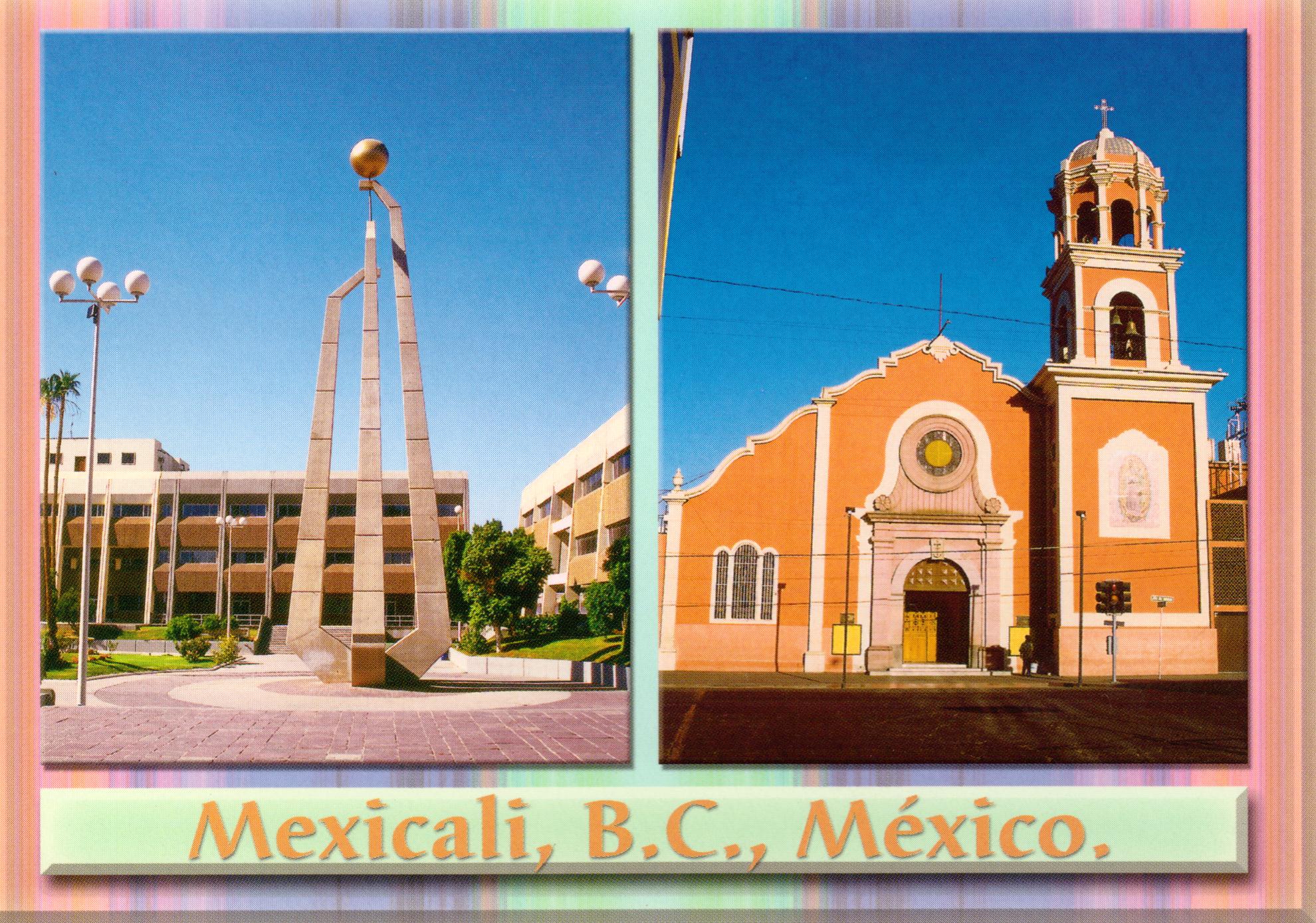
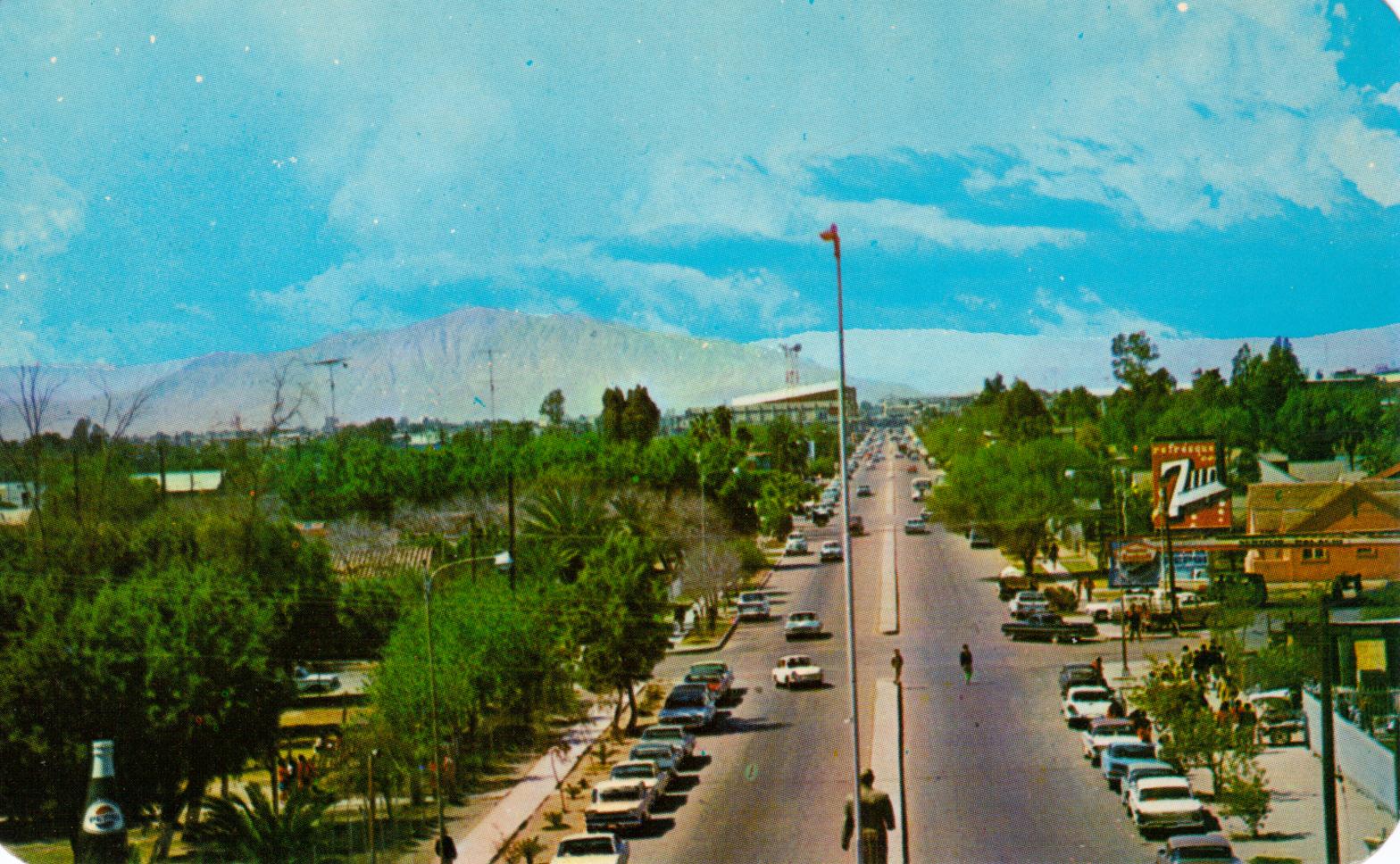
As I get ready to leave Mexicali, I am posting several old postcards of the city.  Today’s post is more reflective of the many changes going on now – but we’ll be back to our usual topics soon..

this one is just a few years old

I’m sure that my regular readers can tell that parting is ‘such bittersweet sorrow’.. How could it not be  – when I have met such wonderful people, learned so much and made some great friends?

Mexicali – Av..Revolucion – circa 1960’s

At the same time, I am excited about moving forward – school, studying in Bogotá, and working on my research.

Governmental Palace (now part of UABC) circa 1960’s

Hard to leave the hospital in particular.  I went back there yesterday and got to see some of the people who were so welcoming, starting on my very first day.  (When I was still struggling – particularly with the regional accent here – which differs from the Spanish I was used to hearing.)

Av. Lopez Mateos

It was great to be back in the operating room with Dr. Ochoa.  With classes in Nashville, and my homework assignments, I hadn’t seen him for a couple of weeks.

I know I will miss him most of all even if I am embarrassed to admit it.  He will always rank up there as one of the world’s great “bosses”; he was great to be around; day after day after day- which is not something you can say about most people.   I know I’ve talked about what a good (and patient!) professor he has been, but this last month, when we’ve been collaborating on the book, has changed the dynamic a bit.  He’ll still always be ‘my professor’ and a surgical colleague – but now that we have worked together in a different capacity – he is more of a friend too.  (I’ve actually called him by his first name a couple of times, which is a hard thing for me to do..)

I think, too, that is was a little-bit eye-opening for him to be more involved on the writing (and researching) side of things.  I hope he enjoyed it as much as I have.  (He should – he did all the research on Mexicali’s nightlife.. )

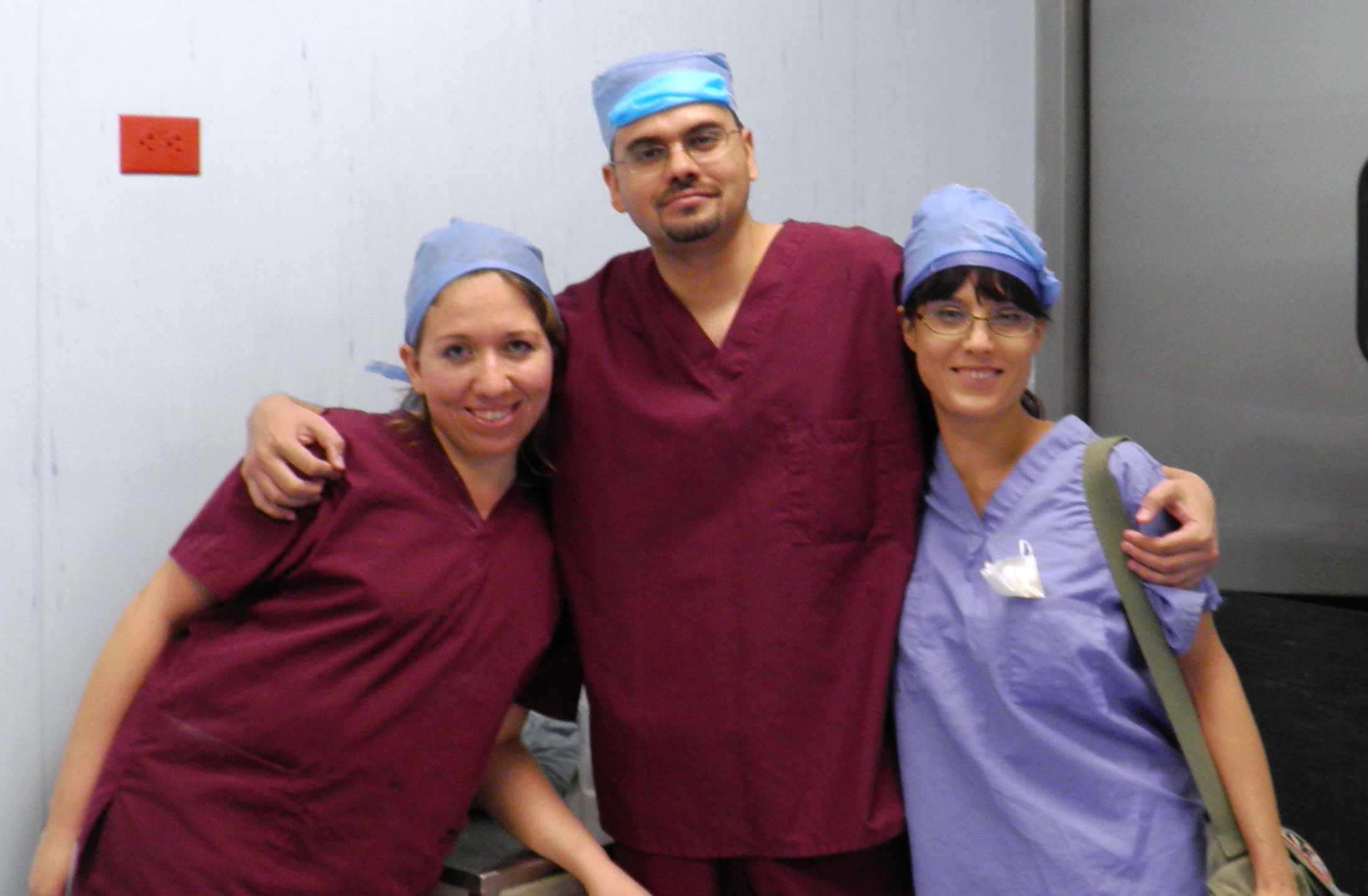
and Joanna – who has become one of my best friends.. (Not just my best friend in Mexicali – but someone I consider a really close friend – anytime, anywhere..)  It just seems like we connect and communicate on that level that only really close friends ever do.. Despite different backgrounds, I feel like I’ve known her my whole life..  So it’s hard to say “see you later” to Joanna.. (“See you later” is so much better than goodbye, don’t you think?)

So of course, as you can imagine – I spent my last day at the hospital – in the place I love the most: the operating room.

Dr. Rivera (left) and Dr. Ochoa

I’m going to miss my ‘movie star’ surgeon too – Dr. Rivera has been great about being in all my pictures and film clips..  He’s a nice young resident – (still grounded)  and I think he’s be a great surgeon when he finishes his training..  He’s interested in surgical oncology – so we might be writing about him again in a few years..


Don’t stop Aspirin


Long time readers (and former patients) will be familiar with my aspirin mantra but now Medscape has published a CME course by Dr. Desiree Lie for health care providers in primary practice, general surgery (and other areas that may not be familiar with post-cardiac patient recommendations.)  As I may have mentioned before, in cardiac surgery – we routinely start aspirin in our patients prior to bypass surgery.

Know the most current recommendations for aspirin and surgery

Know the most current recommendations for aspirin and surgery

Don’t stop Aspirin before surgery

I’ve converted the CME course, Don’t stop Aspirin before surgery into a pdf – but if you want credit – you will have to go to Medscape and log in.  (For everyone else – it’s a nice read – and explains the importance of continuing aspirin in patients who are taking it for “secondary prevention” or are at high risk of cardiovascular events.

That’s because the complications of discontinuing aspirin therapy in these patients are WORSE than the minor risk of bleeding.  (Bleeding issues for most patients taking aspirin are fairly minor.. Now, clopidogrel (Plavix) and prasugrel (Effient) are another story!)

Wait a second… What’s secondary prevention?

They way to think about secondary prevention is “closing the barn after the cows are loose,” as one of my colleagues explains it.  This means that Aspirin has been prescribed to these patients after something has already happened – like a stroke, a heart attack, stents or cardiac surgery.  So in these patients – secondary prevention can be thought of as preventing a second event or further complications from a disease process we already know about.

Now, patients that are at high risk for cardiovascular events like diabetics or people with other kinds of blockages (peripheral vascular disease, renal artery stenosis) haven’t had a heart attack yet – but we think that they are at a high risk of this happening – so they take aspirin to prevent this (primary prevention).

In people who are at low or moderate risk – low cholesterol, nonobese, normal glucose, nonsmokers:  these people may take aspirin, but (probably not prescribed) and it is safe for them to discontinue aspirin before surgery.

But in the first two classes of patients (secondary prevention group/ high risk group) – stopping aspirin may actually INCREASE the risk of having a heart attack, stroke or other thrombotic event during surgery.  But if you are having surgery – be sure to check with your cardiologist or cardiac surgeon before.  Don’t rely on your PCP or general surgeon (it’s not their area of expertise) and they may not be up-to-date on the latest recommendations [hence the continuing education course].

As always – these posts are not medical advice – but should serve as talking points for patients when soliciting medical advice from their healthcare providers.

Bogota revisited


Finishing my first week in the doctoral nursing program before heading back to Bogotá in mid-September.  (I’ll be keeping in touch with my professors via Skype, Scopia and a variety of on-line media.)

I am exciting to be coming back to a city that I have come to know and love!  In fact, my only regret is that I didn’t devote enough pages of the book to the city itself.  At the time, I rationalized that people who were interested in the city would be able to find plenty of information in the existing travel guides (and I am not a traditional travel writer) – so I devoted myself wholeheartedly to medical tourism, hospitals and surgery.  But as time has passed – I regret not sharing the city more with readers, since after living there for almost six months (and traveling all over the city daily), I certainly became intimately familiar with much of it.

So, readers will be happy to hear that I haven’t made that mistake with my latest book on Mexicali, MX – but I am just happy to be going back to Bogotá, a city that truly has captured my heart..

It’s insidious, you know.  The things that I initially didn’t like (like the ‘eternal autumn’ weather) become some of the very things that make me enjoy the city so much.   Bogotá is a city that has to be ‘known’ to really be appreciated.  If you don’t scratch beneath the surface of this vibrant, amazing place, then you really won’t see (and love) the city.

For example; that cool, mild weather, that had me groaning the first few weeks also made it possible for me to spend much of my time outdoors – exploring the city, walking miles everyday.  Spend a week sweltering in Cartagena (or Mexicali, in August, for that matter) and you will see what I mean.

The food that seemed plain and unspiced at first, became something to savor.  All of the exotic and tangy fruits, and ‘real’ food taste – unmasked by heavy additives let me appreciate how wholesome and unaltered it really was.  It made me appreciate the subtlety and complexities of the meals I was enjoying.  (If you drown everything in ketchup or hot sauce – what are you really tasting?)

So, in just a few weeks – I will be back in this wonderful, charming, whirlwind place that has claimed a little corner of my heart.

Kim Kardashian: Better call your lawyers..


As I mentioned previously – the ‘unauthorized’ use of celebrity images is pretty common around here.  We talked about this before in conjunction to Kim Kardashian and Rhianna – and today, while driving around Mexicali taking pictures for a section of the book on architecture, we saw yet another example of this.  (Sorry, Kim – we were in traffic, and seeing it was unexpected, so the photo is blurry – and I know, my window is filthy) – but it’s undeniably you hawking clothing up on a sign outside a clothing store on Blvd Anahuac..  Just thought you should know..

Kim Kardashian hawking cheap clothing in Mexico

In other news – spent the day trying to find the elusive “casa de Louis Vuitton” which is a house of the outskirts of Mexicali painted brown with symbols to look like a Louis Vuitton bag.  I know the house is still there – yesterday one of the people who lived near the house was lamenting being a neighbor – but the address and directions were far from correct..

I did get some more great photos of Mexicali.. including one of the fancy car dealerships down here.. (I like to remind people that Mexicali has one of the highest standards of living, and income in all of Baja)..  There is a growing middle-class here (and just like most of us), they like nice things..  It’s another side of the road photos since I wasn’t planning on taking pictures of car dealerships..

Mercedes Benz dealership

A lot more photos but I haven’t gotten around to sorting of all them yet..More architectural adventures tomorrow..


as the mercury soars..


into the 110’s (and higher) it’s been an interesting week in Mexicali.  I’ve definitely entered new territory in my book writing venture.  In the last books, I basically didn’t see the forest for the trees – meaning that even as I raced around, and enjoyed the cities I was living in – I didn’t include any of the information about the cities themselves.. Just the surgeons, and surgery.

In retrospect – I think that was a mistake.  While I know the beautiful multifaceted Bogotá, my readers don’t.  At the time, I didn’t want to duplicate the efforts of the many talented travel writers out there.  But on consideration – living in a city is so much different from visiting one.   It takes months to see and fully appreciate the nuance of many locations – especially cities..  Anyone can talk about the historic church built in 19 whatever, but it takes time and familiarity to see the beauty of Mexicali’s Graceland, or the changing canvas of the UABC museum.  It takes time to collect the stories that bring the city to life.  So now, I am trying to do that – in a small fashion with everything I’ve collected since coming here in March.

I am not Frommer’s.. I am more like his awkward, quirky little cousin. I don’t have the manpower or the resources to talk about the hundreds of restaurants here (more than 100 Chinese restaurants alone!) but I can tell you some of my favorite places; for a casual lunch with friends, or a night on the town.  I can’t give exhaustive listings on all there is to see and do in this thriving city, but I can show you the heart of it.  I can tell you about the things that make Mexicali more than just spot in the hard-baked earth; the things that make this city real, and make it a fascinating place to be.  I can make your stay; whether just a few days, weeks or months; interesting and informative.

It’s been a fascinating and amazing journey to discover these ‘pockets of life’ and living history – and now that I am outside my realm (of medicine and surgery) one that would have been impossible without the numerous people who have embraced me, and shared their wisdom.  (It’s becoming quite the list – and I’ll share it with you all soon.)

But I certainly hope that my future readers enjoy the journey as much as I have.

Reasons to write about medical tourism: #146, a cautionary tale


As  I mentioned in several previous posts, there are numerous reasons why I write about medical tourism, and protection of the consumer is first and foremost.

Several months ago, I was told an exceedingly disturbing tale of patient abuse at the hands of a plastic surgeon here in Mexicali, MX where I am writing my latest book.  I’ve internally debated publishing information about it – not because I think the patient isn’t credible (the patient is exceedingly credible) but due to the lack of verifiable documentation and evidence related to this story.  Then again, this is exactly the reason that this American patient was so hesitant to come forward.  Ultimately, I feel that by failing to publish this account, I would be further victimizing this patient, and failing to warn consumers of the potential dangers.  It is of the utmost regret that I do not have conclusive proof to bring to the authorities (and readers) to prevent this surgeon from ever operating again.  This patient isn’t being vindictive, or seeking a payout – it’s the furthest thing from her mind.  Her only motivation is the pain, disfigurement and indignities that she has suffered, and a hope of preventing this from happening to another medical tourist.

“I wanted to go to the police, to the medical board, to someone, but how can I prove it?” the patient asks, agonizing over the episode which occurred more than a year ago.

Yet, she is still haunted by it – and the story itself is a harrowing account of  abuse of patient trust – and so it should be presented here.  Given the lack of verifiable documentation, I have omitted the name of the surgeon involved, but suffice to say, he is a popular surgeon in Mexicali, and one that I have intentionally omitted from my latest book.

The patient, who happens to be a bilingual health care provider came to Mexicali for liposuction and rhinoplasty.  While telling the story, she is embarrassed by this – as if her supposed vanity is to blame for what occurred.  It is another reason she was reluctant to report it to the police – for fear that she would be told that she deserved it.

Her surgery was botched from the beginning and almost cost her life.   A simple cosmetic procedure has profoundly damaged her physically and psychologically.   She has scars; both physical and emotional that testify to much of the trauma that occurred.

She presented for surgery that fateful morning with no sense that anything was amiss; the surgeon has an excellent reputation and she had investigated his credentials; he is in fact, a licensed plastic surgeon.  Previous patient testimonials were glowing with no hint of any problems.

The first indication there was a problem came with the initiation of the procedure.  After being given a mild paralytic, she remained conscious and aware during the procedure.  She remembers vividly being intubated by the anesthesiologist who appeared not to notice her distress.  “I could hear the heart monitor going crazy but they all ignored it.”

There were several flashes, and that’s when I realized that the surgeon was taking pictures of me, naked, intubated and helpless.” 

She continued, “I know that many plastic surgeons take pictures for before and after photos, but no one ever asked me about it.  Also, in most clinics – they take the pictures while the patient is still awake before going into the operating room.”

I finally lost consciousness and woke up in the recovery room.  I sensed right away that something was wrong – I had horrible pain on the left side of my abdomen and chest, and bandages on the left side of my abdomen but nothing on the right, or my face.”  [the patient had been scheduled for bilateral liposuction of the abdomen and rhinoplasty.]

Then the PACU nurse delivered devastating news; the procedure had been abandoned mid-way – with the liposuction performed on the left only, because she had gone into respiratory arrest during the procedure.  The nurse also whispered confidentially, that she was “lucky” because the surgeon and one of his staff members had been noticeably intoxicated on their arrival to the operating room, and had left immediately before the procedure [presumably] to “do some more cocaine.”

Later, when the anesthesiologist arrived, the patient questioned him gently; about her intubation experience, the abrupt discontinuation of her surgery – and as to what had happened.  “Nothing happened”, she was told repeatedly.  “Everything went absolutely fine.”  When she insisted, asking why her surgery did not match what was initially planned – the anesthesiologist left.

When the surgeon finally arrived, he was equally uncommunicative.   In answer to her questions; “Did anything happen during my surgery?” he gave repeated denials and assurances that ‘everything was fine.’   He also denied taking any photographs.

When she asked why, then, did she only have half the procedure completed, he answered, angrily, “because I changed my mind,” before stalking out.

When her family came to help her dress and leave the surgical center, there were even more surprises, a series of rounded, purplish marks on her chest.  “My mom asked if they were hickeys, and when I looked in the mirror – that’s exactly what they looked like.”  Being familiar with surgery, and medicine, I interrupted to ask if they could be from the electrodes, CPR or anything else.  “I don’t know” she answered, “but they sure don’t look like any of the marks I’ve seen on other patients before.”

These marks along with a fateful encounter as she was leaving the clinic are what haunt her to this day.  As she was leaving with her family, a young man was chuckling and staring at her as she walked past.  She looked over at him, and he started laughing, saying, “I recognize your face, [and your body] from the photos passed around the hospital.”  The photos that no one will admit to taking.

Even now – she has evidence of the botched procedure – one side of her abdomen has is lumpy and uneven with furrowed tunnels (an attempt at liposculturing, she thinks).  When comparing it to the side that was untreated – she begins to lament the folly of her procedure – and yet again, to blame herself.

“I wish I had never done it.  Now I have to see this everyday.  I am afraid to ever have surgery again (to fix it).”

At the end of the interview, she is in tears, and she leans over and whispers in my ear: the surgeon’s name.

I wish I could prove it,” she says.  “This should never happen to anyone else.”  She states that when she went back to talk to the original nurse (from the recovery room), the nurse was no longer there – so her only collaborating witness is gone.  While her family saw the results – they were told the same story she was, that the surgery preceded normally, and that the surgeon ‘changed his mind’ in the middle of surgery.  Repeated calls to the surgeon for more information have gone unanswered.

I wish she could prove it too – the ensure that everyone knew the name of this heartless surgeon – to prevent anyone else from becoming a victim.  But even without the name, it’s a strong reason for me to continue doing what I do now.

[Readers should note that while this occurred in Mexico – unfortunately events such as this have occurred around the world.  In the 1990’s there was a widespread scandal as a notable plastic surgeon attempted to sell photos to a tabloid of Michael Jackson, Liz Taylor (among others) that were taken without their knowledge during plastic surgery procedures.]

Update:  There is a new scandal at John Hopkins in the wake of the February suicide of one of their popular OB/GYNs who is believed to have taken pictures of his patients secretly, using a mini – camera hidden in a pen.

Likely Suicide of Johns Hopkins Ob/Gyn Tied to Secret Photos” article by Robert Lowes, Medscape, February 2013.

The truth about TAVI/ TAVR


It looks like the rest of the medical community is finally speaking up about the overuse and safety issues of TAVI/ TAVR for aortic stenosis, but it’s still few and far between – and in specialty journals…  But in the same week that Medscape, and the Heart.org reported on a newly published article in the British Medical Journal on the overuse of TAVI therapies, and the need for earlier diagnosis and treatment of Aortic Stenosis – the Interventionalists over at the Heart.org (a cardiology specialty journal)  have published a series of articles promoting / pushing the procedure including an article entitled, “The TAVR Heart team roles.”

JAMA recently published a paper by Robert Bonow and Chintan Desnai, discussing the benefits, risks and expectations with TAVI.  This paper discusses the very real need for clinicians to address heightened patient expectations regarding TAVI as an ‘easy’ alternative to surgery.

TAVI is vastly overused – Reed Miller, The Heart.org

Here at Cartagena Surgery – we’ve been doing our own research – contacting and talking to a multitude of practicing cardiologists and cardiac surgeons to get their opinions – in addition to reviewing the latest data.

In related news, a review of the latest research on the ‘transcatheter’ valve therapies demonstrates considerable concern: including data on peri-valvular leaks as reported in the last national TAVI registries in Europe and in the US:

The incidence of  paravalvular leaks  after TAVI is extremely high  ( > 60%)

• It is technically challenging today to quantify these leaks.

• Most of them are quoted “mild”, but more than 15 % are estimated  “moderate” and “severe”.

• In > 5% of patients, the peri-valvular or valvular regurgitation grade increased significantly over time.

• there is no significant difference between Edwards SAPIEN and Medtronic COREVALVE

As one cardiologist explained:

“Importantly, the thrombogenic potential of mild leaks was recently demonstrated by Larry Scotten ( Vivitro System Inc. Victoria, Canada). High reverse flow velocities expose glycoprotein GP Ib-IX-V  platelet receptors  to circulating Von Willebrand molecule with, as results, platelet aggregation and fibrin formation.  The incidence of brain spots and stroke after TAVI was of great concern in the PARTNER A and B studies.  Whereas, Aspirin is not mandatory  in  patients implanted with bioprosthetic valves,   Plavix +  Aspirin is recommended for all TAVI patients. The rationales of such therapy were not explained so far.”

Valve oversizing – a surgeon explains

“To reduce  these peri-valvular leaks , cardiologists tentatively use large valve size, up to 29-mm.  The very large majority of valve sizes used in conventional aortic valve replacement are smaller than 25-mm.  Oversizing may increase the risk of late aortic aneurysms (aortic rupture has been reported) [emphasis added].

Moreover, atrio-ventricular conduction may be impaired  with the need of permanent pacing. Poorer outcomes have been reported in patients when the need for permanent pacemaker occurs.

“As we like to say about clothes and shoes, you forget the price overnight but you remember the quality for ever . The price of TAVI may be cheaper but patients may experience inferior outcomes. In view of these results, using TAVI would not be appropriate for the great majority of  heart valve candidates.  Moreover trans-catheter delivery and sub-optimal fit are not likely to increase tissue valve durability…  and everybody knows that tissue valves are not enough durable for young adults and children.  TAVI is thus a suitable strategy only for the neglected population of high risk patients who are no longer candidates for surgery [emphasis added].

Worth pointing out again  that there would be no need for TAVI and long-term outcomes of patients would be much better if severe aortic stenosis were correctly managed at the right time.  Enclosed the recommendations of Robert Bonow   (Circulation, July 25, 2012) for early valve replacement in ASYMPTOMATIC  patients.  A large cohort of accurate biomarkers is available today for correct timing of surgery  and consequent prevention of  irreversible myocardium damage. In the study of Lancellotti (enclosed) 55% of “truly asymptomatic patients” with severe aortic stenosis developed pulmonary hypertension during exercise and had  poor clinical outcomes. The measurement of both mean trans-aortic pressure gradient and systolic pulmonary pressure, which are technically easy, rapid and with good reproducibility may improve the management of such patients.

These updates on the natural history of aortic stenosis illustrate the present paradoxical and intriguing  focus of the industry on an experimental procedural innovation for end-stage old patients when more efficient heart valves are today feasible and could be used sooner for the benefit of all patients .

Enclosed an article on The Need For A Global Perspective On Heart Valve from Sir Madgi Yacoub.

Additional Reference / supporting data:

Modified from  Ross J and Branwald E   (Circulation 1968 (Suppl): 61-67)

• The  incidence of stroke was 9% after TAVI in  the 214 patients of the enclosed study published last week in the American Journal of Cardiology. The incidence of stroke with TAVI was >  two times higher than with conventional surgery in the PARTNER study.  Pooled proportion of postoperative stroke was 2.4%  with conventional surgery  in the  large meta-analysis of patients > 80 years old (enclosed)

• Peri-valvular aortic insufficiency is observed in more than  60% of patients undergoing trans-catheter aortic valve replacement.  Moderate or severe aortic insufficiency was seen in 17.3 % of the PARTNER inoperable and high risk cohorts at 1 year.  They have been reportedly associated with dyspnea, anemia,  cardiac failure and diminished survival. Most interestingly,  the FDA does not accept more than  1%   peri-valvular insufficiency in patients implanted with conventional prosthetic heart valves… The SJM Silzone mechanical heart valve was re-called  because of peri-valvular leakage rate of…  1.5 % .

• Traditionally, aortic stenosis involving a 2-cuspid aortic valve has been a contraindication to TAVI.  Of 347 octogenarians and 17 nonagenarians  explanted valves , 78 (22%) and 3 ( 18%) had stenotic congenitally bicuspid aortic valve, respectively.  Because the results of TAVI are less favorable in patients with stenotic congenitally bicuspid valves, proper identification of the underlying aortic valve structure is critical when considering TAVI in older patients . More than 50% of patients with aortic stenosis have bicuspid aortic valve and are not, therefore,  good candidates for TAVI. Most importantly, the great majority of patients with calcified stenotic  bicuspid aortic valves is  young ( < 60 years old)  and not candidate for tissue valve replacement.

•  The French Registry of trans-catheter aortic-valve implantation in high-risk patients was published in the New England Journal of Medicine on May 3,  2012. It reports  3195 TAVI procedures during the last two years at 34 centers.

The mean age was 83 years.  The incidence of stroke was 4.1%.  Peri-prosthetic aortic regurgitation was 64 %. The rate of death was 24% at one year. At the same time, the meta-analysis published in the American Heart Journal reports 13,216     CONVENTIONAL AORTIC VALVE REPLACEMENT in patients > 80 years old.    The rate of death was 12.4%  at one year,   21.3%  at 3 years and  34.6%  at 5 years


Full references for works cited in text:

Bonow, R. O. (2012). Exercise hemodynamics and risk assessment in asymptomatic aortic stenosisCirculation 2012, July 25.

Lancelloti, P., Magne, J., Donal, E., O’Connor, K., Dulgheru, R., Rosca, M., & Pierard, L. (2012).  Determinants and prognostic significance of exercise pulmonary hypertension in asymptomatic severe aortic stenosis.  Circulation, 2012 July 25.

Takkenberg, J. J. M., Rayamannan, N. M., Rosenhek, R., Kumar, A. S., Carapitis, J. R., & Yacoub, M. H. (2008).  The need for a global perspective on heart valve disease epidemiology: The SHVG working group on epidemiology of heart disease founding statement.  J. Heart Valve Dis. 17 (1); 135 – 139.

Gilard M, Eltchaninoff H, Iung B, Donzeau-Gouge P, Chevreul K, Fajadet J, Leprince P, Leguerrier A, Lievre M, Prat A,Teiger E, Lefevre T, Himbert D, Tchetche D, Carrié D, Albat B, Cribier A, Rioufol G, Sudre A, Blanchard D, Collet F, Dos Santos P, Meneveau N, Tirouvanziam A, Caussin C, Guyon P, Boschat J, Le Breton H, Collart F, Houel R, Delpine S,Souteyrand G, Favereau X, Ohlmann P, Doisy V, Grollier G, Gommeaux A, Claudel JP, Bourlon F, Bertrand B, Van Belle E, Laskar M; FRANCE 2 Investigators. Collaborators (184). Registry of transcatheter aortic-valve implantation in high-risk patients. N Engl J Med. 2012 May 3; 366(18):1705-15 [full abstract below].

BACKGROUND:

Transcatheter aortic-valve implantation (TAVI) is an emerging intervention for the treatment of high-risk patients with severe aortic stenosis and coexisting illnesses.

We report the results of a prospective multicenter study of the French national transcatheter aortic-valve implantation registry, FRANCE 2.

METHODS:

All TAVIs performed in France, as listed in the FRANCE 2 registry, were prospectively included in the study. The primary end point was death from any cause.

RESULTS:

A total of 3195 patients were enrolled between January 2010 and October 2011 at 34 centers. The mean (±SD) age was 82.7±7.2 years; 49% of the patients were women.

All patients were highly symptomatic and were at high surgical risk for aortic-valve replacement. Edwards SAPIEN and Medtronic CoreValve devices were implanted in 66.9% and 33.1% of patients, respectively. Approaches were either transarterial (transfemoral, 74.6%; subclavian, 5.8%; and other, 1.8%) or transapical (17.8%).

The procedural success rate was 96.9%. Rates of death at 30 days and 1 year were 9.7% and 24.0%, respectively.

At 1 year, the incidence of stroke was 4.1%, and   the incidence of periprosthetic aortic regurgitation was 64.5%.

In a multivariate model, a higher logistic risk score on the European System for Cardiac Operative Risk Evaluation (EuroSCORE), New York Heart Association functional class III or IV symptoms, the use of a transapical TAVI approach, and a higher amount of periprosthetic regurgitation were significantly associated with reduced survival.

CONCLUSIONS:

This prospective registry study reflected real-life TAVI experience in high-risk elderly patients with aortic stenosis, in whom TAVI appeared to be a reasonable option.

Rutger-Jan Nuis, MSc,  Nicolas M. Van Mieghem, MD,  Carl J. Schultz, MD, PhD,  Adriaan Moelker, MD, PhD ,  Robert M. van der Boon, MSc, Robert Jan van Geuns, MD, PhD, Aad van der Lugt, MD, PhD,  Patrick W. Serruys, MD, PhD, Josep Rodés-Cabau, MD,  Ron T. van Domburg, PhD,  Peter J. Koudstaal, MD, PhD,  Peter P. de Jaegere, MD, PhD.  Frequency and Causes of Stroke During or After Trans-catheter Aortic Valve Implantation. American Journal of Cardiology Volume 109, Issue 11 , Pages 1637-1643, 1 June 2012 [full abstract provided].

Transcatheter aortic valve implantation (TAVI) is invariably associated with the risk of clinically manifest transient or irreversible neurologic impairment. We sought to investigate the incidence and causes of clinically manifest stroke during TAVI. A total of 214 consecutive patients underwent TAVI with the Medtronic-CoreValve System from November 2005 to September 2011 at our institution. Stroke was defined according to the Valve Academic Research Consortium recommendations. Its cause was established by analyzing the point of onset of symptoms, correlating the symptoms with the computed tomography-detected defects in the brain, and analyzing the presence of potential coexisting causes of stroke, in addition to a multivariate analysis to determine the independent predictors.  Stroke occurred in 19 patients (9%) and was major in 10 (5%), minor in 3 (1%), and transient (transient ischemic attack) in 6 (3%). The onset of symptoms was early (≤24 hours) in 8 patients (42%) and delayed (>24 hours) in 11 (58%). Brain computed tomography showed a cortical infarct in 8 patients (42%), a lacunar infarct in 5 (26%), hemorrhage in 1 (5%), and no abnormalities in 5 (26%). Independent determinants of stroke were new-onset atrial fibrillation after TAVI (odds ratio 4.4, 95% confidence interval 1.2 to 15.6), and baseline aortic regurgitation grade III or greater (odds ratio 3.2, 95% confidence interval 1.1 to 9.3).

In conclusion, the incidence of stroke was 9%, of which >1/2 occurred >24 hours after the procedure. New-onset atrial fibrillation was associated with a 4.4-fold increased risk of stroke. In conclusion, these findings indicate that improvements in postoperative care after TAVI are equally, if not more, important for the reduction of peri-procedural stroke than preventive measures during the procedure.

Sinning JM, Hammerstingl C, Vasa-Nicotera M, Adenauer V, Lema Cachiguango SJ, Scheer AC, Hausen S, Sedaghat A, Ghanem A, Müller C, Grube E,Nickenig G, Werner N. (2012).  Aortic regurgitation index defines severity of peri-prosthetic regurgitation and predicts outcome in patients after transcatheter aortic valve implantation.  J Am Coll Cardiol. 2012 Mar 27;59(13):1134-41. [full abstract provided].

OBJECTIVES:

The aim of this study was to provide a simple, reproducible, and point-of-care assessment of peri-prosthetic aortic regurgitation (periAR) during trans-catheter aortic valve implantation (TAVI) and to decipher the impact of this peri-procedural parameter on outcome.

BACKGROUND:

Because periAR after TAVI might be associated with adverse outcome, precise quantification of periAR is of paramount importance but remains technically challenging.

METHODS:

The severity of periAR was prospectively evaluated in 146 patients treated with the Medtronic CoreValve (Minneapolis, Minnesota) prosthesis by echocardiography, angiography, and measurement of the aortic regurgitation (AR) index, which is calculated as ratio of the gradient between diastolic blood pressure (DBP) and left ventricular end-diastolic pressure (LVEDP) to systolic blood pressure (SBP): [(DBP – LVEDP)/SBP] × 100.

RESULTS:

After TAVI, 53 patients (36.3%) showed no signs of periAR and 71 patients (48.6%) showed only mild periAR, whereas 18 patients (12.3%) and 4 patients (2.7%) suffered from moderate and severe periAR, respectively. The AR index decreased stepwise from 31.7 ± 10.4 in patients without periAR, to 28.0 ± 8.5 with mild periAR, 19.6 ± 7.6 with moderate periAR, and 7.6 ± 2.6 with severe periAR (p < 0.001), respectively. Patients with AR index <25 had a significantly increased 1-year mortality risk compared with patients with AR index ≥25 (46.0% vs. 16.7%; p < 0.001). The AR index provided additional prognostic information beyond the echocardiographically assessed severity of periAR and independently predicted 1-year mortality (hazard ratio: 2.9, 95% confidence interval: 1.3 to 6.4; p = 0.009).

CONCLUSIONS:

The assessment of the AR index allows a precise judgment of periAR, independently predicts 1-year mortality after TAVI, and provides additional prognostic information that is complementary to the echocardiographically assessed severity of periAR.

Gotzmann M, Lindstaedt M, Mügge A. (2012). From pressure overload to volume overload: Aortic regurgitation after transcatheter aortic valve implantation.  Am Heart J. 2012 Jun;163(6):903-11.  [full abstract provided].

Severe aortic valve stenosis is a common valvular heart disease that is characterized by left ventricular (LV) pressure overload. A lasting effect of pressure overload is LV remodeling, accompanied by concentric hypertrophy and  increased   myocardial stiffness. Transcatheter aortic valve implantation (TAVI) has emerged as an alternative to surgical aortic valve replacement for patients with severe symptomatic aortic valve stenosis and high surgical risk.   Although TAVI has  favorable hemodynamic performance, aortic valve regurgitation (AR) is the most frequent complication because of the specific technique used for implantation of transcatheter valves.

During  implantation, the calcified native valve is pushed aside, and the prosthesis usually achieves only an incomplete prosthesis apposition. As a consequence, the reported prevalence of moderate and severe AR after TAVI is  6% to 21%,  which is considerably higher than that after a surgical valve replacement. Although mild AR probably has minor hemodynamic effects, even moderate AR might result in serious consequences. In moderate and   severe  AR  after TAVI,  a normal-sized LV with increased myocardial stiffness has been exposed to volume overload. Because the noncompliant LV is unable to raise end-diastolic volume, the end-diastolic pressure increases, and  the  forward stroke volume    decreases. In recent years, an increasing number of patients have successfully undergone TAVI. Despite encouraging overall results, a substantial number of patients receive neither symptomatic nor prognostic benefits from TAVI.   Aortic valve regurgitation has been considered a potential contributor to morbidity and mortality after TAVI. Therefore, various strategies and improvements in valve designs are mandatory to  reduce the prevalence of AR after TAVI.

Walther T , Thielmann M, Kempfert J, Schroefel H, Wimmer-Greinecker G, Treede H, Wahlers T, Wendler O. (2012). PREVAIL TRANSAPICAL: multicentre trial of transcatheter aortic valve implantation using the newly designed bioprosthesis (SAPIEN-XT) and delivery system (ASCENDRA-II).  Eur J Cardiothorac Surg. 2012 Aug;42(2):278-83. Epub 2012 Jan 30.  [full abstract provided].

OBJECTIVE

Transapical (TA- aortic valve implantation (AVI) has evolved as an alternative procedure for high-risk patients.  We evaluated the second-generation SAPIEN xt ™ prosthesis in a prospective multicentre clinical trial.

METHODS

A total of 150 patients  (age : 81.6;  40.7 % female) were included. Prosthetic valves (diameter :23 mm (n= 36), 26 mm (n= 57) and 29 mm (n= 57) were implanted. The ASCENDRA-II™ modified delivery system was used in the smaller sizes.   Mean logistic EuroSCORE was  24.3%  and mean STS score was 7.5 ± 4.4%.  All patients gave written informed consent.

RESULTS:

Off-pump AVI was performed using femoral arterial and venous access as a safety net.  All but two patients receivec TA-AVI, as planned.  The 29-mm valve showed similar function as the values of two other diameters did.  Three patients (2%) required temporary bypass support.

Postoperative complications included renal failure requiring long-term dialysis in four, bleeding requiring re-thoracotomy in four, respiratory complication requiring re-intubation in eight and septsis in four patients, respectively.

Thirty day mortality was 13 ( 8.7%)  for the total cohort and 2/57  (3.5%) receiving the 29 mm valve respectively.   Echocardiography at discharge showed none or trivial incompetence (AI) in  71%  and mild-AI in 22% of the patients.  Post-implantation AI was predominantly para-valvular and > 2+  in 7% of patients.  One patient required re-operation for AI within 30 days.

CONCLUSION

The PREVAIL TA multicenter trial demonstrates good functionality and good outcomes for TA-AVI, using the SAPIEN xt ™ and its second generation ASCENDRA-II™ delivery system, as well successful  introduction of the 29-mm  SAPIEN XT ™ valve for the benefit of high-risk elderly patients.

Subramanian S, Rastan AJ, Holzhey D, Haensig M, Kempfert J, Borger MA, Walther T, Mohr FW. (2012).  Conventional Aortic Valve Replacement in Transcatheter Aortic Valve Implantation Candidates: A 5-Year ExperienceAnn Thorac Surg.   July 19 2012  [full abstract provided].

BACKGROUND:

Patient selection for transcatheter aortic valve implantation (TAVI) remains highly controversial. Some screened patients subsequently undergo conventional aortic valve replacement (AVR) because they are unsuitable TAVI candidates. This study examined the indications and outcomes for these patients, thereby determining the efficacy of the screening process.

METHODS:

Between January 2006 and December 2010, 79 consecutive patients (49% men), aged older than 75 years with high surgical risk, were screened for TAVI, but subsequently underwent conventional AVR through a partial or complete sternotomy. The indications, demographics, and outcomes of this cohort were studied.

RESULTS:

Mean age was 80.4 ± 3.6 years. Mean left ventricular ejection fraction was 0.55 ± 0.16, and the mean logistic European System for Cardiac Operative Risk Evaluation was 13% ± 7%. Of the 79 patients, 6 (7.6%) had prior cardiac surgical procedures. Indications for TAVI denial after patient evaluations were a large annulus in 31 (39%), acceptable risk profile for AVR in 24 (30%), need for urgent operation in 11 (14%), and concomitant cardiovascular pathology in 5 (6%). Mean cross-clamp time was 55 ± 14 minutes, and cardiopulmonary bypass time was 81 ± 21 minutes. Concomitant procedures included a Maze in 12 patients (15%). Postoperative morbidity included permanent stroke in 2 (2.5%), respiratory failure in 9 (11%), and pacemaker implantation in 2 (2.5%). Hospital mortality was 1.3% (1 of 79). Cumulative survival at 6, 12, and 36 months was 88.5%, 87.1% and 72.7%, respectively.

CONCLUSIONS:

Our existing patient evaluation process accurately defines an acceptable risk cohort for conventional AVR. The late mortality rate reflects the advanced age and comorbidities of this cohort. The data suggest that overzealous widening of TAVI inclusion criteria may be inappropriate.

Industry fights back

Now it looks like Edwards Lifesciences,  the company that manufacturers the Sapien valve is speaking out to dispute recent findings that show TAVI to have less than optimal results.  Of course, the author at the site, Med Latest says it best, “Setting aside the conflict of interest stuff, which might be a red-herring, what we’re left with is a situation where evidence-based medicine, while being something all would sign up to, is not that straightforward.”


[1] Several cardiologists and cardiac surgeons contributed to this article.  However, given the current politics  within cardiology, none of these experts were willing to risk their reputations by publically disputing the majority opinion.  This is certainly understandable in today’s medico-legal climate in wake of widespread scandals and credibility issues. However, all quotes are accurate, even if unattributable with minor formatting (such as the addition of quotations, and paragraph headings have been added for increased clarity of reading in blog format.)  I apologize for the ‘anonymous nature’ of my sources in this instance – however, I can assure you that these ‘experts’ know what they are talking about.

  [All commentary by Cartagena Surgery are in italics and brackets]. 

New NAFLD (nonalcoholic fatty liver disease) resources from Medscape


On the heels of a previous post about NAFLD/ NASH (nonalcoholic liver disease) – Medscape just published new treatment guidelines along was part of an on-going series of articles on  fatty liver disease.

While Medscape is free – it does require a subscription to view, so I’ve re-posted the articles (as downloadable pdfs) here for interested readers.  I would also like to encourage people to sign up with Medscape.com on-line.

Guidelines:

Diagnosis and Management of NAFLD: New Guidelines – David A. Johnson

Summary of new guidelines for treatment of fatty liver disease  – Laurie Barclay

However, there are some concerns related to these new guidelines – primarily the recommendations for Vitamin E and other supplements for biopsy-proven NAFLD.  The biggest concerns relate to the availability and purity of these products.  Caution is advised in the use of unregulated over-the-counter supplements since the purity and efficacy of these products may vary widely.

In the ‘Ask the Experts’ readers ask Dr. William F. Balistreri, MD – Is the Prevalence of NASH Really Rising?   In another article, Dr. Balistreri addresses, How Can I Convince My Patients That NASH Is Serious?

As we’ve discussed before, the incidence of fatty liver disease is on par with the expanding obesity epidemic – and histological evidence of liver disease is apparent in over 70% of bariatric surgery patients (at the time of surgery.)

Now doctors are seeing in younger patients – as the more and more kids become obese. In the article [below] by Helwick,  10% of all adolescents in the USA are estimated to have fatty liver disease.

A Fat Kid With a Fatty Liver: Case Challenge – Valerio Nobili, MD; Massimiliano Raponi, MD

Prevalence of NAFLD Increasing Among American Adolescents -Caroline Helwick

Of course, some of this is old news to long-time readers, who read Charlotte Rabl and Guilherme M. Campos’ article, The Impact of Bariatric Surgery on Nonalcoholic Steatohepatitis here at Cartagena Surgery, way back in April 2012 as part of our on-going discussions on bariatric surgery.

This article was just this beginning; with another article published just a few weeks later by Sindu Stephen; Ancha Baranova and Zobair M Younossi.  Their article, Nonalcoholic Fatty Liver Disease and Bariatric Surgery reinforced the idea of bariatric surgery as a reasonable option for obese patients with liver disease.

For everyone looking for information on fatty liver disease, I hope these articles get you started.. Then head over to Medscape for the full library of resources.

How’s the book coming?


I was in the United States most of last week (at my reunion) but I didn’t stop working.  While a reunion may not seem like the most ideal situation for a medical writer – it’s actually a great opportunity to talk to people and get their opinions about health care, medicine and surgery.  After the first few minutes of catching up – talk naturally turns to everyday life, and for many of us – ‘everyday life’ involves worrying about the health of our families.. Also, many of my classmates – and old friends have been some of my biggest supporters of the blog (and my other work) so it was good to get some critical feedback.

Bret Harte class reunion

The book is coming along – almost continuous writing at this point.  While I (always!) want more interviews with more surgeons, I am now at the point where I am filling in some gaps  – talking about the city of Mexicali itself.  So I am visiting museums, archives, and talking to residents about Mexicali so I can provide a more complete picture to readers.  Right now, I would really like some information about 1920’s -30’s Mexicali – I can find a lot of interesting stuff about Tijuana, but Mexicali is proving more elusive.

It’s a bit of a change from my usual research – finding out about decades old scandals (even local haunted houses), visiting restaurants and nightclubs, but it’s been a lot of fun., even if it seems frivolous or silly at times.  I hope readers enjoy this glimpse into Mexicali’s rich history as much as I have.

Finished the cover – which to me, is critical at this point.  (I use the cover to inspire me when it comes to the less than thrilling stage of copy editing) so I am posting an image here.

cover for the new book

Meeting with an architect later this week – to learn about, and write about some of the variety of styles here in Mexicali.  (There is such a surprising array – I thought it would be nice for readers to have a chance to know a bit more.)

Now there’s one house I’ve dubbed “Mexicali’s Graceland.”  I don’t know why Graceland comes to mind every time I go past this home (it looks nothing like Elvis’ home in Memphis) but the term has stuck.  I am hoping to get some of the history on this house because it just looks like a place where even the walls have stories to tell.

The pictures aren’t the most flattering – but I’ll post one so you can tell me what you think.  (It’s actually far more lovely in person – with the contrast between the pink walls and the white scrollwork, as well as some of the more classic design features.) I guess my imagination tends to run away with me – with images of grandeur and elegant ladies sipping champagne in the marbled halls of the past – but then – most of my usual writing is technical in nature, so I have few outlets for my creativity.

Mexicali’s Graceland

Meeting with my co-writer today to go back to the archives..

Why read Bogota and other hidden gem titles?


As readers of my sister site, Cartagena Surgery know, I am currently hard at work on my third title in the ‘Hidden Gem’ series – with the latest offering on Mexicali, Mexico.  But I continue to get comments from readers, friends, and everyone else asking, “Why bother?”

Why bother reading Hidden Gem?

People should read these titles because we can’t assume that all medical providers have been vetted, or that all medical facilities meet acceptable criteria for safe care.  It is a dangerous assumption to expect that ‘someone’ else has already done the research. [lest you think this could only happen in Sri Lanka, be forewarned.  With new legislation, the critical doctor shortage in the USA will only worsen.]

Medical tourism has the potential to connect consumers with excellent providers around the world.  It may be part of a solution to the long waits that many patients are experiencing when seeking (sometimes urgent) surgical care.  It also offers an opportunity to fight the runaway health care costs in the United States.

But..

But it also has the potential, if unchecked, unvetted, unverified and left unregulated to cause great harm.

Another reason to read Hidden Gem is to find out more about the surgeons themselves, their training, and many of the new, and innovative practices in the realm of surgery. Often the best doctors don’t advertise or ‘toot’ their own horn, so you won’t find them advertised in the pages of your in-flight magazine as “One of the best doctors in XXX” even if they are.  (Many people don’t realize those segments are paid advertisements, either.)

Why bother writing Hidden Gem?

Because ‘someone’ needs to.

I am that ‘someone’ who does the fieldwork to find out the answers for you.  I can never assume that it’s been done before, by someone else.  I have to start from ‘scratch’ for every book, for every provider and every hospital.

I also believe that the public should know, and want to know more about the people we entrust to take care of us during serious illness or surgery.  We should know who isn’t practicing according to accepted or current standards and evidence – and we should know who has/ and is offering the latest cutting edge (but safe and proven) therapies.


Read more about the doctor shortages:

NYT article on worsening doctor shortage  (and one of the proposed solutions is a loosening of rules governing the training and credentials of doctors from overseas – coming to practice in the USA).