Last week, I wrote about my first interior design project and my love for the music of Carlos Vives. If that seems like a weird association – then you might need to read last week’s post.
After finishing the first apartment with Daniel Valderrama – who is the head of V & E design (where I am a partner), we started our next project, a few blocks away. While the first project was inspired by Colombian singer, Carlos Vives – the second apartment has a decidedly more North American feel..
Part of that is because of the unique way that V & E Design operates. It’s less of a “let us help you chose a new wallpaper,” then – “tell us what sorts of things you like – and then we will design something unique for you.”
So for our second apartment – we designed around the ideas of Elvis Presley and his Memphis estate, Graceland. The project is called, the We love Elvis! penthouse or the Elvis Apartment.
Here’s the kitchen door with a custom stained glass insert – if you want more of an idea of what we are talking about..
It’s a bigger apartment – with four bedrooms and three bathrooms – including an amazing gold bathroom. There is a fantastic open terrace and a smaller more private enclosed terrace too.
My niece in the golden bathroom – showing off the large jacuzzi tub.
Of course – if you want to see more pictures of the Elvis Apartment – you can see a wide variety on AirBNB.
We strayed a bit from my usual topics on Colombian culture and such – but we will pick back up on our usual topics soon. (Like the cuisine at El Chato – which is consistently rated at one of the best restaurants in Latin America and the world!)
I haven’t been there, yet.. I have included a link to the restaurant menu – if any of you want to give it a try and report back..
It’s been a while since I’ve had an opportunity to sit down and write but that doesn’t mean my adventures have stopped.. In fact, it was a little hectic for about six months. I have been working with an Interior Design firm doing specialty apartments.
The first apartment is the We Love Carlos Vives penthouse apartment. It’s an adorable apartment in the family friendly neighborhood of Cedritos in North Bogota. If you want all the hustle and bustle of downtown Bogota, then this isn’t the place for you. But if you are staying in Bogota, or working here – and want a nice, safe but lively (not noisy) neighborhood with restaurants, bars, grocery stores, banks, parks and shopping in close walking distance – this apartment may be ideal for you.
It has 3 bedrooms, 2 bathrooms and two large balconies with views of the city. It’s comfortably outfitted with modern amenities and decorated in rural Colombian style. It pays homage to one of Colombia’s greatest musical artists, Carlos Vives.
(If you’d like to rent the apartment – click here!
If you don’t know who Carlos Vives is – don’t worry! I have included some videos for your enjoyment!
He’s an amazing performer – and he (and artist Diomedes Diaz) popularized Colombian music around the world.
This link below plays his 20 most popular songs.. So click, relax and enjoy.. You can come back and read more about Carlos Vives, and the We Love Carlos Vives Apartment once you’ve immersed yourself in his music.
For many people outside of Colombia, he is best known for some of his collaborations – and for his song in the Disney movie, “Encanto”
Of course, if you really want to know about Carlos Vives, best to hear it from the man himself.. Here’s a brief interview.
Now that you love Carlos Vives’ music as much as I do – you might just enjoy the We Love Carlos Vives penthouse apartment.
I also made a little video.. It’s total amateur hour (because – yeah – I am a total amateur) and the music is nowhere as good as Carlos Vives, but here it is. I think the apartment is as colorful, charming and Colombian as the man himself..
I am going to try and get back to posting regularly – I’ve been traveling around Colombia recently – to the lovely coastal city of San Antero, to the pueblos of Cundinamarca, like Pacho and areas in between so I will post some pictures and descriptions soon.
Over the years, people have asked me the same question repeatedly. “Why, Colombia?” Different people have asked me this question for different reasons, about different things. Sometimes it’s Colombian people – government officials, surgeons and others, and they are asking in relation to my work in medical travel.
Sometimes, it’s my fellow North Americans asking for the same reason. Sometimes, it’s my co-workers in the USA, who want to know why I spend so much time here. Sometimes, it’s Colombians for the same reason. Sometimes, it’s just people who are curious.. There are many many reasons, and I won’t talk about them all today.. But..
The #1 reason I love Colombia, live in Colombia and promote Colombia and Colombian culture is: The People!
Obviously, people are unique, and there are good and bad people etc.. everywhere. But I have found my Colombian friends, acquaintances, neighbors, and even many many strangers to be some of the nicest, and kindest people I have encountered. I would have never been able to write the books, if that hadn’t have been the case. Before smart phones (and related technology), and speaking very minimal Spanish, I was able to navigate, research and write several books about this country, all due to the countless times absolute strangers helped me out, whether I was lost in the far part of town, needed to complete a task complicated by complex instructions, or just needed additional information. There was always someone that volunteered to help. Many of these people went on to become close friends, or colleagues. But sometimes, it was just a stranger on the bus who was giving me directions to where I needed to go.
Of course, there are nice and helpful people in the United States – I always tell people, that in general, “gringos” are friendly and welcoming to strangers. And the rest of the world, has no shortage of nice people either. But it’s more than that – here there is a sense of family and inclusion that we seem to have lost in the United States. When I was a child, during the holidays, families (like mine) always invited visitors, strangers, single people etc. to join us – and celebrate with us. But much of that sense of inclusion has diminished over the last several decades.
Where my parents would invite people to picnic with us at one of our soccer games, etc. my generation is more closed off – our immediate nuclear family becames a secret club. Instead of saying, “I can’t do lunch because of my child’s X activity, but would you like to sit in the stands with me so we can catch up?” people have become exclusionary – and often times, pretty darn proud of it. It becomes almost a badge of honor among young adults to start excluding even very close friends once you marry and had children.
It’s more like, “Look at how special I am – I have a spouse, and kids, [andthus don’t have time for you].” I am not the first to remark on this phenomena, there has been miles of articles, books and literature written about it. It ties in with the helicopter parenting and other childrearing trends that are more prevalent in North America. This anti-social, narcissistic trend probably isn’t entirely absent in Colombia – but it’s not common. So, in Colombia, at least, your friends with kids are still your friends and vice versa..
Thus, for someone like me – who likes to travel (and likes to travel alone) and live a very independent life – being able to maintain friendships with people, and being able to include them in my life and theirs, despite their childbearing status is important. (I love my friends, and even though I don’t have kids of my own, I enjoy being around children, especially when they get to that fun pre-teen age).
But during the holidays, these trends tend to be enhanced, which is why they talk about the depression and risk of suicide during the holidays – in the USA – because we have a lot of lonely people being left out of a lot of socializing for superficial reasons (like divorce, widowhood, or single status) even before the pandemic turned our world upside down.
But let me give you a recent example (just one of many many experiences I have had) and tell you about my Christmas – because maybe it’s better to just talk about actual events – instead of sociology theories..
Of course, let me acknowledge, that the Holidays in Colombia are a very special time anyway.. It’s not about a bunch of presents under the tree or buying a lot of stuff you don’t really need. Colombia is a Catholic nation – and religion is definitely part of it – but not overwhelmingly so. (I am not terribly religious – and none of it makes me uncomfortable here – which means something; when you consider that many times at home in the USA – I can’t get through a business meeting without someone feeling the need to invoke Jesus, repeatedly, in a lengthy and aggressive manner, whether or not it’s appropriate.)
Christmas, New Year’s and the Holiday season is a time to celebrate – with friends and family. It’s a time for homemade cooking, exchanging hugs, stories and spending time together. It’s gotten more complicated recently – but this year, everyone was vaccinated – and boosted – and several of us remained masked too (with doors and windows open for extra ventilation).
This year, 2021, my neighbors, the Gonzalez family invited me to join with their big, boisterous, lovely and sweet family for Christmas. I moved here in the middle of the pandemic – with strict lockdown rules in place – so I didn’t really know my neighbors well – only enough to share greetings in passing. We had exchanged holiday greetings and neighborly gifts (they gave me a lovely anchete (gift basket), and then they invited me to spend time with their family.
Look at this lovely anchete, filled with great things..
Side Note:
I learned a long time, when I first came to Colombia – to say yes to these opportunities. (When I was new to Colombia, I would often say no because I didn’t want to be “a bother”, or inconvenience anyone. I thought saying yes was bad manners – so sometimes, I turned down invitations to do things that I really wanted to do because I thought people were just inviting me to be nice – and again, I didn’t want to inconvenience them…. and then a nice Colombian girl I knew explained that by turning down invitations, people got the impression that I wasn’t interested in what they had to offer..
So I got over my uncomfortableness at feeling like I was “putting people out” and started saying Yes.. To just about everything… and it has made a heck of a difference – and I’ve had some amazing experiences and gotten to know some wonderful people).
So off we went to his brother’s house.. Both John and his brother were born in the atlantic coast of Colombia, even though they have spent most of their lives here in Bogota. So, in a salute to their costeno heritage, they were cooking some delicious cuts of meat – using a smoking technique called al trapo..
Our host, Richard Gonzalez
Don’t worry, while I may have been too busy enjoying myself and talking to everyone to take pictures of all the members of the Gonzalez family – I did manage to get lots of food pictures..
Big bowl of cuts of beef and pork
My neighbor is one of five siblings – and three still live in Bogota. He and his wife, Brenda have six grown children, who all live nearby.. So it was a fun gathering of some very nice people, who all love each other a lot. Mr. Gonzalez brother, Richard was doing the honors cooking the meat with one of Mr. Gonzalez’s sons.
My neighbor’s middle son..
So first you dampen a piece of linen or loosely woven cotton cloth in wine.. Red wine, preferably, but any wine will do. It just needs to be moist, not dripping.
Cloth moistened with wine
Once the cloth has been moistened with wine, sprinkle coarse salt and some pepper on the cloth. Then place the meat in the center of the cloth. Roll the meat in the cloth, adding additional salt and pepper between layers.
Meat rolled in wine soaked cloth and tied with string
Then the meat roll is placed directly into the fire (on a wire rack over the flames)
The first meat roll placed in the fire
Cook the meat for 20 to 30 minutes. When the roll is removed, it will look crusty and burnt, but it will be juicy and delicious inside. Cut the fabric and the strings.
After the covering has been removed, let the meat rest for five minutes before slicing and serving.
There was a bevy of other delicious things to eat.. I took pictures of some of my favorites
mmmm.. Chorizowith mango salad
There was a delicious mango salad, with lettuce, pineapple pieces, mango chunks, and raisins. I don’t know what the dressing was – but it was delicous and mild enough not to overpower the delicate flavors in the salad.
holiday desserts including Natilladelicious cheesy bunelos
Besides enjoying all the delicious food and drink, we had a lovely time. John and Brenda’s kids are a lively, good-natured bunch.. I wish I would have gotten more pictures at the time..
the Gonzalez family
At midnight,, everyone including the sweet little grandkids gathering in the living room to watch the little ones open a few presents.
the grandbabies, enjoying some desserts..
Then we played some games, chatted and the adults enchanged secret friend gifts.. (They did charades during the gift exchange, so you had to guess who the gift was going to..) Danced a little bit – enjoyed some jokes.. and then it was time to go home..
All and all a lovely time, with a charming family, celebrating Christmas here in Colombia..
Long time readers know that I am addicted to the capital city of Colombia. So there was no way that I wasn’t going to take a few days to head over to Bogotá the moment I had a chance. I just got back – and before I head off on my adventure to La Macarena tomorrow, I thought I’d post an update.
Charlie’s Place
8D y 106-84
Usaquen
Since I was just stopping in for a few days, I decided to forgo renting my usual apartment. It’s a good thing I did or I would have missed out on getting to know the folks over at Charlie’s Place, a boutique hotel and spa in Usaquen.
It’s probably not for everyone – people who want to be in the middle of the tourist areas of Bogotá should stick to La Candeleria. Business travels on large expense accounts can head to the big-name chains. But for people like me, who want to be in the north side of Bogotá, around Barrio Chico and Usaquen, Charlie’s Place is ideal.
With just 22 rooms, the hotel is very cozy and accommodating. The manager, Wilson, is a Minnesota native and is delightfully charming and easy-going. The rest of the staff including Daniela and Javier are equally polite, friendly and helpful. (There’s a reason Charlie’s Place is consistently rated as excellent by Trip Advisor for the last several years.) The best part is that the rates are fair and the service is excellent.
Once I was comfortably settled, it was time to get back out and enjoy the brisk weather. (The weather is one of the reasons I love this city!) My first stop was over at SaludCoop where the doctors and nurses were nice enough to answer some questions about the ongoing healthcare crisis.
The Colombian Public Health Care Crisis
Right now, the public health system, EPS and SaludCoop are going broke. Basically, much of the money paid in by members of the health care cooperative has disappeared (been embezzled), leaving hospitals with bare cupboards. Hospital staff are feeling the pinch as payroll arrives late, in diminished amounts, or in some cases, not at all. (There are rumors that the money was funneled into the purchase of luxury apartments, fancy vacations and the like). There have been some protests and work stoppages by health care workers, but unfortunately, the local unions have been unwilling to support their efforts.
Unfortunately, the government seems apathetic to the concerns of the healthcare workers and their patients. The Minister of Health, Alejandro Gaviria went so far as to say that the health care crisis was a “lie” in a recent press conference, following up on his previous twitter (June 2015) and blog comments (Feb 2015), even going so far as quoting Christopher Hitchens in his defense of the health care system. Of course, no where in his statement does he talk about healthcare workers going without pay or operating rooms without suture. But he’s not alone in his apathy.
Most of the local politicians couldn’t even be bothered to show up to a legislative session on the issue. Only 9 members of the House of representatives (out of 166) attended.
This financial travesty has wide-spread implications beyond just the public health sector (of hospitals and clinics throughout Colombia). Many of the private facilities also rely on payments from the healthcare cooperative. (Imagine if medicare went broke through criminal mismanagement – it would affect a lot more that general and county hospitals). In many cases, these hospitals are forced to write off millions of dollars of nonpayment from the health cooperative. In fact, one of the largest hospitals in Cali (a city of 2.5 million people) will be forced to shut it;s doors, mainly due to losses incurred from nonpayment by EPS and SaludCoop. So it’s a huge mess that will probably only get worse without government intervention.
On the flip side of the Colombian Health Care Crisis and the declining peso (over 3200 pesos to the dollar this week) – Hospital Santa Fe de Bogotá appears to be thriving.
Santa Fe de Bogota’s new emergency department
Yesterday evening I had the pleasure of a guided tour of the new Emergency department at Santa fe de Bogota with the current Chief of the Emergency Department (and trauma surgeon), Dr. Francisco Holguin.
Fans of the Bogota book know that I spent quite a bit of time at Santa Fe de Bogotá in the past – and that it is one the highest ranked facilities in all of Latin America, so it was fantastic to see all of the improvements. (The ER was still under construction the last few times I was there). The first thing I can say – It’s big! Big, spacious, brightly lit and airy (especially for an ER). The is good work flow with several large workspaces for the doctors and nurses, instead of the typical traffic jams that occur in older facilities. It’s on the same floor as diagnostics (CT scan, radiology), the operating rooms and the intensive care units which means that critically ill and injured patients can be rapidly transported to where ever the need to go.
The spacious department now has 56 beds with an overflow unit for critically ill patients. Several specialists are on-call, in the ER and available 24 hours including orthopedics, trauma and internal medicine. Downstairs from the main ER is the fast track – for all of the non-life-threatening general medicine problems.
After spending two days interviewing and talking to people about the SaludCoop problems and EPS – it was nice to leave Bogotá on such a nice note.
One of my latest crochet projects – American flag scarf
Since learning some basic crochet (very basic) from my (very patient) roommate, Iris in Cartagena, I have continued to crochet. I find it’s an excellent activity for all the waiting that goes along with travel. I crochet in the car when we drive from assignment to assignment.
Hat and scarf
I need to learn some new stitches but I am getting a lot of practice with my basic stitch. I have switched to a very large crochet hook (15mm or an “S” hook) and cuddly soft bulky yarns (types 5 and 6). It makes it easier to see when I make errors and it works up quickly. Plus, the yarn is so plush and soft feeling.
I made a couple things for my friend’s new baby in Bogota.
My tiny model wearing the first hat I made
So when I went to see her – I spent an afternoon in Chapinero checking out the yarn situation. I was in a large bookstore in Chapinero when I met Ligia Morena Vega. I was looking at some new sewing pattern magazines (since I am a sewer who crochets) and she was buying crochet magazines.
So I asked her if she knew where I could find some yarns in the neighborhood.. Not only did she know – she took me with her to meet the proprietors and learn more about the crafting classes offered.
That’s one of the things I’ve noticed in Colombia – pull out a crochet hook or start asking about crochet, and instantly you make friends. I was on the bus to the airport in Rionegro when this happened the first time. (It’s a long bus ride to Medellin, so I pulled out my crochet..) Very quickly I made friends with several women on the bus as we talked crochet.
with Ligia, shopping for yarn in Bogota
Ligia crochets professionally. She was buying magazines to use as catalogs for customers who want custom-made clothing, including formal style and elegant ankle length dresses. Ligia’s husband runs a coffee and chocolate shop nearby on Calle 57 and Carrera 16 – so I will have to stop in and visit on my next trip to Bogotá (and get some pictures of her latest crochet creations too!)
We walked a few blocks to a short street, Calle 56 (with Carrera 13) where there are several stores selling a variety of yarns. While there was a lot of Red Heart and Lion Brand (especially the Homespun USA – my favorite, at home), I was able to find some beautiful yarns that are made right in Bogotá.
I fell in love with some of the yarns from Lanas Arvi.
One of the yarns is a beautiful tan and turquoise mix..
some of my new Colombian yarn.. with my gigantic crochet hook.
It’s destined to be a scarf.. This time I might even keep it. So far, I have gifted away everything I’ve made with the exception of a camera lens bag..
Several of the shops offer crochet and knitting classes. Todos Lanas and Almacen Mutifibras even print the class schedules on the back of their receipts.
The prices are about the same as Wal-mart (since JoAnn’s and some of the craft stores mark up the yarns quite a bit.) I also bought two small skeins of a lovely dark purple to make a gift for a friend – and two small skeins of a variegated yarn with the bright yellow, blue and red of the Colombian flag.. All of the other yellow/ blue / red yarns were sold out just about everywhere we looked. Several owners told us that between Colombian Independence Day (today) and the World Cup – they haven’t been able to keep any of the patriotic colors in stock for the last month.
Embajada de la Coca
During my visit to Bogotá – we sampled some delicious Andean style cuisine at the Embajada de la Coca. (To read my article on the experience, click here.)
The next day, I spent the afternoon visiting the Klein family. If the name sounds familiar – it’s because one the sons, Albert Klein, PharmD is a close friend and my co-writer on several of the Hidden Gem titles. (The Kleins are a talented family; the younger son, Alex plays piano with the Bogotá Philharmonic Orchestra and the daughter, A. J. is an occasional model.)
(For more about the Bogotá Philharmonic – read this post by a blogger from the University of Texas at Austin.)
His mother, Isabella works as a professional translator as well as teaching English. But that’s just her job – art is her life. She works in multiple platforms – mixed media, paintings, photography and artisan crafts.
On today’s visit – we talked about some of her craft work as well as the large craft fairs here in Colombia. We discussed my ideas for ‘artisan craft style tours‘ where visitors could learn more about the crafting process and Indigenous cultures of Colombia.
She showed me some of her more recent projects – making decorative wooden boxes. Instead of using the traditional Colombian patterns, she designs her own.
Some of the wooden boxes designed by Isabella Klein
Her mixed media paints are arresting to look at. Unfortunately, I was too busy admiring them to take any pictures..
But I do have a couple more pictures of the boxes.
I think the next box is just fantastic.. It’s a design that just catches the eye. I like the combination of blues.
For a portfolio of some of Isabella Klein’s work – click here.
After too few days – it was time to say goodbye to my Bogota friends (new and old) and head back to Medellin to prepare for Colombia Moda..
with dear friends, Camila and Flavita.
Of course – it wasn’t all bad – these lovely ladies were at the airport in Rionegro to greet me.. The Aguardiente Girls!!
Clara and her family have a special place in my heart. I first met them when I rented an apartment from them for almost six months while researching the Bogota back. I have been back several times since, and I always stay with the Palacios.. They are wonderful people who typify the kind and generous nature of Colombians in general.
The other day, while at the fruit market, I purchased several Brevas. Despite all of my previous visits – I remained fairly ignorant of this particular Colombian fruit, which is a type of fig.
Mangostinos and brevas. Brevas are the small green fruit
So, Clara was kind enough to share a recipe for making a desert of Brevas that has been in her family for over 100 years, which I will now share with you. As a spectacularly bad cook – I was smart enough not to get too close as we were cooking, but I took copious notes. (When I cook, the fire department is often involved.)
The recipe is fairly simple – simple enough that I can probably manage myself next time. The ingredient list includes: Brevas, washed and rinsed, about a half cup of sugar (or panela) and cinnamon.
panela
1. After rinsing the brevas, cut of the ends. Then partually section each breva. (Do not cut into pieces, just make a small cut at the top of the breva, extending about half way down the fruit).
2. Place in a saucepan, and cover with water.
3. Add about 1/3 to 1/2 cup of sugar (or panela) to the mixture.. and 1/2 tsp of cinnamon (or one small stick of cinnamon broken into smaller pieces)
4. Boil until the mixture thickens to a syrupy glaze (about 20 – 25 minutes.) This mixture will be dark brown (from the cinnamon).
Boiling brevas: Photo by Camila
5. Serve warm with a slice of mild cheese (queso de crema).
Traditionally served with a mild white cheese and cold milk
Delicious! The cheese is a perfect contrast to the sweet rich taste of the brevas..
I am visiting Bogotá this week, before heading back to Medellin..
Bogotá is one of those cities that climbs into your heart – despite initial misgivings; too big, too cold, often rainy; becomes gloriously interesting and wonderfully cool..
I was armed with just a camera phone, so my friend, Camila Togni assisted in my photo-taking endeavors..
Sidewalk in downtown Bogota
Despite its large size – the city manages to be hospitable and friendly to visitors – and I missed my Bogotá “home”. So I headed back for just a few days to check in and enjoy all the things that make me love this unlikely city so much..
While Barrio Chico (where I live) is pretty quiet – La Candelaria is always quite a bit more lively.
I normally tend to avoid the Candelaria area because of the ever-present crowds of people, which is a shame because there are a lot of interesting places to visit and some beautiful architecture in this part of town.
Alvaro Palacio & Claro Lozano in front of the Cathedral de Bogota
But this weekend is the celebration por el nino del 20 de julio (and the ORs are closed) so when my friends invited me to go downtown with them – it was an opportunity not to be missed!
First we headed to the Iglesia de nino de 20 de Julio since this what the holiday weekend was all about.. It’s a huge church – a campus, actually – and it was packed with people.
Iglesia de nino del 20 de Julio
Even though it was crowded, it was a lovely service – and the church itself is quite pretty.
el nino de 20 de Julio
The church has a lovely glass dome and several stained-glass windows with religious scenes.
The church is so large, the domed area actually isn’t part of the central church, but an overflow area with a jumbo screen television so worshippers can see the priest conducting the service in the main chamber.
You can see the crowd milling in the foreground of this photo.
the crowd at the church
After the service, we wandered around the large flea market just a street away from the church before heading to lunch at a famous but tiny, and old restaurant called, “La Puerto Falso.”
While the rest of my party had their famous tamals, I was up for a bit of a culinary adventure, so I had a soup called Changua.
Colombian Tamal
While the description of a soup made of milk, eggs, bread, mild local cheese and cilantro didn’t sound that entices – it was actually quite good and is part of Bogotá regional cuisine.
Links for additional information about sightseeing in Bogota
Most guides are going to send you to the Museo de Oro “The Gold Museum” but that’s not my favorite..
Museo de la Policia – probably my favorite of all the museums, thus far, in Colombia. It’s free – guides welcome you in from the street – and you can see the bloodied, bullet-ridden jacket of Pablo Escobar, from his last moments on a rooftop in Medellin. (It’s considered rude to ask about Pablo Escobar in general conversation) but if you hold any fascination about how a rural boy from an impoverished background managed to hold Colombia hostage, and gain international infamy – it’s a must. The guides also offered free candy, and played a game of ‘rana’ with us. (The are guides for multiple languages).
It’s not his first visit – he’s done several other programs highlighting Colombia, but tonight’s episode on his new CNN show, “Parts Unknown” is definitely his best. It’s the first time I think he actually ‘got it’ and was really able to convey a real sense of Colombia to his viewers.
While his previous shows were primarily about food, and local food culture – his episodes on Colombian cuisine were always very wide from the mark.. Sure, he had the names of dishes and such – but he didn’t really bring home the feel of Colombia and it’s people.
Or that Colombian food isn’t really about intense spices, it’s about the intense and rich flavors that comes from the rich textures of the foods themselves – without overpowering curries or heavy sauces..
Better quality, fresher ingredients and a wide variety make for richer flavors
While I am back here in the United States, I wanted to share many of the images I’ve gathered and collected during my most recent visit to Colombia.. Some of these images will be familiar to long-term readers from various posts about my trips to Lerida, visits to the finca, and day-to-day encounters with different and interesting people in Colombia.
I hope you enjoy!
People and Places in the nation of Colombia
on a Techo por mi pais building project – in south Bogota
on a Techo por mi pais building project – in south Bogota
on a Techo por mi pais building project – in south Bogota
on a Techo por mi pais building project – in south Bogota
students from the local beauty school, south Bogota
everything gets recycled – these panels are used for roofing
kids playing in South Bogota
Techo family
the finished house
the best model for a novice photographer..
Jo
a ranch hand at a working finca outside Bogota
My friend, the photographer, documenting Colombian life
sunset in the mountains above Bogota
one of my favorite models – at a finca
a view of Bogota at night
vacation finca
buying fruit at the side of the road
ruins of Armero, site of volcano tragedy
a vacation finca
in Lerida
street in Lerida
ruins at Armero
in Tolima
training school for police pilots
Church in Mariquita
the bogota castle
Not what I was expecting
working on the mural
Bogota mural artist
Bogota cityscape
a work in progress
a homeless woman rests against a construction barrier of one of the newest Bogota high rises
The Hotel B3 on Carrera 15
lazy Sunday in Usaquen
Usaquen
vintage rides in Usaquen
A girl offering puppies in the park (with parents, not pictured)
German Encino and his wife at one of my favorite casual restaurants
As my long-time readers know – I am a huge fan of Adriaan Alsema, a Dutch-borne journalist in Medellin, Colombia. He is the founder/ creator/ and genius behind Colombia Reports.com – the English language news source for all things Colombiano.
Much thanks to Jose Vergara for sending me a link to an article on Dr. Alejandro Jadad. Jose Vergara, aka Frankie Jazz, as some readers may remember, is a Cartagena native and talented artist in his own right.
Frankie Jazz/ Jose Vergara
We try to keep up with each other – so he knows all about my interest in Colombian medicine and surgery, and I love his new album (so I try not to gush and be too much of a groupie when I hear from him) but he recently sent me a link to one of his more recent projects. The Voxxi article by Silvia Casablanca is pretty interesting, so I wanted to share it with readers.
For starters – Jose Vergara is the photographer for the article..
Dr. Alejandro Jadad, MD, PhD
But it’s the life of Dr. Alejandro Jadadthat is so inspiring.. Dr. Jadad is a Colombian anesthesiologist, textbook author and founder of the Centre for Global eHealth Innovation in Toronto, Canada (among other things). He has been credited with being one of the major innovators in the fields of clinical research, medicine and information technology.
While at Oxford, as a research fellow in Anesthesiology, he developed a validation tool (the Jadad scale) to critically evaluate and analyze clinical research studies. This is an important tool to distinguish the quality (and value) of individual research studies – or how much weight a study (and its findings) should have. We talk about the importance of objective scales and measures quite a bit here at Bogotá Surgery, and the Jadad scale is one of the best known and most widely used scales for clinical research.
Clinical research is how surgeons know whether a patient has a better chance for survival with surgery or chemotherapy/ radiation, for example.
So as you can imagine – having a tool like this is particularly vital when talking about clinical medicine / or health research where the findings of research studies are used to guide and determine medical decisions – aka the medical treatments for people like in our example above.
As the Casablanca article points out – Dr. Jadad didn’t stop with writing textbooks and creating the Jadad scale. After completing his fellowship in the United Kingdom, he moved to Ontario, Canada to continue his research at McMaster University. Since then, he has continued to innovate and create tools to help both clinicians and the public. One of the ways he helps clinicians is by further creating and refining tools to evaluate medical research.
He has also been a major creator and contributor to the development of internet and computer based applications to connect doctors and their patients. His efforts are based on more that the patient – provider dyad, and are part of a larger, global framework for reforming and transforming healthcare.
Just a week ago, I was ankle-deep in mud in the southern-most reaches of Bogotá, with ‘Team Sanabria’ as they completed another house as part of “Techo por mi pais”, which is an organization very similar to Habitat for Humanity.
A couple of weekends each year, they donate their time (and hard labor) to build homes for many of Bogotá’s poorest residents.
It’s arduous work – which is more difficult given the frequent rain and adverse weather conditions in the hills above Bogotá.
I wrote a short story about their efforts over at Examiner.com – but I wasn’t able to include all of the pictures, so I wanted to post some of them here.
Juan Jesus’ grandson stands in the doorway of his modest home
The family they were building the house for on this occasion was exceedingly sweet, gracious – and willing to wade into the muck with the rest of the team.
The organization, is much bigger than just Team Sanabria, so all in all – about fifty houses were built that weekend.
Volunteers carrying supplies to another site
laying foundation for Juan Jesus’ new house
It costs about 1500 dollars to construct one of the basic 3 meter X 6 meter homes.
Here the foundation, and flooring has been completed – and they are getting the walls into place.
Luckily, the rain didn’t start again until most of the walls were completed.
It was an excellent chance to see a side of Bogota that most visitors never to get see – and to meet many of the residents of the neighborhood, so I was very glad they invited me to join them.
a group of beauty school students stop by to check on the progress.
It also gave me a chance to get some other pictures of the neighborhood – of things we don’t often think about when we see or hear about poorer neighborhoods (or slums).
Like the rose bushes that residents plant to brighten and beautify their homes.
well kept home with flowers
Or the full herb garden, Juan Jesus’ neighbor planted (and shared with us) in her immaculately kept and fenced yard.
I think sometimes, the overwhelming poverty makes it hard for outsiders to notice the little spots of beauty in places like this. But it gives me hope – and it shows the resilience of human nature.
I think it’s also important right now, while our own country is hurting too.. With all of the divisions and politics – particularly in the aftermath of the elections, sometimes we forget to put a face on the people who are living in more marginal circumstances – due to unemployment, etc.
We hear so much about fraud, waste and abuse of social programs that we forget about the real people who desperately need these services. Now, I am not some hippie advocating for radical political change.
I am just a nurse, trying to find the people who sometimes get forgotten in the middle of all this.
I am back in Mexicali (for the time being) but I was so busy during the last few weeks that I didn’t get to finish some of my posts talking about the interesting people I’ve met – and places I’ve seen.. I certainly don’t want to skip over Wilmer Villa.
He’s not famous, nor is he a surgeon – but just like so many of the people I’ve met in Colombia – he has a story to tell. It’ didn’t start as an interview, but then it rarely does – it started out as a visit to a salon on Calle 115 No 59 – 35 with a friend. But as Wilmer talked about his new salon (his first), and we celebrated the one month anniversary of his shoppe, a story started to form.
No, he hasn’t invented a cure for cancer – or even a way to arrest the relentless aging process. But he has managed to create a tranquil little spot in the middle of Bogotá for people to come and enjoy themselves for a few hours.
It hasn’t been easy – but with the help of a good friend (and long-time client), Alcira Acosta de Chaves, Wilmer was able to move out of the previous salon where he had a chair to establish his own salon. It’s a dream that has been several years in the making – which is obvious as soon as you enter the salon.
Everything is immaculate; organized and set out in a classically elegant black/white and silver scheme that evokes the 1940’s heyday of glamour. But it’s more than just a place for a haircut or a manicure, Wilmer. 27, states. It’s the entire package – the total experience, he explains, as he pours a client a cup of herbal tea.
“People can come here and get away from all the negative, and the stress [of their daily lives.] We are here for more than just hair, and make-up. we are here for laughter, smiles and good times with friends.
His cheerful attitude is infectious, and as clients come in, he and Almira take time to explain the philosophy of the shop, and the experience. “I want this place to be different” – it’s not a place for catty remarks, or cutting down of self-esteem. It’s not about malicious gossip or sarcasm, ” We don’t need any of that here,” he says. “It’s a place for people to form long-term relationships, share celebrations, milestones and happy events,” he adds. And he means it – as each person enters, he greets them by name, they share a smile or a silly story.
It’s nice – and certainly different from many of the other salons in the area. It isn’t about the up sell, or preying on women’s insecurities about their looks to sell services*. They seem to genuinely enjoy their customers and in making their clients look and feel their best.
About Wilmer:
Wilmer, the child of a Colombian mother and a Venezuelan father, was born Cucuta, near the border. He grew up in Chinacota, Colombia near the border with Venezuela. He attended cosmetology school in Perico before coming to Bogotá.
After finishing school, he come to Bogotá to apprentice with several well-known stylists such as Hernan Abandano, and received a scholarship for additional training as a colorist. He eventually received international certifications as a stylist and colorist – and has been a stylist for seven years.
He talks about how these experiences have shaped his life, and his outlook. “I like to meet people from different places, and hear more about their lives. I am learning English because I enjoy meeting and talking to Americans – and hearing their ideas and perspectives.”
Maybe Wilmer isn’t changing the world – but he is making it a more pleasant place.
*There is nothing more disheartening in my opinion than going for a manicure than being offered, “How about if we fix your hair” or “some Botox for those wrinkles”.. Or some other, more personal reminders that beauty, particularly in Latin America, is sometimes seen as more important that what’s inside.
Some of you have heard me talk about my friend, Jo O’shaughnessy before. She’s a fabulous photographer that I met here in Bogotá. (Told you there are always interesting and great people to encounter in this city.)
Jo has started a new blog, but she’s still getting the hang of it – so when she sent me one of her pictures of ‘Bogotá life’ – I told her I will be thrilled to share it. She is more than a photographer – she has the instincts and the artist sensibilities to see what other people overlook.
The next picture is a perfect example of that. On a rainy day in Bogotá – Jo looked out the window of a coffee shop and saw this man. He’s one of hundreds of scrap collectors in the city – people who make their living, and eek out a survival by collecting and reselling much of what the rest of the city regards as garbage. Like garbage, most people don’t even see the scrap collectors. They just become part of the city landscape, pulling their carts through traffic and enduring all sorts of conditions.
Few people stop to think about it. Fewer still can capture that daily struggle.
And then there’s Jo – whose heart is so big – and is practically chasing the man down the street to offer him her husband’s coat..
After stuffing myself with lechona and tamal tolidense, swimming in the fresh crisp water of one of the local fincas, enjoying the controlled chaos of the market in Lerida and being overwhelmed by the tragedy of Armero – it was time to head back home to Bogotá.
Since it was Sunday, the roads were almost deserted, so we made it home in a fraction of the time it took to travel in the other direction. So much so, that we had plenty of time to stop and look around at more sites on the way home.
I got some great pictures of the drive – heading up into the cool mountains.
the valley below
One of the more interesting places we passed once we returned to Cundinamarca was Guaduas. Guaduas is a small city of about 30,000 that was the birthplace and home of one of Colombia’s most famous women (no, not Shakira but “La Pola”.)
The city was founded in 1572 and was a well-used and frequent stop for travelers from Bogotá to more outlying areas like Tolima. Now one of its main claims to fame is Policarpa Salavarrieta or “La Pola” as she is known. Her likeness and name currently adorn a local bakery in Guaduas.
Ms. Salavarrieta (1795 – 1817) is considered one of Colombia’s heroes (or heroine) for her role in the Colombian revolution. She is the only female to be honored on Colombian currency (in multiple different designations over the years.) She currently decorates the 10,000 peso bill, but was also on coinage in the past.
After being orphaned by a smallpox outbreak, she moved to Bogotá where she was able to sneak in and out of Bogotá (which had tight security under the Royalist regime).
She was a seamstress who used her sewing talents to gain access to the homes of staunch Royalists and eavesdrop on their conversations. She also stole documents and spied on military officers and recruited others to the revolutionary cause.
Unfortunately, after the capture of one of her fellow revolutionaries, she was arrested, tried and executed along with her lover and several others on November 14, 1817. She was reportedly defiant even as she was led to the firing squad, and refused to keep her back to her executioners – turning around to face them as they shot her to death.
To commemorate her actions to assist the revolutionary efforts, in the late 1960’s, the Colombian government designated her birthday as “Day of the Colombian Woman.”
After learning more about La Pola from my guide, we continued to Faca (Facativa), a city just outside Bogotá to visit one of the fincas that used to be in the family. Faca is best known for its native roots, and the many indigenous carvings, paintings and sculptures that were found during archeological excavations. Faca is primarily a farm town – and is surrounded by several large fincas with livestock and different agricultural products including flower cultivation.
From there – we cruised on into Bogotá; where as much as I enjoyed my journeys, it felt great to be home.
“Nocturno”
Oh dulce niña pálida, que como un montón de oro
de tu inocencia cándida conservas el tesoro;
a quien los más audaces, en locos devaneos
jamás se han acercado con carnales deseos;
tú, que adivinar dejas inocencias extrañas
en tus ojos velados por sedosas pestañas,
y en cuyos dulces labios —abiertos sólo al rezo—
jamás se habrá posado ni la sombra de un beso…
Dime quedo, en secreto, al oído, muy paso,
con esa voz que tiene suavidades de raso:
si entrevieras en sueños a aquél con quien tú sueñas
tras las horas de baile rápidas y risueñas,
y sintieras sus labios anidarse en tu boca
y recorrer tu cuerpo, y en su lascivia loca
besar todos sus pliegues de tibio aroma llenos
y las rígidas puntas rosadas de tus senos;
si en los locos, ardientes y profundos abrazos
agonizar soñaras de placer en sus brazos,
por aquel de quien eres todas las alegrías,
¡oh dulce niña pálida!, di, ¿te resistirías?…
The poem is actual microprinted on the reverse side of the 5,000 peso bill but despite using my macrolens – it’s impossible to read – I can’t even verify exactly which version is printed here, though one of my sources says Nocturno III, the rest just say Nocturne. But the bill itself is pretty impressive.
Una noche
Una noche toda llena de perfumes, de murmullos y de músicas de alas,
Una noche
En que ardían en la sombra nupcial y húmeda las luciérnagas fantásticas,
A mi lado lentamente, contra mí ceñida toda, muda y pálida,
Como si un presentimiento de amarguras infinitas,
Hasta el más secreto fondo de las fibras te agitara,
Por la senda florecida que atraviesa la llanura
Caminabas,
Y la luna llena
Por los cielos azulosos, infinitos y profundos esparcía su luz blanca,
Y tu sombra
Fina y lánguida,
Y mi sombra
Por los rayos de la luna proyectadas,
Sobre las arenas tristes
De la senda se juntaban,
Y eran una,
Y eran una,
Y eran una sola sombra larga
Y eran una sola sombra larga
Y eran una sola sombra larga…
Esta noche
Solo; el alma
Llena de las infinitas amarguras y agonías de tu muerte,
Separado de ti misma por el tiempo, por la tumba y la distancia,
Por el infinito negro
Donde nuestra voz no alcanza,
Mudo y solo
Por la senda caminaba…
Y se oían los ladridos de los perros a la luna,
A la luna pálida,
Y el chillido
De las ranas…
Sentí frío; era el frío que tenían en tu alcoba
Tus mejillas y tus sienes y tus manos adoradas,
Entre las blancuras níveas
De las mortuorias sábanas,
Era el frío del sepulcro, era el hielo de la muerte
Era el frío de la nada,
Y mi sombra,
Por los rayos de la luna proyectada,
Iba sola,
Iba sola,
Iba sola por la estepa solitaria
Y tu sombra esbelta y ágil
Fina y lánguida,
Como en esa noche tibia de la muerta primavera,
Como en esa noche llena de murmullos de perfumes y de músicas de alas,
Se acercó y marchó con ella
Se acercó y marchó con ella…
Se acercó y marchó con ella…¡Oh las sombras enlazadas!
¡Oh las sombras de los cuerpos que se juntan con
[las sombras de las almas…
¡Oh las sombras que se buscan en las noches de tristezas y de lágrimas!..
microscript
Earlier, I posted what was supposed to be an ‘official translation’ but even as I compared the two – with my limited Spanish – it seemed really, really off. (Not just shades of nuance – which I have yet to master in Spanish.)
Jose Asuncion Silva (1865 – 1896)
They say that Jose Asuncion Silva wrote those words after the death of his beloved sister in 1892, but reading his words more than a century later – I have my doubts. Unless, like Poe, he nurtured a romantic love for a close family member (Poe married his first cousin.)**
Otherwise, to me – the words speak of a more romantic, more tragic love with a lot of sensual imagery, but of course, that is just my interpretation of my modest Spanish, as well as google translation.
A few years after his sister’s death, the majority of his work was lost at sea (1895). Shortly after, in 1896 – burdened by family debt and these emotional losses – Jose Asuncion Silva committed suicide by shooting himself in the chest.
His most famous work – (as posted above) wasn’t published until well after his death in 1908.
You can visit his grave at the Central cemetary here in Bogotá. (The link is to one of my favorite Bogotá bloggers). ** Local rumor is that he did, indeed, harbor an ‘unnatural affection for his dear sis..
He lives at the top of the world, I think as I climb the hills of Bogota to his studio. In a sliver of the window of his modest work space, the whole of Bogota is laid out beneath me. I wonder how this affects the Bogota native’s work; which is dark, profound and futuristic in nature.
Film Director, Andres Barrientos
In a city where chance meetings are common, I had the good fortune to sit next to a charming and attractive young man at a friend’s dinner party. As we made the usual small talk, he mentioned that he was a filmmaker.
Now, growing up in California, I had met my share of ‘filmmakers,’ all of who were the self-proclaimed ‘next Scorsese’ or ‘Tarentino’, and all of whom were waiting tables. So we talked about YouTube and the like, along with one of his current projects, while I remained mainly grateful for the timely rescue his appearance made from the boorish oaf on the other side of me. He was interesting and charming enough that I offered to interview for him for my modest little blog.
Imagine my surprise to find out that he’s not the next Clint Eastwood. Or even Tarentino. No, he’s theAndres Barrientos, one of Colombia’s youngest critically acclaimed directors with over fifteen films (and numerous awards) to his credit. Despite my appalling lapse, he was delightful, kind and prompt. (The last is especially notable in Colombia, where time has its own interpretation.)
Andres Barrientos, working in his studio
It will take several days to unravel the complexities of Mr. Barrientos and his work – but I’ll be talking more about him and the three projects he is currently working on over at the Examiner.com.
Like I’ve said in a previous post – one of the great things about living in a city like Bogotá, is all of the interesting people.. Some of them are lifelong residents, some are visitors like myself – and others are making Bogotá a temporary home, like my friend, Johanna and her husband, Paul.
a true photographer, my friend, Johanna
Johanna’s a talented photographer (I’ve much admired her photos for a long time) so I am hoping to enlist her in some of my efforts.. She took several of the pictures here (the good ones!)
Yesterday, we went to La Calera which is a picturesque community just outside of the city. Sundays are a particularly popular day for city residents to get a taste of small town life just twenty minutes outside Bogotá.
leaving the rainy city behind for a day in La Calera
But our excursion yesterday was a bit different from some of the lovely, and lazy afternoons I’ve had wandering the villages surrounding Bogotá. This time, we were there for a cause.
nope, still not in trouble.. just hanging out
We joined Colombia’s Civil Defense – Cundinamarca division for a toy drive to benefit children in one of the outlying villages.
Civil Defense 4 x 4 division toy drive
They will deliver the toys by 4 X 4 next month..
with the Colombia’s Civil Defense
While they were collecting toys – they also had some activities for the local kids – including a ‘Paint the Car’ activity which proved popular with kids and adults alike. (After all – how often do the police hand out spray paint?)
Civil defense officer helps a small child paint
It was a lot of fun – for a good cause, so I’ve written some more about it over at Examiner.com.
Hoping to do some more interviews this week – to bring more of Bogotá’s residents to readers..
After a year and a half – it was time to stop in at Santa Fe de Bogotá and see what was new.
Dr. Roosevelt Farjardo, MD (general surgeon) has been instrumental in implementing some of these new and exciting changes such as the ‘Virtual Hospital’ that I will be writing about (soon). He was very nice about taking time to update me on some of his new programs at part of the Center for innovation in education and health. Telemedicine is just the tip of the iceberg as far as some of the cool things they are doing.
Unfortunately, the same can’t be said of the International Patient Center – or rather – I can’t report anything other than the fact that Ana Maria Gonzalez (the previous director) has left for a position in the United States and that Dr. Carolina Munoz has taken her place.
I was hoping to get some statistics and report back about some of the specialty programs for overseas travelers – but Alas! I am unable to bring this information to you. I waited over 70 minutes after my scheduled appointment with Dr. Munoz – and despite several calls from her staff, she never showed up and never attempted to reschedule.
I wish I could say this is an isolated incident – but I am afraid this is more like a clash of “cultures”. I say this because I met with Dr. Munoz previously; during the writing of the book (when she was the Director of the International Patient Center at rival Fundacion Cardioinfantil.)
At that time, (if I remember correctly, she introduced herself as a cardiac surgeon who had retired to “spend more time with her children.”)
Of course, my obvious question – was “oh, and how many children do you have?**”
I thought we were making polite conversation – because at the time, I was less familiar with Colombian customs, culture etc. In reality, she was reminding me of her elevated stature in comparison to mine (as ‘just a nurse’). Dense as I was – it became obvious as the interview progressed – as she made sure that I knew that she had replaced her rival (Ms. Ana Maria Gonzalez – RN) who had also worked at Fundacion Cardioinfantil in the past. I’m sure she resented having to answer questions about the Executive Health Program and other aspects of their medical tourism program from someone she found to be inferior to herself. (She made that pretty clear at that initial interview back in 2011).
So I guess it is no surprise that she didn’t bother to show up to our appointment this week – which is a shame, as I had looked forward to finding out more about the evolving International Patient Center at Santa Fe de Bogotá.
Luckily for me – there was another nurse there, Sandra Salazar – who could give me some basics. She was delightful, helpful and dreadfully embarrassed about the whole thing. She was even able to give me a list of some of the American insurance companies they have worked with in the past. I had lots of questions about the HIPEC program, which she couldn’t answer – but she outlined the entire medical tourist process – and answered a lot of other questions. She showed me how they streamline the process for their international patients, and the process for medical and surgical evaluations.
Now, there’s some good news for readers: You aren’t nurses. You are paying customers – so I am sure that Dr. Carolina Munoz will put aside any of her personal feelings (whatever they are) towards foreigners and will make time for you.
**The answer as none – as she is not married, and was not planning to be married in the foreseeable future.
Now when I am talking about culture – I am not strictly talking Colombia – America. I am talking about Doctor – Nurse relations. Watch some old Turner Classic Movies sometime and you will see what I mean..
Now I debated writing about this, but after talking with some other non-Colombians here in Bogotá, I felt it was important to pass it along because it illustrates quite a few things about my work:
1. It’s not as easy as it looks (I spend a huge amount of time waiting..)
2. Cultural differences can cause a lot of problems – so be prepared to be tolerant.
3. If there is a chance that patients may get poor service – I want to know about it! (And part of readers need to know about – is my experiences.)
Just a few more weeks here in Bogotá before heading back to the United States. My days are crammed with interviews – so I haven’t been posting as much as usual.
Right now, I am making copious notes – and taking plenty of photos so I can starting writing up several articles in the next several weeks. Much of my work will be published over at Colombia Reports.com so I will attempt to keep from duplicating it here. (Also – I won’t have the time..)
I’ll still try to post pictures and stories here – about Bogotá life in general, to give readers a sense of the city, and the people here since that’s something that they won’t get with my (rather) dry surgical descriptions/ evaluations.
But – I am already working on plans to return to Bogotá, (and other parts of Colombia) this spring. Once I have some concrete plans, I’ll post them here for readers and (potential travelers..)
homeless in Bogotá
I wandered around Avenue Caracas (Carrera 14) for a bit this afternoon. It’s not the best area because there are a lot of homeless people, and it has a reputation for quite a bit of crime (muggings and such) but I couldn’t resist walking by the “Calle de Mascotas” or the three blocks (from Calle 53-56) on Avenue Caracas that hold about a dozen pet stores..
The man crouched down in the photo above just finished stamping out his cooking fire as I came by..
kittens in a pet shop window
It was particularly heart-wrenching for me – while I’ve been down here in Bogotá, my long-time friend and companion – my 17-year-old cat passed away. (Don’t worry, he was surrounded by loved ones, and died in my husband’s arms).
This inquisitive little fellow here reminded me quite of a bit of my cat (though they do not look-alike.) So it was hard to keep walking – but then next to one of the pet stores, I watched two artists create this mural..
a work in progress
Hard to believe all this detail came from spray paint (no brushes!) but it did..
working on the mural
This artist, and his assistance were really nice, and didn’t mind me taking their pictures.
Interview at noon today with Traveling for Health – where you can call in and ask questions.. You can find the show here. Don’t worry, if you miss it – you can hear it in the archives next week.
The new international terminal at Bogota’s airport opened October 18th and it is gorgeous. Walls of windows and sky-high ceilings give the new terminal a feeling of light and airy spaciousness. The new space is great for International travelers and on a recent trip to another part of South America, I breezed through check-in and security in just minutes with no hassles.
But for in-country travelers – a word of caution: while Avianca offers some of the best deals around* – finding their terminal for domestic flights can be a real headache. While the majority of domestic carriers including LAN, COPA and Sabena are housed in the domestic portion of the airport – Avianca is housed in a completely different area. Even with my basic Spanish skills, it took some maneuvering. I had arrived at the airport in what should have been plenty of time; but between trekking from the international terminal (where my taxi driver insisted on dropping me off despite my protests) walking around ongoing construction and upgrades down to the domestic terminal (passing three separate, but not the correct, Avianca desks) requiring several stops for directions and finally a ride on a bus to get to the Avianca domestic terminal; I missed my first flight, for which they wanted to charge me a 100,000 peso fine.
While I was able to negotiate my way out of the fine, and ended up flying standby on the next flight – I would advise fellow travelers to other destinations in Colombia to leave early. Give yourself plenty of time to get around – and catch the airport shuttle if needed. (Of course, now that you know where the Avianca terminal has been relocated – just ask your transportation to take you there.) From the outside it looks like a maintenance hanger, with corrugated aluminum walls, (the only different is that now the building is teeming with activity).
But despite the hassles – in six months – El Dorado International Airport will be beautiful and finished. All of these hassles and confusion will be sorted out – and travel will be smooth and effortless; like it was for my recent trip to Chile.
In the meantime, if you get the opportunity to see other parts of Colombia like Medellin, Cali, Cartagena, Santa Marta or the Coffeelands – do it.. Just be prepared for a little chaos on the way out.. Try Viva Colombia for low-cost domestic flights..usually around 40 to 60 dollars a trip (Medellin to Bogotá, one-way)
*For my current domestic excursion consisting of a three leg journey – from Bogotá to Cali – then Cali to Medellin and then back to Bogotá again – the total price was only 156.00 dollars (taxes included).
I’m actually out of the city for a few days – but during my long flight, I reflected on some of the reasons I enjoy this city so much.
Why do I enjoy Bogotá so much?
Well, the people, of course! Now, I know that people are shaking their heads – but for a small-town girl like me, a cosmopolitan city like Bogotá is very exciting indeed. So many festivals, events, galleries and museums**.
But it’s the people who are the heart of the city – and what really brings it alive. Just this week, I had the opportunity to rub shoulders with and talk to a Colombian film director, a geo-petroleum engineer, a civil rights (labor) attorney and one of the executives of Caracol. It’s just that kind of town – like Washington D.C. but down-to-earth and accessible. [Now, my little eight-year-old friend, Flavia has met President Santos just walking on the street one day, but I haven’t.] But there are still wonderful opportunities to meet and talk to interesting people who I might not cross paths with in my ‘normal’ life in the hospital.
For example, I found myself sitting next to the film director, Andres Barrientos at a birthday party for a mutual friend. (Of course, the guests at the party were a like a small UN delegation – but less protocol and more fun; it included Colombians, two delightful ladies from Venezuelan, a British gentleman, and the guest of honor – another American like myself –except for her beautiful Argentinean Spanish.) These are all just people and friends I have made wandering around the city..
Of course – talking about the ‘extranjeros’ or foreigners living in Bogotá is an entirely different topic – and one we will get around to one of these days. But as I chatted with the very normal, very nice Mr. Barrientos (and he politely refrained from laughing at the ridiculousness of my YouTube efforts), it made me consider how many film producers I met in Danville, Virginia, Mexicali, Mexico or Reno, Nevada during my various moves. (The cumulative answer is: Zero.) And why would I – on the streets of my small southern town? But Bogotá is a different matter entirely – it is a global city, with its tenacles on the pulse of Colombia, Latin America and the world.
Global positioning and perspectives
Talking with labor attorneys and several petroleum company officers just brings home some of the amazing lack of insight we (as North Americans) have on some many issues affecting the rest of the world – and our roles within this context.
While Americans are often accused of being willfully ignorant – this just isn’t true. The reality is that: we are intentionally blinded as citizens to much of the outside world. I mean, I make a continuous, specific concerted effort to find English language information about issues facing Latin America (for this blog) and it is exceedingly difficult.
What we do see on CNN, BBC and our nightly news and read has already been translated (and censored) for our consumption. As a result – if it isn’t a sensationalized report about a bomb going off somewhere – or a huge drug seizure, then there just isn’t much information available – whether we are talking about our southern neighbor, Mexico, the economic powerhouse of Brazil, Colombia, Peru, Chile or any of another dozen countries.
But when you live somewhere like Bogotá – you become more globally informed just by meeting and interacting with all of your fellow Bogotá residents – from UN representatives, other foreign nationals on down to your every day taxi driver. (Always talk to the taxi drivers – they are usually exceedingly nice, have a wealth of information and different perspectives on everything from affordable healthcare, the American presidential elections, the environment and Latin American economic policies. You will be surprised what you will learn.)
That’s just something I can’t get on Main Street, Danville, Virginia..
**Speaking of which – they are offering my book for sale at the Festival de Librarias in Parque 93 this weekend.
Long plagued by cardiac problems, and a recent stroke; Vice President Garzon now has another burgeoning health crisis; prostate cancer. This news seems almost incredulous; just as the President of the nation, President Juan Manuel Santos recovers from his own surgery for prostate cancer. This prompted a discussion among the Colombian senate a to whether Garzon will continue in his position as vice president – as his recent health problems are interfering with his ability to participate in the governing of the nation – Garzon acknowledged these limitations..
Speculation as to the extent of Garzon’s cancer varies, but it is presumed to be more advanced than President Santos, as Garzon is scheduled to undergo 39 radiation treatments rather than surgery.
Vice-president Garzon’s wife is recovering her own battle with cancer for renal cell carcinoma after a recent nephrectomy.
Colombian Economy
a homeless woman rests against a construction barrier of one of the newest Bogotá high rises
In other Colombian national news – a recent (last week) report gives the official unemployment rate at 16%. Despite this – widespread construction and other signs of economic growth continue in the capital city, Bogotá.
construction of new building on Carrera 19B, more construction seen in the background
It seems as if all of Barrio Chico, Usaquen and all of the surrounding (and mainly upscale neighborhoods) are undergoing extensive growth – as multiple high-rise apartment buildings are being added to the skyline.
More construction in Barrio Chico
More upgrades and changes coming to Transmileno – so frequent riders and tourists need to be aware – the city is getting ready to change to the classic red “rojo’ translmileno card as they upgrade the transportation system. (Cards come in green, blue and red versions). Riders are being advised to buy tickets in a pay-as-you-go fashion to avoid losing their fares as these changes are implemented over the next three weeks.
blue and green Transmileno cards
There are new lines, new stops and new triple sized buses aimed to preventing some of the congestion and overcrowding which plagues the system at peak hours. This is the third phase of a plan to integrate and upgrade the city’s transportation system.
We’ve talked a lot about how the city encourages exercise on Sundays – by closing the streets to promote family outdoor activities – but the city has quite a few more examples of healthy living… Many of the local parks have exercise equipment donated by local health insurance companies.
people exercising in the park
Even more interesting – is some of the green architecture in the city. Here are a few examples just from my daily walk around Carerra 11 and Carrera 15. (I’m sure there is a lot more if I actually made an effort to look.)
Green architecture in Bogotá
If you look close at this home, you will see the walls are completely covered in greenery – and it’s not creeping vines..
on Carrera 11
Here’s another example (a delicious one – since it’s attached to a Crepes Y Waffles restaurant.)
And for the finally, the Hotel B3 Virrey on Carrera 15 #88-36, (next to a park, and the flower stalls – and just three blocks from Clinica del Country).
Since I am always talking about Sundays in Bogotá – I thought I would post some photos..
Today we walked along the streets (Carrera Septima) to enjoy the sunshine in Usaquen.
Streets closed to auto traffic to allow Bogotanos to enjoy the city, walking, on bikes, skates, skateboards – and strollers as families enjoy the sun.
We walked to the marketplace and enjoyed the park. (One of things I particularly love is that when you go to the park – kids are playing soccer, not with their iPhones.. (of course they have iPhones- they just put them aside for a few hours.)
Flavia in park,, kids playing in background
Teaching Flavia some basic gymnastics today – cartwheels, handstands and such..
in the park
A girl offering puppies in the park (with parents, not pictured)
vintage rides in Usaquen
This guy was minding his own business – but he just looked cool (James Dean style)..
you can see the tips of the marketplace stalls (white tent tops)
So – while making conversation here with new friends – music often comes up.. Ever since the Virgin Islands – I am a huge fan of reggaeton. (There were two stations on the island – a horrible, horrible reggae and a station out of Puerto Rico..)
So every morning, I would cruise down the hill to the PR station jamming to the likes of Wisin y Yandel, Don Omar, and Daddy Yankee..
I mean – what’s not to like?
So when people would ask if I liked to dance to Reggaeton, I would shrug and say ‘sure’ and wonder why eyebrows were raised – and giggles abounded..
I mean – sure – I dance (if you can call it that) around my kitchen listening to reggaeton, and singing (off-key) in Spanish..
Haha.. But that’s not exactly what they were referring to..
I don’t think it was lost in translation – (I am just too old for that sort of gymnastics – ‘cuz this video is actually extremely tame..)
So, to answer the original question – You can relax – this [middle-aged, klutzy] little gringa does not dance to reggaeton..
Finished a short film on robotic surgery yesterday and posted it to YouTube.
Going to the operating room this week with Dr. Torres, the nice young thoracic surgeon I spoke with last week.
Fashionistas beware!
I’ll be assisting Bogotano fashionistas this week – co-hosting a fashion party with my friend, Camila. She is moving to Miami so she has to liquidate all the stock from her popular store on Calle 95. It will be an afternoon of wine, cheese, fashion and fun – as she hosts a mini-fashion show for some of our friends on Saturday.
Closets by Camila is hosting a fashion event
A reggaeton group is playing down on Calle 83 this Friday – so we’ll be down there to check it out..
There’s also a big hip-hop event in Parque Simon Bolivar this weekend. It’s the 16th year for this event – and it sounds like a lot of fun.
Still hoping to hike Monserrate but haven’t gotten around to it yet – but when I do, I’ll post some photos.
I hope everyone is enjoying some of the changes in format – after all the wonderful experiences I had writing the Mexicali book, I thought I would start incorporating more local culture and content in the blog when I am in Bogotá. (I have always enjoyed Bogotá – but my writing tended to be rather dry and uni-focal so from now on, I’ll try to include more local information about the city since I am in the midst of it all.)
Barbie display at Andino Mall, Carrera 11 No 82-01
It doesn’t mean that I am any less interested in crucial issues in medical tourism, quality measures or surgery – I just won’t focus on these topics exclusively.
I spent yesterday over at Clinica de Marly with Dr. Ricardo Buitrago to watch one of his robotic surgery cases. They’ve been doing robotic surgery over at Marly for several years – but Dr. Buitrago just started the first robotic program in thoracic surgery in Colombia. (Previously the robot was used exclusively for urology and gynecology surgery).
Robotic surgery with Dr. Ricardo Buitrago
Dr. Buitrago trained with the renown robotic (thoracic) surgeon, Dr. Mark Dylewski – and has been a thoracic surgeon for over 20 years so it is always interesting to watch one of his cases – robots or no robots..
Just published a new article about robotic-assisted thoracic surgery over at the Examiner.com along with photos and a short film clip that shows the robot in action. I am working on a longer film that provides a better look at what robotic surgery really is/ what it entails.
In National news today – sure don’t know what those Nicaraguans were thinking to ‘wander’ [ie. smuggle] into Colombian waters and cause an international ‘diplomatic’ incident..
Police found a truck literally full of drugs.. It was a construction vehicle – and when they examined it – it was literally stuffed with drugs that came pouring out when they pierced the body of the truck..
Completely hooked on the ‘El Patron’ series.. My Spanish must be getting better because I can actually distinguish the Medellin accent. Going to have to find a boxed set to bring back home with me since I missed the first season.
Can’t help but love this fabulous city – always something going on – something to see, people to meet and talk to.. (and Bogota loves all its citizens..)
street art
Met some LDS missionaries from California today.. Such nice kids – said they are enjoying the city.
Back in the studio with the fabulous Aj for another dramatic photo shoot.. Two different looks today – the first is 1920’s theme – aka “Betty Boop”
Like I said – I’m not the professional photographer – he’s just nice enough to let me take some pictures while I’m there.. so these are the unretouched, unaltered versions.. He’ll probably do something really fabulous with the ones he took.. I just though y’all would enjoy seeing another facet of my daily life here in Bogotá.
The Betty Boop pout
I have a picture of Aj with the photographer – a great guy named Edgar Bernal. He has a shop on Calle 64 No 7 – 38 (and a great eye for style.)
Aj gets a touch up – as if perfection needs any help!
One more Betty Boop –
For the next set – more of a traditional 1920’s Bob, if you can call fuchsia traditional.
getting ready
She has such the perfect face for this look –
Then a quick stop – just to pop-in and say hello to German Encino and his wife, Else.. They are the owners (and operators) of a little corner restaurant called the Superdeli on Calle 64 No. 8 -04. I didn’t stay for lunch this time – but it’s definitely one of my favorites – just a laid back place – good food, nice atmosphere, and nice people..
German Encino and his wife
I do a lot of wandering / exploring/ adventuring around the city – so I end up at different little cafes and kitchens everyday but I wanted to mention Superdeli for a couple of reasons – one – the food is good enough that I’ve come back several times (and the Lulu juice!) and secondly – they are always friendly and welcoming in a neighborly way – not a ‘hello tourist’ way…
On that note – of wandering – a little advice to fellow wanderers…
If you can see the mountains – you are never really lost..
If you can see the mountains – you are never really lost, and can always find your way home.. The carrera starts at the base of the mountain (carrera 1) – so if you walk a few streets – you’ll hit carrera 7 (septima) which is a main artery for the city..
The calles run in the opposite direction – Calle 1 is in the heart of town (not a particularly nice area but some interesting stuff is located here – like Hospital San Juan de Dios) and heads outwards in both directions..
they only look fierce –
Of course, if you are really LOST – these guys (above) are always happy to help.. Even if you don’t speak Spanish.. (Just keep a note card with your local address on it – it’s also good for taxicabs..)
Had a great day in the operating room today – so I’ll post something tomorrow (with pics)..
Spent the morning talking to a very gracious young thoracic surgeon named Dr. Luis Torres. He’s Colombian but spent several years studying in Brazil. He’s now back in Bogotá and working at Clinica Palermo. He was delightful to talk to; I’ll tell you more after a visit to the operating room with him next week.
Then I stopped by to visit a friend during her photo shoot.. The vision was supposed to be “The Virgin Queen” aka Elizabeth the First of England but after a few modifications – she made a fantastic Veronica Lake..
The photographer/ make-up artist was fantastic – and let me peek over his shoulder and take my own photos.. Here’s my favorite one..
the fabulous Aj , Colombian model endures the flashbulbs of an enthusiastic press
I know, I know, I should have cropped out the light and blended the shadows – but I kind of like the feeling the light evokes.. (it reminds me of those old-time flashbulbs..)
Several more great photos
I thought about editing some of the pics – but then I figured – that’s for the experts – and Aj is so pretty, my poor photography can’t take away from that..
Aj – Colombian model
Veronica Lake
After the shoot – we went to another one of the random sidewalk cafes before window shopping at one of my favorite boutiques – a little vintage shop called Chiros Elegantes on Carrera 11 No. 67-32. Vintage shops are few and far between it seems around here – but this space is fabulous..
On the way – took a picture of some random graffiti – just because the slogan amused me.. haha.. now substitute ‘cojones’ for ‘conejo’ and it almost makes sense.. (Conejo is rabbit – as in ‘bunny rabbit.’
Returned to Bogotá after a conference, and I am happy to report that the massive airport construction project at Bogotá Airport (El Dorado International Airport) is almost finished. The first flight from the new terminal will be on October 17th – with full operations commencing in the new terminal on October 18th, 2012.
As one of the busiest airports in Latin America – and a hub for Avianca, Copa, LAN, Satena and EasyFly – (offering 6,000 flights per week on Avianca alone) this new terminal will ease congestion and improve traveler comfort.. I am flying out again later this month – so I will update everyone on all the details soon.
Since I didn’t pass through passport control, and I’m not leaving the airport before flying to the next destination – I guess I’m not really in Peru.
That’s okay, because all eyes are on President Juan Manuel Santos, back in Bogotá, where he has announced that he will be undergoing surgery for prostate cancer at Santa Fe de Bogotá. My heart goes out to President Santos and his family.
I must admit that I am also wincing a bit in sympathy, as Caracol, RCN and all the other networks have been using multiple audio-visual aids to ‘enlighten’ the public as the state of the president’s prostate. While I am not normally squeamish – I was just a bit embarrassed for him – particularly since one network imposed his head on a computer-animated model (complete with animation showing the effect of prostate hypertrophy on urination/ sexual function.)
Since we’ve talked about the beauty of Sunday afternoons in Bogotá in previous posts – today we will talk about another great Bogotano Sunday tradition – the afternoon ‘in the country’.
When Bogotanos need or want a break from the hustle and bustle of the city – they don’t have to go far to enjoy a sunny afternoon in a more rural setting. Just twenty minutes outside of Bogotá – the climate becomes warmer, and the landscape more serene. Bogotanos by the carloads head out to enjoy an afternoon of “Colombian tipica” cuisine which includes some of my favorites; Morcilla (a delicious blood sausage), a corn-based soup, arapas, ribs and an array of traditional Colombian foods.
Enjoying Colombian tipico with friends, outside of Bogotá
Afterwards, a trip to the market for farm-fresh vegetables and fruits. Today, we went to the market in Chia – a cocoa-scented orgy of a wide array of fruits and vegetables.. (About the only thing I’ve never seen here in blueberries – but with the vast variety of fruits here in Colombia, you will never miss them..)
Market in Chia
I know that I’ve talked about the various fruit markets before – but for me; these fruit markets are a symbol of how I see Colombia as a nation: a country with such a rich bounty of resources, and a colorful mix of history and culture. To me – it is impossible not to feel this way while strolling through the aisles.. Beautiful, colorful, deliciously rich fruit; familar standards (bananas, apples, oranges, strawberries) mixed in with the more exotic textures and tastes (frujoa, uchuva, guabanaba, about ten varieties of mangos, six different pomagranate type fruits, the sweetest pineapples ever tasted..) And that’s just the fruit..
But more than escaping the city for a few hours to enjoy the food, and the sunshine – it’s a day to spend time with family and friends.. (Which is another thing that Bogotanos and Colombians do with style and enthusiasm..)
Spending the afternoon with friends
In the United States, we often tout our love of family and friends – but just as often, we don’t make the time to spend with them. (I am just as guilty of that as anyone else.) But – it ‘s different here – no matter how busy (and many of the people I know here are extremely busy!) people stop to have a leisurely cup of coffee, a stroll in the park, or a long lunch with friends.. As someone who frequently travels alone – the friends I have made here during my extended visits have made a huge difference.. It’s more than the informal tours, and accidental introductions – it’s the sense of friendship, love and comraderie which made six months away from home and family bearable.. Not only that – but I find that these habits, and traditions become part of the lifestyles of everyone who lives here – so the Americans, the Germans, the South Africans and everyone else I’ve met has adopted many of these practices as well. I know I have – taking time to smell the flowers, enjoy the day, no matter what else is on my schedule – and remembering to enjoy time with and appreciate the people I am with..
One of the questions I am asked frequently when I travel is “Where do you live?” or “Where are you from?” and sometimes, “Where is home?”
While these questions seem the same – they aren’t. For someone like me who travels often for extended durations – the answers are often deeper than the questions. The nature of the question of home changes. Of course, I am from the United States – and I always will be; a born and bred southerner from Virginia. But is it home? Probably not, as my extended family lives in several different points of the globe, and without a job or a house in Virginia there is very little reason to return.
the neighborhood I call home..
Where do I live? Not so easily either – unless you are asking directions to the apartment here in Bogota where I am staying for the next several months. But is that home? The answer is yes, and no.
I am not a native Bogotano and never will be. My trips here are always too brief stops before heading on. But at the same time, in many ways it does feel like home. Just yesterday – as I took my Sunday stroll, I ran into a friend of mine, so we walked a bit and enjoyed the sunny day. Then as I was coming back, two people asked me for directions – (which I was able to give).. Today, I am helping teach an English class and tomorrow I will be doing more research..
if home is having a favorite restaurant, then this is certainly it..
So in that sense, Bogota is more my home than several other places I’ve stayed. I have favorite places to lunch, to shop, to buy groceries – all of those things that come with familiarity, with belonging. I can hop on and off Transmileno like a native and navigate myself through this busy city. But in a few months – I will leave again – and don’t know when I will return.. so I guess Bogota is not home either.
Maybe home is the place a person longs to be. But even that is fraught with complexity. While I love my friends here, and always look forward to being here, for example, I am also ‘homesick’ for many of my friends back in Mexicali..
or is this (the operating room/ hospital) home? Because I am certainly there a lot – and I miss it when I’m away..
I guess in the end, home is defined as my personal comfort zone.. so where ever my laptop and I end up – for how ever long – that must be home.
Colombia Reports, the largest English language news site for Latin America needs our help. Adriaan Alsema, the founder and editor-in-chief informed me that they are having some cash flow problems after a bank fraud was committed against their accounts.
This breaks my heart – as I rely on Colombia Reports for the majority of my news.. It’s essential as a writer; living, studying and writing in another country to have at least a basic understanding of sociopolitical and economic situation. None of the other sites – even the biggies like CNN, and BBC even come close to giving a wide-ranging overview like Colombia Reports.
So, now Colombia Reports is asking for our help – us, the readers.. and I am repeating that request. If you enjoy Colombia Reports, do what you can to support them.
On a more personal note – Adriaan Alsema was one of the first people to run one of my articles, which gave me the confidence to keep writing.. So, I wish him the best of luck –
Finishing my first week in the doctoral nursing program before heading back to Bogotá in mid-September. (I’ll be keeping in touch with my professors via Skype, Scopia and a variety of on-line media.)
I am exciting to be coming back to a city that I have come to know and love! In fact, my only regret is that I didn’t devote enough pages of the book to the city itself. At the time, I rationalized that people who were interested in the city would be able to find plenty of information in the existing travel guides (and I am not a traditional travel writer) – so I devoted myself wholeheartedly to medical tourism, hospitals and surgery. But as time has passed – I regret not sharing the city more with readers, since after living there for almost six months (and traveling all over the city daily), I certainly became intimately familiar with much of it.
So, readers will be happy to hear that I haven’t made that mistake with my latest book on Mexicali, MX – but I am just happy to be going back to Bogotá, a city that truly has captured my heart..
It’s insidious, you know. The things that I initially didn’t like (like the ‘eternal autumn’ weather) become some of the very things that make me enjoy the city so much. Bogotá is a city that has to be ‘known’ to really be appreciated. If you don’t scratch beneath the surface of this vibrant, amazing place, then you really won’t see (and love) the city.
For example; that cool, mild weather, that had me groaning the first few weeks also made it possible for me to spend much of my time outdoors – exploring the city, walking miles everyday. Spend a week sweltering in Cartagena (or Mexicali, in August, for that matter) and you will see what I mean.
The food that seemed plain and unspiced at first, became something to savor. All of the exotic and tangy fruits, and ‘real’ food taste – unmasked by heavy additives let me appreciate how wholesome and unaltered it really was. It made me appreciate the subtlety and complexities of the meals I was enjoying. (If you drown everything in ketchup or hot sauce – what are you really tasting?)
So, in just a few weeks – I will be back in this wonderful, charming, whirlwind place that has claimed a little corner of my heart.
Continued signs of the impending rise of Latin America and Colombia as the south american nation enters a new trade agreement with the European Union. This comes just a few short months after Colombia and the United States finalized a new trade agreement expanding a safeguarding Colombian imports to the United States (among other things.)
With a wealth of resources including oil/ gas, emeralds, as well as an abundance of agricultural products such as coffee, flowers, bananas and other foodstuffs, Colombia has become a highly attractive market to investors now that FARC and other destabilizing forces are on the wane.
Good news for Colombia and good news for investors wise enough to take advantage of this country’s enormous potential.
Bogotá’s neurosurgeons are certainly staying busy. Several days ago, the mayor of Bogotá, Gustavo Petro underwent emergency neurosurgery at Fundacion Santa Fe de Bogotá. Now comes news that the vice-president of Colombia, Angelino Garzon underwent a similar surgery this week for a hematoma at Clinica Reina Sofia. Details on English language news sites are somewhat sketchy as to his actual medical condition (which sounds like a hemorrhagic stroke), the surgery itself and his prognosis.
VP Garzon, who has a history of cardiovascular disease, underwent emergency heart surgery with Dr. Hernando Santos at Clinica Shaio just two days after he (and President Santos) took office in 2010.
Most recently, he was being treated for a urological condition and it was during follow up medical examinations that his condition was detected.
Update: 23 June 2012
The mayor of Bogota – Gustavo Petro is back at work after successful neurosurgery.
Dr. Fernando Hakim Daccach (left), neurosurgery – Santa Fe de Bogota
As you can imagine, millions of pairs of eyes are turned towards Santa Fe de Bogota – and the department of Neurosurgery after the mayor of Bogotá, Gustavo Petro was admitted with a subdural hematoma, and subsequently underwent surgery.
Many people don’t know that Bogotá is actually the home to modern neurosurgery. Dr. Salomon Hakim, one of the founders of modern neurosurgery and inventor of the Hakim shunt for hydrocephalus called Bogota home. (Sadly, he died just last year.)
But neurosurgery in Colombia doesn’t begin or end with Dr. Salomon Hakim. With five neurosurgery residency programs and over 150 practicing neurosurgeons in Bogotá – new innovations and treatments are being developed here everyday.
Many of these fine surgeons practice at Fundacion Santa Fe de Bogota such as Dr. Aristizabal – Chief of the Neurosurgery residency program, or Dr. Carlos Cure, Dr. Enrique Jimenez and Dr. Fernando Hakim .
Others such as Dr. Pedro Penagos or Dr. Juan Fernando Ramon are scattered throughout the city – treating brain cancers at the National Cancer Institute, or caring for the families of policemen at the Hospital de la Policia – and innovating in the field of neuronavigation.
While my heart goes out to the Mayor of Bogotá, and his family – hopefully the international media stories on his health will give some well-deserved attention to these fine (and humble) neurosurgeons.
References and additional information: Updated 17 June 2012
According to their website, they anticipate the mayor will be discharged home soon (in a statement dated today, June 17th.) We are glad to hear he is making such a speedy recovery.


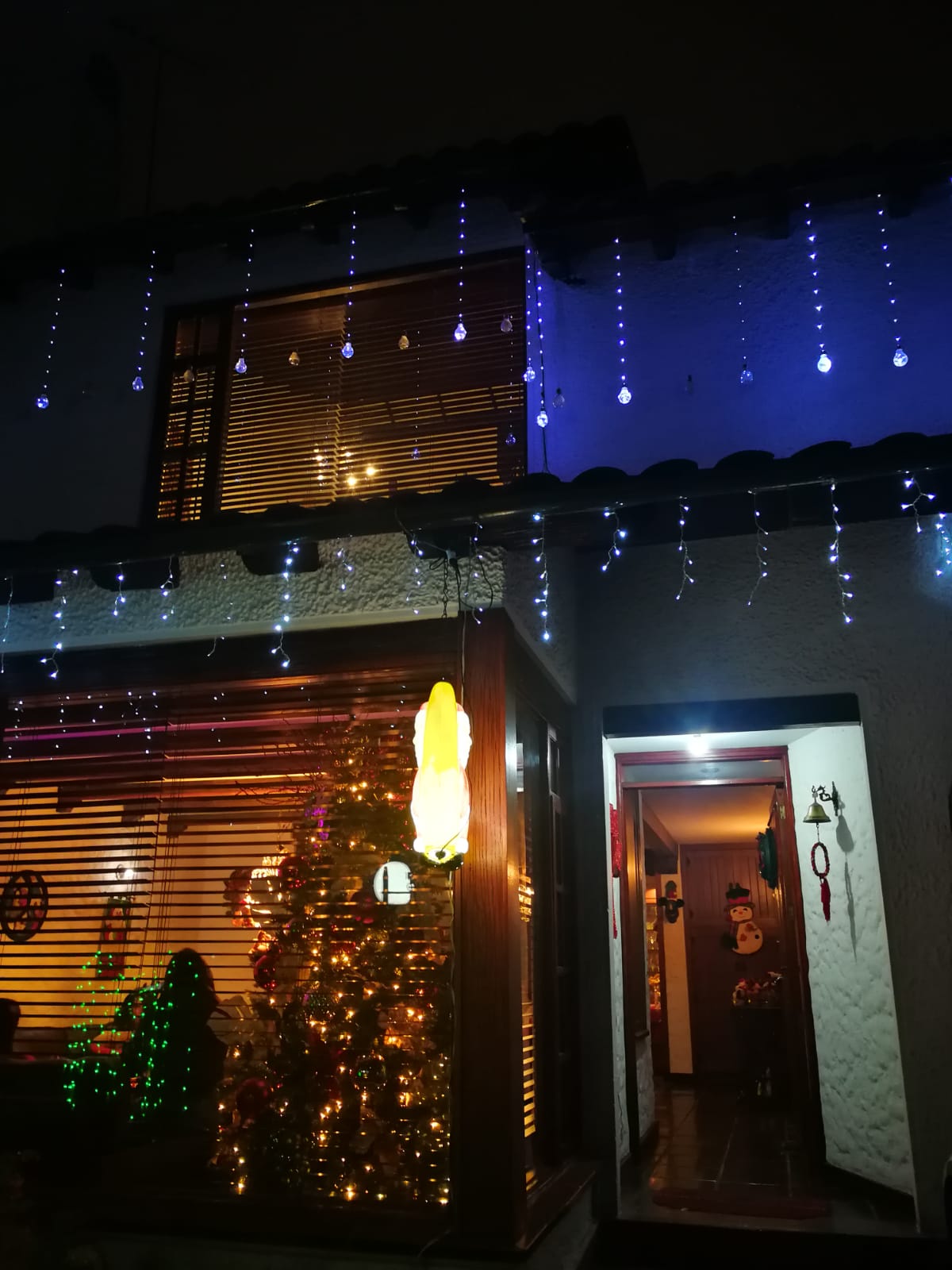


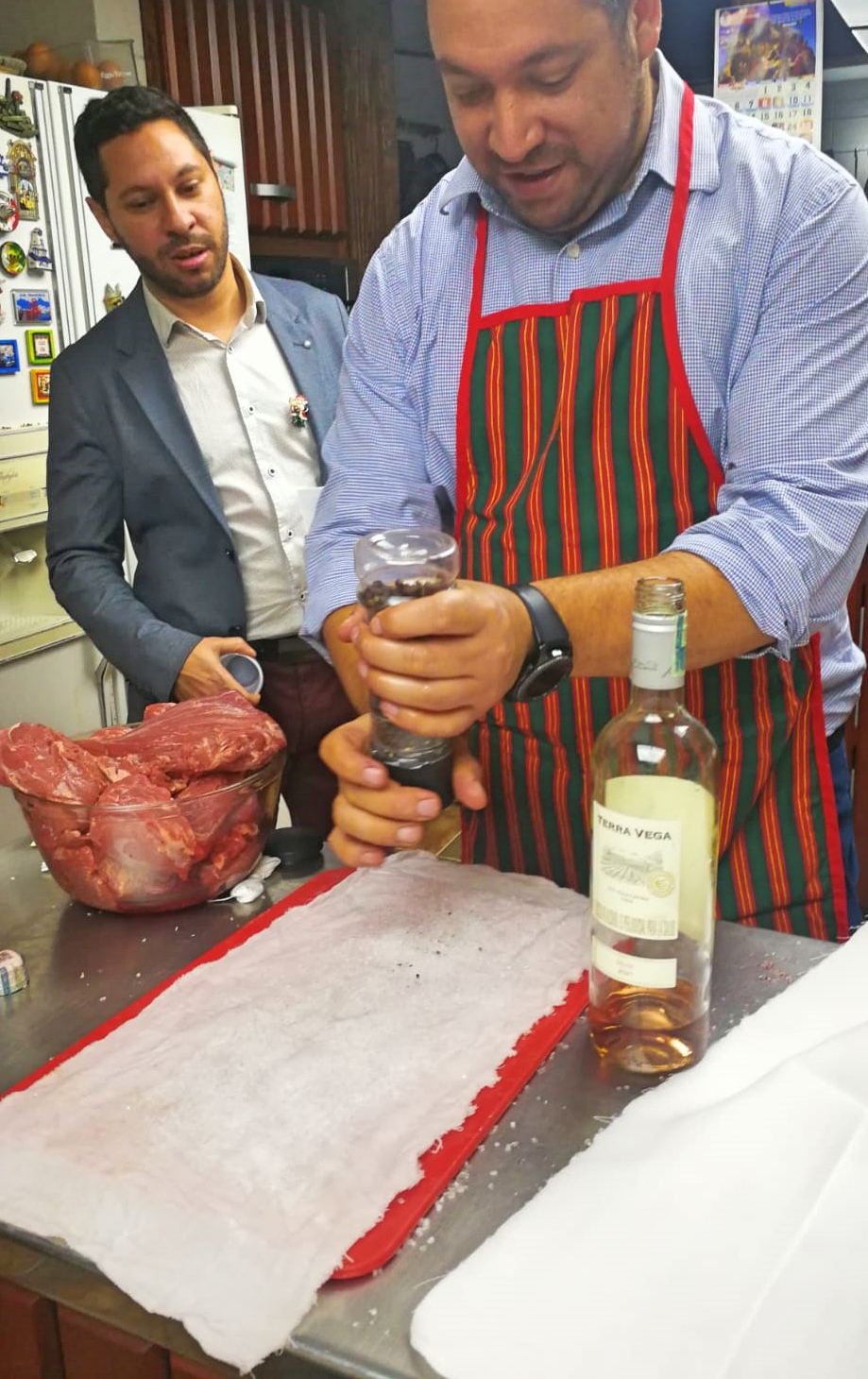
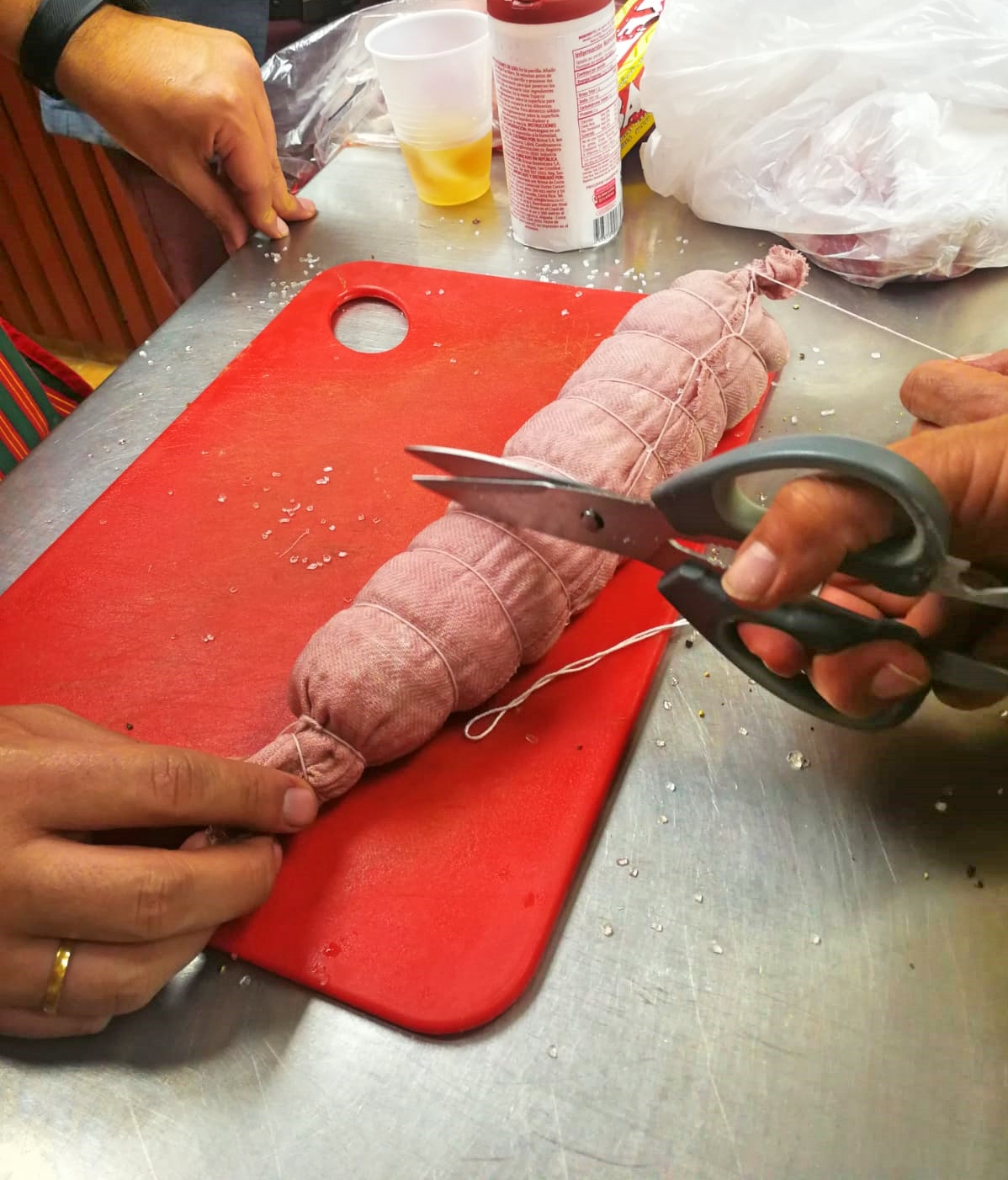


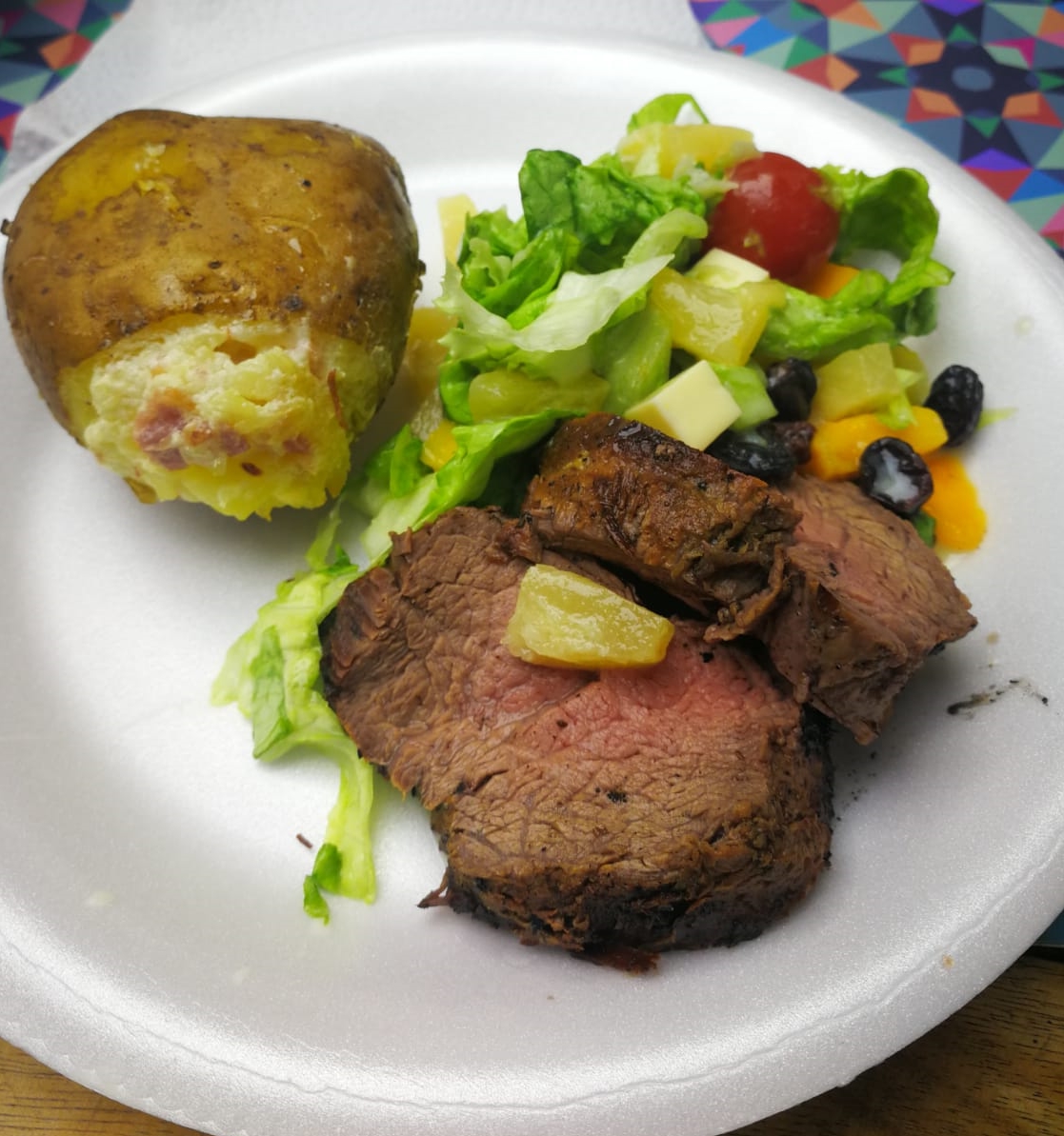


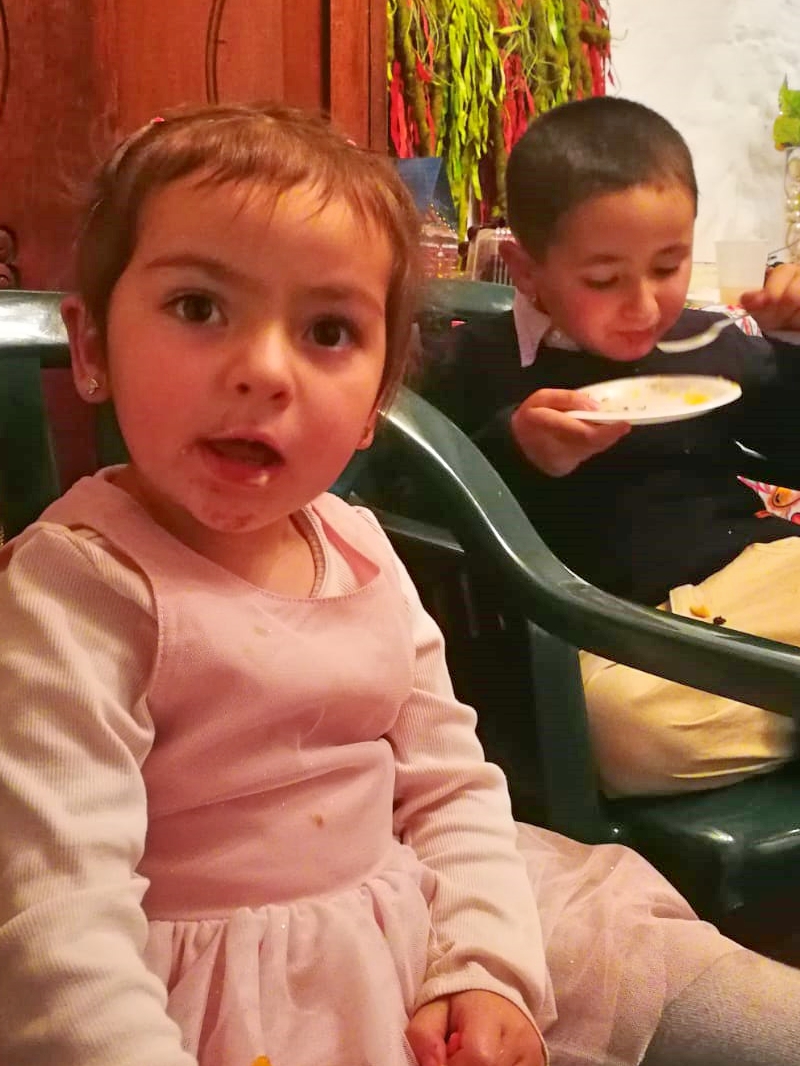

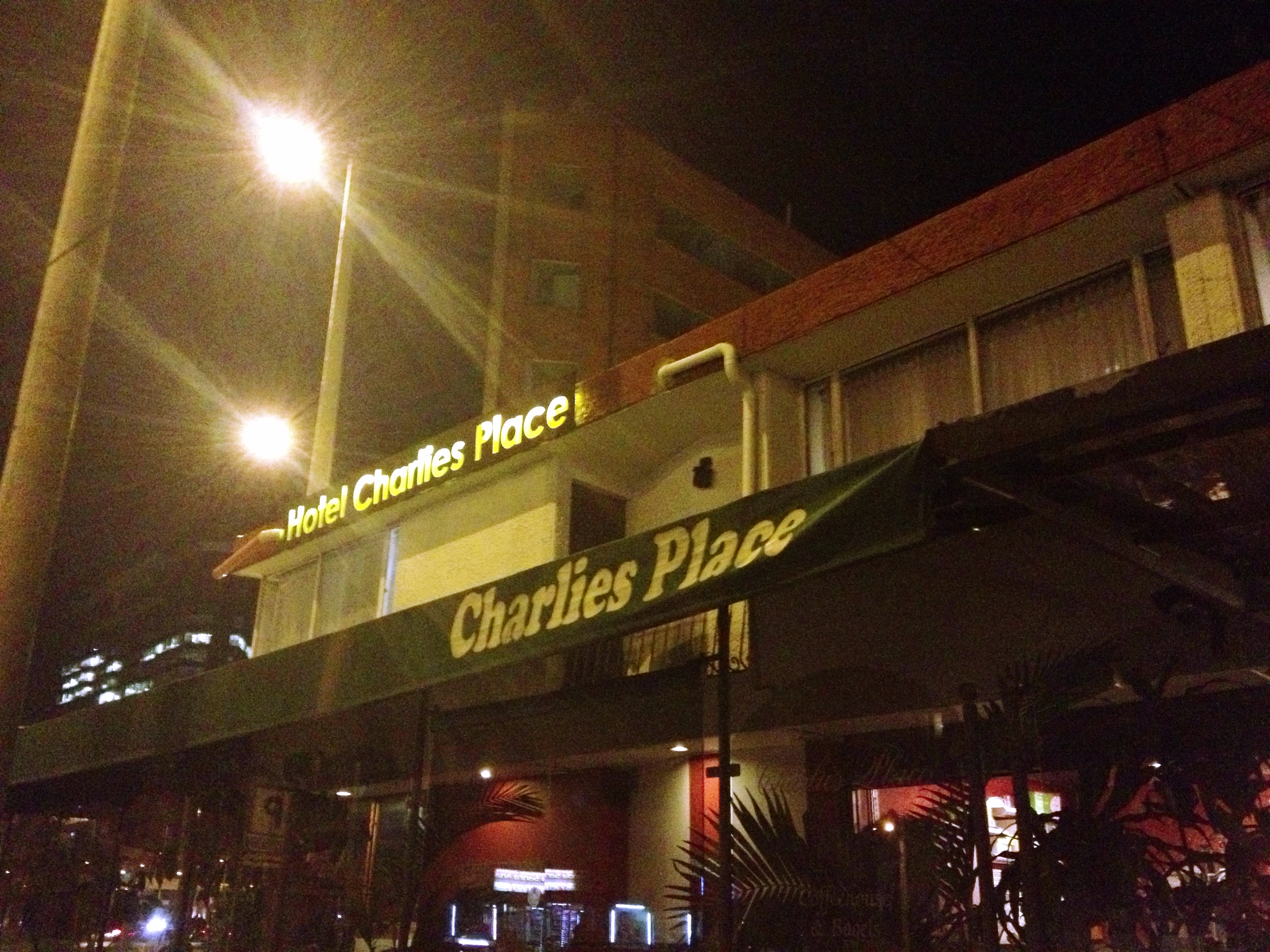
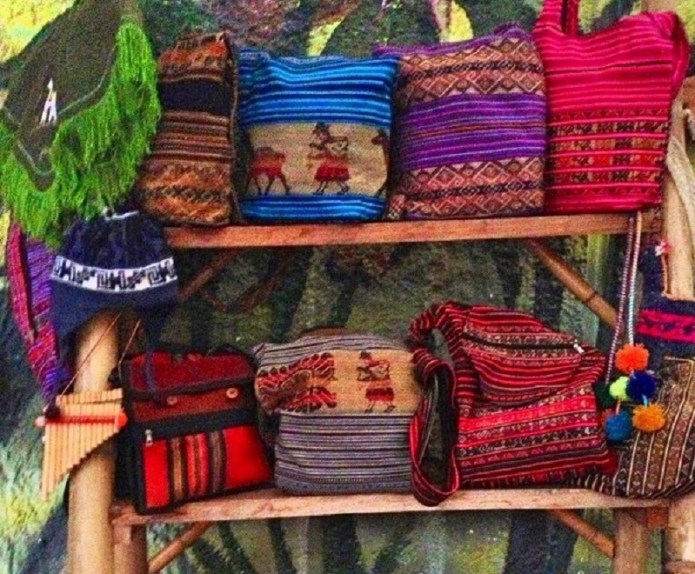
![IMG_1768[1]](https://colombianculture.com/wp-content/uploads/2014/07/img_17681.jpg)

![IMG_1780[1]](https://colombianculture.com/wp-content/uploads/2014/07/img_17801.jpg)




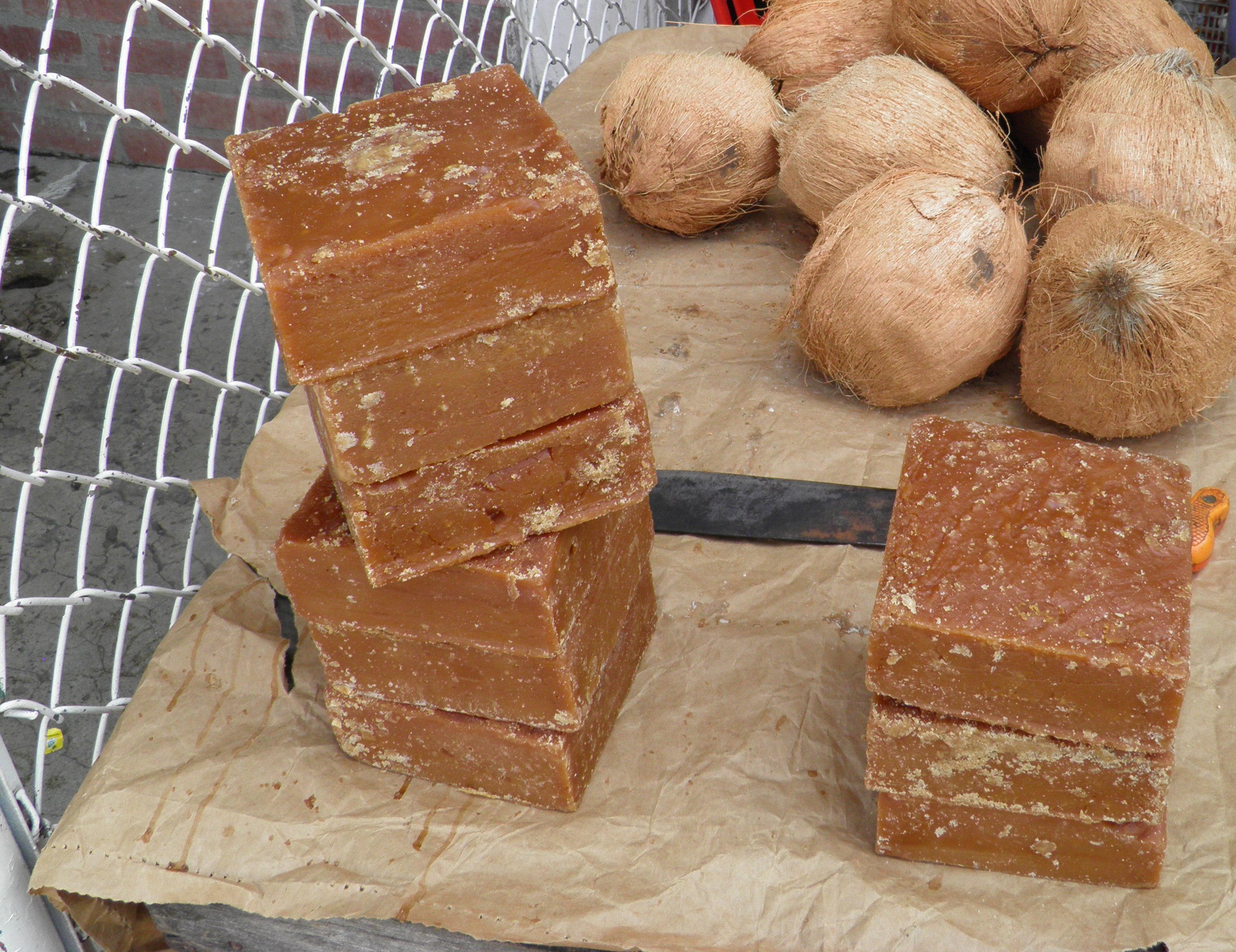
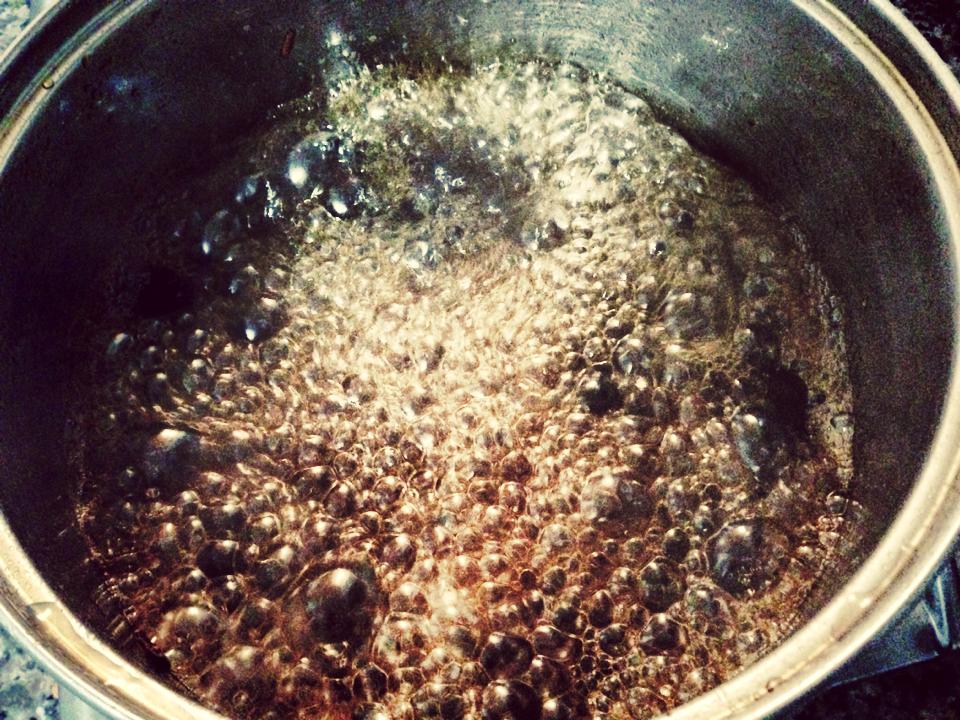

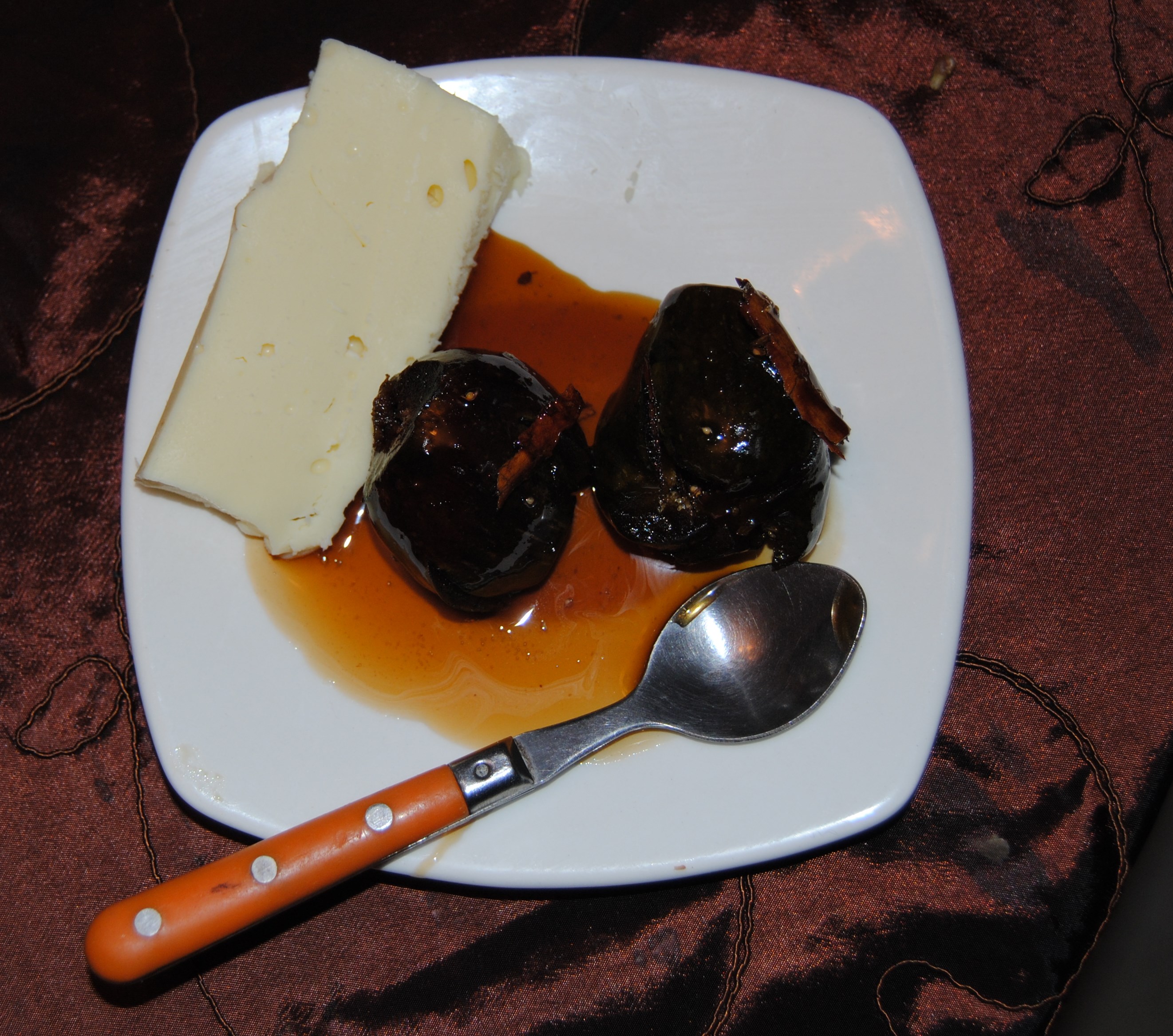


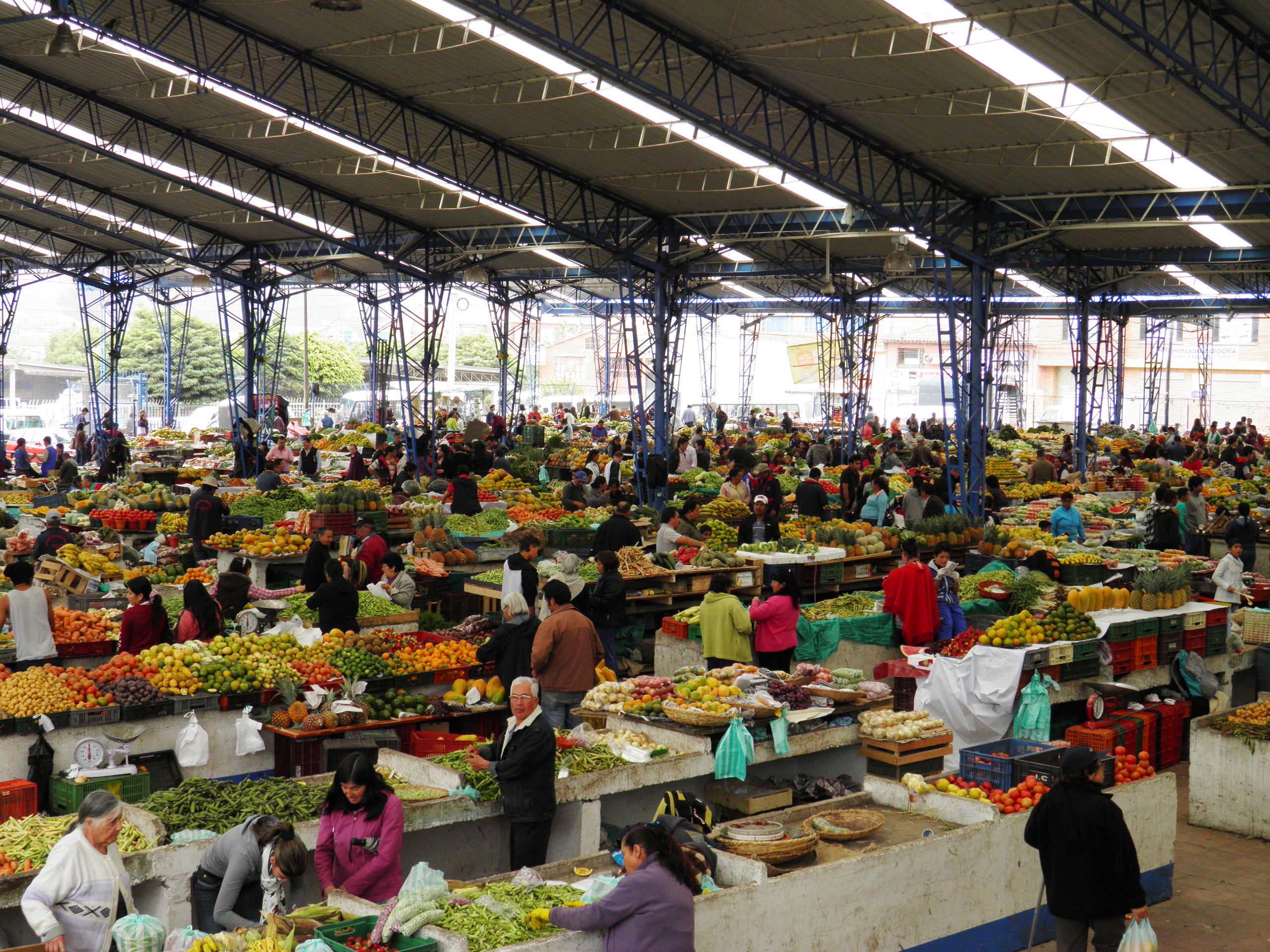




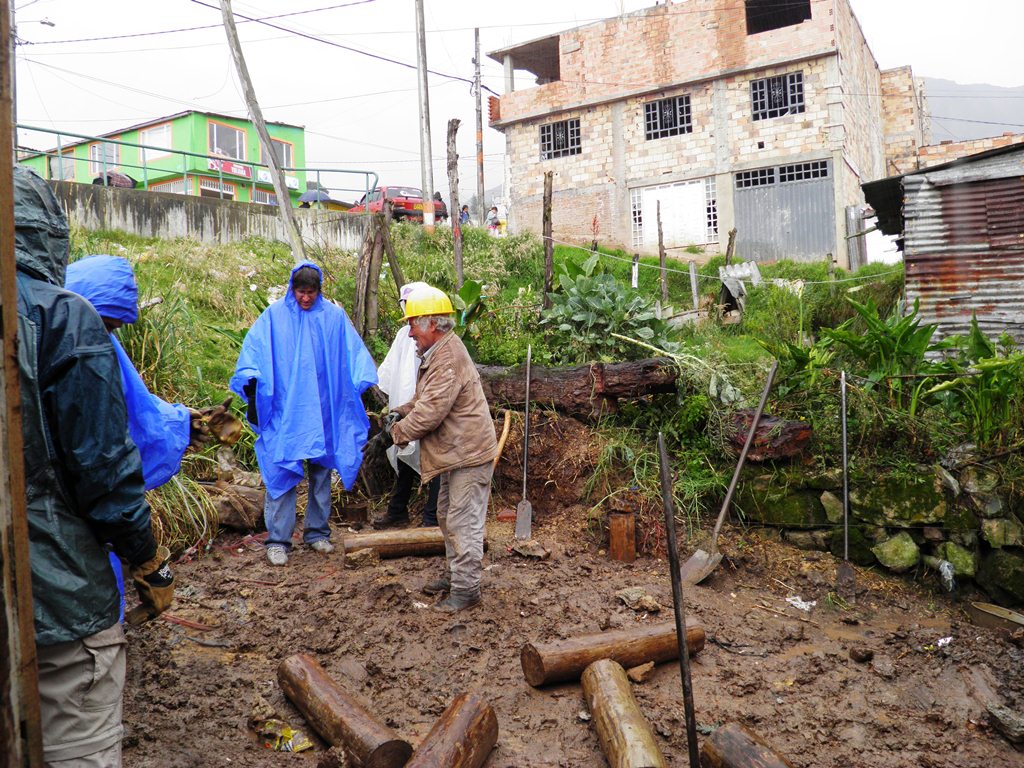
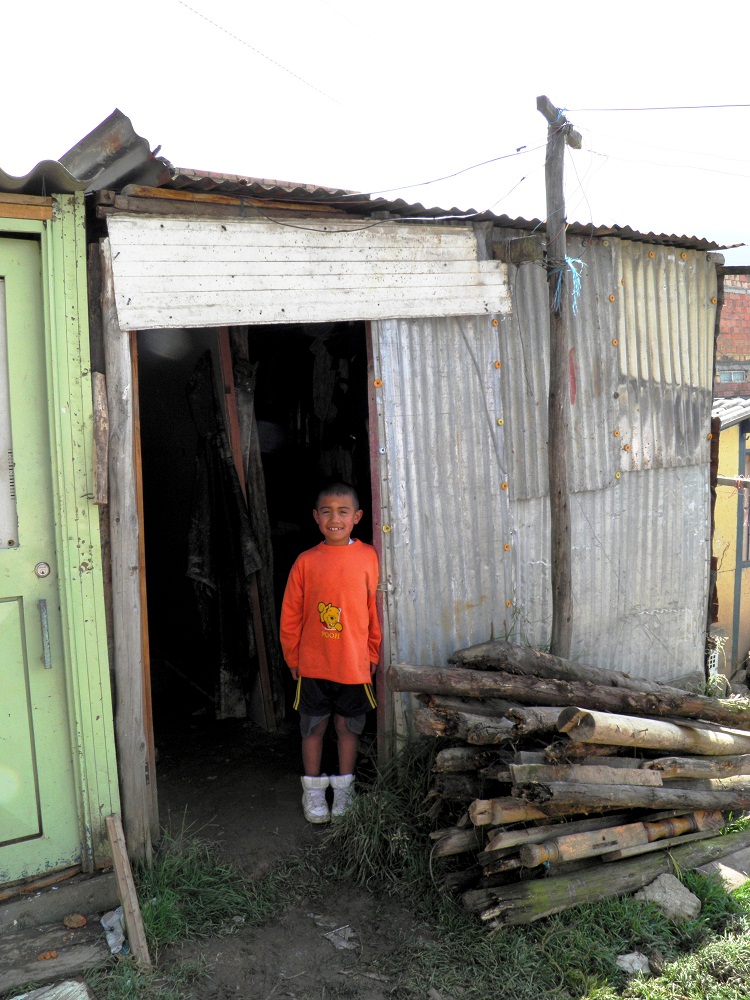


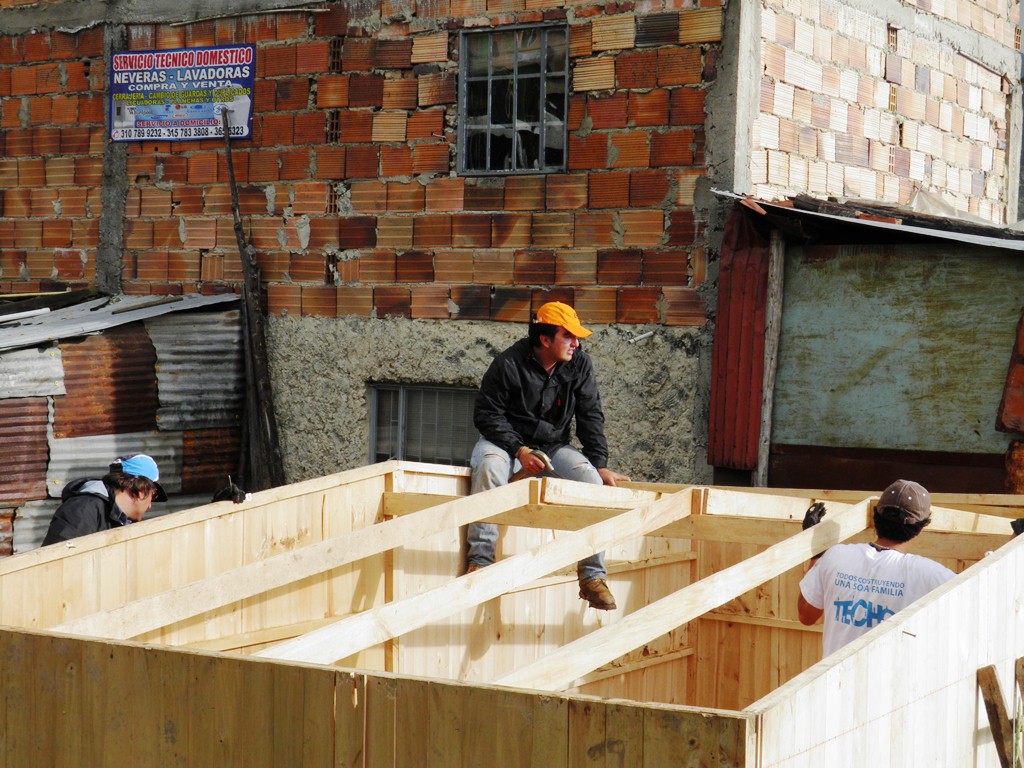


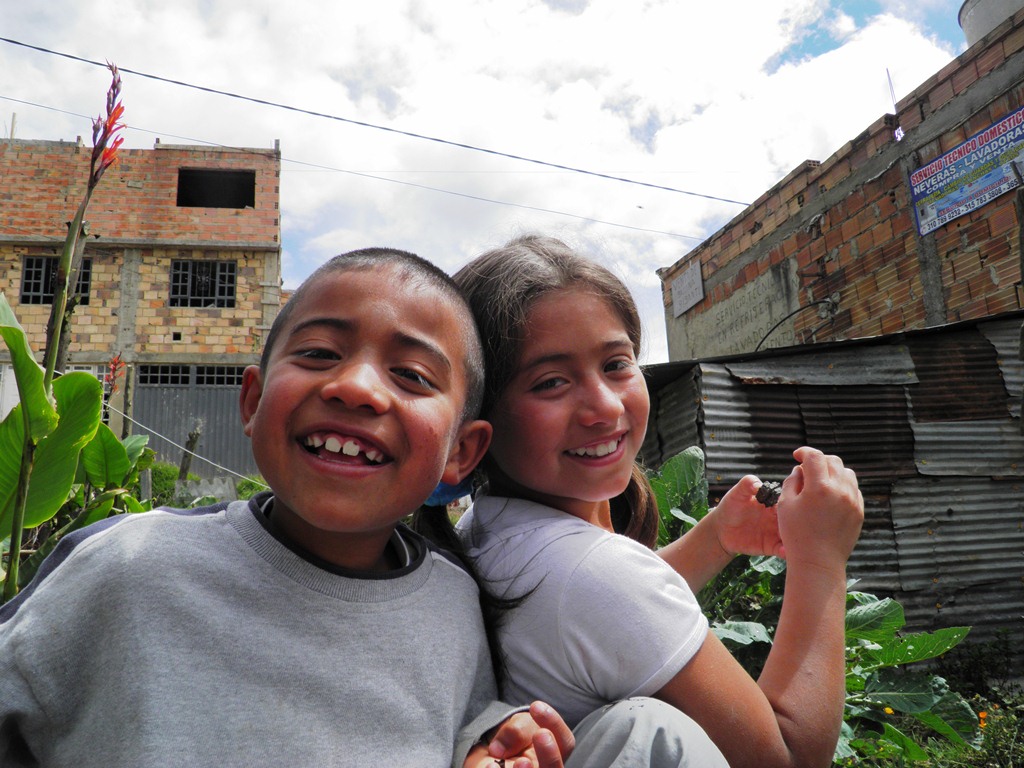

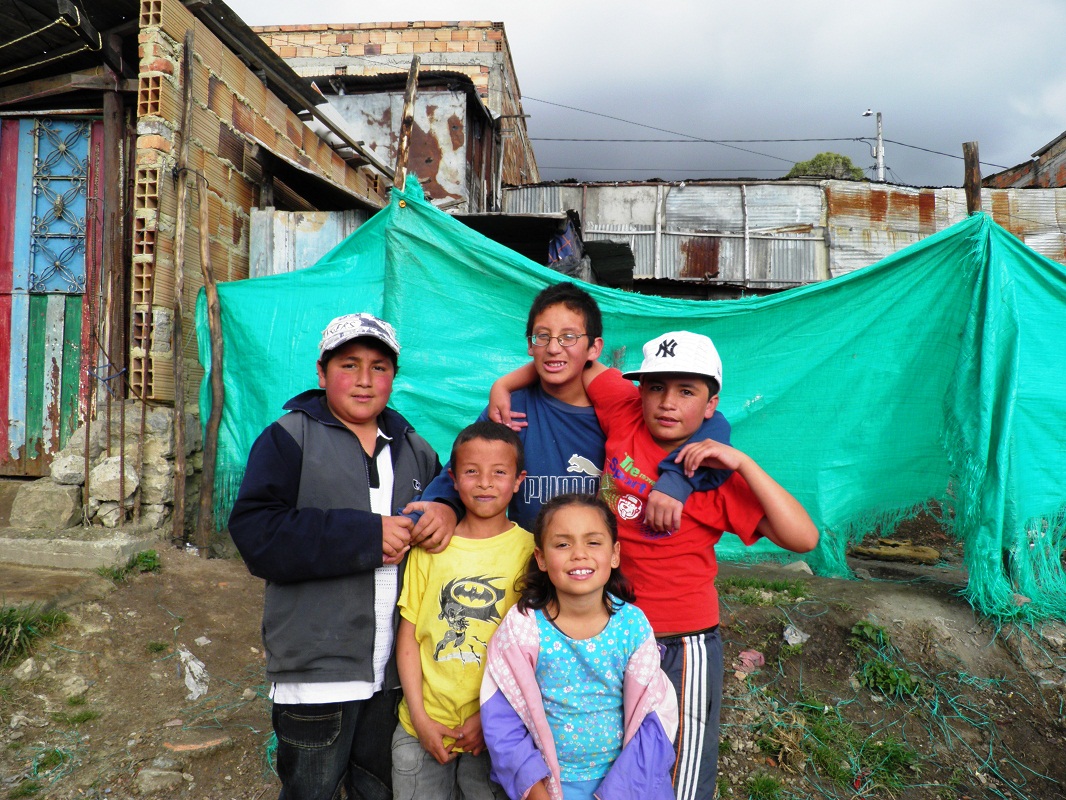

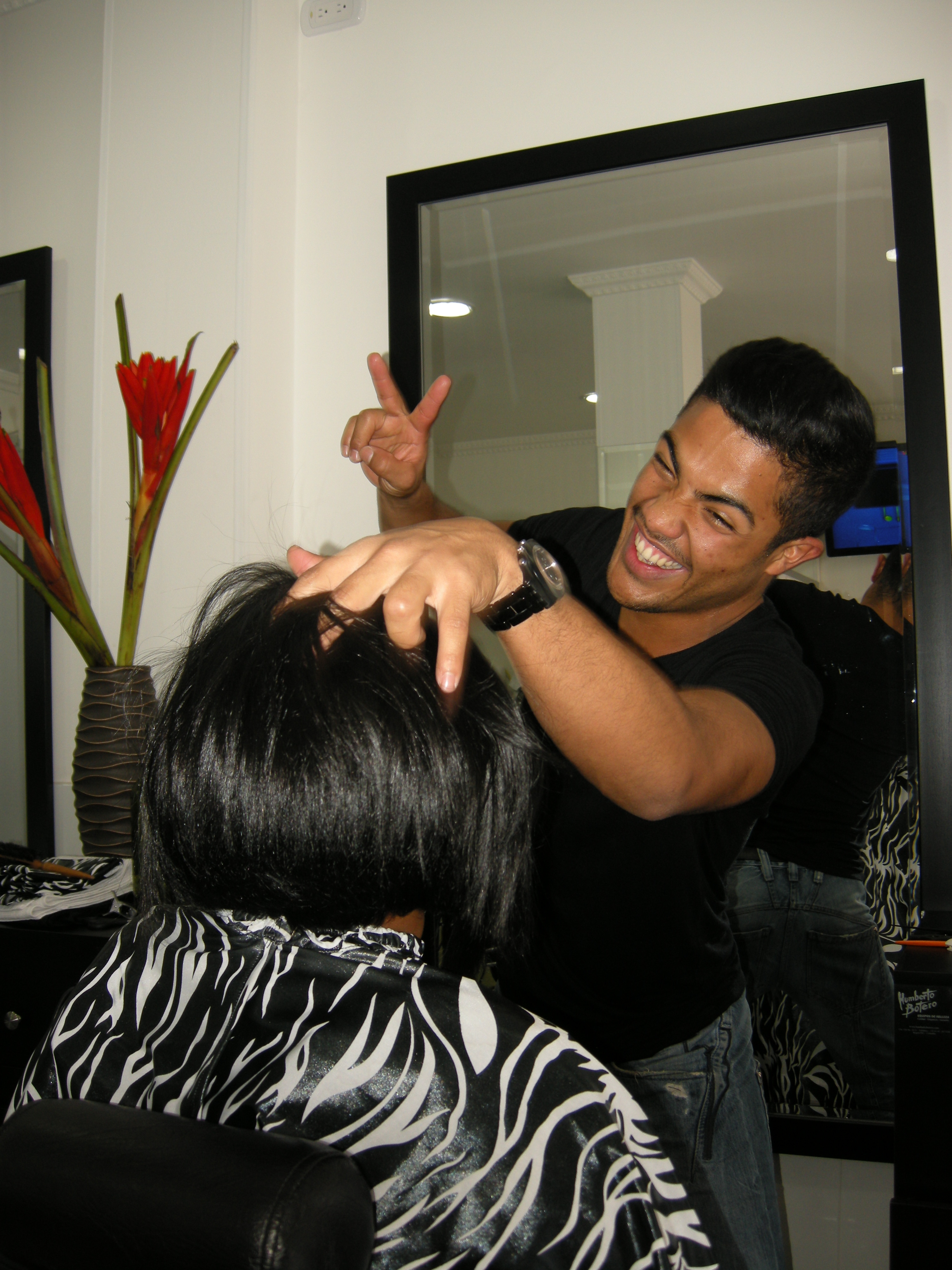
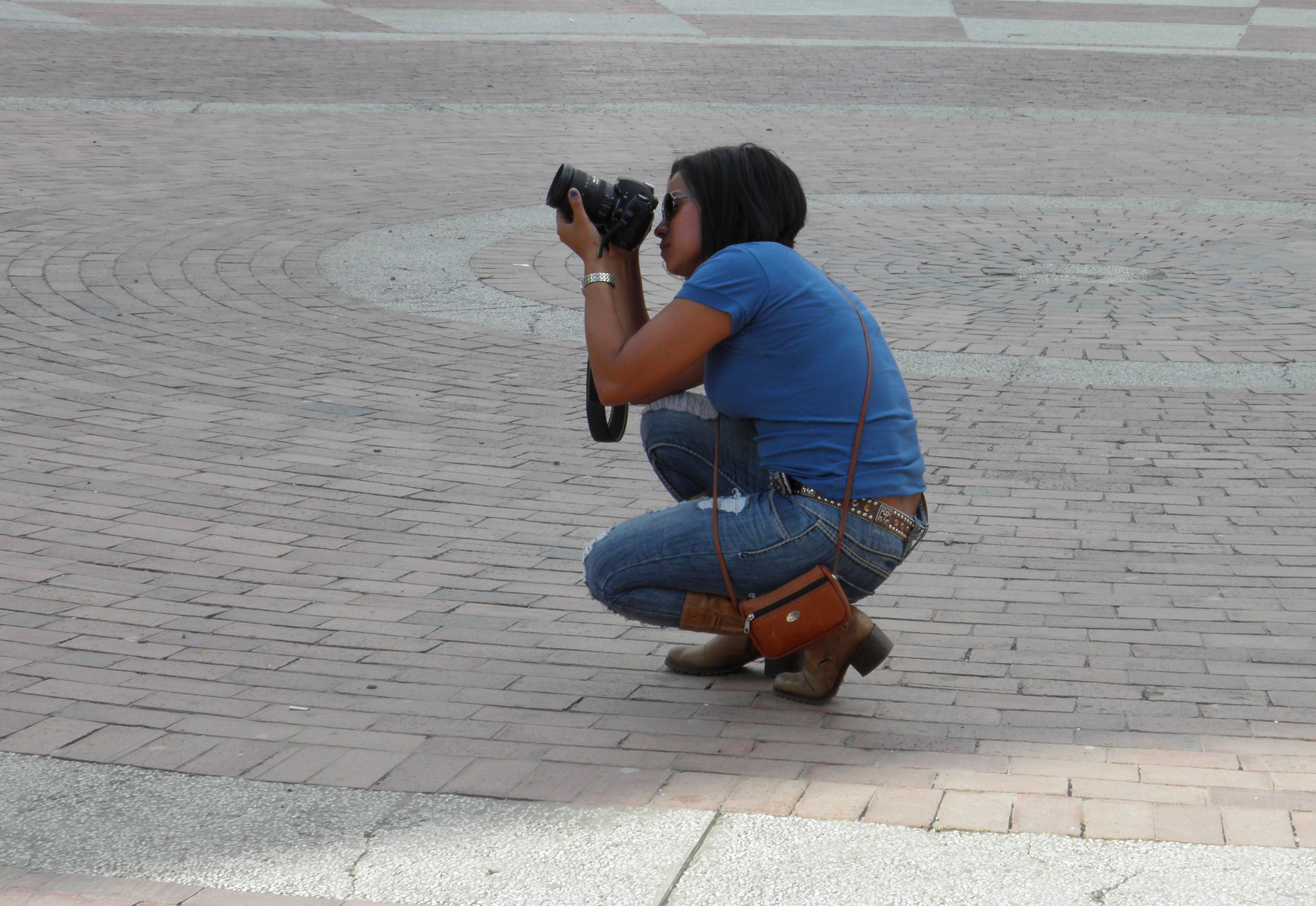

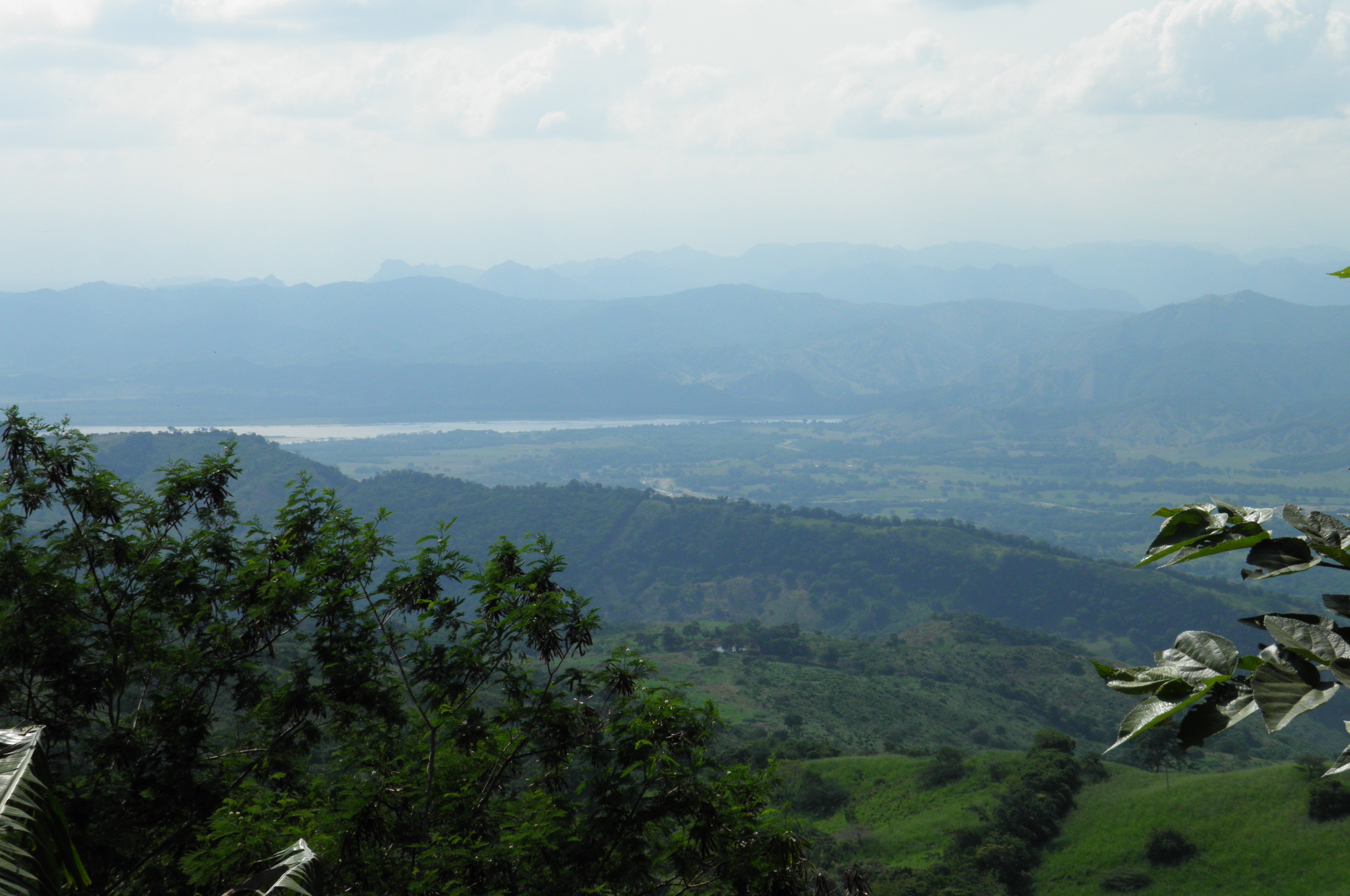

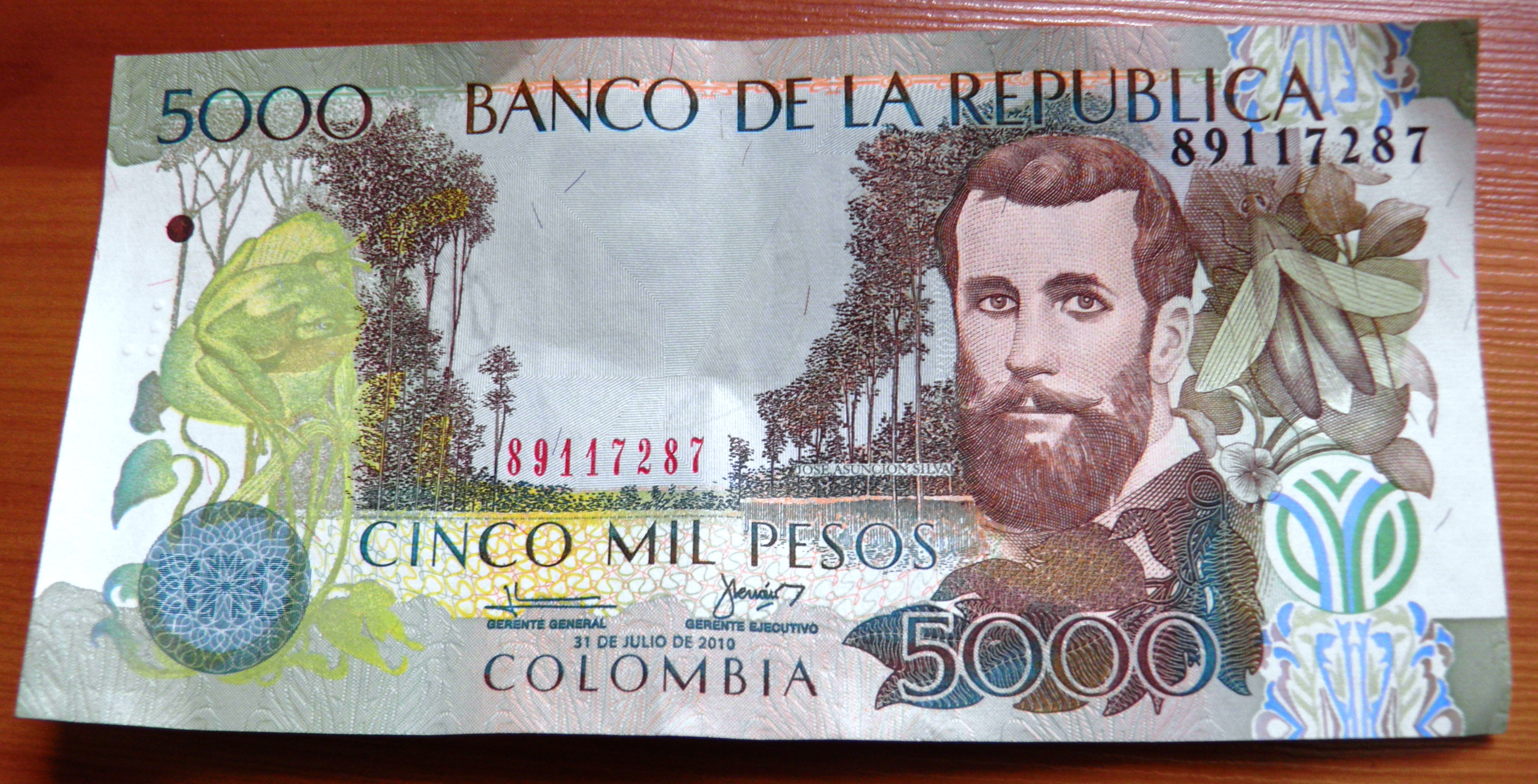

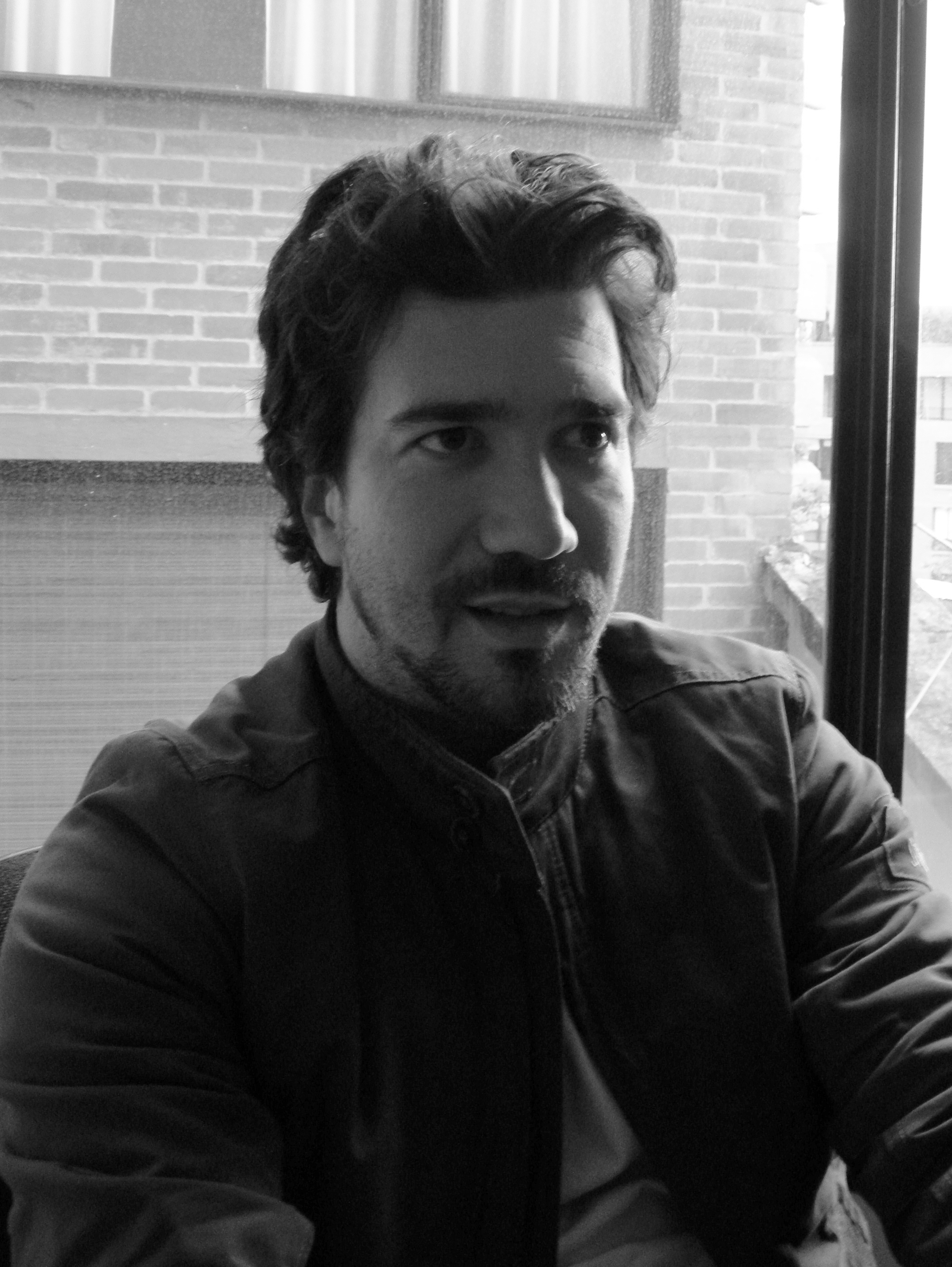
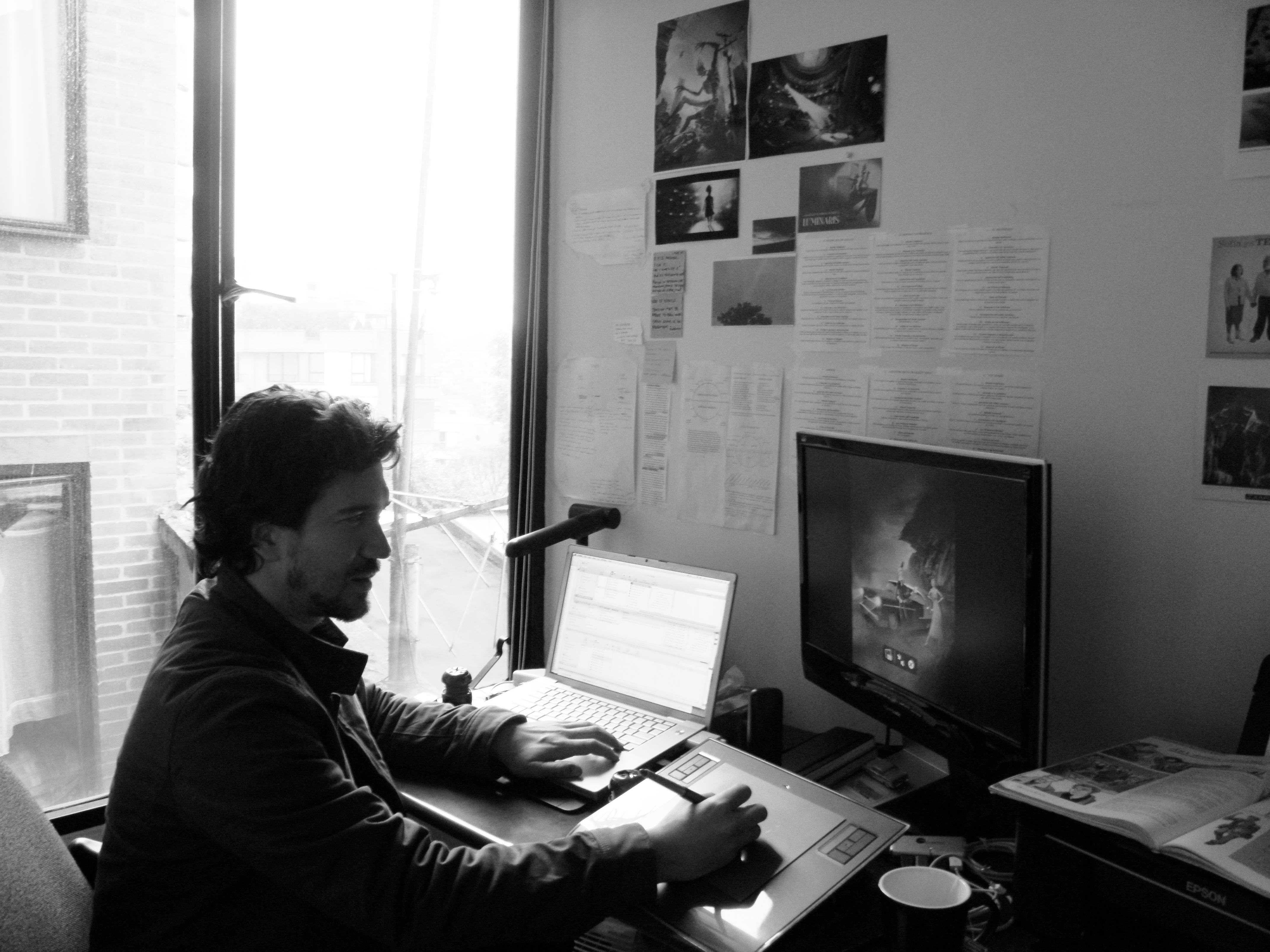


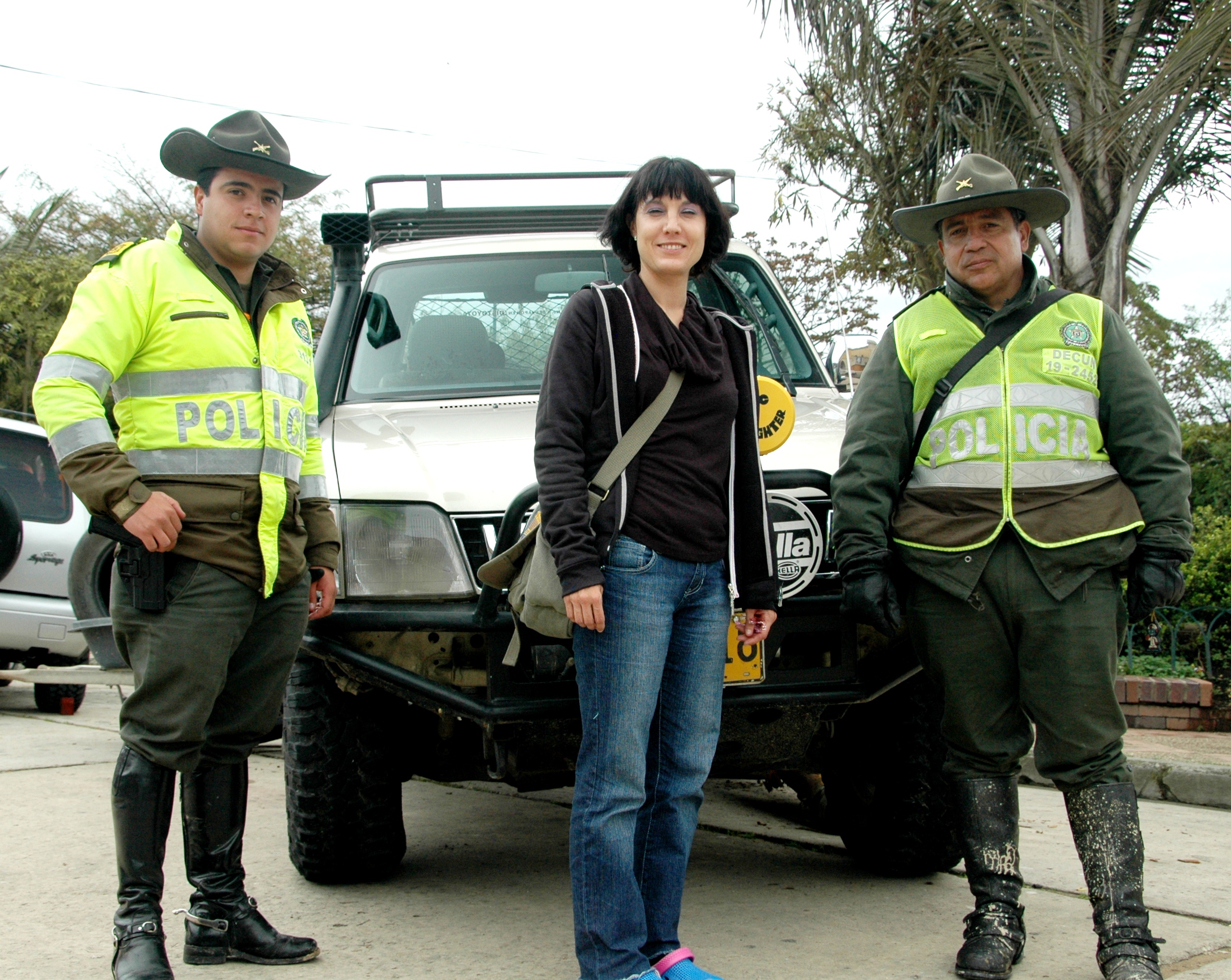
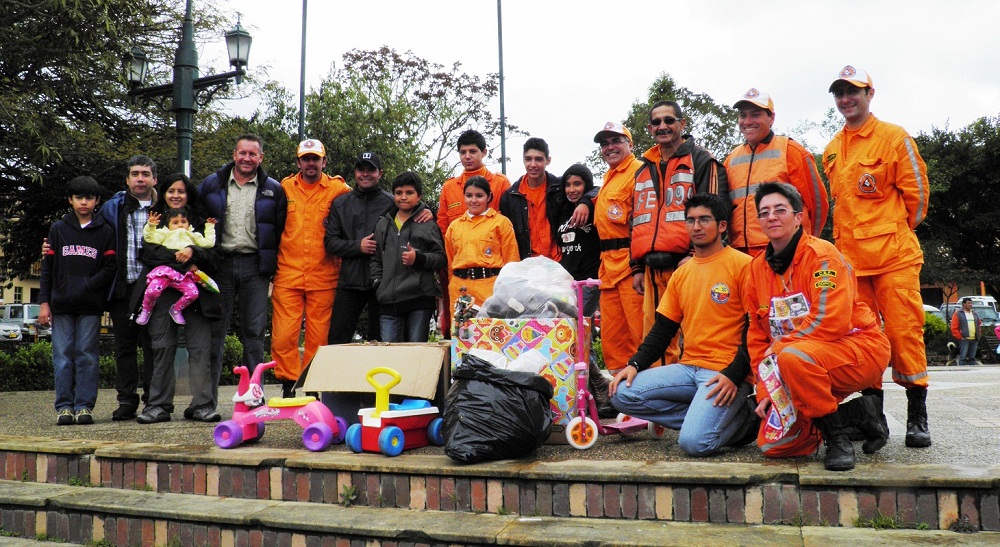

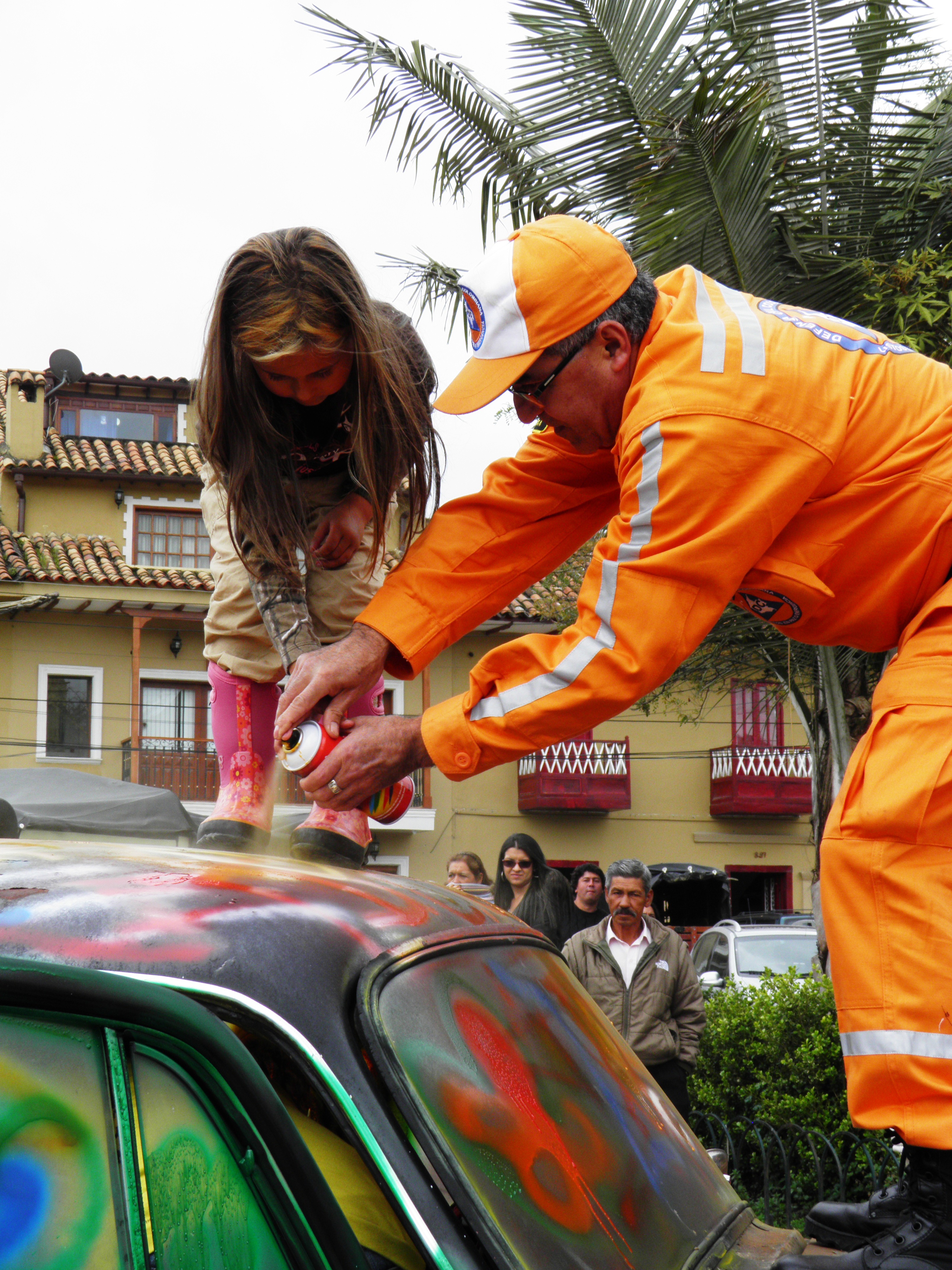
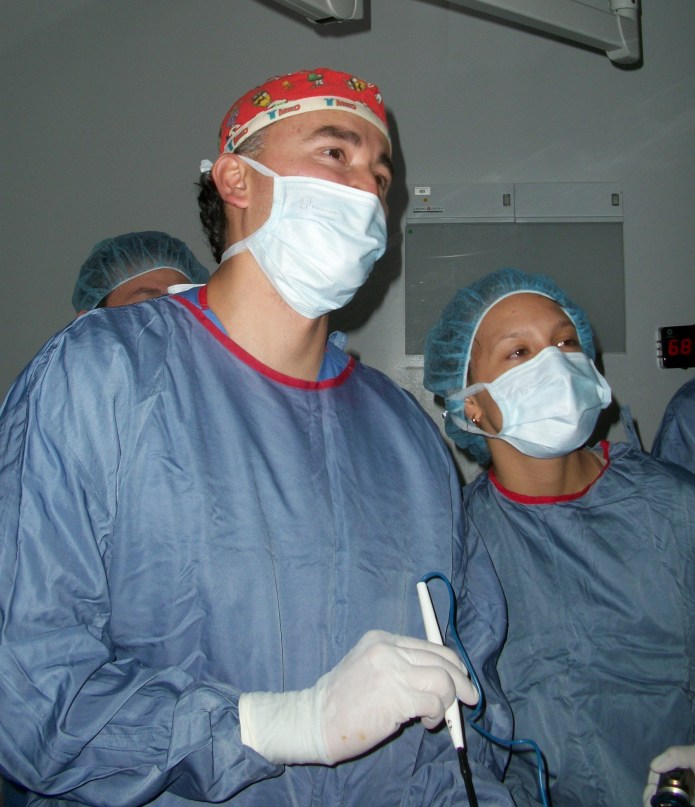
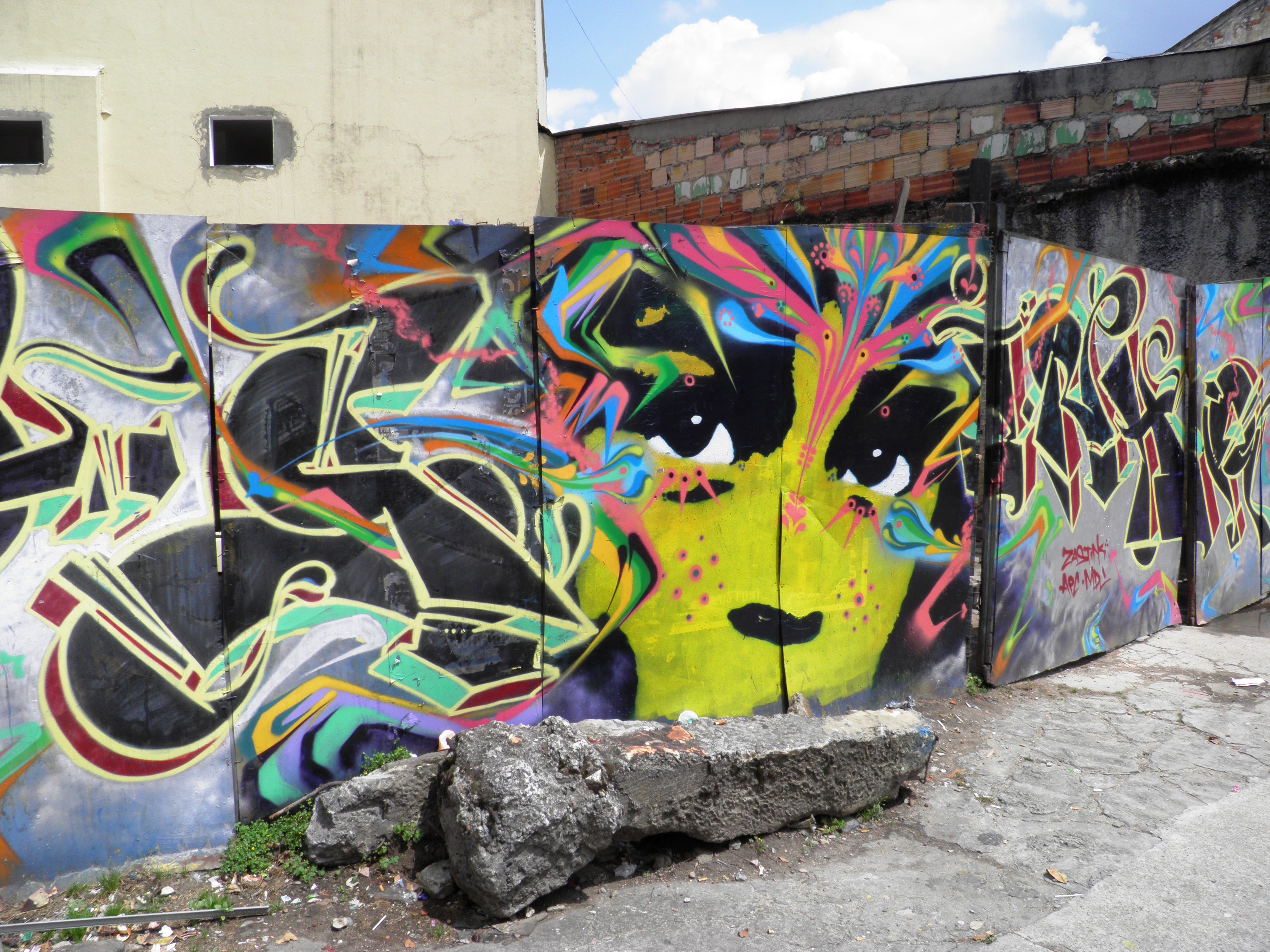


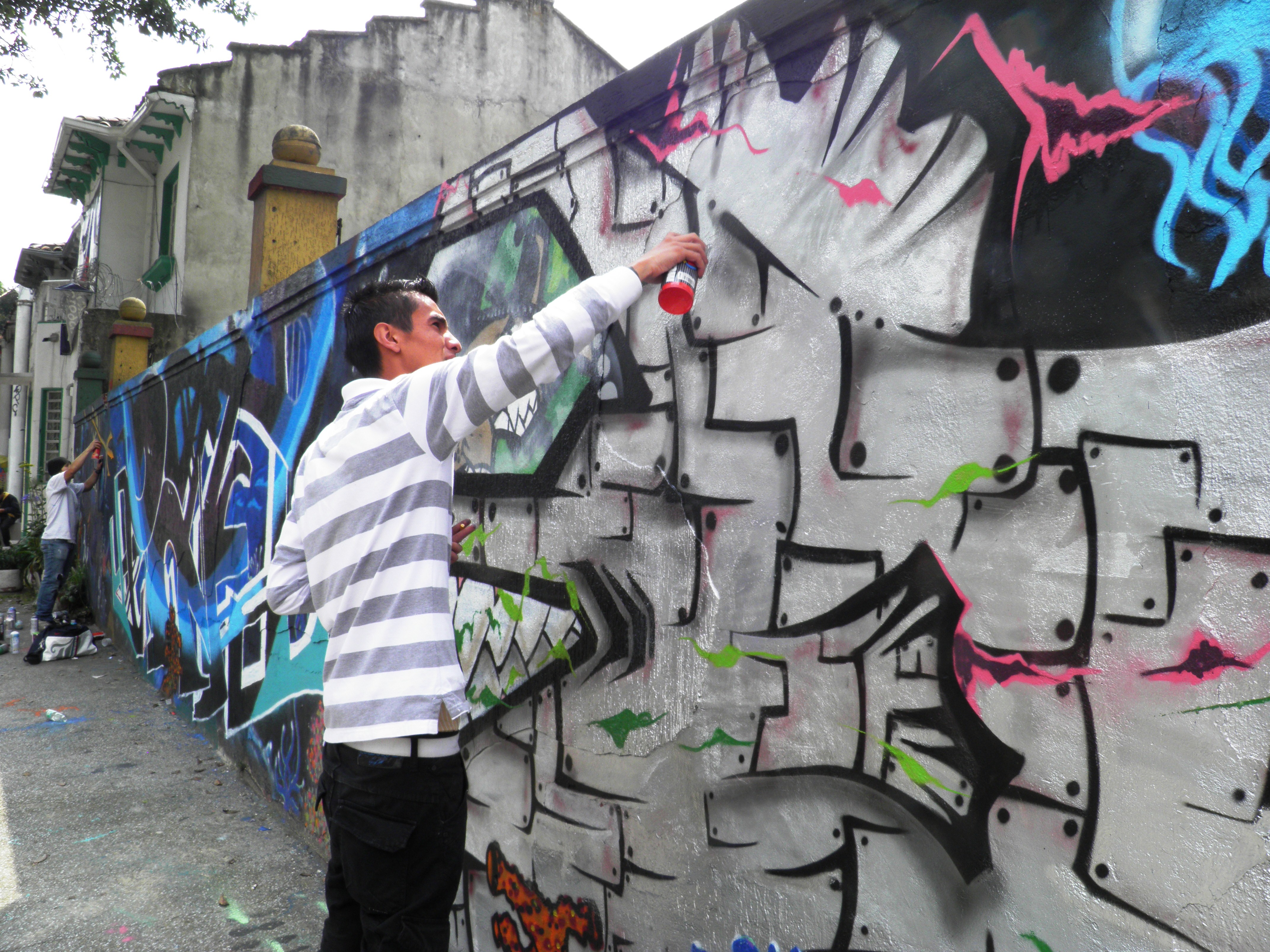


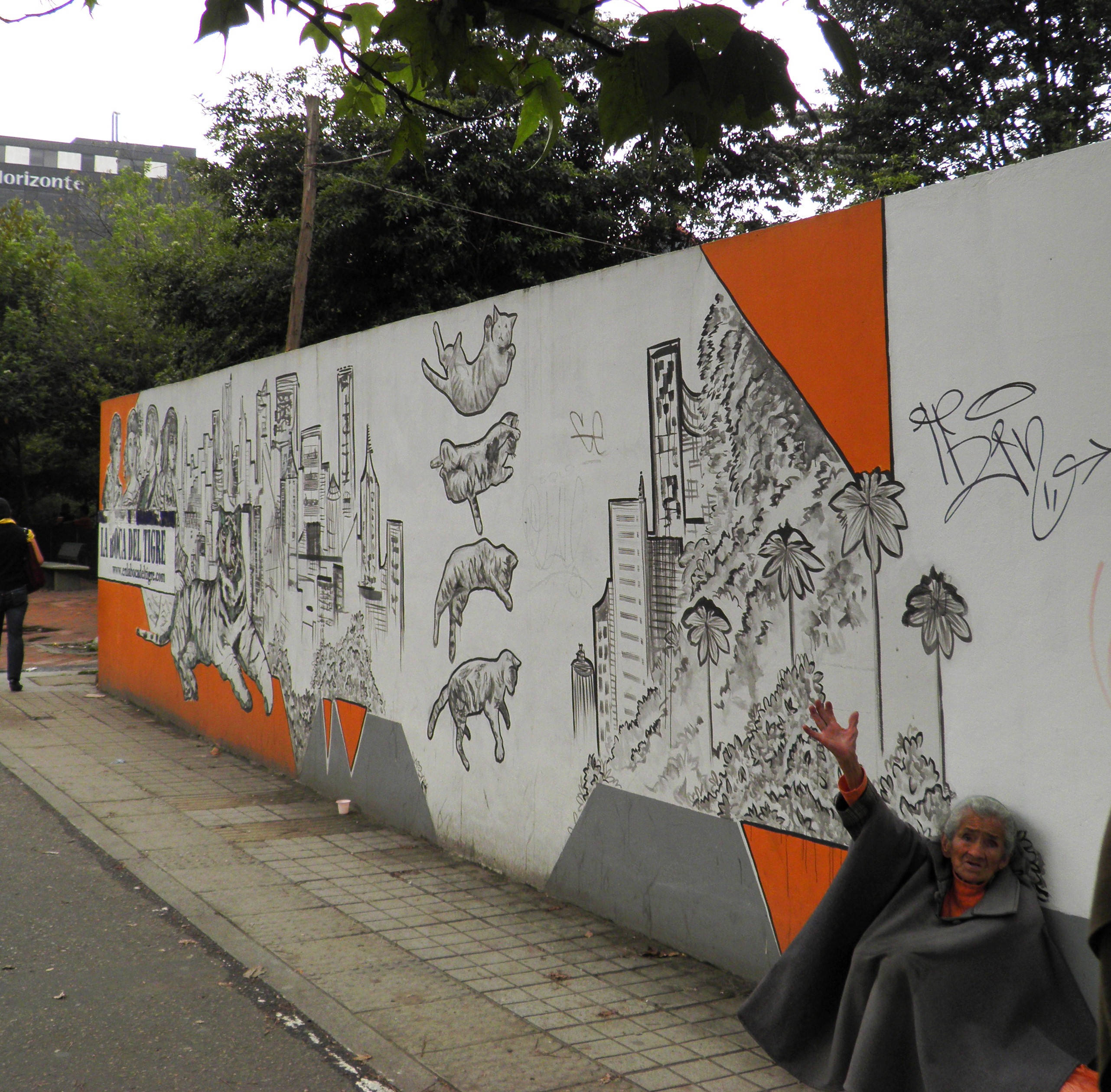

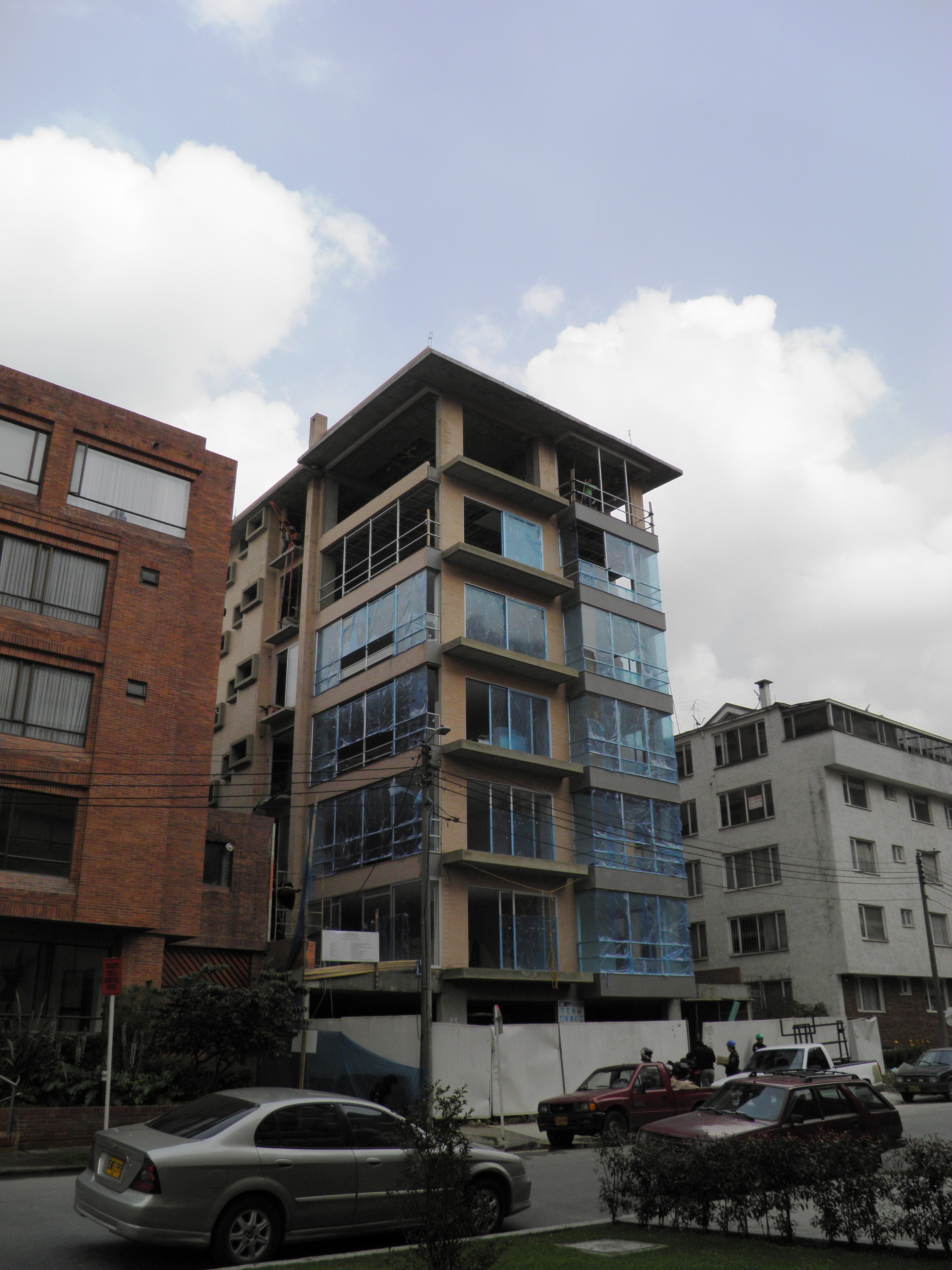
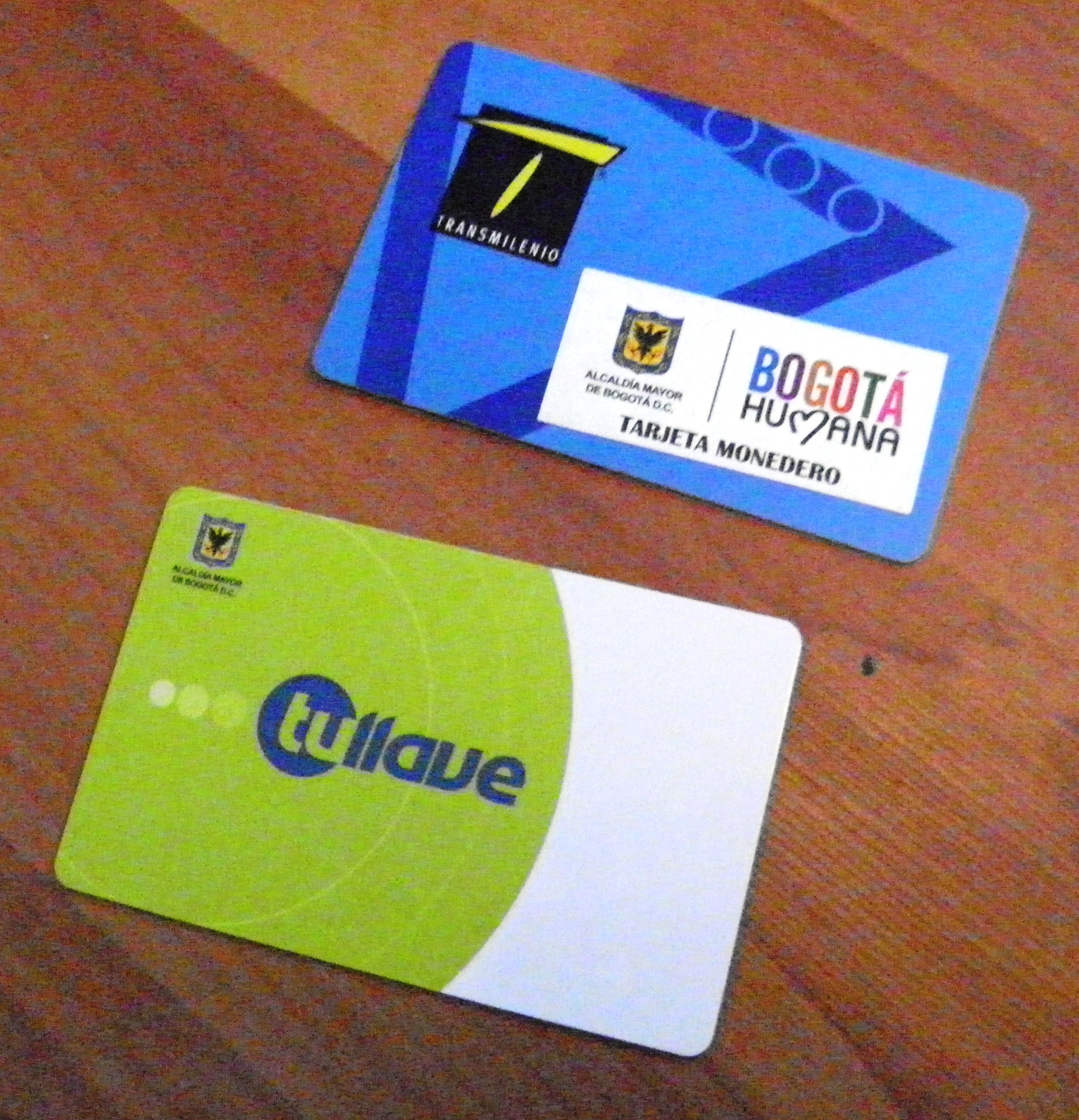
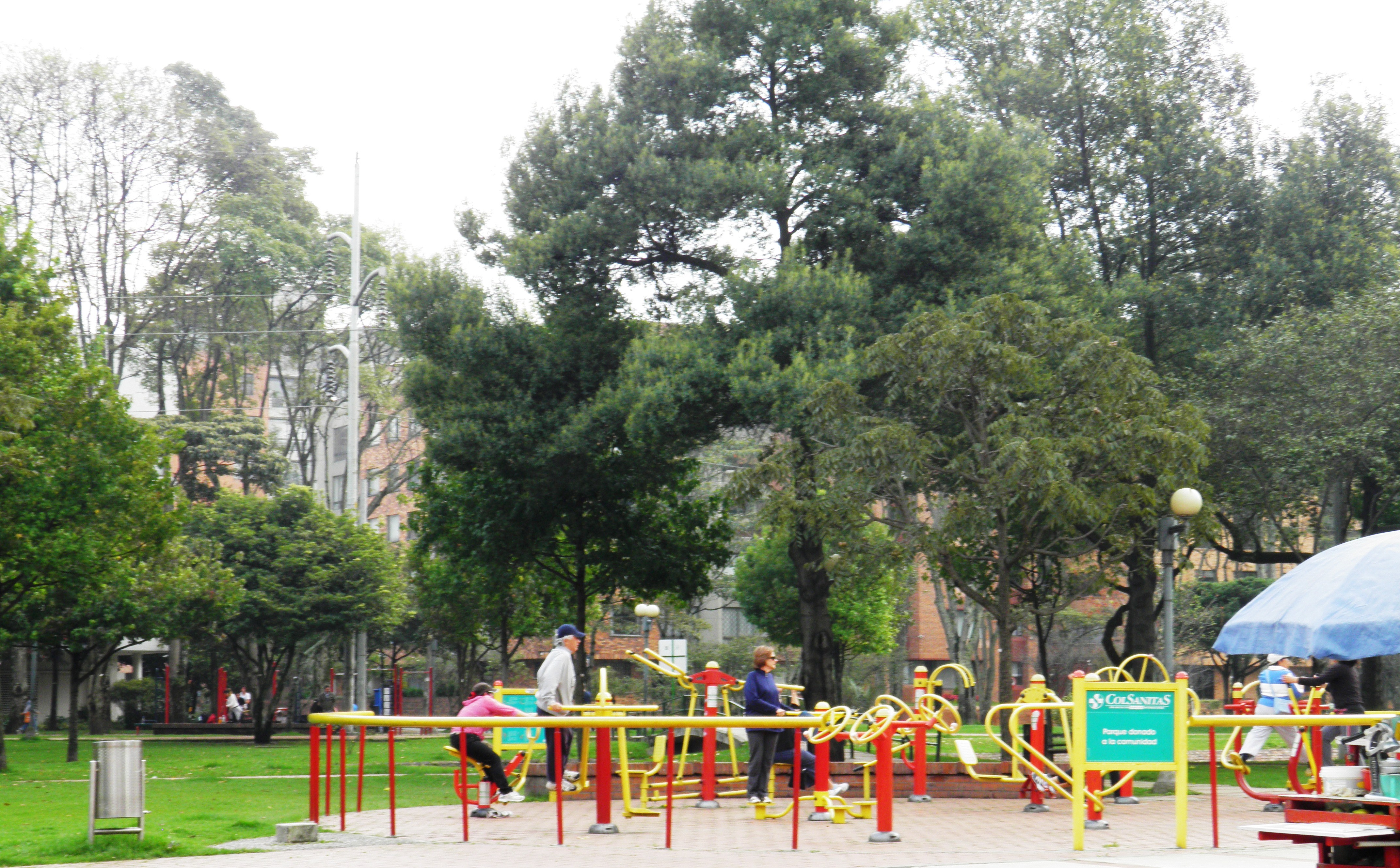

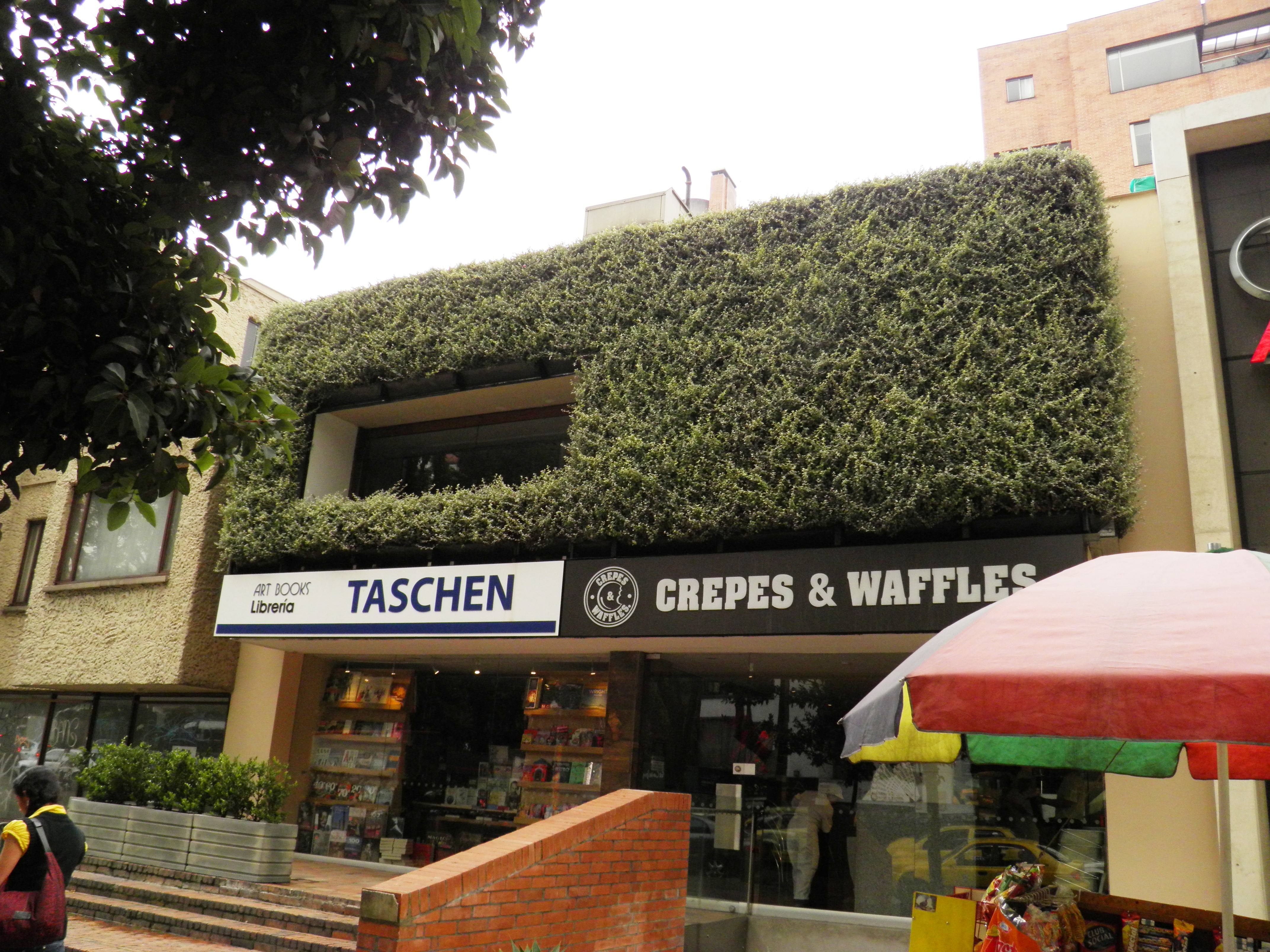
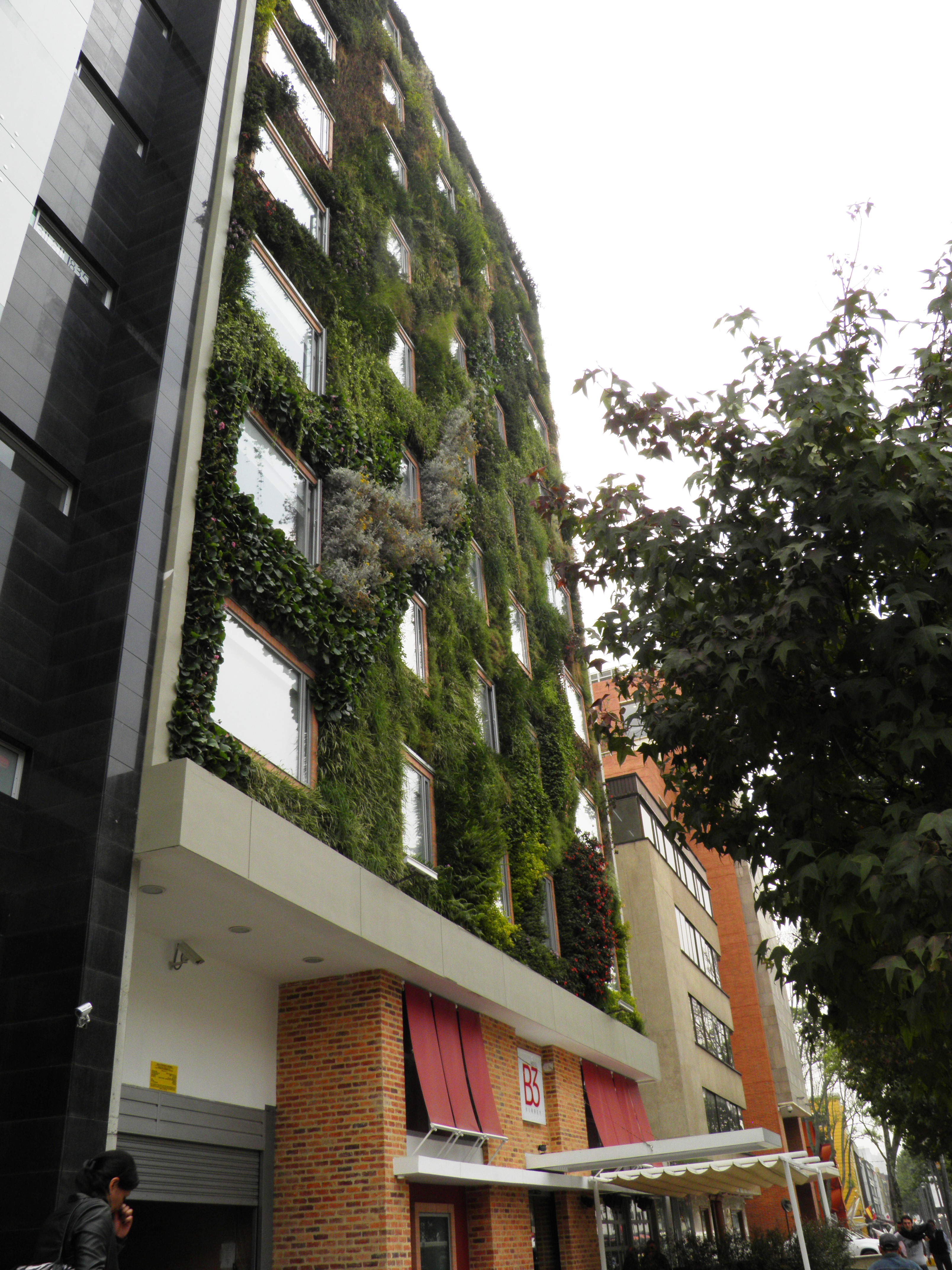


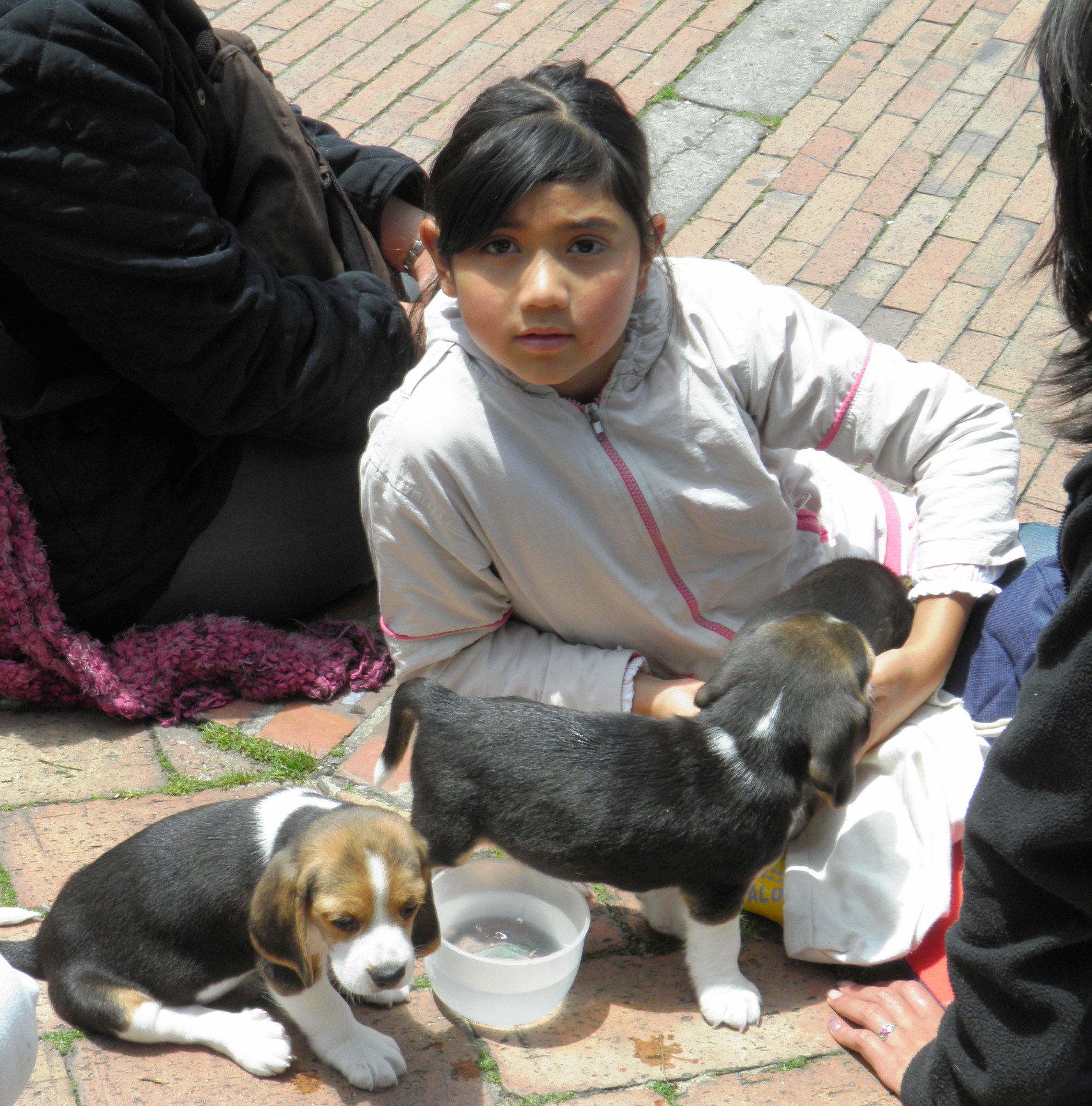
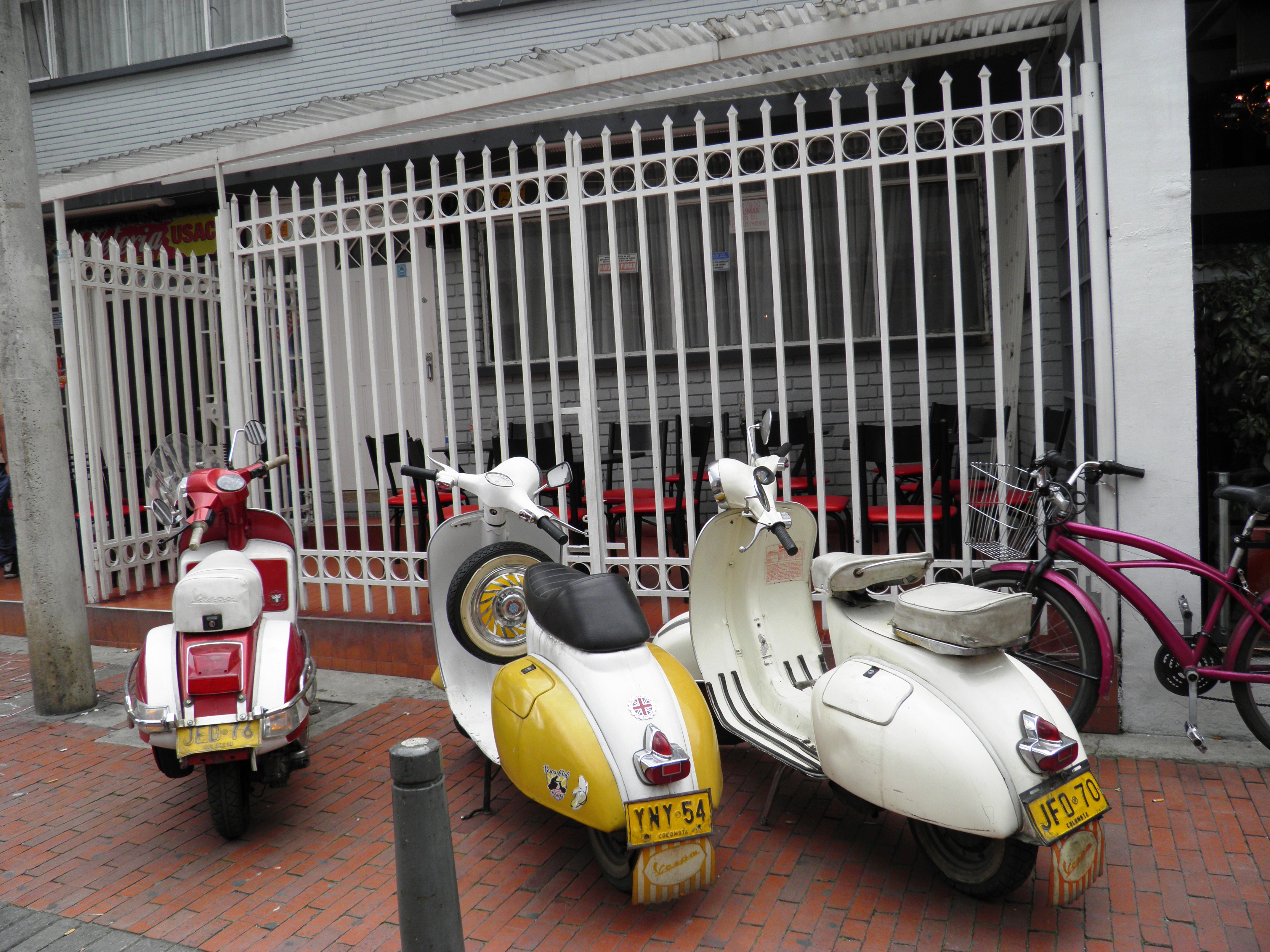

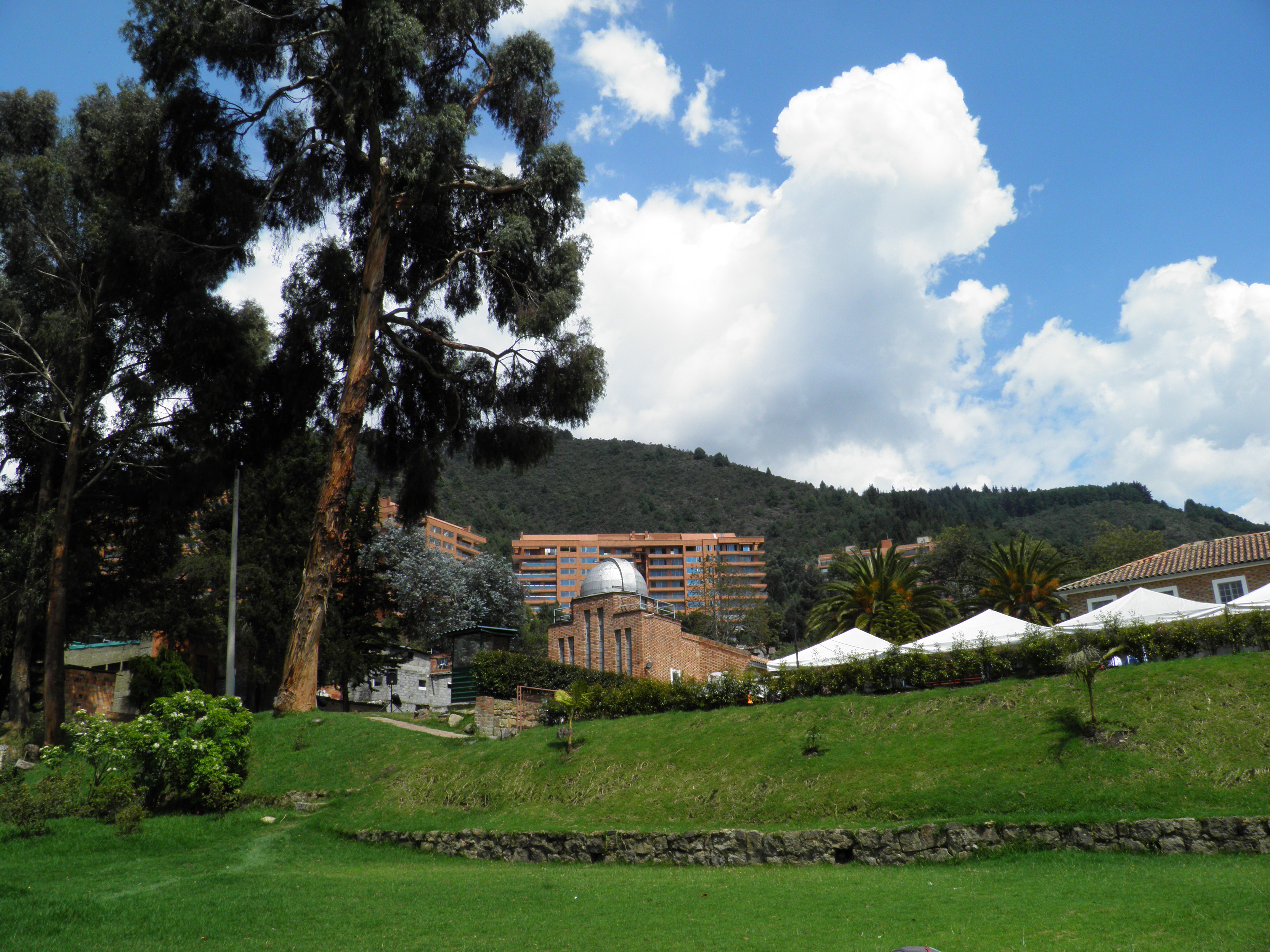


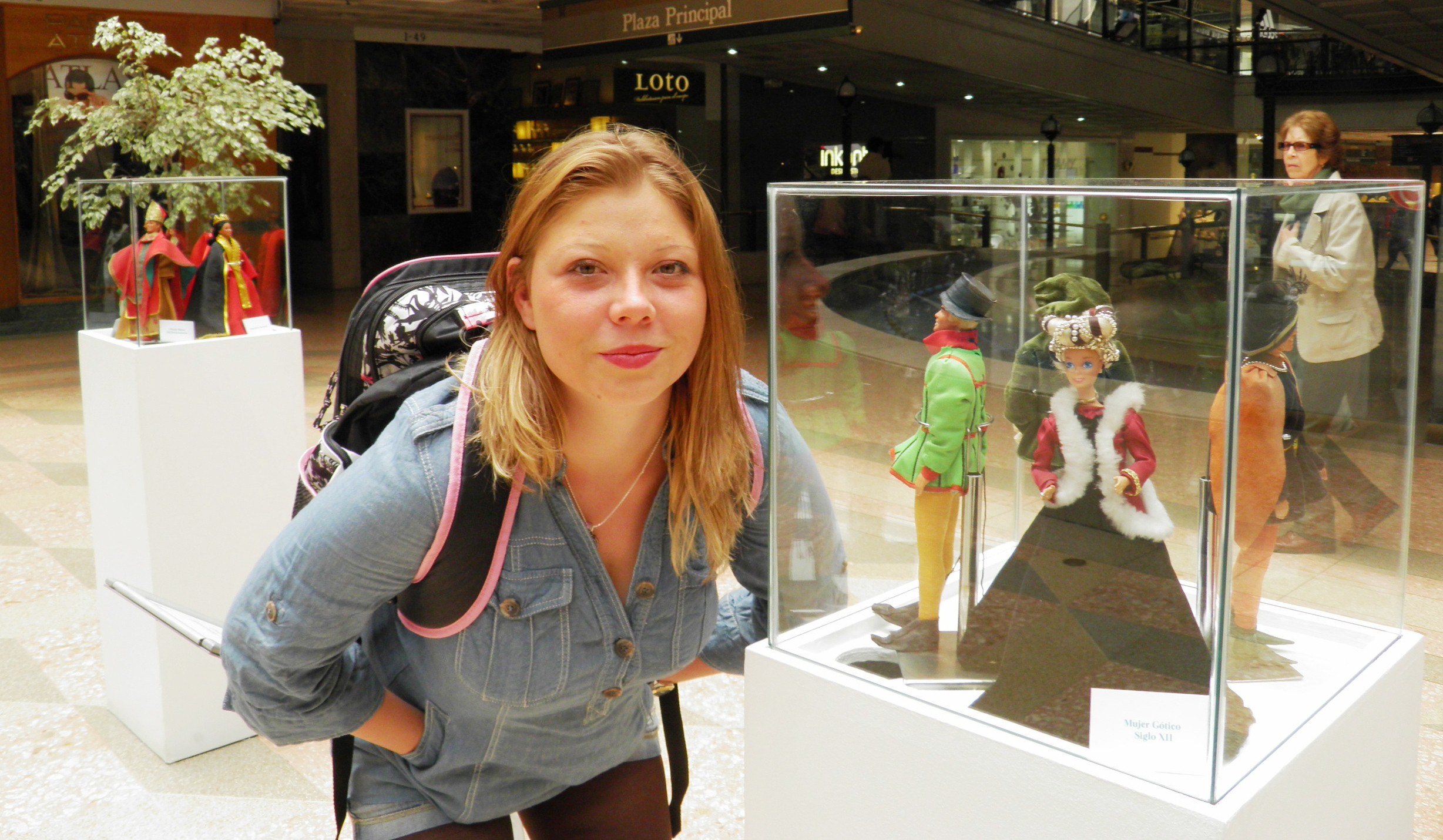
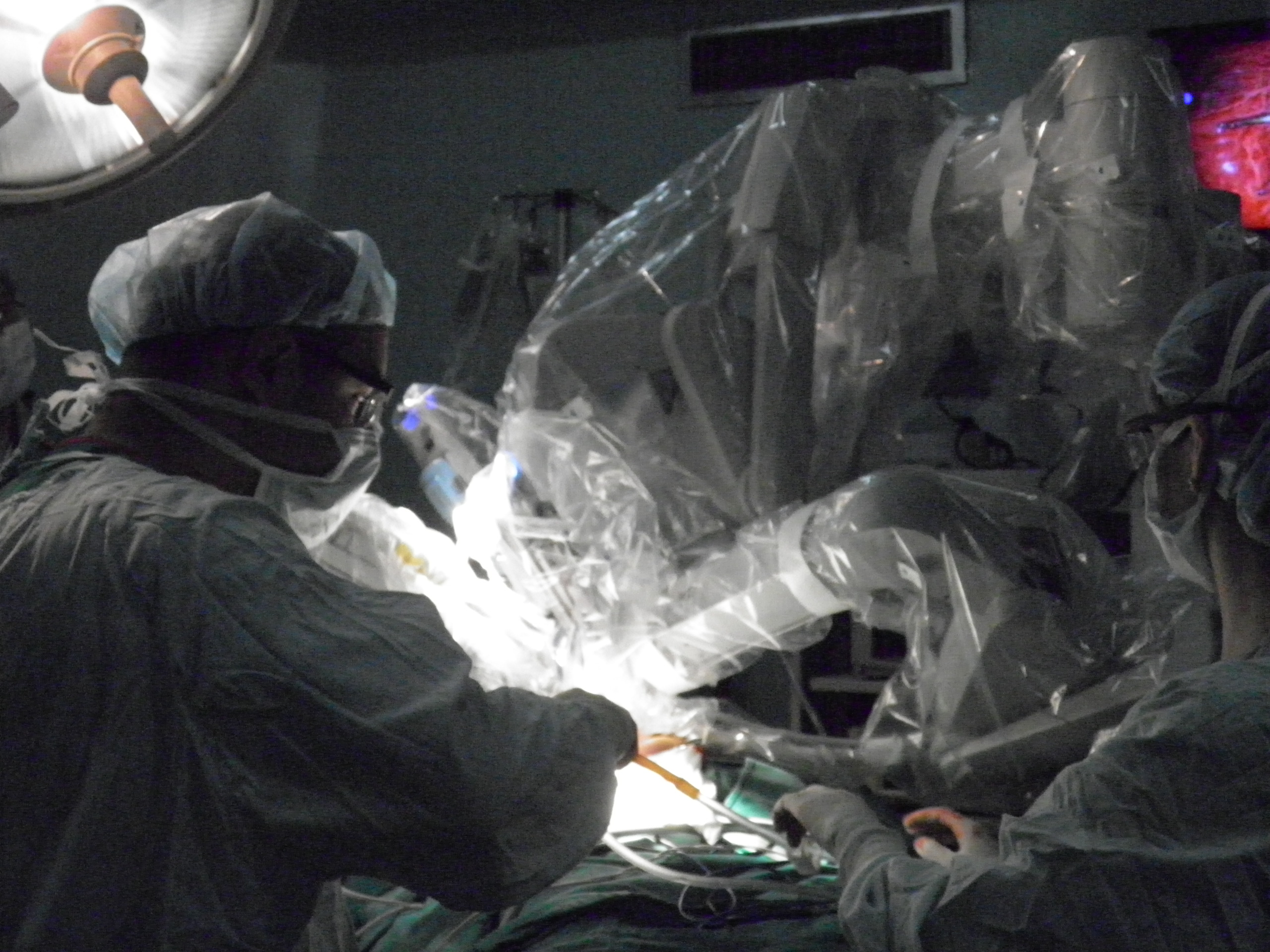
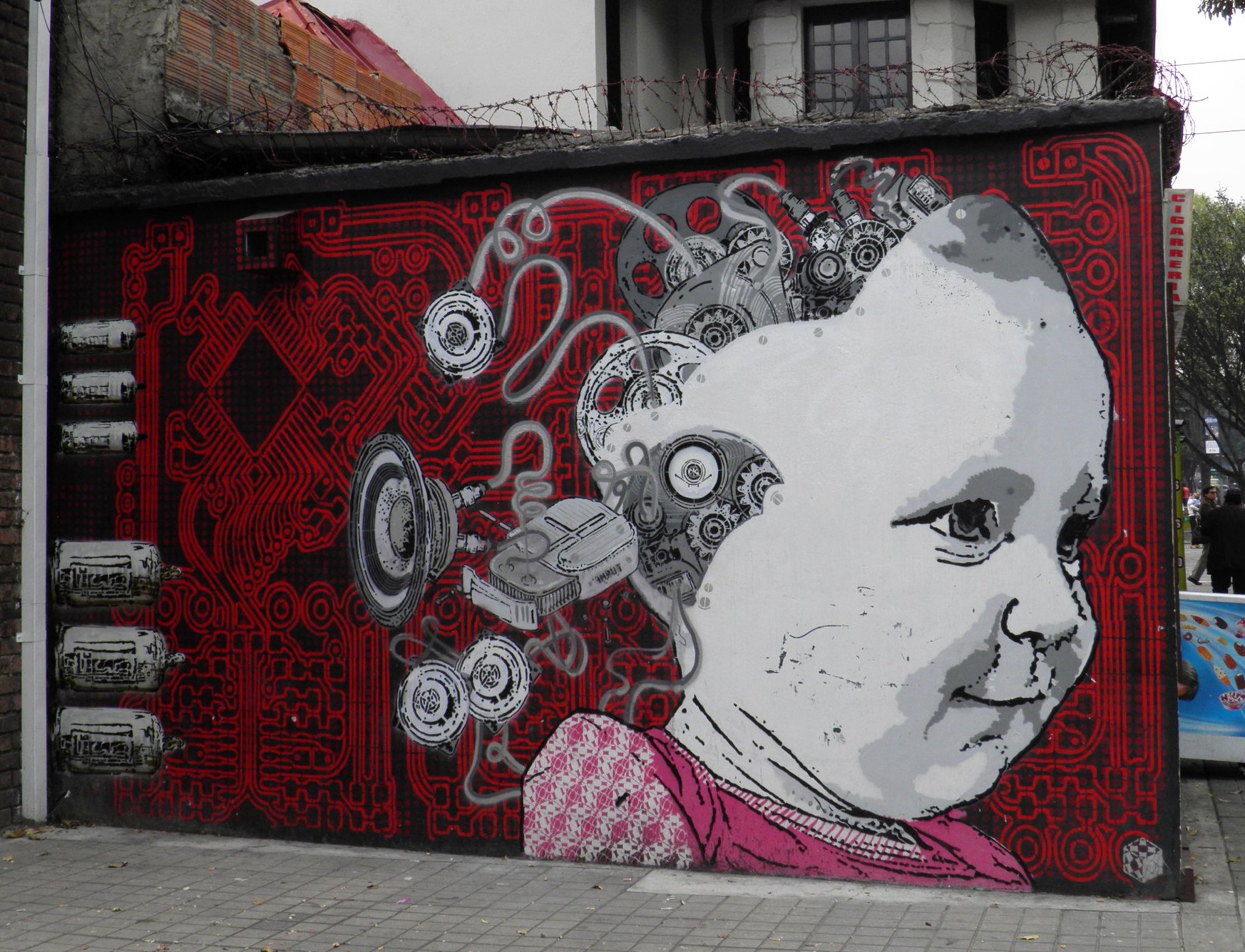
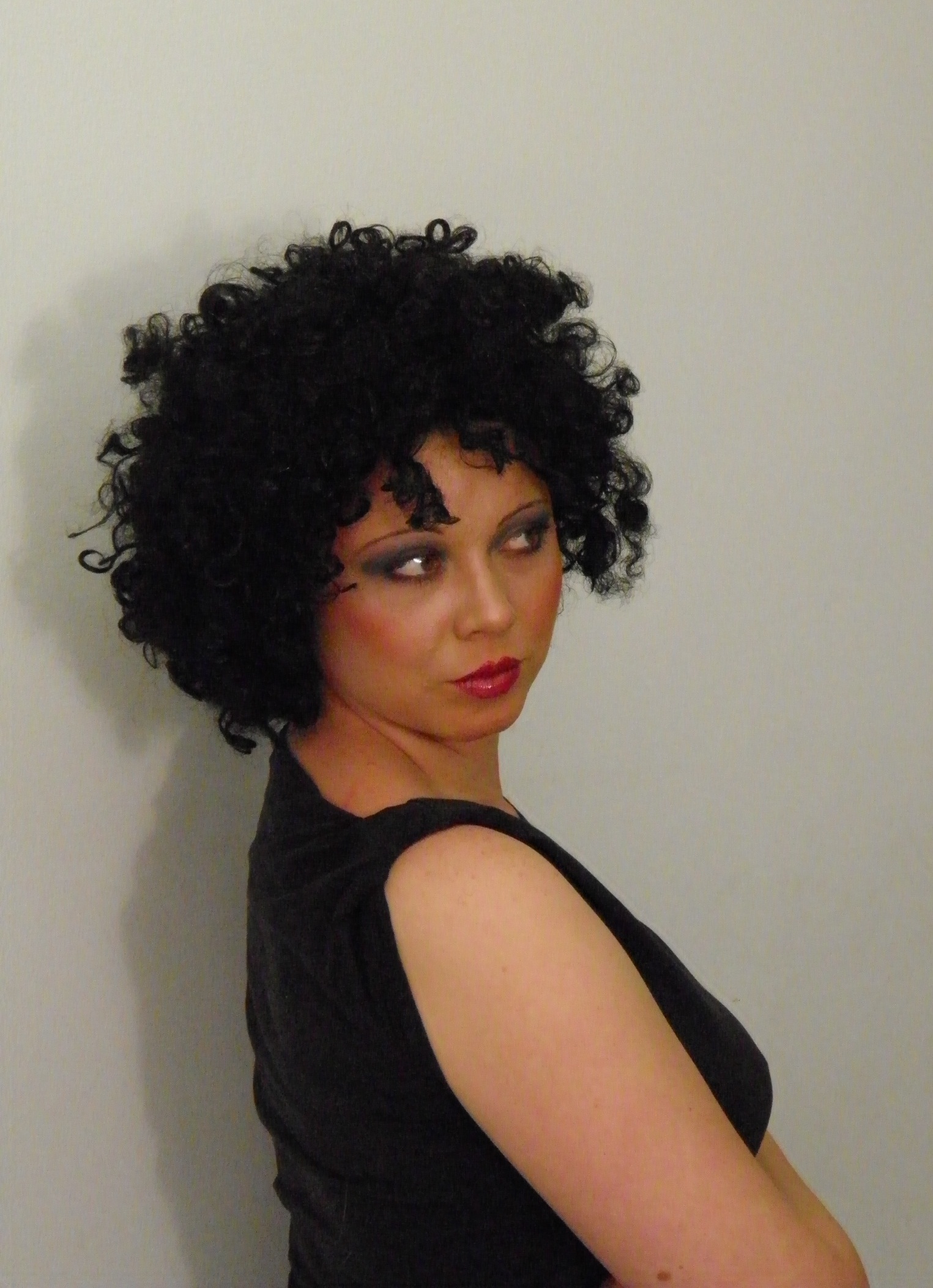





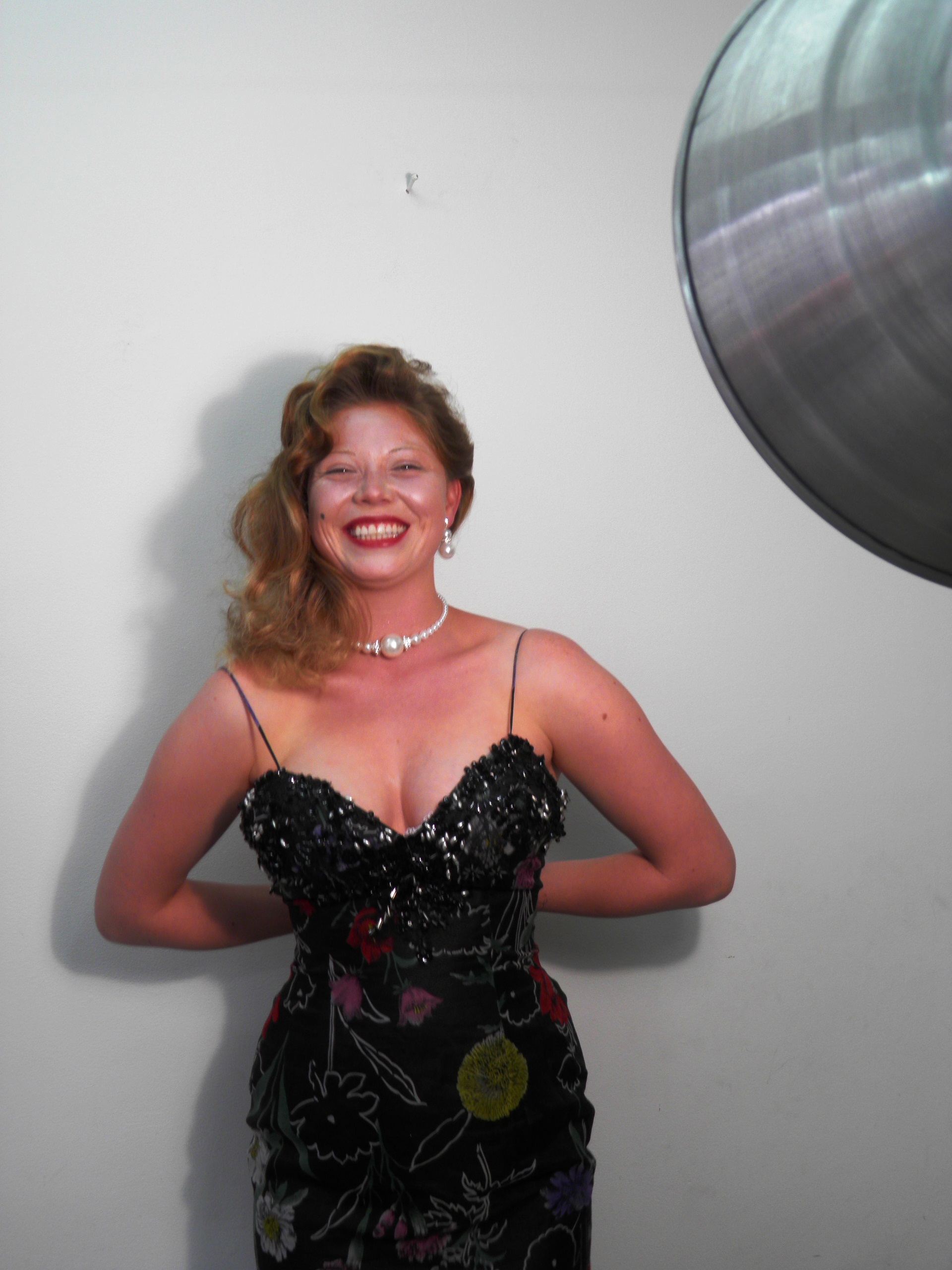
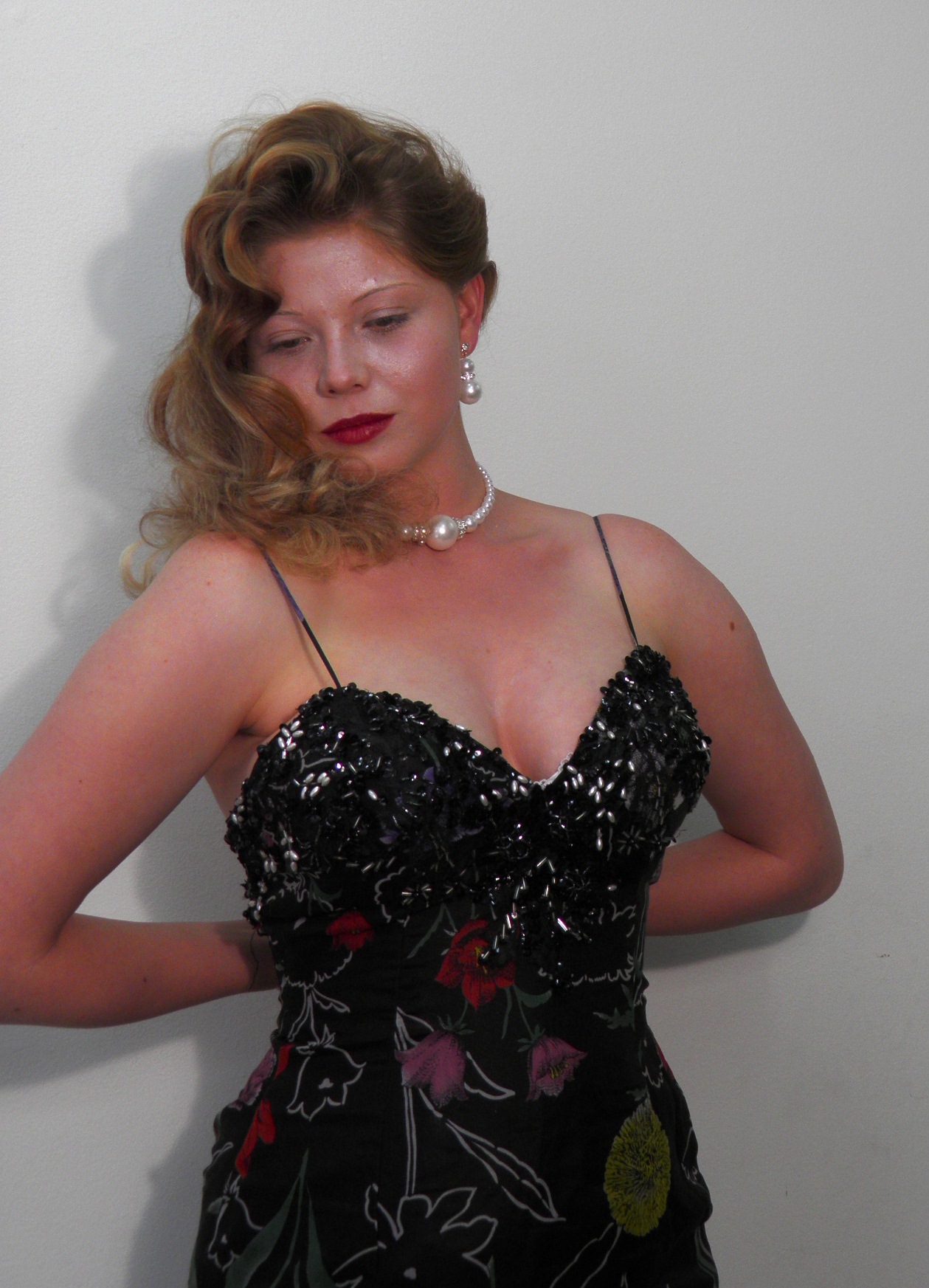
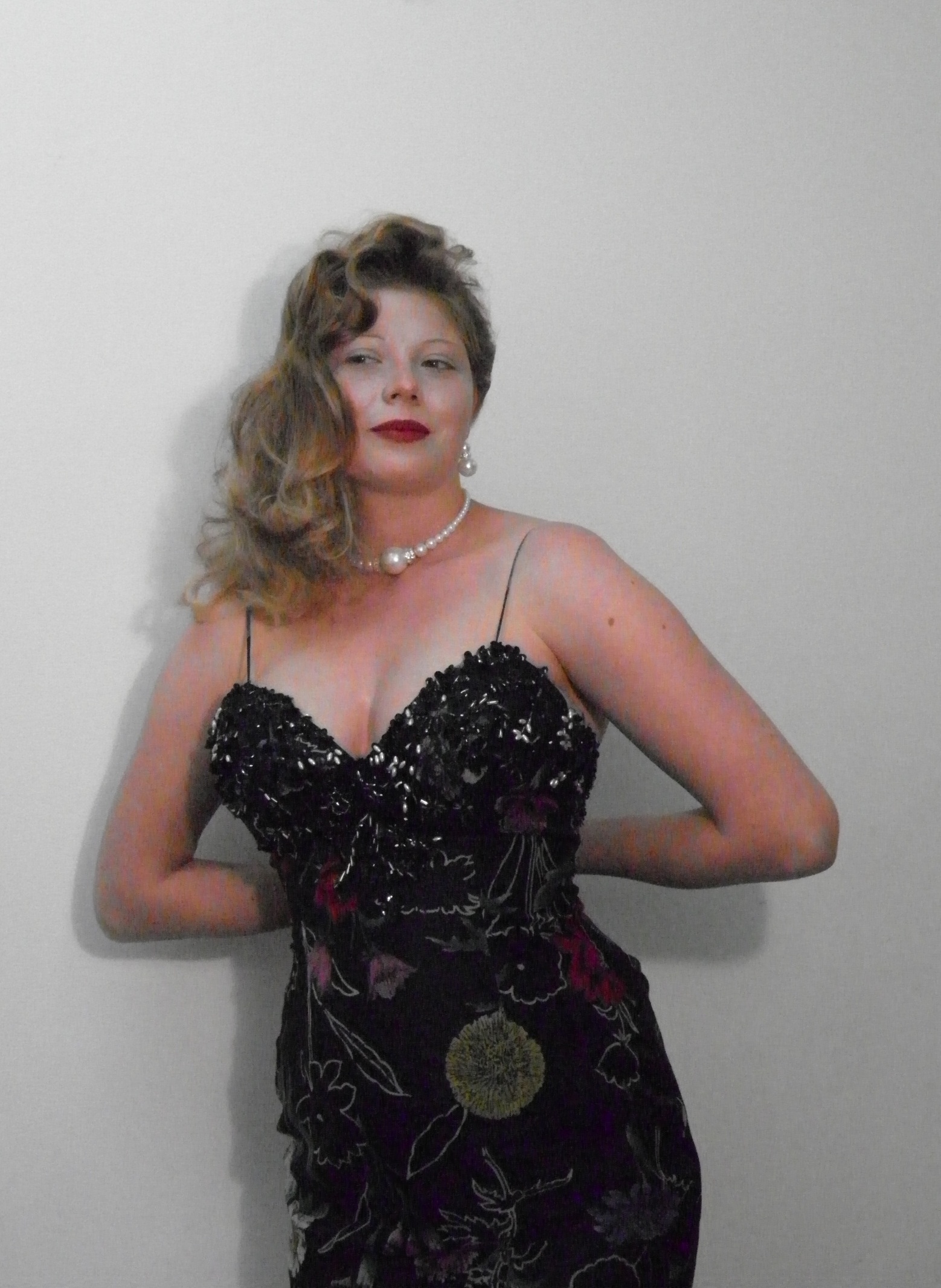
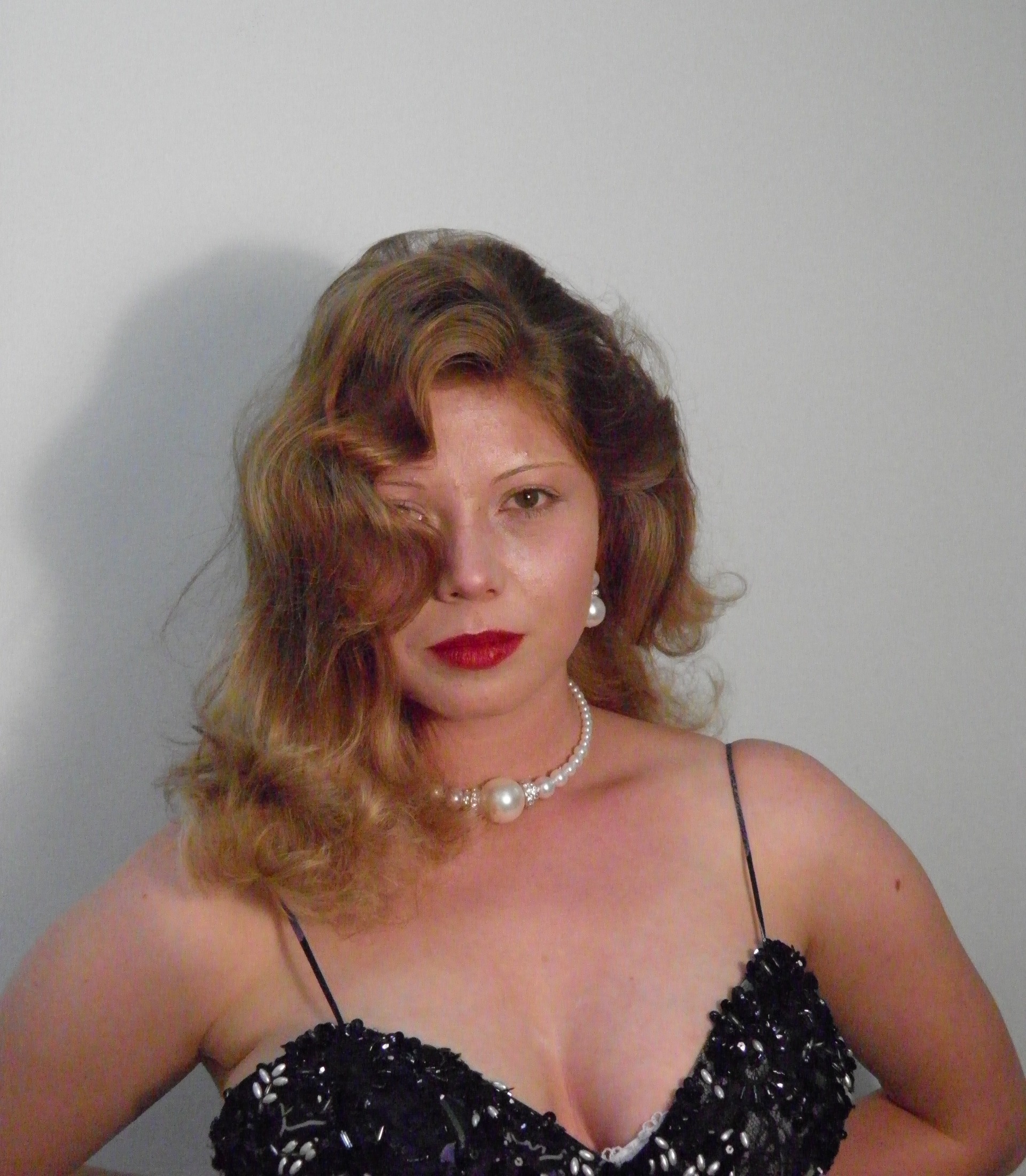
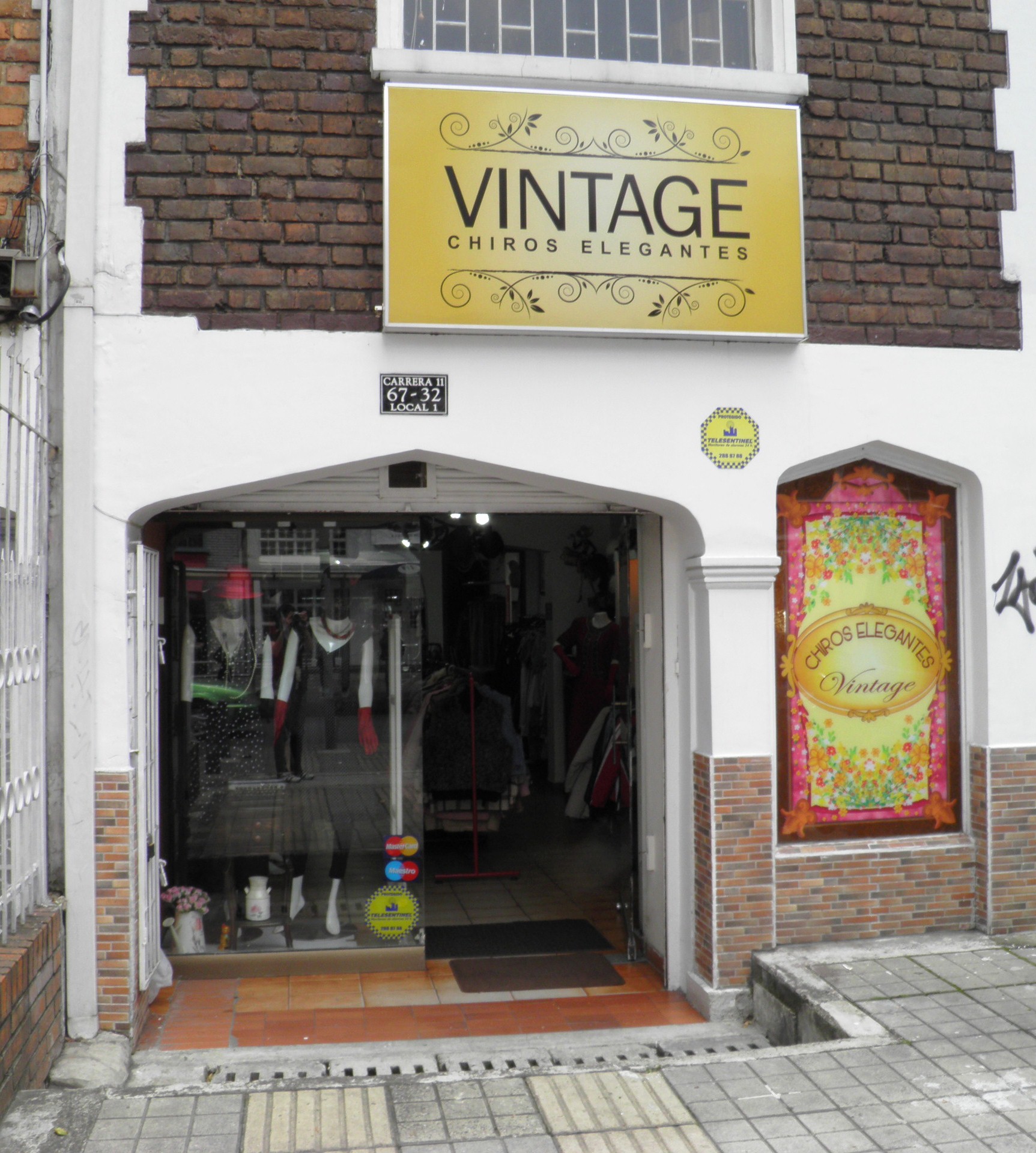


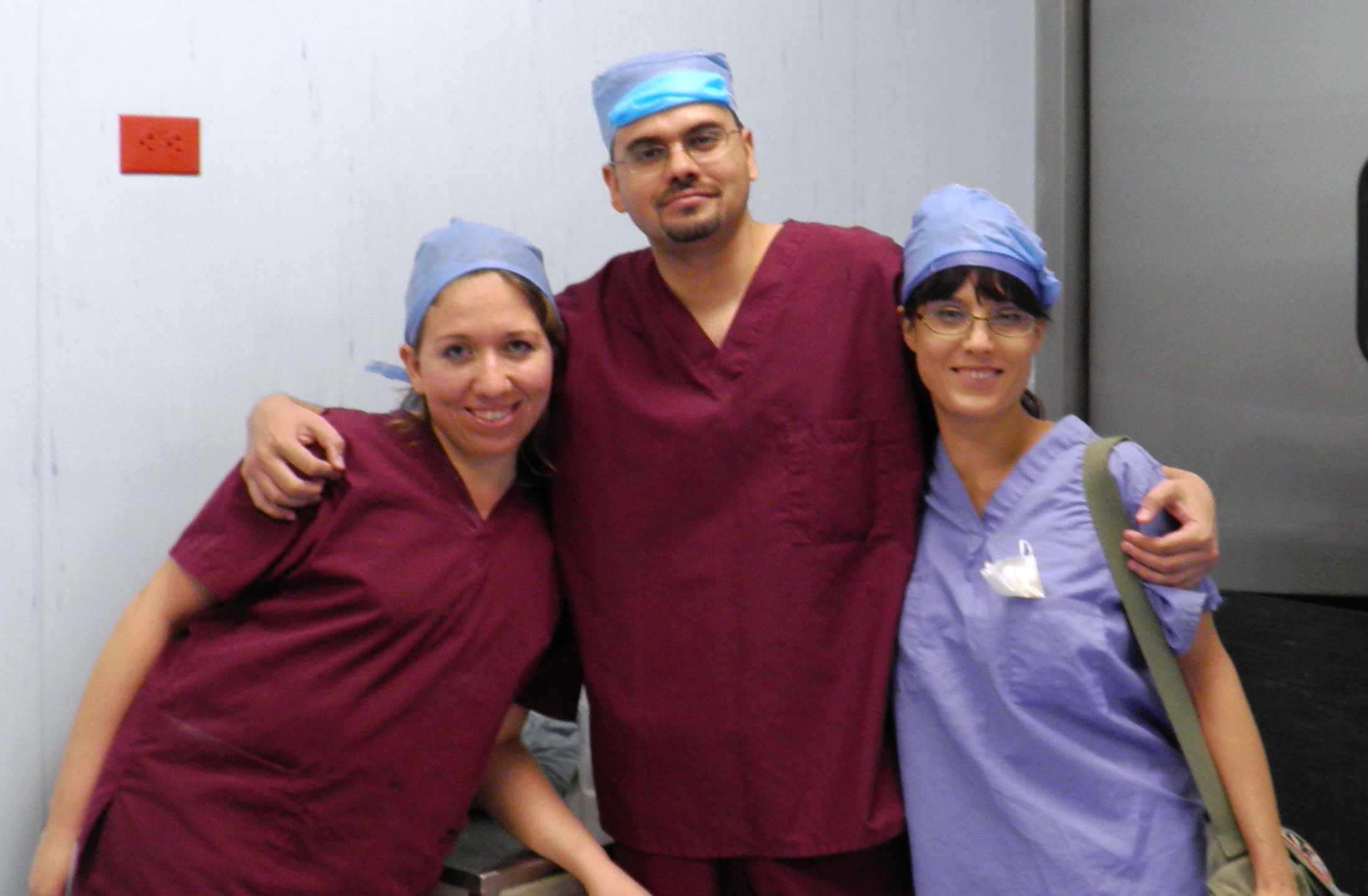

 Colombian Culture & Cuisine