Hello, my long lost friends..


Dear, dear friends and readers.. The last we talked – life had gotten a little messy..

I was in a dark place. I am sure that most of you remember, as I vomited all my pain and sorrow here. I ended up compiling all those painful, tortured writings into a personal diary of heartbreak and betrayal (now available here) as I made my way back to the surface.. It was devastating, a truly devastating and destructive experience..

But I’m like the unsinkable Molly Brown, I can’t stay down for long.. I am so fortunate to have an unbreakable, resilient spirit that always whispers, “You’ll be fine,” in my ears just when I need it. So, I’m back and doing okay. I bought a new motorcycle, got a new tattoo and I am making my way out in the world again.

People are going to hurt my feelings and do terrible things. That doesn’t reflect on me. But if I let these experiences change who I am, that does. So I won’t become hard or bitter – and I will certainly be hurt again. In the meantime, I am practicing riding my motorcycle – so I can start planning some new motorcycle trips around Colombia. (I had previously written about a motorcycle trip to Muzo, Colombia – but since it was during all of this drama – and involved some painful incidents, I deleted it.) I wish I hadn’t. Despite the unfortunate circumstances of the trip – the ride was breathtakingly beautiful – and challenging because the “road” is little more than a rock studded trail..

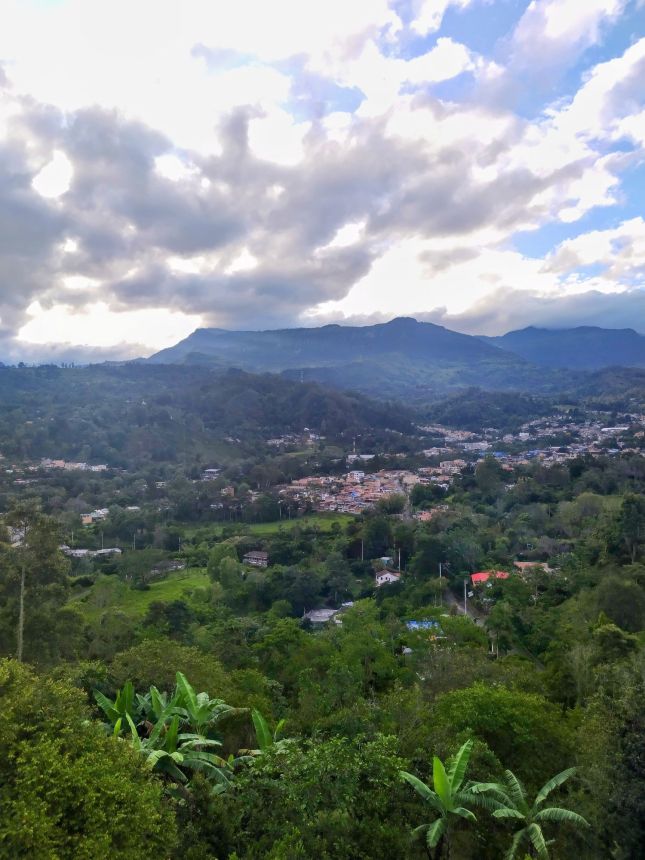
I’ve been spending more time out at Finca Ecklandia.. That’s the name of the finca that I am building up in the mountains.. Every time I go, the scenery takes my breath away..

I didn’t think that at 50 years of age, I’d ever post a picture of me in a swimsuit again – but anyway..
In the meantime, some random and wonderful things have happened too.. I had to work in the United States for a week – and as we were in line to board the flight – I recognized someone in the line. It was just after Avianca upgraded me to first-class.. So I ended up sitting only a few seats away from someone I have long desired to meet.

Of course, I didn’t want to be rude or gauche so I didn’t say anything other than a greeting as I took my seat.. But my delightful seatmate wouldn’t let my obvious fandom go – so when we were leaving, she took a picture of me with President Juan Manuel Santos..

He was delightful, charming and extremely gracious as I babbled to him, like a complete fool. I don’t care what folks think about him or his presidency – I’ve always been a fan.

So, I still struggle some days. This week was kind of rough for several reasons. But I am making my way – and I haven’t given up on my dreams – even if some of the biggest ones, like getting my citizenship was delayed. (I had hoped to get it this spring – but due to these particular circumstances, I am now not eligible for several years – and that’s one of the things that hurts the most out of all of this.) People will be selfish, hateful, and cruel but I will just keep on being me.

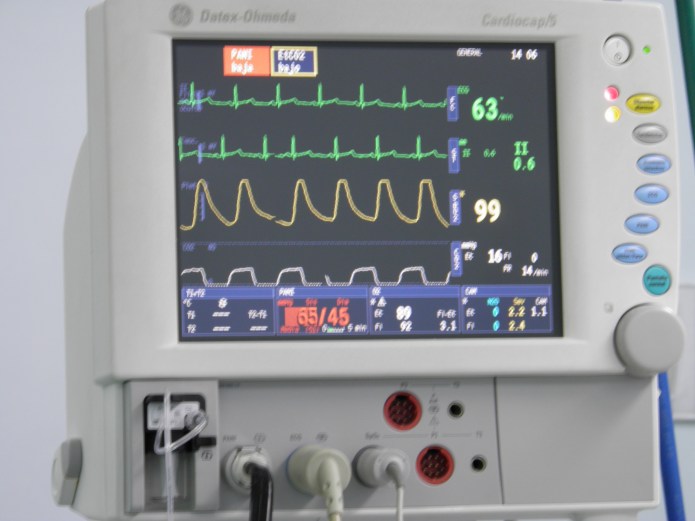
Las buenas y las malas: Or how Clinica Reina Sofia tried to kill my dad


Long time readers know that I have spent the last 13 years of my life evaluating, writing about and promoting medical care in Colombia. In addition to this blog, I have written multiple papers. presentations and books about my experiences and direct observations of care in the various facilities in Bogota, Colombia. The majority of experiences have been excellent.

I have been bringing clients here several years, including my own mother – who had a life-saving TAVR for critical aortic stenosis in 2019 at Fundacion Cardioinfantil. If she hadn’t had that procedure then, she would be most assuredly dead now. Instead, she is a vibrant 84 (almost 85) year old female who continues to run several miles every day, participate in a multitude of exercises (aerobics, zumba, dance etc.) and sports (pickleball, running group). 

Of course, when you are taking about something as vast and varied as health care, it’s never going to to be 100% all of the time, for every condition at every clinic, office or hospital. As part of the process of writing a book about healthcare and surgery in Bogota, I have spent literally thousands of hours in hospitals and hundreds of hours in the operating rooms around the city. I have interviewed hundreds of doctors and staff members. Some of these experiences have been so-so, some have been below average, and a very few have been bad.. Our recent experience at Reina Sofia on Calle 127 falls into the incredibly bad category. It was so bad and potentially life-threatening that it almost sounds like farce. Until it’s your dad. And the nurses that are ignoring the patient are ignoring your dad as he experiences crushing chest pain.. The clueless ER doctor is just irritated by your very existence because she wants to get back to chatting on What’s App – and continues to talk down to you. (I am fluent in medical spanish – and cardiology/ cardiothoracic surgery) and that seemed to anger her.)

When the nurse performing your dad’s EKG gets angry when your bradycardic, pale and dizzy dad doesn’t get his shirt back on fast enough so that he can dump you back in the waiting room and he can go on his break. Then when the cardiac enzymes are positive, they move you to the observation area and never check on him again. I had to check his chest pain/ vital signs/ everything while we wait, futilely for someone to help us. 

Nevermind oxygen saturations in the mid 80’s.. Seems like the plot of a bad 1980’s movie – as you realize that they are ignoring you, because you are a crappy old gringo, and that they would rather and leave….

Until you have to call a friend to help you leave the hospital so you take your family member to another hospital because the staff keeps ignoring you – and telling you “wait ten more minutes” hour after hour.. Until the so-called specialist rattles off a prepared speech, and doesn’t seem to listen when you dad explains that he still has chest pain (after receiving only tylenol in the ER). It was a devastating experience – and a terrible learning experience.

I freely admit it was my mistake. I initially wanted to go directly to Clinica Shaio when my mom called me – but after thinking about the distance – I made the (wrong) clinical decision that if my father’s clinical status looked poor – that I shouldn’t risk the trip – and should take him to the closest well regarded facility. Clinica Reina Sofia is just minutes from my house, and my dad looked eminently bad. So much so that I rode in the backseat of the car with him in case he needed CPR on the way.

Photo by Pixabay on Pexels.com

But I trusted that ER staff would know how to manage a common and basic emergency condition like this. After all – it’s part of basic life support classes – you know, the classes that lifeguards and babysitters take. That assumption almost cost my dad his life. It’s particularly hard for me because I have been to Reina Sofia before (in the operating rooms, etc.) and the care was pretty good – good enough that I took my dad there in the middle of the night. Maybe they (Reina Sofia) do know how to treat this very common emergency condition.Maybe they know that time is the essence.Most likely they do.Which means that they just don’t care.Because they certainly didn’t care about my dad.They just wanted him to sit down and shut up.

As I write this, I am waiting for the cardiologist to tell me about my dad’s cardiac catheterization – here at Clinica Shaio, where the care has been wonderful and immediate! 

Why quality of anesthesia matters: who is administering your anesthesia?


Now that Colombia Moda is over – let’s get back to the stuff that really matters.. Let’s warm up but reviewing some older posts for our newer readers.

K Eckland's avatarColombian Culture & Cuisine

I know some readers find some of my reporting dry and uninspired, particularly when talking about methodology, measurements and scales such as Surgical Apgar Scoring.  But the use of appropriate protocols, safety procedures and specialized personnel is crucial for continued patient safety.

There is a saying among medical professionals about our patients.. We want them all to be boring and routine.   That is what I strive for, for each and every one of my readers – safe, boring and routine.

Excitement and drama are only enjoyable when watching Grey’s Anatomy or other fictionalized medical dramas.  In real life, it means something has drastically and horribly gone awry.  Unlike many of its fictional counterparts – outcomes are not usually good.

In a not-so-sleepy hollow of upstate New York, a medical tragedy serves to illustrate this point, while also bringing up questions regarding the procedure.  While we don’t know the circumstances behind this case – (and don’t really want to…

View original post 1,047 more words

Medellin, my beautiful friend..


I don’t know how it always happens.. I set out on one kind of expedition and (frequently) it turns into something else.  So we have it.. I was planning to write extensively on Panama City, but looky, looky – here I am again, living in the fantastic, tragic beauty of Medellin.

As I wrote once before, Medellin is a city of great loveliness, but somehow Bogotá always blinded me to Medellin’s charms.. But it’s time to give Medellin a fair shake, so here I am..

Medellin 002

From news of the weird: Wrong-sided surgery


Admittedly, this is not where I usually look for information on medical quality and safety measures – but this case, as presented in News of the Weird for this week deserves mention:

Neurosurgeon Denise Crute left Colorado in 2005 after admitting to four serious mistakes (including wrong-side surgeries on patients’ brain and spine) and left Illinois several years after that, when the state medical board concluded that she made three more serious mistakes (including another wrong-side spine surgery).

Nonetheless, she was not formally “disciplined” by either state in that she was permitted merely to “surrender” her licenses, which the profession does not regard as “discipline.” In November, Denver’s KMGH-TV reported that Dr. Crute had landed a job at the prestigious Mount Sinai Medical Center in New York, where she treats post-surgery patients (and she informed Illinois officials recently that she is fully licensed in New York to resume performing neurosurgery). [KMGH-TV, 11-4-2012]”

This is an excellent example of the importance of the ‘Time-out” which includes ‘surgical site verification’ among all members of the surgical team.  This also shows some of the limitations in relying on the health care professions to police themselves.  Does this mean that I can absolutely guarantee that this won’t happen in any of the operating rooms I’ve observed?  No – but it does mean that I can observe and report any irregularities witnessed (or deviations from accepted protocols) – such as ‘correct side verification’ or failure of the operating surgeon to review medical records/ radiographs prior to surgery.

It also goes to show that despite lengthy credentialing processes and the reputations of some of the United States finest institutions are still no guarantee of quality or even competence.

What about Leapfrog?

This comes at the same time as the highly controversial Leapfrog grades are released – in which medical giants like UCLA and the Cleveland Clinic received failing marks.  (UCLA received an ‘F” for avoidable patient harm, and the Cleveland Clinic received a “D”.)

Notably, the accuracy of the Leapfrog scoring system has been under fire since it’s inception – particularly since the organization charges hospitals for the right to promote their score.

But then – as the linked article points out – so do most of the organizations ‘touting’ to have the goods on the facilities such as U.S. News and Reports and their famed hospital edition.

Guess there aren’t very many people like me – that feel like that’s a bit of a conflict of interest..

Why read Bogota and other hidden gem titles?


As readers of my sister site, Cartagena Surgery know, I am currently hard at work on my third title in the ‘Hidden Gem’ series – with the latest offering on Mexicali, Mexico.  But I continue to get comments from readers, friends, and everyone else asking, “Why bother?”

Why bother reading Hidden Gem?

People should read these titles because we can’t assume that all medical providers have been vetted, or that all medical facilities meet acceptable criteria for safe care.  It is a dangerous assumption to expect that ‘someone’ else has already done the research. [lest you think this could only happen in Sri Lanka, be forewarned.  With new legislation, the critical doctor shortage in the USA will only worsen.]

Medical tourism has the potential to connect consumers with excellent providers around the world.  It may be part of a solution to the long waits that many patients are experiencing when seeking (sometimes urgent) surgical care.  It also offers an opportunity to fight the runaway health care costs in the United States.

But..

But it also has the potential, if unchecked, unvetted, unverified and left unregulated to cause great harm.

Another reason to read Hidden Gem is to find out more about the surgeons themselves, their training, and many of the new, and innovative practices in the realm of surgery. Often the best doctors don’t advertise or ‘toot’ their own horn, so you won’t find them advertised in the pages of your in-flight magazine as “One of the best doctors in XXX” even if they are.  (Many people don’t realize those segments are paid advertisements, either.)

Why bother writing Hidden Gem?

Because ‘someone’ needs to.

I am that ‘someone’ who does the fieldwork to find out the answers for you.  I can never assume that it’s been done before, by someone else.  I have to start from ‘scratch’ for every book, for every provider and every hospital.

I also believe that the public should know, and want to know more about the people we entrust to take care of us during serious illness or surgery.  We should know who isn’t practicing according to accepted or current standards and evidence – and we should know who has/ and is offering the latest cutting edge (but safe and proven) therapies.


Read more about the doctor shortages:

NYT article on worsening doctor shortage  (and one of the proposed solutions is a loosening of rules governing the training and credentials of doctors from overseas – coming to practice in the USA).

Hospital ranks and measures: Medical Tourism edition?


It looks like Consumer Reports is the newest group to add their two cent’s worth about hospital safety, and hospital safety ratings.  The magazine has compiled their own listing and ratings for over 1,100 American hospitals.  Surprisingly, just 158 received sixty or greater points (out of a 100 possible.)  This comes on the heels of the most recent release of the LeapFrog results.  (Leapfrog is controversial within American healthcare due to the unequal weight it gives to many of its criterion.  For example, it is heavily weighed in favor of very large institutions versus small facilities with similar outcomes.)

Consumer Reports has a history providing consumers with independent evaluations and critiques of market products from cars to toasters since it’s inception in the 1930’s.  It’s advent into healthcare is welcome, as the USA embraces new challenges with ObamaCare, mandated EMRs, and pay-for-performance.

While there is no perfect system, it remains critical to measure outcomes and performances on both an individual (physician) and facility wide scale.  That’s why I say; the more scales, scoring systems and measures used to evaluate these issues – the better chance we have to accurately capture this information.

But – with all of the increased scrutiny of American hospitals, can more further investigation into the practices and safety at facilities promoting medical tourism overseas be far behind?

Now it looks like James Goldberg, a bioengineer that we talked about before, is going to be doing just that.  Mr. Goldberg, who is also an author of the topic of medical tourism safety recently announced that his firm will begin offering consulting services to consumers interested in knowing more about medical tourism – and making educated decisions to find the most qualified doctors and hospitals when traveling for care.  He may be one of the first to address this in the medical tourism industry, but you can bet that he won’t be the last..

If so, the winners in the international edition will be the providers and facilities that embrace transparency and accountability from the very beginning.

A new medical center for Bogota?


There’s a new article over at IMTJ about a new medical facility being built in Bogotá – but it’s not the facility itself that is interesting (sounds like a new private cosmetic surgery mega-clinic).

It’s the statistics within the article that caught my eye.  I’m not sure how accurate these statistics are, but if true – it confirms much of what we’ve been saying here at Bogotá Surgery.  I’ve placed a direct quote from the article below:

According to Colombia’s Ministry of Commerce, Industry and Tourism the most popular treatments sought by visitors are heart surgery (41%), general surgery (13%), gastric band surgery (10%), cosmetic surgery (10%), cancer treatment (6%), orthopedic treatment (4%, dental care (2%) and eyecare (1%).”

If this information is even remotely accurate – it confirms what many of within the medical tourism have been saying – and contradicts much of the popular media reports.

People aren’t just going overseas for breast implants and face-lifts – people are going overseas for essential lifesaving treatments, and procedures to improve their quality of life.

This is an important distinction to  make, but many people tend to see cosmetic procedures as frivolous, and consider the issues around medical tourism, and travel health to be equally unconcerning*.  So when they see flashy news stories (good or bad) about patients having overseas surgery (which the media usually portrays as plastic surgery) they shrug and change the channel.

Hmmm.. patient died of liposuction in Mexico (or Phoenix or India..)  Or Heidi whatshername had 26 procedures at a clinic overseas..

But as these statistics show – that’s not the reality of medical tourism – and that’s what makes all of the issues around it even more important.

People may not get fired up about insurance coverage for medical tourism for cosmetic surgery – but what about tumor resection?  or mobility restoring orthopedic procedures? Or as cited above, life-saving heart surgery?

When put into this context – the government (President Obama’s) stance against medical tourism looks a little less democratic – particularly given the state of American healthcare.

* This is not the opinion of the author – but an accurate reflection of statements made in multiple articles and news stories


In other news:  Joint Commission take note:  The Indian Health Commission plans to perform surprise health inspections of Indian facilities to ensure quality standards.  (Joint Commission announces their impending visits months ahead of time.)  Joint Commission is the organization that accredits most American hospitals.

BBC, Dr. Celso Borhoquez and Breast Implants


In this story from BBC, Dr. Celso Borhorquez, media spokesperson or the Colombian Society of Plastic and Aesthetic Surgery  (and previous interviewee here at Bogotá Surgery) talks about breast augmentation in the wake of the PIP scandal.  Dr. Borhorquez reports that many Colombian women are reconsidering their options, and electing to forgo breast implantation procedures after widespread media reports on the defective french implants.  (More on the defective implants can be found here.)

And for the estimated 14,000 women in Colombia who already have PIP implants – Thanks to the Colombian government, implant removal is free..

The future of medical tourism: the glass ceiling


The International Medical Travel Journal has a new article that questions the notions that ‘the sky is the limit’ in the medical tourism industry.  This article discusses the belief that many investors have that as long as there is a new shiny facility, medical tourists will flock..  In reality, the market for medical tourism is fairly narrow, particularly for American medical tourists – who are the ones most likely to open their wallets and pay cold hard cash for surgical procedures overseas.  (That’s because medical care in many other countries is less expensive for residents – so why travel and pay cash for something you can get at home for relatively little expense (even if it requires waiting.) Many of these Americans are uncomfortable or unwilling to travel to more exotic locations – as Dubai has found out first hand.

Of course, plastic surgery and other elective procedures are a little different.)  But most Europeans, Canadians etc.  aren’t going to have to fork over 100,000 for heart surgery (or be uninsured) so the pool is limited.

The other class of medical tourist – the wealthy residents of countries that may not have elite services is also a mixed bag,  Many of these patients are going to elect to go to ‘big name’ American facilities despite the cost – for a specific level of care.  They may seek out specialized procedures that are unavailable or even illegal in their home countries – but that market is smaller than most of us realize.

It’s a good article that brings a dose of reality to the concept of medical tourism as a ‘cash cow’ route to easy and limitless cash.  Medical tourism is not for everyone, as investors are finding out.

HIPEC: the latest research results


If you remember, previous New York Times articles questioned the efficacy of hyperthermic chemotherapy given during cytoreductive surgery.  We promised to investigate, and return with more results to this question.

Recently several articles have been published on the topic, including this one – in the journal of Clinical Oncology.  This narrative by Maurie Markman talks about the quick dismissal of HIPEC by many oncologists, particularly for larger tumors – and he questions the wisdom of this approach in light of recent research results.

In fact, several large new American studies – including one at Case Western are examining the use of HIPEC, particularly in gynecological cancers like ovarian and uterine cancers which carry a dismal prognosis.

American Hospitals are finally jumping on the HIPEC bandwagon…

Detroit hospital offering HIPEC

Atlanta docs, robots and HIPEC

This last link isn’t really news – it’s a press release, but since it’s on a surgical oncologist (Dr. Wilbur Bowne) who was an early American adopter of HIPEC, I thought readers might be interested.

Previous Bogota Surgery posts on HIPEC

HIPEC: The basics

Bogota Surgeons stay ahead of the curve

The Future is Now: HIPEC

Looks like it’s about time to check in with our favorite surgical oncologist, and HIPEC expert, Dr. Fernando Arias..

Check back soon for more..

Colombian life: an outsider looking in..


There’s a great blog here on WordPress that I wanted to recommend to anyone interested in Bogota – and all things Colombian.  The blog is called The Wanderlust Chronicles and it follows the life, and adventures of Kate – a young teacher / translator (who reminds me a bit of myself).  I do have to say – that as I ‘cruised’ around the site, reading her posts – tears almost came to my eyes, and I became wistful for all the things I loved and enjoyed about my time in Colombia.

For everyone else –

It’s a great reference for all of you who want a bit of a different vantage point (nonmedical) on the beauty of Colombia and Colombian culture.  I hope you enjoy!

Medical Tourism Forecast for 2012


Where is Medical Tourism & Travel headed for 2012?   Predictions vary according to sources, but all sources expect the medical travel phenomenon to continue, unabated.

Maria Lenhart at the Medical Travel Report (a private travel company blog) estimates 35% growth over the next year, based on Deloitte statistics.

Where are they going?  According to Depak Datta of the Medical Tourism Corporation – for the most part, people are staying fairly close to home..  Meaning that people from the United States and Canada favor locations in the Western Hemisphere over Thailand, India and other destinations popular with Europeans, Africans and Asians..

Domestic medical tourism remains a popular option with American corporations who are sending their employees to large, well-known facilities within the United States.

In fact, large American healthcare institutions often have the most to gain from medical tourism via international affiliations with institutions in South America, India,  and Asia.  John Hopkins, Cleveland Clinic, Duke, Harvard and several other well-known top-tier American medical giants have branding agreements and other lesser affiliations with hospitals and clinics across the globe.

In the midst of this growth, concerns over patient safety and quality of care should remain at the forefront (in all facilities – domestic and international.) But until more potential customers demand (or even display any interest) in quality, and safety issues – the industry is not going to go out of its way to provide this information.

Colombian government steps up..


In a surprising but admirable move, the Colombian government has announced that it will pay for the removal of PIP implants.    As we discussed at our sister site, Cartagena Surgery, recent disclosures that the French company knew their breast implants were defective as far back as 2005 has sent shock waves of outrage through the medical community.  Further disclosures that the implants contained substandard construction grade materials (not medical grade) and fuel additives which contributed to the exceedingly high rupture rate (7% versus an average rate of 1% for all other implants) has important health implications for women world-wide.

In the wake of this scandal, hundreds of thousands of women across the globe, particularly women in Latin America where the implants were heavily marketed, have been panicking and storming physicians’ offices for answers.

(In a related post at our sister site – we reassured readers who received implants in 2011 by some if the surgeons profiled here..

With the French government advising over 30,000 french recipients of these implants to have them removed promptly, this goodwill gesture by the Colombian government should go far to reassure and calm Colombian women.

Update: 14 Jan 2012

Medpage Today just published a nice comprehensive article on the Poly-Implant Prostheses (PIP) implant controversy.  It’s a good story for people playing catch up on this story – and wondering if they may be affected by this news.

2011 in review: State of the Blog


Thank you to everyone for making Bogotá Surgery.org a phenomenal success!  Surprisingly – this annual report shows a few less views than our own counters – but we are thrilled all the same..  Here’s hoping for more and greater successes in 2012!

Here’s an excerpt:

The concert hall at the Syndey Opera House holds 2,700 people. This blog was viewed about 9,700 times in 2011. If it were a concert at Sydney Opera House, it would take about 4 sold-out performances for that many people to see it.

Click here to see the complete report.

Feliz Navidad and Happy Holidays, my friends!


Click here to see a photo array (presented by Colombia Reports) showing the lights of Christmas time..

You can find more information about Christmas, Carnival and other festivals year-round in Bogotá at this webpage here.

Wishing all of my readers and friends a happy holidays and a healthy new year!

The Motley Fool & Medical tourism


The Motley Fool takes on medical tourism.  For you aren’t familiar with this site, it’s a very popular financial blog with stories on the economy, popular stock picks, predicted trends and investment strategies for retirement planning.  I am only passing familiar with the site myself since I come from a family of economists, but you can imagine my surprise (and delight!) to see medical tourism given serious consideration and discussion on their blog.

It’s about time that people talk about medical tourism in a fair and realistic fashion.   It tends to be sensationalized in extremes either fantastic! amazing! awesome! extreme plastic surgery makeover style or devastating.  graphic. and disturbing horror stories.

But this is a more rational and balanced discussion of health care and medical tourism – by the numbers, so to speak.. and it’s about time.

Por la navidad…


Perdoname porque mi espanol es un poco malo pero me gustaria dar vosotros una regalos por la navidad. Por todos mis amigos quien de leimos en espanol :

Ahora, en Smashwords.com – es un promocion por este libro – Bogota! una guia de quirofano. Este descuento es 25% cuando usas codigo TA47T.

Ir a Smashwords rapido! porque este promocion es corte – solomente desde ahora a 17 de enero.

I apologize to all my Spanish readers – my written Spanish is even worse than my spoken words.  (Luckily, I hired an excellent translator, Sra. Ochoa for the spanish edition of the book.)  Happy Holidays, and here’s wishing we all enjoy the best of health in 2012.

Bogota receives high marks from the Boston Globe


Ivy Hughes at the Boston Globe recently discovered the charms and attractions of this fair city in a feature article published  today.  She reviews some of the most popular sites and scenes of the city, while dispelling many of the myths surrounding Colombia and enjoying the Transmileno experience..

In other city news, Colombia Reports just published a new story on the development of a new plastic surgery center – catering to the needs of medical tourists.

I also wanted to thank everyone – we recently reached over 10,000 visits – in just the few short months since we started this site..

Hopefully, in the future, I’ll be able to afford to make this, (and the sister sites) ad free for less distractions..

Bogota’s LBGT community, tolerance and gender reassignment surgery


Here’s the link to a nice story published on Off2Colombia as part of a press release for the city of Bogotá.  It’s a nice article (and video) that shows the diversity of this beautiful city.  As someone who lived in Bogotá for several months – I have to say that everything about this story is very true – and people in Bogotá are very friendly, warm and welcoming to EVERYONE.

Just another interesting facet of this lovely, fascinating and teeming city in the Andes..


Heart Surgery Abroad – coming to the big screen?


Too bad, the independent filmmaker from Tennessee elected to travel to India rather than closer to home (like Latin America.)  Still – it places a lot of what we talk about into context – the affordability (or lack of) life-saving treatments in the United States versus numerous countries abroad..

Interestingly enough – despite making the choice to travel thousands of miles for a huge operation – it doesn’t sound like he throughly researched his surgeons, facilities  etc.  That is certainly troubling as medical tourism has not yet reached the Kayak, or Expedia level for interested travellers.  While I am very happy, relieved, pleased that everything worked out well – this could have easily been a cautionary tale (and loss for medical tourism) as a well-publicized win.

But, I will continue to hope that stories like his will help promote safe medical tourism, through the establishment of standards and regulations for medical tourism promoters.

Colombia and cultural standards of beauty


This article on Sabotage Times talks about some of the different cultural ideas of beauty – in this case, the cultural and historical appeal of the large behind or bottom in Colombia.  (This is definitely a case of Latin influence on the United States – as this beauty ideal has been rapidly adopted here at home) – leading to an increase in the number of ‘booty enhancement procedures’ for American patients.

These different cultural standards of beauty are also something we have talked about before – and how Latin America is setting the styles for USA and much of the world.  These ideals have been quickly adopted into the mainstream American beauty ideals of the 1990’s and beyond.

(If you remember the late 1070’s and 1980’s – most of us up here in North America [and our mothers] – were out there starving and aerobicizing ourselves to try an obtain the tiny, flat bottom of a 12 year old boy.)

While some of this is undoubtably related to the large population of American residents with hispanic origins and the reflection of their beauty ideals – Colombia, Brazil, and Argentina have long been trend setters for fashion and beauty (which includes plastic surgery.)  This is one of the trends that makes these destinations so popular for plastic surgery.

For more on Bogotá plastic surgeons – see here, here and here.

For more on plastic surgery and ‘booty enhancement’ gone wrong – see here at our sister site.

New article at Eternal Beginning blog


Eternal Beginning is book review blog by avid reader (and fellow writer), Christine Cunningham.  (It is also the title of her first book.)  Christine was kind enough to feature the Bogota book on her blog.

Clinica Shaio & Dr. Hernando Santos


Fundacion Clinica Shaio – the first cardiac hospital in Colombia has recently unveiled the updated english-language version of their website, as part of an effort to aid international travelers, and attract medical tourists.  As long time readers know, I spent quite a bit of time at Clinica Shaio, with the Doctors Santos, (and several others).    Now as part of our new podcasting project – we will be sharing one of my favorite surgery videos from the operating room of Dr. Hernando Santos.  (If you’ve spent time here at www.BogotaSurgery.org than this video will be familiar to you.)  To my new readers from iTunes – welcome & enjoy!

Brief introduction to Dr. Hernando Santos, MD.

Bogota Surgery Podcasts


As part of our continuing efforts to bring medical tourism and travel information to people in a multitude of formats, we are planning to begin a series of podcasts featuring physicians and topics discussed here at Bogotá Surgery.

Come back soon for more information on our latest endeavor.

The road to Monserrate


no, this isn’t some sort of quasi-poetic allegory, or sophomoric metaphor.  The road to Monserrate – really is a path, or more accurately, the stairs to Monserrate.   Monserrate is a popular tourism destination in Bogotá:  a church set high on the Mountain above the bustling city.  Despite the religious themes, Monserrate appeals to the faithful and the agnostic alike – due to the impressive and expansive views of the valley below.

the view from Monserrate

Traditionally, pilgrims climbed to the top of Monserrate on a worn-down path.  A train and a cable car also served to bring travelers, and tourists to the top of Monserrate.

The new upgrades to the footpath have just been completed – making the walkway more accessible to visitors.

The Bogotá Hilton (located in the financial district) also opened this week.

HIPEC in the news again..


Another story about bringing HIPEC to the masses – this time in Mumbai, India..  I have to wonder about the research for the article – everytime I see the phrase, “A ray of hope”..  sounds suspiciously like the original title of a certain article (in Colombia Reports.com) all of us are familiar with over here at Bogota Surgery.org.

HIPEC and peritoneal mesothelioma – more effective in women?

Bariatric surgery for the whole family?


No, researchers aren’t suggesting that entire families undergo bariatric surgery.  But a new study by Woodward, Encarnacion, Peraza, Hernandez – Boussard & Morton (2011) published last month suggests that when one family member underwent bariatric surgery – the rest of the family reaped benefits as well.

As explained in this article by Kristina Fiore at Medpage – there is a family-wide health benefit after bariatric surgery.  After one family member had surgery, other adult members in the family tended to modify their eating habits as well, and subsequently lost weight.  While this study was small, with just 35 families – it shows the huge impact that sociological factors (such as family dietary practices/ habits) have on obesity and health.

Dental care overseas


As reported in numerous stories, many Americans are travelling to Mexico and other countries for dental care. Ex-pats or Americans living abroad are also seeking dental services.

However, as highlighted in this article – determining the quality of your provider overseas is not easy.  (Of course, it’s not easy to find a good dentist for many of us at home – but that’s a separate issue.)

Evaluating dentists and dental services is different that evaluating other health care providers – due to the nature of the service.  Unlike most surgical procedures – most dental procedures do not require anesthesia, (which means that they can be evaluated on a first-person basis).  Of course – for my colleagues who assisted me in writing Bogotá! – it meant quite a bit of time in the dentist’s chair..