Why quality of anesthesia matters: who is administering your anesthesia?


Now that Colombia Moda is over – let’s get back to the stuff that really matters.. Let’s warm up but reviewing some older posts for our newer readers.

K Eckland's avatarColombian Culture & Cuisine

I know some readers find some of my reporting dry and uninspired, particularly when talking about methodology, measurements and scales such as Surgical Apgar Scoring.  But the use of appropriate protocols, safety procedures and specialized personnel is crucial for continued patient safety.

There is a saying among medical professionals about our patients.. We want them all to be boring and routine.   That is what I strive for, for each and every one of my readers – safe, boring and routine.

Excitement and drama are only enjoyable when watching Grey’s Anatomy or other fictionalized medical dramas.  In real life, it means something has drastically and horribly gone awry.  Unlike many of its fictional counterparts – outcomes are not usually good.

In a not-so-sleepy hollow of upstate New York, a medical tragedy serves to illustrate this point, while also bringing up questions regarding the procedure.  While we don’t know the circumstances behind this case – (and don’t really want to…

View original post 1,047 more words

New venture with Colombia Reports


While I have written several books about surgery and surgeons in Colombia, much of this information I’ve obtained from my research has been consigned to sitting on the shelves of various bookstores.

But, now with the help of Colombia Reports, I am hoping to change that.  As I mentioned in a previous post, Colombia Reports.com and it’s founder, Adriaan Alsema have been amazingly supportive of my work, ever since they printed my first article on Cartagena in 2010.

Since returning to Colombia, I have kept in touch with Colombia Reports while we discussed ways to bring more of my research and work to the public.  Colombia Reports is a perfect platform – because it serves a community of English-speaking (reading) individuals who are interested in/ and living in Colombia.   With this in mind, Colombia Reports has created a new Health & Beauty section which will carry some of my interviews and evaluations.

It is an ideal partnership for me; it allows me to bring my information to the people who need it – and continue to do my work as an objective, and unbiased reviewer.  We haven’t figured out all of the details yet – but I want to encourage all of my faithful readers to show Colombia Reports the same dedication that you’ve shown my tiny little blog, so that our ‘experiment’ in medical tourism reporting becomes a viable and continued part of Colombia Reports.

This is more important to me that ever – just yesterday as I was revisiting a surgeon I interviewed in the past (for a new updated article), I heard a tragic story that just broke my heart about a patient that was recently harmed by Dr. Alfredo Hoyos.  While I was unable to obtain documents regarding this incident – this is not the first time that this has happened.

Previous accusations of medical malpractice against this surgeon have been published in Colombian news outlets including this story from back in 2002.

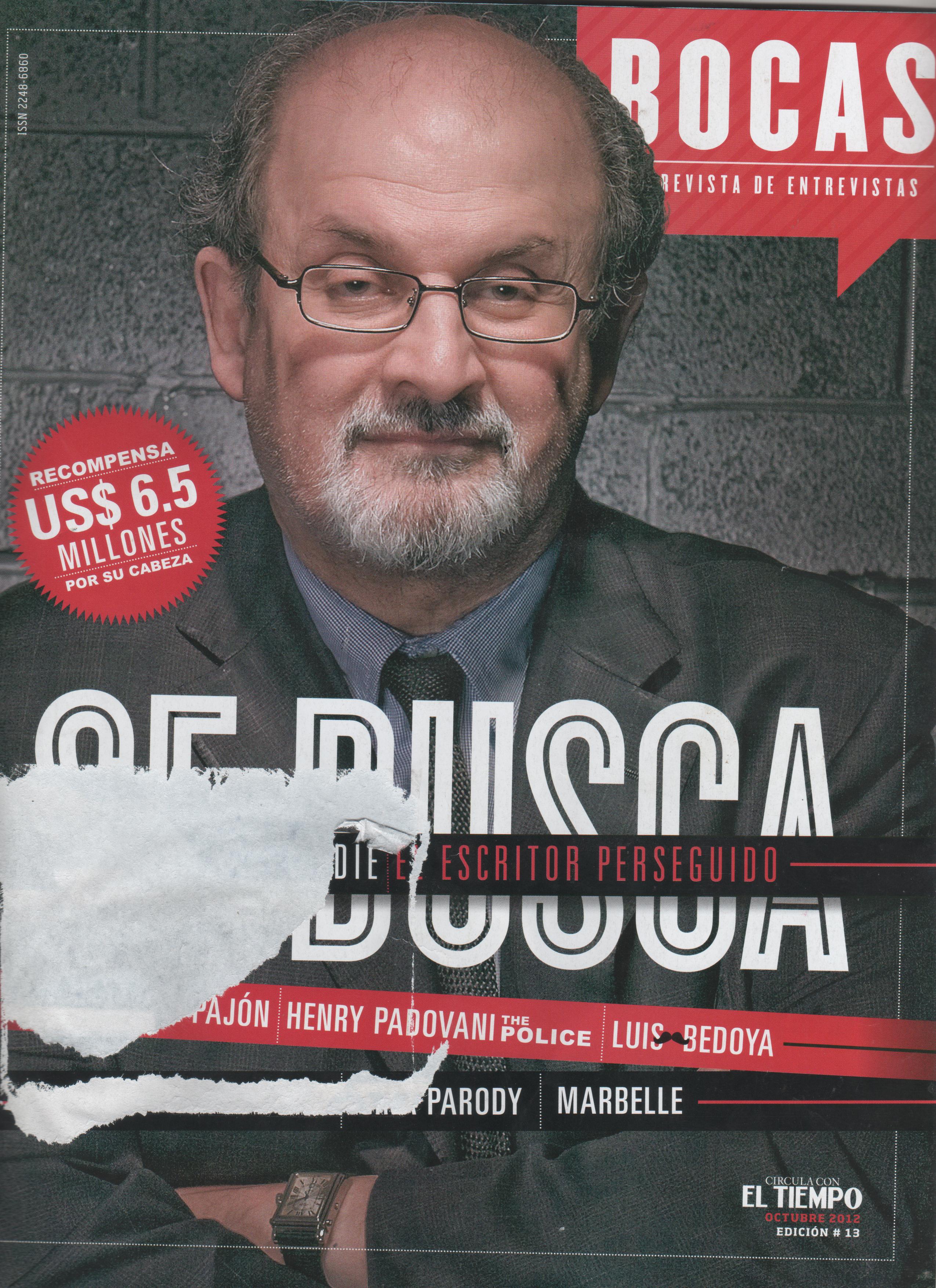
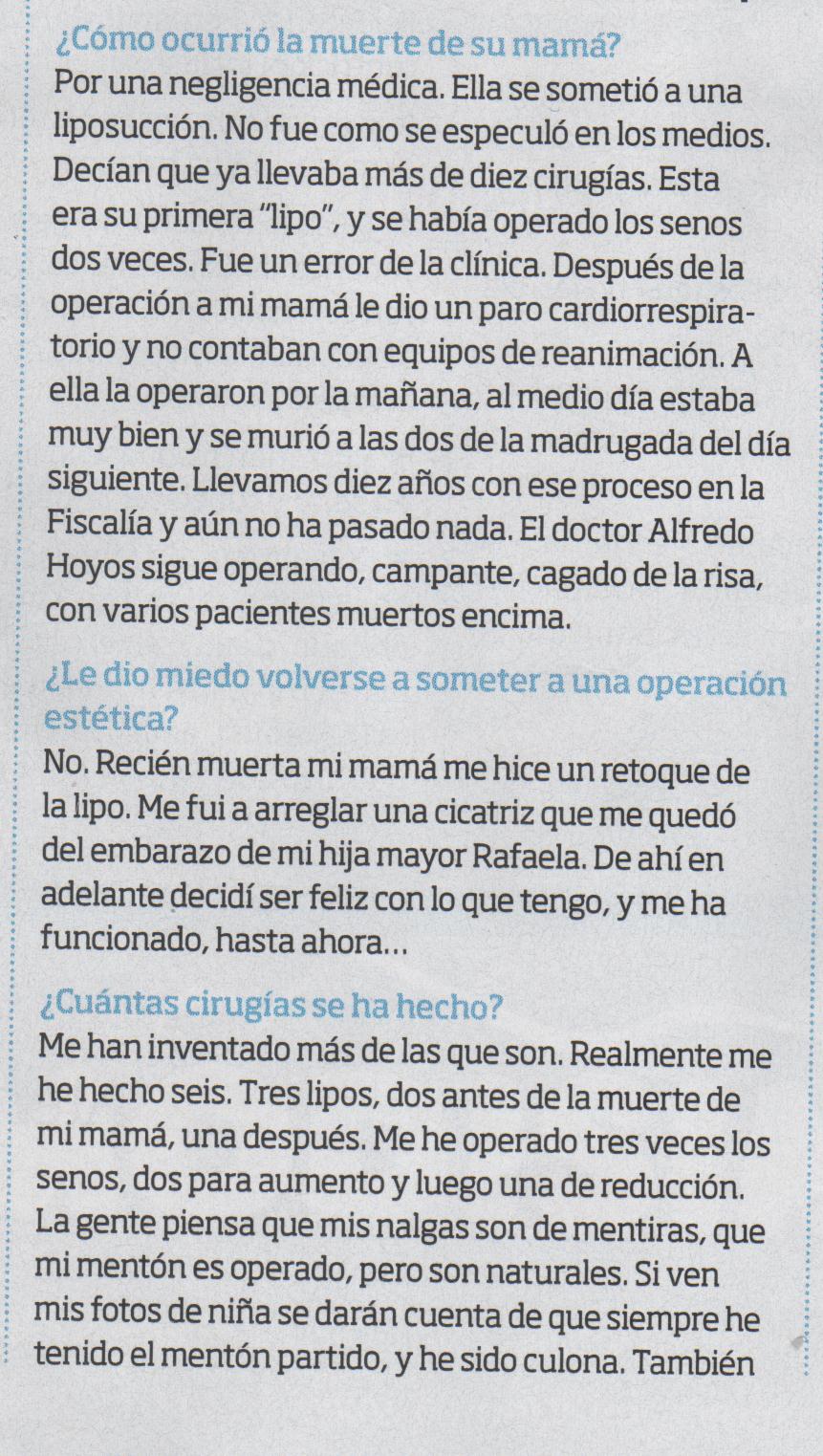
The accusations are from Marbelle, a Colombian artist regarding the intra-operative death of her mother, Maria Isabeth Cardona Restrepo (aka Yolanda) during liposuction.  These accusations were published in Bocas – which is part of El Tiempo, a popular Colombian newspaper, in which the singer alleges that Dr. Hoyos was unprepared, and did not have the proper equipment on hand to treat her mother when she went into cardiac arrest during the surgery.

story about the death of one of Dr. Alfredo Hoyos' patients.

story about the death of one of Dr. Alfredo Hoyos’ patients.

Kristin 002 Kristin 003 Kristin 004

Now – as many of you remember, I interviewed Dr. Alfredo Hoyos back in 2011, and followed him to the operating room, giving me first hand knowledge of his surgical practices.

Readers of the book know he received harsh criticism for both failure to adhere to standard practices of sterility and patient intra-operative safety (among other things.)  I also called him out for claiming false credentials from several plastic surgery associations – and notified those agencies of those claims..   In the book, readers were strongly advised not to see Dr. Hoyos or his associates for care.

But – as I mentioned, my book is sitting lonely on a shelf, here in Bogotá – and in the warehouses of Amazon.com and other retailers.. So, people like that patient – didn’t have the critical information that they needed..

This is where Colombia Reports – and I hope to change all that.   So in the coming weeks, I am re-visiting some of surgeons we talked to in 2011, and interviewing  more (new) surgeons, more operating room visits..

The Pros & Cons of Bariatric Surgery


As my loyal readers know, I do my best to try to give fair and balanced depictions of surgical procedures, as well as reviews of medical and surgical news and research.  Over at Medscape.com – there is a new video discussion by Dr. Anne Peters, MD.  Dr. Peters is an endocrinologist and a certified diabetic education.  In this video – she talks about the realities of bariatric surgery, and these are things I think that people need to hear.

For more on Bariatric surgery – see my other posts

One of the points that she makes, is (in my opinion) critical.  While bariatric surgery has been shown to cure diabetes in many individuals – there is no medical/ surgical or other treatment to cure much of the pathology related to the development of obesity in the first place.  Obesity is more than poor dietary and exercise habits – it is a psycho-social and cultural phenomenon as well.

For people who don’t want to go to the Medscape site – I have re-posted a transcript of the video from Medscape.com below.

Bariatric Surgery a ‘Magic Bullet’ for Diabetes?

Anne L. Peters, MD, CDE

Transcript
Hi. I’m Dr. Anne Peters from the University of Southern California. Today I’m going to talk about the role of bariatric surgery in the treatment of type 2 diabetes.

There have been a number of recent studies that show just how good bariatric surgery can be for patients with type 2 diabetes.[1,2] In many cases, it seems to cure type 2 diabetes (at least for now), and I think it is an important tool for treating patients with obesity and diabetes.

However, I also have concerns about bariatric surgery, concerns that go back for years as I watched its increased use. When I was a Fellow, I developed a sense of the benefit of extreme caloric restriction for the treatment of type 2 diabetes. I will never forget the first patient I had, an extremely obese man with type 2 diabetes who was on 200 units of insulin per day. His blood sugar levels remained high no matter what we did. He was a significant challenge in terms of management.

One day, he got sick. I don’t remember how or why he got sick, but he ended up in the hospital and I thought that his management would continue to be incredibly difficult. In fact, it was miraculously easy. Within 2 days, he was completely off of insulin and his blood glucose levels remained normal for the entire time he was in the hospital.

This was only a short-lived benefit, however. After he was discharged, he went back to his old habits. He started eating normally, regained the weight, and went back on several hundred units of insulin per day. But it really impressed me how acute severe caloric restriction could, in essence, treat type 2 diabetes.

I have seen many overweight and obese patients with diabetes over the years, and I have seen the frustration as patients go on drugs (such as insulin) that are weight-gain drugs, and they keep gaining more weight. Although I am a big advocate for lifestyle change, many patients can’t do much better. They can’t lose appropriate amounts of weight by their own will or through weight loss programs, or increase their exercise. Therefore, bariatric surgery remains a reasonable option.

For many of my patients who have a body mass index > 35 and type 2 diabetes, I recommend that they at least consider bariatric surgery. Interestingly, very few of my patients actually go for the procedure and I ponder why this is. In part, I think it’s because of the initial evaluation, when you are told what bariatric surgery is like and how much you have to change your habits after the procedure. Before surgery, you are eating however you want to eat and, although you may be trying to diet, there is no enforcement of that diet. After surgery, you have to change how you eat, the portions you eat, and when you eat. I know that people feel fuller, and this is a lot more than just changing one’s anatomy. I think there are significant changes in gut hormones that regulate appetite and satiety. Nonetheless, it is a big change, and many people don’t want to change their habits that much. I know I would be somewhat leery if I were to undergo a surgical procedure that would change my whole way of being. For lots of people, food has many different associations. It’s not just caloric intake; it’s festival, it’s party, it’s joy, it’s sadness. It’s something people like to do, and it hasn’t a lot to do with just maintaining a positive or neutral caloric balance.

I find that people are reluctant to change, and that is understandable. We also don’t know the long-term complications of the procedure. As an endocrinologist, I see 2 things. First, I tend to get sicker patients, so my patients who are on insulin when they undergo bariatric surgery may not get off insulin entirely. They become very disappointed because they think that bariatric surgery will cure them of their diabetes. I also see patients who are too thin, who are nutritionally deficient, who have severe hypoglycemia, or who have significant issues from the surgery itself. In some cases, these patients have needed a takedown of the surgical procedure, restoring them back to their native anatomy.

I think of bariatric surgery as a tool. It is one of many ways to treat our patients with type 2 diabetes. I am a little concerned because we don’t have long-term follow-up data. I think that all bariatric surgery programs, in addition to doing a very thorough preoperative evaluation and counseling, need to do long-term, lifelong follow-up of these patients to see how they do, to see if their obesity returns. In many cases, this does happen. [Patients need to be followed up] to see what happens to their lipids, their blood pressure, and their blood sugar levels over time, and to monitor for other complications.

I think [bariatric surgery] is something that we need to recommend to our patients, and for those in whom it’s appropriate, it is a reasonable step. This has been Dr. Anne Peters for Medscape.

 References
  1. Mingrone G, Panunzi S, De Gaetano A, et al. Bariatric surgery versus conventional medical therapy for type 2 diabetes. N Engl J Med. 2012 Mar 26. [Epub ahead of print]
  2. Schauer PR, Kashyap SR, Wolski K, et al. Bariatric surgery versus intensive medical therapy in obese patients with diabetes. N Engl J Med. 2012; Mar 26. [Epub ahead of print]

Life after Bariatric Surgery

There is also an excellent article by two nurse practitioners about the long-term interventions and health monitoring needed for wellness promotion and health maintenance after bariatric surgery.  While this article is written for other health care providers – it gives an excellent look at life after bariatric surgery, as well as an overview of the surgical techniques, pre-operative evaluation and anticipated post-operative outcomes.

Thomas, C. M. & Morritt Taub, L. F. (2011).  Monitoring and preventing the long-term sequelae of bariatric surgery.  J of the American Academy of Nurse Practitioners, 2011, 23 (9).

The future of medical tourism: the glass ceiling


The International Medical Travel Journal has a new article that questions the notions that ‘the sky is the limit’ in the medical tourism industry.  This article discusses the belief that many investors have that as long as there is a new shiny facility, medical tourists will flock..  In reality, the market for medical tourism is fairly narrow, particularly for American medical tourists – who are the ones most likely to open their wallets and pay cold hard cash for surgical procedures overseas.  (That’s because medical care in many other countries is less expensive for residents – so why travel and pay cash for something you can get at home for relatively little expense (even if it requires waiting.) Many of these Americans are uncomfortable or unwilling to travel to more exotic locations – as Dubai has found out first hand.

Of course, plastic surgery and other elective procedures are a little different.)  But most Europeans, Canadians etc.  aren’t going to have to fork over 100,000 for heart surgery (or be uninsured) so the pool is limited.

The other class of medical tourist – the wealthy residents of countries that may not have elite services is also a mixed bag,  Many of these patients are going to elect to go to ‘big name’ American facilities despite the cost – for a specific level of care.  They may seek out specialized procedures that are unavailable or even illegal in their home countries – but that market is smaller than most of us realize.

It’s a good article that brings a dose of reality to the concept of medical tourism as a ‘cash cow’ route to easy and limitless cash.  Medical tourism is not for everyone, as investors are finding out.

Bariatric Surgery Safety: More than your weight is at risk!


Dying to be thin?  These patients are… A look at the Get-Thin clinics in Beverly Hills, California..

This series from LA Times writers, Michael Hiltzik and Stuart Pfiefer highlights the importance of safety and the apparent lack of regulation in much of the bariatric procedure business here in the United States.

In these reports – which follow several patient deaths from lap-band procedures, both surgeons and surgical staff alike have made numerous reports against the ‘Get Thin” clinics operating in Beverly Hills and West Hills, California.  These allegations include unsafe and unsanitary practices.  One of the former surgeons is involved in a ‘whistle-blower’ lawsuit as he describes the dangerous practices in this clinic and how they led to several deaths.

Regulators ignore complaints against Beverly Hills clinics despite patient deaths  – in the most recent installment, Hiltzik decries the lack of action from regulatory boards who have ignored the situation since complaints first arose in 2009!

House members call for probe into Lap-Band safety, marketing – California legislators call for action, but the clinics stay open. (article by Stuart Pfiefer)

Plaintiffs allege ‘gruesome conditions’ at Lap-Band clinics – mistakes and cover-ups at the popular weight loss clinics.  (article by Stuart Pfiefer)  This story detailing a patient’s death made me ill – but unfortunately reminded me of conditions I had seen at a clinic I wrote about in a previous publication..  The absolute lack of the minimum standards of patient care – is horrifying.  This woman died unnecessarily and in agony.  It proves my point that anesthesiologists need to be detailed, and focused on the case at hand.. (not iPhones, crosswords or any of the other distractions I’ve seen in multiple cases.. Now this case doesn’t specifically mention a distracted anesthesiologist – but given the situation described in the story above, he couldn’t have been paying attention, that’s for sure.

HIPEC: the latest research results


If you remember, previous New York Times articles questioned the efficacy of hyperthermic chemotherapy given during cytoreductive surgery.  We promised to investigate, and return with more results to this question.

Recently several articles have been published on the topic, including this one – in the journal of Clinical Oncology.  This narrative by Maurie Markman talks about the quick dismissal of HIPEC by many oncologists, particularly for larger tumors – and he questions the wisdom of this approach in light of recent research results.

In fact, several large new American studies – including one at Case Western are examining the use of HIPEC, particularly in gynecological cancers like ovarian and uterine cancers which carry a dismal prognosis.

American Hospitals are finally jumping on the HIPEC bandwagon…

Detroit hospital offering HIPEC

Atlanta docs, robots and HIPEC

This last link isn’t really news – it’s a press release, but since it’s on a surgical oncologist (Dr. Wilbur Bowne) who was an early American adopter of HIPEC, I thought readers might be interested.

Previous Bogota Surgery posts on HIPEC

HIPEC: The basics

Bogota Surgeons stay ahead of the curve

The Future is Now: HIPEC

Looks like it’s about time to check in with our favorite surgical oncologist, and HIPEC expert, Dr. Fernando Arias..

Check back soon for more..

Nurse Practitioners and Medscape


A couple of new articles over at Medscape highlight the role of Nurse Practitioners (and Physician’s Assistants) in patient care.

The Role of Nps and PAs with MDs in today’s care

A study from Loyola showed that surgical NPs reduced emergency room visits  : here’s a link to the article abstract by Robles et al. (2011).

Reducing cardiovascular risk with NPs: the Coach trial

And yet again, Nurse Practitioners trump physicians in patient satisfaction surveys.

This is just a sampling of the articles featured over at Medscape’s NP perspective.

From the free-text files: a selection of articles showing the growing use of Nurse Practitioners around the world

Nurse practitioners improve quality of care in chronic kidney disease: two-year results of a randomised study.  – a study from the Netherlands

A Parallel Thrombolysis Protocol with Nurse Practitioners As Coordinators Minimized Door-to-Needle Time for Acute Ischemic Stroke.  A taiwanese study showing the impact of nurse practitioners in reducing door-to-needle time in acute coronary syndromes.

Helping patients attain and maintain asthma control: reviewing the role of the nurse practitioner.

Type 2 diabetes, cardiovascular disease and the utilisation of primary care in urban and regional settings.  An Austrailian study discussing the impact of NPs in rural care.

Colombian life: an outsider looking in..


There’s a great blog here on WordPress that I wanted to recommend to anyone interested in Bogota – and all things Colombian.  The blog is called The Wanderlust Chronicles and it follows the life, and adventures of Kate – a young teacher / translator (who reminds me a bit of myself).  I do have to say – that as I ‘cruised’ around the site, reading her posts – tears almost came to my eyes, and I became wistful for all the things I loved and enjoyed about my time in Colombia.

For everyone else –

It’s a great reference for all of you who want a bit of a different vantage point (nonmedical) on the beauty of Colombia and Colombian culture.  I hope you enjoy!

Medical Tourism Forecast for 2012


Where is Medical Tourism & Travel headed for 2012?   Predictions vary according to sources, but all sources expect the medical travel phenomenon to continue, unabated.

Maria Lenhart at the Medical Travel Report (a private travel company blog) estimates 35% growth over the next year, based on Deloitte statistics.

Where are they going?  According to Depak Datta of the Medical Tourism Corporation – for the most part, people are staying fairly close to home..  Meaning that people from the United States and Canada favor locations in the Western Hemisphere over Thailand, India and other destinations popular with Europeans, Africans and Asians..

Domestic medical tourism remains a popular option with American corporations who are sending their employees to large, well-known facilities within the United States.

In fact, large American healthcare institutions often have the most to gain from medical tourism via international affiliations with institutions in South America, India,  and Asia.  John Hopkins, Cleveland Clinic, Duke, Harvard and several other well-known top-tier American medical giants have branding agreements and other lesser affiliations with hospitals and clinics across the globe.

In the midst of this growth, concerns over patient safety and quality of care should remain at the forefront (in all facilities – domestic and international.) But until more potential customers demand (or even display any interest) in quality, and safety issues – the industry is not going to go out of its way to provide this information.

Hospital General de Mexicali


Following surgery at Hospital Alamater, we proceed to the Hospital General de Mexicali.  This is the largest public facility in Mexicali, and is surprisingly small.  After a recent earthquake, only three floors are currently in use, with the two remaining upper floors undergoing demolition for repair after earthquake-related damage.  The facility is old and dated, and it shows.  There are ongoing construction projects and repairs throughout the facility.

On the medical and surgical floors there are dormitory style accommodations with three patients in each room.  Sandwiched across from the nursing station are several rooms designated as ‘Intermediate’ care.  These rooms are full with patients requiring a higher level of care, but not needing the intensive care unit which is located downstairs adjacent to the operating theater.


surgical nurses at Hospital General

The intensive care unit itself is small and crowded with patients.  There are currently five patients, all intubated and in critical condition.  Equipment is functional and adequate but not new, with the exception of hemodynamic monitors.  There is no computerized radiology (all films are printed and viewed at bedside.)

We visit several post-operative patients upstairs on the surgical floors, and talk with the patients at length.  All of the patients are doing well, including several patients who were hospitalized after holiday-related trauma (stabbing with chest and abdominal injuries.) The floors are busy with internal medicine residents and medical students on rounds.

Despite it’s unattractive facade, and limited resources – the operating room is similar to operating rooms across the United States.. Some of the equipment is older, or even unavailable (Dr. Ochoa brings his own sterile packages of surgical instruments for cases here.)  However, during a case at the facility – all of the staff demonstrate appropriate knowledge and surgical techniques. The anesthesiologist invites me to look over his shoulder (so to speak) and read through the chart..

Since respiratory therapy and pulmonary toileting is such an important part of post-operative care of patients having lung surgery – we stopped in to check out the Respiratory department.  I met with Jose Luis Barron Oropeza who is the head of Respiratory Therapy.  He graciously explained the therapies available and invited me to the upcoming symposium, which he is chairing.  (The symposium for respiratory therapy in Mexicali is the 18th thru the 20th of this month.  If anyone is interested in attending, send me an email for further details.)

After rounding on patients at the General Hospital – despite the late hour (it is after midnight) we make one more stop, back at the Hospital Alamater for one last look at his patients there.  Dr. Ochoa makes a short stop for some much-needed food at a small taco stand while we make plans to meet the next morning.

Due to the limitedavailable resources, I wouldn’t recommend this facility for medical tourists.  However, the physicians I encountered were well-trained and knowledgeable in their fields.

Fired!!


As I review the few short film clips I delegated to my ‘cameraman’ (my husband) – all I can say is that he is totally, and completely fired!!  (and I am pretty irritated.)

All I needed was a few background clips of Mexicali for the first new video cast for the iTunes series – I took all the stills, interviewed the surgeons and got all the intra-operative footage..  He just needed to get about two minutes worth – for the introductory segments..

Totally.  Fired.

So, readers, I apologize but my first iTunes video cast won’t be the wonderful, glossy creation I had hoped for.. More like a schizophrenic, slightly generic – art house production.

But we’ll try again on our next journey – (with a new cameraman!)

In the operating room with Dr. Carlos Ochoa, thoracic surgeon


Mexicali, Baja California (Mexico)

Dr. Carlos Cesar Ochoa Gaxiola, Thoracic Surgeon

We’ve back in the city of Mexicali on the California – Mexico border to interview Dr. Carlos Cesar Ochoa Gaxiola as part of the first of a planned series of video casts.   You may remember Dr. Ochoa from our first encounter back in November 2011.  He’s the personable, friendly thoracic surgeon for this city of approximately 900,000 residents.  At that time, we talked with Dr. Ochoa about his love for thoracic surgery, and what he’s seen in his local practice since moving to Mexicali after finishing his training just over a year & a half ago.

Now we’ve returned to spend more time with Dr. Ochoa; to see his practice and more of his day-to-day life in Mexicali as the sole thoracic surgeon.  We’re also planning to talk to Dr. Ochoa about medical tourism, and what potential patients need to know before coming to Mexicali. He greets me with the standard kiss on the cheek and a smile, before saying “Listo?  Let’s go!”  We’re off and running for the rest of the afternoon and far into the night.  Our first stop is to see several patients at Hospital Alamater, and then the operating room for a VATS procedure.

He is joined in the operating room by Dr. Cuauhtemoc Vasquez, the newest and only full-time cardiac surgeon in Mexicali.  They frequently work together during cases.  In fact, that morning, Dr. Ochoa assisted in two cases with Dr. Vasquez, a combined coronary bypass/ mitral valve replacement case and a an aortic valve replacement.

Of course, I took the opportunity to speak with Dr. Vasquez at length as well, as he was a bit of a captive audience.  At 32, he is just beginning his career as a cardiac surgeon, here in Mexicali.  He is experiencing his first frustrations as well; working in the first full-time cardiac surgery program in the city, which is still in its infancy, and at times there is a shortage of cases[1].  This doesn’t curb his enthusiasm for surgery, however and we spend several minutes discussing several current issues in cardiology and cardiac surgery.  He is well informed and a good conversationalist[2] as we debate recent developments such as TAVI, carotid stenting and other quasi-surgical procedures and long-term outcomes.

We also discuss the costs of health care in Mexicali in comparison to care just a few short kilometers north, in California.   He estimates that the total cost of bypass surgery (including hospital stay) in Mexicali is just $4500 – 5000 (US dollars).  As readers know, the total cost of an uncomplicated bypass surgery in the USA often exceeds $100,000.

Hmm.. Looks like I may have to investigate Dr. Vasquez’s operating room on a subsequent visit – so I can report back to readers here.  But for now, we return to the case at hand, and Dr. Ochoa.

The Hospital Alamater is the most exclusive private hospital in the city, and it shows.   Sparkling marble tile greets visitors, and patients enjoy attractive- appearing (and quiet!) private rooms.  The entire hospital is very clean, and nursing staff wears the formal pressed white scrub uniforms, with the supervisory nurse wearing the nursing cap of yesteryear with special modifications to comply with sanitary requirements of today.

The operating rooms are modern and well-lit.  Anesthesia equipment is new, and fully functional.  The anesthesiologist is in attendance at all times[3].  The hemodynamic monitors are visible to the surgeon at all times, and none of the essential alarms have been silenced or altered.  The anesthesiologist demonstrates ease and skill at using a double lumen ETT for intubation, which in my experience as an observer, is in itself, impressive.  (You would be surprised by how often problems with dual lumen ETT intubation delays surgery.)

Surgical staff complete comprehensive surgical scrubs and surgical sterility is maintained during the case.  The patient is well-scrubbed in preparation for surgery with a betadine solution after being positioned safely and correctly to prevent intra-operative injury or tissue damage.  Then the patient is draped appropriately.

The anesthesiologist places a thoracic epidural prior to the initiation of the case for post-operative pain control[4].  The video equipment for the case is modern with a large viewing screen.  All the ports are complete, and the thoracoscope is new and fully functioning.

Dr. Ochoa demonstrates excellent surgical skill and the case (VATS with wedge resection and pleural biopsy) proceeds easily, without incident.  The patient is hemodynamically stable during the entire case with minimal blood loss.

Following surgery, the patient is transferred to the PACU (previously called the recovery room) for a post-operative chest radiograph.  Dr. Ochoa re-evaluates the patient in the PACU before we leave the hospital and proceed to our next stop.

Recommended.  Surgical Apgar: 8


[1] There is another cardiac surgeon from Tijuana who sees patients in her clinic in Mexicali prior to sending patients to Tijuana, a larger city in the state of Baja California.  As the Mexicali surgery program is just a few months old, many potential patients are unaware of its existence.

[2] ‘Bypass surgery’ is an abbreviation for coronary artery bypass grafting (CABG) aka ‘open-heart surgery.’  A ‘triple’ or ‘quadruple’ bypass refers to the number of bypass grafts placed during the procedure.

[3] If you have read any of my previous publications, you will know that this is NOT always the case, and I have witnessed several cases (at other locations) of unattended anesthesia during surgery, or the use poorly functioning out-dated equipment.

[4] During a later visit with the patient, the patient reported excellent analgesia (pain relief) with the epidural and minimal adjuvant anti-inflammatories.

Colombian government steps up..


In a surprising but admirable move, the Colombian government has announced that it will pay for the removal of PIP implants.    As we discussed at our sister site, Cartagena Surgery, recent disclosures that the French company knew their breast implants were defective as far back as 2005 has sent shock waves of outrage through the medical community.  Further disclosures that the implants contained substandard construction grade materials (not medical grade) and fuel additives which contributed to the exceedingly high rupture rate (7% versus an average rate of 1% for all other implants) has important health implications for women world-wide.

In the wake of this scandal, hundreds of thousands of women across the globe, particularly women in Latin America where the implants were heavily marketed, have been panicking and storming physicians’ offices for answers.

(In a related post at our sister site – we reassured readers who received implants in 2011 by some if the surgeons profiled here..

With the French government advising over 30,000 french recipients of these implants to have them removed promptly, this goodwill gesture by the Colombian government should go far to reassure and calm Colombian women.

Update: 14 Jan 2012

Medpage Today just published a nice comprehensive article on the Poly-Implant Prostheses (PIP) implant controversy.  It’s a good story for people playing catch up on this story – and wondering if they may be affected by this news.

French implant update


More scary news for women around the globe – as the manufacturer, PIP discloses frightening information regarding their defective implants.  It has been discovered that the company knew that the implants were defective since 2005 – but continued to sell the implants for use world-wide, particularly in Latin America.

More disturbingly, this manufacturer did not use medical grade materials – instead opting for cheaper, construction grade chemicals including petroleum and fuel additives, components which have never been tested for [internal] human use.  The health effects of exposure to these materials is unknown.  The risks associated with the use of these materials is enhanced due to the high rate of rupture among this brand of implant.  These chemicals certainly have carcinogenic potential and the implications for thousands and thousands of women are terrifying.

French officials have urged women to have their implants surgically removed.

A preliminary search of PubMed and other published research shows mixed results – and primarily discusses the results of exposure to benzene (and other petroleum derivatives) via water contamination, or occupational exposure.   (In fact, only limited information is available regarding the safety of breast implants in general, and the material is fairly dated.)

As we stated in a previous story, while researching Bogota! and interviewing plastic surgeons – I investigated the types of implants used by the surgeons profiled in the book.  (None of the surgeons used this company’s implants at the time of my interviews in Winter/ Spring 2011).

Update:  In fact, the Colombian government has offered to pay for the removal of PIP implants.  More on this story here.

2011 in review: State of the Blog


Thank you to everyone for making Bogotá Surgery.org a phenomenal success!  Surprisingly – this annual report shows a few less views than our own counters – but we are thrilled all the same..  Here’s hoping for more and greater successes in 2012!

Here’s an excerpt:

The concert hall at the Syndey Opera House holds 2,700 people. This blog was viewed about 9,700 times in 2011. If it were a concert at Sydney Opera House, it would take about 4 sold-out performances for that many people to see it.

Click here to see the complete report.

Aortic Valve Replacement & the elderly


I just read an interesting article in the Annals of Thoracic Surgery.

Unfortunately, the full-text article is not available for free – but I did find a nice article abstract (which I’ve posted below.)  It confirms some of the previous discussions we’ve had here at Cartagena Surgery on the role of surgery in Aortic Stenosis, even in ‘elderly’ patients.  [I put elderly in quotes since the definition can be fairly elastic depending on who is doing the judging.]

The article below is from Medscape.com

Aortic valve replacement in the elderly: the real life.

Ann Thorac Surg. 2012; 93(1):70-8 (ISSN: 1552-6259)

Langanay T; Flécher E; Fouquet O; Ruggieri VG; Tour Bde L; Félix C; Lelong B; Verhoye JP; Corbineau H; Leguerrier A Department of Cardiovascular and Thoracic Surgery, University Hospital, Rennes, France.

BACKGROUND: Aortic stenosis is of concern in the elderly. Although aortic valve replacement provides good long-term survival with functional improvement, many elderly patients are still not referred for surgery because of their age. Percutaneous aortic valve implantation offers an alternative to open-heart surgery. Concerns about the management of aortic valve stenosis in the elderly will be reviewed.

METHODS: We retrospectively analyzed 1,193 consecutive aortic valve replacements, performed in octogenarians since January 2000. A total of 657 patients (55%) had at least one associated comorbidity (eg, respiratory failure) and 381 (32%) associated coronary lesions. Valve replacement was the only procedure in 883 patients (74%), and was associated with coronary revascularization in 262 cases, or with another cardiac procedure in 48 patients.

RESULTS: Overall operative mortality was 6.9% (83 of 1,193 patients); 5.5% for single replacement and 11.5% if associated with coronary artery bypass surgery. Univariate and multivariate analyses identified 11 operative risk factors related to general status, cardiologic condition, and the procedure itself: older age (p< 0.015); respiratory failure (p <0.03); aortic regurgitation (p <0.001); emergency surgery (p <0.0029); New York Heart Association class IV (p < 0.0007); right heart failure (p < 0.03); atrial fibrillation (p < 0.04); impaired ejection fraction (p < 0.001); coronary disease (p < 0.01); redo surgery (p < 0.02); associated coronary revascularization (p < 0.008).

CONCLUSIONS: Today, valve replacement has acceptable low hospital mortality, even in the elderly. Thus, older patients should not be denied surgery due to their advanced age alone. Conventional surgery remains the gold standard treatment for aortic stenosis; the decision should be made on an individual basis. If several risk factors suggest very high-risk surgery, then percutaneous valve implantation should be considered instead.

In more disturbing news:

As predicted, the unproven ‘easy option’ of TAVI is now being pursued by more low-risk patients.  These lower risk patients are people who should have been encouraged to undertake the more durable, safe and proven surgical therapy [Aortic Valve Replacement.]  I guess this just shows how quickly those new recommendations [for patient protection and safety] were thrown out the window.

In this article (posted below) by Kurt Ullman at Medpage Today – German researchers discuss their preliminary findings and discuss the use in low risk patients.

The bar for transcatheter aortic valve implantation (TAVI) is dropping as more lower-risk patients are undergoing the procedure and their outcomes are favorable, a single-center study from Germany found. [Unfortunately – as we’ve seen so many times in the past, and as I am finding out while preparing this presentation on the Syntax trial – studies such as this can be quite deceiving – and LONG term data is needed. – Cartagena Surgery].

When stratified by quartiles based on enrollment date, Q1 patients had higher logistic EuroSCOREs, higher Society of Thoracic Surgeons (STS) scores, and higher median N-terminal pro-B-type natriuretic peptide levels compared with those enrolled later in Q4, noted Nicolo Piazza, MD, PhD, and colleagues from the German Heart Center in Munich.

Although there were significant decreases in 30-day and six-month mortality from Q1 to Q4 in the crude analysis, after adjustments for baseline characteristics, the significant differences disappeared (HR 0.29 for 30-day mortality and HR 0.67 for six-month mortality), according to the study published online in the Journal of the American College of Cardiology.

“These results suggest that underlying comorbidities play an important role in acute and intermediate-term survival after TAVI,” the researchers wrote.

The researchers noted anecdotal information suggesting a shift toward using TAVI in patients who are less sick than those enrolled in premarket trials. Additionally, the next wave of trials involving the CoreValve (Medtronic) and the Sapien XT (Edwards Lifesciences) devices will involve intermediate to high surgical risk patients, providing “yet another indication that TAVI is being directed at the treatment of lower and lower surgical risk patients,” Piazza and colleagues wrote.  [There are significant ethical considerations here which seem to be ignored – similar to criticisms of the Syntax trial – Cartagena Surgery.]

A single-center French study of low-risk TAVI patients found the procedure to be safe in this population. The study was presented at the European Society of Cardiology meeting in Paris.

The impact on this shift in patient selection was uncertain, they said, prompting a retrospective review of 420 patients who underwent TAVI at their institution from June 2007 to June 2010.

The consensus that a patient was suitable for TAVI was derived from a team that comprised cardiologists, cardiac surgeons, and anesthesiologists. This team approach is exemplified by the recent announcement that the American College of Cardiology and the Society of Thoracic Surgeons will jointly sponsor a TAVI registry to monitor the safety and efficacy of the procedure as it rolls out in the U.S.

Patients received either the CoreValve or Sapien device, the latter of which was just approved for use in the U.S. based on the PARTNER trial. PARTNER found that TAVI was as good as surgery in high-risk patients with severe aortic stenosis. [‘as good as’ – ah.. another ‘non-inferiority’ study….. view with skepticism folks..]

Researchers divided patients into four quartiles of 105 patients each. Those in Q1 were seen earlier in the study time frame than those in Q4.

Compared with Q4, Q1 patients had higher EuroSCOREs (25.4% versus 17.8%, P<0.001), STS scores (7.1% versus 4.8%, P<0.001), and NT-proBNP levels (3,495 versus 1,730 ng/dL, P<0.046).

There were significantly less transfemoral access approaches from Q1 to Q4, with a concomitant rise in transapical approaches. There also were significantly less intubations moving from Q1 to Q4, and the use of contrast significantly decreased over time.

Researchers noted that transfemoral complications decreased by 17% from Q1 to Q4 (P=0.008), but found no significant differences in the rate of stroke or transient ischemic attack or the need for a permanent pacemaker.

However, there was a shift in the later quartiles toward the treatment of younger patients with fewer comorbidities and lower surgical risk scores, Piazza and colleagues wrote.

Univariable analysis for 30-day mortality showed it was associated with age, STS score, atrial fibrillation, previous heart surgery, and previous stroke (P<0.10).

The factors associated with six-month mortality were age, logistic EuroSCORE, STS score, left ventricular ejection fraction, atrial fibrillation, previous cardiac surgery, chronic obstructive pulmonary disease, and N-terminal pro-B type natriuretic peptide (P<0.10).

Because only baseline characteristics were included, the authors noted the possibility that procedure-, operator-, or device-related factors might influence both 30-day and six-month mortality. The study is also limited by potential unmeasured confounding.

The investigators cautioned that little is known of the long-term durability of these devices should they be routinely implanted in younger patients with a longer expected life span.  [especially since the lifespan of the patients these valves were designed for was six months to one year..]

Piazza is a consultant and proctor for Medtronic and CardiAQ. Other authors revealed consultant status with Medtronic and Edwards Lifesciences, or instuctors for Medtronic
French Implants recalled


Hundreds of thousands of french made breast implants have been recalled – sending women all over the globe into a panic.  These implants which are no longer in use in France, have been linked to an increased rate of rupture, and possible increased incidence of cancer.

But good news for readers – as you may recall from my interviews with several of the surgeons (as written in the book) – none of the surgeons I interviewed used french implants.  The majority used FDA approved implants (only one brand currently FDA approved.)  Several others use german made implants*.. But this is an example of the details I’ve ferreted out for my readers..

* Brand information and other details are available in the book, “Bogota: a hidden gem guide to surgical tourism.”

More stories about fake docs including this one about a phony performing liposuction while smoking a cigar on AWAKE patients..

This guy was actually a doctor, but that didn’t stop ten of his patients from dying after bariatric procedures..

Feliz Navidad and Happy Holidays, my friends!


Click here to see a photo array (presented by Colombia Reports) showing the lights of Christmas time..

You can find more information about Christmas, Carnival and other festivals year-round in Bogotá at this webpage here.

Wishing all of my readers and friends a happy holidays and a healthy new year!

The Motley Fool & Medical tourism


The Motley Fool takes on medical tourism.  For you aren’t familiar with this site, it’s a very popular financial blog with stories on the economy, popular stock picks, predicted trends and investment strategies for retirement planning.  I am only passing familiar with the site myself since I come from a family of economists, but you can imagine my surprise (and delight!) to see medical tourism given serious consideration and discussion on their blog.

It’s about time that people talk about medical tourism in a fair and realistic fashion.   It tends to be sensationalized in extremes either fantastic! amazing! awesome! extreme plastic surgery makeover style or devastating.  graphic. and disturbing horror stories.

But this is a more rational and balanced discussion of health care and medical tourism – by the numbers, so to speak.. and it’s about time.

Por la navidad…


Perdoname porque mi espanol es un poco malo pero me gustaria dar vosotros una regalos por la navidad. Por todos mis amigos quien de leimos en espanol :

Ahora, en Smashwords.com – es un promocion por este libro – Bogota! una guia de quirofano. Este descuento es 25% cuando usas codigo TA47T.

Ir a Smashwords rapido! porque este promocion es corte – solomente desde ahora a 17 de enero.

I apologize to all my Spanish readers – my written Spanish is even worse than my spoken words.  (Luckily, I hired an excellent translator, Sra. Ochoa for the spanish edition of the book.)  Happy Holidays, and here’s wishing we all enjoy the best of health in 2012.

Cartagena on CNN


It looks like our Hidden Gem of a city is finally getting some of the attention it deserves – earlier this month, the city of Cartagena was featured as a ‘secret treasure’ on CNN Travel.    The article talks about the Caribbean flavor of this bright, diverse and colorful city and its rich history.

photo by CNN

Across ‘the pond’ in the UK – the Telegraph was also singing the praises of this tropical, elegant paradise and it’s status as a ‘cultural capital’..

Bogota receives high marks from the Boston Globe


Ivy Hughes at the Boston Globe recently discovered the charms and attractions of this fair city in a feature article published  today.  She reviews some of the most popular sites and scenes of the city, while dispelling many of the myths surrounding Colombia and enjoying the Transmileno experience..

In other city news, Colombia Reports just published a new story on the development of a new plastic surgery center – catering to the needs of medical tourists.

I also wanted to thank everyone – we recently reached over 10,000 visits – in just the few short months since we started this site..

Hopefully, in the future, I’ll be able to afford to make this, (and the sister sites) ad free for less distractions..

Bogota’s LBGT community, tolerance and gender reassignment surgery


Here’s the link to a nice story published on Off2Colombia as part of a press release for the city of Bogotá.  It’s a nice article (and video) that shows the diversity of this beautiful city.  As someone who lived in Bogotá for several months – I have to say that everything about this story is very true – and people in Bogotá are very friendly, warm and welcoming to EVERYONE.

Just another interesting facet of this lovely, fascinating and teeming city in the Andes..


Heart Surgery Abroad – coming to the big screen?


Too bad, the independent filmmaker from Tennessee elected to travel to India rather than closer to home (like Latin America.)  Still – it places a lot of what we talk about into context – the affordability (or lack of) life-saving treatments in the United States versus numerous countries abroad..

Interestingly enough – despite making the choice to travel thousands of miles for a huge operation – it doesn’t sound like he throughly researched his surgeons, facilities  etc.  That is certainly troubling as medical tourism has not yet reached the Kayak, or Expedia level for interested travellers.  While I am very happy, relieved, pleased that everything worked out well – this could have easily been a cautionary tale (and loss for medical tourism) as a well-publicized win.

But, I will continue to hope that stories like his will help promote safe medical tourism, through the establishment of standards and regulations for medical tourism promoters.

Colombia and cultural standards of beauty


This article on Sabotage Times talks about some of the different cultural ideas of beauty – in this case, the cultural and historical appeal of the large behind or bottom in Colombia.  (This is definitely a case of Latin influence on the United States – as this beauty ideal has been rapidly adopted here at home) – leading to an increase in the number of ‘booty enhancement procedures’ for American patients.

These different cultural standards of beauty are also something we have talked about before – and how Latin America is setting the styles for USA and much of the world.  These ideals have been quickly adopted into the mainstream American beauty ideals of the 1990’s and beyond.

(If you remember the late 1070’s and 1980’s – most of us up here in North America [and our mothers] – were out there starving and aerobicizing ourselves to try an obtain the tiny, flat bottom of a 12 year old boy.)

While some of this is undoubtably related to the large population of American residents with hispanic origins and the reflection of their beauty ideals – Colombia, Brazil, and Argentina have long been trend setters for fashion and beauty (which includes plastic surgery.)  This is one of the trends that makes these destinations so popular for plastic surgery.

For more on Bogotá plastic surgeons – see here, here and here.

For more on plastic surgery and ‘booty enhancement’ gone wrong – see here at our sister site.

New article at Eternal Beginning blog


Eternal Beginning is book review blog by avid reader (and fellow writer), Christine Cunningham.  (It is also the title of her first book.)  Christine was kind enough to feature the Bogota book on her blog.

Clinica Shaio & Dr. Hernando Santos


Fundacion Clinica Shaio – the first cardiac hospital in Colombia has recently unveiled the updated english-language version of their website, as part of an effort to aid international travelers, and attract medical tourists.  As long time readers know, I spent quite a bit of time at Clinica Shaio, with the Doctors Santos, (and several others).    Now as part of our new podcasting project – we will be sharing one of my favorite surgery videos from the operating room of Dr. Hernando Santos.  (If you’ve spent time here at www.BogotaSurgery.org than this video will be familiar to you.)  To my new readers from iTunes – welcome & enjoy!

Brief introduction to Dr. Hernando Santos, MD.

Bogota Surgery Podcasts


As part of our continuing efforts to bring medical tourism and travel information to people in a multitude of formats, we are planning to begin a series of podcasts featuring physicians and topics discussed here at Bogotá Surgery.

Come back soon for more information on our latest endeavor.

The road to Monserrate


no, this isn’t some sort of quasi-poetic allegory, or sophomoric metaphor.  The road to Monserrate – really is a path, or more accurately, the stairs to Monserrate.   Monserrate is a popular tourism destination in Bogotá:  a church set high on the Mountain above the bustling city.  Despite the religious themes, Monserrate appeals to the faithful and the agnostic alike – due to the impressive and expansive views of the valley below.

the view from Monserrate

Traditionally, pilgrims climbed to the top of Monserrate on a worn-down path.  A train and a cable car also served to bring travelers, and tourists to the top of Monserrate.

The new upgrades to the footpath have just been completed – making the walkway more accessible to visitors.

The Bogotá Hilton (located in the financial district) also opened this week.

HIPEC in the news again..


Another story about bringing HIPEC to the masses – this time in Mumbai, India..  I have to wonder about the research for the article – everytime I see the phrase, “A ray of hope”..  sounds suspiciously like the original title of a certain article (in Colombia Reports.com) all of us are familiar with over here at Bogota Surgery.org.

HIPEC and peritoneal mesothelioma – more effective in women?

Dental care overseas


As reported in numerous stories, many Americans are travelling to Mexico and other countries for dental care. Ex-pats or Americans living abroad are also seeking dental services.

However, as highlighted in this article – determining the quality of your provider overseas is not easy.  (Of course, it’s not easy to find a good dentist for many of us at home – but that’s a separate issue.)

Evaluating dentists and dental services is different that evaluating other health care providers – due to the nature of the service.  Unlike most surgical procedures – most dental procedures do not require anesthesia, (which means that they can be evaluated on a first-person basis).  Of course – for my colleagues who assisted me in writing Bogotá! – it meant quite a bit of time in the dentist’s chair..