Start here…


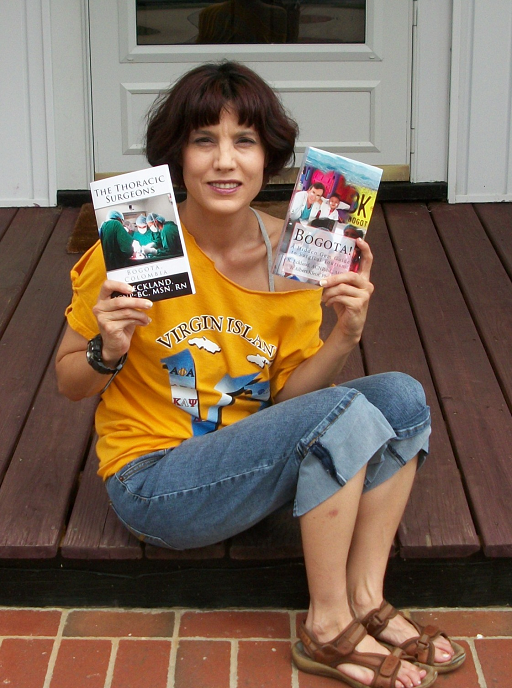
This is a page re-post to help some of my new readers become familiarized with Latin American Surgery.com – who I am, and what the website is about..

As my long-time readers know, the site just keeps growing and growing.  Now that we have merged with one of our sister sites, it’s becoming more and more complicated for first time readers to find what they are looking for..

So, start here, for a brief map of the site.  Think of it as Cliff Notes for Latin American surgery. com

Who am I/ what do I do/ and who pays for it

Let’s get down to brass tacks as they say .. Who am I and why should you bother reading another word..

I believe in full disclosure, so here’s my CV.

I think it’s important that this includes financial disclosure. (I am self-funded).

I’m not famous, and that’s a good thing.

Of course, I also think readers should know why I have embarked on this endeavor, which has taken me to Mexico, Colombia, Chile, Bolivia and continues to fuel much of my life.

Reasons to write about medical tourism: a cautionary tale

I also write a bit about my daily life, so that you can get to know me, and because I love to write about everything I see and experience whether surgery-related or the joys of Bogotá on a Sunday afternoon.

What I do and what I write about

I interview doctors to learn more about them.

Some of this is for patient safety: (Is he/she really a doctor?  What training do they have?)

Much of it is professional curiosity/ interest: (Tell me more about this technique you pioneered? / Tell me more about how you get such fantastic results?  or just tell me more about what you do?)

Then I follow them to the operating room to make sure EVERYTHING is the way it is supposed to be.  Is the facility clean?  Does the equipment work?  Is there appropriate personnel?  Do the follow ‘standard operating procedure’ according to international regulations and standards for operating room safety, prevention of infection and  overall good patient care?

I talk about checklists – a lot..

The surgical apgar score

I look at the quality of anesthesia – and apply standardized measures to evaluate it.

Why quality of anesthesia matters

Are your doctors distracted?

Medical information

I also write about new technologies, and treatments as well as emerging research.  There is some patient education on common health conditions (primarily cardiothoracic and diabetes since that’s my background).  Sometimes I talk about the ethics of medicine as well.  I believe strongly in honesty, integrity and transparency and I think these are important values for anyone in healthcare.  I don’t interview or encourage transplant tourism because I think it is intrinsically morally and ethically wrong.  You don’t have to agree, but you won’t find information about how to find a black market kidney here on my site.

What about hospital scores, you ask.. Just look here – or in the quality measures section.

Cultural Content

I also write about the culture, cuisine and the people in the locations I visit.  These posts tend to be more informal, but I think it’s important for people to get to know these parts of Latin America too.  It’s not just the doctors and the hospitals – but a different city, country and culture than many of my readers are used to.

Why should you read this?  well, that’s up to you.. But mainly, because I want you to know that there is someone out there who is doing their best – little by little to try to look out for you.

How the site is organized

See the sidebar! Check the drop-down box.

Information about surgeons is divided into specialty and by location.  So you can look in plastic surgery, or you can jump to the country of interest.  Some of the listings are very brief – when I am working on a book – I just blog about who I saw and where I was, because the in-depth material is covered in the book.

information about countries can be found under country tabs including cultural posts.

Issues and discussions about the medical tourism industry, medical safety and quality are under quality measures

Topics of particular interest like HIPEC have their own section.

I’ve tried to cross-reference as much as possible to make information easy to find.

If you have suggestions, questions or comments, you are always welcome to contact me at k.eckland@gmail.com or by leaving a comment, but please, please – no hate mail or spam.  (Not sure which is worse.)

and yes – I type fast, and often when I am tired so sometimes you will find grammatical errors, typos and misspelled words (despite spell-check) but bear with me.  The information is still correct..

Thank you for coming.

Talking with Dr. Gustavo Gaspar Blanco, plastic surgeon


Dr. Gustavo Gaspar Blanco, plastic surgeon

Gaspar 083

Dr. Gustavo Gaspar Blanco is a plastic surgeon in Mexicali (Baja California) Mexico.  He is well-known throughout Baja and Northern Mexico for his gluteal augmentation techniques using gluteal implants.  While this is one of the procedures he is most famous for, he also performs the complete range of body, facial plastic surgery procedures, and post-bariatric reconstructive surgery.

It was an engaging series of interviews as Dr. Gaspar is extremely knowledgeable and passionate about his craft.  “Plastic surgery is different from other specialties, it is an art.  The surgeon needs to have an eye for beauty and symmetry in addition to surgical skill.”

To read more about Dr. Gaspar in the operating room.

Gluteal Implants versus Fat Grafting

There are multiple methods of gluteal augmentation (or buttock enhancement).  Dr. Gaspar performs both fat grafting and gluteal implantation procedures.  He prefers gluteal implantation for patients who are very thin (and have limited fat tissue available for grafting) or for patients who want longer-lasting, more noticeable enhancements.   (With all fat injection procedures, a portion of the fat is re-absorbed).

He recommends fat grafting procedures to patients who want a more subtle shaping, particularly as part of a body sculpting plan in conjunction to liposuction.

Breast Implants and attention to detail

Like most plastic surgeons, breast augmentation is one of the more popular procedures among his patients.  The vast majority of his patients receive silicone implants (by patient request), and Dr. Gaspar reports improved patient satisfaction with appearance and feel with silicone versus saline implants.  He uses Mentor and Natrelle brand implants, and is very familiar with these products.  In fact, he reports that he has visited the factories that create breast implants in Ireland and Costa Rica.  He says he visited these factories due to his own curiosity and questions about breast implants**.

Once he arrived, he found that each implant is made by a time-consuming one at a time process versus a vast assembly line as he had envisioned.  He was able to see the quality of the different types of implants during the manufacturing process.  These implants, which range from $800.00 to $1200.00 a piece, go through several stages of preparation before being completed and processed for shipping.  He also watched much of the testing process which he found very interesting in light of the history of controversy and concern over previous silicone implant leakage in the United States (during the 1960’s – 1970’s).

Gaspar 061

Another aspect of breast augmentation that Dr. Gaspar discusses during my visits is the breast implantation technique itself.  While there are several techniques, in general, he uses the over-the-muscle technique for the majority of breast implantation procedures.  He explains why, and demonstrates with one of his patients (who had the under-the-muscle technique with another surgeon, and now presents for revision).

“While the under-the-muscle technique remains very popular with many surgeons, the results are often less than optimal.  Due to the position of the muscle itself, and normal body movements (of the shoulders/ arms), this technique can cause unattractive rippling and dimpling of the breast.  In active women, it can actually displace the implant downward from pressure caused by normal muscle movements during daily activities.  This may permanently damage, displace or even rupture the implant.”

Instead, he reserves the under-the-muscle implant for specific cases, like post-mastectomy reconstruction.  In these patients (particularly after radiation to the chest), the skin around the original mastectomy incision is permanently weakened, so these patients need the additional support of the underlying muscle to prevent further skin damage.

Not just about outcomes

While his clients, from all over North America, are familiar with his plastic surgery results, few of them are aware of his deep commitment to maintaining the highest ethical and medical standards while pursing excellence in surgery.

Commitment to ethical care of patients crosses language barriers

While Dr. Gaspar is primarily Spanish-speaking, his commitment to ethical practice is crystal clear in any language.  He explains these ethical principles while offering general guidelines for patients that I will share here (the principles are his, the writing style is my own).

Advice for patients seeking plastic surgery

Be appropriate:

– Patients need to be appropriate candidates for surgery: 

Around fifty percent all of the people who walk into the office are not appropriate candidates for plastic surgery, for a variety of reasons.  Dr. Gaspar feels very strongly about this saying, “Unnecessary or inappropriate surgery is abusive.”

– Plastic surgery is not a weight-loss procedure.  Liposuction/ Abdominoplasty is not a weight loss procedure.  Plastic surgery can refine, but not remake the physique.  Obese or overweight patients should lose weight prior to considering refining techniques like abdominoplasty which can be used to remove excess or sagging skin after large-scale weight loss.

fat removed during liposuction procedure

fat removed during liposuction procedure

  – Have surgery for appropriate reasons.  Plastic surgery will not make someone love you.  It won’t fix troubled relationships, serious depression or illness.  Plastic surgery, when approached with realistic expectations (#3) can improve self-esteem and self-confidence.

Realistic expectations – just as plastic surgery won’t result in a 25 pound weight loss, or bring back a wayward spouse, it can’t turn back the clock completely, or radically remake someone’s appearance.  There is a limit to what procedures can do; for the majority people, no amount of surgery is going to make them into supermodels.

Know the limitations

Not only are there limits to what surgery itself can do, there are limits to the amounts of procedures that people should have, particularly during one session.  “Marathon/ Extreme Makeovers” make for exciting television but are a dangerous practice.

Stay Safe:

Just as patients should avoid marathon or multi-hour, multiple procedure surgeries, patients should stay safe.

–          Avoid office procedures

As Dr. Gaspar says, “The safest place for patients is in the operating room.” With the exception of Botox, all plastic surgery procedures should be performing the operating room, not the doctor’s office.  This is because the operating room is a sterile, well-prepared environment with adequate supplies and support staff.  There are monitors to help surgeons detect the development of potential problems, life-saving drugs and resuscitation (rescue) equipment on hand. Should a patient stop breathing, start bleeding or develop a life-threatening allergic reaction (among other things), the operating room (and operating room staff) are well prepared to take care of the patient.

Communicate with your surgeon –

Give your surgeon all the details s/he needs to keep you safe, and have a successful surgery.  Talk about more than the surgeries you are interested in –

– bring a list of all of your medications

– know a detailed history including all past medical problems/ conditions and surgeries.

If you had heart surgery ten years ago – that’s relevant, even if you feel fine now.  Have a history of previous blood transfusions/ radiation therapy/ medication reactions?  Be sure to tell the doctor all about it.

Even if you aren’t sure if it matters, “My sister had a blood clot after liposuction” – go ahead and mention it.. It might just be a critical piece of information such as a family predisposition to thromboembolism (like the example above).

Lastly

Surgical complications are a part of surgery.  All surgeons have them – and having a surgical complication in and of itself is no indication of the quality or skill of the surgeon.  Complications can occur for a variety of reasons.

However, how efficiently and effectively the surgeon treats that complication is a good indicator of skill, experience and expertise.

As part of this, Dr. Gaspar stresses that medical tourism patients need to prepare to stay until they have reached an adequate stage of recovery.  This prevents the development of complications and allows the surgeon to rapidly treat a problem if it develops; before it become more serious.

“There is no set time limit for my patients after surgery, everyone is different.  But none of my patients can go [return home] until I give my approval.”  This philosophy applies to more than just medical tourists from far off destinations. It also applies to any patients have large procedures and their hospitalizations.  While many surgeons race to discharge clients as same-day surgery patients, Dr. Gaspar has no hesitation in keeping a patient hospitalized if he has any concerns regarding their recovery. “Hospitals are the best places for my patients, if I am concerned about their recovery.”

About Dr. Gustavo Gaspar Blanco, MD

Plastic and reconstructive surgeon

Av. Madero 1290 y Calle E

Plaza de Espana, suite 17 (second floor)

Mexicali, B.C

Tele: (686) 552 – 9266

If calling from the USA: 1 (877) 268 4868

Email: gustavo@drgaspar.com

Dr. Gaspar attended medical school at the Universidad Autonoma de Guadalajara.  He completed both his general surgery residency and plastic surgery fellowship in Mexico City at the Hospital de Especialidades Centro Medico La Raza.

He is a board certified plastic surgeon by the Mexican Society of Plastic and Reconstructive Surgery, license number #601.  He has been performing plastic surgery for over 20 years.  Surgeons from areas all over Mexico train with Dr. Gaspar to learn his gluteal implantation techniques.

** He has also visited the facilities in Germany where the Botulism toxin is prepared for cosmetic/ and medical use.

Why quality of anesthesia matters: who is administering your anesthesia?


Now that Colombia Moda is over – let’s get back to the stuff that really matters.. Let’s warm up but reviewing some older posts for our newer readers.

K Eckland's avatarColombian Culture & Cuisine

I know some readers find some of my reporting dry and uninspired, particularly when talking about methodology, measurements and scales such as Surgical Apgar Scoring.  But the use of appropriate protocols, safety procedures and specialized personnel is crucial for continued patient safety.

There is a saying among medical professionals about our patients.. We want them all to be boring and routine.   That is what I strive for, for each and every one of my readers – safe, boring and routine.

Excitement and drama are only enjoyable when watching Grey’s Anatomy or other fictionalized medical dramas.  In real life, it means something has drastically and horribly gone awry.  Unlike many of its fictional counterparts – outcomes are not usually good.

In a not-so-sleepy hollow of upstate New York, a medical tragedy serves to illustrate this point, while also bringing up questions regarding the procedure.  While we don’t know the circumstances behind this case – (and don’t really want to…

View original post 1,047 more words

In the operating room with Dr. Luis Botero, plastic surgeon


Please note that some of the images in this article have been edited to preserve patient privacy.  

Today, Dr. Luis Botero has invited me to observe surgery at IQ Interquirofanos in the Poblado section of Medellin.  He is performing full-body liposuction and fat grafting of the buttocks.

Dr. Luis Botero, in the operating room

Dr. Luis Botero, in the operating room

The facility: IQ Interquirofanos

Interquirofanos is located on the second floor

Interquirofanos is located on the second floor

IQ Interquirofanos is an ambulatory surgery center located on the second floor of the Intermedica Building across the street from the Clinica de Medellin (sede Poblado).  The close proximity of this clinic to a hospital is an important consideration for patients in case of a medical emergency.

The anesthesiologists estimate that 90% of the procedures performed here are cosmetic surgeries but surgeons also perform gynecology, and some orthopedic procedures at this facility.

The are seven operating rooms that are well-lit, and feature modern and functional equipment including hemodynamic monitoring, anesthesia / ventilatory equipment/ medications.  There are crash carts available for the operating rooms and the patient recovery areas.

There are fourteen monitored recovery room beds, while the facility currently plans for expansion.  Next door, an additional three floors are being built along with six more operating rooms.

Sterile processing is located within the facility with several large sterilization units.  There is also a pharmacy on-site.  The pharmacy dispenses prosthetics such as breast implants in addition to medications.

The only breast prosthetics offered at this facility are Mentor (Johnson & Johnson) and Natrelle brand silicone implants (Allergan).  In light of the problems with PIP implants in the past – it is important for patients to ensure their implants are FDA approved, like Mentor implants.

In the past seven years, over 31,000 procedures have been performed at Interquirofanos.  The nurses tell me that during the week, there are usually 30 to 35 surgeries a day, and around 15 procedures on Saturdays.

Prior to heading to the Operating Room:

Prior to surgery, patients undergo a full consultation with Dr. Botero and further medical evaluation (as needed).  Patients are also instructed to avoid aspirin, ibuprofen and all antiplatets (clopidogrel, prasugrel, etc) and anti-coagulants (warfarin, dabigatran, etc.) for several days.  Patients should not resume these medications until approved by their surgeon.

Complication Insurance

All patients are required to purchase complication insurance.  This insurance costs between 75.00 and 120.00 dollars and covers the cost of any treatment needed (in the first 30 days) for post-operative complications for amounts ranging from 15,000 dollars to 30,000 dollars, depending on the policy.   All of his clients who undergo surgery at IQ Interquirofanos are encouraged to buy a policy from Pan American Life de Colombia as part of the policies for patient safety at this facility. International patients may also be interested in purchasing a policy from ISPAS, which covers any visits to an ISPAS-affiliated surgeon in their home country.

Today’s Procedures: Liposuction & Fat Grafting

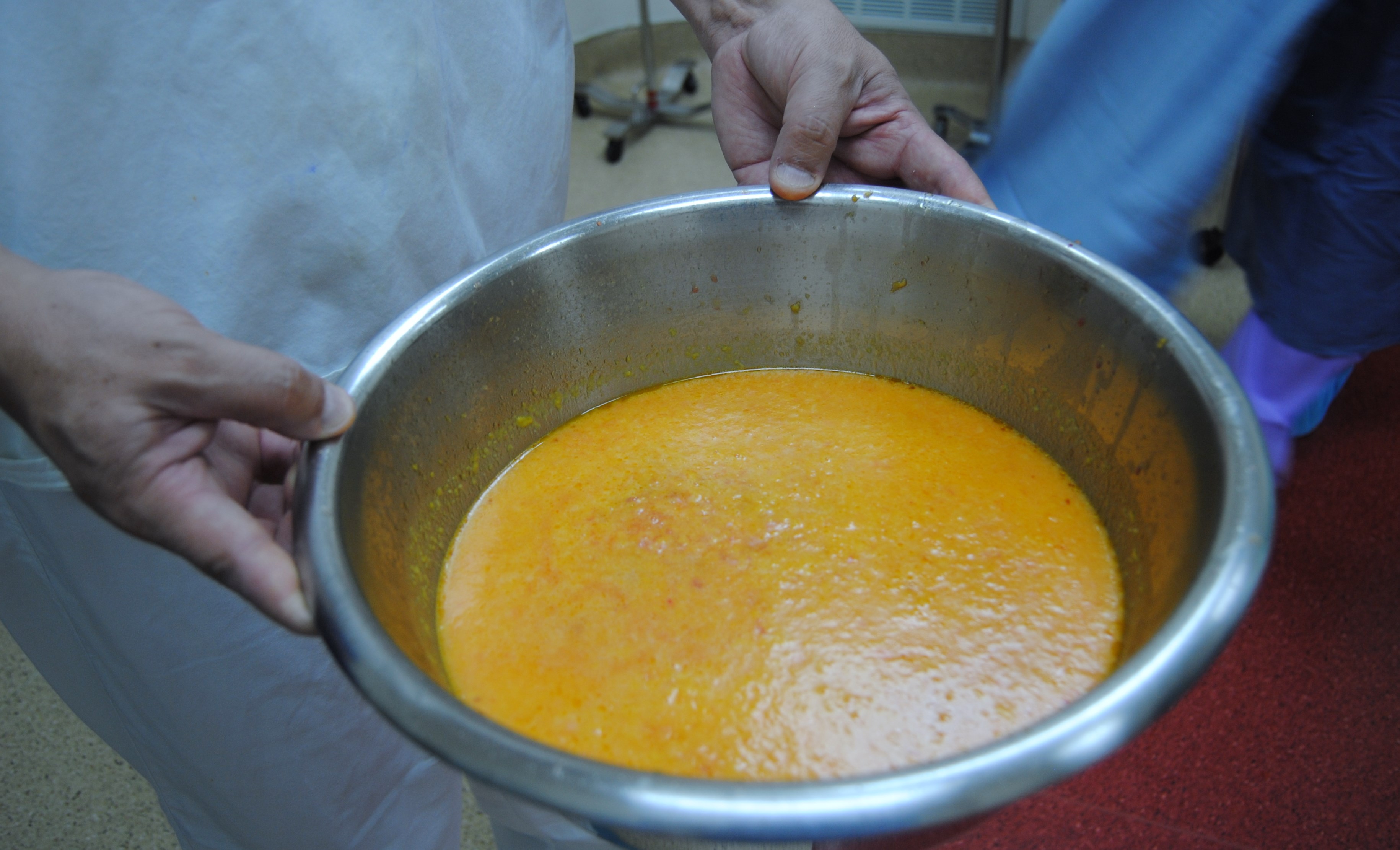
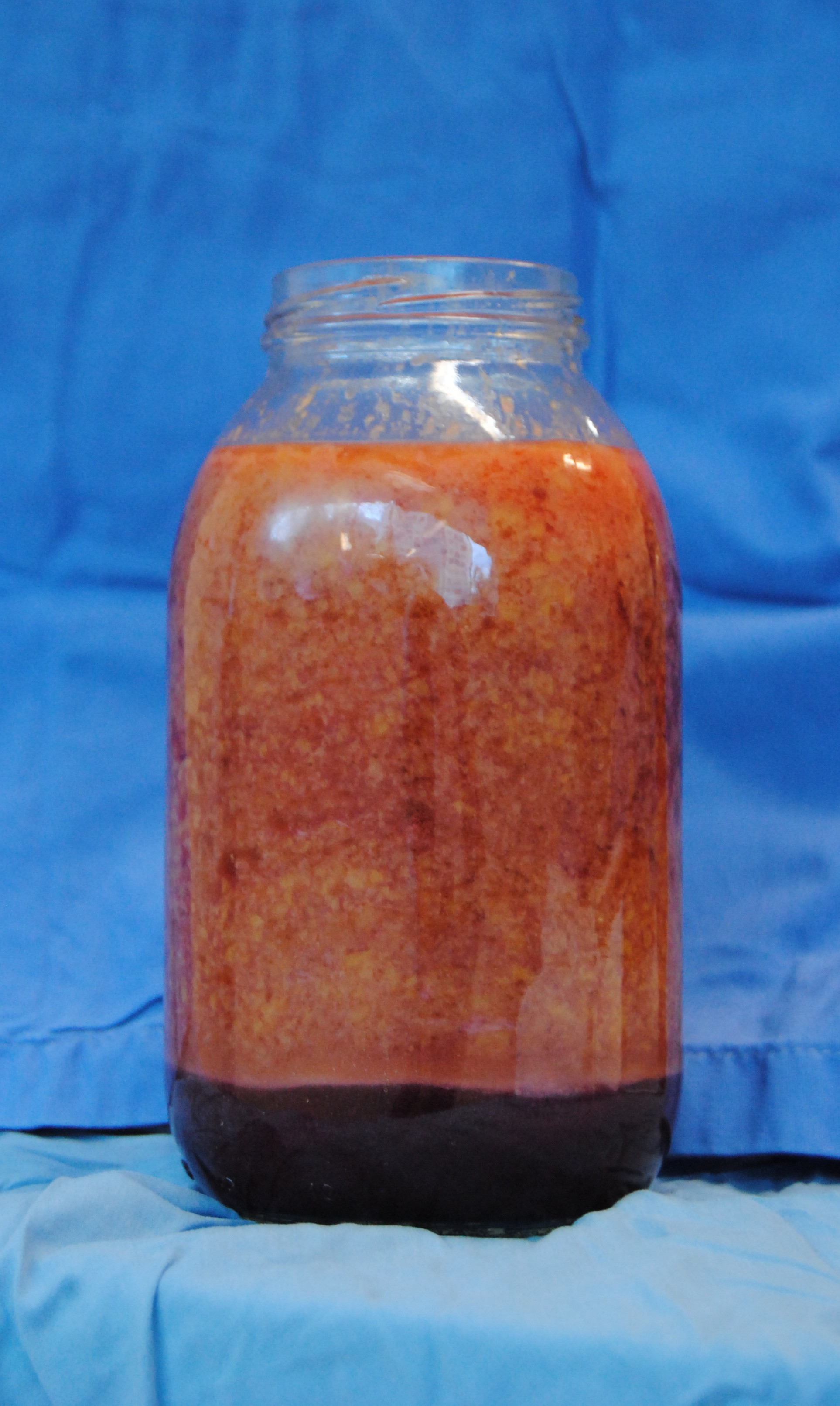
Liposuction – Liposuction (lipoplasty or lipectomy) accounts for 50% of all plastic surgery procedures.   First the surgeon makes several very small slits in the skin.  Then a saline – lidocaine solution is infiltrated in to the fat (adipose) tissue that is to removed. This solution serves several purposes – the solution helps emulsify the fat for removal while the lidocaine-epinephrine additives help provide post-operative analgesic and limit intra-operative bleeding.  After the solution dwells (sits in the tissue) for ten to twenty minutes, the surgeon can begin the liposuction procedure.  For this procedure, instruments are introduced to the area beneath the skin and above the muscle layer.

During this procedure, the surgeon introduces different canulas (long hollow tubes).  These tubes are used to break up the adipose tissue and remove the fat using an attached suctioning canister.  To break up the fat, the surgeon uses a back and forth motion.  During this process – one hand is on the canula.  The other hand remains on the patient to guide the canulas and prevent inadvertent injury to the patient.

fat being removed by liposuction

fat being removed by liposuction

Due to the nature of this procedure, extensive bruising and swelling after this procedure is normal.  Swelling may last up to a month.  Patients will need to wear support garments (such as a girdle) after this procedure for several weeks.

Types of liposuction:

In recent years, surgeons have developed different techniques and specialized canulas to address specific purposes during surgery.

Standard liposuction canulas come in a variety of lengths and bore sizes (the bore size is the size of the hole at the end of the canister for the suction removal of fat tissue.)  Some of these canulas have serrated bores for easier fat removal.

Ultrasound-assisted liposuction uses the canulas  to deliver sound waves to help break up fat tissue.  These canulas are designed for patients who have had repeated liposuction.  This is needed to break up adhesions (scar tissue) that forms after the initial procedure during the healing process.

Laser liposuction is another type of liposuction aimed at specifically improving skin contraction.  This is important in older patients or in patients who have excessive loose skin due to recent weight loss or post-pregnancy.  However, for very large amounts of loose skin or poor skin tone in areas such as the abdomen, a larger procedure such as abdominoplasty may be needed.

During laser liposuction, a small wire laser is placed inside a canula to deliver a specific amount of heat energy to the area (around 40 degrees centrigrade).  The application of heat is believed to stimulate collagen production (for skin tightening).  Bleeding is reduced because of the cautery effect of the heat – but post-operative pain is increased due to increased inflammatory effects.  There is also a risk of burn trauma during this procedure.

There have been several other liposuction techniques that have gone in and out of fashion, and many of the variations mentioned are often referred to by trademark names such as “Vaser”, “SmartLipo”, “SlimLipo” which can be confusing for people seeking information on these procedures.

Fat Grafting

Fat from liposuction procedure to be used for buttock augmentation

Fat from liposuction procedure to be used for buttock augmentation

Fat grafting is a procedure used in combination with liposuction.  With this procedure, fat that was removed during liposuction is relocated to another area of the body such as the buttocks, hands or face.

In this patient, Dr. Botero injects the fat using a large bore needle deep into the gluteal muscles to prevent a sloppy, or dimpled appearance.  Injecting into the muscle tissue also helps to preserve the longevity of the procedure.  However, care must be taken to prevent fat embolism*, a rare but potentially fatal complication – where globules of fat enter the bloodstream.  To prevent this complication, Dr. Botero carefully confirms the placement of his needle in the muscle tissue before injecting.

Results are immediately appreciable.

fat being injected for buttock augmentation. (Photo edited for patient privacy).

fat being injected for buttock augmentation. (Photo edited for patient privacy).

The Surgery:

Patient was appropriately marked prior to the procedure.   The patient was correctly prepped, drapped and positioned to prevent injury or infection.  Ted hose and sequential stockings were applied to lessen the risk of developing deep vein thrombosis.  Pre-operative procedures were performed according to internationally recognized standards.

Sterility was maintained during the case.  Dr. Botero appeared knowledgeable and skilled regarding the techniques and procedures performed.

His instrumentadora (First assistant), Liliana Moreno was extremely knowledgeable and able to anticipate Dr. Botero’s needs.

Circulating nurse: Anais Perez maintained accurate and up-to-date intra-operative records during the case.  Ms. Perez was readily available to obtain instruments and supplies as needed.

Overall – the team worked well together and communicated effectively before, during and after the case.

Anesthesia was managed by Dr. Julio Arango.   He was using an anesthesia technique called “controlled hypotension”.  (Since readers have heard me rail about uncontrolled hypotension in the past – I will write another post on this topic soon.)

Controlled Hypotension

However, as the name inplies – controlled hypotension is a tightly regulated process, where blood pressure is lowered to a very specific range.  This range is just slightly lower than normal (Systolic BP of around 80) – and the anesthesiologist is in constant attendance.  This is very different from cases with profound hypotension which is ignored due to an anesthesia provider being distracted – or completely absent.

With hypotensive anesthesia – blood pressure is maintained with a MAP (or mean) of 50 – 60mmHg with a HR of 50 – 60.  This reduces the incidence of bleeding.

However, this technique is not safe for everyone.  Only young healthy patients are good candidates for this anesthesia technique.  Basically, if you have any stiffening of your arteries due to age (40+), smoking, cholesterol or family history – this technique is NOT for you.  People with high blood pressure, any degree of kidney disease, heart disease, peripheral vascular disease or diabetes are not good candidates for this type of anesthesia. People with these kinds of medical conditions do not tolerate even mild hypotension very well, and are at increased risk of serious complications such as renal injury/ failure or cardiovascular complications such as a heart attack or stroke.  Particularly since this is an elective procedure – this is something to discuss with your surgeon and anesthesiologist before surgery.

The patient today is young (low 20’s), physically fit, active with no medical conditions so this anesthesia poses little risk during this procedure. Also the surgery itself is fairly short – which is important.  Long/ marathon surgeries such as ‘mega-makeovers‘ are not ideal for this type of anesthesia.

Dr. Julio Arrango keeps a close eye on his patient

Dr. Julio Arango keeps a close eye on his patient

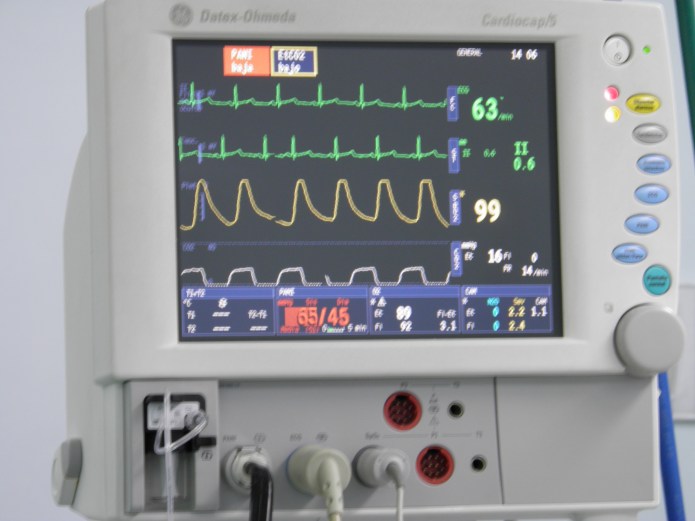
However, Dr. Arango does an excellent job during this procedure, which is performed under general anesthesia.   After intubating the patient, he maintained a close eye on vital signs and oxygenation.  The patient is hemodynamically stable with no desaturations or hypoxia during the case.  Dr. Arango remains alert and attentive during the case, and remains present for the entire surgery.  Following surgery, anesthesia was lightened, and the patient was extubated prior to transfer to the recovery room.

He also demonstrated excellent knowledge of international protocols regarding DVT/ Travel risk, WHO safety protocols and intra-operative management.

Surgical apgar score: 9  (however, there is a point lost due to MAP of 50 – 60 as discussed above).

Results of the surgery were cosmetically pleasing.

Post -operative care:

Prior to discharge from the ambulatory care center after recovery from anesthesia the patient (and family) receives discharge instructions from the  nurses.

The patient also receives prescriptions for several medications including:

1. Oral antibiotics for a five-day course**. Dr. Botero uses this duration for fat grafting cases only.

2. Non-narcotic analgesia (pain medications).

3. Lyrica ( a gabapentin-like compound) to prevent neuralgias during the healing period.

The patient will wear a support garment for several weeks.  She is to call Dr. Botero to report any problems such as unrelieved pain, drainage or fever.

Note: after some surgeries like abdominoplasty, patients also receive DVT prophylaxis with either Arixtra or enoxaparin (Lovenox).

Follow-up appointments:

Dr. Botero will see her for her first follow-up visit in two days (surgery was on a Saturday).  He will see twice a week the first week, and then weekly for three weeks (and additionally as needed.)

* Fat embolism is a risk with any liposuction procedure.

**This is contrary to American recommendations as per the National Surgical Care Improvement Project (SCIP) which recommends discontinuation within the first 24 hours to prevent the development of antibiotic resistance.

Medellin, my beautiful friend..


I don’t know how it always happens.. I set out on one kind of expedition and (frequently) it turns into something else.  So we have it.. I was planning to write extensively on Panama City, but looky, looky – here I am again, living in the fantastic, tragic beauty of Medellin.

As I wrote once before, Medellin is a city of great loveliness, but somehow Bogotá always blinded me to Medellin’s charms.. But it’s time to give Medellin a fair shake, so here I am..

Medellin 002

Shooting the breeze with Dr. Francisco Sanchez, cardiothoracic surgeon


As I mentioned in one of my previous posts, meeting and talking to surgeons in different countries can be anxiety-producing at times.. Other times, just plain interesting and enjoyable.

It was the latter during my conversations with Dr. Francisco Sanchez Garido  and his colleague, Dr. Geraldo Victoria.  (We talked about Dr. Victoria in a previous post.)

At 71, Dr. Sanchez has seen and experienced volumes; in medicine, surgery and in life.  We talked about all three of these during my visit – including some of his ‘war stories’ of yesteryear.

These included actual stories of war – such as trying to take care of the gravely wounded American GIs during the  December 1989 military invasion of Panama (Operation: Just Cause), when he was working at the Gorgas Army Hospital at the Howard Military Base.

 Dr. Sanchez talked about the difficulties of trying to save the GIs who parachuted in (and immediately became fodder for Noriega’s troops).

He also reflected on the fifteen years he spent training in the United States.  He attended medical school at the University of Oklahoma, and completed both his residencies in the US at George Washington University prior to returning to Panama in 1972.  He studied with a famous surgeon from the Cleveland Clinic  as well as hosting multiple visits by American cardiac surgeons,  Dr. Denton Cooley and Dr. Michael DeBakey (among others).  These included one ignoble attempt to convert a Panamanian hospital into the private operating room suite for the ailing Shah of Iran.  He laughed a bit when he explained how the illustrious Dr. DeBakey attempted to bluster his way into taking over the hospital but were foiled by Dr. Sanchez and his team, resulting in the Shah traveling to Cairo for his ill-fated surgery for lymphoma. (See the linked articles for more information about the fateful travels of an ailing ruler).

As he explained, “They just wanted to use our hospital [to perform a spleenectomy on the Shah] – and leave.  They didn’t want our help or involvement.  But you can’t just operate on someone and then go home.”  As it turns out – his concerns were warranted, as the Shah experienced surgical complications after surgery in Egypt, and his surgeons were long gone, leaving his care to people previously un-involved in his care. (Ultimately, the Shah died four months after surgery – closing a chapter in Iranian history and ending the controversies regarding his treatment).

These stories are, of course, just minor tales in the long career of one of Panama’s first heart surgeons.

Dr. Francisco Sanchez Garido, cardiothoracic surgeon

Dr. Francisco Sanchez Garido, cardiothoracic surgeon

Dr. Alberto Martinez, Sports Medicine/ Orthopedic surgeon


Dr. Martinez (right) in the operating room

(Out of respect for patient privacy – I’ve done my best to crop the patient ‘bits’ from the photo.)

Spent some time last week with Dr. Alberto Martinez of Med-Sports Orthopedic Clinic here in Bogotá.  Dr. Martinez specializes in arthroscopic surgery of the hips, knees and shoulders.   As we talked about before, shoulder surgery is its own subspecialty in orthopedics due to the increased complexity of this joint.

We talked a bit about hip arthroscopy,which is still a relatively new procedure in orthopedics and the fact that one two surgeons in Bogota are currently performing this procedure.

Arthroscopy is the orthopedic minimally invasive counterpart to general surgery’s laparoscopy or thoracic surgery’s thoracoscopy.  It involves insertion of a camera and several tools through small (1 cm) incisions in the skin.  Arthroscopy itself has been used in orthopedics for many years but it is just now making inroads in hip procedures.

I’ll be publishing an upcoming article based on my observations over at ColombiaReports.com

For more information

Rath E, Tsvieli O, Levy O. (2012).  Hip arthroscopy: an emerging technique and indications.  Isr Med Assoc J. 2012 Mar;14(3):170-4.

Haviv B, O’Donnell J. (2010). The incidence of total hip arthroplasty after hip arthroscopy in osteoarthritic patients.  Sports Med Arthrosc Rehabil Ther Technol. 2010 Jul 29;2:18

The authors found that 16% of patients in their study eventually required hip replacement after hip arthroscopy during seven years follow-up.

Nord RM, Meislin RJ. (2010).  Hip arthroscopy in adults.  Bull NYU Hosp Jt Dis. 2010;68(2):97-102. Review.

New venture with Colombia Reports


While I have written several books about surgery and surgeons in Colombia, much of this information I’ve obtained from my research has been consigned to sitting on the shelves of various bookstores.

But, now with the help of Colombia Reports, I am hoping to change that.  As I mentioned in a previous post, Colombia Reports.com and it’s founder, Adriaan Alsema have been amazingly supportive of my work, ever since they printed my first article on Cartagena in 2010.

Since returning to Colombia, I have kept in touch with Colombia Reports while we discussed ways to bring more of my research and work to the public.  Colombia Reports is a perfect platform – because it serves a community of English-speaking (reading) individuals who are interested in/ and living in Colombia.   With this in mind, Colombia Reports has created a new Health & Beauty section which will carry some of my interviews and evaluations.

It is an ideal partnership for me; it allows me to bring my information to the people who need it – and continue to do my work as an objective, and unbiased reviewer.  We haven’t figured out all of the details yet – but I want to encourage all of my faithful readers to show Colombia Reports the same dedication that you’ve shown my tiny little blog, so that our ‘experiment’ in medical tourism reporting becomes a viable and continued part of Colombia Reports.

This is more important to me that ever – just yesterday as I was revisiting a surgeon I interviewed in the past (for a new updated article), I heard a tragic story that just broke my heart about a patient that was recently harmed by Dr. Alfredo Hoyos.  While I was unable to obtain documents regarding this incident – this is not the first time that this has happened.

Previous accusations of medical malpractice against this surgeon have been published in Colombian news outlets including this story from back in 2002.

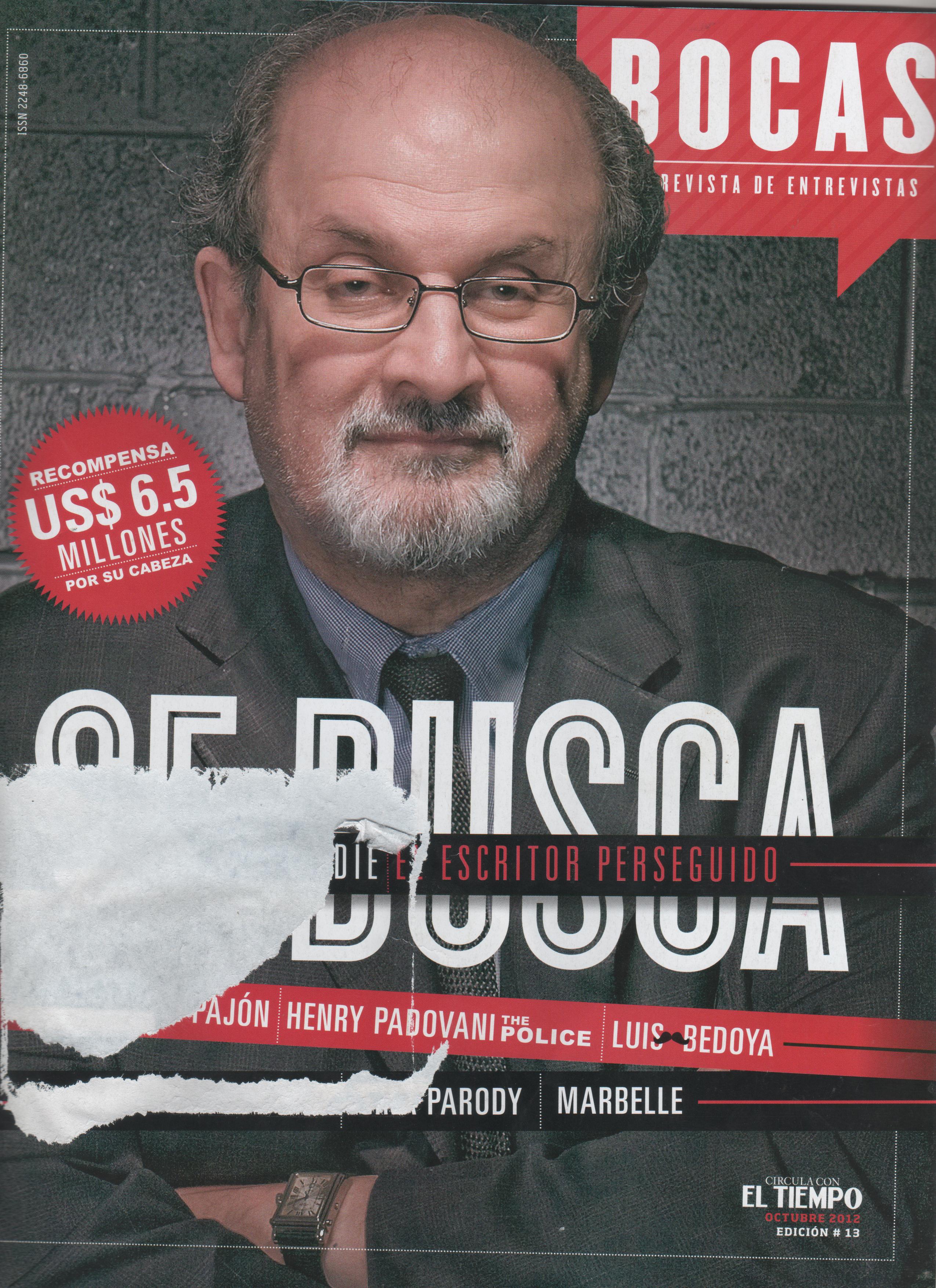
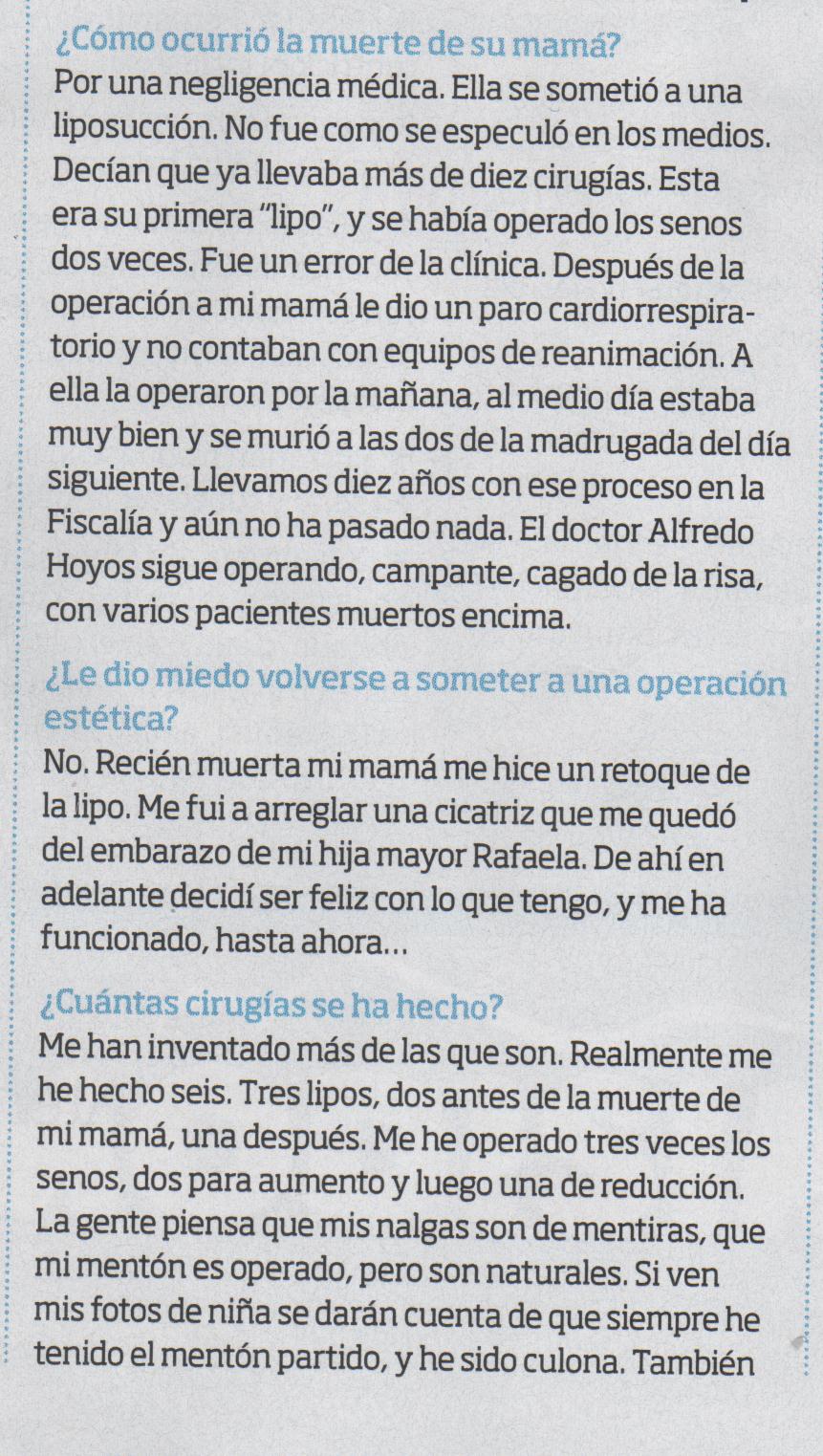
The accusations are from Marbelle, a Colombian artist regarding the intra-operative death of her mother, Maria Isabeth Cardona Restrepo (aka Yolanda) during liposuction.  These accusations were published in Bocas – which is part of El Tiempo, a popular Colombian newspaper, in which the singer alleges that Dr. Hoyos was unprepared, and did not have the proper equipment on hand to treat her mother when she went into cardiac arrest during the surgery.

story about the death of one of Dr. Alfredo Hoyos' patients.

story about the death of one of Dr. Alfredo Hoyos’ patients.

Kristin 002 Kristin 003 Kristin 004

Now – as many of you remember, I interviewed Dr. Alfredo Hoyos back in 2011, and followed him to the operating room, giving me first hand knowledge of his surgical practices.

Readers of the book know he received harsh criticism for both failure to adhere to standard practices of sterility and patient intra-operative safety (among other things.)  I also called him out for claiming false credentials from several plastic surgery associations – and notified those agencies of those claims..   In the book, readers were strongly advised not to see Dr. Hoyos or his associates for care.

But – as I mentioned, my book is sitting lonely on a shelf, here in Bogotá – and in the warehouses of Amazon.com and other retailers.. So, people like that patient – didn’t have the critical information that they needed..

This is where Colombia Reports – and I hope to change all that.   So in the coming weeks, I am re-visiting some of surgeons we talked to in 2011, and interviewing  more (new) surgeons, more operating room visits..

Thoracic surgery and sympathectomy


Clinica Palermo,

Dr. Luis Torres, thoracic surgeon

I went back to see Dr. Luis Torres, thoracic surgeon and spent the day in the operating room with him for a couple of cases.   He is a very pleasant, and friendly surgeon that I interviewed last week.  Dr. Torres just recently returned to Bogotá after training in Rio de Janeiro for the last several years at the Universidade de Estado de Rio de Janeiro.  He completed both his general surgery residency and thoracic surgery residency in Rio after graduating from the University de la Sabana in Chia, Colombia.  (He is fluent in Spanish and Portuguese).

I spent some time out in Chia last year with the Dean of the medical school (and thoracic surgeon, Dr. Camilo Osorio).

The first case was a sympathectomy for hyperhidrosis.  I’ve written more about the surgical procedure over at Examiner.com, and I will be posting more information about the procedure – potential candidates and alternative treatments over at the sister site.


The second case was more traditional thoracic surgery – a wedge resection for lung biopsy in a patient with lung nodules.  **

In both instances, cases were reviewed prior to surgery, (films reviewed when applicable – ie. second case) and visibly posted in the operating room.  Patients were sterilely prepped, draped and positioned with surgeon present.  Anesthesia was in attendance for both procedures – and hemodynamic instability/ desaturations (if present) were rapidly attended/ addressed / corrected.

Dr. Torres utilized a dual-port technique for the sympathectomy, making 1 cm incisions, and using 5mm ports.  Each side (bilateral procedure) was treated rapidly – with the entire procedure from initial skin incision and application of final bandaids taking just 35 minutes.

Dr. Torres, performing VATS

The second case, proceeded equally smoothly, and without complications.  There was no significant bleeding, hypoxia or other problems in either case.  Surgical sterility was maintained.

** Both patients were exceedingly gracious and gave permission for me to present their cases, photographs etc.

Just as the second case ended – Dr. Ricardo Buitrago arrived – and performed a sympathectomy on one of his patients – using a single-port approach.  (I am currently working on a short YouTube film demonstrating both of these techniques.)

Patients with Passports: Medical Tourism, Law, and Ethics


A new book on medical tourism – this one by an associate professor at Harvard Law School ( I. Glenn Cohen), which follows the lines of the work done by Dr. Delmonico and several others in addressing the legal and ethical issues in medical tourism – particularly the grey areas (and downright black, in my opinion) such as transplant tourism and surrogacy tourism.  I haven’t had the opportunity to read his book yet  – but I hope he takes aim at the unethical practices of some of the giants like Planet Hospital.

He’s a much bigger voice than an unknown nurse / writer like me – so maybe he will get the attention that this issue deserves.

Maybe at the same time, it will spark interest in efforts like mine – to establish objective and unbiased evaluations of health care services so that people who are looking or relying on medical tourism for their healthcare aren’t just taking a blind stab based on slick marketing tools, and fancy websites?

I sure hope so – even if stories like this one aren’t front-page news like black market kidney sales, it is still a vital and important reason to do what I do.

Final draft.

Objective and unbiased reviews

Author to author – congratulations, Mr. Cohen and best of luck!

Why read Bogota and other hidden gem titles?


As readers of my sister site, Cartagena Surgery know, I am currently hard at work on my third title in the ‘Hidden Gem’ series – with the latest offering on Mexicali, Mexico.  But I continue to get comments from readers, friends, and everyone else asking, “Why bother?”

Why bother reading Hidden Gem?

People should read these titles because we can’t assume that all medical providers have been vetted, or that all medical facilities meet acceptable criteria for safe care.  It is a dangerous assumption to expect that ‘someone’ else has already done the research. [lest you think this could only happen in Sri Lanka, be forewarned.  With new legislation, the critical doctor shortage in the USA will only worsen.]

Medical tourism has the potential to connect consumers with excellent providers around the world.  It may be part of a solution to the long waits that many patients are experiencing when seeking (sometimes urgent) surgical care.  It also offers an opportunity to fight the runaway health care costs in the United States.

But..

But it also has the potential, if unchecked, unvetted, unverified and left unregulated to cause great harm.

Another reason to read Hidden Gem is to find out more about the surgeons themselves, their training, and many of the new, and innovative practices in the realm of surgery. Often the best doctors don’t advertise or ‘toot’ their own horn, so you won’t find them advertised in the pages of your in-flight magazine as “One of the best doctors in XXX” even if they are.  (Many people don’t realize those segments are paid advertisements, either.)

Why bother writing Hidden Gem?

Because ‘someone’ needs to.

I am that ‘someone’ who does the fieldwork to find out the answers for you.  I can never assume that it’s been done before, by someone else.  I have to start from ‘scratch’ for every book, for every provider and every hospital.

I also believe that the public should know, and want to know more about the people we entrust to take care of us during serious illness or surgery.  We should know who isn’t practicing according to accepted or current standards and evidence – and we should know who has/ and is offering the latest cutting edge (but safe and proven) therapies.


Read more about the doctor shortages:

NYT article on worsening doctor shortage  (and one of the proposed solutions is a loosening of rules governing the training and credentials of doctors from overseas – coming to practice in the USA).

Hospital ranks and measures: Medical Tourism edition?


It looks like Consumer Reports is the newest group to add their two cent’s worth about hospital safety, and hospital safety ratings.  The magazine has compiled their own listing and ratings for over 1,100 American hospitals.  Surprisingly, just 158 received sixty or greater points (out of a 100 possible.)  This comes on the heels of the most recent release of the LeapFrog results.  (Leapfrog is controversial within American healthcare due to the unequal weight it gives to many of its criterion.  For example, it is heavily weighed in favor of very large institutions versus small facilities with similar outcomes.)

Consumer Reports has a history providing consumers with independent evaluations and critiques of market products from cars to toasters since it’s inception in the 1930’s.  It’s advent into healthcare is welcome, as the USA embraces new challenges with ObamaCare, mandated EMRs, and pay-for-performance.

While there is no perfect system, it remains critical to measure outcomes and performances on both an individual (physician) and facility wide scale.  That’s why I say; the more scales, scoring systems and measures used to evaluate these issues – the better chance we have to accurately capture this information.

But – with all of the increased scrutiny of American hospitals, can more further investigation into the practices and safety at facilities promoting medical tourism overseas be far behind?

Now it looks like James Goldberg, a bioengineer that we talked about before, is going to be doing just that.  Mr. Goldberg, who is also an author of the topic of medical tourism safety recently announced that his firm will begin offering consulting services to consumers interested in knowing more about medical tourism – and making educated decisions to find the most qualified doctors and hospitals when traveling for care.  He may be one of the first to address this in the medical tourism industry, but you can bet that he won’t be the last..

If so, the winners in the international edition will be the providers and facilities that embrace transparency and accountability from the very beginning.

Hidden Gem returns to Bogota: calling all surgeons!


Calling all Bogotá surgeons – if you missed the first chance to be interviewed for the first edition of Bogotá! a hidden gem guide to surgical tourism – don’t worry..  I’ll be back in the city this September (2012).

While my primary purpose for my return to Bogotá is research-related (I am working on a doctoral degree), I always have time to talk to surgeons about the new and innovative things they are doing in their practices.

Contact me through the site if you are interested..


in the operating room with some of Colombia's finest surgeons

in the operating room with some of Colombia's finest surgeons

Now available in the Kindle Lending Library!


Now you can read Bogotá! for free in the Kindle lending library..  (I hope this inspires some generosity among critics for impoverished medical writers – leave some positive feedback about the book!!)


Goodreads Giveaway ends Sept 18th!


Just a reminder – your chance to win a free autographed copy of (the newly revised) Bogotá! a hidden gem guide to surgical tourism ends September 18th.  You can still enter here!

If you aren’t familiar with Goodreads – it’s an on-line ‘Book Club’ that allows people to share their reviews of their favorite (and not so favorite books.)  It also allows readers to catch up with and connect with their favorite authors..

More photos from Bogota event


Back stateside, and bracing for Irene.  We are pretty far inland so probably just a lot of rain and refugees from the storm but the sky is black and still – so you never know.  I missed the recent earthquake – safe in Colombia! and despite being a historic home, it was a small quake (5.8) so we made out just fine.

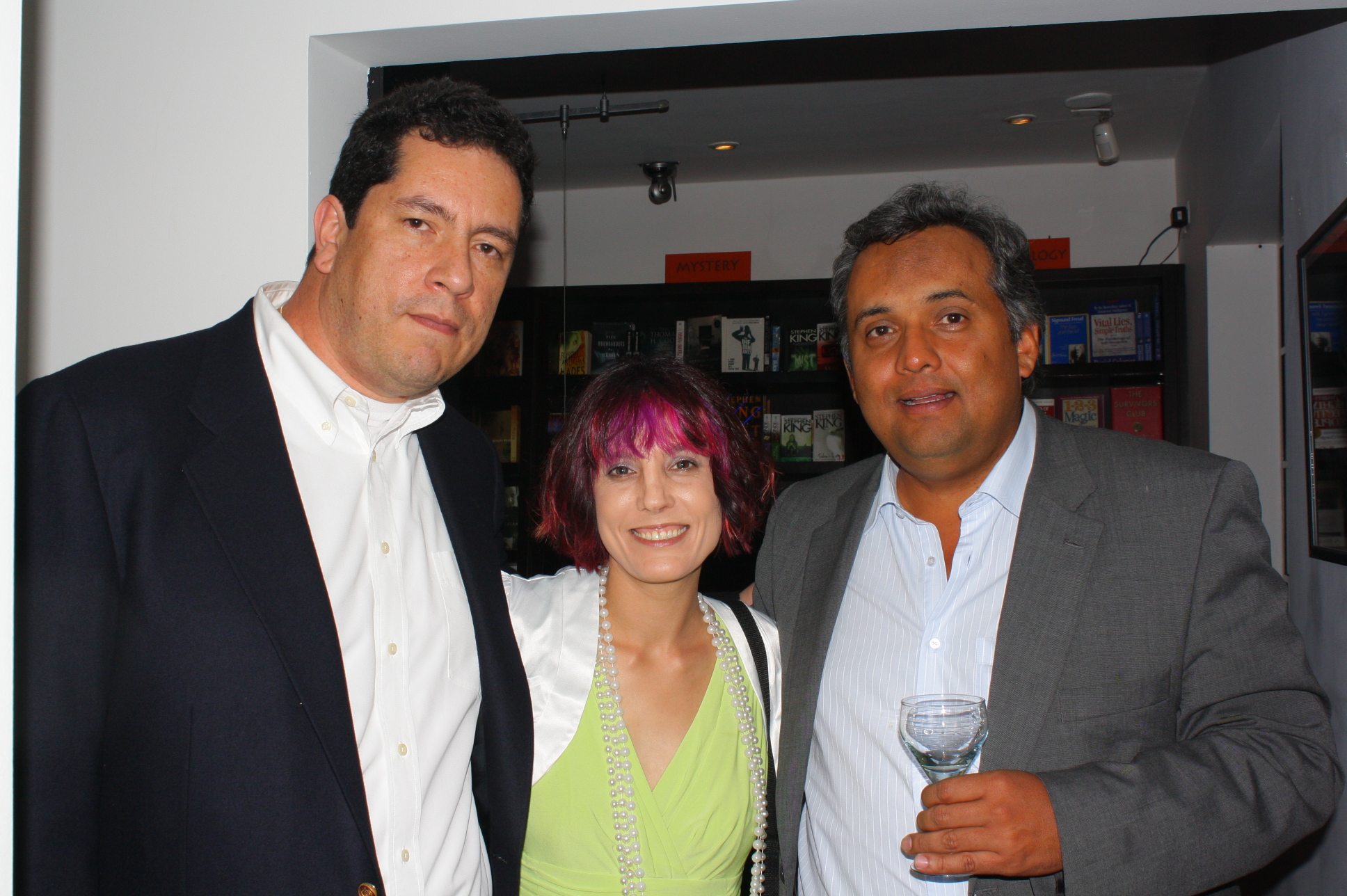
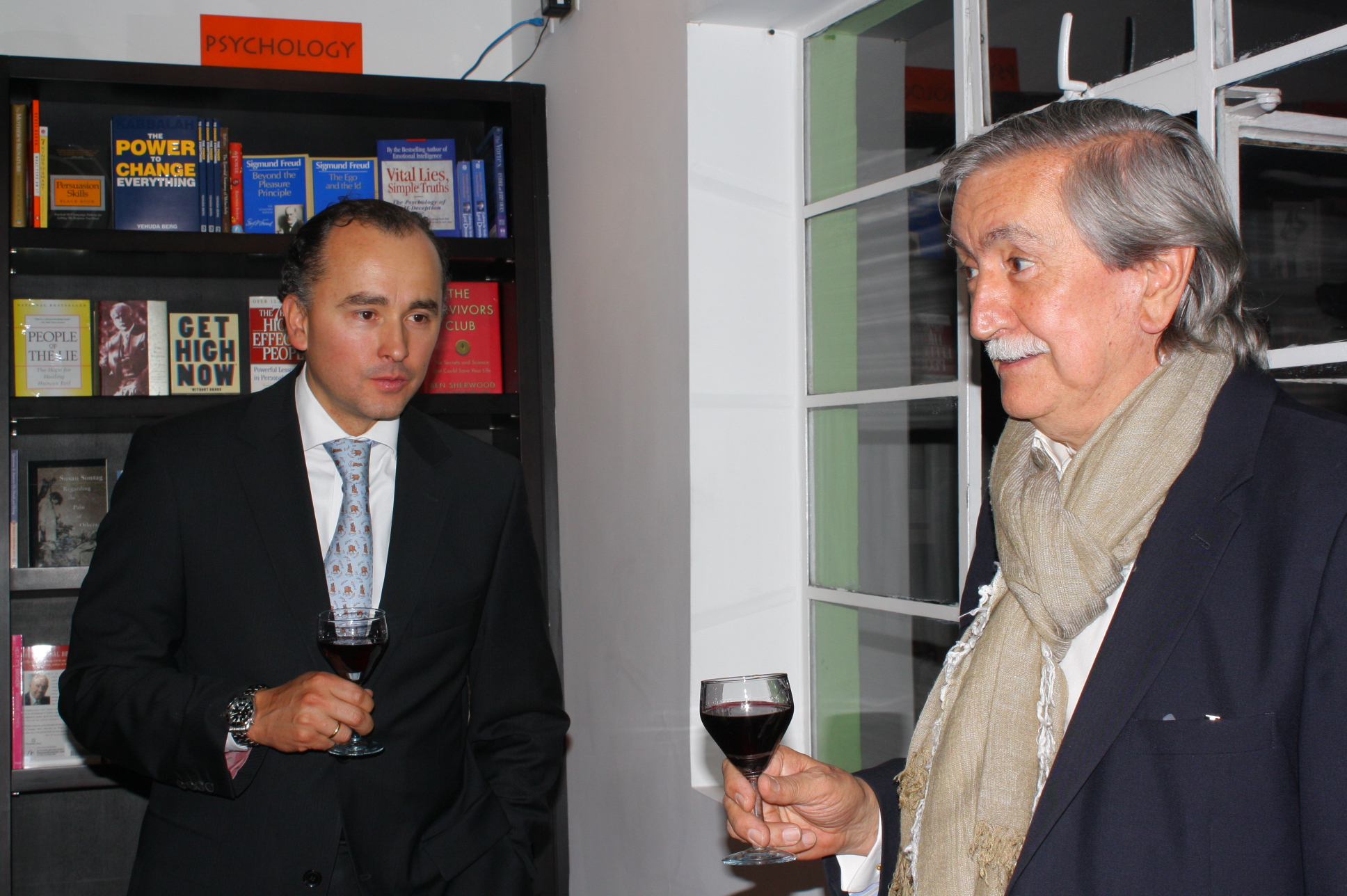
I have some more pictures – sent over from Author’s Cafe that I thought I’d share.  Readers will recognize most of the players – since it was a ‘thank you’ party to everyone that participated in the book.

with Ximena Reyes, RN


Dr. Gamboa looks really stern, but that’s not his nature at all – they just caught him in-between laughs.

with Dr. Gamboa and a friend

with Dr. Francisco Cabal, Orthopedic Surgeon, Medical Director of Clinica del Countrywith Ximena Reyes, RN

Dr. Roosevelt Fajardo (left) and Dr. Francisco Holguin

Independent Authors & Writers


Excited to report that I have received “Book of the Day” on Independent Authors & Writers.org. You can check out their facebook site here.

I’ve also added a link to their blog, here at WordPress.

As many of my long-time readers know, it’s very difficult to get books like this published by commercial publishing houses – since it’s considered a ‘niche’ title with limited marketing potential.  Of course, I hope to prove them wrong but I am grateful to organizations like the Independent Authors for giving unknowns like myself a chance to be discovered by the reading public.

For all my Colombian readers, I am bringing copies down to Bogotá next month – they will be available at Authors Cafe – Calle 70, No. 5- 23.  (Otherwise, it’s about 30 dollars to have a copy of the book shipped from the US.)

Final drafts.


Looks like I am getting closer to the finish line; I submitted what is (hopefully) the last and final draft last week.  After one last round of review – it will be off to the publisher.. (This is the most frustrating part of the process – it’s all formatting issues – unrelated to content.)

Otherwise – the book looks pretty darn good!

Proof copies!

Proof copies!!


Interview with Dr. Catalina Morales, Plastic & Hand Surgeon


Met with the very nice Dr. Catalina Morales yesterday evening to talk about Plastic, Aesthetic and Reconstructive Surgery.. Oh – and did I mention hand and maxillofacial surgery..

She’s very enjoyable to interview because she’s one of those people who really finds pleasure in what she does..  She likes to help people with reconstructive surgery, and she enjoys the satisfaction her aesthetic practice gives her patients..

Planning to go to the OR with her today – so we will re-visit the smiling, talented Dr. Morales later this afternoon..

Update:  In the operating room with Dr. Catalina Morales, at Clinica de Marly  7 May 2011

Dr. Catalina Morales at Clinica de Marly

Dr. Morales at Clinica de Marly during hand surgery

I also interviewed Dr. Casallas Gomez over at Santa Fe de Bogota, read about it in another post..

Meeting of the minds – thoracic surgery


Attended the monthly thoracic surgery meeting led by Dr. Juan Carlos Garzon yesterday for case discussions.. Several interesting cases presented.  More importantly, I met and set up interviews with the last few thoracic surgeons; Dr. Beltran and Dr. Rodolfo Barrios (that I hadn’t met previously).  Should be an interesting week in the south end of the city..

On the topic of thoracic surgery – I am soliciting articles from thoracic surgeons, and other practitioners on the site – not just here in Bogota, but from around the world as part of the mission of the site.  I’ve already had some great feedback from some American surgeons.

Over at cartagena surgery we are talking about the recent announcement by the International Diabetes Federation on treatment recommendations for diabetes including the endorsement of Bariatric Surgery.

Dr. Nelson Renteria, Thoracic and Vascular Surgeon


What a delightful afternoon with Dr. Renteria and Dr. Cecilia Villasante (Radiology)!  Dr. Renteria works at the Centro Vascular del Country, which led me to suspect that he may no longer practice thoracic surgery.. But, happily, I was wrong.

While I enjoy meeting all the wonderful and interesting people from all surgical specialties (like the orthopedic surgeons I met with today), I can never deny how much I enjoy talking to people from my home specialties.  Maybe it makes me a little less homesick for my patients because it’s all so familiar.. And it’s always thrilling to meet people who find empyemas,  VATS and all these other things thoracic as interesting and engrossing as I do, especially when you meet people like Dr. Renteria, who still loves what he does as much as I do.  He still enjoys discussing cases, and has a real enthusiasm for his patients.

And – He does esophagectomies!  (Not many thoracic surgeons in Colombia perform esophageal surgery which is kind of like the ‘open heart’ surgery of thoracics*.)  He completed his fellowship training in esophageal surgery at Toronto General Hospital with Dr. Pearson (Dr. F. Griffith Pearson of Pearson’s Thoracic and Esophageal Surgery) and currently does esophagectomies here in Bogota.  (This is much bigger news than it sounds – finding qualified thoracic surgeons that perform an adequate number of esophagectomies can be difficult even in large centers.  Currently, in my home state of Virginia  – University of Virginia is home to the largest esophageal surgery center with three dedicated thoracic surgeons.  Even my beloved Duke only does about 75-76 cases a year.)

So, I admit I lost a bit of my professional cool (if I ever had any).  I was like a kid in a candy store – talking about pre-operative optimization, Ivor -Lewis versus Transhiatal approaches, node dissection and other minutiae that I enjoy.

I must say – I am looking forward to following him to the operating room soon!

** Studies show a significant decrease in morbidity and mortality when esophagectomies are performed by thoracic surgeons (versus general surgeons).

The Department of Orthopedics at Clinica San Rafael


Dr. Victor Lizcano, Chief of Orthopedics

Spent the day with several surgeons from the Department of Orthopedics at Clinica San Rafael – which has a city-wide reputation for excellence.

Dr. Victor Lizcano, MD is the charming Chief of Orthopedics who opened his busy, 11 surgeon department to me. I watched surgeries, talked to patients, reviewed films, and interviewed the surgeons in his department, with free rein.

Orthopedics surgical team; two instrumentadors and 4th year resident (center)

Dr. Maria Angela Gomez, MD, a busy surgeon who nevertheless took the time to talk to me; manages dual practices; both as a plastic surgeon (at Clinica de Marly) and an orthopedic (hand) surgeon. She’s currently involved in a very interesting research project – tell you more about it later… A very fascinating lady.

Dr. Martha Pincon, MD an orthopedic surgeon specializing in foot and ankle surgery, also a very interesting and enjoyable surgeon.

Dr. Martha Pincon, during a complex case at Clinica San Rafael

There’s a lot more to tell – but I have another interview in a few minutes..

The Latest Compilation


Enjoy – a short ad for the Bogota Guide to Medical Tourism featuring Bogota’s Hottest Young Surgeons – including Dr. Juan Pablo Umana, Dr. Ivan Adolfo Santos, Dr. Juan Carlos Garzon, Dr. Freddy Sanabria and Dr. Felix Castro. If you haven’t heard about Bogota’s best and brightest – you haven’t heard anything yet.

In the OR with Dr. Mauricio Largacha, Orthopedic Surgeon


The rest of Bogota may be quiet for the Easter holidays (la semana santa) but the operating rooms were busy at Unidad Medica Cecimin.

Dr. Mauricio Largacha, Shoulder and Elbow surgeon

I spent an interesting and enjoyable morning in the operating room with Dr. Mauricio Largacha, MD for an arthroscopic Rotator Cuff Repair. Dr. Largacha is a natural teacher, and did an excellent job at explaining different aspects of the procedure, expected post operative outcomes, and specialized equipment – since I am less familiar with shoulder and elbow surgery than other surgical procedures. (Unsurprising since as I mentioned previously, he is an expert in this area, and the author of several chapters in multiple orthopedic surgery textbooks on elbow, shoulder and ankle surgery).

Dr. Mauricio Largacha (left) and author

Surgery went beautifully, and surprisingly quick.. No intraoperative complications.

Dr. Ernesto Andrade, plastic surgeon


Dr. Ernesto Andrade is another one of Bogota’s celebrity plastic surgeons, of “Cambrio Extremo” fame.  (A latin television version of ‘Extreme Makeover’ that was popular here several years ago.)  Unfortunately, he was delayed today so I was unable to meet with him, but I did speak with a young doctor in his office, Dr. Eliana Garces.  She filled in a bit of Dr. Andrade’s biography.

I’m hoping to meet with Dr. Andrade himself  tomorrow after I get out of the operating room with Dr. Celso Bohorquez.  If you remember, I met Dr. Bohorquez out in Chia while he was volunteering his surgical skills as part of Operacion Sonrisa (Operation Smile.)

Dr. Mauricio Largacha, orthopedic surgeon


Dr. Mauricio Largacha is an orthopedic surgeon specializing in shoulder and elbow surgery including arthroscopy, rotator cuff repair and joint replacement.  I’ll be following him to the operating room this weekend – so check back in for more details..

For readers unfamiliar with orthopedic surgery – ankle and shoulder joint surgeries are a particular sub-specialty only practiced by a few orthopedic surgeons.  Luckily for readers here – Dr. Largacha is the author of several of the most heavily used textbooks (and chapters in American medical textbooks) on both ankle and shoulder surgery.

Back in the OR with Dr. Buitrago, and a visit with Dr. Andres Franco


National Cancer Institute –

Dont judge a hospital by the exterior sign..

The view from the fifth floor is less than inspiring – with the Bogota prison from one angle and the now decrepid Hospital San Juan de Dios from another..

The view from the operating room window, the now defunct Hospital San Juan de Dios

But the view from within the operating room is impressive!  Large operating rooms, in an all new facility, with brand new equipment.. This is a first class surgery facility..

 – and the surgery itself was wonderful.  I can’t divulge too many specifics other than it was a huge surgical resection that was the last chance for a heart-breaking patient..

Dr. Buitrago, Thoracic surgeon

 But the case went beautifully.

After spending all morning and part of the afternoon with Dr. Buitrago and his team – I went over to Hospital Santa Clara to interview a nice young thoracic surgeon, Dr. Jaime Andres Franco.  Dr. Franco is actually dually trained as both an Critical Care Medicine specialist and a thoracic surgeon – which is ideal because it means he is even more capable of handling any sort of crisis that may affect his surgical patients. 

I’m hoping to follow him to the operating room soon, so I can give you even more details..


In the OR with Dr. Martinez, Thoracic Surgery


Spent most of the day over at Hospital Santa Clara with Dr. Stella Martinez, thoracic surgeon.. Despite having three cases, Dr. Martinez apologized for the paucity of scheduled OR surgeries due to the upcoming religious holidays..  (Despite Bogota’s booming population – this is a familiar scene, repeated around the city – kind of like people putting off surgery until after Christmas..)

Dr. Martinez, in the OR

I’d been warned by several people about Hospital Santa Clara – it’s one of the poorer public facilities, but to be frank, despite the aging exterior, it beat out some of the homegrown facilities I’ve been to.. While it was obviously a less affluent facility; with a campus style layout, no CT scan, and a 1950’s feel; the hospital was clean,  all of the equipment worked, much of it was new – courtesy of a new administration..

Dr. Stella MArtinez, Thoracic surgeon

Dr. Martinez is impressive, both in and out of the operating room – with an extensive resume, and skill set.  She’s currently the Director of the thoracic surgery residency program at Hospital Santa Clara, and she takes resident training seriously.  She’s also interested, and active in research, and maintains a busy surgery practice at several facilities.  There’s a lot more to say about this talented surgeon , but you’ll have to wait to read the rest.

In the OR with Dr. Hakim


Had an interesting day with Dr. Fernando Hakim, Neurosurgeon, over at Santa Fe de Bogota, for a tumor resection.  A lot of the stereotypes are true; neurosurgery is a  precision-based specialty (not that the other specialties aren’t – but at least in most cases, there is a margin to work with**.) but some of them aren’t.. In this case, with a tumor pressing against the spinal cord – there is no margin to work with, no border area around the tumor, so to speak.. but then again this petty much describes a lot of neurosurgery.. requiring careful, painstaking process..something I would find inherently, and incredibly stressful – but Dr. Hakim and his team didn’t; they were focused, precise, but relaxed and well-coordinated with each other.. Definitely not the uptight, high stress stereotype.. (You’d think I would have known better – I’ve seen plenty of surgery, and some spine cases# before – but nothing of this magnitude, and as I’ve said before; neurosurgery is a bit of a final frontier)

(not to give you the wrong impression – surgery is always serious, this just wasn’t the melodrama that stereotypes/ stories sometimes suggest)

Dr. Fernando Hakim Daccach (left), neurosurgery

** ‘margin of tissue’ or area surrounding the tumor, not ‘margin of error’

# cartagena neuro cases were ‘back cases’ or spinal cases for chronic back problems..

Dr. Hakim, neurosurgeon using the OR microscope for precision work

To switch gears a bit, I met with Dr. Fabio Andres Mejia, a plastic surgeon specializing in rhinoplasty and breast procedures (augmentation/ reduction).  He’s a former fellow (and current member of the) Dr. Ralph Millard (Society) and has been in practice since 1998.
He’s no longer working three jobs or taking emergency plastic surgery calls all over the city – and is now focused solely on private practice (and having a livable schedule)

Dr. Ricardo Buitago, Thoracic Surgeon


Spent an enjoyable afternoon with Dr. Miguel Ricardo Buitago, thoracic surgeon over at Hospital Simon Bolivar.  Dr. Buitago recently completed training in the United States on the DiVinci Robot, and plans to continue this training here in Bogota with Dr. DeLusky (not sure about spelling), so he can introduce Robotic thoracic surgery to Colombia.  Currently, the only DiVinci Robot in Bogota resides at Clinica Marly, where it is used for urologic and gynecologic surgeries.

Looking forward to meeting with Dr. Buitago again next week..

Upcoming week: more thoracics!


It’s good to be back in Bogota!  Now, if only I could line up all my appointments as easily.

I had anticipated more neurosurgery this week, but with the big neurosurgery conference in Mexico, it’s not turning out that way.  So far, it looks like it’s going to be more of a Thoracic surgery week – with some orthopedic surgery and general surgery mixed in..

I’m going to see Dr. Osorio again, at the hospital in Chia this time, (if I can find it…)

I’m hoping to meet with Dr. Stella Martinez too.. I’ve heard a lot of great things about her from several of her colleagues, so I am really looking forward to it.

I’m still trying to arrange a meeting with Dr. Jimenez sometime this week – so I will keep you updated with how that turns out..

Tomorrow, I’m interviewing Dr. Klaus Mieth, an orthopedic surgeon – and I am hoping to catch up with Dr. Roosevelt Fajardo, (general surgeon) over at Santa Fe de , to get together later this week..

There are a few other physicians, I am still hoping to hear back from – so we’ll see how the week unfolds.

Update: 6 April 2011

Met with Dr. Klaus Mieth yesterday – interesting gentleman; speaks three languages; english, german and spanish.. Works full time as an orthopedic surgeon specializing in knee procedures – but also serves as the Director of the largest (and non-profit too) bone and tissue bank in Colombia..

A day of Passion!


Had a long, but exciting day, with some interesting doctors – who are strikingly passionate about their work, which is always wonderful to see.

This morning, I traveled out to Chia, to the University of Sabana to visit with Dr. Camilo Osorio Barker, MD who is the Dean of Medicine, (and a practicing thoracic surgeon.)  Like many thoracic surgeons here in Colombia, Dr. Osorio practices at several locations, (primarily out in Chia at the University-affiliated hospital) but he also sees patients at Cardioinfantil. (He is partnered with Dr. Tellez and Dr. Garzon, both of whom we’ve interviewed previously)

One three- day weekend a month, he sees patients in Medellin.  He primarily specializes in the treatment of hyperhidrosis (excess sweating of palms, facial flushing) by thorascopic sympathectomy.  He report that this makes up about 90% of his practice – with the remainder of cases as VATS lung resections, and other lung procedures.    There’s a lot more to tell – but it’s been a long day, and I have an early appointment tomorrow with Dr. Ramon (neurosurgery) at Hospital Centro de Policia..

Don’t worry – I will be seeing Dr. Osorio again soon.

Next stop was Dr. Fernando Hakim, a neurosurgeon at Santa Fe de Bogota.  He was a fantastic interview – while he does the whole spectrum of neurosurgical procedures for vascular malformations, tumors, spinal problems, etc, he is best known for his treatment of normal pressure hydrocephalus (NPH).

(As I mentioned in a previous post) It seems almost inevitable, or inescapable that the son of the famed Dr. Salomon Hakim (who developed the first treatment for normal pressure hydrocephalus) – has carried on his father’s legacy. But Dr. Fernando Hakim is passionate about neurosurgery, and has certainly made his mark..

He clearly loves his work – I could have interviewed him for hours, and hours (but he’s a busy neurosurgeon, so I didn’t).  I will be seeing him again soon – (next week) and I’ll bring more information then.

Lastly, I stopped in to see Dr. Jose Felix Castro, general surgeon for a quick visit to get some last minute information for another project I am working on..

Journey into Neurosurgery


Delving into the depths of neurosurgery today with Dr. Enrique Jimenez-Hakim at Santa Fe de Bogota. For someone like me with no neurosurgery background (other than the required rotations in school), this brings a lot of trepidation. But Dr. Jimenez – Hakim was exceedingly kind and patient despite all of my questions.

Dr. Jimenez – Hakim is part of a busy four surgeon Neurosurgery department at the Santa Fe de Bogota, which performs 500 – 600 cases per year, with a neurosurgery residency program through El Bosque University.

Interestingly, Dr. Jimenez – Hakim has personal legacy of neurosurgery. Both he and his cousin, Dr. Fernando Hakim Daccach are second generation neurosurgeons. Their fathers, were some of the first neurosurgeons in Colombia. Notably, Dr. Salomon Hakim (Dr. Enrique Jimenez-Hakim’s uncle) was a pioneer in the treatment of hydrocephalus and the develpment of the first unidirection valve for drainage of excess CSF. (There was an early valve developed in 1949 by another neurosurgeon but it was poorly functioning.) All valves developed since Dr. Hakim’s valve have been based on his design.

This legacy has certainly been something for Dr. Jimenez – Hakim and Dr. Fernando Hakim to live up to – and they have. (more about that later).

Planning to to go the operating room with Dr. Jimenez – Hakim as soon as he returns from giving a lecture at the Latin American forum in Mexico City – on awake craniotomies.

More about Dr. Jimenez – Hakim, and neurosurgery in Bogota, Colombia.

Writing, writing, writing


Spending the day (and much of the weekend) writing, transcribing notes from recent interviews, and working on an upcoming article. The article is a bit of a departure from my previous work, being a bit more light-hearted, and less academic than my previous writing. Hopefully, this will give it a broader appeal.   It’s also a nice way to call attention to some of the newer technologies, and techniques I’ve seen, and share a bit of the spotlight with the people doing all the hard work. (These guys don’t blow their own horns much – even when it’s well-deserved.) 

I have a few more interviews to conduct next week before I can finish it.. I am enjoying the change of style, but I will be happy to revert back to my usual writing.

Hoping to catch up with some more orthopedic surgeons, neurosurgeons, vascular surgeons, and just a few more thoracic surgeons in the next few weeks..(see my ‘Chasing Thoracics’ blog for more information).

Looks like the book cover is pretty much done – you can see it under the ‘book’ tab.  I find that completing the artwork helps keep me focused on the book, especially once I’ve past the mid-point..

Back in the OR with Ivan Santos


Back in the operating room today with Dr. Ivan Santos at Clinica Shaio.  Dr. Santos was in perfect form, as always..  (I swear, watching him in the operating room is like watching a conductor with a 160 member orchestra..He sees and notices everything.)

Between cases with Dr. Ivan Santos, plastic surgeon

He was assisted by Dr. Julie Alfonso today.

with Dr. Julie Alfonso, plastic surgeon

If you want to see & learn more about Dr. Ivan Santos – he has his own YouTube channel.. (It’s in Spanish.)