My first case this morning with another surgeon was cancelled – which was disappointing, but I still had a great day in the operating room with Dr. Ham and Dr. Abril. This time I was able to witness a bariatric surgery, so I could report back to all of you.
Dr. Ham (left) and Dr. Abril
I really enjoy their relaxed but detail oriented style – it makes for a very enjoyable case. Today they performed a sleeve gastrectomy** so I am able to report – that they (Dr. Ham) oversewed the staple line (quite nicely, I might add). If you’ve read any of the previous books, then you know that this is an important step to prevent suture line dehiscence leading to leakage of stomach contents into the abdomen (which can cause very serious complications.) As I said – it’s an important step – but not one that every doctor I’ve witnessed always performed. So I was a pleased as punch to see that these surgeons are as world-class and upstanding as everything I’d seen already suggested..
** as long time readers know, I am a devoted fan of the Roux-en-Y, but recent literature suggests that the sleeve gastrectomy is equally effective in the treatment of diabetes.. Of course – we’ll be watching the research for more information on this topic of debate. I hope further studies confirm these results since the sleeve gives patients just a little less of a drastic lifestyle change.. (still drastic but not shot glass sized drastic.)
Dr. Ham
They invited me to the show this evening – they are having several clowns (that are doctors, sort of Patch Adams types) on the show to talk about the health benefits of laughter. Sounds like a lot of fun – but I thought I better catch up on my writing..
I’ll be back in the OR with Los Doctores again tomorrow..
Speaking of which – I wanted to pass along some information on the anesthesiologist for Dr. Molina’s cases since he did such a nice job with the conscious sedation yesterday. (I’ve only watched him just yesterday – so I will need a few more encounters, but I wanted to mention Dr. Andres Garcia Gutierrez all the same.
Spent the day with Dr. Marnes Molina, MD, a urologist here in Mexicali. I initially met Dr. Molina by happenstance – in the hallways of Mexicali General Hospital. After a brief chat we arranged for a longer interview and operating room visit.
Today, I spent the entire day in Dr. Molina’s company – first in surgery at one of the private hospitals, then his office on Madero Avenue, and then at another facility for another surgery.
Talking to the fluent English-speaking physician was a delight and a treat. Since I don’t usually spent much time in urology – I do admit that I spent yesterday as a cram session reading about J stents and the like so I would even know what questions to ask. (Urology has come a long way since your basic lithotripsy.)
Dr. Molina performs a wide range of procedures – from treatment of kidney stones and ureteral obstructions, BPH, prostate cancer as well as continence restoring surgeries such as vaginal tape, and treatment of varicocele that may be contributing to infertility issues in men.
Today, for both cases, patients received conscious sedation – and both patients looked comfortable during the procedures. (This also means that the associated risks of general anesthesia are avoided.) Everything went well – and quickly!
Dr. Marnes Molina (left) and his nurse in the operating room
Dr. Marnes Molina also tells me that he is the only urologist in the Mexicali area utilizing the green laser for treatment of benign prostate hypertrophy as an option instead of traditional surgery.
There’s a new series on HBO that is a collaboration between the Institute of Medicine, the CDC and the National Institute of Health (NIH) that begins airing tomorrow night. This is a huge undertaking that took over three years to bring to the screen.
As many of you know – Obesity, diabetes and bariatric surgery are some of the topics that have been covered fairly extensively here at Cartagena Surgery. In fact – it’s the heart of Cartagena Surgery – since the very first surgeon interview I ever performed back in 2010 was Dr. Francisco Holguin Rueda, MD, FACS, the renown Colombia bariatric surgeon. (Shortly after that first leap – came Drs. Barbosa and Gutierrez – which is how we ended up here today.)
I’ve also been spending time, both last week and this week in the company of several bariatric surgeons here in Mexicali. MX and plan to go to several surgeries this week – so it seemed only appropriate to publish a few articles on the topic.
Haven’t had time to sit down and write about my trip to the operating room with Dr. Horacio Ham and Dr. Rafael Abril until now, but that’s okay because I am going back again on Saturday for a longer case at a different facility. Nice surprise to find out that Dr. Octavio Campa was scheduled for anesthesia. Both Dr. Ham and Dr. Abril told me that Dr. Campa is one their ‘short list’ of three or four preferred anesthesiologists. That confirms my own impressions and observations and what several other surgeons have told me.
Dr. Campa (left) and another anesthesiologist at Hispano Americano
That evening we were at Hispano – Americano which is a private hospital that happens to be located across the street from the private clinic offices of several of the doctors I have interviewed. It was just a quick short case (like most laparoscopy cases) – but everything went beautifully.
As I’ve said before, Dr. Campa is an excellent anesthesiologist so he doesn’t tolerate any hemodynamic instability, or any of the other conditions that make me concerned about patients during surgery.
Dr. Ham and Dr. Abril work well together – everything was according to protocols – patient sterilely prepped and draped, etc..
laparoscopy with Dr. Ham & Dr. Abril
I really enjoy talking with the docs, who are both fluent in English – but I won’t get more of an interview with Dr. Abril until Saturday.
with Dr. Horacio Ham in the operating room after the conclusion of a successful case
Then – on Wednesday night – I got to see another side of the Doctors Ham & Abril on the set of their radio show, Los Doctores. They were interviewing the ‘good doctor’ on sympathetectomies for hyperhidrosis – so he invited me to come along.
Los Doctores invited me to participate in the show – but with my Spanish (everyone remembers the ‘pajina’ mispronunciation episode in Bogotá, right?) I thought it was better if I stay on the sidelines instead of risking offending all of Mexicali..
on the set of Los Doctores; left to right: Dr. Rafael Abril, Dr. Carlos Ochoa, Dr. Mario Bojorquez and Dr. Horacio Ham
It really wasn’t much like I expected; maybe because all of the doctors know each other pretty well, so it was a lot more relaxed, and fun than I expected. Dr. Abril is the main host of the show, and he’s definitely got the pattern down; charming, witty and relaxed, but interesting and involved too.. (my Spanish surprises me at times – I understood most of his jokes…) It’s an audience participation type show – so listeners email / text their questions during the show, which makes it interesting but prevents any break in the format, which is nice. (Though I suppose a few crazy callers now and then would be entertaining.)
Dr. Ochoa did a great talk about sympathectomy and how life changing it can be for patients after surgery, and took several questions. After meeting several patients pre and post-operatively for hyperhidrosis, I’d have to say that it’s true. It’s one of those conditions (excessive palmar and underarm sweating) that you don’t think about if you don’t have – but certainly negatively affects sufferers. I remember an English speaking patient in Colombia telling me about how embarrassing it was to shake hands -(she was a salesperson) and how offended people would get as she wiped off her hands before doing so. She also had to wear old-fashioned dress shields so she wouldn’t have big underarm stains all the time.. This was in Bogota (not steamy hot Cartagena), which is known for it’s year-round fall like temperatures and incredibly stylish women so you can imagine a degree of her embarrassment.
It (bilateral sympathectomy) is also one of those procedures that hasn’t really caught on in the USA – I knew a couple people in Flagstaff who told me they had to travel to Houston (or was it Dallas?) to find a surgeon who performed the procedure.. So expect a more detailed article in the future for readers who want to know more.
Tomorrow, (technically later today) I head back to San Luis with the good doctor in the morning to see a couple of patients – then back to the hospital.. and then an interview with a general surgeon.. So it should be an interesting and fun day.
In an update to a previous story here at Cartagena Surgery, in the attached article, “Medicare to pay for TAVI” from Medpage.com by Chris Kaiser, the guidelines for CMS payment for TAVI/ TAVR have been released. These criterion include the restriction that only surgery ineligible patients be included and that implanting surgeons must participate in the TAVI registry.
More importantly, this criteria requires that TWO cardiac surgeons determine the patient’s suitability to withstand surgery versus TAVI. This is a crucial requirement as we’ve discussed before, since only a surgeon can accurately decide/ predict how a patient might tolerate surgery. (Multiple previous studies showed that primary care providers and cardiologists were poor judges of patient’s surgical risk. ) Also, the lack of this requirement in Europe has caused several ethical problems as interventional cardiologists began the widespread implantation of experimental technologies in lower risk patients (particularly in Germany.)
Tomorrow sounds like a jam-packed day for the young doctor, he’s being interviewed for a University television series on Obesity in addition to his normal activities (surgery, patients) and of course, the radio show. Turns out his guest doctor tomorrow evening is none other my professor, the ‘good doctor.’
Sounds like a great show – so if you are interested it’s on 104.9 FM (and has internet streaming) at 8 pm tomorrow night..
The service is quiet so I am spending the day writing and working on the Mexicali book. For new readers, I would like to explain that the Mexicali book is a little different from my previous offerings. This is not an exhaustive compilation of surgeons and facilities in Mexicali, as frankly, I do not have the time or resources to accomplish such a task at this point in time.
Like all my books, it is a labor of love, but differs in that it highlights some of the best, and worst of Mexicali and medical tourism in this city. So instead of interviewing and observing hundreds of surgeons, it highlights the limited number of physicians who agreed to participate in this project.
As such, no plans are being made to market this book commercially. Instead, I plan to offer it as a free pdf download for interested readers. I will also be offering a full color soft-bound edition (at cost) for people interested in the many full color photographs of surgeons and surgery in Mexicali. I will be placing the soft-bound edition on Amazon.com for interested persons. Unfortunately, the cost of producing such a book (color photos) in limited runs is fairly expensive, so I apologize in advance to readers – but as I said – it’s a labor of love, and I won’t make a dime off of it. I can only hope that if readers enjoy this book, they will consider purchasing one of my longer, more detailed books on medical tourism (such as the Bogotá book.)
More information will be forthcoming as I get further and further towards completion of this project.
I’ll be writing a new series of articles for the Examiner.com based on my experiences, interviews and observations here in Mexicali, MX and Calexico, California. While the focus will be on serving the needs of the Calexico community (particularly now that there is a fast pass lane for medical travelers), I hope that all of my loyal readers will continue to support my work.
I have already published my first three articles – and have added a new navigation section (on the side of this blog) for interested readers.
As part of this, I wrote a story about the good doctor and all of the work he is doing – including one of our recent ‘house calls’ to San Luis, in Sonora, Mexico. It was probably one of the more difficult articles to write; due to space limitations and trying to present information in an objective fashion. (It’s hard to present all the evidence to support your conclusions in just a few hundred words; ie. He’s a good doctor because he does X, Y, and Z and follows H protocol according the P.” Makes for wordy reading and not really what the Examiner is looking for.
Too bad, since readers over at Examiner.com haven’t had the chance to know that if the opposite is true (a less than stellar physician or treatment – that I have absolutely no reservations about presenting the evidence and stating the facts about that either..)
Don’t worry, though – I will continue to provide that level of detail here at Cartagena Surgery – where the only limitations are my ability to type, and the (sometimes) faulty keys of my aging laptop.
I should be finishing my readings in preparation for clinic this afternoon, but after reading most of the day yesterday (it was an international holiday for people living outside the USA), I guess I am entitled to spend some time writing.
Besides, I spent an illuminating morning with Dr. Jose Mayagoitia Witron, MD, FACS over at Mexicali General Hospital. While he was telling me what he doesn’t do: (no uniport laparoscopic surgery, and not a huge amount of bariatric surgery), what I observed told a very different story.
Dr. Mayagoitia, MD, FACS
I didn’t follow Dr. Mayagoitia to the operating room. Instead – I accompanied him to a teaching session with his medical students, who presented case studies – and I observed Dr. Mayagoitia instructing his students in the ‘Art of Medicine’. This skill is fast becoming a lost one in today’s emphasis on the science of diagnostics, and laboratory testing. But not here, not today – and not with Dr. Mayagoitia.
He believes strongly in the physical examination and all of the wealth of information that it provides. He also believes it is an underutilized tool to connect doctors with their patients. As he explains, too often doctors become too busy ordering tests – which separates the doctors from their patients – instead of listening to ‘the person in the bed’. (My terminology not his). So during his students case presentations – the emphasis is on the story (the clinical history), the patient’s life (background, social settings, diet, habits) and the clinical physical examination. Students aren’t allowed to talk about, or ask questions about diagnostic results such as radiographs or serum analysis until the story and the physical findings have been throughly discussed and examined in detail.
Even then – he challenges them – to use more than their eyes – to engage their brains, and their other senses.. “What about the description of this surgical scar? Does it seem a little large for an appendectomy?” he asks.. “What about it’s location?’ he challenges**..
“What about the differentials? What other diagnoses should we consider? he asks. “I know you think the diagnosis is obvious – but give me some alternatives,” he coaxes. “What else could be going on? Tell me why you don’t think that it’s X” he asks – making the students review and explore the other possible causes for this patient’s abdominal pain. “Could it be Z?” he asks.. “Why not? What else would we see?” he states in reply to a student’s mumbled answer..
Then, only then, do we review the labs, and the films – the more tangible aspects of the practice of medicine. Those results that students can see easily, (maybe too easily) and tempt them into abandoning the ‘art’ of medicine and patient care. But he doesn’t allow it – and quickly steers the conversation back to the displayed pathology to this pathophysiology and symptomatology of the patient in question.
As someone who still struggles with the physical skill of percussion – this entry into the art of medicine hits home. It is an art, and a woefully underappreciated one.
** Please note – these quotes are my best approximation from my translations during the case presentation, and may miss nuances.
About Dr. Jose Mayagoitia Witron
Dr. Mayagoitia is more than a clinical instructor – he is a respected professor of surgery at the Universidad Autonoma Baja California (UABC) and has been teaching medical students for over 20 years. He also teaches surgical residents and has been doing so for over fifteen years. He gives lectures daily at the University, in addition to his busy schedule as the Supervising Surgeon for the Intensive Care Unit at Mexicali General, and private surgical practice (with evening clinic hours).
He speaks in clear, unaccented English (my southern accent is thicker than any accent he might possess) which may be as a result of his fellowship training in San Diego. He completed his general surgery residency right here at Mexicali General after attending UABC).
He remains active in the research community as a supervisor for resident research projects including two ongoing projects worthy of note: a new study looking at the treatment of open abdomens, (from massive trauma, infection, etc.) and a study looking at the early initiation of enteral feedings versus delayed (72 hours or greater) in surgical intensive care patients.
He, along with his wife, Gisela Ponce y Ponce de León, MD, PhD (a family medicine physician and instructor at the UABC nursing school) recently presented a paper on obesity research in Barcelona, Spain.
He does all of this in addition to a steady diet of general surgery (cholecystectomies, appendectomies, bowel surgery (such as resections) and the occasional bariatric surgery. As one of the lead surgeons at a major trauma hospital** – he also sees a considerable amount of emergency and trauma cases.
He reports that on the last – bariatric surgery, he has mixed feelings. While it has become a popular staple for the treatment of obesity and obesity-related complications – he questions it’s role in a society that steadfastedly ignores the causes. “I wonder if we will look back one day and realize that we [surgery] did a real disservice to our patients by doing so much of this.” So, while he does perform some bariatric procedures, he is very selective in his patients. “It’s not a quick -fix, and they are going to be dealing with this [changes from bariatric surgery] for the rest of their lives so they [patients] need to understand that it’s a lifelong endeavor.” When he does perform bariatric procedures, he prefers the gastric sleeve, which he believes is more effective [than lap-band, and smaller procedures] but less devastating in terms of complications and dramatic life alterations.
Dr. Jose Mayagoitia Witron, MD, FACS
General surgeon, Fellow in the American College of Surgeons
Edificio Azahares
Av. Reforma 1061 – 6
Mexicali, B. C.
Tele: 686 552 2400
** He reports that Mexicali General, as a public facility, sees about 80% of all traumas in the area.
Note: I owe Dr. Vasquez a much more detailed article – which I am currently writing – but after our intellectually stimulating talk the other day, my mind headed off in it’s own direction..
Had a great sit down lunch and a fascinating talk with Dr. Vasquez. As per usual – our discussion was lively, (a bit more lively than usual) which really got my gears turning. Dr. Vasquez is a talented surgeon – but he could be even better with just a little ‘help’. No – I am not trying to sell him a nurse practitioner – instead I am trying to sell Mexicali, and a comprehensive cardiac surgery program to the communities on both sides of the border.. Mexicali really could be the ‘land of opportunity’ for medical care – if motivated people and corporations got involved.
During lunch, Dr. Vasquez was explaining that there is no real ‘heart hospital’ or cardiac surgery program, per se in Mexicali – he just operates where ever his patients prefer. In the past that has included Mexicali General, Issstecali (the public hospitals) as well as the tiny but more upscale private facilities such as Hospital Alamater, and Hospital de la Familia..
Not such a big deal if you are a plastic surgeon doing a nip/tuck here and there, or some outpatient procedures – okay even for general surgeons – hernia repairs and such – but less than ideal for a cardiac surgeon – who is less of a ‘lone wolf’ due to the nature and scale of cardiac surgery procedures..
Cardiac surgery differs from other specialties in its reliance on a cohesive, well-trained and experienced group – not one surgeon – but a whole team of people to look out for the patients; Before, During & After surgery.. That team approach [which includes perfusionists, cardiac anesthesiologists (more specialized than regular anesthesia), operating room personnel, cardiology interventionalists and specialty training cardiac surgery intensive care nurses] is not easily transported from facility to facility.
just a couple members of the cardiac surgery team
That’s just the people involved; it doesn’t even touch on all the specialty equipment; such as the bypass pump itself, echocardiogram equipment, Impella/ IABP (intra-aortic balloon pump), ECMO or other equipment for the critically ill – or even just the infrastructure needed to support a heart team – like a pharmacy division that knows that ‘right now’ in the cardiac OR means five minutes ago, or a blood bank with an adequate stock of platelets, FFP and a wide range of other blood products..
We haven’t even gotten into such things such as a hydrid operating rooms and 24/7 caths labs – all the things you need for urgent/ emergent cases, endovascular interventions – things a city the size of Mexicali should really have..
But all of those things take money – and commitment, and I’m just not sure that the city of Mexicali is ready to commit to supporting Dr. Vasquez (and the 20 – something cases he’s done this year..) It also takes vision..
This is where a company/ corporation could come in and really change things – not just for Dr. Vasquez – and Mexicali – but for California..
It came to me again while I was in the operating room with Dr. Vasquez – watching him do what he does best – which is sometimes when I do what I do best.. (I have some of my best ideas in the operating room – where I tend to be a bit quieter.. More thinking, less talking)..
Dr. Vasquez, doing what he does best..
As I am watching Dr. Vasquez – I starting thinking about all the different cardiac surgery programs I’ve been to: visited, worked in – trained in.. About half of these programs were small – several were tiny, single surgeon programs a lot like his.. (You only need one great surgeon.. It’s all the other niceties that make or break a program..)
All of the American programs had the advantages of all the equipment / specialty trained staff that money could buy***
[I know what you are thinking – “well – but isn’t it all of these ‘niceties’ that make everything cost so darn much?” No – actually it’s not – which is how the Cardioinfantils, and Santa Fe de Bogotas can still make a profit offering world-class services at Colombian prices…]
The cost of American programs are inflated due to the cost of defensive medicine practices (and lawyers), and the costs of medications/ equipment in the United States****
the possibilities are endless – when I spend quality time in the operating room (thinking!)
Well – there is plenty of money in Calexico, California** and not a hospital in sight – just a one room ‘urgent care center’. The closest facility is in El Centro, California – and while it boasts a daVinci robot, and a (part-time?) heart surgeon (based out of La Mesa, California – 100 + miles away)– patients usually end up being transferred to San Diego for surgery.
Of course, in addition to all of the distance – there is also all of the expense.. So what’s a hard-working, blue-collar guy from Calexico with severe CAD going to do? It seems the easiest and most logical thing – would be to walk/ drive/ head across the street to Mexicali.. (If only Kaiser Permanente or Blue Cross California would step up and spearhead this project – we could have the best of both worlds – for residents of both cities..
A fully staffed, well-funded, well-designed, cohesive heart program in ONE medium- sized Mexicali facility – without the exorbitant costs of an American program (from defensive medicine practices, and outlandish American salaries.) Not only that – but as a side benefit, there are NO drug shortages here..
How many ‘cross-border’ cases would it take to bring a profit to the investors? I don’t know – but I’m sure once word got out – people would come from all over Southern California and Arizona – as well as Mexicali, other parts of Baja, and even places in Sonora like San Luis – which is closer to Mexicali than Hermasillo.. Then Dr. Vasquez could continue to do what he does so well – operate – but on a larger scale, without worrying about resources, or having to bring a suitcase full of equipment to the OR.
The Mexican – American International Cardiac Health Initiative?
But then – this article isn’t really about the ‘Mexican- American cross-border cardiac health initiative’ –
It is about a young, kind cardiac surgeon – with a vision of his own.
That vision brought Dr. Vasquez from his home in Guadalajara (the second largest city in Mexico) to one of my favorite places, Mexicali after graduating from the Universidad Autonomica in Guadalajara, and completing much of his training in Mexico (D.F.). After finishing his training – Dr. Vasquez was more than ready to take on the world – and Mexicali as it’s first full-time cardiac surgeon.
Mexicali’s finest: Dr. Vasquez, (cardiac surgeon) Dr. Campa(anesthesia) and Dr. Ochoa (thoracic surgeon
Since arriving here almost two years ago – that’s exactly what he’s done.. Little by little, and case by case – he has begun building his practice; doing a wide range of cardiovascular procedures including coronary bypass surgery (CABG), valve replacement procedures, repair of the great vessels (aneurysm/ dissections), congenital repairs, and pulmonary thrombolectomies..
Had a great day in the operating room with Dr. Cuauhtemoc Vasquez, MD the promising young heart surgeon I told you about several months ago. I have some absolutely breathtaking photos of the case – but I want to double-check with the patient before posting anything potentially revealing in such a public forum.
Todays’ surgery was at one of the public hospitals in Mexicali – and while technology was sometimes in short supply – talent sure wasn’t. I was frankly surprised at the level of skill and finesse Dr. Vasquez displayed given the fact that he is so early in his career.
Dr. Cuauhtemoc Vasquez, Cardiac surgeon
He’s also just an all-around pleasant and charming person. I know from previous encounters that he’s well-spoken, interesting, engaging and an excellent conversationalist – We didn’t talk at length on this occasion – because honestly, I really don’t like to be distracting during cases – especially since much of the discussion was in an English-heavy Spanglish.. (He is fluent in English but we both tend to slip in and out of Spanish. I mainly slip out when I start thinking in English and come across a concept that I am not sure about explaining or asking about in Spanish.**
But don’t worry – I am planning on seeing him next week – where I can hopefully lure him to lunch/ coffee or something so we have a more lengthy discussion – so I can give you all the details in a more formal fashion in a future post.
As a crazy side note – finally got that ‘great’ picture of the good doctor.. Oh, the irony – not during a thoracic case but while he was assisting Dr. Vasquez – (the good doctor is board-certified cardiothoracic surgeon, after all..) I didn’t post it here because there are some ‘patient bits’ in the photo..
**I know this can be frustrating from my experiences with my professor – but it’s also frustrating when: a. a question gets misinterpreted as a statement (because of my poor grammar) or b. misconstrued completely – which still happens pretty frequently. Luckily, people around here are awfully nice, and tend to give me the benefit of a doubt.
Also – I need to post this photo of one of my favorite operating room nurses – Lupita. (Lupita along with Carmen and Marisol) have been an absolute delight to be around even of those very first anxious days..
Lupita, operating room nurse.. Doesn’t hurt that she’s as cute as a button, eh?
with Dr. Pulido (left) and Dr. Barbosa in Cartagena (2010).
I wanted to post an update on a fantastic surgeon (who has since become a good friend). In fact, Dr. Cristian Barbosa was one of the first surgeons I ever interviewed back in 2010 – and without his encouragement, the first book would have never gotten off the ground. Maybe not the second book (Bogotá!) either – since once I said the magic words, “Oh – I interviewed Dr. Barbosa in Cartagena last year,” plenty of other surgeons who might not have talked to me – started to take me seriously.
with Dr. Barbosa back in 2010
Ever since then – I try to keep in contact with Dr. Barbosa – he’s a great person and an absolutely phenomenal surgeon, so I email him every so often..
Since my last visit, back in August – Dr. Barbosa has left Hospital Neuvo Bocagrande – and is now operating in Clinica Santa Maria in Sincelejo, Colombia.
Sincelejo is the capital of the state of Sucre, which is part of the Caribbean region of Colombia. Like most of this part of Colombia – it has a rich history, and was founded back in 1535 in the name of St. Francis de Assis, though it was long inhabited prior to that by native Colombian tribes such as the Zenu. Unlike nearby Cartagena (125km north), Sincelejo is a more mountainous landscape, and is known for their agriculture, particularly cattle. (wow – my stomach just rumbled – must be missing those gourmet Corral burgers, which are my one Colombian indulgence.. Argentina has nothing on Colombian beef.)
Dr. Barbosa is still living in Cartagena and making a three-hour commute to perform life-saving surgery, while he works on creating a new cardiac surgery program back in our favorite seaside city. (Hopefully, when he does – we’ll be invited back to take a look!)
I am glad to see that many of the ideals I’ve promoted in the past – objective and unbiased medical review for medical tourists and consumers are starting to take flight.
I talked with John Coffey, in Cali, Colombia about his project , Guia Cirugia earlier this year, so I am pleased to see he was able to bring it to fruition. (Some people would see it as competition – I see it as a necessary and needed service for consumers – so I am completely thrilled!! I just wish there were more people interested in trying to ensure that patients (where ever they come from) receive high quality care.
JCI and the big regulatory agencies don’t count in my mind – there is just too much bureaucratic BS that gets in the way of actually getting down to the nitty-gritty;
Is the place clean?
Is the doctor licensed (at all – or in the specialty where s/he is practicing)?
Do they follow the generally accepted standards and practices for prevention of patient harm?
Do they have the technology and machinery to handle emergencies that may reasonably arise from procedures performed at that facility? (Let me tell you – if they are operating at a Motel 6, (as we have documented before) – the answer is most assuredly NO.)
So Kudos to John and everyone else at Guia Cirugia.com
The feeling of fear is notably absent here. That wasn’t the case during my visits to Bogotá and Medellin, which were terrorized by Pablo Escabar and his minions in the 80’s and 90’s. Despite dramatic decreases in crime in Bogotá (where I spent the majority of my time in 2011) the populace remained afraid – and acted accordingly. It wasn’t unusual to see security guards armed with machine guns outside private businesses and on street corners in more affluent neighborhoods. Hospitals were another secured environment – as someone who toured multiple institutions in that city – I endured countless scrutiny from security officials who searched all bags, and parcels and demanded documentation before allowing entry.
Security on a street corner in an upscale Bogota neighborhood
Admittedly, all of that seemed excessive to outsiders like me – who never had to deal with the violence (bombings and killings) that native Bogotanos endured. But still, many Bogotá residents remained afraid – including my friends and neighbors who were often horrified by my adventures into the southern parts of the city.
But it doesn’t feel that way here – my friends never caution me about my travels; women don’t travel in packs – gripping their belongings tightly to their chests, taxis aren’t viewed as potential vehicles for kidnapping, rape or extortion.
I live just a few streets from the main trauma hospital, and while I occasionally hear sirens, it isn’t incessant (I heard more living next to the trauma hospital in Flagstaff, Arizona), and I have no way of knowing whether it’s police, fire or ambulances.
But I also study at that same hospital, and while I see ambulances bringing in patients strapped to gurneys, they haven’t been gunshot victims, or blood-splattered people who I’ve seen wheeled inside. I’ve wandered around the ER with my instructor on several instances, and see a lot of the usual – people having heart attacks, strokes, respiratory problems.. Certainly none of the blood and guts from a typical episode of Gray’s Anatomy..
In fact, during my entire month here so far – we’ve only had one patient that had been stabbed on our service – about the same frequency as I saw in my native Danville, Virginia, which is a sleepy southern town.
So, in order to find out more about the realities of the situation – I am planning on asking the director of the emergency room (who I met on a previous visit), if I can come hang out this Saturday night – and get a better feel for the situation..
Calling all Bogotá surgeons – if you missed the first chance to be interviewed for the first edition of Bogotá! a hidden gem guide to surgical tourism – don’t worry.. I’ll be back in the city this September (2012).
While my primary purpose for my return to Bogotá is research-related (I am working on a doctoral degree), I always have time to talk to surgeons about the new and innovative things they are doing in their practices.
Contact me through the site if you are interested..
in the operating room with some of Colombia's finest surgeons
For the uninitiated, non-alcoholic fatty liver disease is a serious condition where functional tissue of the liver (used to metabolize and detoxify everything we ingest including medications) is replaced with fat tissue, and eventually fibrosis. As more and more healthy tissue becomes fatty & fibrotic, the liver function deteriorates until it progresses to cirrhosis and eventual liver failure.
Currently, the only treatment for cirrhosis and liver failure is liver transplantation (which is still only a temporary measure, even in the best case scenarios*.)
But why is the happening? and who does it affect? Obesity and obese patients.
To better understand what’s going on – we need to review some basic pathophysiology:
First, lets look at food. Not in cultural or psychosocial way, or even in food preferences, but food as the body sees it: Fuel for all of our cellular functions. Just as we run our houses, appliances and cars on different types of fuel – gasoline, natural gas, electricity etc. our body runs on different types of fuels (proteins, fats, sugars) that all get broken down to serve as energy. Like fossil fuels – the metabolism of each of these fuels requires different mechanisms (ie. gas-powered versus electric cars) and creates different by-products.
Now I want you to think of a scale.
No, not this kind of scale
No – I want you to think of a scale, as in a delicate balance between differing metabolisms for different fuels.
Think of a multi-tiered scale, where a delicate balance between the types of metabolism and waste products is required for continued good health – anything that upsets the balance such as diabetes – throws everything out of whack.
Normally, as fuel (food) in consumed – the body uses insulin to transport the fuel into the cell for processing (metabolism), so think of insulin as a wheelbarrow carrying in complex carbohydrates (sugars) into the cell.
Now, in a person with obesity & diabetes – two things are occurring – too much fuel and not enough wheelbarrows**. These means that:
1. Excess fuel is converted into fat (adipose tissue – which we are all familiar with).
2. Without the wheelbarrows, the body has to find another way to break down the fuel. This other pathway – for fat metabolism has a lot of by-products – namely free fatty acids (cholesterol and triglycerides.) This leads to numerous problems (hypercholesterolemia and cardiovascular disease for one), and fatty liver disease.
(This is a gross oversimplification of a series of very complex mechanisms, but for today’s discussion – it is sufficient.)
Just as the rates of obesity, and diabesity (diabetes caused by obesity) have skyrocketed, so has cardiovascular disease (which we’ve talked about before) and the prevalence of non-alcoholic liver disease. In fact, the authors of the study below found that 70% of the people with a BMI greater than 35 have some degree of non-alcoholic liver disease, and over 30% have the more severe form – NASH.
The article by Rabl & Campos (2012) looks at the literature on the outcomes (progression or regression of disease) after bariatric surgery in patients previously diagnosed with NAFLD. (I’ve linked a pdf version of the entire article under the full reference.)
They looked at the current bariatric procedures including the ever popular lap-band procedure and it’s effectiveness in treating NAFLD. What they found was that in the majority of cases – with certain procedures (formal gastric bypass surgery aka Roux en Y, and biliopancreatic diversion procedures) the disease process was not only halted, but regressed as a result of both weight loss, and a reversal of altered metabolism. They also found that as a result of a reduced stomach surface area (in comparison to lap-band procedures where the stomach remains intact) – reduced ghrelin leads to increased weight loss.
(If you don’t know about ghrelin – think of it as an evil gremlin (the one that makes you want cookies when you know you are about to eat dinner) – since it is a potent appetite stimulant produced by the stomach. The larger the stomach – the more ghrelin released – so the surgical procedures such as gastric bypass where a portion of the stomach is actually surgical removed are significantly more effective overall that lap-banding procedures.)
This is a significant advancement for medicine and the treatment of obesity related disease – since as we suggested above, multiple authors including Burianesi et. al (2008) suggest that the true prevalence of non-alcoholic fatty liver disease is much higher than we realize, (thus affecting a lot more people.)
Notes
* There is a tendency in American society to ‘gloss over’ many of life’s harsh realities, and no where is this more evidence than in the public perceptions of organ transplantation as a ‘cure’ or permanent solution for organ failure. Transplanted organs do not have the same life expectancy as native organs (even in the best case scenarios) – and for most people who need non-kidney transplants – they get one opportunity, not multiple. Transplanted organs last ten years – maybe fifteen at the outside – so this is not a cure (particularly in young patients). Transplantation also carries a whole host of other problems with it – such as the development of opportunistic infections and cancer from the drugs used to prevent rejection, or rejection itself. The very drugs used to prevent rejection of some organs may cause failure of others – so relying on transplantation as a ‘cure’ for a disease that is becoming more and more prevalent is a pretty poor strategy.
** This balance between mechanisms can be upset in other ways – by starvation, for example, when the body starts catabolizing proteins.. Catabolizing – think cannibalism – as the body consumes it’s own muscle tissue because there is nothing left for it to eat, after it has exhausted all other sources of fuel.
In the wake of the Americas Summit – some additional news on Latin America happenings and policy. (Not my usual writing, but we all need change sometimes.)
Argentina rises as the new frontrunner in a game that Colombia and Mexico are only too happy to forfeit – as the New Narco State. But this new foray into ‘pharmaceutical manufacturing’ isn’t just feeding North American appetites as critics of the ‘American drug war’ policies often claim.
According to the article by Haley Cohen over at Foreign Policy:
“In 2008, Argentina surpassed its neighbors and the United States: it now has the highest prevalence of cocaine use in the Western Hemisphere: approximately 2.6 percent of the country’s population aged 15-64 uses cocaine, a 117 percent increase since 2000. Argentines now consume five times more cocaine than the global average and has one of the highest usage rates in the world.”
And it isn’t just cocaine – add methamphetamines and any other addictive or mind-altering substance that people have a taste for – it’s not only being shipped through Argentina, but it’s being manufactured in labs all of over country.
Readers: this editorial is no comment on living in Mexico, or Colombia – I am actually having the time of my life – and enjoy my time on both countries – this is just me – taking a minute to step away from medicine, surgery and medical tourism to take a look at the ‘big picture’ and the global events that shape our world.
In more personal news – made the ‘Classnotes section’ of Vanderbilt Nurse (class of 2005) this month, alongside fellow classmate, Carrie Plummer for her efforts on the ‘war on drugs’. Kudos to Carrie – but somehow I doubt she’s enjoy my perspectives on this issue.
Dr. Ricardo Buitrago, Thoracic Surgeon is now performing robot-assisted thoracic surgery with the daVinci robot at Clinica de Marly. He began performing cases with the robot in Bogotá early this month. The daVinci robot has been heralded for enabling surgeons to perform more precise procedures through smaller incisions. While I’ve interviewed several surgeons over at Cirugiadetorax.org about use of the daVinci for thoracic procedures (aka RATS), I’ve yet to see it in action.
In related news – I am planning to return to Colombia for a few months this Fall, and hope to bring you more first-hand information about Dr. Buitrago and his robot!
Oops! probably shouldn’t be part of any blog about thoracic surgery – but I say – “Oops!” because as I look over some of my writing – I see that I have definitely fallen into old habits (of writing reviews). But I won’t fight my natural tendencies – and just maybe, when we get done – there will be another ‘Hidden Gem’for my loyal fans..
Long, wonderful day in thoracic surgery – which started at the Hospital de la Familia, a private facility on the outskirts of Mexicali by the ‘new’ border crossing.. It’s way out on Avenue Maduro (after it changes names a couple of times) in an industrial area. But – like most of the private facilities I’ve seen so far in Mexicali – its sparkling, and gleaming with marble floors, and plenty of privacy for the patients.. Don’t worry – I’ll be writing more about this, and the other private hospitals in Mexicali soon..
Hospital de la Familia
While I was there – I got to see Dr. Octavio Campa again. He’s an anesthesiologist – and a pretty darn good one (and if you’ve read the previous books, you know I won’t hesitate to mention when anesthesia isn’t up to par, either.) This picture* should show you exactly why I am so fond of him – as you’ll note, he pays very close attention to his patients, and their hemodynamic status.
Dr. Campa – Anesthesiologist
This is my second time in the operating room with Dr. Campa – and both times he has consistently shown excellence in his care of the patient. (He’s pretty skilled with a double lumen tube, which helps.)
Dr. Octavio Campa Mendoza MD
Anesthesiologist
(if you want to contact him to schedule anesthesia for your surgery – email me.)
Dr. Campa was born and raised in San Luis, Mexico. In fact, along with Dr. Gabriel Ramos – he’s known Dr. Ochoa for most of his life. After completing his medical education, he did a three-year residency in Anaesthesia, and has been practicing for seven years.
Prior to starting the case, he started a thoracic epidural for post-operative pain control – using a nice combination of Fentanyl and bipivicaine, so this should be fairly comfortable for the patient when (s)he wakes up. A lot of anesthesiologists don’t like performing thoracic epidurals (it’s an extra hassle, and takes more skill than a standard lumbar epidural) but I am sure the patient will appreciate the extra effort.
He was attentive during the case – and the patient’s vital signs stayed within acceptable ranges during the entire case – good oxygenation, no tachycardia, and no hypotension at all during the case. He didn’t delegate any of his responsibilities to anyone else – he administered all the drugs, and stayed by the patient’s side during the entire case. (Like, I said before – if you’ve read the books, you know that this is not always the situation.)
Recommended.
Dr. Vasquez, the cardiac surgeon joined us in the operating room today. It was nice to see him. I posted a picture of him in his surgical regalia so everyone will be able to recognize him when I interview him next week.
Dr. Vasquez (left) and Dr. Ochoa at the end of another successful case.
I can’t (and won’t) tell you much about the individual cases but I did get some great photos to share today.. (It’s too bad – because I always meet the most interesting people – disguised as ‘patients.’ But it wouldn’t be fair to them.)
* I don’t believe in ‘staged’ operating room photos – what you see is what you get – sometimes the photos aren’t perfect, because I take them while people are working – but I don’t want to add any artificiality to the scene. Of course – the casual, between cases photos are a little different.
a more casual photo now that the case is over.. Dr. Vasquez, Dr. Campa and Dr. Ochoa
I promised everyone more photos – so don’t worry – I still have a lot more to share. This is one of my favorite ones of Dr. Ochoa – he’s notoriously hard to get ‘good’ photos of – because he’s always in action, so to speak – so a lot of the operating room photos don’t always capture him well.
Dr. Ochoa, writing orders
After the first case – we headed over to Mexicali General – where I was able to get some more pictures of my friends.. However, this photo below – is probably my favorite that I’ve taken in Mexicali so far.. (Which is surprising because: a. it’s not a surgery photo and b. I had to set aside some of my ego to even post it.)
But then again – no one is going to look good in a photo next to Carmen – she’s a stunningly beautiful woman – even after an evening in the operating room. Carmen is one of the circulating room nurses at Mexicali General – and she’s pretty awesome – in addition to having these amazing expressive eyes that peep out from behind the surgical mask. I really enjoy talking to Carmen – because at the end of the day – whether I am taking on the role of medical writer, photographer or student – I am a nurse, and I always enjoy talking to other nurses and hearing about their work, and lives. (I know there is a great book there – a compilation of nursing stories from around the world – but try getting a nurse to slow down for five minutes for an interview..)
with Carmen, a circulating nurse at Mexicali General
Of course, I couldn’t end my post without more pictures of my two favorite people; Lalo and Jose Luis..
I like standing next to Jose Luis – besides being a fabulous guy – doesn’t it make me look thin??
For the last photo today – I’ve got a great, dramatic action photo of Lalo.. You can’t really see – but he’s throwing sutures in this picture – and I just think it will be a great photo for him to have when he’s a practicing cardiac surgeon someday.
Dr. Gutierrez, throwing sutures during a VATS case
I thought it was about time that I post some pictures of all the great people I see at Mexicali General.. I still need to get some more pictures, of course – so everyone can hear more about all the people I meet and talk to every day.
First, there’s Lalo, who is probably one of the world’s nicest residents.. (After all, he rounds with me everyday – and hasn’t run away screaming..) No, seriously, he’s just really kind – and patient with me, particularly when I have questions about cases (usually translation). I haven’t convinced him that thoracic surgery is his passion yet – but he does have a thing for cardiac surgery, so he’s not entirely hopeless..
Lalo
Then – there’s Jose Luis – who is just about the nicest, friendliest guy an extranjera like myself could ever hope to meet.. Actually, everyone in the respiratory therapy department has been pretty awesome (and their use of slang has certainly advanced my education!) I talk to Jose Luis about all my ideas about pre-surgical clinics and such – he never laughs.. Maybe he doesn’t completely understand me, (especially when I get excited and talk really fast in my horrible gringa spanish) but he never laughs at me, or does that shoulder shrug thing that people do when they aren’t real enthusiastic about your plans..
Dr. Ochoa is second from the left, Jose Luis is in the center (in blue)
Of course, there’s Dr. Ochoa – who certainly got more than he bargained for when I first contacted him for an interview (back in November 2011). I don’t suspect he ever thought he’d end up with a gringa student (but then neither did I, at the time).
But he’s always gracious and good-natured – and I always feel like I am learning a tremendous amount, even when it’s not all surgical. He certainly handles a lot more pulmonary medicine than I ever expected.
There are so many other cool people who I cross paths with – like Ariel (Raul Ariel del Prado Rivas.) I don’t have his photo (yet!) but Ariel is the nurse in charge of emergency & disaster response for the hospital – for everything from natural disasters like earthquakes (which are pretty frequent here), mass casuality events, to biohazard / environmental spills, and bioterrorism.. If that wasn’t enough for any one person – he also teaches.. In fact, I’m planning to take his ACLS class next month..
Hopefully, knowing about all these nice folks who are always looking out for me will ease the fears of any of my friends and family at home..
well, I guess we all knew what was coming next.. There was no way I could really stay still – and not interview some more surgeons while I was down here. So I thought I would start with two more specialities that are near and dear to my heart – and those of my readers; cardiac surgery and bariatric surgery.
I will be talking to Dr. Vasquez – who you may remember from a previous post (during an earlier visit to Mexicali) and Dr. Horatio Ham, a bariatric surgeon who also hosts the radio show, Los Doctores on 104.9 FM.
This agreement will reduce the tarifs on 80% of all imported Colombian goods. (No, not cocaine – despite talks of legalization in multiple latin american countries.) These goods include the huge floral industry (if you’ve bought flowers recently – they were probably from Colombia), along with other notable exports such as fruits (bananas, tropical fruits), gems (Colombia is home to the world’s largest supply of emeralds, ladies..), their famously rich coffee, fossil fuels and other minerals.
As anticipated, President Obama is receiving some harsh criticisms for the Cuban embargo begun by fellow democrat, President John F. Kennedy in October of 1960. (Despite the long-standing embargo, the United States remains the fifth largest exporter to the island nation.)
This embargo, which was initiated in response to the Cuban nationalization of private properties as part of the institution of a communist regime, reached full strength in February of 1962, and has continued unabated since then. In fact, the American embargo was re-affirmed in 1992 with passage of the Cuban Democracy Act, and again in 1996 with Helms – Burton Act which further prevents private American citizens from having business relationships or trade with Cuba.
Colombian prostitutes – photo found at multiple sites, including another wordpress blog and http://azizonomics.com/tag/colombian-prostitutes/ (If this is your photo – let me know, so I can give proper credit)
President Obama also fielded criticism on America’s ‘War on Drugs’. While conceding that the efforts have been a multi-billion dollar failure (with the exception of small scale victories such as the capture/ death of Pablo Escobar in 1994), Obama refused to consider efforts to legalize drugs, as are under discussion in several other nations.
In other news – in a surprise move that may predict more future instability for Venezuela, President Hugo Chavez has decided to forgo the summit as he pursues treatment for cancer (in Cuba). This move leads to intense speculation regarding both the presidential and governmental prognosis in Venezuela. Previously, President Chavez had been adamant that his cancer was curable and disputed reports of a more serious condition. There are now several media reports that the president has widespread metastasis affecting multiple organs. (May I suggest that you consider HIPEC, President Chavez?)
As my loyal readers know, I do my best to try to give fair and balanced depictions of surgical procedures, as well as reviews of medical and surgical news and research. Over at Medscape.com – there is a new video discussion by Dr. Anne Peters, MD. Dr. Peters is an endocrinologist and a certified diabetic education. In this video – she talks about the realities of bariatric surgery, and these are things I think that people need to hear.
One of the points that she makes, is (in my opinion) critical. While bariatric surgery has been shown to cure diabetes in many individuals – there is no medical/ surgical or other treatment to cure much of the pathology related to the development of obesity in the first place. Obesity is more than poor dietary and exercise habits – it is a psycho-social and cultural phenomenon as well.
For people who don’t want to go to the Medscape site – I have re-posted a transcript of the video from Medscape.com below.
Bariatric Surgery a ‘Magic Bullet’ for Diabetes?
Anne L. Peters, MD, CDE
Originally posted on Medscape on: 04/05/2012
Transcript
Hi. I’m Dr. Anne Peters from the University of Southern California. Today I’m going to talk about the role of bariatric surgery in the treatment of type 2 diabetes.
There have been a number of recent studies that show just how good bariatric surgery can be for patients with type 2 diabetes.[1,2] In many cases, it seems to cure type 2 diabetes (at least for now), and I think it is an important tool for treating patients with obesity and diabetes.
However, I also have concerns about bariatric surgery, concerns that go back for years as I watched its increased use. When I was a Fellow, I developed a sense of the benefit of extreme caloric restriction for the treatment of type 2 diabetes. I will never forget the first patient I had, an extremely obese man with type 2 diabetes who was on 200 units of insulin per day. His blood sugar levels remained high no matter what we did. He was a significant challenge in terms of management.
One day, he got sick. I don’t remember how or why he got sick, but he ended up in the hospital and I thought that his management would continue to be incredibly difficult. In fact, it was miraculously easy. Within 2 days, he was completely off of insulin and his blood glucose levels remained normal for the entire time he was in the hospital.
This was only a short-lived benefit, however. After he was discharged, he went back to his old habits. He started eating normally, regained the weight, and went back on several hundred units of insulin per day. But it really impressed me how acute severe caloric restriction could, in essence, treat type 2 diabetes.
I have seen many overweight and obese patients with diabetes over the years, and I have seen the frustration as patients go on drugs (such as insulin) that are weight-gain drugs, and they keep gaining more weight. Although I am a big advocate for lifestyle change, many patients can’t do much better. They can’t lose appropriate amounts of weight by their own will or through weight loss programs, or increase their exercise. Therefore, bariatric surgery remains a reasonable option.
For many of my patients who have a body mass index > 35 and type 2 diabetes, I recommend that they at least consider bariatric surgery. Interestingly, very few of my patients actually go for the procedure and I ponder why this is. In part, I think it’s because of the initial evaluation, when you are told what bariatric surgery is like and how much you have to change your habits after the procedure. Before surgery, you are eating however you want to eat and, although you may be trying to diet, there is no enforcement of that diet. After surgery, you have to change how you eat, the portions you eat, and when you eat. I know that people feel fuller, and this is a lot more than just changing one’s anatomy. I think there are significant changes in gut hormones that regulate appetite and satiety. Nonetheless, it is a big change, and many people don’t want to change their habits that much. I know I would be somewhat leery if I were to undergo a surgical procedure that would change my whole way of being. For lots of people, food has many different associations. It’s not just caloric intake; it’s festival, it’s party, it’s joy, it’s sadness. It’s something people like to do, and it hasn’t a lot to do with just maintaining a positive or neutral caloric balance.
I find that people are reluctant to change, and that is understandable. We also don’t know the long-term complications of the procedure. As an endocrinologist, I see 2 things. First, I tend to get sicker patients, so my patients who are on insulin when they undergo bariatric surgery may not get off insulin entirely. They become very disappointed because they think that bariatric surgery will cure them of their diabetes. I also see patients who are too thin, who are nutritionally deficient, who have severe hypoglycemia, or who have significant issues from the surgery itself. In some cases, these patients have needed a takedown of the surgical procedure, restoring them back to their native anatomy.
I think of bariatric surgery as a tool. It is one of many ways to treat our patients with type 2 diabetes. I am a little concerned because we don’t have long-term follow-up data. I think that all bariatric surgery programs, in addition to doing a very thorough preoperative evaluation and counseling, need to do long-term, lifelong follow-up of these patients to see how they do, to see if their obesity returns. In many cases, this does happen. [Patients need to be followed up] to see what happens to their lipids, their blood pressure, and their blood sugar levels over time, and to monitor for other complications.
I think [bariatric surgery] is something that we need to recommend to our patients, and for those in whom it’s appropriate, it is a reasonable step. This has been Dr. Anne Peters for Medscape.
References
Mingrone G, Panunzi S, De Gaetano A, et al. Bariatric surgery versus conventional medical therapy for type 2 diabetes. N Engl J Med. 2012 Mar 26. [Epub ahead of print]
Schauer PR, Kashyap SR, Wolski K, et al. Bariatric surgery versus intensive medical therapy in obese patients with diabetes. N Engl J Med. 2012; Mar 26. [Epub ahead of print]
About the Author – including industry affiliations
Dr. Anne Peters, MD, CDEProfessor of Clinical Medicine; Director, Clinical Diabetes Programs, Keck School of Medicine, University of Southern California, Los Angeles, California Disclosure: Anne L. Peters, MD, CDE, has disclosed the following financial relationships: Served as director, officer, partner, employee, advisor, consultant, or trustee for: (current consultant): Amylin Pharmaceuticals, Inc.; Eli Lilly and Company; Novo Nordisk Served as a speaker or member of a speakers bureau for: (current speakers bureau member): Amylin Pharmaceuticals, Inc.; Eli Lilly and Company; Novo Nordisk; Takeda Pharmaceuticals North America, Inc. Served as a consultant or ad hoc speaker/consultant for: AstraZeneca Pharmaceuticals LP; Abbott Laboratories; Boehringer Ingelheim Pharmaceuticals, Inc.; Bristol-Myers Squibb Company; Dexcom; Medtronic MiniMed, Inc.; Merck & Co., Inc.; Roche; sanofi-aventis
Life after Bariatric Surgery
There is also an excellent article by two nurse practitioners about the long-term interventions and health monitoring needed for wellness promotion and health maintenance after bariatric surgery. While this article is written for other health care providers – it gives an excellent look at life after bariatric surgery, as well as an overview of the surgical techniques, pre-operative evaluation and anticipated post-operative outcomes.
Big news out of Cartagena, Colombia as Hugo Chavez (Venezuela) and Bolivia’s president, Evo Morales come together with President Barack Obama and Secretary of State, Hilary Clinton along with 30 other member nations for the Summit of the Americas. Most certainly on the agenda – discussions regarding both Mexico’s and Colombia’s decisions to decriminalize drugs, as well as the continued drug violence affecting both countries. President Evo Morales’, a former coca grower, position on drugs and the so-called ‘Drug war’ are already well-known.
It’s an interesting turn of the tide – as these issues along with the economic problems plaguing the United States (and causing problems globally) put the US at a significant disadvantage.
In related news – here at Cartagena Surgery, readers are asking:
— So how dangerous is Mexico? —
Since I am currently living in a Mexican border city, you’ve picked the right time to ask.
* There are still plenty of safe and beautiful places in Mexico – but it remains a tragedy that the Sinoloa gang / drug activity have resulted in over 47,000 murders in the last five years. ([To put this into context, let’s do some simply math.. Simple math since I’m a nurse not a statistician, so keep that in mind as you consider the limited variables here.]
1. Mexico has over a hundred million people (or 1/3 the people of the USA)
with 47,000 murders over five years (or that’s the number that has been widely quoted.) Divide 47,000 by five = 9,400 people murdered per year.
2. The US has over 300 million people, and had 18,361 murders in 2007 (last year available by the US census.) So three times the people. Hmmm. I can already see that 18,361 divided by three is 6,120.
3. But to be fair – let’s also look at cummulative average for the US – and compare apples to apples.. (or five years of data to five years of data.) It’s still not entirely comparable since our latest available data is from 2007.
2007: 18,361
2006: 18,573
2005: 18,124
2004: 17,357
2003: 17,732
for a total of 90,147 murders over five years. If we divide that by three, we get 30,039 which is only 69% of the murders in Mexico in the same number of years. Now you can argue it either way – since the USA numbers aren’t current, etc. etc.. but Mexico’s rate IS significantly higher..
So what does that mean for travelers? It means – stay the heck out of Juarez.. Be extra cautious in Tijuana, and Nuevo Larado – but otherwise, use caution & commonsense when traveling in other parts of Mexico (like you would any where else!) – and enjoy yourselves.
No school-related posts this week as I attend the National Conference for Pulmonologists & Thoracic Surgeons. Don’t worry – that doesn’t mean I’m slacking off, it just means it’s all a bit condensed as I try to absorb volumes of information in just a few days.. (I’ll be back in Mexicali at Monday – eager and ready to pick up where I left off.. Hope the doctor is in full “Professor” mode.)
Attended some great lectures this morning including a talk regarding the evaluation of patient quality of life as a whole package (health, culture, socio-economic status, etc) as part of health and wellness promotion and treatment for patients with chronic respiratory disease. (Sounds like a great nursing lecture, doesn’t it? But you’d be wrong – it was presented by a physician, Dra. Sarai Toral Freyre, which just goes to show that all of the holistic practices that nursing has promoted over the last hundred years are starting to catch on.) That’s always encouraging – too often ‘the body as a machine’ has predominated medicine over the years – which I think is such a limited view that misses much of the individuality involved when treating people, particularly people with serious or chronic illness.
Met some nice people; a nurse and a respiratory therapist who have been sharing their experiences from different corners of Mexico – also enjoyed a great lecture by Dr. Luis Torre Bouscoulet. He is giving a two day lecture for certification in spirometry (and I would have liked to stay for the entire thing but I knew I could never pass the exam in Spanish.) But I enjoyed his historical overview of spirometry.
More and more Canadians are becoming frustrated with the wait times for surgical procedures in their native country – as wait times for procedures such as joint replacement routinely take years.. instead they are turning to medical tourism to satisfy their immediate medical needs, and to get back to a normal, functional life faster..
This is big news in a country that prides itself of its ‘universal’ health care system – which fails to acknowledge the tolls their lengthy waits take on their patients. So – it may be free, but many residents are opting out.
In this story – documenting several patients who traveled abroad in the last several years – patients express their satisfaction with overseas services (which they rated as ‘excellent’ and ‘superior to care received at home’ despite having to pay-out-of-pocket.)
Interestingly enough – one of the main brokers (or travel agents) for these services – Shaz Pendharkar is a retired school teacher who readily admits he has no medical training. Despite that – he feels confident enough to recommend the services of medical providers overseas. He states that despite this obstacle, he “knows the doctors.”
While I am in favor of medical tourism to improve the quality of life for patients in North America (and other locations), I am still uneasy about the ready assurances Mr. Pendharker offers his clients, and his easy dismissal of the unhappiness of one of his former clients. “It was a butt-lift” he says, as if this in itself is enough to dismiss the patient’s claims of dissatisfaction.
I don’t know the facts of the case – so maybe his claim has merit – maybe it doesn’t. While patients should continue to seek medical care where they can find it – and overseas options are an excellent choice – I’d rather that someone better informed perform the brokering. How about you?
As we’ve spoken about in the past – these discoveries about the ‘side benefits’ of this powerful oral anti-glycemic are finally getting some well-deserved press. As a drug that’s often been shunted aside despite it’s low cost, and impressive safety profile for the more pricey and flashy (but less clinically-proven) alternatives (Yes, Byetta, I am talking about you) this could serve as a boon to consumers..
The other thing we should take from this research is that it remains critical to aggressively control diabetes – for more than just the usual cardiovascular risks – but to reduce the risk of our patients developing cancer. While insulin is a godsend to patients with uncontrolled glucose – metformin should remain on the menu even after the initiation of insulin therapies. Too often, metformin falls off the roster. We also need to impress upon our patients to potent nature of this innoculous sounding medication. Frequently patients inform me that they have abandoned metformin for various reasons in favor of the more pricey, and heavily advertised medications. Unfortunately, they are really just short-changing themselves: both their wallets and their health.
Coming soon – more about the ‘magic bullet’ of Aspirin – as both a cancer-fighter and an essential element for cardiovascular health.
Fun day yesterday – saw several patients with the doctor in the general thoracic clinic over at Mexicali General, as well as a patient over at his private clinic office.
Dr. Gutierrez, a surgical intern joined us for the clinic, which I enjoyed. He’s nice, and doesn’t seem to mind my halting, grammatic train wreck Spanish.. I took his picture earlier this week – (his first intra-operative photo!) during one of the cases –
Dr. Gutierrez, surgical intern
Went with Dr. Ochoa over to a new private hospital across town – (had to use GPS to find it) called Arco Quinones Hospital. It’s on Rio Tamazula Sur y Calle 4ta # 2600. You have to drive thru the industrial section of Mexicali to get there – but it seemed like a cute little place. It’ so new – there were only 3 patients in-house.
Dr. Luis Carlo Maldonado Martinez was kind enough to give us the full tour: there are two patients floors – one ICU bed with ventilator and cardiac monitoring equipment, one labor and delivery suite – a very small neonatal area, and 2 operating rooms. There’s a small one-suite lab (about the size of my kitchen here but suitable for the more basic lab studies) and a radiography suite for x-rays and ultrasounds. They also have a small ER (but probably more suitable for a ‘urgent care’) with two beds. The place is brand-spanking new, with gleaming floors and smiling staff. (Not a bad place for a nip / tuck sort of thing – but too tiny for any ‘real’ surgery or serious illnesses.)
The good doctor performed a small procedure over there in one of the operating rooms on a very nice patient – letting us try out the facility a bit. Everything went very smoothly – and then it was off to another hospital to see another patient!
I take patient privacy very seriously – so I don’t publish any details about patients, or photographs without their express permission in their native language.
More homework today – he liked the English version of our patient education (for pre-surgical optimization to prevent post-operative complications) brochure so now I am working on creating a Spanish translation.
Adriaan Alsema, the founder of Colombia Reports (the english language paper in Colombia) originally published this blog on their site – but since it’s a nice portrait of why Americans like me find Colombia so enchanting – I wanted to mention it.
Now the author’s reasons for chosing Medellin differ from my own since I originally went to Colombia to write – but his perspectives on the friendliness of the local residents is very similar. (Afterall – without their help – there would be no book.) No only that – but without the various episodes of random kindnesses from complete strangers – I would probably still be wandering around the back streets of Bogotá.
Of course – whenever I come across interesting stories, blogs etc. about Bogota and Colombia in general – I like to share them with readers, so they can get their own sense of the city.. Here’s one of my latest finds – at a fellow wordpress site, Life is Real Good 😀
It’s a blog about the adventures of Eoin and Ryan, two young guys who spent six months exploring Latin America..
It’s my first week in Mexicali, and it’s already been an interesting and educational one! It took a few days to get hooked up to the internet – but I must say Telnor is certainly faster, more efficient (and cheaper!) that any internet service provider I’ve had before.
So far, everything has worked out with fewer complications that I’d expected, and I’ve already been back to the operating room with the good doctor, and visiting several of his patients.
Right now I am working on creating a pre-operative optimization protocol for the thoracic patients with one of the respiratory therapists at the Mexicali General Hospital. (You may remember hearing about Jose Luis during my first visit.) The doctor I am studying with is pretty easy-going but that doesn’t mean he lets things slide. When I first proposed the ‘pre-op plan’ he said – “sure, sure, by all means… but I want to see a review of the literature on the items you want to include” (pulmonary toileting exercises, pre-operative beta blockade, patient teaching methods). So, yeah – I’ve got homework, but I am enjoying the intellectual exercise.
I am almost finished with the English version of a patient education brochure, so once he looks it over – I’ll start trying to translate it into Spanish (with lots of help!)
Saw a couple of cases yesterday and Friday – including a pediatric case on a little tiny two-year old girl with an empyema, which meant I also got to meet one of the pediatric surgeons who was assisting on the case.
I received word today that Dr. Ruben Luna, general and transplant surgeon from Clinica Shaio in Bogotá, has passed away.
I met Dr. Luna a year ago while writing about Bogotá – he was a gracious and kind gentleman who didn’t mind taking the time to share some stories with an unknown writer. So, today, I would like to share some of my notes from those interviews with Dr. Ruben Luna.
Dr. Ruben Francisco Luna Romero, MD was also the Chief of Surgery at the Shaio Clinic, and was a member of the Colombian Association for Obesity and Bariatric Surgery.
Almost an engineer
Dr. Luna was a general and transplant surgeon who helped pioneer kidney transplantation in Colombia. During our interviews, Dr. Luna reported that he was initially training to be an engineer and had entered his third year of study in Spain when he decided to switch to medicine. He stated he had initially been dissuaded from medicine due to the long hours he saw his father work as a general surgeon.
Dr. Luna attended Universitario del Rosario for both medical school and his general surgery residency. He was working at San Rafael Hospital when he was approached by his department head who encouraged further specialization in Renal (kidney) and pancreatic transplant.
At that time, Dr. Luna’s sister was the Heart – Lung Transplant Coordinator at the University of Minnesota, and she helped arrange for Dr. Luna to complete a transplant fellowship under the guidance of Dr. David Sutherland, an American legend in the field of solid organ transplant. After his return to Colombia, Dr. Luna performed the first kidney transplant at Clinica San Rafael on Oct. 31, 1985. He went on to perform the first kidney / pancreas transplant at San Pedro Claver in 1987, and was part of the team performing the first heart – kidney transplant at Clinica Shaio in 1997.
Commitment to patients & humanitarian efforts
He never forgot his commitment to his the care of his patients. In fact, Dr. Luna started a foundation to support organ transplantation for children and performed over sixty transplants (for free as part of humanitarian efforts). His organization also convinced several drug companies to provide anti-rejection medications to the children for free. Dr. Luna helped to establish transplant surgery programs at Clinica Shaio, Colsubsido, San Pedro Claver and Clinica San Rafael.
Outstanding Young Person
In 1991 he was named the Outstanding Young Person of the World for medical innovation. He also established the regional procurement program now in place in Bogotá.
Hard work took its toll
However, all of these achievements took their toll; at 36, Dr. Luna had his first heart attack. Despite two subsequent heart attacks and cardiac surgery, Dr. Luna continued to maintain a full-time surgical practice. In his spare time, he enjoyed playing golf.
His son, Dr. Ruben Daniel Luna Alvaro, MD maintains his legacy. He is a third generation general surgeon and maintains an active general surgery practice in addition to performing bariatric surgery and kidney transplantation as a staff physician at Clinica Shaio. He has been operating since 2005.
** This was not the first kidney transplant in Colombia, which dates back to the 1960’s, at Hospital San Juan de Dios.
A full year after we reported it here (and several years after initially being reported in the literature), mainstream media has finally picked up the story about gastric bypass surgery for the definitive treatment of diabetes. The story made all of the heavies; the Washington Post, the Wall Street Journal, and the Los Angeles Times.
Unfortunately, all of these outlets seem unaware of the existing literature in this area – these results while encouraging, are not surprising. Similar results have been demonstrated in several other (but smaller) studies for the past ten years, which led to previous recommendations (last summer) for the adoption of gastric bypass surgery as a first-line treatment for diabetes in obese patients.
The publication of two new studies showing clear benefits for diabetics undergoing bariatric surgery has brought this news to the forefront. In both of these studies, diabetic patients were able to stop taking oral glycemics and insulins after surgery within days..
You heard it here first. For more information on this topic, see our tab on Diabetes & Bariatrics under the ‘surgery’ header. We’ve included a small selection from our archives here.
This study which was performed using data from European cardiologists (who have been using this technology longer) were unsurprising – with a higher risk of stroke and overall mortality. Notably, this study was performed on patients deemed to be ‘at high risk’ for surgery, not ineligible for surgery. As we’ve discussed before, the term ‘high risk’ is open to considerable interpretation.
“ A total of 996 frail, elderly patients at high risk for heart surgery were implanted with Medtronic’s CoreValve device, used to treat severe narrowing of the aortic valve. Mortality rates at one month and six months were 4.5% and 12.8%, respectively. Stroke rates were 2.9% and 3.4%.
Medtronic said the rates were consistent with previously reported data from national registries in Europe.”
Unfortunately, the general media’s coverage of these findings have been less than straightforward as Bloomberg proclaims in blazing headlines, “Edwards heart valve skirts rib-cracking for a 2.5 billion dollar market.” That’s a pretty eye-opening headline that manages to avoid mentioning the real issues – longevity and durability.
Another article from business week proclaims, “Heart Valves found safe.” Safe, I guess is a relative term – if you aren’t one of the 12.8% that died within six months..
Illustration showing the core valve in place
More about Aortic Stenosis and Valve Replacement therapies at Cartagena Surgery: (you can also find a link to these stories under the TAVI tab on the sidebar.)
As you all know, thoracic surgery is my life, and my love. But it has been a while since I’ve hit the road and done some serious writing. A year ago, I was researching and writing my second book, living ‘on location’ in Bogota, Colombia – and I miss it!
I miss the life of a traveling writer; meeting new people, and learning (learning, learning, learning!) new things, and writing about all of it; the highs, the lows, the things that are mundane in everyday life but somehow become new and interesting when you are doing it somewhere else.. Why is riding the bus in your hometown boring and frustrating, but that same bus in Madrid, Bogota or London becomes a mini-adventure in itself? (It’s not just the second story in London that makes it fun.)
But at the same time, it is always so difficult for me to be away from my patients, thoracic surgery and nursing – all the things that I do so much better than my mediocre writing.
Now I have a chance to do both. It’s a dream come true, even if like most dreams – the nitty-gritty details don’t always stand out; no salary (yet again), but I am thrilled with the opportunity nonetheless. I’ll be studying as a student at the elbow of a young, energetic and up- and-coming thoracic surgeon. In him – I’ve met my match (and then some!) He has the energy and the passion for thoracics that brings joy to long days, and hours on your feet.. But he is also a talented surgeon, who is excited about teaching – and that pleases me to no end.
Right now, my family is preparing to move; boxing up our lives, and getting ready to immerse ourselves into my newest endeavor – and I am taking all of my readers with me. It will be a change from the usual posts, but one I hope that everyone will enjoy.
In Mexicali for a few days, to find an apartment and get ready for the big move. Looked around but the ‘Kim’ billboard is gone.
I’ve already gotten a new SIM card for my cell watch. (Yes, my newest tool is the cell phone I can’t lose or forget – because it’s strapped to my wrist..) Luckily, it has bluetooth so I don’t have to talk into my watch – though when the 007 mood strikes me, I’ll be able to.
Not as innocent as the Corn Refiners Association would have you believe.
In a courtroom in Los Angeles, a fierce battle is being pitched right now – one that affects almost every person in this nation.. It’s a lawsuit from the nation’s sugar producers accusing the corn industry of false advertising.. That’s right – it takes industry giants to take on those ridiculous, and mis-leading ads.
But, here (finally) is a response to those ads – that uses science, not fallacy to refute those claims.
At the same time, the Corn Refiners Association has filed a petition with the Food & Drug Administration to change the name of their product from ‘High-fructose corn syrup” to the more innocuous-sounding “Corn Sugar,” which is just another attempt to deceive the American public.
Unfortunately, corn syrup in our everyday products in not usually so easy to identify.
A soda a day raises CHD risk by 20% – Lisa Nainggolan
March 12. 2012
Boston, MA – Sugary drinks are associated with an increased risk of coronary heart disease (CHD) as well as some adverse changes in lipids, inflammatory factors, and leptin, according to a new analysis of men participating in the Health Professionals Follow-up Study, reported by Dr Lawrence de Koning (Children’s Hospital Boston, MA) and colleagues online March 12, 2012 in Circulation [1].
“Even a moderate amount of sugary beverage consumption—we are talking about one can of soda every day—is associated with a significant 20% increased risk of heart disease even after adjusting for a wide range of cardiovascular risk factors,” senior author Dr Frank B Hu (Harvard School of Public Health, Boston, MA) told heartwire. “The increased risk is quite substantial, and I think has important public-health implications given the widespread consumption of soda, not only in the US but also increasing very rapidly in developing countries.”
The increased risk is quite substantial, and I think has important public-health implications given the widespread consumption of soda.
The researchers did not find an increased risk of CHD with artificially sweetened beverages in this analysis, however. “Diet soda has been shown to be associated with weight gain and metabolic diseases in previous studies, even though this hasn’t been substantiated in our study,” says Hu. “The problem with diet soda is its high-intensity sweet taste, which may condition people’s taste. It’s still an open question whether diet soda is an optimal alternative to regular soda; we need more data on this. ”
Hu says water is the best thing to drink, or coffee or tea. Fruit juice is “not a very good alternative, because of the high amount of sugar,” he adds, although if diluted with water, “it’s much better than a can of soda,” he notes.
And Hu says although the current results apply only to men, prior data from his group in women in the Nurses’ Health Study [from 2009] were comparable, “which really boosts the credibility of the findings.”
Inflammation could be a pathway for impact of soda upon CHD risk
Hu and colleagues explain that while much research has shown a link between the consumption of sugar-sweetened beverages and type 2 diabetes, few studies have looked at the association of these drinks with CHD.
Hence, they analyzed the associations of cumulatively averaged sugar-sweetened (eg, sodas) and artificially sweetened (eg, diet sodas) beverage intake with incident fatal and nonfatal CHD (MI) in 42 883 men in the Health Professionals Follow-up study. Beginning in 1986 and every two years until December 2008, participants answered questionnaires about diet and other health habits. A blood sample was provided midway through the study.
There were 3683 CHD cases over 22 years of follow-up. Those in the top quartile of sugar-sweetened-beverage intake had a 20% higher relative risk of CHD than those in the bottom quartile (RR 1.20; p for trend <0.001) after adjustment for age, smoking, physical activity, alcohol, multivitamins, family history, diet quality, energy intake, body-mass index, preenrollment weight change, and dieting.
Adjustment for self-reported high cholesterol, high triglycerides, high blood pressure, and diagnosed type 2 diabetes only slightly attenuated these associations, which suggests that drinking soda “may impact on CHD risk above and beyond traditional risk factors,” say the researchers.
Consumption of artificially sweetened drinks was not significantly associated with CHD (multivariate RR 1.02; p for trend=0.28).
Intake of sugar-sweetened drinks, but not artificially sweetened ones, was also significantly associated with increased triglycerides and several circulating inflammatory factors—including C-reactive protein, interleukin 6 (IL-6), and tumor-necrosis-factor receptor 1 (TNFr1)—as well as decreased HDL cholesterol, lipoprotein (a) (Lp[a]), and leptin (p<0.02).
“Inflammation is a key factor in the pathogenesis of cardiovascular disease and cardiometabolic disease and could represent an additional pathway by which sugar-sweetened beverages influence risk,” say Hu et al.
Cutting consumption of soda is one of easiest behaviors to change
Hu says that one of the major constituents of soda, high-fructose corn syrup, is subsidized in the US, making such drinks “ridiculously cheap” and helping explain why consumption is so high, particularly in lower socioeconomic groups.
Doctors should be advising people with heart disease or at risk to cut back on sugary beverages; it’s almost a no-brainer.
“Doctors should set an example for their patients first,” he stresses. “Then, for people who already have heart disease or who are at high risk, physicians should be advising them to cut back on sugary beverages; it’s almost a no-brainer, like recommending that they stop smoking and do more exercise. The consumption of sugary beverages is a relatively easy behavior to change.”
And although this particular study included mostly white subjects and there are few data on the risk of cardiovascular disease associated with the consumption of soda in people of other ethnicities, there are data on its effect on type 2 diabetes in these groups, he says.
“It has been shown for minority groups—such as African Americans and Asians—that they are more susceptible to the detrimental effects” of sugary drinks on diabetes incidence, he notes.
This, along with recent economic developments in the tourism industry are encouraging signs of an economic upswing for Colombia, Cartagena and all of Latin America. Intercontinental Hotels Group is also planning on building several new properties in Colombia – including Bogotá, Barranquilla and Cartagena.
Recent arrests of several leaders of FARC along with successful negotiations and changes in drug enforcement legislation, along with President Juan Manual Santos continued popularity help boost the appeal of Colombia to investors. But – as readers know – finance is not my area of expertise.. So I have asked several financial and economic analysts for their thoughts..
If this whirlwind tour of Colombia isn’t enough for you – there are Bolivian and Panama add-on options. Or you could always rent an apartment and stay a while (like I did.)
For a more tailor-made tour of Colombia, contact Mantaraya Tours. This Colombian travel company offers a multitude of options to fit your budget (and your dreams!)
I wrote this post for the friends and family who were fascinated by my travels to Colombia – and wanted to see for themselves. I have no affiliationor relationships with either of the companies listed. (But if they are reading this – hope they buy a copy of the book).
Another story on the tireless efforts and surgical excellence of Bogotá surgeons – this time, Dr. Giovanni Castano, an opthalmologist. While I have never had the opportunity to interview Dr. Castano personally, I am not surprised that he donates his time and services to patients in remote parts of Colombia.
This tireless dedication to service is an integral part of Colombian medicine and Colombian surgeons themselves. As part of their health care training, Colombian doctors and nurses spend anywhere from several months to a year in rural parts of Colombia as part of a government service program. This serves as a foundation for a lifetime of service for many of these individuals and is a hallmark of the care I witnessed and received during my time in Bogotá.

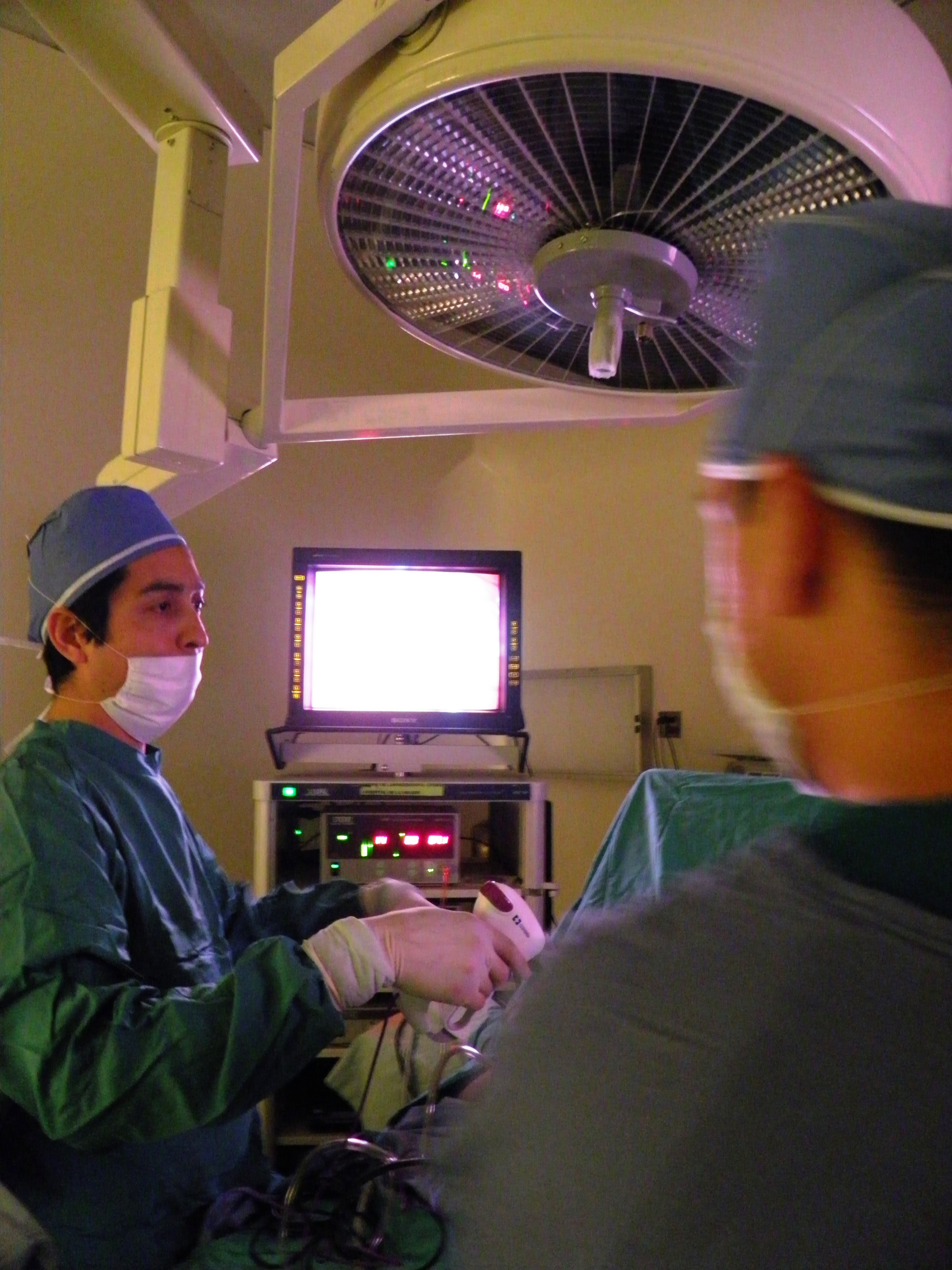

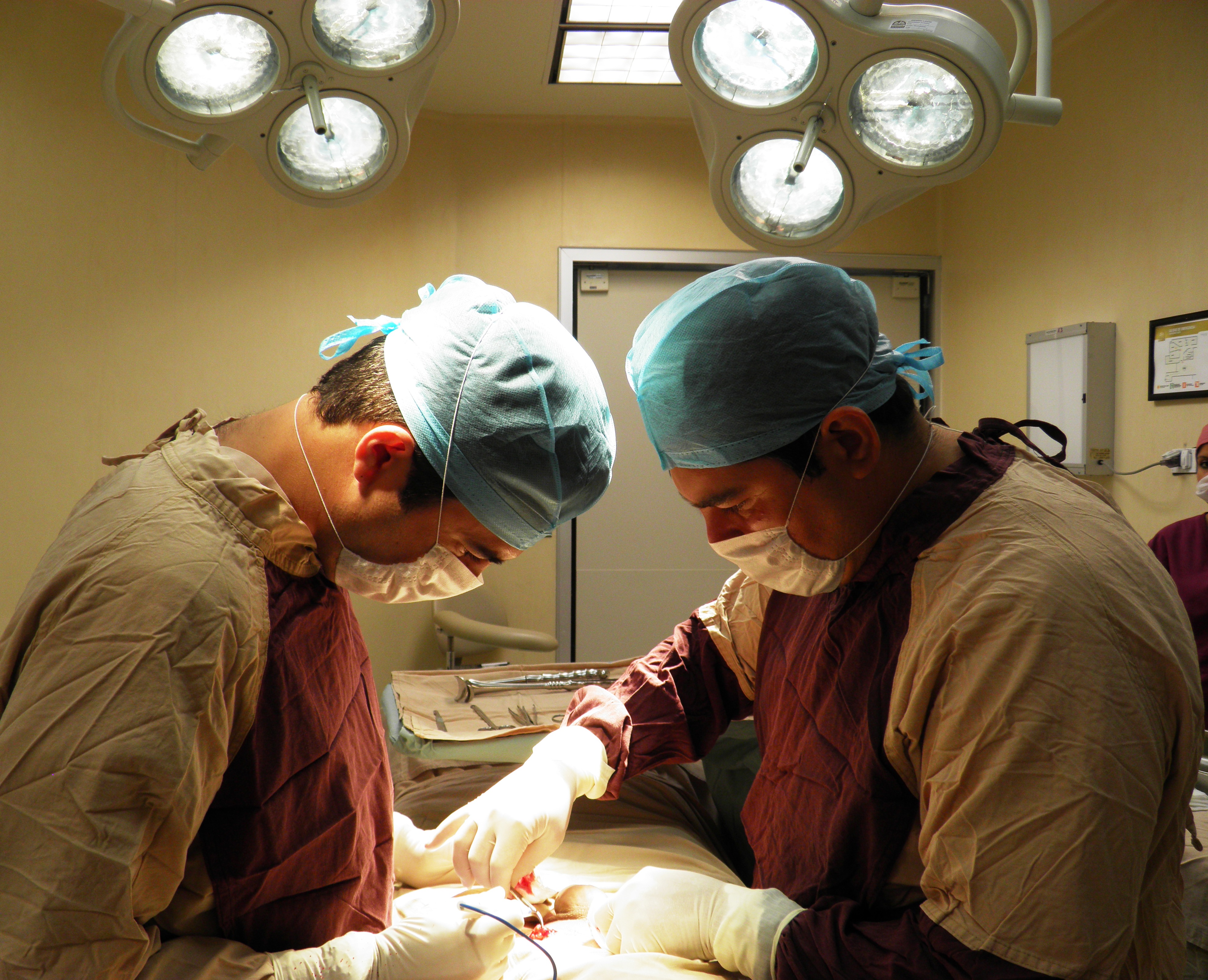

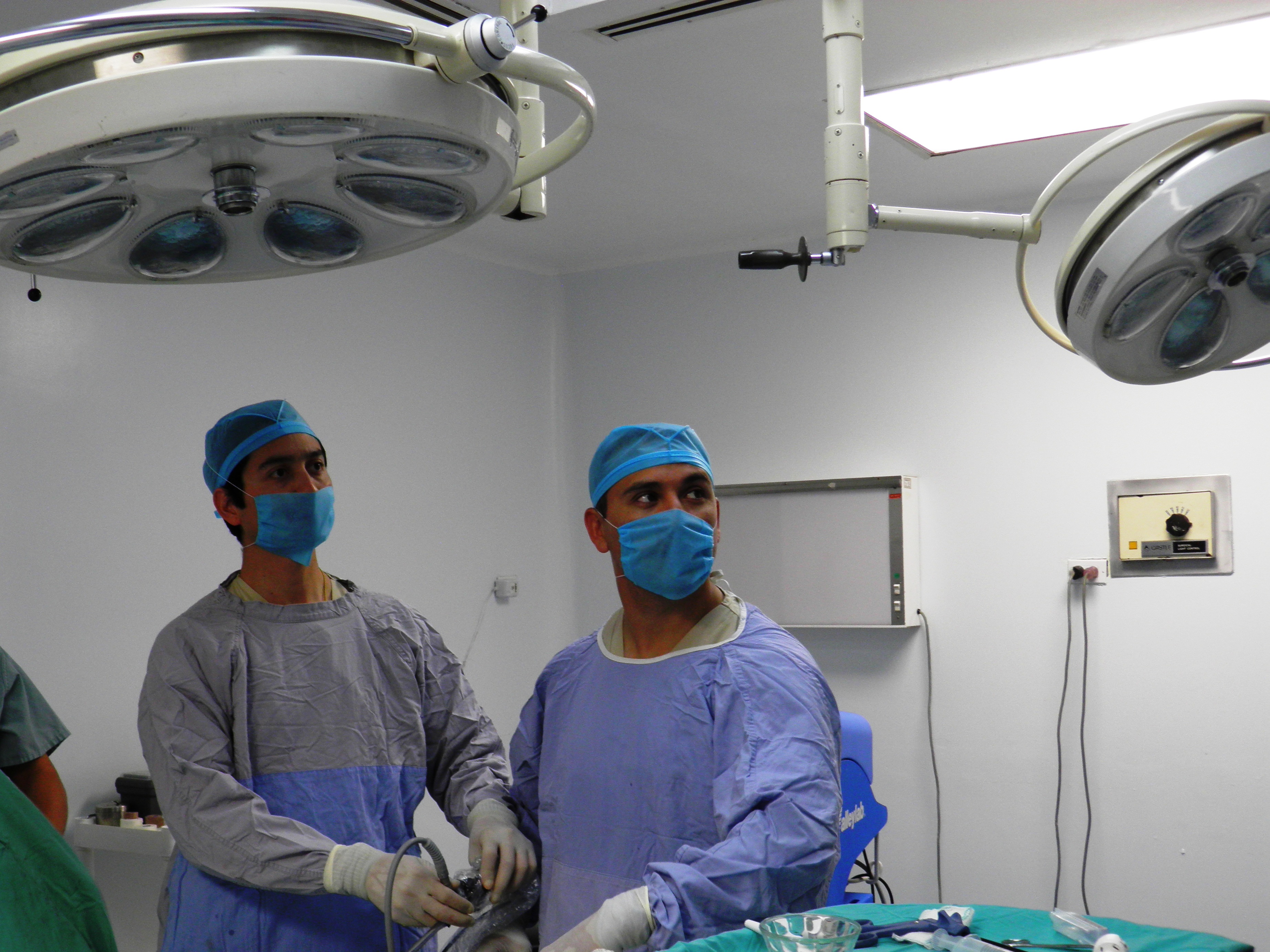

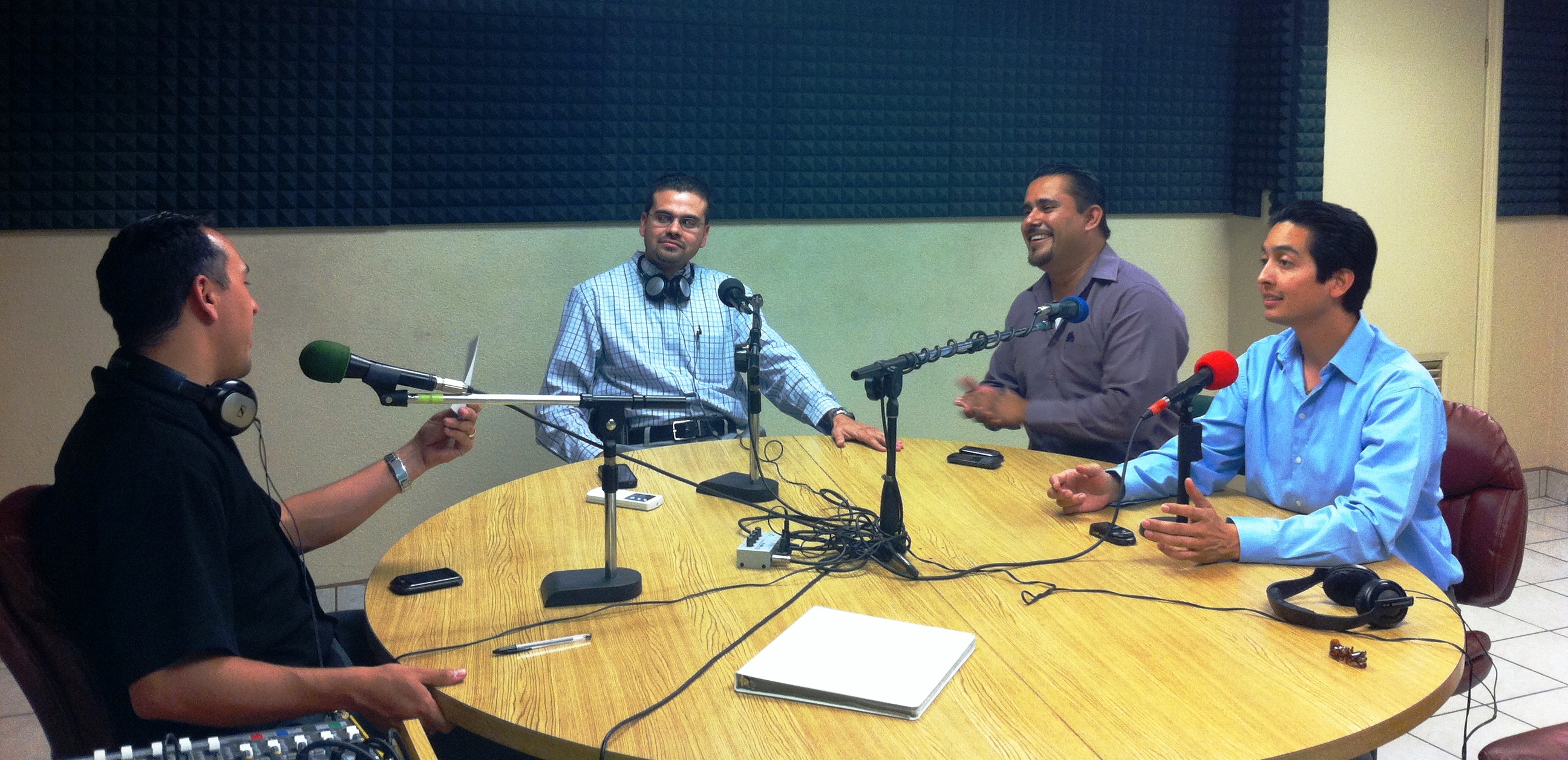


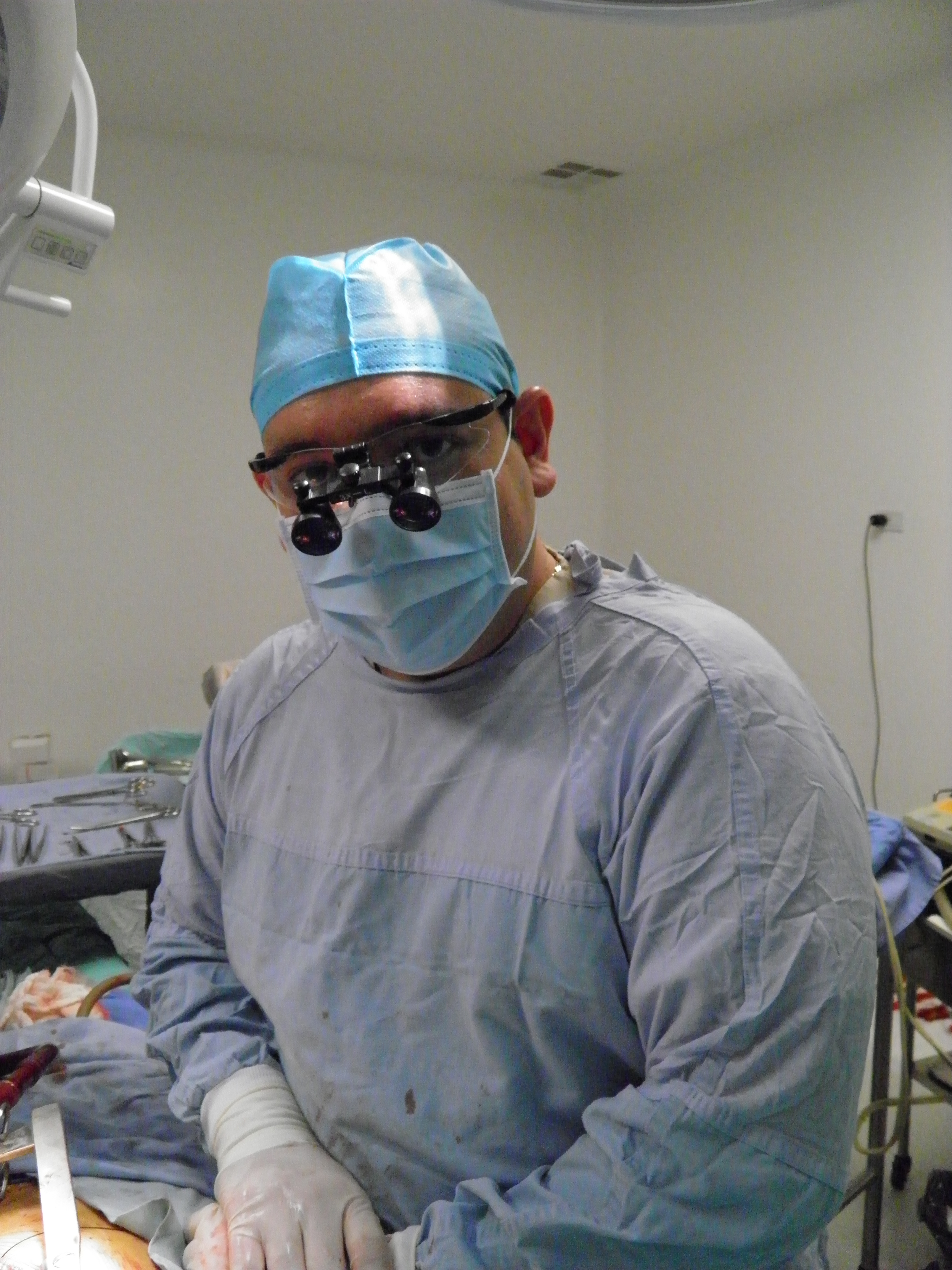
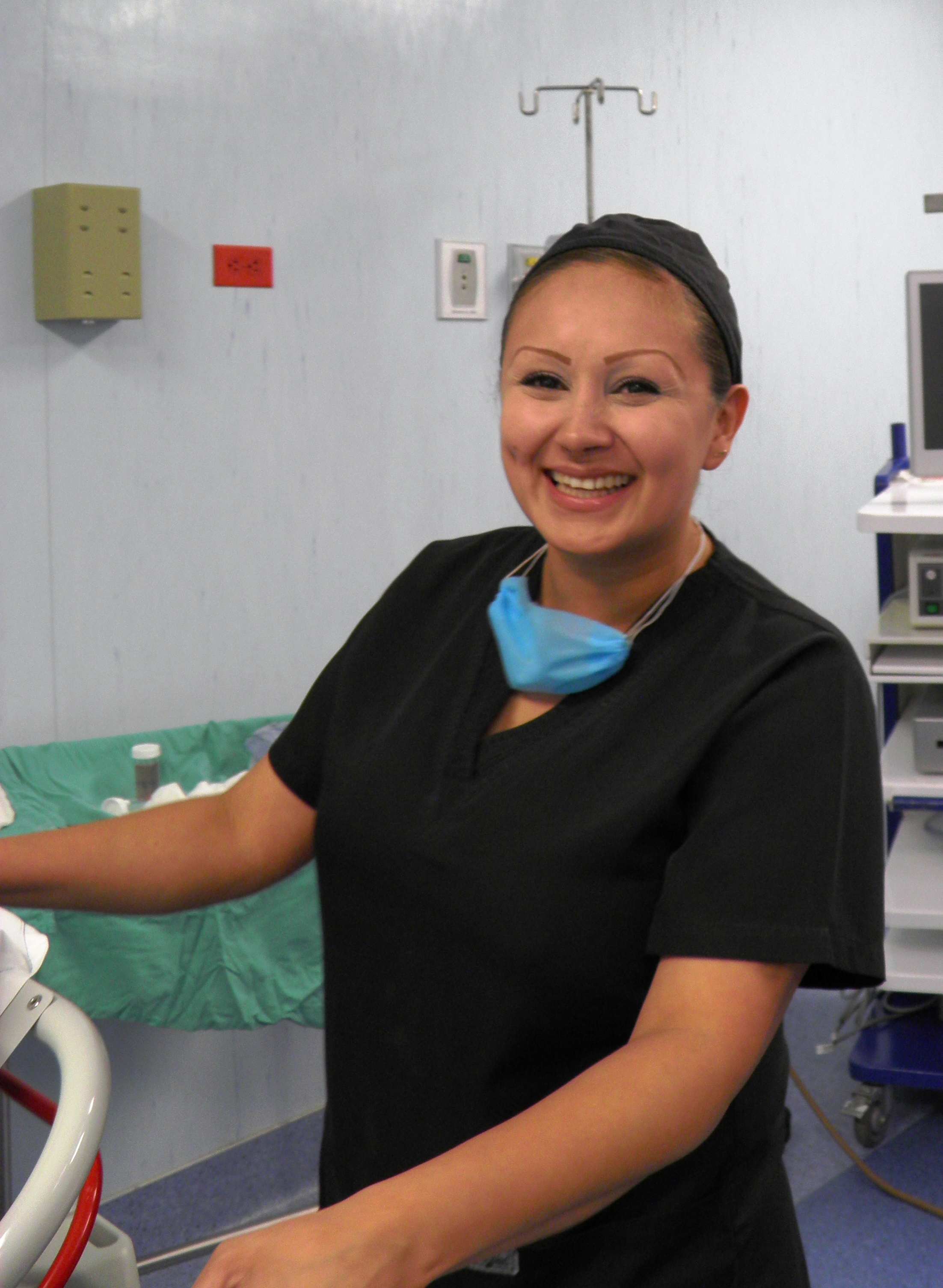




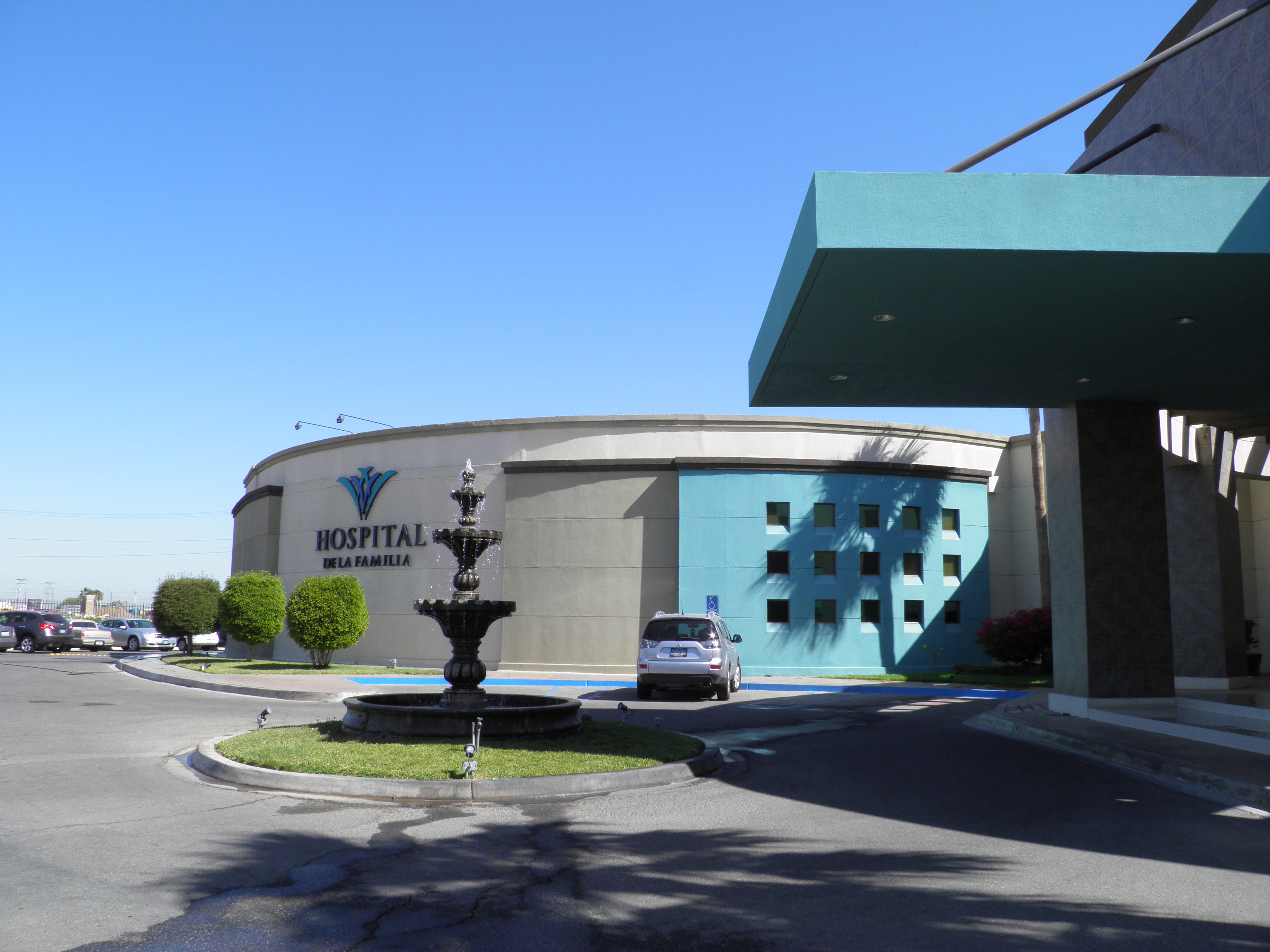


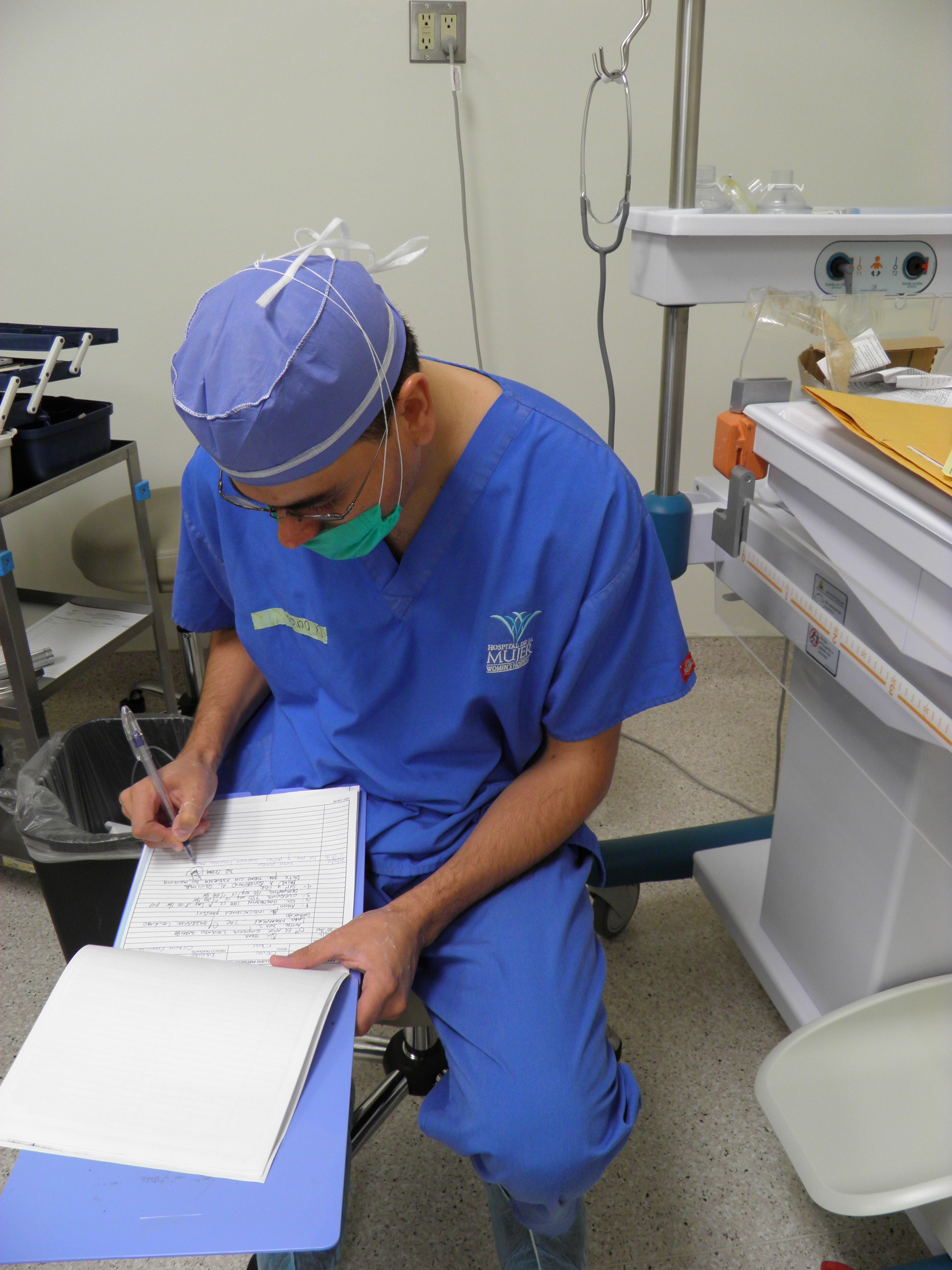

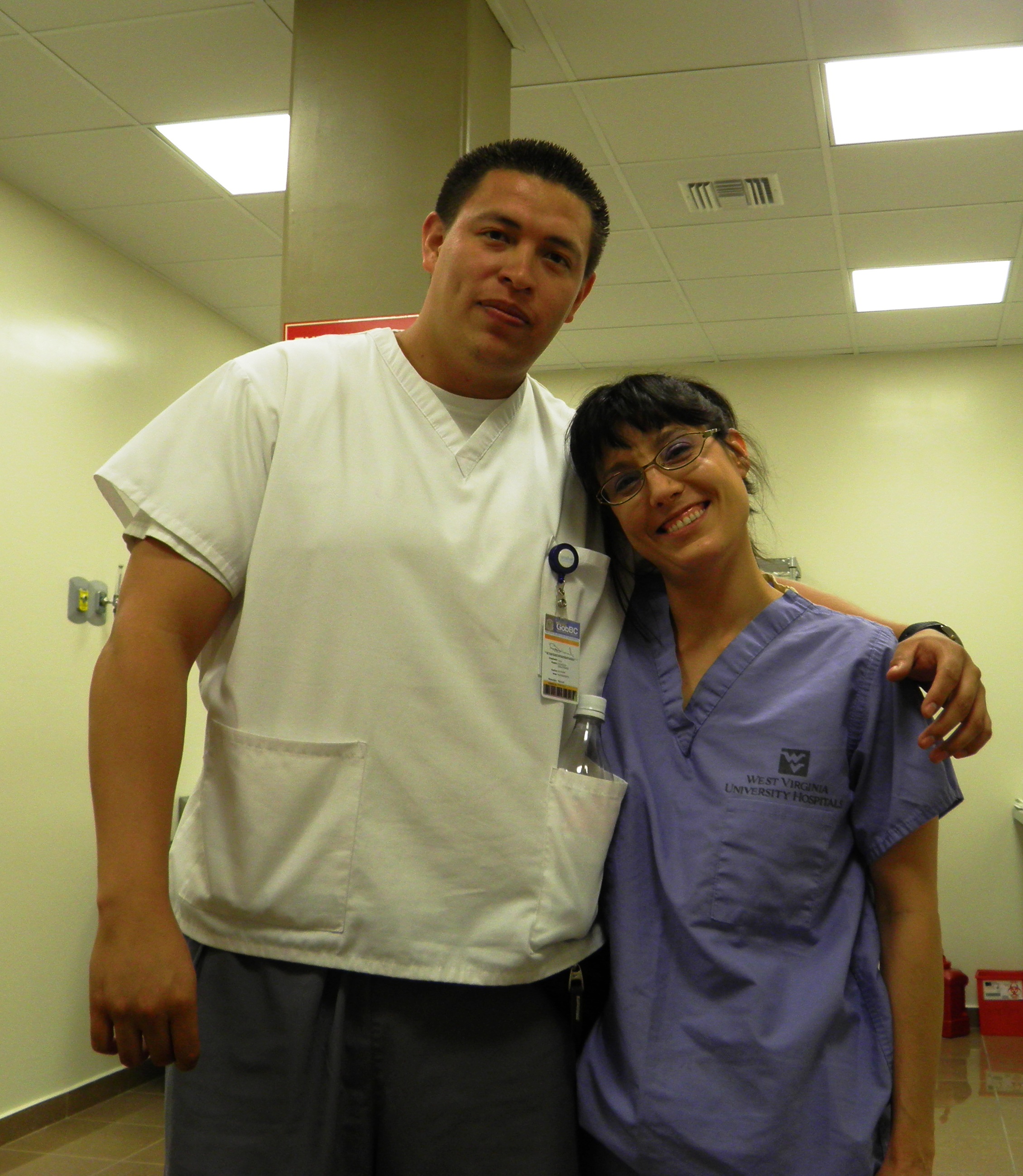


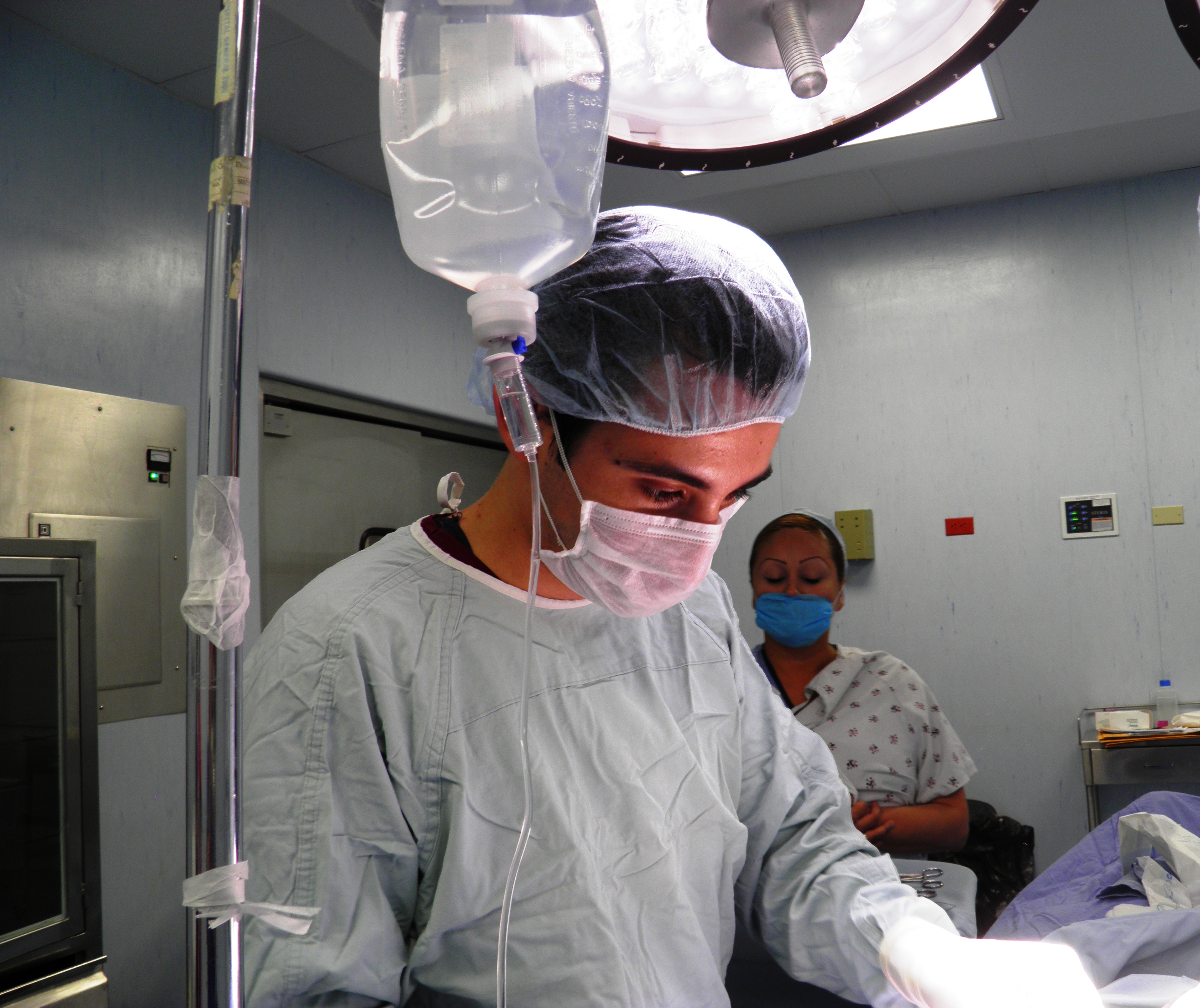
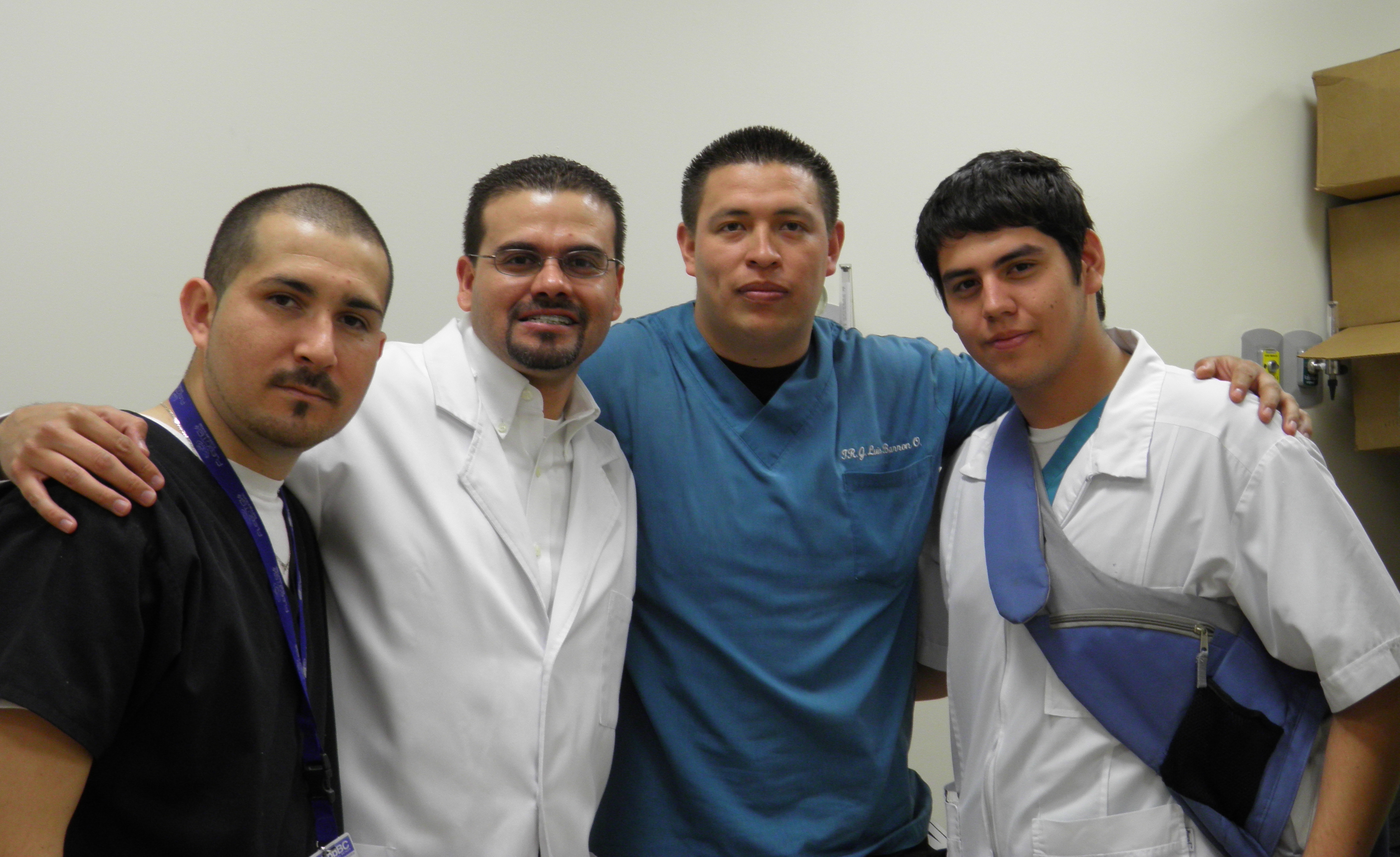
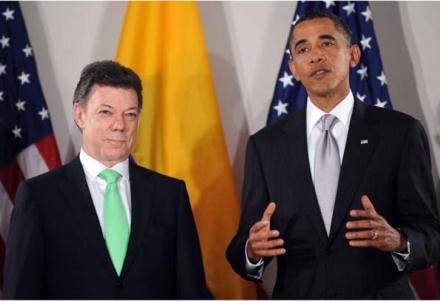
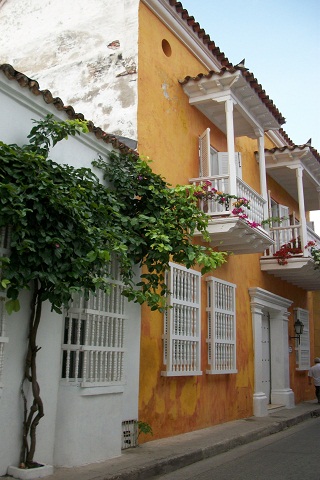







 Colombian Culture & Cuisine