Miami plastic surgeon tied to multiple deaths


From the Miami Herald comes a terrifying story about a plastic surgery group tied to multiple patient deaths.  The surgical group which operated out of three different south Florida clinics are responsible for at least three deaths, including the recent death of a young woman from West Virginia, Heather Meadows, 29,  who had traveled to south Florida looking for cheap plastic surgery.

bandaid

In addition to this case, come reports that the group housed post-operative patients in a local horse stable.  The clinics; Encore Plastic Surgery in Hialeah, and two Miami clinics; Vanity Plastic Surgery and Spectrum Aesthetics have also been linked with multiple serious medical complications including the case of Nyosha Fowler who was comatose for 28 days after surgeons at the clinic accidentally perforated her intestine and then injected the fecally contaminated fluid into her sciatic nerve during a liposuction/ fat transfer procedure.  Ms. Fowler, who is lucky to be alive, is now permanently disabled and facing a two-million dollar medical bill for the life-saving care she received at an outside facility.

Now, Heather Meadow’s death has been ruled accidental, which is no comfort to her family or the numerous patients harmed by these surgeons. While the state of Florida has reprimanded two of the surgeons in the surgical group in the past, this hasn’t affected their practice, and the surgical clinics continue to accept new patients from across the United States and operate on unsuspecting clients.

money

Beauty, at any price?

While Florida state health officials issued an emergency restriction prohibiting one of the group’s surgeons, Dr. Osak Omulepu from operating, no charges have been made despite cell phone photographs documenting horrific conditions at the horse stables where patients were forced to stay while they recuperated from various procedures.  In fact, Dr. Osak Omulepu continues to have four star ratings on several online sites.  His license is listed as active on the Florida Medical Board, with no complaints listed under his profile page.  However, under the disciplinary actions page, there are eight separate listings that do not appear on his general profile.

One of these Complaints, (posted here) related to the death of a 31-year-old woman due to repeated liver perforation during liposuction.  The complaint also cites several other cases against the doctor and notes that Dr. Osak Omulepu is not a board certified plastic surgeon.  In fact, according to the complaints filed in March, the good doctor, holds no certification in any recognized medical specialty.

Related posts:

Plastic surgery safety & Buttloads of Pain

Patient satisfaction scores vs. clinical outcomes: The Yelp! approach to surgery

Is your ‘cosmetic surgeon’ really even a surgeon?

Patient Safety & Medical Tourism

Liposuction in a Myrtle Beach apartment

Plastic surgery safety & Buttloads of Pain


Long time readers are familiar with our plastic surgery horror story archives. These archives (mainly) consist of cases of illegal/ unlicensed surgeons and botched plastic surgery procedures but there is also information on how to find a board certified surgeon.  Most of these cases take place in the United States where both clever marketing and underground clinics flourish due to the high costs of plastic surgery.

surgeon clip art

Buttloads of Pain

Now there is a new documentary that explores the dangers of unlicensed operators and ‘booty enhancement’.

Thanks to my friend, Matt Rines for sending me the link to the Vice documentary,”Buttloads of Pain” which talks about and talks to victims of unlicensed (and illegal) gluteal augmentation procedures (such as direct injection of silicone and other substances).

Gluteal Augmentation Procedures

For more information on legitimate gluteal augmentation procedures, read our interviews with licensed plastic surgeons.

Gluteal implants – Interview with Dr. Gustavo Gaspar

Fat transfer : Dr. Luis Botero

Update: February 2014

For readers that have been asking about the background, history and the profound psychological and sociological impact of the ‘big booty’ and other Colombian influences on (global) plastic surgery trends & beauty ideals – this article by Mimi Yagoub at Colombia Reports may be a bit of an eye-opener.

In the operating room with Dr. Gustavo Gaspar Blanco


Dr. Gustavo Gaspar, plastic surgeon

Dr. Gustavo Gaspar, plastic surgeon

In the operating room with Dr. Gustavo Gaspar Blanco

Hospital de la Familia,

Mexicali, B.C.

Mexico

After interviewing Dr. Gaspar, he graciously invited me to join him in the operating room as an observer for several cases during the week.

Hospital de la Familia

As reviewed in the Mexicali! mini-guide to medical tourism, Hospital de la Familia is widely acknowledged as “the second best hospital in Mexicali.”  Much like the Hertz automobile rental campaign “We try harder,” the directors of Hospital de la Familia have embarked on an aggressive publicity campaign to attract patients and physicians to their facility.  This includes medical tourism – as Hospital de la Familia has partnerships with multiple brokers including PlacidWay and Planet Hospital.

Dr. Gaspar exclusively operates at Hospital de la Familia.

In the ORs at Hospital de la Familia

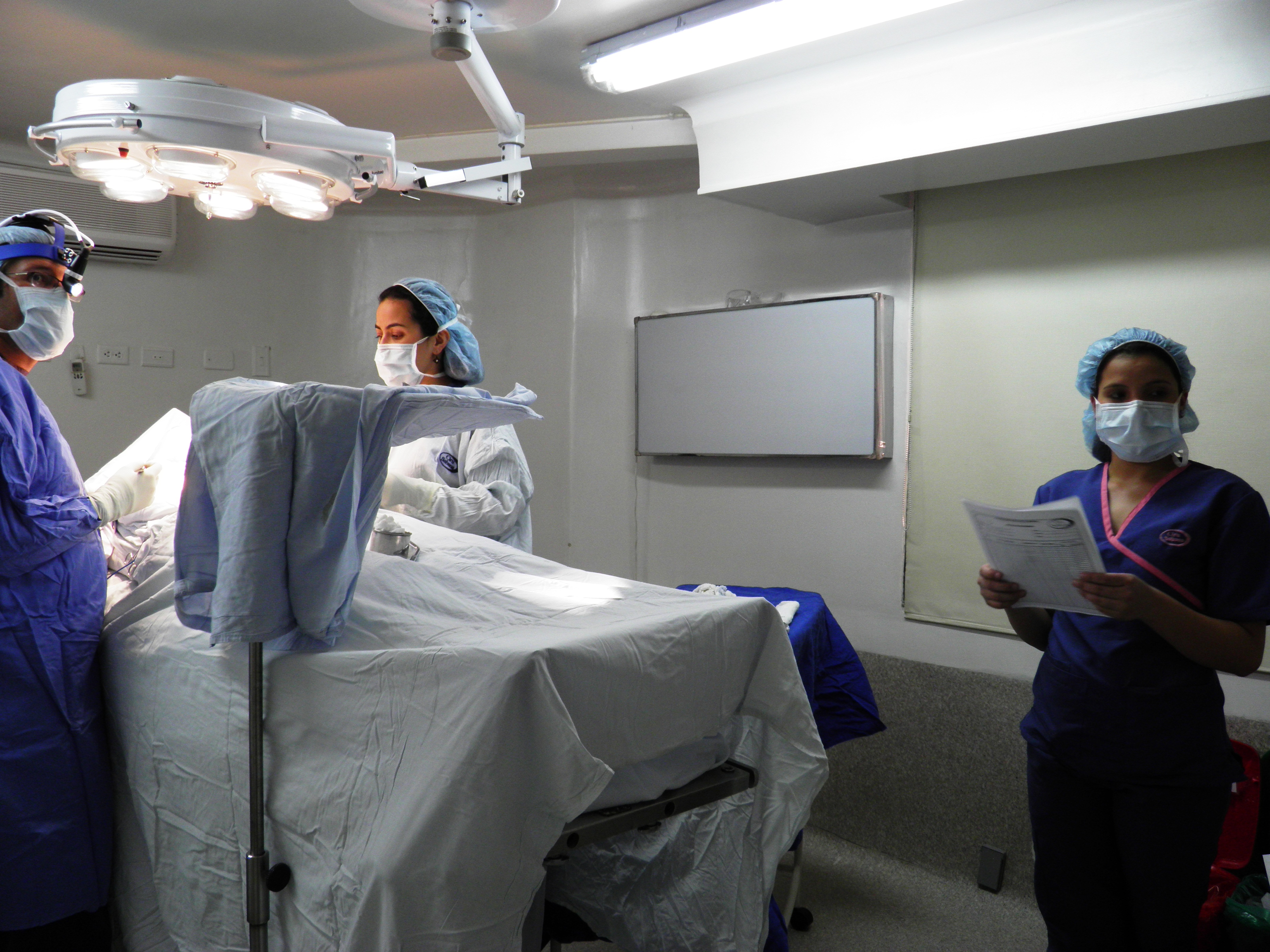
OR #3 is the plastic surgery suite.  It is spacious and well-lit with modern and functional equipment.  Along with a designated OR, Dr. Gaspar has an operating room team consisting of an anesthesiologist, an assistant surgeon, scrub nurse and circulating nurse.

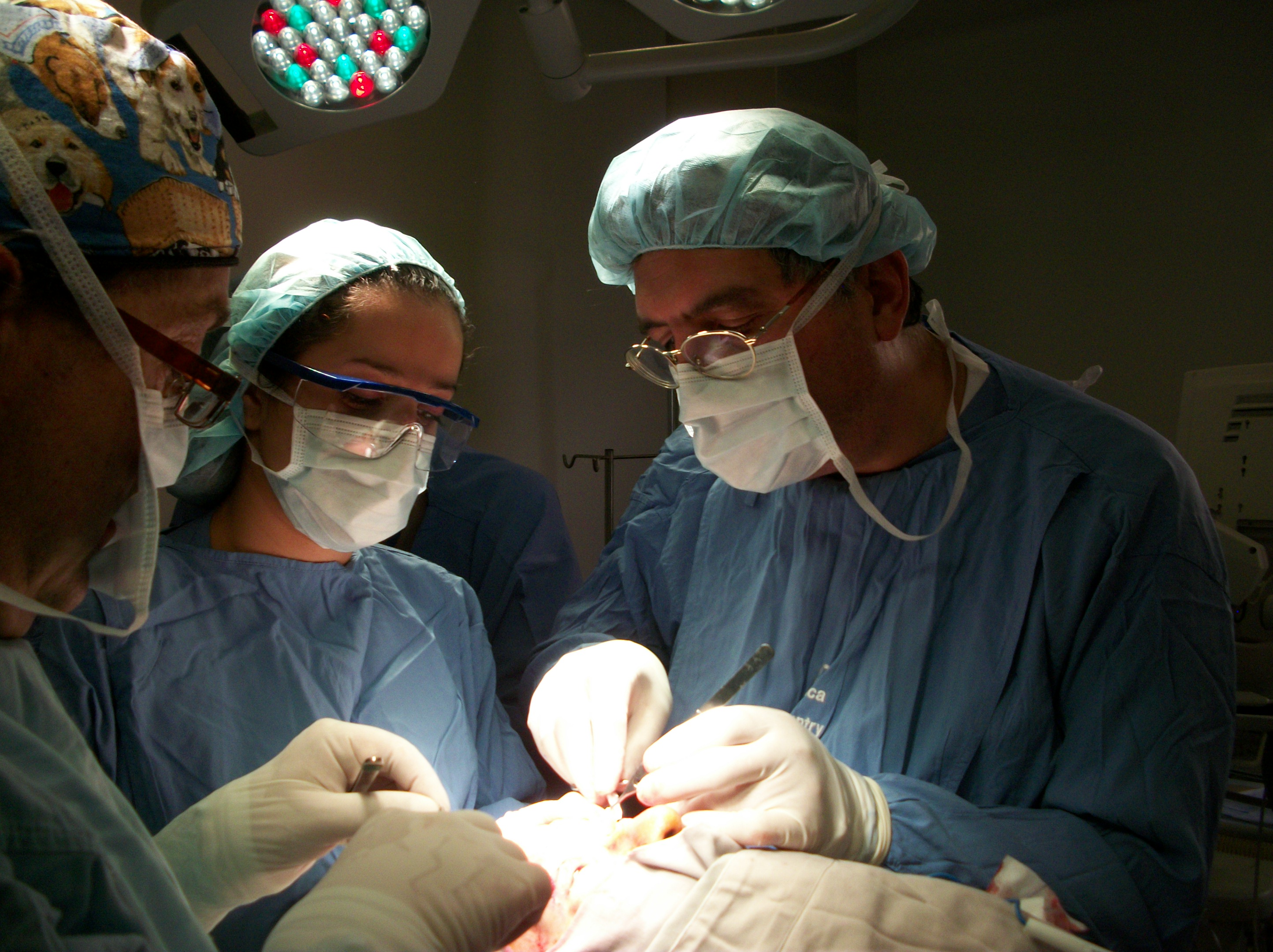
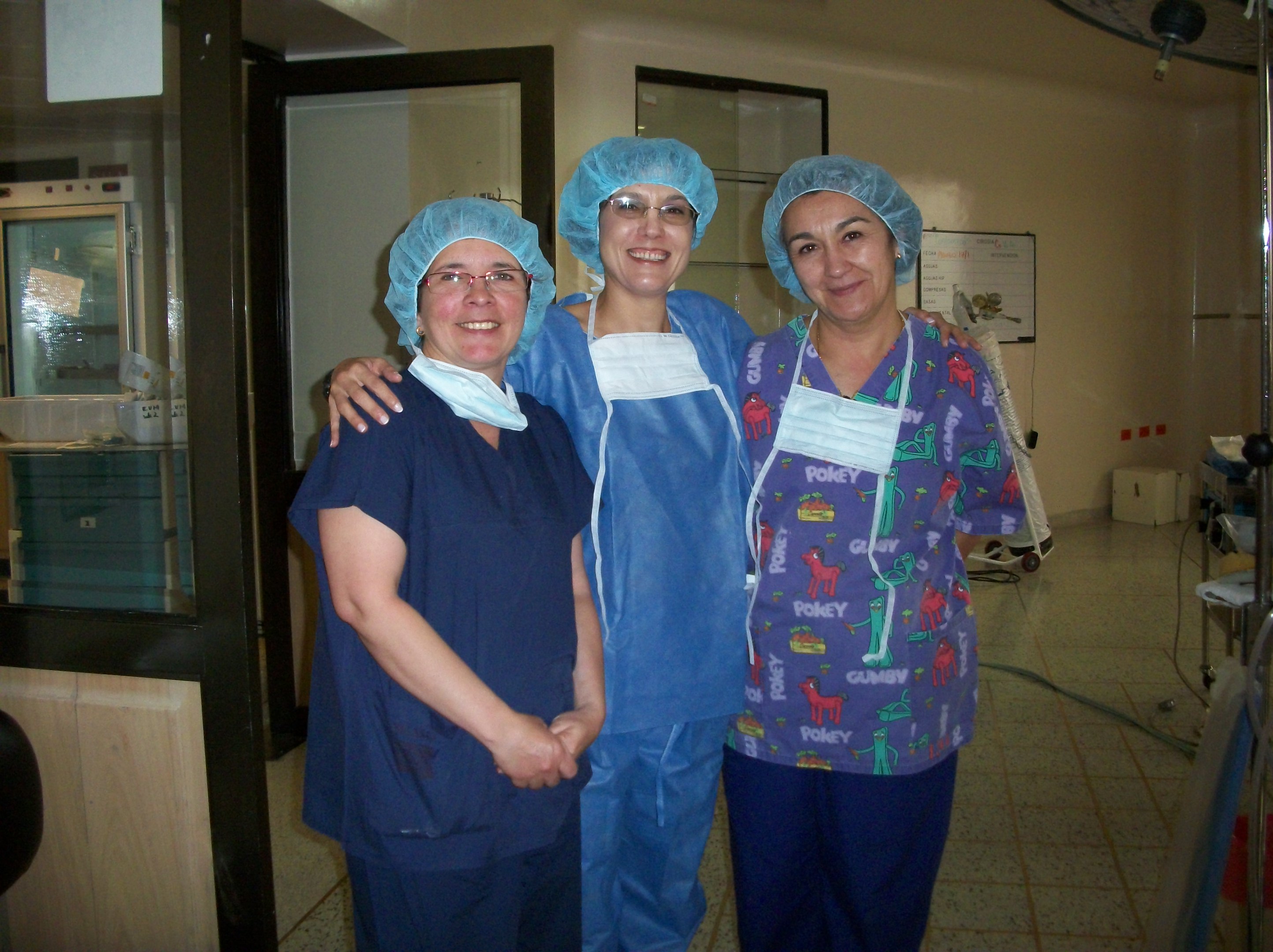
Dr. Gaspar and his OR team

Dr. Gaspar and his OR team

Anesthesia is managed by Dr. Armando Gonzalez Alvarez.  He monitors the patient with due diligence and remains in attendance at all times.  He avoids distractions during surgery (like texting or excessive cell phone use) and remains patient-focused.

Dr. Gonzalez Alvarez, Anesthesiologist

Dr. Gonzalez Alvarez, Anesthesiologist

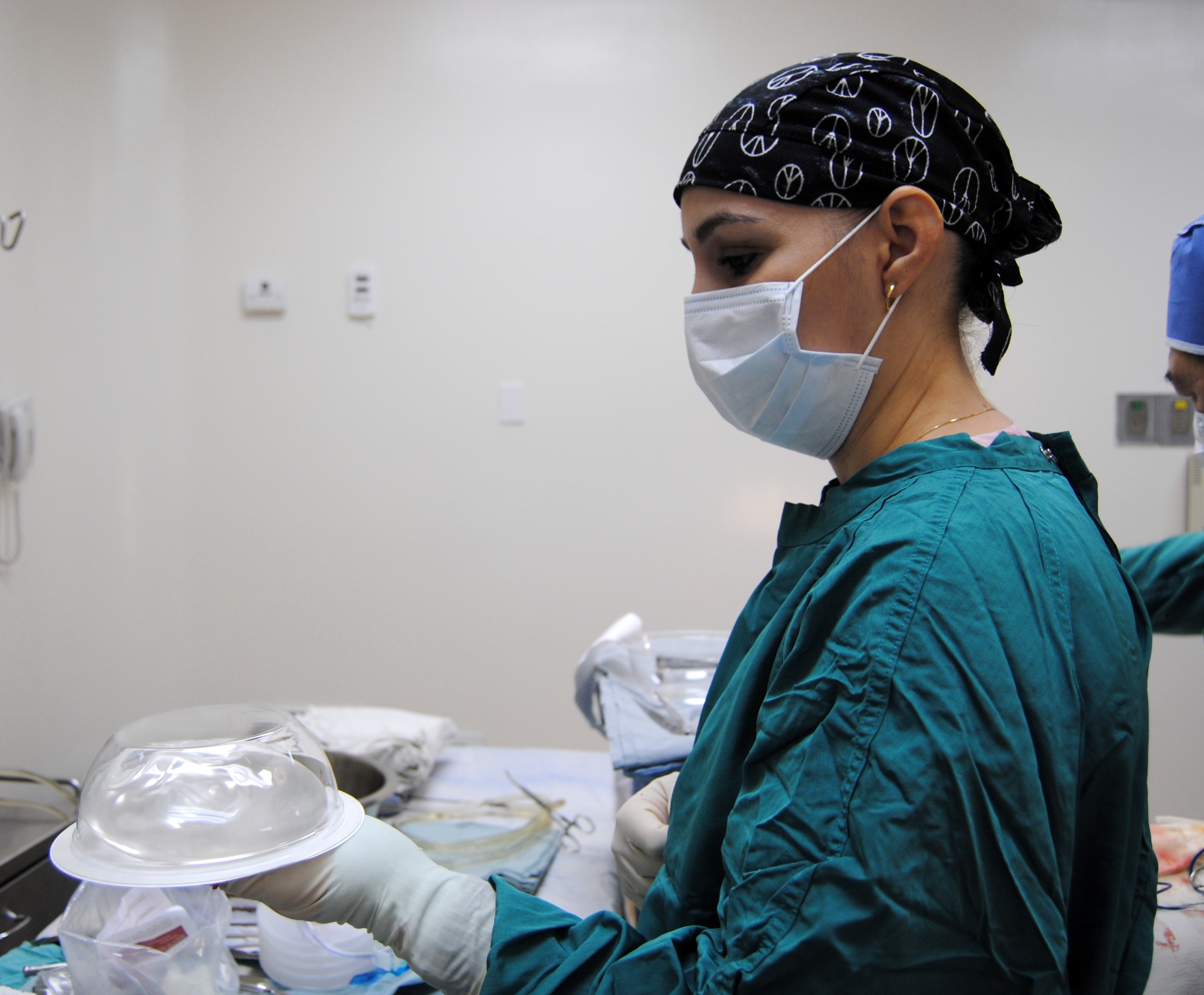
Dr. Binicio Leon Cruz, is a general surgeon who serves as Dr. Gaspar’s assistant surgeon during the case.  Monica Petrix Bustamante is the instrumentadora (scrub nurse), and she is excellent, as always*. She knows the surgeries, easily anticipates the doctors’ needs while maintaining surgical sterility and ensuring patient safety.

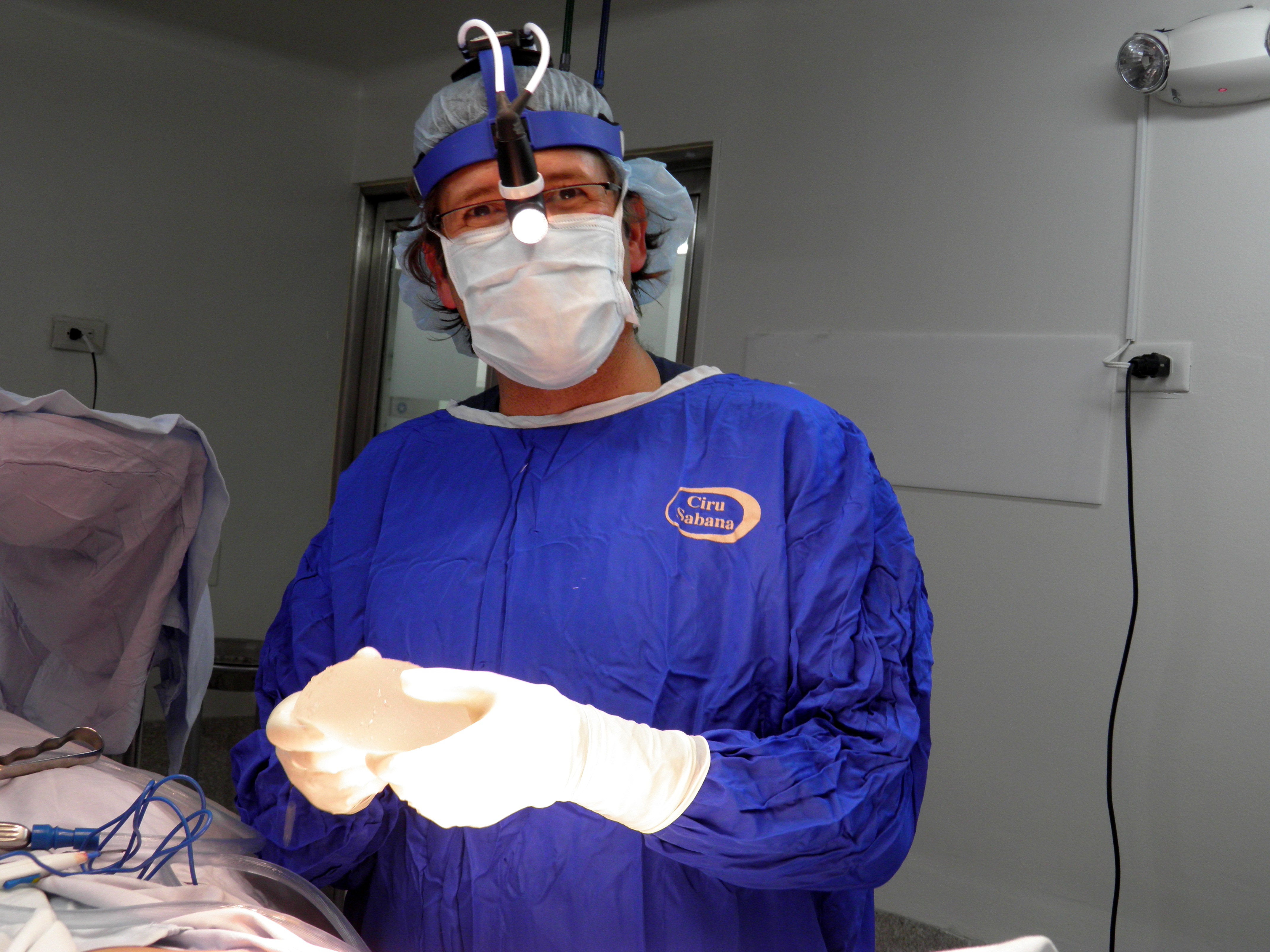
Monica prepares a prosthesis for implantation

Monica prepares a prosthesis for implantation

Adherence to international protocols

The majority of procedures are under an hour in length, which means that patients do not need deep vein prophylaxis during surgery.  The procedure (including site) and patient identity are confirmed prior to surgery with active patient participation before the patient receives anesthesia with both surgeons, nursing staff and the anesthesiologist in attendance.  Patients are then prepped and draped in sterile fashion, with care taken to prevent patient injury.

As with many plastic surgeons, Dr. Gaspar does not administer IV antibiotics for infection prophylaxis prior to the first incision.  Instead, all patients receive a course of oral antibiotics after surgery***.

Surgical sterility is maintained throughout surgery.  For the first case, after receiving adequate tissue preparation, since only limited liposuction is needed (for very specific sculpting), the patient receives manual liposuction (without suction) to prevent overcorrection or excess fat removal.  Despite having significant adhesions due to previous liposuction procedures, there is very minimal bleeding during the procedure.

Following the procedure, the patient is awakened, extubated and transferred to the recovery room for hemodynamic monitoring and adequate recovery prior to discharge.

Throughout the case, (and during all subsequent checks in the PACU), the patient is hemodynamically stable, and maintains excellent oxygenation.

The second case, is a breast augmentation revision – in a patient with a previous breast reconstruction after mastectomy for breast cancer.  The patient developed a capsular contracture which required surgical revision**.

Abdominoplasty

On a separate occasion, Dr. Gustavo Gaspar performed an abdominoplasty with minor liposuction of the “saddle bag” area at the top of the thighs.  For the abdominoplasty case, the patient received conscious sedation with spinal anesthesia.

While an abdominoplasty, “tummy tuck” is a much larger procedure, the case proceeded quickly (1 hour 15 minutes), and uneventfully.  There was very minimal bleeding, and excellent cosmetic results.

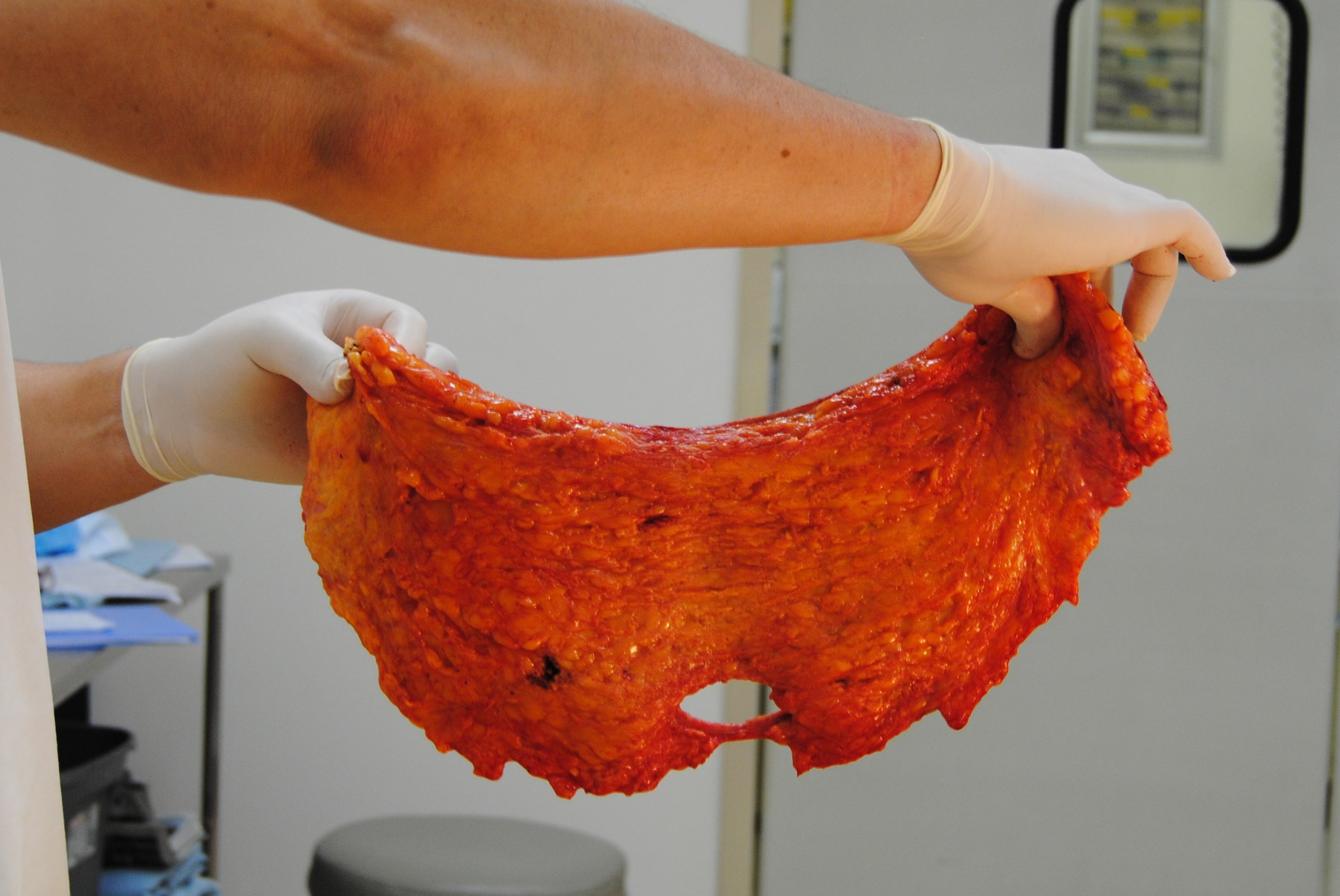
skin, and adipose tissue removed during abdominoplasty.

skin, and adipose tissue removed during an abdominoplasty

Gluteal augmentation (Gluteoplasty)

However, it was the gluteal augmentation case that attracted the most interest.  As mentioned during a previous interview, Dr. Gaspar is well-known throughout Mexico for his gluteal implantation technique.

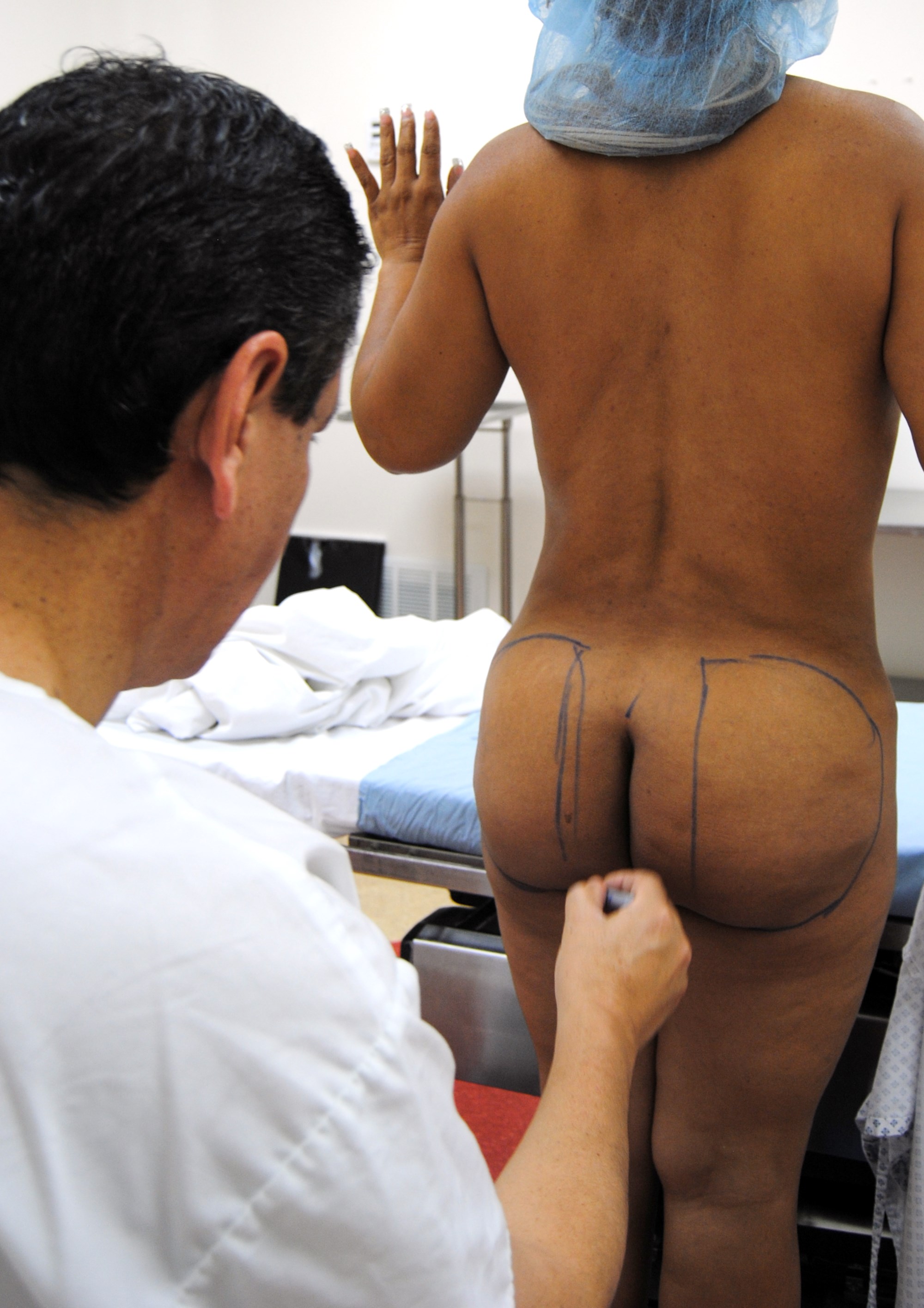
Pre-surgical planning

Pre-surgical planning

Due to the proximity to the anus, and potential for wound infection and contamination, the area is prepped in a multi-step process, in addition to the standard surgical scrub.  A Xoban (iodine impregnated dressing) is applied to the area to prevent bacterial migration to the area around the incision.

For this procedure, Dr. Gaspar uses gluteal prostheses for intramuscular implantation.  Using one, small 3 cm incision, Dr. Gaspar dissects through the gluteal tissue to the muscle plane.  He then inserts the prosthesis and adjusts it into its final position.  When he has finished placing the implant, it is buried deep in the tissue and invisible.

after the implant is placed within the muscle it is invisible to the eye

after the implant is placed within the muscle it is invisible to the eye

He explains that by placing the prostheses in the intramuscular layer, the implants remain in a stable position, and are invisible to the eye and imperceptible to the touch.  (Even with movement and manipulation – there is no edge or pocket seen or felt after the gluteal prosthesis is placed).

The procedure is repeated on the opposite side.  Two small drains are placed, and the incision is closed.  The entire procedure has taken just 18 minutes.

incision and drains at the conclusion of surgery

incision and drains at the conclusion of surgery

Despite the speed by which Dr. Gaspar operates, he is meticulous in his approach. He frequently re-assesses during the procedure (particularly during bilateral procedures) to ensure symmetry of results.

*I frequently encountered Ms. Petrix during previous visits to the operating rooms at Hospital de la Familia during research and writing of the Mexicali book).

** Capsular contraction is one of the most frequently occurring complications of breast augmentation using breast prosthesis (implants).

*** this practice is somewhat controversial but the most recent surgical guidelines and literature on antibiotic stewardship suggest that pre-operative antibiotics may be unnecessary for some surgical procedures.

Thank you to the kind patient who graciously gave permission for publication of pre-operative, intra-operative and post-operative photographs on this site.

Additional readings: Gluteoplasty

The majority of publications originate in Latin America and Latin American journals (and are written in Spanish and Portuguese.)  Here is a small selection of open-access, English language journals.

Bruner, T. W., Roberts, T. L. & Nguyen, K. (2006).  Complications of buttocks augmentation: Diagnosis, management and prevention.  Clin Plastic Surg 33: 449 – 466.

Cardenas – Camarena, L. (2005). Various surgical techniques for improving body contour.  Aesth. Plast. Surg. 29:446-455.

Cardenas- Camerena, L. & Palliet, J. C. (2007).  Combined gluteoplasty: Liposuction and gluteal implants.  PRS Journal, 119(3): 1067 – 1074.  Part of a series on gluteal augmentation.

Harrison, D. & Selvaggi, G. (2006). Gluteal augmentation surgery: indications and surgical management.  JPRAS 60:922-928.

Talking with Dr. Gustavo Gaspar Blanco, plastic surgeon


Dr. Gustavo Gaspar Blanco, plastic surgeon

Gaspar 083

Dr. Gustavo Gaspar Blanco is a plastic surgeon in Mexicali (Baja California) Mexico.  He is well-known throughout Baja and Northern Mexico for his gluteal augmentation techniques using gluteal implants.  While this is one of the procedures he is most famous for, he also performs the complete range of body, facial plastic surgery procedures, and post-bariatric reconstructive surgery.

It was an engaging series of interviews as Dr. Gaspar is extremely knowledgeable and passionate about his craft.  “Plastic surgery is different from other specialties, it is an art.  The surgeon needs to have an eye for beauty and symmetry in addition to surgical skill.”

To read more about Dr. Gaspar in the operating room.

Gluteal Implants versus Fat Grafting

There are multiple methods of gluteal augmentation (or buttock enhancement).  Dr. Gaspar performs both fat grafting and gluteal implantation procedures.  He prefers gluteal implantation for patients who are very thin (and have limited fat tissue available for grafting) or for patients who want longer-lasting, more noticeable enhancements.   (With all fat injection procedures, a portion of the fat is re-absorbed).

He recommends fat grafting procedures to patients who want a more subtle shaping, particularly as part of a body sculpting plan in conjunction to liposuction.

Breast Implants and attention to detail

Like most plastic surgeons, breast augmentation is one of the more popular procedures among his patients.  The vast majority of his patients receive silicone implants (by patient request), and Dr. Gaspar reports improved patient satisfaction with appearance and feel with silicone versus saline implants.  He uses Mentor and Natrelle brand implants, and is very familiar with these products.  In fact, he reports that he has visited the factories that create breast implants in Ireland and Costa Rica.  He says he visited these factories due to his own curiosity and questions about breast implants**.

Once he arrived, he found that each implant is made by a time-consuming one at a time process versus a vast assembly line as he had envisioned.  He was able to see the quality of the different types of implants during the manufacturing process.  These implants, which range from $800.00 to $1200.00 a piece, go through several stages of preparation before being completed and processed for shipping.  He also watched much of the testing process which he found very interesting in light of the history of controversy and concern over previous silicone implant leakage in the United States (during the 1960’s – 1970’s).

Gaspar 061

Another aspect of breast augmentation that Dr. Gaspar discusses during my visits is the breast implantation technique itself.  While there are several techniques, in general, he uses the over-the-muscle technique for the majority of breast implantation procedures.  He explains why, and demonstrates with one of his patients (who had the under-the-muscle technique with another surgeon, and now presents for revision).

“While the under-the-muscle technique remains very popular with many surgeons, the results are often less than optimal.  Due to the position of the muscle itself, and normal body movements (of the shoulders/ arms), this technique can cause unattractive rippling and dimpling of the breast.  In active women, it can actually displace the implant downward from pressure caused by normal muscle movements during daily activities.  This may permanently damage, displace or even rupture the implant.”

Instead, he reserves the under-the-muscle implant for specific cases, like post-mastectomy reconstruction.  In these patients (particularly after radiation to the chest), the skin around the original mastectomy incision is permanently weakened, so these patients need the additional support of the underlying muscle to prevent further skin damage.

Not just about outcomes

While his clients, from all over North America, are familiar with his plastic surgery results, few of them are aware of his deep commitment to maintaining the highest ethical and medical standards while pursing excellence in surgery.

Commitment to ethical care of patients crosses language barriers

While Dr. Gaspar is primarily Spanish-speaking, his commitment to ethical practice is crystal clear in any language.  He explains these ethical principles while offering general guidelines for patients that I will share here (the principles are his, the writing style is my own).

Advice for patients seeking plastic surgery

Be appropriate:

– Patients need to be appropriate candidates for surgery: 

Around fifty percent all of the people who walk into the office are not appropriate candidates for plastic surgery, for a variety of reasons.  Dr. Gaspar feels very strongly about this saying, “Unnecessary or inappropriate surgery is abusive.”

– Plastic surgery is not a weight-loss procedure.  Liposuction/ Abdominoplasty is not a weight loss procedure.  Plastic surgery can refine, but not remake the physique.  Obese or overweight patients should lose weight prior to considering refining techniques like abdominoplasty which can be used to remove excess or sagging skin after large-scale weight loss.

fat removed during liposuction procedure

fat removed during liposuction procedure

  – Have surgery for appropriate reasons.  Plastic surgery will not make someone love you.  It won’t fix troubled relationships, serious depression or illness.  Plastic surgery, when approached with realistic expectations (#3) can improve self-esteem and self-confidence.

Realistic expectations – just as plastic surgery won’t result in a 25 pound weight loss, or bring back a wayward spouse, it can’t turn back the clock completely, or radically remake someone’s appearance.  There is a limit to what procedures can do; for the majority people, no amount of surgery is going to make them into supermodels.

Know the limitations

Not only are there limits to what surgery itself can do, there are limits to the amounts of procedures that people should have, particularly during one session.  “Marathon/ Extreme Makeovers” make for exciting television but are a dangerous practice.

Stay Safe:

Just as patients should avoid marathon or multi-hour, multiple procedure surgeries, patients should stay safe.

–          Avoid office procedures

As Dr. Gaspar says, “The safest place for patients is in the operating room.” With the exception of Botox, all plastic surgery procedures should be performing the operating room, not the doctor’s office.  This is because the operating room is a sterile, well-prepared environment with adequate supplies and support staff.  There are monitors to help surgeons detect the development of potential problems, life-saving drugs and resuscitation (rescue) equipment on hand. Should a patient stop breathing, start bleeding or develop a life-threatening allergic reaction (among other things), the operating room (and operating room staff) are well prepared to take care of the patient.

Communicate with your surgeon –

Give your surgeon all the details s/he needs to keep you safe, and have a successful surgery.  Talk about more than the surgeries you are interested in –

– bring a list of all of your medications

– know a detailed history including all past medical problems/ conditions and surgeries.

If you had heart surgery ten years ago – that’s relevant, even if you feel fine now.  Have a history of previous blood transfusions/ radiation therapy/ medication reactions?  Be sure to tell the doctor all about it.

Even if you aren’t sure if it matters, “My sister had a blood clot after liposuction” – go ahead and mention it.. It might just be a critical piece of information such as a family predisposition to thromboembolism (like the example above).

Lastly

Surgical complications are a part of surgery.  All surgeons have them – and having a surgical complication in and of itself is no indication of the quality or skill of the surgeon.  Complications can occur for a variety of reasons.

However, how efficiently and effectively the surgeon treats that complication is a good indicator of skill, experience and expertise.

As part of this, Dr. Gaspar stresses that medical tourism patients need to prepare to stay until they have reached an adequate stage of recovery.  This prevents the development of complications and allows the surgeon to rapidly treat a problem if it develops; before it become more serious.

“There is no set time limit for my patients after surgery, everyone is different.  But none of my patients can go [return home] until I give my approval.”  This philosophy applies to more than just medical tourists from far off destinations. It also applies to any patients have large procedures and their hospitalizations.  While many surgeons race to discharge clients as same-day surgery patients, Dr. Gaspar has no hesitation in keeping a patient hospitalized if he has any concerns regarding their recovery. “Hospitals are the best places for my patients, if I am concerned about their recovery.”

About Dr. Gustavo Gaspar Blanco, MD

Plastic and reconstructive surgeon

Av. Madero 1290 y Calle E

Plaza de Espana, suite 17 (second floor)

Mexicali, B.C

Tele: (686) 552 – 9266

If calling from the USA: 1 (877) 268 4868

Email: gustavo@drgaspar.com

Dr. Gaspar attended medical school at the Universidad Autonoma de Guadalajara.  He completed both his general surgery residency and plastic surgery fellowship in Mexico City at the Hospital de Especialidades Centro Medico La Raza.

He is a board certified plastic surgeon by the Mexican Society of Plastic and Reconstructive Surgery, license number #601.  He has been performing plastic surgery for over 20 years.  Surgeons from areas all over Mexico train with Dr. Gaspar to learn his gluteal implantation techniques.

** He has also visited the facilities in Germany where the Botulism toxin is prepared for cosmetic/ and medical use.

Talking to Dr. Juan David Londoño, plastic surgeon


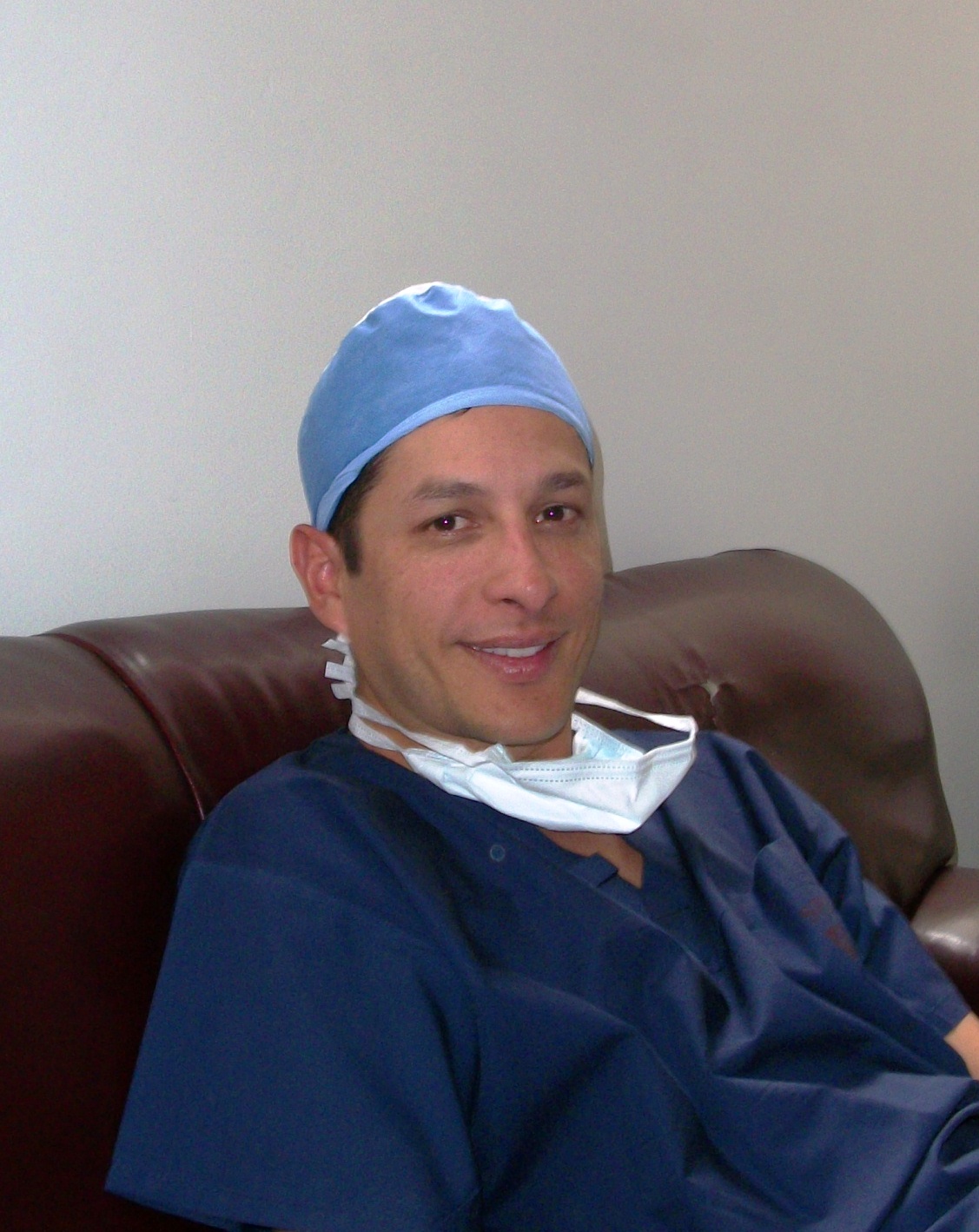
Dr. Juan David Londoño, plastic surgeon

Dr. Juan David Londoño, plastic surgeon (photo provided)

Dr. Juan David Londoño is a plastic surgeon here in Medellin who specializes in body procedures such as liposuction, abdominoplasties and breast augmentation.

He shares an office with Dr. Jorge Aliro Mejia Canas in the Forum building, next to the Santa Fe shopping mall in the upscale Poblado neighborhood.

He is also one of just a handful of surgeons here who specialize in hair restoration.

Dr. Londoño attended medical school at the Universidad de Antioquia, graduating in 1995.  He completed his plastic surgery residency at the same institution and completed his training in 2003.  While he trained in both reconstructive and aesthesthic plastic surgery, he states that he prefers aesthetic surgery because of the close relationship it entails with patients.

Today we talked primarily about Hair Restoration procedures because it’s his favorite procedure, and one I don’t know much about.

Patience is the key, he states as he explains the ins and outs of hair restoration treatments.  Patience was certainly the order of the day as he carefully and graciously explained the principles of hair transplantation to me.  Patience is necessary he explains, as in, there is no ‘quick fix’.  Hair restoration techniques have evolved with the development of newer procedures but it remains a painstaking process.

Not just for male pattern baldness

While people traditionally think of this treatment as exclusively for male pattern baldness, women also undergo hair restoration in cases of thinning hair.  People can also use this treatment to restore hair to other areas of the body such as the eyebrows (or as commonly publicized in Turkey) for beard restoration.

Treatment options

As Dr. Londoño explains, there are a range of treatments available for the treatment of hair loss, such as male pattern baldness, or thinning hair.  While these treatments run along a continium of scalp massage –> medications  –> surgery; these treatments can also be used to compliment each other.

Probably the best well-known treatments are the medications such as topical applications of minoxidil  (Rogaine) or oral (finesteride) Propecia tablets.  Many people are familiar with these medications due to long-standing and widely viewed pharmaceutical advertisements in the early and late 1990’s.   Both of these medications were originally developed to treat other conditions (hypertension and BPH) and hair growth was quickly noted to be a frequently occurring side effect.   These medications underwent additional clinical trials and study by the FDA before being re-formulated (as a topical spray), in the case of minoxidil, and re-marketed to treat hair loss.

However, these medications are less than ideal for treating a long-term problem like hair loss.  While the medications can prevent additional hair loss, in most cases – additional hair growth is modest and requires continued medical therapy (pills) to maintain.

Scalp massage, is believed to stimulate blood circulation in the scalp and improve the health of the scalp and hair.  It is also quite pleasant for most people.  However, the results of scalp massage as a sole treatment are minimal at best when it comes to the treatment of alopecia.

Surgical methods of hair restoration

The original surgical methods of hair transplantation (or hair restoration) are more widely known for their limited results.  “Hair plugs” refer to the artificial appearance due to the technique of implanting a group of hair in one area, with the finished results often having a row-like appearance (like a doll).

More modern techniques include the strip method, and the most recent technique called Follicular Unit Extraction (FUE).

With the strip method a small area of scalp on the back of the head (where hair is usually the densest, and has the greatest longevity) is surgically removed in a long strip.  The scalp is then sutured closed, leaving a small linear scar.  The area of scalp, and hair follicules are then used for implantation.  By taking a portion of the scalp, the surgeons are able to ensure that the critical portion of the hair shaft – the root is preserved.  This root is needed for hair to survive and grow after implantation.

With the newer Follicular Unit Extraction, each hair, including the root is extracted using a 1mm punch biopsy technique.  (This is like a skin biopsy punch but much smaller.)  Since each root is extracted individually, this is a painstaking and time consuming process.  He reports that depending on the degree of hair loss, the length of the sessions and the results desired by the patient – determines the number of sessions a person will need.   Since this procedure requires multiple sessions, some patients elect for shorter sessions but require a higher number of sessions since this is often more convenient for the schedules of working people.

The first treatment is usually done to re-establish the natural hairline.  Subsequent treatments are needed to fill in areas of hair loss.

For patients who have very little remaining head hair, hair can be taken from other parts of the body.  In general, surgeons use hair from areas (like the so-called “fringe area”) where hair persists despite months or years of hair loss.  These areas are less likely to have hair that will succumb to the processes that caused alopecia in these individuals.

There are newer methods of FUE which use a more automated process, but as Dr. Londoño explains this often incurs a higher cost – and does not improve the outcomes (but does shorten the process somewhat.)  He has the Artas Robot to assist him with the process, (if needed), but cautions readers not to be fooled by surgeons advertising the latest and greatest machinery.  We digress into a conversation about general plastic surgery and the widespread advertising of specifically trademarked (and very expensive) equipment such as SlimLipo, Ultrasound and Vaser.

It’s more about the surgeon than the tools

He cautions consumers not to be fooled into thinking that having the most expensive equipment equals the best surgeon as often these devices are employed only to attract customers and command more expensive prices.  As we discussed in a previous post, these devices were designed for specific uses that may not even be needed for many clients.

Why should patients pay for ultrasound-assisted liposuction when standard liposuction will be equally effective in their case? That’s kind of how he feels about the hair transplant robot.  He has it – and he will use it if he needs it, but it isn’t for everyone.

Results take time

Results of this procedure are not immediate.  The scalp takes time to heal from the transplant procedure, and the newly implanted follicules need to adjust to the transplantation process.   Usually, the initially transplanted hair sheds – leaving living, hair producing roots behind.  These hair roots will then grow new hair as part of the normal hair growth cycle.  But hair takes time to grow – so many patients won’t see the full results of their procedure for up to six months afterwards as the hair grows in to the patient’s normal length.

Costs of the procedure

The near universal standard for hair restoration at many facilities is a dollar a hair.  When you consider that the average (full) head of hair contains 100,000 hairs – the potential costs of this procedure* can be daunting.  However, Dr. Londoño does not apply a “one price fits all” approach to his patients.  Instead his assesses the client, their restoration needs (a small area versus the entire coronal area), the amount (and type) of treatments involved, and the expected results before determining a price.  It is a more personalized and individualized accounting that may not suit some medical tourists who are looking for bargain basement prices however, it seems a better practice.

Dr. Londoño, hair transplant specialist

Dr. Londoño, hair transplant specialist

Dr. Juan David Londoño

Calle 7 sur N. 42-70

Edificio Fórum Poblado,

consultorio 511

Medellin, Colombia

Telé: 448489 or 3140478

Email: ciruplas2@une.net.co

Website: www.cirplalondono.com

Speaks primarily Spanish.

*Generally patients would only need a small fraction of this number for hair restoration.

References and Resources

Khanna M. (2008). Hair transplantation surgery.  Indian J Plast Surg. 2008 Oct;41(Suppl):S56-63.  An excellent overview of the procedures used in hair transplantation with photographs depicting these techniques and results.

Rashid RM, Morgan Bicknell LT. (2012).  Follicular unit extraction hair transplant automation: options in overcoming challenges of the latest technology in hair restoration with the goal of avoiding the line scar. Dermatol Online J. 2012 Sep 15;18(9):12.  The authors compare automated FUE extraction (and limitations) with manual extraction.

Note: the feature photograph(on the front page) has been heavily edited (by me) to depict a gentleman with a receding hairline.  This model actually has a lovely head of hair, but I did not want to use the photo of a real person without permission.  (This photo is open source). This photo is for article art only and is not an attempt to dupe or trick readers.  It is my policy to always disclose when photos have been altered from the original image.

In the operating room with Dr. Luis Botero, plastic surgeon


Please note that some of the images in this article have been edited to preserve patient privacy.  

Today, Dr. Luis Botero has invited me to observe surgery at IQ Interquirofanos in the Poblado section of Medellin.  He is performing full-body liposuction and fat grafting of the buttocks.

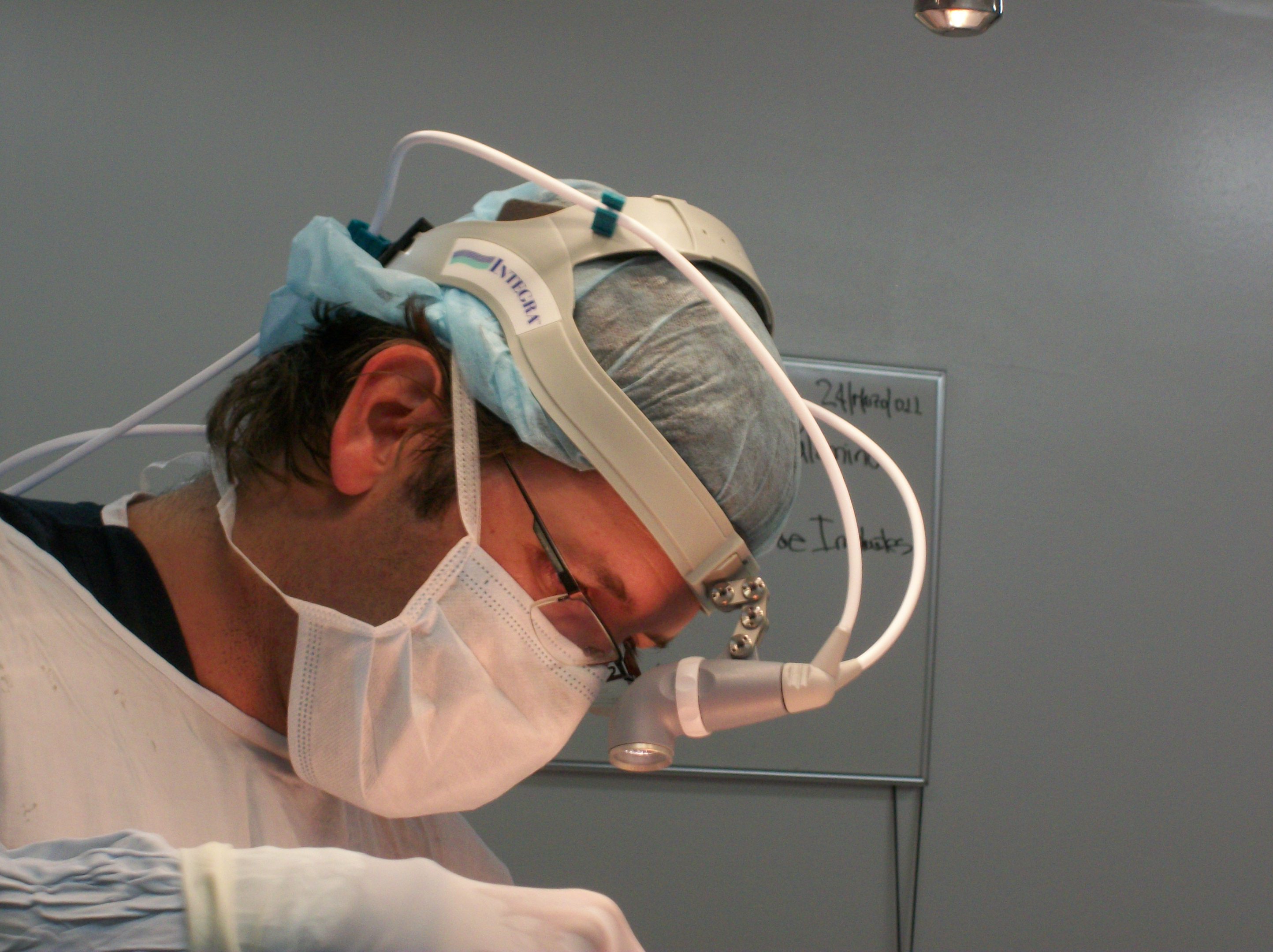
Dr. Luis Botero, in the operating room

Dr. Luis Botero, in the operating room

The facility: IQ Interquirofanos

Interquirofanos is located on the second floor

Interquirofanos is located on the second floor

IQ Interquirofanos is an ambulatory surgery center located on the second floor of the Intermedica Building across the street from the Clinica de Medellin (sede Poblado).  The close proximity of this clinic to a hospital is an important consideration for patients in case of a medical emergency.

The anesthesiologists estimate that 90% of the procedures performed here are cosmetic surgeries but surgeons also perform gynecology, and some orthopedic procedures at this facility.

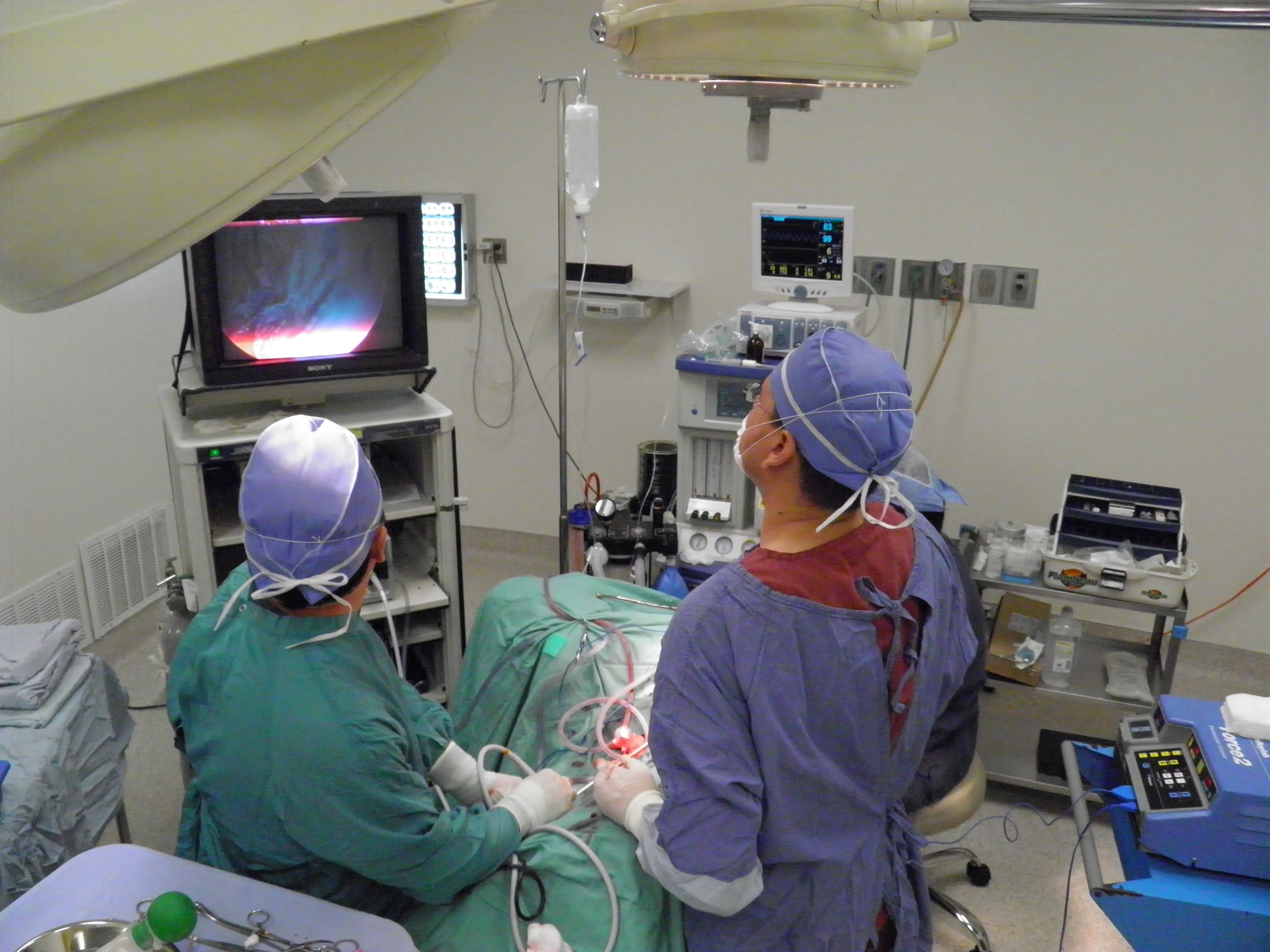
The are seven operating rooms that are well-lit, and feature modern and functional equipment including hemodynamic monitoring, anesthesia / ventilatory equipment/ medications.  There are crash carts available for the operating rooms and the patient recovery areas.

There are fourteen monitored recovery room beds, while the facility currently plans for expansion.  Next door, an additional three floors are being built along with six more operating rooms.

Sterile processing is located within the facility with several large sterilization units.  There is also a pharmacy on-site.  The pharmacy dispenses prosthetics such as breast implants in addition to medications.

The only breast prosthetics offered at this facility are Mentor (Johnson & Johnson) and Natrelle brand silicone implants (Allergan).  In light of the problems with PIP implants in the past – it is important for patients to ensure their implants are FDA approved, like Mentor implants.

In the past seven years, over 31,000 procedures have been performed at Interquirofanos.  The nurses tell me that during the week, there are usually 30 to 35 surgeries a day, and around 15 procedures on Saturdays.

Prior to heading to the Operating Room:

Prior to surgery, patients undergo a full consultation with Dr. Botero and further medical evaluation (as needed).  Patients are also instructed to avoid aspirin, ibuprofen and all antiplatets (clopidogrel, prasugrel, etc) and anti-coagulants (warfarin, dabigatran, etc.) for several days.  Patients should not resume these medications until approved by their surgeon.

Complication Insurance

All patients are required to purchase complication insurance.  This insurance costs between 75.00 and 120.00 dollars and covers the cost of any treatment needed (in the first 30 days) for post-operative complications for amounts ranging from 15,000 dollars to 30,000 dollars, depending on the policy.   All of his clients who undergo surgery at IQ Interquirofanos are encouraged to buy a policy from Pan American Life de Colombia as part of the policies for patient safety at this facility. International patients may also be interested in purchasing a policy from ISPAS, which covers any visits to an ISPAS-affiliated surgeon in their home country.

Today’s Procedures: Liposuction & Fat Grafting

Liposuction – Liposuction (lipoplasty or lipectomy) accounts for 50% of all plastic surgery procedures.   First the surgeon makes several very small slits in the skin.  Then a saline – lidocaine solution is infiltrated in to the fat (adipose) tissue that is to removed. This solution serves several purposes – the solution helps emulsify the fat for removal while the lidocaine-epinephrine additives help provide post-operative analgesic and limit intra-operative bleeding.  After the solution dwells (sits in the tissue) for ten to twenty minutes, the surgeon can begin the liposuction procedure.  For this procedure, instruments are introduced to the area beneath the skin and above the muscle layer.

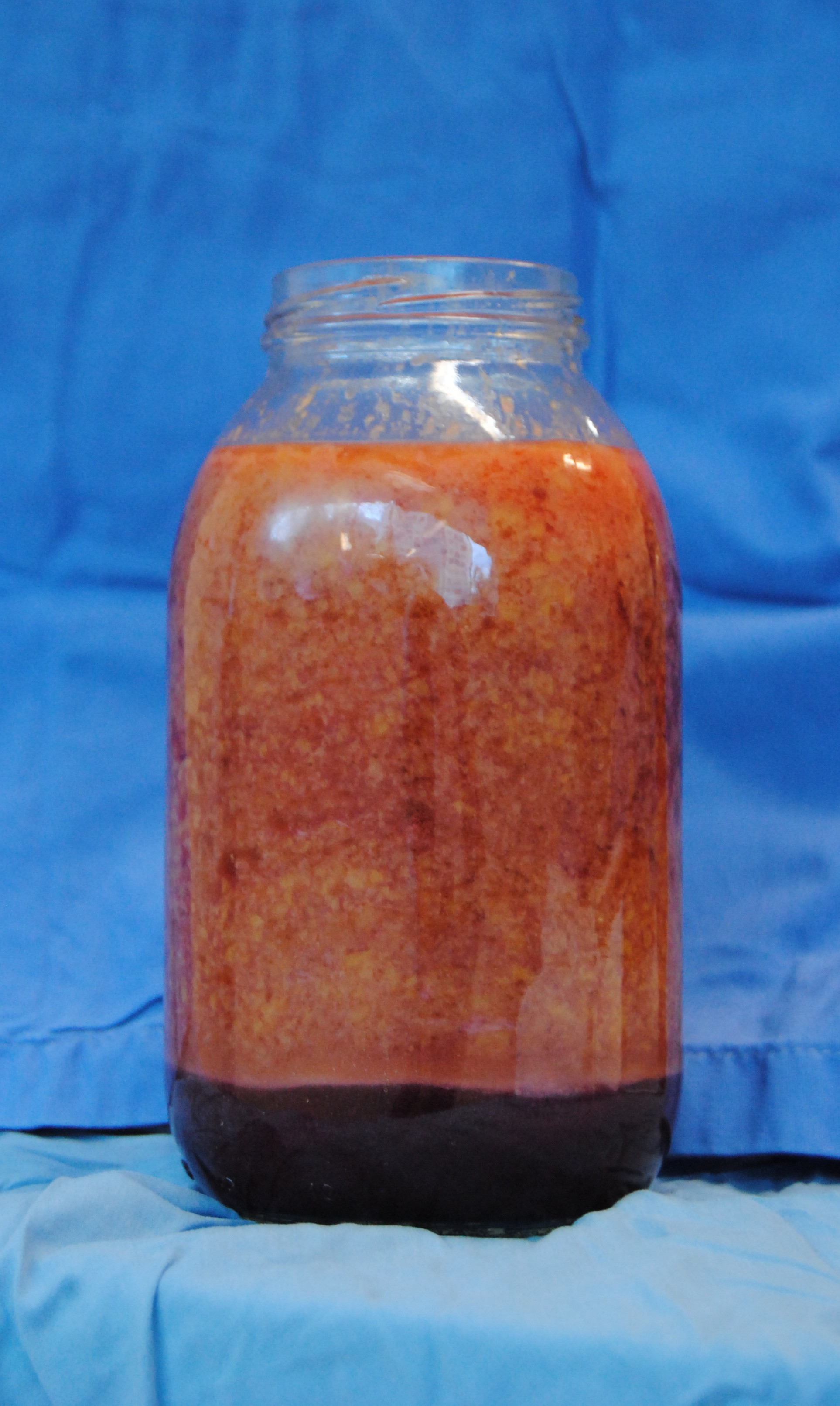
During this procedure, the surgeon introduces different canulas (long hollow tubes).  These tubes are used to break up the adipose tissue and remove the fat using an attached suctioning canister.  To break up the fat, the surgeon uses a back and forth motion.  During this process – one hand is on the canula.  The other hand remains on the patient to guide the canulas and prevent inadvertent injury to the patient.

fat being removed by liposuction

fat being removed by liposuction

Due to the nature of this procedure, extensive bruising and swelling after this procedure is normal.  Swelling may last up to a month.  Patients will need to wear support garments (such as a girdle) after this procedure for several weeks.

Types of liposuction:

In recent years, surgeons have developed different techniques and specialized canulas to address specific purposes during surgery.

Standard liposuction canulas come in a variety of lengths and bore sizes (the bore size is the size of the hole at the end of the canister for the suction removal of fat tissue.)  Some of these canulas have serrated bores for easier fat removal.

Ultrasound-assisted liposuction uses the canulas  to deliver sound waves to help break up fat tissue.  These canulas are designed for patients who have had repeated liposuction.  This is needed to break up adhesions (scar tissue) that forms after the initial procedure during the healing process.

Laser liposuction is another type of liposuction aimed at specifically improving skin contraction.  This is important in older patients or in patients who have excessive loose skin due to recent weight loss or post-pregnancy.  However, for very large amounts of loose skin or poor skin tone in areas such as the abdomen, a larger procedure such as abdominoplasty may be needed.

During laser liposuction, a small wire laser is placed inside a canula to deliver a specific amount of heat energy to the area (around 40 degrees centrigrade).  The application of heat is believed to stimulate collagen production (for skin tightening).  Bleeding is reduced because of the cautery effect of the heat – but post-operative pain is increased due to increased inflammatory effects.  There is also a risk of burn trauma during this procedure.

There have been several other liposuction techniques that have gone in and out of fashion, and many of the variations mentioned are often referred to by trademark names such as “Vaser”, “SmartLipo”, “SlimLipo” which can be confusing for people seeking information on these procedures.

Fat Grafting

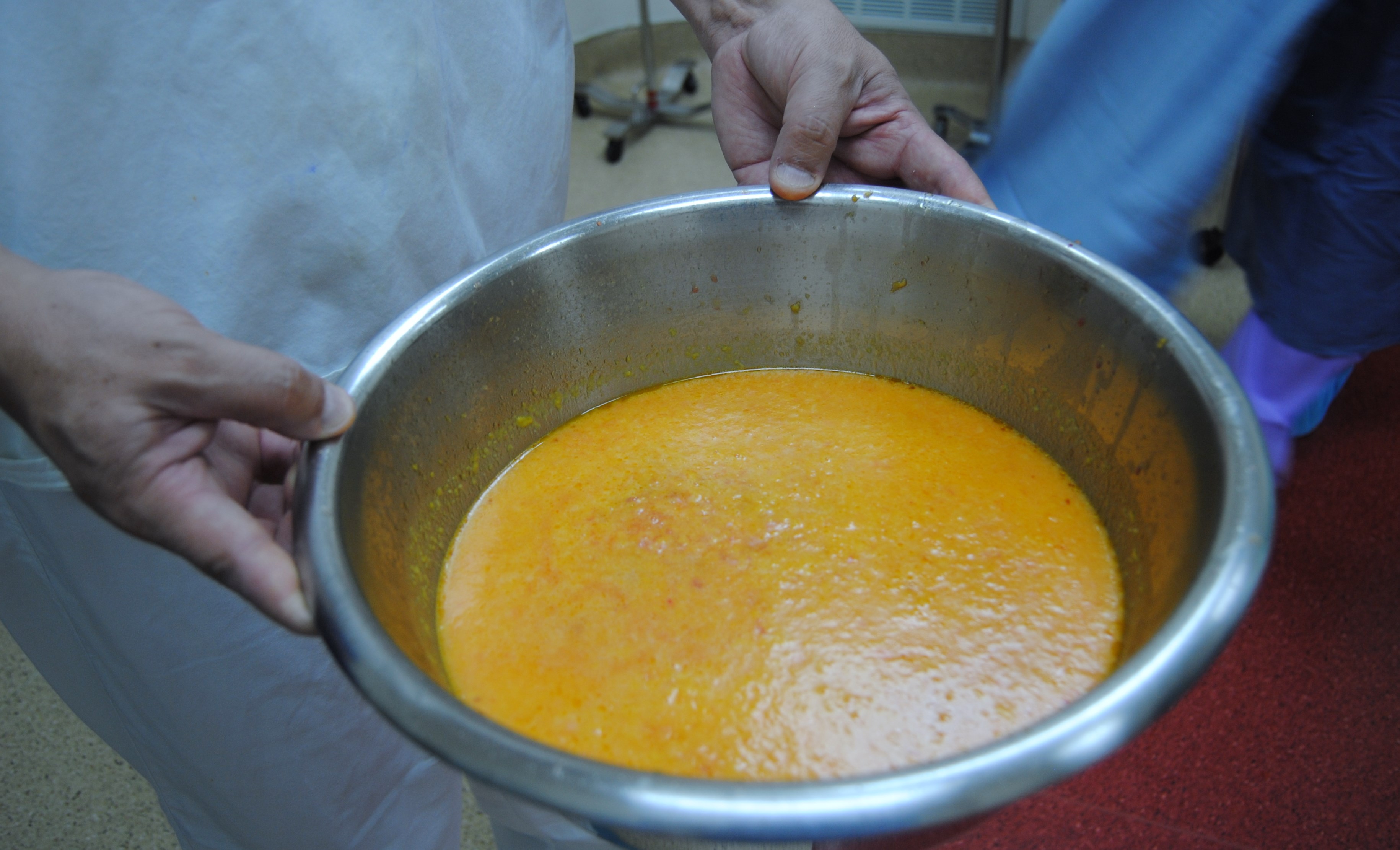
Fat from liposuction procedure to be used for buttock augmentation

Fat from liposuction procedure to be used for buttock augmentation

Fat grafting is a procedure used in combination with liposuction.  With this procedure, fat that was removed during liposuction is relocated to another area of the body such as the buttocks, hands or face.

In this patient, Dr. Botero injects the fat using a large bore needle deep into the gluteal muscles to prevent a sloppy, or dimpled appearance.  Injecting into the muscle tissue also helps to preserve the longevity of the procedure.  However, care must be taken to prevent fat embolism*, a rare but potentially fatal complication – where globules of fat enter the bloodstream.  To prevent this complication, Dr. Botero carefully confirms the placement of his needle in the muscle tissue before injecting.

Results are immediately appreciable.

fat being injected for buttock augmentation. (Photo edited for patient privacy).

fat being injected for buttock augmentation. (Photo edited for patient privacy).

The Surgery:

Patient was appropriately marked prior to the procedure.   The patient was correctly prepped, drapped and positioned to prevent injury or infection.  Ted hose and sequential stockings were applied to lessen the risk of developing deep vein thrombosis.  Pre-operative procedures were performed according to internationally recognized standards.

Sterility was maintained during the case.  Dr. Botero appeared knowledgeable and skilled regarding the techniques and procedures performed.

His instrumentadora (First assistant), Liliana Moreno was extremely knowledgeable and able to anticipate Dr. Botero’s needs.

Circulating nurse: Anais Perez maintained accurate and up-to-date intra-operative records during the case.  Ms. Perez was readily available to obtain instruments and supplies as needed.

Overall – the team worked well together and communicated effectively before, during and after the case.

Anesthesia was managed by Dr. Julio Arango.   He was using an anesthesia technique called “controlled hypotension”.  (Since readers have heard me rail about uncontrolled hypotension in the past – I will write another post on this topic soon.)

Controlled Hypotension

However, as the name inplies – controlled hypotension is a tightly regulated process, where blood pressure is lowered to a very specific range.  This range is just slightly lower than normal (Systolic BP of around 80) – and the anesthesiologist is in constant attendance.  This is very different from cases with profound hypotension which is ignored due to an anesthesia provider being distracted – or completely absent.

With hypotensive anesthesia – blood pressure is maintained with a MAP (or mean) of 50 – 60mmHg with a HR of 50 – 60.  This reduces the incidence of bleeding.

However, this technique is not safe for everyone.  Only young healthy patients are good candidates for this anesthesia technique.  Basically, if you have any stiffening of your arteries due to age (40+), smoking, cholesterol or family history – this technique is NOT for you.  People with high blood pressure, any degree of kidney disease, heart disease, peripheral vascular disease or diabetes are not good candidates for this type of anesthesia. People with these kinds of medical conditions do not tolerate even mild hypotension very well, and are at increased risk of serious complications such as renal injury/ failure or cardiovascular complications such as a heart attack or stroke.  Particularly since this is an elective procedure – this is something to discuss with your surgeon and anesthesiologist before surgery.

The patient today is young (low 20’s), physically fit, active with no medical conditions so this anesthesia poses little risk during this procedure. Also the surgery itself is fairly short – which is important.  Long/ marathon surgeries such as ‘mega-makeovers‘ are not ideal for this type of anesthesia.

Dr. Julio Arrango keeps a close eye on his patient

Dr. Julio Arango keeps a close eye on his patient

However, Dr. Arango does an excellent job during this procedure, which is performed under general anesthesia.   After intubating the patient, he maintained a close eye on vital signs and oxygenation.  The patient is hemodynamically stable with no desaturations or hypoxia during the case.  Dr. Arango remains alert and attentive during the case, and remains present for the entire surgery.  Following surgery, anesthesia was lightened, and the patient was extubated prior to transfer to the recovery room.

He also demonstrated excellent knowledge of international protocols regarding DVT/ Travel risk, WHO safety protocols and intra-operative management.

Surgical apgar score: 9  (however, there is a point lost due to MAP of 50 – 60 as discussed above).

Results of the surgery were cosmetically pleasing.

Post -operative care:

Prior to discharge from the ambulatory care center after recovery from anesthesia the patient (and family) receives discharge instructions from the  nurses.

The patient also receives prescriptions for several medications including:

1. Oral antibiotics for a five-day course**. Dr. Botero uses this duration for fat grafting cases only.

2. Non-narcotic analgesia (pain medications).

3. Lyrica ( a gabapentin-like compound) to prevent neuralgias during the healing period.

The patient will wear a support garment for several weeks.  She is to call Dr. Botero to report any problems such as unrelieved pain, drainage or fever.

Note: after some surgeries like abdominoplasty, patients also receive DVT prophylaxis with either Arixtra or enoxaparin (Lovenox).

Follow-up appointments:

Dr. Botero will see her for her first follow-up visit in two days (surgery was on a Saturday).  He will see twice a week the first week, and then weekly for three weeks (and additionally as needed.)

* Fat embolism is a risk with any liposuction procedure.

**This is contrary to American recommendations as per the National Surgical Care Improvement Project (SCIP) which recommends discontinuation within the first 24 hours to prevent the development of antibiotic resistance.

Colombia ranked 11th in the world for plastic surgery: who says so??


No, not the World Health Organization (WHO), but another entity entirely, ISAPS.

Plastic surgeons in Mexico gather for a demonstration of techniques for breast reconstruction

Plastic surgeons in Mexico gather for a demonstration of techniques for breast reconstruction. Mexico is currently ranked #5 for number of plastic surgeries

 International Society of Aesthetic Plastic Surgery (ISAPS) recently published survey data ranking Colombia at 11th for volume according to the most recent statistics (2011) available.   211,879 total procedures were reported.  Colombia currently ranks #27th globally in population with a 2013 estimated population of 47 million.   Considering the modest population size of Colombia this statistic may reflect both Colombian cultural expectations and the growing trend of medical tourism.

Countries that perform the most cosmetic surgery procedures***:

1. United States: 1,094,146

2. Brazil: 905,124

3. China: 415,140

These top three nations also represent a total population of 1.86 billion people.  Brazil, in particular is also widely known as the medical tourism destination of choice for plastic surgery.

Plastic surgery in Colombia

Of the 211, 879 procedures, 65,075 or 30.7% were breast enhancement procedures.  Liposuction accounted for 23% of all cosmetic surgical procedures.

Dr. Reyes, a plastic surgeon in Bogota, Colombia operates on a patient

Dr. Reyes, a plastic surgeon in Bogota, Colombia operates on a patient

Questionable study results due to lack of participation

However, the accuracy of the data collected by a joint American – Brazilian team is questionable given the low percentage of participation by licensed member surgeons.  Out of 20,000 eligible ISAPS member surgeons, only 996 participated in the organization’s survey.  Additionally, of the .04 percent of surgeons reporting their surgical practices, 43% (431 surgeons) were based in the United States.  Of the remaining 565 surgeons represented the remainder of the worldwide plastic surgery community, 172 of these participants were from Brazil.  The final statistics provided for each country are based on estimates extrapolated from a representative sample from survey responses received.

Are the results any surprise, given the players?  But then again, maybe these results will encourage more Latin American surgeons (and surgeons in other countries) to participate more fully in the academic activities of their specialty societies.

*Mexico was also in the top five with 299,835 procedures.

***As an interesting aside, the island nation of Japan ranked fourth.

Know before you go: Medical tourism and patient safety


The file download for the latest radio program, “Know before you go” with Ilene Little is available.  It’s from the Christmas broadcast with Dr. Freddy Sanabria.

Image courtesy of Ilene Little

Image courtesy of Ilene Little

(I am on the periphery of the show – introducing Dr. Sanabria and talking about safety guidelines and intra-operative safety protocols.  (Same stuff I talk about here – just a different medium.)

Sanabria, breast implant

Dr. Sanabria, plastic surgeon

Dr. Sanabria joined us to talk about his experiences, and his clinic in Bogotá, as well as his ongoing projects and  patient safety protocols.  It was nice to be able to share some of my observations from my visits to his operating room.

safety checklist

Click here to connect to the Radio show archives

New venture with Colombia Reports


While I have written several books about surgery and surgeons in Colombia, much of this information I’ve obtained from my research has been consigned to sitting on the shelves of various bookstores.

But, now with the help of Colombia Reports, I am hoping to change that.  As I mentioned in a previous post, Colombia Reports.com and it’s founder, Adriaan Alsema have been amazingly supportive of my work, ever since they printed my first article on Cartagena in 2010.

Since returning to Colombia, I have kept in touch with Colombia Reports while we discussed ways to bring more of my research and work to the public.  Colombia Reports is a perfect platform – because it serves a community of English-speaking (reading) individuals who are interested in/ and living in Colombia.   With this in mind, Colombia Reports has created a new Health & Beauty section which will carry some of my interviews and evaluations.

It is an ideal partnership for me; it allows me to bring my information to the people who need it – and continue to do my work as an objective, and unbiased reviewer.  We haven’t figured out all of the details yet – but I want to encourage all of my faithful readers to show Colombia Reports the same dedication that you’ve shown my tiny little blog, so that our ‘experiment’ in medical tourism reporting becomes a viable and continued part of Colombia Reports.

This is more important to me that ever – just yesterday as I was revisiting a surgeon I interviewed in the past (for a new updated article), I heard a tragic story that just broke my heart about a patient that was recently harmed by Dr. Alfredo Hoyos.  While I was unable to obtain documents regarding this incident – this is not the first time that this has happened.

Previous accusations of medical malpractice against this surgeon have been published in Colombian news outlets including this story from back in 2002.

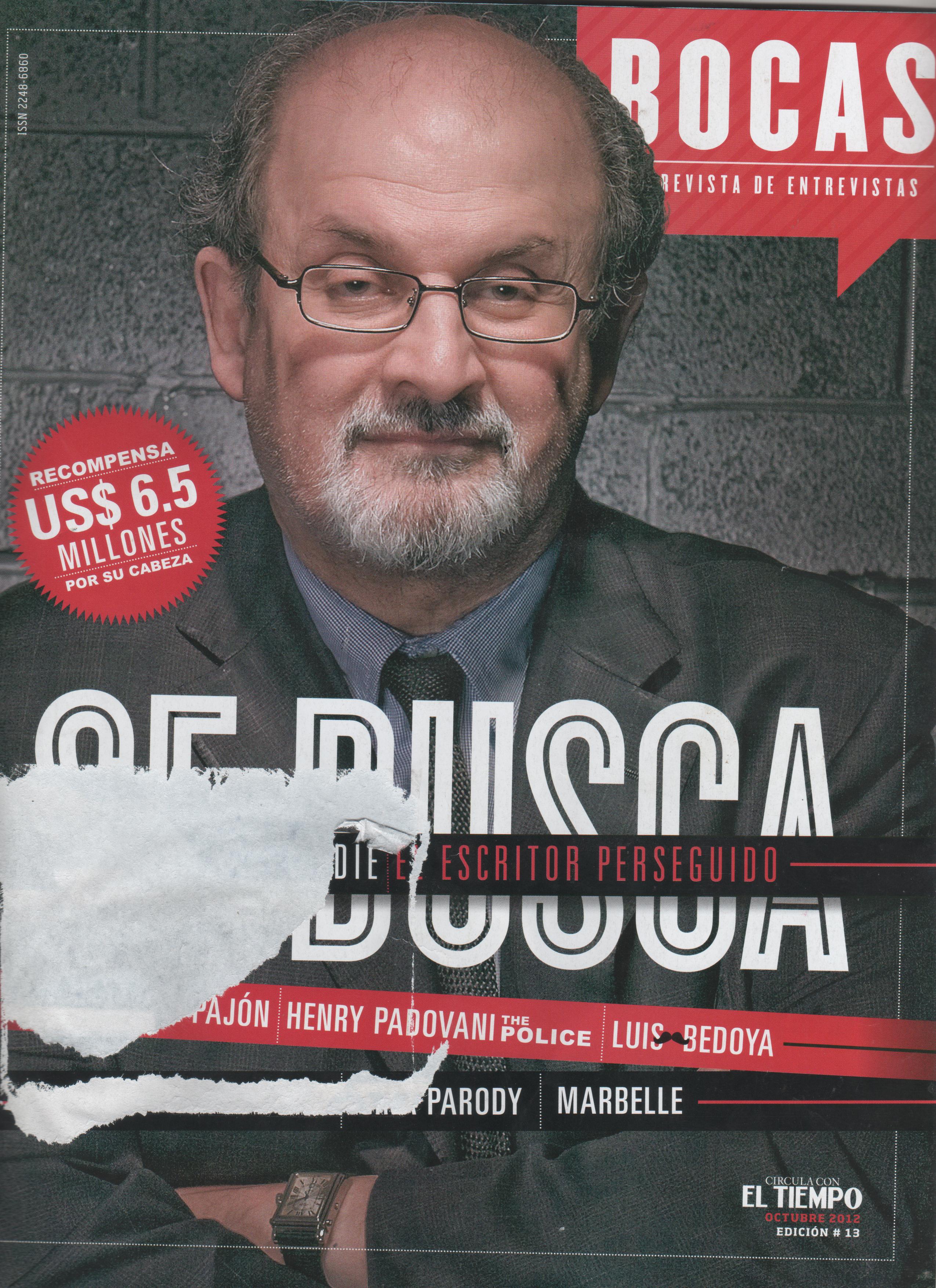
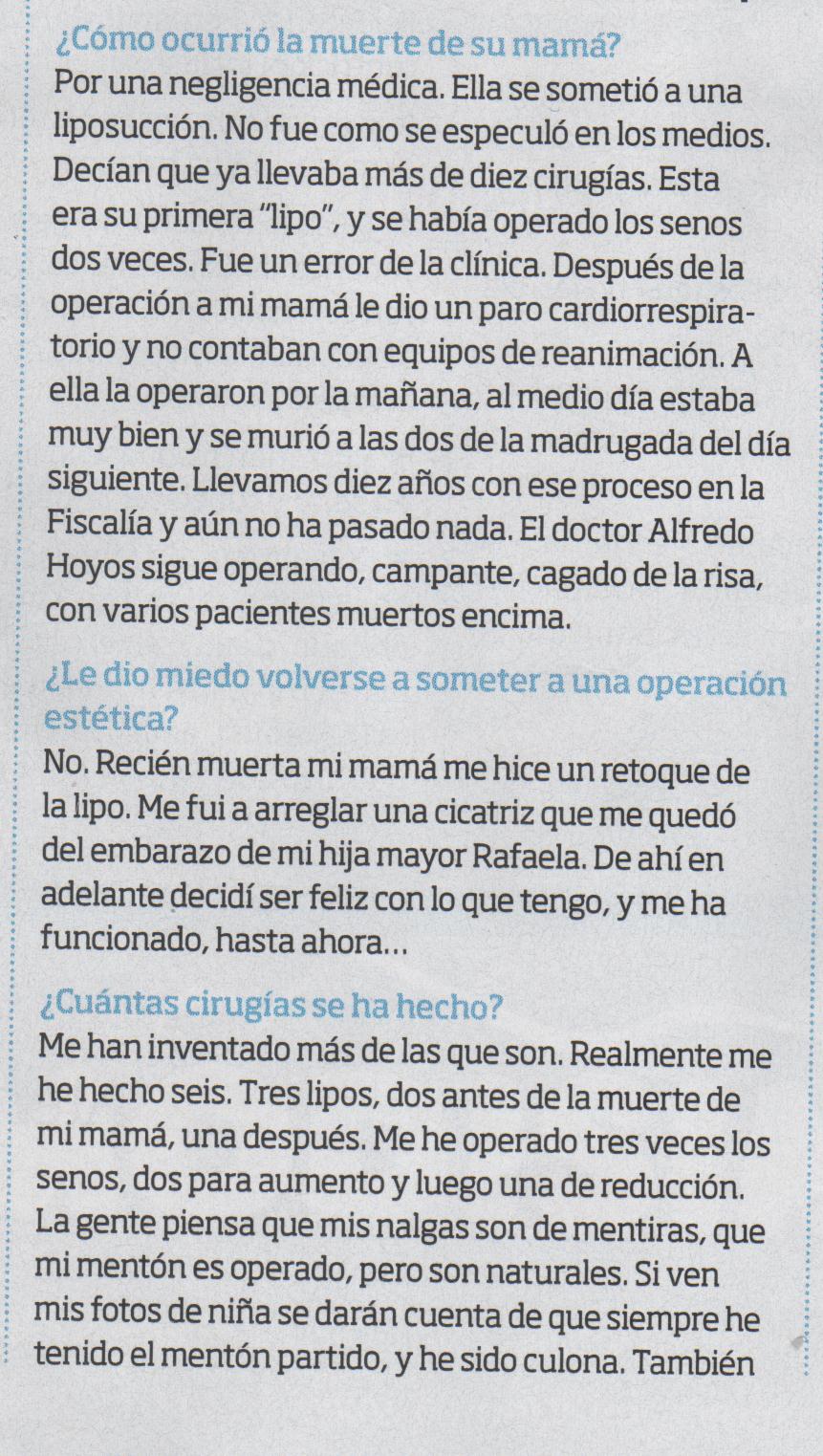
The accusations are from Marbelle, a Colombian artist regarding the intra-operative death of her mother, Maria Isabeth Cardona Restrepo (aka Yolanda) during liposuction.  These accusations were published in Bocas – which is part of El Tiempo, a popular Colombian newspaper, in which the singer alleges that Dr. Hoyos was unprepared, and did not have the proper equipment on hand to treat her mother when she went into cardiac arrest during the surgery.

story about the death of one of Dr. Alfredo Hoyos' patients.

story about the death of one of Dr. Alfredo Hoyos’ patients.

Kristin 002 Kristin 003 Kristin 004

Now – as many of you remember, I interviewed Dr. Alfredo Hoyos back in 2011, and followed him to the operating room, giving me first hand knowledge of his surgical practices.

Readers of the book know he received harsh criticism for both failure to adhere to standard practices of sterility and patient intra-operative safety (among other things.)  I also called him out for claiming false credentials from several plastic surgery associations – and notified those agencies of those claims..   In the book, readers were strongly advised not to see Dr. Hoyos or his associates for care.

But – as I mentioned, my book is sitting lonely on a shelf, here in Bogotá – and in the warehouses of Amazon.com and other retailers.. So, people like that patient – didn’t have the critical information that they needed..

This is where Colombia Reports – and I hope to change all that.   So in the coming weeks, I am re-visiting some of surgeons we talked to in 2011, and interviewing  more (new) surgeons, more operating room visits..

In the OR (and back again!)


It sounds awful to say but it’s a good thing my husband has been out-of-town this week – after all, considering my week in the operating room, he wouldn’t have seen much of me anyway!  But it always drives him a little crazy to see me racing from interviews to operating rooms – stumbling home late, with aching legs and a rumbling tummy, only to climb out of bed and the crack of dawn just to do it again.. then worry that I somehow won’t have time to write it all down – and round and round..  (That being said – he is phenomenal about understanding this driving motivation I have to interview, and to write – even when I’m not quite sure I understand myself.)

So he wouldn’t have complained about my whirlwind tours of the operating rooms this week – or the long days of back-to-back surgery but I would have felt bad about not seeing him all the same..

Instead with my husband thousands of miles away, I hear him smiling in the phone, laughing at my exploits, though I sometimes picture the wrinkle he gets in his brow when he thinks I’m not eating right, or getting enough sleep.. He currently serves as my remote editor for my articles at Examiner.com – calling to give feedback before submission.  He’ll be home soon – and he’ll be patient with me, as always.

Dr. Victor Ramirez, plastic surgeon

Had some great interviews and operating visits this week – including Dr. Victor Ramirez, and most of the plastic surgery community here in Mexicali – but to be fair, I will break it all up into a couple of posts.

Demonstration of techniques for breast reconstruction at Mexicali General

Back in my ‘home’ OR in thoracic surgery – which felt good.  I love meeting and seeing all the different specialties like bariatrics, urology and plastics, but it sure does feel good to come back home again..

back in thoracics (and trying to hang from the rafters)

I could wax some eloquent nonsense about the beauty of a muscle-sparing thoracotomy but then again – the good doc does almost everything minimally invasive, so I never see any.. (and you’ve heard me crow about dual port thoracoscopy.)

with more to come..

UK surgeons add their voices to speak out against Medical Tourism


As we’ve written before, local plastic surgeons are fighting the loss of income from medical tourism.  In the UK, where 1 in 20 patients (in one poll) have used medical tourism, are adding to the dissentThis isn’t the first time British plastic surgeons have spoken out against medical tourism – in fact, British physicians were the first ones to publish commentaries against the practice of traveling overseas for surgery in professional journals.   Last year, they released a statement condeming this practice.

Now, these surgeons are speaking out in the popular press.  The irony is, while these statements are primarily aimed at people travelling to India – as readers of our sister site know, they just as easily could apply to the United States (and our large contingent of ‘phony docs.’

But how much of this is real?  and how much of this is hype to boost their own sagging practices?  It’s hard to know since much of the ‘data’ is based on polls of UK plastic surgeons.

In related news, Las Vegas has started a new task force to weed out phony/ fake doctors operating in the hispanic community after several highly publicized incidents – including several deaths.

More stories from Cartagena Surgery:

How to investigate a potential surgeon

Busting a fake clinic in Los Angeles

Unqualified Arizona doc heads to trial after several patient deaths

The ‘fix a flat’ doc

The original fix a flat doc story

Follow cartagena surgery for more stories..

American plastic surgeons lash out against medical tourism


As I’ve mentioned in a few of our older posts – medical tourism makes many American plastic surgeons very, very unhappy.   While many of their complaints are legitimate (patients could get inferior care, infections etc..) all of these complaints or comments apply to their American peers as well.  (On my sister site, we tackle many of the dubious practices in the USA (eye doctors performing liposuction, ‘fake’ doctors injecting people with fix-a-flat, and all those dentists, and hair salons injecting Botox.)

But today I take issue with Dr. Michael A. Bogdan, a plastic surgeon currently practicing in Southlake, Texas.  (Hope everyone is impressed in his degree in Zoology.) But back to the serious issues..

Dr. Bogdan recently authored an article published on Medscape questioning medical tourism in light of the PIP implant scare.  (The full article is re-posted below.)  While he makes some legitimate points in the article, (points that we have discussed here) about the lack of scrutiny on the medical travel agencies themselves, and the lack of data about complications from medical tourism surgeries – he grossly oversteps when he attempts to place the blame for the PIP implants on the feet of the medical tourism industry.

When you consider the THOUSANDS of medical devices (including different versions of breast implants) that have been recalled in the United States in the past 25 years – it undermines his whole premise.  I also find it somewhat offensive that he a.) dismisses all foreign surgeons as using faulty/ inferior equipment – that’s a wide, wide brush to use, Dr. Bogman.. 

and more importantly, b.) that in a small way – he almost sounds to me like he thinks that people who travel abroad for their surgical care – deserve to have these kinds of problems and complications.  Very uncool, and shame on you, Dr. Bogman.

In reality, Dr, Bogman and many other plastic surgeons here in the USA are lashing out at the bad economy which has dampened the public’s enthusiasm for surgical self-improvement.  (Though this article indicates the economy is recovering.)  It’s likely that as a plastic surgeon in Texas (a border state) that Dr. Bogman, seller of such procedural combinations as the ‘mommy makeover’ is feeling the loss of patients more than, let’s say a surgeon in Virginia..

More tellingly, and surprisingly, he doesn’t suggest that patients should research their surgeon wherever and whoever they are.

But read the article from Medscape.com yourself and decide:

The Cost of Medical Tourism by Michael A. Bogdan, MD

Complications From International Surgery Tourism Melendez MM, Alizadeh K Aesthet Surg J. 2011;31:694-697

Summary Medical tourism (ie, traveling outside the home country to undergo medical treatment) is a rising trend. An estimated 2.5 million Americans traveled abroad in 2011 to undergo healthcare procedures. This results in a significant direct opportunity cost to the US healthcare system. Complications from these procedures also affect the US healthcare system because patients often require treatment and have no compensation recourse from insurance. For cosmetic or other procedures that are not covered by insurance, economic motivators are driving medical tourism because some international clinics offer procedures at significantly lower costs, possibly by compromising the quality of care.

Very little data have been available to assess the outcomes, follow-up, and complication rates for patients undergoing cosmetic procedures abroad. The authors of this study distributed a 15-question survey to 2000 active members of the American Society of Plastic Surgeons about experiences treating patients with complications from procedures that they underwent during medical tourism. The response rate was acknowledged to be low, at 18%. Of the respondents, 80% had treated patients with complications arising from surgical tourism. Complications included infection (31%), dehiscence (19%), contour abnormalities (9%), and hematoma (4%). The majority of respondents reported not receiving any compensation for the care delivered to these patients.

Viewpoint Some patients travel to other states or countries seeking specialized care from surgeons who are experts in their field. In these cases, the patients understand that they will be paying a premium for the expertise, as well as the added expenses incurred for travel and lodging. These patients would be paying significantly more than they would have by undergoing the same procedure locally, but they consider the additional cost worthwhile due to the expected higher level of care.

The majority of patients who are attracted to medical tourism have a different motivation — they are trying to attain an equivalent level of care for a lower cost. Consumers are traditionally driven by price rather than quality and generally do not consider issues regarding follow-up and potential complications. Although reputable international clinics that offer high-quality care do exist, the greater majority that are trying to attract medical tourism patients are doing so by offering low prices. Overhead costs may be lower in other countries, but the level of regulation is also lower. Thus, the accepted standards of care tend to be lower as well.

A recent example of this issue is the current crisis involving breast implants manufactured by Poly Implant Prothèse (PIP).[1] Instead of using medical-grade silicone to manufacture these implants, PIP used substandard industrial-grade silicone as a cost-saving measure. Probably because of this, the implants have a markedly higher rate of rupture than other available breast implants. The International Society of Aesthetic Plastic Surgery recommends removal or exchange of these implants to avoid further health risks.[2]

PIP implants have not been used in the US since 2000, owing to the Food and Drug Administration’s (FDA) decision that the premarket approval application was inadequate.[3] In addition to blocking the use of these implants in the United States, the FDA sent a warning letter to the manufacturer discussing inadequacies in the manufacturing process.[4]

PIP implants have a significantly lower price point than implants approved for use in the United States and are therefore competitive in countries with less stringent regulation. International surgeons trying to entice patients with lower costs could easily justify using PIP implants. In my own practice, I have met patients who were lured overseas for less expensive surgery and ended up with PIP implants. These patients are now faced with additional expenditures for surgery to address complications.

If you have influence over a patient’s decision on where to undergo surgery, advise them of the adage: Buyer beware; you get what you pay for.

Looks like Panama may bite off more than they can chew..


In a recently published story, the government of Panama is now offering medical  insurance for all tourists to Panama for free.  This insurance is not  ‘Complication Insurance’ which is offered by private surgeons in Colombia and other countries for patients traveling specifically for medical tourism.  Complication insurance covers all possible medical complications resulting from medical procedures at the designated clinic or destination..

No – Panama is taking the European and socialized medicine approach and is offering general medical coverage for ALL short-term travelers to Panama.  (The long-term exclusion is a wise move given the numbers of Americans and other overseas residents who make Panama their retirement home.)  This insurance resembles typical travel policies in that it covers injuries, accidents and other medical situations that may occur while on vacation..  I just hope the Panamanian government hasn’t underestimated its tourists and their injury/ illness potential.

Now readers – don’t get any wild ideas.. This is not the time to stress that ‘trick knee’ while hiking to visit the Naso-Teribes..

Meanwhile, Costa Rica is making a pitch for more corporate clients such as Pepsi-Cola.  These multi-national corporations can potentially bring hundreds of millions of healthcare dollars by diverting their employees to medical tourism destination such as Costa Rica.  (Like Colombia – Costa Rica is an ideal destination for North Americans due to proximity, quality and diversity of services available.)

BBC, Dr. Celso Borhoquez and Breast Implants


In this story from BBC, Dr. Celso Borhorquez, media spokesperson or the Colombian Society of Plastic and Aesthetic Surgery  (and previous interviewee here at Bogotá Surgery) talks about breast augmentation in the wake of the PIP scandal.  Dr. Borhorquez reports that many Colombian women are reconsidering their options, and electing to forgo breast implantation procedures after widespread media reports on the defective french implants.  (More on the defective implants can be found here.)

And for the estimated 14,000 women in Colombia who already have PIP implants – Thanks to the Colombian government, implant removal is free..

French Implants recalled


Hundreds of thousands of french made breast implants have been recalled – sending women all over the globe into a panic.  These implants which are no longer in use in France, have been linked to an increased rate of rupture, and possible increased incidence of cancer.

But good news for readers – as you may recall from my interviews with several of the surgeons (as written in the book) – none of the surgeons I interviewed used french implants.  The majority used FDA approved implants (only one brand currently FDA approved.)  Several others use german made implants*.. But this is an example of the details I’ve ferreted out for my readers..

* Brand information and other details are available in the book, “Bogota: a hidden gem guide to surgical tourism.”

More stories about fake docs including this one about a phony performing liposuction while smoking a cigar on AWAKE patients..

This guy was actually a doctor, but that didn’t stop ten of his patients from dying after bariatric procedures..

Safety and injectables


While we have discussed plastic surgery safety here at Cartagena Surgery several times, (you can read more here, here and here), it’s time to talk about “less-invasive” and “mini-surgery” techniques such as Botox.

It seems like everyone is offering injectables these days.  In many countries, including the United States – these treatments are offered in multiple places outside the plastic surgeons’ office by a multitude of practitioners including non-specialty physicians, nurses* and high-end salons.  Do you really think that your dentist should be giving you Botox?  Or your hair salon?

These treatments including Botox (botulism toxin), Restylane, juvaderm and other dermal fillers are often used as ‘refresh’ and rejuvenate the face without surgery.  Fillers are used for lip plumping and filling out fine lines and wrinkles. (Note: Botox is also used for several other ‘off-label’ uses.)

However, I’d like to remind everyone to use caution when choosing to use these products.  While less radical than surgery – these treatments are medications and need to be used cautiously (just like any other medical or surgical treatment).   Botox, in particular, when used incorrectly has been linked to several deaths.  Unlicensed practitioners have also been caught using unapproved substances such as construction grade silicone – leading to serious health consequences (this is what happened to Priscilla Presley about fifteen years ago).

The other thing we should talk about beside potential health complications, is the reason injectable and non-surgical treatments are such popular options.  We all want to look good – so shouldn’t you see a specialty trained professional?  When seeking cosmetic results – the results should be cosmetically pleasing – by someone with the experience to perform this properly, not an eye doctor, a dentist or beautician.  A board certified plastic surgeon is the best option to ensure that a person has the best results – without looking artificial or ‘frozen.”  It may cost more (but not always), but aren’t natural, pleasing  and safe results worth it?

* For example, as a licensed nurse practitioner – for a 200.00 fee and a one day course, I could (but am not) be ‘certified’ to give Botox and other injectable.  It doesn’t matter whether I have previous experience in plastic surgery, acute care, neonatal, family medicine or even if I have experience giving injections.  Other nurses, doctors, and paraprofessional personnel are eligible to take this and similar ‘short-course’ training seminars for injectable, laser treatments and other ‘minor’ plastic surgery procedures.

Bogota! a guide to medical tourism


is mentioned on another site – talking about finding reputable and safe surgeons for medical tourism. 

It’s a website (Escape from America) that helps Americans find information about living and retiring overseas.  Pretty nice to be recognized for our hard work.

Of course, the irony of it – is that my parents are ex-pats themselves and were just recently awarded permanent citizenship for their contributions to their new community.  Not this writer though, I love to travel but I love my country for all it’s faults – it is my home.  I may leave for months at a time on projects like this one – but I will always return.


Another sad story


of a preventable/ unnecessary plastic surgery death in a young woman in Massachusetts.  In this instance – yet again – the ‘surgeon’ performing the breast augmentation wasn’t a surgeon at all – he was a “family practitioner”.

He may be a doctor – but specialty specific training is an absolute must – along with board certification.  Medical doctors (in medicine specialties) as opposed to surgeons spend only a very limited time in the operating room during medical school, primarily as observers.  This is not adequate preparation!

Board certified specialty trained surgeons on the other hand, spend years training in the operating room – performing surgeries under the direct supervision of more experienced surgeons before completing their surgical residencies.

Please do your homework – as we’ve discussed in several previous posts; research your physician and evaluate all health claims.  Your life, health and well-being are a stake.


Liposuction in a Myrtle Beach apartment


Another case of sketchy plastic surgery reported – this time in Myrtle Beach, South Carolina.   Yet again, I would like to caution readers about seeking ‘cheap’ plastic surgery on the internet.  (I’m not saying don’t look – please do!  But look smartly.)  This doesn’t only apply to plastic surgeons, but to all surgeons, physicians, and healthcare professionals.

‘The internet’ is not all the same – the grade of information can vary widely from scientific journals (highly reputable/ reliable) to fiery but heavily opinionated blogs (unreliable/ unscientific) to frankly fraudulent such as in this instance (in the story above).  People need to use caution, due diligence and common sense when researching anything, but particularly medical information on the internet.  You need to do your homework.

There are a few things to consider when researching medical information/ providers on the internet.

1.  Is the information independently verifiable?  (and by what sources?) 

As a medical writer – this is a huge portion of my job – verifying the information obtained during interviews, etc.  But when you are looking to purchase goods or services – you need to do a little investigative work yourself.  Luckily, once again – the internet makes this simple.

The first thing you should investigate is – the person making the claims/ and what their focus is.  Use this website for an example, if you like.  So take the following information (below) – that is easily available on the site..

(If this information isn’t readily available on the site – that should make you suspicious.  “Anonymous” blogs or hidden author websites are NOT reputable.  People with valid, truthful information have nothing to hide, and are not ashamed to stand by their work/ writings.)

so you’ve gathered the following information  from the site:

Author – XXXX   credentials claimed/ authority source:  Physician (MD/ DO etc.)

Product or service advertised on the site:  surgical procedure XX

Use this information to answer the following questions:

1. Who is this person?

2. How do they know this/ what special knowledge do they possess?  (for example – a hairdresser shouldn’t be giving medication advice)

3.  Can I verify this?

– Medical personnel can be verified thru state licensing boards. 

Some states make this easier than others, but ALL states have this information available to consumers.  So go to the website of the licensing board (medical board for doctors, nursing board for nurses) and look the person up.

In this example, I am currently licensed in several states – so pick one, and do an internet search for the board of nursing for that state.  (Tennessee is particularly easy since they post educational information, license violations etc. on-line).  If this licensing information isn’t easy to find on the website, call the board.**

If the website (ie. plastic surgery clinic) lists an address – use that state for your search.

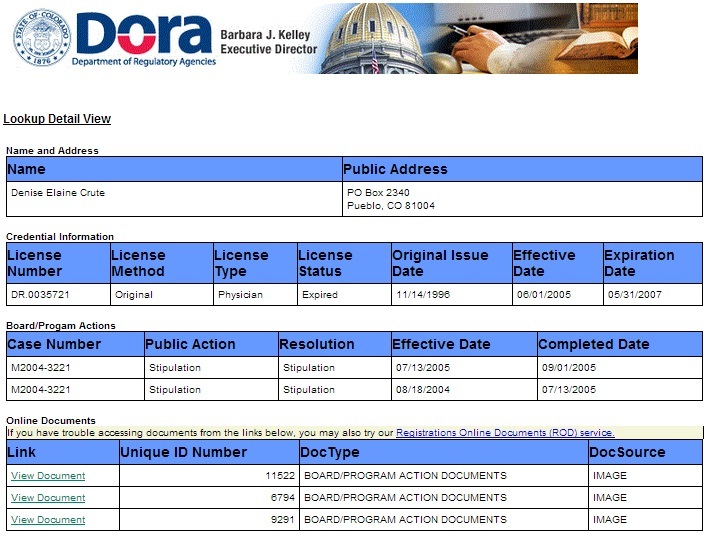
In another example – as seen below – we’ve looked up a surgeon at the Colorado Medical Board.

Looking up a medical license

Looking up a medical license

– All physicians should be licensed in the state of practice (where their clinic is.)  If they aren’t licensed in that state – STOP and find another provider.  Even if the doctor claims to be from another country, he or she is STILL required to have an active license in the state they are working in.**

Here is an example of physicians sanctioned by the Texas medical board (all of this information is freely available on the internet for your safety.)


Here is another example of a surgeon with multiple medical board actions against her.

licence details

license details

Many of the state medical boards will let you read the complaints, actions and disciplinary measures against physicians licensed in that state.  However, some states allow physicians under investigation to ‘surrender’ or inactive their license to avoid having disciplinary measures recorded.

– All surgeons, or specialty doctors should also be listed with specialty boards – such as the American College of Surgeons, or the American Society of Plastic Surgery(While membership is not mandatory, the vast majority of specialty trained surgeons maintain memberships in their specialty organizations.)  Other things to consider while investigating credentials:

Do the credentials match the procedure?  (Is this the right kind of doctor for this procedure?)

These credentials should match the procedure or treatment you are looking for: such as Plastic surgeons advertising breast augmentation.

This may sound obvious but it isn’t always the case.  (for example:  dermatologists shouldn’t be doing eyelid lifts or plastic surgery, primary care physicians shouldn’t be giving Botox injections, general surgeons shouldn’t be performing lung surgery etc.)
If you aren’t sure what procedures the doctor should be performing, look at the specialty surgery board – it should list the procedure.  i.e plastic surgery and liposuction.

4.  After verifying this information, it is time to do a basic internet search on the individual.  To do this – perform both a Yahoo! and Google search.   This should give you at minimum, 10 to 15 results.

These results should include several non-circular results.  “Circular results” are results that return you to the original website, or affiliated websites.   For example: Using the information from above – both Google and Yahoo! return several results that link directly to this website.  These results also return links for the sister sites.  All these of these are circular results – that return you to the starting point without providing any additional outside information.

However, if you scroll down the results:  outside links should appear.  These should include articles/ publications or scholarly work.  Other search results may include more personal information, social networking sites and other newsworthy articles.  This gives you a more comprehensive picture of the provider.

One of the things we should mention, is patient testimonials.  While many providers include extensive patient testimonials, I disregard these for several reasons:

– There is usually not enough information to verify the authenticity of these patient claims.  “I love my doctor. He’s a great surgeon.” – Gina S.  doesn’t really tell you anything.  In particular, there is no way to verify if there really is a Gina S. or if she is a fictitious creation of the website author.  (There have been several cases where people working for the doctors have created ficticious accounts including before and after photos talking about procedures that they never had).  Don’t be lulled into a false sense of security with patient testimonials.

– Some people use blogs, or message boards for the same purpose, and the same caveats apply.

– Another reason that patient testimonials are not useful in my opinion, is that patients (and their families) are only able to provide subjective information.  Several of the cases in the news recently (of fraudulent individuals posing as doctors) had several “happy patients’ to recommend them.  Patients, for the most part – aren’t awake and able to judge whether the surgery proceeded in a safe, appropriate fashion.  The testimonials are merely a comment on the physician’s charisma, which may give future patients a false sense of security.

I’ve finished my search – Now what?

   Use commonsense:

– Surgical treatments should be performed in an appropriate, sterile environment like a hospital or freestanding clinic.  A reputable surgeon does not operate in the back of a motor home, a motel room or an apartment.  (All of these have been reported in the media.)  If the setting doesn’t seem right – leave.  You can also investigate the clinic.

– Bring a friend.  In fact, most surgeons will require this, if you are having liposuction or another large procedure.  Doctors don’t usually drive their patients around (as was done in several recent cases.)  The exception to this rule is medical tourism packages.  These packages often include limousine transportation services but these services are provided by a professional driver (not the doctor, or ‘his cousin’).  Your friend/ companion is not just your driver – they are also there to help feel out the situation.  If something seems amiss – do not proceed.

– if the price is too cheap – be suspicious.  If every other provider in the same location charges a thousand dollars – why is this doctor only charging a hundred dollars? Chances are, it’s not a sale – and he/ she is not a doctor.

– Use reputable sources to find providers – Craigslist is not an appropriate referral source.

– Are the claims over-the-top?  Is the provider claiming better outcomes, faster healing or an ‘easier fix’ than the competition? (We will talk more about this in a future post on  “miracle cures’ and how to evaluate these claims.

I hope these hints provide you with a good start to your search for a qualified, safe, legitimate provider.  The majority of health care providers are excellent, however the internet has given criminals and frauds with an easy avenue to lure/ and trap unsuspecting consumers.

** The majority of cases that have been recently reported have taken place in the United States (Nevada, New Jersey, Florida and South Carolina.)  Many of the people perpetrating these crimes have posed as Latin American surgeons to capitalize on the international reputation of plastic surgeons from South America.  They also used these claims to try and explain away the lack of credentials.  A legitimate doctor from Brazil,  Argentina, Colombia, Costa Rica or another country, who is practicing in the United States WILL HAVE an American license.

Additional references/ stories on fraudulent surgeons.

(Hopefully this section will not continue to grow)

More on the Myrtle Beach story

Myrtle Beach – a nice article explaining why people should see specialty surgeons

Basement surgery

Article on unlicensed clinics in Asia (medical tourists beware!)

A truly bizarre story about unlicensed dentistry in Oregon

Additional references:

American College of Surgeons – lists doctors distinguished/ recognized as “fellows” in the academic organization, and provides a brief summary of specialties.

Images of Surgery in Colombia


I have published several Images of Surgery in Colombia to the web to give outsiders a glimpse into the operating rooms here in Bogota.  But since Yahoo! has overhauled their site – I will publish images here for readers, including photos from some of my other travels (Mexico, Medellin).

However, please do not use/ copy/ alter these images without my express written permission.  (All photos by K. Eckland)

This slideshow requires JavaScript.


Interview with Dr. Catalina Morales, Plastic & Hand Surgeon


Met with the very nice Dr. Catalina Morales yesterday evening to talk about Plastic, Aesthetic and Reconstructive Surgery.. Oh – and did I mention hand and maxillofacial surgery..

She’s very enjoyable to interview because she’s one of those people who really finds pleasure in what she does..  She likes to help people with reconstructive surgery, and she enjoys the satisfaction her aesthetic practice gives her patients..

Planning to go to the OR with her today – so we will re-visit the smiling, talented Dr. Morales later this afternoon..

Update:  In the operating room with Dr. Catalina Morales, at Clinica de Marly  7 May 2011

Dr. Catalina Morales at Clinica de Marly

Dr. Morales at Clinica de Marly during hand surgery

I also interviewed Dr. Casallas Gomez over at Santa Fe de Bogota, read about it in another post..

The Latest Compilation


Enjoy – a short ad for the Bogota Guide to Medical Tourism featuring Bogota’s Hottest Young Surgeons – including Dr. Juan Pablo Umana, Dr. Ivan Adolfo Santos, Dr. Juan Carlos Garzon, Dr. Freddy Sanabria and Dr. Felix Castro. If you haven’t heard about Bogota’s best and brightest – you haven’t heard anything yet.

Dr. Celso Bohorquez, plastic surgeon


When we first met Dr. Celso Bohorquez, he was donating his time and surgical skills for the repair of congenital facial malformations in Chia, Colombia as part of Operacion Sonrisa.

I went back, yesterday, to Clinica Shaio, to learn more about the man, and the surgeon that so generously contributes to improving the lives of the less fortunate.

Dr. Celso Bohorquez, plastic surgeon

We spent the day in the operating room, watching Dr. Bohorquez perform several techniques including a case with facial endoscopy as part of a face-lift. The results of the cases were striking.


In other news, we are discussing pre-operative and intraoperative risk reduction for peri-operative/ post operative MI (along with the high incidence of missed diagnosis) over at our sister site.

Dr. Ernesto Andrade, plastic surgeon


Dr. Ernesto Andrade is another one of Bogota’s celebrity plastic surgeons, of “Cambrio Extremo” fame.  (A latin television version of ‘Extreme Makeover’ that was popular here several years ago.)  Unfortunately, he was delayed today so I was unable to meet with him, but I did speak with a young doctor in his office, Dr. Eliana Garces.  She filled in a bit of Dr. Andrade’s biography.

I’m hoping to meet with Dr. Andrade himself  tomorrow after I get out of the operating room with Dr. Celso Bohorquez.  If you remember, I met Dr. Bohorquez out in Chia while he was volunteering his surgical skills as part of Operacion Sonrisa (Operation Smile.)

In the OR with Dr. Hakim


Had an interesting day with Dr. Fernando Hakim, Neurosurgeon, over at Santa Fe de Bogota, for a tumor resection.  A lot of the stereotypes are true; neurosurgery is a  precision-based specialty (not that the other specialties aren’t – but at least in most cases, there is a margin to work with**.) but some of them aren’t.. In this case, with a tumor pressing against the spinal cord – there is no margin to work with, no border area around the tumor, so to speak.. but then again this petty much describes a lot of neurosurgery.. requiring careful, painstaking process..something I would find inherently, and incredibly stressful – but Dr. Hakim and his team didn’t; they were focused, precise, but relaxed and well-coordinated with each other.. Definitely not the uptight, high stress stereotype.. (You’d think I would have known better – I’ve seen plenty of surgery, and some spine cases# before – but nothing of this magnitude, and as I’ve said before; neurosurgery is a bit of a final frontier)

(not to give you the wrong impression – surgery is always serious, this just wasn’t the melodrama that stereotypes/ stories sometimes suggest)

Dr. Fernando Hakim Daccach (left), neurosurgery

** ‘margin of tissue’ or area surrounding the tumor, not ‘margin of error’

# cartagena neuro cases were ‘back cases’ or spinal cases for chronic back problems..

Dr. Hakim, neurosurgeon using the OR microscope for precision work

To switch gears a bit, I met with Dr. Fabio Andres Mejia, a plastic surgeon specializing in rhinoplasty and breast procedures (augmentation/ reduction).  He’s a former fellow (and current member of the) Dr. Ralph Millard (Society) and has been in practice since 1998.
He’s no longer working three jobs or taking emergency plastic surgery calls all over the city – and is now focused solely on private practice (and having a livable schedule)

New article at Colombia Reports.com


Bogota’s Hottest Young Surgeons is my latest article on Colombia Reports – talking about some of the great young surgeons here in the capital;

1. Dr. Juan Pablo Umana (cardiac surgeon)

2/3. Dr. Ivan Santos and Dr. Freddy Sanabria, (plastic surgeons)

4. Dr. Costanza Moreno (orthopedics)

5.  Dr. Juan Carlos Garzon (thoracic surgeon) and

6. Dr. Jose Felix Castro (general surgeon)

and some of the things they are doing (which all of my loyal readers already know all about!)

It was a different style of writing than I am used to – but I enjoyed it, and hope to do another article in the future.

Update: After getting a few requests – I’ve re-posted the article here.  (But, I’d appreciate it if you went to Colombia Reports anyway, so the editors can know how many people are reading the articles – and hope that they will publish more in the future!)

From Colombia Reports.com

Bogota’s Hottest Young Surgeons
Don’t let their youth fool you. These young Bogota surgeons are well versed in the latest technologies and the newest surgical techniques, and are changing the face of, and bringing new sophistication to the capital’s medical community.

Colombia news - docDr. Juan Pablo Umana, 46, Cardiac surgeon

A Bogota native, Dr. Juan Pablo Umana, with his Stanford education, quintessential rugged good looks and a refreshing outlook, brings a California flavor to Fundacion Cardioinfantil, where he has been the Chief of Adult Cardiac Surgery since 2004.  He, along with Dr. Nestor Sandoval have ushered in a new era of Cardiac Surgery in Bogota with a expanding and state-of-the-art cardiac surgery service line.  Notably, in 1997, Dr. Umana along with Dr. Memhet Oz invented the first mitral clip for percutaneous valve repair. During surgery, he is focused, meticulous and unflappable.  Despite being the most senior of the surgeons listed here, he is just hitting his stride.

Colombia news - doc

Dr. Ivan Adolfo Santos, 41, Plastic Surgeon

Dr. Ivan Santos operates at Clinica Shaio, and is one of a trio of celebrity plastic surgeons here in Bogota. Genetically blessed, he looks ten years younger than his 41 years. In spite of his boyish good looks and shy nature, Dr. Santos is a confident and talented surgeon; more importantly, he gets results. Watching Dr. Santos operate is similar to watching a symphony conductor orchestrate classic music composures with 160 musicians. He never misses a beat, and he is simultaneously aware of everything around him. With his precision in the operating room and aggressive post-operative therapies, patients recover faster, with less pain, and leave his office looking and feeling their best.

Colombia news - doc

Dra. Constanza Moreno Serrano, 40, Orthopedic Surgeon

Dra. Constanza Moreno is orthopedic surgeon specializing in hand and microsurgery such as digital reattachment after traumatic injury, reconstructive surgery and correction of congenital deformities. After training with the famed Dr. Harold Kleinert and Dr. Breidenbach III in Louisville, Kentucky, she returned to Bogota in 2005.  She is currently developing a hand transplant program for victims of landmines. Next week, she is presenting her proposal at the International Hand and Composite Tissue Allotransplantation Society in Atlanta, Georgia.

Colombia news - doc

Dr. Juan Carlos Garzon, 39, Thoracic Surgeon

Dr. Juan Carlos Garzon is a man of action; operating at several facilities across Bogota. Trained in Hong Kong, Dr. Garzon excels at the more difficult thoracic cases. As one of just a few board-certified thoracic surgeons in Colombia, he is using video-assisted thoracoscopy to able to treat complex disease with minimal incisions.  He is also teaching this technique to surgeons across Colombia. During cases, he is relaxed, controlled and ready for anything.

Colombia news - doc

Dr. Freddy Sanabria S., 38, Plastic Surgeon

Dr. Freddy Sanabria, a young Richard Gere look-a-like, makes his own pretty women as one-half of the Sanabria plastic surgery practice. Trained at the University of Pennsylvania and Stanford University, he brings skill, dedication and the latest cosmetic innovations to a well-established surgical clinic. While operating, he is confident, focused and detail oriented, and his surgical team anticipates his every need.

Colombia news - doc

Dr. Jose Felix Castro, 37, General Surgeon

Dr. Jose Felix Castro is a staff surgeon at Clinica del Country. This magna cum laude academic scholar is one of a few of the talented young general surgeons in Bogota who have embraced single port laparoscopy, which means abdominal surgery without a scar. While Dr. Castro is the youngest of our line up, he brings a wealth of experience to the operating room.

// //

Back in the OR with Ivan Santos


Back in the operating room today with Dr. Ivan Santos at Clinica Shaio.  Dr. Santos was in perfect form, as always..  (I swear, watching him in the operating room is like watching a conductor with a 160 member orchestra..He sees and notices everything.)

Between cases with Dr. Ivan Santos, plastic surgeon

He was assisted by Dr. Julie Alfonso today.

with Dr. Julie Alfonso, plastic surgeon

If you want to see & learn more about Dr. Ivan Santos – he has his own YouTube channel.. (It’s in Spanish.)

In the OR with Dr. Freddy Sanabria, plastic surgeon


Dr. Sanabria

with Dr. Freddy Sanabria, plastic surgeon

Spent the morning with Dr. Sanabria, at his clinic in North Bogotá (Usaquen) which was a treat. (I have lots of great things to say – but for more in-depth information, you’ll have to buy the book. 😉  I will say that surgical conditions were excellent, technique and skills were impeccable.

Working on my next possible article, which just may feature the good doctor.. Guess you’ll all have to wait and find out. (If the editor passes – I’ll post here.)

Update:  3/2012:  Readers know that I put little stock in ‘testimonials’ but I’ll include them (by readers multiple requests) when I find them.. or otherwise stumble across them – since this isn’t an ad agency..

Dr. Freddy Sanabria

To the OR with Dr. Abello, Orthopedics


Going to the OR today with Dr.  Sergio Abello, the Foot and Ankle surgeon I mentioned previously. He has six cases today, so it will be a full day. It’s several different procedures, so it should be pretty interesting – and a change from what I’ve been seeing for the last few weeks..

Dr. Sergio Abello, prior to ankle arthroscopy case


Met with Dr. Alfredo Hoyos, Plastic Surgeon yesterday – despite his over-the-top website, he seemed pretty down to earth. I’ll be going to the operating room with him at the Santa Barbara Surgical Center on Thursday. He’s actually a pretty interesting guy, and I am really interested in seeing the sculpting liposuction.

Tried to chase down Dr. Camilo Prieto and Dr. Alan Gonzalez yesterday. I heard Dr. Gonzalez is getting married this weekend – so I’ll give him a bit of a pass – I’m guessing his life is probably pretty hectic right now, (so we’ll come back to him later).

Stopped in at Dr. Prieto’s office, hoping to catch him, since my messages haven’t gotten a response – and got stuck leaving another message, but we’ll see if we get any response. I hate to give up – he’s one of the most popular plastic surgeons down here, and well advertised on the internet – so I think he should definitely be included.. But I can’t make people talk to me, so if I don’t get a response this time, I may have to reconsider.

Haven’t gotten anything booked for Saturday, but I am still working on it – I hate to miss any day when the ORs are running..

(center) with nurses at Shaio

**

I apologize to all the great doctors who gave me their time and effort – but didn’t make it on the web page (don’t worry, they will be in the book!)

Dr. Rudolfo Reyes, plastic surgeon


Dr. Reyes, on the Right

Spent the afternoon with Dr. Reyes in the operating room.. Happy to report that I remembered I had a camera in my back pocket this time.. (you may recognize Dr. Reyes from Dr. Santo’s OR, but with the masks, maybe not.) Dr. Alvaro Pedraza, ENT assisted.

In the OR with Drs. Roa


Went to the OR today with the doctors Roa (father and son) for combination plastic surgery procedures..

Interviewed Dr. Cure – a neurosurgeon – hope to follow him to the OR soon.. Off to surgery with Dr. Rudolfo Reyes tomorrow..  More information to follow when I get some time!

Dr. Sergio Abello and Dr. Felipe Roa


Met with Dr. Sergio Abello, an orthopedic surgeon specializing in foot and ankle surgery and Dr. Felipe Roa, plastic surgeon.. Dr. Roa is the son of Dr. Tito Roa, and they share a practice..

Planning to follow both of them to the OR tomorrow and next week..

Dr. Ivan Santos, plastic surgery


Dr. Ivan Santos

Dr. Ivan Santos, (right)

Spent time in the operating room at Shaio watching Dr. Ivan Santos operate this morning.  Operating rooms are large, clean, well-lit and all equipment is modern and fully functional.

Dr. Santos operates with a second surgeon assisting, Dr. Rudolfo Reyes.  Today’s case which was a combination of body and facial procedures was performed under a combination of local and conscious sedation.  Patient appeared comfortable during the procedure and all standardized intra-operative protocols were followed.  Sterility was maintained throughout the case.  (No intra-operative photos taken with patient in view – for privacy concerns.)

The particular case was more complex that average – patient was undergoing a revision after previous surgery several years ago (with another surgeon).  Dr. Santos was meticulous in attention to detail, calm and pleasant in demeanor, and aggressive in surgical management.  He has a good rapport with his OR team, who were able to anticipate his needs.

Going back on Monday for another case.

Note: Be careful when searching the internet for doctor information – there is a lot of disinformation out there (which is why I am writing a book).  Currently there is a doctor impersonating Dr. Ivan Santos – if you do a search for Dr. Santos – this doctor comes up, claiming to be in practice with him.  Please be careful everyone!)

More about Dr. Ivan Santos:

Back in the OR with Ivan Santos

Bogota’s celebrity surgeons

Bogota’s Hottest Surgeons

Dr. Ivan Santos and Clinica Shaio

A delightful surprise


Caught up with Dr. Ivan Santos, plastic surgeon today.  What a delightful surprise!  After all I had read and seen, I had expected an arrogant self-important surgeon – but that certainly wasn’t the reality.  (To all you naysayers who think that surgeons being interviewed by a relatively obscure nurse are always on their best behavior – well – that’s just not the case.)

I will tell you answers to the rumors floating around Bogota (which are):

1.  Dr. Santos is so busy, he often sleeps in his car between cases..  TRUE.. He loves to work – used to operate seven days a week, but now down to six..

2.  He isn’t related to Dr. Hernando Santos Calderon (heart surgeon at Shaio) and President Juan Manual Santos (President of Colombia.)  Okay, only an NP in cardiothoracic surgery would rank it that way – but there you have it.

Don’t let his youthful good looks fool you, at 41, Dr. Santos is a seasoned, experienced surgeon.  I’ll tell you more when I get back from the operating room on Saturday.

And as you know, if you want the real stats, you have to wait for the book..

Interview with Dr. Freddy Sanabria


Here’s some of the highlights from one of today’s interviews – with Dr. Freddy Sanabria, a charming young plastic surgeon operating here in Bogota – across the street from Santa Fe de Bogota, as a matter of fact.

He does a wide range of procedures including plastic / aesthetic surgery of face and body as well as offering a variety of injectables, laser procedures, and other treatments.

He has a full OR set up contained within two floors of the Centro Medico de La Sabana building.  The equipment was refreshing modern, along with the facility itself, with good lighting and nice sized ORs.

His English is excellent, and polished, courtesy of several training stints in the US as a medical student, and later, as a resident.  He has a series of infomercials on YouTube in Spanish with English subtitles..

I won’t be able to tell you much more until I take a trip to the OR. (and I’m saving the best details for the book!)

Chasing Thoracics: the greying of America’s thoracic surgeons


Note: post updated 26 March 2011
In the middle of all my interviews with bariatric surgeons, plastic surgeons and the other specialities – I am in the midst of chasing down some elusive thoracic surgeons.. (Thoracic surgery is surgery of the chest, and structures of the chest – esophagus, lungs, mediastium). 

Why the obsession with Thoracic surgeons, you ask?  Well, the answer is two-fold..

 For one – it is part of my home specialty, so it’s where I feel the most comfortable – after all, I can read a CT scan of the chest any where in the world, and immediately develop rapport and understanding with whatever surgeon I happen to be speaking to.. It’s not so easy with plastics, ortho or neurosurgery.

But secondly, and most importantly – thoracic surgery in the United States currently has the oldest average practicing surgeons (and is not maintaining adequate volumes for replacement – thoracic surgery programs are facing vacancy rates that would have been unheard of 10 or 15 years ago..)  So – in just a few short years – thoracic surgery (and other specialties) may be difficult to find in the United States, so it’s important to establish and maintain international networks..

 Thoracic surgery is too specialized and too important to be delegated to general surgeons without the necessary additional training – yet, in the USA, that’s exactly what’s happening in small towns across the country.  It is better, AND safer to travel to a board-certified, specialty trained thoracic surgeon than to have an unqualified surgeon..

Average age of US thoracic surgeons: 55 – Report from 2010

This phenomenon of aging surgeons hasn’t gone unnoticed (and it isn’t new) – Report from 2008, AORN

Cardiothoracic Surgeon shortage looms in USA

Also trying to catch up with some busy, busy, busy plastic surgeons; Dr. Alan Gonzales,  Dr. Camilo Prieto and Dr. Ivan Santos..(update: see interview with Dr. Ivan Santos).

Bogota notes


Re-post from sister site.

January 27th, 2011 – Surgical Tourism in Bogota, Colombia

Fundacion Cardioinfantil

Currently working on my latest project – here in Bogota, Colombia.  So far everyone I’ve contacted has been wonderfully gracious – even with very little notice! 

Chief of (adult) Cardiac Surgery, Dr. Juan Pablo Umana and Chief of Pediatric Cardiac Surgery, Dr. Nestor Sandoval; Fundacion Cardioinfantil
January 31, 2011
Spending some more time over at Cardioinfantil this afternoon. I have been contacting surgeons all over the city, and my schedule is quickly filling up. 
Talked with Dr. Renato Bresciano, a very nice (talented) pediatric cardiovascular surgeon, and visited one of his patients in the NICU this afternoon – a little baby girl just out of the operating room.  Spoke with the nursing staff – it’s great how nurses from everywhere  – we all connect, and all care and worry about the same things.
 
I’ll be over at the Shaio Clinic later this week.
10 February 2011 –
It’s been a busy week – at Clinica Shaio, Cardioinfantil, Clinica del Country (San Sebastian) and tomorrow SaludCoop.. In between all of that – I’ve been hitting the pavement to check out some private clinics..
12 February 2011
Not enough hours in the day – racing around Bogota, all day, everyday, meeting new people, taking notes, photos..  talking to patients in hospitals, shaking hands – trying to get a glimpse inside at the everyday workings..  Then back to the apartment at night, typing, typing, typing.. Researching, emailing, requesting more interviews..
My main expense these days is the cab fare..  Already booked up with meetings for the next two weeks, but I’ll try to squeeze as many as possible in – without crowding.. Still going to the ORs – since that’s the real reality for our patients.. Spending as much time as I can at each site, going back for second, third, fourth, even fifth visits  – until I almost feel like staff sometimes..
Next week – Bariatric week..
with Dr. Urazon, Plastic Surgeon


15 February 2011 – wow – what a different an hour makes..
when you are in the company of Dr. Chaux, Bariatric surgeon.. I spent much of the day with Dr. Chaux and his group – in the operating room, observing.. All procedures in under an hour.. (Roux N Y gastric bypass, sleeve ect..) Don’t worry – he certainly wasn’t rushed about it – just efficient, meticulous..

24 February 2011
Been too busy meeting physicians, spending time in the OR and writing to keep up.. Spent time with a talented young Thoracic surgeon today, Dr. Juan Carlos Garzon. Sorry, no pictures this time – too busy to stop and take any! (which frequently happens).

Met quite a few terrific surgeons, spending a lot of time on my feet, peeking over their shoulders so I can tell my readers everything they need to know. A couple more surgeries tomorrow and a full weekend too..