Eternal Beginning is book review blog by avid reader (and fellow writer), Christine Cunningham. (It is also the title of her first book.) Christine was kind enough to feature the Bogota book on her blog.








Eternal Beginning is book review blog by avid reader (and fellow writer), Christine Cunningham. (It is also the title of her first book.) Christine was kind enough to feature the Bogota book on her blog.
Look at the facial deformities of one of the “Fix-a-flat” fake doctor’s earlier victims. This story, which was picked up by multiple news outlets, is just one of the many stories authorities are hearing as more and more victims (aka ‘patients’) of the cement injecting doctor come forward.
I won’t insult readers by making snarky comments or mouthing sanctimonious “love yourself” type platitudes – those sort of attitudes certainly don’t help – nor encourage victims of this sort of fraudulent treatments to come forward.
Instead I will continue to post stories about these cases, along with advice to help people find qualified surgeons, and interviews of some of the many, many wonderful and talented surgeons out there.
Fundacion Clinica Shaio – the first cardiac hospital in Colombia has recently unveiled the updated english-language version of their website, as part of an effort to aid international travelers, and attract medical tourists. As long time readers know, I spent quite a bit of time at Clinica Shaio, with the Doctors Santos, (and several others). Now as part of our new podcasting project – we will be sharing one of my favorite surgery videos from the operating room of Dr. Hernando Santos. (If you’ve spent time here at www.BogotaSurgery.org than this video will be familiar to you.) To my new readers from iTunes – welcome & enjoy!
Brief introduction to Dr. Hernando Santos, MD.

As promised, my dear readers – more about the delightfully charming and sinfully attractive Frankie Jazz.. Since our fateful (but chance encounter) this summer, Frankie Jazz has released a new single, the acoustic version of one of my personal favorites, “Fight to Stay.” This song, as well as his album, “Let me take my way” are available over at iTunes (and are now part of my newest playlist.. so move over, Wisin & Yandel – Frankie’s come to town!)
and I just couldn’t help myself – I lifted some of his album art from his website, Frankie Jazz. (Let me tell you – the photos of Mr. Vergara don’t do him justice..)

As part of our continuing efforts to bring medical tourism and travel information to people in a multitude of formats, we are planning to begin a series of podcasts featuring physicians and topics discussed here at Bogotá Surgery.
Come back soon for more information on our latest endeavor.
In the latest horrifying story of unlicensed people performing plastic surgery – a man in Miami, Florida has been arrested for injecting a woman with a mixture of cement, superglue and ‘fix-a-flat’ as a part of a ‘homemade’ buttock enhancement procedure – performed in an apartment.
Hopefully readers can see the many, many things wrong with the above paragraph.. But what I find the most dismaying about the entire episode, is that the woman – who paid 700.00 for the procedure – refused to report this person to the authorities – despite having to seek emergency medical attention on two separate occasions for ‘severe’ complications from this quasi-procedure.
Update: 11/22/2011 – Now more patients with Cement Buttocks are emerging..
Another person has also been charged in this case.
A story in a UK paper suggests this fake doc may be a victim of a botched procedure himself. (Take a look at these photos.)
Now it appears similar stories are emerging in other cities – including Las Vegas
Links to posts on similar stories on Cartagena Surgery:
Silicone injections & patient harm
LA woman disfigured and several more stories about unlicensed frauds harming patients – here, here & here. Many of these stories are tragic.
Recent sentencing for doctor responsible for several deaths
We also give tips on finding qualified licensed personnel, as well as conducting our own interviews..
On the other side of the equation (from the doctor won’t see you now)- is the on-going physician shortage, which will impact millions of Americans just as the aging baby boomer generation places increased demands on our strained health care system.. Rural areas will be the hardest hit (and already have the hardest time attracting physicians and other care providers).
In this article by Beverly Miller, [re-posted below] the author suggests solutions to the blooming crisis.
I would like to add my own. In her article, Ms. Miller gives short shift to nurse practitioners and physician assistants filling the gap. This is unfortunate as multiple studies have shown that NPs and PAs provide an excellent level of care, and patient satisfaction – and have served as the mainstay of primary care in many rural and inner-city communities since the late 1970’s. Nurse practitioners and physician assistants are currently hampered by several federal and state legislative issues which limit compensation and billing by nonphysician providers. Several attempts at open and earnest dialogs among legislators, nurse practitioners and physicians have been hampered by physician attitudes. A new report from the Institute of Medicine on the future of nursing emphasises the need to utilize nurse practitioners in this role (as we discussed here) but without further community and public support – much of the utility of NPs will fail to be realized**.
But as this author (Dr. Richard Cooper) points out – there just aren’t enough NPs, PAs and MDs combined to fill the projected shortfalls. (So we shouldn’t argue amongst ourselves – there are plenty of patients to go around.)
PBS special on Nurse Practitioners a look at NPs in primary care.
To support your local NPs – take legislative action! Right now, NPs are lobbying to be able to order home health and hospice for our patients as part of the ‘Medical Home’ bill.
How to handle the physician shortage – Beverly Miller
The primary goal of health care reform deals with providing health coverage for all Americans. Policymakers tell us that it will pay for itself, but with the influx of an estimated 40 to 50 million people who were previously uninsured and the baby boomer generation now becoming eligible for Medicare (some say at a rate of eight per second), who do these policymakers believe is going to take care of these patients?
The problem is one of basic economics: supply is simply not keeping pace with demand.
Supply
The physician shortage in the U.S. is not a new problem caused solely by health care reform. Twenty-two states and 17 medical specialty societies are already reporting shortages today, long before the 2014 influx under the provisions of the Patient Protection and Affordable Care Act. Aging and population growth have created a greater demand for physicians than ever before.
Family practice, internal medicine, and geriatric specialists will be the gatekeepers under the reformed system. These specialties require more knowledge in a broader spectrum of diseases than other specialty physicians, yet are paid less for these services. For those doctors choosing family practice, internal medicine or geriatrics as a career, it is often a social decision.
A large number of physicians, mirroring the rest of the population, are reaching retirement age. The American Medical Association (AMA) has reported that in 2017, more than 24,000 physicians will turn 63. The number of retiring physicians could be even higher if the economy rebounds and many who delayed retirement for financial reasons decide to retire.
For the fifth year in a row, family practice and internal medicine have topped the Merritt Hawkin’s recruiting and retention survey.
It has been noted that new physicians are:
– opting for higher paying specialties since student loan debt often exceeds $150,000 – opting to practice at hospitals and health care systems where better technologies are available – desiring more flexible scheduling for family time and social activities – desiring to live in high-population areas leaving vast areas of the U.S. underserved.
Also, the availability of residency slots is not keeping pace with the demand for new physicians and often residency slots for family medicine and internal medicine often go unfilled. A cap on Medicare-funded residency programs by the Balanced Budget Act of 1997 has not kept pace with needs. Also, there has been less availability of graduate medical education (GME) funding through state Medicaid programs
The Patient Protection and Affordable Care Act does include a provision for redistribution of residency positions by the Health and Human Services (HHS) secretary if residency positions have been unfilled for three Medicare cost reporting periods. The slots, which appear to number approximately 600, will be redistributed giving preference to hospitals located in states with a low resident physician to population ratio; or with a large population living in primary care health professional shortage areas, rural hospitals, and urban hospitals with accredited rural training tracks.
Demand
Need is driving the demand for primary care physicians. Groups and hospitals are rushing to form Accountable Care Organizations, patient-centered medical homes and other employment models, all of which are centered around the foundation of primary care.
As we moved to a managed care delivery system, the overriding belief was that good primary care promotes better outcomes and prolongs life. In many respects, it was a success since preventive care was added to coverage and patients began to think in terms of quality rather than quantity of care.
Moving to the next stage, most believe that it must better connect consumers to the health care system and that it must use information technology to better manage costs and patients.
Demand for services will continue to increase as the economy rebounds, resulting in more covered workers, and the baby boomer generation continues to attain Medicare coverage. And if the provisions of the legislation stay on track, there will be even more demand in 2014.
What do we do?
Varying solutions are being discussed.
Nationally, medical school enrollments have been flat over the past 20 years. Policymakers are calling for a significant increase in new physicians, recommending increases in medical school enrollments and increases in GME positions.
Signing bonuses, relocation expense reimbursement and medical education allowances remain standard in most physician recruitment incentive packages. Higher base salaries and productivity bonuses are slowly becoming the norm for family practice and internal medicine.
The 2009 stimulus package and health reform law have designated nearly $300 million for the National Health Service Corps to offer medical loans repayment to new physicians who practice in underserved areas.
Increase in reimbursements for family practice and internal medicine services are necessary to entice physicians to specialize in these areas.
Nurse practitioners and physician assistants can fill some of the void, along with non-U.S. trained physicians becoming eligible to practice in the U.S.
Shorten the training time for primary care physicians from an average of ten years to a more targeted education taking five to eight years by eliminating undergraduate majors and moving straight to medical curriculum and clinical training.
Expand the role of telemedicine as technology becomes more widely adopted by healthcare providers and patients.
There are no certain answers to the problem, but physicians have always been flexible and innovative. In conjunction with other players in the system, physicians themselves will be the ones with the right ideas and solutions. [unfortunately, physicians have also used their strength and influence to prevent alternative solutions in the past – cartagena surgery].
Beverly A. Miller, CPA, CAPPM , is Manager of Physician Services with Hayflich & Steinberg, CPA’s, PLLC and the current president of the National CPA Health Care Advisors Association. She has been heavily involved in practice startups, as well as aiding existing practices with billing issues, accounting issues, staff modeling and selection, project analysis, financial management, compliance issues, and tax planning. Beverly can be reached at (304) 697-5700.
Hayflich & Steinberg, CPA’s, PLLC is also a proud member of the National CPA Health Care Advisors Association (HCAA). HCAA is a nationwide network of CPA firms devoted to serving the health care industry. Members provide proactive solutions to the accounting needs of physicians and physician groups. For more information contact the HCAA at info@hcaa.com.
** As mentioned previously on this site, Nurse Practitioners work in a variety of specialty medicine and surgery practices. As an acute care nurse practitioner in specialty surgery practice – I work directly with a surgeon (versus a NP in primary care practice.)
no, this isn’t some sort of quasi-poetic allegory, or sophomoric metaphor. The road to Monserrate – really is a path, or more accurately, the stairs to Monserrate. Monserrate is a popular tourism destination in Bogotá: a church set high on the Mountain above the bustling city. Despite the religious themes, Monserrate appeals to the faithful and the agnostic alike – due to the impressive and expansive views of the valley below.

the view from Monserrate
Traditionally, pilgrims climbed to the top of Monserrate on a worn-down path. A train and a cable car also served to bring travelers, and tourists to the top of Monserrate.
The new upgrades to the footpath have just been completed – making the walkway more accessible to visitors.
The Bogotá Hilton (located in the financial district) also opened this week.
Ironically, just a few days ago we were talking about lung cancer and discrimination against patients with lung cancer in the post, The Pearl Ribbon. Now a new article published in Physicians Money Digest, suggests that one of the latest trends is discrimination against the obese. As obese people can tell you – this discrimination has always existed in some form, and from all avenues in society including medicine.
However, this new trend consists of doctors avoiding accepting obese patients in their practice, mainly to avoid the increased workload related to obesity related complications. That’s right – as discussed in the article by Laura Mortokowitz, which I have re-posted below -some doctors are avoiding caring for obese patients because they do not want to provide care to patients with higher risks of certain complications – diabetes, heart disease, etc.
As someone who works in heart surgery, I can see this issue from both sides. As many of you know – I am sometimes disheartened by the sheer overwhelming volume of disease (due to diabetes) and the amount of suffering involved for my patients. I am particularly distressed at times when I see the amount of preventable suffering, and damage my patients experience from not controlling their blood pressure, checking their glucose or taking their medications. But my patients are already sick – that’s why the are seeing a heart surgeon. So, I often mourn these lost opportunities to prevent disease (heart attacks, strokes etc.), and I can see how primary care providers, and other providers may feel emotional fatigue and frustration at times.
But, other the other hand – not every obese person is a stroke or heart attack waiting to happen. Many of these people can be helped – by education, counseling or even bariatric surgery. If these people are aggressively followed and cared for, risk reduction can help prevent catastrophic complications – by managing medical conditions that may develop – with aggressive cholesterol control, blood pressure management, etc.
Lastly, medicine is not an exact science – while risks may be greatly increased in many obese people – it is not a guarantee.. Just as it’s a false assumption that all overweight people are sedentary (ie. ‘fat and lazy’), not all overweight people will develop any or all of the complications we’ve discussed before. But it is guaranteed that these obese patients will suffer, if this trend continues and more and more doctors shun them.
But my door is always open.
//
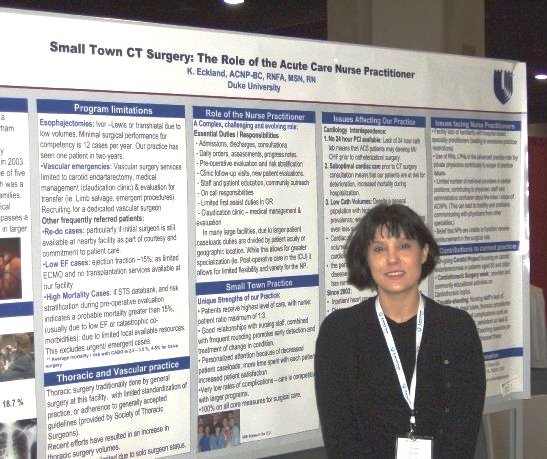
In honor of the profession that has brought me so much career and personal satisfaction – I am posting several links about Nurse Practitioners, and National Nurse Practitioner week.
This evening, I had the privilege of speaking with Dr. Angela Golden, DNP. Dr. Golden is a family nurse practitioner here in Flagstaff, an Associate Professor at the Northern Arizona University (NAU) School of Nursing as well as the president-elect of the American Academy of Nurse Practitioners (AANP). She’s a fascinating lady, and she was talking about the Institute of Medicine’s recent statement of the Future of Nursing – and what it means for Nurse Practitioners and the future of health care in the United States.
But, as you know – national borders have never hampered my vision, and I am happy to say that nurse practitioners are growing (and thriving!) in Canada, New Zealand, the United Kingdom and other countries around the world. We’ve talked about the efforts of surgeons in Japan and other countries in establishing the NP role..
This local (Arizona) organization has a nice explanation about nurse practitioners and the services many of us provide.
New Jersey (NJ.com) blog talking about the contributions NPs have made to health care.
NP Fact sheet – AANP information about NPs
NP & PAs – timelines of the Nurse Practitioner profession
Nurse Practitioner week article – Amarillo, TX
More about NPs, MDs and Midwives
Just a small selection this evening – I hope you’ve enjoyed.
The ‘Mexicali project’ is different from any of the previous surgical tourism projects I’ve undertaken. For starters – since I am currently working full-time in Northern Arizona – I can’t just drop everything and move to Mexicali for several months, like I’ve done previously.
So I really am a tourist – just like you, while I am here. (I just plan to be a repeated one.) That’s a critical difference because one of the most important aspects of my writing is that in many ways, I am just like you. Or, at least a lot like many of the people reading my articles. The only difference is that I am a nurse with a lot of experience in surgery and medicine. But as a stranger in a stranger land? – well, I’m a novice, like many of the people who are considering traveling for health care.
I don’t speak Spanish – or at least not much. [It’s one of the first things people assume about me, “Oh, you must speak Spanish”, but they are wrong.] I am kind of learning a bit as I wander my way around different locations, which is fun – but I’ll never be fluent. That’s crucial when I am roaming around in a strange country – How well can I navigate? How safe is it for foreigners? Will I be able to find people to help me (get directions, find a restroom, etc.)
I’m not an adventurous person (actually, I am kind of a chicken.) – Many of you might be adventurers at heart, but I don’t want people to assume that medical travel is only for the daring or brave-hearted because I can be one of the meekest, mildest, most easily intimidated people you could ever meet. You might think that some of my recent travels would have made me more confident or brave – but that’s not really the case. I still get nervous going to unfamiliar places, reading maps, finding the right bus – so I understand how other people might feel (and for much of my travels – I’ve gone alone..) So I like to think that this is my own kind of litmus test – if “Cartagena Surgery” can manage to find her way around, then most of my readers will be able to also.
But this time, it’s a little different – I’m not traveling alone – I brought my husband this time – and he’s a big gringo too.. (okay, I’m five foot one, so I am a “little” gringo). He speaks even less ‘Spanglish’ than I do..But since he’s with me – I’ve changed the pace a little bit.. No 16 hour days this time. [During the Bogotá trip, I lost almost thirty pounds, because I was basically working or writing during all of my waking hours, and things like regular meals were pushed to the wayside.] So, now I am smelling the roses, so to speak – enjoying the local culture instead of breezing past most of it. Also, having my husband here helps me maintain perspective – of how others may see Mexicali. Not everyone gets excited by medical facilities and doctors’ offices.

the hotel del Norte
So for now, I am planning to make several short trips to Mexicali – to fact-find and bring you information; about medicine, doctors, and facilities and some of the other things we encounter along the way.
is how I would rate my entire trip to Mexicali. After making several previous trips to different parts of Mexico over the years – I had a lot of preconceived notions about Mexicali. But despite being a large border city; I encountered few, if any of the tourist stereotypes that I expected (from visits to Ensenada, Cabo San Lucas, La Paz, and other tourist towns). Instead of being treated like a ‘mark’ or a rich gringo, everyone I encountered went out of their way to be helpful, friendly and polite. Strangers on the street offered directions – hotel staff gave friendly advice, and all of the medical receptionists I spoke with were exceedingly kind (which is not always the case.) Much of the time, people on the street, in restaurants, and other locations assisted us in English. Needless to say, it was a pleasant surprise – that my husband commented on several times.
Of course, some of the stereotypes about border towns were true; such as the occasional whiff of open sewer, poorly maintained sidewalks and pedestrian walkways but there were crosswalks at many corners and drivers did seem to yield to pedestrians. Traffic was fairly smooth and uncongested in Zona Central. Stoplights were present and functional, but the streets were not particularly well-lit at night, so I would advise taking the usual ‘big-city’ precautions.
The border crossings were easy (took about fifteen minutes to come back across to Calexico), and it seemed like even the American border patrol were more pleasant than usual. (Unfortunately, I found in the past that they do look at you a bit sideways in Orlando after several months in Colombia).
I don’t usually recommend hotels and such (since I’m not ‘Trip Advisor’, after all) but in this case – I would like to recommend the Hotel del Norte for several reasons. It’s a modest but attractive establishment, reasonably priced with friendly staff but more importantly, it’s one of few appropriate hotels in Zona Central, where most of the medical offices and hospitals are located.
There are quite a few gorgeous, and luxurious properties in Mexicali but most of them are located farther across town. The Hotel del Norte is literally just steps away from the border on Francisco Maduro, which was very convenient for my needs. (I prefer to be in walking distance of the areas I am touring/ interviewing in.) So – over time – as I move across town in my interviewing process, I get to see and know more parts of the city I am writing about. I stayed in four different hotels while writing the first Cartagena book, for example.
I’ll bring you more news on my next visit..
As most readers know, Thoracic surgery is my absolute passion – and it’s a big part of my day-to-day life, too.. So, it was a great pleasure to spend this morning talking to Dr. Carlos Cesar Ochoa Gaxiola, here in Mexicali.
Dr. Ochoa is one of those surgeons that make this project so worthwhile. He is enthusiastic, and enjoys what he does. Talking with young surgeons like Dr. Ochoa seems to restore my faith in the future – which is desperately needed sometimes after reading (and reporting) all of the negative headlines regarding the health care crisis; shortages of vital medications (and surgeons!), escalating and out-of-control costs, fraudulent practices and patient mistreatment.
For more on this morning’s interview, see my sister site, www.cirugiadetorax.org
He kindly extended an invitation to visit the operating room, and see more about his practice – so I’ll give a full report on my next visit to this city.
In the meantime, I am enjoying the mild (and sunny) winter weather.
The STACCATO trial of TAVI (percutaneous aortic valve implantation) was halted due to problems, and the new data from the PARTNER A trial is less optimistic than previously hoped. More information from two articles published at the Heart.org (Heartwire.com) are re-posted below:
Dr Leif Thuesen (Aarhus University Hospital, Denmark), who presented the results of the STACCATO trial today at TCT 2011, said he is concerned about extending the indication of transapical TAVI to include patients who are candidates for surgery, especially given the increased risk of major stroke observed in this trial.
“There is no doubt there are patients who can’t be operated on, and they should be treated with TAVI,” Thuesen told heartwire. “But the patient who can be operated on—here, we should be very, very cautious. It’s the operable patients, the low-risk patients; they should not have the TAVI procedures, but that’s what is happening. We had one patient, for instance, who did not want the conventional operation, so he had the TAVI procedure in Canada. That’s how it is. Indications are slipping.”
The results of the study were presented during the late-breaking clinical-trials session, as well as during a morning press conference. After Thuesen’s presentation to the media, Dr Michael Mack (University of Texas, Dallas) pulled no punches in his criticism of the trial, saying the study was poorly designed and poorly executed. Mack said the trial was designed too optimistically and powered for event rates in the TAVI arm that were too low. Moreover, some of the events that stopped the trial, including one patient in the transapical-TAVI arm who died while on the waiting list for the procedure, skewed the results.
“I think there is some misinformation here, based on invalid trial design, that is likely to hurt the field,” Mack told heartwire.
The STACCATO trial
The STACCATO trial was designed three years ago and included elderly patients with valvular aortic stenosis who could be treated with surgery or transapical TAVI. Based on data from a surgery registry, they anticipated a surgical-event rate—defined as a composite of 30-day all-cause mortality, major stroke, and/or renal failure—of 13.5% and an estimated event rate in the TAVI arm of 2.5%. The study was stopped due to an increase in adverse events in the TAVI arm after the inclusion of 70 patients.
Regarding the primary end point in the transapical-TAVI arm, there was one non-treatment-related death, one left coronary artery blockage, two major strokes, and one patient who had renal failure requiring dialysis. In the surgical arm, there was one case of perioperative major stroke. Other adverse events in the TAVI arm included a transient ischemic attack followed later with a major stroke, two perioperative cases of severe paravalvular leakage, one perioperative aortic rupture, one left main occlusion during balloon valvuloplasty, and one case of major bleeding.
Thuesen emphasized that the study was initiated three years ago and that the transapical TAVI devices at that time were relatively “unsophisticated” and not available in the full range of sizes now on the market. Moreover, he noted that the study investigators were optimistic about the success of TAVI in this population, especially given their absence of clinical events before the study was started, and for that reason they assumed an event rate of 2.5%, which he admitted was “completely wrong.” He noted that the trial began after investigators had performed approximately 40 transapical TAVI procedures.
To heartwire, however, Mack said the event rates were too low and that investigators should have estimated an event rate closer to 13%, similar to the event rate assumed in the surgical arm. Dr Joseph Bavaria (University of Pennsylvania, Philadelphia), on the other hand, saw a silver lining in the data, especially for surgeons. He said that the study shows the great surgical results obtained in patients with an average Society of Thoracic Surgeons (STS) risk score of 3.4.
Discussing the results and the stopping of the trial, Thuesen said that operators are now much better at handling paravalvular leakage, and newer devices might provide a much better fit into the aorta. Moreover, multislice computed tomography (MSCT) is able to provide better preoperative assessments over echocardiography, which was used in STACCATO. Still, despite the limitations of the trial, Thuesen said that in the current phase of development, transapical TAVI is likely inferior to surgery.
Asked about patients who want TAVI despite eligibility for surgery, Thuesen told heartwire that “we should try to persuade them to have surgery, no doubt.” Mack, on the other hand, said that on the front lines surgeons are forced to tell patients that their surgical risks are too low for TAVI and that surgery is the recommended treatment. “The patients don’t want what I’m selling,” said Mack.
[I completely disagree – of course patients want what Dr. Mack is selling – a quick, easy fix.. Who is he kidding?? That’s why it’s important that we make sure the procedure is safe before expanding the indications for TAVI. – Cartagena Surgery].
New QoL data released today at TCT 2011 show that while high-risk, surgery-eligible patients treated via a transfemoral route in PARTNER A reported substantial QoL benefits compared with surgery in the early weeks postprocedure, this was not the case for patients treated via a transapical route.
In fact, said Dr David Cohen (Saint Luke’s Mid America Heart Institute, Kansas City, MO), who presented the results, “for patients eligible only for the transapical approach, there was no benefit of transcatheter aortic-valve replacement over surgical aortic-valve replacement at any time point, and in fact, QoL tended to be better with surgical replacement both at one and six months.”
Life after TAVI
For a number of secondary end points, TAVI and surgery were associated with differences in procedure-related complications and valve performance at 12 months, but the impact of these differences on patient QoL was previously unknown, Cohen said.
For the current analysis, Cohen et al measured QoL in PARTNER A using the Kansas City Cardiomyopathy Questionnaire (KCCQ), the SF-12, and the EQ-5D, with questionnaires administered at one, six, and 12 months.
For the overall comparison, researchers saw differences between TAVI and surgery at three months, but these had disappeared by six and 12 months. What was clear, however, was that there was significant interaction between the treatment effect and the type of TAVI procedure.
Cohen and colleagues therefore conducted further analyses of QoL according to whether patients had undergone a transfemoral or transapical procedure.
QoL improvements
“For the transfemoral group, the message is one that clinicians won’t find surprising,” Cohen said—these largely reflect the QoL findings from PARTNER B. The less invasive nature of the transfemoral [TAVI] procedure results in pretty important differences in QoL at one month, although by six and 12 months the patients have really come together.”
At one month, however, the improvement in QoL was meaningful—in line with about a one to 1.5 level improvement in NYHA class, Cohen said.
“But on the flip side, the transapical group was really somewhat of a surprise and showed certainly no benefit in terms of QoL of transapical over surgery at any time point, not a hint of a benefit. And for several different measures, [transapical TAVI] was actually doing worse. The trends were all toward worse QoL at one month with the transapical approach.”
At one month, scores were numerically lower for transapical TAVI compared with surgery across the various QoL scales used. At six months, this difference was actually “of borderline statistical significance” at p=0.04 for the primary end point (KCCQ overall summary). By 12 months, all differences disappeared.
The hardest cuts
His hypothesis, although it’s yet to be proven in this setting, is that healing from the medial sternotomy is actually easier and less painful than healing from the smaller, cosmetically “better” lateral thoracotomy used for transapical TAVI.
“A lot of what really hurts and impairs breathing and other sorts of things in these patients after cardiac surgery is motion of the wound. So if the wound is fixed, if the sternum is wired back together so it really can’t move, patients heal quite well, and it doesn’t cause a tremendous amount of pain once the first couple days are past. Whereas the smaller incision, the lateral thoracotomy, is always moving every time you take a breath. There is no way to wire that back together. I think it’s a more painful incision for patients to recover from.”
Cohen expects his presentation to meet with much debate, since it’s the first real suggestion that TAVI is not better than surgery, at least via the transapical route.
And Cohen agreed that centers in Europe, which have a longer history with these devices and procedures, may have found ways of improving patient recovery, involving better technique or using local anesthesia or nerve blocks, after transapical TAVI.
Already, however, while some registry data in Europe have pointed to much better results with a TA approach than those reported today, other European data have hinted that alternatives to the transfemoral route, such as the subclavian approach, may yield outcomes closer to those of the transfemoral route. So far, the Medtronic CoreValve is the only established TAVI device (approved in Europe) that can be implanted via a subclavian route. The CoreValve is still in the early stage of its pivotal clinical trial in the US.
Cohen acknowledged that done well, the transapical procedure is “slick, smooth, and quick,” but “we can’t assume just because the incision is small that the procedure is going to be easier to recover from.”
Mack, however, was less concerned, pointing out that the surgery group in PARTNER A did better than expected. “I think we cannot ignore [these results] and say there are not some concerns here . . . but I’m not as concerned about it as the data may [suggest].”
Still, the results should raise some eyebrows, experts speaking to the media seemed to agree. Dr Samir Kapadia (Cleveland Clinic, OH), speaking at the press conference, said, “This is a little bit shocking. This is a learning [moment]—it’s clear we have to improve the transapical procedure.”
| Cohen disclosed receiving grant support/research contracts from Abbott Vascular, Boston Scientific, Medtronic, AstraZeneca, and Edwards Lifesciences and consulting/honoraria/speaker’s bureau fees from Daiichi-Sankyo/Eli Lilly, and Medtronic. |
Both of these studies were presented at the 2011 TCT (Transcatheter Cardiovascular Therapeutics) conference in San Francisco – going on November 7th through 11th.
Read about my visits to the OR with Dr. Ramirez here.)
Today, I interviewed the charming young plastic surgeon, Dr. Victor Manuel Ramirez Hernandez, 37. Dr. Ramirez is well-versed in medical tourism – he tells me that 90% of his current practice are American patients. He reports that many of these patients are from nearby areas in California and Arizona but that he has patients from across the United States.
Undoubtedly, these patients found Dr. Ramirez the same way I did – via the internet, thru his well-designed and attractive website, www.cirugiaplasticamexicali.com Parts of the bilingual site are still under construction, so I contacted Dr. Ramirez directly to arrange for an in-person interview. He also offers his services thru Costuco, a medical tourism agency that published their own medical tourism guide. He is one of four local plastic surgeons listed in their recent publication advertising surgical services in the city called guia de cirugia en Mexicali.)
His office is located just a short walk from FCO (Francisco) Maduro, on Calle B – between Reforma and Obregon and across the street from Hospital Hispanol Americano. (Interestingly enough – and coincidentally, his office is next to one of the thoracic surgeons I had previously contacted.)
He readily agreed – and with a minimum of fuss, we sat down together to discuss his practice. He is friendly, polite and patient. (I, myself, am surprisingly nervous – as much of my Spanish deserts me, the usually smoothly phrased questions becoming a jumbled, hurly burly mix.) Luckily for me, Dr. Ramirez has arranged for his nephew, an Arizona native* to stand by and assist with translation as I try and gather my wits and compose myself. Dr. Ramirez, who primarily speaks Spanish tells me that he often does this in order to facilitate communication with his English-speaking clientele.
As we talk, one of the things Dr. Ramirez and his nephew touch on is the importance of medical training and education, and the importance of being able to quantify the validity of this training in Mexico, where training standards and requirements are not standardized.
Dr. Ramirez himself received his medical education** in Morelia, which is the capital of the Mexican state of Michoacan (de Ocampo). He attended the well- respected, and well-reputed Universidad de Michoacana de San Nicolas de Hidalgo***. After graduating in 1997, he completed his general surgery residency (1997 – 2002) at Hospital Central Militar (which is a large military hospital – similar to Bethesda or other American VA facilities, located in Mexico City.)
He completed his plastic and reconstructive specialty surgery at the same facility in 2007 – 2008. During his fellowship, he published several papers in a national medical journal, Revista Sanidad Militar (Military Health Magazine).
He completed additional training in microsurgery and breast reconstruction and received his board certification in plastic, esthetic and reconstructive surgery.
(As we’ve mentioned in previous posts, and in prior publications – not all countries require specialty surgeons such as plastic surgeons, cardiac surgeons etc. to have general surgery training.)
Since then, he has presented, and lectured at several national conferences (Mexican Association of Plastic, Esthetic and Reconstructive Surgery as an active member of this organization.)
He currently performs (on average of) four surgeries a week. He performs a wide range of facial and body procedures including injectables, face-lifts, breast augmentation, abdominoplasties, and liposuction. (This is not an all-inclusive list.) During his initial consultation, Dr. Ramirez performs a full medical evaluation. If patients have uncontrolled diseases (such as diabetes) or are at high rick for surgical complications, Dr. Ramirez will refer patients for further medical evaluation and treatment before undergoing surgery.
For patients who live nearby (but outside Mexicali), Dr. Ramirez recommends a three-day stay with a return to Mexicali for a one week post-operative follow-up. For medical tourists from greater distances, Dr. Ramirez recommends a one week stay in Mexicali. He and his staff will assist in making hotel arrangements, and Dr. Ramirez has nurses that make house calls after surgery.
During my visit today, we also reviewed several of his cases – including before and after photographs. Notably, in the photos viewed, post-operative photos, while showing dramatic differences, also showed natural appearing results. The post-operative breast augmentation photos were particularly interesting – in all of the photos reviewed, the patients had elected for cosmetically appealing, natural looking results [versus dramatically endowed, ‘porn star’ breast implants]. (As discussed in Bogotá! – styles and fashions of plastic surgery may vary among cultures, geographic regions and the general public.)
*It turns out that his nephew, who is currently studying medicine is practically my neighbor, having been raised and attending school in Williams, AZ which is near Flagstaff (my current home.)
** In Mexico, like many countries, students do not attend a separate undergraduate program prior to medical school. Instead, students undertake a six or seven year program that encompasses medicine and general studies.
*** This is one of the oldest universities in Mexico, originally founded as the colegio de San Nicolas de Higaldo in 1540. It became a university in 1917. It is also one of the largest public universities in Mexico. At the Universidad Michoacana – students may apply for the five-year medicine program after completing two years of general study.
Publications: (selected sample, not a full listing)
Percutaneous tracheostomy: Experience in the intensive care unit of the regional military hospital in irapuato, guanajuato. (2005) full-text pdf download.
Ring injuries: case report and review of the literature. (2006). full text pdf download
Clinical experiences in burns at Hospital Central Militar. (2007) full text pdf.
Another story about bringing HIPEC to the masses – this time in Mumbai, India.. I have to wonder about the research for the article – everytime I see the phrase, “A ray of hope”.. sounds suspiciously like the original title of a certain article (in Colombia Reports.com) all of us are familiar with over here at Bogota Surgery.org.
HIPEC and peritoneal mesothelioma – more effective in women?
As I mentioned in a previous post – here at Cartagena Surgery, we’ve decided to explore some of the border cities of our neighbor to the south, Mexico. For many people, Mexico is the most practical option when it comes to medical tourism.
For our first look at Mexico, we’ve decided to travel to Mexicali, in Baja, California. It’s just across the border from Calexico, California and is home to around one million people – making it a large metropolitan area.
With the drastic increase in drug-related crime and killings plaguing many of the other cities in Mexico such as Cuidad Juarez “Murder capital of the world,” Tijuana and even the smaller Nogales, Mexicali is the safer, sweeter option for border cities.
In fact, Mexicali is known as the most affluent of cities in Baja California – and it is certainly apparent during our visit due to the availability of a wide range of medical services. While the entry from the central border gate leads to a bustling commercial district, the more upscale, attractive residential neighborhoods are only a fifteen minute walk from the border.

About Mexicali:
Travel and Tourism links for Mexicali:
Official Mexicali tourism page – has English version. Also has a health section promoting local physicians and hospitals.
Getting Here:
The easiest way to get for (for many people) is to walk. After driving to Calexico, California – turn down Imperial Boulevard and head towards the border. Turn right on second street – and cross the railroad tracks. Immediately on the left – there is a secured parking lot. It costs about three dollars to park here overnight.
Take your valuables with you – and as you leave, proceed back down second street towards Imperial. Cross Imperial – and walk about two more blocks. Turn left on Rockland, and proceed towards the Calexico government building. On the front of the building – you will see a set of turnstiles (like at an amusement park.) Walk through the turnstiles – walk another 40 feet to the second set of turnstiles – and you are now in Mexico..

the doorway to Mexico
You will then walk through a short underground causeway – filled with little shops, and money changers/ cambios. (This is one of the better places to change money – the rates are surprisingly competitive, and beat anything on the American side.) When you emerge from the short hallway – there are stairs on the left.
These stairs lead to one of the main streets in Mexicali for medical services – Maduro.
Update: March 2012
I will be living in Mexicali for several months – so look for more postings and information about medical tourism/ medical services in Mexicali in the future.
No, researchers aren’t suggesting that entire families undergo bariatric surgery. But a new study by Woodward, Encarnacion, Peraza, Hernandez – Boussard & Morton (2011) published last month suggests that when one family member underwent bariatric surgery – the rest of the family reaped benefits as well.
As explained in this article by Kristina Fiore at Medpage – there is a family-wide health benefit after bariatric surgery. After one family member had surgery, other adult members in the family tended to modify their eating habits as well, and subsequently lost weight. While this study was small, with just 35 families – it shows the huge impact that sociological factors (such as family dietary practices/ habits) have on obesity and health.
As reported in Colombia Reports.com – the Cartagena Tourism division has recently re-designed and revised their website.
The new website has an english version and is more streamlined and user friendly. The city of Cartagena recently hosted a medical tourism conference..
The FDA recently approved the first TAVI device for aortic stenosis. Currently the device is only eligible for patients who are unable to withstand surgery. But who will end up making that determination? The cardiologist who will be implanting the device? At present – the company manufacturing the Sapien aortic device is recommending that patients be evaluated by a heart surgeon – but if this follows the typical course, I am sure that this recommendation will be abandoned as a matter of course.
Hopefully, the industry (interventional cardiology) will proceed cautiously, after being ‘omce bitten, twice shy” in light of the epidemic overstenting catastrophies.
For more on Aortic stenosis, TAVI and the overstenting controversies – look under the cardiology and cardiac surgery tab.
As reported in numerous stories, many Americans are travelling to Mexico and other countries for dental care. Ex-pats or Americans living abroad are also seeking dental services.
However, as highlighted in this article – determining the quality of your provider overseas is not easy. (Of course, it’s not easy to find a good dentist for many of us at home – but that’s a separate issue.)
Evaluating dentists and dental services is different that evaluating other health care providers – due to the nature of the service. Unlike most surgical procedures – most dental procedures do not require anesthesia, (which means that they can be evaluated on a first-person basis). Of course – for my colleagues who assisted me in writing Bogotá! – it meant quite a bit of time in the dentist’s chair..
El turismo quirúrgico llega a Bogotá ! La autora de La Gema Escondida:
Una Guía para el Turismo Quirúrgico en Cartagena , Colombia, ahora le
trae la historia completa de los hospitales, tratamientos y médicos de
Bogotá, Colombia. Investigado de forma metódica, este libro lo lleva a
las salas de operación para contarle lo que usted necesita saber. Esta
guía es esencial para algo más que sólo turismo quirúrgico – es algo que
cualquiera que viaje, viva o trabaje en Colombia debe tener.
K. Eckland, ACNP-BC, MSN, RN es una enfermera calificada para ejercer la
medicina. Ella tiene extensa experiencia en cirugía cardiotorácica –
dentro y fuera de la sala de operación. Ahora ella comparte sus
descubrimientos desde su última investigación sobre la industria del
turismo médico y servicios disponibles en Bogotá, Colombia. Traduccion
de Constanza Isabella Ochoa Mendigaña.
This month (November) is a big month for the Colombian tourism industry – and the Colombian government with several big events and meetings taking place to promote the tourism sector.
This week, the Secretary – General of the United Nations World Tourism Organization (UNWTO)(who knew such things existed?) heads to Bogota to participate as a guest of the Colombia’s minister of tourism – as part of the Tourism Race 2011..
Later this month – at the JW Marriott in Bogota – is the high end tourism conference, “Chic Travel Market“which promotes luxury tourism to Colombia. I’m not sure if surgical tourism counts as luxury tourism but it sounds interesting, nonetheless. (I consider surgical tourism to be “life-saving tourism”..)
A recent headline in pro-racing news – as Santiago Villa underwent surgery at Fundacion Santa Fe de Bogotá – one of the facilities profiled in Bogotá! (and home to several of the surgeons interviewed for this edition.)
Over at the Traveling 4 Health blog, I’ve been talking to Ilene Little and reading about the Medical Tourism Association’s (MTA)newest publication promoting Las Vegas as a new medical tourism destination for both American and International patients.
The irony of this destination is highlighted by the city’s own newspaper, The Las Vegas Sun, which has an extensive series, ‘Do No Harm: Hospital Care in Las Vegas’ detailing recent health scandals in Las Vegas hospitals, as well as 2010 reports ranking several of the facilities in Las Vegas among the worst in the nation. In fact, the opening sentences in the article series are, ” There’s a running joke about hospitals here: “Where do you go for great health care in Las Vegas?”
“The airport.”
It’s a disappointing entry by an organization I admire – but unfortunately, it highlights the lack of accountability by medical tourism companies to their clients. Someone needs to care about the quality of the product (providers and services) that they are promoting. Too bad it isn’t the MTA since they are certainly among the movers and shakers in the international medical tourism industry. The rest of us are just tiny fish in a great big pond of obscurity.
I’ve gotten quite a bit of mail about fraudulent plastic surgeon stories, so I’ve posted another story, from a Canadian newspaper about the people using construction-grade silicone for injections to plump breasts and buttocks. (Not a good thing.)
A new article in the Seattle Times recommends Latin America in general – and Colombia specifically for affordable vacation travel. They didn’t mention the medical tourism angle, but mentioned the booming tourism industry..
There’s a new article on the HIPEC procedure that’s a nice read for people interested in this procedure. The article is unrelated to medical tourism – it’s about the first application of hyperthermic intraperitoneal chemotherapy at a private facility in India. (As you can imagine – I wouldn’t recommend that anyone have a procedure at a facility where doctors have just started trialling the technique.) That being said – the article gives a nice overview of the procedure itself.
As we’ve mentioned before on this site – metformin is an amazingly powerful yet safe diabetes drug that has also been shown to have additional cardiovascular benefits.. This doesn’t mean metformin has no side effects or contraindications (all medications have side effects and contraindications) but in comparison to all of the other available oral anti-diabetic medications, metformin continues to have the best safety profile.
The evidence is also overwhelming clear what are effective treatments for diabetes – and national guidelines reflect this. (Nowhere in these guidelines are januvia, byetta and these other pricey medications listed.) However, these guidelines are subject to change (along with anything else).. But who’s writing the guidelines?
But – it seems like that hasn’t stopped anyone from prescribing, and prescribing some of these very costly medications.. Now, on Medscape (and re-posted here for you) Reed Miller explains why as he reviews the recent paper by Jennifer Neuman, MD.
Reed Miller
Dr Jennifer Neuman (Mount Sinai School of Medicine, New York, NY) and colleagues reviewed the financial ties to industry of 288 panel members who served on 14 guidelines committees in the US and Canada between 2000 and 2010. Results of their study were published online October 11, 2011 in BMJ.
Five of the guidelines did not include a declaration of the panel members’ conflicts of interest, but 138 of the 288 panel members (48%) reported conflicts of interest at the time of the publication of the guideline. Eight reported more than one conflict. Of those who declared conflicts, 93% reported receiving honoraria, speaker’s fees, and/or other kinds of payments or stock ownership from drug manufacturers with an interest in diabetes or hyperlipidemia, and 7% reported receiving only research funding. Six panelists who declared conflicts were chairs of their committee.
Of the 73 panelists who had a chance to declare a conflict of interest but declared none, eight had undeclared COI that the researchers identified by searching other sources. Among the 77 panel members who did not have an opportunity to publicly declare COI in the guidelines documents, four were found to have COI.
The study also found that panelists on government-sponsored guidelines committees–such as those organized by the Veterans Administration or the US Preventive Services Task Force–were less likely to have conflicts of interest than panelists on nongovernment guidelines panels (15/92 [16%] vs135/196 [69%]; p<0.001). However, the researchers point out that the government-sponsored guidelines committees were less likely to have rigorous COI transparency policies.
A recent study of COI among members of American College of Cardiology/American Heart Association (AAC/AHA) – sponsored guidelines found that about half of guidelines committee members reported potential conflicts of interest. Neuman et al point out that their study includes a wider range of guideline-producing organizations and that it “exposes the problem of incomplete disclosure and highlights the important relation between sponsorship of guidelines and presence of COI.”
“In contrast to government-sponsored panels, we found that COI were very common among panel members for guidelines produced by specialty societies,” Neumann et al write. Neumann cites a 2000 study [2] by Dr Roberto Grilli (Istituto di Ricerche Farmacologiche, Milan, Italy) as evidence that “guidelines produced by nongovernment-sponsored organizations have been shown to be of poor methodological quality; however, they contribute substantially to the guideline pool in the United States and Canada . . . [and] may have broad international influence. The high prevalence of COI among panel members of guidelines sponsored by specialty societies combined with the less rigorous development process may adversely affect the independence and the evidence base of the recommendations issued.”
One of the authors of the ACC/AHA study, Dr James Kirkpatrick (University of Pennsylvania, Philadelphia) told heartwire that he was pleased that the study by Neuman et al appears to confirm the main finding of his group’s study: “There are plenty of people who participated in the guidelines process who reported no disclosures. The implications are that it would not be too difficult to construct a guidelines panel without COI, or at least–as we suggested, and the authors also seem to suggest–with only COI related to research grant funding, exclusive of direct financial payments to members.” Kirkpatrick said he was surprised but reassured to see that Neumann et al found so few undeclared conflicts of interest.
“It is important to note that some governmental organizations don’t publish disclosures, which I believe they probably should,” Kirkpatrick said. “This problem is fairly widespread, not only among governmental organizations, but also other societies. It has the potential to erode public trust in the guidelines process as much as a relatively high rate of disclosed COI.”
How to Change the Culture of Conflicts
In an accompanying editorial [3], Dr Edwin Gale (Southmead Hospital, Bristol, UK) observes that the proportion of guideline committee members declaring a conflict of interest has increased recently, but the proportion of members with a potential conflict has not decreased.
The common suggestion that that guideline committees should include only experts with no conflicts of interest has “a charming sense of unreality,” Gale argues. “Money from drug companies is the oxygen on which the academic medical world depends. The income of the professional societies that publish guidelines largely derives from their annual conferences, which depend on the rents charged to exhibitors and the registration of company-sponsored delegates,” he observes. “Let us therefore forget the hand-wringing and confront the reality of the world in which we live.
Gale believes the conflicts on committees cannot be eliminated unless fewer experts take money from industry. “Legislation will not change the situation, for the smart money is always one step ahead. What is needed is a change of culture in which serving two masters becomes as socially unacceptable as smoking a cigarette. Until then, the drug industry will continue to model its behavior on that of its consumers, and we will continue to get the drug industry we deserve.”
Kirkpatrick agrees that the “culture” must change, but notes “there are other ways to make the process better.” For example, guideline-writing groups should follow the recommendations for COI laid out by the Institute of Medicine and Council on Medical Subspecialty Societies. “There needs to be a clear distinction between research and other payments,” because research grants are usually administered through third-party organizations that have “at least a semblance of improved oversight,” he said. However, Kirkpatrick believes that guideline committee members could be completely excluded from owning stock in affected companies or accepting fees for consulting or serving on corporate speaker’s bureaus for these firms. “I don’t see a problem with telling people they need to choose between this income and being on a guidelines committee.”
Neither Neumann nor Gale reported any conflicts of interest.
Heartwire © 2011 Medscape, LLC
// <.getTime()+') ‘)
‘)
// ]]>
Update: February 2013 – A recent analysis on the safety recommendations and contraindications for use of metformin in patients with advanced kidney disease has been presented by a Pharmacy resident at the University of Texas – and he makes a compelling case that we should reconsider many of the current restrictions on using metformin in renal failure.
“Unleash Metformin: Reconsideration of the Contraindication in Patients with Renal Impairment” by Wenya R. Lu, PharmD


Currently formatting the Spanish version for publication – then back to work on the electronic versions (for iTunes, Smashwords, etc.)
A new study has been published online (on advance of print) looking at medical outcomes among physicians, nurse practitioners, clinical nurse specialists and nurse midwives.
Advance Practice Outcomes 1990 – 2008 : A Systemic Review discusses the role of advanced practice nurses in improving access to healthcare, and improving the quality of healthcare in the United States.
It looks like after several weeks of tedious reformatting to meet Apple’s strict e-book standards – the revised 2011 edition of Cartagena! will be in the Apple iBook catalog. I’m still working on re-formatting The Thoracic Surgeons, and I have barely begun Bogota.
However, the Spanish translation of Bogota! is complete – so once I finish some formatting and final editing – I’ll be publishing Bogota! en espanol to Amazon.com. Loks like I have a couple of weeks in front of the computer ahead of me but let’s hope that everything goes smoothly.
A new trade agreement between the United States and Colombia may usher in a new era of economic growth and strengthen political ties between the two nations.
As reported in Colombia Reports, Colombia’s biggest English language news source, while some experts caution that parts of this trade agreement may temporarily lower prices of some Colombian goods – other economic forecasters believe that this will bring financial growth and economic stability to both countries. In this webpage from US Government trade officials – the proposed benefits of this alliance our outlines – with job creation as a number one priority. I have contacted Ellie Shay at the Office of the United States Trade Representative for further comment on how this new agreement will impact medical tourism and travel to Colombia, and am awaiting a response.
What will this new trade agreement mean for medical consumers and medical travel, if anything? The Huffington Post previously predicted big wins for Colombia (2010, July) but is it too early to tell what impact this will have on the burgeoning medical tourism industry?
We’ll keep this story updated as it develops.
As you know, I am a nurse practitioner and medical writer – not a programmer, but I am still working on expanding our mobile applications to include Apple, Kindle, Blackberry and other mobile products.
The latest version of “The Bogotá Companion” is a bit more limited than previous Android Market versions. (The new application doesn’t allow for some of the features such as interactive maps.) However, it does have video clips, some links to helpful travel information and feeds to our blog.
Here’s a browser app version..

Here’s the latest news on TAVI in the United States – and the status of the procedure, which is currently undergoing further evaluation by the FDA.
Here are some highlights from the article:
“In July, the FDA’s Circulatory System Device Panel favored TAVI approval in the U.S. The panel voted on three items, including: safety, effectiveness and whether the benefits outweigh the risks. If the FDA accepts panel recommendations, TAVI procedures would be available to U.S. patients.
However, CMS noted that it is aware of the high stroke and death rates associated with TAVI, and said that it remains concerned about adverse events that may occur, particularly when the procedure is performed by less experienced operators. Rates of stroke and death at 30 days were 6.7 percent and 5 percent, respectively, for those who received TAVI. At one year, these rates were 10.6 percent and 30.7 percent, CMS reported.”
As readers know; here at Cartagena Surgery – we’ve advised caution for the time being – until we have more long-term outcome data on transcatheter aortic valves.
However, after much consideration, and discussion with other people both in and outside the field of cardiac surgery – I have decided that I will begin interviewing and bringing more information about the procedure and providers performing this procedure in the USA. Ultimately, while I may personally, (and professionally) feel that the TAVI procedure has not undergoing sufficient rigorous testing for my patients – I do not want to withhold information from them.
So, I have started writing and contacting providers to obtain more information about the physicians and medical centers performing this procedure. I will discuss these providers further in future posts.
I had an interesting telephone interview with Jane MacLean Craig from the Escape Artist.com, a website for north American ex-pats, retirees and other people interested in living overseas. She’s currently writing her fifth (or sixth?) book. Her latest book is about overseas living, and we talked about the medical tourism and medical care abroad as part of that.
She’s very easy to talk to – and I love talking about the book and my day-to-day life as a nurse practitioner in cardiothoracic surgery, so we had a fine time! I even talked a bit about my own experiences as a patient last winter, and how it sparked the Bogota book.
Her book is untitled as yet – but will be published by Random House in early 2012, so we’ll keep an eye out for it in the future..
Since we’ve talked about single incision laparoscopic surgery (SILS) here at Bogotá Surgery after interviewing several of the surgeons performing this surgical technique in Bogotá, Colombia – I wanted to bring readers more information about the technique itself.
I have added some links to published articles discussing this technique and how it can be used as treatment for different surgical conditions. (all case reports are from 2011.) This is just a limited selection – there are hundreds of articles on this technique, and it is now being for a wide variety of abdominal conditions.
Case report from Japan – treatment of giant liver cyst (with color photos and radiographic information.)
Single port laparoscopy for adnexal surgery – 22 cases: this study has a photo that demonstrates the sterile glove technique that I’ve mentioned previously (that allows for a smaller peri-umbilical incision than when using a commercial instrument holder.)
an Indian study discussing this technique for kidney donors (for organ harvesting) – has a nice post-operative photo of kidney donor.
Note: while this Turkish study is descriptive and colorful – it’s not true single incision laparoscopic surgery – as observed in Bogotá, Colombia and other facilities. (It’s only single incision surgery if there’s just one incision..)
In this story at Forbes.com – commentator Avik Roy discusses Rick Perry’s position supporting medical tourism, free-market health care, and health insurance to cover patients internationally. Mr. Roy also discusses how these ideas would benefit the average American.
While I stay out of politics myself – and many people consider Rick Perry and several of the other potential candidates to be far from center – the Governor of Texas seems to have a good grip on the issues facing many of his constituents such as ballooning unemployment and a lack of health care access and affordable health options.
LA headlines report the most recent and horrifying case of botched plastic surgery – by an unlicensed surgeon. Not only did the surgeon horribly botch her breast implant procedure – he performed an unauthorized (and unasked for) eyelid procedure – and botched that too.
This story was picked up by Medical News Today – who also adds additional warnings and cautions consumers to check the credentials of their surgeon prior to surgery. This echos the numerous warnings and stories here at Cartagena Surgery.
The American Society of Plastic Surgeons has jumped in with a statement of their own – encouraging patients to do their research.
Recent Articles about Medical Tourism
This page will be frequently updated and contains stories from a variety of sources. It’s a mix between media articles, patient and industry blogs and ‘scientific’ and medical journals.
Note: ‘Medical’ articles are often heavily weighted against medical tourism (but consider the source – as the majority are written by UK and USA physicians.) However, many of these articles bring up important points to consider prior to considering medical travel, such as quality control , patient safety and objective measurements (and other issues that we have discussed here before).
For more on patient safety issues – see my sister site, Cartagena Surgery.
I have also omitted patient perspective/ ‘testimonial’ type stories for the most part – as we’ve discussed here and on Cartagena Surgery – first-person narratives are not helpful in that patients themselves often do not have all of the necessary components to provide recommendations.
Medical Tourism: the element of cost – Healthnews.com
Crime, drug wars threatens Mexico’s medical tourism – opinion article
A portable medical health record – for medical tourists and other travelers. A paper talking about a new free application to assist travelers in maintaining portable health records, and how this may change the face of health care, and consumer expectations/ safety.
An excellent overview of the issues involved in medical tourism – including quality of care, cultural issues and informed consent. (this is a British article and focuses primarily on medical tourism to Thailand, India). However, all of the issues raised in this article are addressed in the Bogotá book.
A review of the literature surrounding ‘the patient experience’ of medical tourism’
A nice article talking about the availability and quality of medical tourism information available on the internet (something we’ve talked about many, many times.) Of course the name of the article, “Nip, Tuck and Click” does give a hint of the writers bias against medical tourism.
 Colombian Culture & Cuisine