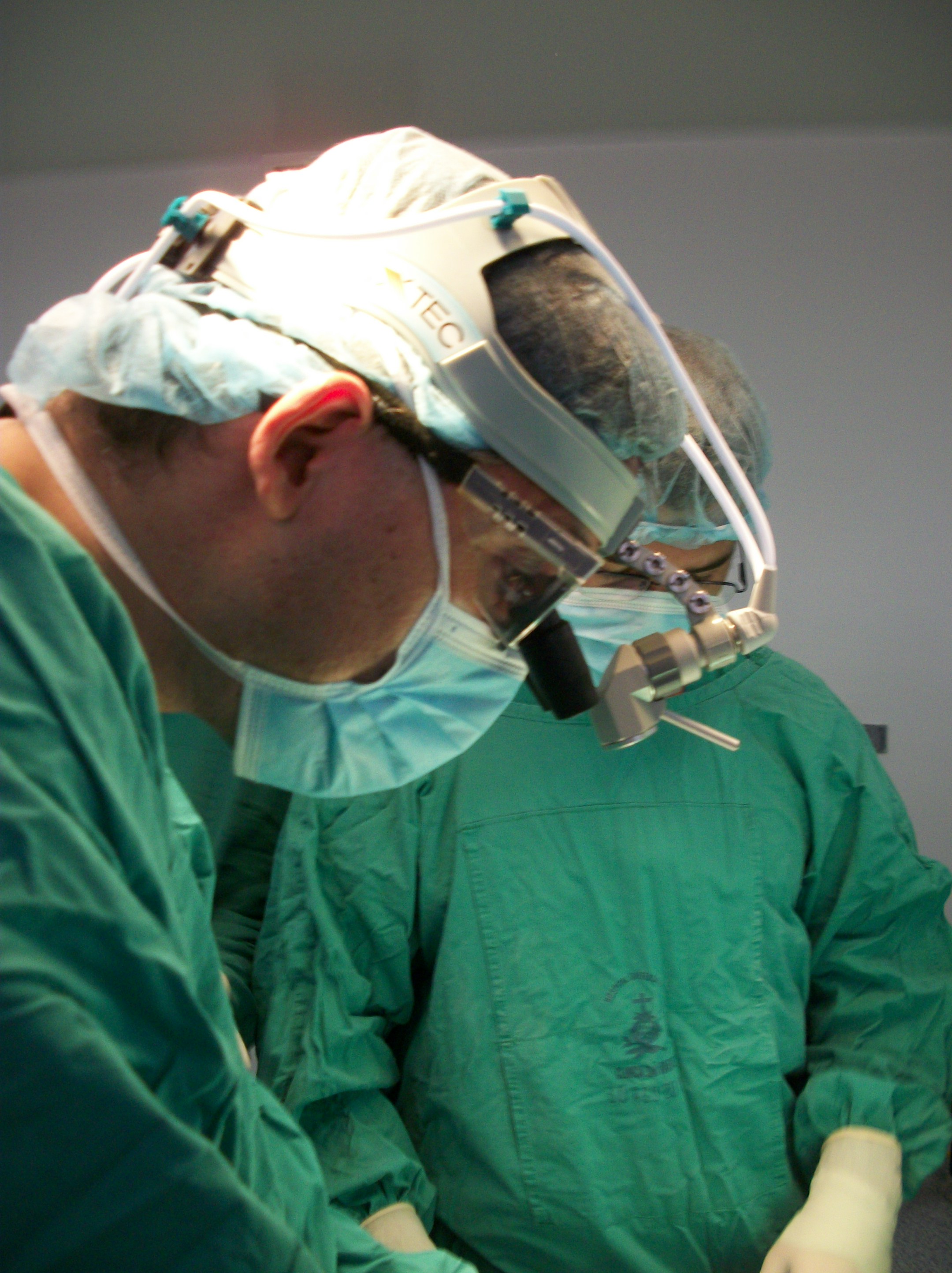
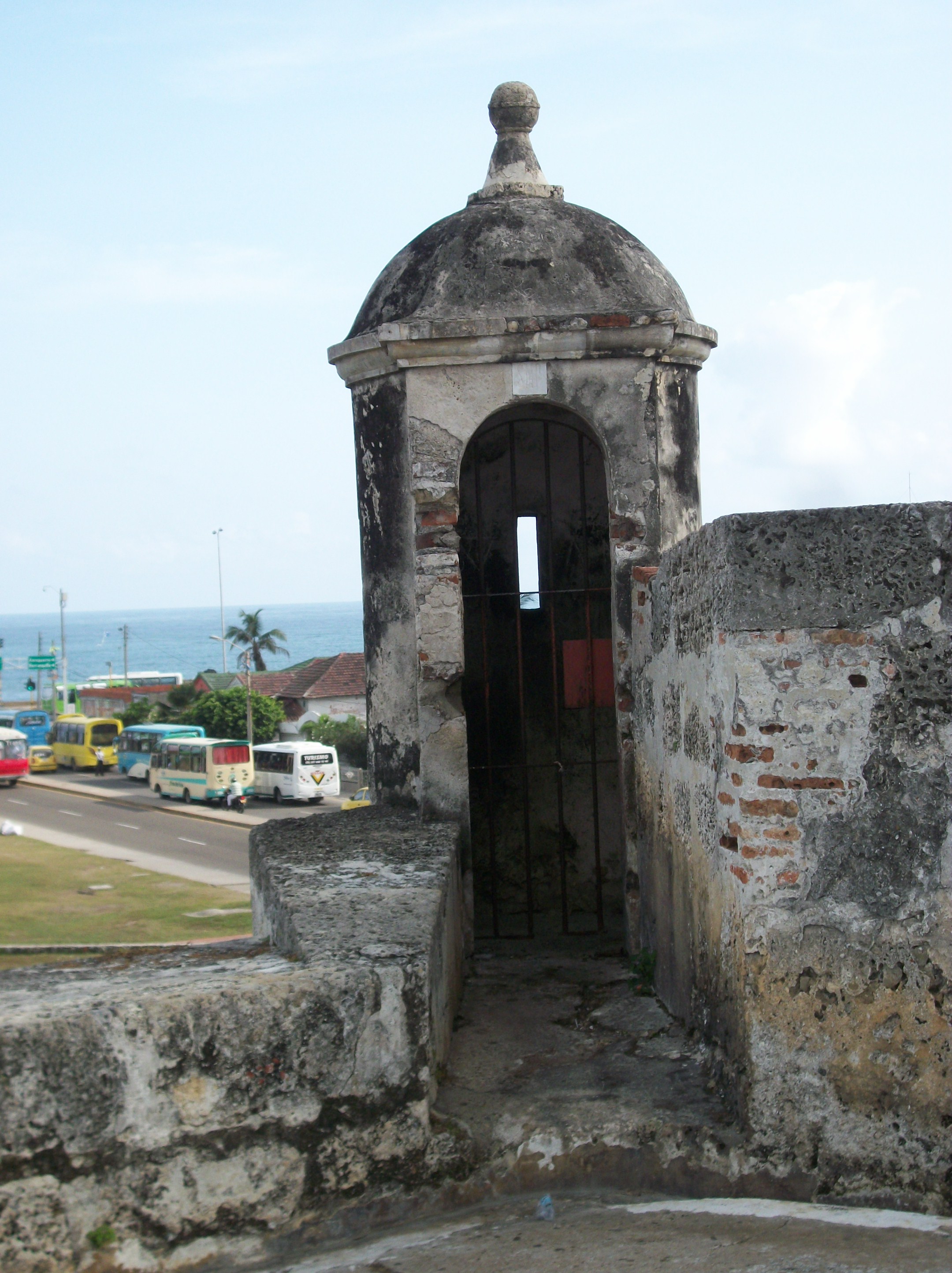
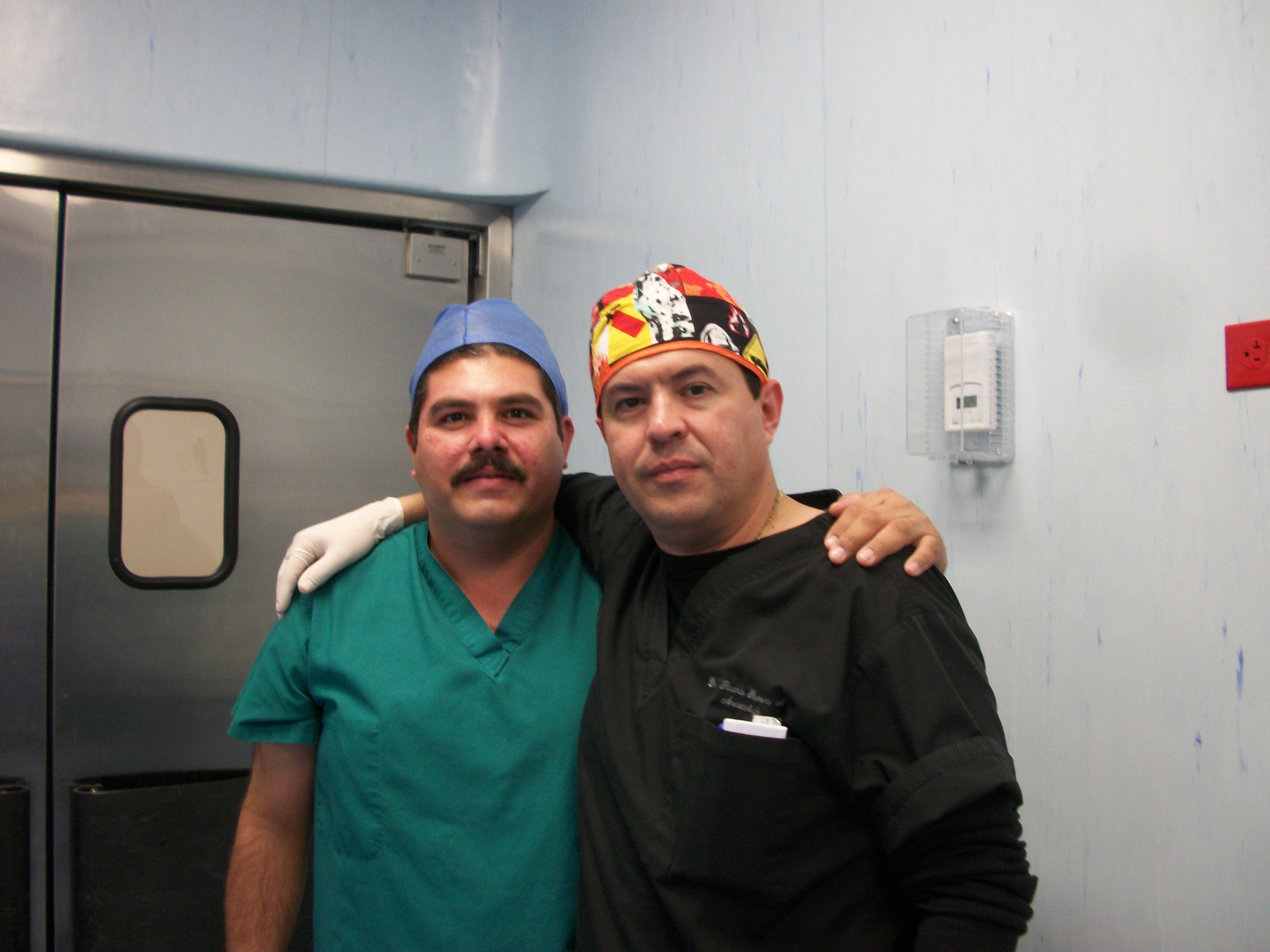
Dr. Fix-a-flat strikes again!


Syringe of unknown contents


Dr. Fix-a-flat (Oneal Morris) in Ft. Lauderdale, Florida has been re-arrested as more victims of his scam surgeries have come forward.

This arrest comes as other American cities, (most notably, Las Vegas) make a concerted push to protect consumers with a new campaign against fraudulent practices and unlicensed physicians.  However, these ‘campaigns’ are primarily informational commercials aimed at the Latino community.

There is a new statewide task force aimed at addressing these incidents, but as of yet – there have been no legislative changes to protect victims of these scams.  Equally disturbing, in at least one of these cases – one of the pretend doctors used his fake status to sexually assault his victims.

In another disturbing sidenote out of Nevada – Teva pharmaceuticals settled a case against them for the distribution of propofol outside of proper channels/ and in improper quantities.  (If you remember, this is how Dr. Conrad Murray obtained the anesthetic for use on Michael Jackson.)  As a result of this distribution of multi-use medications that should be exclusively used in hospital settings – several patients were inadvertently exposed to Hepatitis C (including the plaintiff who developed Hepatitis C as a result.)

[Multi-use vials mean that the same container of medication is used for multiple people – if the medication is drawn up using needles or other instruments that have already been exposed to patients – this places future patients in contact with blood and infectious agents.]   Multi-use vials are a cost-containment measure for many institutions.

I hope that someone takes issue with out-patient colonoscopies as a whole since this in itself can be a very dangerous practice – and the research proves it.  (The issue behind outpatient procedures such as colonoscopies is the use of unmonitored anesthesia.  Most patients aren’t on monitors, no anesthesiologist is present, and the doctors performing the procedure are often unprepared in the event that a patient loses his airway (or stops breathing.)  There was a landmark study several years ago – that showed that 70% of nonaesthesiologists underestimated the level of sedation in patients undergoing out-patient / office procedures.  [I will continue looking for the link to this source.]

Frighteningly, a related paper demonstrated similar findings in a pediatric population.  This South African paper voices similar concerns.

New medical tourism report


There’s a new medical tourism report written by an economist which takes issue with many of the ‘reported facts and figures’ which are bandied about by the medical tourism industry.  As we’ve discussed on previous posts – many of these numbers are fairly nebulous and impossible to verify.  (Afterall, there is no exit surveyor at airports to ask, “During your stay in Mexico, did you undergo any surgical procedures?”)

The report sounds interesting – but at a cost of 800 pounds – it’s out of reach for people like myself.  By the same token, I’d like to know by what methods Ian Youngman was able to quantify his results – since the problems of obtaining accurate numbers is fairly universal.

However, it’s an interesting glimpse into an industry that promotes a lot, but often proves little.

Update :

Another new report – this one by TreatmentAbroad which states that in a survey of their customers – 9 out of ten would do it again.  The press release describes their survey methodology and the company offers readers more information, and invites questions about the project.

HIPEC, HIPEC, HIPEC: all about HIPEC


Now that Case Western has decided to adopt HIPEC for treatment of gynecological cancers (uterine, ovarian, endometrial etc.) they have published an article patting themselves on the back.. 

But truthfully, not bad, case western, not bad at all.. It’s a good article with a nice explanation for people new to Hyperthermic Intraperitoneal Chemotherapy – (and I am always happy to see more state-of-the-art treatments offered to people with cancer.)

That’s one of the reasons we’ve championed HIPEC here at Bogota Surgery –  state-of-the-art cancer treatment with an excellent track record according to medical literature and published research.  Too often patients, particularly patients with cancer or other serious medical illnesses are preyed upon with junk or uncertain science, like super-vitamin supplement programs, Laetrile clinics and quasi-futuristic stem-cell therapies.

But HIPEC is different, and it’s been here for quite a while  – with over ten years worth of scientific data to support continued experimentation (large-scale) and use.

We first encountered HIPEC in Bogotá at the hands of Dr. Fernando Arias at Fundacion Santa Fe de Bogotá.  In our continued quest for information (see our series on HIPEC) – he continues to be at the forefront of HIPEC treatment with more experience than doctors like Dr. Trey Blazer at Duke, teams at Case Western, and the other scattered programs throughout the United States.  With the exception of its creator, Dr. David Sugarbaker – Dr. Arias has as much experience, evidence and training as anyone I’ve encountered..

See our tab labelled Cytoreductive Surgery for more on HIPEC

Looks like they forgot something.


Dr. Diego Pineros, cardiac surgeon

Nice article in the Los Angeles Times about the strong work Bogotá physicians do in bringing care to the more remote areas of Colombia.  Too bad they forgot to mention the efforts of Dr. Diego Pineros – one of the cardiac surgeons at the Clinica San Rafael Institute of Cardiology and Cardiac Surgery.  We interviewed him last year about his humanitarian efforts.

(If you remember – the kind-hearted, and gracious surgeon shrugged off any accolades during our interview – and said he and his team travel to these remote areas to prevent further hardships for his patients.)  He also shrugged off any concerns for his own welfare despite the fact that some of these areas are close to / are located in areas with a heavy FARC presence.

So even if the Los Angeles Times doesn’t congratulate Dr. Pineros and his team for all their amazing work – we here at Bogota Surgery haven’t forgotten..

Dr. Diego Pineros (second from left) and his surgical residents at Clinica San Rafael in Bogotá

Patient testimonials and on-line physician reviews


The New York Times just published a new article that echos my concerns with the validity of anonymous on-line physician reviews (fakery/ fraudulent reviews, skewed perceptions and biased evaluations.)

Don’t get me wrong – the internet is an incredibly powerful tool (after all  – that’s how you found about this blog, and my independent review project.)  But it needs to be upfront and above-board.  Anonymous postings have little value in a competitive market like healthcare and often amount to little more than propaganda (if positive) or even spam or harassment (if negative).   Also multiple studies have shown that unhappy clientele (for any service, not exclusively healthcare) are 20 TIMES more likely to mention their experience to others and mention it to 5 times as many people as people who are content/ happy or satisfied with their encounter.

That being said – I admit that I often sneak over to Healthgrades.com myself to see what former patients have posted about me.

Good news for travelers to Colombia!


More good news for travelers like myself – who are always looking to return to Colombia – Jet Blue has expanded its flights to Bogotá from Ft. Lauderdale..

(Ft. Lauderdale/ Miami/ Orlando) are the ‘gateway to Latin America’ for most commercial airlines.  While I am a huge fan of Avianca, with the latest labor disputes and multiple cancellations – Jet Blue remains a stellar choice.  (Both of these airlines remember how to treat their passengers – and do so with style, at lower costs than many of their competitors..) 

UK surgeons add their voices to speak out against Medical Tourism


As we’ve written before, local plastic surgeons are fighting the loss of income from medical tourism.  In the UK, where 1 in 20 patients (in one poll) have used medical tourism, are adding to the dissentThis isn’t the first time British plastic surgeons have spoken out against medical tourism – in fact, British physicians were the first ones to publish commentaries against the practice of traveling overseas for surgery in professional journals.   Last year, they released a statement condeming this practice.

Now, these surgeons are speaking out in the popular press.  The irony is, while these statements are primarily aimed at people travelling to India – as readers of our sister site know, they just as easily could apply to the United States (and our large contingent of ‘phony docs.’

But how much of this is real?  and how much of this is hype to boost their own sagging practices?  It’s hard to know since much of the ‘data’ is based on polls of UK plastic surgeons.

In related news, Las Vegas has started a new task force to weed out phony/ fake doctors operating in the hispanic community after several highly publicized incidents – including several deaths.

More stories from Cartagena Surgery:

How to investigate a potential surgeon

Busting a fake clinic in Los Angeles

Unqualified Arizona doc heads to trial after several patient deaths

The ‘fix a flat’ doc

The original fix a flat doc story

Follow cartagena surgery for more stories..

The latest HIPEC headlines


More ongoing research trials to validate HIPEC as a potential treatment for ovarian cancer.

The University Hospitals of Cleveland, Ohio recently started several new clinical trials to test the effectiveness of hyperthermic intra-peritoneal chemotherapy  in women with ovarian and endometrial cancer.  Unfortunately, the trials are small (around 60 woman) which means that even positive results will be far from definitive for researchers involved in the HIPEC debate.  It also offers only limited opportunities for patients with ovarian cancer to receive potentially life-saving treatment.

Medpage recently published a nice overview on ovarian cancer and the current treatment modalities – which can be seen here.

More on HIPEC: here at Bogota Surgery:

What is HIPEC? What’s it used for?

Who does HIPEC?

HIPEC updates:

Update #1

American plastic surgeons lash out against medical tourism


As I’ve mentioned in a few of our older posts – medical tourism makes many American plastic surgeons very, very unhappy.   While many of their complaints are legitimate (patients could get inferior care, infections etc..) all of these complaints or comments apply to their American peers as well.  (On my sister site, we tackle many of the dubious practices in the USA (eye doctors performing liposuction, ‘fake’ doctors injecting people with fix-a-flat, and all those dentists, and hair salons injecting Botox.)

But today I take issue with Dr. Michael A. Bogdan, a plastic surgeon currently practicing in Southlake, Texas.  (Hope everyone is impressed in his degree in Zoology.) But back to the serious issues..

Dr. Bogdan recently authored an article published on Medscape questioning medical tourism in light of the PIP implant scare.  (The full article is re-posted below.)  While he makes some legitimate points in the article, (points that we have discussed here) about the lack of scrutiny on the medical travel agencies themselves, and the lack of data about complications from medical tourism surgeries – he grossly oversteps when he attempts to place the blame for the PIP implants on the feet of the medical tourism industry.

When you consider the THOUSANDS of medical devices (including different versions of breast implants) that have been recalled in the United States in the past 25 years – it undermines his whole premise.  I also find it somewhat offensive that he a.) dismisses all foreign surgeons as using faulty/ inferior equipment – that’s a wide, wide brush to use, Dr. Bogman.. 

and more importantly, b.) that in a small way – he almost sounds to me like he thinks that people who travel abroad for their surgical care – deserve to have these kinds of problems and complications.  Very uncool, and shame on you, Dr. Bogman.

In reality, Dr, Bogman and many other plastic surgeons here in the USA are lashing out at the bad economy which has dampened the public’s enthusiasm for surgical self-improvement.  (Though this article indicates the economy is recovering.)  It’s likely that as a plastic surgeon in Texas (a border state) that Dr. Bogman, seller of such procedural combinations as the ‘mommy makeover’ is feeling the loss of patients more than, let’s say a surgeon in Virginia..

More tellingly, and surprisingly, he doesn’t suggest that patients should research their surgeon wherever and whoever they are.

But read the article from Medscape.com yourself and decide:

The Cost of Medical Tourism by Michael A. Bogdan, MD

Complications From International Surgery Tourism Melendez MM, Alizadeh K Aesthet Surg J. 2011;31:694-697

Summary Medical tourism (ie, traveling outside the home country to undergo medical treatment) is a rising trend. An estimated 2.5 million Americans traveled abroad in 2011 to undergo healthcare procedures. This results in a significant direct opportunity cost to the US healthcare system. Complications from these procedures also affect the US healthcare system because patients often require treatment and have no compensation recourse from insurance. For cosmetic or other procedures that are not covered by insurance, economic motivators are driving medical tourism because some international clinics offer procedures at significantly lower costs, possibly by compromising the quality of care.

Very little data have been available to assess the outcomes, follow-up, and complication rates for patients undergoing cosmetic procedures abroad. The authors of this study distributed a 15-question survey to 2000 active members of the American Society of Plastic Surgeons about experiences treating patients with complications from procedures that they underwent during medical tourism. The response rate was acknowledged to be low, at 18%. Of the respondents, 80% had treated patients with complications arising from surgical tourism. Complications included infection (31%), dehiscence (19%), contour abnormalities (9%), and hematoma (4%). The majority of respondents reported not receiving any compensation for the care delivered to these patients.

Viewpoint Some patients travel to other states or countries seeking specialized care from surgeons who are experts in their field. In these cases, the patients understand that they will be paying a premium for the expertise, as well as the added expenses incurred for travel and lodging. These patients would be paying significantly more than they would have by undergoing the same procedure locally, but they consider the additional cost worthwhile due to the expected higher level of care.

The majority of patients who are attracted to medical tourism have a different motivation — they are trying to attain an equivalent level of care for a lower cost. Consumers are traditionally driven by price rather than quality and generally do not consider issues regarding follow-up and potential complications. Although reputable international clinics that offer high-quality care do exist, the greater majority that are trying to attract medical tourism patients are doing so by offering low prices. Overhead costs may be lower in other countries, but the level of regulation is also lower. Thus, the accepted standards of care tend to be lower as well.

A recent example of this issue is the current crisis involving breast implants manufactured by Poly Implant Prothèse (PIP).[1] Instead of using medical-grade silicone to manufacture these implants, PIP used substandard industrial-grade silicone as a cost-saving measure. Probably because of this, the implants have a markedly higher rate of rupture than other available breast implants. The International Society of Aesthetic Plastic Surgery recommends removal or exchange of these implants to avoid further health risks.[2]

PIP implants have not been used in the US since 2000, owing to the Food and Drug Administration’s (FDA) decision that the premarket approval application was inadequate.[3] In addition to blocking the use of these implants in the United States, the FDA sent a warning letter to the manufacturer discussing inadequacies in the manufacturing process.[4]

PIP implants have a significantly lower price point than implants approved for use in the United States and are therefore competitive in countries with less stringent regulation. International surgeons trying to entice patients with lower costs could easily justify using PIP implants. In my own practice, I have met patients who were lured overseas for less expensive surgery and ended up with PIP implants. These patients are now faced with additional expenditures for surgery to address complications.

If you have influence over a patient’s decision on where to undergo surgery, advise them of the adage: Buyer beware; you get what you pay for.

The case against ‘extreme makeovers’


While extreme plastic surgery makeovers (or multiple plastic surgery procedures at once) make for great television – they aren’t safe.  Prolonged (multi-hour, multi-procedure) surgeries place patients at greater risk of complications from anesthesia, bleeding, etc.  These ‘Mommy Makeovers’ sound like a good idea to patients – one surgery, less money and faster results – but the truth is – they just aren’t a good or safe idea.

Now an article by Laura Newman, [originally published  in Dermatol Surg. 2012;38:171-179] and re-posted at Medscape.com drives home that fact.

Combination Cosmetic Surgeries, General Anesthesia Drive AEs

February 9, 2012 — The use of general anesthesia, the performance of liposuction under general anesthesia, and a combination of surgical procedures significantly increase the risk for adverse events (AEs) in office-based surgery, according to reviews of statewide mandatory AE reporting in Florida and Alabama. More than two thirds of deaths and three quarters of hospital transfers were associated with cosmetic surgery performed under general anesthesia, according to an article published in the February issue of Dermatologic Surgery.

The study, derived from 10-year data from Florida and 6-year data from in Alabama, “confirms trends that have been previously identified in earlier analyses of this data,” write the authors, led by John Starling III, MD, from the Skin Cancer Center, Cincinnati, and the Department of Dermatology, University of Cincinnati, Ohio.

In a companion commentary, C. William Hanke, MD, from the Laser and Skin Surgery Center of Indiana, Indianapolis, presses for 3 patient safety practices: “(1) Keep the patient awake!… 2) Think twice before supporting a patient’s desire for liposuction that is to be done in conjunction with abdominoplasty under general anesthesia…. 3) “[B]e advocates for prospective, mandatory, verifiable adverse event reporting…[that] should include data from physician offices, ambulatory surgical centers, and hospitals to define and quantify problems that can be largely prevented and eliminated.”

The authors and editorialist are especially critical of liposuction performed under general anesthesia. The study revealed that although liposuction is perhaps one of the most common cosmetic surgical procedures, no deaths occurred in the setting of local anesthesia. “Liposuction under general anesthesia accounted for 32% of cosmetic procedure-related deaths and 22% of all cosmetic procedure-related complications,” the researchers write.

The researchers analyzed mandatory physician AE reports in ambulatory surgery submitted to their respective states, encompassing 10-year data in Florida and 6-year data in Alabama. A total of 309 AEs were reported during an office-based surgery during the 10-year period in Florida, including 46 deaths and 263 reportable complications or transfers to hospital. Cosmetic surgeries performed under general anesthesia accounted for the vast majority of deaths in Florida, with liposuction and abdominoplasty the most frequent procedures.

Six years’ worth of data from Alabama revealed 52 AEs, including 49 complications or hospital transfers and 3 deaths. General anesthesia was implicated in 89% of reported incidents; 42% were cosmetic surgeries. Pulmonary complications, including pulmonary emboli and pulmonary edema, were implicated in many deaths in both states.

Plastic surgeons were linked to nearly 45% of all reported complications in Florida and 42.3% in Alabama, write the researchers. Office accreditation, physician board certification, and hospital privileges all revealed no clear pattern.

One limitation acknowledged by the authors is that case logs of procedures performed under general and intravenous sedation are required in Florida, but are not public domain, and so were unavailable for analysis. In addition, investigators were not able to obtain data on the total number of liposuction procedures performed in either state. The lack of those data prevented them from calculating the overall fatality rate.

As readers of my previous publications know, the majority of surgeons I interviewed expressly do not perform multiple procedures during one surgery.  Also, many of them perform the majority of their procedures under conscious sedation with local anesthesia (which means you are awake, but you don’t care – and you don’t feel anything).

Interview


One of my recent interviews from one of the sister sites, Cirugiadetorax.org has been featured in the Alumni Association newsletter for the University of Guadalajara medical school.  You can see it here.

It’s an interview with a cardiothoracic surgeon, Dr. Orazio Amabile, who lives and works in Phoenix, Arizona.  (Not all of my writing is Colombia-related.)

In other news, I will be heading down south, to Mexico again for a few months to work on a new project.  I’ll have more details at my sister sites; cartagena surgery and cirugia de torax.

I am hoping to return to Colombia this summer for a brief writing project.  As the dates get closer and closer, I will post more information for my loyal readers.

Hello, Cartagena!


Hello magazine says Hello to the beautiful Cartagena de Indias in this new article that highlights the romance and ambience of this charming, coastal city that was founded during the swashbuckling days of pirates and buccaneers..

Cartagena de Indias

In other news (from Colombia Reports) – if you can’t make it to Cartagena right now, don’t worry – the city is taking steps to safeguard and protect its rich history for generations of tourists to come.

Mended Hearts & Aggressive Risk Factor Reduction for people with Hyperglycemia


Busy day today – I am giving a talk with the local Mended Hearts chapter as part of “Heart Month.”  Mended Hearts is a patient-run organization/ support group for people who have had heart attacks, stents or heart surgery.  It’s a place where people can go for encouragement, education or support after a life-changing cardiac event.  I’ve worked with Mended Hearts in the past, so I was pleased when they invited me to give one of my favorite talks this weekend. (I’ve been giving variations on this talk since 2008).

(Some people might consider it a bit ironic that I am giving a lecture on prevention to a group of people who have already been diagnosed with CAD – but we are also talking about overall wellness/ and preventing future events.)

It’s one of my favorite lectures because it’s an informal style presentation – so I encourage listeners to participate in the discussion – and ask questions.  We also review a case study at the end – where we have a bit of role reversal as I invite listeners to be the NP for a minute and devise treatment strategies for the imaginary patient..  (and my audience usually does a great job – which just proves how powerful a motivated person can be when it comes to healthcare.. If all people were like my audiences, people would be a lot healthier.)   I’ve included a quick summary of my lecture here for interested readers.  (Just the basics – for more specific or detailed information such as information on lipo-proteins, see your doctor.)

Aggressive Risk Factor Reduction 

When talking about healthcare and risk factor reduction, we need to use measurable, and achievable goals.. No ‘nebulous’ statements like ‘improve blood pressure’, or ‘lose weight.’  Instead – we give concrete, and specific goals based on the most relevant and up-to-date clinical evidence.

1.  Hypertension / Blood pressure control – normal B/P is 110/ 70.   National guidelines for diabetics recommends systolic blood pressure less than 130, and a diastolic b/p less than 90.

2.  Hyperlipidemia/ dyslipidemia

LDL cholesterol less than 70

HDL greater than 50

– statin therapy recommended for all diabetics.
3.  Microaluminuriasmall protein particles found in urine.  This is an early indicator of on-going kidney damage.   All diabetics should be on an ace-inhibitor (the ‘prils’ such as lisinopril, fosinopril, enalapril).

These medications will help SLOW the damage, but the best treatment is TIGHT glucose control.

4.  Hyperglycemia – (not diabetes)

Hyperglycemia causes damage.  Period.  This includes so-called ‘pre-diabetes’ and gestational diabetes (see slides for more information.)

– Check your hemoglobin A1c, and control your glucose

– Fasting and post-prandial (2 hours after meals) glucose testing.  Remember that post-prandial readings will rise earlier in the course of the disease, so if you re only testing in the mornings – you might miss crucial information needed for your treatment.

– Currently ONLY metformin and insulin therapies have been shown to have long-term benefits.  (The twenty – plus other medications may make ‘the numbers’ look pretty – but there is little long-term evidence to support their use.

Previously, we skirted around to test ALL of our cardiothoracic patients as part of a screening protocol – new guidelines recommend screening of all hospital patients.

5. Endothelial inflammation – hyperglycemia ‘encourages’ endothelial inflammation and vascular damage (it’s the hallmark of the disease) so the best way to treat this is with anti-platelet therapy such as a baby aspirin (ASA).  Recent literature suggests that ASA may do more harm than good in some people, so check with your doctor..

There’s a lot more information to go over (it’s a 45 minute talk) so I’ve decided to post my lecture slides here for anyone to use, but I do ask that people please give appropriate credit.  Cardiac Complications of Diabetes ppt slides.

More references:

Australian treatment guidelines

The best thing about being an unknown writer


While the underperformance of my writing, is often daunting and disappointing – it does offer several real advantages (to both myself, and my modest audience.)

1.  The unvarnished truth –as an unknown writer, I get access to, and write about the ‘unvarnished’ truth.   Since I’m not a household name, or a bestseller – most of the people I interviewed didn’t bother to hide anything (including unsafe practices in several instances.)

Also, since I’m not Dr. Oz, or Oprah – I could go ahead and write exactly what I saw.. (Good/ bad/ ugly/ whatever.)

Afterall – there was no big publishing house to protect from legal action, and very little incentive for people to sue.

    Sure, I saw some appalling practices, and sure,  I wrote about them in full and devastating detail – giving full names, dates, locations etc but none of the affected facilities or physicians will sue..)    Why would they?  For starters – everything I wrote was the truth – and secondly (more importantly to these individuals)  – few people are buying/ reading these books – so why bring attention to it??

Of course, for the most part – I saw excellent physicians, in outstanding facilities providing patient’s with outstanding and high-quality care – but not always.  And it’s the ‘not always’ that people should be read about..  But – if I became Dr. Oz or some other big name writer – that would be the first thing that would get lost..

I wouldn’t be some nameless, faceless nurse watching from the sidelines.  People wouldn’t let me observe at will – things would be staged, and artificial – and the authenticity of my writing would be lost.. (Just like the authenticity of Joint Commission inspections that are announced a year in advance.)

So in many ways – while my lack of commercial success can be frustrating (since I rely on my own funds to travel and perform research) – it’s this very lack of success that gives me the opportunity to give readers the real information they need and want.

So thank you, for not buying my book.

Well mannered folks..


Received a nice thank you note from President Juan Manual Santos in the mail this afternoon for the copy of the book I sent..  I may not be politically active, but good manners are always appreciated – and President Santos is certainly well-mannered.

Thank you, President Santos – for making my day!

Mr. Juan Manual Santos, President of Colombia

PGA tour comes to Bogota..


The misnamed “*Nationwide’ PGA golf tour kicks off in Bogotá, Colombia next week with former United States president, Bill Clinton in attendance.   Former president Clinton will play in the Pacific Rubiales Colombia Pro-Am on February 16th at the Country Club of Bogotá.  Golfers will be competing for their share of a $600,000 purse..

For a run down of the other competitors, click here.   Native Colombian David Vanegas will be representing his home country in the tournament.

More about the Pacific Rubiales Colombia Championship

The full PGA Tour Schedule for 2012

* I am guessing ‘Nationwide’ insurance is one of the big sponsors of this event.

Looks like Panama may bite off more than they can chew..


In a recently published story, the government of Panama is now offering medical  insurance for all tourists to Panama for free.  This insurance is not  ‘Complication Insurance’ which is offered by private surgeons in Colombia and other countries for patients traveling specifically for medical tourism.  Complication insurance covers all possible medical complications resulting from medical procedures at the designated clinic or destination..

No – Panama is taking the European and socialized medicine approach and is offering general medical coverage for ALL short-term travelers to Panama.  (The long-term exclusion is a wise move given the numbers of Americans and other overseas residents who make Panama their retirement home.)  This insurance resembles typical travel policies in that it covers injuries, accidents and other medical situations that may occur while on vacation..  I just hope the Panamanian government hasn’t underestimated its tourists and their injury/ illness potential.

Now readers – don’t get any wild ideas.. This is not the time to stress that ‘trick knee’ while hiking to visit the Naso-Teribes..

Meanwhile, Costa Rica is making a pitch for more corporate clients such as Pepsi-Cola.  These multi-national corporations can potentially bring hundreds of millions of healthcare dollars by diverting their employees to medical tourism destination such as Costa Rica.  (Like Colombia – Costa Rica is an ideal destination for North Americans due to proximity, quality and diversity of services available.)

A new medical center for Bogota?


There’s a new article over at IMTJ about a new medical facility being built in Bogotá – but it’s not the facility itself that is interesting (sounds like a new private cosmetic surgery mega-clinic).

It’s the statistics within the article that caught my eye.  I’m not sure how accurate these statistics are, but if true – it confirms much of what we’ve been saying here at Bogotá Surgery.  I’ve placed a direct quote from the article below:

According to Colombia’s Ministry of Commerce, Industry and Tourism the most popular treatments sought by visitors are heart surgery (41%), general surgery (13%), gastric band surgery (10%), cosmetic surgery (10%), cancer treatment (6%), orthopedic treatment (4%, dental care (2%) and eyecare (1%).”

If this information is even remotely accurate – it confirms what many of within the medical tourism have been saying – and contradicts much of the popular media reports.

People aren’t just going overseas for breast implants and face-lifts – people are going overseas for essential lifesaving treatments, and procedures to improve their quality of life.

This is an important distinction to  make, but many people tend to see cosmetic procedures as frivolous, and consider the issues around medical tourism, and travel health to be equally unconcerning*.  So when they see flashy news stories (good or bad) about patients having overseas surgery (which the media usually portrays as plastic surgery) they shrug and change the channel.

Hmmm.. patient died of liposuction in Mexico (or Phoenix or India..)  Or Heidi whatshername had 26 procedures at a clinic overseas..

But as these statistics show – that’s not the reality of medical tourism – and that’s what makes all of the issues around it even more important.

People may not get fired up about insurance coverage for medical tourism for cosmetic surgery – but what about tumor resection?  or mobility restoring orthopedic procedures? Or as cited above, life-saving heart surgery?

When put into this context – the government (President Obama’s) stance against medical tourism looks a little less democratic – particularly given the state of American healthcare.

* This is not the opinion of the author – but an accurate reflection of statements made in multiple articles and news stories


In other news:  Joint Commission take note:  The Indian Health Commission plans to perform surprise health inspections of Indian facilities to ensure quality standards.  (Joint Commission announces their impending visits months ahead of time.)  Joint Commission is the organization that accredits most American hospitals.

Now available in the Kindle Lending Library!


Now you can read Bogotá! for free in the Kindle lending library..  (I hope this inspires some generosity among critics for impoverished medical writers – leave some positive feedback about the book!!)


Will Medicare cover TAVI/ TAVR?


Updates to this story have been posted here.

In an article re-post from the Heart.org, Lisa Nainggolan discusses a recent memo issued by Medicare & Medicaid services (CMS) on potential coverage for TAVI/ TAVR.    This memo lays out the necessary criteria and conditions that must be met for CMS coverage.

Don’t have medicaid or medicare?  Well, the privately insured should still sit up and take notice:  CMS decisions usually set the pace for everyone else – meaning, if Medicare won’t pay for it – then Blue Cross, Anthem and most of the big private insurances won’t either.

CMS draft of proposed coverage – the Heart.org 

Lisa Nainggolan

Baltimore, MD – The US Centers for Medicare & Medicaid Services (CMS) has issued a memo detailing its proposed coverage for transcatheter aortic-valve replacement (TAVR) [1]. The move follows a request for national coverage determination (NCD) from the ACC and Society for Thoracic Surgeons (STS), made last September.

The memo—which is a draft and will be open for public comment until March 3—outlines the conditions under which the CMS will cover TAVR, also known as transcatheter aortic-valve implantation (TAVI), and follows hard on the heels of an expert consensus document on the new technology, published earlier this week.

An estimated 45 000 patients have received TAVI worldwide, with most procedures so far being performed in Europe. US approval of the Edwards Sapien valve at the end of last year means that the country must now gear up to introduce this technology nationwide, and the expert guidance has been designed to act as a roadmap for the rollout of TAVI in the US.

Five conditions must be met for Medicare coverage of TAVR

TAVR will be covered for the treatment of severe symptomatic aortic-valve stenosis only, says the CMS, and the following five conditions must be met:

  • The procedure is performed for an approved indication with a valve and implantation system that has received FDA approval for this indication.
  • Two cardiac surgeons have evaluated the patient’s suitability for open valve-replacement surgery. (traditional cardiac surgery)
  • The procedure is performed in a facility that meets certain requirements with regard to surgical and interventional cardiology expertise. In addition, institutions with prior TAVR experience must participate in ongoing trials or postapproval studies, and all centers performing TAVR must commit to the “heart-team” concept and enroll in a prospective national TAVR study.
  • TAVR must be carried out by sufficiently qualified and experienced physicians.
  • The treating team must participate in a national registry that enrolls TAVR patients and tracks the following outcomes: major stroke; all-cause mortality; minor stroke/transient ischemic attack; major vascular events; and acute renal injury.

For unlabeled uses of TAVI, the CMS proposes coverage only in the context of a clinical trial, for which it lists 13 conditions.

The CMS also indicates that it will not cover TAVR for any other indications not specified in its memo, nor will it cover the procedure in patients who also have concomitant conditions, including: mixed aortic-valve disease; isolated aortic regurgitation; untreated clinically significant coronary artery disease requiring revascularization; hypertrophic cardiomyopathy; echocardiographic evidence of intracardiac mass; significant aortic disease; and severe obstructive calcification or tortuosity of the iliofemoral vessel or small vessel size.

It’s a mixed win for American cardiologists and cardiac surgeons – and certainly opens the door to the expanded use of this criteria.  The good news is that CMS is taking the initiative to stem off a flood of inappropriate procedures.  The release of this memo, along with the recent publication of new guidelines re-affirming the role of CABG, and relegating PCI to specific circumstances  is almost certainly a response to the numerous scandals and allegations affecting cardiology in 2011 (and ongoing.)

Which hospitals should have TAVR/ TAVI programs?

This article outlines the basic requirements for a safe and successful TAVR program – including the minimum skill requirements for surgeons and interventionalists.

But I suspect – it won’t be long before more and more hospitals open their own programs.  This article highlights the financial gains for hospitals with TAVR programs.

TAVI/ TAVR and AVR in Arizona with Dr. Brady


Sat down today with Dr. Kevin Brady to talk about TAVI, or as he corrects me with a smile, TAVR (R is for Replacement).  Dr. Brady is a cardiothoracic surgeon, and one of the few currently performing TAVI/ TAVR here in Arizona.  As we’ve discussed before, I have mixed feelings on this procedure but have elected to provide the information here for my interested readers.

Dr. Brady shares many of my apprehensions, that the public will come to view this currently quasi-experimental treatment for very high risk, and inoperable patients with Aortic Stenosis as a ‘easy fix’.   We discuss this at length, and he reviews the current recommendations guiding the implementation of TAVR programs, and the TAVR registry with me.

As part of this discussion, I have invited Dr. Brady to write a short post here, explaining the procedure, patient selection criteria and other facts about TAVI/ TAVR.  With over 41 Core-valve implantations (since March 2011, as part of the Core Valve Pivotal trial) and seven Sapien valve implantations this month, he certainly qualifies as an expert on the topic.

Dr. Brady will be able to give readers a more in-depth perspective on this procedure.  As all of you know, I have taken a fairly cautious stance on this issue.  (I haven’t talked him into letting me observe yet, but I am working on it.)

Dr. Kevin M. Brady, MD

Southwest Heart & Lung

www.swheartlung.com

10930 North Tatum Boulevard, Suite 103

Phoenix, Arizona 85020

Tele: 602-263-7600

BBC, Dr. Celso Borhoquez and Breast Implants


In this story from BBC, Dr. Celso Borhorquez, media spokesperson or the Colombian Society of Plastic and Aesthetic Surgery  (and previous interviewee here at Bogotá Surgery) talks about breast augmentation in the wake of the PIP scandal.  Dr. Borhorquez reports that many Colombian women are reconsidering their options, and electing to forgo breast implantation procedures after widespread media reports on the defective french implants.  (More on the defective implants can be found here.)

And for the estimated 14,000 women in Colombia who already have PIP implants – Thanks to the Colombian government, implant removal is free..

The future of medical tourism: the glass ceiling


The International Medical Travel Journal has a new article that questions the notions that ‘the sky is the limit’ in the medical tourism industry.  This article discusses the belief that many investors have that as long as there is a new shiny facility, medical tourists will flock..  In reality, the market for medical tourism is fairly narrow, particularly for American medical tourists – who are the ones most likely to open their wallets and pay cold hard cash for surgical procedures overseas.  (That’s because medical care in many other countries is less expensive for residents – so why travel and pay cash for something you can get at home for relatively little expense (even if it requires waiting.) Many of these Americans are uncomfortable or unwilling to travel to more exotic locations – as Dubai has found out first hand.

Of course, plastic surgery and other elective procedures are a little different.)  But most Europeans, Canadians etc.  aren’t going to have to fork over 100,000 for heart surgery (or be uninsured) so the pool is limited.

The other class of medical tourist – the wealthy residents of countries that may not have elite services is also a mixed bag,  Many of these patients are going to elect to go to ‘big name’ American facilities despite the cost – for a specific level of care.  They may seek out specialized procedures that are unavailable or even illegal in their home countries – but that market is smaller than most of us realize.

It’s a good article that brings a dose of reality to the concept of medical tourism as a ‘cash cow’ route to easy and limitless cash.  Medical tourism is not for everyone, as investors are finding out.

Bariatric Surgery Safety: More than your weight is at risk!


Dying to be thin?  These patients are… A look at the Get-Thin clinics in Beverly Hills, California..

This series from LA Times writers, Michael Hiltzik and Stuart Pfiefer highlights the importance of safety and the apparent lack of regulation in much of the bariatric procedure business here in the United States.

In these reports – which follow several patient deaths from lap-band procedures, both surgeons and surgical staff alike have made numerous reports against the ‘Get Thin” clinics operating in Beverly Hills and West Hills, California.  These allegations include unsafe and unsanitary practices.  One of the former surgeons is involved in a ‘whistle-blower’ lawsuit as he describes the dangerous practices in this clinic and how they led to several deaths.

Regulators ignore complaints against Beverly Hills clinics despite patient deaths  – in the most recent installment, Hiltzik decries the lack of action from regulatory boards who have ignored the situation since complaints first arose in 2009!

House members call for probe into Lap-Band safety, marketing – California legislators call for action, but the clinics stay open. (article by Stuart Pfiefer)

Plaintiffs allege ‘gruesome conditions’ at Lap-Band clinics – mistakes and cover-ups at the popular weight loss clinics.  (article by Stuart Pfiefer)  This story detailing a patient’s death made me ill – but unfortunately reminded me of conditions I had seen at a clinic I wrote about in a previous publication..  The absolute lack of the minimum standards of patient care – is horrifying.  This woman died unnecessarily and in agony.  It proves my point that anesthesiologists need to be detailed, and focused on the case at hand.. (not iPhones, crosswords or any of the other distractions I’ve seen in multiple cases.. Now this case doesn’t specifically mention a distracted anesthesiologist – but given the situation described in the story above, he couldn’t have been paying attention, that’s for sure.

HIPEC: the latest research results


If you remember, previous New York Times articles questioned the efficacy of hyperthermic chemotherapy given during cytoreductive surgery.  We promised to investigate, and return with more results to this question.

Recently several articles have been published on the topic, including this one – in the journal of Clinical Oncology.  This narrative by Maurie Markman talks about the quick dismissal of HIPEC by many oncologists, particularly for larger tumors – and he questions the wisdom of this approach in light of recent research results.

In fact, several large new American studies – including one at Case Western are examining the use of HIPEC, particularly in gynecological cancers like ovarian and uterine cancers which carry a dismal prognosis.

American Hospitals are finally jumping on the HIPEC bandwagon…

Detroit hospital offering HIPEC

Atlanta docs, robots and HIPEC

This last link isn’t really news – it’s a press release, but since it’s on a surgical oncologist (Dr. Wilbur Bowne) who was an early American adopter of HIPEC, I thought readers might be interested.

Previous Bogota Surgery posts on HIPEC

HIPEC: The basics

Bogota Surgeons stay ahead of the curve

The Future is Now: HIPEC

Looks like it’s about time to check in with our favorite surgical oncologist, and HIPEC expert, Dr. Fernando Arias..

Check back soon for more..

Nurse Practitioners and Medscape


A couple of new articles over at Medscape highlight the role of Nurse Practitioners (and Physician’s Assistants) in patient care.

The Role of Nps and PAs with MDs in today’s care

A study from Loyola showed that surgical NPs reduced emergency room visits  : here’s a link to the article abstract by Robles et al. (2011).

Reducing cardiovascular risk with NPs: the Coach trial

And yet again, Nurse Practitioners trump physicians in patient satisfaction surveys.

This is just a sampling of the articles featured over at Medscape’s NP perspective.

From the free-text files: a selection of articles showing the growing use of Nurse Practitioners around the world

Nurse practitioners improve quality of care in chronic kidney disease: two-year results of a randomised study.  – a study from the Netherlands

A Parallel Thrombolysis Protocol with Nurse Practitioners As Coordinators Minimized Door-to-Needle Time for Acute Ischemic Stroke.  A taiwanese study showing the impact of nurse practitioners in reducing door-to-needle time in acute coronary syndromes.

Helping patients attain and maintain asthma control: reviewing the role of the nurse practitioner.

Type 2 diabetes, cardiovascular disease and the utilisation of primary care in urban and regional settings.  An Austrailian study discussing the impact of NPs in rural care.

Colombian life: an outsider looking in..


There’s a great blog here on WordPress that I wanted to recommend to anyone interested in Bogota – and all things Colombian.  The blog is called The Wanderlust Chronicles and it follows the life, and adventures of Kate – a young teacher / translator (who reminds me a bit of myself).  I do have to say – that as I ‘cruised’ around the site, reading her posts – tears almost came to my eyes, and I became wistful for all the things I loved and enjoyed about my time in Colombia.

For everyone else –

It’s a great reference for all of you who want a bit of a different vantage point (nonmedical) on the beauty of Colombia and Colombian culture.  I hope you enjoy!

Medical Tourism Forecast for 2012


Where is Medical Tourism & Travel headed for 2012?   Predictions vary according to sources, but all sources expect the medical travel phenomenon to continue, unabated.

Maria Lenhart at the Medical Travel Report (a private travel company blog) estimates 35% growth over the next year, based on Deloitte statistics.

Where are they going?  According to Depak Datta of the Medical Tourism Corporation – for the most part, people are staying fairly close to home..  Meaning that people from the United States and Canada favor locations in the Western Hemisphere over Thailand, India and other destinations popular with Europeans, Africans and Asians..

Domestic medical tourism remains a popular option with American corporations who are sending their employees to large, well-known facilities within the United States.

In fact, large American healthcare institutions often have the most to gain from medical tourism via international affiliations with institutions in South America, India,  and Asia.  John Hopkins, Cleveland Clinic, Duke, Harvard and several other well-known top-tier American medical giants have branding agreements and other lesser affiliations with hospitals and clinics across the globe.

In the midst of this growth, concerns over patient safety and quality of care should remain at the forefront (in all facilities – domestic and international.) But until more potential customers demand (or even display any interest) in quality, and safety issues – the industry is not going to go out of its way to provide this information.

Hospital General de Mexicali


Following surgery at Hospital Alamater, we proceed to the Hospital General de Mexicali.  This is the largest public facility in Mexicali, and is surprisingly small.  After a recent earthquake, only three floors are currently in use, with the two remaining upper floors undergoing demolition for repair after earthquake-related damage.  The facility is old and dated, and it shows.  There are ongoing construction projects and repairs throughout the facility.

On the medical and surgical floors there are dormitory style accommodations with three patients in each room.  Sandwiched across from the nursing station are several rooms designated as ‘Intermediate’ care.  These rooms are full with patients requiring a higher level of care, but not needing the intensive care unit which is located downstairs adjacent to the operating theater.


surgical nurses at Hospital General

The intensive care unit itself is small and crowded with patients.  There are currently five patients, all intubated and in critical condition.  Equipment is functional and adequate but not new, with the exception of hemodynamic monitors.  There is no computerized radiology (all films are printed and viewed at bedside.)

We visit several post-operative patients upstairs on the surgical floors, and talk with the patients at length.  All of the patients are doing well, including several patients who were hospitalized after holiday-related trauma (stabbing with chest and abdominal injuries.) The floors are busy with internal medicine residents and medical students on rounds.

Despite it’s unattractive facade, and limited resources – the operating room is similar to operating rooms across the United States.. Some of the equipment is older, or even unavailable (Dr. Ochoa brings his own sterile packages of surgical instruments for cases here.)  However, during a case at the facility – all of the staff demonstrate appropriate knowledge and surgical techniques. The anesthesiologist invites me to look over his shoulder (so to speak) and read through the chart..

Since respiratory therapy and pulmonary toileting is such an important part of post-operative care of patients having lung surgery – we stopped in to check out the Respiratory department.  I met with Jose Luis Barron Oropeza who is the head of Respiratory Therapy.  He graciously explained the therapies available and invited me to the upcoming symposium, which he is chairing.  (The symposium for respiratory therapy in Mexicali is the 18th thru the 20th of this month.  If anyone is interested in attending, send me an email for further details.)

After rounding on patients at the General Hospital – despite the late hour (it is after midnight) we make one more stop, back at the Hospital Alamater for one last look at his patients there.  Dr. Ochoa makes a short stop for some much-needed food at a small taco stand while we make plans to meet the next morning.

Due to the limitedavailable resources, I wouldn’t recommend this facility for medical tourists.  However, the physicians I encountered were well-trained and knowledgeable in their fields.

Fired!!


As I review the few short film clips I delegated to my ‘cameraman’ (my husband) – all I can say is that he is totally, and completely fired!!  (and I am pretty irritated.)

All I needed was a few background clips of Mexicali for the first new video cast for the iTunes series – I took all the stills, interviewed the surgeons and got all the intra-operative footage..  He just needed to get about two minutes worth – for the introductory segments..

Totally.  Fired.

So, readers, I apologize but my first iTunes video cast won’t be the wonderful, glossy creation I had hoped for.. More like a schizophrenic, slightly generic – art house production.

But we’ll try again on our next journey – (with a new cameraman!)

In the operating room with Dr. Carlos Ochoa, thoracic surgeon


Mexicali, Baja California (Mexico)

Dr. Carlos Cesar Ochoa Gaxiola, Thoracic Surgeon

We’ve back in the city of Mexicali on the California – Mexico border to interview Dr. Carlos Cesar Ochoa Gaxiola as part of the first of a planned series of video casts.   You may remember Dr. Ochoa from our first encounter back in November 2011.  He’s the personable, friendly thoracic surgeon for this city of approximately 900,000 residents.  At that time, we talked with Dr. Ochoa about his love for thoracic surgery, and what he’s seen in his local practice since moving to Mexicali after finishing his training just over a year & a half ago.

Now we’ve returned to spend more time with Dr. Ochoa; to see his practice and more of his day-to-day life in Mexicali as the sole thoracic surgeon.  We’re also planning to talk to Dr. Ochoa about medical tourism, and what potential patients need to know before coming to Mexicali. He greets me with the standard kiss on the cheek and a smile, before saying “Listo?  Let’s go!”  We’re off and running for the rest of the afternoon and far into the night.  Our first stop is to see several patients at Hospital Alamater, and then the operating room for a VATS procedure.

He is joined in the operating room by Dr. Cuauhtemoc Vasquez, the newest and only full-time cardiac surgeon in Mexicali.  They frequently work together during cases.  In fact, that morning, Dr. Ochoa assisted in two cases with Dr. Vasquez, a combined coronary bypass/ mitral valve replacement case and a an aortic valve replacement.

Of course, I took the opportunity to speak with Dr. Vasquez at length as well, as he was a bit of a captive audience.  At 32, he is just beginning his career as a cardiac surgeon, here in Mexicali.  He is experiencing his first frustrations as well; working in the first full-time cardiac surgery program in the city, which is still in its infancy, and at times there is a shortage of cases[1].  This doesn’t curb his enthusiasm for surgery, however and we spend several minutes discussing several current issues in cardiology and cardiac surgery.  He is well informed and a good conversationalist[2] as we debate recent developments such as TAVI, carotid stenting and other quasi-surgical procedures and long-term outcomes.

We also discuss the costs of health care in Mexicali in comparison to care just a few short kilometers north, in California.   He estimates that the total cost of bypass surgery (including hospital stay) in Mexicali is just $4500 – 5000 (US dollars).  As readers know, the total cost of an uncomplicated bypass surgery in the USA often exceeds $100,000.

Hmm.. Looks like I may have to investigate Dr. Vasquez’s operating room on a subsequent visit – so I can report back to readers here.  But for now, we return to the case at hand, and Dr. Ochoa.

The Hospital Alamater is the most exclusive private hospital in the city, and it shows.   Sparkling marble tile greets visitors, and patients enjoy attractive- appearing (and quiet!) private rooms.  The entire hospital is very clean, and nursing staff wears the formal pressed white scrub uniforms, with the supervisory nurse wearing the nursing cap of yesteryear with special modifications to comply with sanitary requirements of today.

The operating rooms are modern and well-lit.  Anesthesia equipment is new, and fully functional.  The anesthesiologist is in attendance at all times[3].  The hemodynamic monitors are visible to the surgeon at all times, and none of the essential alarms have been silenced or altered.  The anesthesiologist demonstrates ease and skill at using a double lumen ETT for intubation, which in my experience as an observer, is in itself, impressive.  (You would be surprised by how often problems with dual lumen ETT intubation delays surgery.)

Surgical staff complete comprehensive surgical scrubs and surgical sterility is maintained during the case.  The patient is well-scrubbed in preparation for surgery with a betadine solution after being positioned safely and correctly to prevent intra-operative injury or tissue damage.  Then the patient is draped appropriately.

The anesthesiologist places a thoracic epidural prior to the initiation of the case for post-operative pain control[4].  The video equipment for the case is modern with a large viewing screen.  All the ports are complete, and the thoracoscope is new and fully functioning.

Dr. Ochoa demonstrates excellent surgical skill and the case (VATS with wedge resection and pleural biopsy) proceeds easily, without incident.  The patient is hemodynamically stable during the entire case with minimal blood loss.

Following surgery, the patient is transferred to the PACU (previously called the recovery room) for a post-operative chest radiograph.  Dr. Ochoa re-evaluates the patient in the PACU before we leave the hospital and proceed to our next stop.

Recommended.  Surgical Apgar: 8


[1] There is another cardiac surgeon from Tijuana who sees patients in her clinic in Mexicali prior to sending patients to Tijuana, a larger city in the state of Baja California.  As the Mexicali surgery program is just a few months old, many potential patients are unaware of its existence.

[2] ‘Bypass surgery’ is an abbreviation for coronary artery bypass grafting (CABG) aka ‘open-heart surgery.’  A ‘triple’ or ‘quadruple’ bypass refers to the number of bypass grafts placed during the procedure.

[3] If you have read any of my previous publications, you will know that this is NOT always the case, and I have witnessed several cases (at other locations) of unattended anesthesia during surgery, or the use poorly functioning out-dated equipment.

[4] During a later visit with the patient, the patient reported excellent analgesia (pain relief) with the epidural and minimal adjuvant anti-inflammatories.

Colombian government steps up..


In a surprising but admirable move, the Colombian government has announced that it will pay for the removal of PIP implants.    As we discussed at our sister site, Cartagena Surgery, recent disclosures that the French company knew their breast implants were defective as far back as 2005 has sent shock waves of outrage through the medical community.  Further disclosures that the implants contained substandard construction grade materials (not medical grade) and fuel additives which contributed to the exceedingly high rupture rate (7% versus an average rate of 1% for all other implants) has important health implications for women world-wide.

In the wake of this scandal, hundreds of thousands of women across the globe, particularly women in Latin America where the implants were heavily marketed, have been panicking and storming physicians’ offices for answers.

(In a related post at our sister site – we reassured readers who received implants in 2011 by some if the surgeons profiled here..

With the French government advising over 30,000 french recipients of these implants to have them removed promptly, this goodwill gesture by the Colombian government should go far to reassure and calm Colombian women.

Update: 14 Jan 2012

Medpage Today just published a nice comprehensive article on the Poly-Implant Prostheses (PIP) implant controversy.  It’s a good story for people playing catch up on this story – and wondering if they may be affected by this news.

French implant update


More scary news for women around the globe – as the manufacturer, PIP discloses frightening information regarding their defective implants.  It has been discovered that the company knew that the implants were defective since 2005 – but continued to sell the implants for use world-wide, particularly in Latin America.

More disturbingly, this manufacturer did not use medical grade materials – instead opting for cheaper, construction grade chemicals including petroleum and fuel additives, components which have never been tested for [internal] human use.  The health effects of exposure to these materials is unknown.  The risks associated with the use of these materials is enhanced due to the high rate of rupture among this brand of implant.  These chemicals certainly have carcinogenic potential and the implications for thousands and thousands of women are terrifying.

French officials have urged women to have their implants surgically removed.

A preliminary search of PubMed and other published research shows mixed results – and primarily discusses the results of exposure to benzene (and other petroleum derivatives) via water contamination, or occupational exposure.   (In fact, only limited information is available regarding the safety of breast implants in general, and the material is fairly dated.)

As we stated in a previous story, while researching Bogota! and interviewing plastic surgeons – I investigated the types of implants used by the surgeons profiled in the book.  (None of the surgeons used this company’s implants at the time of my interviews in Winter/ Spring 2011).

Update:  In fact, the Colombian government has offered to pay for the removal of PIP implants.  More on this story here.

2011 in review: State of the Blog


Thank you to everyone for making Bogotá Surgery.org a phenomenal success!  Surprisingly – this annual report shows a few less views than our own counters – but we are thrilled all the same..  Here’s hoping for more and greater successes in 2012!

Here’s an excerpt:

The concert hall at the Syndey Opera House holds 2,700 people. This blog was viewed about 9,700 times in 2011. If it were a concert at Sydney Opera House, it would take about 4 sold-out performances for that many people to see it.

Click here to see the complete report.

Aortic Valve Replacement & the elderly


I just read an interesting article in the Annals of Thoracic Surgery.

Unfortunately, the full-text article is not available for free – but I did find a nice article abstract (which I’ve posted below.)  It confirms some of the previous discussions we’ve had here at Cartagena Surgery on the role of surgery in Aortic Stenosis, even in ‘elderly’ patients.  [I put elderly in quotes since the definition can be fairly elastic depending on who is doing the judging.]

The article below is from Medscape.com

Aortic valve replacement in the elderly: the real life.

Ann Thorac Surg. 2012; 93(1):70-8 (ISSN: 1552-6259)

Langanay T; Flécher E; Fouquet O; Ruggieri VG; Tour Bde L; Félix C; Lelong B; Verhoye JP; Corbineau H; Leguerrier A Department of Cardiovascular and Thoracic Surgery, University Hospital, Rennes, France.

BACKGROUND: Aortic stenosis is of concern in the elderly. Although aortic valve replacement provides good long-term survival with functional improvement, many elderly patients are still not referred for surgery because of their age. Percutaneous aortic valve implantation offers an alternative to open-heart surgery. Concerns about the management of aortic valve stenosis in the elderly will be reviewed.

METHODS: We retrospectively analyzed 1,193 consecutive aortic valve replacements, performed in octogenarians since January 2000. A total of 657 patients (55%) had at least one associated comorbidity (eg, respiratory failure) and 381 (32%) associated coronary lesions. Valve replacement was the only procedure in 883 patients (74%), and was associated with coronary revascularization in 262 cases, or with another cardiac procedure in 48 patients.

RESULTS: Overall operative mortality was 6.9% (83 of 1,193 patients); 5.5% for single replacement and 11.5% if associated with coronary artery bypass surgery. Univariate and multivariate analyses identified 11 operative risk factors related to general status, cardiologic condition, and the procedure itself: older age (p< 0.015); respiratory failure (p <0.03); aortic regurgitation (p <0.001); emergency surgery (p <0.0029); New York Heart Association class IV (p < 0.0007); right heart failure (p < 0.03); atrial fibrillation (p < 0.04); impaired ejection fraction (p < 0.001); coronary disease (p < 0.01); redo surgery (p < 0.02); associated coronary revascularization (p < 0.008).

CONCLUSIONS: Today, valve replacement has acceptable low hospital mortality, even in the elderly. Thus, older patients should not be denied surgery due to their advanced age alone. Conventional surgery remains the gold standard treatment for aortic stenosis; the decision should be made on an individual basis. If several risk factors suggest very high-risk surgery, then percutaneous valve implantation should be considered instead.

In more disturbing news:

As predicted, the unproven ‘easy option’ of TAVI is now being pursued by more low-risk patients.  These lower risk patients are people who should have been encouraged to undertake the more durable, safe and proven surgical therapy [Aortic Valve Replacement.]  I guess this just shows how quickly those new recommendations [for patient protection and safety] were thrown out the window.

In this article (posted below) by Kurt Ullman at Medpage Today – German researchers discuss their preliminary findings and discuss the use in low risk patients.

The bar for transcatheter aortic valve implantation (TAVI) is dropping as more lower-risk patients are undergoing the procedure and their outcomes are favorable, a single-center study from Germany found. [Unfortunately – as we’ve seen so many times in the past, and as I am finding out while preparing this presentation on the Syntax trial – studies such as this can be quite deceiving – and LONG term data is needed. – Cartagena Surgery].

When stratified by quartiles based on enrollment date, Q1 patients had higher logistic EuroSCOREs, higher Society of Thoracic Surgeons (STS) scores, and higher median N-terminal pro-B-type natriuretic peptide levels compared with those enrolled later in Q4, noted Nicolo Piazza, MD, PhD, and colleagues from the German Heart Center in Munich.

Although there were significant decreases in 30-day and six-month mortality from Q1 to Q4 in the crude analysis, after adjustments for baseline characteristics, the significant differences disappeared (HR 0.29 for 30-day mortality and HR 0.67 for six-month mortality), according to the study published online in the Journal of the American College of Cardiology.

“These results suggest that underlying comorbidities play an important role in acute and intermediate-term survival after TAVI,” the researchers wrote.

The researchers noted anecdotal information suggesting a shift toward using TAVI in patients who are less sick than those enrolled in premarket trials. Additionally, the next wave of trials involving the CoreValve (Medtronic) and the Sapien XT (Edwards Lifesciences) devices will involve intermediate to high surgical risk patients, providing “yet another indication that TAVI is being directed at the treatment of lower and lower surgical risk patients,” Piazza and colleagues wrote.  [There are significant ethical considerations here which seem to be ignored – similar to criticisms of the Syntax trial – Cartagena Surgery.]

A single-center French study of low-risk TAVI patients found the procedure to be safe in this population. The study was presented at the European Society of Cardiology meeting in Paris.

The impact on this shift in patient selection was uncertain, they said, prompting a retrospective review of 420 patients who underwent TAVI at their institution from June 2007 to June 2010.

The consensus that a patient was suitable for TAVI was derived from a team that comprised cardiologists, cardiac surgeons, and anesthesiologists. This team approach is exemplified by the recent announcement that the American College of Cardiology and the Society of Thoracic Surgeons will jointly sponsor a TAVI registry to monitor the safety and efficacy of the procedure as it rolls out in the U.S.

Patients received either the CoreValve or Sapien device, the latter of which was just approved for use in the U.S. based on the PARTNER trial. PARTNER found that TAVI was as good as surgery in high-risk patients with severe aortic stenosis. [‘as good as’ – ah.. another ‘non-inferiority’ study….. view with skepticism folks..]

Researchers divided patients into four quartiles of 105 patients each. Those in Q1 were seen earlier in the study time frame than those in Q4.

Compared with Q4, Q1 patients had higher EuroSCOREs (25.4% versus 17.8%, P<0.001), STS scores (7.1% versus 4.8%, P<0.001), and NT-proBNP levels (3,495 versus 1,730 ng/dL, P<0.046).

There were significantly less transfemoral access approaches from Q1 to Q4, with a concomitant rise in transapical approaches. There also were significantly less intubations moving from Q1 to Q4, and the use of contrast significantly decreased over time.

Researchers noted that transfemoral complications decreased by 17% from Q1 to Q4 (P=0.008), but found no significant differences in the rate of stroke or transient ischemic attack or the need for a permanent pacemaker.

However, there was a shift in the later quartiles toward the treatment of younger patients with fewer comorbidities and lower surgical risk scores, Piazza and colleagues wrote.

Univariable analysis for 30-day mortality showed it was associated with age, STS score, atrial fibrillation, previous heart surgery, and previous stroke (P<0.10).

The factors associated with six-month mortality were age, logistic EuroSCORE, STS score, left ventricular ejection fraction, atrial fibrillation, previous cardiac surgery, chronic obstructive pulmonary disease, and N-terminal pro-B type natriuretic peptide (P<0.10).

Because only baseline characteristics were included, the authors noted the possibility that procedure-, operator-, or device-related factors might influence both 30-day and six-month mortality. The study is also limited by potential unmeasured confounding.

The investigators cautioned that little is known of the long-term durability of these devices should they be routinely implanted in younger patients with a longer expected life span.  [especially since the lifespan of the patients these valves were designed for was six months to one year..]

Piazza is a consultant and proctor for Medtronic and CardiAQ. Other authors revealed consultant status with Medtronic and Edwards Lifesciences, or instuctors for Medtronic

French Implants recalled


Hundreds of thousands of french made breast implants have been recalled – sending women all over the globe into a panic.  These implants which are no longer in use in France, have been linked to an increased rate of rupture, and possible increased incidence of cancer.

But good news for readers – as you may recall from my interviews with several of the surgeons (as written in the book) – none of the surgeons I interviewed used french implants.  The majority used FDA approved implants (only one brand currently FDA approved.)  Several others use german made implants*.. But this is an example of the details I’ve ferreted out for my readers..

* Brand information and other details are available in the book, “Bogota: a hidden gem guide to surgical tourism.”

More stories about fake docs including this one about a phony performing liposuction while smoking a cigar on AWAKE patients..

This guy was actually a doctor, but that didn’t stop ten of his patients from dying after bariatric procedures..

Feliz Navidad and Happy Holidays, my friends!


Click here to see a photo array (presented by Colombia Reports) showing the lights of Christmas time..

You can find more information about Christmas, Carnival and other festivals year-round in Bogotá at this webpage here.

Wishing all of my readers and friends a happy holidays and a healthy new year!