A tribute to Dr. Salomon Hakim


Dr. Salomon Hakim, the Father of Modern Neurosurgery died yesterday here in Bogota. I never had the privilege of meeting Dr. Hakim, and I was not an ardent follower of his work.

But I did have the pleasure of interviewing his son, Dr. Fernando Hakim . I had heard Dr. Salomon Hakim’s name mentioned in passing, so I had familiarized myself with him prior to meeting Dr. Fernando Hakim, thus I knew of his contributions to the treatment of hydrocephalus,  and the field of neurosurgery, and the development of the Hakim valve.  I had even gone by San Juan de Dios in downtown Bogota, and tried to imagine him, hard at work, in the now deserted halls.

I remember upon my first meeting with Dr. Hakim being daunted by his accomplishments, and then thinking, if I felt daunted by his achievements, what was it like to be the son of Salomon Hakim?

But, Dr. Fernando Hakim – he didn’t follow in his father’s footsteps.. He tread through them, and past them to build upon his father’s body of work, and create new innovations. That is the greatest tribute anyone could ever give Dr. Salomon Hakim, a man who dedicated his life to helping others.

New short on YouTube : The Thoracic Surgeons


New short film on YouTube featuring many of the thoracic surgeons you’ve seen profiled here on BogotaSurgery.org – Dr. Nelson Renteria, Dr. Stella Martinez, Dr. Andres Jimenez, Dr. Mario Lopez, Dr. Juan Carlos Garzon, and Dr. Ricardo Buitrago.

Hoping the next film is ‘live action’.

Dr. Beltran and Dr. Renteria, Thoracic Surgeons


Spent a fascinating morning over at the National Cancer Insitute with Dr. Rafael Beltran, the Chief of Thoracic Surgery.  Since the cancer institute is the biggest hospital specializing in cancer treatment – Dr. Beltran sees most of the rare and unusual cancers affecting the chest.  He also have a keen interest in tracheal surgery, and has published (in collaboration with Dr. Barrios) several articles on the topic recently.  (Guess we’ll have to tap into his expertise for a guest publication over at CirugiadeTorax.org)

Hoping to follow him to the OR next week.

Then I spent the afternoon over at Hospital de Kennedy with Dr. Nelson Renteria.

Dr. Nelson Renteria, Thoracic & Vascular Surgeon

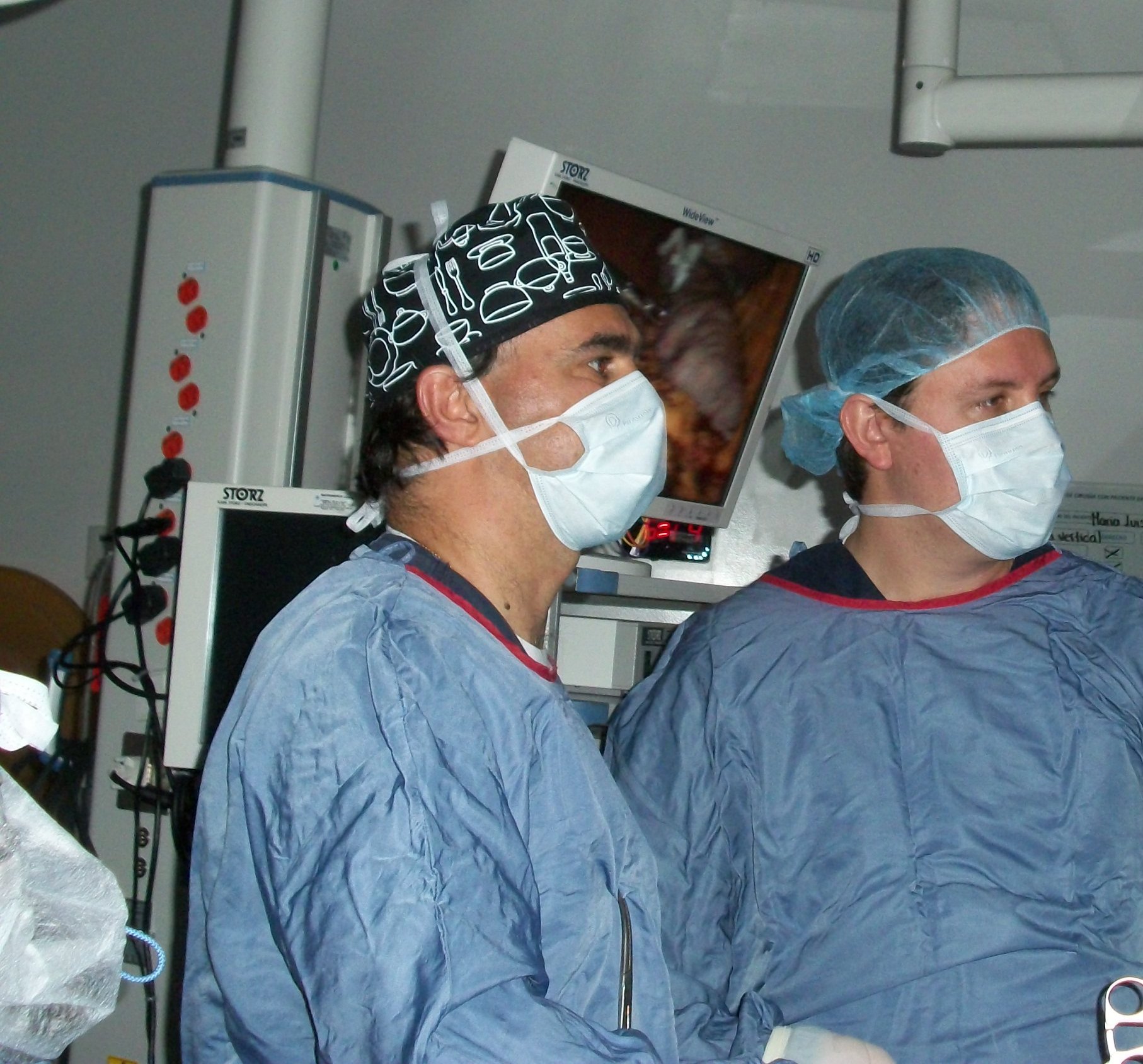
Today he performed a VATs decortication for a stage III empyema (which is one of my favorite cases – but that’s another discussion entirely.)  Going back tomorrow to see some of his vascular cases.

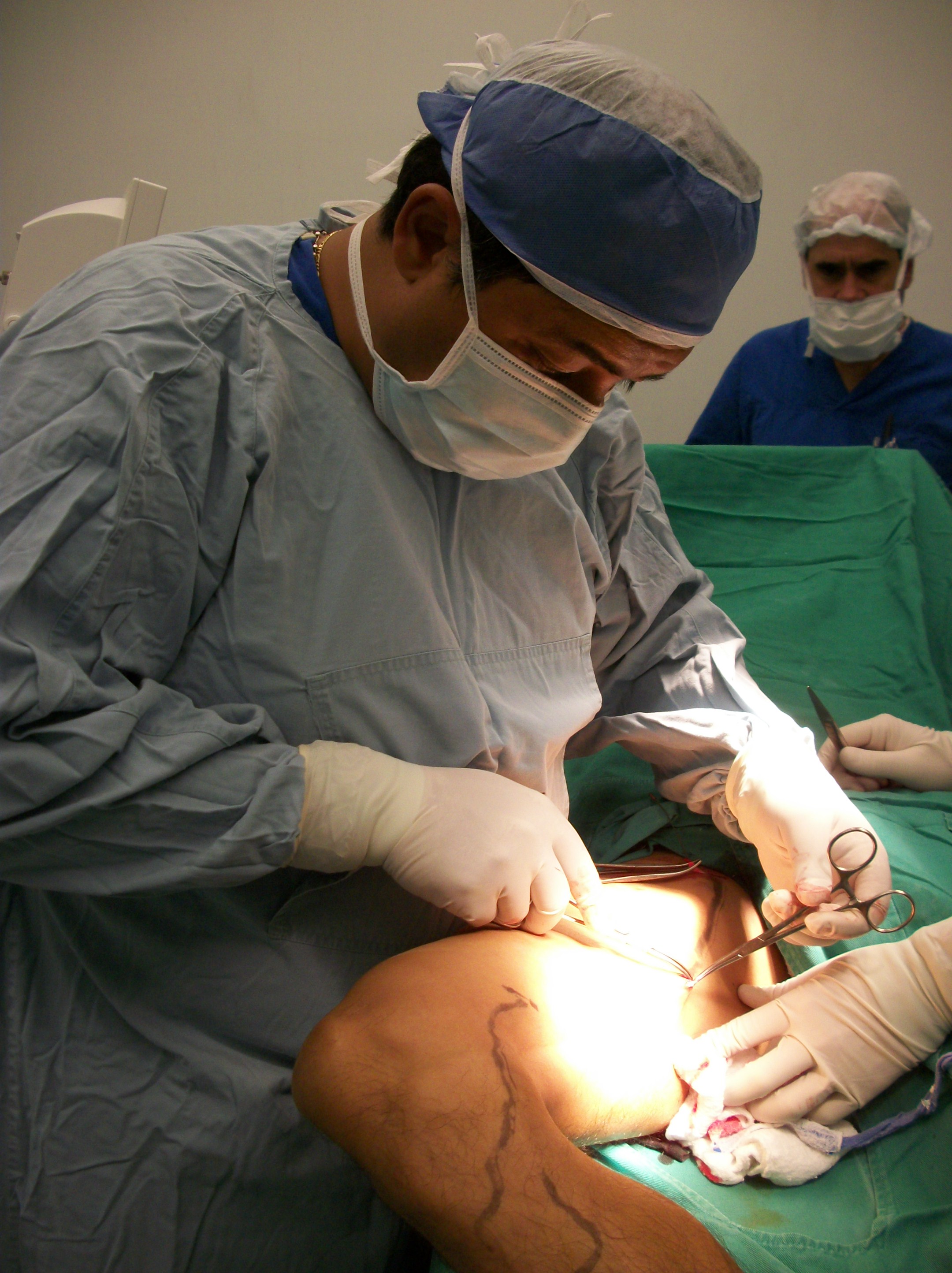
Dr. Renteria in the operating room

International Diabetes Federation supports Bariatric Surgery for treatment of Diabetes


In a 180 shift from the position adopted by the American Heart Association who remains firmly rooted in the idea of bariatric surgery as a ‘last resort when all options have been exhausted’ the International Diabetes Federation (IDF) has taken the unprecedented and progressive step forward to recommend bariatric surgery as a form of aggressive treatment for Diabetes, (which is now only suboptimally controlled with multiple medications in the majority of people.)

In a re-post from Medscape, an article by Robert Lowes “Bariatric Surgery Recommended for Obese Patients With Type 2 Diabetes” reports that surgery is now being endorsed to prevent the devastating complications of this disease.

In this ground-breaking move, hope is being offered to the millions of people diagnosed with this disease.

Article re-post below:

March 28, 2011 — Bariatric surgery is an appropriate treatment for people with type 2 diabetes who are obese, the International Diabetes Federation (IDF) announced today.

Although such operations cost anywhere from $20,000 to $30,000, they will reduce healthcare expenditures in the long run, according to a new IDF position paper on the subject. The surgery, the IDF explains, often normalizes blood glucose levels and reduces or avoids the need for medication.

Dr. Francesco Rubino

In addition, curbing diabetes can stave off costly complications such as blindness, limb amputations, and dialysis, said Francesco Rubino, MD, director of the IDF’s 2nd World Congress on Interventional Therapies for Type 2 Diabetes, meeting today in New York City.

“When we talk about whether we can afford bariatric surgery, we have to ask what will be the cost if we don’t treat the patient,” Dr. Rubino told Medscape Medical News. “Studies have shown the surgery to be cost-effective. So there is a return on investment.”

The IDF puts the lifetime cost of diabetes in the United States at $172,000 for a person diagnosed at age 50 years and $305,000 at age 30 years. More than 60% of this amount is incurred in the first 10 years after diagnosis.

Under the new IDF guidelines, patients with type 2 diabetes warrant bariatric surgery when their body mass index is 35 kg/m2 or higher, or when it is between 30 and 35 kg/m2 and their diabetes cannot be controlled by medicine and lifestyle changes. This latter indication is even stronger when there are other major cardiovascular risk factors, including hypertension, hyperlipidemia, and a history of heart attacks, said Dr. Rubino, chief of the Gastrointestinal Metabolic Surgery Program at New York-Presbyterian Hospital/Weill Cornell Medical Center.

The body mass index action points can be reduced by 2.5 kg/m2 for Asians.

The guidelines were drawn up by an IDF taskforce of diabetologists, endocrinologists, surgeons, and public health experts who met in December 2010.

Trials Needed to Compare Surgical Procedures

The new recommended indications for performing bariatric surgery on patients who are both diabetic and obese match those announced last month by the US Food and Drug Administration  for expanded use of the Lap-Band Adjustable Gastric Banding System (Allergan) to treat obesity.

The US Food and Drug Administration originally approved the product, designed for laparoscopic adjustable gastric banding (LAGB), for adults with a BMI of 40 kg/m2 or higher and those with a BMI of 35 kg/m2 or higher who have additional risk factors. Under the expanded indications, the LAGB system also can be used for adults with a BMI of 30 to 40 kg/m2 and 1 additional obesity-related condition who have failed to lose weight despite diet, exercise, and pharmacotherapy.

The use of bariatric surgery to treat diabetes has sparked controversy in healthcare circles. Critics question the wisdom of wielding a scalpel to solve a medical problem, especially when clinicians have more drugs at their disposal to deal with diabetes.

At the same time, a study published online last week in the Archives of Surgery has raised doubts about the efficacy of LAGB. Researchers following 151 patients who underwent LAGB for obesity concluded that the procedure yielded “relatively poor long-term outcomes,” with nearly half the patients needing their bands removed and 60% overall requiring some kind of reoperation. The authors, who performed the surgeries in question during the mid-1990s, added a caveat: they had used an older dissection technique.

“The band is only one option,” Dr. Rubino told Medscape Medical News, noting that gastric bypass procedures have demonstrated a greater endocrine effect than LAGB. “We are learning that some types of diabetes are well treated by lap-banding early in the disease process. The answer is in patient selection.”

The IDF taskforce calls for randomized controlled trials to compare different bariatric procedures for diabetes between themselves, “as well as emerging non-surgical therapies.”

Robert Lowes

Freelance writer, St. Louis, Missouri

Disclosure: Robert L. Lowes has disclosed no relevant financial relationships.

Dr. Nelson Renteria, Thoracic and Vascular Surgeon


What a delightful afternoon with Dr. Renteria and Dr. Cecilia Villasante (Radiology)!  Dr. Renteria works at the Centro Vascular del Country, which led me to suspect that he may no longer practice thoracic surgery.. But, happily, I was wrong.

While I enjoy meeting all the wonderful and interesting people from all surgical specialties (like the orthopedic surgeons I met with today), I can never deny how much I enjoy talking to people from my home specialties.  Maybe it makes me a little less homesick for my patients because it’s all so familiar.. And it’s always thrilling to meet people who find empyemas,  VATS and all these other things thoracic as interesting and engrossing as I do, especially when you meet people like Dr. Renteria, who still loves what he does as much as I do.  He still enjoys discussing cases, and has a real enthusiasm for his patients.

And – He does esophagectomies!  (Not many thoracic surgeons in Colombia perform esophageal surgery which is kind of like the ‘open heart’ surgery of thoracics*.)  He completed his fellowship training in esophageal surgery at Toronto General Hospital with Dr. Pearson (Dr. F. Griffith Pearson of Pearson’s Thoracic and Esophageal Surgery) and currently does esophagectomies here in Bogota.  (This is much bigger news than it sounds – finding qualified thoracic surgeons that perform an adequate number of esophagectomies can be difficult even in large centers.  Currently, in my home state of Virginia  – University of Virginia is home to the largest esophageal surgery center with three dedicated thoracic surgeons.  Even my beloved Duke only does about 75-76 cases a year.)

So, I admit I lost a bit of my professional cool (if I ever had any).  I was like a kid in a candy store – talking about pre-operative optimization, Ivor -Lewis versus Transhiatal approaches, node dissection and other minutiae that I enjoy.

I must say – I am looking forward to following him to the operating room soon!

** Studies show a significant decrease in morbidity and mortality when esophagectomies are performed by thoracic surgeons (versus general surgeons).

The Department of Orthopedics at Clinica San Rafael


Dr. Victor Lizcano, Chief of Orthopedics

Spent the day with several surgeons from the Department of Orthopedics at Clinica San Rafael – which has a city-wide reputation for excellence.

Dr. Victor Lizcano, MD is the charming Chief of Orthopedics who opened his busy, 11 surgeon department to me. I watched surgeries, talked to patients, reviewed films, and interviewed the surgeons in his department, with free rein.

Orthopedics surgical team; two instrumentadors and 4th year resident (center)

Dr. Maria Angela Gomez, MD, a busy surgeon who nevertheless took the time to talk to me; manages dual practices; both as a plastic surgeon (at Clinica de Marly) and an orthopedic (hand) surgeon. She’s currently involved in a very interesting research project – tell you more about it later… A very fascinating lady.

Dr. Martha Pincon, MD an orthopedic surgeon specializing in foot and ankle surgery, also a very interesting and enjoyable surgeon.

Dr. Martha Pincon, during a complex case at Clinica San Rafael

There’s a lot more to tell – but I have another interview in a few minutes..

The Latest Compilation


Enjoy – a short ad for the Bogota Guide to Medical Tourism featuring Bogota’s Hottest Young Surgeons – including Dr. Juan Pablo Umana, Dr. Ivan Adolfo Santos, Dr. Juan Carlos Garzon, Dr. Freddy Sanabria and Dr. Felix Castro. If you haven’t heard about Bogota’s best and brightest – you haven’t heard anything yet.

In the OR with Dr. Diego Pineros, cardiac surgeon


Dr. Diego Pineros, cardiac surgeon

Spent an enjoyable morning with Dr. Diego Pineros in the operating room at Clinica San Rafael, watching him operate on a four-month old girl. Surgery went well, with no intra-operative or post-operative problems.

Spent the remainder of the morning talking about cases, the history of cardiac surgery and seeing patients.

Like many of his counterparts here in Bogota, Dr. Pineros spends his “leisure time” in ways we might not expect. Right now, he is coordinating and arranging for his surgical team to fly to Tolima (300 miles away) to perform several pediatric cases over the weekend. The team will spend several days to make sure their little patients are well on the road to recovery before returning to Bogota, and to another full week of surgery.  When asked about this, Dr. Pineros quickly shrugs off any praise – stating, “they need surgery, and there is no one [at that hospital] to do it.  It’s hard on the families that travel to Tolima [from outlying rural communities] for care.”

Dr. Diego Pineros

Cardiac Surgeon, Clinica San Rafael

Book Advertisement


Created a new advertisement for the book. Now, obviously for reasons of patient privacy, HIPAA and all of that – we’ve changed the names, and pictures of the people involved. (I did obtain permission from the patient to use surgery photos in print, video and other media).

This is the first in a series of ads for the book, so let me know what you think.

Does it get any better than this?


Going to heart surgery tomorrow – with one of the nicest people I’ve met since I’ve been here.. (Don’t worry, I’ll tell you all about it.)

Then, later this week, I have an appointment for an interview with a thoracic and vascular surgeon – I always said those two specialties combined are like dynamite..

Does it get any better than this? I’ll let you know.

(Cartagena Surgery News) But it certainly gets worse: over at our sister site we are talking about the financial and emotional burdens placed on Americans due to our failing healthcare system..

(Thoracic Surgery News) We’re discussing robotic surgery at our new Thoracic Surgery Portal:
Saw this on a neighboring blog, talking about robotic lung surgery – but my readers here know that Dr. Buitrago has been training with an American surgeon to offer that treatment here – at Clinica de Marly.

Dr. Diego Pineros, cardiac surgeon, (revisited)


Clinica San Rafael – Bogota, Colombia

Most of you haven’t heard of Dr. Diego Pineros but I originally interviewed him about three months ago, (long before I set up this website.) He is one the many genuinely nice people I have had the fortune to meet during this trip (and a great tour guide since he knows quite a bit about the history of Bogota). Today, I went back to visit him, at Clinica San Rafael, which is one of several facilities where he operates.

The case for this morning was cancelled, but it was nice to catch up with Dr. Pineros, meet his residents (young future surgeons) and see the clinic itself.

While we were there – we ran into Dr. Mario Lopez (thoracic surgeon) who has now added Clinica San Rafael to his roster. If you remember, we last saw him in the operating room at Mederi.
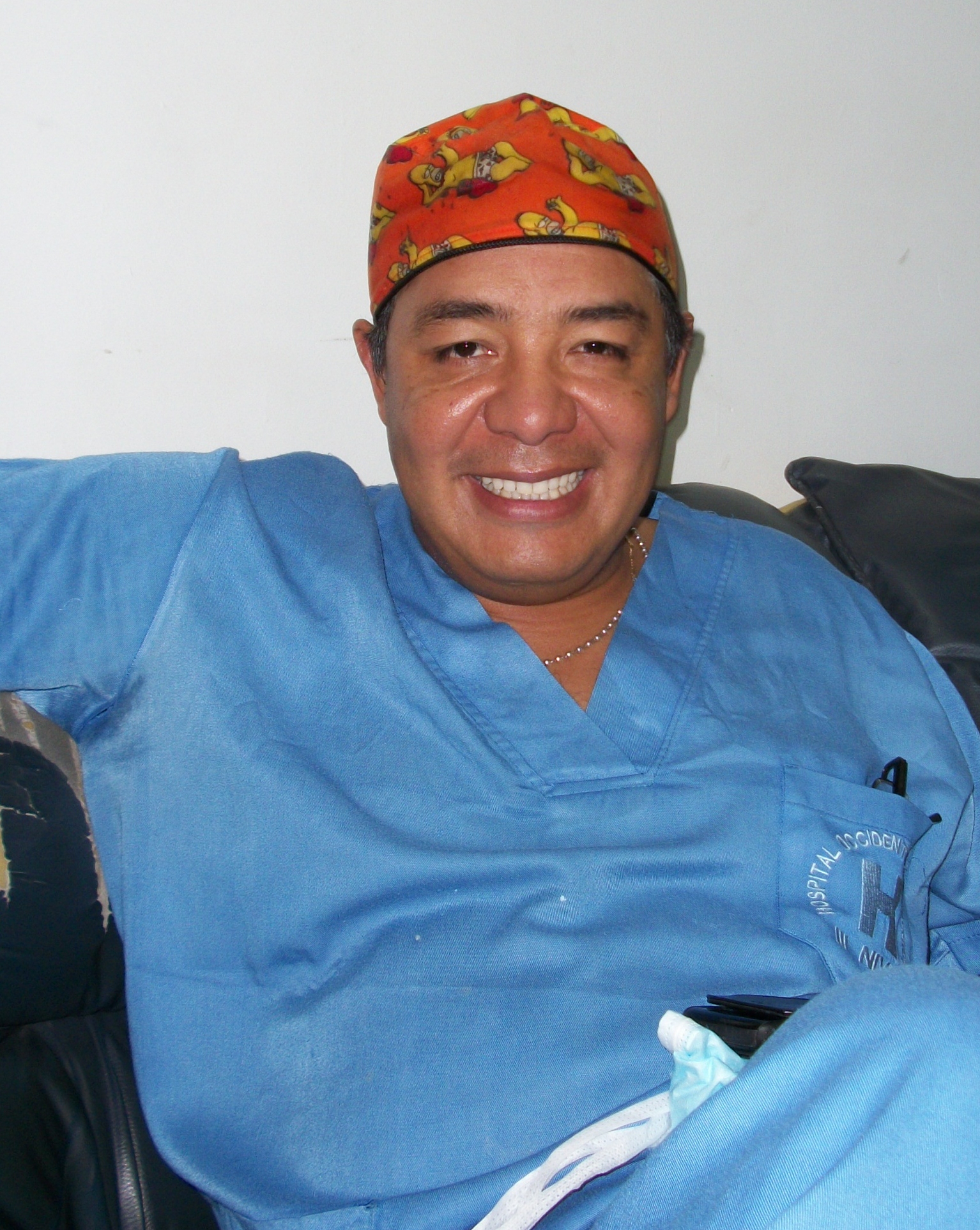
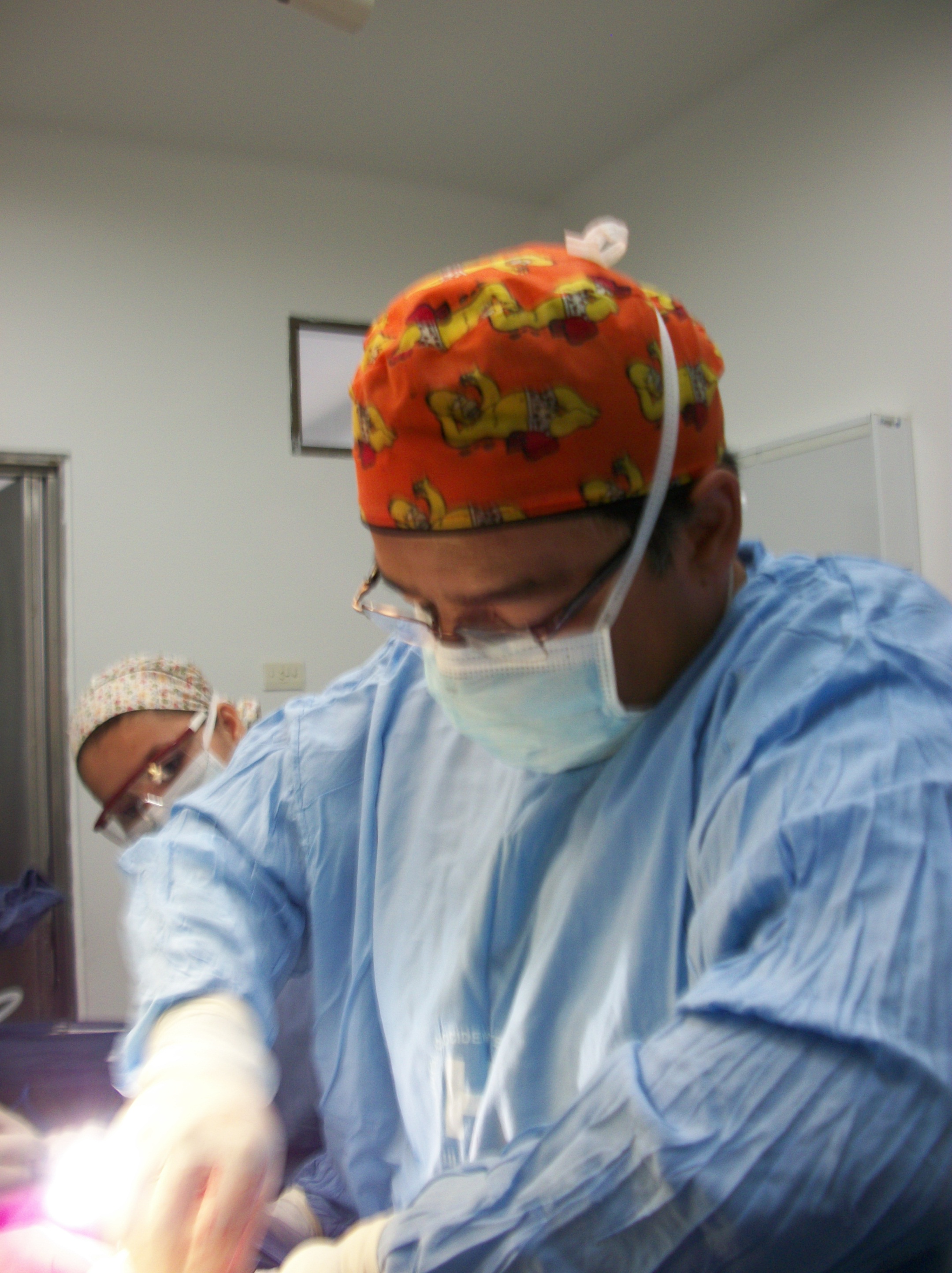
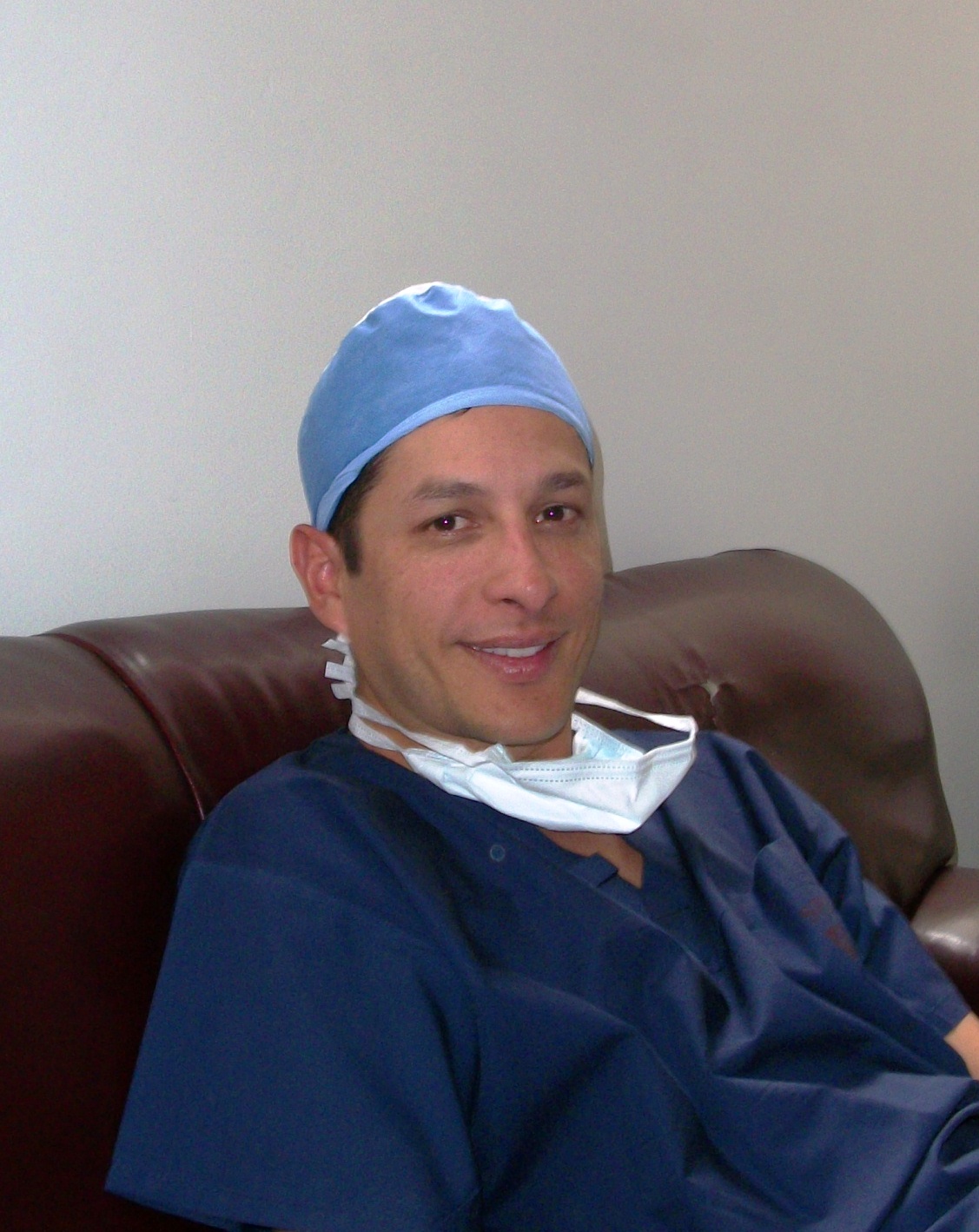
I tried to get a picture of him (without his mask) but it’s a bit blurry..

Hope to be back at Clinica San Rafael soon, so I will be able to tell you more.