In the operating room with Dr. Luis Botero, plastic surgeon


Please note that some of the images in this article have been edited to preserve patient privacy.  

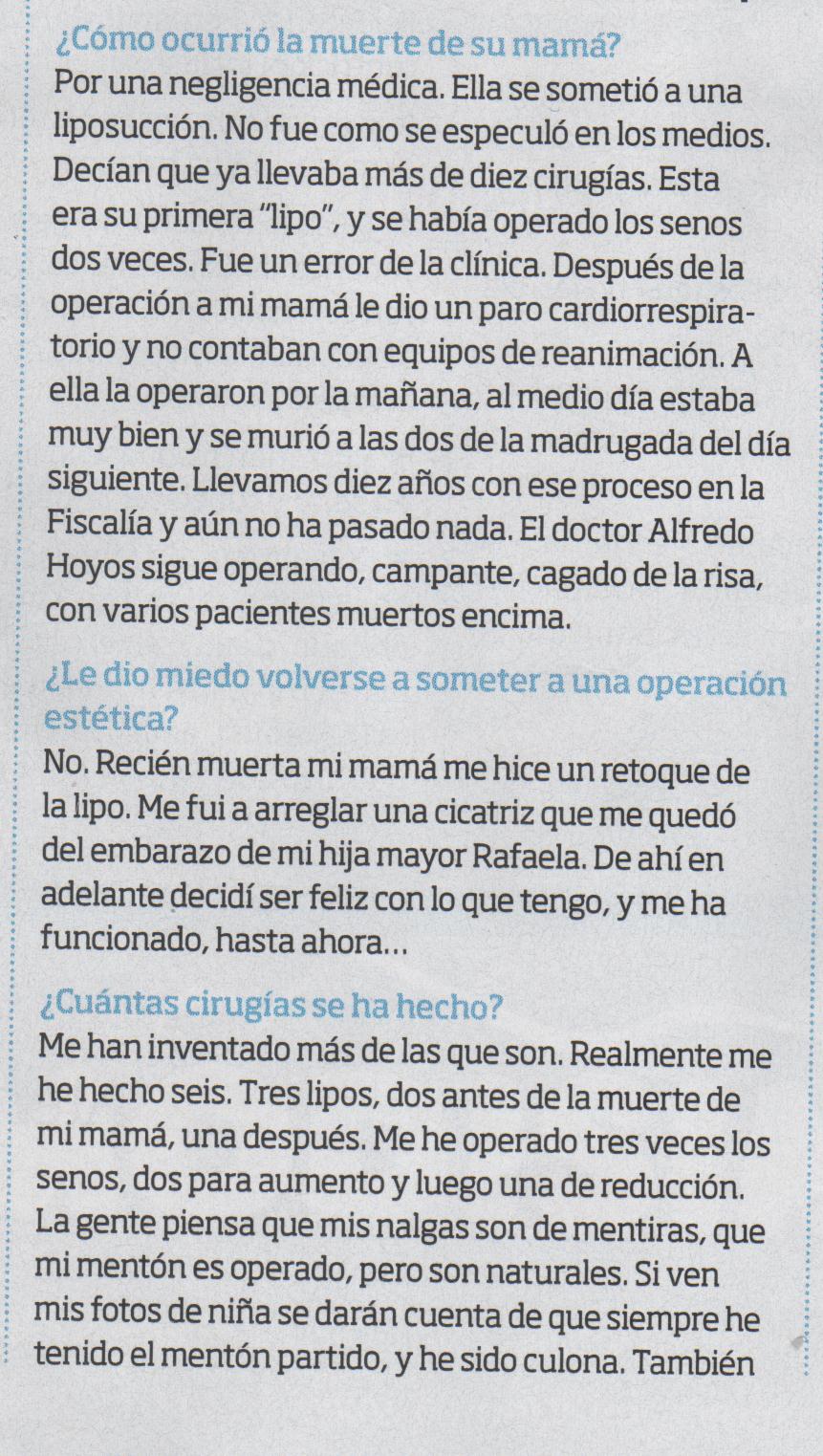
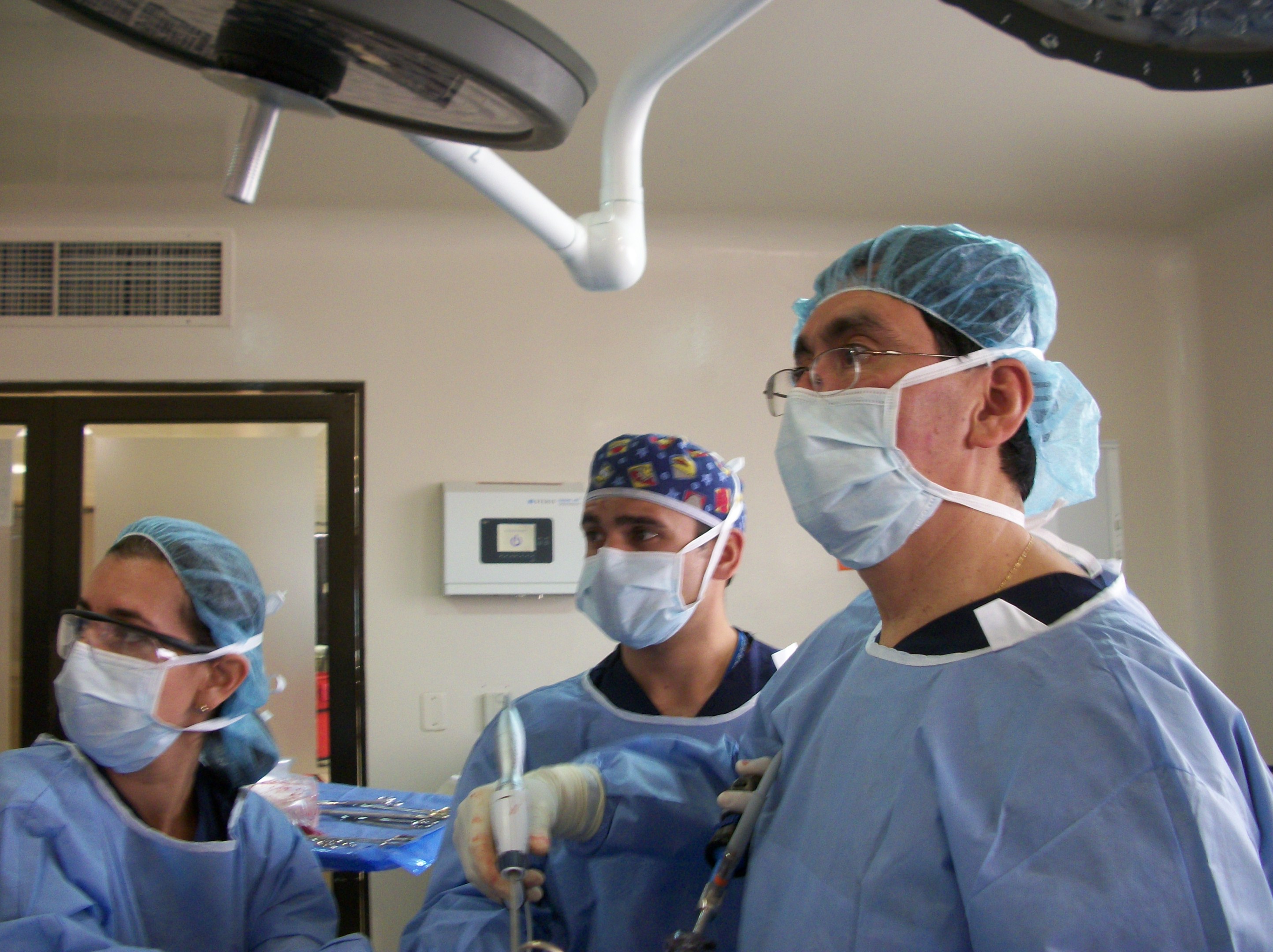
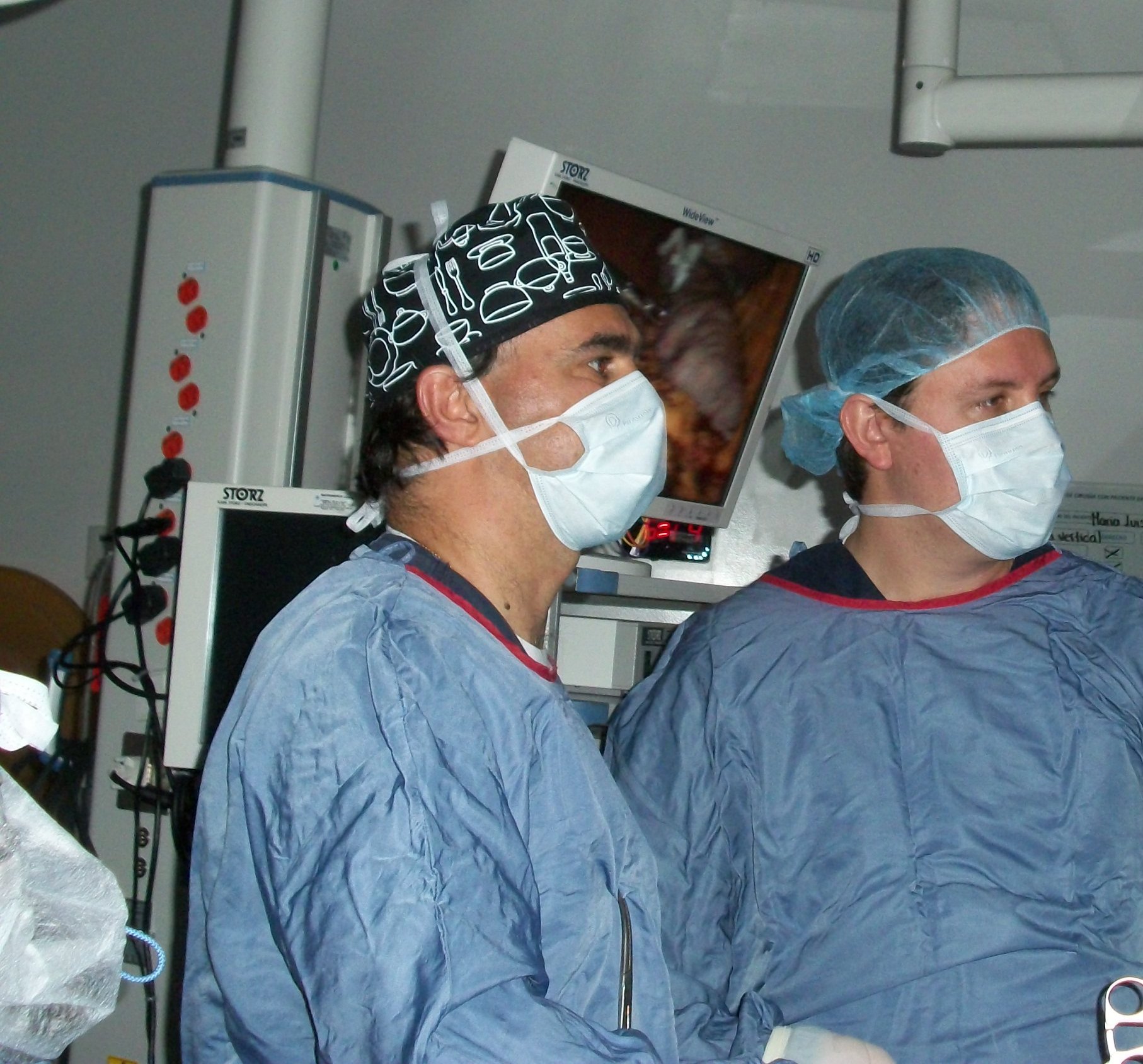
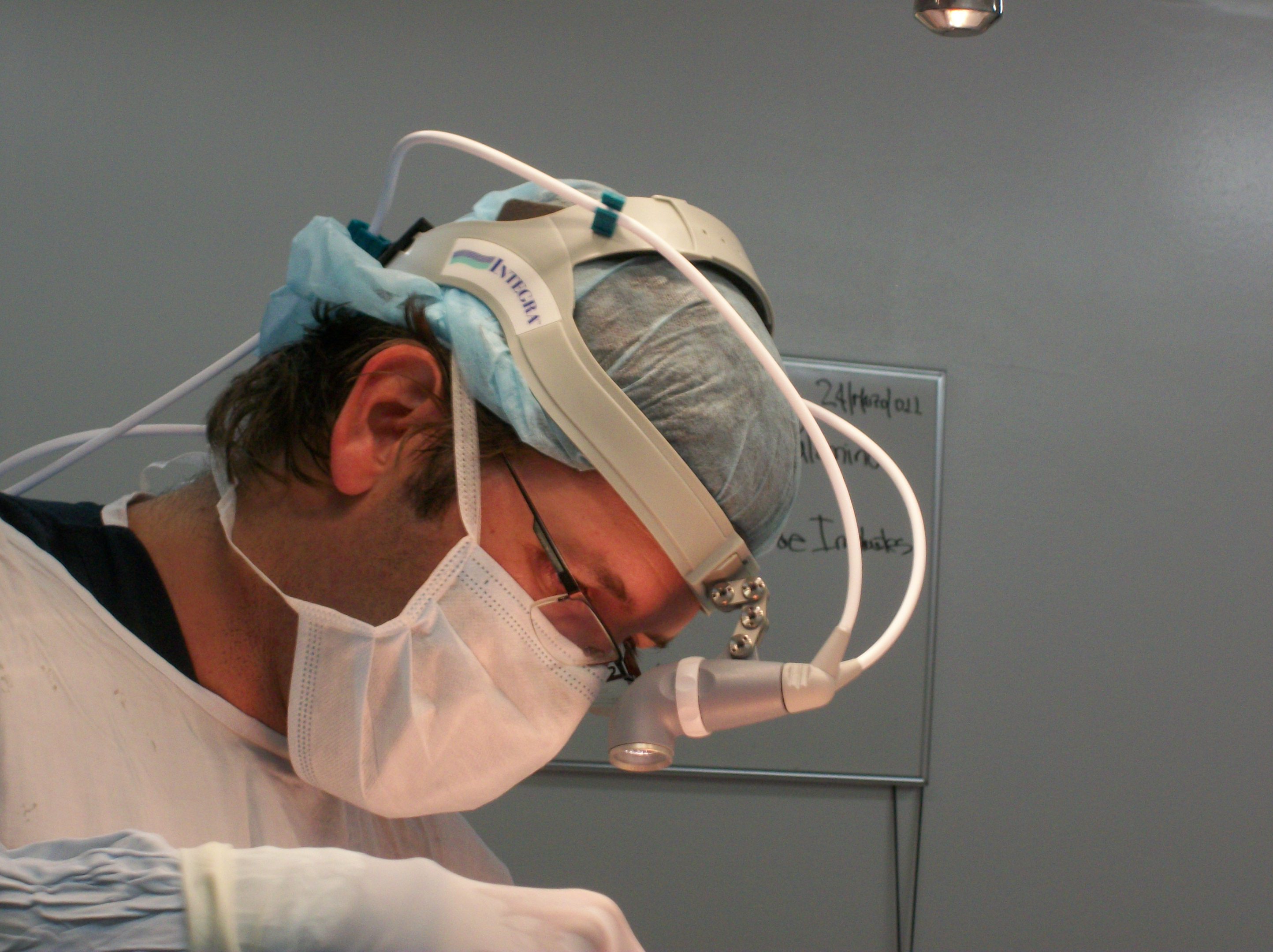
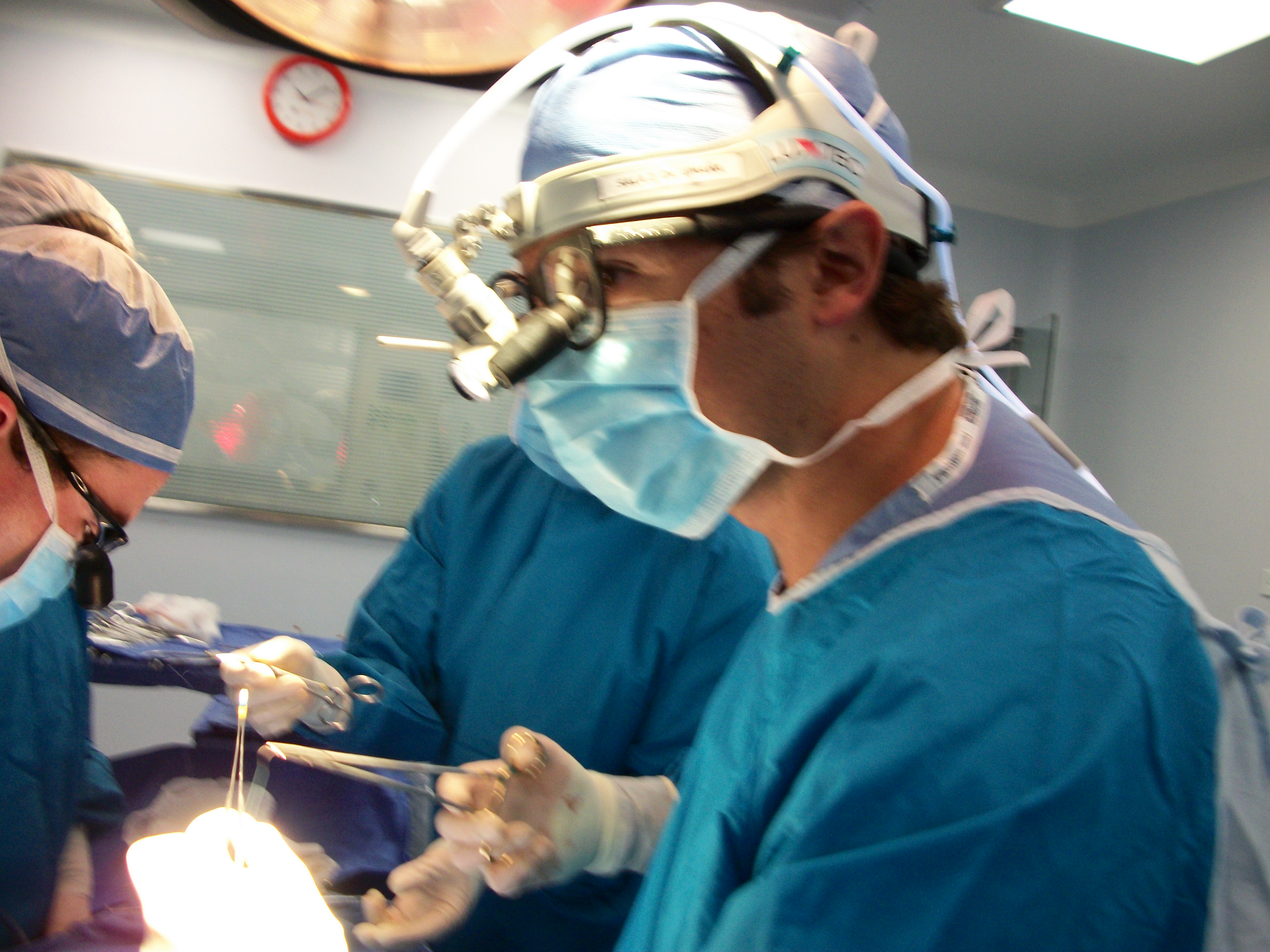
Today, Dr. Luis Botero has invited me to observe surgery at IQ Interquirofanos in the Poblado section of Medellin.  He is performing full-body liposuction and fat grafting of the buttocks.

Dr. Luis Botero, in the operating room

Dr. Luis Botero, in the operating room

The facility: IQ Interquirofanos

Interquirofanos is located on the second floor

Interquirofanos is located on the second floor

IQ Interquirofanos is an ambulatory surgery center located on the second floor of the Intermedica Building across the street from the Clinica de Medellin (sede Poblado).  The close proximity of this clinic to a hospital is an important consideration for patients in case of a medical emergency.

The anesthesiologists estimate that 90% of the procedures performed here are cosmetic surgeries but surgeons also perform gynecology, and some orthopedic procedures at this facility.

The are seven operating rooms that are well-lit, and feature modern and functional equipment including hemodynamic monitoring, anesthesia / ventilatory equipment/ medications.  There are crash carts available for the operating rooms and the patient recovery areas.

There are fourteen monitored recovery room beds, while the facility currently plans for expansion.  Next door, an additional three floors are being built along with six more operating rooms.

Sterile processing is located within the facility with several large sterilization units.  There is also a pharmacy on-site.  The pharmacy dispenses prosthetics such as breast implants in addition to medications.

The only breast prosthetics offered at this facility are Mentor (Johnson & Johnson) and Natrelle brand silicone implants (Allergan).  In light of the problems with PIP implants in the past – it is important for patients to ensure their implants are FDA approved, like Mentor implants.

In the past seven years, over 31,000 procedures have been performed at Interquirofanos.  The nurses tell me that during the week, there are usually 30 to 35 surgeries a day, and around 15 procedures on Saturdays.

Prior to heading to the Operating Room:

Prior to surgery, patients undergo a full consultation with Dr. Botero and further medical evaluation (as needed).  Patients are also instructed to avoid aspirin, ibuprofen and all antiplatets (clopidogrel, prasugrel, etc) and anti-coagulants (warfarin, dabigatran, etc.) for several days.  Patients should not resume these medications until approved by their surgeon.

Complication Insurance

All patients are required to purchase complication insurance.  This insurance costs between 75.00 and 120.00 dollars and covers the cost of any treatment needed (in the first 30 days) for post-operative complications for amounts ranging from 15,000 dollars to 30,000 dollars, depending on the policy.   All of his clients who undergo surgery at IQ Interquirofanos are encouraged to buy a policy from Pan American Life de Colombia as part of the policies for patient safety at this facility. International patients may also be interested in purchasing a policy from ISPAS, which covers any visits to an ISPAS-affiliated surgeon in their home country.

Today’s Procedures: Liposuction & Fat Grafting

Liposuction – Liposuction (lipoplasty or lipectomy) accounts for 50% of all plastic surgery procedures.   First the surgeon makes several very small slits in the skin.  Then a saline – lidocaine solution is infiltrated in to the fat (adipose) tissue that is to removed. This solution serves several purposes – the solution helps emulsify the fat for removal while the lidocaine-epinephrine additives help provide post-operative analgesic and limit intra-operative bleeding.  After the solution dwells (sits in the tissue) for ten to twenty minutes, the surgeon can begin the liposuction procedure.  For this procedure, instruments are introduced to the area beneath the skin and above the muscle layer.

During this procedure, the surgeon introduces different canulas (long hollow tubes).  These tubes are used to break up the adipose tissue and remove the fat using an attached suctioning canister.  To break up the fat, the surgeon uses a back and forth motion.  During this process – one hand is on the canula.  The other hand remains on the patient to guide the canulas and prevent inadvertent injury to the patient.

fat being removed by liposuction

fat being removed by liposuction

Due to the nature of this procedure, extensive bruising and swelling after this procedure is normal.  Swelling may last up to a month.  Patients will need to wear support garments (such as a girdle) after this procedure for several weeks.

Types of liposuction:

In recent years, surgeons have developed different techniques and specialized canulas to address specific purposes during surgery.

Standard liposuction canulas come in a variety of lengths and bore sizes (the bore size is the size of the hole at the end of the canister for the suction removal of fat tissue.)  Some of these canulas have serrated bores for easier fat removal.

Ultrasound-assisted liposuction uses the canulas  to deliver sound waves to help break up fat tissue.  These canulas are designed for patients who have had repeated liposuction.  This is needed to break up adhesions (scar tissue) that forms after the initial procedure during the healing process.

Laser liposuction is another type of liposuction aimed at specifically improving skin contraction.  This is important in older patients or in patients who have excessive loose skin due to recent weight loss or post-pregnancy.  However, for very large amounts of loose skin or poor skin tone in areas such as the abdomen, a larger procedure such as abdominoplasty may be needed.

During laser liposuction, a small wire laser is placed inside a canula to deliver a specific amount of heat energy to the area (around 40 degrees centrigrade).  The application of heat is believed to stimulate collagen production (for skin tightening).  Bleeding is reduced because of the cautery effect of the heat – but post-operative pain is increased due to increased inflammatory effects.  There is also a risk of burn trauma during this procedure.

There have been several other liposuction techniques that have gone in and out of fashion, and many of the variations mentioned are often referred to by trademark names such as “Vaser”, “SmartLipo”, “SlimLipo” which can be confusing for people seeking information on these procedures.

Fat Grafting
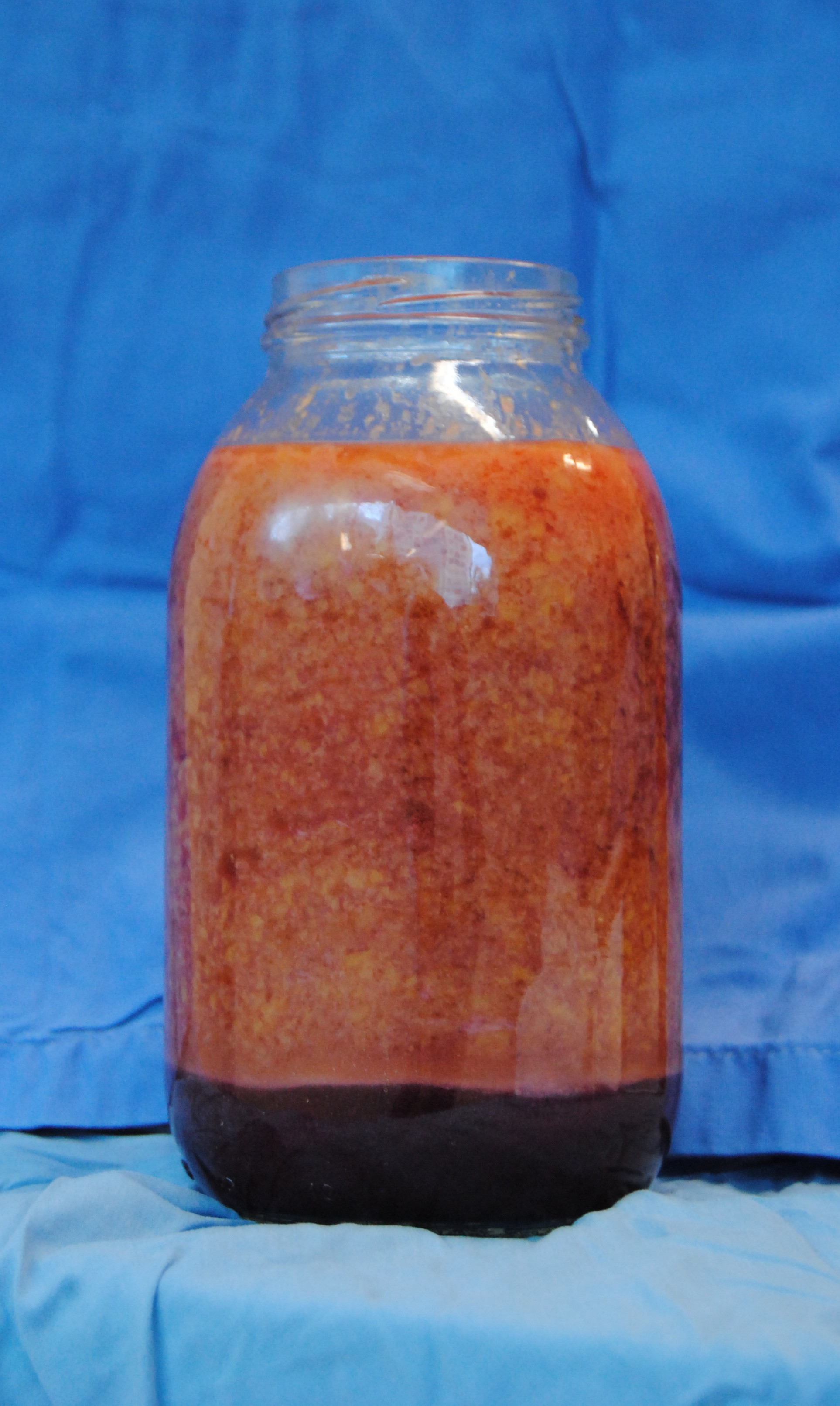
Fat from liposuction procedure to be used for buttock augmentation

Fat from liposuction procedure to be used for buttock augmentation

Fat grafting is a procedure used in combination with liposuction.  With this procedure, fat that was removed during liposuction is relocated to another area of the body such as the buttocks, hands or face.

In this patient, Dr. Botero injects the fat using a large bore needle deep into the gluteal muscles to prevent a sloppy, or dimpled appearance.  Injecting into the muscle tissue also helps to preserve the longevity of the procedure.  However, care must be taken to prevent fat embolism*, a rare but potentially fatal complication – where globules of fat enter the bloodstream.  To prevent this complication, Dr. Botero carefully confirms the placement of his needle in the muscle tissue before injecting.

Results are immediately appreciable.

fat being injected for buttock augmentation. (Photo edited for patient privacy).

fat being injected for buttock augmentation. (Photo edited for patient privacy).

The Surgery:

Patient was appropriately marked prior to the procedure.   The patient was correctly prepped, drapped and positioned to prevent injury or infection.  Ted hose and sequential stockings were applied to lessen the risk of developing deep vein thrombosis.  Pre-operative procedures were performed according to internationally recognized standards.

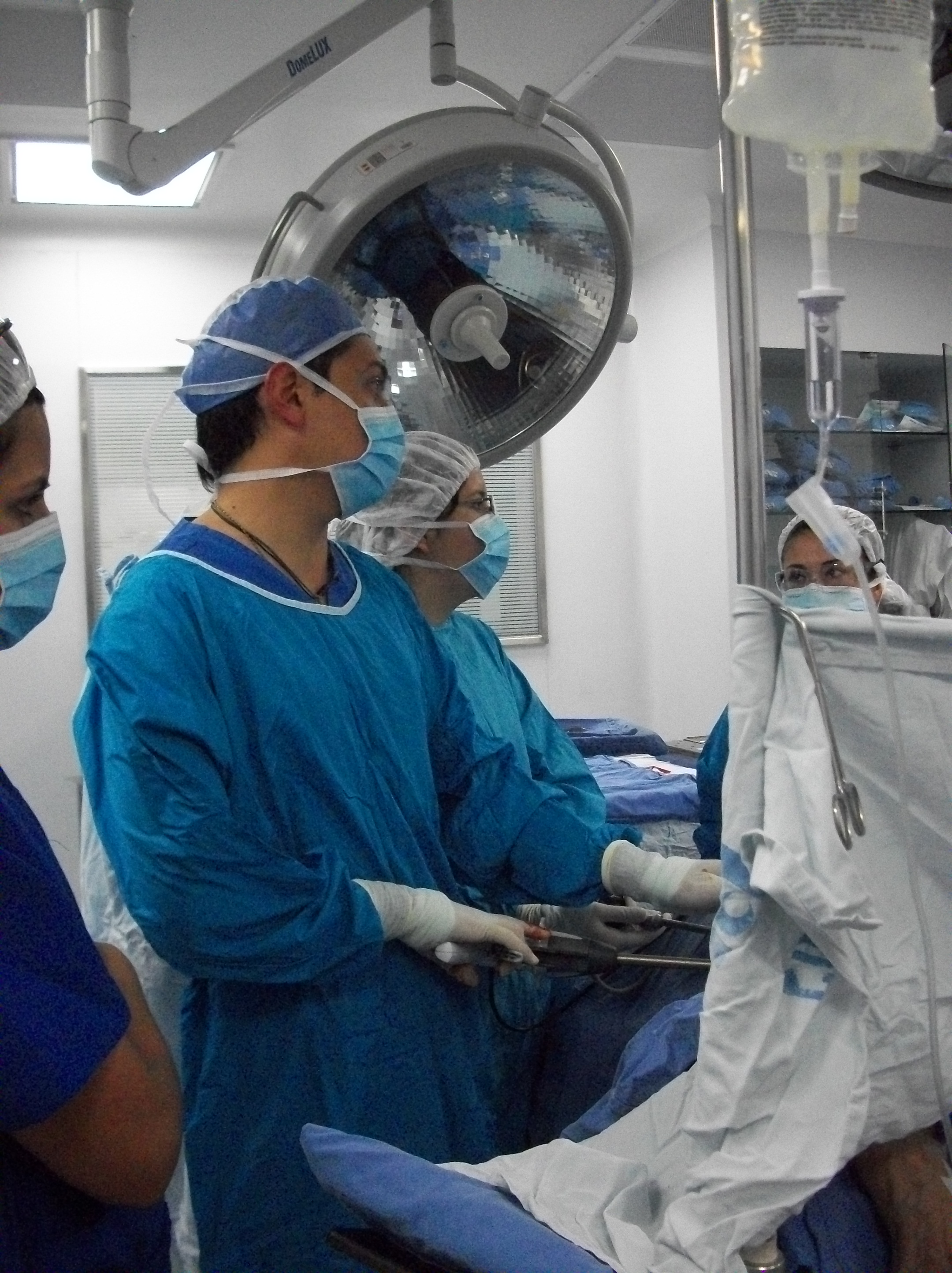
Sterility was maintained during the case.  Dr. Botero appeared knowledgeable and skilled regarding the techniques and procedures performed.

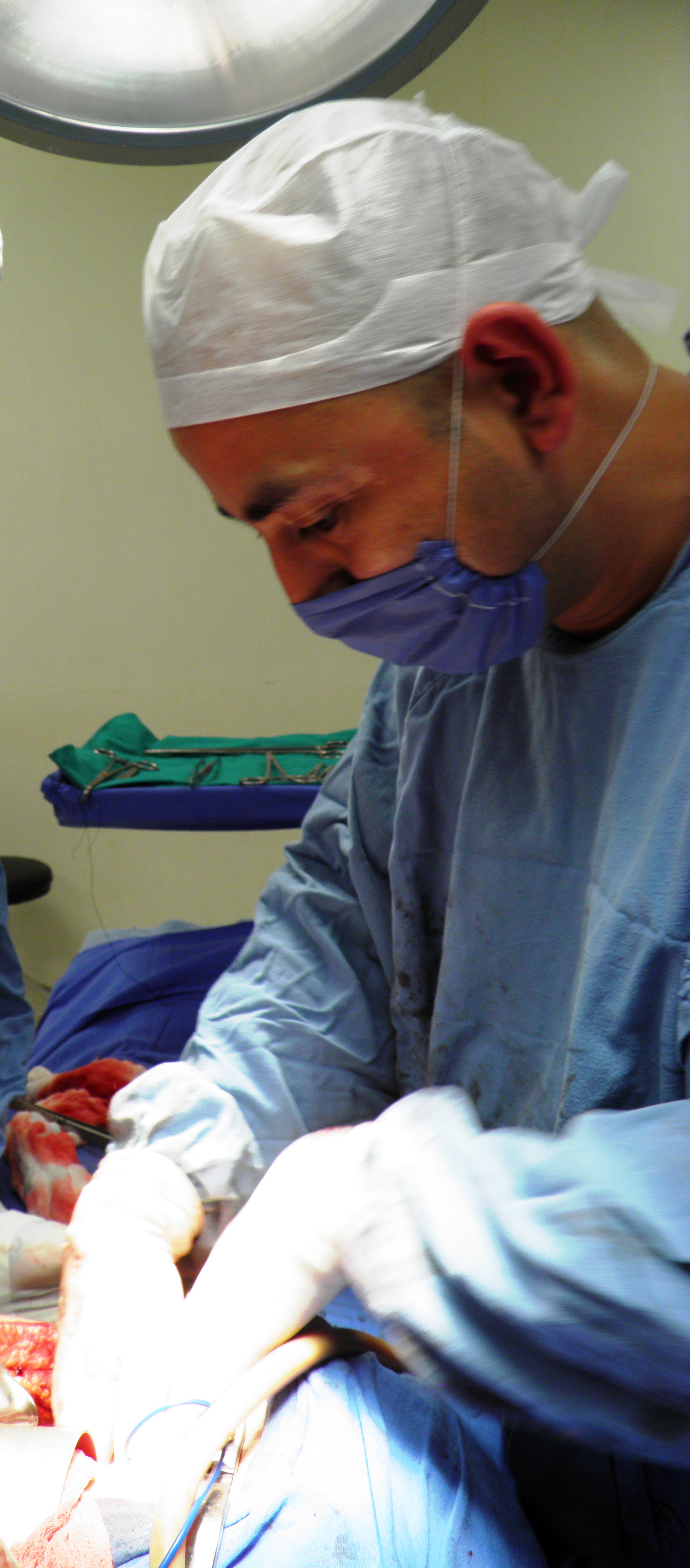
His instrumentadora (First assistant), Liliana Moreno was extremely knowledgeable and able to anticipate Dr. Botero’s needs.

Circulating nurse: Anais Perez maintained accurate and up-to-date intra-operative records during the case.  Ms. Perez was readily available to obtain instruments and supplies as needed.

Overall – the team worked well together and communicated effectively before, during and after the case.

Anesthesia was managed by Dr. Julio Arango.   He was using an anesthesia technique called “controlled hypotension”.  (Since readers have heard me rail about uncontrolled hypotension in the past – I will write another post on this topic soon.)

Controlled Hypotension

However, as the name inplies – controlled hypotension is a tightly regulated process, where blood pressure is lowered to a very specific range.  This range is just slightly lower than normal (Systolic BP of around 80) – and the anesthesiologist is in constant attendance.  This is very different from cases with profound hypotension which is ignored due to an anesthesia provider being distracted – or completely absent.

With hypotensive anesthesia – blood pressure is maintained with a MAP (or mean) of 50 – 60mmHg with a HR of 50 – 60.  This reduces the incidence of bleeding.

However, this technique is not safe for everyone.  Only young healthy patients are good candidates for this anesthesia technique.  Basically, if you have any stiffening of your arteries due to age (40+), smoking, cholesterol or family history – this technique is NOT for you.  People with high blood pressure, any degree of kidney disease, heart disease, peripheral vascular disease or diabetes are not good candidates for this type of anesthesia. People with these kinds of medical conditions do not tolerate even mild hypotension very well, and are at increased risk of serious complications such as renal injury/ failure or cardiovascular complications such as a heart attack or stroke.  Particularly since this is an elective procedure – this is something to discuss with your surgeon and anesthesiologist before surgery.

The patient today is young (low 20’s), physically fit, active with no medical conditions so this anesthesia poses little risk during this procedure. Also the surgery itself is fairly short – which is important.  Long/ marathon surgeries such as ‘mega-makeovers‘ are not ideal for this type of anesthesia.

Dr. Julio Arrango keeps a close eye on his patient

Dr. Julio Arango keeps a close eye on his patient

However, Dr. Arango does an excellent job during this procedure, which is performed under general anesthesia.   After intubating the patient, he maintained a close eye on vital signs and oxygenation.  The patient is hemodynamically stable with no desaturations or hypoxia during the case.  Dr. Arango remains alert and attentive during the case, and remains present for the entire surgery.  Following surgery, anesthesia was lightened, and the patient was extubated prior to transfer to the recovery room.

He also demonstrated excellent knowledge of international protocols regarding DVT/ Travel risk, WHO safety protocols and intra-operative management.

Surgical apgar score: 9  (however, there is a point lost due to MAP of 50 – 60 as discussed above).

Results of the surgery were cosmetically pleasing.

Post -operative care:

Prior to discharge from the ambulatory care center after recovery from anesthesia the patient (and family) receives discharge instructions from the  nurses.

The patient also receives prescriptions for several medications including:

1. Oral antibiotics for a five-day course**. Dr. Botero uses this duration for fat grafting cases only.

2. Non-narcotic analgesia (pain medications).

3. Lyrica ( a gabapentin-like compound) to prevent neuralgias during the healing period.

The patient will wear a support garment for several weeks.  She is to call Dr. Botero to report any problems such as unrelieved pain, drainage or fever.

Note: after some surgeries like abdominoplasty, patients also receive DVT prophylaxis with either Arixtra or enoxaparin (Lovenox).

Follow-up appointments:

Dr. Botero will see her for her first follow-up visit in two days (surgery was on a Saturday).  He will see twice a week the first week, and then weekly for three weeks (and additionally as needed.)

* Fat embolism is a risk with any liposuction procedure.

**This is contrary to American recommendations as per the National Surgical Care Improvement Project (SCIP) which recommends discontinuation within the first 24 hours to prevent the development of antibiotic resistance.

New venture with Colombia Reports


While I have written several books about surgery and surgeons in Colombia, much of this information I’ve obtained from my research has been consigned to sitting on the shelves of various bookstores.

But, now with the help of Colombia Reports, I am hoping to change that.  As I mentioned in a previous post, Colombia Reports.com and it’s founder, Adriaan Alsema have been amazingly supportive of my work, ever since they printed my first article on Cartagena in 2010.

Since returning to Colombia, I have kept in touch with Colombia Reports while we discussed ways to bring more of my research and work to the public.  Colombia Reports is a perfect platform – because it serves a community of English-speaking (reading) individuals who are interested in/ and living in Colombia.   With this in mind, Colombia Reports has created a new Health & Beauty section which will carry some of my interviews and evaluations.

It is an ideal partnership for me; it allows me to bring my information to the people who need it – and continue to do my work as an objective, and unbiased reviewer.  We haven’t figured out all of the details yet – but I want to encourage all of my faithful readers to show Colombia Reports the same dedication that you’ve shown my tiny little blog, so that our ‘experiment’ in medical tourism reporting becomes a viable and continued part of Colombia Reports.

This is more important to me that ever – just yesterday as I was revisiting a surgeon I interviewed in the past (for a new updated article), I heard a tragic story that just broke my heart about a patient that was recently harmed by Dr. Alfredo Hoyos.  While I was unable to obtain documents regarding this incident – this is not the first time that this has happened.

Previous accusations of medical malpractice against this surgeon have been published in Colombian news outlets including this story from back in 2002.

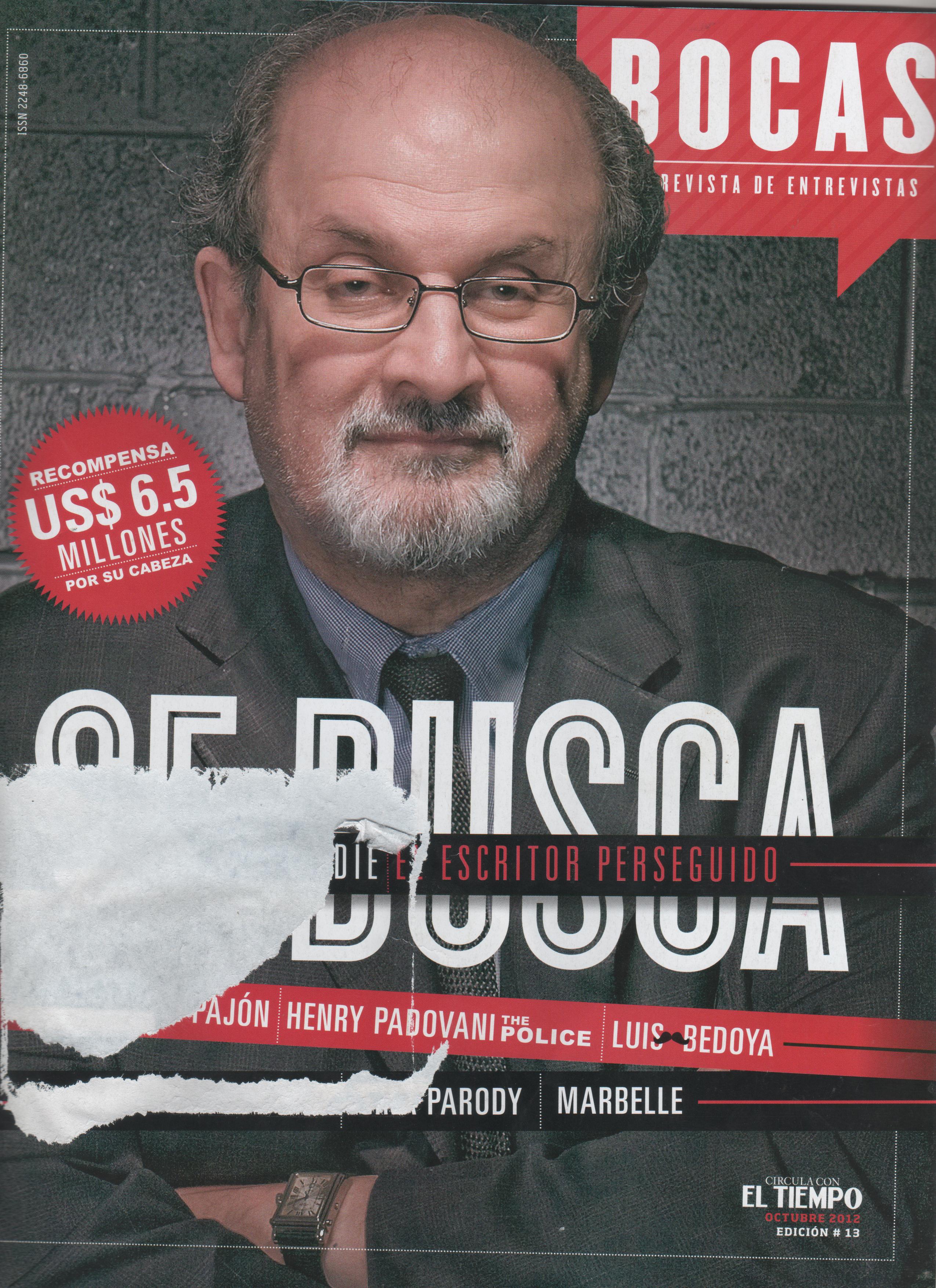
The accusations are from Marbelle, a Colombian artist regarding the intra-operative death of her mother, Maria Isabeth Cardona Restrepo (aka Yolanda) during liposuction.  These accusations were published in Bocas – which is part of El Tiempo, a popular Colombian newspaper, in which the singer alleges that Dr. Hoyos was unprepared, and did not have the proper equipment on hand to treat her mother when she went into cardiac arrest during the surgery.

story about the death of one of Dr. Alfredo Hoyos' patients.

story about the death of one of Dr. Alfredo Hoyos’ patients.

Kristin 002 Kristin 003 Kristin 004

Now – as many of you remember, I interviewed Dr. Alfredo Hoyos back in 2011, and followed him to the operating room, giving me first hand knowledge of his surgical practices.

Readers of the book know he received harsh criticism for both failure to adhere to standard practices of sterility and patient intra-operative safety (among other things.)  I also called him out for claiming false credentials from several plastic surgery associations – and notified those agencies of those claims..   In the book, readers were strongly advised not to see Dr. Hoyos or his associates for care.

But – as I mentioned, my book is sitting lonely on a shelf, here in Bogotá – and in the warehouses of Amazon.com and other retailers.. So, people like that patient – didn’t have the critical information that they needed..

This is where Colombia Reports – and I hope to change all that.   So in the coming weeks, I am re-visiting some of surgeons we talked to in 2011, and interviewing  more (new) surgeons, more operating room visits..

Dr. Gabriel Ramos, Oncology Surgeon


Dr. Gabriel Ramos, Oncologic Surgeon

Been a busy week  – (Yea!) but now that it is the weekend, I have a chance to post some more pictures and talk about my day in the operating room with Dr. Gabriel Omar Ramos Orozco. 

Despite living in a neighboring apartment, interviewing Dr. Ramos proved to be more difficult than anticipated.  But after several weeks, I was able to catch up with the busy surgeon.

Outside of the operating room, he is a brash, young surgeon with an off-beat charm and quirky sense of humor.  But inside the operating room, as he removes a large tumor with several cancerous implants, Dr. Gabriel Ramos Orozco is all business.

It’s different for me, as the interviewer to have this perspective.  As much as I enjoy him as a friendly neighbor – it’s the serious surgeon that I prefer.  It’s a side of him that is unexpected, and what finally wins me over.

Originally from San Luis Rio Colorado in the neighboring state of Sonora, Dr. Ramos now calls Mexicali home.  Like most surgeons here, he has a staff position at a public hospital separate from his private practice.  It is here at IMSS (Instituto Mexicano del Seguro Social) where Dr. Ramos operates on several patients during part of the extended interview.

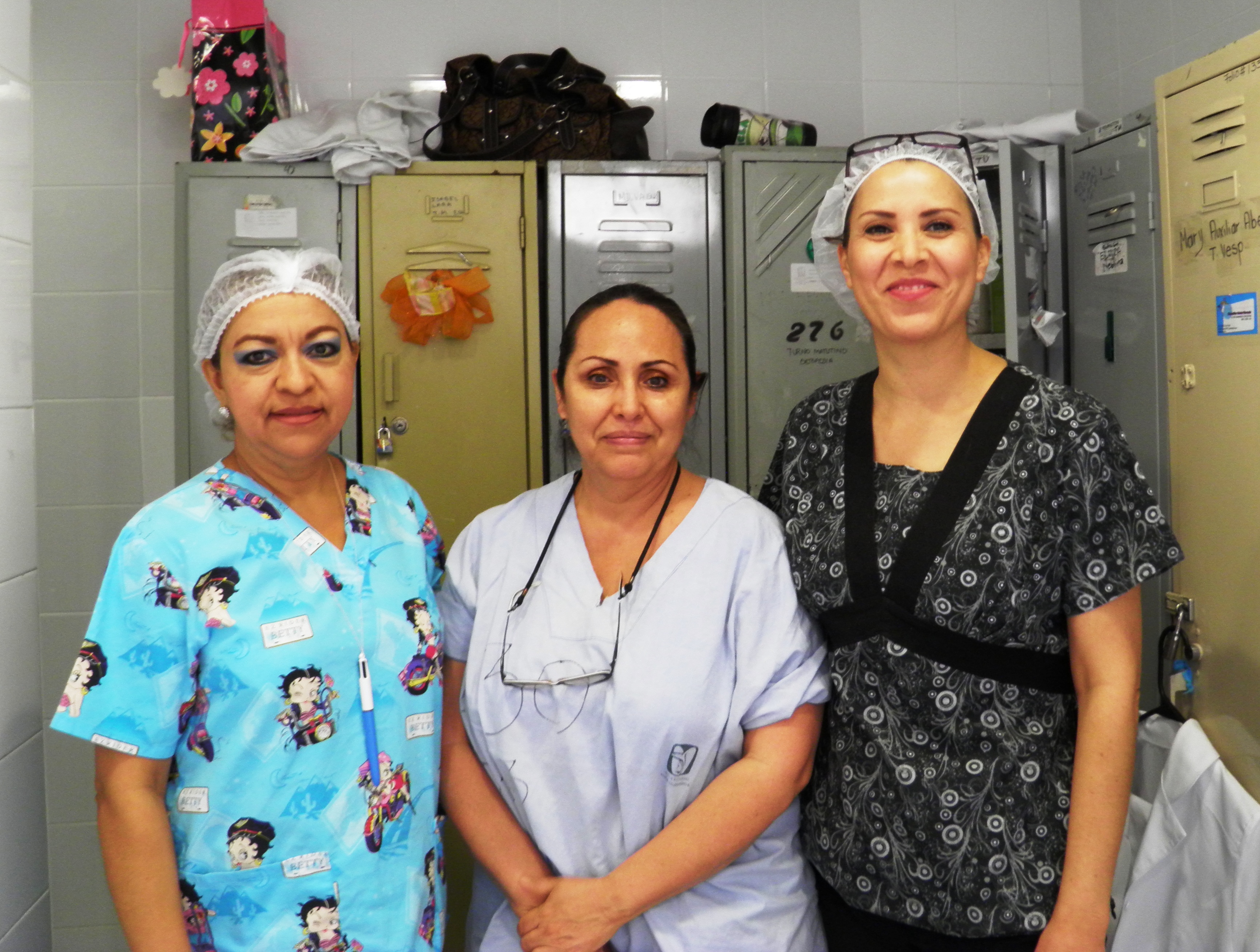
Operating room nurses at IMSS

During the cases, the patients received a combination of epidural analgesia and conscious sedation.  While the anesthesiologist was not particularly involved or attentive to the patients during the cases, there was no intra-operative hypotension/ alterations in hemodynamic status or prolonged hypoxia.

Dr. Ramos reviewed patient films and medical charts prior to the procedures.  Patients were prepped, positioned and draped appropriately.  Surgical sterility was maintained during the cases.  The first case is a fairly straight forward laparoscopic case – and everything proceeds rapidly, in an uncomplicated fashion.  45 minutes later, and the procedure is over – and Dr. Ramos is typing his operative note.

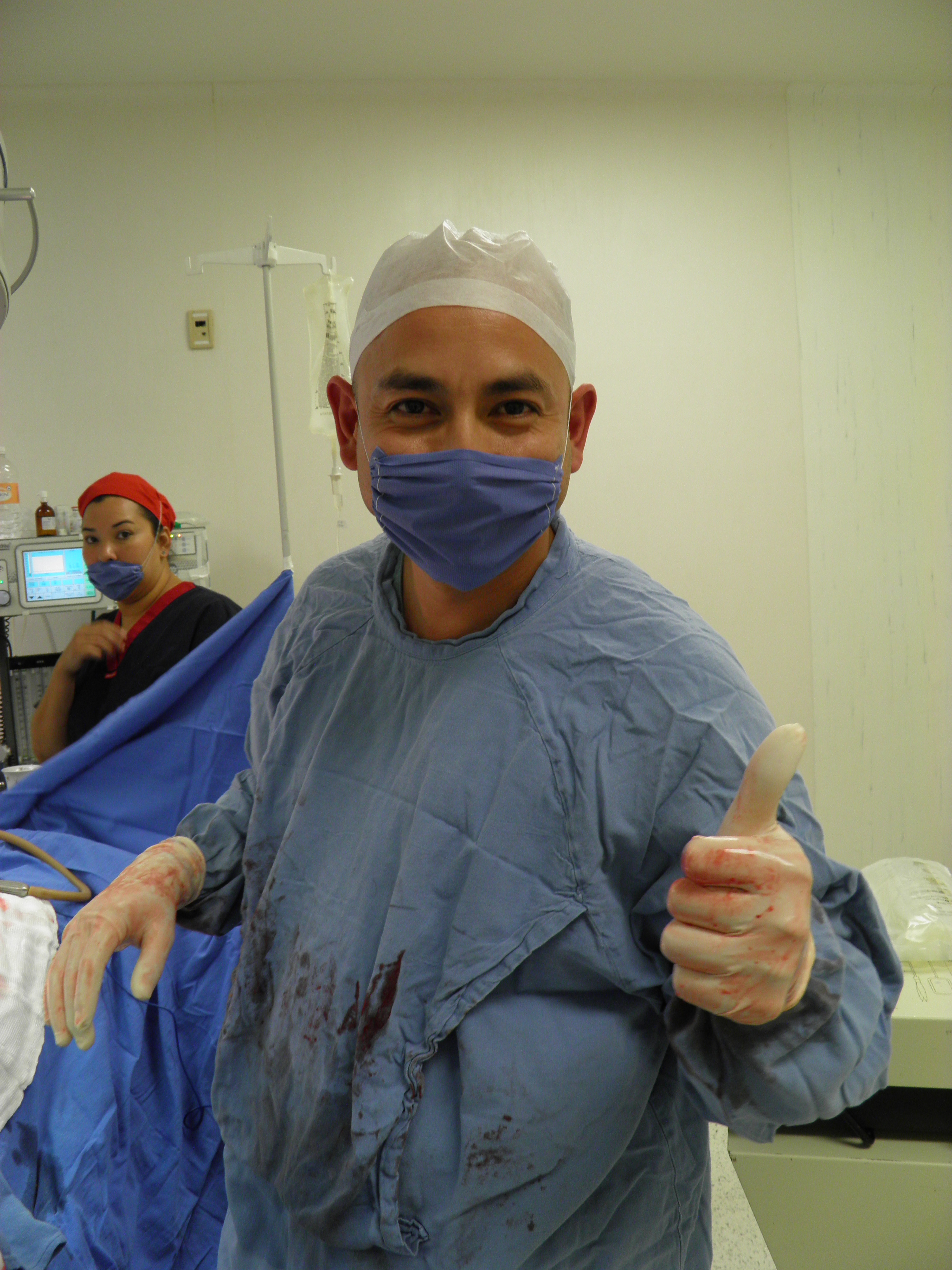
Dr. Gabriel Ramos in the operating room

But the second case is not – and Dr. Ramos knows it going in..

The case is an extensive tumor resection, where Dr. Ramos painstakingly removes several areas of implants (or tumor tissue that has spread throughout the abdomen, separate from the original tumor).

The difference between being able to surgical remove all of the sites and being unable to remove all of the gross disease is the difference between a possible surgical ‘cure’ and a ‘de-bulking’ procedure, Dr. Ramos explains.  As always, when entering these surgeries, Dr. Ramos and his team do everything possible to go for surgical eradication of disease.  The patient will still need adjunctive therapy (chemotherapy) to treat any microscopic cancer cells, but the prognosis is better than in cases where gross disease is left behind*.  During this surgery, after extended exploration – it looks like Dr. Ramos was able to get everything.

“It’s not pretty,” he admits, “but in these types of cases, aesthetics are the last priority,” [behind removing all the tumor].  Despite that – the aesthetics after this large surgery are not as worrisome as one might have imagined.

The patient will have a large abdominal scar – but nothing that differs from most surgical scars in the pre-laparoscopy era.  [I admit I may be jaded in this respect after seeing so many surgeries] – It is several inches long, but there are no obvious defects, the scar is straight and neatly aligned at the conclusion of the case – and the umbilicus “belly-button” was spared.

after the successful removal of a large tumor

As I walk out of the hospital into the 95 degree heat at 11 o’clock at night – I admit surprise and revise my opinion of Dr. Ramos – he is better than I expected, (he is more than just the kid next door), and he deserves credit for such.

*This may happen due to the location of metastatic lesions – not all lesions are surgically removable.  (Tumor tissue may attach to major blood vessels such as the abdominal aorta, or other tissue that cannot be removed without seriously compromising the patient.)  In those cases, surgeons try to remove as much disease as possible – called ‘de-bulking’ knowing that they will have to leave tumor behind.

Now available in the Kindle Lending Library!


Now you can read Bogotá! for free in the Kindle lending library..  (I hope this inspires some generosity among critics for impoverished medical writers – leave some positive feedback about the book!!)


Clinica Shaio & Dr. Hernando Santos


Fundacion Clinica Shaio – the first cardiac hospital in Colombia has recently unveiled the updated english-language version of their website, as part of an effort to aid international travelers, and attract medical tourists.  As long time readers know, I spent quite a bit of time at Clinica Shaio, with the Doctors Santos, (and several others).    Now as part of our new podcasting project – we will be sharing one of my favorite surgery videos from the operating room of Dr. Hernando Santos.  (If you’ve spent time here at www.BogotaSurgery.org than this video will be familiar to you.)  To my new readers from iTunes – welcome & enjoy!

Brief introduction to Dr. Hernando Santos, MD.

More about the Mexicali project


The ‘Mexicali project’ is different from any of the previous surgical tourism projects I’ve undertaken.  For starters – since I am currently working full-time in Northern Arizona – I can’t just drop everything and move to Mexicali for several months, like I’ve done previously.

So I really am a tourist – just like you, while I am here.  (I just plan to be a repeated one.)  That’s a critical difference because one of the most important aspects of my writing is that in many ways, I am just like you.  Or, at least a lot like many of the people reading my articles.  The only difference is that I am a nurse with a lot of experience in surgery and medicine.  But as a stranger in a stranger land? – well, I’m a novice, like many of the people who are considering traveling for health care.

I don’t speak Spanish – or at least not much.  [It’s one of the first things people assume about me, “Oh, you must speak Spanish”, but they are wrong.]   I am kind of learning a bit as I wander my way around different locations, which is fun – but I’ll never be fluent.  That’s crucial when I am roaming around in a strange country – How well can I navigate?  How safe is it for foreigners?  Will I be able to find people to help me (get directions, find a restroom, etc.)

I’m not an adventurous person (actually, I am kind of a chicken.)  – Many of you might be adventurers at heart, but I don’t want people to assume that medical travel is only for the daring or brave-hearted because I can be one of the meekest, mildest, most easily intimidated people you could ever meet.  You might think that some of my recent travels would have made me more confident or brave – but that’s not really the case.  I still get nervous going to unfamiliar places, reading maps, finding the right bus – so I understand how other people might feel (and for much of my travels – I’ve gone alone..)  So I like to think that this is my own kind of litmus test – if “Cartagena Surgery” can manage to find her way around, then most of my readers will be able to also.

But this time, it’s a little different – I’m not traveling alone – I brought my husband this time – and he’s a big gringo too.. (okay, I’m five foot one, so I am a “little” gringo).   He speaks even less ‘Spanglish’ than I do..But since he’s with me – I’ve changed the pace a little bit.. No 16 hour days this time. [During the Bogotá trip, I lost almost thirty pounds, because I was basically working or writing during all of my waking hours, and things like regular meals were pushed to the wayside.]  So, now I am smelling the roses, so to speak – enjoying the local culture instead of breezing past most of it.  Also, having my husband here helps me maintain perspective – of how others may see Mexicali.  Not everyone gets excited by medical facilities and doctors’ offices.

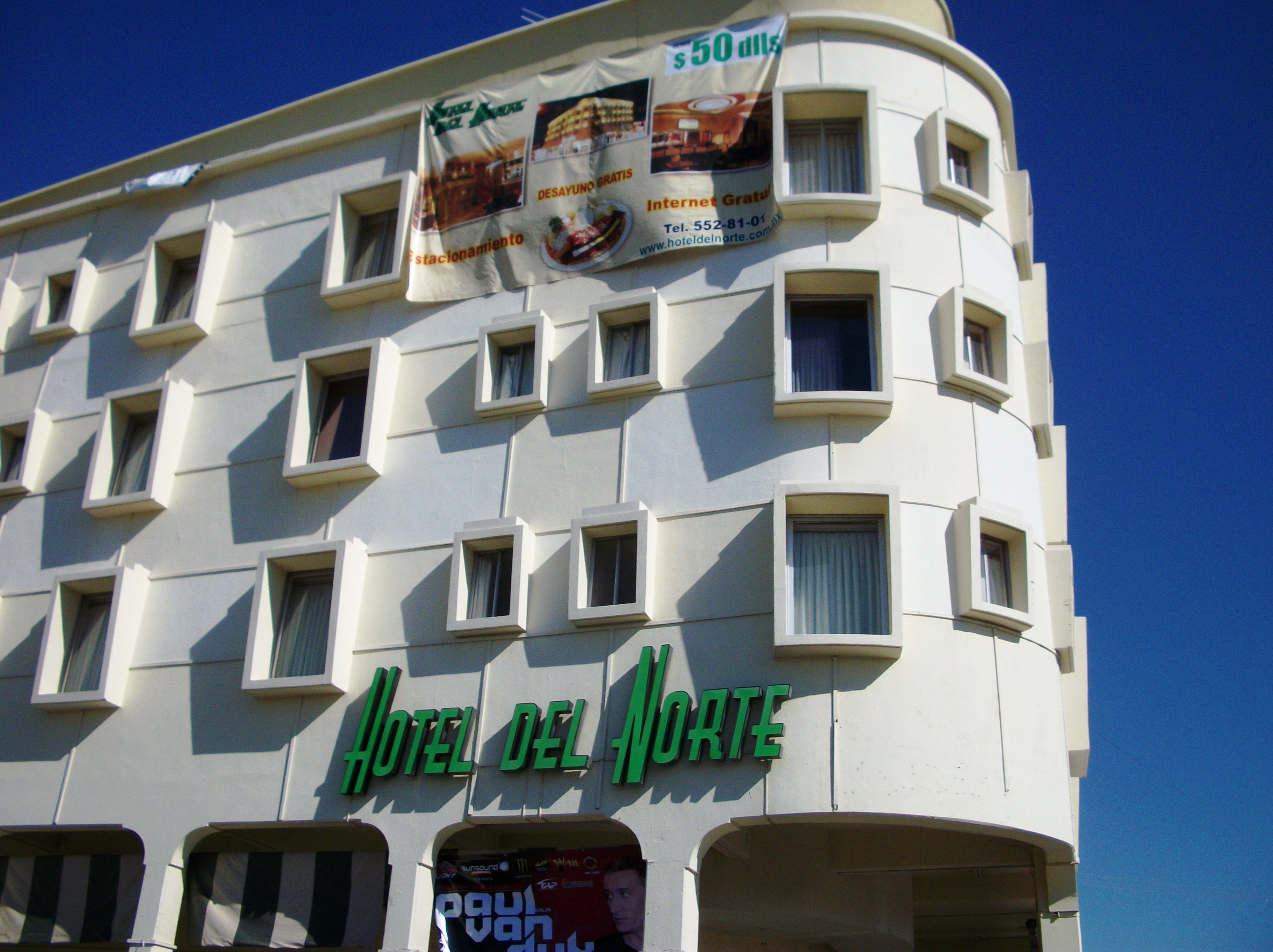
the hotel del Norte

So for now, I am planning to make several short trips to Mexicali – to fact-find and bring you information; about medicine, doctors, and facilities and some of the other things we encounter along the way.

Book Party!


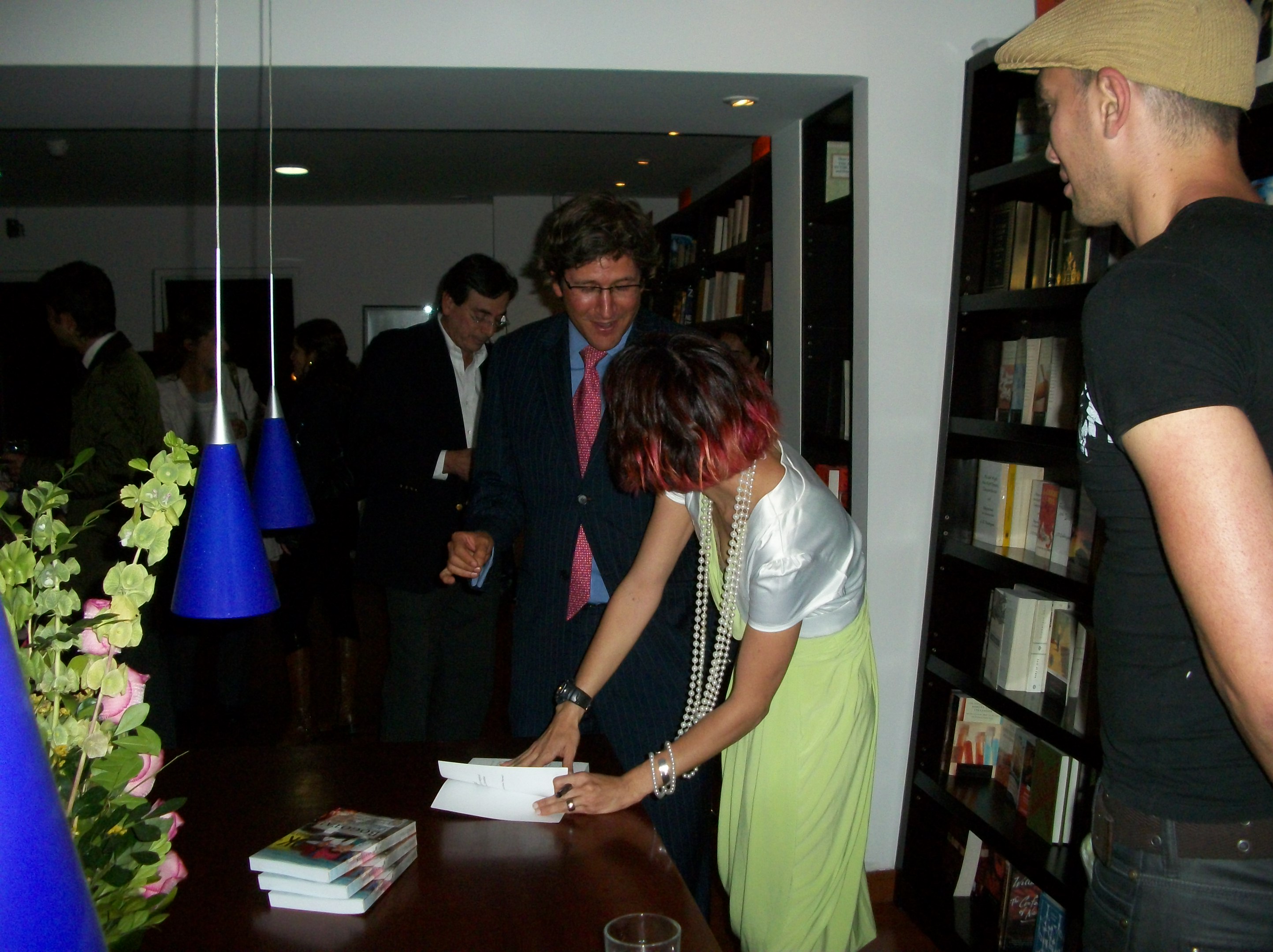
Signing a book for Dr. Freddy Sanabria


Author’s Cafe,

Bogotá, Colombia

Had a wonderful event to share my book with and thank all of the people who made it possible.  (No surgeons, no book).  It was wonderful to see everyone – and I want to thank all the surgeons – who literally came straight from surgery to give their support of this project.  Some of the great friends I have made from all walks of life (outside the hospital) were also there – which means a great deal – I know that I live and breathe writing and surgery, but I also know that this is not true for most people.

That’s been the theme of all of my visits to Colombia; kindness, caring and support.  So many people; from surgeons, nurses, to taxi cab drivers and even random strangers in passing have been kind to the little (sometimes lost) American.

What’s next?

About 1/3 complete on formatting the e-version.  It’s a tedious job, but once it’s complete – it will give me the freedom to do instant book updates as needed.

Also hoping to translate the book into Spanish versions. It’s been difficult to find someone due to the technical/ medical language.

Now that the Bogotá project is essentially complete – I anticipate that this blog may change in focus – similar to Cartagena Surgery.  There will be more of a focus on medical tourism and medical news, now that interviews will be few and far between.  (Never done entirely.)


Interview with Dr. Catalina Morales, Plastic & Hand Surgeon


Met with the very nice Dr. Catalina Morales yesterday evening to talk about Plastic, Aesthetic and Reconstructive Surgery.. Oh – and did I mention hand and maxillofacial surgery..

She’s very enjoyable to interview because she’s one of those people who really finds pleasure in what she does..  She likes to help people with reconstructive surgery, and she enjoys the satisfaction her aesthetic practice gives her patients..

Planning to go to the OR with her today – so we will re-visit the smiling, talented Dr. Morales later this afternoon..

Update:  In the operating room with Dr. Catalina Morales, at Clinica de Marly  7 May 2011

Dr. Catalina Morales at Clinica de Marly

Dr. Morales at Clinica de Marly during hand surgery

I also interviewed Dr. Casallas Gomez over at Santa Fe de Bogota, read about it in another post..

Meeting of the minds – thoracic surgery


Attended the monthly thoracic surgery meeting led by Dr. Juan Carlos Garzon yesterday for case discussions.. Several interesting cases presented.  More importantly, I met and set up interviews with the last few thoracic surgeons; Dr. Beltran and Dr. Rodolfo Barrios (that I hadn’t met previously).  Should be an interesting week in the south end of the city..

On the topic of thoracic surgery – I am soliciting articles from thoracic surgeons, and other practitioners on the site – not just here in Bogota, but from around the world as part of the mission of the site.  I’ve already had some great feedback from some American surgeons.

Over at cartagena surgery we are talking about the recent announcement by the International Diabetes Federation on treatment recommendations for diabetes including the endorsement of Bariatric Surgery.

Dr. Mauricio Largacha, orthopedic surgeon


Dr. Mauricio Largacha is an orthopedic surgeon specializing in shoulder and elbow surgery including arthroscopy, rotator cuff repair and joint replacement.  I’ll be following him to the operating room this weekend – so check back in for more details..

For readers unfamiliar with orthopedic surgery – ankle and shoulder joint surgeries are a particular sub-specialty only practiced by a few orthopedic surgeons.  Luckily for readers here – Dr. Largacha is the author of several of the most heavily used textbooks (and chapters in American medical textbooks) on both ankle and shoulder surgery.

In the OR with Dr. Martinez, Thoracic Surgery


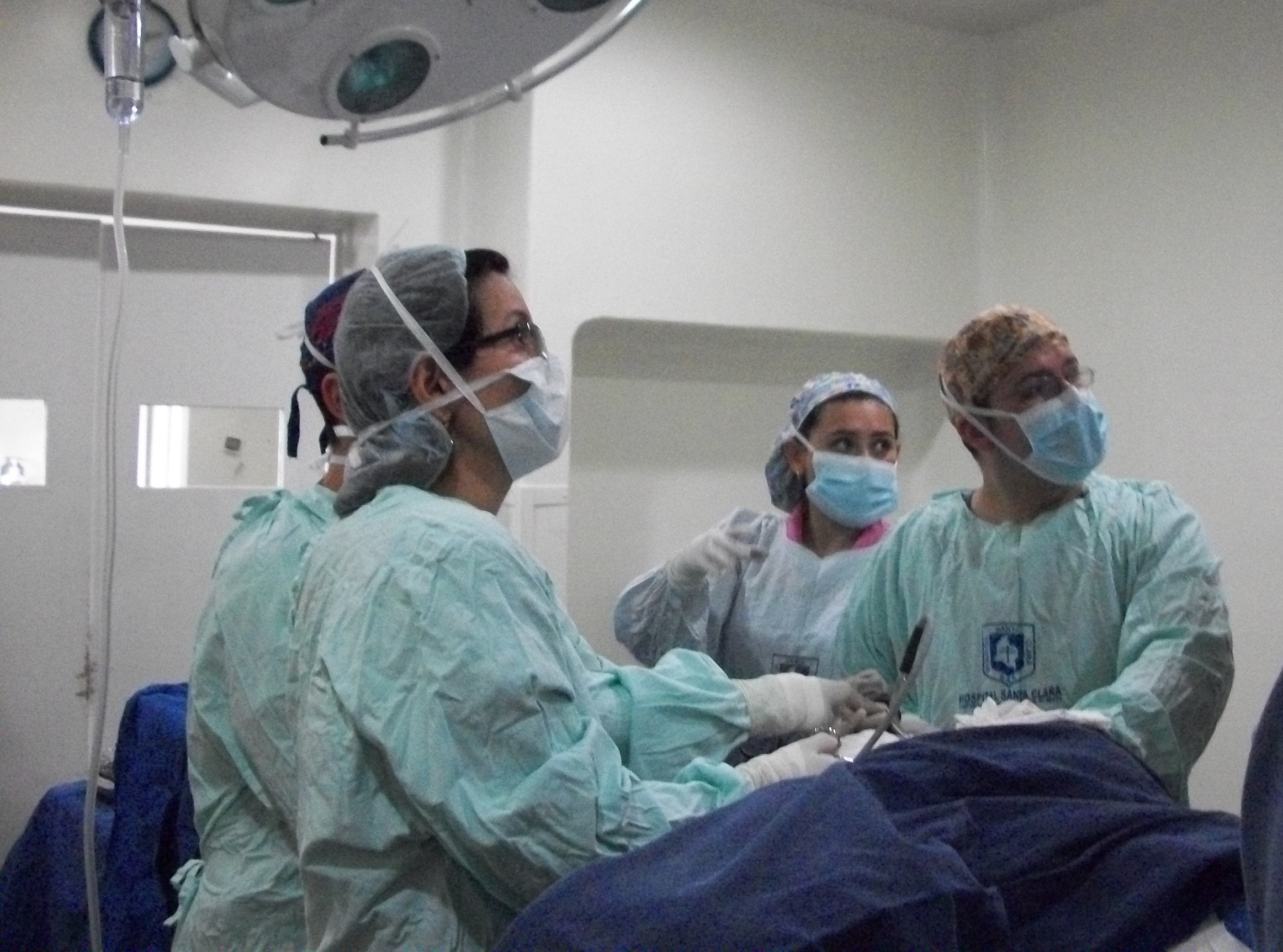
Spent most of the day over at Hospital Santa Clara with Dr. Stella Martinez, thoracic surgeon.. Despite having three cases, Dr. Martinez apologized for the paucity of scheduled OR surgeries due to the upcoming religious holidays..  (Despite Bogota’s booming population – this is a familiar scene, repeated around the city – kind of like people putting off surgery until after Christmas..)

Dr. Martinez, in the OR

I’d been warned by several people about Hospital Santa Clara – it’s one of the poorer public facilities, but to be frank, despite the aging exterior, it beat out some of the homegrown facilities I’ve been to.. While it was obviously a less affluent facility; with a campus style layout, no CT scan, and a 1950’s feel; the hospital was clean,  all of the equipment worked, much of it was new – courtesy of a new administration..

Dr. Stella MArtinez, Thoracic surgeon

Dr. Martinez is impressive, both in and out of the operating room – with an extensive resume, and skill set.  She’s currently the Director of the thoracic surgery residency program at Hospital Santa Clara, and she takes resident training seriously.  She’s also interested, and active in research, and maintains a busy surgery practice at several facilities.  There’s a lot more to say about this talented surgeon , but you’ll have to wait to read the rest.

In the OR with Dr. Javier Maldonado


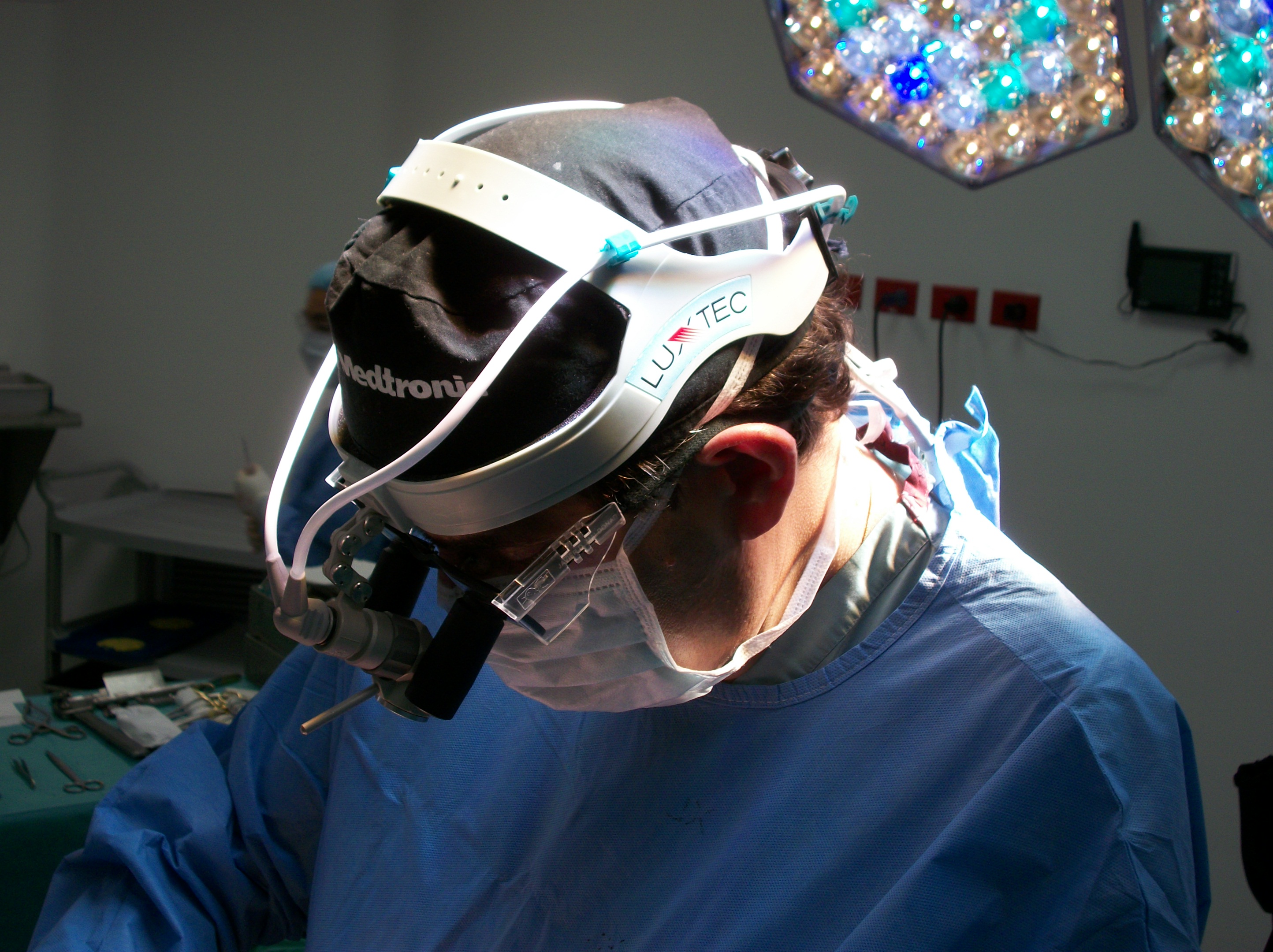
Dr. Javier Maldonado, cardiac surgeon

No southern accent, per say, just a gentle, relaxed way of speaking that reminds me of home.. Went to the operating room with Dr. Javier Maldonado at Clinica Colombia this morning, for a three vessel off-pump CABG.  Everything went smooth – textbook perfect..

I followed him to the Cardiovascular ICU  and then to his cardiac clinic to see patients..

After a productive and pleasant morning (and afternoon), I raced over to Clinica Shaio to catch the end of the minimally invasive cardiac surgery symposium, and to interview Dr. Barbosa, one of the first surgeons I interviewed for the Cartagena book..

Dr. Javier Maldonado

Cardiac surgeon, Fundacion Santa Fe de Bogota, Clinica Colombia

In the OR with Dr. Buitrago, in the dentist’s chair and more


Spent the morning at Shaio, in the operating room with Dr. Ricardo Buitrago.. Either my gringa accent is improving (doubtful) or I really have become a familiar face around there..  Observed Dr. Buitrago perform a couple of cases; the second was a VATS thymectomy, which definitely ranks above the traditional sternotomy.

Dr. Buitrago, thoracic surgeon

Ran into some strangely reticent native english speakers in the halls of Shaio today.. (Usually Americans, Brits and the like get real familiar with each other when we see another..) Didn’t introduce themselves even after I made a point of introducing myself.. Something’s up over at Clinica Shaio.. Is it a medical tourism company, or an impending branding agreement?  I’ll see what I can find out.

Next I checked in with Dr. Gamboa, DDS – for those of you reading from afar – dental evaluations are completely different – they require an actual patient visit (no observation here.)  Now that all of my family, friends, classmates and housemates have served as confederates for dental visits – I knew what was next when I cracked a tooth last week.. (Just so everyone knows how dedicated I am to my research – I had several dental repairs without anesthesia of any sort.. (no local, nada).   And truthfully, it went very well.. (and my teeth look / feel great..)

Dr. Gamboa, DDS

last, but certainly not least for today was Dr. Fabian Emura, MD, PhD.  He didn’t have a lot of time today, so I am going back Wednesday so I can tell you more about him, and the Emuracenter, which is doing a lot of interesting things for the diagnosis and treatment of gastric cancers..

Plans for the upcoming week..


While I am still finalizing some of my interviews for the week – it’s looking promising, so far..

Plans to go to the OR with Dr. Buitrago (thoracic surgeon) and Dra. Stella Martinez (thoracic surgeon)

To the operating room, and interview with Dr. Maldonado (cardiac surgeon) – and we’ll see if I was just imagining that southern accent..

Interview with Dr. Fabian Emura, gastric cancer specialist, and general surgeon.

Emailed several more orthopedic surgeons and neurosurgeons, so hopefully, I’ll hear back..

Dr. Juan Fernando Ramon, Neurosurgery


Spent the morning with Dr. Juan Fernando Ramon, neurosurgeon at Hospital Centro de la Policia. (He also operates at two other hospitals). Dr. Ramon is one of only a handful of neurosurgeons in Colombia who performs neuroendoscopy.

We toured the hospital – and then I watched him perform a small procedure for radiculopathy (in a patient with chronic back pain.)  The hospital has a fully-equipped $4 million dollar neuro-suite (not seen in photo below.)

The patient kindly gave permission for the use of the photos


Dr. Ramon (and patient)
Met with Dr. Camilo Osorio, Thoracic surgeon this afternoon, for patient consultations.  He was great – spent a lot of time with patients explaining procedures, and answering questions.  He also calls all of his patients a few days before and after surgery – just to see how they are doing.  I’ll see Dr. Osorio in the operating room soon.
 
Ran into Dr. Rincon (cardiac surgeon) from SaludCoop – literally.   I plan to go back over to SaludCoop and see him and Dr. Mauricio Jimenez again.
 
I’ve decided to cease my pursuit of Dr. Camilo Prieto- after several emails, phone calls (by other surgeons vouching for me) and a visit – I just have to assume he isn’t interested in participating.  I only pursued him so far because besides being heavily advertised, and well-known here, I never actually got to speak to him personally, and never got a “no” from anyone.. But now that others have contacted him on my behalf – I’ll definitely take that as a ‘no’..

Diabetes as a surgical disease


There’s a great new article over at Medscape by David Lautz, MD; Florencia Halperin, MD; Ann Goebel-Fabbri, PHD; Allison B. Goldfine, MD
that was recently published in Diabetes Care 2011;34(3):763-770 entitled

“The Great Debate: Medicine or Surgery: What Is Best for the Patient With Type 2 Diabetes?”

It’s quite lengthy so I won’t repost here – but it’s definitely recommended reading for my diabetic readers out there. I have included some highlights from the discussion – which correlate with much of what we’ve previously discussed here.

Re-post from article:
“Recent observational studies demonstrate that bariatric surgical procedures reduce the incidence of type 2 diabetes and lead to substantial improvement or “resolution” for many patients with preexisting disease. Type 2 diabetes has “resolved” (defined in the surgical literature as maintenance of normal blood glucose after discontinuation of all diabetes-related medications, in most studies with HbA1c 35 kg/m2 and raise the question of whether surgical interventions should be considered earlier in the course of disease or for lesser magnitude of excess weight and specifically for the treatment of diabetes as opposed to treatment of obesity.”

It’s a nice well-balanced article, which discusses the theories behind the resolution of diabetes after surgery (Roux-en-Y gastric bypass), as well as the concerns of endocrinologists about the use of surgery for diabetes management. The authors give a nice detailed description of the various bariatric surgery procedures and nonsurgical treatment options, in a fair and balanced manner. It’s a timely article, coming on the heels of the recent AHA statement – which harks back to an era of blaming the patient and ignoring the problem..

Dr. Constanza Moreno Serrano, Hand & Microsurgeon


Dra. Constanza Moreno is an orthopedic surgeon specializing in hand and microsurgery.  She specializes in the treatment of traumatic injuries such as digital and limb re-attachment, reconstructive surgery and correction of congenital deformities.  Next week she is traveling to Atlanta, Georgia to give a presentation at the International Hand and Composite Tissue Allotransplantation Society on the Hand Transplant Program she is developing at Santa Fe de Bogota.  Her aim is to restore limbs (and functionality) to the lives of Colombians affected by landmines. 

I hope to follow her to the operating room when she returns.. Look for more exciting news from this gracious physician in the future..

Colombia and Landmines

21 April 2011 – since I originally posted, I’ve received a lot of questions about hand tranplantation.. Here’s a Yahoo article discussing a recent hand transplant.

Journey into Neurosurgery


Delving into the depths of neurosurgery today with Dr. Enrique Jimenez-Hakim at Santa Fe de Bogota. For someone like me with no neurosurgery background (other than the required rotations in school), this brings a lot of trepidation. But Dr. Jimenez – Hakim was exceedingly kind and patient despite all of my questions.

Dr. Jimenez – Hakim is part of a busy four surgeon Neurosurgery department at the Santa Fe de Bogota, which performs 500 – 600 cases per year, with a neurosurgery residency program through El Bosque University.

Interestingly, Dr. Jimenez – Hakim has personal legacy of neurosurgery. Both he and his cousin, Dr. Fernando Hakim Daccach are second generation neurosurgeons. Their fathers, were some of the first neurosurgeons in Colombia. Notably, Dr. Salomon Hakim (Dr. Enrique Jimenez-Hakim’s uncle) was a pioneer in the treatment of hydrocephalus and the develpment of the first unidirection valve for drainage of excess CSF. (There was an early valve developed in 1949 by another neurosurgeon but it was poorly functioning.) All valves developed since Dr. Hakim’s valve have been based on his design.

This legacy has certainly been something for Dr. Jimenez – Hakim and Dr. Fernando Hakim to live up to – and they have. (more about that later).

Planning to to go the operating room with Dr. Jimenez – Hakim as soon as he returns from giving a lecture at the Latin American forum in Mexico City – on awake craniotomies.

More about Dr. Jimenez – Hakim, and neurosurgery in Bogota, Colombia.

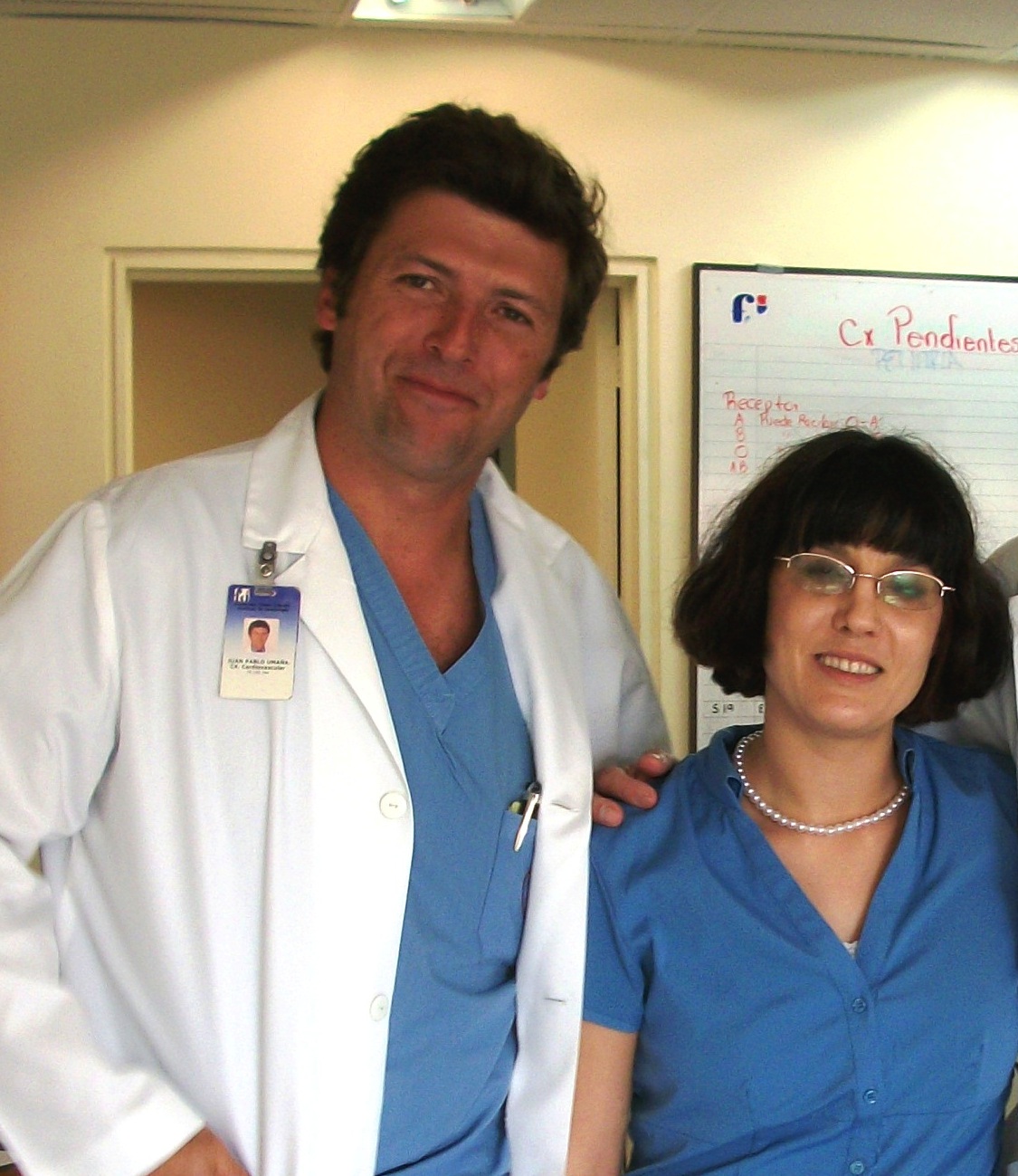
In the the OR with Dr. Juan Pablo Umana & Dr. Ricardo Nasser


Dr. Juan Pablo Umana, cardiac surgeon

Dr. Juan Pablo Umana

Cardiac Surgeon at Fundacion Cardioinfantil

Spent the morning in the operating room with Dr. Juan Pablo Umana. Dr. Umana is the Chief of Adult Cardiac Surgery at Cardioinfantil.

Ran into an old friend while I was there..

Dr. Jose Pomares, Anesthesia

Dr. Pomares was a anesthesia resident over at Medihelp in Cartagena, when I was writing hidden gem.. I recognized those emerald eyes right away.. (not sure if I would have recognized him without the mask.)

Dr. Umana had another case, but so did I – over at Santa Fe de Bogota..

Went back to see Dr. Ricardo Nasser, Chief of Bariatric Surgery. He just returned from the Bariatric Surgery conference in Cartagena, and was back at work, in the operating room.

Dr. Ricardo Nasser

Bariatric Surgeon – Fundacion Santa Fe de Bogota

Dr. Richard Nasser, Bariatric surgeon

Writing, writing, writing


Spending the day (and much of the weekend) writing, transcribing notes from recent interviews, and working on an upcoming article. The article is a bit of a departure from my previous work, being a bit more light-hearted, and less academic than my previous writing. Hopefully, this will give it a broader appeal.   It’s also a nice way to call attention to some of the newer technologies, and techniques I’ve seen, and share a bit of the spotlight with the people doing all the hard work. (These guys don’t blow their own horns much – even when it’s well-deserved.) 

I have a few more interviews to conduct next week before I can finish it.. I am enjoying the change of style, but I will be happy to revert back to my usual writing.

Hoping to catch up with some more orthopedic surgeons, neurosurgeons, vascular surgeons, and just a few more thoracic surgeons in the next few weeks..(see my ‘Chasing Thoracics’ blog for more information).

Looks like the book cover is pretty much done – you can see it under the ‘book’ tab.  I find that completing the artwork helps keep me focused on the book, especially once I’ve past the mid-point..

Back in the OR with Ivan Santos


Back in the operating room today with Dr. Ivan Santos at Clinica Shaio.  Dr. Santos was in perfect form, as always..  (I swear, watching him in the operating room is like watching a conductor with a 160 member orchestra..He sees and notices everything.)

Between cases with Dr. Ivan Santos, plastic surgeon

He was assisted by Dr. Julie Alfonso today.

with Dr. Julie Alfonso, plastic surgeon

If you want to see & learn more about Dr. Ivan Santos – he has his own YouTube channel.. (It’s in Spanish.)

In the OR with Dr. Freddy Sanabria, plastic surgeon


Dr. Sanabria

with Dr. Freddy Sanabria, plastic surgeon

Spent the morning with Dr. Sanabria, at his clinic in North Bogotá (Usaquen) which was a treat. (I have lots of great things to say – but for more in-depth information, you’ll have to buy the book. 😉  I will say that surgical conditions were excellent, technique and skills were impeccable.

Working on my next possible article, which just may feature the good doctor.. Guess you’ll all have to wait and find out. (If the editor passes – I’ll post here.)

Update:  3/2012:  Readers know that I put little stock in ‘testimonials’ but I’ll include them (by readers multiple requests) when I find them.. or otherwise stumble across them – since this isn’t an ad agency..

Dr. Freddy Sanabria

The Umana Phenomenon


Dr. Juan Pablo Umana, Cardioinfantil

Since starting the Bogota project, I’ve followed the reported statistics for the blog – which tells me what my readers are looking for, and what they want.. Much of this is as expected – heavily advertised plastic surgeons bring a lot of traffic to the site – and the cardiovascular topics (cardiac surgery, carotid disease) bring quite a few readers to the sister site,  cartagenasurgery, so I’ve tried to gear some of the discussions to what people have been looking for..

But then, there are findings that are not what I expected:
And the biggest surprise of all has been the continued fascination/ success / popularity of Dr. Juan Pablo Umana..

in the operating room with Dr. Juan Pablo Umana

Or perhaps, I should phrase that better: after meeting and interviewing with Dr. Umana – his professional success as Chief of Cardiac Surgery at Cardioinfantil is certainly NO surprise.. what has surprised me is his consistent ranking as the #1 search term for this/ and the cartagena surgery website..

In fact, this week; “Dr. Juan Pablo Umana”, “Juan P. Umana,” and “Umana, cardioinfantil” are the top three search terms, respectively.

I spoke to him about it (he’s just as surprised as I am; heart surgeons are not usually web celebrities, if you exclude Dr. Oz) and we are planning to meet again, so I can try and give my readers what they want.. So, if there is anything specific that you want to know – drop me a line or a comment, and I will be sure to ask him at our next meeting.  But now I’ve got to run and meet Dr. Sanabria..

cardioinfantil


at Cardioinfantil

Another morning in the operating room theater at Cardioinfantil.. Always great to watch Dr. Garzon at work – smooth and effortless, every time.

Spent this afternoon interviewing a general surgeon, Dr. Joaquin Guerra Nino over at Clinica de la Mujer..

More time in the OR tomorrow with Dr. Cabal with interviews in the afternoon..
Finished a tenative cover design for the new book.. Going to get some feedback, and then I’ll post it for your review..

Dr. Francisco Cabal, Orthopedics


Met with Dr. Francisco Cabal, orthopedic surgeon and international medical advisor (for Colombia) again, and he bids me to extend a warm welcome on his behalf to all North American patients coming to Colombia.  He also states that he is here to help ANY patient, interested in going to ANY city in Colombia for surgery including Medellin, Cali, Cartagena, Bogota and all parts in between.  I’ll be following him to the OR soon – more later.. 

Lest you think surgeons aren’t sympathetic to your discomfort – Dr. Cabal recently had ankle surgery, so he is definately walking a mile in your shoes..

Also met with Dr. Tito Tulio Roa, plastic surgeon, who has the distinction of having taught most of the plastic surgeons here in Colombia.

Filled up my date book with more interviews, and surgeries for the next few weeks..

Meeting with Mauricio Pelaez, Thoracic Surgeon later this afternoon, so I’ll post and let you know how that goes..

Rescheduled with the famous Dr. Hoyos – more on that next week.