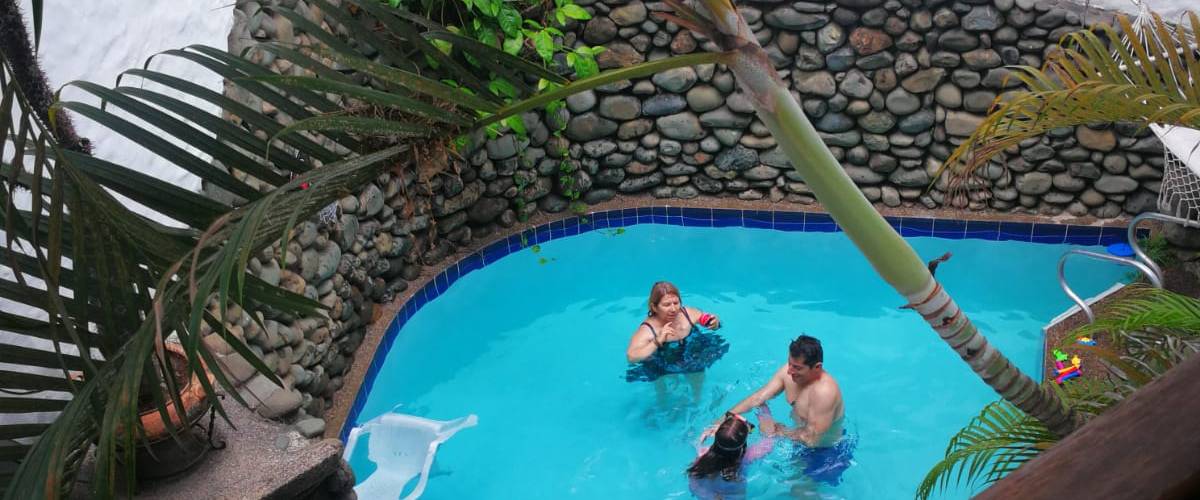
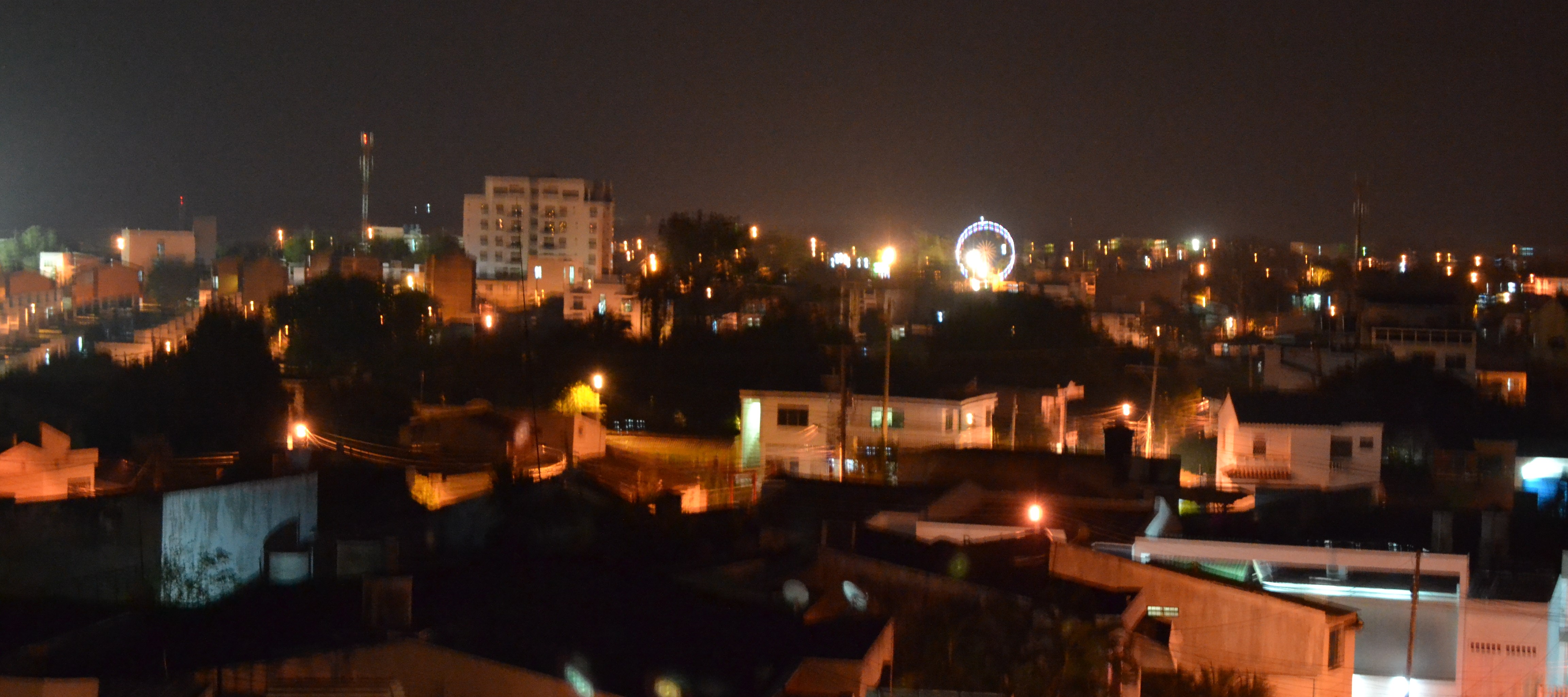
Iris & Ximena


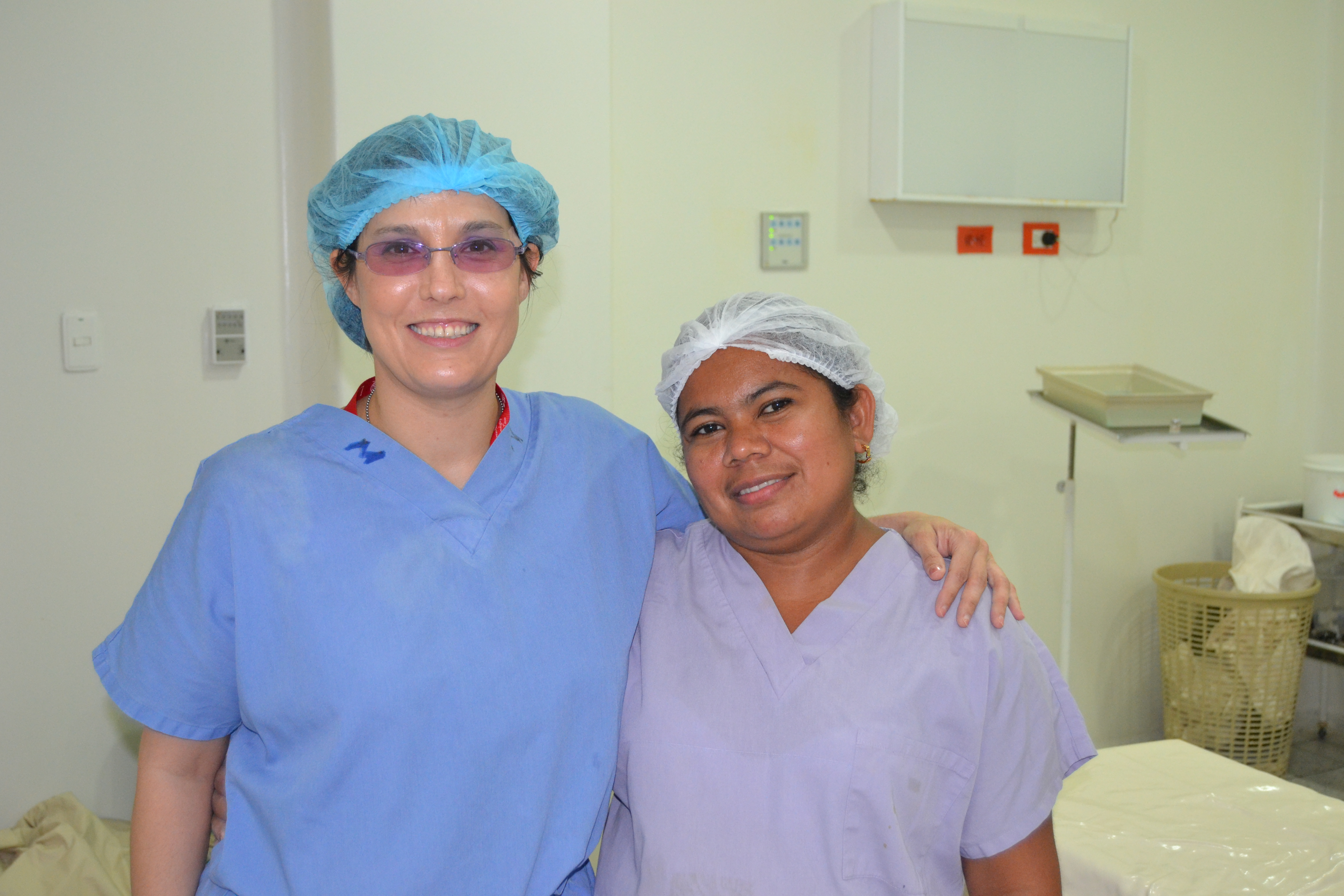
Here in Cartagena, I have been fortunate enough to have two great roommates; Iris and Ximena.

Dr. Barbosa made all the arrangements for me, and I was a little nervous about bunking down with another nurse (we can be temperamental and territorial at times) but living with Iris has been absolutely wonderful.

I was kind of worried I’d be living with some young, possibly flighty nurse who might resent having a middle-age woman in her home, cramping her style.  Instead, it’s like having an instant best friend and I love it.

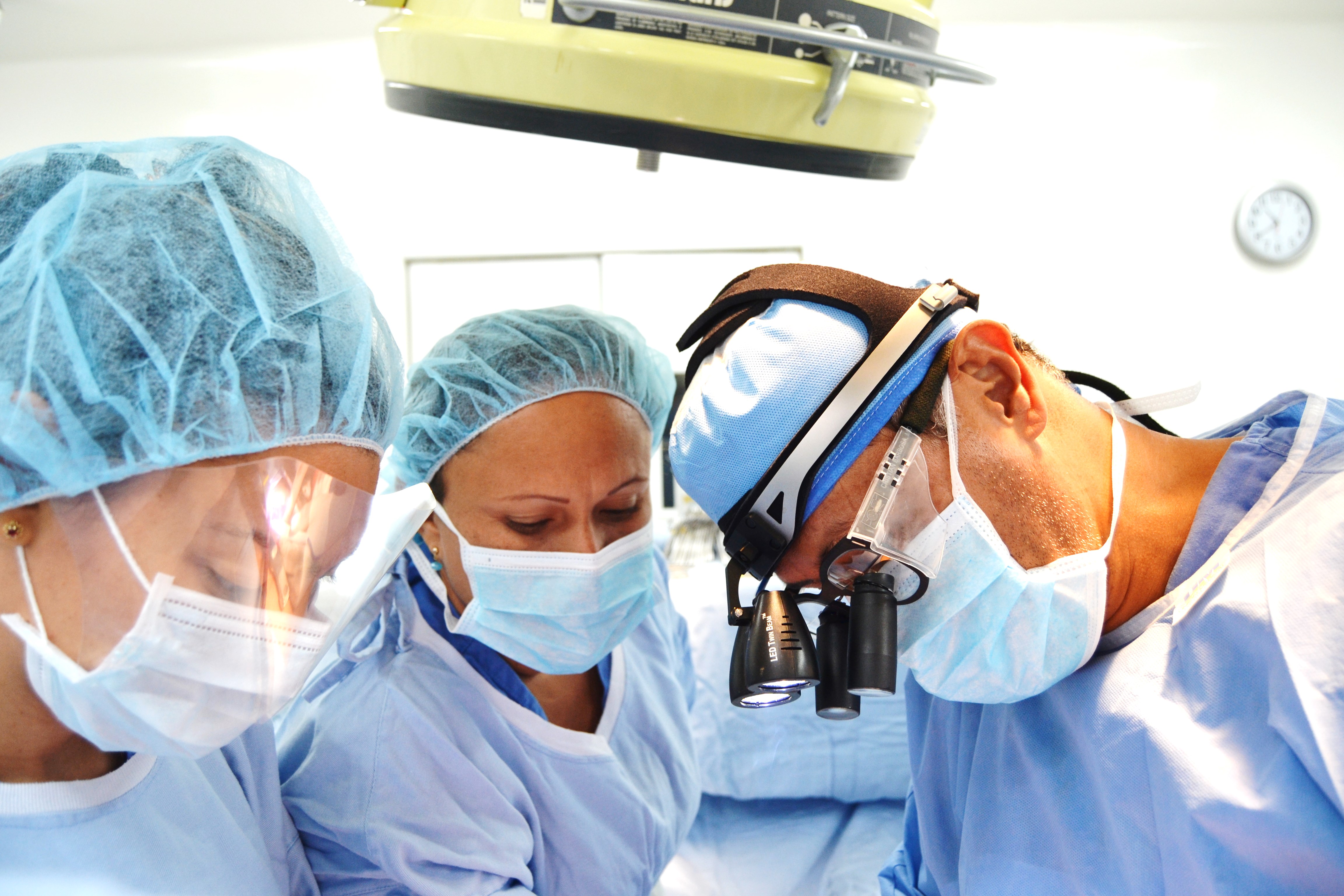
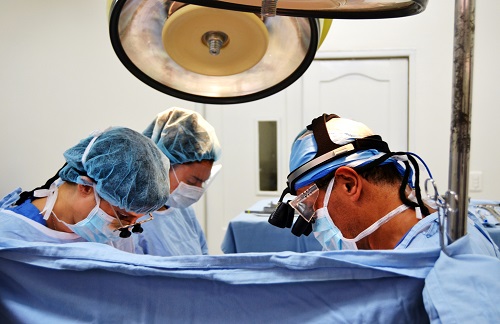
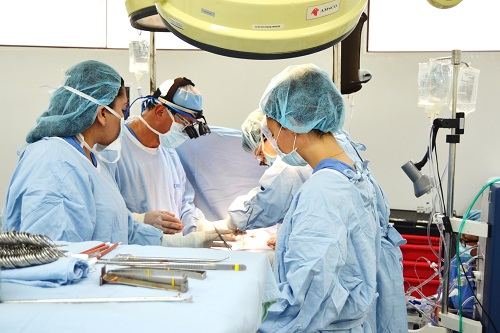
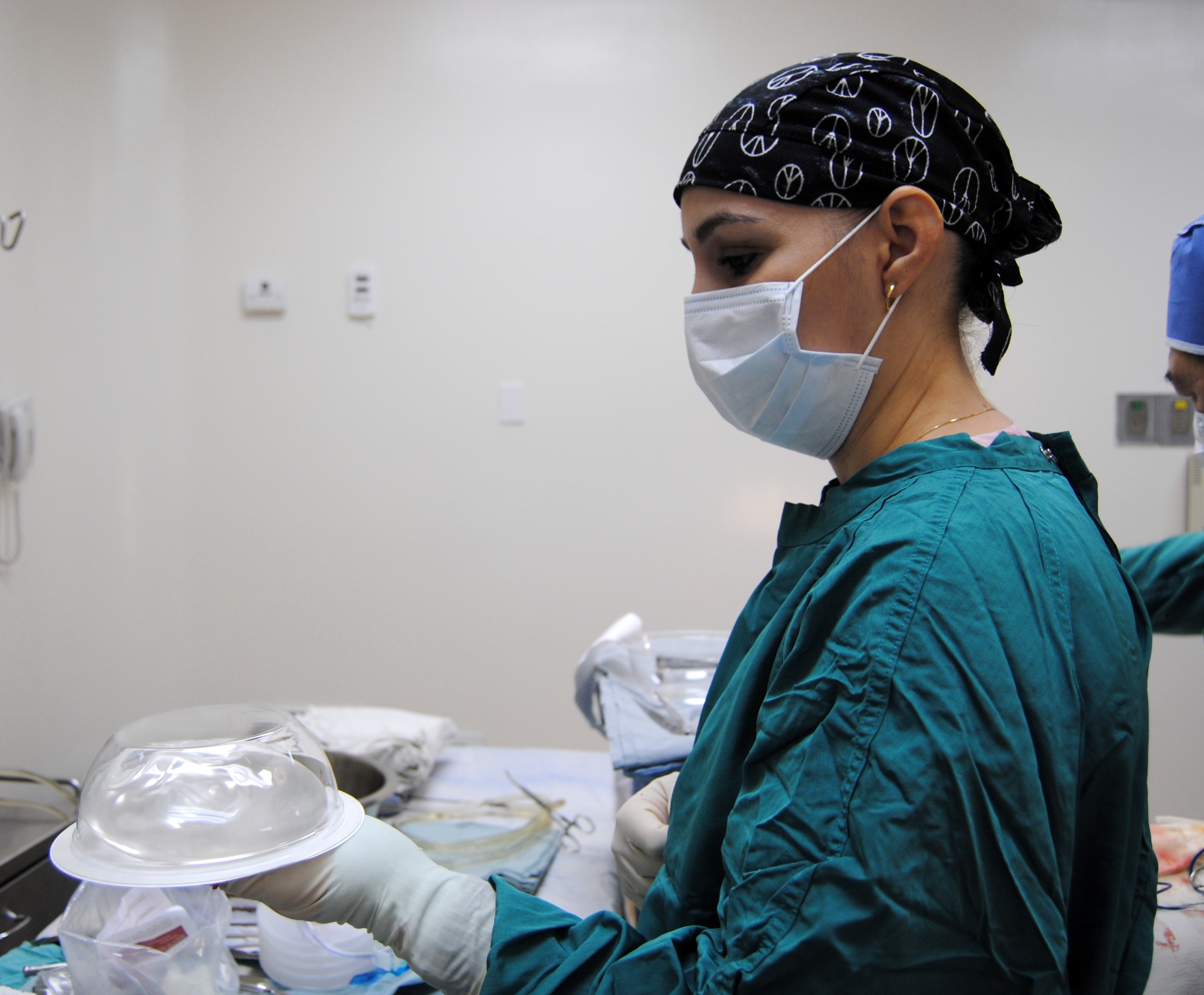
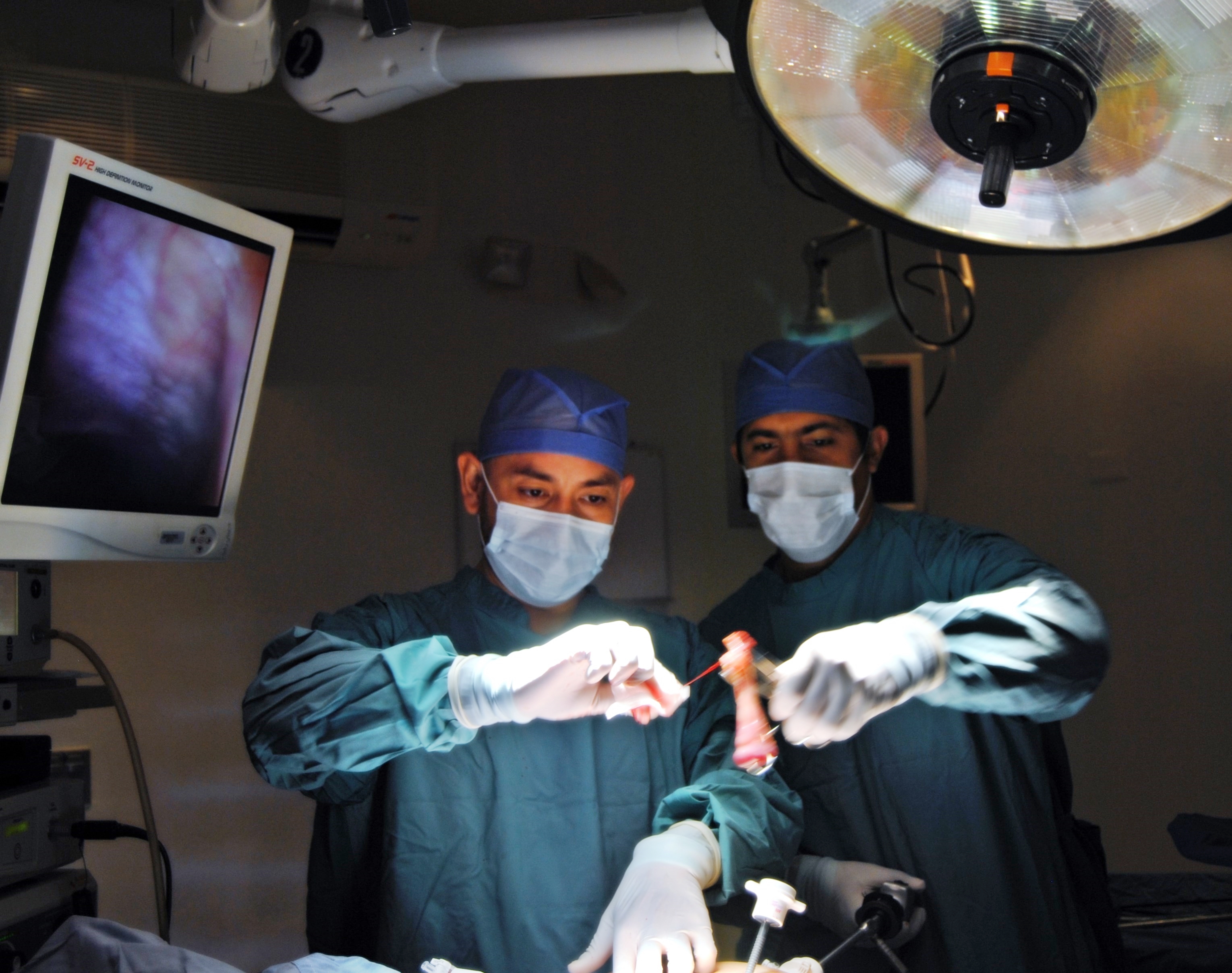
For starters – we have a lot in common:  we are both academically and professionally inclined.  Iris is the perfusionist for Dr. Barbosa’s cardiac surgery service and is extremely knowledgeable.

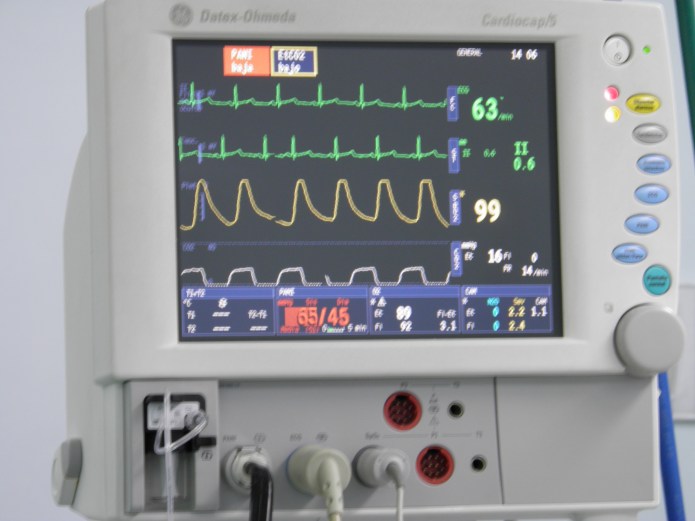
Part of the machinery that makes up Iriis' professional life: the heart-lung machine

Part of the machinery that makes up Iriis’ professional life: the heart-lung machine

(In Colombia, Perfusion is an advanced nursing degree.  Iris obtained her master’s degrees in both critical care (National University) and Perfusion at (CES.).   She is widely acknowledged as one of the best perfusionists (if not the best) in all of Colombia.   Her peers frequently consult her seeking advice for a variety of surgical circumstances.

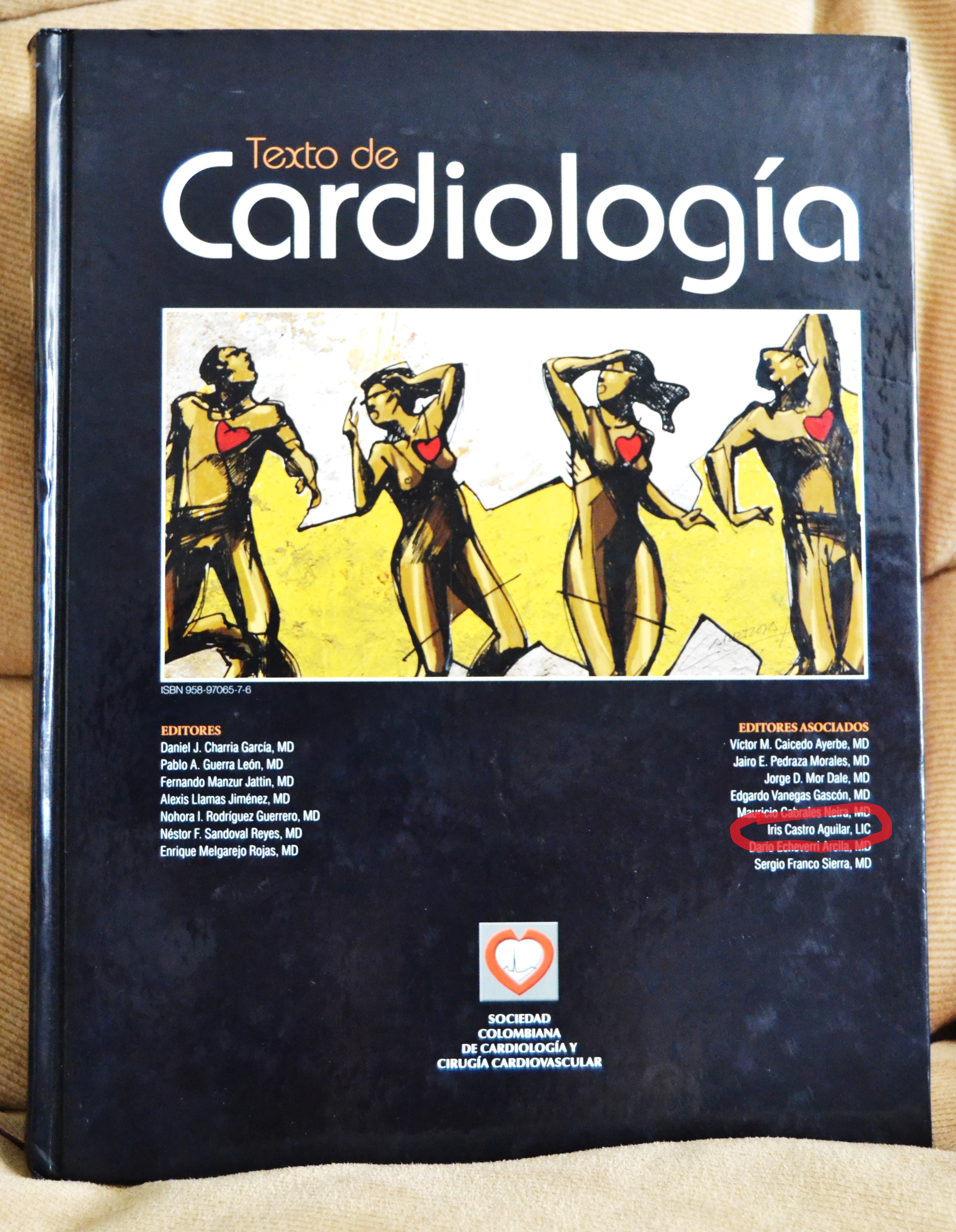
She is the only nurse to collaborate (and be listed on the cover) of a comprehensive Colombian textbook on Cardiology.  Her name is listed along side such esteemed Colombian physicians as Pablo Guerra, Nestor Sandoval and Sergio Franco.

Cardiology textbook

She also serves as a reviewing editor of several Colombian medical journals.  Research articles are sent to Iris to review the methodology/ study design and overall quality.  Articles she rejects will not be accepted for publication.

In her free time, it’s not unusual to find her reading the latest journal articles on cardiac surgery or working on presentations for the latest meeting or international conference on perfusion.  In fact, she recently returned from the annual Colombian conference on cardiology and cardiac surgery in Medellin.  She is equally enthusiastic about all aspects of nursing and the position and rights of women (nurses) in Colombia and in medical society in general.

She is particularly outspoken against much of the machismo that dominates life here.  She is the one person I have learned to expect to never ask me the unpleasantly intrusive questions that seem to pass for almost introductory conversation here such as “Why don’t you have children?  Don’t you want them?  What does your husband think of that?  Your husband permits you to be here [in Colombia] without him?”*

Even when we don’t agree on all issues, she never judges my opinions or thoughts.  She endeavors to understand my reasoning instead.  It’s refreshing.

This combination of intellect, insight and experience makes for a lot of interesting and engaging discussions in the evenings as we relax and enjoy the fragrant breezes that bring daily relief to the sweltering city.

A strong woman in a culture of machismo

Iris is also extremely forthright and independent (traits that also resonate with me.)  She takes no ‘guff’ from anyone and lives how she pleases in a society that has a lot of difficulty accepting that (unmarried, no kids with Ximena as a part-time roommate.)

Even my professor, as charming and intelligent as he is, defaults into this kind of ‘macho’ thinking.  He tells me he worries about Iris, as “she is all alone” without a man to protect her.  He worries she is missing out on true happiness and is destined to be sad, alone.  Nothing could be further from the truth.

Rather, Iris has chosen to defy tradition, and live life on her terms.  She has friends, family and romantic attachments like anyone else.  She just maintains both her privacy and her independence despite that, sort of like Elizabeth I of England.

It is sometimes hard as an outsider to understand why this attracts some much attention – a single woman living quietly in her own apartment.  But then I think back to some of the comments I get from friends, acquaintances, co-workers and even strangers regarding locums life, and I realize, that as female professionals; whether the United States or Colombia, we still have a long way to go.

It’s just that as an American, I think I have fallen for the illusion of the possibility of female equality in way that women in other countries never have.  (The irony is that at this moment in my home country, women’s rights; to reproductive, financial and professional freedom are being eroded more that any other time in recent history.  Hard won battles of the 60’s and 70’s are being erased with nary an outcry.)

Here ‘paternalism’ rules the day – and no one pretends any different.

But there is more to Iris that a forthright, intelligent, independent individual.  She is also a nurturer, a caregiver, a nurse in the very sense of the word.

What could be more nurturing that offering up her home to an unknown stranger from another land?

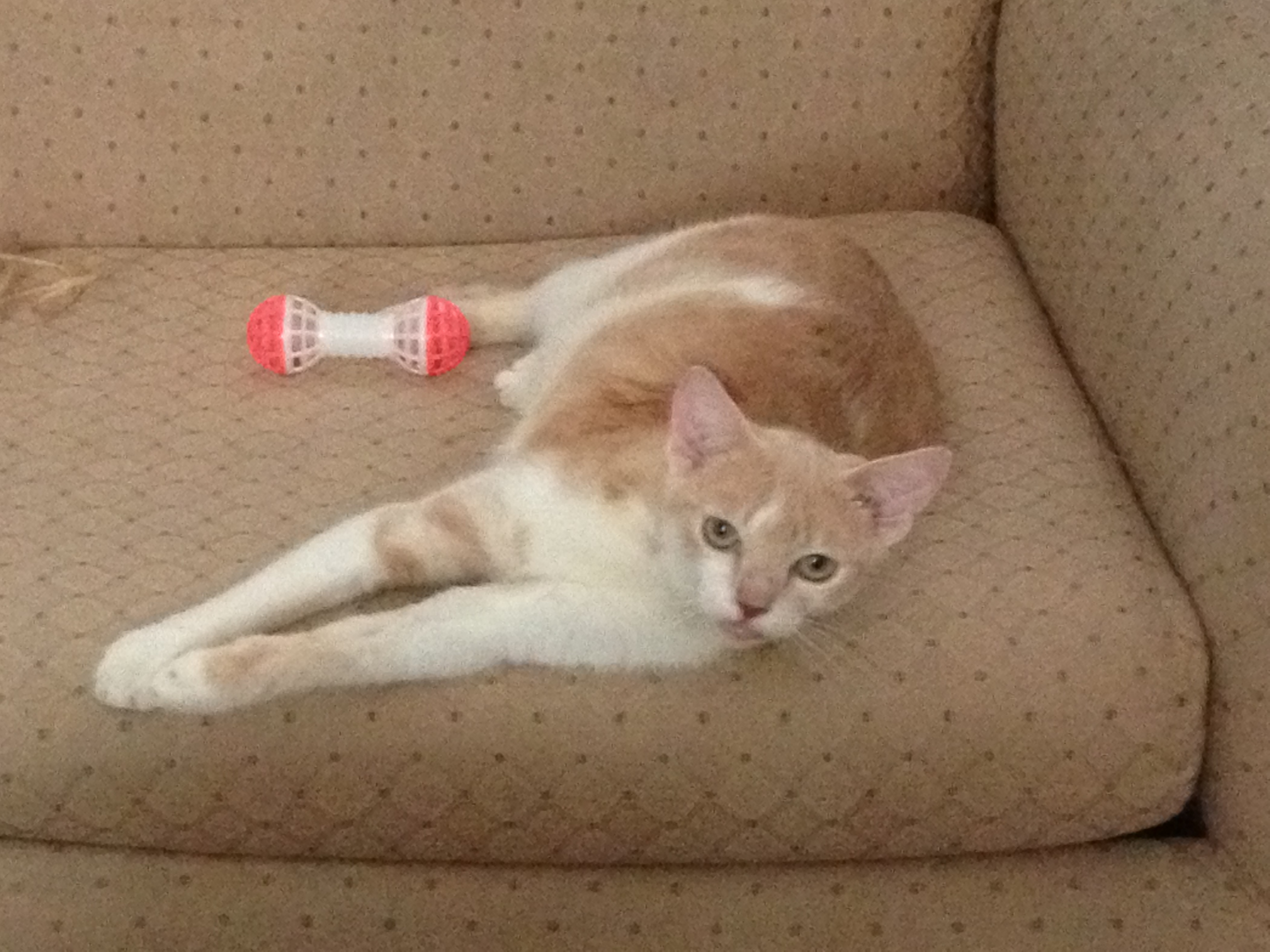
“Ximena”

photo (38)

Iris and the other members of her apartment complex have adopted a white and orange stray cat that answers to a variety of affectionate terms.  One of these is “Nena”.  One my first day here, I confused “Nena” as a shortened version of Ximena, so Ximena she is.

This straggly looking, mangy little ball of fluff is adored by the residents of the small apartment building.  Typical of most cats, she is “owned”  by none, but owns each neighbor in turn.  But it was Iris who took up donations to get Ximena surgery she needed and routine veterinary care.  All the residents share in the feeding and care of the street cat – including applying a cream to her healing surgical scar, but it is Iris whom Ximena usually seeks.

While most of the residents leave their doors open during the afternoons to invite Ximena in, Ximena is most often found either inside our apartment, or bellowing outside the door (on the rare occasions that is is closed.)  She wanders in with the grace and arrogance that only a cat possesses.

She carries herself with a dignity that belies her ‘homeless’ state as to say she isn’t a vagabond but a seasoned traveler as she visits each apartment in turn – but always comes back to Iris to stay all afternoon and overnight.

Some of the neighbors our jealous of Ximena’s attention, but with our weekly journeys to Sincelejo, they always have an apportunity to host ‘Nena as their favored guest.

Iris loves to cook – and does so easily, deliciously.  She embraces a healthy lifestyle filled with daily exercise and fresh fruit and vegetables.

salad made of exotic fruits

salad made of exotic fruits

We talk about my love of Colombian food – and together one day in the kitchen, we make brevas.  She tells me with a smile that she has never made them, but used to watch her grandmother cook them for a sweet tweet.

Boiling brevas: Photo by Camila

Boiling brevas: Photo by Camila

We savor the sugary treat, one breva at a time over the next several days.

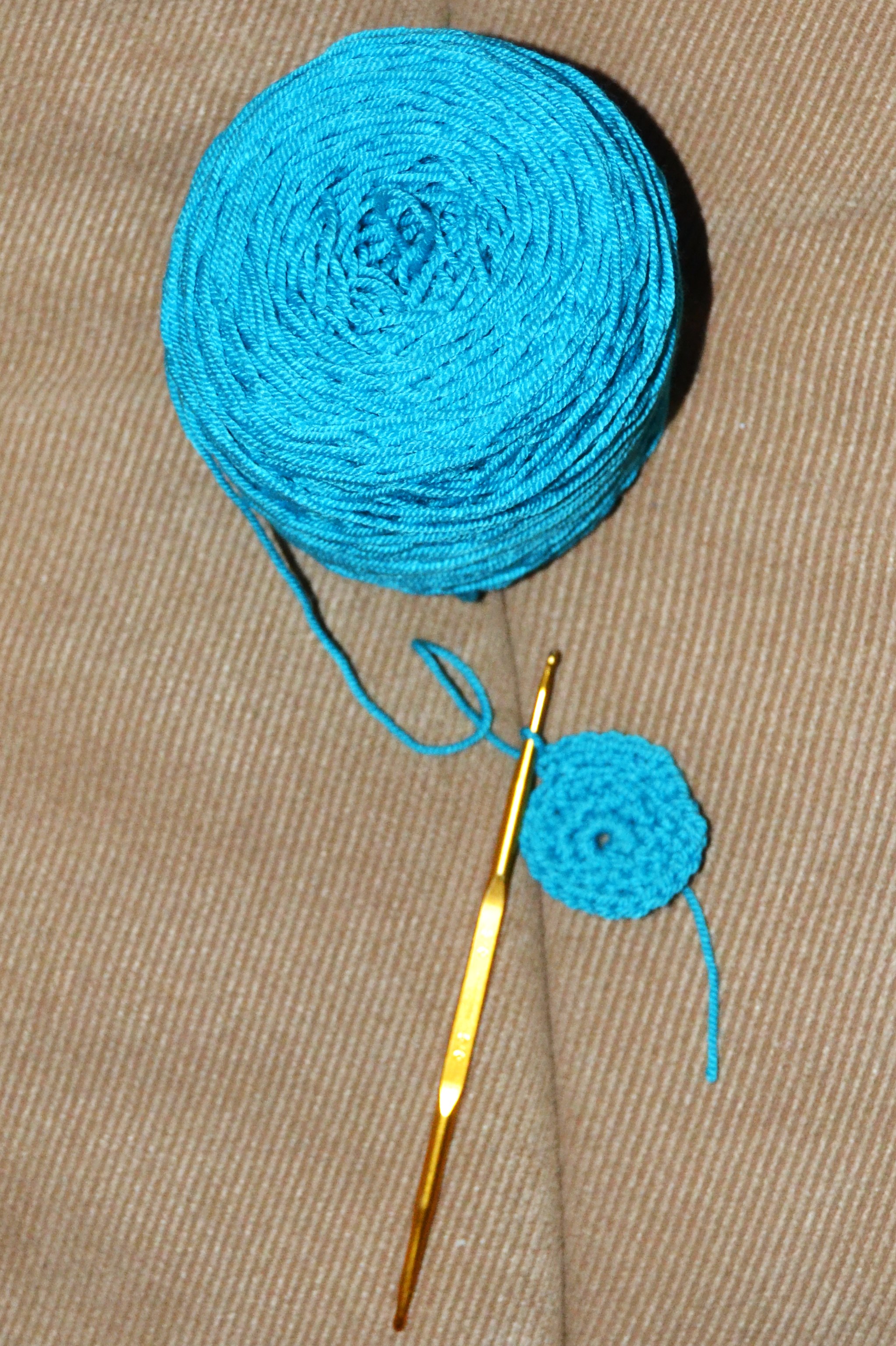
In  addition to learning how to perform saphenectomies from Dr. Barbosa, Iris is teaching me how to crochet.  My first project will be one of the small bags that is in a style typical for Colombia.  I think it is ironic that it seems easier to suture that it is to crochet.

Iris 003

But Iris is endlessly patient with me – and slowly, slowly as I unravel my mistakes and start again, I am making progress.  She has a blogspot where she showcases her latest creations.  She recently received national accreditation as a ‘native artist’ to participate in festivals and art fairs that specialize in traditional Colombia crafts.

Today, as we sit on the sofa, crocheting, we talk about plans for the Semana Santa (Easter Week).  The secretarial staff in Sincelejo has vacation plans and wants to keep the office closed all week so she can visit a boyfriend in Medellin – but Iris and I think it should remain open for the patients.  We plan to offer to staff the office, so that patients won’t have to wait a week to be seen.  We will have to navigate and negotiate carefully and diplomatically to prevent causing any hard feelings but as Iris points out, it’s the right thing to do for the patients – and the doctors, and that’s what matters. (My motives are admittedly more self-serving: more clinic = more surgery.)

*This type of questioning is fairly pervasive throughout Colombia, and is often performed as part of introductory conversation.  Once a taxi driver in Bogotá directed me to the nearest fertility clinic when I responded “No” to the question about children.  He wasn’t rude, on the contrary, he thought he was being helpful.

** Iris prefers not to have her picture taken.

Sundays in Cartagena


El Centro

El Centro

Sundays in Cartagena are a bit different from Bogotá or Medellin. As a major tourist destination, Cartagena never really slows down the way other cities do in Colombia.  In Bogotá, my neighborhood (Chico) was essentially deserted on Sundays.  The only signs of life were on the streets closed for  pedestrian walking.  La Candeleria and Usaquen were the destinations of choice for Bogotanos who chose to stay in the city.

Instead the activities change – instead of business, the weekends are for boat trips to the Islands of Santa Rosario, long leisurely lunches, wandering around El Centro and looking at arts and native crafts, and walking along the beach.   Tourists stroll along Bocagrande window shopping at designer storefronts, eating ice cream.  The hotels host popular events in Castillogrande, and restaurants and bars feature the sports of the day, to standing room only crowds.

So today, after sleeping in a bit, Iris and I headed to El Centro for another leisurely stroll around El Centro.  Sunday mornings are a nice time for this – the streets are still pretty quiet and not yet packed with tourists.  (That comes later in the day.)

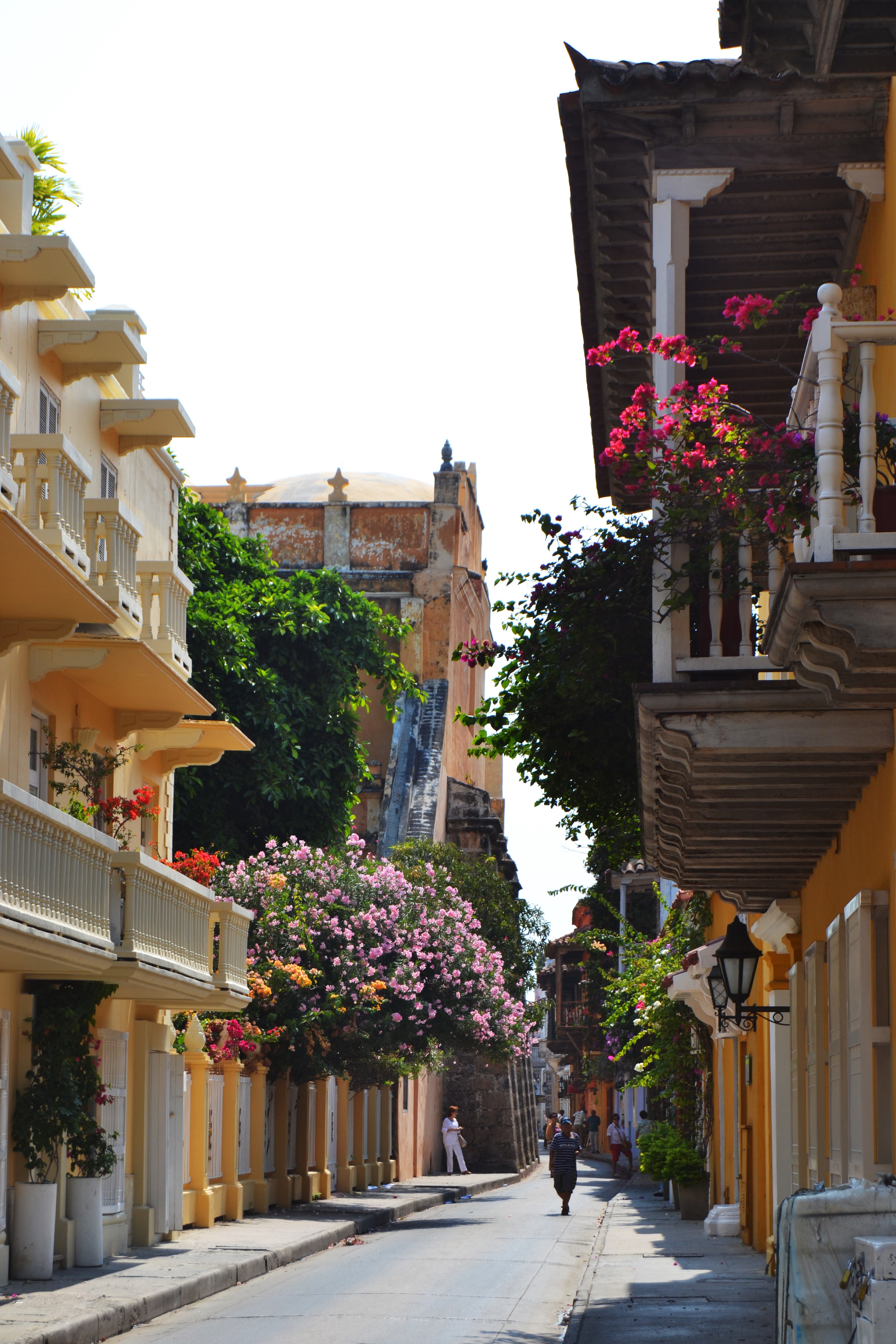
Cartagena 013

As we wandered down the tree-lined streets, I can’t help put take photos, even if I’ve photographed these same areas many times before.  Somehow, every time I encounter the colorful buildings with the beautiful blossoms on the curving cobblestone streets, I am enchanted all over again.

Cartagena 026


After walking around the neighborhood and making our way up the wall, we headed to the nearest Juan Valdez..

Cartagena 027

After our leisurely coffee, we walked back home to escape the heat of the day.  Now I am heading back out – to the beach.


The Sincelejo Diaries


Sincelejo from the balcony

Sincelejo from the balcony


Since I have very limited wi-fi while in Sincelejo, I have been keeping a diary of my time on the cardiac surgery service of Dr. Cristian Barbosa.  But then again, maybe I should explain why I am here.

I came to Colombia to learn how to perform skip harvesting saphenectomies with Dr. Barbosa.  As I mentioned previously, we’ve kept in contact since we first met, and he was gracious enough to offer to teach me.

Before I ever left Virginia, it took a lot of paperwork and diplomacy, but we were able to secure administrative permissions for me to study sapheneous vein harvesting with Dr. Barbosa at the hospital in Sincelejo.  While this isn’t medical tourism, I thought my readers might enjoy hearing about daily life as part of Dr. Barbosa’s cardiac surgery service.


 Cardiac Surgery in Sucre, Colombia


outside the operating room

outside the operating room

While the cardiac surgery program is located in Hospital Santa Maria, Dr. Barbosa and his team often travel to nearby hospitals and clinics to see new consultations.  This program is the only program in the state of Sucre and patients come from all parts of the state.

Many of the patients come from tiny pueblos of a few hundred (or thousand people).  Many others come from impoverished backgrounds.  (Colombia has a tiered health care system with a national health care plan for people from lower socio-economic classes, kind of similar to the Medicaid concept.)

We arrive in Sincelejo on Monday, March 24th in the evening.  We have a busy day tomorrow and the doctor wants to get started early (without facing the 3 hour drive in the morning.)

En Familia

In Sincelejo, we live en familia, in a large airy apartment with big windows that overlook much of Sincelejo.  There are four of us here, the surgeon, the anesthesiologist (who is Director of the program), the perfusionist and myself.  Iris and I share a large room with a private balcony.  Meals are shared and we usually travel as a group to the hospital and on errands.

After our arrival Monday evening, the doctor, the perfusionist and I head to the largest grocery store and shopping center in town.  We shop as a family, picking out fruit, arepa corn flour, coffee and other essentials.   We then head to the food court.  (They are treating me to Corral, due to my proclaimed love of Corral’s famed hamburgers).   

It sounds like it could be uncomfortable – this domestic scene with my boss and the cardiac surgery team, but surprisingly it isn’t.  Iris, the perfusionist (and my roommate both here and in Cartagena) always says they are a “cardiac surgery family,” and it feels that way – in a comforting, cozy way.

I joke and call Dr. Barbosa, “Papa” as he is the natural father figure of the group, and somehow it feels appropriate.


'Papa' of our cardiac surgery team

‘Papa’ of our cardiac surgery team

25 March 2014 – Tuesday

Today we travelled to Corozal to see two consultations in the intensive care unit.  Then we returned to Sincelejo to see another patient at another hospital, Maria Reina.  We eat lunch at the apartment, en familia .  Afterwards, we go back to the office to see patients before heading off to surgery.  (We had to delay surgery for several hours because the patient decided to eat breakfast.  I guess s/he was hungry too).

barbosa 081


Finally after this delay (to prevent anesthesia complications), we head to the operating room.  There are the typical delays while the patient is being prepped and prepared.  This gives me a chance to get to know the rest of the crew, Anita (the instrumentador or surgical tech) who runs the operating room table, Raquel, an experienced instrumentador who is training to work in the cardiac suite, and the two circulating nurses,  Patricia and Estebes.

Raquel (right) and Anita, the instrumentadors

Raquel (right) and Anita, the instrumentadors

The circulating nurses are responsible for taking care of all the duties that fall outside of the sterile field, like fetching additional supplies, medications or instruments.  They also control the environment by regulating the temperature, and adjust the electronic machinery (like the electrocautery unit, or the sternal saw) according to the surgeon’s immediate needs and specifications.

Patricia and Estebes, circulating nurses

Patricia and Estebes, circulating nurses

Dr. Salgua is the medical doctor who works in the office, seeing patients and assessing their medical (nonsurgical needs.) For the last year, she has also worked as Dr. Barbosa’s First Assistant in Surgery.  If there is any chance for friction in the operating room, most likely it will come from her.  I am cautiously nice but optimistic when I realize she is fairly quiet, and not overly aggressive.  (I relax, but just a bit.  I am still nervous about how the team will take to me, even though the common Oops! “accidental” needle stick scenario seems unlikely here.

Dr. Salgua

Dr. Salgua


Everyone is very friendly and welcoming and even before starting the actual surgery, I am breathing easier and starting to think that maybe I could belong here, with this group.

The surgery went well (valve replacement and annuloplasty).  After the surgery, we transport the patient to the intensive care unit and give report to the doctors and nursing waiting to assume care of the patient.

Note: patient did well and went home on POD # 3 on 3/28/2014.


26 March 2014 – Wednesday

More surgery today, but still no coronaries (and thus no saphenectomies).  It was a great day in the operating room – I closed the sternal incision..  (BTW, surgery went beautifully).  I am already starting to feel more at home with the operating room staff, and I feel like they don’t mind having me around.  Dr. Salgua has been very kind in assisting me during procedures, which is a relief.  She still stays pretty quiet during the cases, but I think maybe sometimes she is a bit nervous too.


with the team

with the team

After transferring the patient to the ICU, our second visit to the patient from yesterday finds her over in the general surgery ward.  (This morning she had been sitting up in a chair in the ICU when we arrived.)  She looks good and states she is sore, but otherwise fine.

barbosa 082

The cardiac catheterization lab calls; there are four cath films they want us to review, and patients to discuss regarding surgery.  The patients themselves are resting in the recovery area after the cath procedure, so our administrative assistant, Paola makes appointments for each of them and instructs them to bring their families, medications and any questions.

The most interesting part of the cath lab is who is doing the caths.  It’s a nurse, while the cardiologist sits behind the protective radiation shielded glass enclosure viewing the films and calling out for additional views.  I wonder if the nurse knows that in the United States, a similar position would pay over 100,000 dollars.  But this is one of the things that I see a lot of her in Colombia and in Mexico.  Well trained nurses being essentially nurse practitioners (making diagnoses, treating disease, performing invasive procedures) but without the status or the compensation.

My roommate and I talk about this disparity sometimes.  She’s a master’s trained nurse herself, so it makes for some very interesting discourse and insights. (She doesn’t like to have her picture taken, so I haven’t.)

We finish seeing patients and head home.  The doctors head off for a siesta.  Dr. Barbosa has been up since before five for his daily exercise before surgery.

As for me – after some scouting of the immediate areas around the hospital and the apartment, I went on my motorcycle tour.  It was great fun but I got an important reminder of the perils of motorcycles just a few days later.

Note: After and uneventful surgery (defect repair), patient recuperated quickly, and was discharged 3/29/2014.


27 March 2014 – Thurday

The week is really flying by.  I’ve been having fun with the operating room team.  They are a great group. Everyone has been extremely nice and welcoming.  (You can never be sure how your presence is going to be tolerated or change the existing dynamic.)   Dr. Melano and I have a couple of animated discussions over current practices, literature and recent meta-analyses.  It’s an enjoyable discourse even though my vocabulary often fails me.  I hear myself making grammatic mistakes and repeated errors in Spanish but it seems with some much going on (reviewing my anatomy, practicing my suture ties, assisting in the operating room and trying to keep up on my writing )- I just can’t seem to remember as much as I should in Spanish.  I inwardly cringe when I substitute ‘conocer’ for ‘saber’ yet again, but the word is out of my mouth in reply to a question before I can corect myself.

Dr. Salgua assists Dr. Barbosa

Dr. Salgua assists Dr. Barbosa

I sit out this surgery (still no coronaries) and spend some time taking pictures to document my experiences here.  I got a couple of shots that I really like, including one of Dr. Barbosa, Dr. Salgua and Raquel.

one of my favorite pictures from that day

one of my favorite pictures from that day

 Note:  Patient discharged home 3/29/2014.

28 March 2014 Friday (and coronaries!)

Today is my big day – and I am excited and a little scared too.  I got up at five this morning and went with Dr. Barbosa to the exercise park, so I would have a place to walk while he played tennis.  It helped me get ready for the day, and I got to see where Dr. Barbosa uses up all of his pent-up aggression.  He turns it into a power slam. (I don’t know tennis terms, but whatever swing he was doing – it must be responsible for his tranquil overall demeanor.)

After breakfast, we head to the hospital.  We check on our hospitalized patients before going to see today’s surgical patient in pre-op.

Our patient is a bit fragile-looking so (of course!) I worry about her and how she will do with surgery.   I also worry that I might not sew straight, now that it’s time for me to get to work.

Some of my previous OR “lessons” have been brutal, including several at a troubled facility that sent me running away from cardiac surgery (of all kinds) for several months*.  This is what fuels my anxiety.  (I am not anxious by nature).

But here in Sucre, in this OR,  this experience is nothing of the sort – Dr. Barbosa is an excellent teacher.  I don’t know why it’s a surprise.  He’s always been a bit of a  Clark Kent of the operating room; pleasant, calm and methodical.**  This is just the same.  In his soft burring voice he goes over the procedure with Dr. Salgua and I.  The he oversees our attempts, gently encouraging and coaxing.  It is yet again, a comfortable experience, instead of a traumatizing, horrible one.

a pretty great teacher

a pretty great teacher


I don’t have any pictures which would show my twinkling eyes which are the main indication of my happy grin beneath my mask as I finished closing the last leg incision.

We wrap the leg when we finish and move up to the ‘top’ of the operating room table.  (I’ve learned that the top and the bottom of the operating room table are two very different places.)

I close the chest incision – surgery is over.   We transfer the patient to the ICU.  She remains a little fragile but has no immediate problems.

barbosa 047

After making sure the patient is stable, the team heads over to Clinica Maria Reina.  We have received a call that a trauma patient is being placed on ECMO (to support his lungs) after developing a fat embolism.  We are standing by to help, as needed.

As I look around, and talk to the staff, I find that there are three patients in the small ICU, all young men in their twenties, all intubated with critical injuries, all due to motorcycle accidents.  One patient, just barely an adult has lost a limb as well.  He is awake and hitting the siderails with his remaining hand to capture the nurse’s attention.  She holds his hand and speaks soft to him and he calms down.  Watching this, along with the patient struggling to survive as doctors rush to connect ECMO is a sobering reminder of how devastating my joyride could have been.

The patient is connected to ECMO without incident.  As a weary unit, all four of us return home.

Cartagena 004

The view from my private dance floor..

Everyone is exhausted – but I am exhilarated!  I just want to dance – so I do, by myself, on the balcony with my phone blaring out some music.  Later that evening, we go out for dinner to celebrate a successful week.  I am still in a joyous dancing mood which probably drives my companions a little crazy but it’s been such a great day..  so when we return home, I dance some more.

March 29th, 2014 – Saturday

In the morning after my dancing spree – Dr. Barbosa and I walk down to the hospital.  Our fragile patient from yesterday is doing okay, and our other two patients are ready to go home.  I review discharge instructions with each patient, and hope that I am not mangling my Spanish too badly. But they seem to understand me, so maybe I am doing alright.  The doctor is nearby, writing prescriptions, to clarify anything I have trouble explaining.

One patient asks about getting out of a chair without using his arms (and stressing the sternal incision) so I demonstrate my favorite technique, and together we practice.

After we finish, we head back to the apartment to eat breakfast, finish packing and head back to Cartagena.  Dr. Melano is staying behind (along with Dr. Salgua, who lives in Sincelejo) to check on our remaining patient.

The ride back is pleasant, but I start to feel some of the fatigue from all of the excitement of the week.  I also feel a little sad to be leaving our little cardiac ‘family’ for a few days, which is probably crazy considering how much time we’ve all spent together.  I guess it’s because I know it’s just temporary.

Iris and I head back to ‘our’ Cartagena apartment where the neighborhood cat, Ximena is waiting for us.

Now we will relax, write and get ready for the return trip on Tuesday.

* A deliberate elbow to the face was just the beginning of a series of humiliations at a previous facility.

**Pulling on his superman cape when needed.

Adventures in Sincelejo


If there is such thing as a perfect day, it would have been today.  The weather was still hot, humid and sticky.  I still have student loans and the world continues to have accidents, disasters and wars.  But for me, today was as good as it gets.

VSD patch400

I spent the morning in the operating room while Dr. Barbosa performed a septal patch, and repair of the tricuspid valve.  The case went well and the patient did beautifully.  Before I left the hospital, the patient was already awake, alert and awaiting extubation.  There was no hemodynamic instability or bleeding.

Barbosa1x400

The local cardiologist did several cardiac catheterizations today – and we were consulted on four of them.  3 of the patients have excellent targets for bypass grafts and normal heart function.  The fourth patient is a little more fragile, but is still a reasonable candidate for surgery.

Best way to see Sincelejo: On the back of a bike*

Lastly, I spent a nice, breezy hour touring the city on the back of a friend’s motorcycle.  (Yes, mom – I wore my helmet – and he didn’t drive like a maniac.)  We went all over Sincelejo; from the scenic overlook over the valley below, to the football stadium, past the University of the Caribbean, over to a public park with tennis courts, several pools and a small zoo. (I don’t have any pictures because I figured I’d probably drop it).

My guide was Omar, the spouse of my friend, Elena.  He works in the Parks & Recreation department of the Sucre.

photo (37)

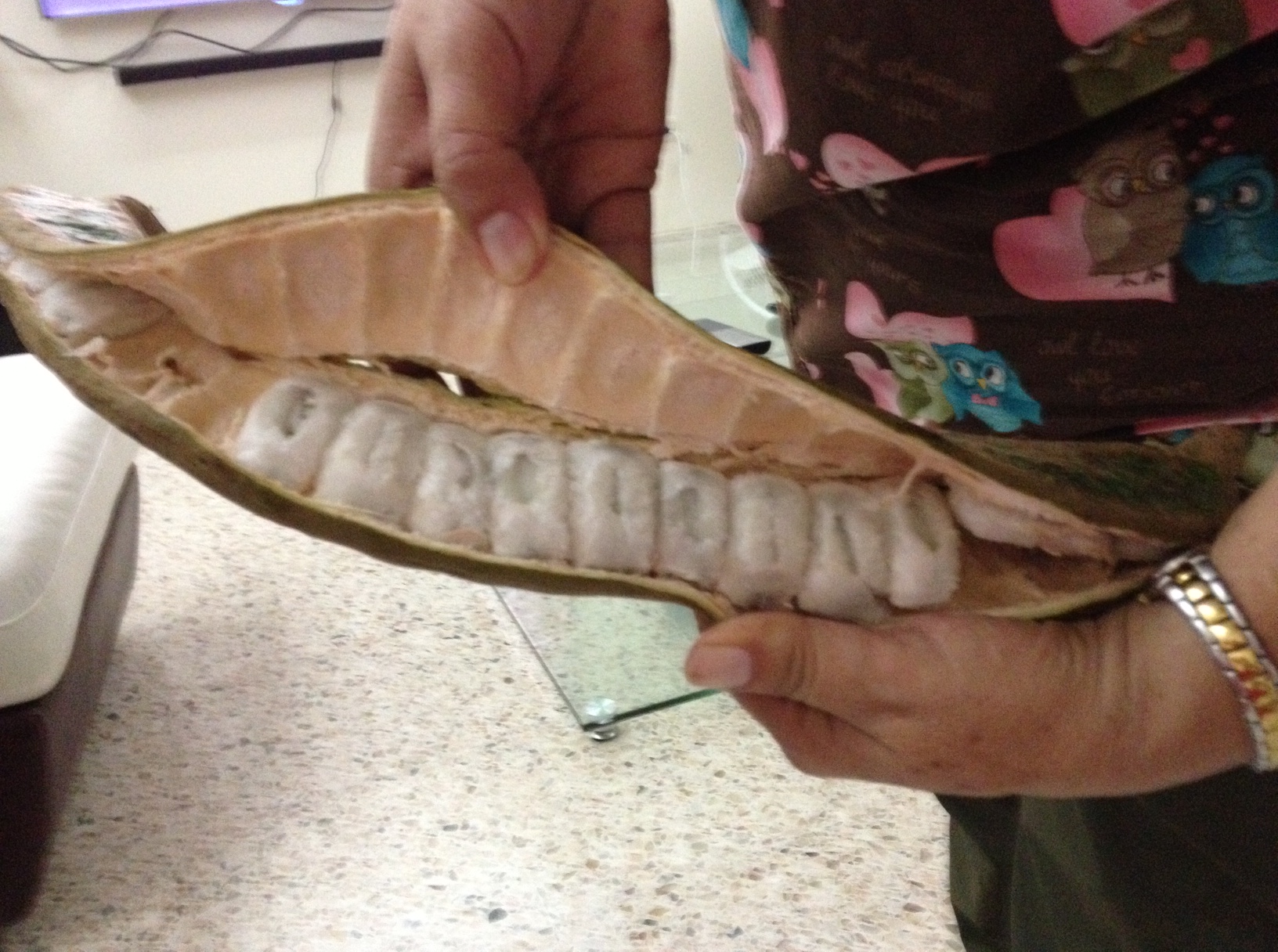
After returning home, I took a walk down to the Plaza to buy some local cheese.  Then I spent the evening eating exotic fruits like guama, plums, uchuvas and fejoas.

*Also fairly dangerous..

All in all, it was a pretty awesome day.

The great fistula adventure


Just back from Sincelejo  – and off on another adventure!

sabanalargo

Dr. Barbosa was asked by a local nephrologist if he would be willing to come to Clinica San Rafael in Sabenalargo to make dialysis fistulas for several patients who are currently dialysing through subclavian catheters.  (These in-dwelling catheters, which are made of plastic, place patients at a much higher risk of infections including systemic infections like sepsis (due to easy access to central blood supply.)

This medscape article gives a nice overview regarding Dialysis Fistulas.  (However is mainly focused on maintaining fistulas rather than creating them.)

So off we went to Sabanalargo in the Colombian state of Atlantico.  While small, with just 2 operating rooms, Clinica San Rafael was a fine place to operate.

Despite its small size, the clinic had an intensive care unit, a neonatal unit and fluoro for catheterization and endovascular procedures (in operating room #1).  The hospital also had a large maternity unit.  Looking through the previous operating room procedure log showed that most of the procedures were C – sections and general surgery procedures (like hernia repair.)

One of the nicest aspects of this facility is something that is essentially unheard of in the United States.  At the end of the day, Dr. Barbosa was paid in full.

outside Clinica San Rafael

outside Clinica San Rafael

All of the staff were very welcoming despite the fact that it was our first time there.  The patients were happy to see us – and the surgeries proceeded at a rapid pace.  After receiving discharge instructions and prescriptions for a daily aspirin along with pain medication, all of the patients were discharged home.

with Liliana, circulating nurse

with Liliana, circulating nurse

All told, Dr. Barbosa performed 4 Cimino – Brescia fistulas with excellent results.  All of the fistulas had an easily palpable thrill at the end of the procedure with no evidence of limb ischemia or other complications.  (Cimino – Brescia fistulas utilize the native artery and vein versus PTFE grafts which are not as durable).

The way home was a lengthy process since one of the main roads was closed so we had to back track to Barranquilla to get on the main coastal highway.  (I’m sure it was lovely, but it was too dark to know.)

But all-in-all, it was a fun and interesting day.

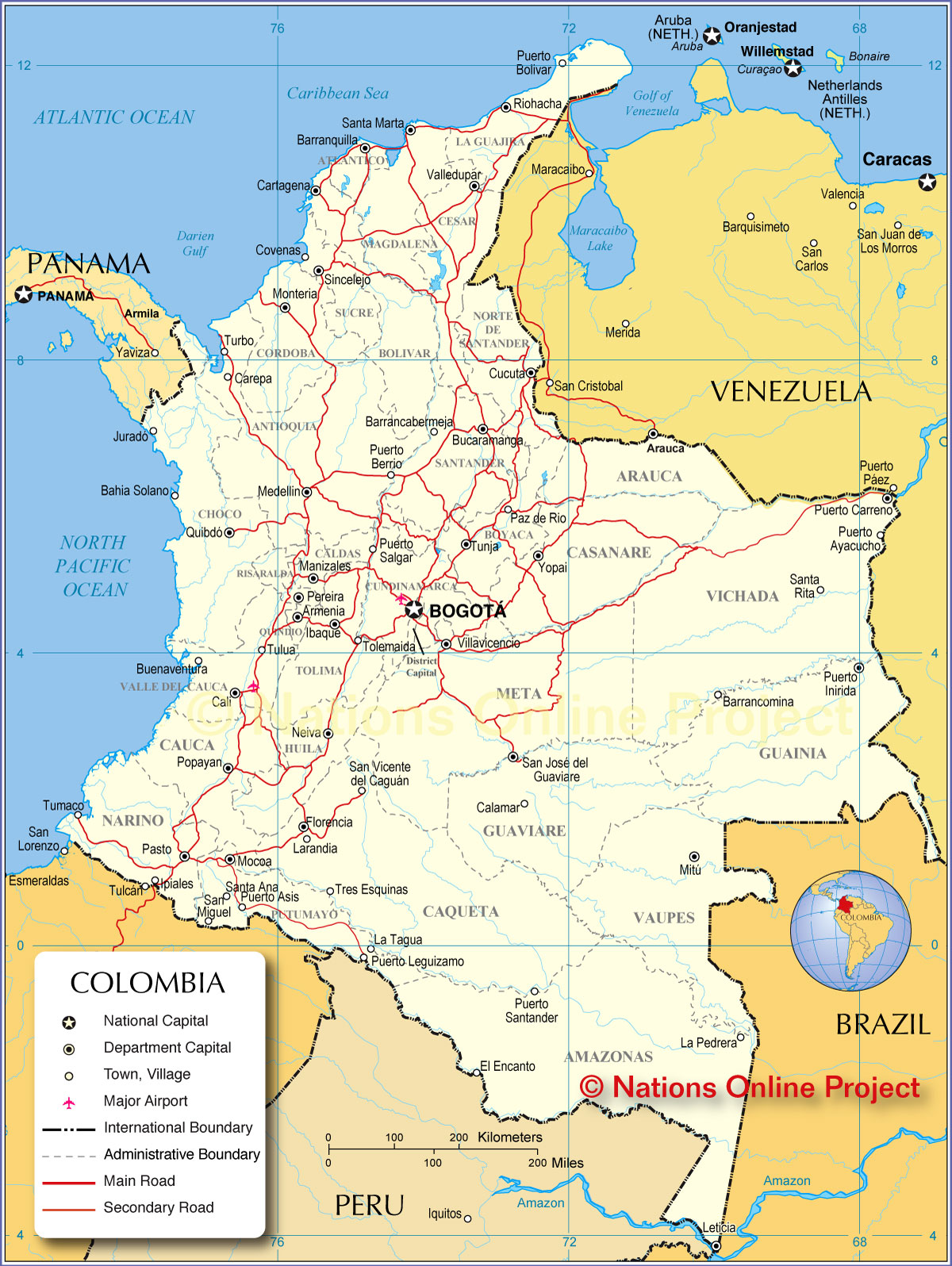
The Road to Sincelejo


colombia_pol_map

The Road to Sincelejo

For me, the road to Sincelejo has been in the making for a long time.  Since meeting Dr. Cristian Barbosa, cardiac surgeon in February 2010, I have wanted to know more about his work.  I first meet Dr. Barbosa on my initial trip to Cartagena de Indias when I (literally) accosted him in a hallway in Hospital Bocagrande.  At that time he was the chief of cardiovascular surgery of the now defunct cardiac surgery program at Hospital Bocagrande.  He was minding his own business, walking down the hallway.  As he passed, I read the title on his lab coat, “Cirguia Cardiovascular.”

Back on 2010, my Spanish was even worse than it is now – just forgotten bits of high school Spanish.  But that didn’t deter me on my mission.  I had entered the hospital under stealth (okay, not really, but I was just a ‘gringa’ wandering around without authorization) to meet and talk to surgeons, so I wasn’t about to let this opportunity pass by.

with Dr. Hector Pulido (left) and Dr. Barbosa in Cartagena (2010) after a chance encounter in a hallway,

with Dr. Hector Pulido (left) and Dr. Barbosa in Cartagena (2010) after a chance encounter in a hallway,

Of course, since my Spanish was limited – I didn’t know how to express all the normal social graces in these sort of situations.   Instead,  I said, “please stop” as it was the first phrase that came to mind.  He did, and we managed to exchange enough conversation for me to explain who I was, and what I would like to know.  Despite my lack of manners, and random appearance, he didn’t seem to mind.   A visiting cardiac surgery nurse, “por supuesto!” (of course!)

I knew I was successful when he then asked, “Do you want to go to the cath lab and review today’s films with me?”  The rest is now history, on the pages of this blog, multiple articles and the Cartagena book.

Sometimes, the language of surgery is universal – which is what makes all of this possible.

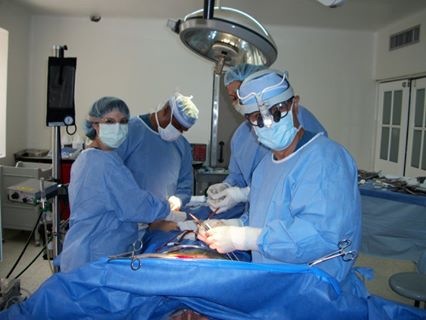
in the operating room with Dr. Barbosa in 2010.

in the operating room with Dr. Barbosa in 2010.

Since that first meeting, Dr. Barbosa and I have both improved our language skills (his English, my Spanish) and we’ve kept in contact.  We’ve caught up with each at various conferences and meetings.  Therefore, I was saddened to hear of the closure of the cardiac surgery program at Hospital Bocagrande due to financial difficulties*.

Cardiac Care

I was excited when Dr. Barbosa told me about his new position in Sincelejo (Sucre) a few years ago, providing cardiac surgery services to the local community.  The program called Cardiac Care provides cardiac surgery services to a populace that would otherwise have to travel several hours (to Barranquilla or another large city).

When Dr. Barbosa invited to come join his team in Sincelejo, it took some re-arranging and re-scheduling to do – but it was an opportunity I just couldn’t miss.

The program remains small and relatively unknown even among Sincelejo residents.  For this reason, Dr. Barbosa and his team (cardiac anesthesiologist, Dr. Sebastian Melano and nurse perfusionist, Sra. Iris Castro) all live in Cartagena but maintain another apartment in Sincelejo.  When they have surgery scheduled, they stay in Sincelejo for several days to perform surgery and oversee the patient’s recovery.

Road trip

On Thursday, I took my first trip with the group to Sincelejo to see several patients (post-operative patients and new consultations).

Dr. Barbosa and his cardiac anesthesiologist see patients at the Clinic in Sincelejo

Dr. Barbosa and his cardiac anesthesiologist see patients at the Clinic in Sincelejo

This trip itself was very interesting.  Sucre is a region (state) of Colombia that is entirely new for me.  Even though the trip is just 125 km from Cartagena, it’s a journey into a new landscape of rolling hills (Mountains de Maria) and takes over three hours.

Leaving Cartagena, we pass through the various areas of the city.  We pass through barrio Manga, past several hospitals including Hospital San Juan de Dios, and toll stops.   As we pass through the industrial areas of the city,  the massive oil refinery expansion project dominates the landscape.  Evidence of other ongoing construction and expansion outside city limits is also present.

Like most roads outside cities, we pass through several security checkpoints.

As we leave Bolivar we pass several palm plantations, where palm oil is produced. (Alas, no palm wine – one of my favorites)**.

Like Texas with hills

March is the tail end of the ‘drought season’ of this tropical locale so much of the landscape is brown, and barren appearing (think of Texas, with hills.)  This year has been particularly dry with several wildfires due to the effects of the El Niño weather systems.  This year, they tell me is even worse than previous El Niño years.  A comparison to Texas is appropriate since this part of Sucre is mainly farms with livestock (horses, chickens etc.) and cattle grazing.  For this reason, Sucre is well-known to Colombians for both its beef and the richness of the local cheese.

Along the way, we pass several small settlements of tiny houses along with the fincas (working farms) of the wealthy.  Some of the homes are poured concrete with concrete floors and painted in gay colors, others are hard-packed manure with dirt floors.

one the modest dwellings roadside in Sucre

one the modest dwellings roadside in Sucre

As part of a promise made to improve the infrastructure of Colombia during President Juan Manuel Santos’ famous “five points” most of the roadways are either newly paved or in the process of being paved and expanded.

During the drive, my companions give me the history of the various settlements.

Palenque

One the first settlements we pass while still in the state of Bolivar is the town of Palenque.  Palenque is known for being the first settlement of escaped/ free Africans in Colombia.  (As one of the main ports for the slavery trade, Cartagena – escaping slaves would make their way to small settlements to live as free members of society.)

Palenque is known for adhering to mainly of the African traditions of their ancestors, as female residents wear traditional dress.  Residents speak a distinct dialect of a creole based, Spanish language mix  also called Palenque.

photo courtesty of Proexport Colombia.  Photo by Juan guFo.

photo courtesy of Proexport Colombia. Photo by Juan guFo.

A decade makes a difference – The Red Zone

Just ten years ago, this simple journey would have been venturing into dangerous territory***.  Guerillas and paramilitary groups controlled the area, and terrorized residents and travelers alike.  No where does the history of conflict in Colombia become more real than in the tiny town of Chinulito.  This town was one of the first casualties of paramilitary activity in the area.  Over 300 families had to flee the area for their very lives.  Many more were killed. (For a bit of eye-opening, remember that while we often think of these massacres  as a thing of the past, the violence is ongoing in parts of Colombia, and this incidence occurred in 2000, not 1970).

It wasn’t until 2008, that 56 of these former residents were able to return, under the protective watch of the Colombian military and police.  The military presence is significantly heavier than any of the other areas I’ve been to. 

Soon we enter the town of Sincelejo and head to the office to see patients.

Not a puebla

Despite being considered a somewhat rural area by more cosmopolitan coastal residents of Barranquilla and Cartagena, Sincelejo is no small puebla.  The city, which is the capital of Sucre, has a population exceeding 200,000.  The city has a long history and was initially inhabited by native peoples prior to Spanish exploration, and subsequent “discovered” in the 16th century.  The city was formally founded in 1535 in the name of San Francisco de Asís de Sincelejo.  (We will talk more about the city in future posts since I’ll be spending considerable time here.)

*Cardiac surgery services lines are particularly expensive to maintain in comparison to other hospital services.

** Apparently, I am not alone in my appreciation of this type of wine, which is widely considered among locals as the  Colombian equivalent of “bum wines” like Thunderbird, Ripple, MD 20/20 or other cheap drinks favored by alcoholics.

*** If you are thinking of doing something like venturing solo into the Red Zones, particularly if unaccompanied by Colombians, please read this article, “Backpacking in a red zone.”

Cuidad Delirio and the spirit of Colombia


This is Colombia!

kids in Cartagena

One the reasons I have so many posts on local culture (in addition to medical tourism) is due to the fact that I struggle to impart the sentiments, the spirit, and the very essence of the destinations.  

Viva Colombia!

The first time I came to Colombia, as we landed the JetBlue airline crew broadcast the song, Viva Colombia! and all the other passengers burst into cheers..  I guess it was that initial experience that has always stayed with me.

No, this isn't the Spirit of Colombia.

No, this isn’t the Spirit of Colombia.

Most of my writing is technically based so it is a huge challenge to attempt to draft essays that actually speak to the character of the people, the richness of the cultures.

there is more to Colombia than this..

there is more to Colombia than this..

But without these things, I think readers have a hard time separating the reputations of many of these places (for crime, or violence for example) from the people.  The news media are so filled with negativity, and one limited perception or view of everything:  Colombia is drugs and war, Mexico is violence and gangs, the United States is consumerism and spending, that it’s impossible for people to see, or read anything without this pervasive opinion poisoning our perceptions.

this is Colombia..

this is Colombia.. futbol

Now and then comes the occasional piece that takes a closer look – and I try to share those here.

and this..

and this..

I also try to include the often whimsical, charming or sweet details that give a better picture of what it is to be here.  What it’s like as a foreigner wandering the streets – seeing everyday life.. Not just sickness and health in the corridors of hospitals and clinics.  But the everyday lives and special occasions of the people I meet.

cartagena 014

For example, one of the things that really, for me kind of captures the spirit and the pride of the people of Colombia is the twice daily broadcasts of the National Anthem of Colombia..

Cuidad Delirio

Another was the delightful film, “Cuidad Delirio” that  I saw last night at the film festival in Cartagena.  The film, which was made in Cali and directed by Chus Gutierrez is pure eye candy.

My response to the film was almost visceral.. I don’t usually like this type of film – the silly romantic stories.. But the film just captured the essence of Cali (and Colombia) so beautifully.  The colors, the music, the liveliness..  In short, the film did in about 90 minutes what I have spent years trying to do – share the “feel” and some of the daily joy of life here*.

* I know skeptics are rolling their eyes – despite the many problems cause by socio-economic disparities and chronic warfare, many people here have a “Joie de vivre” that is unmistakable.  It is this sentiment that brings me to Colombia, over and over.

La Jaula de Oro and the 54th Festival de Cine


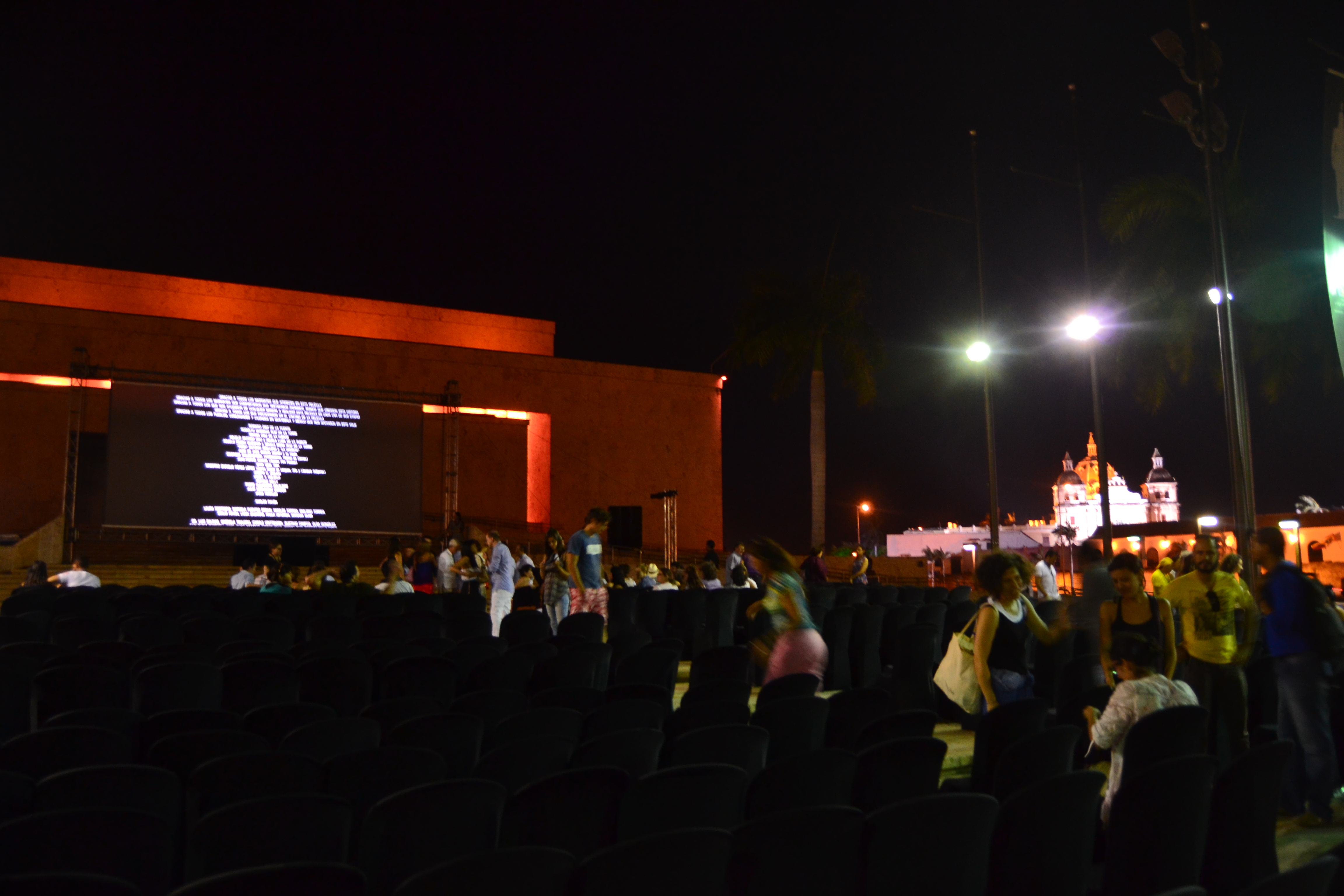
the outdoor film screening  area for "Gems"

the outdoor film screening area for “Gems”

Festival de Cine – The 54th Festival Internacional de Cine de Cartagena de Indias (FICCI)

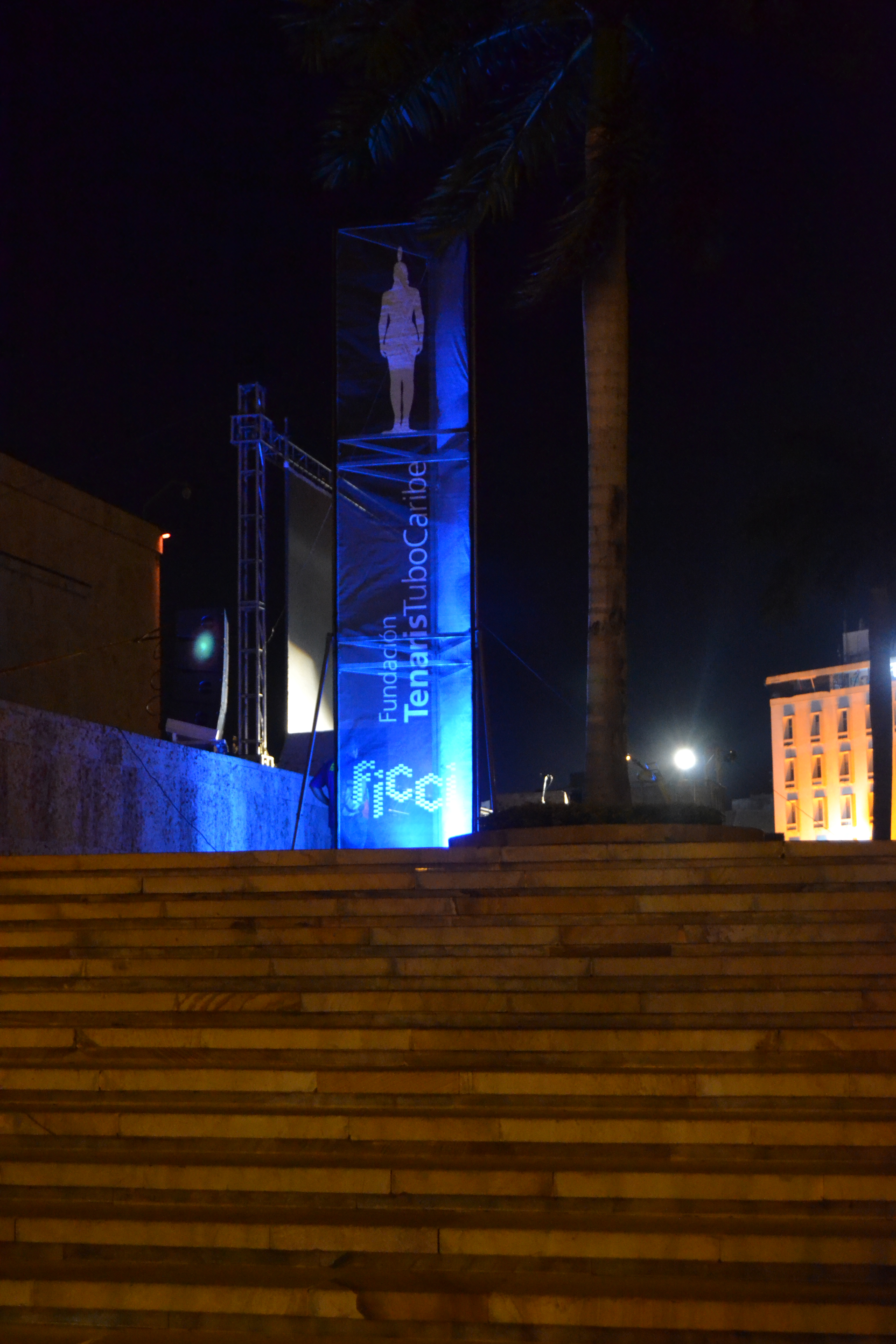
It’s almost impossible to imagine more favorable conditions for a film festival or cultural event.  While the first showing I attended was in the air-conditioned theater inside the convention center, the second film was presented outside the convention center – and the setting was perfect!  (It was almost too good – it was so lovely, and so pleasant that it distracted from the movie.)

While Cartagena is steamy hot during the day, late afternoons and evenings are wonderfully refreshing with cool ocean breezes.

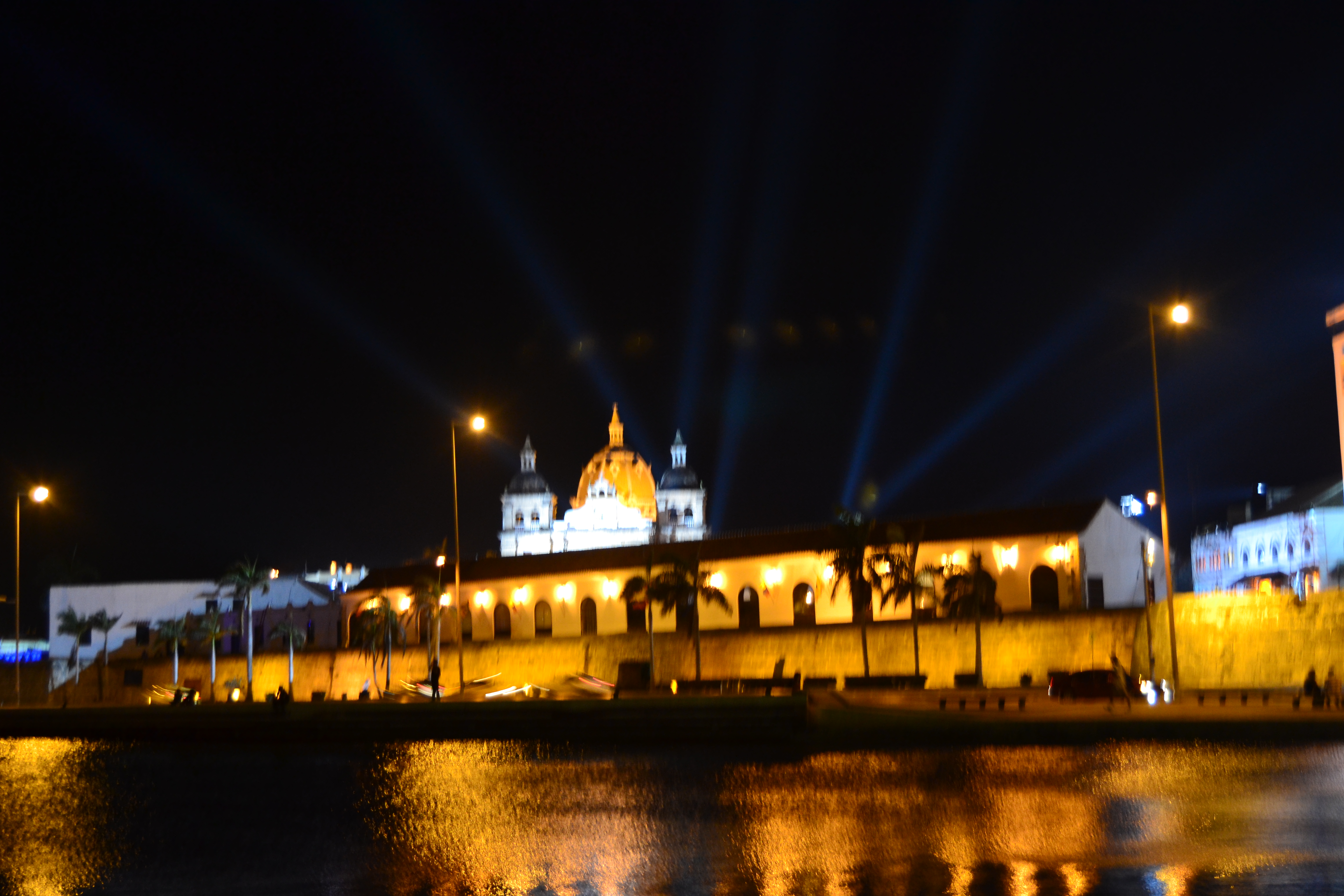
Outside the streets are lit with colorful lights, showing Cartagena in all it’s splendor.  Even the stars and the moon attend the event.

Accessible, and for the public

Actually, the festival offers films at multiple venues across Cartagena so residents can see films near their homes – but I prefer the chance to enjoy the city since the convention center is just outside the Historic quarter in the Gestamani area.

The view from the venue

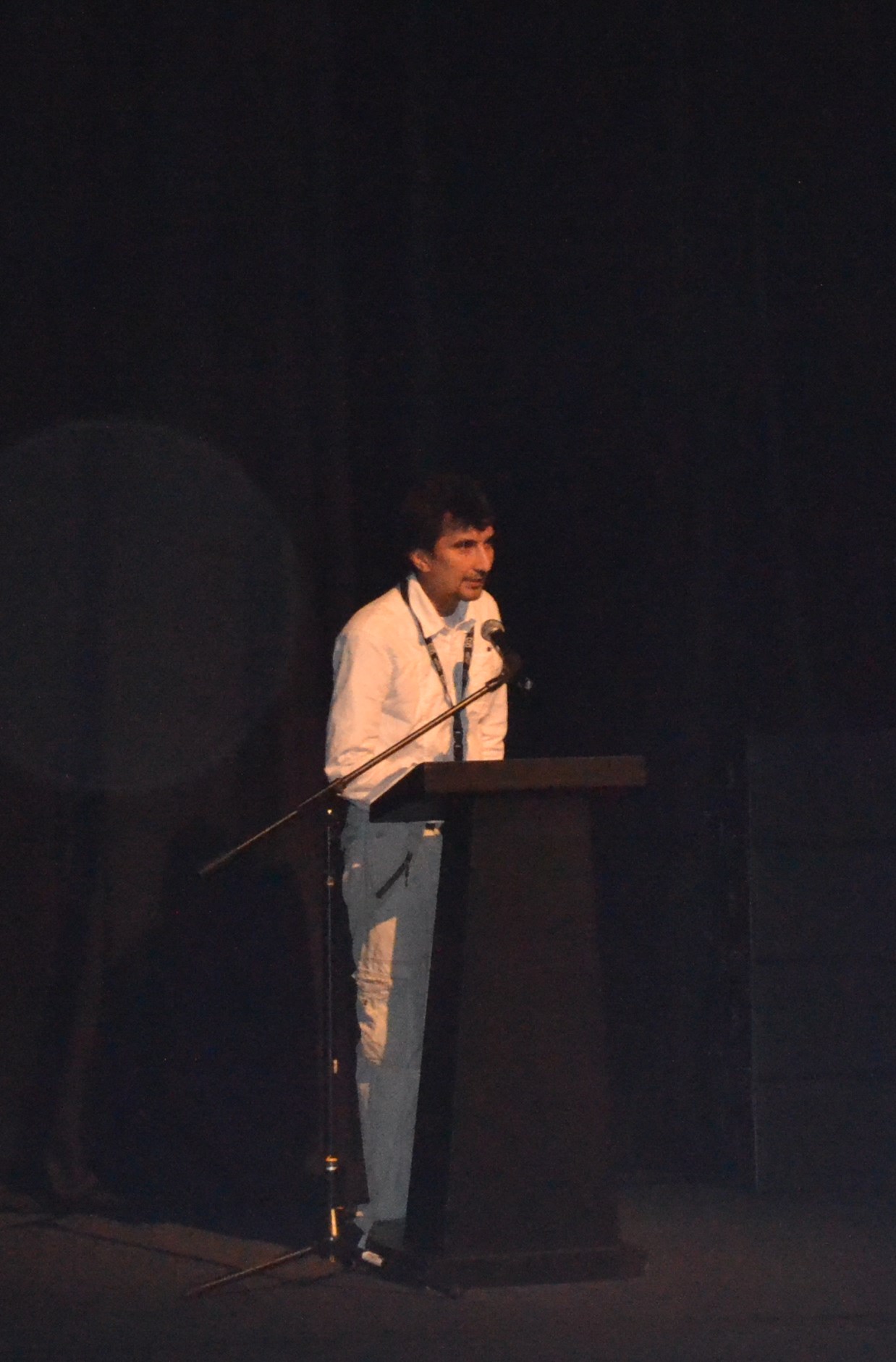
The showings are free and open to the public, the venues are comfortable, spacious and while well-attended – much less crowded than I anticipated.  All the hoopla, elitism and excesses of Hollywood are a million miles away.  Instead of overpaid movie stars in ten-thousand-dollar designer dresses, segregated behind velvet ropes, the filmmakers themselves appear to speak directly to the audience as they introduce films.  They encourage feedback and answer questions.

Colombian filmmaker, German Piffano talks about his film,"Infierno o Paraiso"

Colombian filmmaker, German Piffano talks about his film,”Infierno o Paraiso”

Infierno o Paraiso

The first film I saw was a documentary by a Colombian filmmaker named German Piffano.  I kind of stumbled into the convention center as I was out enjoying the evening breeze, taking pictures.

the convention center

the convention center

This documentary took fourteen years as the director follows the life of an addict.  When we first encounter Jose, he is living in the alleys of El Cartucho and is addicted to crack.  The film follows Jose Iglesia, a Spaniard, among the backdrop of the evictions and destruction of barrio El Cartucho (Santa Inez), as well as the course of his life over several years.  We see the evolution of a charming, if filthy-appearing addict as he attempts recovery.

It was certainly an interesting movie, particularly since it shows the underside of a life most of us only know of – not about.  The undertones of the movie are rather sweet as Jose develops a bond with the filmmaker over the years but it’s not a “happy ending” kind of story (Colombian movies don’t often have Disney endings, I’ve found.)  There is one heart wrenching scene as a twelve-year-old boy talks about how he came to live in El Cartucho after being introduced to crack.

While the movie was probably about 30 minutes too long for my taste, overall, it was pretty good.  While some of the camera shows are definitely artistic in nature (à la “in-your-face”) the documentary changes as Jose changes.  There were points where I laughed at his antics (along with crowd) and other parts when I though, “Gee, what a shyster.. Is the director buying this?”  Mainly, it was touching to see all the people who reached out to Jose to help him.  We always hear how harsh and cruel the world is – but this movie (along with the second film) also showed how generous people can be even in the most dismal circumstances.

The story of El Cartucho is pretty interesting in itself, and has been the basis of several Colombian documentaries.  A clip of one of them can be seen here at YouTube.

Recommended reading:  Dreams of El Cartucho: Violence, Fear and Trust in a Bogota slum.  Master’s thesis by Michael Soto.

The second film was the film I came specifically to see.  As I mentioned in a previous post, I was lucky enough to sit next to the director of this film on my flight to Cartagena.  He told me a little about the film and that was enough to wet my appetite.  I went because I was curious – it sounded good.. But it turned out it was wonderful in that way that leaves you empty.

the most beautiful 'theater' I've ever been too..

Set outside, the stars and historic buildings make a lovely backdrop..

La Jaula de Oro

I found this movie hard to watch at times.  It wasn’t due to violence, gore or the other reasons we usually think it.  At times, I had to cover my eyes because it hurt to see the hardship and suffering of the characters in the film.  Despite that – I loved it.

I admit I cried – but not because it was one of those tear-jerking tales that manipulates the viewer ala Steven Spielberg and the girl in the red coat in Schindler’s List.  I cried because it wasn’t.

In a lot of ways, this movie reminded me a “The Killing Fields”, a film I loved, but find hard to watch.  Unlike Schindler’s List and films on that genre, the director and the actors didn’t try to manipulate the watchers into false sentiments.  There were no overly dramatic scenes – just brutal reality of the everyday occurrences for Central Americans immigrating across vast distances to try to obtain “the American Dream.”  That doesn’t mean the film was entirely without symbolism, but I found the symbolism and imagery added to the characters and their lives rather that serving as just a visual distraction or “deeper meaning.”

Not too much artsy crap

But then – I am a philistine and tend to hate that sort of stuff.  I don’t like when artists try to tell me how to feel, how to interpret and what to think.. and this film did none of this.

Instead, it did what a good film should: it told a story.   And like the majority of stories based on reality, there aren’t any dramatic rescues or miracles in the last five minutes of the film.  There is also a scene where I felt shame – (a scene at the end when the characters have crossed into the United States).  I felt shame because I think of the militias and the so-called “Minutemen” border patrols, and I know that some Americans would shoot / even kill illegal immigrants – and think of them as less than human.

More significantly, I think it is a film more Americans should watch.  I am lucky enough to travel, and to see different places in the world – and that has changed me.  It’s impossible to live and study in Mexicali – next to the border fence and not change your perspectives; about immigration, and about humanity, compassion and seeing things (literally) from both sides of the fence.

But too many people don’t have that opportunity and will never get to see the lives of many of the people they condemn for crossing the border to come to the United States.

Film Festival, part II

Enough of such serious subjects!  Tonight I am heading back to the festival for another round of films – and more photos of Cartagena for my readers.

cartagena 014

More than just a pretty face


cartagena 012

Cartagena, Colombia is best known as a vacation destination and has a reputation for having a relaxed atmosphere and a “laid-back” populace*.  While “Chillax, it’s Cartagena!” isn’t the official slogan, for most visitors, it might as well be**.

cartagena 004

For the most part, this is true.   The hot, sticky days tend to encourage languid afternoons while the evening breezes are a perfect complement to the sound of rolling waves, and make evenings out much more enjoyable.

cartagena 005

But Cartagena isn’t all play..

the always evolving landscape of Cartagena

the always evolving landscape of Cartagena

While it may not have the reputation as the center of business and industry for the Caribbean Coastal region (à la Barranquilla), there’s more to Cartagena than tourism.

local woman prepares freshly caught fish

local woman prepares freshly caught fish

While this sector drives the creation of several new high-rise hotels and luxury apartments, the economy of Cartagena is supported by more than visitors enjoyment of the sand, sun and sea.  

cartagena 026

Construction workers on a high rise take a quick moment to say hello to yours truly.

Construction workers on a high rise take a quick moment to say hello to yours truly.

The Port of Cartagena

Just beyond the ongoing construction and ever-changing skyline of the barrios of Bocagrande and Castillogrande is the port of Cartagena.

Construction of another high rise crowds the ocean front penisula of barrio Bocagrande

Construction of another high rise on the narrow peninsula of barrio Bocagrande

While the history of the port itself is interesting enough – with tales of Spanish exploration and exploitation as well as swashbuckling pirates, slave auctions and all the elements of an action-packed tale, the modern-day port remains alive and active.

Contrary to popular belief, the port is more than a cruise ship dock.  The modern port terminal opened in 1934, and has alternated between private (corporate) and governmental control.  Since 1993, the port has been managed by the Cartagena Regional Port Society, a private entity.  As of 2005, this has included the separate terminal for shipping containers.

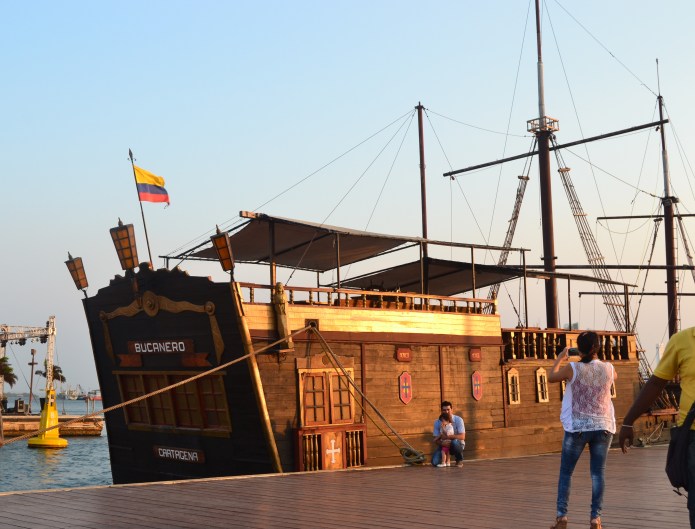
Unlike the convention center, with its picturesque tall ships, for the most part, Cartagena is a working port – filled with industrial machinery, international trade vessels and a large mountain of metal shipping containers.  There are also a number of fishing boats, boats for sightseeing and travel to nearby islands, as well as the previously mentioned cruise ships.  At any given time, multiple boats of all shapes and sizes are visible within the sheltered bay.

cartagena 013

Shipping containers as seen from the shores of barrio Bocagrande

Main port for shipping containers

While Colombia has several ports due to the nation’s extensive coastlines on both the Caribbean and Pacific seas, Cartagena is Colombia’s main port for shipping containers.  The port is a 24/7 operation, 365 days a year.

According to information provided by the society, over 1600 vessels pass thru the port each year.  While this number isn’t comparable to other ports, in larger countries such as the massive Port of Los Angeles, the port reports annual traffic of “including 975 container ships, 220 cruise ships, 380 breakbulk carriers, and 11 bulk carriers” which included almost two and a half million tons of cargo.

That’s more than just a pretty face..

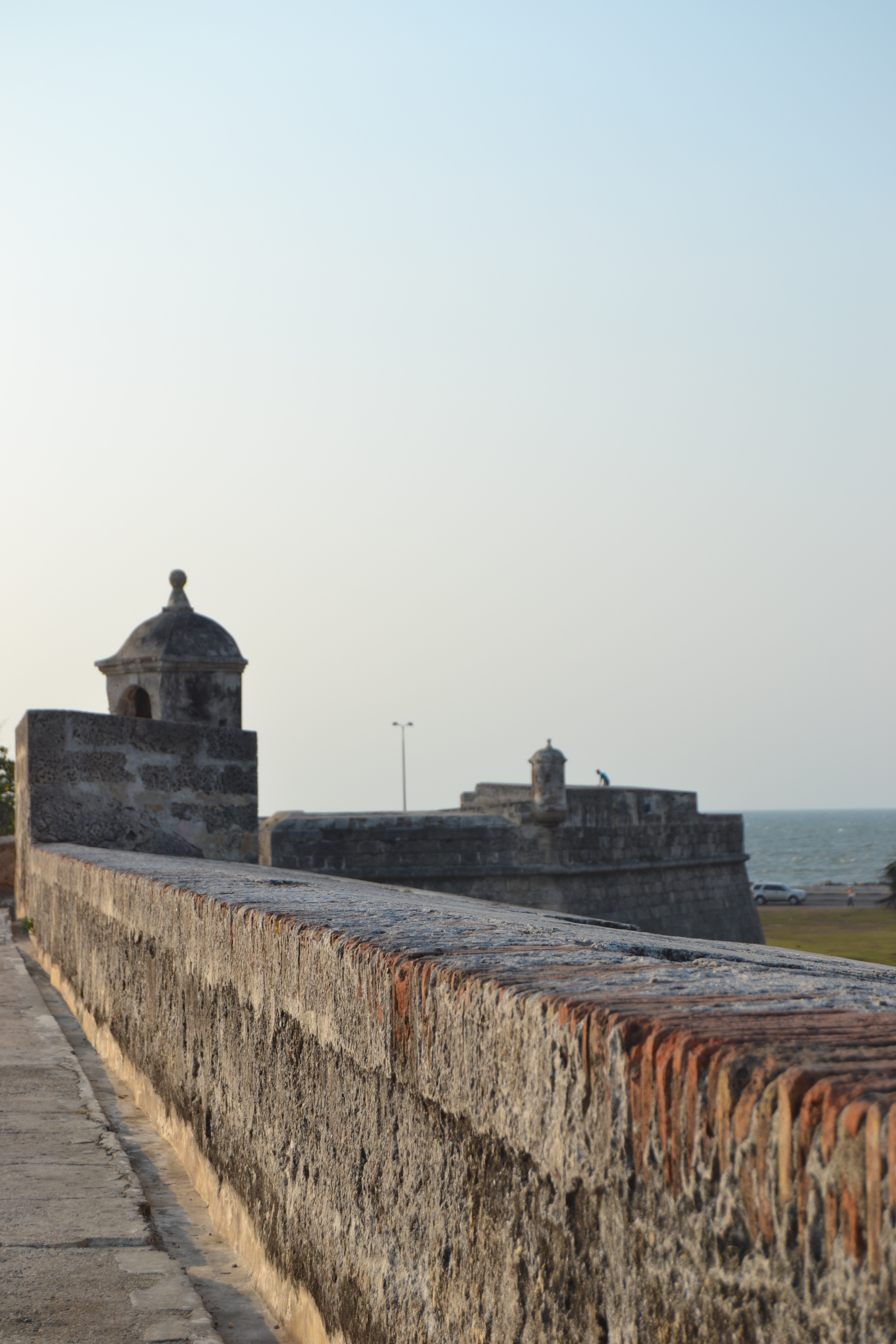
part of the city's defenses against pirate attacks

part of the city’s defenses against pirate attacks

More about the pirates of the Caribbean, and attacks on the port of Cartagena:

While popular media such as films and romance novels often focus on the infamous Port Royal in Jamaica as a center of operations for privateers, buccaneers, corsairs and plain-old pirates, Cartagena was one of the most frequent targets of this motley assortment of (often secretly supported by their sovereigns) of seafaring crews.

Canons

Canons

Jean – Francois Roberval – pirate, attacked Cartagena in 1544.

Travel blog with tips about historical sites, and pirate history of Cartagena.

once used to defend the city - now a popular "make-out" spot for young lovers

once used to defend the city – now a popular “make-out” spot for young lovers

Sir Francis Drake – Famed English explorer, vice-admiral of the British Navy and Privateer (a pirate sanctioned by the British government, in this case, Queen Elizabeth I).  “Letters of marque” were issued to British captains to encourage the capture, sinking, plundering and other harassment of Spanish vessels and holdings.   Sir Francis Drake did a particularly good job of it – from coastal Virginia, Florida, and through out the Caribbean, including the wealthy seaport of Cartagena.

There’s a quite comical YouTube video about Sir Francis Drake’s excursions into Cartagena (it sounds like Jan Brady as a teenager is narrating).

Chillax, it’s Cartagena! 

* In comparison to Cartagena’s reputation as the siesta-ing sister by the sea:

– Cali, Colombia has a festive party reputation as the lively home of salsa dancing.

– Medellin is often seen as a city of art and culture

– Bogota is considered the “London of Latin America” (or a city of international trade and business)

– Barranquilla is the city of Industry

– Bucaramanga is the city of shoes (and textiles)

** I apologize the Cartagena residents.. “Chillax.. it’s Cartagena” is  my own literary invention.  Cartagena residents are much more suave than my out-dated phrase suggests.

Jewel of the caribe


I’m back in Colombia and here in Cartagena just in time for the annual film festival, FESTIVAL INTERNACIONAL DE CINE
DE CARTAGENA DE INDIAS ..

Just because it’s not Cannes or Colorado (Sundance) doesn’t mean that the Cartagena Film Festival is anything less than a world-class event..

First, there’s the venue – Cartagena

gate at the entrance to the historic el centro district

sunset in Cartagena, Colombia

Cartagena de indias is often referred to as the jewel of the Caribbean, and it deserves the title.  Bolivar’s star city is rich with history and ambiance.  Couples flock to the romantic and colorful streets historic quarter to celebrate their nuptials with family and friends.  Bridal parties are a common site on any given day, especially around the ever popular (and elegant) Sofitel Santa Clara.   The former convent is in high demand year-round for its luxurious accommodations and extensive wine list.

In the midst of this charming setting is the hustle and bustle of a busy, active city with motorcycles, bicycles, taxis and buses circling the streets around the historic quarter.   The city is a crazy mix of nationalities, ethnicities and other groups that all call Cartagena home.  Add an assortment of lively Chivas buses and an array of business visitors, eco-tourists, backpackers, and sun -seeking tourists and readers can begin imagine what a lovely, vibrant, living city Cartagena is.

The people: Costenos

It’s not a Spanish you’ve ever heard before – but then, the coast of Colombia is unlike any other place you’ve ever been.  The impact of the early Spaniards is unmistakable but Cartagena is no “Nueva Espana” (New Spain).

“The New World” as it was described in innumerable American grade school texts is (in this case) a wholly accurate and appropriate description.

This salsa of multiculturalism is the mainstay of Cartagena’s local culture and is reflected in every aspect of its art, music, dance and food.  The Afro- Caribbean influences combine with the traditions of the indigenous peoples and Spanish explorers to make a distinct dialect, fashion, and way of living that is specific to Cartagena, Barranquilla and Santa Marta.

The Film Festival

Filmmakers from around the world (especially Latin America) flock to this festival every year to display their talents.

This year, of the 13  featured ‘Gems’, there is a particular film that I am hankering to see, called, “La Jaula de Oro” or The Golden Cage.  This film, which won an award at the Cannes film festival is by Spanish born, Mexican filmmaker named Diego Quemada-Díez.   The film is a detailed portrait of the lives and journeys of some of the people who travel illegally to the United States from Latin America.  In light of all of the negative depictions, stereotypes and anti-latino sentiment in much of the United States, this film is a desperately needed reality check for Americans..

I was fortunate enough to sit next to the young, and eloquent filmmaker on our way to Cartagena.  The soft-spoken, bilingual young man reminded me a bit of one of my favorite Colombian filmmakers, Andre Barrientos but that was probably due to both his humble nature and neatly trimmed beard.  I would have liked to have interviewed him at length but a crowded airplane doesn’t seem like a fair venue.  (Nothing like a captive interviewee at 35,000 feet).

He’s up against some stiff competition but I’m keeping my fingers crossed for him.

The first showing isn’t until the weekend but hopefully I’ll have some more pictures soon.  If you are in Cartagena and are interested in attending – don’t worry, friends – all films are subtitled in English.

100% sugar-free!


I am currently on assignment in Massachusetts – and we’ve had our share of snow in the last few weeks.  It certainly makes me long for Latin America..

on assignment in the northeast

on assignment in the northeast

But while I may be in the northeast for the next several weeks, it doesn’t mean that I am hiding under a rock – so I continue to talk / read/ and research issues in medical tourism.

One of the newest reports comes out of the United Kingdom.  The UK has embraced medical tourism to a greater degree that Americans have, and UK researchers are some of the forerunners in the field.  (There are multiple reasons for the ready adoption of medical tourism by large numbers of British citizens but that’s a different topic entirely.)

No candy coating!

No candy coating!

The latest news from the Yorkshire Post is a timely and necessary reminder for all potential medical tourists and facilitators out there.  The article discusses the recently published paper, entitled, “The three myths of medical tourism” as well as interviews with medical tourists.

Research into the medical tourism industry

The paper is based on results of a study conducted at York University.  Researchers at  York University have an ongoing medical tourism project looking at multiple aspects of medical tourism including financial/ economic, as well as quality and continuity of care issues.

Much of what the researchers at York are studying are topics we have discussed previously on our site:

Quality Control

– the lack of standardized guidelines for ensuring quality of care (and continuity of care from the moment the patient leaves home until recovery)

– the lack of accountability for facilitators/ tour operators/ medical tourism companies for patient safety and outcomes  (this means that companies can send you to the cheapest surgeon)

– the lack of recourse for patients who experience complications/ serious injury or inadequate care.  (It’s a black hole for medical malpractice at present).

– The potential financial costs of complications:  While some surgeons require their patients to purchase ‘complication insurance’ to cover treatment of complications (if they occur) in the home country, there is no universal requirement.

Papers in-press

Unfortunately, much of this work (by Lunt & Smith) is currently in-press.  I’m anxious to see their reports but I am also wondering what sort of regional differences may exist.  Medical tourism by British residents is often to neighboring areas of Europe, Eastern Europe, India and Israel.  I’d be fascinated to see how that compares with outcomes and experiences for medical travelers to Latin America, and different South American countries in particular.

In any case – it’s a timely report.  Hard scientific information is dearly needed since the majority of data over the last decade has been anecdotal in nature or statistical “projections/ estimates / guesstimates”.

Hard data is particularly important when it comes to allegations regarding poor post-operative care/ and increased incidence of infections (specifically in medical tourists from the UK who traveled to India).  Many of these complaints arise from local plastic surgeons and may have little supporting data.  If there is a problem, we need actual numbers, not case reports (particularly if we are dealing with antibiotic resistant infections).

The industry has also been plagued with numerous biases on both sides..  – Biases towards the perception that all overseas medical care is cheaper (not always the case)

and/or that cheaper = inferior

Quantitative data would also be helpful when discussing patient satisfaction and quality of care.  Most of the time, statistics are bandied about from the Deloitte Institute – but I want to hear what patients think from other sources.  How did patients rate their experiences in Britain?  In California?  Where were the patients going?  What countries?  What clinics were mentioned repeatedly?

Other issues – Patients poorly informed

Researchers also found that medical travelers were poorly informed or ignorant of the risks involved with medical tourism.

In some cases, patients were ‘willfully ignorant‘ and relied on social media and friends for all of their health information.  A subset of these patients also traveled for unproven/ unregulated medical treatments (such as bovine stem cell injections).

Many patients were ignorant of the risks or potential complications of the surgical procedures themselves (lap-band was specifically cited numerous times) as well as the problems that arise when your surgeon is thousands of miles away.

Patients were also unaware/ poorly informed about the financial implications of developing/ treating complications in their home country – (or the costs involved if they needed to return to their surgeon).  Some of the financial issues mentioned in this (and previous data I’ve encountered) is more specific to British residents with their National Health Services and it’s reimbursement structure.

However, it’s not unimaginable to picture similar circumstances for uninsured medical tourists, or tourists seeking aftercare at an “out-of-network” facility once they returned to the USA.

Ignorance of health care information – an ethical/ safety issue

Some of this ignorance may be directly attributed to the way that many medical tourism companies operate – with patients being funnelled overseas thru a “facilitator” versus referring physicians and nurses.  During a recent conference on medical tourism, I was astounded when a prominent American medical facilitator brushed aside my concerns about the lack of medically trained personnel, stating, “I’ve been a paralegal for 22 years in a malpractice office – I know all that anyone needs to know about surgery.”

But what about the ‘caregiver’?

Facilitators and medical tourism companies often tout the use of ‘caregivers’.  This  terminology is misleading in my opinion.

Since “doctor”, “registered nurse”, and other healthcare personnel are professions that require certification and educational degrees – companies often label their assistants ‘caregivers’ since it’s illegal to use the title of nurse.   In reality, the term ‘caregiver’ is more akin to ‘paid companion’.  These individuals have no medical or nursing training and may actually be a source of misinformation (as this paper states.)*

In the usual course of surgery – as part of the pre-operative process, patients receive information, education and instructions during their initial consultation/ and pre-operative visits.  This also gives patients a chance to ask questions, in-person to a medically knowledgeable person.  Skype, and email just can’t replace this critical component.

Many times, critical information is obtained (and given) by the surgical team during the physical examination and history-taking on the initial consultation.    If the referring service is a layperson, and the initial (in-person) consultation  takes place after the patient arrives in the destination country, these crucial education opportunities are lost.

Call for Regulation for patient safety

As readers know, I believe that regulation is both necessary and desirable to improve/ promote and grow the medical tourism industry.  This regulation needs to be undertaken by knowledgeable people/ institutions outside of the industry.

Other research in medical tourism –

Simon Fraser University – British Columbia, Canada

*In a related aside, one of the more popular Canadian medical tourism facilitators uses her unemployed sister in the role of ‘caretaker’.  While the sister has no medical or nursing training, the facilitator bragged that it allows her to put her family on the payroll and bill the client for these services.

Plastic surgery safety & Buttloads of Pain


Long time readers are familiar with our plastic surgery horror story archives. These archives (mainly) consist of cases of illegal/ unlicensed surgeons and botched plastic surgery procedures but there is also information on how to find a board certified surgeon.  Most of these cases take place in the United States where both clever marketing and underground clinics flourish due to the high costs of plastic surgery.

surgeon clip art

Buttloads of Pain

Now there is a new documentary that explores the dangers of unlicensed operators and ‘booty enhancement’.

Thanks to my friend, Matt Rines for sending me the link to the Vice documentary,”Buttloads of Pain” which talks about and talks to victims of unlicensed (and illegal) gluteal augmentation procedures (such as direct injection of silicone and other substances).

Gluteal Augmentation Procedures

For more information on legitimate gluteal augmentation procedures, read our interviews with licensed plastic surgeons.

Gluteal implants – Interview with Dr. Gustavo Gaspar

Fat transfer : Dr. Luis Botero

Update: February 2014

For readers that have been asking about the background, history and the profound psychological and sociological impact of the ‘big booty’ and other Colombian influences on (global) plastic surgery trends & beauty ideals – this article by Mimi Yagoub at Colombia Reports may be a bit of an eye-opener.

Dental Departures, Carlos Vigil and my Mexicali dentist


My apologies to readers – this post is way overdue.  In fact, I had completely forgotten about it – until I received a couple of email inquiries yesterday about dental services in the Mexicali area.

I originally interviewed Carlos Vigil back in October 2013.  We met at the Mexicali Summit, while I was promoting my book.

Carlos Vigil

Carlos Vigil

Mr. Vigil works with an American company called Dental Departures that specializes in dental tourism. Mr. Vigil is part of the sales team for the Baja California area that recruits dentists to participate in Dental Departures.com.

Dental evaluation versus surgical evaluation

If you’ve read any of my books, then you’ll remember that dental evaluation is quite  a bit different that any of the other services (like surgery).   Surgical evaluation requires background research, interviews and observation.  

Dentistry requires more active participation.  In the past, in the name of research and quality evaluation, I (along with a group of volunteers) have undergone extensive dental procedures without the aid of anesthesia.  

One of my colleagues field tests dentistry services with Dr. Quintana and his associates

One of my colleagues field tests dentistry services with Dr. Quintana and his associates

Dental evaluation can be slow, painful work

But this is slow, tedious work and it doesn’t really add anything to the knowledge base that couldn’t be obtained by more traditional routes such as patient feedback. It also requires a longer time commitment – since an important component of quality dentistry is durability.  If six months afterwards, a crown breaks, a patient develops a serious abscess or all your veneers fall off – that’s important information for prospective patients to have.  But – as you can imagine, that makes for very slow writing – and would delay my books significantly.

But  Dental Departures hopes to provide that feedback.  But Dental Departures is more than the International “Angie’s List” of dentistry.  It’s a comprehensive dental clearinghouse that includes 2900 dentists in 29 countries.

So while I am happy to recommend my personal dentist in Mexicali  (contact information below), Carlos Vigil and Dental Departures may be a good alternative for people looking for dentists across the globe.

Now, while I certainly can’t vouch for Dental Departures, (for reasons detailed above), it certainly sounds like a great idea.  Hopefully, readers can give me some feedback as to the quality of goods and services provided using this service.

For a more informal recommendation –

My Mexicali Dentist:

Dr. Luis Israel Quintana Burgos

His address is in central Mexicali – and may be difficult to find for a visitor, but a cab should be able to find it fine…

The address is Blvd Lazaro Cardenas y Anahuac #862, Jardines de Lago, Mexicali, B.C.  

Telephone  557 9151. 

Go down Lazaro Cardenas, then on the left a the corner of (Anahuac), just past the intersection there is an Oxxo. Turn after the Oxxo and enter in the parking lot.  Drive through the parking lot.  Behind the Oxxo is a group of offices – on the right is going to be the Dental Place..

  He is excellent and affordable, and can usually find time to squeeze in patients fairly quickly.   I’ve seen him several times for dental cleanings as well as some fillings.  

First impressions aren’t always correct

Now, the first time I saw him – I wasn’t overly impressed.  There was a very young receptionist who spent most of her time looking at herself in the mirror.  She also acted as if she was annoyed that our arrival to the office had disturbed her beauty routine.  This would have been a non-issue since I was seen quickly and brought back to the dentist’s chair – except that she flounced on back down the hallway to the dental chair with me.

vain

And she stayed – with one hand (and all her attention) on an old-fashion style round hand mirror.  She was ostensibly, “assisting” the dentist, but since she couldn’t drag her attention away from her own reflection for more than a few seconds at a time, the dentist ended up having to get up and move around the room to get everything himself.  It was an awkward situation, made more awkward by the fact that as the patient, I was sitting there as an unwanted voyeur with my mouth propped open, listening to her cooing, using baby talk and practically purring at the doctor.

It was all I could do to sit there, then pay the dentist and get the heck out of there.   I promised I’d never go back to such an unprofessional and uncomfortable situation again.  Except – during a return visit to Mexicali – a member of the Latin American surgery team had a dental emergency, and by default called Dr. Quintana for help.  He got him in right away and I accompanied him to the appointment.

What a difference a few months makes!  The baby sexpot receptionist was replaced by an attractive but professional assistant who was polite, friendly and attentive.

The fumbling in the dentist’s chair was gone.  Instead of an assistant, the dentist has re-organized the office, so all of his needed materials were within reach.  The whole atmosphere of the office had changed – into a professional medical office.

Since that second visit, Dr. Quintana has become my ‘regular’ dentist.  Sure, when I’m traveling – I’ll stop in for cleanings in other cities, but I plan to return to Mexicali and Dr. Quintana for all future work.

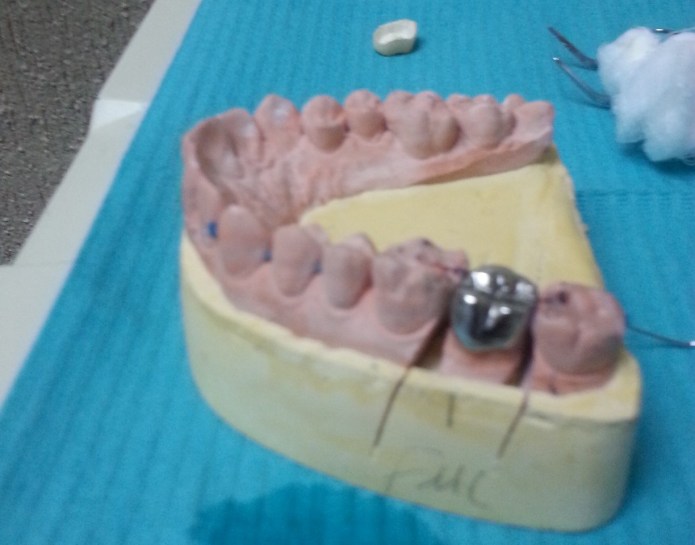
sizing the crown

sizing the crown

One of my colleagues has also had several fillings, a root canal and a crown performed in his office.   It’s been several months since the work was performed and there have been no issues.

Dr. Quintana speaks only Spanish but he is in practice with two other dentists that speak some English.

Narcotics and Analgesia in Latin America: Issues related to managing acute pain in chronic opioid patients


This article is part of a new series that explores issues in medical tourism.

The geopolitical landscape of drug trafficking?

As a writer who has written on both Colombia and Mexico, the most frequent questions I encounter from friends, colleagues and acquaintances are almost always related to drugs and drug-related violence.  As I’ve mentioned in previous posts, the real risks of crime and violence affecting medical tourists is actually quite small in many of these areas, despite media headlines*.   Questions related to the drug trade are for all intents and purposes outside of my area of expertise..   However, this does bring up some other related issues that are increasingly relevent for our on-going discussions about medical tourism.  But, first some background –

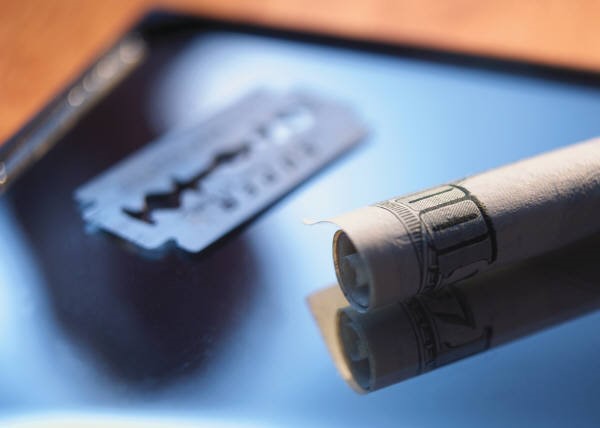
drugs2

The Latin American Drug Problem?

Just ask a Mexican, Colombian or another person from Latin America and they will tell you, the United States is the place with the drug problem.

Not only that, but the majority of Latin American countries hold the USA as responsible for fueling much of the violence that has devastated these countries in recent years.  Erik Vance over at Slate.com recently published an excellent essay on this topic which explores the role and collective responsibility of American citizens for drug related atrocities under the guise of a Friday night high.

This isn’t Colombia Reports, its Latin American Surgery.com

But talking about the politics and trade issues regarding the growth, harvesting, and distribution of illegal drugs isn’t really the focus of my work.   Healthcare is, so my interpretation of issues regarding drugs is very different – almost like another language.  If you could see inside my head, and watch my thought processes, it would look a little like this:

Drugs —> Narcotics —-> medications for pain —–> treating pain —–> international / cultural issues related to pain and treatment of pain —> who is most heavily affected by this?

When I hear “drugs”, I think “medications.”  When I think of medications, or more specifically, narcotics – I don’t think of tiny, little bags littering the street in Medellin, but the somewhat vague medical definitions for narcotics..

drugs

Narcotics, Narcotics, Narcotics…

The definition of narcotics depends on the discussion..

Legally, a narcotic is any medication or drug that is prohibited/ restricted / illegal.  Thus while the government classifies amphetamines, MDMA (ecstasy) or cocaine as narcotics, healthcare providers usually don’t.

Medically, narcotics usually refers to opioid compounds or other medications used to relieve physical pain.  More recently, the term analgesics has replaced narcotics in the everyday vernacular.  When we refer to narcotics, we are usually talking about using medications in a therapeutic fashion specifically to treat pain – like prescribing Percocet or Lortab for pain after surgery..

pills2

A kid in the candy store

Americans are the kings of narcotics. But unlike the common perception of drug abuse being isolated to crack pipes, cocaine and heroin junkies – the majority of drug abuse in the USA is derived from legal prescription medications, readily available at large chain pharmacies.

CVS and Walgreens versus the Colombian drug dealer

It’s usually a Colombian or Mexican drug dealer – at least on the latest episode of modern crime dramas.  I guess that’s because the truth is a lot more mundane.  In actuality, CVS, Walgreens and any number of local pharmacies are the real ‘drug dealers’ for many Americans.

We prescribe, we use, and we abuse at astronomical rates.  No other country comes close to being as heavily medicated as ours. Not only have overdoses and addiction rates skyrocked, but so have the cases of “Chronic non-cancer pain” treated with long-term narcotics.  Some of this use is legitimate, some of it isn’t but anyway you look at it – we have a problem.

The prescription drug problem: Overdoses, addiction and chronic pain

In  a recent Medscape article by one of the foremost experts on chronic pain,  chronic pain management and addiction medicine,  Laxmaiah Manchikanti in “Lessons Learned in the Abuse of Pain-Relief Medication_ A Focus on Health Care Costs” estimates that there are over 100 million chronic pain patients in the United States. 

That’s a lot of pills and prescriptions.

But even if we ignore issues of prescription abuse and misuse, there still remains a large segment of people with chronic pain and chronic opioid use.  These people aren’t abusing their medications, but they are using opioid medications over long periods of time, often in escalating doses.

Chronic pain and Chronic Pain treatment with opioids

The problem chronic pain patients face is one of tolerance.  When patients are treated with opioid medications, including long-term opioid medication regimens for problems like chronic back pain, tolerance to these drugs and their effects occurs.  This means that it takes more of the medication to produce analgesic (and other) effects.

For example, a dosage that would make an opioid naive patient comatose for example, may only serve to reduce pain from a “10 [unbearable agony]” to an “8 [excruciating] ” in a patient with tolerance.

While an isolated prescription for Percocet after major surgery or an injection of morphine in the emergency room for an acute fracture shouldn’t cause any long-term problems, many of people with chronic use have developed a significant tolerance to these medications.

Tolerance makes obtaining adequate analgesia in acute pain difficult

This means that the ‘standard’ doses of pain medications that are usually ordered after procedures may be inadequate to manage their pain.  Huxtable et al describe the problem of maintaining adequate analgesia in opioid tolerant individuals during episodes of acute pain in his 2011 review, which gives a comprehensive overview of the issues involved.

But, if you can imagine the scenario of an opioid tolerant patient awakening from major surgery, only to find out that the prescribed medications aren’t working  – then you have a pretty good idea of how potentially traumatic and devastating this could be.

If you are planning for surgery: 

– Pain management planning (baseline pain score, realistic pain management goals, multi-modal therapies, and thorough review of medication history)

But more critically, people with increased opioid tolerance need to talk – to their providers and their caregivers about realistic expectations of post-operative pain control.  Together, patients and providers should review their pain medication history, as well as baseline pain scores.

Also contributing factors like depression or other emotional distress should be addressed prior to surgery.  (Even if you don’t have a diagnosed depression – antidepressants can often help alleviate pain).

For example:

Patient P is scheduled for a knee replacement.  While P’s knee has been hurting for some time, P’s chronic arthritis pain is mainly centered in P’s low back.  P takes several medications for his back pain, including oxycodone and has done so for several years since a workplace injury landed him in the emergency room with a herniated disk.  Now P is concerned about his pain after surgery.  

What are some of the issues that P faces?

If prior to surgery, patient P reports a chronic (baseline) pain level of 6 in his back (on scheduled, long-term narcotics):

– obtaining pain relief (a score of 3 or less) might be impossible.  It is almost certainly impossible that the same medication regimen used for opioid naïve patients is going to be equally effective for patient P.

 After a frank discussion with his/her surgeon during pre-surgical evaluation, P’s doctor anticipates P’s increased needs for post-operative analgesia.  The doctor also orders a wide range of non-pharmacological interventions and adjuvant medications to help alleviate P’s acute pain needs.

However, neither P nor P’s surgeon anticipate that this regimen will treat or relieve P’s chronic pain.  Following adequate recovery from surgery, P is referred back to his/her pain management specialist for long-term needs.

Sounds good, right?  Well, it should since this is the textbook scenario for patient care that has been taught in universities all over the United States for the last decade.

But this is Latin American Surgery..  so we need to explore the regulations and attitudes regarding pain management and analgesia outside of the USA.

But the very first thing people should know is: 

1.  Pain is culturally defined.

Cultural beliefs affect everyone, not just the patient..  So it isn’t just about whether the patient displays stoicism or tears.  It’s much more complex than that.   Cultural beliefs affect everyone; including doctors and nurses, so this means that culture also plays a role in pain management too…

That’s not to imply that some cultures just tell their patients “to shut up and suffer” but that pain and appropriate pain management may be viewed very, very differently depending on where the person is being treated.

In general, some cultures are more openly expressive of pain – and in these cultures pain may be treated with stronger medications and more frequently.  But that is not always the case – because the cultural beliefs surrounding pain and suffering also reflect that individual society’s belief regarding the value of suffering, as well as beliefs/ fears/ concerns regarding addiction.

Crying

Many of the cultures that are frequently cited as “highly emotive” or as cultures where pain is readily expressed are some of the same cultures where narcotics are not heavily used in in-patient or outpatient settings.

For example, many classic sociology references cite latino culture as being very expressive and emotive (ie. not stoic regarding pain).  At the same time, the use of narcotic pain medications (in my observations) are quite limited in both in-patient or outpatient settings.  Numerous medications (tramadol, ketorolac and other NSAIDS) are used to manage post-operative pain in these patients – including formulations not available in the United States.  Patients certainly weren’t undertreated:  during interviews and visits with patients, the vast majority of these patients reported good to excellent pain relief.

However, in the three years that I have been working closely with physicians in Mexico, and Colombia – I have very rarely seen a doctor order narcotics (ie. morphine, dilaudid or similar medications) on the post-operative orders.  I have never  seen a written prescription for percocet, lortab or similar medications for a patient in the outpatient setting (or as part of discharge medications.)

Obviously that doesn’t mean that these medications aren’t prescribed.  But it does show that what would be considered a routine Rx in the USA (ie. Discharge prescriptions for Percocet after cardiac surgery or lung surgery) is not routine for the doctors in the various practices that I have observed in my numerous travels.

So patients with opioid tolerance or chronic opioid use would certainly want to discuss this with their surgeons prior to surgery.

Of course, “cultural traditions” aren’t the only reason narcotics may be used / dispensed differently in other countries.  Other reasons may include:

Legal constraints / Availability

Globally, pain management practices may also be influenced by that nation’s laws as issues of supply and scarcity.  This is less of an issue in parts of Latin America but may be more problematic in Asia or other countries where narcotics are more tightly controlled.

In Mexico, for instance, many of the legal constraints for the prescribing and use of narcotics mirrors the United States.  There is a centralized governmental agency, COFEPRIS, similar to the DEA which regulates and monitors prescription drugs.  Narcotics like morphine, hydromorphone and fentanyl require a specific type of prescription called “Type 2” (and prescriptive authority for the prescribing physician).  There are dosage limitations and restrictions.  Only certain types of doctors are authorized to write these prescriptions and frequent follow ups are required (monthly) for on-going prescriptions of Type 2 drugs (A. Ballesteros, 2014).

globe ribbon

Happy, safe, successful travels

None of the above is to suggest that medical travel is contraindicated for American patients.  But like any big occasion or event, advanced planning is critical for a successful medical trip.

It is also a reminder to have clear expectations, good lines of communications and thorough discussions with medical providers** prior to having surgery or other procedures, particularly if you have special needs (like chronic pain management) or other health conditions.

*Venezuela is a different story. Travelers are advised to be informed, and take precautions prior to visiting this area.

** Overseas, domestic or just down the street

Additional references and resources

Vital Signs: Overdoses of Prescription Opioid Pain Relievers and Other Drugs Among Women — United States, 1999–2010.  A CDC report.

Cultural aspects of pain management.  Marcia Carteret.

Laxmaiah Manchikanti (2007).  National Drug Control Policy and Prescription Drug Abuse: Facts and Fallacies. Pain Physician, 2007;10;399-424.

Hartrick, Craig (2007).  Long term opioid treatment.  Virtual Mentor (American Medical Association Journal of Ethics).

Huxtable et. al. (2011). Acute pain management in opioid tolerant patients: a growing challenge.  Anesthesia Intensive Care, 2011, 39: 804-823.

Brafman, B (2014). Advance for nurses: Addiction in the surgical patient.

For fellow Medscape subscribers – there is an excellent series of articles as well as video lectures addressing multiple facets of the American prescription (opioid) pill problem.  I’ve included links to just a few of them here.

Managing pain

Safe prescribing

The “lessons learned” article, previously cited above.

The “Pain TV” series.

Medical tourism for pets?


Hello everyone, and season’s greetings from Dallas, Texas!

I am on assignment as a locum tenens for the next several months, so I will be traveling around the United States quite a bit.  In the meantime, this blog post  by Marian Ruiz over at Borderzine caught my eye so I thought I would share.

In the article, Ms. Ruiz interviews Elva Lomas, a California resident who travels to Mexicali for her pet care.  This article drew my attention for a couple of reasons:

1. I know Mexicali, MX.

Mexicali is one of my favorite cities.  I guess it’s an occupational hazard; since Bogotá ranks pretty far up there on my list, as well.

But back to Mexicali –

After spending several months there writing my most recent book, this area of dusty and hard-packed, sun-scorched concrete, asphalt and dry dirt became near and dear to me.

Mexicali sign

2. I have pets.

The other reason this story caught my eye was the part about the animals.  Mexicali was the first time I was able to bring my own pets on one of my writing projects.  Both of our cats, 17 year-old Sid, and 4 year-old Cora came with us for the nine month stay in Mexico.  (We previously transported the cats to the (U.S.)Virgin Islands, and on multiple cross-country car trips, so the cats were veteran travelers, but this was their first international trip.)

Our cats (at our home in Virginia), circa 2010.

Our cats (at our home in Virginia), circa 2010.

Over the course of several months, both of our cats saw veterinarians in Mexicali – including two different ones – on Avenue Maduro and another office, closer to our apartment.  We also went to the veterinary college in Mexicali.

Sid, prior to his final illness

Sid, prior to his final illness

But our experience was a little different from Ms. Lomas and her seven dogs, particularly for our geriatric cat.

In fact, at each clinic, the veterinarian expressed surprise at Sid’s age.    In what turned out to be his final illness, we were forced to go across the border to El Centro, California to get Sid the aggressive, intensive care that he needed.

Sadly, he was too sick and too weak – so we brought him back to Mexicali to our apartment to die.

3. Many Americans have “close” relationships with their pets that maybe considered uncommon in other cultures.

What we found during this experience wasn’t that veterinarians on either side of the border were more or less qualified than the other.  What we found is that the cultural expectations and the role of pets varied significantly by country.  (I am certain that a case could be made that there were several other factors as well – such as our familial and socio-economic status).

For our vet in Mexicali – Sid was our beloved pet, and they were happy to offer compassionate and competent care.   For our vet in El Centro – he understood that like many childless, middle-class couples, Sid was more than a pet – he was family.  [Not everyone feels that way about their pets – but all of us know people who do.. However, not all cultures view this ‘child-pet’ attitude as indulgently as we do.]   This meant that the vet offered more services and treatments (like emergency dialysis, and mechanical ventilation) for our ailing, long-term companion that they did at the vets’ offices in Mexicali.

In the end, it didn’t make a difference, after 17 years, my cat was at the end of his life.  We didn’t put him on dialysis, or advanced life support.  Instead, we made him as comfortable as possible and watched him slip away from us, surrounded by people who loved him (my husband and my dear friend).

The cultural context of care

But the focus of this story isn’t about pets, veterinary care or Mexico at all.  It’s more about the importance of cultural context and cultural values related to health care.  In fact, one of the reasons that I focus on health care / medical tourism in Latin America is due to concerns over differences in cultural expectations related to health care.

Life support despite medical futility as a cultural expectation*

In general, these differences are minimized for people from the United States when they receive care from Latin American providers due to similar cultural backgrounds and cultural expectations.   (A good example that highlights the differences in healthcare related to culture that is often cited in the literature has to do with end-of-life and ‘futile care‘.)  This is care that may be very expensive to provide – and may actually do nothing to prolong life.  It’s one of the hallmarks (or pitfalls) of American healthcare.  But then again, it’s only a pitfall, or ‘wasteful spending’ when it’s not your family member.

Translated this ‘futile care’ means that in most parts of Northern America, metropolitan areas of Latin America, people may receive treatments (like dialysis, prolonged mechanical ventilation/ or other artificial ‘life support’) despite having minimal or a low or no chance of survival.  Ethicists can debate the issues related to the use of limited or scarce resources to keep someone’s elderly grandmother, or extreme ‘preemie” baby alive, but for the most part – doctors (and patients) in Bogotá, Mexico City, Dallas, Texas or Washington, D.C.  all want the same level of care and are willing to provide some level of this care, even when doctors feel it may be futile in nature.  It is part of the culture, and the cultural expectation shared by most patients.

However, if you contrast that with other common medical destinations (by country, not facility), the answer is not always the same.  If the average life expectancy/ infant mortality / or level of available technology is dramatically different, than the cultural expectation of “appropriate care” may be very different.  That isn’t to say that the doctors or families of patients in these countries care about their patients any less.  However, it may translate to a very different level of care in similar circumstances.

For example, I currently work in a surgical program that specializes in providing valve replacement (cardiac) surgery to the extreme elderly (patients in their late 80’s and early 90’s).  In other cultures and societies, expensive and scarce medical resources would not be allotted as freely to this group of patients.  It’s one of the concerns in our own country with the advent of ‘Obamacare’ or a socialized medicine schemata, and it is a legitimate one.

Whether or not we consider it right or appropriate to offer this level of care to high risk groups is often debatable, but as Americans we take it for granted – that we have the right to decide this for ourselves.  We might not be as happy if it’s not offered (or available) to us as medical tourists somewhere else.

*This field of study is a subspecialty of Sociology – while it’s not scientific, the linked description on wikipedia may be helpful for readers who want a basic overview on some of the ways culture affects health beliefs and behaviors.

Medical tourism on the heels of Obamacare


Happy Thanksgiving to all of my American readers!  I hope everyone has a wonderful and safe holiday.

I’m home for a while, sort of.

After returning from Mexico this October, I’ll be spending the rest of the Fall/ Winter here in the United States while I replenish my writer’s budget by completing some travel assignments.  (Coming soon – to a hospital near you!)

Now that I am home, I have been catching up on all of the local news – and it looks like Obamacare hasn’t really kicked off to a wonderful start.  Of course, it was naive to think that anything SO large/ SO involved / Affecting some many people could go off without (several) hitches, but as one of the people losing their coverage because of it – I certainly understand all of the anxiety and worry out there.

In the midst of continuing coverage of the current Obamacare fiasco, as millions of Americans lose their existing health care, several new articles on medical tourism have been making headlines across the country.  Here’s a look at some of the latest news and reports from this past month.globe ribbon

In the Bay Area, NBC news‘ Elyce Kirchner, Jeremy Carroll and Kevin Nious published “Medical tourism: the future of healthcare?” along with a televised report. It’s the usual patient narrative along with an overview of medical tourism.

Kevin Gray, at the Men’s Journal talks about the domestic and international options available in his narrative, “Medical Tourism: Overseas and under the knife.”  Gray takes a slightly different approach and discusses how consumers can comparison shop for health care services.

Among these publications, is “Medical tourism: Spanning the globe for health care,” by Kent McDill which includes information from one of my publications and a recent interview published right here at Latin American Surgery.com

The sky’s the limit?

Also, in counterpoint to the numerous press releases and newspaper articles talking about Iran, Bermuda, and various other medical tourism destinations seeking to “cash in” on the phenomena, British researchers (Lunt et al.) have published a report that contradicts the “if you build it, they will come” philosophy which has taken over the industry in many quarters.

Medical News Today published a summary of their findings early this month.  Researchers also point out that much of the credible data required to provide a full and accurate picture regarding medical tourism is absent.

On a related note: While I talked about the limitations in medical tourism, accuracy of reported statistics and public perceptions in-depth during my 90 minute NPR interview, you wouldn’t really know it from my 2 sentence quote.

Pitfalls..

USA Today also published a story on some of the pitfalls for destinations with thriving medical tourism.  Kate Shuttleworth takes a look at the strain that Eastern European medical tourists have placed on some Israeli facilities.

Is medical tourism on the rise?  or is it all a spin of the numbers?  I guess it all depends on who you ask.. But for now – Obamacare is not a viable alternative to medical travel.

CBS news on the cons of medical tourism


CBS published a refreshing take on medical tourism – an article reviewing the pros and cons of traveling for medical care along with an interview with an American orthopedic surgeon,  Dr. Claudette Lajam from New York University Langone Medical Center.

Video interview with Orthopedic Surgeon

While Dr. Lajam pretty much rejects any form of medical tourism – she made some excellent points in her interview.  In the discussion, she stressed the need for facility AND provider verification.  She also talked about the need for people to know specifics – and gives one of my favorite examples, “American trained”.

“American trained

As she points out in the interview, this is a loose term that can be applied (accurately) to a Stanford educated surgeon like Dr. Juan Pablo Umana in Bogotá  or in a more deceptive fashion to one of the many surgeons who have taken a short course, or attended a teaching conference within the United States. A three-day class doesn’t really equate, now does it?

The discussion (and the article) then turned to the need to ‘research’ providers.. Now, if only CBS news had talked to me..   That would have made for a more balanced, detailed and informative show for watchers/ readers.

(Telling people to ‘research’ their medical providers falls a bit short.  Showing people how – or providing them with resources would be more helpful.)

“Off-label medical travel”

In addition, the print article should have gone a bit further in discussing the pros and potential consequences/ harmful effects of traveling for ‘off-label’ treatments instead of merely quoting one patient.  Since the area of harm is actually far greater in this subsegment of the medical tourism population due to the amount of quackery as well as the sometimes fragile state of these potential patients  – a bit more discussion or even a separate segment on “off-label medical travel” would have been an excellent accompaniment.

Speaking of which, several weeks ago, I interviewed with NPR (National Public Radio) as part of a segment on medical tourism.  During that discussion we talked about all of the pluses and minuses mentioned on the CBS segment as well as the “Selling Hope” aspect of ‘off-label medical travel” and the potential harms of this practice, as well as some of the issues involved in transplant tourism.  I am not sure how much of my interview, Andrew Fishman, the producer for the segment, will use – or when it will air, but I’ll keep readers informed.

Health insurance and medical tourism


Medical tourism is for boob jobs, liposuction and poor people without insurance

Many people think medical tourism is only for people without health insurance.. Or people seeking treatments or procedures that aren’t covered by the typical health insurance policy (like some types of plastic surgery.)

But that’s not true.

While medical tourism is often a ‘saving grace’ for the uninsured and underinsured patients in the United States, other medical tourists are often referred to overseas practices by their insurance companies.

Insurance companies want to save money too..

Insurance companies collect premiums from their subscribers.  When subscribers need care, the companies pay out claims at pre-set rates for services.  Companies negotiate for ‘volume discounts’ for many services but use several other strategies to make a profit while meeting their commitments to subscribers.

Paying for services while balancing the bottom line

They balance claim payout with profit-making several ways;

1. Deny claims.   One of the ways insurance companies can save money on claims – is to not pay them… So companies may deny certain claims or by limit access to care for subscribers with expensive pre-existing conditions.  (The New ‘Obamacare’ legislation is aimed at preventing this practice, but we won’t know how effective it is for a couple of years).

2.  Promote health ..Many insurance companies also offer incentives to their subscribers for health promotion activities.  Quit smoking?  Lose weight?  Exercising daily?  Then the insurance company might even lower your premium a bit – since these activities may reduce their future payouts.

3.  Use less costly services.   Another way insurance companies can reduce their payouts is through medical tourism.  Since surgery is significantly less expensive outside of the United States, it benefits the insurance company to have patients travel for services.  So – even if your insurance company doesn’t advertise (loudly) its medical tourism division, it probably has one.

If you aren’t sure – do a little on-line research and call your insurer. Sometimes the insurer will even offer subscribers an incentive for traveling.

and even if your insurance wants to send you to India – they will probably pay for you to go to Mexico, Colombia, Costa Rica or wherever you chose.

But, if you are like me, you still have some questions.. How difficult is it to file a claim internationally?  Is it more difficult for Americans to have their claims processed in other countries?  How long does it take for claims to be processed and paid? Do patients need to start researching and preparing their claim ahead of time?

Meet Myriam

While I was in Mexicali – I took advantage of the opportunity to interview someone who negotiates with American insurance companies every day.  Myriam is an insurance billing specialist for a bariatric surgeon in Puerto Vallarta, Mexico.

Meet Myriam.

Meet Myriam.

The bilingual Myriam has been processing international health insurance claims for over 12 years now.  She laughs out loud when I ask about processing claims for American patients.  “Those are the easiest,” she said.  “The companies are happy to pay.  They never give us any problems.”

As part of her job, Myriam helps patients with information and files their insurance claims.  Myriam explains that as part of the claims process for bariatric surgery, for example, claims must be filed when the patient is actually in the hospital.   “The insurance company requires us to submit the claim at the time of service, not before.”

[So in this practice],” we have the patient provide us with a credit card prior to the procedure.  We don’t bill it without speaking to the patient but that way we can use the credit card for the deductible or co-pay.   Insurance usually pays within 60 days of the procedure, Myriam explains.  If you aren’t sure if your insurance carrier will cover the claim, call them ahead of time.

Mexicali updates: October 2013


Here is some updated information from my recent visit to Mexicali for the Mexicali Summit (Cumbre de turismo Medico):

New Cath facility

Hospital Almater opened their new cardiac catheterization laboratory as part of their long-standing plans to build a ‘chest pain’ center.  The first cardiac cath in the new facility was scheduled to be performed October 18th, 2013.

During a discussion with the owner of Hospital Almater, at the Cumbre, I asked for permission for an ‘official’ tour of the new cath facility so I will have additional details for readers.  My request was denied.

Hopefully, I will be able to provide more information about the cath lab as well as the continued development of the ‘chest pain’ on a future visit to Mexicali.

Loss of full-time heart surgeon/ heart surgery program 

Mexicali has lost its only full-time cardiac surgeon.

Mexicali has lost its only full-time cardiac surgeon.

Several local physicians have reported that Dr. Cuauhtemoc Vasquez is no longer functioning as Mexicali’s only full-time cardiovascular surgeon.  His cardiac surgery program at Issstecali has closed (due to financial reasons), and he is no longer operating at the various facilities in town.  It is a huge loss of the city of a million residents.  Baja California residents will have to travel to Tijuana for surgery – while Imperial Valley residents will continue to travel to San Diego or Los Angeles for cardiac surgery services.

Salud Longevidad

During my visit, I was also invited to visit Salud Longevidad, a new clinic that is the brainchild of Dr.  Jorge Gallegos.  He created the clinic as a place for many of the local therapists and alternative/ complementary medicine practitioners to provide their services.  He likes to joke that he created the centro de medicina alternativa as a way to personally fight of the aging process, so “I will be young forever,” he explains with a smile.

The unassuming, nondescript exterior hides a spacious and elegant interior.  The clinic offers multiple treatments including various types of massage (and couples massage), water therapy, high colonics, magnetic therapies – and other varieties of “alternative” therapies.

The fifteen suite clinic also features a hyperbaric chamber.  Now, this is a treatment I can appreciate since there is a large volume of research on the benefits of hyperbaric oxygen therapy for wound healing and other medical applications outside of the ‘bends’ or complications from scuba diving for which the therapy is best known for*.  It also happens to be one of the nicest, most modern chambers that I have ever seen.  The majority of other chambers I have visited are either former military equipment or vintage models.

Dr. Juan Fernando Medrano, a medical doctor who also serves as the head of medical tourism at the Hospital de la Familia was gracious enough to invite me for a tour, and to watch one of his sessions at the new clinic.  He recently finished training as a medical aesthetic physician, and now performs platelet rich plasma (PRP) treatments (among other procedures).

Salud Longevidad is located on Av. Francisco Javier Mina #200 in Zona Centro (across the street from the parque de Mariachis).

For more information about Dr. Medrano and the PRP – please read my recent article at Examiner.com.

* Hyperbaric oxygen is best known for its use in treating ‘the bends” or complications from rapid decompression (rising to the surface too quickly) in scuba divers.

I have included a limited selection of medical literature on hyperbaric therapy.   However, I also want to caution readers when researching medical information, particularly when reading Chinese journals which have been recently discredited for widescale/ widespread fraud.

References

Egito JG, Abboud CS, Oliveira AP, Máximo CA, Montenegro CM, Amato VL, Bammann R, Farsky PS. (2013).  Clinical evolution of mediastinitis in patients undergoing adjuvant hyperbaric oxygen therapy after coronary artery bypass surgery.  Einstein (Sao Paulo). 2013 Sep;11(3):345-349. English, Portuguese.

While many readers know that I have a background in cardiac surgery – where mediastinitis is a serious/ dreaded complication – I hesitate to embrace these findings too enthusiastically due to the very small sample size (of 18 patients over 2 years).

Cao H, Ju K, Zhong L, Meng T. (2013).  Efficacy of hyperbaric oxygen treatment for depression in the convalescent stage following cerebral hemorrhage.  Exp Ther Med. 2013 Jun;5(6):1609-1612. Epub 2013 Apr 2. A small (60 patient) study looking at the effects of hyperbaric oxygen on depression in patients following cerebral hemmorhage (hemorrhagic stroke).

de Nadai TR, Daniel RF, de Nadai MN, da Rocha JJ, Féres O. (2013).  Hyperbaric oxygen therapy for primary sternal osteomyelitis: a case report. J Med Case Rep. 2013 Jun 27;7(1):167. doi: 10.1186/1752-1947-7-167. Did hyperbaric oxygen help?

Delasotta LA, Hanflik A, Bicking G, Mannella WJ.  (2013).  Hyperbaric oxygen for osteomyelitis in a compromised host.  Open Orthop J. 2013 May 3;7:114-7.  Research suggesting hyperbaric oxygen may be helpful in treating serious orthopedic infections in patients with impaired wound healing.

Recommended reading:

Chantelau EA.  (2013)  Benefits of hyperbaric oxygen still doubtful.    Dtsch Arztebl Int. 2013 May;110(21):372. doi: 10.3238/arz9tebl.2013.0372a. No abstract available.  A letter in which the author presents evidence suggesting that any attempt to conclusively state the benefits of hyperbaric oxygen therapy is premature/ misguided (at best.)

UN resolutions, ethics and big business


As I continue my journey home from the medical tourism trade show in Mexicali – I am reminded of the urgency of the need for industry regulation.  This reminder comes in the form, of a very nice Chinese woman in the Los Angeles Airport (LAX).

Woman soliciting signatures for United Nations petition against organ harvesting

Woman soliciting signatures for United Nations petition against organ harvesting

Now, in this photo she is talking to a traveler in the airport.  Sadly, he seemed to think she was trying to sell him something, instead of merely enlisting his aid against human rights atrocities.

(If you look close at the next photo, you can see her display).

organs (2)

I have blurred her features to preserve her privacy and safety.

We have talked about this topic before, in several previous posts, particularly when talking about transplant tourism: (with links to source articles within posts)

The Ethics of Transplant Tourism

Ethics 2

The Ugly side of Medical Tourism

But now – on the heels of a gathering dedicated to the business side of medical tourism (with nary a consideration for ethics or the need to establish a moral compass) this woman, her brochures and her sign remind me, yet again – why it is important for readers, and medical travelers to be informed.

Brochure

Brochure

But it’s not enough to be aware of the abuses and human rights violations.  It’s important that we, as consumers, service providers and yes, even as a writer, not contribute to companies, practices or services that help support the routine execution of other human beings in our own pursuit of health.  It is more than unethical – to me it is unthinkable.

So sign the petitions, research the issue  – and more importantly, research your medical tourism facilitators (travel agencies), and destinations.  Most of all – don’t buy an organ – no matter what.

Mexicali Summit 2013 : trade show on medical tourism


Yuma International Airport –

I am waiting for the first of several flights to begin the long trip home after attending the Mexicali Summit on medical tourism.  There’s a lot of news to report, so this will be the first of several posts on the topic.

As an independent writer – I was kind of in a class by myself at the trade show which featured clinics, hospitals, doctors and medical tourism companies advertising their services.  There were also equipment and insurance companies presenting their products at the three-day event.  Argentina and Costa Rica also had displays to entice medical tourism agencies to consider adding destinations to their current rosters.

While the event was initially planned as an open event – with the public invited to ask questions and look around, a last-minute executive decision by Carlos Arceo to  change from free admission to 40 dollars eliminated the majority of the public audience.

I was still able to meet and talk to several teachers, including a professor at Cetys University who came to the event to see what economic development the medical tourism could bring to Baja California.  I also met and interviewed several other attendees at the conference.

The mayor of Mexicali, Francisco Perez Tejada, along with the outgoing/ and newly elected Secretary of Tourism came out to open the event and shake hands with attendees.

(Story on the conference with photos at the Daily Economic Monitor)

One of the highlights of the entire event was having the opportunity to present Mayor Perez with a copy of my book, in person.  He was exceeding gracious when I approached him.  Imagine my surprise to see him reading the book of the evening news report on the event (at 1:10 in the clip below.)


In fact, I was pleased to be able to offer a copy of the Mexicali book to the mayor of Mexicali, in person just after the opening ceremonies.  He was exceedingly gracious and spent several minutes looking at the book. It was definitely one of the highlights of the trip.

In the operating room with Dr. Gustavo Gaspar Blanco


Dr. Gustavo Gaspar, plastic surgeon

Dr. Gustavo Gaspar, plastic surgeon

In the operating room with Dr. Gustavo Gaspar Blanco

Hospital de la Familia,

Mexicali, B.C.

Mexico

After interviewing Dr. Gaspar, he graciously invited me to join him in the operating room as an observer for several cases during the week.

Hospital de la Familia

As reviewed in the Mexicali! mini-guide to medical tourism, Hospital de la Familia is widely acknowledged as “the second best hospital in Mexicali.”  Much like the Hertz automobile rental campaign “We try harder,” the directors of Hospital de la Familia have embarked on an aggressive publicity campaign to attract patients and physicians to their facility.  This includes medical tourism – as Hospital de la Familia has partnerships with multiple brokers including PlacidWay and Planet Hospital.

Dr. Gaspar exclusively operates at Hospital de la Familia.

In the ORs at Hospital de la Familia

OR #3 is the plastic surgery suite.  It is spacious and well-lit with modern and functional equipment.  Along with a designated OR, Dr. Gaspar has an operating room team consisting of an anesthesiologist, an assistant surgeon, scrub nurse and circulating nurse.

Dr. Gaspar and his OR team

Dr. Gaspar and his OR team

Anesthesia is managed by Dr. Armando Gonzalez Alvarez.  He monitors the patient with due diligence and remains in attendance at all times.  He avoids distractions during surgery (like texting or excessive cell phone use) and remains patient-focused.

Dr. Gonzalez Alvarez, Anesthesiologist

Dr. Gonzalez Alvarez, Anesthesiologist

Dr. Binicio Leon Cruz, is a general surgeon who serves as Dr. Gaspar’s assistant surgeon during the case.  Monica Petrix Bustamante is the instrumentadora (scrub nurse), and she is excellent, as always*. She knows the surgeries, easily anticipates the doctors’ needs while maintaining surgical sterility and ensuring patient safety.

Monica prepares a prosthesis for implantation

Monica prepares a prosthesis for implantation

Adherence to international protocols

The majority of procedures are under an hour in length, which means that patients do not need deep vein prophylaxis during surgery.  The procedure (including site) and patient identity are confirmed prior to surgery with active patient participation before the patient receives anesthesia with both surgeons, nursing staff and the anesthesiologist in attendance.  Patients are then prepped and draped in sterile fashion, with care taken to prevent patient injury.

As with many plastic surgeons, Dr. Gaspar does not administer IV antibiotics for infection prophylaxis prior to the first incision.  Instead, all patients receive a course of oral antibiotics after surgery***.

Surgical sterility is maintained throughout surgery.  For the first case, after receiving adequate tissue preparation, since only limited liposuction is needed (for very specific sculpting), the patient receives manual liposuction (without suction) to prevent overcorrection or excess fat removal.  Despite having significant adhesions due to previous liposuction procedures, there is very minimal bleeding during the procedure.

Following the procedure, the patient is awakened, extubated and transferred to the recovery room for hemodynamic monitoring and adequate recovery prior to discharge.

Throughout the case, (and during all subsequent checks in the PACU), the patient is hemodynamically stable, and maintains excellent oxygenation.

The second case, is a breast augmentation revision – in a patient with a previous breast reconstruction after mastectomy for breast cancer.  The patient developed a capsular contracture which required surgical revision**.

Abdominoplasty

On a separate occasion, Dr. Gustavo Gaspar performed an abdominoplasty with minor liposuction of the “saddle bag” area at the top of the thighs.  For the abdominoplasty case, the patient received conscious sedation with spinal anesthesia.

While an abdominoplasty, “tummy tuck” is a much larger procedure, the case proceeded quickly (1 hour 15 minutes), and uneventfully.  There was very minimal bleeding, and excellent cosmetic results.

skin, and adipose tissue removed during abdominoplasty.

skin, and adipose tissue removed during an abdominoplasty

Gluteal augmentation (Gluteoplasty)

However, it was the gluteal augmentation case that attracted the most interest.  As mentioned during a previous interview, Dr. Gaspar is well-known throughout Mexico for his gluteal implantation technique.

Pre-surgical planning

Pre-surgical planning

Due to the proximity to the anus, and potential for wound infection and contamination, the area is prepped in a multi-step process, in addition to the standard surgical scrub.  A Xoban (iodine impregnated dressing) is applied to the area to prevent bacterial migration to the area around the incision.

For this procedure, Dr. Gaspar uses gluteal prostheses for intramuscular implantation.  Using one, small 3 cm incision, Dr. Gaspar dissects through the gluteal tissue to the muscle plane.  He then inserts the prosthesis and adjusts it into its final position.  When he has finished placing the implant, it is buried deep in the tissue and invisible.

after the implant is placed within the muscle it is invisible to the eye

after the implant is placed within the muscle it is invisible to the eye

He explains that by placing the prostheses in the intramuscular layer, the implants remain in a stable position, and are invisible to the eye and imperceptible to the touch.  (Even with movement and manipulation – there is no edge or pocket seen or felt after the gluteal prosthesis is placed).

The procedure is repeated on the opposite side.  Two small drains are placed, and the incision is closed.  The entire procedure has taken just 18 minutes.

incision and drains at the conclusion of surgery

incision and drains at the conclusion of surgery

Despite the speed by which Dr. Gaspar operates, he is meticulous in his approach. He frequently re-assesses during the procedure (particularly during bilateral procedures) to ensure symmetry of results.

*I frequently encountered Ms. Petrix during previous visits to the operating rooms at Hospital de la Familia during research and writing of the Mexicali book).

** Capsular contraction is one of the most frequently occurring complications of breast augmentation using breast prosthesis (implants).

*** this practice is somewhat controversial but the most recent surgical guidelines and literature on antibiotic stewardship suggest that pre-operative antibiotics may be unnecessary for some surgical procedures.

Thank you to the kind patient who graciously gave permission for publication of pre-operative, intra-operative and post-operative photographs on this site.

Additional readings: Gluteoplasty

The majority of publications originate in Latin America and Latin American journals (and are written in Spanish and Portuguese.)  Here is a small selection of open-access, English language journals.

Bruner, T. W., Roberts, T. L. & Nguyen, K. (2006).  Complications of buttocks augmentation: Diagnosis, management and prevention.  Clin Plastic Surg 33: 449 – 466.

Cardenas – Camarena, L. (2005). Various surgical techniques for improving body contour.  Aesth. Plast. Surg. 29:446-455.

Cardenas- Camerena, L. & Palliet, J. C. (2007).  Combined gluteoplasty: Liposuction and gluteal implants.  PRS Journal, 119(3): 1067 – 1074.  Part of a series on gluteal augmentation.

Harrison, D. & Selvaggi, G. (2006). Gluteal augmentation surgery: indications and surgical management.  JPRAS 60:922-928.

Start here…


This is a page re-post to help some of my new readers become familiarized with Latin American Surgery.com – who I am, and what the website is about..

As my long-time readers know, the site just keeps growing and growing.  Now that we have merged with one of our sister sites, it’s becoming more and more complicated for first time readers to find what they are looking for..

So, start here, for a brief map of the site.  Think of it as Cliff Notes for Latin American surgery. com

Who am I/ what do I do/ and who pays for it

Let’s get down to brass tacks as they say .. Who am I and why should you bother reading another word..

I believe in full disclosure, so here’s my CV.

I think it’s important that this includes financial disclosure. (I am self-funded).

I’m not famous, and that’s a good thing.

Of course, I also think readers should know why I have embarked on this endeavor, which has taken me to Mexico, Colombia, Chile, Bolivia and continues to fuel much of my life.

Reasons to write about medical tourism: a cautionary tale

I also write a bit about my daily life, so that you can get to know me, and because I love to write about everything I see and experience whether surgery-related or the joys of Bogotá on a Sunday afternoon.

What I do and what I write about

I interview doctors to learn more about them.

Some of this is for patient safety: (Is he/she really a doctor?  What training do they have?)

Much of it is professional curiosity/ interest: (Tell me more about this technique you pioneered? / Tell me more about how you get such fantastic results?  or just tell me more about what you do?)

Then I follow them to the operating room to make sure EVERYTHING is the way it is supposed to be.  Is the facility clean?  Does the equipment work?  Is there appropriate personnel?  Do the follow ‘standard operating procedure’ according to international regulations and standards for operating room safety, prevention of infection and  overall good patient care?

I talk about checklists – a lot..

The surgical apgar score

I look at the quality of anesthesia – and apply standardized measures to evaluate it.

Why quality of anesthesia matters

Are your doctors distracted?

Medical information

I also write about new technologies, and treatments as well as emerging research.  There is some patient education on common health conditions (primarily cardiothoracic and diabetes since that’s my background).  Sometimes I talk about the ethics of medicine as well.  I believe strongly in honesty, integrity and transparency and I think these are important values for anyone in healthcare.  I don’t interview or encourage transplant tourism because I think it is intrinsically morally and ethically wrong.  You don’t have to agree, but you won’t find information about how to find a black market kidney here on my site.

What about hospital scores, you ask.. Just look here – or in the quality measures section.

Cultural Content

I also write about the culture, cuisine and the people in the locations I visit.  These posts tend to be more informal, but I think it’s important for people to get to know these parts of Latin America too.  It’s not just the doctors and the hospitals – but a different city, country and culture than many of my readers are used to.

Why should you read this?  well, that’s up to you.. But mainly, because I want you to know that there is someone out there who is doing their best – little by little to try to look out for you.

How the site is organized

See the sidebar! Check the drop-down box.

Information about surgeons is divided into specialty and by location.  So you can look in plastic surgery, or you can jump to the country of interest.  Some of the listings are very brief – when I am working on a book – I just blog about who I saw and where I was, because the in-depth material is covered in the book.

information about countries can be found under country tabs including cultural posts.

Issues and discussions about the medical tourism industry, medical safety and quality are under quality measures

Topics of particular interest like HIPEC have their own section.

I’ve tried to cross-reference as much as possible to make information easy to find.

If you have suggestions, questions or comments, you are always welcome to contact me at k.eckland@gmail.com or by leaving a comment, but please, please – no hate mail or spam.  (Not sure which is worse.)

and yes – I type fast, and often when I am tired so sometimes you will find grammatical errors, typos and misspelled words (despite spell-check) but bear with me.  The information is still correct..

Thank you for coming.

Talking with Dr. Gustavo Gaspar Blanco, plastic surgeon


Dr. Gustavo Gaspar Blanco, plastic surgeon

Gaspar 083

Dr. Gustavo Gaspar Blanco is a plastic surgeon in Mexicali (Baja California) Mexico.  He is well-known throughout Baja and Northern Mexico for his gluteal augmentation techniques using gluteal implants.  While this is one of the procedures he is most famous for, he also performs the complete range of body, facial plastic surgery procedures, and post-bariatric reconstructive surgery.

It was an engaging series of interviews as Dr. Gaspar is extremely knowledgeable and passionate about his craft.  “Plastic surgery is different from other specialties, it is an art.  The surgeon needs to have an eye for beauty and symmetry in addition to surgical skill.”

To read more about Dr. Gaspar in the operating room.

Gluteal Implants versus Fat Grafting

There are multiple methods of gluteal augmentation (or buttock enhancement).  Dr. Gaspar performs both fat grafting and gluteal implantation procedures.  He prefers gluteal implantation for patients who are very thin (and have limited fat tissue available for grafting) or for patients who want longer-lasting, more noticeable enhancements.   (With all fat injection procedures, a portion of the fat is re-absorbed).

He recommends fat grafting procedures to patients who want a more subtle shaping, particularly as part of a body sculpting plan in conjunction to liposuction.

Breast Implants and attention to detail

Like most plastic surgeons, breast augmentation is one of the more popular procedures among his patients.  The vast majority of his patients receive silicone implants (by patient request), and Dr. Gaspar reports improved patient satisfaction with appearance and feel with silicone versus saline implants.  He uses Mentor and Natrelle brand implants, and is very familiar with these products.  In fact, he reports that he has visited the factories that create breast implants in Ireland and Costa Rica.  He says he visited these factories due to his own curiosity and questions about breast implants**.

Once he arrived, he found that each implant is made by a time-consuming one at a time process versus a vast assembly line as he had envisioned.  He was able to see the quality of the different types of implants during the manufacturing process.  These implants, which range from $800.00 to $1200.00 a piece, go through several stages of preparation before being completed and processed for shipping.  He also watched much of the testing process which he found very interesting in light of the history of controversy and concern over previous silicone implant leakage in the United States (during the 1960’s – 1970’s).

Gaspar 061

Another aspect of breast augmentation that Dr. Gaspar discusses during my visits is the breast implantation technique itself.  While there are several techniques, in general, he uses the over-the-muscle technique for the majority of breast implantation procedures.  He explains why, and demonstrates with one of his patients (who had the under-the-muscle technique with another surgeon, and now presents for revision).

“While the under-the-muscle technique remains very popular with many surgeons, the results are often less than optimal.  Due to the position of the muscle itself, and normal body movements (of the shoulders/ arms), this technique can cause unattractive rippling and dimpling of the breast.  In active women, it can actually displace the implant downward from pressure caused by normal muscle movements during daily activities.  This may permanently damage, displace or even rupture the implant.”

Instead, he reserves the under-the-muscle implant for specific cases, like post-mastectomy reconstruction.  In these patients (particularly after radiation to the chest), the skin around the original mastectomy incision is permanently weakened, so these patients need the additional support of the underlying muscle to prevent further skin damage.

Not just about outcomes

While his clients, from all over North America, are familiar with his plastic surgery results, few of them are aware of his deep commitment to maintaining the highest ethical and medical standards while pursing excellence in surgery.

Commitment to ethical care of patients crosses language barriers

While Dr. Gaspar is primarily Spanish-speaking, his commitment to ethical practice is crystal clear in any language.  He explains these ethical principles while offering general guidelines for patients that I will share here (the principles are his, the writing style is my own).

Advice for patients seeking plastic surgery

Be appropriate:

– Patients need to be appropriate candidates for surgery: 

Around fifty percent all of the people who walk into the office are not appropriate candidates for plastic surgery, for a variety of reasons.  Dr. Gaspar feels very strongly about this saying, “Unnecessary or inappropriate surgery is abusive.”

– Plastic surgery is not a weight-loss procedure.  Liposuction/ Abdominoplasty is not a weight loss procedure.  Plastic surgery can refine, but not remake the physique.  Obese or overweight patients should lose weight prior to considering refining techniques like abdominoplasty which can be used to remove excess or sagging skin after large-scale weight loss.

fat removed during liposuction procedure

fat removed during liposuction procedure

  – Have surgery for appropriate reasons.  Plastic surgery will not make someone love you.  It won’t fix troubled relationships, serious depression or illness.  Plastic surgery, when approached with realistic expectations (#3) can improve self-esteem and self-confidence.

Realistic expectations – just as plastic surgery won’t result in a 25 pound weight loss, or bring back a wayward spouse, it can’t turn back the clock completely, or radically remake someone’s appearance.  There is a limit to what procedures can do; for the majority people, no amount of surgery is going to make them into supermodels.

Know the limitations

Not only are there limits to what surgery itself can do, there are limits to the amounts of procedures that people should have, particularly during one session.  “Marathon/ Extreme Makeovers” make for exciting television but are a dangerous practice.

Stay Safe:

Just as patients should avoid marathon or multi-hour, multiple procedure surgeries, patients should stay safe.

–          Avoid office procedures

As Dr. Gaspar says, “The safest place for patients is in the operating room.” With the exception of Botox, all plastic surgery procedures should be performing the operating room, not the doctor’s office.  This is because the operating room is a sterile, well-prepared environment with adequate supplies and support staff.  There are monitors to help surgeons detect the development of potential problems, life-saving drugs and resuscitation (rescue) equipment on hand. Should a patient stop breathing, start bleeding or develop a life-threatening allergic reaction (among other things), the operating room (and operating room staff) are well prepared to take care of the patient.

Communicate with your surgeon –

Give your surgeon all the details s/he needs to keep you safe, and have a successful surgery.  Talk about more than the surgeries you are interested in –

– bring a list of all of your medications

– know a detailed history including all past medical problems/ conditions and surgeries.

If you had heart surgery ten years ago – that’s relevant, even if you feel fine now.  Have a history of previous blood transfusions/ radiation therapy/ medication reactions?  Be sure to tell the doctor all about it.

Even if you aren’t sure if it matters, “My sister had a blood clot after liposuction” – go ahead and mention it.. It might just be a critical piece of information such as a family predisposition to thromboembolism (like the example above).

Lastly

Surgical complications are a part of surgery.  All surgeons have them – and having a surgical complication in and of itself is no indication of the quality or skill of the surgeon.  Complications can occur for a variety of reasons.

However, how efficiently and effectively the surgeon treats that complication is a good indicator of skill, experience and expertise.

As part of this, Dr. Gaspar stresses that medical tourism patients need to prepare to stay until they have reached an adequate stage of recovery.  This prevents the development of complications and allows the surgeon to rapidly treat a problem if it develops; before it become more serious.

“There is no set time limit for my patients after surgery, everyone is different.  But none of my patients can go [return home] until I give my approval.”  This philosophy applies to more than just medical tourists from far off destinations. It also applies to any patients have large procedures and their hospitalizations.  While many surgeons race to discharge clients as same-day surgery patients, Dr. Gaspar has no hesitation in keeping a patient hospitalized if he has any concerns regarding their recovery. “Hospitals are the best places for my patients, if I am concerned about their recovery.”

About Dr. Gustavo Gaspar Blanco, MD

Plastic and reconstructive surgeon

Av. Madero 1290 y Calle E

Plaza de Espana, suite 17 (second floor)

Mexicali, B.C

Tele: (686) 552 – 9266

If calling from the USA: 1 (877) 268 4868

Email: gustavo@drgaspar.com

Dr. Gaspar attended medical school at the Universidad Autonoma de Guadalajara.  He completed both his general surgery residency and plastic surgery fellowship in Mexico City at the Hospital de Especialidades Centro Medico La Raza.

He is a board certified plastic surgeon by the Mexican Society of Plastic and Reconstructive Surgery, license number #601.  He has been performing plastic surgery for over 20 years.  Surgeons from areas all over Mexico train with Dr. Gaspar to learn his gluteal implantation techniques.

** He has also visited the facilities in Germany where the Botulism toxin is prepared for cosmetic/ and medical use.

Spending the day with Dr. Gabriel Ramos, Oncology Surgeon


Spent the day in the operating rooms with one of my favorite Mexican surgeons, Dr. Gabriel Ramos Orozco.  Dr. Ramos is an oncology surgeon with offices in Mexicali (Baja California) and his hometown of San Luis Rio del Colorado in Sonora, Mexico.

Dr. Gabriel Ramos Orozco, Oncology Surgeon

Dr. Gabriel Ramos Orozco, Oncology Surgeon

In the operating room with Dr. Gabriel Ramos

We spent the day in his hometown – first at the Hospital Santa Margarita, where he performed a laparoscopic cholecystectomy, and then in his offices seeing patients.

In the operating room

In the operating room – photos edited to preserve patient privacy

Hospital Santa Marta

The hospital itself was a small intimate clinic.  The operating rooms were small but well-equipped.  We were joined by Dr. Campa, an excellent anesthesiologist and another general surgeon.  While the anesthesia equipment was dated, all of the equipment was functional.  At one point, the sensors for cardiac monitoring and oxymetry readings malfunctioned but within seconds a backup monitor was attached.  (This is a frequent occurrence in most hospitals around the world and the USA because the sensors that connect to the patient with gel are cheap disposable and somewhat fragile.)

There were several monitors dedicated to laparoscopy with good display quality.  The operating rooms had ample light and functioned well. Overall the clinic was very clean.

ramos surgery

The surgery itself proceeded in classic fashion.  The patient was positioned appropriately and safely before being prepped and draped in sterile fashion.  Since the surgery itself was of short duration, anti-embolic / DVT prophylaxis was not required but was still applied.  (Note:  in Mexico, these stockings are of limited utility – and for more lengthy procedures, TEDS or electronic squeezing devices are usually applied.)

The surgery itself was under an hour, with no bleeding or other complications. The patient was then transferred to the post-operative care area for monitored recovery from general anesthesia.

Dr. Ramos performs laparoscopic surgery

Dr. Ramos performs laparoscopic surgery

In the clinic

It was an interesting day – because he sees a diverse mix of patients.  As a general surgeon, he also operates for many of the classic indications, so there were several patients who saw Dr. Ramos for post-operative visits after appendectomies, cholecystomies (gallbladder removal) and the like.  There was also a mix of patients with more serious conditions like colon, testicular and breast cancers.  His patients were a cross section of people, from the United States and Mexico alike.

International patients

Some of these patients came for the lower cost of treatment here in Mexico, but others came due to the dearth of specialty physicians like oncology surgeons in places like Yuma and Las Vegas.  Many of these international patients spoke Spanish, or brought translators with them since Dr. Ramos is primarily Spanish speaking.

Since D. Ramos is not well-known outside of Mexico, many of these patients were referred by word-of-mouth, by former patients, friends and family.

Then it was back to the hospital twice to visit his patient post-operative.  She was resting comfortably and doing well.  It is this level of service that draws patients to his clinic both here and in central Mexicali.

This winter, Dr. Ramos returns to school so to speak – as he will be spending several months in Barcelona, Spain and Colombia learning new techniques such as uni-port laparoscopy.  He will then be able to offer these state-of-the-art treatments to his patients back here at home; whether these patients come from northern Mexico or other parts of the globe.

Highly Recommended:  Excellent surgeon with well-coordinated team.  However, patients requiring more extensive surgery (large tumor surgeries/ cytoreductive surgery) should request Dr. Ramos perform surgery in the larger Mexicali facilities for better access to advanced and specialized support services like hemodialysis etc. for sicker/ higher risk patients. 

However, the level of care was appropriate at this facility for this procedure, which is rated as low-risk.  (i.e. generally healthy patient, with straight-forward procedure)

Home, again..


fountain

fountain

I’ll be heading home again at the beginning of next week via a bit of a meandering journey.  (The protests haven’t been as much of a disruption as anticipated in most of the bigger cities).,

First I am headed to Bogota to cover an upcoming conference before making my way to Northern Nevada.  From there – it’s a brief trip to Baja California (Mexico) before starting the slow eastward caravan to my home in Southern Virginia.  I hope to post something along the way – but first – a thank you to Medellin, a gracious city and wonderful host.

Colombia’s second city: Medellin

Medellin as seen from Metrocable

Medellin as seen from Metrocable

I’ve had an interesting time in Medellin, even if it didn’t turn out to be as productive as I would have hoped.  I’ve come to better appreciate and enjoy a city that I had previously only known on a very superficial level.

public fountain for cooling off - parque de los pies descalzos

public fountain for cooling off – parque de los pies descalzos

Medellin holds an endearing charm despite its rough edges: From the public parks, to the bustling life of the different barrios (like Aran Juez), to the upscale glamour of Poblado, El Tesoro mall and the high fashion excitement of Colombia Moda, it’s a vibrant life – lived in real-time and Technicolor.

indoor flower garden at upscale mall in Medellin

indoor flower garden at upscale mall in Medellin

photo by Thor Gustafson kids in the park

photo by Thor Gustafson
kids in the park

But whether I am in Poblado, El Centro, on the metro, or on the street – the one thing that really brings Medellin to life are it’s people.

my models help advertise the city of Medellin for it's fashion-forwardness

my models help advertise the city of Medellin for it’s fashion-forwardness

Whether it’s Linda, offering me fresh fruit, or a cab driver watching to make sure I am safely inside before heading to the next destination – or the girl on the train who wants to practice her English, people in Medellin are genuine, down to earth and friendly.

selling fruit in the park (photo enhanced)

selling fruit in the park (photo enhanced)

People, from all walks of life – surgeons, friends, professional photographers and even my hairdresser (Carmen) have embraced me like a long-lost friend.

rides for tots

rides for tots

So while Bogotá will always be my home away from home (in Colombia), the people of Medellin have captured a piece of my heart..

What’s next in Colombia?  Sincelejo, more Barranquilla or maybe even Bucaramanga?  Who knows…

Update: Protests in Colombia


So far, despite the demonstrations that are occurring nation-wide, Medellin has been quiet (and peaceful.)  Yesterday was a bank holiday (so stores and such) were closed and the streets were almost deserted in town.

However, protest organizers claim over a million participants in many of Colombia’s smaller cities – including areas of Sucre – so it’s good that I cancelled a planned trip to Sincelejo.  Preliminary reports from outlying areas detail a small amount of arrests and some minor damage (from rock throwing) but the details vary widely between government figures and those released by the event’s organizers (by a factor of 10 to 100, in some cases.)

I was planning to check in with one of our favorite surgeons, Dr. Cristian Barbosa (cardiac surgeon) who has started operating in Sincelejo since problems at Hospital Nuevo Bocagrande shuttered the cardiac surgery program there.  So I am disappointed not to be able to report on the program in Sincelejo (and cardiac surgery programs in rural Colombia, in general) but I’ll head out there on my next trip to Colombia.

The coffee farmers in the Coffee Triangle plan to join the protests today.

Meanwhile, the international press has finally gotten wind of activities here – with articles in the Wall Street Journal, and business papers.   Of course, living in the offices of Colombia Reports.com certainly gives me easy access to the most updated news available.


Please be careful, my friends..


In the world of internet anonymity, I tend to think of my readers as my friends.  That’s probably because I started this blog – and my journey into medical tourism to be able to provide information for my friends and co-workers.  People who knew me well enough to trust the information I was providing.

The blog was a handy way to keep in touch with people while I travelled through Latin America – and it became a place where friends of friends, and loved ones could pass along inquires.  “Do you know a good plastic surgeon/ neurosurgeon/ cardiac surgeon?”  “Is Bogotá safe?”  “What are the hospitals like?”  “Are the people nice?” and so forth.

Along the way – it become something bigger – and I began to write more, so that people who didn’t know me personally could find more about me, my work and to know why they could trust my findings.  But just as I was writing about the good, the bad and all the different things I encountered – other wonderful kind strangers were reaching out to me.

Sometimes it starts with an email, other times a comment on the page.. and every so often – a ‘forward’ or a google connect.

Now, back when I was in Mexico – I had a pretty shady/ scary encounter with a large organization called Planet Hospital.

I figured it couldn’t be an isolated practice, so I looked around the web – but wasn’t able to find much about the company.  They are privately held – so they don’t have to disclose corporate information.

Since then – bits and pieces have emerged, which paint the picture of an extremely unethical organization but overall the company still stays ‘pretty clean’ as far as the media goes.

But recently, I received by google connect  a forward of a blog post by a young couple that just broke my heart.

The couple had contacted Planet Hospital for assistance in surrogacy – and well – I’ll direct you to her blog for the rest of the details about their long travail as they attempted to have a second child.

http://0kayintheend.blogspot.com

Since then, I have been following her posts – and by posting about the blog, I  hope to give her more exposure  but every post makes my heart sink just a little more for her and her husband.

http://0kayintheend.blogspot.com/2013/08/youre-only-as-sick-as-your-secrets_13.html

So, if you have a moment – take a look.  And, thanks, friends, for listening.

Love in the time of cholera or surgery in the midst of civil unrest..


Love in the time of cholera”, is one of Nobel-prize winning Colombian writer  Gabriel Garcia Marquez’s literary masterpieces.   The novel, set in the seaside city of Cartagena, explores concepts regarding the physical and emotional sides of love, as well as aging and illness.  Like all of his novels, the plot is interwoven with rich imagery and sentiment.

However, I am not as high-brow or literary minded as many of my peers.  I struggled through “One Hundred Years of Solitude” and its vast array of characters (if I have to take notes and re-read passages to remind me of the story I’ve just read, it’s not working for me).

So I breezed past Love in the time of cholera, even when it came out as a movie a few years ago..

But then again, it’s just not my taste.  I tend to lose interest for any of the overblown, heavy romantic dramas – I fell asleep during Titanic (best nap ever!) and walked out of “The English Patient.”  Books of this nature, and magical realism in general, tend to hold my interest for 100 pages max, before being put eternally aside for something more to my liking.

Now, “Liposuction in the time of cholera” I would have enjoyed.. “Love in the time of La Violencia” might have even held my interest.

But love in the time of cholera, and similar novels only elicit one emotion from me – and that’s relief – that I don’t live in a time where my own personal happiness is dictated by a dedication to home, family and all things traditional.  That I don’t have to sit at home, unhappy because someone doesn’t love me enough or whatever overwrought heartbreak or tragedy is involved.  Instead – I can be out doing a myriad of things – no matter what my heart thinks. (Incidentally, my heart is just fine – but this kind of shows why I find these novels depressing instead of uplifting or whatever.)

So it is with some frustration – that many people think that to know Colombia – a person must know and embrace the works of Gabriel Garcia Marquez (GGM).

The GGM method to Colombian history & culture

Sometimes learning about a new culture is fun – like trying a new food or seeing a new place.  But sometimes it feels overwhelming – like there is just too much to learn, or that it’s just too complex to understand.  That’s kind of how I feel about Spanish sometimes – every time I learn something new – I think of all the concepts, words and ideas I have yet to learn.  But it doesn’t have to be that way – and it doesn’t have to be some long-winded, winding, overly dramatic somewhat crazy tale like a GGM novel.

I offer up, instead some alternative options to people, like me, who want to know more about Colombia and Colombian life without resorting to the Gabriel Garcia Marquez method.

1.  Firstly,  accept that in many ways, we can’t truly know.  This idea comes from generations of sociologists who struggled with doing exactly this – knowing, defining and understanding cultures different from their own.  From the ‘lived experience,” the “participant-observer” and other modes of observation and study, we know that we can’t truly understand the cultures and experiences of others without being shaded by our own perspectives and biases.

But that’s okay.  I think it keeps us from being too arrogant, or too assured in our knowledge – knowing that whether we travel, study or live in Colombia for weeks, months or years – we will always just be scratching at the surface and seeing the superficial.  It certainly doesn’t mean we should stop trying.

Which is better:  Learning about Colombia or knowing about Colombia?

Trying to know (learning) is in many ways – better than knowing.  Trying to know means asking questions, reading, looking, learning, and traveling around Colombia – trying to know is seeing and thinking about what you are seeing.

2.   Get to know the works of other Colombian authors like these..  Find the genre that does interest or inspire you – even if it’s something as unromantic as modern novels, war history or even a battered third hand copy of a travel guide.  For people at home – Amazon.com may be your best bet – and you will have a greater opportunity to find quality translations of original Colombian works.

3.  Use the internet – like you are now.. It’s crucial for people with remedial Spanish skills (like myself).  While my spoken Spanish improves with use – any sort of literary reading would be way beyond my abilities.  While not everything is available in English – there are a growing number of English translations, websites and blogs devoted to bringing the Colombian experience to you.

4. Look for knowledge in the most obvious of places, like the currency.  After all – if someone was important enough, like La Pola, to warrant being immortalized onto money, it’s a safe assumption that they are an important part of the history of the nation.

5.   Ask! Ask about plaques in public spaces,  ask, ask, ask.  People are very friendly in general – and are happy to explain to visitors who take an active interest.  One of your best resources for local information – whether on sites, history or even current politics – are the taxi cab drivers.  (Taxi cab drivers tend to get a bad rap in Colombia but the vast majority go out of their way to be friendly and helpful.)

6.  Watch Colombian TV – even if you don’t understand all of it.. Watch RCN (It’s the most exciting news program I’ve ever seen – since it has the soundtrack to an action film), and take time to watch some of the ‘home-grown’ Colombian movies and series.  The Pablo series is no longer on – but DVDs of the series are readily available.  Maybe “La Voz” has nothing to offer, but even some of the garden-variety dramas have something to offer about understanding Colombian culture.  Spend enough time, and you can readily identify differences in Colombian television versus much of the Mexican programming (that is offered on Colombian TV).

7.  Finally, to bring us full-circle from “Love in the time of Cholera” to “Surgery in the midst of civil unrest”:  Current Events

While learning about Colombia’s past – don’t forget the present..  Current events matter – particularly when you are “guesting” in a foreign nation.  Learning the hows, why and because of these current events are critical.  For example:

Right now, Colombia is preparing for a series of strikes starting on Monday.  Journalists and political analysts say that the strikes could encompass more than just the mining sector to include up to 15,000 healthcare workers as well as transit personnel and other blue-collar workers – potentially causing massive disruptions in transit and throughout the major cities.

Demonstrators are protesting unfair working conditions, poor pay (or lack of pay altogether, in some cases.)  Students from the Nation’s largest university, National University are also participating to add support to the efforts.

There is even speculation that President Santos’ hardline stance against the demonstrators could prove to be his downfall.

This comes in the aftermath of several ongoing strikes, demonstrations and disruptions in Colombia’s mining and oil industry.  This unrest has caused Colombian coal output to slide by 13%, which has further long-term implications for the Colombian economy, foreign investors and international trade.

Come Monday, we’ll see whether this will go down in the footnotes of Colombian history or remain part of the current political climate.

* I write about surgery – not politics, and don’t have a political bone in my body.  In fact, if I didn’t live with a bunch of journalists, I probably wouldn’t stay as current as I do in Colombian events – I’d be up to my eyebrows in some medical journal and just catching short blurbs from the news.. But living with this group has taught me to pay more attention, and I’ve learned a lot too..

Talking with Dr. Juan David Betancourt Parra, plastic surgeon


I met Dr. Betancourt Parra at IQ interquirofanos while observing surgery with Dr. Luis Botero,. Dr. Betancourt was friendly, and immediately amendable to an interview but it took a little while to coördinate our schedules.

In person, he reminds me a bit of Dr.Carlos Ochoa Gaxiola, the kind and talented Mexican surgeon who graciously permitted me to study with him at Hospital General de Mexicali for several months while writing the Mexicali book.

Maybe it was his laid-back and open conversational style, or the braces on his teeth, giving him a bit of boyish charm that belies his years of experience.  Maybe it was his enthusiasm for his work, but whatever it was, I found the discussion to be especially informative and interesting.

Aesthetic plastic and reconstructive surgery

Dr. Betancourt is a plastic surgeon in Medellin.  He performs a wide range of aesthetic and reconstructive plastic surgery including corporal (body) and facial procedures such as rhinoplasty (nose), face-lifts, blepharoplasty (eyelid lift), breast augmentation, liposuction etc. but his true love is post-bariatric surgery procedures.

He also performs reconstructive surgery such as breast reconstruction after breast cancer.

Post-bariatric practice

Post-bariatric surgery is a subspecialty area of plastic surgery (reconstructive surgery).  Many of these patients have lost very large amounts of weight (100+ pounds) and have large amounts of sagging, drooping and excess skin.

This skin is more than aesthetically displeasing – it can also contribute to the development of skin irritations such as intertriginous dermatitis and infections.   It is particularly prone to causing problems for females – due to an excess build up of moisture, and friction in the genital areas.  It can also make simple tasks like showering, getting dressed and cleaning after using the bathroom difficult.  Patients sometimes have to “tuck” loose skin from the abdomen into support garments to prevent this skin from slipping down to their thighs.  This excess of skin (and the resultant movement/ friction) can prevent people from participating in normal activities like exercise.

The psychological impact of the appearance of, and the challenges of daily living can be extremely distressing – especially for someone who have spent months or years trying to lose weight.

The group of procedures used to treat this problem is called “Body contouring”.  For the majority of patients – this body contouring process will require several months and several separate surgeries.

Body Contouring

One of the primary procedures for body contouring is called a “lower body lift/ /belt lipectomy/ torsoplasty”.  This is actually two separate but very similar techniques; with the belt lipectomy being a modified lower body lift procedure.  However, they are often grouped together to simplify discussions about body contouring procedures.   The lower body lift or belt lipectomy is usually one of the first procedures as part of the reconstructive process after massive weight loss.

This procedure is the core procedure – which removes the majority of excess skin and tissue which is usually in the abdominal/ torso area.  This is a dramatic and large surgical procedure which I liken to “the open heart surgery of plastic surgery.”  This procedure can take 2 to 6 hours, and often requires a 1 to 2 night hospital stay.

The remaining procedures are more of a ‘fine tuning;, as they are smaller procedures with lesser effects as they are aimed at smaller, more specific areas of the body.  These procedures include brachioplexy to remove excess skin (aka “batwings”) from the upper arm/ bicep area, reduction mammoplasty to remove excess skin and drooping from the breast area, or a thighoplasty, to remove excess skin from the thighs/ upper legs.

One year minimum wait after bariatric surgery

Dr. Betancourt requires a minimum of one year after bariatric surgery before patients begin considering body contouring procedures.

This is important for two reasons:

1. Patient’s weight should be stable prior to performing surgical procedures.

2. This period gives patients a chance to adjust to their new weight.  Several studies have demonstrated that it may take months to years to adjust the mind’s eye (mental image) to a person’s actual appearance.

For an excellent article by Salwar & Fabricatore (2008) on the psychological considerations for patients after massive weight loss – click here.

Mirror versus mind’s eye

This is why many people literally “do not see” recent changes in our weight / appearance (particularly subtle/ small changes) when looking in the mirror.  However, as time passes, the mind’s perception of our image/ appearance usually changes to accommodate changes in our ‘real’ appearance – whether weight loss/ gain, signs of aging (fine lines, wrinkles) or even the loss of a limb or appendage.

photo from uhs.uk

photo from uhs.uk

When the mental / mirror image “mismatch” is dramatic, long-lasting, accompanied by depression/ anxiety or leads to dangerous practices like anorexia, hypergymnasia or self-mutilation – it is called body dismorphic disorder (BDD).  Patients who have successfully adjusted to their new size and appearance are much more likely to have realistic expectations, be satisfied with surgical outcomes and be able to maintain their weight over the long-term.

Dr. Betancourt explained that he enjoys the intellectual challenges of caring for post-bariatric surgery patients for several reasons.  These patients, often differ greatly from the majority of plastic surgery patients due to the presence of multiple co-morbid conditions relating to their previous obesity.   Patients may also have body image issues following the initial bariatric surgery as they adjust to their new bodies.  These patients may require multiple procedures for a complete reconstruction, making treatment a somewhat lengthy process.

Dr. Betancourt states that this is what makes it so gratifying; to be able to provide patients with dramatic body changes, help improve their self-image and enable patients to successfully adjust to their new lives.  He also finds it very rewarding because of the high level of patient satisfaction after these procedures.

These patients account for approximately 1/3 of his practice.

Education and Training

Dr. Betancourt has been a plastic surgeon for twelve years.  For eleven years, he worked in a public hospital, Manuel Uribe Angel in Enviagado, providing reconstructive surgery services to all patients at all socio-economic levels in Antioquia, Colombia .  For the last several years, he has devoted a significant portion of his practice to the sub-specialty of post-bariatric surgery.  He has attended several post-bariatric surgery conferences to learn new techniques and exchange ideas with many of the leaders in the field including Dr. Alaly (USA),  Jean François Pascal (France) and Dr. Ricardo Baroudi (Brazil).

Dr. Betancourt attended medical school at Universidad CES (University of Health Sciences) and graduated in 1993.  He is currently a professor at CES.

He competed in general surgical residency at the public hospital, Hospital Ipiranga in Sao Paulo, Brazil before completing his plastic surgery fellowship at the Universidad Santo Amaro, (in Sao Paulo, Brazil).

He is a member of the Colombian Society of Plastic Surgery (SCCP), as well as the Brazilian Society of Plastic Surgery.

Dr. Betancourt speaks Portuguese and English in addition to his native Spanish. He reports some trepidation with his English but was readily able to communicate with me without difficulties.

Dr. Juan David Betancourt Parra

Torre de Especialistas Intermedica 

# 1816

Calle 7 No.39 – 137

Medellin

Tele: 352 0264

Email: plasticjdb1@une.net.co

Website: www.plasticjbd.com

International Patients

While the majority of Dr.Betancourt’s patients are from the local area, he does see international patients. After an initial contact by email, or via his internet page, Dr.Betancourt solicits a complete medical history including previous surgical reports (from previous bariatric or plastic surgery procedures) and current photos.  Patients will also need to have blood work, and EKG as part of the pre-operative evaluation.  Additional studies may be needed depending on the individual’s history and diagnostic test results. (Patients may be referred to Internal Medicine specialist, as needed).

Following the on-line/ email communications, patients will be seen, for an in-person consultation and full physical examination. Dr. Betancourt’s office will make arrangements for a translator and companion to accompany the patient, as needed.  With the patient’s assistance, a full surgical treatment plan will be designed at that time – which discusses how many surgeries and what the anticipated timeline and recovery will be.

As discussed above, the torsoplasty/ belt lipectomy is usually the first procedure performed, often followed by reduction mammoplasty/ mammoplexy.

With the torsoplasty, patients are usually hospitalized for 1 to 2 nights.  They are encouraged to be active and ambulatory as soon as possible after surgery to prevent post-operative complications such as thrombosis and pneumonia. Dr.Betancourt usually engages private nurses to assist patients following their discharge from the hospital.

Sufficient recovery from return travel usually requires 3 weeks, and is monitored by Dr.Betancourt.

Dr. Betancourt also provides psychological / counselling referrals as needed for patients.

Additional References / Reading and Resources on post-bariatric surgery

* Recommended reading:  Langer V, Singh A, Aly AS, Cram AE. (2011).   Body contouring following massive weight loss. Indian J Plast Surg [serial online] 2011 [cited 2013 Aug 11];44:14-20. Available from: http://www.ijps.org/text.asp?2011/44/1/14/81439

Excellent article with general overview of the issues and procedures with before and after photographs.

* Recommended reading:  Shrivastava P, Aggarwal A, Khazanchi RK. Body contouring surgery in a massive weight loss patient: An overview. Indian J Plast Surg [serial online] 2008 [cited 2013 Aug 11];41:114-29. Available from: http://www.ijps.org/text.asp?2008/41/3/114/43607

Additional Readings

Distressing skin problems” – a 2011 first person story about skin problems after massive weight loss from the UK paper, Daily Mail.

Aldaqal SM, Makhdoum AM, Turki AM, Awan BA, Samargandi OA, Jamjom H. (2013).   Post-bariatric surgery satisfaction and body-contouring consideration after massive weight loss.  N Am J Med Sci. 2013 Apr;5(4):301-5. doi: 10.4103/1947-2714.110442.

Giordano S, Victorzon M, Koskivuo I, Suominen E. (2013).  Physical discomfort due to redundant skin in post-bariatric surgery patients.  Plast Reconstr Aesthet Surg. 2013 Jul;66(7):950-5. doi: 10.1016/j.bjps.2013.03.016. Epub 2013 Apr 9.  [free full text not available].

Song AY, Rubin JP, Thomas V, Dudas JR, Marra KG, Fernstrom MH. (2006).  Body image and quality of life in post massive weight loss body contouring patients. Obesity (Silver Spring). 2006 Sep;14(9):1626-36. [no free full text available].

Plastic surgery trends: Latin America leads the way


Just posted a new article over at Examiner.com based on a series of interviews with local plastic surgeons here in Medellin, Colombia.

The article summarizes the newly emerging trend of ‘less is more‘ meaning smaller breast implants, less fat grafting, and more sculpting liposuction, and Botox..

As we discussed in a previous post – the evolution of beauty ideals is a continuous process – and can change dramatically over the course of a decade.  So after the ‘I like big butts’ and porn-star ideals of the 1990’s and lush, voluptuous 2000’s, is it much of a surprise that plastic surgery is heading towards a more athletic idea (of sculpted abs) and smaller, less dramatic curves?

So, consumers, keep in mind – as you consider procedures – less is more, and what’s beautiful today – may be considered excess tomorrow.. Try to find a procedure/ ideal/ and outcome that suits you, and your body – instead of conforming to an ever-changing ideal..


the ethical, moral and health hazards of transplant tourism


Re-visiting one of our classic posts on the ethics of transplant tourism – or ‘organs for sale/ steal’

K Eckland's avatarColombian Culture & Cuisine

Now that’s a mighty long title – for a very small section of medical tourism, which alternates in generating world-wide headlines and being swept quietly under the rug.

Bathtub full of ice

Everyone has heard ‘urban folklore’ regarding the unwary/ drunken/ duped young man who goes looking for sex, and wakes up in a bathtub full of ice.. Conventional wisdom is that these tales serve as a modern-day fairy tale with an underlying moral message.  In this case – cautioning young people against the vices of alcohol/ drugs and anonymous/ promiscuous sex..  If only the truth were really just such a cautionary tale. But, as readers know, the truth is considerably darker – involving the exploitation and even outright murder of citizens around the world to feed the organ trade.

(For the first-person account from a Chinese doctor involved in organ harvesting, click here. )

“Transplant Tourism”

This…

View original post 433 more words

Talking with Dr. Ruy Rodrigo Diaz, plastic surgeon


Dr. Rodrigo Diaz is a plastic surgeon at the Clinicas de Las Americas in Medellin.  He primarily specializes in facial plastic surgery (rhinoplasty, blepharoplasty, forehead surgery, facial endoscopy, face-lifts and fillers) and breast surgery (augmentation/ reduction).  He reports that he receives most of his clients by work of mouth but does see a significant percentage of medical tourists.

photo (30)

The majority of his patients are private practice (self-pay) patients but he does see patients from many of the major Colombian health care insurance plans such as Colseguro, Liberty, Sur America, Colsanitas.  While American insurance companies do not traditionally cover elective cosmetic procedures, it is worth investigating with your insurer as many of the larger plans such as Blue Cross/ Anthem now have ancillary plans for cosmetic procedures.

Dr. Diaz has been a practicing plastic surgeon for thirty years, and a professor of plastic surgery at the Universidad de Antioquia for the past 12 years.  He attended the Universidad de Antioquia medical school and completed his plastic surgery residency there as well.

Like all Colombian surgeons profiled here at Latin American Surgery.com, he is a member of the Colombian Society of Plastic, Aesthetic and Reconstructive Surgery.  He is also a member of the American Society of Plastic Surgeons (ASPS) and the International Society of Plastic, Reconstructive and Aesthetic surgery.

Pre-operative process

As we talk, he reviews the pre-operative process for his patients. “It usually starts with an email from the patient,”he states.  Then he solicits a complete medical history from the patient, including medications, past surgeries, social habits (smoking, drinking etc), current and past medical problems (like hypertension) and family history.  This also includes photographs so he can best determine exactly what procedure(s) they will need, plan the procedure and discuss anticipated results.

If they have a single problem (like high blood pressure), then he sends the patient for a complete medical evaluation.

All smokers are required to quit at least 2 months before the procedure, and Aspirin (and other anti-platelets) must be discontinued 8 days before the scheduled procedure.

Out-of-town patients are encouraged to bring another adult with them, and additional translators are provided as needed.

Plan for adequate recovery time

One of the things he stresses heavily during our interview is the need for medical tourists to allocate adequate time to the recovery process before returning to their home country.  This is something that has been brought up in previous interviews with other surgeons, as well but bears repeating.  Even smaller surgeries require adequate healing time, so the idea of a ‘weekend surgical makeover’ should be dismissed from the minds of potential clients.

Most important aspect is post-operative care

The time necessary for adequate healing is usually 15 days to three weeks depending on the procedures.  This period is also important for surgeons to be able to detect small problems such as delayed healing before it becomes a bigger problem.  “It is better for me to see an incision that isn’t healing right away so I can treat it immediately, then for the patient to put it off – and then seek treatment weeks later when it is a much larger problem.”

Another reason he encourages patients to not to rush home, is that surgeons in their home countries may be unwilling to care for patients who have surgery elsewhere.

Patients take priority

Dr. Diaz prides himself in providing excellent post-operative care. All patients have his cell phone, and he encourages them to use it for all and every question or concern – day or night.  “If they need me, I am here.”

And – don’t worry, if you are hesitant to call him – he is going to call you anyway, just to check in and make sure you are doing well, and your pain is controlled.  He calls all of his patients the day after surgery, and continues to check-in and see patients frequently during the first weeks after surgery.

“My patients always take priority, even after they return home.  If I have a patient Skyping me in the office – well, that takes priority over other things because I know what a hassle it is for them.”

He speaks English fluently but reports he continues to take weekly classes in English and American culture.  He feels that it is impossible to have a complete understanding and good communication of his clients without understanding the culture.

Trends in facial plastic surgery

During his lengthy plastic surgery career, Dr. Diaz has seen a lot of trends come and go in aesthetics. He reports that one of the main trends he has seen over the last few years, is a trend for lesser facial procedures such as facial endoscopy, eyelid surgery or use of fillers by his clients versus a full face-lift. He states the reasons are multiple. Patients want to avoid the dreaded “plasticized / surgerized” artifical appearance that has been highly visible in popular media such as American reality shows, and prefer more subtle results, so his patients tend to seek treatment earlier, just a lines and folds appear.  While many of these treatments are temporary like fillers or laser re-surfacing, the results are more natural and aesthetically pleasing.

Secondly, patients want to avoid the longer downtown involved with a larger procedure like a face-lift which may have residual bruising, or swelling for several weeks.  These patients want to be refreshed and back in the office quickly.

Lastly, as he reflects on his career and the ‘style’ of plastic surgery – he reports that for many of his clients (particularly Colombian client), the focus is so heavily on the body (breast and buttock augmentation) that the face is secondary in consideration.

Dr. Ruy Rodrigo Diaz

Calle 32 No 72-28

Clinica de Las Americas, 4th floor

Medellin

Tele: 345-9159

Email: rdiaz@une.net.co

Why quality of anesthesia matters: who is administering your anesthesia?


Now that Colombia Moda is over – let’s get back to the stuff that really matters.. Let’s warm up but reviewing some older posts for our newer readers.

K Eckland's avatarColombian Culture & Cuisine

I know some readers find some of my reporting dry and uninspired, particularly when talking about methodology, measurements and scales such as Surgical Apgar Scoring.  But the use of appropriate protocols, safety procedures and specialized personnel is crucial for continued patient safety.

There is a saying among medical professionals about our patients.. We want them all to be boring and routine.   That is what I strive for, for each and every one of my readers – safe, boring and routine.

Excitement and drama are only enjoyable when watching Grey’s Anatomy or other fictionalized medical dramas.  In real life, it means something has drastically and horribly gone awry.  Unlike many of its fictional counterparts – outcomes are not usually good.

In a not-so-sleepy hollow of upstate New York, a medical tragedy serves to illustrate this point, while also bringing up questions regarding the procedure.  While we don’t know the circumstances behind this case – (and don’t really want to…

View original post 1,047 more words

Colombia Moda 2013 collections: Ipanema


Since I returned from Colombia Moda with over 8,000 photos – I am going to post some of the collections here starting with Ipanema by Paradizia

Ipanema by Paradizia

Ipanema by Paradizia

Ipanema by Paradizia

This slideshow requires JavaScript.

The designer with the models at the end of the show

Kristin 596

Colombia Moda 2013: Made in Colombia


Tentacion trade show models

Tentacion trade show models

The real reason for Colombia Moda isn’t just for people like me to gawk at the clothes and take pictures of models.  It’s to promote Colombian textile and fashion internationally.

Loss of American manufacturing and textiles to India, Bangladesh and Thailand

As a resident of Danville, Virginia, the former home of Dan River Mills, which was one of the largest textile mills in the United States, I can attest to the importance of domestic textile production.  As we found in 2006, with the closure of the mill, it has an immense impact on local economics, culture and politics.  (Since the closure of the mill, our county in Virginia has had one of the highest unemployment rates in the USA.)

The worst thing about Danville’s woes; we aren’t alone – skilled manufacturing jobs have disappeared from the American landscape, leaving unemployment, poverty and hardship in its wake.

How does this relate to Colombia Moda?

In addition to showcasing home-grown talent and fashion, much of the focus of Colombia Moda’s lecture series this year has been on ‘re-shoring or bringing clothing production back to the Americas.

So with this background in mind – I set off to interview some of the smaller Colombian companies.

GlobalTex with Psique

I didn’t look for GlobalTex Walberth Montoya of GlobalTex struck up a conversation with me as I walked out of the administrative offices of Colombia Moda with my new press pass around my neck. Secondly, GlobalTex isn’t technically a Colombian product – it’s a Chinese one, with offices in Bogotá, Colombia.  But these distinctions fall to the side – after talking to both Sr. Montoyan and Ronald Frajales Bedoya of Psique.

GlobalTex is an industrial equipment company that supplies irons, sewing machines and all of the other machinery used for clothing manufacture.  This equipment is imported from China, but differs distinctly from other industrial sewing machines (etc) in that it has been specially designed for use by disabled people.  Sewing machines for example are set into tables designed to be wider than normal, and the proper height, with easy to reach instruments for people in wheelchairs or otherwise limited mobility.   The foot pedals have been replaced with just a few buttons and knobs.   As industrial machines, the y have already been streamlined (so there aren’t fifty stitch options like the average home sewer.)  This makes the machinery easy to use even with people with learning disabilities, or emotional/ mental limitations.

Handicapped accessible machinery for clothing construction allows disabled Colombians to return to the workforce

Handicapped accessible machinery for clothing construction allows disabled Colombians to return to the workforce

Other machinery has been adapted for use by people missing fingers or even arms or other disabilities.  This is particularly important in a region like Colombia that suffers from a devastating civil war that disproportionately affects the poorer residents, as well as limited pre-natal and post-natal services for any of the poorer or more rural areas of the country.

lost his leg due to a landmine

This gentleman lost his leg due to a landmine and supports himself by selling gum in the park

GlobalTex has partnered with the Psique Fundacion, which is an organization dedicated to assisting people with chronic illnesses or disability to lead full and normal lives.  The organization helps disabled people find resources, gain access to rehabilitative therapies and to join the workforce as productive and self-sufficient members of society. This may not sound like a big thing – but in a moderate sized nation like Colombia with a vast gulf between rich and poor, the social network for supporting people with disabilities or mental illness is not as comprehensive as some nations.

Hot topic at home

Even in the USA, where depending on your political leanings, disability services such as social security/ ‘workfare’ etc. are  polarized into being either critically insufficient or unnecessary, wasteful spending, programs similar to this one are essential for the emotional well-being of this vulnerable population.

GlobalTex (and Psique), in turn can supply much of the equipment and labor force for other Colombian companies in the textile industry.

Made in Colombia

This slideshow requires JavaScript.


Drews

Drews is an exclusively male line of underwear.  This Medellin-based company by the designer who goes simply by Drew, prides itself on the innovative and elegance of their pieces.  The designer explained that it is the characteristic seaming of the garments which give each piece its support, and comfort while being an attractive option for consumers.

Drews

Calle 30 No 75 – 16

Belen parque

Medellin, Colombia

Email: contacto@drewsmale.com

The company is coming up on its fourteenth year – and as it looks to expand its brand to overseas markets – it’s 100% Colombian made.  All of the designs, the models, and all of the clothing, even the fabric itself is made in Colombia, right here in Medellin.

German Artega Garrido (left) and founder, Luis Alejandro Diaz Rua

German Artega Garrido (left) and founder, Luis Alejandro Diaz Rua

Tentacion

Tentacion is a three-year old Medellin company founded by Luis Alejandro Diaz Rua. Prior to his foray into fashion, Sr. Diaz reports that he did a wide variety of jobs to make ends meet, including at one point, selling couches and housewares.

He reports that his inspiration for the creation of the lingerie, swimwear and fitness line was his mother, and his female friends.  It was based on their conversations regarding the lack of moderately priced lingerie.  (Lingerie by the popular lines like Leonisa are quite pricey here).  He also reported that women were seeking sexier, glamorous  yet comfortable options.

Like Drew, Tentacion is entirely a Colombian operation, from the designers, models and garment construction, complete with the use of Colombian fabrics.

I wish all three of these companies the best of luck – and hope that American companies can find inspiration to revitalize our own industry at home.

Additional References and Resources

“The rise and fall of Dan River Mills” – WSLS 10 report

Follow your labels”  –  a series by Kelsey Timmerman at the Christian Science Monitor that follows overseas garment construction.

DAV – Disabled American Veterans – to help people at home.

Poverty in America series – NBC written series on the growing poverty in the USA, and lack of hope for future employment.

The hopeless (homeless) generation – Today’s youth left behind, interview with homeless young adults in Las Vegas, NV

I had hoped to publish this, along with a series of articles over at Examiner.com – but the administrators tell me there is little interest in anything Colombian.  I beg to differ, which is why I am publishing it here – even if it differs from our usual medical topics, so please let me know if you enjoy these glimpses into Colombian life.

Colombia Moda 2013: In-sourcing and Re-shoring


Handicapped accessible machinery for clothing construction allows disabled Colombians to return to the workforce

Handicapped accessible machinery for clothing construction allows disabled Colombians to return to the workforce

Colombia Moda is the Colombian version of fashion week.  While it escapes the notice of most North Americans; it shouldn’t.  Colombia Moda is more than just runways, lovey models and concept collections.  Colombia Moda is an event that gives context to many of the Latin American beauty ideals.  This week, while attending Colombia Moda, we will be talking about emerging plastic surgery trends and their relationship to fashion, but as part of a series of articles, we will also be discussing other reasons why Americans should pay attention to a “fashion show” in Medellin, Colombia.

Beyond pretty clothes, ColombiaModa is also a meeting of the biggest minds in fashion and textiles.   The show itself brings in 137.7 million dollars to Colombia, which has the fourth largest economy in Latin America (behind population giants like Brazil and Mexico).  More importantly, it brings industry leaders, in design, clothing manufacturing and textiles from around the world.

Textiles

Clothing construction and textiles are the heart of this conference, and what Americans should really take notice of.  Other Americans have, like the founder of American Apparel, who is speaking here later this week.  It’s about “reshoring” as it was called during a lecture by a professor of FIT.

Re-shoring

Reshoring is the fashion industry’s term for moving clothing production back to the Americas; both north and south. It’s an idea that is gaining ground in the textile industry in the aftermath of several disastrous fires in Bangladeshi clothing factories that have highlighted the poor working conditions, as well as increasing bureaucratic restrictions and rising minimal wages in these countries.  China alone accounts for 38% of all clothing purchased in the United States.

Delays and long production timelines due to shipping and production issues also favor continental garment fabrication. This along with a transition to more frequent fashion lines, called “short lines” with new fashions being released seven or more times a year, instead of the traditional 2 to 4, heralds increased economic opportunities for companies willing to ‘re-shore’ their production lines from India, China, Vietnam, Bangladesh or other overseas areas to the Americas. But where?

Colombia appears poised to take the market, but the United States shouldn’t sit back and just watch. It’s an opportunity to bring jobs back to the Americas – all of the Americas, and it shouldn’t be ignored.

In the next article, we will present several Colombia companies that have done just that.

Colombia Moda 2013: My week as a fashion photographer


For more about my week as a fashion photographer, click here.

I’ll be publishing some more photos over the next week, as I sort through the over 8,000 images I collected during my short stint as a fashion photographer – but the standout collection belonged to the fashion design students at Universidad Pontificia Bolivariana here in Medellin, Colombia.

This slideshow requires JavaScript.

Even the most fantastical designs presented have a plethora of fine detailing and seeming.  It is this use of seaming, (and actual sewing techniques) more than fabric choice, use of color or other factors that really makes this collection stand apart from the rest of the runways at Colombia Moda.

It’s in the details..

This attention to detailing also united the different designers and design concepts within the collection – from the plastic ‘raincoat’ jackets, to the corseted black matching his and hers outfits – , the green and white dress princess seamed dress with flared hem and cape sleeves.. The Peter Pan blouse*..

It’s a welcome change from so many designs that rely on cheap accessories or flashy fabrics to carry the look.  While these designs certainly benefitted from the lovely (and ethereal – in the case of some of the white outfits) fabrics – the designs could stand without them.  Of course, this is the difference between high couture design and mass market items.  Mass marketed cheap cotton jersey dresses at Wal-mart (or even the Mall) aren’t going to have this level of detail..

I have some great shots of the models with the designers, which I will add soon.  (It’s been a long couple of days – and I can no longer keep my eyes open.

*It’s been over 20 years since I took a few costume studies classes at Dalhousie so some of the exact terminology is hidden in the far recesses of my brain.. But I haven’t forgotten what I like..