Is it safe to fly after surgery?


Long haul flights are a health risk for everyone

While the risks of prolonged immobility and pulmonary embolism with long distance travel are well-known, many potential patients are unaware of the increased risks of thromboembolism after surgery.

Increased risks in specialized populations

People with a personal or family history of previous blood clots (PE or DVT), women on oral contraceptives, and patients who have undergone orthopedic surgery are some of the people at greatest risk.

Increased risk after surgery + Long trips

The heightened risk of thromboembolism or blood clots may persist for weeks after surgery.  When combined with long-haul flights, the risk increases exponentially.

In fact, these risks are one of the reasons I began investigating medical tourism options in the Americas – as an alternative to 18 hour flights to Asia and India.

Want to reduce your risk – Follow the instructions in your in-flight magazine

Guidelines and airline in-flight magazines promote the practice of in-flight exercise to reduce this risk – but few have investigated the risks of thromboembolism in post-surgical patients by modes of transportation: car travel versus air travel.

airplane3

But, is it safe to fly after surgery?

This spring, Dr. Stephen Cassivi, a thoracic surgeon at the world-famous Mayo Clinic in Minnesota tried to answer that question with a presentation of data at the  the annual meeting of the American Association for Thoracic Surgery.

This question takes on additional significance when talking about patients who have had lung surgeries.  Some of these patients require oxygen in the post-operative period, and the effects of changes in altitude* (while widely speculated about) with air travel, have never been studied in this population.

Now, Dr. Cassivi and his research team, say yes – it is safe.  Mayo Clinic is home t0 one of the most robust medical travel services in the United States for both domestic and international medical tourists.

After following hundreds of patients post-operatively and comparing their mode of transportation  – Dr. Cassivi concludes that the risks posed by automobile travel and air travel after surgery are about the same.

Additional reading

For more information on deep vein thrombosis, pulmonary embolism and safe travel, read my examiner article here.

AATS poster presentation abstract:

Safety of Air Travel in the Immediate Postoperative Period Following Anatomic Pulmonary Resection
*Stephen D. Cassivi, Karlyn E. Pierson, Bettie J. Lechtenberg, *Mark S. Allen, Dennis A. Wigle, *Francis C. Nichols, III, K. Robert Shen, *Claude Deschamps
Mayo Clinic, Rochester, MN

Schwarz T, Siegert G, Oettler W, et al. Venous Thrombosis After Long-haul Flights.  Arch Intern Med. 2003;163(22):2759-2764. doi:10.1001/archinte.163.22.2759 .  This is some of the definitive work that discussed the risk of long flights with blood clots in the traveling population due to prolonged immobility.

*Most flights are pressurized to an altitude of around 8,000 feet – which is the same level as Bogotá, Colombia.  This is higher than Flagstaff, AZ, Lake Tahoe, Nevada, Denver, Colorado or Mexico City, D.F.  – all of which are locations where some visitors feel physical effects from the altitude (headaches, fatigue, dyspnea, or air hunger.  In extreme (and rare) cases, people can develop cerebral edema or other life-threatening complications at these altitudes**.

** Severe effects like cerebral edema are much more common at extreme altitudes such as the Base Camp of Mt. Everest but have occurred in susceptible individuals at lower levels.

Medical tourism on the heels of Obamacare


Happy Thanksgiving to all of my American readers!  I hope everyone has a wonderful and safe holiday.

I’m home for a while, sort of.

After returning from Mexico this October, I’ll be spending the rest of the Fall/ Winter here in the United States while I replenish my writer’s budget by completing some travel assignments.  (Coming soon – to a hospital near you!)

Now that I am home, I have been catching up on all of the local news – and it looks like Obamacare hasn’t really kicked off to a wonderful start.  Of course, it was naive to think that anything SO large/ SO involved / Affecting some many people could go off without (several) hitches, but as one of the people losing their coverage because of it – I certainly understand all of the anxiety and worry out there.

In the midst of continuing coverage of the current Obamacare fiasco, as millions of Americans lose their existing health care, several new articles on medical tourism have been making headlines across the country.  Here’s a look at some of the latest news and reports from this past month.globe ribbon

In the Bay Area, NBC news‘ Elyce Kirchner, Jeremy Carroll and Kevin Nious published “Medical tourism: the future of healthcare?” along with a televised report. It’s the usual patient narrative along with an overview of medical tourism.

Kevin Gray, at the Men’s Journal talks about the domestic and international options available in his narrative, “Medical Tourism: Overseas and under the knife.”  Gray takes a slightly different approach and discusses how consumers can comparison shop for health care services.

Among these publications, is “Medical tourism: Spanning the globe for health care,” by Kent McDill which includes information from one of my publications and a recent interview published right here at Latin American Surgery.com

The sky’s the limit?

Also, in counterpoint to the numerous press releases and newspaper articles talking about Iran, Bermuda, and various other medical tourism destinations seeking to “cash in” on the phenomena, British researchers (Lunt et al.) have published a report that contradicts the “if you build it, they will come” philosophy which has taken over the industry in many quarters.

Medical News Today published a summary of their findings early this month.  Researchers also point out that much of the credible data required to provide a full and accurate picture regarding medical tourism is absent.

On a related note: While I talked about the limitations in medical tourism, accuracy of reported statistics and public perceptions in-depth during my 90 minute NPR interview, you wouldn’t really know it from my 2 sentence quote.

Pitfalls..

USA Today also published a story on some of the pitfalls for destinations with thriving medical tourism.  Kate Shuttleworth takes a look at the strain that Eastern European medical tourists have placed on some Israeli facilities.

Is medical tourism on the rise?  or is it all a spin of the numbers?  I guess it all depends on who you ask.. But for now – Obamacare is not a viable alternative to medical travel.

CBS news on the cons of medical tourism


CBS published a refreshing take on medical tourism – an article reviewing the pros and cons of traveling for medical care along with an interview with an American orthopedic surgeon,  Dr. Claudette Lajam from New York University Langone Medical Center.

Video interview with Orthopedic Surgeon

While Dr. Lajam pretty much rejects any form of medical tourism – she made some excellent points in her interview.  In the discussion, she stressed the need for facility AND provider verification.  She also talked about the need for people to know specifics – and gives one of my favorite examples, “American trained”.

“American trained

As she points out in the interview, this is a loose term that can be applied (accurately) to a Stanford educated surgeon like Dr. Juan Pablo Umana in Bogotá  or in a more deceptive fashion to one of the many surgeons who have taken a short course, or attended a teaching conference within the United States. A three-day class doesn’t really equate, now does it?

The discussion (and the article) then turned to the need to ‘research’ providers.. Now, if only CBS news had talked to me..   That would have made for a more balanced, detailed and informative show for watchers/ readers.

(Telling people to ‘research’ their medical providers falls a bit short.  Showing people how – or providing them with resources would be more helpful.)

“Off-label medical travel”

In addition, the print article should have gone a bit further in discussing the pros and potential consequences/ harmful effects of traveling for ‘off-label’ treatments instead of merely quoting one patient.  Since the area of harm is actually far greater in this subsegment of the medical tourism population due to the amount of quackery as well as the sometimes fragile state of these potential patients  – a bit more discussion or even a separate segment on “off-label medical travel” would have been an excellent accompaniment.

Speaking of which, several weeks ago, I interviewed with NPR (National Public Radio) as part of a segment on medical tourism.  During that discussion we talked about all of the pluses and minuses mentioned on the CBS segment as well as the “Selling Hope” aspect of ‘off-label medical travel” and the potential harms of this practice, as well as some of the issues involved in transplant tourism.  I am not sure how much of my interview, Andrew Fishman, the producer for the segment, will use – or when it will air, but I’ll keep readers informed.

Dr. Ivan Santos

Just another reason for Latinamericansurgery.com


Dr. Ivan Santos

Colombian plastic surgeons operating

because you need someone who is objective (and informed) that is looking out for you, the patient..

In this article, at International Journal of Medical Travel, Kevin Pollard talks about the need for regulation of medical tourism in cosmetic surgery.  I wholeheartedly agree – in fact, Mr. Pollard and I conversed about this very topic in a series of emails last week.

After all – it is why I do what I do, and publish it here for my readers.  The industry does need to be regulated – medical tourism companies shouldn’t pick providers by “lowest bidder” and patients need to be protected (from unsanitary conditions, bad surgeons, and poor care).  But what form will this regulation take?

Will it be Joint Commission certification – which covers facilities and not the physicians (and their surgical practices themselves)?

Will it require facilities to pay a lot of money for a shiny badge?

Or will it be someone like me, low-key and independent, going into facilities at the behest of patients; interviewing surgeons and actually observing the process and talking to patients?

and who pays for this?  The beauty of what I do – is that I am independently (read: self) funded.  True, it hurts my wallet but I have no divided loyalties or outside interests in doing anything but reporting the unvarnished truth.

and ultimately – will this be done in a fair, open and honest way?  Or it is really a witch hunt led by disgruntled American and British plastic surgeons?  Will they bother to discriminate between excellent surgeons and incompetent ones who will it be by geography alone?

I guess we will just have to wait and see.

The cardiac OR


If you’ve never been to the cardiac operating room – it’s a completely different world, and not what most people expect.  For starters, unlike many areas of health care (particularly in the USA), the cardiac operating room is usually very well staffed.

 OR

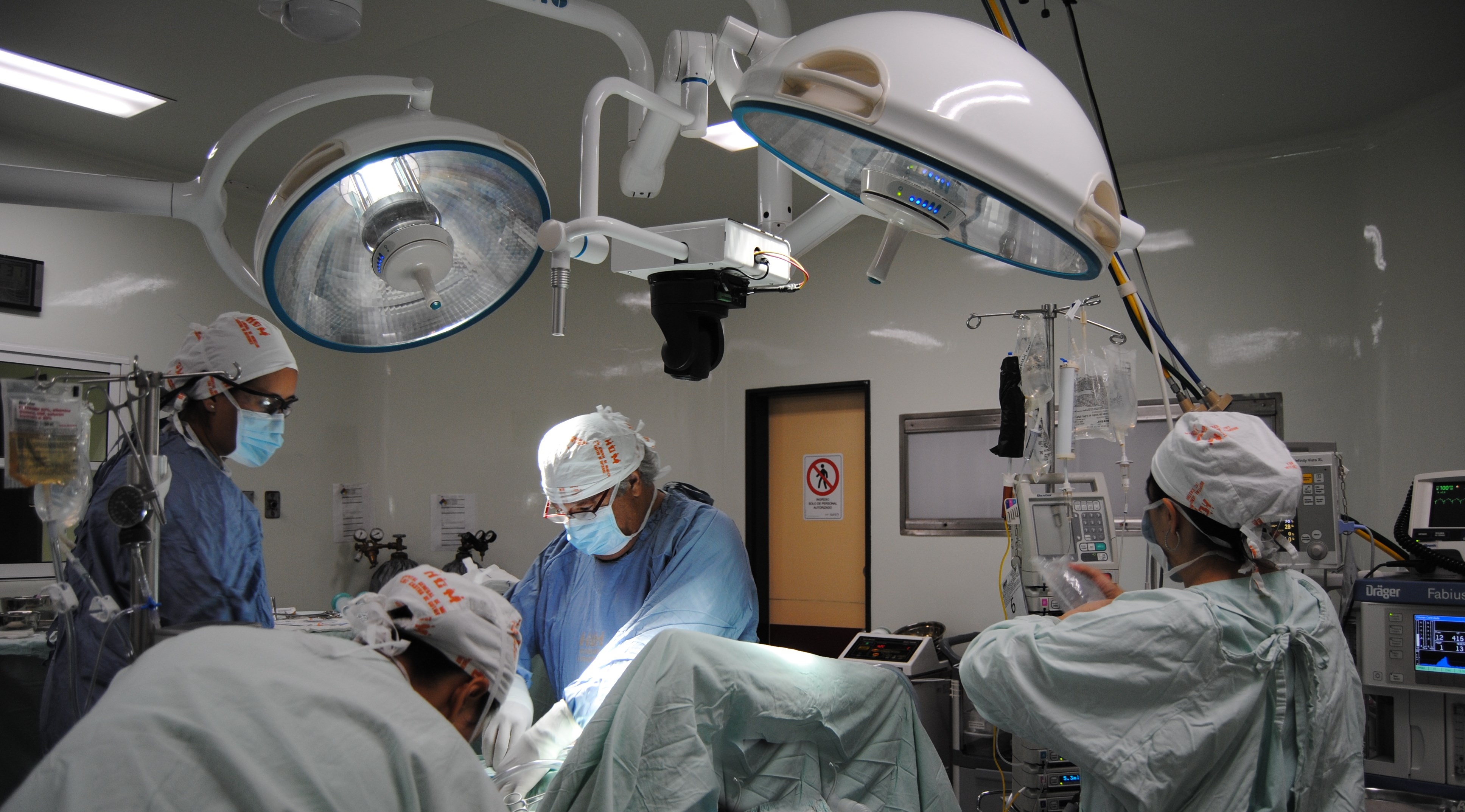
Just a few of the people working in the OR. (photo edited to preserve patient privacy)

For example, there were eight people working in the operating room today:

Dr. Luis Fernando Meza, cardiac surgeon

Dr. Bernando Leon Urequi O., cardiac surgeon

Dra. Elaine Suarez Gomez, cardiac anesthesiologist

Dr. Suarez observes her patient during surgery. (photo edited to preserve patient's privacy)

Dr. Suarez observes her patient during surgery. (photo edited to preserve patient’s privacy)

Ms. Catherine Cardona, “Jefe”/ Nurse who supervises the operating room

Ms. Diana Isobel Lopez,  Perfusionist (In Colombia, all perfusionists have an undergraduate degree in nursing, before obtaining a postgraduate degree in Perfusion).  The perfusionist is the person who ‘runs’ the cardiac bypass machine.

Ms. Laura Garcia, Instrumentadora (First Assist)

Angel, circulating nurse

Olga, another instrumentadora, who is training to work in the cardiac OR.

This is fairly typical for most institutions.

Secondly – it’s always a regimented, and checklist kind of place.  (I wish I could say that about every operating room – but it just wouldn’t be true.)  But cardiac ORs (without exception) always follow a very strict set of accounting procedures..

For starters – there are labels.. For the patient (arm bands), for the equipment (medications, blood products etc..)  even the room is labeled.

Sign on operating room door (edited for patient privacy)

Sign on operating room door (edited for patient privacy)

Then come the checklists..

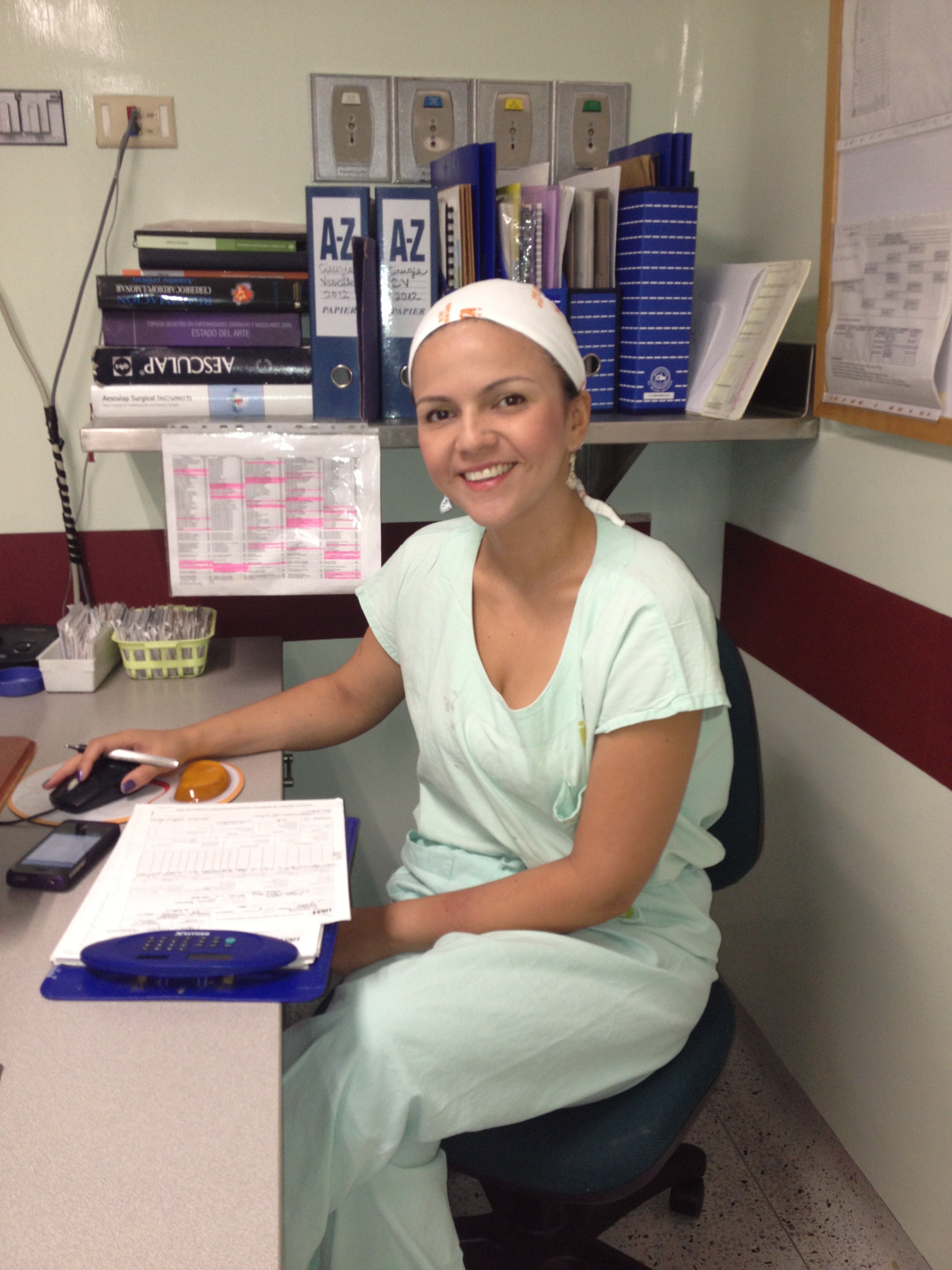
Perfusionist Diana Lopez gathers information to begin her pre-operative checklist.

Perfusionist Diana Lopez gathers information to begin her pre-operative checklist.

The general (WHO) operating room checklist.  The perfusionist’s checklist.. The anesthesiologist’s checklist.. and the big white cardiac checklist.

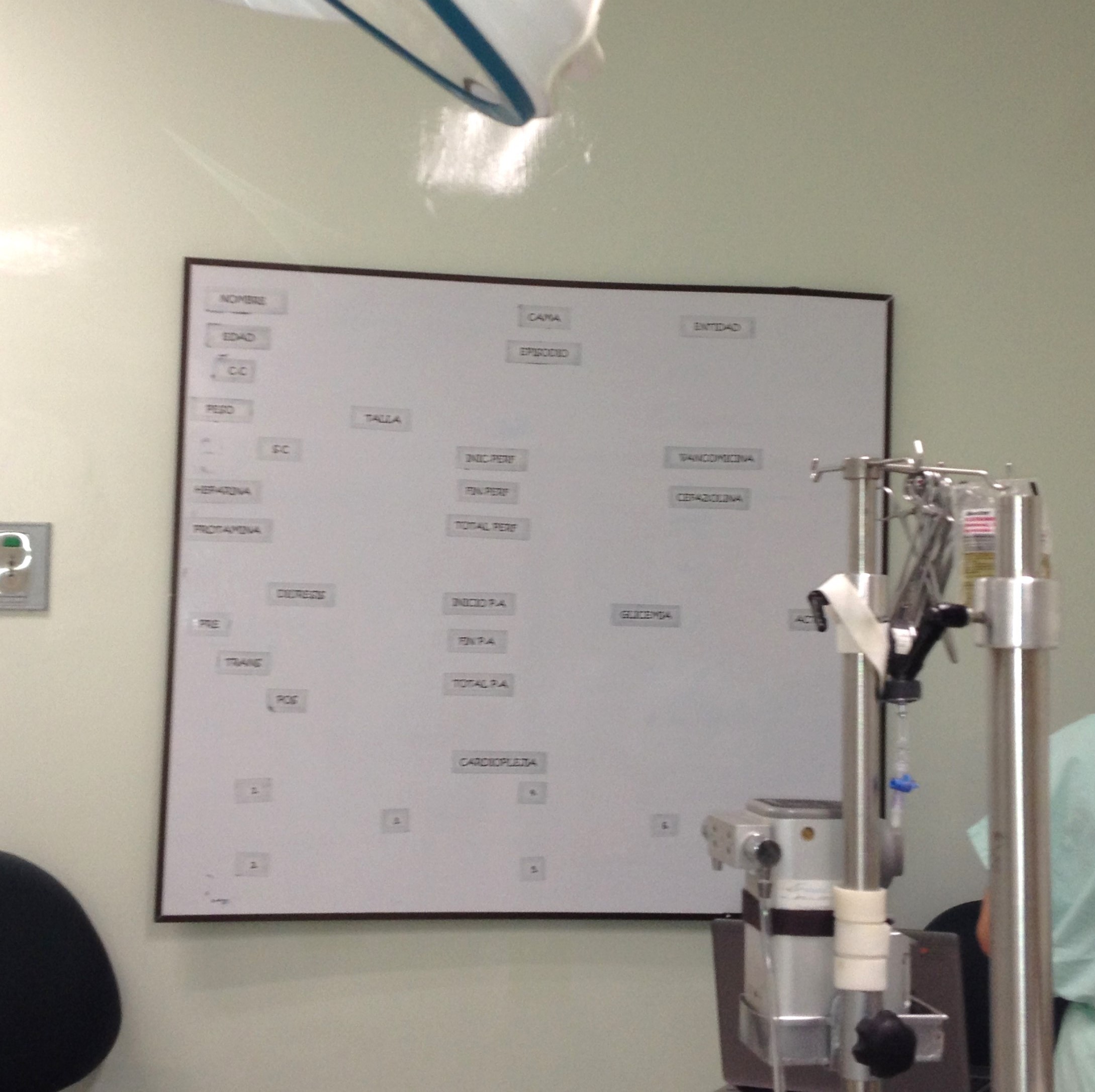
by then end of the case, this board will be full..

by the end of the case, this board will be full..

The staff attempts to anticipate every possible need and have it on hand ahead of time.  Whether it’s nitric oxide, blood, defibrillation equipment, or special medications – it’s already stocked and ready before the patient is ever wheeled in.

Most of these things are universal:

such as the principles of asepsis (preventing infection), patient safety and preventing intra-operative errors – no matter what hospital or country you are visiting (and when it comes to surgery – that’s the way it should be.)

Today was no exception..

In health care, we talk about “OR people” and “ER people”.. ER people are the MacGyvers of the world – people who thrive on adrenaline, excitement and the unexpected.  They are at their best when a tractor-trailer skids into a gas station, ignites and sets of a five-alarm fire that decimates a kindergarden, sending screaming children racing into the streets.. And God love them for having that talent..

But the OR.. that’s my personal area of tranquility.

This orderly, prepared environments is one of the reasons I love what I do.. (I am not a screaming, “by the seat-of-your-pants”/ ‘skin of your teeth’ kind of gal).  I don’t want to encounter surprises when it comes to my patient’s health – and I never ever want to be caught unprepared.   That’s not to say that I can’t handle an emergent cardiac patient crashing in the cath lab – it just means I’ve considered the scenarios before, (and have a couple of tricks up my sleeve) to make sure my patient is well taken care of (and expedite the process).

That logical, critical-thinking component of my personality is one of the reasons I am able to provide valuable and objective information when visiting hospitals and surgeons like Dr.  Urequi’s and Dr. Meza’s operating room at Hospital General de Medellin.

In OR #1 – cardiothoracic suite

As I mentioned in a previous post on Hospital General de Medellin, operating room suite #1 has been designated for cardiac and thoracic surgeries.  This works out well since the operating room itself, is modern and spacious (which is important because of the area needed when adding specialized cardiac surgery equipment like the CPB pump (aka heart-lung machine).  There are muliple monitors, which is important for the video-assisted thoracoscopy (VATS) thoracic cases but also helpful for the cardiac cases.  The surgeon is able to project the case as he’s performing it on a spare monitor, which allows everyone involved to see what’s going on during the case (and anticipate what he will need next) without shouting or crowding the operating room table.

Coordinating care by watching surgery

For instance, if the circulator looks up at the monitor and sees he is finishing (the bypasses for example), she can make sure both the instrumentadora and the anesthesiologist have the paddles and cables ready to gently defibrillate the heart if it needs a little ‘jump start’ back into normal rhythm..or collect lab samples, or double check medications, blood products or whatever else is needed at specific points during the surgery.

More on today’s case in our next post.

Is your ‘cosmetic surgeon’ really even a surgeon?


The answer is “NO” for several disfigured patients in Australia, who later found out that a loophole in Australian licensing laws allowed Dentists and other medical (nonsurgeons) professionals to claim use of the title of ‘cosmetic surgeon’ without any formalized training or certification in plastic and reconstructive surgery (or even any surgery specialty at all).

In this article from the Sydney Morning Herald, Melissa Davey explains how dentists and other nonsurgical personnel skirted around laws designed to protect patients from exactly this sort of deceptive practice, and how this resulted in harm to several patients.

As readers will recall – we previously discussed several high-profile cases of similar instances in the United States, including a doctor charged in the deaths of several patients from his medical negligence.  In that case, a ‘homeopathic’  and “self-proclaimed” plastic surgeon, Peter Normann was criminally indicted in the intra-operative deaths of several of his patients.  The patients died while he was performing liposuction due to improper intubation techniques.

But at least, in both of the cases above – the people performing the procedures, presumably, had at a minimum, some training in a medical/ quasi-medical field..

Surgeon or a handyman

More frightening, is the ‘handyman’ cases that have plagued Las Vegas and several other American cities – where untrained smooth operators have preyed primarily on the Latino community – injecting cement, construction grade materials and even floor wax into their victims.

How to protect yourself from shady characters?  In our post, “Liposuction in a Myrtle Beach Apartment” we discuss some of the ways to verify a surgeon’s credentials.  We also talk about how not to be fooled by fancy internet ads and the like.  (Even savvy consumers can be fooled by circular advertisements designed to look like legitimate research articles as well as bogus credentials/ or ‘for-hire’ credentials*. )

*We will talk about some of the sketchy credentials in another post – but the field is growing, by leaps and bounds..More and more fly-by-night agencies are offering ‘credentials’ for a hefty fee (and not much else.)

Follow up on wrong-sided surgery


We recently mentioned Dr. Denise Crute, an American neurosurgeon in a November blog post, Wrong-sided surgery.  We quoted News of the Weird as our source, with the original source being ABC channel 7 news.  We mentioned her story to illustrate the importance of safety checklists in the operating room.  It would have stopped there, but now we’ve received a threatening letter from a lawyer in Phoenix, Arizona representing Dr. Crute.  (Since we last heard that she was practicing in New York – the Arizona lawyer must be for my benefit.  I wonder if she would have hired a Colombian lawyer if she realized that’s where I spend the majority of my time.)

Harming her reputation?

Her lawyer claimed that by republishing this information that I am liable for damages  caused by the harm to her reputation.

In my opinion, she’s blemished her reputation all on her own (but I’ll let you read the letter for yourself).

To make it easy on everyone – I’ve also linked to my original post, which was a quote from Mr. Shepherd, who stands by his story.

In my defense – Truth is the truth

I think my statements are fair, accurate criticism, particularly given the known facts of the case.  Now, the last thing I want to do is report something erroneously.  After all, I stake my reputation on my honesty and integrity, so if I have made a mistake – I will freely admit it – and will happy display it in ALL CAPS here on the blog.    Not only that, but I will happily travel out to see Dr. Crute and interview her for the blog, so she can set the record straight – if it needs correcting.  But I can’t be cowed by an angry surgeon looking for an easy target.

Litigious behavior doesn’t change the facts

Notably, the lawyer’s letter doesn’t even address the accuracy of the claims against her. But I did see her own personal blog, where she has a one page statement addressing the charges, so I will link to it here.  In it she claims to have been the victim of a one-person driven witch hunt.

Yes, that could happen – but the breadth and width of the charges (hundreds) and the collaborating witnesses in the statements argues against it in this case.

Now, the initial report to the medical board may very well have been the result of professional jealousies, or whatever, as Crute and her legal team claim.  But there are so many charges – with multiple supporting witnesses that it seems highly unlikely.

Her main argument is against the neurosurgeon that helped the medical board evaluate the claims.  She chalks up his decisions and statements against her behavior to competition, since she is the superior surgeon, apparently.  Fine, but that doesn’t account for the majority of charges which have nothing to do with actual surgery – but with the ethics of her practice.  (You don’t have to be a neurosurgeon to know that altering a patient chart and falsifying data is wrong.)

Another point to consider:

But it also may have also taken another neurosurgeon who was finally bold enough to speak up against repeated, repeated and repeated episodes of unprofessional, dangerous and injurous behaviors.

In fact, a recent poll of 24,000 physicians demonstrates the reluctance of doctors to criticize their colleagues.  The Medscape 2012 Ethical Dilemma Survey results showed that just 47% of physicians would caution a patient about a colleague they felt was practicing ‘substandard’ medicine.

While her statement makes it sound like these sort of complaints against providers and surgeons are common – they really aren’t.

While it may seem so for Dr. Crute (and neurosurgeons do have a high rate of malpractice), for another colleague, several nurses and the surgeon’s own PA to make these statements about Dr. Crute to a medical board means that it was more that a personality conflict.

Not having her license stripped away is not proof of innocence.  In most states, medical boards offer disgraced physicians the opportunity to inactivate their licenses.  It’s similar to hospitals (and other organizations) allowing  doctors, CEOs and such, to resign instead of being fired outright.  This practice has been clearly established and well-documented in several notable cases.

Doctor’s story led to changes in the Colorado Board of Medicine

In fact, many say that the recent stories about Dr. Crute (by Denver reporter, Ferrugia) have prompted changes in the licensure and disciplinary processes at the Colorado Medical Board.

But it’s more than that – attacking my blog for using well-publicized and reprinted information (available at multiple sources) to illustrate a discussion here on patient safety, just seems to me like bullying, especially when there are twenty other articles about Dr. Crute on much larger websites with a lot more viewers.  So I also contacted Mr. Ferrugia and Mr. Shepherd (of News of the Weird) to see if they, too, had been contacted by Dr. Crute and her legal team.  No, they haven’t.. Just me.

This makes me suspect that this entire letter/ episode is just an attempt to bully someone smaller and less powerful, and that’s what makes me angry.  This would have been a good opportunity for Dr. Crute to rectify the record, if that’s truly the case (especially since legal action and media coverage appears to have ramped up in the last few days with more and more articles over the last week)  but she doesn’t appear interested in that.  (If she had, we would be seeing retractions from the other writers involved).

But – check out her site, read her defense, and let me know what you think.  It is also worth noting that despite all the ‘glowing’ quotes she has on her website, she doesn’t appear to be operating on patients in her new position.

I’m not sure that the fact that she volunteers or donates supplies to Central America holds any relevance to the discussion – but she put it out there, so I’m reporting it.

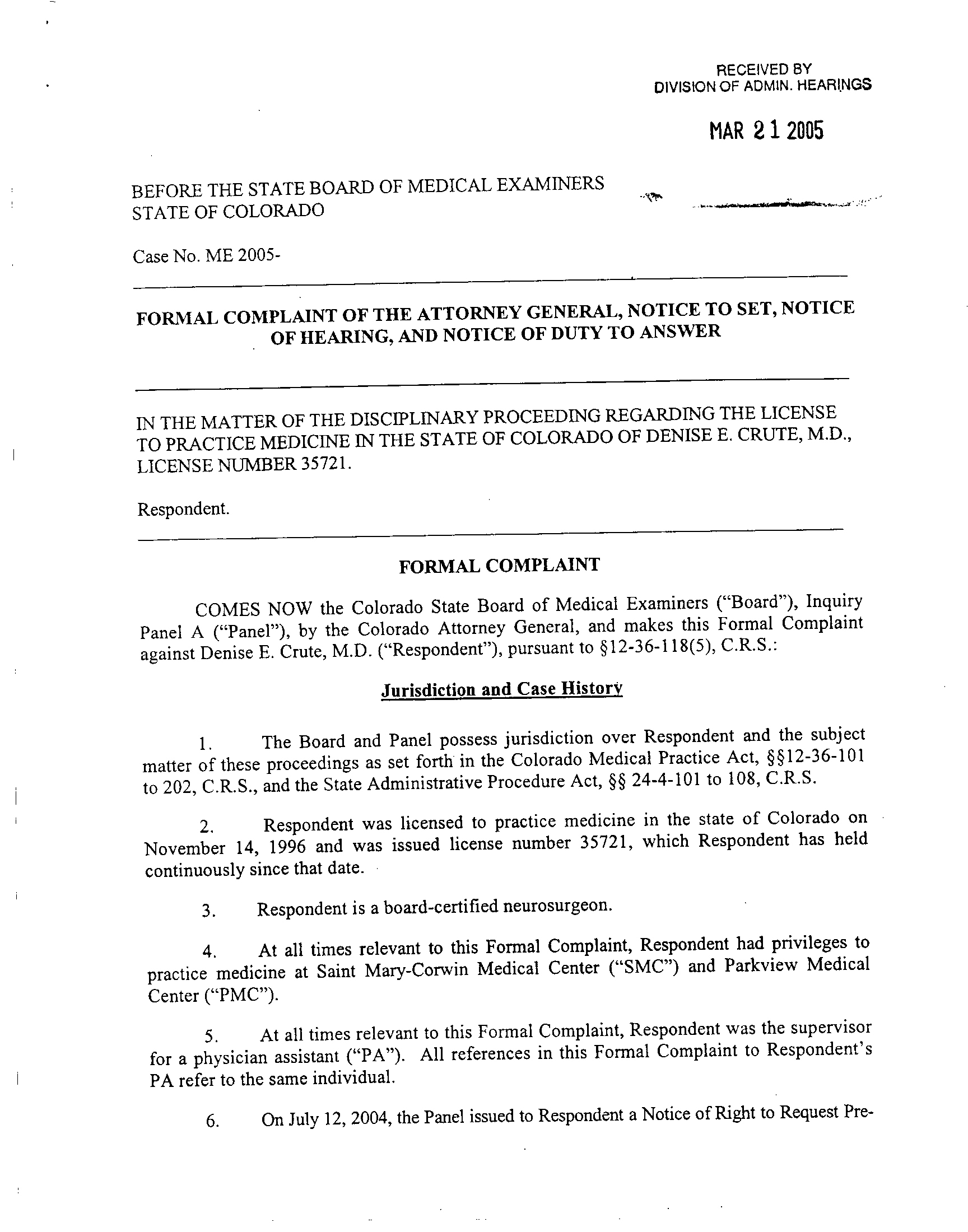
 Dr. Crute settlement agreement

documents related to medical practice

In the meantime, I stand by my statements in reference to safety checklists, etc. that a ‘time-out’ for patient safety can prevent many of these errors that are documented in the original papers, such as in 2004 when she performed wrong-sided brain surgery – which she is accused of, along with   then attempting to cover-up in her documentation (and actually had the gall to say that the patient “marked” the wrong-side.) The patient had a right subdural hematoma (and according to the notes on page 7 of attached document) – was in no condition to consent/mark or otherwise make any medical decisions.

Read the original documents – and see if it paints a portrait of someone who did whatever she wanted, when she wanted and thought that she could get away with it – like when she failed to come see an emergency surgical consult at night*.  She gave a telephone order for intubation, and still didn’t bother to come see this critically injured patient.   Then, after it was too late – came by at 7 am in the morning, and back-dated her notes.  (Yes, patient died).  Unfortunately, there is no checklist to address such an ethical lapse.

But in the spirit of honesty and integrity, and in pursuit of the truth, I have contacted the reporter of the original story, John Ferrugia to see if there have been any story updates, retractions or corrections. (Mr. Ferrugia also provided the supporting documents.)  I also offer Dr. Crute the opportunity to give a statement here.  She knows how to contact me, and apparently she’s reading the blog.

But – this isn’t what my blog is really about – so we will get back to our regular topics, like surgical checklists and surgical apgar scoring – on our next post..

Supporting documents – Mr. Ferrugia:

Dr. Crute 1

Dr. Denise Crute 2

Additional articles

Dr.Crute article by Melissa Westphal

* Just one of many incidents documented in the original documents.

Smartphones and Facebook in the operating room


I hope everyone enjoyed posts about Colombian life and culture, but now that I am back in the United States – we will get back to our more serious discussions about patient safety and issues in health care.  One of the things we have talked a lot about in the past – and cover extensively in the Hidden Gem book series is operating room quality and safety measures.  This includes using objective measurement tools such as the Surgical Apgar score (created by physician and author, Dr. Atul Gawande) and the safety checklist.

Surgeon as pilot 

These checklists were designed to be similar to the mandatory checklists used by pilots.    They were originally designed in the 1930’s to prevent pilot errors and accidents as planes become more and more complex.

Tools to measure and improve practice

These tools do more than just rate (or grade) operating room safety procedures – they encourage a ‘culture of safety’ and adherence to practices and procedures designed to prevent errors or mistakes.  This means that the more people use (and become familiar with) these practices – the better they get at detecting and preventing errors.

The importance of these checklists has been recognized for years, but is just now gaining in traction. It wasn’t until 2009, that the World Health Organization recommended use of the checklist in hospitals internationally.

Checklists and hospital reimbursement

American hospitals now use the checklist religiously because ‘core measures’  – and reimbursement are tied to its use.  These ‘core measures’ were established a decade ago as part of quality assurance procedures for Medicare and Medicaid.  American hospitals that do not participate (or score poorly) on core measures such as surgical safety procedures – risk not getting paid for their services.  (There are core measures for other patient care items as well, such as the care of patients having a heart attack, or pneumonia).

Surgical Apgar Score

The surgical apgar score, (and similar scales) have been slower to catch on.  This is unfortunate in my opinion, because this tool has the greatest chance of really improving patient care and preventing patient harm.  The surgical apgar score works by basically rating and grading the actual care of the patient in the operating room.

When consumers think about patient care in the operating room – we tend to focus on the surgeon.  But surgery and surgical skill are only a part of the picture.  The anesthesiologist/ nurse anesthestist and anesthesia care team are critical to the safety and health of the patient – and their inattention / or distraction can be disasterous for patients.  But even when disaster is averted – frequent distractions can lead to increased complications.  Sometimes the effects are subtle; such as twenty or thirty minutes of ‘borderline’ low blood pressure and post-operative organ dysfunction from intra-operative ischemia.

But is anyone paying attention?

But is anyone paying attention?

We all know it happens, but too many anesthesiologists are busy playing on Facebook to address the realities of the situation.

Unfortunately, this is a common problem in operating rooms worldwide

Unfortunately, this is a common problem in operating rooms worldwide

None of this is news to long-time readers, but several new articles confirm the utility of safety checklists and operating room safety practices.  (One of the articles somewhat ironically reports that injuries to patients were not as reduced as anticipated by previous studies – because the checklist was not always used / or used correctly.  The authors note that the checklists reduced patient injuries and complications – when they were actually used.


Additional posts on this and similar topics:

Reputation, Ranking and Objective measures – talking about the ‘core measures’.

More about the surgical apgar score – from our sister site.

The original Surgical Apgar score

Additional references

I will be updating this section frequently over the next few days.

Medscape summary articles:

Hilt, Emma, (2012). Surgical checklist from WHO improves safety and outcomes.  Medscape, November 2012.

Source articles:

Fudickar, A., Horle, K., Wiltfang, J. & Bein, B. (2012). The effect of the WHO surgical checklist on complication rate and communication.  Dtsch. Artztebl Int 2012, 109(42): 695-701.  The authors of this German paper examined / analyzed 20 different studies looking at the use of surgical checklists.

Jorm CM, O’Sullivan G. (2012). Laptops and smartphones in the operating theatre – how does our knowledge of vigilance, multi-tasking and anaesthetist performance help us in our approach to this new distraction?  Anaesth Intensive Care. 2012 Jan;40(1):71-8.

Patterson P. (2012). Smartphones, tablets in the OR: with benefits come distractions.  OR Manager. 2012 Apr;28(4):1, 6-8, 10.  [no free full text available].

Pereira, Bruno Monteiro Tavares et al. Interruptions and distractions in the trauma operating room: understanding the threat of human error. Rev. Col. Bras. Cir. [online]. 2011, vol.38, n.5 [cited  2012-12-18], pp. 292-298 .

From news of the weird: Wrong-sided surgery


Admittedly, this is not where I usually look for information on medical quality and safety measures – but this case, as presented in News of the Weird for this week deserves mention:

Neurosurgeon Denise Crute left Colorado in 2005 after admitting to four serious mistakes (including wrong-side surgeries on patients’ brain and spine) and left Illinois several years after that, when the state medical board concluded that she made three more serious mistakes (including another wrong-side spine surgery).

Nonetheless, she was not formally “disciplined” by either state in that she was permitted merely to “surrender” her licenses, which the profession does not regard as “discipline.” In November, Denver’s KMGH-TV reported that Dr. Crute had landed a job at the prestigious Mount Sinai Medical Center in New York, where she treats post-surgery patients (and she informed Illinois officials recently that she is fully licensed in New York to resume performing neurosurgery). [KMGH-TV, 11-4-2012]”

This is an excellent example of the importance of the ‘Time-out” which includes ‘surgical site verification’ among all members of the surgical team.  This also shows some of the limitations in relying on the health care professions to police themselves.  Does this mean that I can absolutely guarantee that this won’t happen in any of the operating rooms I’ve observed?  No – but it does mean that I can observe and report any irregularities witnessed (or deviations from accepted protocols) – such as ‘correct side verification’ or failure of the operating surgeon to review medical records/ radiographs prior to surgery.

It also goes to show that despite lengthy credentialing processes and the reputations of some of the United States finest institutions are still no guarantee of quality or even competence.

What about Leapfrog?

This comes at the same time as the highly controversial Leapfrog grades are released – in which medical giants like UCLA and the Cleveland Clinic received failing marks.  (UCLA received an ‘F” for avoidable patient harm, and the Cleveland Clinic received a “D”.)

Notably, the accuracy of the Leapfrog scoring system has been under fire since it’s inception – particularly since the organization charges hospitals for the right to promote their score.

But then – as the linked article points out – so do most of the organizations ‘touting’ to have the goods on the facilities such as U.S. News and Reports and their famed hospital edition.

Guess there aren’t very many people like me – that feel like that’s a bit of a conflict of interest..

New venture with Colombia Reports


While I have written several books about surgery and surgeons in Colombia, much of this information I’ve obtained from my research has been consigned to sitting on the shelves of various bookstores.

But, now with the help of Colombia Reports, I am hoping to change that.  As I mentioned in a previous post, Colombia Reports.com and it’s founder, Adriaan Alsema have been amazingly supportive of my work, ever since they printed my first article on Cartagena in 2010.

Since returning to Colombia, I have kept in touch with Colombia Reports while we discussed ways to bring more of my research and work to the public.  Colombia Reports is a perfect platform – because it serves a community of English-speaking (reading) individuals who are interested in/ and living in Colombia.   With this in mind, Colombia Reports has created a new Health & Beauty section which will carry some of my interviews and evaluations.

It is an ideal partnership for me; it allows me to bring my information to the people who need it – and continue to do my work as an objective, and unbiased reviewer.  We haven’t figured out all of the details yet – but I want to encourage all of my faithful readers to show Colombia Reports the same dedication that you’ve shown my tiny little blog, so that our ‘experiment’ in medical tourism reporting becomes a viable and continued part of Colombia Reports.

This is more important to me that ever – just yesterday as I was revisiting a surgeon I interviewed in the past (for a new updated article), I heard a tragic story that just broke my heart about a patient that was recently harmed by Dr. Alfredo Hoyos.  While I was unable to obtain documents regarding this incident – this is not the first time that this has happened.

Previous accusations of medical malpractice against this surgeon have been published in Colombian news outlets including this story from back in 2002.

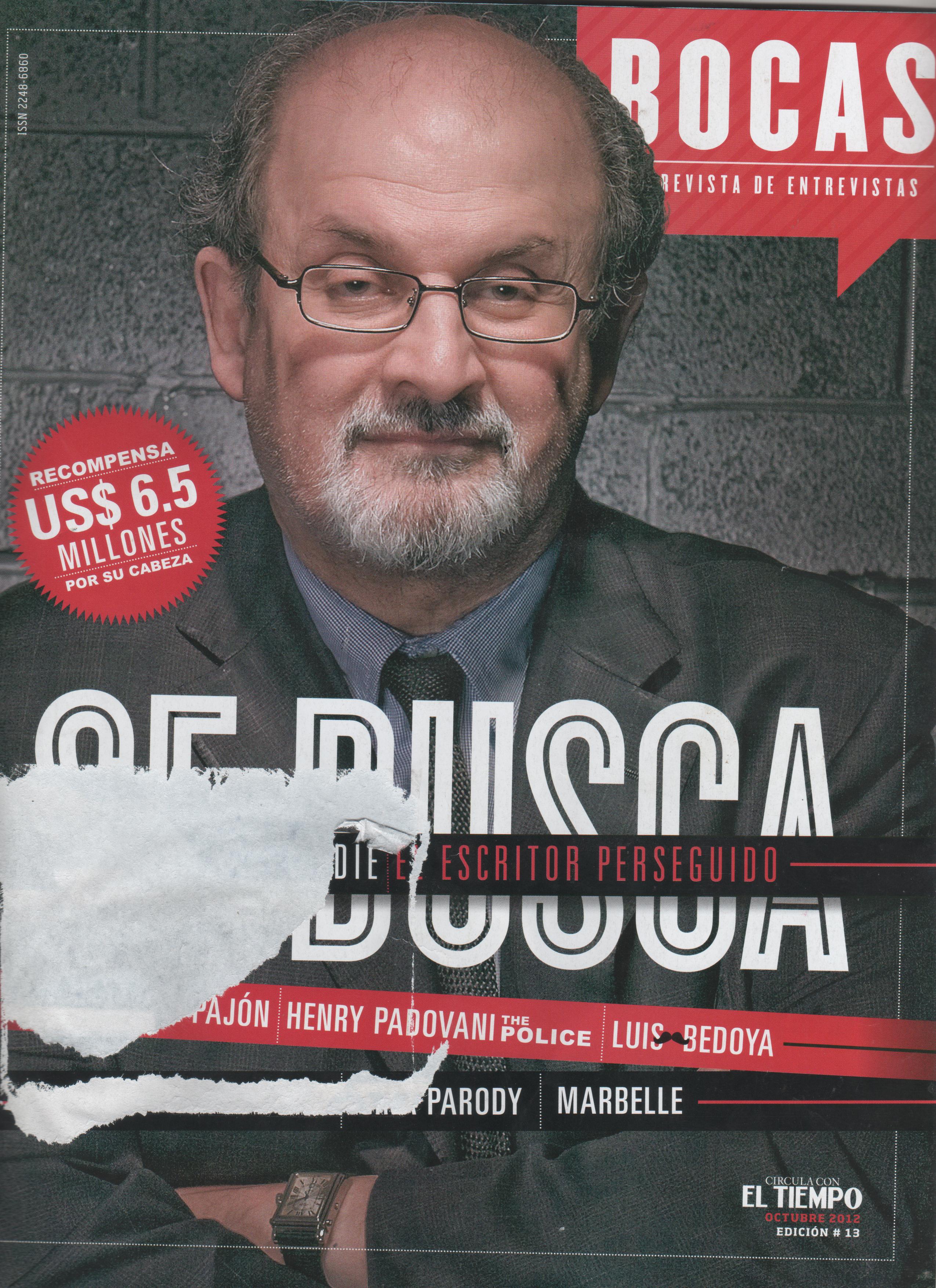
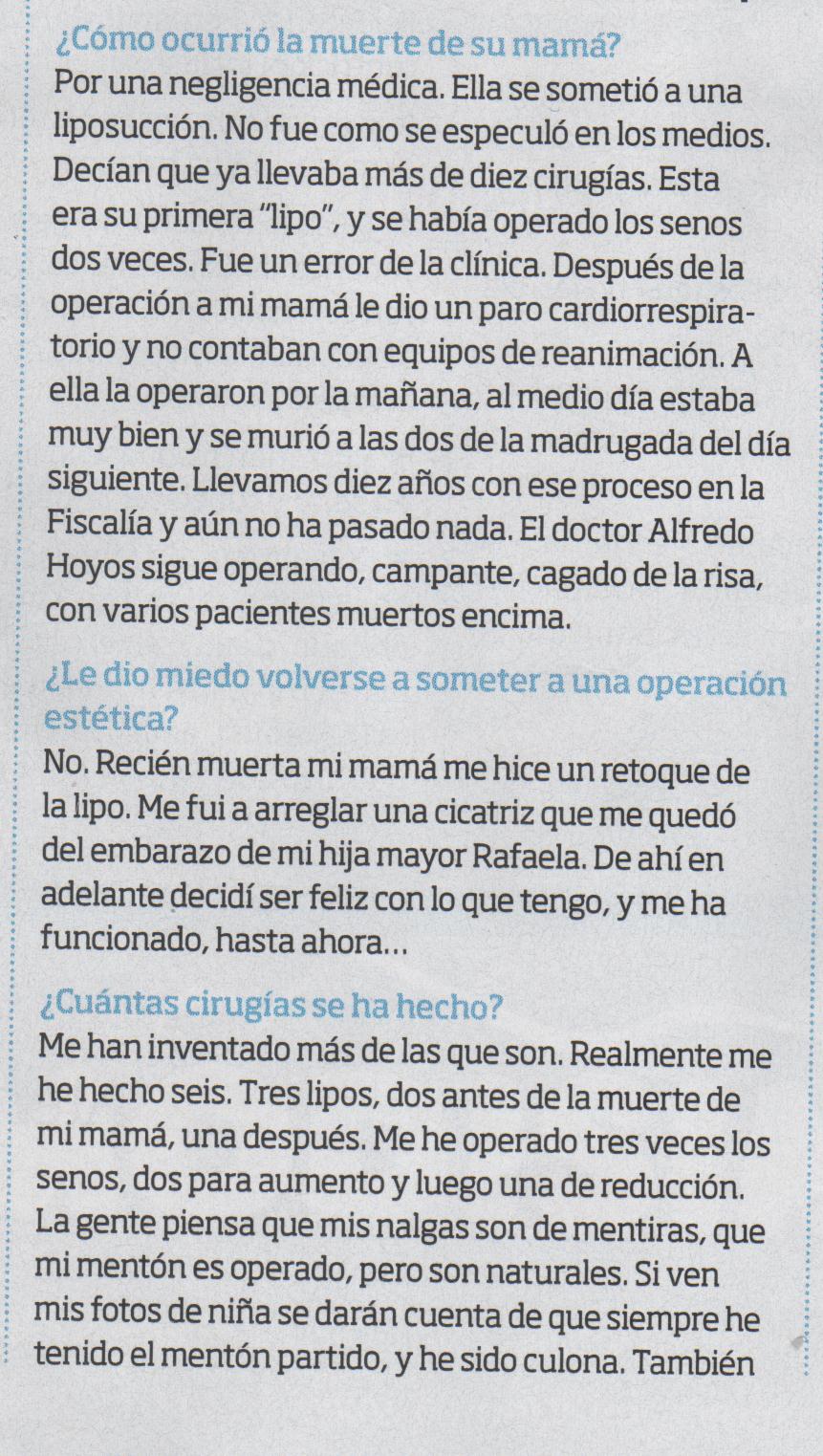
The accusations are from Marbelle, a Colombian artist regarding the intra-operative death of her mother, Maria Isabeth Cardona Restrepo (aka Yolanda) during liposuction.  These accusations were published in Bocas – which is part of El Tiempo, a popular Colombian newspaper, in which the singer alleges that Dr. Hoyos was unprepared, and did not have the proper equipment on hand to treat her mother when she went into cardiac arrest during the surgery.

story about the death of one of Dr. Alfredo Hoyos' patients.

story about the death of one of Dr. Alfredo Hoyos’ patients.

Kristin 002 Kristin 003 Kristin 004

Now – as many of you remember, I interviewed Dr. Alfredo Hoyos back in 2011, and followed him to the operating room, giving me first hand knowledge of his surgical practices.

Readers of the book know he received harsh criticism for both failure to adhere to standard practices of sterility and patient intra-operative safety (among other things.)  I also called him out for claiming false credentials from several plastic surgery associations – and notified those agencies of those claims..   In the book, readers were strongly advised not to see Dr. Hoyos or his associates for care.

But – as I mentioned, my book is sitting lonely on a shelf, here in Bogotá – and in the warehouses of Amazon.com and other retailers.. So, people like that patient – didn’t have the critical information that they needed..

This is where Colombia Reports – and I hope to change all that.   So in the coming weeks, I am re-visiting some of surgeons we talked to in 2011, and interviewing  more (new) surgeons, more operating room visits..

Back in the OR with Dr. Sergio Abello


Clinica Shaio

Spent part of yesterday back in the operating room with Dr. Sergio Abello.  Dr. Abello is an orthopedic surgeon who specializes in foot and ankle surgery.  (He also have a specialized computer system in his office for truly customized orthodics).

Dr. Sergio Abello de Castro, Foot & Ankle Center 

It  was a chance meeting in the hallway, but as always, with the gracious and genial surgeon – it led to the operating room.  He apologized, “it’s just a small case,” but everything went perfectly.

Dr. Sergio Abello (right) with orthopedic resident, Dr. Juan Manuel Munoz


Patient was prepped and draped in sterile fashion, with no breaks in sterile technique.  Case proceeded rapidly (previous surgical pins removed).

The was no bleeding or other complications.

Yvonne (left), surgical nurse

Anesthesia was managed beautifully by Claudia Marroqoon, RN – with a surgical apgar of 10.  The patient received conscious sedation and appeared comfortable during the procedure.  There was no hemodynamic instability or hypoxia.  Oxygen saturation 100% for the entire duration of the case.

Patients with Passports: Medical Tourism, Law, and Ethics


A new book on medical tourism – this one by an associate professor at Harvard Law School ( I. Glenn Cohen), which follows the lines of the work done by Dr. Delmonico and several others in addressing the legal and ethical issues in medical tourism – particularly the grey areas (and downright black, in my opinion) such as transplant tourism and surrogacy tourism.  I haven’t had the opportunity to read his book yet  – but I hope he takes aim at the unethical practices of some of the giants like Planet Hospital.

He’s a much bigger voice than an unknown nurse / writer like me – so maybe he will get the attention that this issue deserves.

Maybe at the same time, it will spark interest in efforts like mine – to establish objective and unbiased evaluations of health care services so that people who are looking or relying on medical tourism for their healthcare aren’t just taking a blind stab based on slick marketing tools, and fancy websites?

I sure hope so – even if stories like this one aren’t front-page news like black market kidney sales, it is still a vital and important reason to do what I do.

Final draft.

Objective and unbiased reviews

Author to author – congratulations, Mr. Cohen and best of luck!

Why read Bogota and other hidden gem titles?


As readers of my sister site, Cartagena Surgery know, I am currently hard at work on my third title in the ‘Hidden Gem’ series – with the latest offering on Mexicali, Mexico.  But I continue to get comments from readers, friends, and everyone else asking, “Why bother?”

Why bother reading Hidden Gem?

People should read these titles because we can’t assume that all medical providers have been vetted, or that all medical facilities meet acceptable criteria for safe care.  It is a dangerous assumption to expect that ‘someone’ else has already done the research. [lest you think this could only happen in Sri Lanka, be forewarned.  With new legislation, the critical doctor shortage in the USA will only worsen.]

Medical tourism has the potential to connect consumers with excellent providers around the world.  It may be part of a solution to the long waits that many patients are experiencing when seeking (sometimes urgent) surgical care.  It also offers an opportunity to fight the runaway health care costs in the United States.

But..

But it also has the potential, if unchecked, unvetted, unverified and left unregulated to cause great harm.

Another reason to read Hidden Gem is to find out more about the surgeons themselves, their training, and many of the new, and innovative practices in the realm of surgery. Often the best doctors don’t advertise or ‘toot’ their own horn, so you won’t find them advertised in the pages of your in-flight magazine as “One of the best doctors in XXX” even if they are.  (Many people don’t realize those segments are paid advertisements, either.)

Why bother writing Hidden Gem?

Because ‘someone’ needs to.

I am that ‘someone’ who does the fieldwork to find out the answers for you.  I can never assume that it’s been done before, by someone else.  I have to start from ‘scratch’ for every book, for every provider and every hospital.

I also believe that the public should know, and want to know more about the people we entrust to take care of us during serious illness or surgery.  We should know who isn’t practicing according to accepted or current standards and evidence – and we should know who has/ and is offering the latest cutting edge (but safe and proven) therapies.


Read more about the doctor shortages:

NYT article on worsening doctor shortage  (and one of the proposed solutions is a loosening of rules governing the training and credentials of doctors from overseas – coming to practice in the USA).

Readers write in: TAVI


Thanks again to ‘Lapeyre’, who as it turns out is Dr. Didier Lapeyre, a renowned, French cardiothoracic surgeon credited with the development of the first mechanical valves.

Dr. Didier Lapeyre was gracious enough to send some additional literature to add to our ongoing discussions regarding severe aortic stenosis and TAVI/ TAVR therapies.  He also commented that the best way to avoid these ‘high risk situations’ is by earlier intervention with conventional surgery – something we discussed before in the article entitled, “More patients need surgery.”

He also points out that ‘elderly’ patients actually do quite well with aortic valve replacement and offers a recently published meta-analysis of 48 studies on patients aged 80 or older.

As readers know, on June 13, 2012 – the FDA ruled in favor of expanding the eligibility criteria for this therapy.  Previously, this treatment modality, due to its experimental nature and high rate of complications including stroke and serious bleeding, has been limited in the United States to patients deemed ineligible for aortic valve replacement surgery.

Now on the heels of the Partner A trial, in which researchers reported favorable results for patients receiving the Sapien device, the FDA has voted to approve expanding criteria to include patients deemed to be high risk candidates for surgery.  As we have discussed on previous occasions, this opens the door to the potential for widespread abuse, misapplication of this therapy and potential patient harm.

In the accompanying 114 page article, “Transcatheter aortic valve implantation (TAVI): a health technology assessment update,” Belgian researchers (Mattias, Van Brabandt, Van de Sande & Deviese, 2011) looking at transcatheter valve procedures have found exactly that in their examination of the use of TAVI worldwide.

Most notably, is the evidence of widespread abuse in Germany (page 49 of report), which has become well-known for their early adoption of this technology, and now uses TAVI for an estimated 25 – 40% of valve procedures*.  Closer examination of the practices in this country show poor data reporting with incomplete information in the national registry as well as a reported mortality rate of 7.7%, which is more than double that of conventional surgery.  Unsurprisingly, in Germany, TAVI is reimbursed at double the amount compared to conventional surgery**, providing sufficient incentive for hospitals and cardiologists to use TAVI even in low risk patients. (and yes, german cardiologists are often citing “patient refused surgery” as their reason, particularly when using TAVI on younger, healthy, low risk patients.)

In their examination of the data itself, Mattias et al. (2011) found significant researcher bias within the study design and interpretation of results.  More alarmingly, Mattias found that one of the principle researchers in the Partner A study, Dr. Martin Leon had major financial incentives for reporting successful results.  He had recently received a 6.9 million dollar payment from Edward Lifesciences, the creators of the Sapien valve for purchase of his own transcatheter valve company.   He also received 1.5 million dollar bonus if the Partner A trial reached specific milestones.  This fact alone, in my mind, calls into question the integrity of the entire study.

[Please note that this is just a tiny summary of the exhaustive report.]

Thank you, Dr. Lapeyre for offering your expertise for the benefit of our readers!

* Estimates on the implantation of TAVI in Germany vary widely due to a lack of consistent reporting.

** At the time of the report, TAVI was reimbursed at 36,000 euros (45,500 dollars) versus 17,500 euros (22,000 dollars) for aortic valve replacement.

For more posts on TAVI and aortic stenosis, see our TAVI archive.

References

Mattias, N., Van Brabandt, H., Van de Sande, S. & Deviese, S. (2011).  Transcatheter aortic valve implantation (TAVI): a health technology assessment .  Belgian Health Care Knowledge Centre.

Vasques, F., Messori, A., Lucenteforte, E. & Biancari, F. (2012).  Immediate and late outcome of patients aged 80 years and older undergoing isolated aortic valve replacement: a systematic review and meta-analysis of 48 studies.  Am Heart J 2012; 163: 477-85.

The dangers of Medical Tourism


A new press release from a law office in the United States – highlights the importance of what I do – and why I think it is a necessary and essential endeavor.  The author, James Goldberg has also written a book about the potential dangers of medical tourism due to a lack of regulation among brokers who are just looking for the cheapest providers (for higher profit margins).  As we all know – that’s not the right way to chose a surgeon (and it’s not fair to consumers who trust brokers to deliver high quality care.)

I just ordered it – so I’ll give a full ‘book report’ once it arrives.

Unfortunately, the more I continue on in my efforts to provide unbiased and object reviews, the more I become disheartened by the lack of interest on the part of the medical tourism industry itself.  For the most part, these travel agencies are just that – and hold themselves to no higher ethical or moral standards that the travel agencies of old – except now we are talking about more than missed flights or less than stellar hotel rooms.

The response from the surgeons themselves has been (for the most part) enthusiastic about being reviewed, but until consumers hold the vendors of these services to a higher standard – it will never happen on any sort of global scale.

For the time being – it looks like it’s just me – and my dwindling retirement fund.

Canadians use medical tourism to skip lines, long waits


More and more Canadians are becoming frustrated with the wait times for surgical procedures in their native country – as wait times for procedures such as joint replacement routinely take years.. instead they are turning to medical tourism to satisfy their immediate medical needs, and to get back to a normal, functional life faster..

This is big news in a country that prides itself of its ‘universal’ health care system – which fails to acknowledge the tolls their lengthy waits take on their patients.  So – it may be free, but many residents are opting out.

In this story – documenting several patients who traveled abroad in the last several years – patients express their satisfaction with overseas services (which they rated as ‘excellent’ and ‘superior to care received at home’ despite having to pay-out-of-pocket.)

Interestingly enough – one of the main brokers (or travel agents) for these services – Shaz Pendharkar is a retired school teacher who readily admits he has no medical training. Despite that – he feels confident enough to recommend the services of medical providers overseas.  He states that despite this obstacle, he “knows the doctors.”

While I am in favor of medical tourism to improve the quality of life for patients in North America (and other locations), I am still uneasy about the ready assurances Mr. Pendharker offers his clients, and his easy dismissal of the unhappiness of one of his former clients.  “It was a butt-lift” he says, as if this in itself is enough to dismiss the patient’s claims of dissatisfaction.

I don’t know the facts of the case – so maybe his claim has merit – maybe it doesn’t.  While patients should continue to seek medical care where they can find it – and overseas options are an excellent choice – I’d rather that someone better informed perform the brokering.  How about you?

Do you want a high school principal chosing your surgeon, and your medical facility?  Or would you rather someone with experience in evaluating medical standards do the job for you? I think it’s time people start applying objective criteria to the entire industry – and leave medical travel to the health care professionals.

The reason for the time out

Ranks & Measures

Why Colombia (versus India and Thailand)

The ethics of Indian Medical Tourism

Dr. Fix-a-flat strikes again!


Syringe of unknown contents


Dr. Fix-a-flat (Oneal Morris) in Ft. Lauderdale, Florida has been re-arrested as more victims of his scam surgeries have come forward.

This arrest comes as other American cities, (most notably, Las Vegas) make a concerted push to protect consumers with a new campaign against fraudulent practices and unlicensed physicians.  However, these ‘campaigns’ are primarily informational commercials aimed at the Latino community.

There is a new statewide task force aimed at addressing these incidents, but as of yet – there have been no legislative changes to protect victims of these scams.  Equally disturbing, in at least one of these cases – one of the pretend doctors used his fake status to sexually assault his victims.

In another disturbing sidenote out of Nevada – Teva pharmaceuticals settled a case against them for the distribution of propofol outside of proper channels/ and in improper quantities.  (If you remember, this is how Dr. Conrad Murray obtained the anesthetic for use on Michael Jackson.)  As a result of this distribution of multi-use medications that should be exclusively used in hospital settings – several patients were inadvertently exposed to Hepatitis C (including the plaintiff who developed Hepatitis C as a result.)

[Multi-use vials mean that the same container of medication is used for multiple people – if the medication is drawn up using needles or other instruments that have already been exposed to patients – this places future patients in contact with blood and infectious agents.]   Multi-use vials are a cost-containment measure for many institutions.

I hope that someone takes issue with out-patient colonoscopies as a whole since this in itself can be a very dangerous practice – and the research proves it.  (The issue behind outpatient procedures such as colonoscopies is the use of unmonitored anesthesia.  Most patients aren’t on monitors, no anesthesiologist is present, and the doctors performing the procedure are often unprepared in the event that a patient loses his airway (or stops breathing.)  There was a landmark study several years ago – that showed that 70% of nonaesthesiologists underestimated the level of sedation in patients undergoing out-patient / office procedures.  [I will continue looking for the link to this source.]

Frighteningly, a related paper demonstrated similar findings in a pediatric population.  This South African paper voices similar concerns.

The case against ‘extreme makeovers’


While extreme plastic surgery makeovers (or multiple plastic surgery procedures at once) make for great television – they aren’t safe.  Prolonged (multi-hour, multi-procedure) surgeries place patients at greater risk of complications from anesthesia, bleeding, etc.  These ‘Mommy Makeovers’ sound like a good idea to patients – one surgery, less money and faster results – but the truth is – they just aren’t a good or safe idea.

Now an article by Laura Newman, [originally published  in Dermatol Surg. 2012;38:171-179] and re-posted at Medscape.com drives home that fact.

Combination Cosmetic Surgeries, General Anesthesia Drive AEs

February 9, 2012 — The use of general anesthesia, the performance of liposuction under general anesthesia, and a combination of surgical procedures significantly increase the risk for adverse events (AEs) in office-based surgery, according to reviews of statewide mandatory AE reporting in Florida and Alabama. More than two thirds of deaths and three quarters of hospital transfers were associated with cosmetic surgery performed under general anesthesia, according to an article published in the February issue of Dermatologic Surgery.

The study, derived from 10-year data from Florida and 6-year data from in Alabama, “confirms trends that have been previously identified in earlier analyses of this data,” write the authors, led by John Starling III, MD, from the Skin Cancer Center, Cincinnati, and the Department of Dermatology, University of Cincinnati, Ohio.

In a companion commentary, C. William Hanke, MD, from the Laser and Skin Surgery Center of Indiana, Indianapolis, presses for 3 patient safety practices: “(1) Keep the patient awake!… 2) Think twice before supporting a patient’s desire for liposuction that is to be done in conjunction with abdominoplasty under general anesthesia…. 3) “[B]e advocates for prospective, mandatory, verifiable adverse event reporting…[that] should include data from physician offices, ambulatory surgical centers, and hospitals to define and quantify problems that can be largely prevented and eliminated.”

The authors and editorialist are especially critical of liposuction performed under general anesthesia. The study revealed that although liposuction is perhaps one of the most common cosmetic surgical procedures, no deaths occurred in the setting of local anesthesia. “Liposuction under general anesthesia accounted for 32% of cosmetic procedure-related deaths and 22% of all cosmetic procedure-related complications,” the researchers write.

The researchers analyzed mandatory physician AE reports in ambulatory surgery submitted to their respective states, encompassing 10-year data in Florida and 6-year data in Alabama. A total of 309 AEs were reported during an office-based surgery during the 10-year period in Florida, including 46 deaths and 263 reportable complications or transfers to hospital. Cosmetic surgeries performed under general anesthesia accounted for the vast majority of deaths in Florida, with liposuction and abdominoplasty the most frequent procedures.

Six years’ worth of data from Alabama revealed 52 AEs, including 49 complications or hospital transfers and 3 deaths. General anesthesia was implicated in 89% of reported incidents; 42% were cosmetic surgeries. Pulmonary complications, including pulmonary emboli and pulmonary edema, were implicated in many deaths in both states.

Plastic surgeons were linked to nearly 45% of all reported complications in Florida and 42.3% in Alabama, write the researchers. Office accreditation, physician board certification, and hospital privileges all revealed no clear pattern.

One limitation acknowledged by the authors is that case logs of procedures performed under general and intravenous sedation are required in Florida, but are not public domain, and so were unavailable for analysis. In addition, investigators were not able to obtain data on the total number of liposuction procedures performed in either state. The lack of those data prevented them from calculating the overall fatality rate.

As readers of my previous publications know, the majority of surgeons I interviewed expressly do not perform multiple procedures during one surgery.  Also, many of them perform the majority of their procedures under conscious sedation with local anesthesia (which means you are awake, but you don’t care – and you don’t feel anything).

Bariatric Surgery Safety: More than your weight is at risk!


Dying to be thin?  These patients are… A look at the Get-Thin clinics in Beverly Hills, California..

This series from LA Times writers, Michael Hiltzik and Stuart Pfiefer highlights the importance of safety and the apparent lack of regulation in much of the bariatric procedure business here in the United States.

In these reports – which follow several patient deaths from lap-band procedures, both surgeons and surgical staff alike have made numerous reports against the ‘Get Thin” clinics operating in Beverly Hills and West Hills, California.  These allegations include unsafe and unsanitary practices.  One of the former surgeons is involved in a ‘whistle-blower’ lawsuit as he describes the dangerous practices in this clinic and how they led to several deaths.

Regulators ignore complaints against Beverly Hills clinics despite patient deaths  – in the most recent installment, Hiltzik decries the lack of action from regulatory boards who have ignored the situation since complaints first arose in 2009!

House members call for probe into Lap-Band safety, marketing – California legislators call for action, but the clinics stay open. (article by Stuart Pfiefer)

Plaintiffs allege ‘gruesome conditions’ at Lap-Band clinics – mistakes and cover-ups at the popular weight loss clinics.  (article by Stuart Pfiefer)  This story detailing a patient’s death made me ill – but unfortunately reminded me of conditions I had seen at a clinic I wrote about in a previous publication..  The absolute lack of the minimum standards of patient care – is horrifying.  This woman died unnecessarily and in agony.  It proves my point that anesthesiologists need to be detailed, and focused on the case at hand.. (not iPhones, crosswords or any of the other distractions I’ve seen in multiple cases.. Now this case doesn’t specifically mention a distracted anesthesiologist – but given the situation described in the story above, he couldn’t have been paying attention, that’s for sure.

The TAVI Registry, journey to the UK and other news


London Bridge, at night.

Just returned from a quick trip to London, UK to interview a couple of fantastic thoracic surgeons. (You can read the interview here.)

In the meantime, a midst multiple conflicting reports regarding the use and safety of TAVI (percutaneous aortic valve replacement) the ACC and STS have finally come together to create a TAVI registry, similar to the PCI and cardiac surgery registries.  The new registry will be used to track TAVI procedures and outcomes.  Hopefully, by gathering information in a standardized fashion and collecting data on patient outcomes, we can finally answer the essential question surrounding TAVI: Is It Safe?

As someone who is intimately involved in the STS database – I can assure readers that if STS is involved, data collection will be extensive, cumbersome and overly complicated.  (The adult cardiac surgery data collection form is fourteen pages long.)  However, the database will allow doctors to identify whether complications are device related/ procedure related or operator related.  (For example, are post-procedural strokes caused by the valve (device related) itself, or by the person (operator related) inserting it?  It will also track 30 day mortality – and the causes of mortality.  (ie. Was the death coincidental versus bleeding/ stroke/ kidney failure, etc?)  The registry will also track one year outcomes – but unfortunately – the essential question  – Is it Safe long-term?  will remain unanswered.

In Big Pharma news – I had the good fortune to meet (and talk to at length) one of the inside investigators* for GlaxoSmithKline.  He was a delightful and charming interview – and it was a fascinating inside look at the future of pharmacology, pharmacy, drug development and marketing.

As readers know – I have vilified and railed against pharmaceutical companies in the past (and most likely – will continue to do so) but it was an excellent opportunity to see the other side of a blighted industry.  [Here at Cartagena Surgery – I may have unabashedly strong opinions, but I do try to be fair.]

As an investigator for a pharmaceutical company, his position is somewhat akin to George Clooney’s character in the recent film ‘Up in the Air’.  He investigates company employees as well as independent contractors who represent the company for moral, ethical and criminal violations.   In the wake of several serious recent ethical and criminal investigations into the pharmaceutical industry in recent years – companies such as GSK take this duty extremely seriously.  As part of this effort – they hired people like the man I am interviewing today.  Mr. X is surprisingly charming, amiable, and witty.  Somehow as a ‘trigger man’ for a big company, and former NYC police officer, the gentleness, and the compassion emanating from him is unexpected.   He tells me that he has received thank you letters from people who were ‘separated from the company’ on his say-so – and I am not surprised.

We talk about public and health care providers perceptions of the pharmaceutical industry, and trends of the past.  We discuss the previous ‘bribe and gift’ atmosphere of the past – and he gently calls me out for my Pfizer bag from a long-ago conference.  [Ironically, I’ve railed against this bag in the past – it’s from a conference I attended as a student, but hypocrite that I am – have neglected to throw it out.  In my own weak defense – I will say that I never again have accepted or received ‘sponsored’ gifts or items.]  But he’s right – and I accept my scolding, hopefully with the grace it was given.

He talks about one of the new projects that GSK is implementing – and I immediately sit up and take notice.  Phasing out the ‘hootie girls’ as we call the often scantily clad, inappropriately dressed, invariable young, attractive (and always! well-endowed) pharmaceutical representatives that cold call doctors offices with girlish laughs, lots of legs and sample supplies of costly drugs.   No, I will not be sad to see the end of the ‘hootie girls’.

Replacing the hootie girls will be nurse educators.  Instead of pushing costly brand name drugs – they will be restricted from mentioning brand specific medications.. But educate they will.  Hopefully these educators will serve as a resource for healthcare providers – to assist us and inform us without trying influence us.  In many ways – it sounds like GSK may be moving in the direction that we need to go.. Afterall – with millions of millions of people needing treatment (and the vast amount of disease out there)  just obtaining and supplying these patients with the medications they need is a phenomenal effort – and companies can still make a HUGE profit on volume alone.    (And I am not against making a profit – it supports drug research etc..)

But the idea of being able to use the vast amount of information collected from these companies and their volumes of research without rancor, or hardcore skepticism – is encouraging.  If we can build bridges and trust – we can ultimately better serve our patients.. Of course, nothing this big ever goes off without a hitch, and Rome wasn’t build in a day – but it’s a start.. 

It’s a hopeful view from an unlikely source at the end of a very long day that started in one country and ends in another..

* I didn’t get a chance to ask his permission to  write about our meeting – so in fairness, I have omitted his name.

Cement, Fix-a-flat & Superglue are not beauty aids..


In the latest horrifying story of unlicensed people performing plastic surgery – a man in Miami, Florida has been arrested for injecting a woman with a mixture of cement, superglue and ‘fix-a-flat’ as a part of a ‘homemade’ buttock enhancement procedure – performed in an apartment.

Hopefully readers can see the many, many things wrong with the above paragraph..  But what I find the most dismaying about the entire episode, is that the woman – who paid 700.00 for the procedure – refused to report this person to the authorities – despite having to seek emergency medical attention on two separate occasions for ‘severe’ complications from this quasi-procedure.

Update: 11/22/2011 – Now more patients with Cement Buttocks are emerging..

Another person has also been charged in this case.

A story in a UK paper suggests this fake doc may be a victim of a botched procedure himself.  (Take a look at these photos.)

Now it appears similar stories are emerging in other cities – including Las Vegas

Links to posts on similar stories on Cartagena Surgery:

Silicone injections & patient harm

LA woman disfigured and several more stories about unlicensed frauds harming patients – here, here & here.  Many of these stories are tragic.

Safety & Injectibles

Recent sentencing for doctor responsible for several deaths

We also give tips on finding qualified licensed personnel, as well as conducting our own interviews..

It looks like TAVI is here.


The FDA recently approved the first TAVI device for aortic stenosis.   Currently the device is only eligible for patients who are unable to withstand surgery.   But who will end up making that determination?  The cardiologist who will be implanting the device?  At present – the company manufacturing the Sapien aortic device is recommending that patients be evaluated by a heart surgeon – but if this follows the typical course, I am sure that this recommendation will be abandoned as a matter of course.

Hopefully, the industry (interventional cardiology) will proceed cautiously, after being ‘omce bitten, twice shy” in light of the epidemic overstenting catastrophies.

For more on Aortic stenosis, TAVI and the overstenting controversies – look under the cardiology and cardiac surgery tab.

Safety and injectables


While we have discussed plastic surgery safety here at Cartagena Surgery several times, (you can read more here, here and here), it’s time to talk about “less-invasive” and “mini-surgery” techniques such as Botox.

It seems like everyone is offering injectables these days.  In many countries, including the United States – these treatments are offered in multiple places outside the plastic surgeons’ office by a multitude of practitioners including non-specialty physicians, nurses* and high-end salons.  Do you really think that your dentist should be giving you Botox?  Or your hair salon?

These treatments including Botox (botulism toxin), Restylane, juvaderm and other dermal fillers are often used as ‘refresh’ and rejuvenate the face without surgery.  Fillers are used for lip plumping and filling out fine lines and wrinkles. (Note: Botox is also used for several other ‘off-label’ uses.)

However, I’d like to remind everyone to use caution when choosing to use these products.  While less radical than surgery – these treatments are medications and need to be used cautiously (just like any other medical or surgical treatment).   Botox, in particular, when used incorrectly has been linked to several deaths.  Unlicensed practitioners have also been caught using unapproved substances such as construction grade silicone – leading to serious health consequences (this is what happened to Priscilla Presley about fifteen years ago).

The other thing we should talk about beside potential health complications, is the reason injectable and non-surgical treatments are such popular options.  We all want to look good – so shouldn’t you see a specialty trained professional?  When seeking cosmetic results – the results should be cosmetically pleasing – by someone with the experience to perform this properly, not an eye doctor, a dentist or beautician.  A board certified plastic surgeon is the best option to ensure that a person has the best results – without looking artificial or ‘frozen.”  It may cost more (but not always), but aren’t natural, pleasing  and safe results worth it?

* For example, as a licensed nurse practitioner – for a 200.00 fee and a one day course, I could (but am not) be ‘certified’ to give Botox and other injectable.  It doesn’t matter whether I have previous experience in plastic surgery, acute care, neonatal, family medicine or even if I have experience giving injections.  Other nurses, doctors, and paraprofessional personnel are eligible to take this and similar ‘short-course’ training seminars for injectable, laser treatments and other ‘minor’ plastic surgery procedures.

More criminal malpractice, and patient deaths: in my own backyard…


Phoenix, Arizona –

In a case of criminal malpractice that sickens and horrifies health care personnel like myself – ‘self-proclaimed’ plastic surgeon, Peter Normann was able to delay sentencing after being found guilty earlier this summer in the deaths of three of his patients  – in three separate incidents.

The details of each of the cases are quite frightening, and highlight reasons why trained observers like myself are critical for objective and unbiased evaluations for potential patients.  In one case, another ‘homeopathic’ doctor working with Mr. Normann (not a licensed plastic surgeon) participated in a liposuction case that resulted in the death of a patient.  In two cases – patients died because Mr. Normann failed to intubate the patients correctly (and tore the esophagus of one of the patients.)

In all cases,  there was no intra-operative monitoring during cases – and Mr. Normann’s only assistant was a massage therapist (not an anesthesiologist, not a surgical nurse or trained surgical team.)  Horrifying – completely criminal, and unforgivable and unacceptable.

Additional Links on this case:

Homeopathy in Arizona covered for doctors’ mistakes

‘Homeopathic’ doctor kills patient performing liposuction.

The Times: Surgical Roulette

Putting your money where your mouth is..


or more accurately, less money – more like putting your health in the hands of the people I’ve spend the last year writing and talking about.

Many people have asked me that question – “Gee – but would you go to Colombia and have these physicians take care of you?”  And, it’s a legitimate question, after all – it’s all well and good to send other people to far off places (foreign countries!) when it isn’t your own health and well-being at stake.  But what would the writer do in a similar position?  So I’d like to answer that question here.

Yes, Yes, I would and yes, I have.  In fact, this very question is what prompted my investigations into health, medicine, surgery and surgeons in Bogota.  I don’t usually disclose this information because I don’t think it is germaine to the majority of the discussions (it is briefly mentioned in the book) – since most of my previous posts have been more on the basis of rational inquiry then personal accounts.  It’s also difficult for me to talk about private matters – but today, for the purpose of legitimacy and credibility, I’ve decided to set my privacy aside.

I usually omit the ‘personal experience’ because I find it less than helpful for patients since our experiences are not objective, but are rather colored with previous experiences, our culture and upbringing as well as our expectations.  I don’t believe in “patient testimonials”, per se because I feel it gives a false representation.  After all, a charismatic individual may not be as skilled or talented surgically as someone who is less loveable, so to speak.

But, I do think that it’s important in this instance for me to share some of these experiences with readers, because it speaks to the validity of my research – I have interviewed and been in the operating room with these individuals, and have knowledge that many of you (the readers) are not always privy to.  And knowing all of this, I elect to return to Colombia to see my surgeon here.

This week, I am having another CT of the abdomen to follow-up on a medical ‘issue’ I experienced while living on the island of St. Thomas.  Immediately after being diagnosed with this problem – when I had the choice of seeing doctors in nearby Puerto Rico, or Miami (where Caribbean patients often seek care) or going home to Duke – I chose to come to Bogotá.  I didn’t do it for cost – though as a person with very poor health coverage, that was certainly a factor, I did it as both part of my research and because of the absolute confidence I had in one of the surgeons I had met during the writing of the first book, in Cartagena.  (Dr. Hector Pulido).

After a month of worry (okay, to be honest – terror) while I wrapped up my life in the Virgin Islands – my first peace came as our plane landed in Bogotá.  I still had worries about my health, but I felt calmer than I had in weeks – since the first, fateful CT scan showed a rare abnormality.  This sense of security and well-being only increased with my interactions with the staff at Santa Fe de Bogotá, and under the care of my surgeon, Dr. Roosevelt Fajardo.  He had already communicated with me prior to my arrival by email, viewed my medical records and conferred with several other specialists.

Now, admittedly, my experience is colored by the outcomes, and I was extraordinarily lucky, for someone in my position.  I had been tentatively diagnosed (at my home hospital) with a serious malignant illness – and was gifted with a new diagnosis of a rare, but benign condition instead, which has made no impact on my daily life.  I take no medications, there is no sequelae or complications – and it appears that it is just a variation of ‘normal’ that woud have never been discovered if I hadn’t originally become ill in St. Thomas and had a CT scan*.

But, I know, in my heart of hearts, that had the outcomes been different – I still would have been in great hands – with caring, compassionate individuals who understood my fears and concerns.  That is worth its weight in gold – but being in Colombia, the entire experience cost considerably less than that.

I can also say – that if I ever needed heart surgery, lung surgery or any number of procedures (who know?  plastic surgery may be in my future..) that I wouldn’t hesitate to place myself in the care of any number of the fine surgeons profiled in my book.

* Transitory illness, now fully recovered and unrelated to current care.

Now in today’s litigious society, I probably need to put some sort of disclaimer that my results are not typical – usually people turn out to have the maladies they were originally diagnosed with.  But as I said – it’s a rare circumstance, and I had the benefit of having multiple specialists confer in my case – so as I said, I was lucky.  I also probably need to make a statement about safety and surgery, such as surgery always carries risk – and that bad things can happen no matter how great your surgeon is, or how good the facility is.  I hate having to put this stuff because people comes to me for answers, but unfortunately, there are no guarantees when it comes to things like this.  I hope I haven’t offended my readers, and I apologize because I feel that having to make these disclaimers cheapens the message.

Update:  18 August 2011

Dr. Fajardo contacted me this afternoon a few hours after my CT scan.  Results of my follow up CT scan show everything is indeed unchanged and remains a benign, if uncommon variation of normal.   This is greatly relieving, but more than that – part of a consistent pattern of genuine care and excellence in medicine.

Sorry to my friends at the paper – whom I had promised an in-operating room exclusive, if the situation had changed.  (Sorry for them, not for me!)

I hope that by sharing this more personal experience, I have been able to give some of my readers a little different perspective than what they are used to seeing here at Bogota Surgery.

“Hospitals riskier than airplanes”


It looks like our last post,  Reputation, Rankings and Objective Measures was more timely than I ever expected.  While I always feel urgency over patient safety issues – now the news media has joined in after the release of the latest World Health Organization report.  For more about this report – see our posting at Cartagena Surgery.  Hopefully, this media attention will help the public to understand why books such as this are needed.

In other news – the first shipment of books for transportation to Bogotá has arrived!

Reputation, Ranking and Objective Measures:


Reputation,  Rankings and Objective measures

The top-10 heart and heart surgery hospitals (according to US News 2011) were as follows:

  1. Cleveland Clinic
  2. Mayo Clinic
  3. Johns Hopkins
  4. Texas Heart Institute at St Luke’s Episcopal
  5. Massachusetts General
  6. New York Presbyterian University
  7. Duke University Medical Center
  8. Brigham and Women’s Hospital
  9. Ronald Reagan UCLA Medical Center
  10. Hospital of the University of Pennsylvania

(US News, July 19, 2011)

The First shall be First..

Well, the latest US News hospital rankings are out – and as usual, John Hopkins is at the top of the list – as they have been for the last seventeen years.  Or are they on the top of the list because they were ranked #1 for the previous sixteen years?

How much do these or any rankings actually reflect the reality of the health care provided?  What are they really measuring?  These are important questions to consider.  While US News uses these rankings to sell magazines, other people are using these results to plan their medical care.

 So, what do these rankings or studies show[1]?  The answer depends on two things:

1.  Who you ask.  2. The measure(s) used.

Reed Miller, over at Heartwire.com reported the results of a study by Dr. Ashwini Sehgal over at Case Western Reserve examining the US News Rankings back in 2010 (and re-posted below.)  Dr. Sehgal explains that much of what the US News is measuring is not scientific, nor objective data – it’s public opinion, which as we all know, may have little basis in actual facts.  Ask any fifteen-year- old girl who is the most qualified candidate for president – now imagine Justin Bieber in the White House[2].  An extreme example, to be sure – but one that fully illustrates the pitfalls of relying on this sort of subjective data.

News versus Tabloid

This isn’t the first time that the magazine has come under scrutiny for the methodology of their ‘ranking’ practices.  Teasley (1996) exposed similar flaws in their ranking schemes almost fifteen years ago.  Green, Winfield, Krasner & Wells (1997) explained in JAMA that there
were additional limitations to US News approaches due to a lack of availability of standardized data, despite the magazine using what they considered to be a strong conceptual design.  They cite the same concerns with the weight given to reputation as a majority deficiency.

However,  these significant oversights does not prevent the media and hospitals from continuing to present their results as a legitimate measure of  performance. In fact, more people know about these rankings than they do about government data collected for the same purpose.

Core Measures

Compare this well-known ranking, with governmental attempts to quantify and compare American hospitals.  Medicare and Health and Human Services quantifies and ranks hospital  performance using a ‘score card’ scenario known as “Hospital Compare.”

While this government system is far from perfect since it relies heavily on individual physician documentation, it is an evidence-based measurement tool, making it far more objective.  The government rating system uses a series of specific criteria called Core Measures.  These core measures are used to evaluate adherence to accepted treatment strategies for different conditions such as heart failure, heart attack, and pneumonia.  This data is then published on-line for consumers.

The advantages to measurement tools such as Core Measures is that it an easily applied checklist type scoring system.

For example, the core measures used to evaluate the appropriateness of treatment for an acute myocardial infarction (heart attack) are pretty clear cut:

– Amount of time in minutes for patient to receive either cardiac cath or thrombolytic drugs “clot busters”

– How long (minutes) for patient to receive first EKG after presenting with complaints consistent with AMI

– Did patient receive aspirin on arrival?

– Did patient receive ACE/ ARB for LV dysfunction?

– Did patient receive scripts for beta blockers, ACE/ ARB, aspirin at discharge?

As you can see – all of these measurements are clear, easily defined and objective in nature.  The main problem with core measures in many institution is getting doctors to clearly document whether or not they instituted these measures.  (But that too reflects on the institution, so hospitals with multiple staff members not adhering to the national guidelines will have lower scores than other facilities.)  In fact, this is the main criticism of this measurement tool – and this criticism often comes from the very doctors that omit this data.  (In recent years – hospitals have tried to address this shortcoming by making documentation an easier, more streamlined process – and allowing other members of the health care team to participate in this documentation.)

Then this data is compared to other hospitals nationwide, with subsequent percentile ratings, and status.  Ie. a hospital may rank higher or lower than national average for death rate or re-admission for heart attack, pneumonia, post-surgical infection or several other diagnoses/ conditions.  Consumers can also use this database to compare different facilities to each other (such as several hospitals in a local area).

The accessibility and publication of this data for health care consumers is a very real and meaningful public service.  This allows people to make more informed choices about their care, without relying on third-party anecdotes, or reputation alone.

How does this tie in with surgical tourism?  (or what does this have to do with Bogotá Surgery?)

As part of my efforts to provide objective, unbiased information on the institutions, physicians and surgical procedures in Bogotá, Colombia, I applied the Core Measures criteria as part of my evaluation.  I used these measures not on an institutional level, but on an individual provider level – to each and every surgeon that participated in this project.

However, core measures (NSQIP) was not the only tool I used during my assessment.  I also used several other measurements to get a fair/ well-balanced evaluation of the providers listed in my publication.  (Other criteria used  as part of this process will be discussed more fully in a future post.)

Surgical tourism information needs to be clear, objective and meaningful to be of use to potential consumers.  Reputation alone is not sufficient when considering medical treatment either in the United States or abroad – and consumers should seek out this information to help safeguard their health.

Article Re-post from Heartwire.com

Popular best-hospital list tracks subjective reputation, but not quality measures

April 20, 2010 | Reed Miller

Cleveland, OHUS News & World Report‘s list of the top 50 hospitals
in the US reflects the subjective reputations of the institutions and not
objective measures of hospital quality, according to a new analysis [1].

The magazine’s ranking methodology includes results of a survey of 250 board-certified physicians from across the country, plus various objective data such as availability of specific medical technology, whether the hospital is a teaching institution or not, nurse-to-patient ratios, risk-adjusted mortality index based on Medicare claims, and whether the American
Nurses Credentialing Center has designated the center as a nurse magnet.

In his analysis of the US News rankings system, published April 19, 2010 in the Annals of Internal Medicine, Dr Ashwini Sehgal (Case Western Reserve University, Cleveland, OH) points out that previous investigations have compared the US News rankings with external measures and found that highly ranked cardiology hospitals had lower adjusted 30-day mortality among elderly patients with acute MI, but that many of the high-ranked centers scored poorly in providing evidence-based care for patients with MI and heart failure. Also, performance on Medicare’s core measures of MI, congestive heart failure, and community-acquired pneumonia were frequently at odds with US News rankings.

Sehgal sought to examine a broader range of measures internal to the US News system and “found little relationship between rankings and objective quality measures for most
specialties.” He concludes that “users should understand that the relative standings of US News & World Report‘s top 50 hospitals largely indicate national reputation, not objective measures of hospital quality.”

Sehgal performed multiple complementary statistical analyses of the US News & World Report 2009 rankings of the top 50 hospitals in the US, as well as the distribution of reputation scores among 100 randomly selected unranked hospitals.

He examined the association between reputation score and the total score and the connection of objective measures to reputation score. According to Sehgal’s analysis, the statistical association is strong between the total US News score and the reputation score. The association between the total US News score and total objective scores is variable, and there is minimal connection between the reputation score and objective scores.

The majority of rankings based on reputation score alone agreed with US News overall rankings. The top five heart and heart-surgery hospitals based on reputation score alone were the same as those of the US News top five heart hospitals (Cleveland Clinic, Mayo Clinic—Rochester, Johns Hopkins University, Massachusetts General Hospital, and the Texas Heart Institute), and 80% of the 20 heart and heart-surgery hospitals with the best reputation scores were also on the US News top-20 heart and heart-surgery centers.

Objective measures were relatively more influential on cardiology centers’ total scores than in some other categories, but reputation still carried a lot more weight than objective measures. Sehgal used the nonparametric Spearman rank correlation p value to assess the univariate associations among reputation score, total objective-measures score, and total US News score. The p2 value indicates the proportion of variation in ranks of one score that are accounted for by the other score.

Additional Resources and References

1.  Teasley, C. E. III (1996).  Where’s the best medicine? The hospital rating game. Eval Rev. 1996 Oct;20(5):568-79.

2. Green J,  Wintfeld  N., Krasner M.  & Wells C.  (1997).  In search of America’s best
hospitals. The promise and reality of quality assessment. JAMA. 1997 Apr 9;277(14):1152-5.

3. Sehgal, A. R. (2010). The role of reputation in U.S. News & World Report’s rankings of the top 50 American hospitals. Ann  Intern Med. 2010 Apr 20;152(8):521-5.


[1] US News may be the best known, and most widely published source, but there are multiple
studies and reports attempting to rank facilities and services nationwide.

[2] This is probably not a fair analysis given the current state of American politics.

Peri-operative mortality with/after TAVI for aortic stenosis


More on TAVI: A newly published analysis of the existing/ reported data for peri-operative mortality after transcatheter aortic valve implantation looking at 12 previous studies was recently (June) published in the journal of Interventional Cardiology.  (While the study looks at the causes of death – we here at Cartagena Surgery – are going to talk about the rate of death in this study.)

Article information:

Causes of Peri-Operative Mortality After Transcatheter Aortic Valve Implantation: A Pooled Analysis of 12 Studies and 1,223 PatientsThe Journal of Invasive Cardiology 2011;23(5):180-184.

Raul Moreno, MD; Luis Calvo, MD; Pablo Salinas, MD; David Dobarro, MD; Jimenez Valero Santiago, MD; Angel Sanchez-Recalde, MD; Guillermo Galeote, MD; Luis Riera, MD; Isidro Moreno-Gomez, MD; Jose Mesa, MD; Ignacio Plaza, MD; Jose Lopez-Sendon, MD

Abstract re-posted below.

Background. In order to improve technique and to prevent serious procedural complications during transcatheter aortic valve implantation (TAVI), it is crucial to identify the causes of death of patients undergoing this procedure.
Objective. The objective of this study was to identify the causes of death during the procedure and at 1 month in patients with severe aortic stenosis undergoing TAVI.

Methods. 12 published studies with information about the causes of death in patients undergoing TAVI were selected. Overall, 1,223 patients were included in these studies, and 249 deaths were reported (119 at 1 month and 130 at > 1 month post-procedure).

Mortality during the procedure and at 1 month was 2.3% and 9.7%, respectively. The proportion of cardiac deaths was higher at < 1 month in comparison with > 1 month (56% versus 34%, respectively; p = 0.001). At 1 month, the most frequent causes of death were cardiac failure/multi-organ failure (24%), sudden death/cardiac arrest (17%), vascular and bleeding complications (17%), stroke (11%), sepsis (11%), and cardiac tamponade (10%). During the procedure, the most frequent causes of death were cardiac tamponade (39%), cardiac failure (21%), cardiac arrest (18%), and vascular and/or bleeding complications (18%).

In patients treated with the CoreValve system (Medtronic, Minneapolis, Minnesota) versus those treated with Edwards valves (Cribier-Edwards, Edwards-SAPIEN or SAPIEN XT valve, Edward Lifesciences, Irvine, California), deaths at 1 month due to vascular and bleeding complications were less frequent (3% versus 22%, respectively; p = 0.019), but those due to cardiac tamponade (26% versus 6%, respectively; p = 0.019), and because of aortic regurgitation (10% versus 0%, respectively; p = 0.03) were more frequent.

Conclusion. In this pooled analysis, mortality at 1 month after TAVI was 9.7%. The causes of death were widely variable, and of both cardiac and non-cardiac origin. There were some important differences between both devices in the cause of mortality.

How does this compare with conventional aortic valve replacement surgery (AVR)?

In cardiac surgery – surgeons use database calculators.  The most popular one is called the STS risk calculator to determine or estimate the surgical risk for specific patients.  This calculator is based on thousands and thousands of patients over decades of research to give approximate surgical risk of morbidity (post-operative complications) and mortality by looking at the planned procedure as well as patient risk factors (age, poor heart function, co-morbidities).  Other calculators include a European calculator called EUROscore, and a score used  by the VA (veteran’s hospitals.)

Well, how accurate are these calculators?

Interestingly enough – at the same time as the TAVI article, an article (Basreon et. al) discussing and comparing each of these calculators to actual results was published in the June 23 issue of the Annals of Thoracic Surgery.  (I’ve re-posted the abstract below.)

In their research – Basreon et. al. found the overall peri-operative mortality for aortic valve replacement surgery to be 5.9%  which is well under the 9.7% reported in the article by Moreno, et. al (re-posted above) for TAVI.

While the argument can be made that the higher than expected peri-operative mortality in the TAVI group may be secondary to other factors (patient condition at time of TAVI) without more information on patient demographics – it is hard to know.

I, for one, would like to know the average ages of patients in both groups – was the TAVI group made up of non-surgical fragile, 95 year-olds?  What specific factors raised their EUROscores? Was it overall heart function, or was it a specific co-morbidity?

It’s difficult to know since it’s a composite of other research data from multiple studies (and since TAVI is widely used in Europe, accounting for as many as 40% of all aortic procedures in Germany, for example) – this data may also reflect many of these patients (who are not frail elderly, for example.)

Reading through the Moreno study – there is little discussion of the actual patient population, except for one small paragraph (re-posted below). Both of these limitations are probably due to the nature of the study – where investigators were pooling the results of several different studies – which is a good strategy to get a wide overview.  However, this can make it impossible to go back and look at questions like ours, particularly if the investigators on the original, smaller studies didn’t record / report this information.

[my comments in brackets/ italics].  I have placed data within the article in bold or italics. 

“In this study, pooling the results of 12 series, mortality at 1 month in patients treated with TAVI was 9.7%, and mortality during the procedure was 2.3%. These data compare favorably with the predicted surgical mortality, since EuroSCOREs ranged from 12–28%.  [this is the risk calculator that Basreon et. al found that grossly overestimated risk in the study re-posted below.]

In the randomized PARTNER trial, a significant reduction (~20% absolute risk reduction) in the 1-year mortality was obtained for patients with severe aortic stenosis and considered not suitable for surgery due to a very high surgical risk when treated with TAVI in comparison with medical treatment. [as you know from previous discussions – medical treatment is exceedingly ineffective for this condition.  It would be more helpful if authors had better defined their ‘very high’ risk patient group since multiple studies show that cardiologists, etc. overestimate patient’s surgical risk.] 

Importantly, mortality significantly reduced through the years, from 2004 to 2010, probably reflecting not only the learning curve and the technical improvements, but also a better patient selection process. [meaning patients that are ineligible for surgery may also be ineligible for TAVI in some cases.]   This reduction in mortality over time has also been observed in single-center experiences.

Although not statistically significant, mortality at 30 days was higher in patients treated by transapical approach in comparison with transfemoral approach. Probably, the worse clinical profile of patients undergoing transapical TAVI justifies, at least in part, these findings.[7,12]

Ann Thorac Surg. 2011 Jun 23. [Epub ahead of print] Comparison of Risk Scores to Estimate Perioperative Mortality in Aortic Valve Replacement Surgery.

Source

Division of Cardiology, Veterans Administration Medical Center and University of Minnesota, Minneapolis, Minnesota.

Abstract  (bolding/ italics from original article)

BACKGROUND:

Transaortic valve implantation has recently been introduced as an alternative to aortic valve replacement (AVR) for high-risk patients with aortic stenosis. However, accurate assessment of surgical risk is critical for appropriate patient selection. We compared the accuracy of The Society of Thoracic Surgeons (STS) risk score, the European System for Cardiac Risk Evaluation (EuroSCORE), and the Veterans Administration (VA) risk score in predicting perioperative mortality after AVR.

METHODS:

We included 537 consecutive patients who underwent AVR for severe aortic stenosis at the Minneapolis VA Medical Center between 1997 and 2008. Observed and predicted perioperative (30-day) mortality rates were compared. Hosmer-Lemeshow goodness-of-fit test and receiver operating characteristic curves were performed to assess the performance of the scores.

RESULTS:

Perioperative mortality rate was 5.9% (n = 32). Predicted mortality rates for the EuroSCORE, STS score, and VA score were 15.6%, 3.6%, and 6.7%, respectively (p = 0.001). The EuroSCORE overestimated mortality in all patients, most notably among those with ejection fraction less than 35% (49% predicted versus 9% observed). The EuroSCORE had poor calibration (goodness-of-fit test p < 0.008), whereas the STS and the VA scores were well calibrated. However, all three scores displayed good discrimination characteristics per the areas under the receiver operating characteristic curves: STS score 0.73 (95% confidence interval: 0.69 to 0.77); VA score 0.66 (95% confidence interval: 0.62 to 0.70); and EuroSCORE 0.68 (95% confidence interval: 0.64 to 0.72; p > 0.05).

CONCLUSIONS:

The EuroSCORE substantially overestimates perioperative mortality risk in AVR, particularly in patients with low ejection fraction. These data have implications when deciding the appropriate intervention (transaortic valve implantation versus AVR) for high-risk aortic stenosis patients.

In general – the majority of the literature cites peri-operative mortality for AVR at 2.0 – 5.0% (but this is an average of ALL patients, making the calculators our best estimate of predicted risk.)

So what does this mean?

Clearly, when the data from Moreno et. al shows a thirty-day (peri-operative) mortality of almost 1 in 10 patients – it’s a signal we need to proceed with caution, and continue to follow the research.

1.  Since the authors report many of these patients at very high surgical risk (presumably due to cardiac status as well as co-morbidities) and 2. we know that in most people aortic stenosis progresses slowly  – it stands to reason that we need to consider intervening earlier in the course of the disease.  (Before the heart is significantly weakened).

For people with Aortic Stenosis – I’d want to get second/ third opinions from a cardiac surgeon before proceeding with any catheter based valve procedures.  I’d bring all of my information, and studies (echocardiogram results, lab results, medication lists) to have a serious talk to the surgeon about my surgical risk – (and ask him to calculate and show my risk based on the STS calculator).  I certainly wouldn’t let anyone make any decisions about my health/ care based on my age alone.  [we’ve talked about a ‘good 80’ versus a ‘bad 80’ or even a ‘bad 50’ before.]

Then, I would weigh all of the information – and do my best to make an informed decision.

Other posts about Aortic Stenosis/ TAVI/ AVR:

1. TAVI overview

2. TAVI: a stent scenario

3. TAVI recommendations

4. Aortic Stenosis and TAVI

5. Aortic Stenosis as Heinz 57

6. Aortic stenosis and surgery

Patient Safety & Medical Tourism


I’ve posted a link to an article talking about patient safety, and facility/ physician oversight in foreign medical facilities for patients seeking medical tourism options.

This is the rationale and purpose behind the both the Cartagena and the upcoming Bogotá books – that as an independent, unbiased reviewer and health care professional; I am able to observe, interview and evaluate facilities, surgeons and procedures for safety issues (and adherence to accepted national and international standards / protocols.)

This eliminates the uncertainty for patients seeking medical tourism; is the facility clean?  Are the physicians licensed?  Are the procedures performed according to accepted practices?

As a reputable, practicing health care provider with no secondary gain (other than book sales), patients can find a trustworthy source for this information.   I don’t work for the surgeons, the medical tourism companies or the governments of the host countries.  I don’t make a dime from these medical procedures – and have no vested interest in where patients ultimately seek care.

But, the development of infections, post-operative complications or other problems with medical tourism is bad for business (for the providers and facilities reviewed) so these facilities had a vested interest in letting me into their hospitals and their operating rooms.  They wanted me to see what they had to offer – particularly the facilities that are doing everything right..

(The facilities that weren’t following accepted practices invited me in, as well.  I think because they assumed that an American nurse wouldn’t know any better.)  That’s their oversight, and to your benefit – because I was able to observe and report my findings to you, my readers.

I think this is going to become a more popular and frequent practice – but hopefully the reviewers are going to be people like me; people familiar with the procedures and practices, and the operating room.  This is another separate issue – that has already reared its head.  There are several medical tourism books out there, including books that have made millions of dollars, written by arm-chair MBAs who looked at published statistics (only) and used this as the basis of their reports.. As everyone knows, published statistics are only part of the story, and can certainly be manipulated.

Physically viewing the facilities, talking to the surgeons and watching the procedures are the real test of how things function on a daily basis, and what care a patient should expect.

Friday, I am heading to Reston, Virginia to interview one of the people involved with the new Colsanitas medical tourism venture that we discussed in a previous post.  I’ve already been to the hospitals in Colombia (Clinica Colombia and Reina Sofia) and I’ve interviewed the surgeons involved, so I know the quality and care provided by the facilities involved.  But do they?  What rigor has this company performed to protect potential patients (and consumers of their services)?  In this case, I know that both the hospitals and the surgeons are excellent, but do they?  And how do they know this?   I’ll try to get answers to all of these questions and post them here for readers.