Medical Tourism backlash


One of the trends I’ve seen in the last few months is a growing assortment of medical propaganda that can only be termed ‘medical tourism backlash’.  Frighteningly, these writers are often willfully misinformed and published on websites that give the appearance of legitimacy.  I’ve included an example here – published on a website called News Junky Journal.  The junky part is certainly accurate.

This article is a thinly disguised ad for a US based plastic surgeon – Dr. Delgado and persists in spreading misinformation, untruths and some blatant lies.  The author, Charles Hale makes no effort to distinguish between medical tourism destinations, much less the facilities and surgeons themselves but uses a blanket brush to depict all non-US surgeons as poorly trained uncredentialled hacks operating without consideration for patient outcomes due to a lack of fear for repercussions.  He presents his ‘facts’ as absolutes – and as all educated consumers know – there are no absolutes.  Yes, there are bad surgeons (everywhere – and quite a few unlicensed frauds in the USA as well, as we’ve documented over at Cartagena Surgery as part of a series explaining how to evaluate medical and surgical providers.)

But there are also well-educated, kind, caring EXCELLENT surgeons like the ones we’ve identified during this project.  Fear-mongering is not the way to drum up patients or protect people from adverse outcomes.  Objective, and honest research is.

There are several other blatant inaccuracies in the above mentioned article – including statements that insurance companies NEVER pay for medical tourism – as we’ve discussed here, and in the book – several American health care companies such as Blue Cross actually have medical tourism divisions to help patients find providers overseasThis medical tourism company helps people use their Health Savings Accounts for medical travel.

He also ignores ‘complication insurance’ as offered by many of the providers interviewed in Bogotá – which explicitly covers the treatment of any surgical complications whether at the destination or after patients return home.

As I’ve mentioned numerous times, I do think that the medical tourism industry should be regulated – ‘tour operators’ shouldn’t sell the services of people they’ve never met, but to disregard medical tourism as simply a plaything of indulgent people wanting to have surgery while frolicking on the beach, as implied in his last paragraph is ignorant and insulting to the very people who rely on medical tourism as their only option outside of complete financial devastation.

Sadly, I think scare articles like this are only the beginning; as American surgeons (particularly plastic surgeons who rely on elective procedures for their income) continue to feel the effects of a poor economy.  But slandering an entire industry and hundreds of thousands of hard-working medical professionals, and terrorizing patients is not the answer.

Dr. Palaez, same surgeon, new role


Attended the monthly thoracic surgery meeting this morning to discuss cases.

The rest of the morning was spent with Dr. Palaez, rounding and seeing patients.  It was an interesting contrast – at Cardioinfantil, we saw consults and patients in his role as Vascular Surgery fellow before proceeding to Clinica del Country to see patients in his role as the attending Thoracic Surgeon.  It was a different perspective for me and I asked Dr. Palaez about it.

He explained that while many of his colleagues thought it was interesting that he would return to training at this stage in his life (he is 49 and has been a practicing thoracic surgeon for many years), that he was really enjoying his training.  He believes strongly in lifelong learning but is very pleased to be close to the completion of his vascular surgery training.  He has enjoyed the experience but is looking forwards to being a practicing vascular surgeon.  (He is currently training with Dr. Jaime Camacho, who is himself, a hybrid surgeon with training in both vascular and cardiac surgery.

During rounds, we saw several post-operative patients as well as consultations in the emergency room with a wide variety of vascular disease.

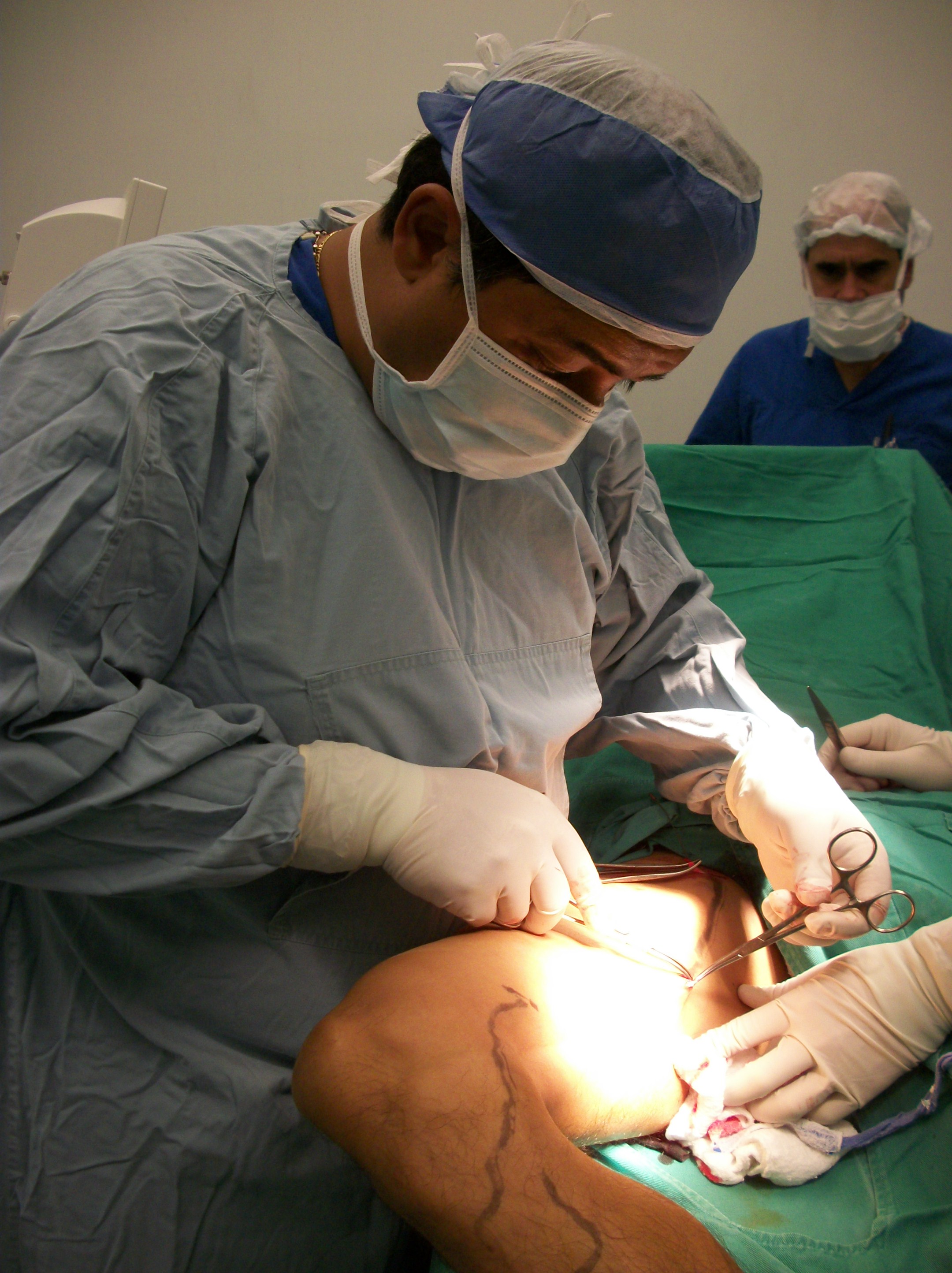
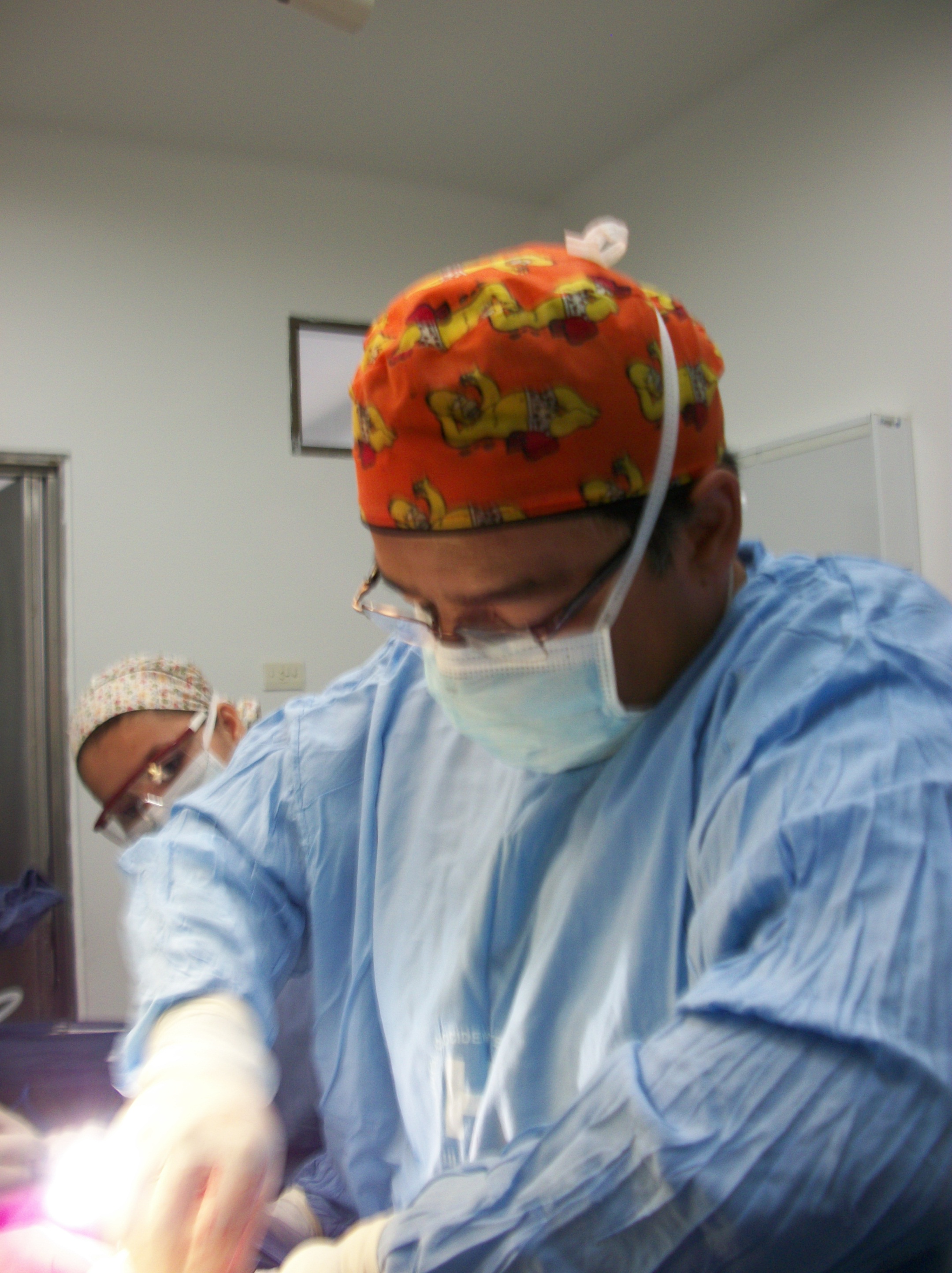
In the operating room with Dr. Mauricio Palaez, thoracic surgeon


Clinica del Country,

Caught up with Dr. Palaez one evening to accompany him to the operating room. As we previously mentioned, he is completing his vascular surgery fellowship this fall, and is a busy fellow indeed.  He has an upcoming trip to Barcelona, Spain for two months training in endovascular surgery prior to completing his fellowship this Nov/Dec.

When I caught up to him, Dr. Palaez was seeing consulting in the emergency room prior to heading to the operating room for a bilateral sympathectomy.

In the operating room,  all standard time out, and pre-operative protocols were followed.  Anesthesia in attendance with good heart rate control – and appropriate hemodynamics, no hypoxia.

Case completed quickly, surgical sterility maintained. No intra-operative issues.

Surgical apgar score 10 at completion of case.

Another fraudulent surgery clinic


this time in Los Angeles, where several individuals were posing as licensed physicians.  A sting operation was conducted after several patient complaints – and injuries.  The story in the Manila paper is here. The LA Times initially broke the story.

Notably, the clinic operators had posted fake degrees and credentials on the walls.  (This is why it’s important to independently verify credentials with state licensure boards).  Anyone with a scanner, and basic computer literacy can print up and fake any document they want..

I’ll keep posting these stories as a reminder for people to use credible sources for information about their doctors (such as well researched books like mine) or licensure boards.

(While most of the stories appear to originate in the United States I think this is probably just a result of our media interests – and what makes national and international headlines.  There are frauds everywhere, who just want people’s money – they don’t care if people get hurt or die in the process.

Unfortunately, many of these people operate for years before they get caught, if ever.

In international news, the need for investigation and medical scrutiny of medical tourism is becoming more and more apparent.  (I told you that Cartagena Surgery was a trendsetter.)  Now, if only we could translate that into book sales.

Putting your money where your mouth is..


or more accurately, less money – more like putting your health in the hands of the people I’ve spend the last year writing and talking about.

Many people have asked me that question – “Gee – but would you go to Colombia and have these physicians take care of you?”  And, it’s a legitimate question, after all – it’s all well and good to send other people to far off places (foreign countries!) when it isn’t your own health and well-being at stake.  But what would the writer do in a similar position?  So I’d like to answer that question here.

Yes, Yes, I would and yes, I have.  In fact, this very question is what prompted my investigations into health, medicine, surgery and surgeons in Bogota.  I don’t usually disclose this information because I don’t think it is germaine to the majority of the discussions (it is briefly mentioned in the book) – since most of my previous posts have been more on the basis of rational inquiry then personal accounts.  It’s also difficult for me to talk about private matters – but today, for the purpose of legitimacy and credibility, I’ve decided to set my privacy aside.

I usually omit the ‘personal experience’ because I find it less than helpful for patients since our experiences are not objective, but are rather colored with previous experiences, our culture and upbringing as well as our expectations.  I don’t believe in “patient testimonials”, per se because I feel it gives a false representation.  After all, a charismatic individual may not be as skilled or talented surgically as someone who is less loveable, so to speak.

But, I do think that it’s important in this instance for me to share some of these experiences with readers, because it speaks to the validity of my research – I have interviewed and been in the operating room with these individuals, and have knowledge that many of you (the readers) are not always privy to.  And knowing all of this, I elect to return to Colombia to see my surgeon here.

This week, I am having another CT of the abdomen to follow-up on a medical ‘issue’ I experienced while living on the island of St. Thomas.  Immediately after being diagnosed with this problem – when I had the choice of seeing doctors in nearby Puerto Rico, or Miami (where Caribbean patients often seek care) or going home to Duke – I chose to come to Bogotá.  I didn’t do it for cost – though as a person with very poor health coverage, that was certainly a factor, I did it as both part of my research and because of the absolute confidence I had in one of the surgeons I had met during the writing of the first book, in Cartagena.  (Dr. Hector Pulido).

After a month of worry (okay, to be honest – terror) while I wrapped up my life in the Virgin Islands – my first peace came as our plane landed in Bogotá.  I still had worries about my health, but I felt calmer than I had in weeks – since the first, fateful CT scan showed a rare abnormality.  This sense of security and well-being only increased with my interactions with the staff at Santa Fe de Bogotá, and under the care of my surgeon, Dr. Roosevelt Fajardo.  He had already communicated with me prior to my arrival by email, viewed my medical records and conferred with several other specialists.

Now, admittedly, my experience is colored by the outcomes, and I was extraordinarily lucky, for someone in my position.  I had been tentatively diagnosed (at my home hospital) with a serious malignant illness – and was gifted with a new diagnosis of a rare, but benign condition instead, which has made no impact on my daily life.  I take no medications, there is no sequelae or complications – and it appears that it is just a variation of ‘normal’ that woud have never been discovered if I hadn’t originally become ill in St. Thomas and had a CT scan*.

But, I know, in my heart of hearts, that had the outcomes been different – I still would have been in great hands – with caring, compassionate individuals who understood my fears and concerns.  That is worth its weight in gold – but being in Colombia, the entire experience cost considerably less than that.

I can also say – that if I ever needed heart surgery, lung surgery or any number of procedures (who know?  plastic surgery may be in my future..) that I wouldn’t hesitate to place myself in the care of any number of the fine surgeons profiled in my book.

* Transitory illness, now fully recovered and unrelated to current care.

Now in today’s litigious society, I probably need to put some sort of disclaimer that my results are not typical – usually people turn out to have the maladies they were originally diagnosed with.  But as I said – it’s a rare circumstance, and I had the benefit of having multiple specialists confer in my case – so as I said, I was lucky.  I also probably need to make a statement about safety and surgery, such as surgery always carries risk – and that bad things can happen no matter how great your surgeon is, or how good the facility is.  I hate having to put this stuff because people comes to me for answers, but unfortunately, there are no guarantees when it comes to things like this.  I hope I haven’t offended my readers, and I apologize because I feel that having to make these disclaimers cheapens the message.

Update:  18 August 2011

Dr. Fajardo contacted me this afternoon a few hours after my CT scan.  Results of my follow up CT scan show everything is indeed unchanged and remains a benign, if uncommon variation of normal.   This is greatly relieving, but more than that – part of a consistent pattern of genuine care and excellence in medicine.

Sorry to my friends at the paper – whom I had promised an in-operating room exclusive, if the situation had changed.  (Sorry for them, not for me!)

I hope that by sharing this more personal experience, I have been able to give some of my readers a little different perspective than what they are used to seeing here at Bogota Surgery.

Another sad story


of a preventable/ unnecessary plastic surgery death in a young woman in Massachusetts.  In this instance – yet again – the ‘surgeon’ performing the breast augmentation wasn’t a surgeon at all – he was a “family practitioner”.

He may be a doctor – but specialty specific training is an absolute must – along with board certification.  Medical doctors (in medicine specialties) as opposed to surgeons spend only a very limited time in the operating room during medical school, primarily as observers.  This is not adequate preparation!

Board certified specialty trained surgeons on the other hand, spend years training in the operating room – performing surgeries under the direct supervision of more experienced surgeons before completing their surgical residencies.

Please do your homework – as we’ve discussed in several previous posts; research your physician and evaluate all health claims.  Your life, health and well-being are a stake.


Interview


Just had a really nice visit with James Gherardi, and his cameraman from the local TV station, WSET – 13 to talk about the book.  Now if only all my poise hadn’t suddenly fled – leaving me an awkward mess!  Gratefully, all my loyal readers know that despite all outward appearances, I really am a capable, competent individual with full use of my faculties.

Lets hope viewers are as kind.

It is scheduled to air as just a quick segment this evening at 6pm.. and let me warn my devoted readers – yes, I had a hair tragedy, but it’s only temporary (and for a good cause!)..

The Chicago Tribune, Medical Tourism and Patient Safety


The Chicago Tribune recently published an article about medical tourism  by Alexia Elejalde Ruiz that quotes Joseph Woodman pretty heavily.  He writes about medical tourism and quality but from more of a statistical and policy perspective (no medical background.)

The article was written to give tips to potential medical travelers, and mentions JCI accreditation and standards etc.  I think this shows a growing awareness among the media and consumers that there is a need to regulate this industry to protect patients from harm.

Unfortunately, this article did not go into more detail, and despite mentioning Colombia in the article subtitle, there was nothing further about Colombia in the article.

Too bad – as my long time readers know – my entire purpose and mission in writing and researching this book was to provide consumers with exactly this sort of information  – from first hand observation.

World Health Information & Patient Safety


As Bogotá Surgery readers know, we were just talking about the  relevance of hospital rankings, and scorecard criteria for patient safety and optimal patient outcomes.  In particular, we were talking about the use of this criteria  (along with Core Measures) as just one of the ways surgeons, hospitals and surgical programs are evaluated for Bogotá! a hidden gem guide to surgical tourism.

Now several news outlets have picked up the story under the headline, “Hospitals riskier than airplanes.”

Single incision laparoscopy revisited


A new abstract published [ and re-posted below] in advance of the article – confirms what Bogotá surgeons already know –

Uniport or single incision laparoscopy is a safe, effective surgical treatment which reduces post-operative pain, length of stay and recovery time for patients while providing better cosmetic outcomes.

Surprising to me, it seems there is still hesitation among surgeons in the United States to adopt this technique for routine procedures such as appendectomy, or cholecystectomy.  In fact, during a recent multi-day tour of Duke University – I was unable to find out information/ or confirm the use of this technique by a single surgeon in the facility.  [My methods were by no means definitive or scientific – I questioned surgeons and anesthesiologists but it’s possible that surgeons using this technique were not identified.  However, the majority of people I spoke to didn’t know what SIL was, and required a description of the procedure, which adds to my suspicions that this procedure is not being performed at Duke.   I will be back at Duke later this month, and will continue to investigate.]  if true, this is a significant finding, and failure in American surgery – Duke is one of the leaders in surgical innovation and emerging therapies.

Now the abtract below talks about increased surgical time – which is true, initially as surgeons learn the technique.  However, as surgeons become more experienced in this procedure, this is no longer the case. In the cases I observed in Colombia, there was no increase in surgery time – but the surgeon has been performing this technique for several years.

Correction:  Despite what I was initially informed – Duke general surgeons do use SILS, and use the single incision laparoscopy approach as part of their living donor kidney transplantation.    I apologize for the error. 

Abstract re-posted below:

 Single incision laparoscopic cholecystectomy (SILC) versus laparoscopic cholecystectomy (LC) – a matched pair analysis

Source

Department of Surgery, Krankenhaus der Elisabethinen, Fadingerstrasse 1, 4020, Linz, Austria, odogangl@yahoo.com.

Abstract

INTRODUCTION:

The aim of our study was to compare single incision laparoscopic cholecystectomy (SILC) and laparoscopic cholecystectomy (LC) with respect to complications, operating time, postoperative pain, use of analgesics, length of stay, return to work, rate of incisional hernia, and cosmetic outcome.

METHODS:

Sixty-seven patients underwent SILC. Of a cohort of 163 LC operated in the same time period, 67 patients were chosen for a matched pair analysis. Pairs were matched for age, gender, ASA, BMI, acuity, and previous abdominal surgery. In the SILC group, patient characteristics (gender, age, BMI, comorbidities, ASA, previous abdominal surgery, symptomatic cholecystolithiasis, cholecystitis) and perioperative data (surgeon, operation time, conversion rate and cause, intraoperative complications, postoperative complications, reoperation rate, VAS at 24 h, VAS at 48 h, use of analgesics according to WHO class, and length of stay) were collected prospectively.

RESULTS:

Follow-up in the SILC and LC group was completed with a minimum of 17 and a maximum of 26 months; data acquired were recovery time the patients needed until they were able to get back into the working process, long-term incidence of postoperative hernias, and satisfaction with cosmetic outcome. Operating time was longer for SILC (median 75 min, range 39-168 vs. 63, range 23-164, p = 0.039). There were no significant differences for SILC and LC with regard to postoperative pain measured by VAS at 24 h (median 3, range 0-8 vs. 2, range 0-8, p = 0.224), at 48 h (median 2, range 0-6 vs. 2, range 0-8, p = 0.571), use of analgesics, and length of stay (median 2 days, range 1-9 vs. 2, range 1-11, p = 0.098). There was no major complication in either group. The completion rate of SILC was 85.1% (57 of 67). Although there was a trend towards an earlier return to the working process in patients of the SILC group, this was not significant. The rate of incisional hernias was 1.9% (1/53) in the SILC and 2.1% (1/48) in the LC group indicating no significant difference. Self-assessment of satisfaction with the cosmetic outcome was not judged different by patients in both groups.

CONCLUSION:

SILC is associated with longer operating time, but equals LC with respect to safety, postoperative pain, use of analgesics, length of stay, return to work, rate of incisional hernia, and cosmetic outcome.

Langenbecks Arch Surg. 2011 Jun 22. [Epub ahead of print]

Bogota Surgery and the International Medical Travel Journal


Thanks to the eagle-eyed reader who notified me that portions of one of my articles “Bogotá hospital offers hope to abdominal cancer patients” (originally published on Colombia Reports.com) was featured in the article, “Agencies promote Central and Southern American medical tourism.”

I’ve asked them to provide a link to the original article so readers can get more information on the topic.

Update: 29 June 2011: Here’s a link to the new article on Treatment Abroad (which is an International Medical Travel Journal sister site) that gives their readers the information they really need. (The name of the doctor, of course!)  It’s a summary of the original Colombia Reports.com article. They still haven’t cited the ‘borrowed’ content on the original article, or provided the name of the physician doing the treatment (Dr. Fernando Arias) but I guess it’s an improvement.

Liposuction in a Myrtle Beach apartment


Another case of sketchy plastic surgery reported – this time in Myrtle Beach, South Carolina.   Yet again, I would like to caution readers about seeking ‘cheap’ plastic surgery on the internet.  (I’m not saying don’t look – please do!  But look smartly.)  This doesn’t only apply to plastic surgeons, but to all surgeons, physicians, and healthcare professionals.

‘The internet’ is not all the same – the grade of information can vary widely from scientific journals (highly reputable/ reliable) to fiery but heavily opinionated blogs (unreliable/ unscientific) to frankly fraudulent such as in this instance (in the story above).  People need to use caution, due diligence and common sense when researching anything, but particularly medical information on the internet.  You need to do your homework.

There are a few things to consider when researching medical information/ providers on the internet.

1.  Is the information independently verifiable?  (and by what sources?) 

As a medical writer – this is a huge portion of my job – verifying the information obtained during interviews, etc.  But when you are looking to purchase goods or services – you need to do a little investigative work yourself.  Luckily, once again – the internet makes this simple.

The first thing you should investigate is – the person making the claims/ and what their focus is.  Use this website for an example, if you like.  So take the following information (below) – that is easily available on the site..

(If this information isn’t readily available on the site – that should make you suspicious.  “Anonymous” blogs or hidden author websites are NOT reputable.  People with valid, truthful information have nothing to hide, and are not ashamed to stand by their work/ writings.)

so you’ve gathered the following information  from the site:

Author – XXXX   credentials claimed/ authority source:  Physician (MD/ DO etc.)

Product or service advertised on the site:  surgical procedure XX

Use this information to answer the following questions:

1. Who is this person?

2. How do they know this/ what special knowledge do they possess?  (for example – a hairdresser shouldn’t be giving medication advice)

3.  Can I verify this?

– Medical personnel can be verified thru state licensing boards. 

Some states make this easier than others, but ALL states have this information available to consumers.  So go to the website of the licensing board (medical board for doctors, nursing board for nurses) and look the person up.

In this example, I am currently licensed in several states – so pick one, and do an internet search for the board of nursing for that state.  (Tennessee is particularly easy since they post educational information, license violations etc. on-line).  If this licensing information isn’t easy to find on the website, call the board.**

If the website (ie. plastic surgery clinic) lists an address – use that state for your search.

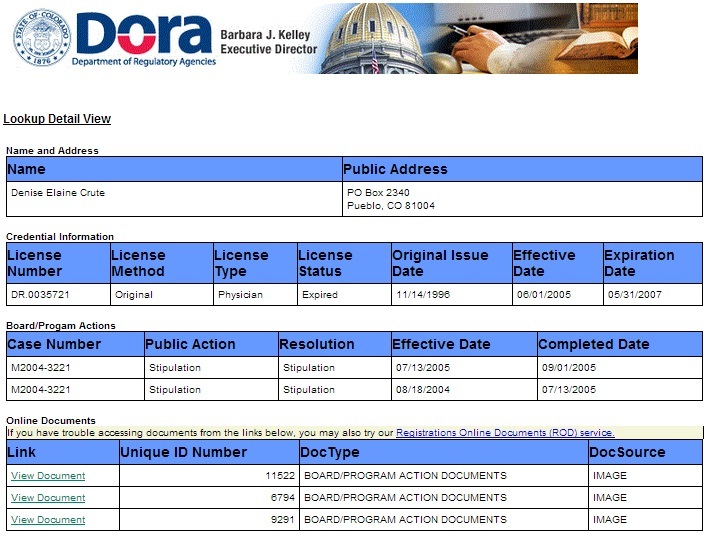
In another example – as seen below – we’ve looked up a surgeon at the Colorado Medical Board.

Looking up a medical license

Looking up a medical license

– All physicians should be licensed in the state of practice (where their clinic is.)  If they aren’t licensed in that state – STOP and find another provider.  Even if the doctor claims to be from another country, he or she is STILL required to have an active license in the state they are working in.**

Here is an example of physicians sanctioned by the Texas medical board (all of this information is freely available on the internet for your safety.)


Here is another example of a surgeon with multiple medical board actions against her.
licence details

license details

Many of the state medical boards will let you read the complaints, actions and disciplinary measures against physicians licensed in that state.  However, some states allow physicians under investigation to ‘surrender’ or inactive their license to avoid having disciplinary measures recorded.

– All surgeons, or specialty doctors should also be listed with specialty boards – such as the American College of Surgeons, or the American Society of Plastic Surgery(While membership is not mandatory, the vast majority of specialty trained surgeons maintain memberships in their specialty organizations.)  Other things to consider while investigating credentials:

Do the credentials match the procedure?  (Is this the right kind of doctor for this procedure?)

These credentials should match the procedure or treatment you are looking for: such as Plastic surgeons advertising breast augmentation.

This may sound obvious but it isn’t always the case.  (for example:  dermatologists shouldn’t be doing eyelid lifts or plastic surgery, primary care physicians shouldn’t be giving Botox injections, general surgeons shouldn’t be performing lung surgery etc.)
If you aren’t sure what procedures the doctor should be performing, look at the specialty surgery board – it should list the procedure.  i.e plastic surgery and liposuction.

4.  After verifying this information, it is time to do a basic internet search on the individual.  To do this – perform both a Yahoo! and Google search.   This should give you at minimum, 10 to 15 results.

These results should include several non-circular results.  “Circular results” are results that return you to the original website, or affiliated websites.   For example: Using the information from above – both Google and Yahoo! return several results that link directly to this website.  These results also return links for the sister sites.  All these of these are circular results – that return you to the starting point without providing any additional outside information.

However, if you scroll down the results:  outside links should appear.  These should include articles/ publications or scholarly work.  Other search results may include more personal information, social networking sites and other newsworthy articles.  This gives you a more comprehensive picture of the provider.

One of the things we should mention, is patient testimonials.  While many providers include extensive patient testimonials, I disregard these for several reasons:

– There is usually not enough information to verify the authenticity of these patient claims.  “I love my doctor. He’s a great surgeon.” – Gina S.  doesn’t really tell you anything.  In particular, there is no way to verify if there really is a Gina S. or if she is a fictitious creation of the website author.  (There have been several cases where people working for the doctors have created ficticious accounts including before and after photos talking about procedures that they never had).  Don’t be lulled into a false sense of security with patient testimonials.

– Some people use blogs, or message boards for the same purpose, and the same caveats apply.

– Another reason that patient testimonials are not useful in my opinion, is that patients (and their families) are only able to provide subjective information.  Several of the cases in the news recently (of fraudulent individuals posing as doctors) had several “happy patients’ to recommend them.  Patients, for the most part – aren’t awake and able to judge whether the surgery proceeded in a safe, appropriate fashion.  The testimonials are merely a comment on the physician’s charisma, which may give future patients a false sense of security.

I’ve finished my search – Now what?

   Use commonsense:

– Surgical treatments should be performed in an appropriate, sterile environment like a hospital or freestanding clinic.  A reputable surgeon does not operate in the back of a motor home, a motel room or an apartment.  (All of these have been reported in the media.)  If the setting doesn’t seem right – leave.  You can also investigate the clinic.

– Bring a friend.  In fact, most surgeons will require this, if you are having liposuction or another large procedure.  Doctors don’t usually drive their patients around (as was done in several recent cases.)  The exception to this rule is medical tourism packages.  These packages often include limousine transportation services but these services are provided by a professional driver (not the doctor, or ‘his cousin’).  Your friend/ companion is not just your driver – they are also there to help feel out the situation.  If something seems amiss – do not proceed.

– if the price is too cheap – be suspicious.  If every other provider in the same location charges a thousand dollars – why is this doctor only charging a hundred dollars? Chances are, it’s not a sale – and he/ she is not a doctor.

– Use reputable sources to find providers – Craigslist is not an appropriate referral source.

– Are the claims over-the-top?  Is the provider claiming better outcomes, faster healing or an ‘easier fix’ than the competition? (We will talk more about this in a future post on  “miracle cures’ and how to evaluate these claims.

I hope these hints provide you with a good start to your search for a qualified, safe, legitimate provider.  The majority of health care providers are excellent, however the internet has given criminals and frauds with an easy avenue to lure/ and trap unsuspecting consumers.

** The majority of cases that have been recently reported have taken place in the United States (Nevada, New Jersey, Florida and South Carolina.)  Many of the people perpetrating these crimes have posed as Latin American surgeons to capitalize on the international reputation of plastic surgeons from South America.  They also used these claims to try and explain away the lack of credentials.  A legitimate doctor from Brazil,  Argentina, Colombia, Costa Rica or another country, who is practicing in the United States WILL HAVE an American license.

Additional references/ stories on fraudulent surgeons.

(Hopefully this section will not continue to grow)

More on the Myrtle Beach story

Myrtle Beach – a nice article explaining why people should see specialty surgeons

Basement surgery

Article on unlicensed clinics in Asia (medical tourists beware!)

A truly bizarre story about unlicensed dentistry in Oregon

Additional references:

American College of Surgeons – lists doctors distinguished/ recognized as “fellows” in the academic organization, and provides a brief summary of specialties.

Plastic Surgery: Breast Augmentation news


For all of my devoted readers, who have been wondering what I have been doing since I returned from my latest trip to Bogota:

Still traveling around, still interviewing surgeons whenever I get the opportunity.  Today, I spent the day in the operating room in Fresno, California watching a very large cardiac surgery case (Aortic valve replacement/ Mitral valve replacement/ Tricuspid Repair (annuloplasty) with multi-vessel bypass) with Dr. Richard Gregory, MDa native Fresno resident and cardiothoracic surgeon at St. Agnes Medical Center, in a Stanford affiliated surgery program.  Today’s case seems to tie in (unplanned) with our previous discussions on valve surgery last week.  It was a great – but complex case.

The facility is a private boutique specialty hospital; elegantly appointed with large, well-lit operating rooms.  The surgeon was experienced and talented.  Most importantly, the patient did beautifully.

All international/ national protocols followed with pre-operative time-out (which consists of several criteria to meet the National Surgical Quality Improvement Project (NSQIP) requirement.  (More about this and the surgical apgar scoring system is detailed in Bogota! a hidden gem guide to surgical tourism).  Sterility was maintained throughout the case – and the patient’s hemodynamic needs were promptly and properly addressed.  Continuous Anesthesia / Perfusion monitoring through out the case.

Surgical Apgar scores not applied (not appropriate for this type of case.)

In other surgery news – this time, plastics and aesthetics – the Food and Drug Administration released a new statement today cautioning consumers on the use of Silicone breast implants.  Previously, the FDA had attempted to limit the use of silicone-filled breast prostheses but had been met with significant resistance from groups of consumers who preferred silicone implants over saline filled implants.

In the article (re-posted below) the FDA states that while previous concerns regarding health complications related to the use of silicone implants such as silicone toxicity/ silicone poisoning have not been validated – the FDA cautions that over 20% of women will need to have their breast implants removed within ten years of implantation.  This data confirms information provided during previous interviews with plastic surgeons, who stressed that breast implants are NOT a lifetime device, and several surgeons who stated, “Most patients will need the implants changed within ten years.”  [notably, during these physician inteviews – the plastic surgeons were not specifically talking about silicone breast implants.]

Article Re-post: Medscape

Long-term complications likely with silicone breast implants 

Mark Crane

June 22, 2011 — Silicone gel–filled breast implants are safe and effective when used according to their labeling, but the longer a woman has the implants, the more likely she is to experience complications, the US Food and Drug Administration (FDA) said in a new report released today.

“Breast implants are not lifetime devices,” Jeffrey Shuren, MD, JD, director of the FDA’s Center for Devices and Radiological Health, said during a telephone news conference. “One in 5 patients who received implants for breast augmentation will need them removed within 10 years of implantation. For patients who received implants for breast reconstruction, as many as half will require removal 10 years after implantation.”

Women with silicone breast implants will need to monitor their breasts for the rest of their lives. To screen for silent ruptures, women should undergo magnetic resonance imaging 3 years after implantation, and then every 2 years thereafter, Dr. Shuren said. Women with saline implants do not need regular imaging.

When the FDA allowed silicone breast implants back on the market in November 2006, it required manufacturers to conduct follow-up studies to learn more about the long-term performance and safety of the devices. The FDA’s report is based on preliminary safety data from these studies, as well as other safety information from recent scientific publications and adverse events reported to the agency.

The most frequently observed complications and adverse outcomes are tightening of the area around the implant (capsular contracture), additional surgeries, and implant removal. Other complications include a tear or hole in the outer shell (implant rupture), wrinkling, uneven appearance (asymmetry), scarring, pain, and infection.

Studies to date do not indicate that silicone breast implants cause breast cancer, reproductive problems, or connective tissue disease, such as rheumatoid arthritis, the FDA said. However, no study has been large enough or lasted long enough to completely rule out these and other rare complications.

“Most women report high levels of satisfaction” with their implants, Dr. Shuren said.

The FDA is working with the 2 manufacturers who make silicone breast implants, Allergan and Mentor, to address the challenges in collecting follow-up data on the women who have received these implants.

Approximately 5 to 10 million women worldwide have breast implants. In the United States, 296,203 breast augmentation procedures and 93,083 breast reconstruction procedures were performed last year, according to the American Society of Plastic Surgeons. About half the procedures used saline implants, and half used silicone implants.

Patients with either saline or silicone implants may have a very small risk for a rare cancer called anaplastic large-cell lymphoma (ALCL) adjacent to the implant. However, the risk is “profoundly small,” said Dr. Shuren. “Since 1997, there are only 34 cases in the published literature, and at most 60 cases out of the 5 to 10 million women with implants worldwide,” he said. “We don’t yet know if there is a causal link.”

When the FDA first released information about the risk in January, William Maisel, MD, MPH, chief scientist and deputy director for science in the FDA’s Center for Devices and Radiologic Health, said the evidence suggests that the kind of ALCL found in conjunction with breast implants is less aggressive and is sometimes treatable by simply removing the implant, the capsule, and the collected fluid.

“The FDA will continue to monitor and collect safety and performance information on silicone gel–filled breast implants, but it is important that women with breast implants see their healthcare providers if they experience any symptoms,” Dr. Shuren said. “Women who have enrolled in studies should continue to participate so that we may better understand the long-term performance of these implants and identify any potential problems.”

The FDA is holding an expert advisory panel in the next few months to discuss how postapproval studies on breast implants can be more effective.

The FDA will issue an update at a future date on saline implants, Dr. Maisel said.

All serious adverse effects should be reported to the breast implant manufacturer and Medwatch, the FDA’s safety information and adverse event reporting program, by telephone at 1-800-FDA-1088, by fax at 1-800-FDA-0178, online at https://www.accessdata.fda.gov/scripts/medwatch/medwatch-online.htm, or by mail to MedWatch, FDA, 5600 Fishers Lane, Rockville, Maryland 20852-9787.

The Future is Now – HIPEC in the news again..


Another article on the effectiveness of HIPEC (cytoreductive surgery with intraoperative hyperthermic chemotherapy) in the news.  This story comes out of India and highlights doctors there and the HIPEC procedure for treatment of abdominal cancers (intestinal and ovarian cancers.)

The Future is Now..  in an article on Medscape, dated December of 2010 and originally published in Future Oncology, Dr. Ze Lu et. al discusses the future of cancer treatment.  (The article is several pages in length – so I haven’t re-posted but reference information is provided below).  Dr. Ze Lu and his colleagues believe the future of oncology treatment is…. Intraperitoneal Hyperthermic Chemotherapy (HIPEC)..

In August, we’ll check back in with Bogotá’s resident expert on HIPEC, Dr. Fernando Arias.

Reference:

Lu, Z., Wang, J.,  Wientjes, G., & Au, J. (2010).  Intraperitoneal therapy for peritoneal cancer.  Future Oncology. 2010 (6) 10; 1625 -1641

Interview with Sanivisit in Reston, Virginia


This morning I met with executives from Sanivisit, a new medical tourism company based here in Reston, Virginia.  This company is affiliated with the Colsanitas corporation in Bogotá, Colombia.

I met with Mr. Alberto Ospina, a native Bogotano and President of Sanivisit and his colleague, Ms. Monica Wainbarg, Medical Tourism Advisor.  Both of them were very gracious and interested in this project.

I was surprised and pleased to see that both of these individuals have certainly done their homework.  In this past, I have had mixed experiences with medical tourism companies.  Some have been excellent, but others like the LaMontes, (interviewed for Cartagena surgery project) were blatant opportunists with little understanding or caring about the specialized needs of the medical tourist.

This was not the case with Sanivisit.  Both of the executives I met with have personally visited and met with all of the physicians involved.  They have toured and inspected travel facilities, and have arranged for VIP services for their clients.  As Mr. Ospina explained, “I’ve been in every hotel, measured the rooms, talked to the staff.  I make sure that rooms are clean, and comfortable.  I make sure that there is room for wheelchair accessibility. I talk to everyone. I make sure that everyone involved knows what we are doing.”

This includes arranging for transportation, diagnostic testing, doctors appointments, private nursing care after surgery, and even physician house calls, if needed.

Right now, they are trying to get the Colsanitas hospitals included in some of the medical tourism pilot projects (as alternatives to India) with several health insurance companies.  As readers know, several other large health insurance companies already support and encourage medical tourism excursions, and have establish separate divisions to assist medical tourism efforts.  (Unfortunately, in many cases these divisions exclusively work with Indian hospitals.  As we’ve discussed at Cartagena Surgery on multiple occasions, and published elsewhere on-line – India is a less than ideal location for American patients for several reasons.)

Since the company is in its infancy. the next year will be the trial by fire for Colombian medical tourism, Sanivisit and Colsanitas.  They seem like genuine, and caring individuals.  I wish them the best of luck.

In the future, I hope to interview some of their returning clients for readers here – to get their perspectives and experiences.

Disclosure: 

For the sake of absolute transparency and honesty, I would like to disclose that I have offered several of my articles on Medical tourism to Sanivisit for their use (with no compensation or remuneration.)

Update: October 2011

Sanivisit participates in medical tourism conference

Patient Safety & Medical Tourism


I’ve posted a link to an article talking about patient safety, and facility/ physician oversight in foreign medical facilities for patients seeking medical tourism options.

This is the rationale and purpose behind the both the Cartagena and the upcoming Bogotá books – that as an independent, unbiased reviewer and health care professional; I am able to observe, interview and evaluate facilities, surgeons and procedures for safety issues (and adherence to accepted national and international standards / protocols.)

This eliminates the uncertainty for patients seeking medical tourism; is the facility clean?  Are the physicians licensed?  Are the procedures performed according to accepted practices?

As a reputable, practicing health care provider with no secondary gain (other than book sales), patients can find a trustworthy source for this information.   I don’t work for the surgeons, the medical tourism companies or the governments of the host countries.  I don’t make a dime from these medical procedures – and have no vested interest in where patients ultimately seek care.

But, the development of infections, post-operative complications or other problems with medical tourism is bad for business (for the providers and facilities reviewed) so these facilities had a vested interest in letting me into their hospitals and their operating rooms.  They wanted me to see what they had to offer – particularly the facilities that are doing everything right..

(The facilities that weren’t following accepted practices invited me in, as well.  I think because they assumed that an American nurse wouldn’t know any better.)  That’s their oversight, and to your benefit – because I was able to observe and report my findings to you, my readers.

I think this is going to become a more popular and frequent practice – but hopefully the reviewers are going to be people like me; people familiar with the procedures and practices, and the operating room.  This is another separate issue – that has already reared its head.  There are several medical tourism books out there, including books that have made millions of dollars, written by arm-chair MBAs who looked at published statistics (only) and used this as the basis of their reports.. As everyone knows, published statistics are only part of the story, and can certainly be manipulated.

Physically viewing the facilities, talking to the surgeons and watching the procedures are the real test of how things function on a daily basis, and what care a patient should expect.

Friday, I am heading to Reston, Virginia to interview one of the people involved with the new Colsanitas medical tourism venture that we discussed in a previous post.  I’ve already been to the hospitals in Colombia (Clinica Colombia and Reina Sofia) and I’ve interviewed the surgeons involved, so I know the quality and care provided by the facilities involved.  But do they?  What rigor has this company performed to protect potential patients (and consumers of their services)?  In this case, I know that both the hospitals and the surgeons are excellent, but do they?  And how do they know this?   I’ll try to get answers to all of these questions and post them here for readers.

Medical Tourism in my own backyard..


New agreement with Colsanitas and a company in Northern Virginia is bringing Colombia to the author’s backyard..

Now, for more intimate details of the Bogotá Colsanitas facilities and the surgeons operating there – you’ll have to pick up a copy of Bogotá! The book is being reviewed right now, so we’re getting closer and closer to publication..

ProExport Replies to our inquiries..


First, I would like to give my sincere thanks to Gabriel Amorocho, who sought me out to address my concerns regarding ProExport.  He then made a special effort to follow up with me and to get all of my questions answered.

Since I was unable to meet any of the ProExport representatives during my stay in Colombia – I submitted a list of questions for your information.  I am posting the questions and the official answers from ProExport here.

Questions and Answers with Erick Forero of ProExport:

1.     What do you anticipate for the future of medical tourism in
Colombia?

Thanks to the high quality level of our health services, as well as the efficiency of its administration and management, Colombia has become an international leader in the health services sector, with the United States, the Caribbean islands and Ecuador as its main
clients.  The plan moving forward is to continue strengthening the sector, as well positioning the country even more as a health destination.

In addition, Colombia is now going through an excellent moment on the subject. Colombian health institutions have reached worldwide acknowledgement thanks to its state of the art technology, qualified personnel, customized attention, excellent service-lead times and competitive pricing.

The sector is currently working very strong on accreditation activities. While the country has its own accreditation system, there are some institutions working on their accreditation from the Joint Commission International (JCI).

So far we have two accredited institutions and around 15 in the process to enter the United States’ market.

2. How is the government promoting Colombia as a medical tourism destination?

The Government chose the medical services exports sector as a world-class industry, on the basis of which the Ministry of Trade, Industry and Tourism is conducting its activities around
creating tools to facilitate and overcome certain barriers that have been identified in the health field.

The duty-free regulation arose from the fact that sufficient beds were not available. Thus, the duty-free zones will increase the capacity by over one-thousand.

Furthermore, as part of its exportation promotion activities, Proexport Colombia is working very hard on positioning the country abroad by participating in events and arranging fam-trips where we bring insurers and facilitators to display our technology, infrastructure and the clinics.

3.     What do you see as the advantages of medical tourism in Colombia for North American consumers?

There are several reasons why Colombia is a health-tourism destination: First of all, it stands out at Latin American level thanks to its research on scientific and health topics; it has
established itself as an annual host for prestigious academic events, conventions, seminars and health training sessions; in addition to being pioneers in Latin America on the creation of its own health-accreditation systems (a total of 16 institutions have national accreditation and two have JCI international accreditation).

Colombia ranks first in Latin America in overall health system performance, and 22 in the world, according to the World Health Organization (WHO).

On the other hand, significant advancements have been made in the country as contributions to the medical world, such as the creation of the pacemaker (useful for certain heart
diseases), the Hakim valve (created to treat brain diseases) and the Malaria vaccination (a tropical disease that causes serious health problems in the region), among others.

Because of this, and thanks to the firm commitment to always guarantee the highest quality standards of health services, Colombia is one of the most attractive destinations world-wide for
health tourism.

4. I know Colombia has regulations in place restricting organ transplantation in Colombia to prevent black market sales.  Can you tell me more about that?

This is not a competency of Proexport Colombia. There is a regulation in place to give priority to national patients for transplants. The entity in charge is the National Health Institute. Its web
page is www.ins.gov.co.

5. Is Colombia planning to be represented at the Medical Tourism Association Congress in Chicago this October?

Who will be representing Colombia, and what will they be presenting?

We will be at the Convention in Chicago. The Colombian representation will be led by 10 institutions from the whole country. Proexport Colombia will coordinate the entire participation, thus we will have a stand with information regarding the country and four of
the participating clinics, which are all accredited and will have a stand. The best of the best from the country is going to be present at the event. They will be presenting their services, their export offer and the progress made in matters of infrastructure and technology acquisition.

6.    Is there anything specific you would like to pass along to Americans considering coming to Colombia for surgical procedures?

The offering found in Colombia by the foreign visitors coming to the country seeking these services is varied; however, the main sectors sought after are Cardiology, Cancer treatments,
Ophthalmology, Orthopedics, Dentistry, medical check-ups and plastic surgery.

Amongst the sales channels identified by Proexport, the entity in charge of exports, investment and tourism promotion in Colombia, we have the end user, insurers, facilitators and foreign doctors.

However, the arrival of new visitors into the country seeking these services is due to the various international conferences and conventions which take place, web-page promotions, insurer and
facilitator Fam Trips.

Bogota and Medellin are the main destinations for foreigners, followed by Bucaramanga, Cali, Santa Marta, Barranquilla, Cartagena and the Coffee Triangle.

Colombian Doctors are very experienced, and the majority of them have been educated in universities abroad.

We also have state-of-the-art technology and a one of a kind diversity of climates all year round, which is great for all patients.

In addition, thanks to our economy and exchange rates, we are very favorable in terms of costs, considering that health services are very costly and slow in other countries, while the opposite
occurs in Colombia.

Furthermore, we have good air-traffic connections with the United States.

7.      Can you explain the medical visa to me? Is a medical visa needed?

This is Foreign-Affairs Ministry issue.  But Colombia does not require a medical visa. If the treatment is a very lengthy one, lasting over six months, you must request a visa.

Thanks again, Mr. Amorocho, and Thanks, ProExport Colombia.

Bogota surgeons stay ahead of the curve


As we’ve seen several times before, Bogotá surgeons stay ahead of the curve on cutting edge treatments.  In the last several weeks, HIPEC or Hyperthermic intraperitoneal chemotherapy (Sugarbaker procedure) has been dotting the news headlines in the United States, and across the globe.

But as my readers here at Bogotá Surgery know, not only have we talked about HIPEC in the past – Dr. Arias has been performing this procedure at Fundacion Santa Fe de Bogota since 2009.  He reports he did eight cases in May alone.  (This is considered fairly high volume if you review the amount of cases being done at other centers.)

Planning to catch up with Dr. Arias and check in later this summer..

First Book signing date!


Getting ready to start the final editing process, so I can get the manuscript off to the printers.

I’ll be back in Bogotá  – at Authors Bookstore on Calle 70 No 5 -23 in August (August 18th).

I’d like to have an event here in Virginia but I am still working on the details.  I’ll post the dates and times when I have something scheduled.

Interview with Dr. Borraez, Bogota Bag: 27 years later


One of my new articles on Dr. Borraez has been published to Yahoo! (associated content section) – it’s shared content with the site..  I’ve also written two other articles, one of original content, so I’ll let you know if they get published.  I thought it might get a little more exposure this way.  I’ve written this trio of articles for Yahoo! as a trial run, so we’ll see how it goes..

Note:  Due to recent changes at Yahoo! this article link has changed.  I have updated the link to the new article link. Please let me know if you have difficulty accessing this article.

Images of Surgery in Colombia


I have published several Images of Surgery in Colombia to the web to give outsiders a glimpse into the operating rooms here in Bogota.  But since Yahoo! has overhauled their site – I will publish images here for readers, including photos from some of my other travels (Mexico, Medellin).

However, please do not use/ copy/ alter these images without my express written permission.  (All photos by K. Eckland)

This slideshow requires JavaScript.


Colombia as a medical tourism destination: my experiences & observations


I submitted an article on Colombia as a medical tourism destination to Yahoo! for publication.  The article discusses several of the factors I’ve mentioned before, and includes my observations from the last several months.  We’ll have to wait and see if they think it’s suitable for publication.. Of course, if they reject it – I’ll be sure to post it here, for all of you and your critiques..

Dr. Oswaldo Borraez, Trauma Surgeon


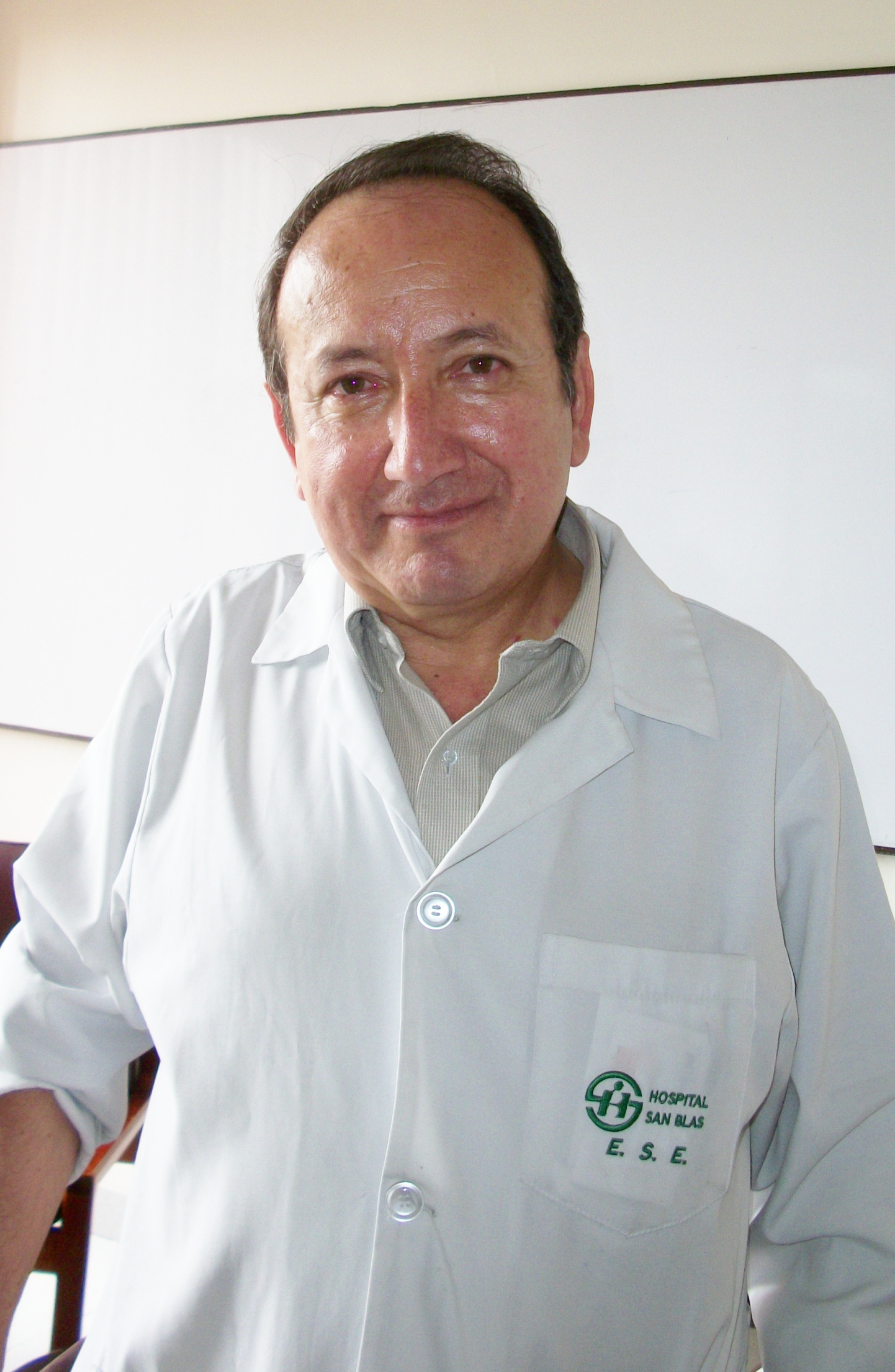
Most of you will never meet Dr. Borraez, a trauma surgeon at hospital San Blas, one of the public hospitals in the poorest neighborhood in Bogota, but now you will have heard about him.  In March of 1984, when he was a second year surgical resident Dr. Borraez , training at San Juan de Dios, Dr. Borraez was assisting in a surgical case with a patient that had a serious infection preventing closure of the abdomen.

Dr. Oswaldo Borraez, Trauma Surgeon, The Bogota Bag

(In cases of severe abdominal trauma, infection or necrosis closure of the abdomen can lead to the patient’s death due to compression of the abdominal compartment – leading to a sequelae of abdominal compartment syndrome —> internal organ hypoperfusion —-> organ failure  —-> respiratory distress —> death.  So basically all the swollen abdominal organs crush the blood vessels and other structures..)

During this case, the attending surgeon and the other operating room staff were looking for something to use to close the abdomen*.  Sometimes surgeons used sterile operating room towels but that increased infection and allowed for massive fluid losses, and the synthetic films were prohibitively expensive (and not without their own problems.)

So while he was in the OR, Dr. Borraez spies the IV bag, and starts thinking.. He then took the largest bag made (a urology fluid bag – 3 liters) sterilized it, and placed it in the abdomen.  And it worked – perfectly, as if it had been designed for that purpose..  It was clear, which allowed surgeons to monitor the wound, it was hypoallergenic, it prevented infection, it’s strong yet flexible and most of all – it was cheap (about 2 dollars) and available in any hospital – world-wide.

Since then, he has been recognized internationally for its use, especially after noted Atlanta trauma surgeon, Dr. David Feliciano came to Bogotá and saw this technique in use.  He wrote about it in standard American trauma textbooks used worldwide, gaining some well deserved recognition for this kind Bogotá physician, who continues to work and innovate (for the last 27 years) in this humble hospital serving Bogotá’s neediest patients.

He now speaks at conferences world-wide, talking about the Bogotá bag – and different ways it is now being used.  Hundreds of research studies and case reports have confirmed his findings.  His contribution was recognized as one of Colombia’s top ten innovations in Medicine, along with the Hakim valve (which we mentioned in another post.)

He has successfully used the Bogotá bag as a permanently implanted internal closure device (placed between the muscle and the intestines) in 55 patients with no problems.

He continues to innovate for more affordable and practical wound closure devices.  Currently, he has adapted a colostomy bag, along with a natural sponge and a suction canister as an effective wound-vacuum closure device, which mimics the success of the cost-prohibitive ‘wound vac’ (KCI) but only costs about a dollar to implement.  (Wound vacs can be several hundred dollars per day of use.)

Yet, somehow, in between seeing patients, surgery, creating affordable solutions and teaching residents – he found time to sit down, explain all of this to me – and show me several patients with their “Borraez bag” in place.

* a temporary measure until swelling / infection subsides and allows for surgical closure.

In other news, I want to say hello to one of ‘my patients’ – (I know he is reading this) Cristian, a very nice thoracic surgery patient that I met during rounds one day.  I tried to take a picture (he was very gracious and granted permission instantly) to show what a great guy he was – I met him as he was walking down the hall, chest tube canister in one hand,  and puffing on his incentive spirometer in the other.)

He, too, made time for me, a strange American nurse, speaking bad Spanish – to answer my questions and tell me all about why he was walking the halls and puffing on this little box.. He gave me a tour of the hospital while we walked, and he puffed intermittently, as I thought about how everyone, doctors, nurses and patients have been so welcoming to me here.  This kindness has certainly made this project not only possible, but a wonderful experience, that I will greatly miss when I return to the USA in a few days.

In the operating room with Dr. Rafael Beltran, Thoracic Surgeon


Dr. Rafael Beltran, Thoracic Surgeon

Spent the morning at the National Cancer Institute, which really is a pretty amazing place, with a pretty amazing guy – Dr. Rafael Beltran. He’s one of the many incredible people I’ve met here – that truly make the world a better place through their work. I could have spent all day with him, seeing patients, surgery, discussing his cases and research – (Heck – I’d love to work with him!) but unfortunately, I had to race across town after several hours for another interview..

Dr. Beltran (tall gentleman on the left) and his surgical team

I really like this picture here, I think it highlights one of the important aspects of surgery – the surgical team.. As you can see above, Dr. Beltran (left) certainly doesn’t work in isolation – and that’s his philosophy about cancer care – the surgeons from different specialties work together closely, along with oncologists, radiologists, hematologists, therapists and other specialties to give well-coordinated, and well-rounded care. While I was the operating room, I stood next to a shy young woman.. After I badgered her for a little bit – she told me her story. She’s a respiratory therapist – and she was watching the surgery, so she would better understand how to take care of her lung surgery patients – and to understand exactly what they had been through. Not often do surgeons find room in their ORs for respiratory therapists – but Dr. Beltran understands that by having this young woman here observing – she learned more today than she could ever glean from books.. By doing so – he’s integrated her into the surgical team, and that’s important when often today’s medicine is an exercise in fractured and fragmented care.

In the operating rooms all around us – the same thing was occurring, with orthopedics, plastic surgery, neurosurgery.. As you can tell – on all my visits to the National Cancer Center, I’ve been very impressed with the physician commitment and the level of care.

As I raced off – I received a text that the doctor I was next scheduled to meet had to go to another hospital – he offered to meet me there, but he had an emergency, so I thought it best to reschedule for when he had more time.  I’m really looking forward to talking to him – so I didn’t want him to be too distracted.. I get the best interviews when we can just sit down and talk..

Then – a thoracic surgeon we’ve talked about before – texted me that he had 2 interesting cases – did I want to go? So I spent he remainder of the afternoon talking with Dr. Juan Carlos Garzon, thoracic surgeon. I’m glad I did – because I had lots of questions from our previous interviews, and between cases, he spent the time to answer my lingering questions; about his practice, about thoracic surgery in general, and about Colombian medicine so it was definitely a worthwhile trip..

  Dr. Juan Carlos Garzon, Thoracic Surgeon..

The Future of Thoracic Surgery


Dr. Juan Carlos Varon in the bronchoscopy suite


Actually, this title sounds way too dire for the pleasant and relaxed day I spent over at Hospital Santa Clara, interviewing Dr. Barrios, Thoracic Surgeon and two Thoracic residents, Dr. Juan Carlos Veron and Dr. Carlos Carvajal.. But it’s essentially true as I talked to the up and coming Dr. Barrios, and the future thoracic surgeons… Dr. Barrios is currently involved in some very interesting treatments for metastatic cancer.

Dr. Juan Carlos Varon, unmasked

Dr. Carlos Carvajal

I also interviewed Dr. Juan Manuel Troncoso and his partner, Dr. Elena Facundo, two general surgeons who are currently involved in some interesting projects..

Last week in Bogota


well, everyone – my visa is expiring, I’ve spent my retirement, I’m physically exhausted, and I need a job – it’s come time for me to return home to the United States. But not before I cram in as many last-minute interviews as possible before my plane takes off in the early morning hours of May 16th.

My only regret is despite interviewing as many surgeons as I was physically able, it just wasn’t possible to meet and talk to all of the thousands (literally thousands) of surgeons here in Bogota.

For my last week, I have some great interviews lined up – going to meet with several more surgeons at Hospital Santa Clara, going to the operating room with Dr. Beltran from the National Cancer Institute and interviewing with the amazing trauma surgeon, Dr. Borraez, inventor of the ‘Bogota Bag’ aka the ‘Borraez Bag.’  I’ll be seeing Dr. Holguin, as well, from the first edition – to catch up as he now lives in Bogota part-time.

I’m still hopeful I’ll be able to slip in and see a few more surgeons – waiting to hear back now..

But I won’t be away from Colombia for too long!  I plan to be back in August, once I’ve completed the arduous task of editing the hundreds of pages of notes, and thousands of pages of additional materials – to present my book, here in Bogota, first – to all the people who have assisted me, took time out of their busy schedules to talk to an unknown nurse, and budding writer.

Even if I never sell a large amount of copies, I feel like I have accomplished a lot – I have brought some well deserved attention to some great physicians.  Many of these people do things, ever single day that would be considered extraordinary at home.  Others have invented or performed procedures that are used around the world to help others.  Others make the world, and Bogota, a better place, just by listening to their patients, giving freely of their time and caring.  That’s no small feat in today’s world of medicine, and for me, no small feat to write about.

I hope that the readers of this book are able to get a sense of the information I am trying to convey, and that it helps them with their healthcare decisions.  If I have done that, and sell ten copies – then I have succeeded beyond my wildest dreams.

Thank you to everyone following my blog, and I hope you’ve enjoyed reading it as much as I have enjoyed writing it!

Interview with Dr. Catalina Morales, Plastic & Hand Surgeon


Met with the very nice Dr. Catalina Morales yesterday evening to talk about Plastic, Aesthetic and Reconstructive Surgery.. Oh – and did I mention hand and maxillofacial surgery..

She’s very enjoyable to interview because she’s one of those people who really finds pleasure in what she does..  She likes to help people with reconstructive surgery, and she enjoys the satisfaction her aesthetic practice gives her patients..

Planning to go to the OR with her today – so we will re-visit the smiling, talented Dr. Morales later this afternoon..

Update:  In the operating room with Dr. Catalina Morales, at Clinica de Marly  7 May 2011

Dr. Catalina Morales at Clinica de Marly

Dr. Morales at Clinica de Marly during hand surgery

I also interviewed Dr. Casallas Gomez over at Santa Fe de Bogota, read about it in another post..

A tribute to Dr. Salomon Hakim


Dr. Salomon Hakim, the Father of Modern Neurosurgery died yesterday here in Bogota. I never had the privilege of meeting Dr. Hakim, and I was not an ardent follower of his work.

But I did have the pleasure of interviewing his son, Dr. Fernando Hakim . I had heard Dr. Salomon Hakim’s name mentioned in passing, so I had familiarized myself with him prior to meeting Dr. Fernando Hakim, thus I knew of his contributions to the treatment of hydrocephalus,  and the field of neurosurgery, and the development of the Hakim valve.  I had even gone by San Juan de Dios in downtown Bogota, and tried to imagine him, hard at work, in the now deserted halls.

I remember upon my first meeting with Dr. Hakim being daunted by his accomplishments, and then thinking, if I felt daunted by his achievements, what was it like to be the son of Salomon Hakim?

But, Dr. Fernando Hakim – he didn’t follow in his father’s footsteps.. He tread through them, and past them to build upon his father’s body of work, and create new innovations. That is the greatest tribute anyone could ever give Dr. Salomon Hakim, a man who dedicated his life to helping others.

New short on YouTube : The Thoracic Surgeons


New short film on YouTube featuring many of the thoracic surgeons you’ve seen profiled here on BogotaSurgery.org – Dr. Nelson Renteria, Dr. Stella Martinez, Dr. Andres Jimenez, Dr. Mario Lopez, Dr. Juan Carlos Garzon, and Dr. Ricardo Buitrago.

Hoping the next film is ‘live action’.

Dr. Beltran and Dr. Renteria, Thoracic Surgeons


Spent a fascinating morning over at the National Cancer Insitute with Dr. Rafael Beltran, the Chief of Thoracic Surgery.  Since the cancer institute is the biggest hospital specializing in cancer treatment – Dr. Beltran sees most of the rare and unusual cancers affecting the chest.  He also have a keen interest in tracheal surgery, and has published (in collaboration with Dr. Barrios) several articles on the topic recently.  (Guess we’ll have to tap into his expertise for a guest publication over at CirugiadeTorax.org)

Hoping to follow him to the OR next week.

Then I spent the afternoon over at Hospital de Kennedy with Dr. Nelson Renteria.

Dr. Nelson Renteria, Thoracic & Vascular Surgeon

Today he performed a VATs decortication for a stage III empyema (which is one of my favorite cases – but that’s another discussion entirely.)  Going back tomorrow to see some of his vascular cases.

Dr. Renteria in the operating room

Meeting of the minds – thoracic surgery


Attended the monthly thoracic surgery meeting led by Dr. Juan Carlos Garzon yesterday for case discussions.. Several interesting cases presented.  More importantly, I met and set up interviews with the last few thoracic surgeons; Dr. Beltran and Dr. Rodolfo Barrios (that I hadn’t met previously).  Should be an interesting week in the south end of the city..

On the topic of thoracic surgery – I am soliciting articles from thoracic surgeons, and other practitioners on the site – not just here in Bogota, but from around the world as part of the mission of the site.  I’ve already had some great feedback from some American surgeons.

Over at cartagena surgery we are talking about the recent announcement by the International Diabetes Federation on treatment recommendations for diabetes including the endorsement of Bariatric Surgery.

Dr. Nelson Renteria, Thoracic and Vascular Surgeon


What a delightful afternoon with Dr. Renteria and Dr. Cecilia Villasante (Radiology)!  Dr. Renteria works at the Centro Vascular del Country, which led me to suspect that he may no longer practice thoracic surgery.. But, happily, I was wrong.

While I enjoy meeting all the wonderful and interesting people from all surgical specialties (like the orthopedic surgeons I met with today), I can never deny how much I enjoy talking to people from my home specialties.  Maybe it makes me a little less homesick for my patients because it’s all so familiar.. And it’s always thrilling to meet people who find empyemas,  VATS and all these other things thoracic as interesting and engrossing as I do, especially when you meet people like Dr. Renteria, who still loves what he does as much as I do.  He still enjoys discussing cases, and has a real enthusiasm for his patients.

And – He does esophagectomies!  (Not many thoracic surgeons in Colombia perform esophageal surgery which is kind of like the ‘open heart’ surgery of thoracics*.)  He completed his fellowship training in esophageal surgery at Toronto General Hospital with Dr. Pearson (Dr. F. Griffith Pearson of Pearson’s Thoracic and Esophageal Surgery) and currently does esophagectomies here in Bogota.  (This is much bigger news than it sounds – finding qualified thoracic surgeons that perform an adequate number of esophagectomies can be difficult even in large centers.  Currently, in my home state of Virginia  – University of Virginia is home to the largest esophageal surgery center with three dedicated thoracic surgeons.  Even my beloved Duke only does about 75-76 cases a year.)

So, I admit I lost a bit of my professional cool (if I ever had any).  I was like a kid in a candy store – talking about pre-operative optimization, Ivor -Lewis versus Transhiatal approaches, node dissection and other minutiae that I enjoy.

I must say – I am looking forward to following him to the operating room soon!

** Studies show a significant decrease in morbidity and mortality when esophagectomies are performed by thoracic surgeons (versus general surgeons).

The Department of Orthopedics at Clinica San Rafael


Dr. Victor Lizcano, Chief of Orthopedics

Spent the day with several surgeons from the Department of Orthopedics at Clinica San Rafael – which has a city-wide reputation for excellence.

Dr. Victor Lizcano, MD is the charming Chief of Orthopedics who opened his busy, 11 surgeon department to me. I watched surgeries, talked to patients, reviewed films, and interviewed the surgeons in his department, with free rein.

Orthopedics surgical team; two instrumentadors and 4th year resident (center)

Dr. Maria Angela Gomez, MD, a busy surgeon who nevertheless took the time to talk to me; manages dual practices; both as a plastic surgeon (at Clinica de Marly) and an orthopedic (hand) surgeon. She’s currently involved in a very interesting research project – tell you more about it later… A very fascinating lady.

Dr. Martha Pincon, MD an orthopedic surgeon specializing in foot and ankle surgery, also a very interesting and enjoyable surgeon.

Dr. Martha Pincon, during a complex case at Clinica San Rafael

There’s a lot more to tell – but I have another interview in a few minutes..

The Latest Compilation


Enjoy – a short ad for the Bogota Guide to Medical Tourism featuring Bogota’s Hottest Young Surgeons – including Dr. Juan Pablo Umana, Dr. Ivan Adolfo Santos, Dr. Juan Carlos Garzon, Dr. Freddy Sanabria and Dr. Felix Castro. If you haven’t heard about Bogota’s best and brightest – you haven’t heard anything yet.