Spending the day with Dr. Gabriel Ramos, Oncology Surgeon


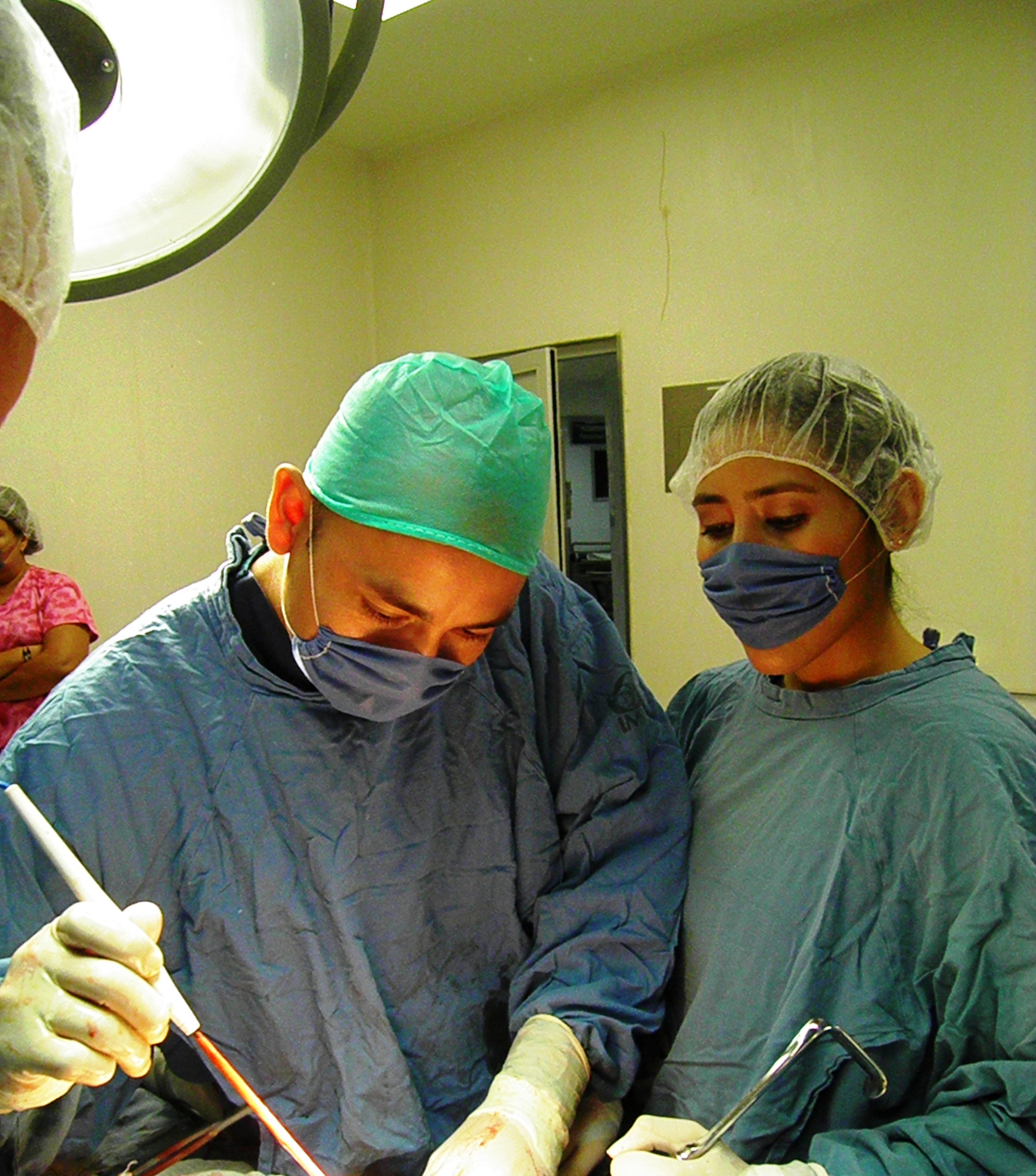
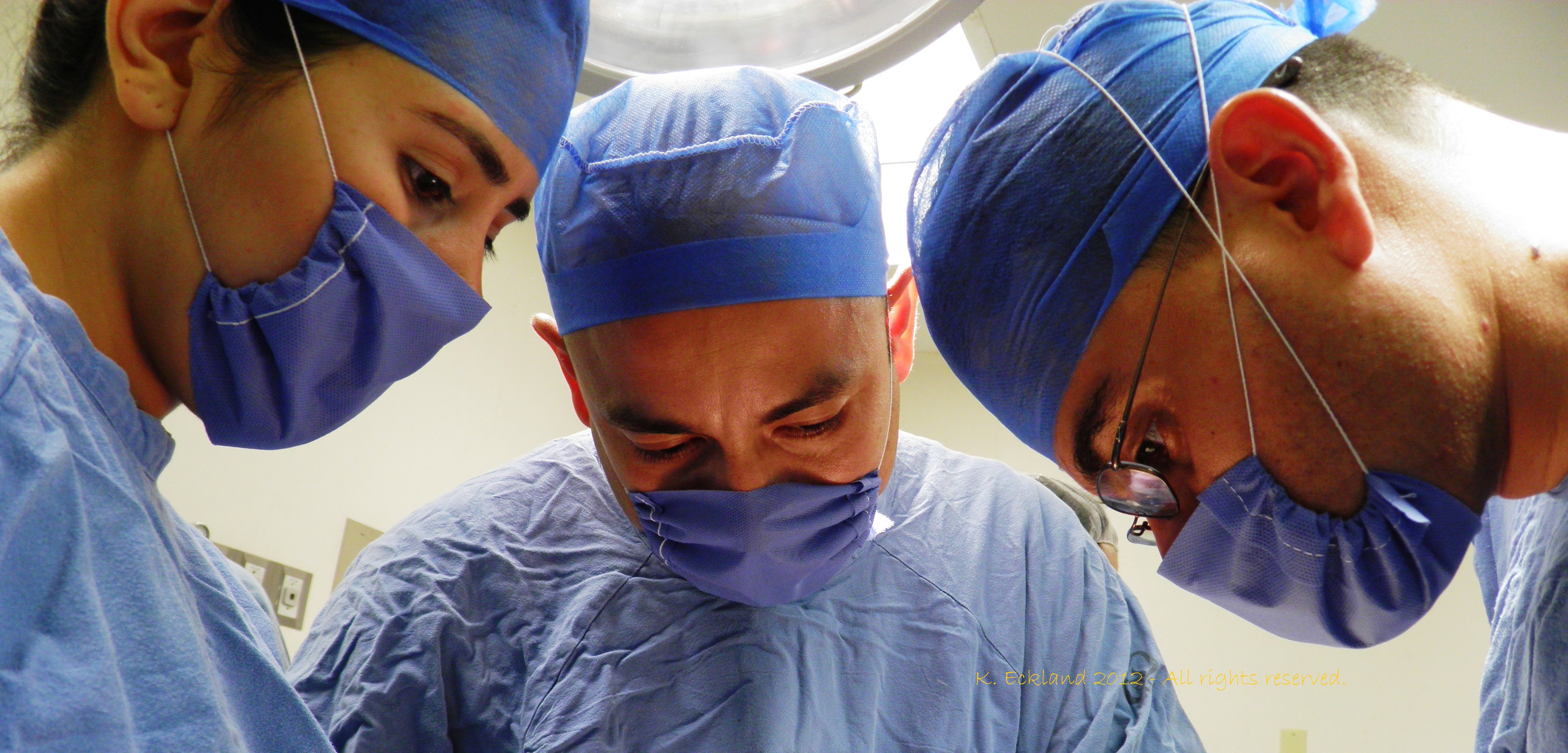
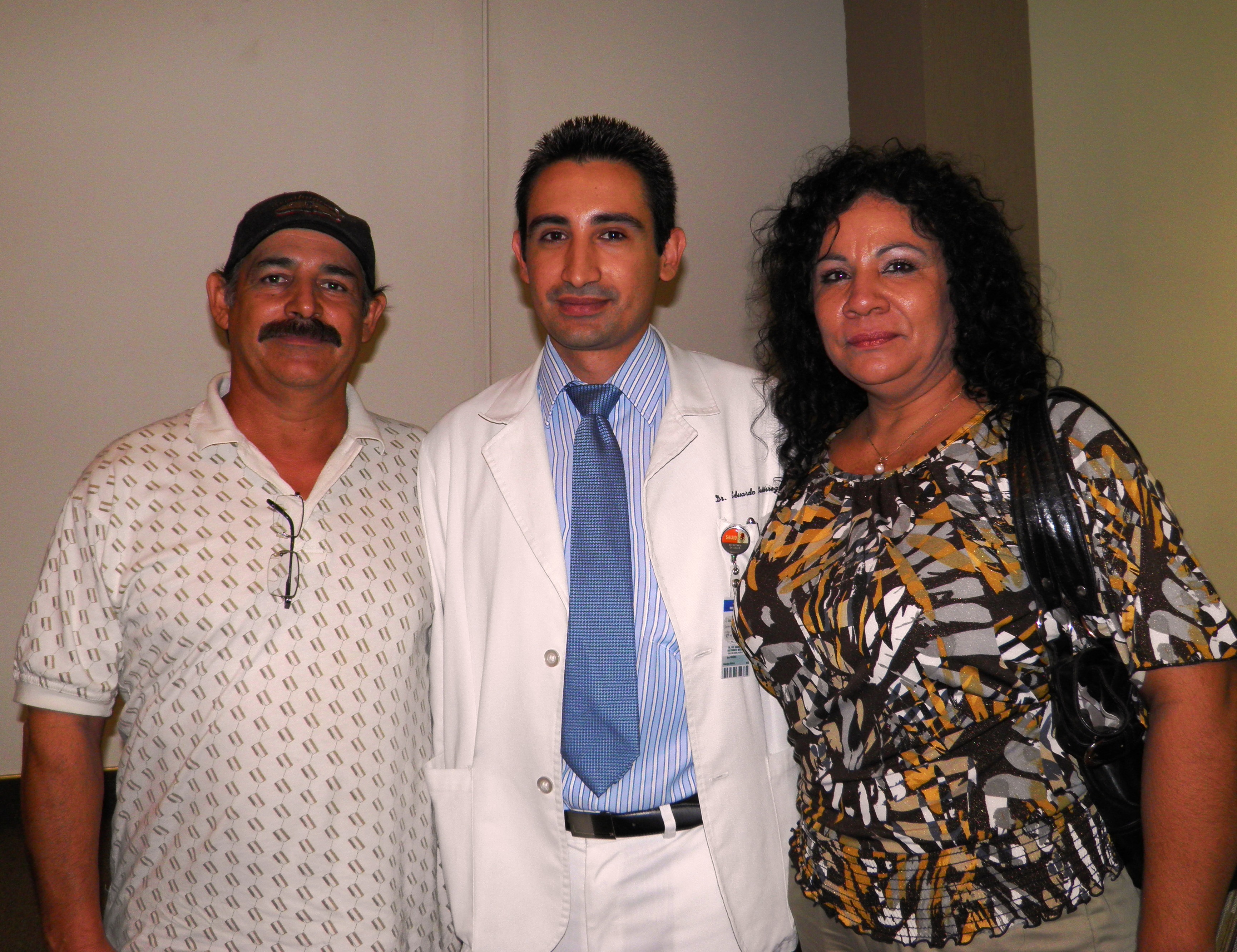
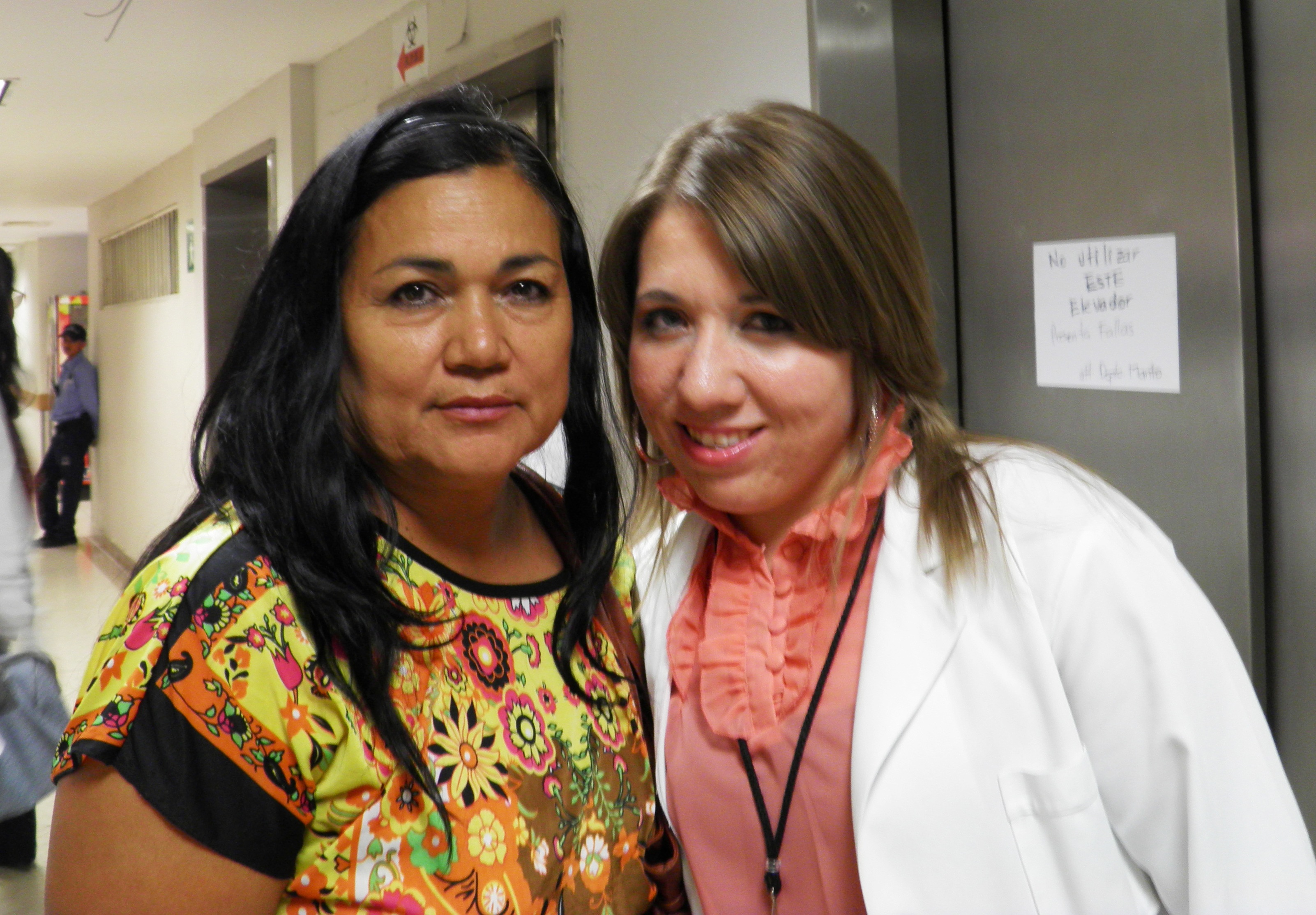
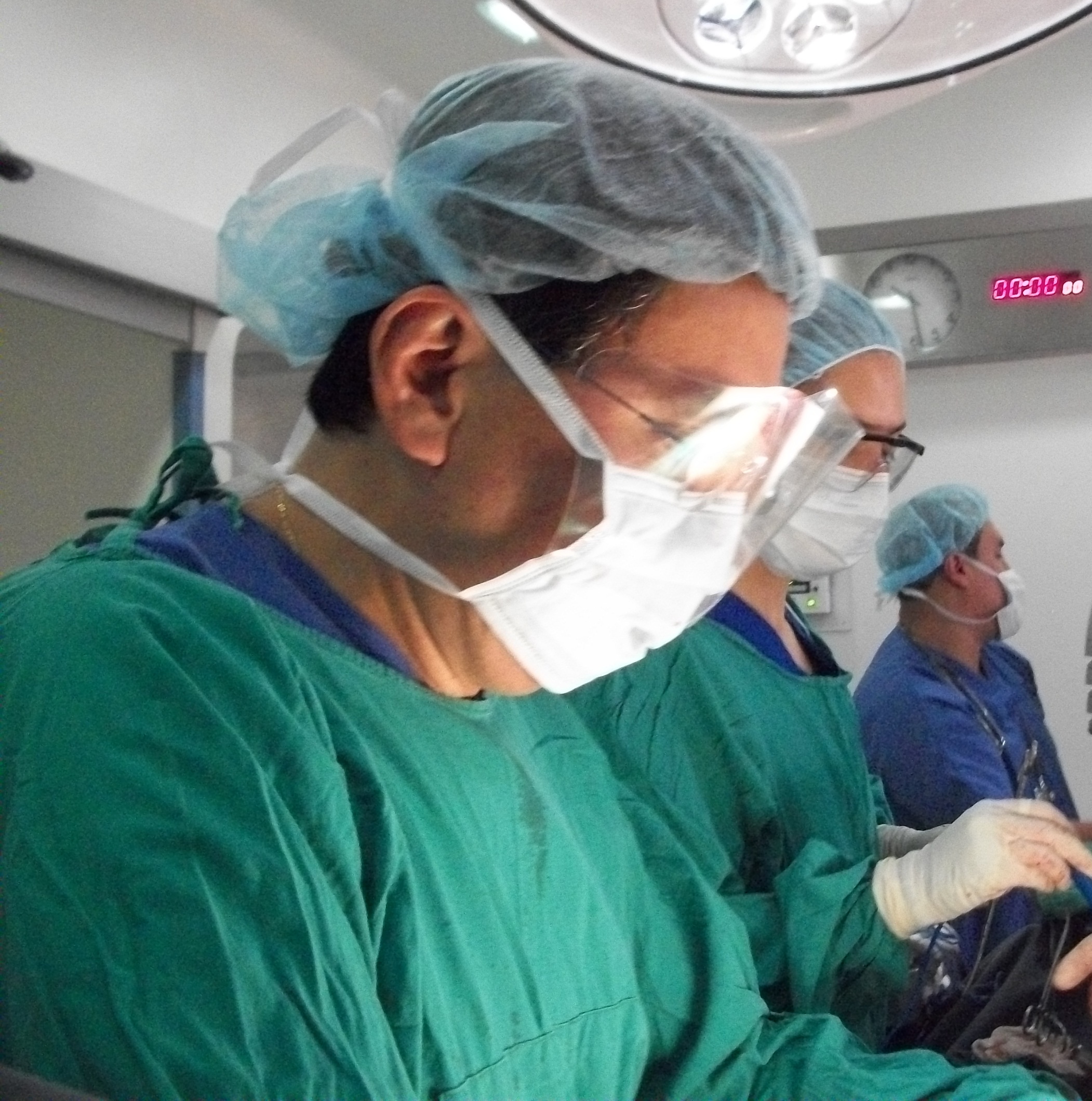
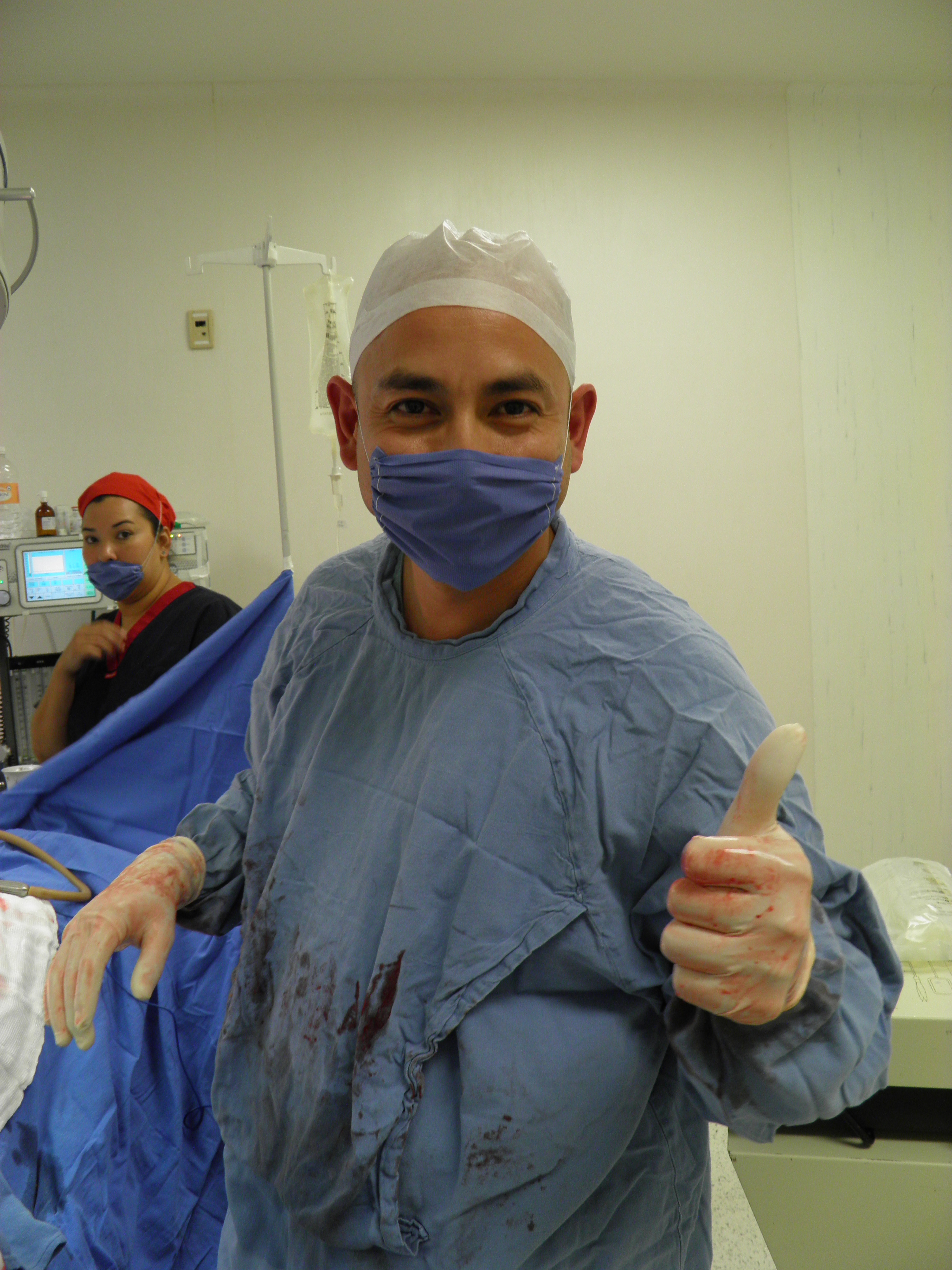
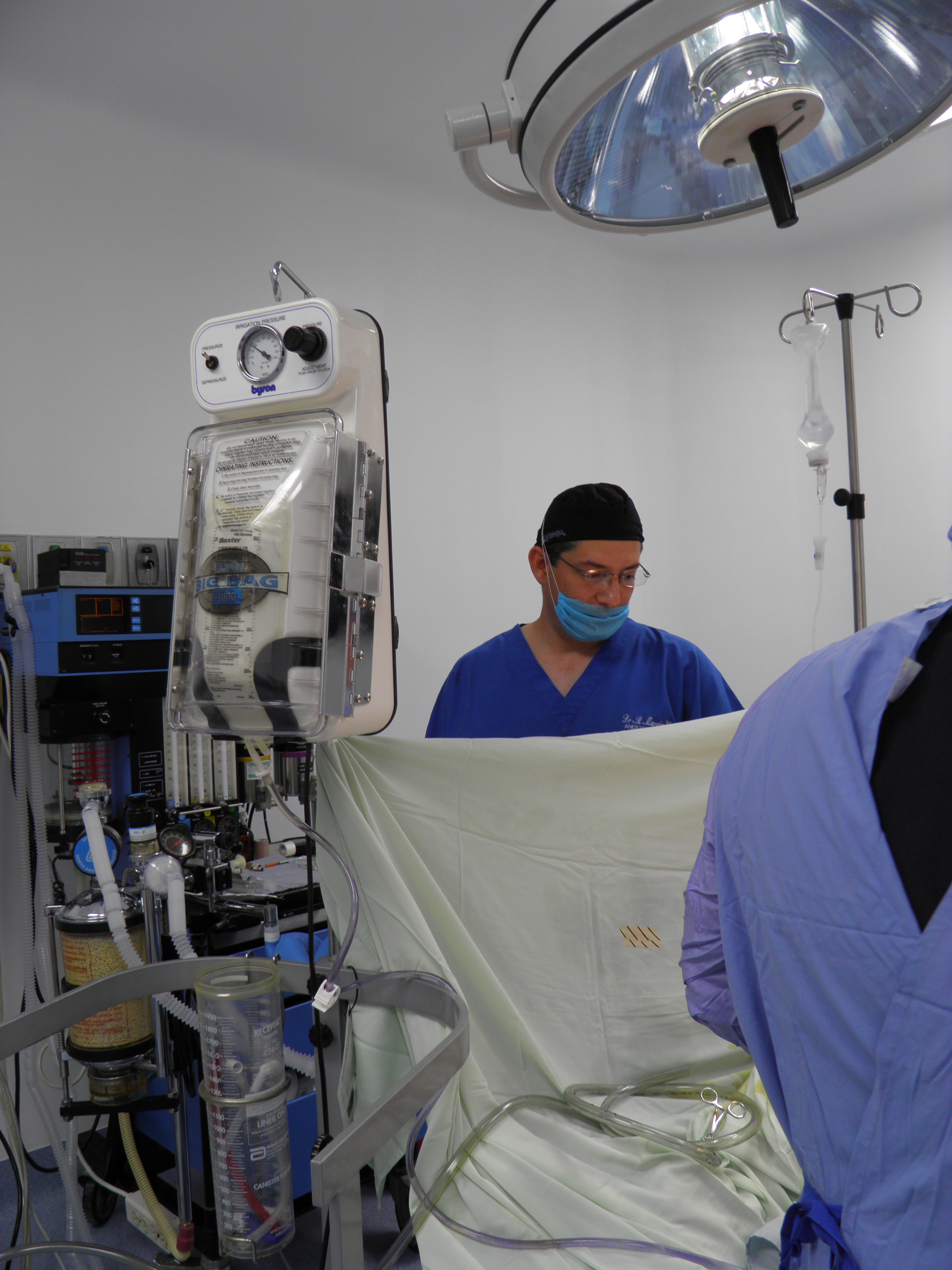
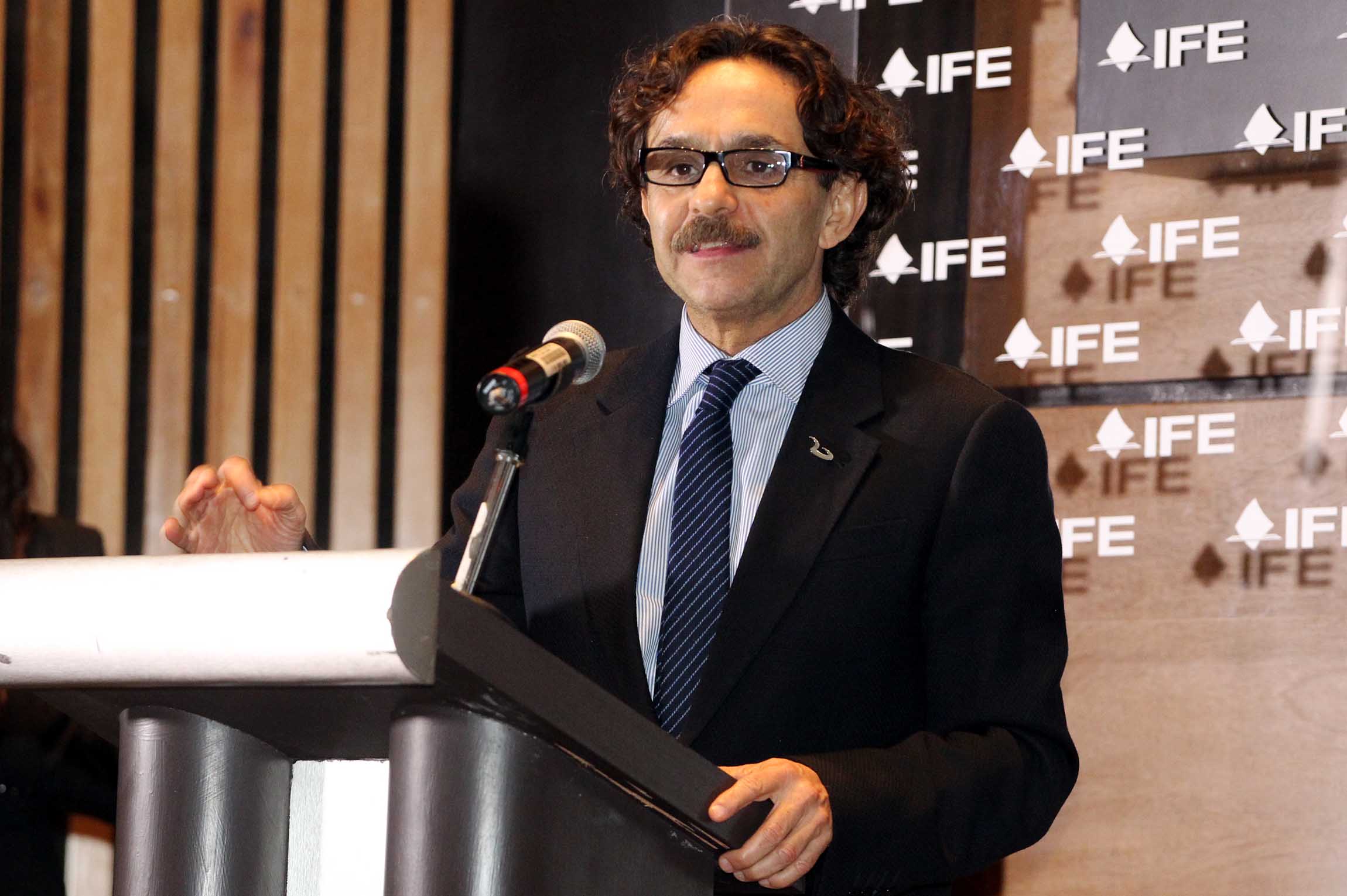
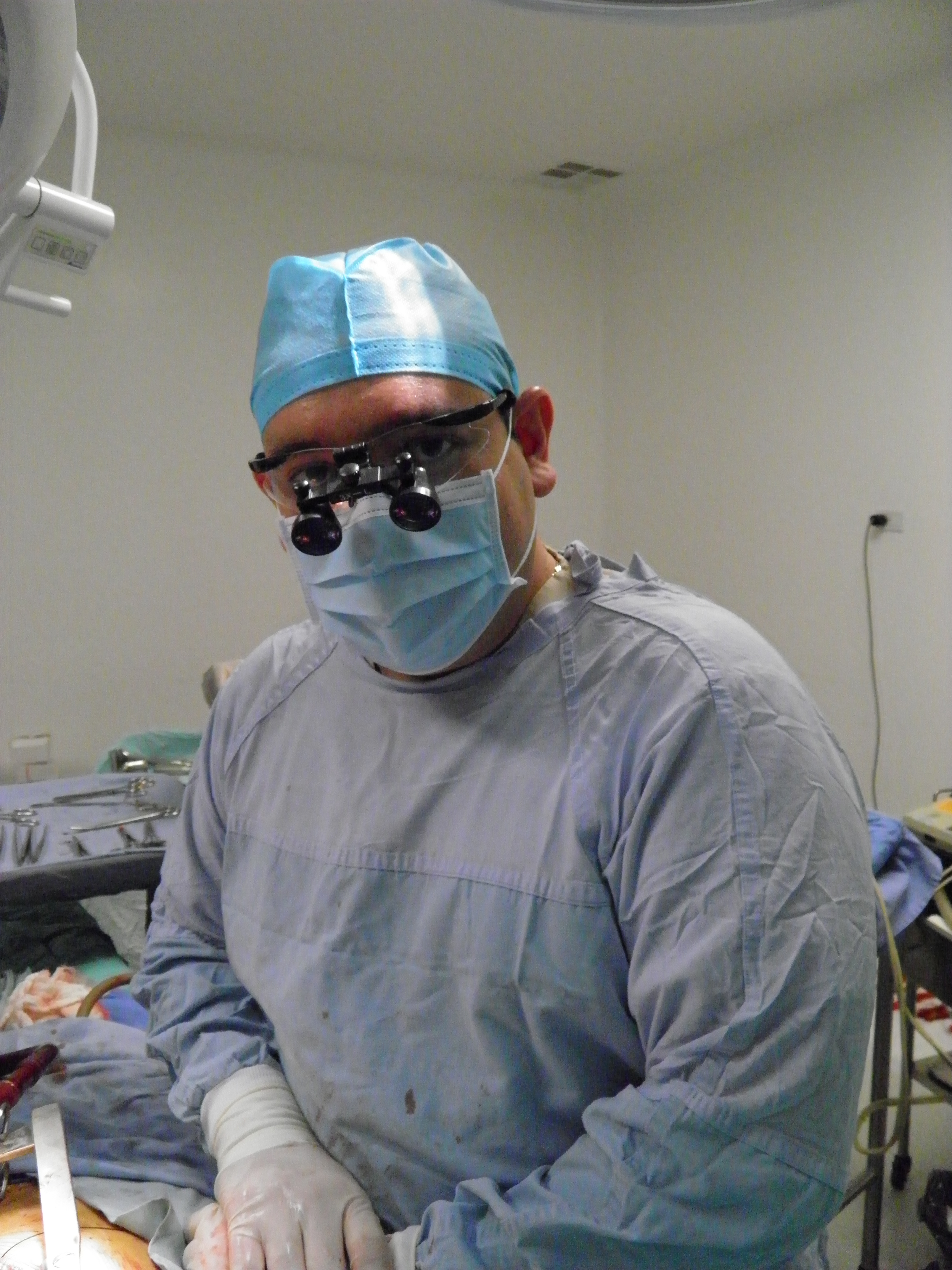
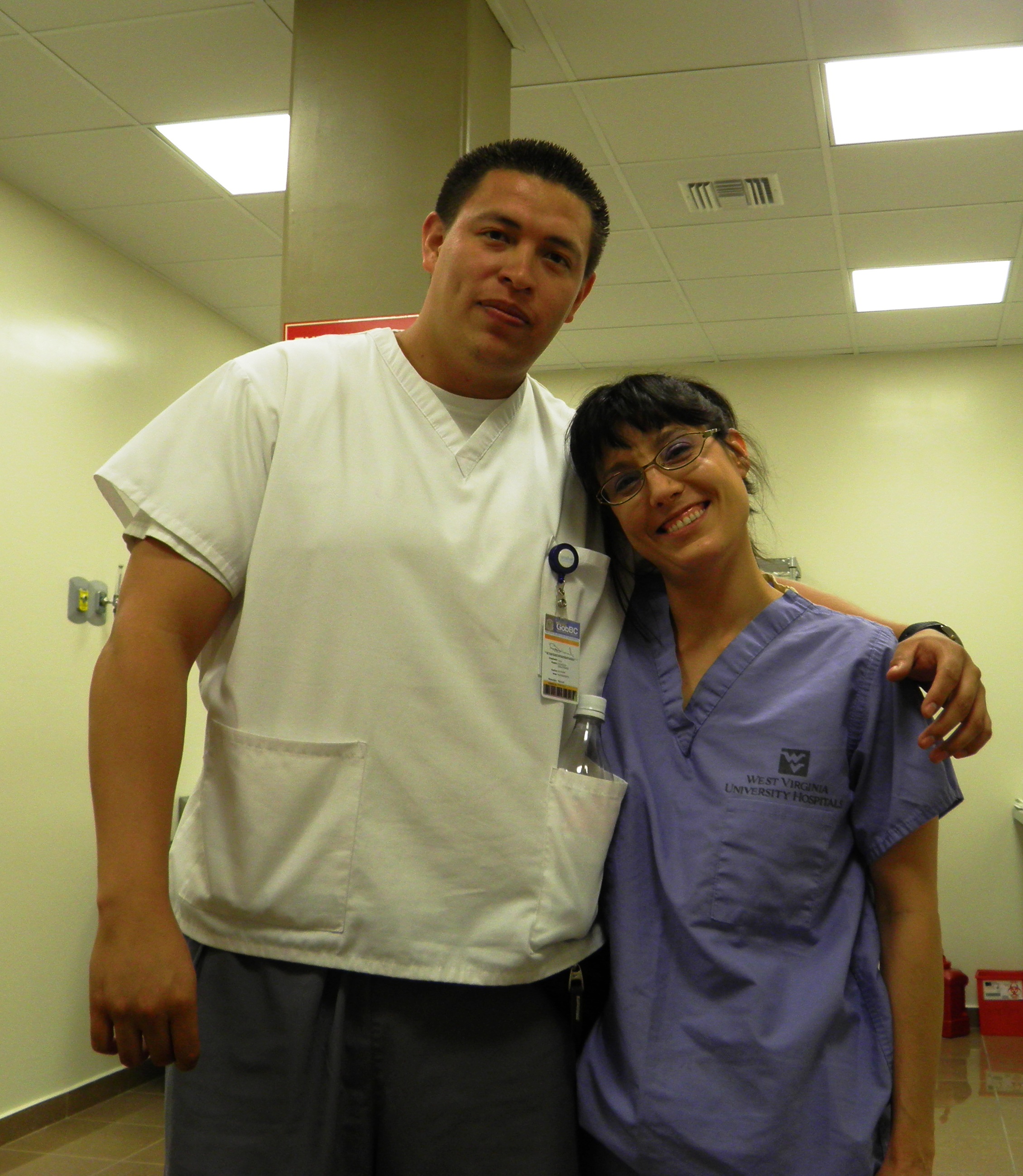
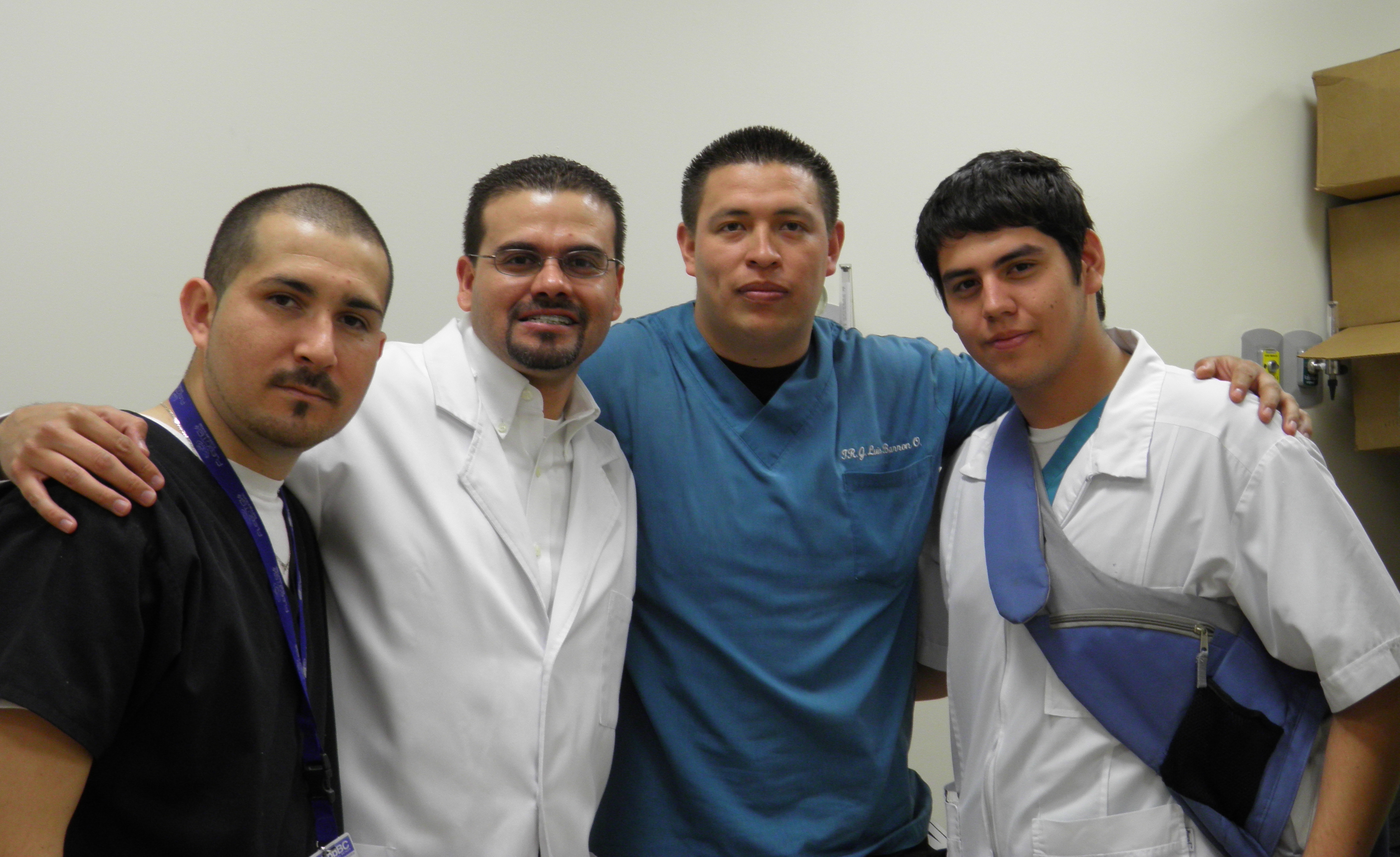
Spent the day in the operating rooms with one of my favorite Mexican surgeons, Dr. Gabriel Ramos Orozco.  Dr. Ramos is an oncology surgeon with offices in Mexicali (Baja California) and his hometown of San Luis Rio del Colorado in Sonora, Mexico.

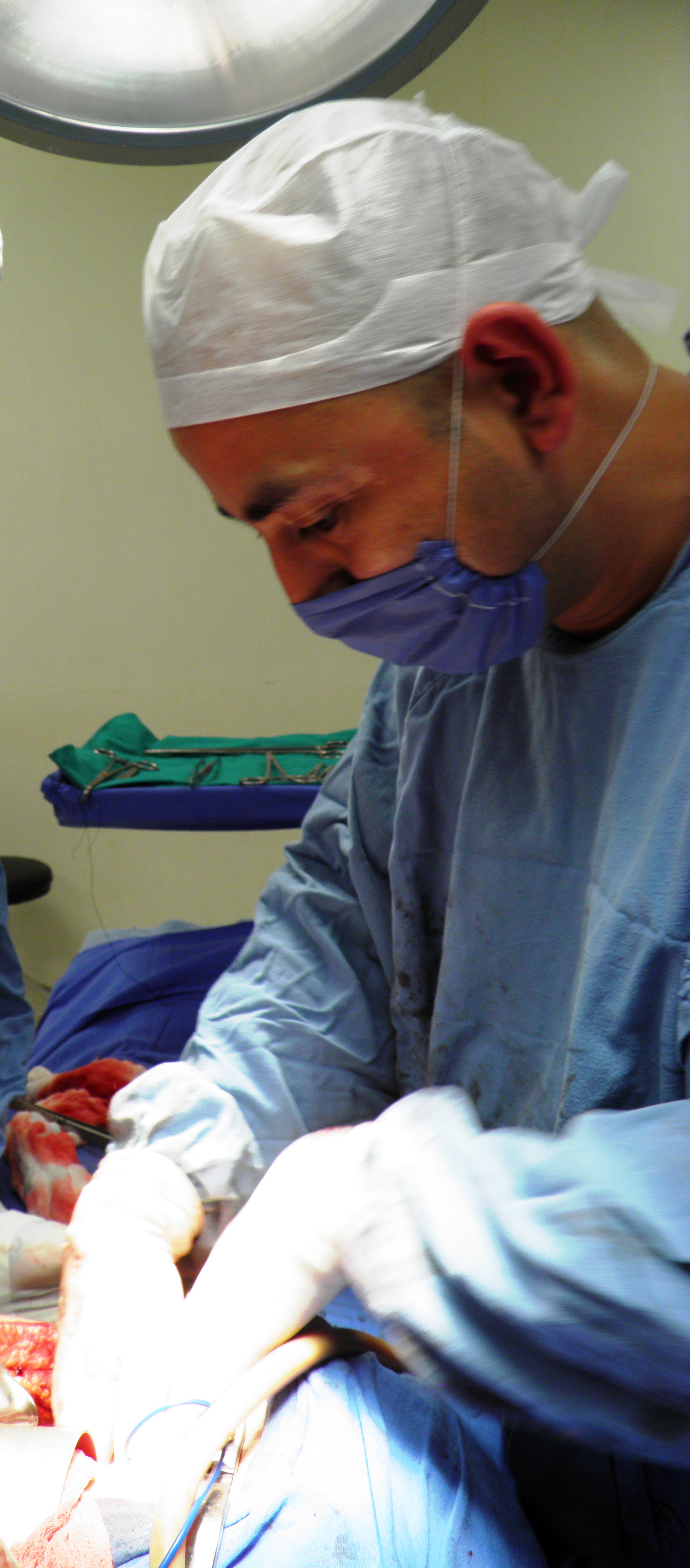
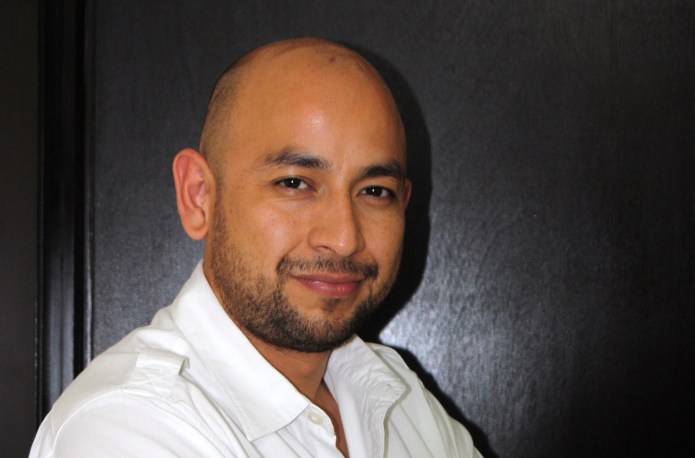
Dr. Gabriel Ramos Orozco, Oncology Surgeon

Dr. Gabriel Ramos Orozco, Oncology Surgeon

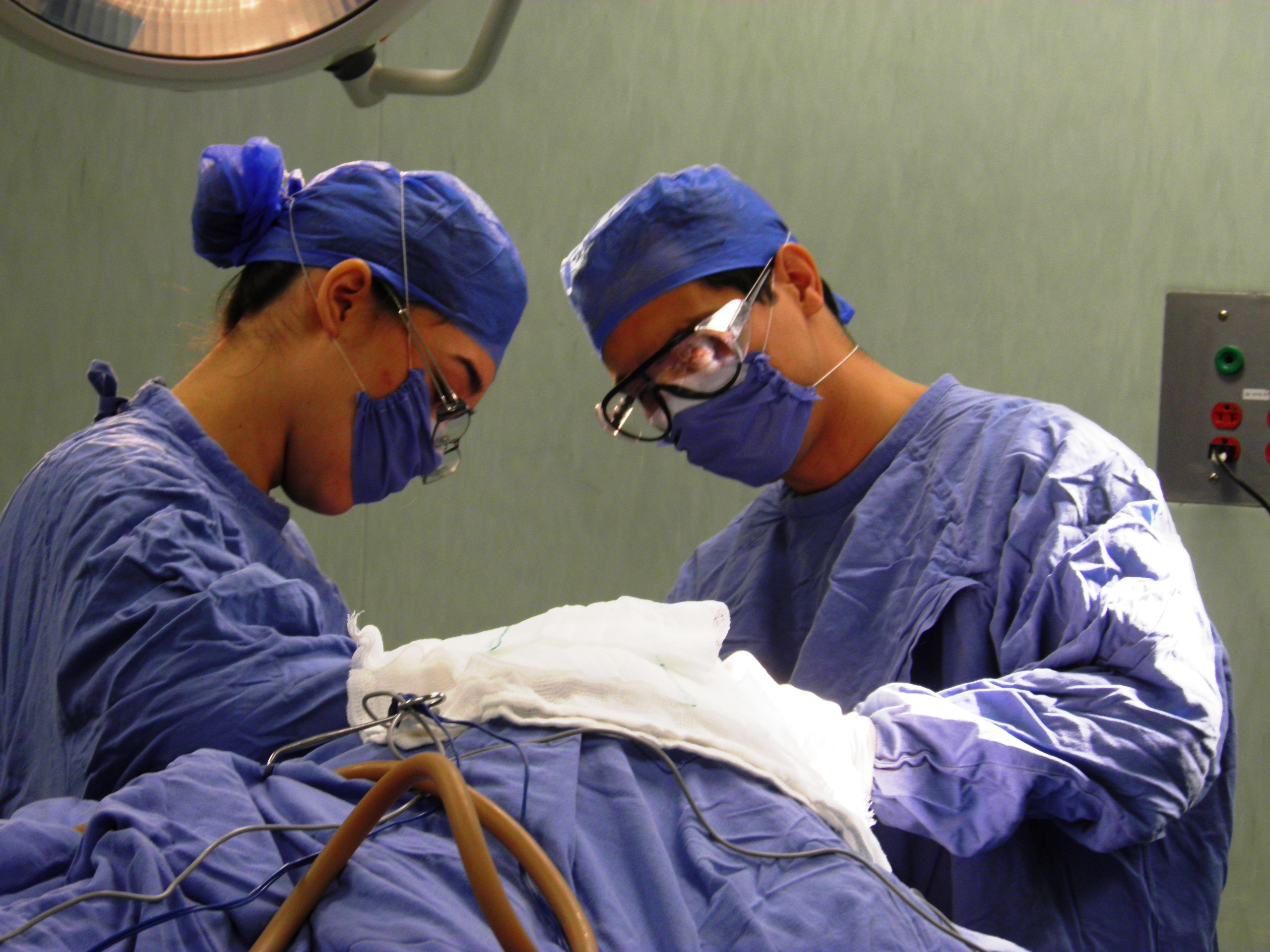
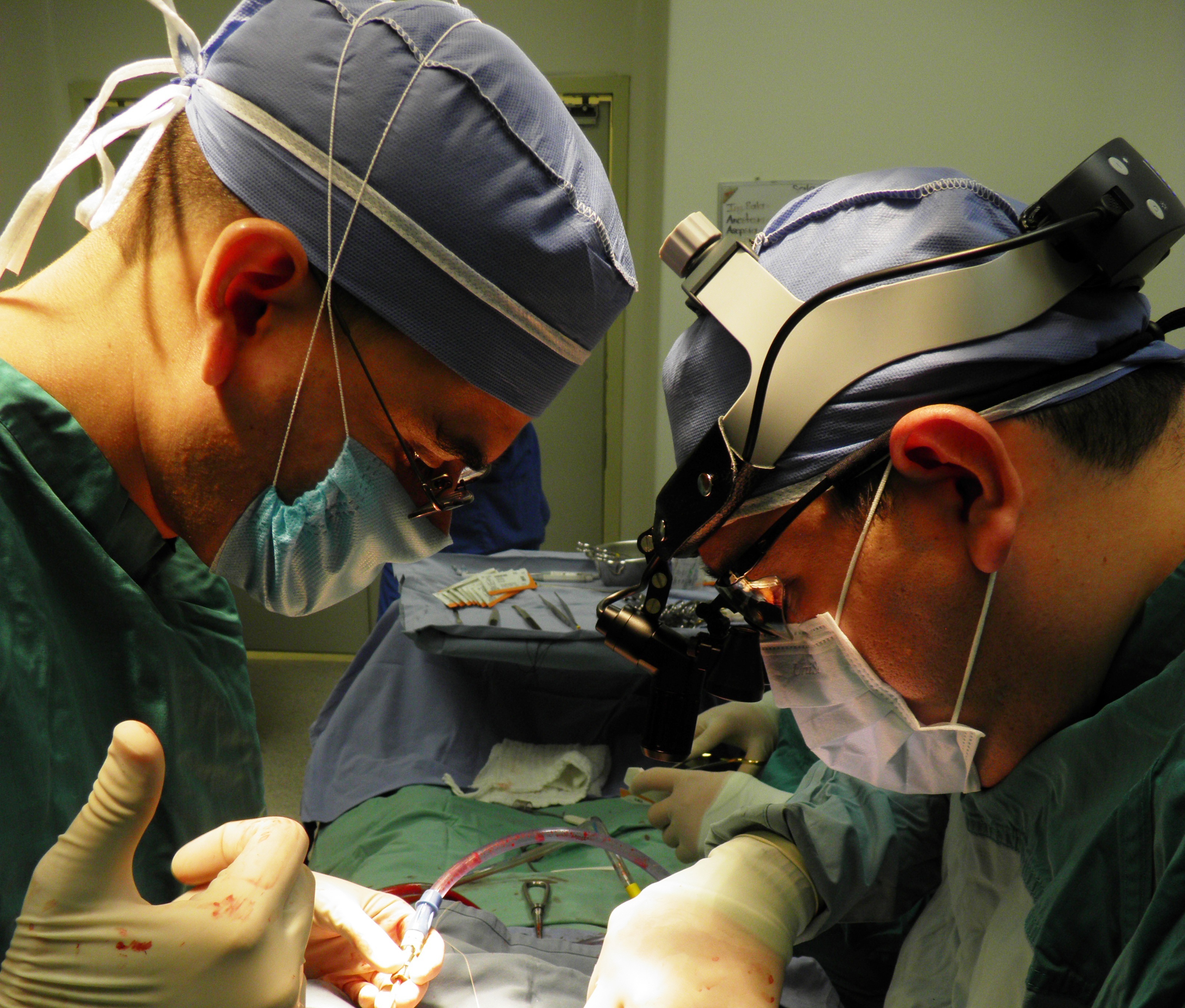
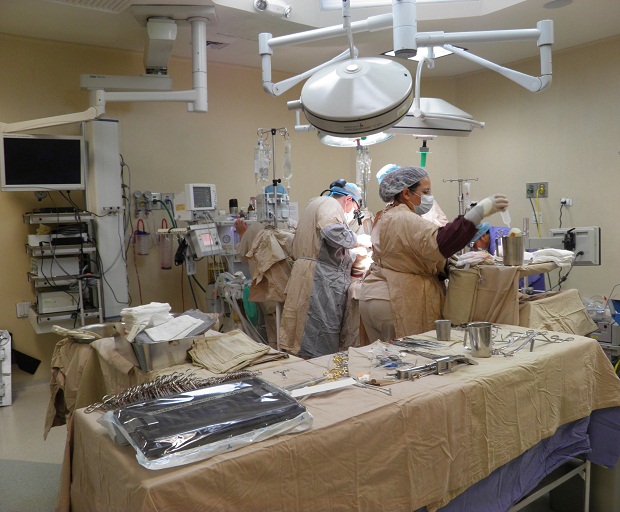
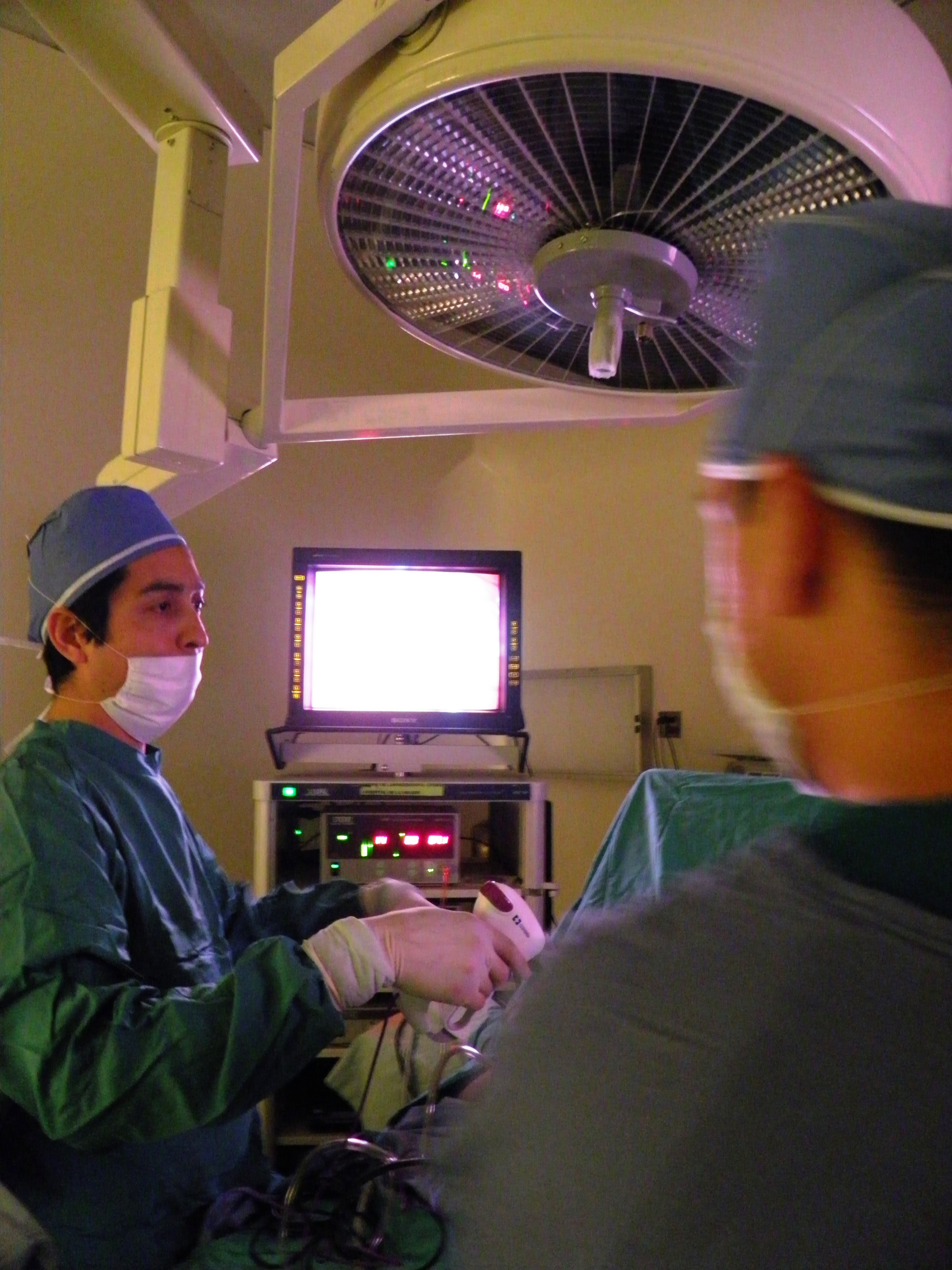
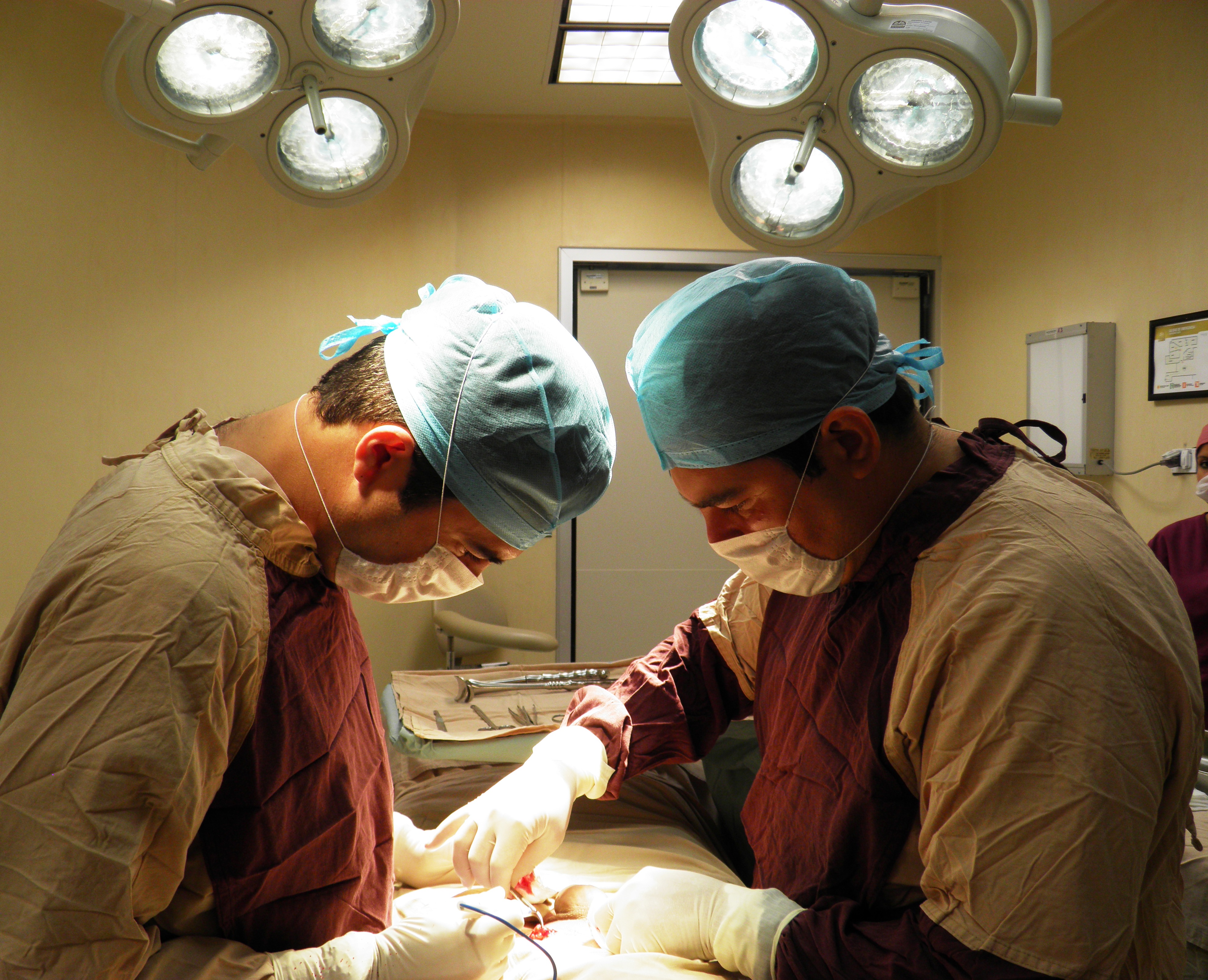
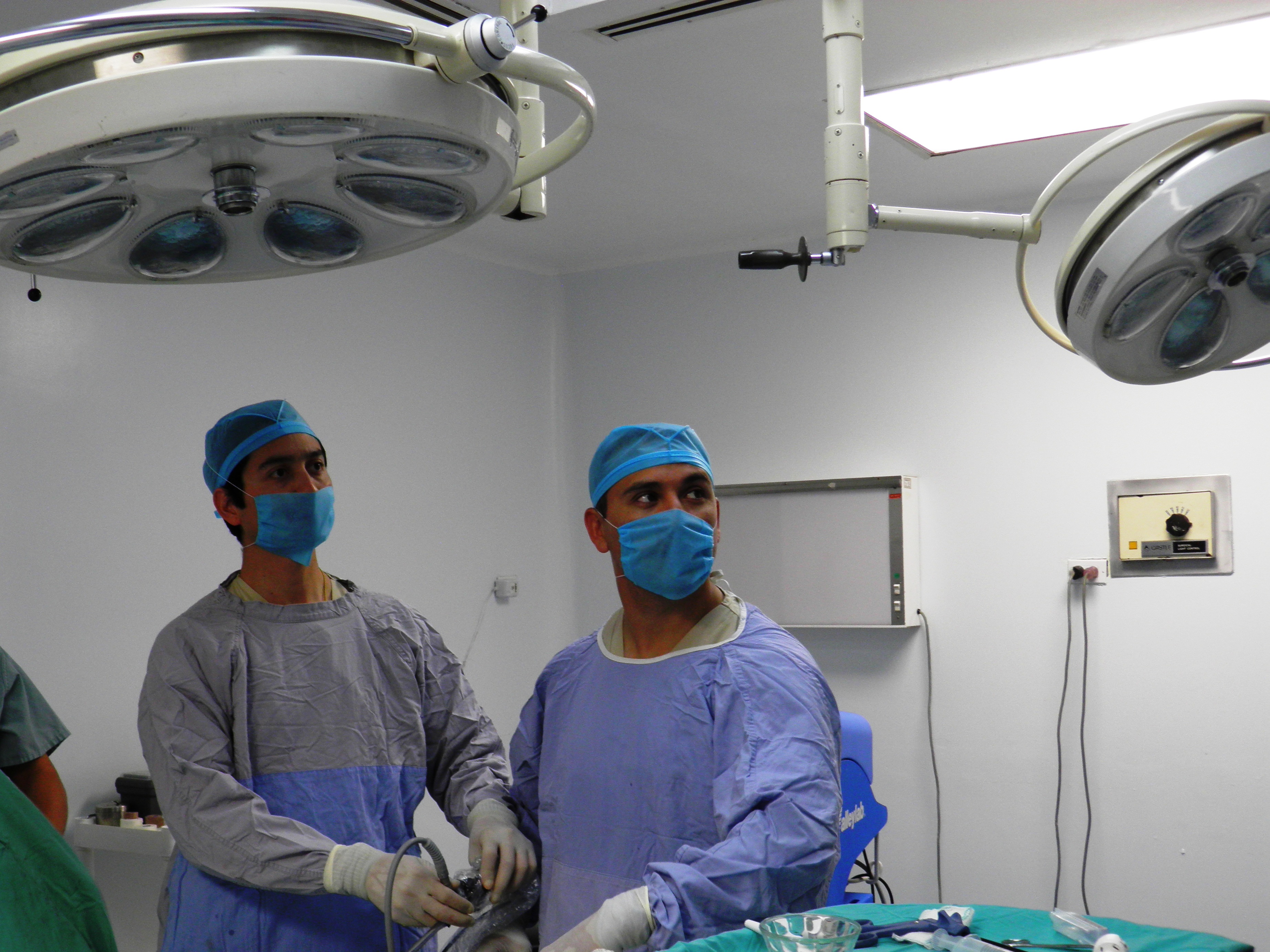
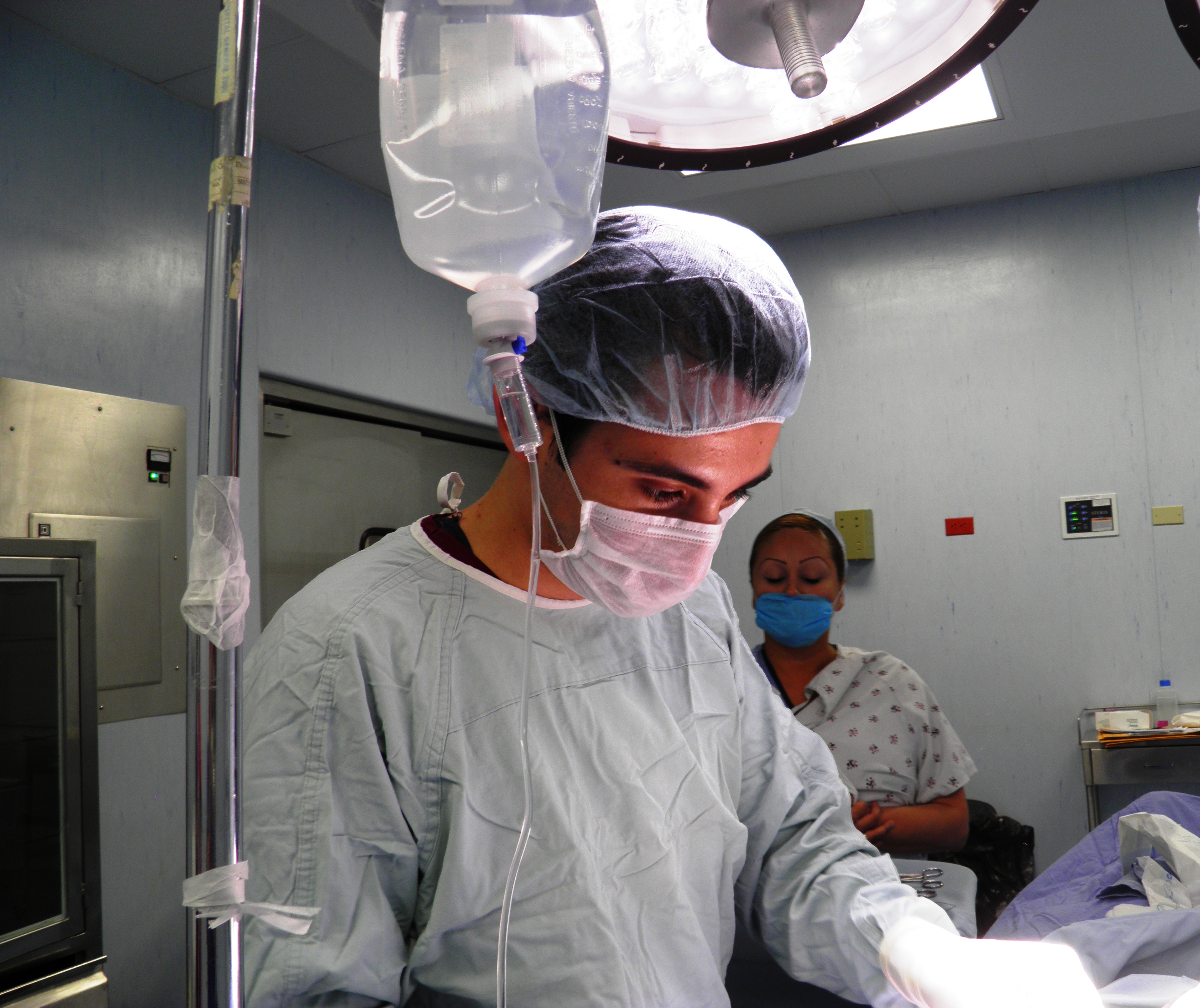
In the operating room with Dr. Gabriel Ramos

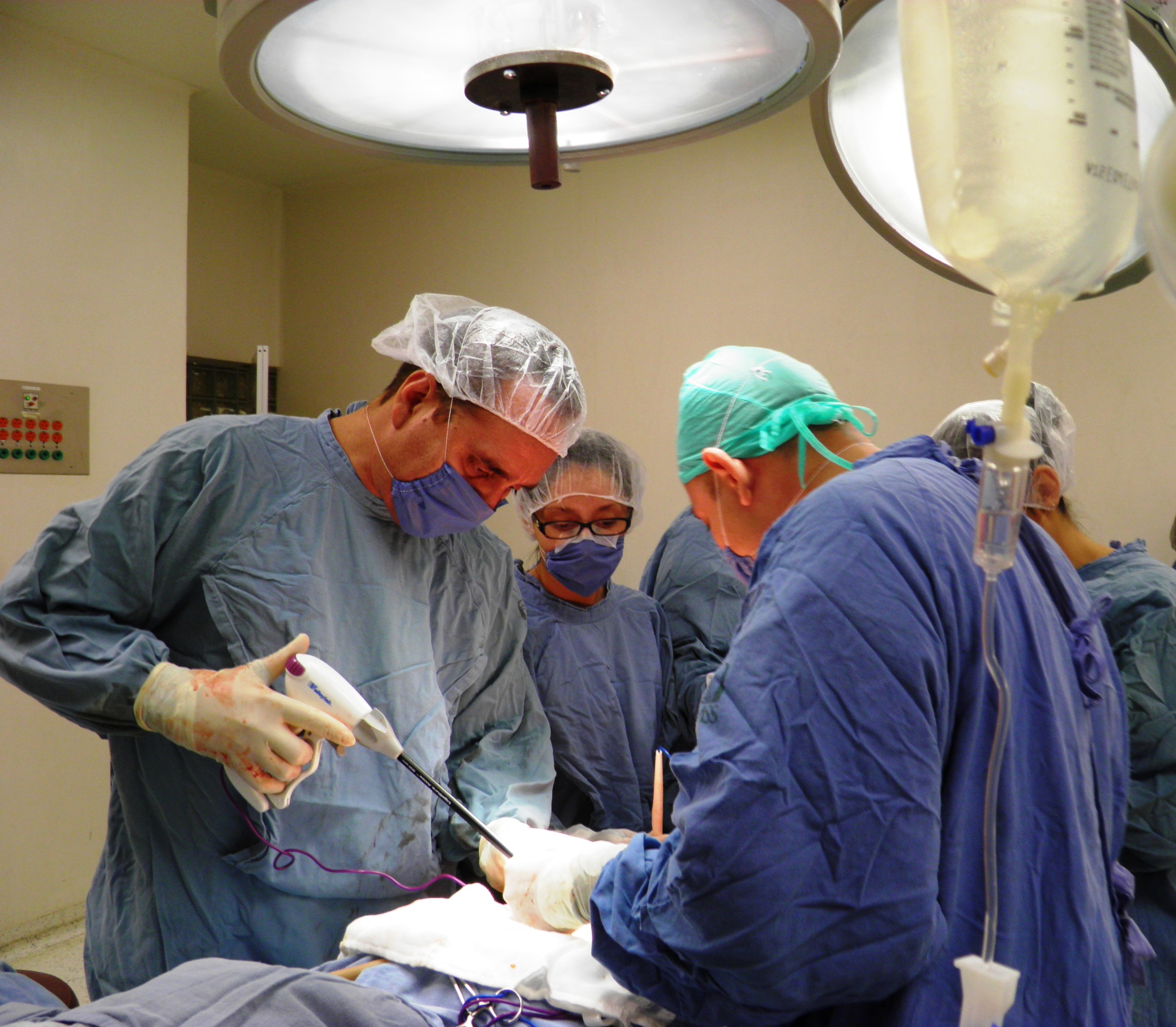
We spent the day in his hometown – first at the Hospital Santa Margarita, where he performed a laparoscopic cholecystectomy, and then in his offices seeing patients.

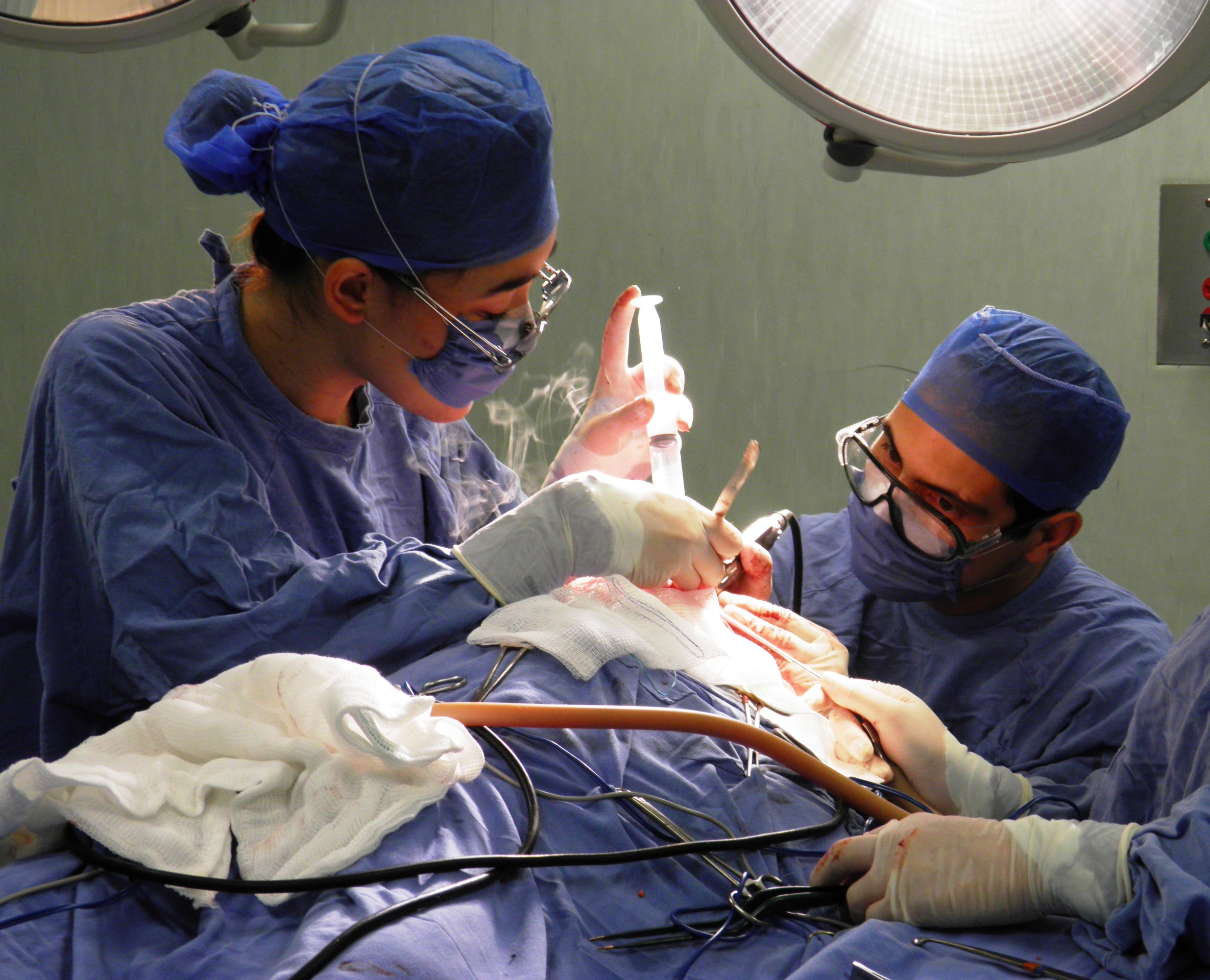
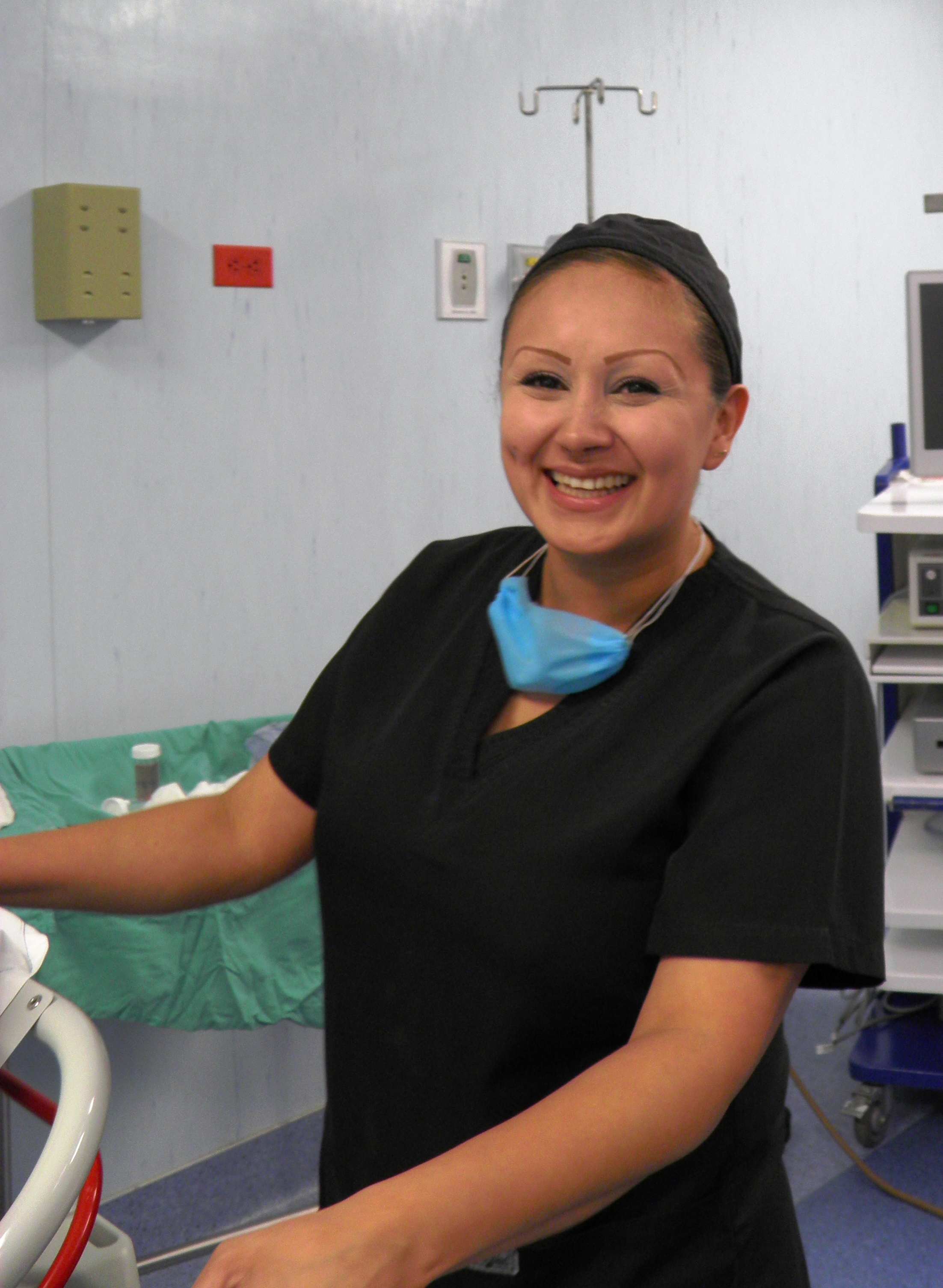
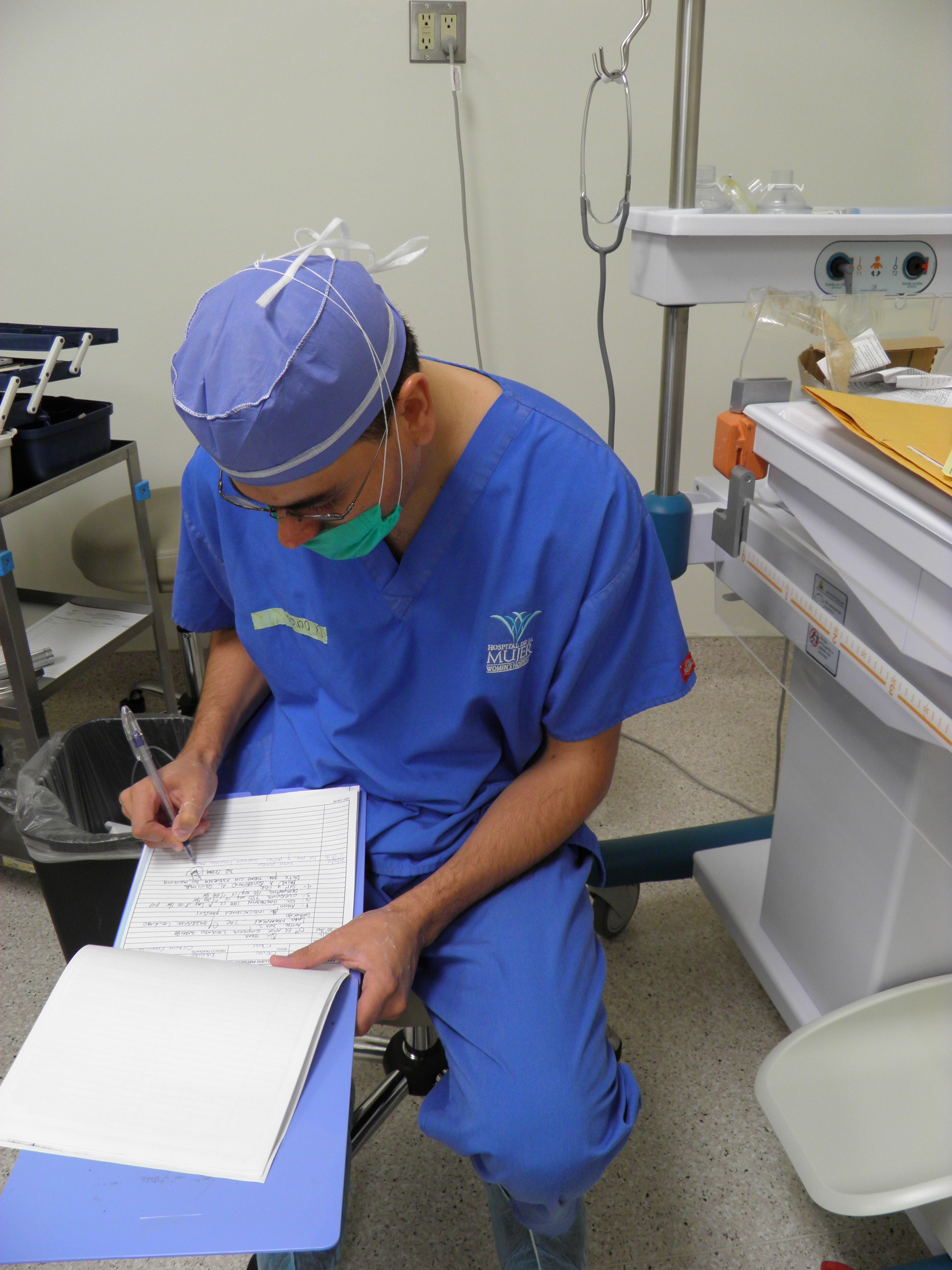
In the operating room

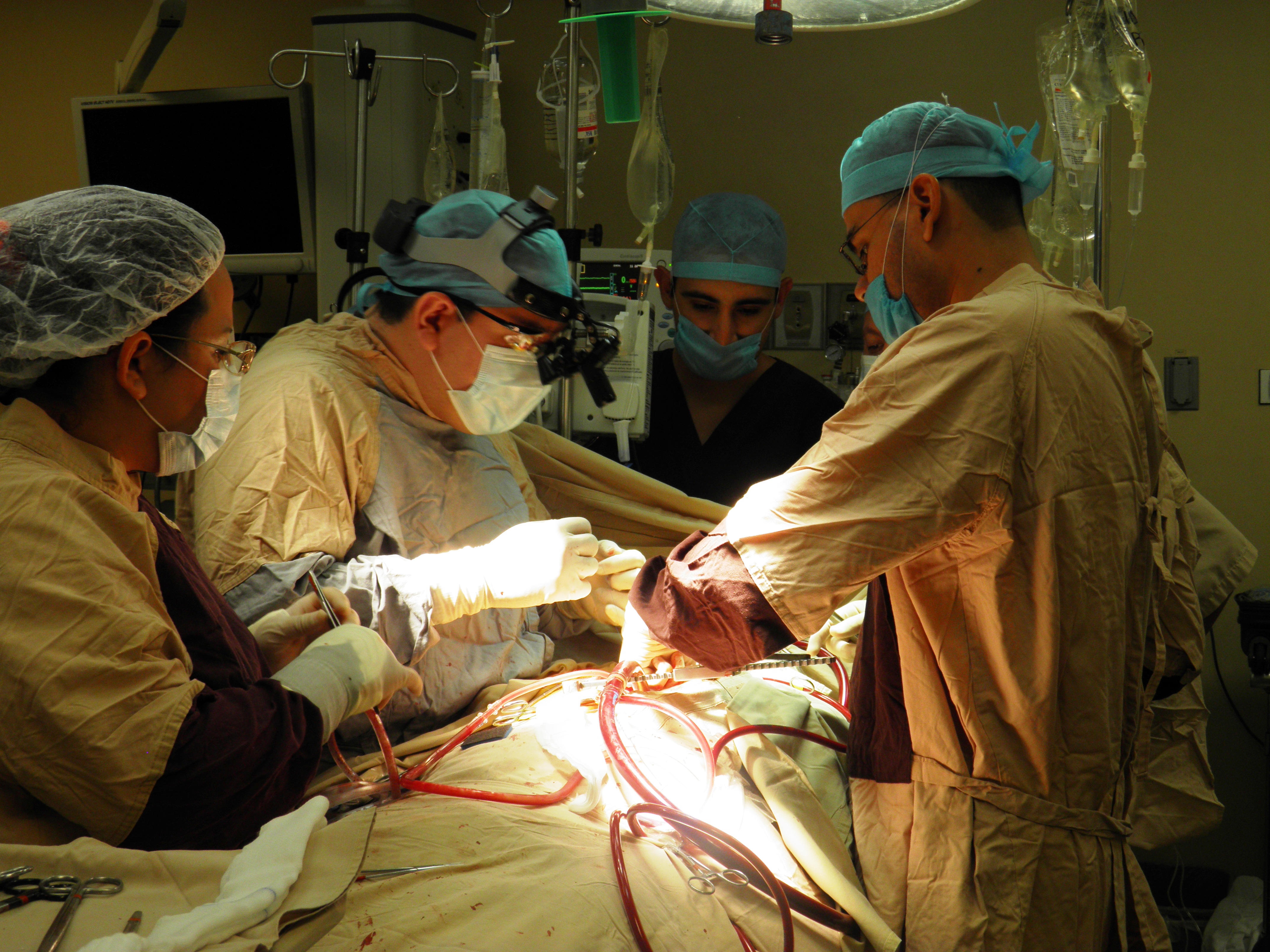
In the operating room – photos edited to preserve patient privacy

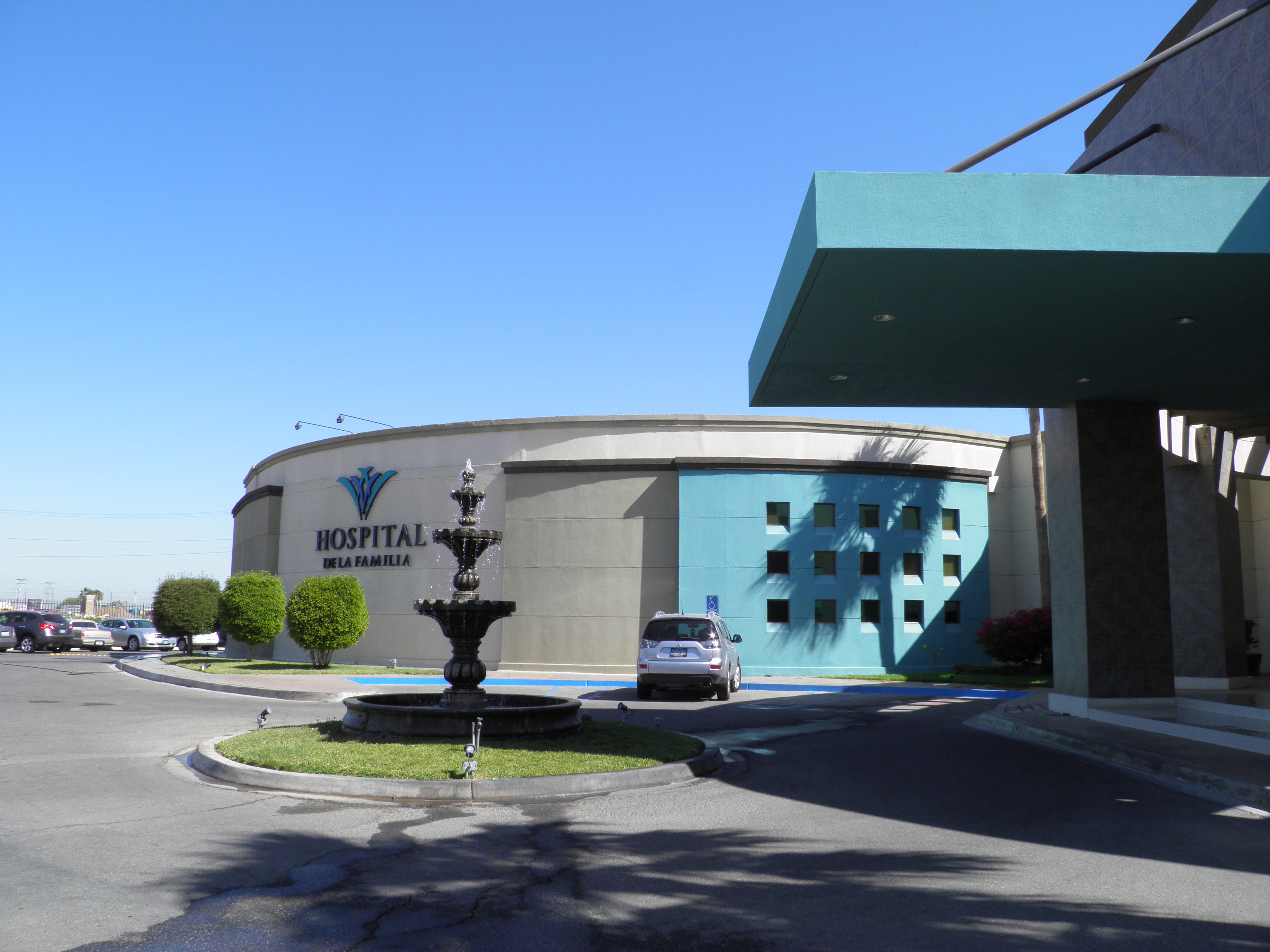
Hospital Santa Marta

The hospital itself was a small intimate clinic.  The operating rooms were small but well-equipped.  We were joined by Dr. Campa, an excellent anesthesiologist and another general surgeon.  While the anesthesia equipment was dated, all of the equipment was functional.  At one point, the sensors for cardiac monitoring and oxymetry readings malfunctioned but within seconds a backup monitor was attached.  (This is a frequent occurrence in most hospitals around the world and the USA because the sensors that connect to the patient with gel are cheap disposable and somewhat fragile.)

There were several monitors dedicated to laparoscopy with good display quality.  The operating rooms had ample light and functioned well. Overall the clinic was very clean.
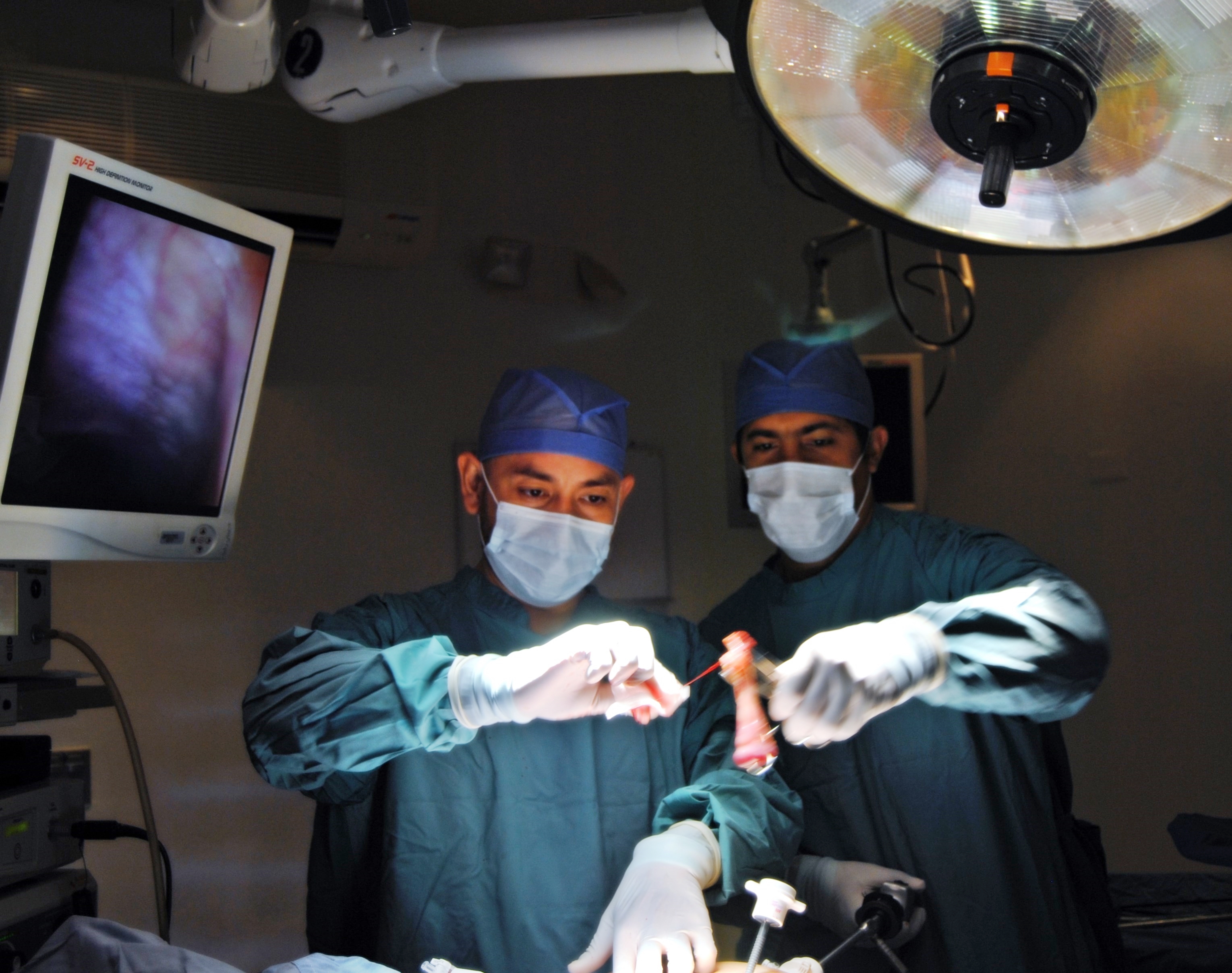
ramos surgery

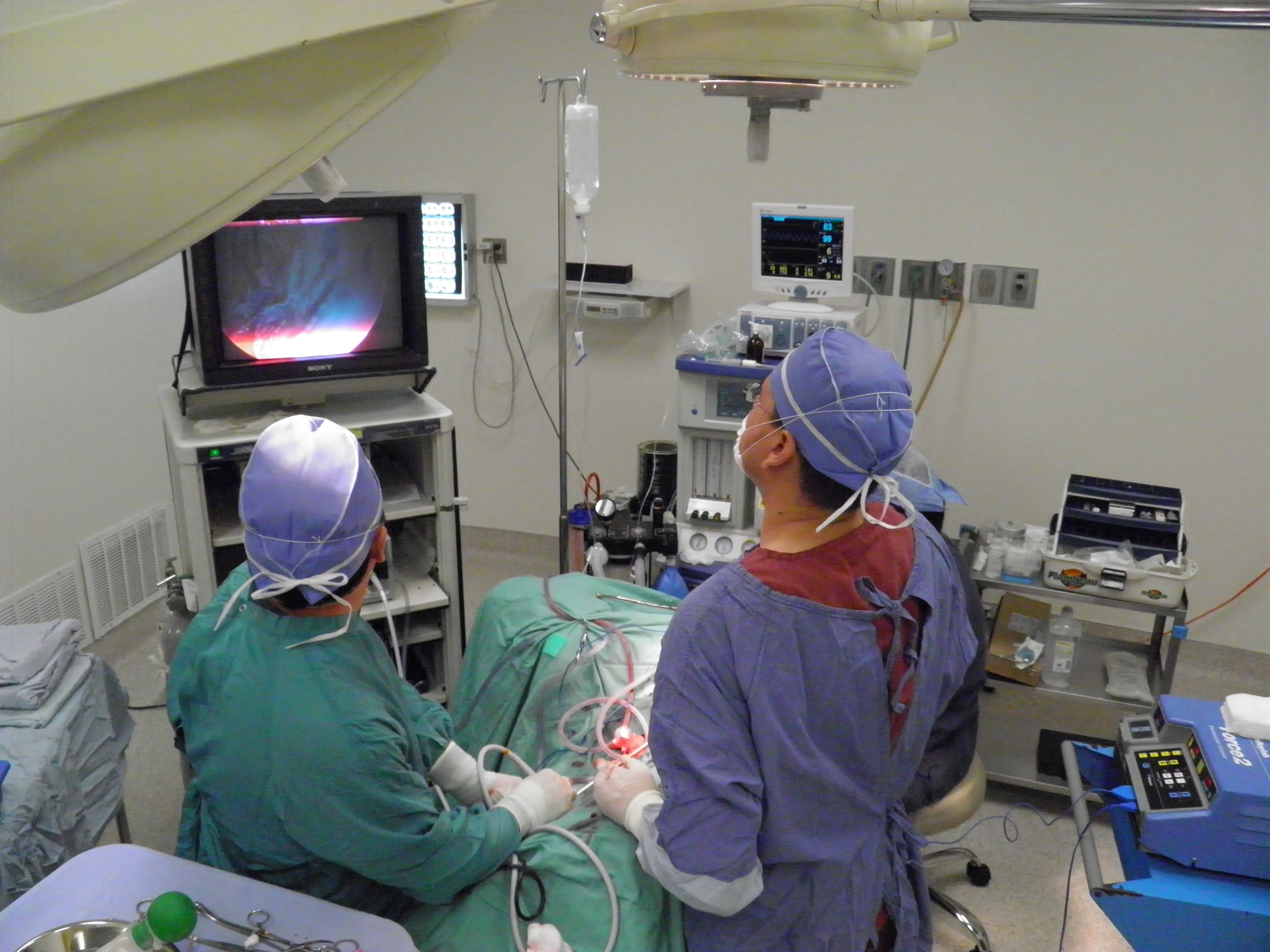
The surgery itself proceeded in classic fashion.  The patient was positioned appropriately and safely before being prepped and draped in sterile fashion.  Since the surgery itself was of short duration, anti-embolic / DVT prophylaxis was not required but was still applied.  (Note:  in Mexico, these stockings are of limited utility – and for more lengthy procedures, TEDS or electronic squeezing devices are usually applied.)

The surgery itself was under an hour, with no bleeding or other complications. The patient was then transferred to the post-operative care area for monitored recovery from general anesthesia.

Dr. Ramos performs laparoscopic surgery

Dr. Ramos performs laparoscopic surgery

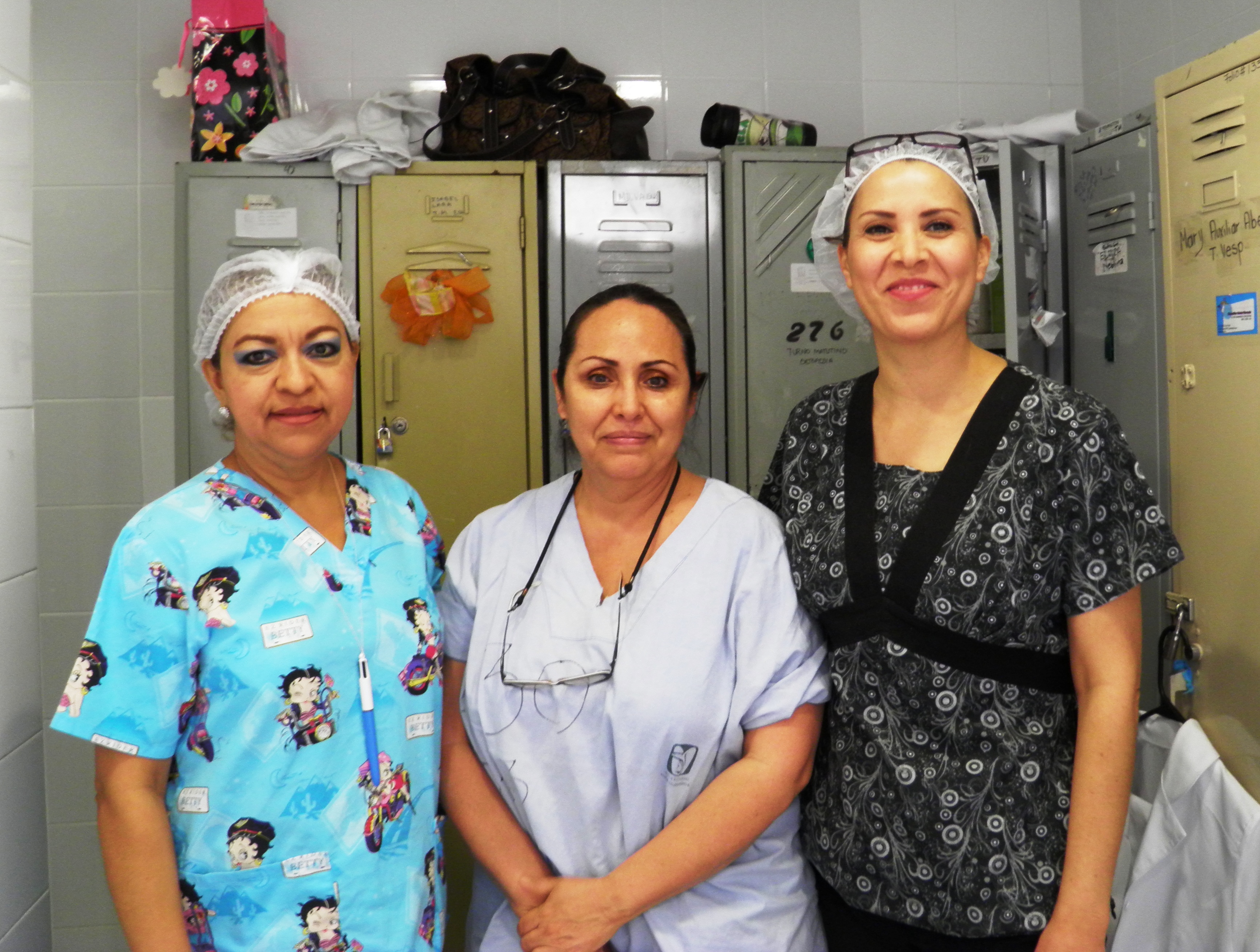
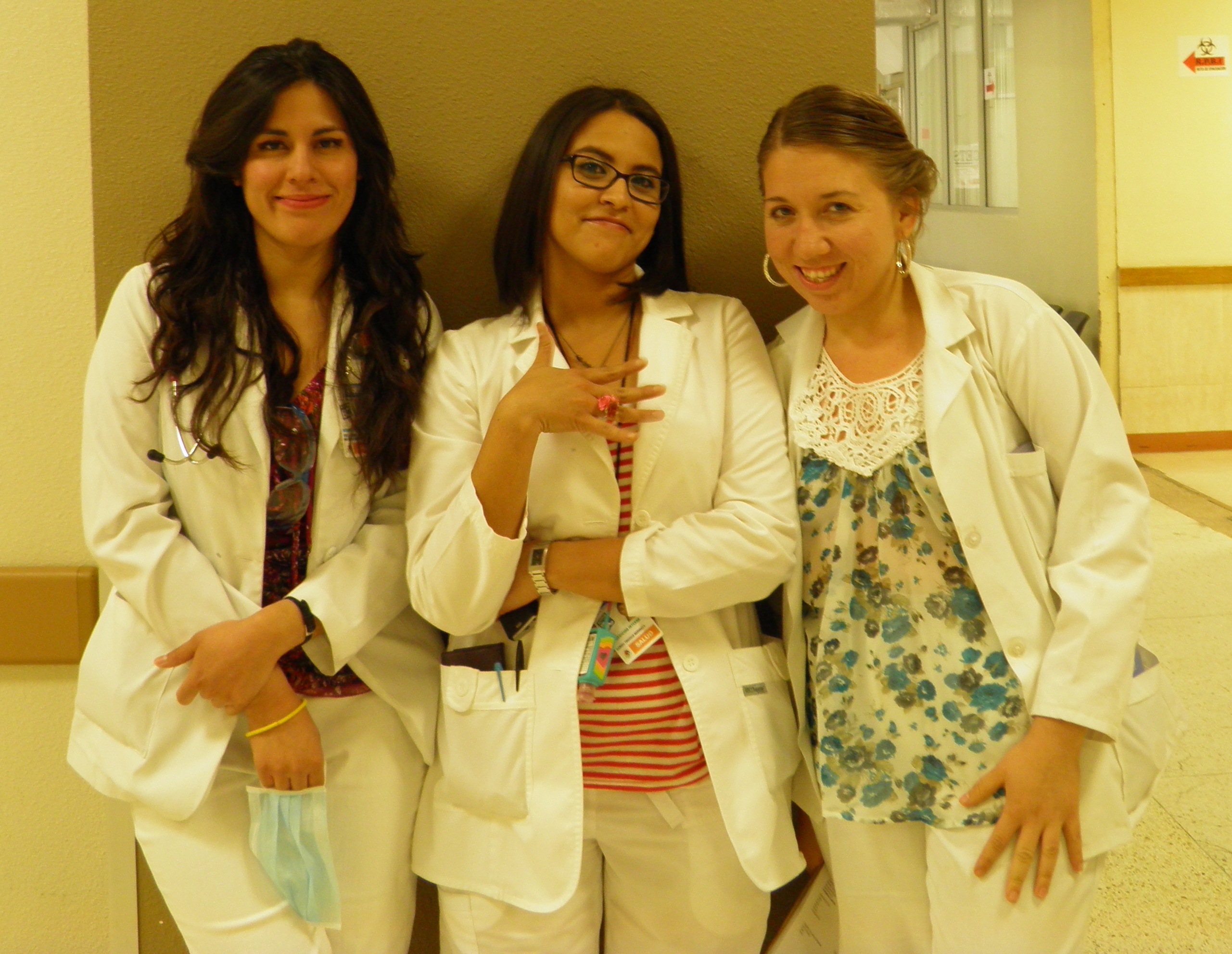
In the clinic

It was an interesting day – because he sees a diverse mix of patients.  As a general surgeon, he also operates for many of the classic indications, so there were several patients who saw Dr. Ramos for post-operative visits after appendectomies, cholecystomies (gallbladder removal) and the like.  There was also a mix of patients with more serious conditions like colon, testicular and breast cancers.  His patients were a cross section of people, from the United States and Mexico alike.

International patients

Some of these patients came for the lower cost of treatment here in Mexico, but others came due to the dearth of specialty physicians like oncology surgeons in places like Yuma and Las Vegas.  Many of these international patients spoke Spanish, or brought translators with them since Dr. Ramos is primarily Spanish speaking.

Since D. Ramos is not well-known outside of Mexico, many of these patients were referred by word-of-mouth, by former patients, friends and family.

Then it was back to the hospital twice to visit his patient post-operative.  She was resting comfortably and doing well.  It is this level of service that draws patients to his clinic both here and in central Mexicali.

This winter, Dr. Ramos returns to school so to speak – as he will be spending several months in Barcelona, Spain and Colombia learning new techniques such as uni-port laparoscopy.  He will then be able to offer these state-of-the-art treatments to his patients back here at home; whether these patients come from northern Mexico or other parts of the globe.

Highly Recommended:  Excellent surgeon with well-coordinated team.  However, patients requiring more extensive surgery (large tumor surgeries/ cytoreductive surgery) should request Dr. Ramos perform surgery in the larger Mexicali facilities for better access to advanced and specialized support services like hemodialysis etc. for sicker/ higher risk patients. 

However, the level of care was appropriate at this facility for this procedure, which is rated as low-risk.  (i.e. generally healthy patient, with straight-forward procedure)
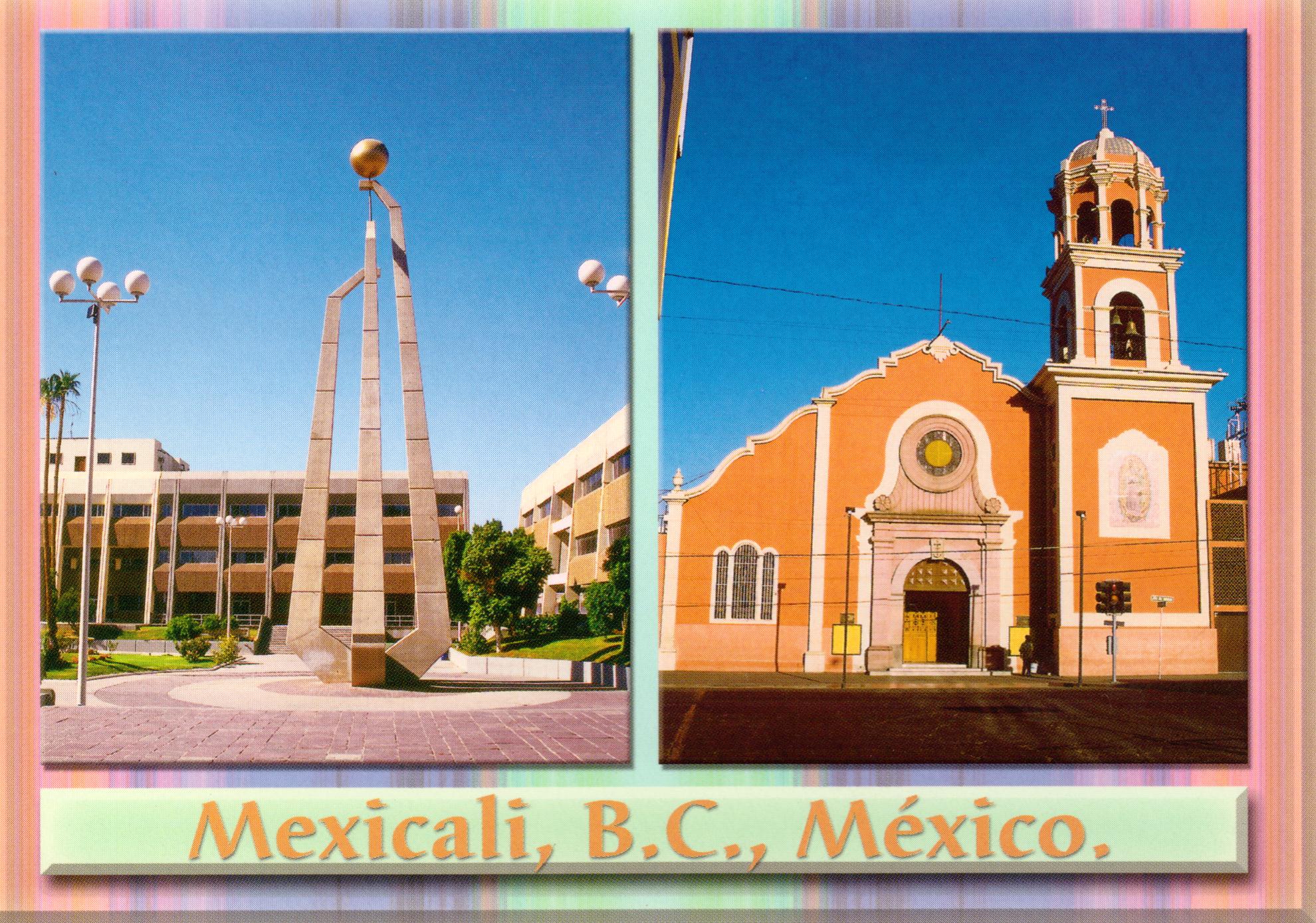
Memories of Mexicali


As I get ready to leave Mexicali, I am posting several old postcards of the city.  Today’s post is more reflective of the many changes going on now – but we’ll be back to our usual topics soon..

this one is just a few years old

I’m sure that my regular readers can tell that parting is ‘such bittersweet sorrow’.. How could it not be  – when I have met such wonderful people, learned so much and made some great friends?

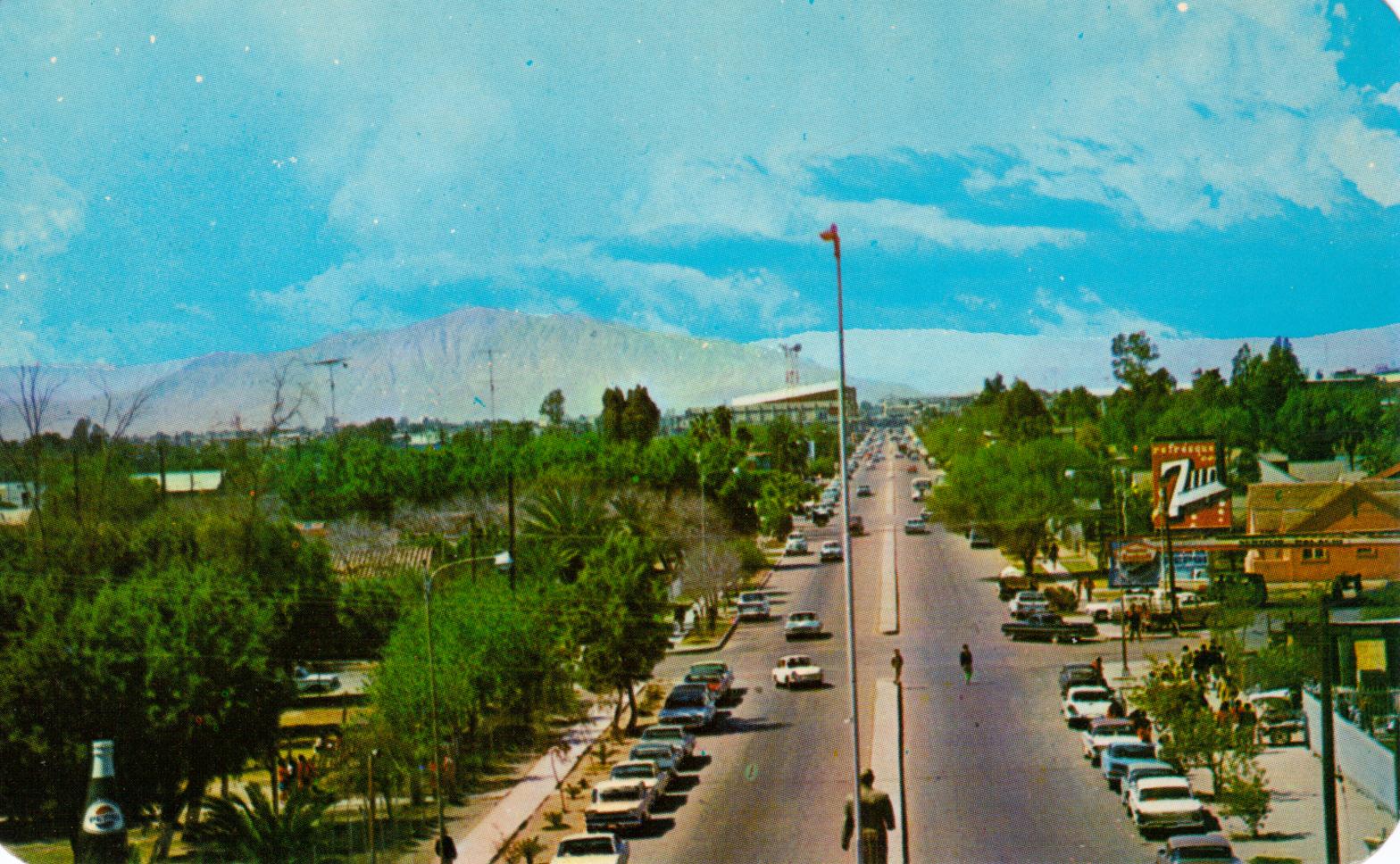
Mexicali – Av..Revolucion – circa 1960’s

At the same time, I am excited about moving forward – school, studying in Bogotá, and working on my research.

Governmental Palace (now part of UABC) circa 1960’s

Hard to leave the hospital in particular.  I went back there yesterday and got to see some of the people who were so welcoming, starting on my very first day.  (When I was still struggling – particularly with the regional accent here – which differs from the Spanish I was used to hearing.)

Av. Lopez Mateos

It was great to be back in the operating room with Dr. Ochoa.  With classes in Nashville, and my homework assignments, I hadn’t seen him for a couple of weeks.

I know I will miss him most of all even if I am embarrassed to admit it.  He will always rank up there as one of the world’s great “bosses”; he was great to be around; day after day after day- which is not something you can say about most people.   I know I’ve talked about what a good (and patient!) professor he has been, but this last month, when we’ve been collaborating on the book, has changed the dynamic a bit.  He’ll still always be ‘my professor’ and a surgical colleague – but now that we have worked together in a different capacity – he is more of a friend too.  (I’ve actually called him by his first name a couple of times, which is a hard thing for me to do..)

I think, too, that is was a little-bit eye-opening for him to be more involved on the writing (and researching) side of things.  I hope he enjoyed it as much as I have.  (He should – he did all the research on Mexicali’s nightlife.. )

and Joanna – who has become one of my best friends.. (Not just my best friend in Mexicali – but someone I consider a really close friend – anytime, anywhere..)  It just seems like we connect and communicate on that level that only really close friends ever do.. Despite different backgrounds, I feel like I’ve known her my whole life..  So it’s hard to say “see you later” to Joanna.. (“See you later” is so much better than goodbye, don’t you think?)

So of course, as you can imagine – I spent my last day at the hospital – in the place I love the most: the operating room.

Dr. Rivera (left) and Dr. Ochoa

I’m going to miss my ‘movie star’ surgeon too – Dr. Rivera has been great about being in all my pictures and film clips..  He’s a nice young resident – (still grounded)  and I think he’s be a great surgeon when he finishes his training..  He’s interested in surgical oncology – so we might be writing about him again in a few years..


Kim Kardashian: Better call your lawyers..


As I mentioned previously – the ‘unauthorized’ use of celebrity images is pretty common around here.  We talked about this before in conjunction to Kim Kardashian and Rhianna – and today, while driving around Mexicali taking pictures for a section of the book on architecture, we saw yet another example of this.  (Sorry, Kim – we were in traffic, and seeing it was unexpected, so the photo is blurry – and I know, my window is filthy) – but it’s undeniably you hawking clothing up on a sign outside a clothing store on Blvd Anahuac..  Just thought you should know..

Kim Kardashian hawking cheap clothing in Mexico

In other news – spent the day trying to find the elusive “casa de Louis Vuitton” which is a house of the outskirts of Mexicali painted brown with symbols to look like a Louis Vuitton bag.  I know the house is still there – yesterday one of the people who lived near the house was lamenting being a neighbor – but the address and directions were far from correct..

I did get some more great photos of Mexicali.. including one of the fancy car dealerships down here.. (I like to remind people that Mexicali has one of the highest standards of living, and income in all of Baja)..  There is a growing middle-class here (and just like most of us), they like nice things..  It’s another side of the road photos since I wasn’t planning on taking pictures of car dealerships..

Mercedes Benz dealership

A lot more photos but I haven’t gotten around to sorting of all them yet..More architectural adventures tomorrow..


as the mercury soars..


into the 110’s (and higher) it’s been an interesting week in Mexicali.  I’ve definitely entered new territory in my book writing venture.  In the last books, I basically didn’t see the forest for the trees – meaning that even as I raced around, and enjoyed the cities I was living in – I didn’t include any of the information about the cities themselves.. Just the surgeons, and surgery.

In retrospect – I think that was a mistake.  While I know the beautiful multifaceted Bogotá, my readers don’t.  At the time, I didn’t want to duplicate the efforts of the many talented travel writers out there.  But on consideration – living in a city is so much different from visiting one.   It takes months to see and fully appreciate the nuance of many locations – especially cities..  Anyone can talk about the historic church built in 19 whatever, but it takes time and familiarity to see the beauty of Mexicali’s Graceland, or the changing canvas of the UABC museum.  It takes time to collect the stories that bring the city to life.  So now, I am trying to do that – in a small fashion with everything I’ve collected since coming here in March.

I am not Frommer’s.. I am more like his awkward, quirky little cousin. I don’t have the manpower or the resources to talk about the hundreds of restaurants here (more than 100 Chinese restaurants alone!) but I can tell you some of my favorite places; for a casual lunch with friends, or a night on the town.  I can’t give exhaustive listings on all there is to see and do in this thriving city, but I can show you the heart of it.  I can tell you about the things that make Mexicali more than just spot in the hard-baked earth; the things that make this city real, and make it a fascinating place to be.  I can make your stay; whether just a few days, weeks or months; interesting and informative.

It’s been a fascinating and amazing journey to discover these ‘pockets of life’ and living history – and now that I am outside my realm (of medicine and surgery) one that would have been impossible without the numerous people who have embraced me, and shared their wisdom.  (It’s becoming quite the list – and I’ll share it with you all soon.)

But I certainly hope that my future readers enjoy the journey as much as I have.

How’s the book coming?


I was in the United States most of last week (at my reunion) but I didn’t stop working.  While a reunion may not seem like the most ideal situation for a medical writer – it’s actually a great opportunity to talk to people and get their opinions about health care, medicine and surgery.  After the first few minutes of catching up – talk naturally turns to everyday life, and for many of us – ‘everyday life’ involves worrying about the health of our families.. Also, many of my classmates – and old friends have been some of my biggest supporters of the blog (and my other work) so it was good to get some critical feedback.

Bret Harte class reunion

The book is coming along – almost continuous writing at this point.  While I (always!) want more interviews with more surgeons, I am now at the point where I am filling in some gaps  – talking about the city of Mexicali itself.  So I am visiting museums, archives, and talking to residents about Mexicali so I can provide a more complete picture to readers.  Right now, I would really like some information about 1920’s -30’s Mexicali – I can find a lot of interesting stuff about Tijuana, but Mexicali is proving more elusive.

It’s a bit of a change from my usual research – finding out about decades old scandals (even local haunted houses), visiting restaurants and nightclubs, but it’s been a lot of fun., even if it seems frivolous or silly at times.  I hope readers enjoy this glimpse into Mexicali’s rich history as much as I have.

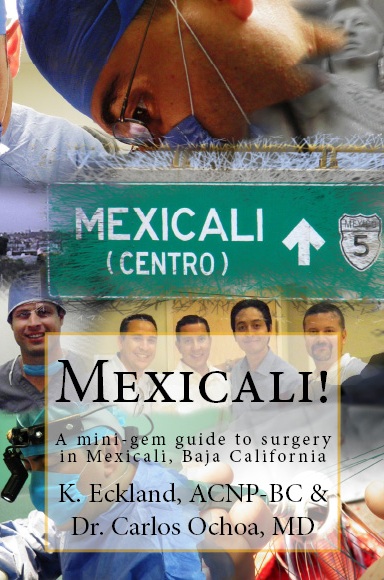
Finished the cover – which to me, is critical at this point.  (I use the cover to inspire me when it comes to the less than thrilling stage of copy editing) so I am posting an image here.

cover for the new book

Meeting with an architect later this week – to learn about, and write about some of the variety of styles here in Mexicali.  (There is such a surprising array – I thought it would be nice for readers to have a chance to know a bit more.)

Now there’s one house I’ve dubbed “Mexicali’s Graceland.”  I don’t know why Graceland comes to mind every time I go past this home (it looks nothing like Elvis’ home in Memphis) but the term has stuck.  I am hoping to get some of the history on this house because it just looks like a place where even the walls have stories to tell.

The pictures aren’t the most flattering – but I’ll post one so you can tell me what you think.  (It’s actually far more lovely in person – with the contrast between the pink walls and the white scrollwork, as well as some of the more classic design features.) I guess my imagination tends to run away with me – with images of grandeur and elegant ladies sipping champagne in the marbled halls of the past – but then – most of my usual writing is technical in nature, so I have few outlets for my creativity.

Mexicali’s Graceland

Meeting with my co-writer today to go back to the archives..

In the operating room with Dr. Enrique Davalos Ruiz, Neurosurgeon


Dr. Enrique Davalos Ruiz, Neurosurgeon

Spent the morning in the operating room with Dr. Davalos.  As we discussed in a previous post, Dr. Davalos is one of just a few neurosurgeons here in Mexico to specialize in both adult and pediatric neurosurgery procedures.  He performs a wide range of procedures such surgery for cerebral tumors, spinal bifida, hydrocephalus, trauma, spinal surgery and epilepsy.  But one of the procedures he is best-known for here in Mexicali is the surgical repair of craniosynostosis.  However, if you’ve ever watched this intricate procedure – ‘repair’ really isn’t the word that comes to mind to describe the procedure.  ‘Rebuild’ is much more appropriate.

Craniosynostosis is a congenital cranial deformity caused by the premature fusion of the cranial sutures.  (These sutures allow for the babies head to be slightly compressed during natural childbirth).  Many new moms can attest that their neonate’s head was temporarily ‘squashed’ looking at birth, but normalize over the first few days as the bones relax into their natural position.  In normal development, these sutures (or ridges where the bones come together) are not yet fused  – and fuse over the first few months of life.

When the bones that comprise the skull fuse early, it can result in a significant cranial abnormality.  (Luckily, in most cases of [primary] craniosynostosis – the patient’s brain functions normally despite this.)

To treat this surgically, Dr. Davalos had to essentially rebuild part of the skull (the coronal sections of the parietal and frontal bones).   He did this by removing and reshaping the skull in separate sections and then rejoining the pieces to conform to a more natural shape.  (As a someone who sews, it reminded me of lacing a corset to get curved shaping).   In a child of this age – the bones should fuse/ heal within approximately six weeks – with no long term limitations for activities.

Sterility was maintained during the case, and everything proceeded in a rapid and appropriate fashion.  Anesthesia was proficient during the case, with excellent hemodynamic stability and oxygenation.

Dr. Davalos beveling a portion of the skull

Dr. Enrique Davalos Ruiz, MD

Pediatric and Adult Neurosurgery specialist

Calle B No 248

entre Av. Reforma and Obregon

Zona Centro

Mexicali, B. C.

In the OR with Dr. Ramos & Talking with Dr. Enrique Davalos Ruiz, Neurosurgeon


Interesting day today – as I travelled across a wide range of specialties in just a few short blocks.  I started out this afternoon in thoracic surgery with the good doc seeing patients in clinic, then off to IMSS to watch a Whipple procedure (pancreatoduodenectomy) with Dr. Gabriel Ramos.   (The Whipple procedure would be the ‘open heart’ surgery of the general/ oncology surgery specialty – it’s a complex, complicated and involved procedure – so, naturally, I loved every minute of it!)

Dr. Gabriel Ramos & Dr. Maria Rivera

Some of you will recognize the absolutely delightful Dr. Maria Rivera from one of our pictures last week (on facebook) – in which she was an absolute stunner.

Not an everyday photo – but then that case was pretty breathtaking too – (when I finish writing about it, I will post a link.)

Dr. Elias Garcia Flores, who I met briefly last week was there too.. (Of course, I didn’t recognize him since he had a mask on this time.)

Unfortunately, I couldn’t stay because I had a previous appointment to interview Dr. Enrique Davalos Ruiz, a local neurosurgeon.  He turned out to very charming and interesting..

He’s the only neurosurgeon specializing in pediatric and adult neurosurgeon for all of Baja California and Sonora.  (I’ll write more about him soon – I am hoping to head to the operating room with him next week.) He’s pretty busy working at IMSS and Hospital General de Mexicali, in addition to private practice but he didn’t seem to mind taking time to talk to me.

Mexicali book: New co-author


As much as I have adored working with my previous co-author, Dr. Albert Klein, PharmD on two previous editions – it just wasn’t practical for this title.  He’s now living and working in North Carolina, whereas – I don’t know when (and if) I’ll be returning to my beloved southern Virginia, which makes this sort of collaboration more difficult.  Also, Dr. Klein, (by the nature of his background) is more of an expert on Colombian history, culture and Bogotá life than the rest of Latin America.  (I always feel that the best way to get a glimpse of life is through the eyes of those who have lived it.)

But I do want to sincerely thank Albert for everything – (without him, I might not have been brave enough to publish at all!)  It’s been a pleasure working with him – both on the books and in the hospital, so hopefully we can collaborate again in the future (Medellin, perhaps?)

In the meantime, I have a new co-author for the latest book, the ‘mini-gem’ guide to Mexicali.  While it’s a more breezy style book compared to my other offerings, I still feel very fortunate to have enlisted some local assistance for the sections on culture, Mexicali life and local color.  The input has been invaluable for me during the writing process – and will prove to be the same for readers, (I hope!)

I am also hoping to get a few additional contributors for other sections of the book to talk about issues in their respective areas of expertise.  (It may be free but that doesn’t mean it shouldn’t be a quality product and a good read.)   It’s not a done deal – and it may be difficult due to everyone’s busy schedules etc – but I am hoping it all comes together.

Once I get all of the specifics nailed down  – I’ll post more about it here.

The rest of the book is going well – I am probably about 75% complete (and then the dreaded editing process!!)  Depending on how horrible editing is – and time limitations – determines whether or not the Mexicali book becomes a e-book.  (I find the e-book conversion process endlessly frustrating, particularly for a die-hard fan of footnotes like myself.)

In the operating room with Dr. Martin Juzaino


This post is a little overdue since I was out of town for a few days.. I missed the 115 degree temps and I missed Mexicali too..

Dr. Juzaino (left) and Dr. Rivera

Usually, I go to surgery after I’ve spoken to the surgeon, and talked to them for a while but in this case – I had heard of Dr. Juzaino (after all – he practices at Hospital General de Mexicali) but couldn’t find a way to contact him – he’s not in the yellow pages, and no one seemed to have his number..

So I just hung out and waited for him when I saw his name on the surgery schedule. He was supernice, and invited me to stay and watch his femoral – popliteal bypass surgery.  Case went beautifully – leg fully revascularized at the end of the case.   Patient was awake during the case but appeared very comfortable.

intern during surgery

There was a beautiful intern in the surgery – her face was just luminous so I couldn’t resist taking a picture.  Unfortunately, I didn’t get her name, and no one recognizes her because of the mask – so I am hoping some one from the OR recognizes her here.. I’d like to send her a copy of the picture.. (and get permission to post it..)

Saw Lupita Dominguez – who in the role of nursing instructor that day.  She is always so delightful – I need to get a picture of her with out the mask so all of you can see her -besides being an outstanding nurse, and nursing instructor,  she is just the friendliest, sweetest person with cute freckles to boot.. (I am very envious of people with freckles..)

On another note entirely, here’s some more information about the ethical implications of transplant tourism for my interested readers as follow up to my Examiner.com article.  It’s a video of lectures by one of the leading ethicists and transplant surgeons, Dr. Delmonico.. (yes, like the steak.)

Mexicali and Medical Tourism


As I mentioned in a post earlier this week, the New York Times article  by Jennifer Medina has really gotten Mexicali officials to sit up and take notice.  The NYT article was just one part of a ‘medical tourism plan’ outlined by the mayor of Mexicali and other government officials.

turismo medico

city of Mexicali

Right now the outline consists of several points:

1. Guide to medical services – they have published a book with the names and addresses of surgeons interested in participating in medical tourism.

2. Transportation – mainly by automobile and buses.  The medical tourism lane at the border was part of this.

3. A plan for a 32 block medical tourism zone.

A good start, and it shows forethought – but as I listened to their outline it prompted my own (humble) suggestions:

1. Medical guide – make this a ‘real’ guide not a phone book of surgeons and providers offering their services.  It should be comprehensive, and offer more than just names and addresses, ideally written as an independent review.. But then take the risk that maybe everything, and every service won’t come out shining..   (Admittedly, this is something I understand the best).

2. Transportation – consider approaching Volaris or another carrier to offer direct flights once or twice a week from Las Vegas, Dallas and Los Angeles.  Right now there are no direct flights from Mexicali to the United States.  By offering direct flights – Mexicali could be much more competitive with both Tijuana and Las Vegas (which is pursuing its own medical tourism strategy to make Las Vegas a medical tourism destination.)  This would play to Mexicali’s two biggest strengths:

1.  It’s proximity to the United States

2.  It’s reputation as a ‘safe’ destination in comparison to Tijuana and other border cities which have their own medical tourism ideas..

It would also open up Mexicali to a much wider market since both Dallas and Los Angeles is a hub for several American carriers serving Canada and the USA.

2. Consider changing the 32 block ‘medical tourism zone’ into one large facility offering dedicated service lines.  While all the small private hospitals in Mexicali will hate this idea – instead of fighting over patients, they would have the advantage of having one large facility with pooled resources.

This would also address the weaknesses of medical tourism in Mexicali: Right now each facility has five (or two) ICU beds, and just 10 or so post-operative beds.  It would also eliminate some of the waste caused by the costly duplication of services – since each hospital currently struggles to offer CT scans, cath facilities and other costly equipment.  As part of a long-range plan – this would better enable the providers and facilities in Mexicali to seek outside accreditation/ and certification of programs and service lines, which in turn would attract more patients.

In the meantime, participating hospitals could convert to specialty facilities (ie. an orthopedic hospital, and plastic surgery center etc.) while the new facility is being built.  This would also reduce the stress on doctors traveling all over town to see just one or two patients at each facility.. If medical tourism really gets going here – these doctors are going to need as much time as they can get; caring for patients..

The centralized large hospital would also enable people like Dr. Vasquez to really get his cardiac surgery program off the ground.  More specialized ancillary services like physical and rehabilitative services would also be pooled and would improve the quality of services in the city, for everyone, including the people of Mexicali who also suffer from the lack of large, comprehensive facilities.   This also brings me to my next point –

3.  Since the city and government of Mexicali is involved in the project – there needs to be a clear and comprehensive plan about how the revenue from this project is going to serve the people of Mexicali.  After all – their tax dollars are helping to fund this ingress into medical tourism, so they need to get something out of it.. Like a PET scanner or some other service that doesn’t currently exist in Mexicali.

4. Don’t forget the rest of Baja – there are an awful lot of retirees and such living in southern Baja – so make sure they know about what your city has to offer.  These people need hip replacements, heart surgery and a whole spectrum of services that are very limited in their geographic area.  Give them a reason to come to Mexicali instead of Ensenada or Tijuana by courting their business.

If anyone from Mexicali reads this post – I hope they can see my suggestions, in the spirit that they are given.  Mexicali has a lot of opportunity here, and the potential to be a great place for a wide range of medical tourism – not just bariatrics and plastic surgery, but they need more comprehensive, and long-range strategies to put their plans into action.

Today was a great example of how much the city has accomplished by working together – with a little more work, and a lot of vision – Mexicali could really go far, and provide great services to more than just a bunch of gringos..

Meet Lupita Dominguez, surgical nurse


Had an amazing day yesterday – one of those days that reminds you how much we can do in medicine when we all work together.  I am hoping to write it up as a case study – if not – I will tell you more about it here.  (The patient was exceedingly gracious when I asked permission.)

But this morning, I was back in the operating room with Dr. Cuauhtemoc Vasquez.  (If he is tired of me – he sure doesn’t let on..)

I finally had the opportunity to get some of the pictures I’ve been trying to get on every visit to his OR – to show readers the heart, and the pulse of cardiac surgery..

There’s a running joke in Mexicali – if you need help in the operating room, any operating room, in any of the hospitals in the city; just holler for Lupita because she’s always there.

Introducing Lupita Dominguez, surgical nurse

All kidding aside on the popularity of the name “Lupita” among operating room personnel, there is just one Lupita that I would like to talk about today,  Lupita Dominguez, who is Dr. Vasquez’s surgical nurse.  In the months, and the numerous occasions that I have been a guest in Dr. Vasquez’s operating room, I’ve had the opportunity to observe and appreciate the hard-working Lupita.

Lupita Dominguez with Dr. Vasquez

Teacher, Coordinator and Mind-Reader

Most people don’t know it – but Lupita has the hardest job in the operating room, and probably (in Mexico) the most poorly paid.   They say a good scrub nurse has the instrument in the surgeon’s hand before he knows he needs it – and from what I’ve seen, that’s Lupita.  She’s here an hour earlier than the rest of the surgical team, getting everything ready, and she’ll be here after everyone else escorts the patient to the intensive care unit.

Here she is, a blur of motion as she takes care of everyone at the operating room table

As I watch again today, she is ‘running the table’ and anticipating the needs of not just one demanding cardiac surgeon, and an additional surgeon, but also one surgical intern, and another student.  With all of these people crowded at the table, she still has to follow the surgery, anticipate everyone’s needs and keep track of all the instruments and supplies in use.  In the midst of this maelström, the scrub nurse has to ensure that everyone else maintains sterility while preventing surgical instruments from being knocked to the floor, or otherwise misplaced (a difficult task at times).

Here she is demonstrating how to correctly load the needle, and pass sharp instruments

She’s forever in motion which has made taking the few photos of her a difficult endeavor; She’s shaving ice for cardioplegia, while listening to the circulator, adjusting the OR lights, and gently guiding the apprentices.  She’s so gentle in her teaching methods that the student doesn’t even realize she’s being led, and relaxes enough to learn.  This is no easy task, particularly since it’s just the beginning of the July, and while bright-eyed, pleasant and enthusiastic, the new surgical resident is inexperienced.  Her own student nurse, is two parts shy, but helpful enough that near the end of the case, (and the first time since I’ve known her), Lupita actually stops for a moment and flashes me a wave when she sees the camera faced in her direction.  I’m surprised, but I manage to capture it.

a very rare moment – Lupita takes a millisecond to say hello

She is endlessly busy, but ever uncomplaining – even when a scheduled surgery takes an unexpected turn and extends to twelve or even fourteen hours.  Bladder straining perhaps, baby-sitter calling, but Lupita never complains.  She’s not unique in that – scrub nurses around the world endure long hours, tired feet and legs, hungry bellies, full bladders, and aching backs as they complete their days in the operating room.  But she does it with good nature and grace.

Lupita assisting Dr. Vasquez during surgery

The surgical nurse

In the United States, this important job has been lost to nursing, a casualty of the ongoing shortage.  Positions such as scrub nurse and others like it have been frequently replaced with technicians who require less training and thus, less compensation that nurses.  Maybe the nursing profession doesn’t mourn the loss; but I do.

as you can see – here she is, ‘behind the scenes’ so to speak..

But in Mexico, and many other locations, this position remains the exclusive domain of the nurse.  Nurses such as Lupita, spend three years studying general nursing in college, before completing an (optional) additional year of training for a specialty such as the operating room.  After completing this training, these nurses spend yet another year in public service.

The idea of the public service requirement is honorable yet almost ironic (to me)  at times, since the majority of nurses in Mexico will spent their careers in public facilities, and by definition (in my mind at least), nursing is an occupation almost entirely devoted to the service and care of others.

Working conditions vary but some constants

Depending on the country, the culture, and the facility; conditions may vary; nurses may get short breaks, or be relieved during particularly long cases.   The only constant is the cold, and the hard floors, and rickety stepstools[1].  While the nurses here tell me that the workday is only seven hours long – I’ve been in the operating room with these ladies before, and watched a supposed ‘seven-hour’ day stretch to fifteen.   But it is just part of being a nurse.

[Usually I tell people when I am writing about them – but on this instance – there was never an opportunity.. but she (and all the nurses in the OR with Dr. Vasquez) certainly deserve mention.]


[1] Temperatures are set lower in cardiac surgery rooms.  Why the stepstools always seem rickety, I have no idea.

Wrapping up and saying “Thanks!”


It’s a busy Sunday in Mexicali – presidential elections are today, so I am going to try to get some pictures of the nearest polling station later.. In the meantime, I am spending the day catching up on my writing..

a polling station in Mexicali

Lots to write about – just haven’t had the time..  Friday morning was the intern graduation which marks the end of their intern year – as they advance in their residencies.. Didn’t get a lot of pictures since I was at the back of the room, and frankly, unwilling to butt ahead of proud parents to get good pics.. This was their day, not mine and I was pleased that I was invited.

I did get a couple of good pictures of my ‘hermanito’ Lalo and Gloria after the event.  (I’ve adopted Lalo as my ‘kid’ brother.. Not sure how he feels about – but he’s pretty easy-going so he probably just thinks it’s a silly gringa thing, and probably it is..)

Dr. ‘Lalo” Gutierrez with his parents

Lalo’s parents were sitting in the row ahead of me, so of course, I introduced myself and said hello.. (They were probably a little bewildered by this middle-aged gringa talking about their son in atrocious Spanish) but I figured they might be curious about the same gringa that posts pictures of Lalo on the internet.. I also feel that it’s important to take time and tell people the ‘good things’ in life.  (Like what a great person their son has turned out to be..)

Same thing for Gloria.. She is such a hard-worker, and yet, always willing to help out.. “Gloria can you help me walk this patient?”  It’s not even her patient, (and a lot of people would say – it’s not our jobs to walk patients) but the patient needs to get out of bed – I am here, and I need some help (with IV poles, pleurovacs, etc.)  and Gloria never hesitates.. that to me – is the hallmark of an excellent provider, that the patient comes first .. She still has several years to go, but I have confidence in her.

She throws herself into her rotations.. When she was on thoracics, she wanted to learn.. and she didn’t mind learning from a nurse (which is HUGE here, in my experience.)

Dr. Gloria Ayala (right) and her mother

She wasn’t sure that her mom would be able to be there – (she works long hours as a cook for a baseball team) but luckily she made it!

Met a pediatric cardiologist and his wife, a pediatrician.. Amazing because the first thing they said is, “We want nurse practitioners in our NICU,” so maybe NPs in Mexico will become a reality.. Heard there is an NP from San Francisco over at Hospital Hispano Americano but haven’t had the pleasure of meeting her.  (I’d love to exchange notes with her.)

I spent the remainder of the day in the operating room of Dr. Ernesto Romero Fonseca, an orthopedic surgeon specializing in trauma.  I don’t know what it is about Orthopedics, but the docs are always so “laid back”, and just so darn pleasant to be around.  Dr. Romero and his resident are no exception.

[“Laid back” is probably the wrong term – there is nothing casual about his approach to surgery but I haven’t had my second cup of coffee yet, so my vocabulary is a bit limited.. ]  Once I finish editing ‘patient bits’ I’ll post a photo..

Then it was off to clinic with the Professor.

Saturday, I spent the day in the operating room with Dr. Vasquez at Hospital de la Familia. He teased me about the colors of the surgical drapes,(green at Hospital de la Familia), so I guess he liked my article about the impact of color on medical photography.  (Though, truthfully, I take photos of surgeons, not operations..)

Since the NYT article* came out a few days ago – things have changed here in Mexicali.  People don’t seem to think the book is such a far-fetched idea anymore.  I’m hopeful this means I’ll get more response from some of the doctors.  (Right now, for every 15 I contact – I might get two replies, and one interview..)

Planning for my last day with the Professor  – makes me sad because I’ve had such a great time, (and learned a tremendous amount) but it has been wonderful.  Besides, I will be starting classes soon – and will be moving to my next location (and another great professor.)

Professor Ochoa and Dr. Vasquez

But I do have to say – that he has been a great professor, and I think, a good friend.  He let me steer my education at times (hey – can I learn more about X..) but always kept me studying, reading and writing.  He took time away from his regular life, and his other duties as a professor of other students (residents, interns etc.) to read my assignments, make suggestions and corrections when necessary.    and lastly, he tolerated a lot with good grace and humor.  Atrocious Spanish, (probably) some outlandish ideas and attitudes about patient care (I am a nurse, after all), a lot of chatter (one of my patient care things), endless questions…  especially, “donde estas?” when I was lost – again.

So as I wrap up my studies to spend the last few weeks concentrating on the book, and getting the last interviews, I want to thank Dr. Carlos Ochoa for his endless patience, and for giving me this opportunity.  I also want to thank all the interns (now residents) for welcoming me on rounds, the great doctors at Hospital General..  Thanks to Dr. Ivan for always welcoming me to the ER, and Dr. Joanna for welcoming me to her hospital.  All these people didn’t have to be so nice – but they were, and I appreciate it.

* Not my article [ I wish it were – since I have a lot to say on the topic].

Mexicali: the city by the fence


Back in Mexicali after a week away at the nurse practitioner conference in Florida – and I am surprised by how much I missed the city.

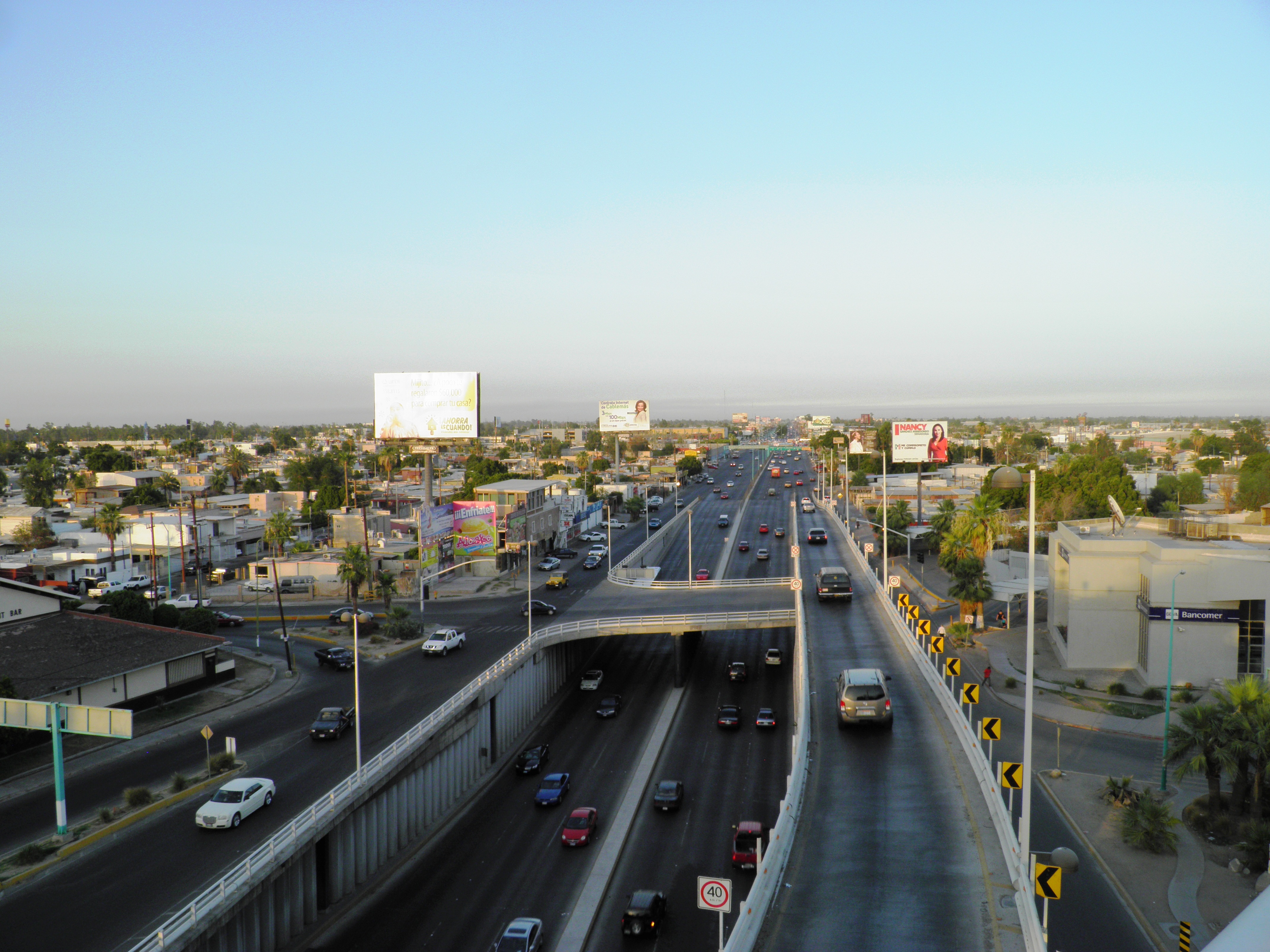
a view of the city

To be sure, it lacks the glamour and sophistication of Bogotá, Medellin or Buenos Aires.  It doesn’t have the 500 years of history or Caribbean flavor that makes Cartagena such a vibrant city.  Yet – despite this, Mexicali remains the city by the fence – and the city that makes me want to stay on the Mexican side of the border.

Maybe it’s the casual friendliness of the city that grabs me, and embraces me.  The lack of pretension, the very earthiness of the barren,hard packed dirt and dusty surroundings draw me in – with the hidden pockets of Mexicali that beg to be explored.  Every brightly lit taco stand, the mom and pop establishments, and the upscale neighborhoods tucked away in tree-lined streets..

So, today after clinic, and rounds – we left the hospital and explored Mexicali – looking for photos to represent the Mexicali that I am coming to know, and which are often unseen by weekend tourists.

the main artery, which criss-cross the city

Having the good doc as a tour guide was an unexpected bonus – he knows the city so well, and was able to give background and insight into all of our destinations. Despite being from Sonora, he attended school here – making Mexicali very much his home.

as the capital of Baja California, there are numerous excellent educational facilities

I find taking city photos one of the more difficult aspects of writing.. Monuments aren’t all that exciting, and often the most interesting parts of cities aren’t the most photogenic ones..

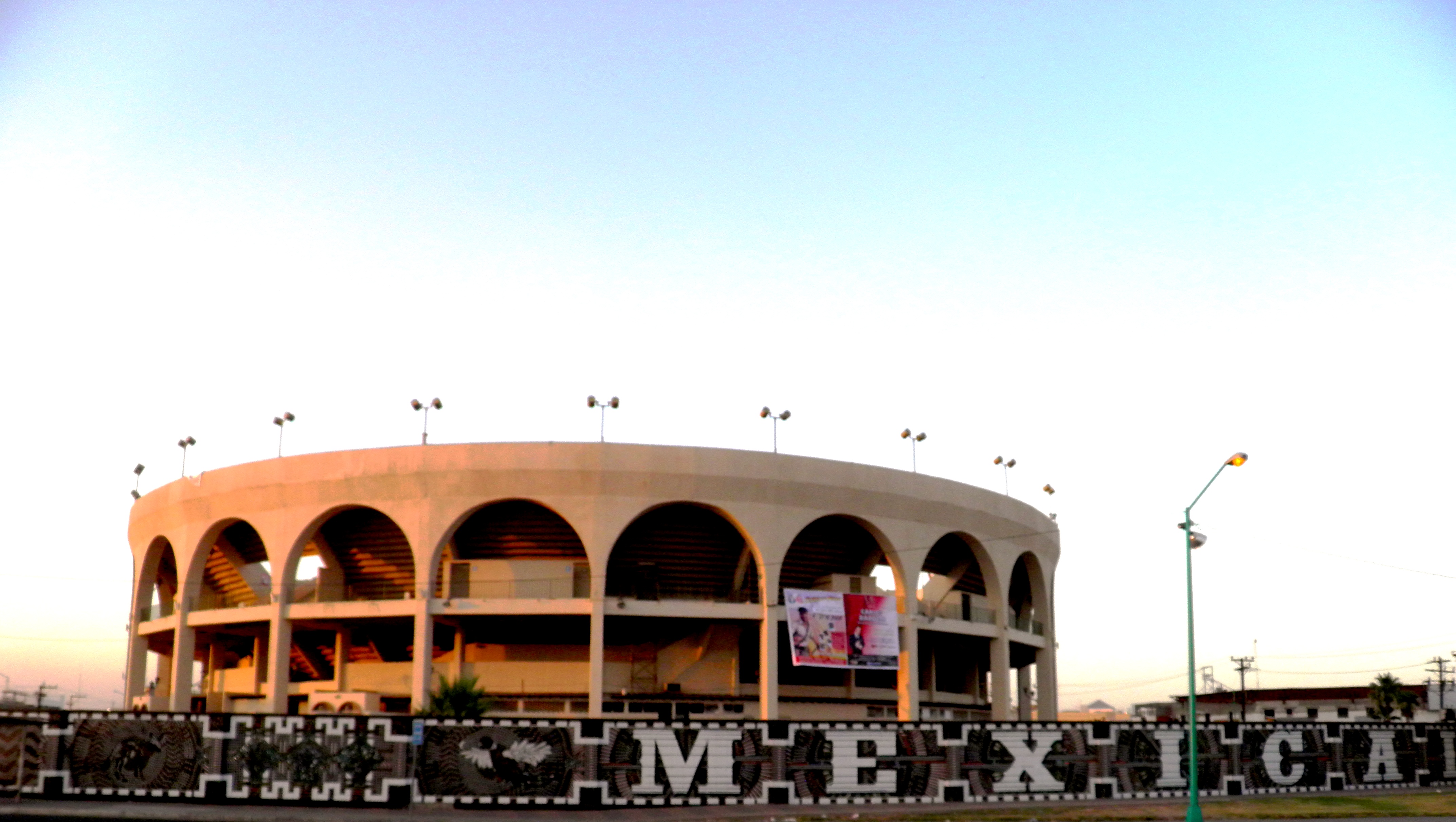
This is one of Mexicali’s better known landmarks – the stadium used for bullfights.  The Mexicali sign is actually made of mirrored tile which glistens in the sun..

Mexicali landmark: Bullfighting stadium

We stopped by the Military base, because I have been fascinated by the military presence during the preparations for the elections – soldiers guard the electoral offices to prevent any sort of voting shenanigans.  (I’ll try to get a picture of the soldiers soon)

The good doctor laughs when I ask about military efforts and involvement abroad.  (Just because I’m not aware of the Mexican military overseas doesn’t mean they aren’t UN peacekeepers.. )  So I ask my questions about it and it is several minutes before he can stop laughing enough to even answer the question.  Funny, maybe.  But then – when you think of it kind of nice.  Mexico doesn’t attempt to police the world, and that’s okay..

“No, there’s no navy,” he laughs.. (Actually, there is a navy – which is also involved in trying to fight drug trafficking and gang activity).  But it’s nice that it’s apparently low-key enough that it doesn’t dominate the public’s attention.

Military base in Mexicali

Their primary function is more like our national guard – fighting against unrest (and now – narco-trafficking) at home.  Safeguarding elections and the general populace.  Keeping the border safe (yes – safe from all the violence endemic to satisfying the American thirst for drugs, and the underground importation of American weaponry).  I feel a little nervous taking pictures of the base, but no one seems to notice or approach me.  (My first attempts were semi-surreptitiously, but then, with encouragement, I got a little bolder.)

Today is the last day that the political candidates are allowed to campaign before the election, so we passed supporters for PRI (Enrique Pena) and PAN (Vasquez Mota).  I didn’t see anyone out there for AMLO or Quadri, but maybe they just weren’t as well represented.  After this – the candidates have to lay low for a few days so Mexican citizens can ‘reflect’ prior to the elections on Sunday.  That’s kind of a cool concept too – no endless barrage of media like the mega-campaigns at home.

Of course, I wish we could have a real workable multi-party system, so it’s not always a ‘lesser of two evils’ situation at home.  Maybe if we weren’t limited by having just two choices and two main parties – we might have more ‘shades of grey’ instead of all this extremism at both ends of the spectrum.. But it’s interesting to watch here, all the same, and I am glad that I have been here to experience it.

I hope I don’t alienate readers at home with my talk of politics – after all, I am not really a political animal, so ignore my musings, if you like..

In other news – it’s a bit frustrating when you have spent several months here – only that have the New York Times swoop down.. and all the doors that were closed to you (That’s you, Omar Dipp) suddenly burst open since they are a major news agency.  Of course, they had the mandatory patient testimonial,  – it was just the usual “medical tourism lite” style story that so often dominate the news.   Didn’t you just love the “nurses warm your hand…”  more like advertising than real journalism, but whatever..  (In fairness – I write a lot of “news lite” articles myself for outlets like Examiner.com which actually prefer this style, but those are usually 400 word pieces – and I’m not at the NYT, so of course, I am envious..

But it’s good for Mexicali – and all the hard-working doctors I’ve met here..  They certainly deserve the exposure!

Hopefully readers who want the real scoop on operating room conditions, doctors , etc.  will still know where to come for in-depth information..

Saturday in Mexicali


After all our serious discussions about TAVI this week, we’ve moved on to some more casual topics.. It’s a sunny, quiet Saturday in Mexicali – so we spent the day enjoying some of what the city has to offer..

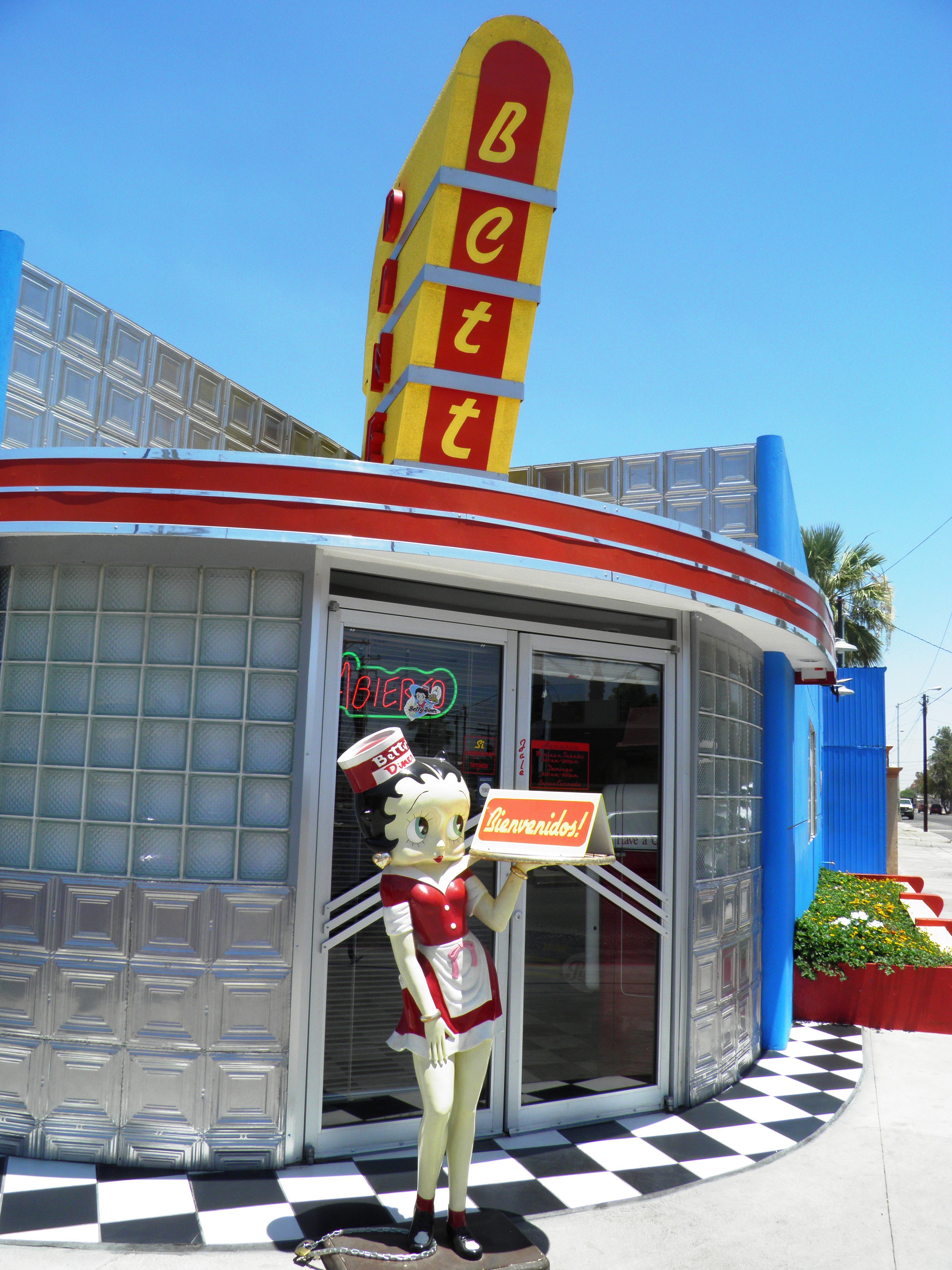
First we stopped by the Betty diner for lunch – a Betty Boop themed 50’s diner that we stumbled across the other day.

Betty Diner

Av. Honduras #123

Esq. on Bogotá

Col. Cuauhtemoc Sur

Mexicali, B.C

(near the Plazita)

Open 8am to 9am – closed Mondays..

Betty Boop restaurant

I’m not usually a ‘food poster’ – so I don’t usually post pictures of food – but since we are talking about a restaurant, I’ll break some of (my) rules..  It’s a casual place – with a mix of Mexican and American style food.

with the requisite chips and salsa..

The owner, Francisco Padillo was there – and he was very nice, along with all of the servers.  I made my husband order his meal in his (worse than mine) remedial Spanish.  He also paid in dollars – with no eye rolls and/or  sighs from the staff..

the smiling staff at the Betty diner

All and all – it was a nice lunch.

Since, I was acting like a preadolescent girl, my husband (continued to) indulge me – and we headed over the Hello Kitty store just down the street – in the Plazita..

The Hello Kitty store

(Really – who can resist Hello Kitty!  – she’s just so darn cute!)

After that – we were off to do some of our regular errands..

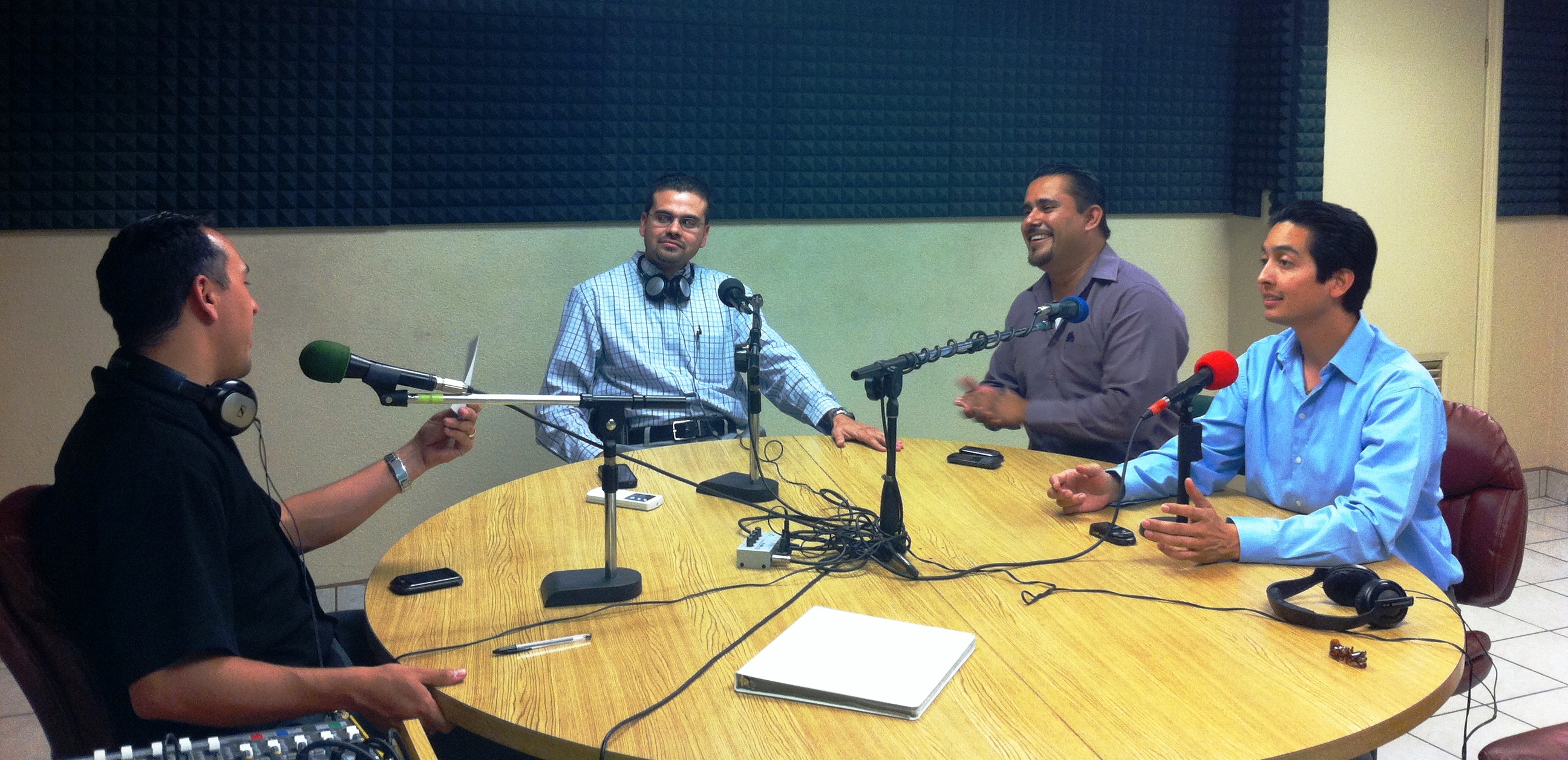
Overseas Radio Follow-up


As a follow-up for all the overseasradio.com radio listeners (and all my loyal readers) I have posted some additional information on the topics covered during the radio program with Ilene Little from Traveling for Health.com including contact information for several of the physicians mentioned.

in the Operating Room at New Bocagrande Hospital

Thoracic Surgery

Esophageal cancer – during the segment we highlighted the importance of seeking surgical treatment for esophageal cancer at a high-volume center.  One of the centers we mentioned was the University of Pennsylvania Medical Center in Pittsburgh, PA – and the work of Dr. Benny Weksler, MD.

Dr. Benny Weksler*, MD

Hillman Cancer Center

5115 Centre Avenue

Pittsburgh, PA 15232

Phone: (412) 648-6271

He is an Associate Professor in Cardiothoracic Surgery and Chief of Thoracic Surgery at UPMC and the UPMC Cancer Center.  (For more information on Dr. Weksler, esophageal cancer, and issues in thoracic surgery – see my sister site, Cirugia de Torax.org)

(To schedule an appointment via UPMC on-line click here).

We also briefly mentioned Dr. Daniela Molena*, MD at John Hopkins in Baltimore, Maryland.

The Johns Hopkins Hospital

600 N. Wolfe Street

Baltimore, MD 21287

Phone: 410-614-3891

Appointment Phone: 410-933-1233

(The link above will take readers to the John Hopkins site where they can also make an appointment.)

* I would like to note that I have not observed either of these physicians (Weksler or Molena) in the operating room.

We also talked about several of the thoracic surgeons that I have interviewed and observed numerous times, including both Dr. Rafael Beltran, MD & Dr. Ricardo Buitrago, MD at the National Cancer Institute in Bogotá, Colombia.  These guys are doing some pretty amazing work, on a daily basis – including surgery and research on the treatment of some very aggressive cancers.

in the operating room with Dr. Rafael Beltran

Dr. Rafael Beltran is the Director of the Thoracic Surgery division, and has published several papers on tracheal surgery.   He’s an amazing surgeon, but primarily speaks Spanish, but his colleague Dr. Buitrago (equally excellent) is fully fluent in English.

Now the National Institute website is in Spanish, but Dr. Buitrago is happy to help, and both he and Dr. Beltran welcome overseas patients.

Dr. Buitrago recently introduced RATS (robot assisted thoracic surgery) to the city of Bogotá.

Now, I’ve written about these two surgeons several times (including two books) after spending a lot of time with both of them during the months I lived and researched surgery in Bogotá, so I have included some links here to the on-line journal I kept while researching the Bogotá book.  It’s not as precise, detailed or as lengthy as the book content (more like a diary of my schedule while working on the book), but I thought readers might enjoy it.

In the Operating Room with Dr. Beltran

There are a lot of other great surgeons on the Bogotá website, and in the Bogotá book – even if they didn’t get mentioned on the show, so take a look around, if you are interested.

in the operating room with Dr. Ricardo Buitrago

Contact information:

Dr. Ricardo Buitrago, MD 

Email: buitago77us@yahoo.com

please put “medical tourist” or “overseas patient for thoracic surgery” in the subject line.

We talked about Dr. Carlos Ochoa, MD – the thoracic surgeon I am currently studying with here in Mexicali, MX.  I’ve posted all sorts of interviews and stories about working with him – here at Cartagena Surgery under the “Mexicali tab” and over at Cirugia de Torax.org as well.  (Full disclosure – I assisted Dr. Ochoa in writing some of the English content of his site.)

out from behind the camera with Dr. Ayala (left) and Dr. Carlos Ochoa

He is easily reached – either through the website, www.drcarlosochoa.com or by email at drcarlosochoa@yahoo.com.mx

HIPEC / Treatment for Advanced Abdominal Cancers

I don’t think I even got to mention Dr. Fernando Arias’ name on the program, but we did talk about HIPEC or intra-operative chemotherapy, so I have posted some links to give everyone a little more information about both.

HIPEC archives at Bogotá Surgery.org – listing of articles about HIPEC, and Dr. Arias.  (I recommend starting from oldest to most recent.)

Dr. Fernando Arias

Oncologic Surgeon at the Fundacion Santa Fe de Bogotá in Bogotá, Colombia.  You can either email him directly at farias00@hotmail.com or contact the International Patient Center at the hospital.  (The international patient center will help you arrange all of your appointments, travel, etc.)

Fundacion Santa Fe de Bogota

   www.fsfb.org.co

Ms. Ana Maria Gonzalez Rojas, RN

Chief of the International Services Department

Calle 119 No 7- 75

Bogota, Colombia

Tele: 603 0303 ext. 5895

ana.gonzalez@fsfb.org.co  or info@fsfb.org.co

Now – one thing I would like to caution people is that email communications are treated very differently in Mexico and Colombia, meaning that you may not get a response for a day or two.  (They treat it more like we treat regular postal mail.  If something is really important, people tend to use the phone/ text.)

Of course, I should probably include a link to the books over on Amazon.com – and remind readers that while the Mexicali ‘mini-book’ isn’t finished yet – when it is – I’ll have it available on-line for free pdf downloads.

Spending the weekend with Dr. Vasquez, and medical photography


For internet searches for medical photography – all of my images are free for your use, but please give proper credit for my work, ie. “Photo by K. Eckland”.  For commercial uses, contact me, (so that I can contact the subjects of my work).

Please note that patient privacy is protected – and patient permission is obtained prior to photographs.  For the most part – I photograph surgeons – not patients, or surgery.

Spent much of the weekend in the operating room with Dr. C. Vasquez, cardiac surgeon at two different facilities, and the differences couldn’t be more apparent – and perhaps not what one might expect.  Much of it comes from perspective; as a person behind the lens, I see the scene differently than others might.

harvesting the radial artery

In fact, this prompted me to write an article on the subject of medical photography, complete with a slide show to illustrate the effects of color on surgical photographs. I’ve also re-posted much of the article here (see below).  Once you see the photos from today, you’ll understand the article.

the beige operating room

The case today went beautifully, with the patient extubated in the operating room.

Dr. Vasquez, and Lupita, scrub nurse

While we were there – had an unexpected surprise! Dr. Gutierrez ‘Lalo’ showed up.  I have been trying to get him into the cardiac OR since he confessed his interest in cardiac surgery.  It was great to see him – and I like encouraging him in his educational goals.   (I kind of miss being a mentor, and preceptor to students..)

Lalo peeks over the curtain..

Dr. Gutierrez (Lalo) in the cardiac OR

Medical Photography

Medical photography is many ways is more art, and luck that skill – at least for people like me who never set out to be medical photographers in the first place.  It was a natural development prompted by dire necessity during the early days of interviewing surgeons and medical writing.  I am still learning, and hopefully improving.

But as I said before, much of it is luck, and timing, particularly in this field, where the subjects are always in motion and a slight movement of the hand tying the suture knot can result in either a breath-taking shot or an utter failure to capture the moment.

The most dramatic and vivid photographs often come at mundane moments, or unexpected situations.  In medical photography, where the subject matter combines with a dramatic interplay of color, light and shadow to illustrate some of life’s most pivotal moments such as birth, death and life-saving operations – it is surprising how important the background elements are.

Here in Mexicali, I have been taking photographs of different surgeons for several weeks at different facilities across the city.  But, almost unanimously, all of the photographs, regardless of subject at Hospital Almater are lackluster and uninspiring.  Contrast this with the glorious photos from the public facilities such as Hospital General de Mexicali, and Issstecali.

The culprit is immediately apparent, and it demonstrates how such carefully planned such as aesthetics and interior design can have unintended consequences.  The very studied, casual beigeness used to communicate upscale living in the more public parts of the hospital are destroying the esthetics of the operating room services they are selling.  Whereas, the older facilities, which have continued the use of traditional colored drapes and materials do not have the problem.

Historically, surgical drapes were green for a very specific reason.  As the complementary color to red, it was believed to be a method of combating eye fatigue for surgeons looking at the red, bloody surgical fields for hours at a time.  Over the years, operating room apparel and drapes evolved away from this soft green to a more vivid blue, know as ‘ceil’.  The reasons for this change are probably more related to manufacturing that medicine, and since that evolution, surgical drapes now come in a variety of colors – hence the color matching here, of the paint, the tile, the patients, the operating room and the surgeons itself.  Somewhere, an interior decorator is filled with gleeful satisfaction – but I can only muster up a groan; knowing I will be here again and that most of my photos will be unusable.

While the consequences of poor medical photographs may seem trivial to anyone but myself (and my interviewees) at this junction – it runs far deeper than that.  With the advent of the internet, and the complicated legalities of getty and other corporate images, small, independent photographers such as myself are gaining wider exposure than ever before.   Alas! – much of it is uncredited, but several of my more popular images are downloaded thousands of times per week, to grace slideshows, powerpoint presentations and other illustrations for discussions of anything from medicine and surgery to travel, technology and even risk assessment.  In an era of branding, and logo recognition, places like Hospital Almater are certainly missing out.

In  other news/ happenings: Upcoming elections!**

Finally found someone to talk to and explain some of the issues in Mexican politics – but he hates Quadri, and doesn’t really explain any of it except to say ‘He’s corrupt..”  (From my understanding, ‘corrupt’ is an understatement, and that all of the parties are corrupt – and it’s pretty well understood by everyone involved – so of course, if I hear something like that – please explain.. explain..)  It’s not like I am capable of voting anyway, but I’d sure like to hear perspectives..

It looks like I’m not the only one who is a little leary of pretty boy pena’s party’s dubious history.  His numbers have fallen in recent polls in advance of tonight’s televised debates.  (Let’s hope these debates are better than the last.)

My personal “favorite”, Quadri is still trailing in the dust, but it looks like Lopez has a chance to take the election from Pena (much like it was ‘taken’ from him in 2006 with his narrow defeat..  Lopez is a socialist which is hard for Americans like me to understand – but then again, it’s not my country, and the levels of inequity here are certainly wider than at home – so maybe someone like Lopez can bring some much needed support to the lower classes.

I mean, a lot of what we take for granted in the USA doesn’t exist here, like a decent free public school education.   (Okay – I know critics will argue about the value of an inner city education – but we still provide a free elementary & secondary school education to all our citizens.)  So socialism for the purpose of providing basic services in all areas of Mexico seems pretty reasonable.  (It would help if I could read some primary source stuff – without using translation software, so I would have a better idea of the specifics of AMLO’s ideas.)

I did ask my friend about the student demonstrations for Yo Soy 132.  I guess as an American growing up after the 1960’s – we tend to not too make much of a big deal over student demonstrators – after all – we have the ‘Occupy’ movements going on right now in our own/ other countries – but he was telling me that this is pretty uncommon in Mexico.

** No, I’m not really into politics but I feel like it’s important to try and understand as much as possible about the places (countries) where I am residing.

This week in Mexicali Surgery


No – I haven’t changed the name of the blog, just reflecting the nature of my current assignment.  Spending some time in Interventional Cardiology this week as part of a story I am writing about chest pain emergencies for Mexico on my mind.com.  Today, I checked out the cath lab at Hispano Americano Hospital.  It’s a bit crowded, but all the equipment is brand-spanking new, and practically sparkling.  (Don’t worry – I have photos to prove it!)

Nurses in the cath lab at Hospital Hispano Americano

Dr. Fernando Monge was kind of enough to give me a guided tour.  While we were there he (assisted by Dr. Raul Aguilera) placed a stent in a patient with recurrent angina.  A doctor from the ER also stopped by to have him review a couple EKGs..  I’ll post a link when the full story is done.

Also stopped in to talk to Dr. Jose Antonio Olivares Felix, MD, a general surgeon who reports to me that he is doing single port laparoscopy – so of course, that got me interested.  Hoping to set a date to go to the operating room.

I’ll be spending all of tomorrow in the company of Dr. Marnes Molina, MD to learn more about some of the other stuff he’s doing in urology (and hopefully grab a picture of that green laser!)

Dr. Gabriel Ramos, Oncology Surgeon


Dr. Gabriel Ramos, Oncologic Surgeon

Been a busy week  – (Yea!) but now that it is the weekend, I have a chance to post some more pictures and talk about my day in the operating room with Dr. Gabriel Omar Ramos Orozco. 

Despite living in a neighboring apartment, interviewing Dr. Ramos proved to be more difficult than anticipated.  But after several weeks, I was able to catch up with the busy surgeon.

Outside of the operating room, he is a brash, young surgeon with an off-beat charm and quirky sense of humor.  But inside the operating room, as he removes a large tumor with several cancerous implants, Dr. Gabriel Ramos Orozco is all business.

It’s different for me, as the interviewer to have this perspective.  As much as I enjoy him as a friendly neighbor – it’s the serious surgeon that I prefer.  It’s a side of him that is unexpected, and what finally wins me over.

Originally from San Luis Rio Colorado in the neighboring state of Sonora, Dr. Ramos now calls Mexicali home.  Like most surgeons here, he has a staff position at a public hospital separate from his private practice.  It is here at IMSS (Instituto Mexicano del Seguro Social) where Dr. Ramos operates on several patients during part of the extended interview.

Operating room nurses at IMSS

During the cases, the patients received a combination of epidural analgesia and conscious sedation.  While the anesthesiologist was not particularly involved or attentive to the patients during the cases, there was no intra-operative hypotension/ alterations in hemodynamic status or prolonged hypoxia.

Dr. Ramos reviewed patient films and medical charts prior to the procedures.  Patients were prepped, positioned and draped appropriately.  Surgical sterility was maintained during the cases.  The first case is a fairly straight forward laparoscopic case – and everything proceeds rapidly, in an uncomplicated fashion.  45 minutes later, and the procedure is over – and Dr. Ramos is typing his operative note.

Dr. Gabriel Ramos in the operating room

But the second case is not – and Dr. Ramos knows it going in..

The case is an extensive tumor resection, where Dr. Ramos painstakingly removes several areas of implants (or tumor tissue that has spread throughout the abdomen, separate from the original tumor).

The difference between being able to surgical remove all of the sites and being unable to remove all of the gross disease is the difference between a possible surgical ‘cure’ and a ‘de-bulking’ procedure, Dr. Ramos explains.  As always, when entering these surgeries, Dr. Ramos and his team do everything possible to go for surgical eradication of disease.  The patient will still need adjunctive therapy (chemotherapy) to treat any microscopic cancer cells, but the prognosis is better than in cases where gross disease is left behind*.  During this surgery, after extended exploration – it looks like Dr. Ramos was able to get everything.

“It’s not pretty,” he admits, “but in these types of cases, aesthetics are the last priority,” [behind removing all the tumor].  Despite that – the aesthetics after this large surgery are not as worrisome as one might have imagined.

The patient will have a large abdominal scar – but nothing that differs from most surgical scars in the pre-laparoscopy era.  [I admit I may be jaded in this respect after seeing so many surgeries] – It is several inches long, but there are no obvious defects, the scar is straight and neatly aligned at the conclusion of the case – and the umbilicus “belly-button” was spared.

after the successful removal of a large tumor

As I walk out of the hospital into the 95 degree heat at 11 o’clock at night – I admit surprise and revise my opinion of Dr. Ramos – he is better than I expected, (he is more than just the kid next door), and he deserves credit for such.

*This may happen due to the location of metastatic lesions – not all lesions are surgically removable.  (Tumor tissue may attach to major blood vessels such as the abdominal aorta, or other tissue that cannot be removed without seriously compromising the patient.)  In those cases, surgeons try to remove as much disease as possible – called ‘de-bulking’ knowing that they will have to leave tumor behind.

Dr. Ramos, HIPEC and Radio Broadcasts


Finally caught up with the busy Dr. Gabriel Ramos, MD, oncologic surgeon and spent several hours with him in the operating room at IMSS (the social security hospital) for a couple of cases on Wednesday..  I’ll be writing more about him soon.

Dr. Gabriel Ramos, Oncologic Surgeon

Yesterday was a full day with clinics here and San Luis.  Also – more homework, so I have to get some studying in before heading back in this afternoon.

On the radio with Cartagena Surgery:

Recorded my very first radio interview with Ilene Little at Traveling 4 Health..  I hope I don’t sound too bad (when I get nervous, I laugh..)  It’s not a pre-determined format, so I didn’t know the questions until she asked them – which makes it more interesting, but I sound less polished as I search my brain for names, dates, places etc.  Trying to remember the name of the researchers who published a paper in 1998, 2008, or 1978 is daunting when you worry about ‘dead air’.. I was so nervous I was even forgetting my abbreviations.  I hope it comes across better to listeners.

We talked about the books, what I do (and how I am surviving on savings to do it).  We also talked about some of the great doctors I’ve interviewed, treatments such as HIPEC as well as some of the quackery and false hope being peddled by people with a lot to gain.. I kind of wish HIPEC and quackery weren’t in the same segment.  Since it was off the cuff – I didn’t have all of my medical references and literature to talk about to distinguish the two (so if you are here looking for information on HIPEC – search around the site – I have links to on-going studies, and research going back over a decade, both here at BogotaSurgery.org .  Of course, the crucial difference between the two is:

HIPEC is a new treatment, but there is NO assurance of success – in fact, some patients die from the treatment itself.

– There is a body of scientific literature on HIPEC for advanced abdominal cancers (ovarian, uterine, etc)

Quakery or pseudo-science can be a bit trickery.  Maybe they take an existing or  promising treatment (like therapies for stroke, Parkinson’s etc.) and apply it to something else – like treatment of serious cancers.  (Yes – people will find papers written about the ‘treatment’, but these papers may not meet scientific rigor, or may not be about the condition or treatment that they are receiving.)  They also promise miracles and cures.

In medicine, even the very best doctors and surgeons can’t promise these things – because medicine itself isn’t an exact science, and different people respond to the same treatments differently – ie. one patient may have complications and another patient doesn’t.

Lastly  – we just touched on it – but I think it’s an important concept – is patient self-determination.  That no matter what I, or anyone writes, does or says – people always have the right to determine their own medical treatment.

Mexico on my mind….and the city by the fence


Actually, it is on my mind quite a bit these days, as you can imagine.  But that’s also the title of the new website where I will be contributing to articles about life, and health care in Mexicali.  It’s a website designed for Americans and other extranjeros living in Mexico, so I thought it was the perfect place for some of my articles on medical emergencies and medical services.

I think that if you are an ex-pat living in a different country/ culture/ etc. even if you’ve been here for a while – if you become ill, it’s a little more frightening and confusing than it might be in your old hometown.  So, hopefully the addition of a fellow gringa to help navigate the system, so to speak, is more comforting and helpful to readers..

Of course, many of the readers of the site are living in different areas of the country, so this is also a chance for me to speak up and promote Mexicali – and after being here for a couple of months – I really think that Mexicali is often judged harshly.

Sure, I don’t want it to become the next Cabo San Lucas – where Spanish is drowned out by drunken teenagers hollering, puking and carrying on in English, and Mexican culture has been submerged beneath a sea of tacky shops, Starbucks, and the homogenous effect of chain restaurants and fast food.  But I also think that when people skip over Mexicali, they are missing a chance to see an interesting side of Mexico – a side that is often downplayed to tourists unless you are heading to Mexico City.

But first – let’s be sure to say what Mexicali isn’t.  It isn’t a quaint seaside resort, or charming village.  It also isn’t a crime-infested border city, as we’ve talked about before.

If you are looking for cute, charming and rural – this isn’t the place for you.

But that’s not to say that Mexicali is without its own considerable charms.  It is first and foremost – a city of industry.  While this contributes to wide areas of industrial blight (factories and their by-products aren’t particularly attractive) – it also means that there is a significant sector of skilled labor and a higher overall standard of living.  Some of this industry is medical, but much of it is more traditional – factories and companies who came here to take advantage of NAFTA.  Frito-Lay is here, Modelo brewing is here, as well as several juice distributors and machineries.  But there is also Intuitive Surgical – the makers of the DaVinci Robot, a two million dollar piece of extremely sophisticated medical technology.

street art in Mexicali

It is also the capital of Baja California, so there is a large contingent of government offices here too,  along with the Universities and educational facilities of higher learning.

But most importantly, it is a city of people.  These people are the true heart of ‘Mexican culture’, in a very real sense.  I am fortunate that as a student, in my daily activities – I get to encounter these people on a day-to-day basis – and the people of Mexicali have proven to be as friendly and welcoming as any city I’ve ever lived.  Despite the close proximity to the border, this is the real Mexico – and it hasn’t been diluted.  Spanish remains predominant, and real working class citizens populate the streets and buildings as opposed to the more touristy destinations where everything has been ‘Americanized’ for our comfort.

Want to learn Spanish?  Then come here.  You will get to practice every day.  People will help you, correct your grammar, offer you the occasional missing word – and they do it with patience and a smile, but they will expect you to speak Spanish all the same.

The charm is here – on the quiet, upscale streets in the different barrios of the city, in the music emanating from well-kept homes, in the kitchens of mom and pop restaurants serving native dishes, and in the way that residents still welcome outsiders like myself.

They have pride in their city, their way of life and take pains to encourage me to sample it – pieces of their culture, whether as part of traditional festivities for a national holiday, or a bite of food from a street vendor or even just directions to the best [blank] in town.

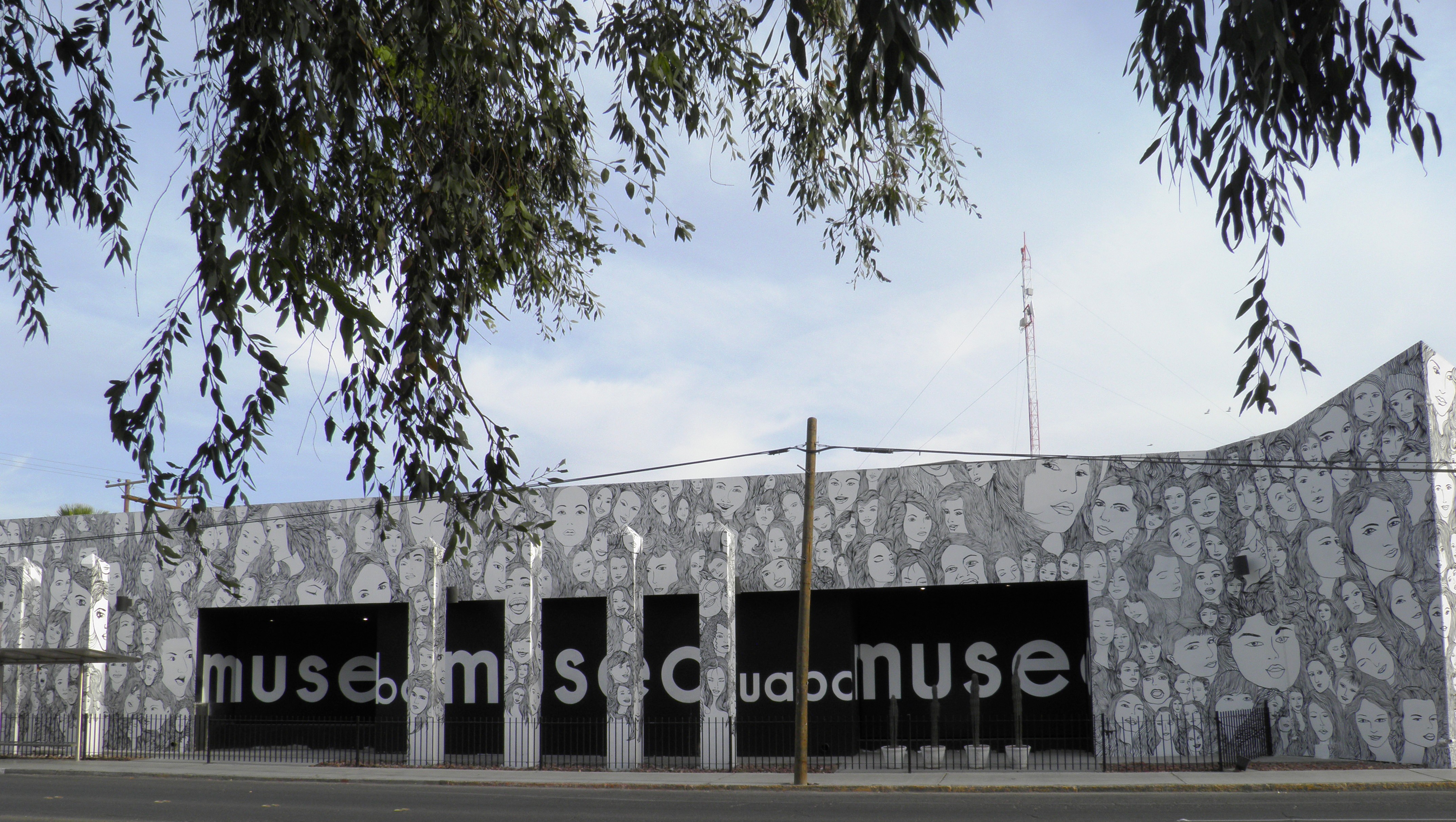
an art museum in Mexicali

It also has its own identity, distinct from larger Mexico.  Some of this comes from dealing with the heat – 120 degree days in the summer are not uncommon – on these dry, sun-baked and parched streets.. Some of it comes from the unique make-up of this city – which boasts a shared heritage with a large Chinese community who fled the states after building the railroads.  So, yeah – they probably have the best Chinese food in Mexico too.

So hopefully, as I write about the doctors, and hospitals of Mexicali, visitors to the city will see the other charms that make me appreciate this place a little more every day.

In the operating room with Dr. Victor Ramirez, MD, plastic surgeon


Frankly, I wasn’t sure what to expect when I returned to see Dr. Victor Ramirez.  I had enjoyed talking to him during the first interview back in November of 2011, but as most people know – a lot had happened since then.  It took me a couple of weeks to re-connect with the now somewhat wary and (media-weary) surgeon, but when I did – he didn’t hesitate to invite me to the operating room.  And then – after the first case, he immediately invited me back**.

Dr. Victor Ramirez, plastic surgeon

For readers unfamiliar with the concept of my work – let me tell you, this is usually an excellent prognostic indicator.  It’s certainly not fail-proof – but as a general rule; when a surgeon invites you to his operating room, he is generally confident because he is a good surgeon. 

You’ll notice a couple of things about the statement above – when the surgeon invites me, is important.  Often when I have to ask – it’s because the surgeons are hesitant to let me watch.  Most (but not all of the time) – there is a good reason that a surgeon doesn’t want an observer in their operating room.  (And there are a multitude of reasons – not just a poorly skilled surgeon.)

But there are certainly no absolutes.  I have met fantastic surgeons who initially were not crazy about the idea (but quickly warmed up to it) and I have met less than skilled surgeons who happily encouraged me to visit – and everything in-between.. I’ve visited great surgeons who were hampered by poor facilities, unskilled staff, or limited resources.  That’s why the on-site, operating room visit is so important.  Anything less, is well – less than the full picture.

But back to Dr. Victor Ramirez – in the quirofano (operating room) performing surgery.

Dr. Victor Ramirez, Dr. Perez and Ricardo (RN)

I observed Dr. Ramirez operating at two different facilities – Hospital Quirurgico del Valle, and the Bellus clinic.  Hospital Quirurogico is a private hospital – with excellent operating room facilities.  While there are only two operating rooms, both rooms are large, well-lit, new, and very well equipped.  There are three separate ‘big screen’ tv sized monitors for video-assisted procedures – so if you are looking for a facility for video-assisted procedures such as endoscopy, laparoscopy or thoracoscopy – this is the place.  All the equipment was modern, in new or ‘near-new’ condition.  As a facility specifically designed as a surgical hospital – with private rooms, patients are segregated from ‘medical patients’ with infectious conditions.  (The facility is not designed for pneumonia patients, and other medical type hospitalizations.)

Dr. Ramirez applied the sequential stockings himself (kendall pneumatic devices), and supervised all patient preparations.  Patients received a combination of conscious sedation, and epidural analgesia – so they were awake, but comfortable during the procedures.  (This eliminates many of the risks associated with general anesthesia – and reduces other risks.)  The anesthesiologist himself, Dr. Luis Perez Fernandez, MD was excellent – attentive and on top of the situation at all times.  There was no hypoxia or hemodynamic instability during either of the cases.  (I have been favorably impressed by several of the anesthesiologists here in Mexicali.)

Dr. Perez monitors his patient closely

As for the surgery itself – everything proceeded in textbook fashion – sterility was maintained, and Dr. Ramirez demonstrated excellent surgical techniques.

For example – One of the signs of ‘good’ liposuction (and good preparation) is the color of the fat removed.  Ideally, it should be golden or light pink in color.  Over-aggressive liposuction or poorly prepped liposuction results in more bleeding.  As I watched fat being removed – the fat remained golden-yellow in the suction tubing, and even at the conclusion of the procedure, the accumulated suction canister contents remained just slightly tinged pink.

Results were cosmetically pleasing in both cases with minimal trauma to the patients***- but there will be more details forthcoming in the free book (since the post is becoming pretty long, and may be more detail than casual readers would like.)  I’ll have more information about the doctors, including the anesthesiologists, the clinics and the procedures themselves..

I did want to post some specifics – especially in this case, as the patient told me that her/his parent is a retired physician and had concerns about surgical conditions.

Mom, Dad – you don’t have to worry – Dr. Ramirez runs an excellent OR. Even in the tiny Bellus clinic, there is a full crash cart, a defibrillator and an emergency intubation cart – just in case.

**Given what I know about Dr. Ramirez, I am pretty confident – that if I wanted – I’d be there right now, and every day for a month, or until I said, “stop”..  That’s the kind of person Dr. Ramirez is.

*** In some liposuction cases – the patients appear as if they have been beaten (extensive bruising) due to the amount of trauma and force used during the procedure.

Talking with Dr. Jose Juan Durazo Madrid, MD about GI endoscopy


This post is long overdue since I interviewed Dr. Jose Juan Durazo Madrid, MD, FACS almost two weeks ago – but as readers know, things have gotten pretty busy lately.  I’ve seen Dr. Jose Juan Durazo a couple times since the initial interview – but alas! I still haven’t talked my way into his operating room.

Dr. Durazo, who is a fellow in the American College of Surgeons is a primarily Spanish-Speaking general surgeon specializing in gastroenterology (endoscopy, and capsule endoscopy) and general surgery procedures such as cholecystectomies, appendectomies, hemorrhoid surgery and Nissen fundaplication for GERD.  H also performs surgery for cancers of the GI tract.  He performs bariatric surgery but reports that this is only a small portion of his practice.

Dr. Durazo has been a surgeon for 22 years.  After attending UABC (Universidad Autonoma Baja California) here in Mexicali, he completed his general surgery residency in Hermosillo, Sonora.

He now serves as a professor of surgery for his alma mater, in addition to his private practice.  He primarily operates at Hispano – Americano, Hospital Almater, Hospital Quirugico de la Valle, and IMSS (government facility.)

Hopefully, I’ll be reporting back from the operating room one of these days.

You’ve come a long way, baby!


Wow..  a long couple of days – but I am sure not complaining!  Still having a blast – and as they teased me in the operating room, “Cristina, Cristina, Cristina!” I felt more like I belonged – instead of as a student, often lost/ confused.  Even more so – when I found myself irritated on rounds – irritated when the answers were obvious!!  Obvious – that’s certainly making progress..  (Irritated is such an improvement over clueless, I must say..) But the interns are a good bunch, even if they don’t love surgery like I do!

Residents at Mexicali General

The good doc gave me some homework – as we work on a ‘mystery diagnosis’ which I am enjoying.  Of course, it won’t be a mystery as soon as the pathology comes back, but I am surely enjoying the intellectual challenge (and kind of hoping that my preliminary leaps aren’t completely off-base..)  Of course – the doc is so smart – he probably already has it all figured out, and is just checking on the faculties of his student.  (He is secretly brilliant, and just hides it behind his braces and freckles.. Kind of scares me sometimes..)

Deceptively normal looking..

Bumped into Dr. Ramirez and Dr. Perez (the anesthesiologist) this morning, which reminds me that I still need to write about my visits to his operating room last week.  So I haven’t forgotten – expect it in just a couple of days..

It’s nice too when we run into people I know as we round at different hospitals around the city..  But then – as I glance at the calendar and realize that time is passing – I get a little sad.  Just as I am starting to understand things (Spanish, the hospital systems etc..) and I am enjoying it here so much, learning so much, yet time is flying, and before you know it – I will be returning home again (wherever that is!)

Gabriel Quadri de la Torre, will you marry me?


[I have used images obtained on the internet to illustrate this post – and have tried to give proper attribution to sources.]

Just kidding about the marriage proposal – but it seemed like a nice headline for today’s post, as I muse about Mexican politics.. I’m no political pundit, just a little gringa temporarily living in Mexico.

So I am spending today at home, trying to get a better understanding of Mexican politics in advance of the presidential elections this July but it’s a daunting task!

As I read and read, different articles about the candidates and the issues** – it becomes very clear that this is one of those things that makes you truly appreciate how complex a lot of the things we often take for granted are – such as a working knowledge of your ‘home’ political systems, and its domestic and foreign policy issues.

Of course, the basics are easy enough to understand – Presidents are elected for a one time only six-year term – (no re-elections here) and there are more than two major political parties.  But the intricacies of this process, the sentiments surrounding it – and the true impact, and importance of the issues facing this nation are certainly too deep for a short-time resident like myself to really understand and comprehend on a deeper level.

I know who the candidates are – I watched the televised debate a few weeks ago, (and understood much of it) but of course, I couldn’t catch the nuances, or comprehend much of the deeper meaning, the context or the history behind their statements.

At this point, as an outsider looking in – I think that Enrique Pena Nieto of the PRI party will winProbably not for the reasons that residents vote for him – but because even to a foreigner like myself, he presents a nice, polished picture of what we expect politicians to look like.  (Not always a good thing in my opinion – but people can look at him, his 1960’s gelled look and picture him as president – in a John Kennedy-esque way – he is young, well-groomed and certainly handsome.  He seems smooth enough in his speech the other night, though a recent article (in English) leaves me doubtful as to his actual capabilities to govern this troubled but beautiful country**.  I also have some misgivings about his party – they ran Mexico for a long time – (70 years) and I’m not convinced they did such a great job of it.

Despite being as ignorant as I am – I have my own favorite, Gabriel Quadri de la Torre of the New Alliance party  – which just goes to show that you don’t really have to understand anything to hold an opinion.  So, Mexicans take note, and be glad that they don’t let ignorant gringas like me vote..

But – as an outsider looking in, Gabriel Quadri de la Torre (from my very limited perceptions) seems a little less like a career politician and a little more like a college professor.  Many people would argue that this is a handicap since it means he would be less effective, and less knowledgeable about actually navigating the system so to speak, but to a ‘southerner’ like myself – who is quite disgusted with the Ted Kennedys, the Robert Byrds, and all these other dynasty senators – it’s refreshing.. (I know that both of those American politicians are now deceased – but the mold of being able to be in politics just because you’ve been there, getting re-elected over and over and over still exists – just ask California politician, Jerry Brown.)

Photo by NTX – obtained from Vertigo Politico website.

I like Gabriel Quadri de la Torre because he seems to be a man of science, a man of reason – not some oratory firecracker who just likes to stir people up – but then again – that’s probably why he’s trailing so badly in the polls.  His platforms on alternative energy are forward thinking (but then – I grew up on a windfarm outside of Tracy, California – so of course, I would think so.)   I was also interested in his position on Pemex, but frankly didn’t know enough about the situation to understand it – even after I asked several people here in Mexicali.. (I’m not sure they understood it either – they are in health care too – not analysts, not economists..) So I decided to ask one.

I asked an outside financial analyst & economist who specializes on oil and alternative energy resources for more input/ insight on the Pemex issue from both a national (Mexican) and international perspective.  I also specifically asked –Is privatization the best thing for Mexico or does it just benefit outside investors?  How does it impact the rest of the world? 

This was his response [edited for length only]:

Pemex is an incredibly poorly run state-run oil company (think of the postal service but drilling for oil)
 
Privatizing it would be the best thing for Mexico.  It wouldn’t make a big difference to people in my field [economics/ finance] but Mexico would find more oil which would be good for the whole world (especially Mexico).
The other reason I like Gabriel Quadri so much – is that he seems like someone who is smart enough to know that all of these issues are more complicated than they first appear – and he doesn’t offer any quick easy fixes.. I like that – even if other people have told me it makes him look indecisive.  He also took the time in the debates to explain his positions instead of wasting time attacking his fellow candidates..
We all heard about Pena’s ex-mistress whining on facebook – can we move on to the real issues that affect the 100+ million people who live here?  Mr. Quadri seemed to be the only one who was really able to do that..

But then, like I said – I’m not sure if someone like me can even really understand the issues..

Take crime for example -we all heard about the headless bodies on the side of the highway – and we all know that the escalating homicide rate, and rampant violence among drug gangs is a big issue in the coming election.  But can a foreigner like myself, (particularly one living in the relatively sheltered environment of Mexicali) really understand the impact of this runaway train of grisly murders that has gripped this nation during the course of President Calderon’s term? Of what it’s like to live in an area where people ‘go missing’?

Is it possible for me to grasp the intricacies of the candidates plans to address this issue – particularly in light of the history of corruption among Mexican police forces?  What about political corruption?

And that’s just the tip of the iceberg as far as issues are concerned.  Just the idea of trying to govern a place like Mexico City (D.F) would send me into a panic – and that’s not even getting into the Pemex investment issues, endemic poverty and social security issues, or trying to bring the rest of Mexico into a technological age to make it more competitive with the rest of Latin America, and the rest of the World. With so many foreign trade opportunities, Mexico can and should carve out a better place for itself in the world – but how?  (Maybe they will figure it out at the G-20 next month, who knows?)

My gringa criticisms of the other candidates are probably equally unfair, as they hinge on such limited (okay, absent) insight.

Josefina Vasquez Mota – National Action Party. I guess my main issue with her – is I find her a bit too Hilary Clinton and not enough Geraldine Ferraro.  Plus her views on some of the issues are a little too conservative for me – particularly if she’s using the ‘woman power’ platform..  I am an old-school type feminist, which means I want equality, not special preference – so you can’t get my support by saying, “I am a woman, so if you are a woman, you should support me.”  You can’t have it both ways – equality means an equal chance to fail.

If I want to be the best at something – I want to be the best person at it – not the best woman.. It’s kind of like all of those world records, and Amelia Earhart – she got a lot of ‘first woman’ but not a lot of first person..  That’s really second place.  I guess in the 1930’s it was a big deal for a woman to do any of it, and maybe that’s the case in Mexican politics today (and the USA, for that matter) – but I still don’t think she should trade on her ‘womanhood’ to try to win an election.

Just be the best candidate.  She certainly seems smart enough without all of that – but then again, maybe it’s inescapable.  After all – I don’t hear people speculating that the other candidates have an eating disorder..

As for Andrés Manuel López Obrador (party of the democratic revolution, or something like that) – well – I guess he’s my second choice.. Since it’s impossible for Quadri to win, I guess I’d feel a bit more comfortable if Lopez was at the helm, because he seems to really care about the Mexican people (from what I’ve read about his previous work but I guess he also has a bit of a shady past..The whole ‘Legitimate Presidency’ thing kind of reminds me of the hanging chads episode down in Florida.)

** Of course, another significant issue for English speakers like myself – is always the use of language, and translational biases.  It really hits home once you try to function in another culture and another language how strong semantics really are – and how easy it is to make a mistaken impression through incorrect word choice.  So when I read these English language articles, I have to question how much of the information was slanted simply by the words the writers chose to use – even when translating quotes and candidate statements.  Also some of the sources themselves for English language information  are a bit sketchy..Kind of like if you read this blog for your Mexican election info..

In the OR (and back again!)


It sounds awful to say but it’s a good thing my husband has been out-of-town this week – after all, considering my week in the operating room, he wouldn’t have seen much of me anyway!  But it always drives him a little crazy to see me racing from interviews to operating rooms – stumbling home late, with aching legs and a rumbling tummy, only to climb out of bed and the crack of dawn just to do it again.. then worry that I somehow won’t have time to write it all down – and round and round..  (That being said – he is phenomenal about understanding this driving motivation I have to interview, and to write – even when I’m not quite sure I understand myself.)

So he wouldn’t have complained about my whirlwind tours of the operating rooms this week – or the long days of back-to-back surgery but I would have felt bad about not seeing him all the same..

Instead with my husband thousands of miles away, I hear him smiling in the phone, laughing at my exploits, though I sometimes picture the wrinkle he gets in his brow when he thinks I’m not eating right, or getting enough sleep.. He currently serves as my remote editor for my articles at Examiner.com – calling to give feedback before submission.  He’ll be home soon – and he’ll be patient with me, as always.

Dr. Victor Ramirez, plastic surgeon

Had some great interviews and operating visits this week – including Dr. Victor Ramirez, and most of the plastic surgery community here in Mexicali – but to be fair, I will break it all up into a couple of posts.

Demonstration of techniques for breast reconstruction at Mexicali General

Back in my ‘home’ OR in thoracic surgery – which felt good.  I love meeting and seeing all the different specialties like bariatrics, urology and plastics, but it sure does feel good to come back home again..

back in thoracics (and trying to hang from the rafters)

I could wax some eloquent nonsense about the beauty of a muscle-sparing thoracotomy but then again – the good doc does almost everything minimally invasive, so I never see any.. (and you’ve heard me crow about dual port thoracoscopy.)

with more to come..

Back in the OR with Drs. Ham & Abril, bariatric and general surgeons


My first case this morning with another surgeon was cancelled – which was disappointing, but I still had a great day in the operating room with Dr.  Ham and Dr. Abril.  This time I was able to witness a bariatric surgery, so I could report back to all of you.

Dr. Ham (left) and Dr. Abril

I really enjoy their relaxed but detail oriented style – it makes for a very enjoyable case.  Today they performed a sleeve gastrectomy** so I am able to report – that they (Dr. Ham) oversewed the staple line (quite nicely, I might add).  If you’ve read any of the previous books, then you know that this is an important step to prevent suture line dehiscence leading to leakage of stomach contents into the abdomen (which can cause very serious complications.)  As I said – it’s an important step – but not one that every doctor I’ve witnessed always performed.   So I was a pleased as punch to see that these surgeons are as world-class and upstanding as everything I’d seen already suggested..

** as long time readers know, I am a devoted fan of the Roux-en-Y, but recent literature suggests that the sleeve gastrectomy is equally effective in the treatment of diabetes.. Of course – we’ll be watching the research for more information on this topic of debate. I hope further studies confirm these results since the sleeve gives patients just a little less of a drastic lifestyle change.. (still drastic but not shot glass sized drastic.)

Dr. Ham

They invited me to the show this evening – they are having several clowns (that are doctors, sort of Patch Adams types) on the show to talk about the health benefits of laughter.  Sounds like a lot of fun – but I thought I better catch up on my writing..

I’ll be back in the OR with Los Doctores again tomorrow..

Speaking of which – I wanted to pass along some information on the anesthesiologist for Dr. Molina’s cases since he did such a nice job with the conscious sedation yesterday.  (I’ve only watched him just yesterday – so I will need a few more encounters, but I wanted to mention Dr. Andres Garcia Gutierrez all the same.

In the operating room with Dr. Marnes Molina, MD


with Dr. Marnes Molina, Urologist

Spent the day with Dr. Marnes Molina, MD, a urologist here in Mexicali.  I initially met Dr. Molina by happenstance – in the hallways of Mexicali General Hospital.  After a brief chat we arranged for a longer interview and operating room visit.

Today, I spent the entire day in Dr. Molina’s company – first in surgery at one of the private hospitals, then his office on Madero Avenue, and then at another facility for another surgery.

Talking to the fluent English-speaking physician was a delight and a treat.  Since I don’t usually spent much time in urology – I do admit that I spent yesterday as a cram session reading about J stents and the like  so I would even know what questions to ask.  (Urology has come a long way since your basic lithotripsy.)

Dr. Molina performs a wide range of procedures – from treatment of kidney stones and ureteral obstructions, BPH, prostate cancer as well as continence restoring surgeries such as vaginal tape, and treatment of varicocele that may be contributing to infertility issues in men.

Today, for both cases, patients received conscious sedation – and both patients looked comfortable during the procedures.  (This also means that the associated risks of general anesthesia are avoided.) Everything went well – and quickly!

Dr. Marnes Molina (left) and his nurse in the operating room

Dr. Marnes Molina also tells me that he is the only urologist in the Mexicali area utilizing the green laser for treatment of benign prostate hypertrophy as an option instead of traditional surgery.

Dr. Marnes Molina Torres

Urology/ endourology

www.urologiamexicali.com

Madero 1059

Col. Nueva

Mexicali, BC

Email: marnesm@urologiamexicali.com

Tele (686) 553 6989

Expect to hear more about Dr. Molina soon..

References on Lasers in Urology

Lasers in urology (Grasso & Schwartz), 2008 Medscape.com article

Another Medscape article courtesy of Reuters Health on Green Light laser technology entitled, “Latest green-light laser effective for large prostate volumes.”

In the OR with Los Doctores, Dr. Ham & Dr. Abril


Haven’t had time to sit down and write about my trip to the operating room with Dr. Horacio Ham and Dr. Rafael Abril until now, but that’s okay because I am going back again on Saturday for a longer case at a different facility.  Nice surprise to find out that Dr. Octavio Campa was scheduled for anesthesia.  Both Dr. Ham and Dr. Abril told me that Dr. Campa is one their ‘short list’ of three or four preferred anesthesiologists.  That confirms my own impressions and observations and what several other surgeons have told me.

campa

Dr. Campa (left) and another anesthesiologist at Hispano Americano

That evening we were at Hispano – Americano which is a private hospital that happens to be located across the street from the private clinic offices of several of the doctors I have interviewed.  It was just a quick short case (like most laparoscopy cases) – but everything went beautifully.

As I’ve said before, Dr. Campa is an excellent anesthesiologist so he doesn’t tolerate any hemodynamic instability, or any of the other conditions that make me concerned about patients during surgery.

Dr. Ham  and Dr. Abril work well together – everything was according to protocols – patient sterilely prepped and draped, etc..

laparoscopy

laparoscopy with Dr. Ham & Dr. Abril

I really enjoy talking with the docs, who are both fluent in English – but I won’t get more of an interview with Dr. Abril until Saturday.

w/ Dr. Ham

with Dr. Horacio Ham in the operating room after the conclusion of a successful case

Then – on Wednesday night – I got to see another side of the Doctors Ham & Abril on the set of their radio show, Los Doctores.  They were interviewing the ‘good doctor’ on sympathetectomies for hyperhidrosis – so he invited me to come along.

Los Doctores invited me to participate in the show – but with my Spanish (everyone remembers the ‘pajina’ mispronunciation episode in Bogotá, right?)  I thought it was better if I stay on the sidelines instead of risking offending all of Mexicali..

Los Doctores

on the set of Los Doctores; left to right: Dr. Rafael Abril, Dr. Carlos Ochoa, Dr. Mario Bojorquez and Dr. Horacio Ham

It really wasn’t much like I expected; maybe because all of the doctors know each other pretty well, so it was a lot more relaxed, and fun than I expected.  Dr. Abril is the main host of the show, and he’s definitely got the pattern down; charming, witty and relaxed, but interesting and involved too.. (my Spanish surprises me at times – I understood most of his jokes…)  It’s an audience participation type show – so listeners email / text their questions during the show, which makes it interesting but prevents any break in the format, which is nice.  (Though I suppose a few crazy callers now and then would be entertaining.)

Dr. Ochoa did a great talk about sympathectomy and how life changing it can be for patients after surgery, and took several questions.  After meeting several patients pre and post-operatively for hyperhidrosis, I’d have to say that it’s true.  It’s one of those conditions (excessive palmar and underarm sweating) that you don’t think about if you don’t have – but certainly negatively affects sufferers.  I remember an English speaking patient in Colombia telling me about how embarrassing it was to shake hands -(she was a salesperson) and how offended people would get as she wiped off her hands before doing so.  She also had to wear old-fashioned dress shields so she wouldn’t have big underarm stains all the time..  This was in Bogota (not steamy hot Cartagena), which is known for it’s year-round fall like temperatures and incredibly stylish women so you can imagine a degree of her embarrassment.

It (bilateral sympathectomy) is also one of those procedures that hasn’t really caught on in the USA – I knew a couple people in Flagstaff who told me they had to travel to Houston (or was it Dallas?) to find a surgeon who performed the procedure..  So expect a more detailed article in the future for readers who want to know more.

Tomorrow, (technically later today) I head back to San Luis with the good doctor in the morning to see a couple of patients – then back to the hospital.. and then an interview with a general surgeon.. So it should be an interesting and fun day.

Dr. Horacio Ham, and Los Doctores


Just finished interviewing Dr. Horacio Ham, a bariatric surgeon with the DOCS (Diabetes & Obesity Control Surgery) Center here in Mexicali.  Later this evening, we’ll be heading off to surgery, so I can see what he does first-hand.

Tomorrow sounds like a jam-packed day for the young doctor, he’s being interviewed for a University television series on Obesity in addition to his normal activities (surgery, patients) and of course, the radio show.  Turns out his guest doctor tomorrow evening is none other my professor, the ‘good doctor.’

Sounds like a great show – so if you are interested it’s on 104.9 FM (and has internet streaming) at 8 pm tomorrow night..

I’ll report back on the OR in my next post..

Mexicali book update


The service is quiet so I am spending the day writing and working on the Mexicali book.  For new readers, I would like to explain that the Mexicali book is a little different from my previous offerings.  This is not an exhaustive compilation of surgeons and facilities in Mexicali, as frankly, I do not have the time or resources to accomplish such a task at this point in time.

Like all my books, it is a labor of love, but differs in that it highlights some of the best, and worst of Mexicali and medical tourism in this city.  So instead of interviewing and observing hundreds of surgeons, it highlights the limited number of physicians who agreed to participate in this project.

As such, no plans are being made to market this book commercially. Instead, I plan to offer it as a free pdf download for interested readers.  I will also be offering a full color soft-bound edition (at cost) for people interested in the many full color photographs of surgeons and surgery in Mexicali.  I will be placing the soft-bound edition on Amazon.com for interested persons.  Unfortunately, the cost of producing such a book (color photos) in limited runs is fairly expensive, so I apologize in advance to readers – but as I said – it’s a labor of love, and I won’t make a dime off of it.  I can only hope that if readers enjoy this book, they will consider purchasing one of my longer, more detailed books on medical tourism (such as the Bogotá book.)

More information will be forthcoming as I get further and further towards completion of this project.

New series of articles


I’ll be writing a new series of articles for the Examiner.com based on my experiences, interviews and observations here in Mexicali, MX and Calexico, California.  While the focus will be on serving the needs of the Calexico community (particularly now that there is a fast pass lane for medical travelers), I hope that all of my loyal readers will continue to support my work.

I have already published my first three articles  – and have added a new navigation section (on the side of this blog) for interested readers.

As part of this, I wrote a story about the good doctor and all of the work he is doing – including one of our recent ‘house calls’ to San Luis, in Sonora, Mexico.   It was probably one of the more difficult articles to write; due to space limitations and trying to present information in an objective fashion.  (It’s hard to present all the evidence to support your conclusions in just a few hundred words;  ie. He’s a good doctor because he does X, Y, and Z and follows H protocol according the P.”  Makes for wordy reading and not really what the Examiner is looking for.

Too bad, since readers over at Examiner.com haven’t had the chance to know that if the opposite is true (a less than stellar physician or treatment – that I have absolutely no reservations about presenting the evidence  and stating the facts about that either..)

Don’t worry, though – I will continue to provide that level of detail here at Cartagena Surgery – where the only limitations are my ability to type, and the (sometimes) faulty keys of my aging laptop.

The ‘Art of Medicine’ with Dr. Jose Mayagoitia Witron, MD, FACS


I should be finishing my readings in preparation for clinic this afternoon, but after reading most of the day yesterday (it was an international holiday for people living outside the USA), I guess I am entitled to spend some time writing.

Besides, I spent an illuminating morning with Dr. Jose Mayagoitia Witron, MD, FACS over at Mexicali General Hospital.  While he was telling me what he doesn’t do: (no uniport laparoscopic surgery, and not a huge amount of bariatric surgery), what I observed told a very different story.

Dr. Mayagoitia, MD, FACS

I didn’t follow Dr. Mayagoitia to the operating room.  Instead – I accompanied him to a teaching session with his medical students, who presented case studies – and I observed Dr. Mayagoitia instructing his students in the ‘Art of Medicine’.  This skill is fast becoming a lost one in today’s emphasis on the science of diagnostics, and laboratory testing.  But not here, not today – and not with Dr. Mayagoitia.

He believes strongly in the physical examination and all of the wealth of information that it provides.  He also believes it is an underutilized tool to connect doctors with their patients.  As he explains, too often doctors become too busy ordering tests – which separates the doctors from their patients – instead of listening to ‘the person in the bed’.  (My terminology not his).  So during his students case presentations – the emphasis is on the story (the clinical history), the patient’s life (background, social settings, diet, habits) and the clinical physical examination.  Students aren’t allowed to talk about, or ask questions about diagnostic results such as radiographs or serum analysis until the story and the physical findings have been throughly discussed and examined in detail.

Even then – he challenges them – to use more than their eyes – to engage their brains, and their other senses.. “What about the description of this surgical scar?  Does it seem a little large for an appendectomy?” he asks.. “What about it’s location?’ he challenges**..

“What about the differentials?  What other diagnoses should we consider? he asks.  “I know you think the diagnosis is obvious – but give me some alternatives,” he coaxes.  “What else could be going on?  Tell me why you don’t think that it’s X” he asks – making the students review and explore the other possible causes for this patient’s abdominal pain.  “Could it be Z?” he asks.. “Why not?  What else would we see?” he states in reply to a student’s mumbled answer..

Then, only then, do we review the labs, and the films – the more tangible aspects of the practice of medicine.  Those results that students can see easily, (maybe too easily) and tempt them into abandoning the ‘art’ of medicine and patient care.  But he doesn’t allow it – and quickly steers the conversation back to the displayed pathology to this pathophysiology and symptomatology of the patient in question.

As someone who still struggles with the physical skill of percussion – this entry into the art of medicine hits home.  It is an art, and a woefully underappreciated one.

** Please note – these quotes are my best approximation from my translations during the case presentation, and may miss nuances. 

About Dr. Jose Mayagoitia Witron

Dr. Mayagoitia is more than a clinical instructor – he is a respected professor of surgery at the Universidad Autonoma Baja California (UABC) and has been teaching medical students for over 20 years. He also teaches surgical residents and has been doing so for over fifteen years.  He gives lectures daily at the University, in addition to his busy schedule as the Supervising Surgeon for the Intensive Care Unit at Mexicali General, and private surgical practice (with evening clinic hours).

He speaks in clear, unaccented English (my southern accent is thicker than any accent he might possess) which may be as a result of his fellowship training in San Diego.   He completed his general surgery residency right here at Mexicali General after attending UABC).

He remains active in the research community as a supervisor for resident research projects including two ongoing projects worthy of note: a new study looking at the treatment of open abdomens, (from massive trauma, infection, etc.) and a study looking at the early initiation of enteral feedings versus delayed (72 hours or greater) in surgical intensive care patients.

He, along with his wife, Gisela Ponce y Ponce de León, MD, PhD (a family medicine physician and instructor at the UABC nursing school) recently presented a paper on obesity research in Barcelona, Spain.

He does all of this in addition to a steady diet of general surgery (cholecystectomies, appendectomies, bowel surgery (such as resections) and the occasional bariatric surgery.  As one of the lead surgeons at a major trauma hospital** – he also sees a considerable amount of emergency and trauma cases.

He reports that on the last – bariatric surgery, he has mixed feelings.  While it has become a popular staple for the treatment of obesity and obesity-related complications – he questions it’s role in a society that steadfastedly ignores the causes.  “I wonder if we will look back one day and realize that we [surgery] did a real disservice to our patients by doing so much of this.”  So, while he does perform some bariatric procedures, he is very selective in his patients.  “It’s not a quick -fix, and they are going to be dealing with this [changes from bariatric surgery] for the rest of their lives so they [patients] need to understand that it’s a lifelong endeavor.”  When he does perform bariatric procedures, he prefers the gastric sleeve, which he believes is more effective [than lap-band, and smaller procedures] but less devastating in terms of complications and dramatic life alterations.

Dr. Jose Mayagoitia Witron, MD, FACS

General surgeon, Fellow in the American College of Surgeons

Edificio Azahares

Av. Reforma 1061 – 6

Mexicali, B. C.

Tele: 686 552 2400

** He reports that Mexicali General, as a public facility, sees about 80% of all traumas in the area.

Blue Cross/ Blue Shield of Mexicali & Dr. Cuauhtemoc Vasquez Jimenez


Note:  I owe Dr. Vasquez a much more detailed article – which I am currently writing – but after our intellectually stimulating talk the other day, my mind headed off in it’s own direction..

Had a great sit down lunch and a fascinating talk with Dr. Vasquez.  As per usual – our discussion was lively, (a bit more lively than usual) which really got my gears turning.  Dr. Vasquez is a talented surgeon – but he could be even better with just a little ‘help’.  No – I am not trying to sell him a nurse practitioner – instead I am trying to sell Mexicali, and a comprehensive cardiac surgery program to the communities on both sides of the border..  Mexicali really could be the ‘land of opportunity’ for medical care – if motivated people and corporations got involved.

During lunch, Dr. Vasquez was explaining that there is no real ‘heart hospital’ or cardiac surgery program, per se in Mexicali – he just operates where ever his patients prefer.  In the past that has included Mexicali General, Issstecali (the public hospitals) as well as the tiny but more upscale private facilities such as Hospital Alamater, and Hospital de la Familia..

Not such a big deal if you are a plastic surgeon doing a nip/tuck here and there, or some outpatient procedures – okay even for general surgeons – hernia repairs and such – but less than ideal for a cardiac surgeon – who is less of a ‘lone wolf’ due to the nature and scale of cardiac surgery procedures..

Cardiac surgery differs from other specialties in its reliance on a cohesive, well-trained and experienced group – not one surgeon – but a whole team of people to look out for the patients; Before, During & After surgery..  That team approach [which includes perfusionists, cardiac anesthesiologists (more specialized than regular anesthesia), operating room personnel, cardiology interventionalists and specialty training cardiac surgery intensive care nurses]  is not easily transported from facility to facility.

just a couple members of the cardiac surgery team

That’s just the people involved; it doesn’t even touch on all the specialty equipment; such as the bypass pump itself, echocardiogram equipment, Impella/ IABP (intra-aortic balloon pump), ECMO or other equipment for the critically ill – or even just the infrastructure needed to support a heart team – like a pharmacy division that knows that ‘right now’ in the cardiac OR means five minutes ago, or a blood bank with an adequate stock of platelets, FFP and a wide range of other blood products..

We haven’t even gotten into such things such as a hydrid operating rooms and 24/7 caths labs – all the things you need for urgent/ emergent cases, endovascular interventions – things a city the size of Mexicali should really have..

But all of those things take money – and commitment, and I’m just not sure that the city of Mexicali is ready to commit to supporting Dr. Vasquez (and the 20 – something cases he’s done this year..) It also takes vision..

This is where a company/ corporation could come in and really change things – not just for Dr. Vasquez – and Mexicali – but for California..

It came to me again while I was in the operating room with Dr. Vasquez – watching him do what he does best – which is sometimes when I do what I do best.. (I have some of my best ideas in the operating room – where I tend to be a bit quieter.. More thinking, less talking)..

Dr. Vasquez, doing what he does best..

As I am watching Dr. Vasquez – I starting thinking about all the different cardiac surgery programs I’ve been to: visited, worked in – trained in.. About half of these programs were small – several were tiny, single surgeon programs a lot like his.. (You only need one great surgeon.. It’s all the other niceties that make or break a program..)

All of the American programs had the advantages of all the equipment / specialty trained staff that money could buy***

[I know what you are thinking – “well – but isn’t it all of these ‘niceties’ that make everything cost so darn much?”  No – actually it’s not – which is how the Cardioinfantils, and Santa Fe de Bogotas can still make a profit offering world-class services at Colombian prices…]

The cost of American programs are inflated due to the cost of defensive medicine practices (and lawyers), and the costs of medications/ equipment in the United States****

the possibilities are endless – when I spend quality time in the operating room (thinking!)

Well – there is plenty of money in Calexico, California** and not a hospital in sight – just a one room ‘urgent care center’.  The closest facility is in El Centro, California – and while it boasts a daVinci robot, and a (part-time?) heart surgeon (based out of La Mesa, California – 100 + miles away)– patients usually end up being transferred to San Diego for surgery.

Of course, in addition to all of the distance – there is also all of the expense..  So what’s a hard-working, blue-collar guy from Calexico with severe CAD going to do?  It seems the easiest and most logical thing – would be to walk/ drive/ head across the street to Mexicali.. (If only Kaiser Permanente or Blue Cross California would step up and spearhead this project – we could have the best of both worlds – for residents of both cities.. 

 A fully staffed, well-funded, well-designed, cohesive heart program in ONE medium- sized Mexicali facility – without the exorbitant costs of an American program (from defensive medicine practices, and outlandish American salaries.)  Not only that – but as a side benefit, there are NO drug shortages here..

How many ‘cross-border’ cases would it take to bring a profit to the investors?  I don’t know – but I’m sure once word got out – people would come from all over Southern California and Arizona – as well as Mexicali, other parts of Baja, and even places in Sonora like San Luis – which is closer to Mexicali than Hermasillo..  Then Dr. Vasquez could continue to do what he does so well – operate – but on a larger scale, without worrying about resources, or having to bring a suitcase full of equipment to the OR.

The Mexican – American International Cardiac Health Initiative?

But then – this article isn’t really about the ‘Mexican- American cross-border cardiac health initiative’

It is about a young, kind cardiac surgeon – with a vision of his own.

That vision brought Dr. Vasquez from his home in Guadalajara (the second largest city in Mexico) to one of my favorite places, Mexicali after graduating from the Universidad Autonomica in Guadalajara, and completing much of his training in Mexico (D.F.).  After finishing his training – Dr. Vasquez was more than ready to take on the world – and Mexicali as it’s first full-time cardiac surgeon.

Mexicali’s finest: Dr. Vasquez, (cardiac surgeon) Dr. Campa(anesthesia) and Dr. Ochoa (thoracic surgeon

Since arriving here almost two years ago – that’s exactly what he’s done.. Little by little, and case by case – he has begun building his practice; doing a wide range of cardiovascular procedures including coronary bypass surgery (CABG), valve replacement procedures, repair of the great vessels (aneurysm/ dissections), congenital repairs, and pulmonary thrombolectomies..

Dr. Vasquez, Mexicali’s cardiac surgeon

Dr. Cuauhtemoc Vasquez Jimenez, MD

Cardiac Surgeon

Calle B No. 248 entre Obregon y Reforma

Col. Centro, Mexicali, B. C.

Email: drcvasquez@hotmail.com

Tele: (686) 553 – 4714 (appointments)

Notes:

*The Imperial Valley paper reports that Calexico makes 3 million dollars a day off of Mexicali residents who cross the border to shop.

***In all the programs I visited  – there are a couple of things that we (in the United States do well..  Heart surgery is one of those things..)

**** Yes – they charge us more in Calexico for the same exact equipment made in India and sold everywhere else in the world..

In the operating room with Dr. Cuauhtemoc Vasquez, Cardiac Surgeon


Had a great day in the operating room with Dr. Cuauhtemoc Vasquez, MD the promising young heart surgeon I told you about several months ago.  I have some absolutely breathtaking photos of the case – but I want to double-check with the patient before posting anything potentially revealing in such a public forum.

Todays’ surgery was at one of the public hospitals in Mexicali – and while technology was sometimes in short supply – talent sure wasn’t.  I was frankly surprised at the level of skill and finesse Dr. Vasquez displayed given the fact that he is so early in his career.

Dr. Cuauhtemoc Vasquez, Cardiac surgeon

He’s also just an all-around pleasant and charming person.  I know from previous encounters that he’s well-spoken, interesting, engaging and an excellent conversationalist –  We didn’t talk at length on this occasion – because honestly, I really don’t like to be distracting during cases – especially since much of the discussion was in an English-heavy Spanglish.. (He is fluent in English but we both tend to slip in and out of Spanish.  I mainly slip out when I start thinking in English and come across a concept that I am not sure about explaining or asking about in Spanish.**

But don’t worry – I am planning on seeing him next week – where I can hopefully lure him to lunch/ coffee or something so we have a more lengthy discussion – so I can give you all the details in a more formal fashion in a future post.

As a crazy side note – finally got that ‘great’ picture of the good doctor.. Oh, the irony – not during a thoracic case but while he was assisting Dr. Vasquez – (the good doctor is board-certified cardiothoracic surgeon, after all..) I didn’t post it here because there are some ‘patient bits’ in the photo..

**I know this can be frustrating from my experiences with my professor – but it’s also frustrating when: a. a question gets misinterpreted as a statement (because of my poor grammar) or b. misconstrued completely – which still happens pretty frequently.  Luckily, people around here are awfully nice, and tend to give me the benefit of a doubt.

Also – I need to post this photo of one of my favorite operating room nurses – Lupita.  (Lupita along with Carmen and Marisol) have been an absolute delight to be around even of those very first anxious days..

Lupita, operating room nurse.. Doesn’t hurt that she’s as cute as a button, eh?

Crime and Violence in Mexicali, Mexico


Update:  May 15, 2012:  Newest estimates place the 6 year murder total at 55,000 for Mexico.  This latest incident in Monterrey is just heart-breaking – Monterrey used to have the reputation of being the safest of ALL Latin American cities.

As I’ve said before, Mexico border towns have a nasty reputation – and have had this reputation for decades.  Recently, it’s gotten worse, and the state department has issued multiple warnings to American travelers.

In fact, if you scan the headlines of American newspapers – you get the impression that it’s spiralled into open warfare in the streets..  and maybe it has in other cities, (notably Juarez).  But Mexicali – well I am just not sure.

The feeling of fear is notably absent here.  That wasn’t the case during my visits to Bogotá and Medellin, which were terrorized by Pablo Escabar and his minions in the 80’s and 90’s.  Despite dramatic decreases in crime in Bogotá (where I spent the majority of my time in 2011) the populace remained afraid – and acted accordingly.  It wasn’t unusual to see security guards armed with machine guns outside private businesses and on street corners in more affluent neighborhoods.   Hospitals were another secured environment – as someone who toured multiple institutions in that city – I endured countless scrutiny from security officials who searched all bags, and parcels and demanded documentation before allowing entry.

Security on a street corner in an upscale Bogota neighborhood

Admittedly, all of that seemed excessive to outsiders like me – who never had to deal with the violence (bombings and killings) that native Bogotanos endured.  But still, many Bogotá residents remained afraid – including my friends and neighbors who were often horrified by my adventures into the southern parts of the city.

But it doesn’t feel that way here – my friends never caution me about my travels; women don’t travel in packs – gripping their belongings tightly to their chests, taxis aren’t viewed as potential vehicles for kidnapping, rape or extortion.

I live just a few streets from the main trauma hospital, and while I occasionally hear sirens, it isn’t incessant (I heard more living next to the trauma hospital in Flagstaff, Arizona), and I have no way of knowing whether it’s police, fire or ambulances.

But I also study at that same hospital, and while I see ambulances bringing in patients strapped to gurneys, they haven’t been gunshot victims, or blood-splattered people who I’ve seen wheeled inside.  I’ve wandered around the ER with my instructor on several instances, and see a lot of the usual – people having heart attacks, strokes, respiratory problems..  Certainly none of the blood and guts from a typical episode of Gray’s Anatomy..

In fact, during my entire month here so far – we’ve only had one patient that had been stabbed on our service – about the same frequency as I saw in my native Danville, Virginia, which is a sleepy southern town.

But then again – maybe that’s the lure; as this 2009 LA Times article suggests that this apparent ‘tranquility’ is part of a larger plot orchestrated by drug cartels..  I kind of have a harder time believing that – I just don’t think that organized crime is so effective yet scattered – that they can prevent bank robberies, etc.. in one city – and have gun battles in the streets with police in neighboring cities..  The local Calexico paper also carried a similar story in 2010- but it’s not well written and makes some pretty larger leaps..  ( I have a much easier time believing the statistics presented by Professor Torres – which show Mexicali to have fewer homicides than Tijuana (somewhat lower than expected but no astronomical deviations from norms.). In his report, he concedes that Mexican homicide rates overall exceed that of the US, but that Mexicali itself compares with Savannah, Georgia (which has only about 1/3rd of Mexicali’s population.)

Does that mean I’ve been lulled into a false sense of security, or that I think Mexicali is crime free?  Of course not – as a city (any city) with almost a million residents, there is certainly crime, and drugs.. and with this – usually comes violence..   But how much?  I suspect some of  the hoopla is politically motivated and carefully crafted rhetoric, like suggested in this 2011 USAToday article..

So, in order to find out more about the realities of the situation – I am planning on asking the director of the emergency room (who I met on a previous visit), if I can come hang out this Saturday night – and get a better feel for the situation..

Move over Colombia, move over Mexico – make room for Argentina and paco


In the wake of the Americas Summit – some additional news on Latin America happenings and policy.  (Not my usual writing, but we all need change sometimes.)

Argentina rises as the new frontrunner in a game that Colombia and Mexico are only too happy to forfeit – as the New Narco State. But this new foray into ‘pharmaceutical manufacturing’ isn’t just feeding North American appetites as critics of the ‘American drug war’ policies often claim.

According to the article by Haley Cohen over at Foreign Policy:

“In 2008, Argentina surpassed its neighbors and the United States: it now has the highest prevalence of cocaine use in the Western Hemisphere: approximately 2.6 percent of the country’s population aged 15-64 uses cocaine, a 117 percent increase since 2000. Argentines now consume five times more cocaine than the global average and has one of the highest usage rates in the world.” 

Not only that – but according to an article from 2009, these Argentine chemists have developed a new form of crack: a super cheap, readily available, highly addictive and smokable form of cocaine called paco. 

And it isn’t just cocaine – add methamphetamines and any other addictive or mind-altering substance that people have a taste for – it’s not only being shipped through Argentina, but it’s being manufactured in labs all of over country.

Despite the massive amounts of money, resources and technology dedicated to controlling drug trafficking – these efforts often fail because the criminals have much of the same (or better) technology too.

In the wake of the Summit, discussions on real solutions or alternatives to current practices are coming out in to the open – as Americans open their eyes to the real scope of the issue here.  This isn’t just one country (far, far away as many people like to think).  This is a multi-national problem extending far beyond the borders of just one country, or even just South America – and it has (forget moral) economic, and political implications for all of us.

Not only that – but how do you continue to fight a war that has become more unpopular than Vietnam, in the midst of the greatest downturn in the American economy since the great depression?

Readers:  this editorial is no comment on living in Mexico, or Colombia – I am actually having the time of my life – and enjoy my time on both countries – this is just me – taking a minute to step away from medicine, surgery and medical tourism to take a look at the ‘big picture’ and the global events that shape our world.

In more personal news – made the ‘Classnotes section’ of Vanderbilt Nurse  (class of 2005) this month, alongside fellow classmate, Carrie Plummer for her efforts on the ‘war on drugs’.   Kudos to Carrie – but somehow I doubt she’s enjoy my perspectives on this issue.

Great day in thoracic surgery and oops!


Oops! probably shouldn’t be part of any blog about thoracic surgery – but I say – “Oops!” because as I look over some of my writing – I see that I have definitely fallen into old habits (of writing reviews).  But I won’t fight my natural tendencies – and just maybe, when we get done – there will be another ‘Hidden Gem’ for my loyal fans..

Long, wonderful day in thoracic surgery – which started at the Hospital de la Familia, a private facility on the outskirts of Mexicali by the ‘new’ border crossing.. It’s way out on Avenue Maduro (after it changes names a couple of times) in an industrial area.  But – like most of the private facilities I’ve seen so far in Mexicali – its sparkling, and gleaming with marble floors, and plenty of privacy for the patients..  Don’t worry – I’ll be writing more about this, and the other private hospitals in Mexicali soon..

Hospital de la Familia

While I was there – I got to see Dr. Octavio Campa again.  He’s an anesthesiologist – and a pretty darn good one (and if you’ve read the previous books, you know I won’t hesitate to mention when anesthesia isn’t up to par, either.)  This picture* should show you exactly why I am so fond of him – as you’ll note, he pays very close attention to his patients, and their hemodynamic status.

Dr. Campa – Anesthesiologist

This is my second time in the operating room with Dr. Campa – and both times he has consistently shown excellence in his care of the patient.  (He’s pretty skilled with a double lumen tube, which helps.)

Dr. Octavio Campa Mendoza  MD

Anesthesiologist

(if you want to contact him to schedule anesthesia for your surgery – email me.)

Dr. Campa was born and raised in San Luis, Mexico. In fact, along with Dr. Gabriel Ramos – he’s known Dr. Ochoa for most of his life.  After completing his medical education, he did a three-year residency in Anaesthesia, and has been practicing for seven years.

Prior to starting the case, he started a thoracic epidural for post-operative pain control – using a nice combination of Fentanyl and bipivicaine, so this should be fairly comfortable for the patient when (s)he wakes up.   A lot of anesthesiologists don’t like performing thoracic epidurals (it’s an extra hassle, and takes more skill than a standard lumbar epidural) but I am sure the patient will appreciate the extra effort.

He was attentive during the case – and the patient’s vital signs stayed within acceptable ranges during the entire case – good oxygenation, no tachycardia, and no hypotension at all during the case.  He didn’t delegate any of his responsibilities to anyone else – he administered all the drugs, and stayed by the patient’s side during the entire case.  (Like, I said before – if you’ve read the books, you know that this is not always the situation.)

Recommended.

Dr. Vasquez, the cardiac surgeon joined us in the operating room today.  It was nice to see him.  I posted a picture of him in his surgical regalia so everyone will be able to recognize him when I interview him next week.

Dr. Vasquez (left) and Dr. Ochoa at the end of another successful case.

I can’t (and won’t) tell you much about the individual cases but I did get some great photos to share today.. (It’s too bad – because I always meet the most interesting people – disguised as ‘patients.’  But it wouldn’t be fair to them.)

* I don’t believe in ‘staged’ operating room photos – what you see is what you get – sometimes the photos aren’t perfect, because I take them while people are working – but I don’t want to add any artificiality to the scene.  Of course – the casual, between cases photos are a little different.

a more casual photo now that the case is over.. Dr. Vasquez, Dr. Campa and Dr. Ochoa

I promised everyone more photos – so don’t worry – I still have a lot more to share.  This is one of my favorite ones of Dr. Ochoa – he’s notoriously hard to get ‘good’ photos of – because he’s always in action, so to speak – so a lot of the operating room photos don’t always capture him well.

Dr. Ochoa, writing orders

After the first case – we headed over to Mexicali General – where I was able to get some more pictures of my friends.. However, this photo below – is probably my favorite that I’ve taken in Mexicali so far.. (Which is surprising because: a. it’s not a surgery photo and b. I had to set aside some of my ego to even post it.)

But then again – no one is going to look good in a photo next to Carmen – she’s a stunningly beautiful woman – even after an evening in the operating room.  Carmen is one of the circulating room nurses at Mexicali General – and she’s pretty awesome – in addition to having these amazing expressive eyes that peep out from behind the surgical mask.  I really enjoy talking to Carmen – because at the end of the day – whether I am taking on the role of medical writer, photographer or student – I am a nurse, and I always enjoy talking to other nurses and hearing about their work, and lives. (I know there is a great book there – a compilation of nursing stories from around the world – but try getting a nurse to slow down for five minutes for an interview..)

with Carmen, a circulating nurse at Mexicali General

Of course, I couldn’t end my post without more pictures of my two favorite people; Lalo and Jose Luis..

I like standing next to Jose Luis – besides being a fabulous guy – doesn’t it make me look thin??

For the last photo today – I’ve got a great, dramatic action photo of Lalo.. You can’t really see – but he’s throwing sutures in this picture – and I just think it will be a great photo for him to have when he’s a practicing cardiac surgeon someday.

Dr. Gutierrez, throwing sutures during a VATS case

The staff at Mexicali General


Mexicali General Hospital

I thought it was about time that I post some pictures of all the great people I see at Mexicali General.. I still need to get some more pictures, of course – so everyone can hear more about all the people I meet and talk to every day.

First, there’s Lalo,  who is probably one of the world’s nicest residents.. (After all, he rounds with me everyday – and hasn’t run away screaming..)  No, seriously, he’s just really kind – and patient with me, particularly when I have questions about cases (usually translation).  I haven’t convinced him that thoracic surgery is his passion yet – but he does have a thing for cardiac surgery, so he’s not entirely hopeless..

Lalo

Then – there’s Jose Luis – who is just about the nicest, friendliest guy an extranjera like myself could ever hope to meet..  Actually, everyone in the respiratory therapy department has been pretty awesome (and their use of slang has certainly advanced my education!)  I talk to Jose Luis about all my ideas about pre-surgical clinics and such – he never laughs.. Maybe he doesn’t completely understand me, (especially when I get excited and talk really fast in my horrible gringa spanish) but he never laughs at me, or does that shoulder shrug thing that people do when they aren’t real enthusiastic about your plans..

Dr. Ochoa is second from the left, Jose Luis is in the center (in blue)
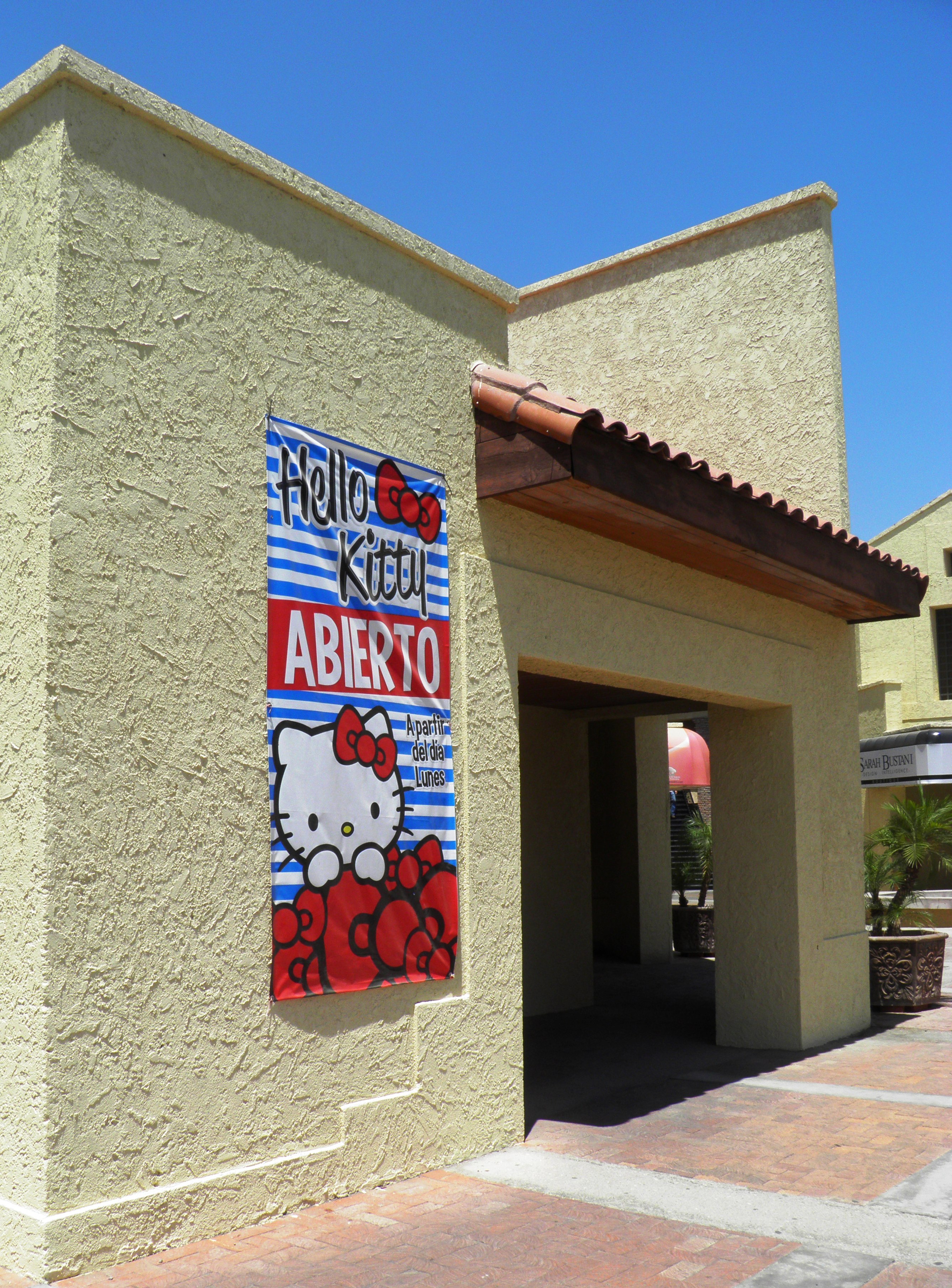
Of course, there’s Dr. Ochoa – who certainly got more than he bargained for when I first contacted him for an interview (back in November 2011).   I don’t suspect he ever thought he’d end up with a gringa student (but then neither did I, at the time).

But he’s always gracious and good-natured – and I always feel like I am learning a tremendous amount, even when it’s not all surgical.  He certainly handles a lot more pulmonary medicine than I ever expected.

There are so many other cool people who I cross paths with – like Ariel (Raul Ariel del Prado Rivas.)   I don’t have his photo (yet!) but Ariel is the nurse in charge of emergency & disaster response for the hospital – for everything from natural disasters like earthquakes (which are pretty frequent here), mass casuality events, to biohazard / environmental spills, and bioterrorism.. If that wasn’t enough for any one person – he also teaches.. In fact, I’m planning to take his ACLS class next month..

Hopefully, knowing about all these nice folks who are always looking out for me will ease the fears of any of my friends and family at home..

We knew it would happen…


well, I guess we all knew what was coming next.. There was no way I could really stay still – and not interview some more surgeons while I was down here. So I thought I would start with two more specialities that are near and dear to my heart – and those of my readers; cardiac surgery and bariatric surgery.

I will be talking to Dr. Vasquez – who you may remember from a previous post (during an earlier visit to Mexicali) and Dr. Horatio Ham, a bariatric surgeon who also hosts the radio show, Los Doctores on 104.9 FM.

National conference in Cancun


No school-related posts this week as I attend the National Conference for Pulmonologists & Thoracic Surgeons.  Don’t worry – that doesn’t mean I’m slacking off, it just means it’s all a bit condensed as I try to absorb volumes of information in just a few days..  (I’ll be back in Mexicali at Monday – eager and ready to pick up where I left off.. Hope the doctor is in full “Professor” mode.)

Attended some great lectures this morning including a talk regarding the evaluation of patient quality of life as a whole package (health, culture, socio-economic status, etc) as part of health and wellness promotion and treatment for patients with chronic respiratory disease.  (Sounds like a great nursing lecture, doesn’t it?  But you’d be wrong – it was presented by a physician, Dra. Sarai Toral Freyre, which just goes to show that all of the holistic practices that nursing has promoted over the last hundred years are starting to catch on.)  That’s always encouraging – too often ‘the body as a machine’ has predominated medicine over the years – which I think is such a limited view that misses much of the individuality involved when treating people, particularly people with serious or chronic illness.

Met some nice people; a nurse and a respiratory therapist who have been sharing their experiences from different corners of Mexico – also enjoyed a great lecture by Dr. Luis Torre Bouscoulet.  He is giving a two day lecture for certification in spirometry (and I would have liked to stay for the entire thing but I knew I could never pass the exam in Spanish.)  But I enjoyed his historical overview of spirometry.