In the months since I discussed Andres’ pathology reports with his mom, he’s started chemotherapy.. I met and lost a charming, attractive man named Danny. The days have marched on.. and Finally, it was the end of May – and time for the long awaited, anticipated trip to Santander to celebrate Andres’ mom’s birthday. It was a three day hiking tour with Explorando Ando, a local travel / tourism group that specializes in hiking/ walking trips.
The bus picked me up from calle 170 at midnight along with two other members of the hiking group. We were the last people to be picked up as the bus passed through Bogota. Then we headed out on the highway. At 4:30 am, we stopped in the town of Barbosa to switch to a smaller, traditional “Chiva” bus.
(It was an amazing trip – filled with friendly and fun people, breath-takingly beautiful scenery and lots of activity, but my favorite part was riding on top of the Chiva!!)
Riding on the top of the chiva in Florian, Santander
Once we got to Florian, we had a hearty breakfast before heading out on our first hike – to the first waterfall.. We had to hike through the finca of a local man, but for a small fee – he was happy to have our group pass through. He had oranges, water and free standing bathrooms for us to use.
with Maria Eugenia at the base of one of the waterfallsAmandaMaria Eugenia in the cave (mouth of the waterfall)in the mouth of the waterfall
The waterfalls were really spectacular. There is no way to really describe it otherwise… They were so immense, photos just don’t capture it. It’s an incredible sensation; looking up at this enormous waterfall and realizing just how tiny and insignificant we are in the scale of things.
(Click on the photos to see the whole image)
fbt
Sometimes feeling tiny isn’t a bad thing – it was the first time in a long time that I didn’t think about all the things that having been going on this last year.. (Long time readers know that it’s been a bumpy road this last year). This trip was the first time that I didn’t cry for a couple of days.. That I didn’t wake up with that sad heavy feeling in my chest.. I needed that.. And more importantly, I think my traveling companions, especially, Flor – needed that – to be able to get away from Bogota, and away from the sadness that envelopes us..
The second day of the hike is when we went to the the biggest of the waterfalls.
fbt
The last and final day – was the day we went to two different waterfalls, where we were able to swim, and play under the falls.
fbt
One of the really nice thing was that even though we were just a group of five (Maria Eugenia, Natalia, Flor, Amanda and I), it felt like one big class trip.. Everyone there was excited, with friendly attitudes and an adeventurous spirit.. Some people were younger than me, some people were older.. People in their 20’s and in their 70’s. The hikes were long enough and difficult enough to be challenging without being too difficult for the average person. I felt sore for a couple days after the trip – but it was the good kind of sore..
Maria Eugenia, Me, Flor, Amanda and Natalia
I don’t get to see Natalia nearly enough – she lives in Madrid, which is a city outside of Bogota…But she’s always good for some fun.. She’s the one who packed Coronitas, which are little baby cans of Corona beer to celebrate our climb on the biggest hike of the trip..
Enjoying a coronita after an all day hike and an 9 km uphill climb.. Worth it!
That was kind of a crazy day – because it started out a little drizzly, which felt good.. But as we were climbing back up to return, the fog rolled in and it was complete. Just after we reached the summit, the fog pretty much obliterated any kind of landscape. (The people trailing behind us were completely invisible to us in the dense fog.)
So we were back in Florian, relaxing after the long hike in a local tavern…when the town crazy insisted on sitting at our table and trying to “trade” me for potatoes.. All that and a bag of chips! literally.
Now if only I could do this every week…
Thanks to the folks in the group for editing and sharing this video with me..
Been catching up on my writing.. Haven’t written as much as I would like to recently but for good reasons.. After a difficult year – last year, I had vowed to enjoy myself and embrace life again. I’ve always been someone with “ganas a vivir” and I had lost that joyful spirit. This year, I have been doing my best to reclaim that spirit and my sense of who I am. One of the things that had really hurt me last year when I turned 50 – in the midst of all this turmoil was the lack of celebration. Not of me, per se, but the celebration of life, of living, of exploring, of the great privilege of being able to experience joy, wonder, pleasure and laughter.. I have that back – and I am going to hold on to it fiercely.. Whether that means embracing my “epoca de estupidezes, boadas y locuras” by doing all the things I want to – putting myself and my wants first for a while, or just by lighting fireworks – and being true to my redneck rural roots, then that’s what I am going to do.
For my birthday, we decided to take a three day trip through Boyaca. it’s nothing life shattering, but Boyaca is one of my favorite states in Colombia. It’s green, green, green and the rolling hills remind me of my beloved Virginias.. Most of the places we went, I have been to before – but this time, it wasn;t on a tour bus. It was the two of us trying to re-connect and remember the love and friendship we had before it all went so very, very wrong. It’s not a reconciliation, because some things can’t be undone – but it’s a re-definition of our relationship. Maybe it seems weird that we would go on this journey together after everything – but my life isn’t tradicional in any sense of the word, anyway. I mean, I am an American living in Colombia, so my life isn’t going to look like most people’s anyway.
We work together, we lunch together most afternoons. I bring special supplements back in my suitcase when I come back home from my trips back to the USA, and I accompany him to most of his medical appointments. I am the one that interprets what the doctors say into something resembling common dialect for the family. I sit with him during the long chemotherapy sessions and I like to think that we have developed a deep friendship. I am probably deluding myself, but that’s how it is.
So we set off from Pacho for our first destination: Raquiria.
Raquiria is a tourist town known for it’s ceramics and craft work. Raquiria is one of my favorite places for silly reasons, I suppose. It’s a town filled with light and color, so it’s a place I like to photograph.
We stayed at a cute little airbnb, and he indulged me in one of my pet hobbies – portrait photography. I love taking photographs of just about anything, nature, architecture, events, but taking photographs of people is what I really really love. I love the challenge of trying to capture the essence of the person in a still photograph. Years ago, he used to patiently sit and pose for hours while I practiced. He was one of my favorite models. Today, he indulges me for 30 minutes. It’s just the start of a great day.
This is my favorite of all the photos.. He looks a little older than the Andres I know, but he looks good.
Here’s one of me..
We drove thru Sudamarchan – so of course, we stopped for the famous sausages..
Villa de Leyva
On our way to Villa de Leyva, he stopped the car suddenly at a dusty looking road, with a big grin on his face. Soon, I had one too! Go-karts!
We started out clean – he drove – carefully avoiding mud and small puddles after recent rains.. But of course, as soon as he turned over the wheel to me – into every puddle I could find! Very quickly, the go-kart was covered in filth, and so were we! It was a lot of fun..
Villa de Leyva is one of those heritage towns – a colonial Spanish town with a large central plaza.. People don’t come to Villa de Leyva for Go-Karts.. They go there for the history and the charm. So we did those things too.. There was a wedding at the church in the central plaza, with the bride arriving in a horse drawn carriage.
This is going to be a two part post – with all the pictures and such.. Next post – Mongui (home of the soccer ball).
It’s taking longer than I thought to find the video clips I have about driving in Colombia.. so we will defer that topic for now. Instead, let’s talk about something less death-defying and much more relaxing.. Hot springs!
I know I mentioned in my post about Santa Rosa de Cabal – how much I love hot springs.. Or maybe I mentioned it when I went to to Sulfur pools in Tocaima way back in 2010, but that would have been the earliest days of the blog.. I adored the hot springs in Paipa – but those too, I might not have mentioned since it was a client trip.
Anyway – I love hot springs! I love bathtubs, jacuzzis, swimming pools – all things water. It was so important that it was one of the determining factors when it came to purchasing my house in North Bogota. Was there a bathtub / was the bathroom large enough to install one? Now, the tub at my house isn’t some massive spa tub that uses hundreds of gallons of water. It’s just a regular old tub, but I sure do love it – especially when I can’t sleep, or the damp chill during the rainy season sets into my joints. Now the tub at my rental property is the supersized luxury type, but honestly, I’ve never used it – or the golden toilet.
the bathtub at the Elvis Presley Graceland penthouse
So if you’ve never been to the ‘termales’ or the hot springs but you enjoy a hot bath – just think of a swimming pool of nice, hot volcanically heated water, usually in a beautiful outdoor location. I’ve recently made it my personal goal to visit as many Colombian hot springs as possible. I read somewhere that Cundinamarca has 42 different hot springs alone, and that Colombia has 130+. I won’t get to all of them – and I don’t need to. (I can’t image enjoying hot springs in 100 degree weather, which rules out several). But with just a few days left before I head back to the United States for a month, we decided to start working on that top ten list I posted recently.
A mid-week day trip was perfect, so we decided to pick a location close to Bogota. We decided to go to Termales Los Volcanes in Macheta, Cundinamarca. Minimal traffic to navigate to get out of the city since it was a Tuesday, low weekday prices and no crowds at the springs.
We arrived early in the morning, around 730 am, while the weather was still cool and refreshing. We had a nice breakfast before jumping in the deliciously warm springs. There are two big pools, one much warmer than the other, and two smaller pools.
The hot springs are set against the lush green background, with a waterfall, cobblestone paths and lots of flowers. There is a small hotel on site, along with a restaurant, snack shop and spa. Since we were on a day trip, we didn’t need the hotel, but we checked it out anyway. Weekday rates start at 315,000 COP and include breakfast as well as hot springs entry. Weekend rates start at 415,000 COP.
Since we were just day trippers, it cost us 35,000 COP each to get in. The hot springs are open from 7 am to 11 pm most days. We enjoyed the pools for quite a few hours, along with breakfast, snacks, lunch, massages in the spa, and quick dunks in the icy waterfall before we headed back to the city. It was a lovely day – and even lovelier because Andres and I got to spent it together. (We do a lot of family activities with his parents, cousins, uncles etc., but we don’t always get to spend time together.) He’s a great co-pilot, co-conspirator and partner-in-crime for our adventures. We have a lot of very different interests but he’s definitely game for my hot springs challenge.
I got a bit of a sunburn despite lots of sunscreen – so I’d advise wearing a rashguard, like Andres did. Otherwise, it the entire day was a bit of joy..
Just outside of Salento is the burnt remains of several large buildings on a large estate. That estate is the former hotel of the infamous Carlos Lehder, narco-trafficer and one-time ally of Pablo Escobar. La Posada Alemana was inspired by Carlos’ father ,Kurt Wilhelm Lehder, and the small Pensión Alemana he had owned. The senior Senor Lehder was no saint either, as a german immigrant who had moved to Colombia in 1928, he maintained strong ties to the fatherland. He is believed to have strong pro-Nazi sentiments, and to have helped the Nazi’s gather intelligence, using his hotel for meetings.
I don’t write a tremendous amount about Escobar and such, mainly because I feel like the topic has been talked to death, from Cocaine Cowboys, to Narcos and El Patron de Mal and every other quasi-documentary out there.
Ruins of La Posada Alemana
But since we were literally passing the burned out ruins, I felt compelled to stop and take a few pictures.
But our next destination was pretty amazing! I had actually seen it on a youtube channel. (There are a couple of great channels for information on tourism destinations in Colombia. My personal favorite is FNDCol. They have a great series on all the different states in Colombia. Another good one is FonturCol. Both pf these channels are in Spanish, but you don’t need English to appreciate the view.
This video is where we went – the thermal baths at Santa Rosa de Cabal, in the Colombian state of Risaralda.
We went on a misty, then rainy day – which ended up being perfect. The hot thermal baths (there are several pools), the chilly waterfall and cold rain on your face made for an extraordinary combination. We also took advantage of the deep tissue massages, and the adjacent restaurant and coffee bar.
For starters, there’s the view..
Then, the thermal baths themselves.. The water is deliciously hot. The waterfall provides for refreshing cool water along with several cascading showers.
There are flowers, and greenery everywhere.
We spent most of the day at the thermal baths – I could have stayed forever, honestly. And you almost can, since the falls are open until 11 pm at night on weekdays and 2 am on the weekend. Several locals advised us that nighttime visits were the best for couples, and a romantic date. Magical! But we left before that – to try the famous sausages of Santa Rosal at a charming roadside restaurant.
Lakeside cabin at roadside restaurant
Cabins
The famous sausage of Santa Rosa de Cabal
one of the many rabbits that make their home outside the roadside restaurant
The tree house and lookout point at the roadside restaurant
It was a cute restaurant, with a coverage main restaurant, a small snack shop and several little cabins for private meals. They also have a massive tree outback, with stairs that lead upwards to a lookout point. It was too misty that day for much of a view, but the famous chorizos were quite tasty.
After a late lunch, we returned to the town of Santa Rosa de Cabal (the hot springs are outside of town, a couple miles away). The town itself was underwhelming, but my impression may have been dampened by the grey rainy weather, so I will have to come back one day and give it another chance (happy to do as long as I can visit the springs again.) Of course, I might just end up staying at the folksy cabins just outside the springs – and skip the town entirely.
On our next post – we make our way to the sulty city of Cali, the Colombian capitol of Salsa dancing.
I’ve made it my personal goal to see (and experience) as many thermal baths in Colombia as possible (Paipa was fantastic too!) so I am going to include this link to 10 different thermal baths near Bogota for similar minded people to enjoy..
The trip has gone better than expected so far. In the last decade of so, I have developed a very poor heat tolerance – which makes traveling difficult sometimes. I feel overheated on a sunny day 70 degree day in Bogota (I have several fans installed at my house to the complete horror of my friends and neighbors.) Sometimes, I am sweating and overheating when my friends are putting on sweaters.. It’s kind of frustrating to deal with – but now I travel with my own fan, and ice packs. So, I was worried about traveling to the Eje Cafetero, because some areas are fairly warm, like Pereira but Andres was careful to plan most of our trip in the cooler areas. Not as cool as Manizales, which is my general comfort zone, but quite pleasant so far in our journey.
Salento is quite close to Valle de Cocora, and during our stay, the weather was cool, with rain overnight. Salento is one of those picture postcard towns, that as much as it’s a touristy place, it still manages to be charming, which was a pleasant surprise. (I am sure volume of tourists plays a big part – we were there during the week, just prior to school vacations (semana de receso) so while there were other tourists around, there weren’t any lines, nothing was crowded, merchants were pleasant, friendly and not at all pushy.
I like color – it’s one of my signatures in both interior design and fashion. I strongly believe that we should “live life in color” and I despite that all white cold, institutional look that is so popular these days. Same thing for grey, and beige schemes – which predominate in Bogota design. My own house in Bogota is a riot of color, and a color scheme that changes on a whim.
Salento is the same, rich with color – in the bright fashion of the coast, and the Caribbean versus the painted ladies of San Francisco. The other nice thing is that it isn’t just one or two streets – it’s the majority of the town.
colorful homes and businesses in Salento
We stayed at a lovely apartment hotel that was close to the center of town. We were able to walk everywhere. The apartment was well-appointed, and we could make our own breakfast in the morning. Our host, Mario was very nice and happy to accommodate our plans.
our hotel
After we got settled, we walked downtown – and to the Mirador, which is a point above Salento that allows you to see the entire city below – once you climb the steps to get there. (There’s a less strenuous path to the Mirador, but I needed the exercise).
It’s 256 fairly steep steps, (less than half the steps of La Piedra del Penol, and only a quarter of the climb up Monserrate but it’s enough to make you breath pretty hard.
I found the actual city view a little underwhelming, but maybe I’ve been spoiled by all the beautiful Bogota vistas..
But once you reach the top, there is a trail that leads to another view point – and this one is breathtaking. Instead of city scapes, it’s a panaramic view of the valley and the mountains that surround Salento.
Panarama of view from Salento
I could take a million pictures and probably never do it justice.. So here’s a couple more.. Just click on the image if you want to see the whole thing.
The older I get, the more I am awed by nature. It’s funny how that happens. Sometimes, I think that we need to see a lot of ugly to truly appreciate the beauty in the world.
On the way back, we did a little bit of shopping to celebrate Andres birthday – and so I could take pictures of some of the crafts. (I know, it’s in almost all my Colombia posts – but the different kind of artisanal art and indigenous and traditional craft here is so beautiful. I don’t need to buy it – because how many mochillas, bags, hats and other things does a person need? Then again – I do try to support local craft by buying it whenever I need a gift because why would you buy someone mass market crap when there is a plethora of beautiful handmade items that actually mean something out there.
(Not this time – this time Andres actually picked out the beautiful leather bag he wanted – and I’ll get a picture of it tomorrow.) But there is such a variety of so many lovely things, that I just can’t help but take pictures of it when they let me..
After that, we took some more pictures – found a nice restaurant before heading back to the hotel to sleep..
Tomorrow – Santa Rosa de Cabal and the thermal springs..
It’s been a bit since I’ve posted here, but the adventures continue. I spent some time in Pacho, Cundinamarca finishing up a manuscript for my second full length novel. Now that it’s done – I am in the tedious process of getting it edited and finding an illustrator.. Now, I am not the great American novelist and I have absolutely no illusions that I will find any mainstream sales success (no publicist, no large publishing house) but I have always believed that if you put in the time and effort to do something, finish it…
But, it was a relief to finally finish the book – and not have all the characters in my head all the time. That being said – there is always so much to do.. But we are taking a week to smell the roses and enjoy ourselves.. It’s a surprise visit for my significant other to see her daughter on her birthday. She lives in Cali – and she will be delighted to see her dad.
We left Bogota around 3:30 am.. We live in North Bogota, and our journey takes us south, so we have to cross the entire city first. (There isn’t a bypass though politicians have been promising one for the last 40 years.) By 4:30 we encountered traffic.. (If you haven’t been here – Bogota has a massive traffic problem – brought about by limited public transportation, a huge population of people who work on one side of Bogota and live on the other) and well, an exploding population, with a road system designed for a much smaller city. (In the 1990’s Bogota’s population was around 3 million, now in 2023 – we have close to that in Venezuelan immigrants with a total population of around 11 million).
But soon enough, we were on the open road.. Our first stop was Ibague in the Colombia state of Tolima. Culinary-wise, Tolima is best known for some of my favorites, Tamal tolimese and Lechona (stuffed roasted pig). (The links will take you to some older posts on these tasty Colombian dishes).
We stopped for some breakfast and a quick visit with family. (His, not mine, though I like to think of his large immediate family as mine). It was starting to get hot there by about 930 so I was glad when we hit the road again..
Now if you’ve never driven in Colombia – distances are very very deceiving. I recently got my Colombian driver’s license which requires you to take the full driving course to learn the Codigo de Transito, and clock your behind the wheel hours. Funny enough, I was rear ended while driving in the student car, which has massive green labels saying “student driver – keep back” – but that’s a story for another time.
The maximum speed limit in the country is 80 kilometers – but most of the time, you never get near it.. In the cities, the limiting factor is usually traffic – but in other areas, it’s the state of the roads themselves. There is always road construction. With a rainy and a dry season, you also get periodic flooding in some places.. Much of Colombia is high in the Andes mountains – with winding mountain roads – usually one lane in each direction. Add a couple of fuel trucker, semis (18 wheelers) and a whole bunch of motorcycles and cyclists – with people passing said fuel trucks, cyclists over double lines, on blind curves and all, you end up with an average speed of around 30 to 50 kilometers an hour.. (that’s less than 30 miles an hour for people like myself who weren’t raised on the metric system.) Sometimes it feels painfully slow.. But on highway 40 – it can feel dangerously fast..
That time estimate is complete fiction..
Unfortunately, due to the narrow roads, curves and such – I didn’t get many pictures of our drive – and it’s an unbelievably breathtakingly gorgeous drive.. You climb higher and higher in the mountains (which is delightfully refreshing with cool temperatures) with such a picturesque landscape, dotted here and there with fincas and small farms – but otherwise endless green trees, plants, grass and a wide open blue sky..
We continued on after a brief stop in Cajamarca (photo above) to Montenegro, where we spent the night. There are some cool things to see in Montenegro but we decided to relax a bit after getting up so early.
Sampled some coffee, walked around the plaza and swam in the pool. My companions were lights out asleep by about 730 that night. The next morning we headed off to the Valle de Cocora. If you’ve ever seen the kid’s animated movie. Encanto – it’s set in this part of Colombia..
I love maps.. absolutely fascinate me, so of course – plenty of them in this post..
The Valle de Cocora is part of the Los Nevados National Park and is located just outside of Salento. It’s famous for the large collection of Quindo Wax Palms, which are the tallest palm trees in the world. These palms are also part of the national identity of Colombia.
Quindo Wax Palms at Valle de Cocora
As part of the Nevados Mountain range, the palms are located at an elevation higher than Denver.. What does that mean, you ask? It means blissfully cool weather.. and lots of misty low clouds that drift in and out.
Today was the day that I realized that I am not a horse lover.. Not a horse hater either.. Wouldn’t want to knowingly eat one – and I used to get upset when they would sanction killing the wild mustangs when I lived in Nevada.
But I was never that pre-teen girl that was doing paint-by-number horse paints, or reading Black Beauty a million times (am I dating myself or what), and dreaming of owning a horse.. but I love animals in general, mainly feline varieties. Our neighbor used to graze horses in our yard when I was little in Virginia, and I have ridden before.. But not – horse crazy.
Ha.. So we decided to go on a “nice” horseback tour. I immediately felt uncomfortable, but hey – get back in the saddle right.. But it progressed to a freak out – and I ended up dismounting and walking (which is fine – I love a good walk/ hike). But it still surprised the heck out of me. I always feel like I am fearless.. Ha. Seabiscuit proved me so so wrong today..
Andres and his mom had a lovely time horseback riding.. Once my pulse went back to normal, and my feet were on level ground – I had a great time too..
We had a lovely lunch at a cute restaurant. The area is known for it’s fish (trout) dishes, so we each had a different trout preparation and shared..
Enjoying a little Club Colombia
High up in the Valle de Cocora
Andres mom enjoying trucha with mushrooms
Valle de Cocora is filled with amusements, tours, shops and selfie stations
Trucha with cerviche
Trucha with garlic butter
the classic Eje Cafetero jeep
Horse tack at the stables
Then it was time to set off for Salento.. But that’s another post.
Big news dear readers.. It doesn’t entirely excuse my long absence but great news all the same.. After during a myriad of things during the last two years (like everyone else during this pandemic), I have finally received my Colombian visa. This allows me to stay in country for longer stretches. I am currently still back and forth quite a bit, while I supplement my income working in the USA, until my company can one day be self-supporting (if ever!) Right now, it’s still basically on pause – but hopefully that will change soon.
The pandemic has turned our lives upside down, but it’s also reminded us of what’s important. To me, it’s important for me to be here – and to continue to build my life here. Part of that is enjoying all the wonderful and beautiful things here – animals, flowers, nature, history.. and of course, FOOD. I’m not sophisticated enough to be a ‘foodie’ but I sure do like to try new flavors, tastes, fruits and vegetables.
I’d been feeling a bit hemmed in, with all the changes due to the pandemic, previous restrictions and missing my Sunday routine. So, I went on the internet and called a friend. Within a few minutes, we had booked a one day tour through several towns in Boyaca.
The tour we chose was through a group called Travel Experience VIP. Our tour guides were Nathalia and Alexandra and they were delightful and sweet. The trip cost 65,000 COP and included transport, snacks and a full day tour through several sites in the neighboring Colombian state of Boyaca. We had to pay for our lunch, a 5 mil trip insurance (for accidents etc.) and an optional nature hike (12 mil each). It was still a great deal – bus transport to Boyaca alone when we first looked at going on a trip to Villa de Leiva was 40,000 each way.
After we stopped for breakfast (included), we continued on to a dairy company. Boyaca is the home to the majority of Colombia’s dairy industry, so there were numerous dairy companies selling cheese, ice cream, milk and other dairy products. We stopped at this large well-known factory, to get some of the well-known cheese filled arapas. They were warm, and golden colored, and SO delicious that I was unable to get any pictures.
But I do have some more pictures of some of the cheeses and other products they sell. My favorite is a corn husk wrapped tamale style cheese filled delight called, “envueltos chavitos.” I like it because it’s not some greasy melted cheese mess. It’s made with a very dry crumbly style cheese that is so well mixed into the corn muffin tasting roll that you don’t see the cheese but it adds just a touch of sweet to what would otherwise be a plain corn muffin.
many of the dairy products made right on site -through the open door ,in the room behind the case.this is the dessert case full of sweets..Bocadilla, araquipe, and my envueltos chavitosa closer look at all the sweets you could ever want..
After we stopped to enjoy a delicious treat – back to the bus.. Now Colombian roads outside of major cities are really just rural lanes. Which is a nightmare if it’s a heavily travelled road – or a delight, if it’s a relaxing and sunny Sunday cruising in lovely rural farmland like our trip in Boyaca.. Green grass, farms, a small town here and there..
Then we were at our next stop, which was a sizable town, known mainly for it’s church.. Chiquinquira, I believe.. I am not a particularly churchy person, so I was happy to wander thru the small town square, and then get back on the bus. I later read about the poisoned bread incident back in the 1960’s, and well, that adds a bit more mystery to an otherwise kind of boring looking town..
The next stops were more fun..
ceramics!
As a middle-aged woman who likes to sew, crochet and take pictures, Raquira was definitely up my alley. (Did I mention that I have a cat, too?) Raquira is a totally cheesy tourist town, with cutesy little boutique hotels, coffee shops and romantic restaurants..
tourists shopping in Raquira
Now none of that particularly excites me.. But Raquira is also famous for artesanal crafts, particularly ceramics. And that does excite the craft loving part of me – the part that really really appreciates the effort involved in handmade goods – and Hecho en Colombia.. It’s also the me that is still trying to decorate my home – and doesn’t like that whole Ikea/ 2001 spaceship / antiseptic look. Ah, but limited space on the bus, so I mostly did take pictures, even though a lovely vase did follow me home.
yes, made in Colombia and painted by hand..
The streets were lined with shops, so there was plenty of different things to look at, admire or buy. We passed the ceramics factory, where large stacks of unpainted ceramic items just waited to be decorated.
a shopper’s delight
Unlike many tourist places, the prices were very reasonable – and much less than what you would pay for the same items in Bogota. Maybe I’ll go back one day – with folks with a car.. so I can pick up a couple more pieces.. maybe one of the handmade pieces of furniture I saw… Or a planter for my growing garden. My friend had the same dilemma.
in Sutamarchan – home of Longaniza sausage
After the shopping excursion, it was time for lunch – and it turns out that Sutamarchan, Boyaca is also famous for a specific type of chorizo-type sausage called Longaniza. Now long time readers know that I just love, love, love picada – or that delicious mix of potatoes, sausages and other meats. (It has the morcilla or blood sausage that I love!). I wasn’t a big sausage eater before I came to Colombia, but it’s definitely something that I enjoy now.
yes, I love picada.. and it’s part of my own Sunday tradition.
That huge plate is a portion for one – but it was more than plenty for my friend and I. After our bellies were stuffed – it was time to go for the nature hike.. and believe me, I was ready for a nice long walk about after all that food.
on a nature hike to see the “blue” lakes
The next big stop was the historical city of Villa de Leiva (Leyva). It’s famous for being a preserved Colonial town, with cobbled streets etc. and stringent building codes against modern construction.
Villa de Leiva plaza
The main plaza in the town is the largest cobbled plaza in Colombia. The city is full of restaurants and charming boutique hotels. For a tourist town, the locals remained surprisingly friendly and welcoming. (Which is pretty amazing when you think about all the tourists that pass thru Villa de Leiva, especially in December, which is peak tourist season.)
Then it was time to start the drive home. On the way – now that night had fallen, we drove by an amazing holiday lights display that just went on and on.. It was charming.
Then we stopped at one last place so we could stock up on arapas with cheese so they would be fresh for breakfast (which they were). On the way back, the bus stopped close to our place, so we wouldn’t have to travel very far to get home. I’ve even posted the link for the coupon we used for our trip with Travel Experience VIP. Now enjoy!
I added lots of links to make it easy to find more information about the places and things mentioned in my post.
**I have a whole series of posts on my Sundays here:
Readers may notice that this blog has changed over the years – to be more culture and life and less surgery. I still love surgery and I am still committed to everything I’ve always talked about here; patient safety, quality, and excellent care – I’ve just decided not to talk about it here anymore. It’s at a different site., dedicated to all things medical so I am changing the name – but slowly, so people will have time to get used to the idea..
While many of you know that Medellin isn’t my favorite city in Colombia – it does have its own attractions. I am not talking about the spectacularly breath-taking ride up to Parque Arvi on the metro cable or the Botero museum.
It’s the shopping – Medellin is the New York of Colombia and much of Latin America. As home to Colombia Moda and the Colombian textile industry, the array of shopping opportunities are mind-boggling. Most tourist guides will direct you to the upscale, brand name only shopping malls in the wealthier enclaves like El Poblado. While these malls are worth seeing, I advise visitors to go in the guise of a museum-seeking tourist.
indoor flower garden at upscale mall in Medellin (El Poblado district)
That is to say – go to look (at the sculptured gardens, majestic views and boutique brands) and maybe for a light lunch at one of the elegant eateries but save your cash for the real shopping mecca, in El Centro. Wear comfortable shoes – and plan to finish shopping before 6 pm..
To get here: Take the Metro (train) to Station San Antonio. That will put you in the center of the shopping district.
Biggest Open Air Shopping District in Latin America
Don’t worry, honey.. I stayed safely outside of this shop dedicated to crochet
At least, according to the banner hanging over one of the cobbled pedestrian streets. But it seems pretty accurate as I wander street after street of an amazing array of goods.. If it isn’t here – than you won’t find it in Colombia.
Since it’s not Buenos Aires (Argentina), yes – they have sizes larger than SIX.
There are streets filled with row after row of sidewalk vendors selling a multitude of items. A whole street devoted to shoes.. Sidewalk vendors selling ornamental sandals with adjacent stores sell every kind of shoe ever made..
Just one of the many, many displays of sandals in the shopping district of El Centro
Street after street with store after store of Shoes.. Appliances.. Clothing.. Cosmetics.. Electronics.. DVDs.. Porn… Lingerie.. Hats. Costume Jewelry. Fabric. Ribbons. Yarn.. Several stores filled to the brim with beads. Pastry and cake shops. Any kind of soccer (futbol) jersey you could ever want (and not because it’s the world cup – these stores are always here.)
Whole malls (centro commercials) for bridal wear.. Others filled with row after row of beauty salons.
Dollar stores for all the items you forgot to pack.. Luggage stores for extra space to bring back your fabulous finds..
About the only thing I didn’t see was a street devoted to mascotas (pets) but that’s probably just because I didn’t wander far enough.
You can find almost anything here!
Calling all Colombian travel agencies! Fashion and textile guided tours
Add this to my wish list for Colombian tourism businesses – or other ways to make Colombia accessible to tourists on a whole new level. For people who are familiar with Colombia, the tours would just be a nice, relaxing way to have someone else take care of the details… Not everyone lives in El Centro and has the ability to walk a few streets right into the commercial heart of the city.
But for first-time visitors; wives of travelling businessmen or people unfamiliar with this part of the city – a guided tour to the heart of Medellin’s fashion district would be absolutely essential, particularly as the area gets kind of sketchy after 6 pm. Tours for fashion sewers, crafters and knitters along with general shopping and factory tours just sounds like a fun way to spend a day. Throw in a typical Colombian lunch (not the enormous banda paisa but something featuring all of the great local fruits and vegetables) and a mixed group of tourists (Colombians, and foreigners from several nations) as well as a knowledgeable, bilingual guide – and I think there would be a line of people ready to sign up..
I think it would go along with my dream trip to Bucaramanga for a weekend guided factory tour and shoe-shopping adventure.
Alas! I am not a marketing genius – just a lover of fashion, sewing and crochet. But just for fun – I am going to add a survey here where readers can let me know what they think of this idea.. If I get enough interested responses – I’ll pass it along to someone in the tourism industry.
Proexport advertises Shopping Tours but they are short on details..
If you are interested in a personal beauty consultant – and shopping.. a bit pricey but here’s the link. (link is a bit short on details too..)
– Don’t bring extras: jewelry, cameras, smart phones. (This is a high crime area).
– Bring mainly small bills: 2ooo, 5000 and 10,000 peso bills. It’s problematic to pay for a 3,000 peso purchase with a 50 mil bill for shopkeepers and may be impossible for outside vendors.
– keep your belongings secure – I recommend a zippered purse. Backpacks should be worn on the front. Messenger bags work for me – so I can keep the strap across my chest, and the bag close to my body.
– Try not to be too loud and (gringo-ey) in El Centro.. While most Colombians like Americans, in this instance, you don’t want to attract too much attention.
– Be prepared to leave by 6 pm – and don’t stay in El Centro after dark unless you are with a native paisa (person from Medellin). It is easy to get lost – and dangerous at night.
In general, use commonsense – have fun and good luck on your shopping adventures!
While the risks of prolonged immobility and pulmonary embolism with long distance travel are well-known, many potential patients are unaware of the increased risks of thromboembolism after surgery.
Increased risks in specialized populations
People with a personal or family history of previous blood clots (PE or DVT), women on oral contraceptives, and patients who have undergone orthopedic surgery are some of the people at greatest risk.
Increased risk after surgery + Long trips
The heightened risk of thromboembolism or blood clots may persist for weeks after surgery. When combined with long-haul flights, the risk increases exponentially.
In fact, these risks are one of the reasons I began investigating medical tourism options in the Americas – as an alternative to 18 hour flights to Asia and India.
Want to reduce your risk – Follow the instructions in your in-flight magazine
Guidelines and airline in-flight magazines promote the practice of in-flight exercise to reduce this risk – but few have investigated the risks of thromboembolism in post-surgical patients by modes of transportation: car travel versus air travel.
But, is it safe to fly after surgery?
This spring, Dr. Stephen Cassivi, a thoracic surgeon at the world-famous Mayo Clinic in Minnesota tried to answer that question with a presentation of data at the the annual meeting of the American Association for Thoracic Surgery.
This question takes on additional significance when talking about patients who have had lung surgeries. Some of these patients require oxygen in the post-operative period, and the effects of changes in altitude* (while widely speculated about) with air travel, have never been studied in this population.
Now, Dr. Cassivi and his research team, say yes – it is safe. Mayo Clinic is home t0 one of the most robust medical travel services in the United States for both domestic and international medical tourists.
After following hundreds of patients post-operatively and comparing their mode of transportation – Dr. Cassivi concludes that the risks posed by automobile travel and air travel after surgery are about the same.
Additional reading
For more information on deep vein thrombosis, pulmonary embolism and safe travel, read my examiner article here.
Schwarz T, Siegert G, Oettler W, et al. Venous Thrombosis After Long-haul Flights. Arch Intern Med. 2003;163(22):2759-2764. doi:10.1001/archinte.163.22.2759 . This is some of the definitive work that discussed the risk of long flights with blood clots in the traveling population due to prolonged immobility.
*Most flights are pressurized to an altitude of around 8,000 feet – which is the same level as Bogotá, Colombia. This is higher than Flagstaff, AZ, Lake Tahoe, Nevada, Denver, Colorado or Mexico City, D.F. – all of which are locations where some visitors feel physical effects from the altitude (headaches, fatigue, dyspnea, or air hunger. In extreme (and rare) cases, people can develop cerebral edema or other life-threatening complications at these altitudes**.
** Severe effects like cerebral edema are much more common at extreme altitudes such as the Base Camp of Mt. Everest but have occurred in susceptible individuals at lower levels.
After a whirlwind three months that included trips to Chile, Bolivia and different cities in Colombia, I am getting ready to come home in a few days. As always, leaving Bogotá is bittersweet. I miss my friends, and my family but I will also miss the city and all of the nice people I’ve met here.
I am posting a map of Colombia, so even though I’ve taken several trips – you can see that I haven’t really explored the country at all. (I’ve posted little push pins on the areas I have visited.) I excluded Facativa and some of the closer towns since they are really just suburbs of Bogotá, and it would just clutter the map.
Map of Colombia, courtesy of Google Earth
As you can see – I haven’t explored the southern part of Colombia, or the pacific coast at all. My Atlantic adventures have been confined to Cartagena. So, I guess this means, I still have a lot of work cut out for me on my next visit(s).
map showing central Colombia
But I hope that readers have enjoyed reading about my travels, the people I’ve met and the things I’ve seen. Now – I know this is a medical/ surgery blog but since much of the surgery I write about is in this part of the world, I think that including some of my experiences is relevant/ interesting for people who read the blog. Once I get back home, I’ll post some more articles on medical quality control and standards – and more of my usual dry fare.
After stuffing myself with lechona and tamal tolidense, swimming in the fresh crisp water of one of the local fincas, enjoying the controlled chaos of the market in Lerida and being overwhelmed by the tragedy of Armero – it was time to head back home to Bogotá.
Since it was Sunday, the roads were almost deserted, so we made it home in a fraction of the time it took to travel in the other direction. So much so, that we had plenty of time to stop and look around at more sites on the way home.
I got some great pictures of the drive – heading up into the cool mountains.
the valley below
One of the more interesting places we passed once we returned to Cundinamarca was Guaduas. Guaduas is a small city of about 30,000 that was the birthplace and home of one of Colombia’s most famous women (no, not Shakira but “La Pola”.)
The city was founded in 1572 and was a well-used and frequent stop for travelers from Bogotá to more outlying areas like Tolima. Now one of its main claims to fame is Policarpa Salavarrieta or “La Pola” as she is known. Her likeness and name currently adorn a local bakery in Guaduas.
Ms. Salavarrieta (1795 – 1817) is considered one of Colombia’s heroes (or heroine) for her role in the Colombian revolution. She is the only female to be honored on Colombian currency (in multiple different designations over the years.) She currently decorates the 10,000 peso bill, but was also on coinage in the past.
After being orphaned by a smallpox outbreak, she moved to Bogotá where she was able to sneak in and out of Bogotá (which had tight security under the Royalist regime).
She was a seamstress who used her sewing talents to gain access to the homes of staunch Royalists and eavesdrop on their conversations. She also stole documents and spied on military officers and recruited others to the revolutionary cause.
Unfortunately, after the capture of one of her fellow revolutionaries, she was arrested, tried and executed along with her lover and several others on November 14, 1817. She was reportedly defiant even as she was led to the firing squad, and refused to keep her back to her executioners – turning around to face them as they shot her to death.
To commemorate her actions to assist the revolutionary efforts, in the late 1960’s, the Colombian government designated her birthday as “Day of the Colombian Woman.”
After learning more about La Pola from my guide, we continued to Faca (Facativa), a city just outside Bogotá to visit one of the fincas that used to be in the family. Faca is best known for its native roots, and the many indigenous carvings, paintings and sculptures that were found during archeological excavations. Faca is primarily a farm town – and is surrounded by several large fincas with livestock and different agricultural products including flower cultivation.
From there – we cruised on into Bogotá; where as much as I enjoyed my journeys, it felt great to be home.
We spent Saturday exploring Lerida and cruising around.
Ready for adventure
We stopped at several roadside stops to buy some local fruit before heading off to La Gaviota, a local finca owned by a Brazilian woman.
buying papayas
We bought some delicious sugar mangos, along with some sweet papayas and mandarins.
enjoying sugar mangos
La Gaviota, a finca in Tolima
Now, there are two kinds of fincas in Colombia; working fincas and pure vacation fincas. A working finca is usually a farm or an orchard – often owned by a city resident but managed locally. This allows people who live and work in Bogota to have a get-away place that also brings in income.
one of the lakes at La Gaviota
Some of these fincas have been in peoples’ families for generations and produce much of the fruit and livestock products (dairy, meat etc) that are sold in Colombia.
Other fincas are pure recreational homes, and as such, are primarily owned by wealthier Colombians though this is not always the case. Fincas vary from modest cabin style affairs to elaborate, ornate mansions with swimming pools, tennis courts and private fully stocked ponds. Since most working people can’t stay at their finca very often, many owners rent out their fincas part-time. Such was the case with the lovely La Gaviota.
the pool, surrounded by fruit trees
The entire property has been planted with fruits and trees native to Brazil and the staff encourages visitors to sample the many exotic varieties.
Yaca, a fruit native to Brazil
There is a swimming pool, and several lakes stocked with fish. There is also a hotel, and a restaurant, where they will prepare your fresh catch. Like many of the numerous fincas that dot the landscape here, they welcome travelers and offer services at reasonable rates. So we spent the sunny afternoon at the pool.
The next day, we went to the market in Lerida. We bought some more ‘tipica’ or traditional Tolidense food called lechona from a very nice young man who helps his grandmother.
young man selling lechona
While I vary from vegetarianism to veganism in the states, I never hesitate to try another delicious typical dish when I am traveling – and it was marvelous; warm, savory and flavorful.
There are several variations of lechona, which is stuffed pork but the Tolidense version uses a base of garbanzo beans for the stuffing and comes with a sweet-flavored bread stuffing called insulso on the side.
lechona
The grandmother, also invited us to come to her house where she had other tolidense specialities for sale, including tolidense tamales.
with grandmother
There were other vendors selling panela which is popular sugar product here in Colombia, (and other latin American countries.) It’s a staple, a form of unrefined sugar produced at the local sugar cane factories in the region. (I particularly like panela in my coffee and tea.)
panela
We met and purchased several tamales from another vendor in the market, a very nice woman who was very happy to pose for the camera. I am ashamed to say that I forgot to write her name in my little notebook because my hands were full with all of our great purchases.
Most Americans have limited exposure to Colombia, and Colombian life. Other than media reports about drugs and violence, the majority of people’s opinions about the country have been formed by one quintessential little film of the mid-80’s…
“Romancing the Stone” – yeah, that’s right – the silly little romantic comedy with Kathleen Turner and Michael Douglas. “Is this the bus to Cartagena?” is a line I’ve heard many, many times from people asking questions about my experiences here.
In general, like most things, Colombia is nothing like the movies. Especially this one, since it was filmed in Veracruz, Mexico.
just outside Lerida at Sunset
But Lerida is that Colombia – the hot, humid, tropical Colombia that people think of after watching that movie. It isn’t jungle-like here, of course,(that’s further south) but it’s an ancient city with stone buildings and some cobblestone streets interspersed among newer construction; but Lerida has the unrelenting heat and steaminess that people generally picture (and fail to find in Bogota.) My guide tells me that the city wasn’t quite so hot – until most of the trees were removed when the streets were paved. It makes sense since the neighboring cities (with thick tree-lined streets) are noticeably cooler.
It’s an interesting city – and more than just miles away from Bogotá – more like decades. Life is a bit more traditional here, but that may be just the heat, and the ancient appearance of much of the buildings contributing to that perception. Lerida was first ‘discovered’ in 1538 by Spanish conquistador Sebastián de Belalcazar who was amazed by the richness of the land, but it wasn’t officially ‘founded’ until 1777, which actually makes it technically one of the younger towns. But as you wander the town, you see that people are still living in many of the original buildings – updated and modernized, of course. But the original architecture with high ceiling and spacious rooms offers the advantages of cooler temperatures despite relentless sun.
As a mentioned in a previous post about Cali – motorcycles are the preferred method of travel in the warmer climes; relatively inexpensive, and good on gas – you see motorcycles just about everywhere you look; with entire families on bikes.
family on motorcycle in Lerida
Women in high heels, babies pressed between bodies, toddlers riding up front, even women riding ‘side-saddle’.
Coming from a society where motorcycles are used more as a statement than a viable mode of transportation; it takes a minute to adjust to the scene of so many bikes – it’s not a convention, they aren’t ‘bikers’, it’s just another day of running errands and going to work.
line of motorcycles
For more posts about my visits to Medellin, click here.
As we pass into the valley, and the town of Honda, the whole topography changes. It’s less West Virginia and more eastern Tennessee – in the summer. The temperature has become hot and a bit humid. The land is more flat, and as the land straightens out, so does traffic. We can finally accelerate to 50km/h for the remainder of our journey.
drive to Santa Marta? no thanks..
(It’s this limited speed that makes the road signs for Cartagena and Barranquilla (1150+ km) so terrifying, yet correspond with other visitors stories about 20 hour bus rides). But the view is so interesting, and I have great company, so it makes for a pleasant drive, especially once we escape the industrial traffic.
it be corn, but it’s not Iowa..
Even the mountains here in the valley are different, the ones that are visible in the landscape are more like hills, with exposed rock crevices.
My ‘guide’ for this trip just amazes me with the breadth and knowledge he has of this area of the country. As we pass different outcroppings, and tiny towns – he knows a bit of folklore, facts of interest or history on each one of them. We travel through places that seems a million miles and twenty years from the sophisticated enclaves of Medellin, Bogotá or Cali.
In the Colombian state of Tolima, we drive through the small city of Caldas. This seemingly unimportant but bustling town is actually one of the more important towns in Colombia’s history. When scientific explorers (Spanish) first came here they found an amazing bounty of plants, flowers and fruits. Many of which are only found in Colombia.
They also found gold here (and in the neighboring towns such as Mariquita). It was their treatment of the native population in pursuit of this shiny metal beneath the nearby mountains that led to a local uprising (and eventual revolution – leading to Colombia’s independence).
Modern day explorers also made important discoveries in this area of Tolima, near Caldas: large pockets of natural gas.
In the next town, of Mariquita – gold mining both recently and in the past, has shaped the town. It was the uprising here in Mariquita against the Spaniards and their gold mining efforts that shapes this town’s history. Further gold exploration in more recent history has also caused problems – my guide tells me that the tunneling and excavations have caused major subsidence problems, with homes disappearing into sinkholes. (As someone who lived in the Monongalia Mine area of West Virginia, I can well image the scene.)
Church services were actually in session when I arrived, so I didn’t many pictures. (I took the one interior picture from a little alcove so I wouldn’t disturb services while my companions lit candles).
Church in Mariquita
The state of Tolima is famous for it’s tamales – which have little in common with the Mexican version. Mariquita itself is famous for having excellent tamales tolidense so we stopped at a place off on a side street which was recommended by the locals, called “El Tamalito” en San Sebastian de Mariquita. The tamales were, indeed, delicious.
The owner, Mr. William Naffati has been making tamales for over 20 years. He lived (and worked) in Bogotá for 40 years before coming back to Tolima (where his family is from) 2 years ago. He states that he makes the ingredients for 200 tamales at a time, in huge metal VATS.
William Neffati, in the kitchen
He states that the secret to the rich flavor of the tamales is due to three key oils: chicken, pork and another which he’s keeping a secret for now. Then the meats and vegetables are slow cooked for a minimum of four hours before final preparations. He reports that during the course of a weekend he will prepare and sell over 1200 tamales.
Now this next part of our journey probably deserves its own post – but since I am using borrowed internet to post this – it will have to do.
Lastly, as the sky darkened we passed Armero, a ‘lost town’ that was destroyed in the November 1985 volcanic explosion that spewed rock and lava throughout the area. The official death toll was 24,000 but locals estimate that it was higher. As the lava rained down on the town – it burned and destroyed many of the buildings, and their charred and abandoned structures remain – as a memorial to the site.
My guide and my traveling companions know a great story about this town too. As the volcano rained death down on the 29,000 residents of Armero, and a sea of mud/ sludge began to destroy the town, somehow, despite being in the center of the storm of rock and lava, the local hospital (which did sustain heavy damage) was spared. Not a single one of the hospitalized patients (who were on the second or top floor of the building) were harmed.
what remains of the hospital today
I guess when you consider the devastation to the area, that would make the hospital of Armero the second miracle of our journey. I’m not usually so sentimental, but looking at the town, it’s hard not to be.
Ruins at Armero
Unfortunately, it was getting dark as we came through, so I couldn’t get any photos. (But we came back through the next day – and I managed to get a few.) We didn’t get out of the car because the structures are unaltered and are considered unsafe. I would have loved to crawl around them a little bit, but I try to take good advice.
The guide
My guide for our trip is Mr. Alvaro Palacios, an adoption attorney. Last year, when I was writing the Bogotá book, I was renting a room in one of the apartments he and his wife own. After being there for six months – we became pretty close. Especially since once my roommates returned to their home countries, I was alone (sometimes lonely, when l had enough time to think about it) in the apartment.
Mr. Alvaro Palacios
But they always made me feel safe and secure in the fact, that they were next door, and that someone would notice if I didn’t show up one day*. So I came to very much enjoy talking with the Palacios, their daughter, Camila and their son, Alvaro who was a medical student at the time.
Dr. Alvaro Palacio
In fact, that’s the reason they’ve invited me along – we are heading to Lerida to visit their son who is doing his intern year at the hospital here. (In Colombia, all doctors have to do a ‘social service’ year working and training in underserved areas.)
Had a wonderful Thanksgiving with some delightful friends yesterday.
I went to the operating room this morning with Dr. Alberto Martinez – but we will save that for later.
This post is for my good friend, Steven Morrisroe who always tells me to devote more posts to ‘everyday life’. He’s been a big supporter of my work – so Steven – I hope you enjoy this.
Gee.. it doesn’t look that far..
The road to Lerida – part I
The most effective and efficient way to travel in Colombia is by plane; flying to Medellin or Cali is an exercise in ease – by the time the coffee carts comes around (yes, Colombian airlines take care of their passengers), it’s time to sit up your seats and prepare to land.
Not really going to Siberia (been there, done that!)
But the roads are notorious for being poorly designed exercises in endurance and frustration. It’s something Santos has pledged to address – outlining a massive overhaul of Colombia’s infrastructure, which is desperately needed. Despite being one of the major roads to this part of the interior of Colombia – it’s a two-lane road, hugging a hill on one side, and a dramatic cliff for the other for the majority of the journey. While mom-and-pop restaurants and mini-markets dot the roadside, along with tiny houses and laundry lines – this is a heavily trafficked major route for the transport of goods across the country. There are produce trucks, heavily laden pickups, buses, even several car haulers with brand-new Japanese cars all crowded together with more tanker trucks than I’ve ever seen in my life*. At one point, I looked out the window at the road ahead and it was all semi-trucks as far as the eye could see in both directions. It makes this little road as crowded as peak traffic in Bogotá.
this picture is actually from Honda, when traffic finally thinned out..
So much so that what should be a swift and picturesque journey becomes a six-hour crawl as the speedometer stays markedly fixed at less than 30 km/h (yes, that’s kilometers). The only exceptions being quick bursts of pulse-raising, dare-devil maneuvers as we attempt to pass another in a seemingly continuous line of tanker trucks as we head into another blind and narrow hairpin curve.
passing, but you can’t see the motor cycle passing us..
We settle back into the agonizing crawl, behind more semis. The line only broken when we attempt such feats as the double pass – passing a tanker truck on the far left as it attempts to pass a slower moving, more heavily laden truck. But at least, it breaks up the monotony and frustration of breathing diesel fumes and enduring the smell of hydraulic breaks being tested by the continuous grade.
this is actually a truck wash hugging the cliff
But don’t get the wrong idea – it’s still a beautiful journey and I am enjoying it immensely. I just want you to be able to picture the chaos and flurry of activity amidst the serene surroundings.
Once you pass just outside of Bogotá – you are in the country. Most of the trip is up and over a mountain pass – with a breathtaking view of what must be the Grand Canyon of all valleys.. It’s astounding lovely, but I was unable to get a photo of the massive verdant green valley with rivers and lakes scattered below. It looks so much like West Virginia, that I have to remind myself where I am more than once.
Where am I?? (Answer: just past Honda)
After twisting and turning for hours – we emerge in the valley below and arrive in the city of Honda..
*My tour guide informs me that the reason there are so many tanker trucks is that despite having ample oil reserves, Colombia does not have a single oil refinery, so all the oil produced travels on this very road to be exported to the USA for refining.
After a year and a half – it was time to stop in at Santa Fe de Bogotá and see what was new.
Dr. Roosevelt Farjardo, MD (general surgeon) has been instrumental in implementing some of these new and exciting changes such as the ‘Virtual Hospital’ that I will be writing about (soon). He was very nice about taking time to update me on some of his new programs at part of the Center for innovation in education and health. Telemedicine is just the tip of the iceberg as far as some of the cool things they are doing.
Unfortunately, the same can’t be said of the International Patient Center – or rather – I can’t report anything other than the fact that Ana Maria Gonzalez (the previous director) has left for a position in the United States and that Dr. Carolina Munoz has taken her place.
I was hoping to get some statistics and report back about some of the specialty programs for overseas travelers – but Alas! I am unable to bring this information to you. I waited over 70 minutes after my scheduled appointment with Dr. Munoz – and despite several calls from her staff, she never showed up and never attempted to reschedule.
I wish I could say this is an isolated incident – but I am afraid this is more like a clash of “cultures”. I say this because I met with Dr. Munoz previously; during the writing of the book (when she was the Director of the International Patient Center at rival Fundacion Cardioinfantil.)
At that time, (if I remember correctly, she introduced herself as a cardiac surgeon who had retired to “spend more time with her children.”)
Of course, my obvious question – was “oh, and how many children do you have?**”
I thought we were making polite conversation – because at the time, I was less familiar with Colombian customs, culture etc. In reality, she was reminding me of her elevated stature in comparison to mine (as ‘just a nurse’). Dense as I was – it became obvious as the interview progressed – as she made sure that I knew that she had replaced her rival (Ms. Ana Maria Gonzalez – RN) who had also worked at Fundacion Cardioinfantil in the past. I’m sure she resented having to answer questions about the Executive Health Program and other aspects of their medical tourism program from someone she found to be inferior to herself. (She made that pretty clear at that initial interview back in 2011).
So I guess it is no surprise that she didn’t bother to show up to our appointment this week – which is a shame, as I had looked forward to finding out more about the evolving International Patient Center at Santa Fe de Bogotá.
Luckily for me – there was another nurse there, Sandra Salazar – who could give me some basics. She was delightful, helpful and dreadfully embarrassed about the whole thing. She was even able to give me a list of some of the American insurance companies they have worked with in the past. I had lots of questions about the HIPEC program, which she couldn’t answer – but she outlined the entire medical tourist process – and answered a lot of other questions. She showed me how they streamline the process for their international patients, and the process for medical and surgical evaluations.
Now, there’s some good news for readers: You aren’t nurses. You are paying customers – so I am sure that Dr. Carolina Munoz will put aside any of her personal feelings (whatever they are) towards foreigners and will make time for you.
**The answer as none – as she is not married, and was not planning to be married in the foreseeable future.
Now when I am talking about culture – I am not strictly talking Colombia – America. I am talking about Doctor – Nurse relations. Watch some old Turner Classic Movies sometime and you will see what I mean..
Now I debated writing about this, but after talking with some other non-Colombians here in Bogotá, I felt it was important to pass it along because it illustrates quite a few things about my work:
1. It’s not as easy as it looks (I spend a huge amount of time waiting..)
2. Cultural differences can cause a lot of problems – so be prepared to be tolerant.
3. If there is a chance that patients may get poor service – I want to know about it! (And part of readers need to know about – is my experiences.)
Just a few more weeks here in Bogotá before heading back to the United States. My days are crammed with interviews – so I haven’t been posting as much as usual.
Right now, I am making copious notes – and taking plenty of photos so I can starting writing up several articles in the next several weeks. Much of my work will be published over at Colombia Reports.com so I will attempt to keep from duplicating it here. (Also – I won’t have the time..)
I’ll still try to post pictures and stories here – about Bogotá life in general, to give readers a sense of the city, and the people here since that’s something that they won’t get with my (rather) dry surgical descriptions/ evaluations.
But – I am already working on plans to return to Bogotá, (and other parts of Colombia) this spring. Once I have some concrete plans, I’ll post them here for readers and (potential travelers..)
homeless in Bogotá
I wandered around Avenue Caracas (Carrera 14) for a bit this afternoon. It’s not the best area because there are a lot of homeless people, and it has a reputation for quite a bit of crime (muggings and such) but I couldn’t resist walking by the “Calle de Mascotas” or the three blocks (from Calle 53-56) on Avenue Caracas that hold about a dozen pet stores..
The man crouched down in the photo above just finished stamping out his cooking fire as I came by..
kittens in a pet shop window
It was particularly heart-wrenching for me – while I’ve been down here in Bogotá, my long-time friend and companion – my 17-year-old cat passed away. (Don’t worry, he was surrounded by loved ones, and died in my husband’s arms).
This inquisitive little fellow here reminded me quite of a bit of my cat (though they do not look-alike.) So it was hard to keep walking – but then next to one of the pet stores, I watched two artists create this mural..
a work in progress
Hard to believe all this detail came from spray paint (no brushes!) but it did..
working on the mural
This artist, and his assistance were really nice, and didn’t mind me taking their pictures.
The new international terminal at Bogota’s airport opened October 18th and it is gorgeous. Walls of windows and sky-high ceilings give the new terminal a feeling of light and airy spaciousness. The new space is great for International travelers and on a recent trip to another part of South America, I breezed through check-in and security in just minutes with no hassles.
But for in-country travelers – a word of caution: while Avianca offers some of the best deals around* – finding their terminal for domestic flights can be a real headache. While the majority of domestic carriers including LAN, COPA and Sabena are housed in the domestic portion of the airport – Avianca is housed in a completely different area. Even with my basic Spanish skills, it took some maneuvering. I had arrived at the airport in what should have been plenty of time; but between trekking from the international terminal (where my taxi driver insisted on dropping me off despite my protests) walking around ongoing construction and upgrades down to the domestic terminal (passing three separate, but not the correct, Avianca desks) requiring several stops for directions and finally a ride on a bus to get to the Avianca domestic terminal; I missed my first flight, for which they wanted to charge me a 100,000 peso fine.
While I was able to negotiate my way out of the fine, and ended up flying standby on the next flight – I would advise fellow travelers to other destinations in Colombia to leave early. Give yourself plenty of time to get around – and catch the airport shuttle if needed. (Of course, now that you know where the Avianca terminal has been relocated – just ask your transportation to take you there.) From the outside it looks like a maintenance hanger, with corrugated aluminum walls, (the only different is that now the building is teeming with activity).
But despite the hassles – in six months – El Dorado International Airport will be beautiful and finished. All of these hassles and confusion will be sorted out – and travel will be smooth and effortless; like it was for my recent trip to Chile.
In the meantime, if you get the opportunity to see other parts of Colombia like Medellin, Cali, Cartagena, Santa Marta or the Coffeelands – do it.. Just be prepared for a little chaos on the way out.. Try Viva Colombia for low-cost domestic flights..usually around 40 to 60 dollars a trip (Medellin to Bogotá, one-way)
*For my current domestic excursion consisting of a three leg journey – from Bogotá to Cali – then Cali to Medellin and then back to Bogotá again – the total price was only 156.00 dollars (taxes included).
Finished a short film on robotic surgery yesterday and posted it to YouTube.
Going to the operating room this week with Dr. Torres, the nice young thoracic surgeon I spoke with last week.
Fashionistas beware!
I’ll be assisting Bogotano fashionistas this week – co-hosting a fashion party with my friend, Camila. She is moving to Miami so she has to liquidate all the stock from her popular store on Calle 95. It will be an afternoon of wine, cheese, fashion and fun – as she hosts a mini-fashion show for some of our friends on Saturday.
Closets by Camila is hosting a fashion event
A reggaeton group is playing down on Calle 83 this Friday – so we’ll be down there to check it out..
There’s also a big hip-hop event in Parque Simon Bolivar this weekend. It’s the 16th year for this event – and it sounds like a lot of fun.
Still hoping to hike Monserrate but haven’t gotten around to it yet – but when I do, I’ll post some photos.
Returned to Bogotá after a conference, and I am happy to report that the massive airport construction project at Bogotá Airport (El Dorado International Airport) is almost finished. The first flight from the new terminal will be on October 17th – with full operations commencing in the new terminal on October 18th, 2012.
As one of the busiest airports in Latin America – and a hub for Avianca, Copa, LAN, Satena and EasyFly – (offering 6,000 flights per week on Avianca alone) this new terminal will ease congestion and improve traveler comfort.. I am flying out again later this month – so I will update everyone on all the details soon.
Since we’ve talked about the beauty of Sunday afternoons in Bogotá in previous posts – today we will talk about another great Bogotano Sunday tradition – the afternoon ‘in the country’.
When Bogotanos need or want a break from the hustle and bustle of the city – they don’t have to go far to enjoy a sunny afternoon in a more rural setting. Just twenty minutes outside of Bogotá – the climate becomes warmer, and the landscape more serene. Bogotanos by the carloads head out to enjoy an afternoon of “Colombian tipica” cuisine which includes some of my favorites; Morcilla (a delicious blood sausage), a corn-based soup, arapas, ribs and an array of traditional Colombian foods.
Enjoying Colombian tipico with friends, outside of Bogotá
Afterwards, a trip to the market for farm-fresh vegetables and fruits. Today, we went to the market in Chia – a cocoa-scented orgy of a wide array of fruits and vegetables.. (About the only thing I’ve never seen here in blueberries – but with the vast variety of fruits here in Colombia, you will never miss them..)
Market in Chia
I know that I’ve talked about the various fruit markets before – but for me; these fruit markets are a symbol of how I see Colombia as a nation: a country with such a rich bounty of resources, and a colorful mix of history and culture. To me – it is impossible not to feel this way while strolling through the aisles.. Beautiful, colorful, deliciously rich fruit; familar standards (bananas, apples, oranges, strawberries) mixed in with the more exotic textures and tastes (frujoa, uchuva, guabanaba, about ten varieties of mangos, six different pomagranate type fruits, the sweetest pineapples ever tasted..) And that’s just the fruit..
But more than escaping the city for a few hours to enjoy the food, and the sunshine – it’s a day to spend time with family and friends.. (Which is another thing that Bogotanos and Colombians do with style and enthusiasm..)
Spending the afternoon with friends
In the United States, we often tout our love of family and friends – but just as often, we don’t make the time to spend with them. (I am just as guilty of that as anyone else.) But – it ‘s different here – no matter how busy (and many of the people I know here are extremely busy!) people stop to have a leisurely cup of coffee, a stroll in the park, or a long lunch with friends.. As someone who frequently travels alone – the friends I have made here during my extended visits have made a huge difference.. It’s more than the informal tours, and accidental introductions – it’s the sense of friendship, love and comraderie which made six months away from home and family bearable.. Not only that – but I find that these habits, and traditions become part of the lifestyles of everyone who lives here – so the Americans, the Germans, the South Africans and everyone else I’ve met has adopted many of these practices as well. I know I have – taking time to smell the flowers, enjoy the day, no matter what else is on my schedule – and remembering to enjoy time with and appreciate the people I am with..
One of the questions I am asked frequently when I travel is “Where do you live?” or “Where are you from?” and sometimes, “Where is home?”
While these questions seem the same – they aren’t. For someone like me who travels often for extended durations – the answers are often deeper than the questions. The nature of the question of home changes. Of course, I am from the United States – and I always will be; a born and bred southerner from Virginia. But is it home? Probably not, as my extended family lives in several different points of the globe, and without a job or a house in Virginia there is very little reason to return.
the neighborhood I call home..
Where do I live? Not so easily either – unless you are asking directions to the apartment here in Bogota where I am staying for the next several months. But is that home? The answer is yes, and no.
I am not a native Bogotano and never will be. My trips here are always too brief stops before heading on. But at the same time, in many ways it does feel like home. Just yesterday – as I took my Sunday stroll, I ran into a friend of mine, so we walked a bit and enjoyed the sunny day. Then as I was coming back, two people asked me for directions – (which I was able to give).. Today, I am helping teach an English class and tomorrow I will be doing more research..
if home is having a favorite restaurant, then this is certainly it..
So in that sense, Bogota is more my home than several other places I’ve stayed. I have favorite places to lunch, to shop, to buy groceries – all of those things that come with familiarity, with belonging. I can hop on and off Transmileno like a native and navigate myself through this busy city. But in a few months – I will leave again – and don’t know when I will return.. so I guess Bogota is not home either.
Maybe home is the place a person longs to be. But even that is fraught with complexity. While I love my friends here, and always look forward to being here, for example, I am also ‘homesick’ for many of my friends back in Mexicali..
or is this (the operating room/ hospital) home? Because I am certainly there a lot – and I miss it when I’m away..
I guess in the end, home is defined as my personal comfort zone.. so where ever my laptop and I end up – for how ever long – that must be home.
Finishing my first week in the doctoral nursing program before heading back to Bogotá in mid-September. (I’ll be keeping in touch with my professors via Skype, Scopia and a variety of on-line media.)
I am exciting to be coming back to a city that I have come to know and love! In fact, my only regret is that I didn’t devote enough pages of the book to the city itself. At the time, I rationalized that people who were interested in the city would be able to find plenty of information in the existing travel guides (and I am not a traditional travel writer) – so I devoted myself wholeheartedly to medical tourism, hospitals and surgery. But as time has passed – I regret not sharing the city more with readers, since after living there for almost six months (and traveling all over the city daily), I certainly became intimately familiar with much of it.
So, readers will be happy to hear that I haven’t made that mistake with my latest book on Mexicali, MX – but I am just happy to be going back to Bogotá, a city that truly has captured my heart..
It’s insidious, you know. The things that I initially didn’t like (like the ‘eternal autumn’ weather) become some of the very things that make me enjoy the city so much. Bogotá is a city that has to be ‘known’ to really be appreciated. If you don’t scratch beneath the surface of this vibrant, amazing place, then you really won’t see (and love) the city.
For example; that cool, mild weather, that had me groaning the first few weeks also made it possible for me to spend much of my time outdoors – exploring the city, walking miles everyday. Spend a week sweltering in Cartagena (or Mexicali, in August, for that matter) and you will see what I mean.
The food that seemed plain and unspiced at first, became something to savor. All of the exotic and tangy fruits, and ‘real’ food taste – unmasked by heavy additives let me appreciate how wholesome and unaltered it really was. It made me appreciate the subtlety and complexities of the meals I was enjoying. (If you drown everything in ketchup or hot sauce – what are you really tasting?)
So, in just a few weeks – I will be back in this wonderful, charming, whirlwind place that has claimed a little corner of my heart.
into the 110’s (and higher) it’s been an interesting week in Mexicali. I’ve definitely entered new territory in my book writing venture. In the last books, I basically didn’t see the forest for the trees – meaning that even as I raced around, and enjoyed the cities I was living in – I didn’t include any of the information about the cities themselves.. Just the surgeons, and surgery.
In retrospect – I think that was a mistake. While I know the beautiful multifaceted Bogotá, my readers don’t. At the time, I didn’t want to duplicate the efforts of the many talented travel writers out there. But on consideration – living in a city is so much different from visiting one. It takes months to see and fully appreciate the nuance of many locations – especially cities.. Anyone can talk about the historic church built in 19 whatever, but it takes time and familiarity to see the beauty of Mexicali’s Graceland, or the changing canvas of the UABC museum. It takes time to collect the stories that bring the city to life. So now, I am trying to do that – in a small fashion with everything I’ve collected since coming here in March.
I am not Frommer’s.. I am more like his awkward, quirky little cousin. I don’t have the manpower or the resources to talk about the hundreds of restaurants here (more than 100 Chinese restaurants alone!) but I can tell you some of my favorite places; for a casual lunch with friends, or a night on the town. I can’t give exhaustive listings on all there is to see and do in this thriving city, but I can show you the heart of it. I can tell you about the things that make Mexicali more than just spot in the hard-baked earth; the things that make this city real, and make it a fascinating place to be. I can make your stay; whether just a few days, weeks or months; interesting and informative.
It’s been a fascinating and amazing journey to discover these ‘pockets of life’ and living history – and now that I am outside my realm (of medicine and surgery) one that would have been impossible without the numerous people who have embraced me, and shared their wisdom. (It’s becoming quite the list – and I’ll share it with you all soon.)
But I certainly hope that my future readers enjoy the journey as much as I have.
(Ft. Lauderdale/ Miami/ Orlando) are the ‘gateway to Latin America’ for most commercial airlines. While I am a huge fan of Avianca, with the latest labor disputes and multiple cancellations – Jet Blue remains a stellar choice. (Both of these airlines remember how to treat their passengers – and do so with style, at lower costs than many of their competitors..)
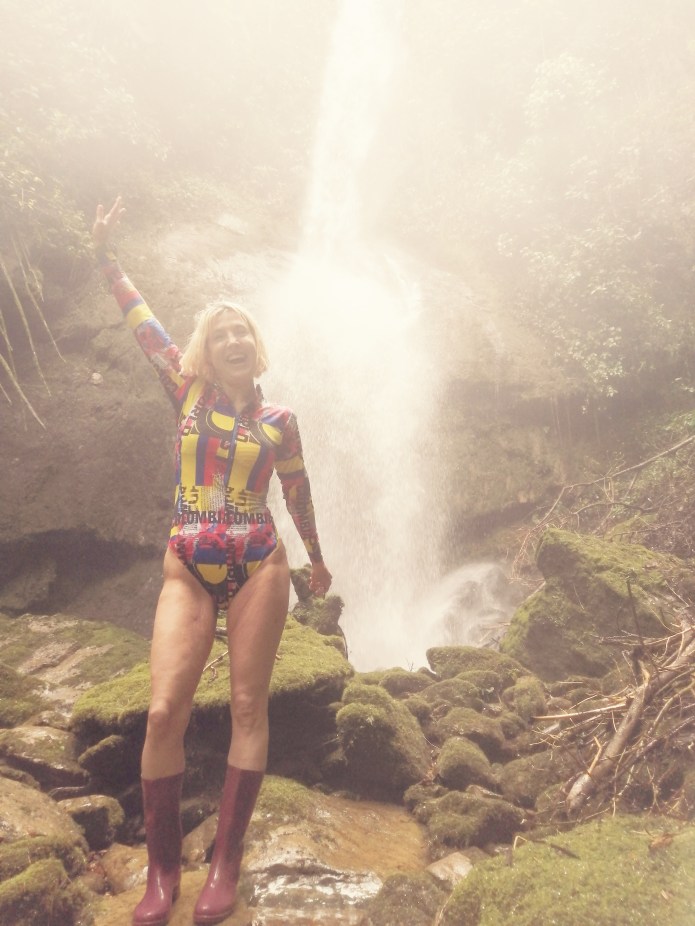

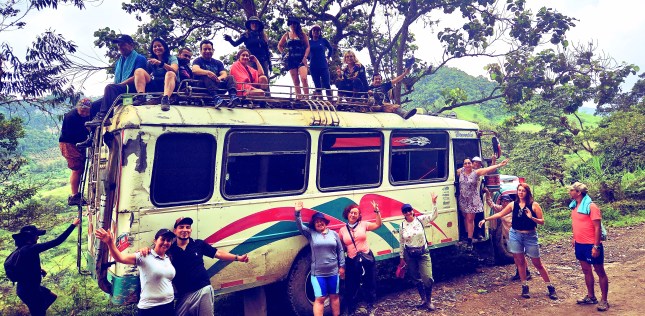
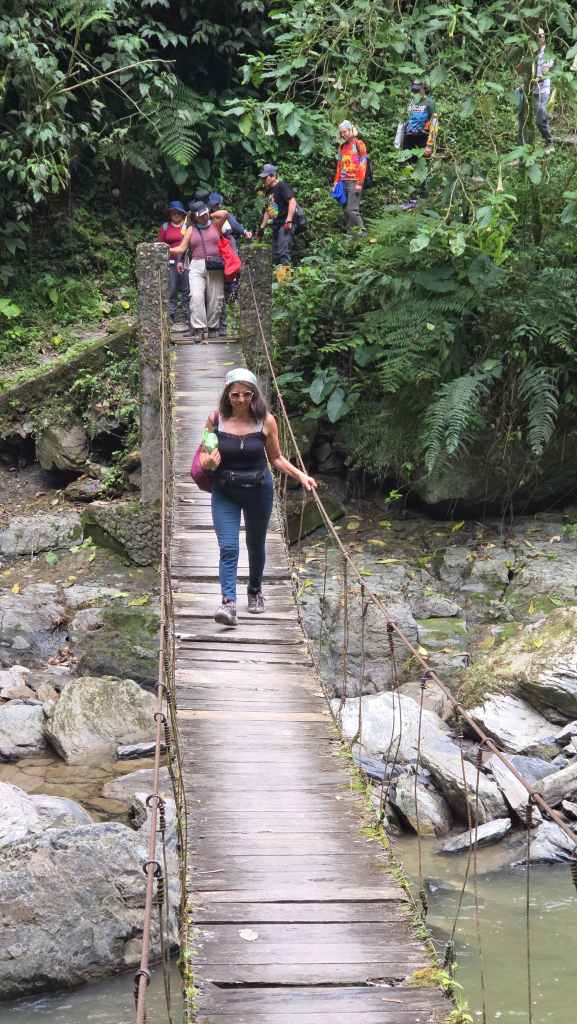
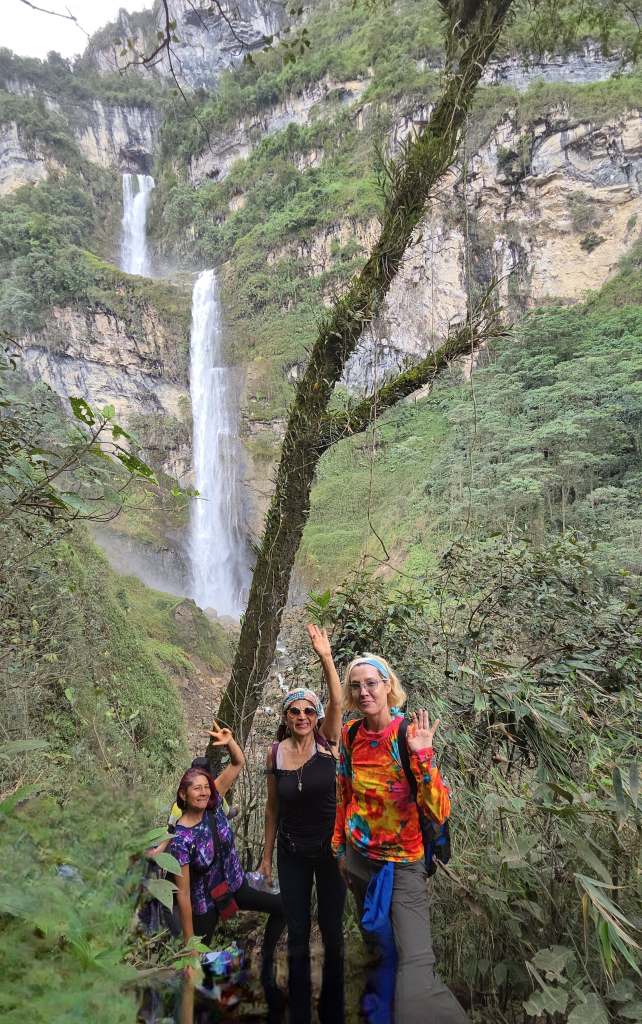


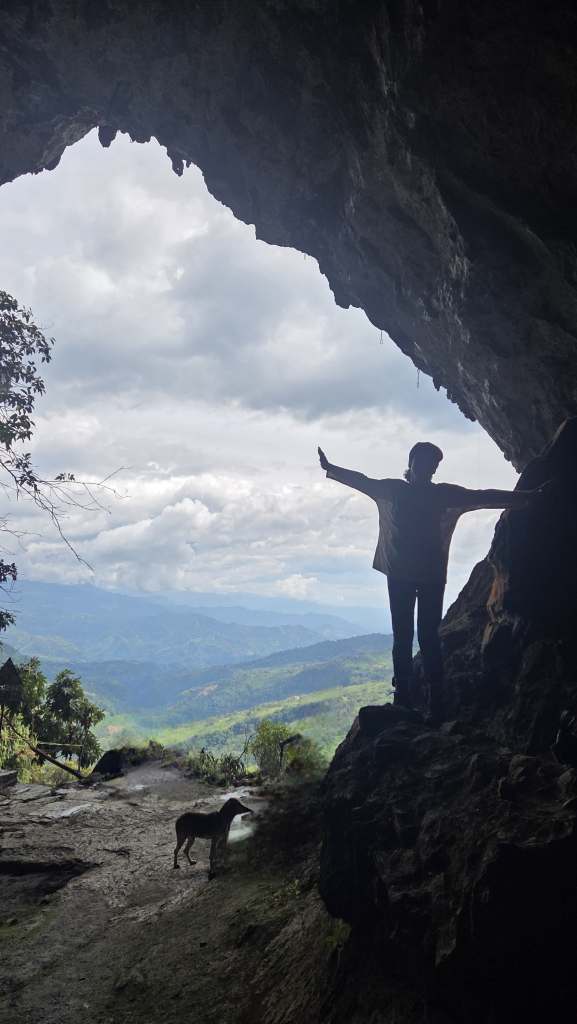
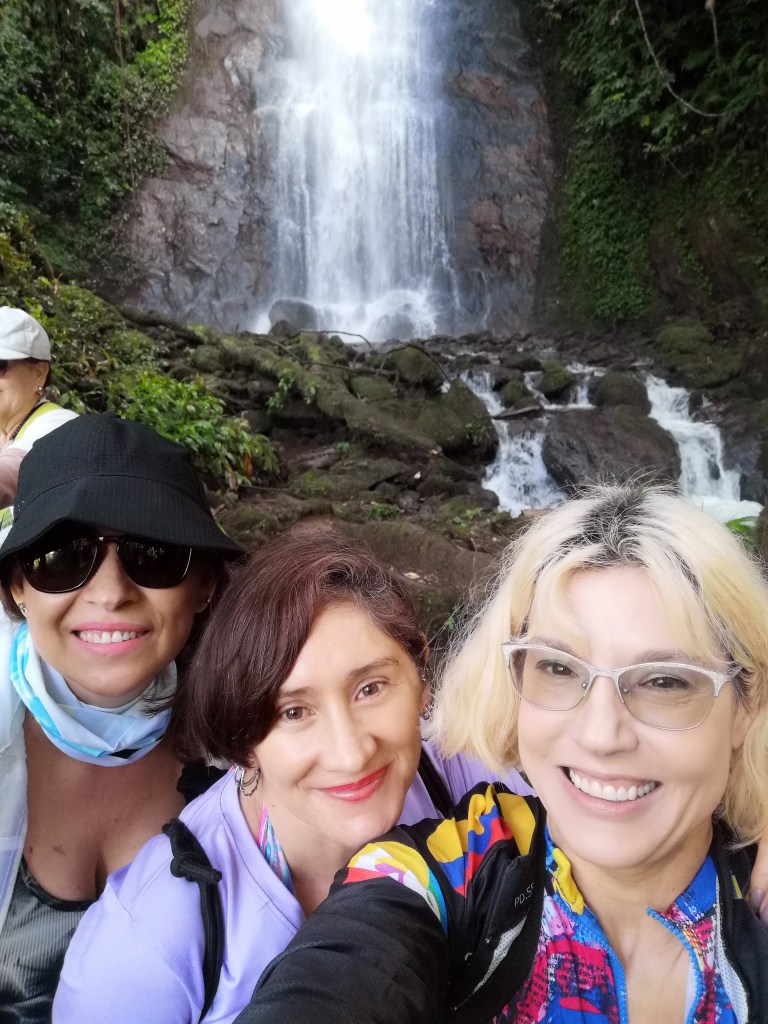
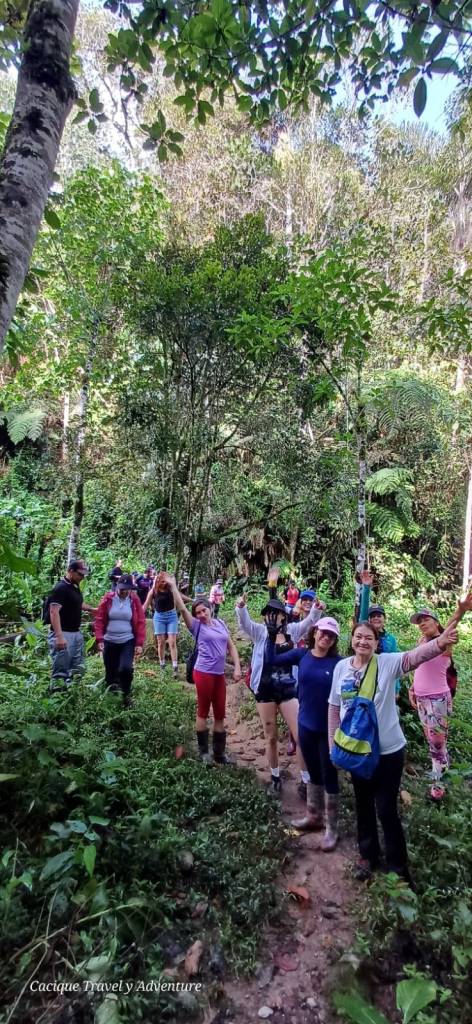
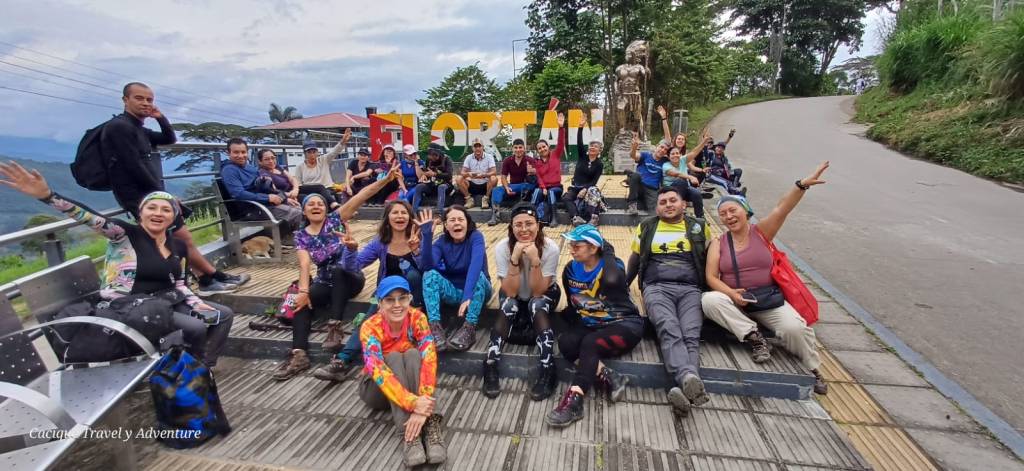

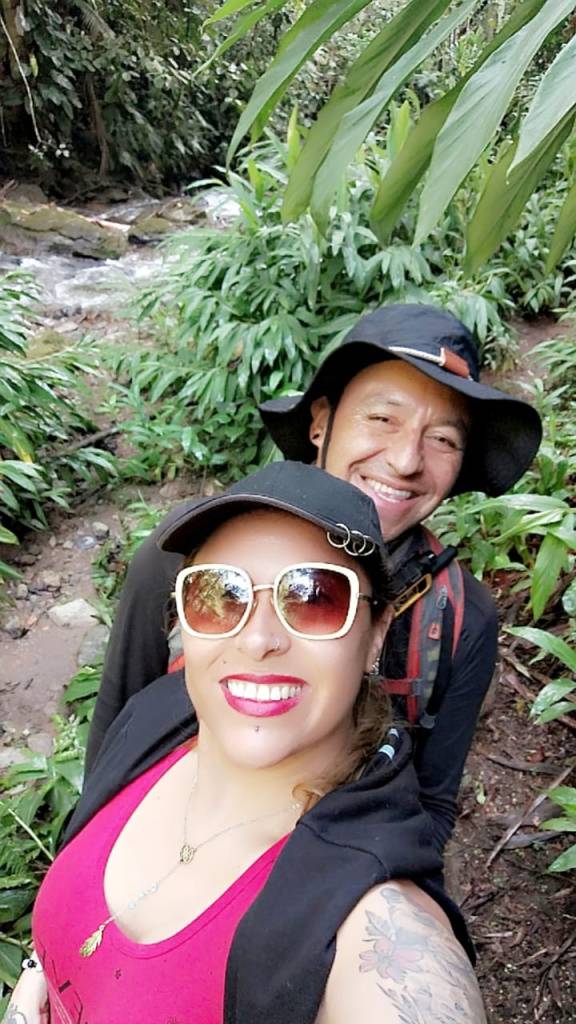

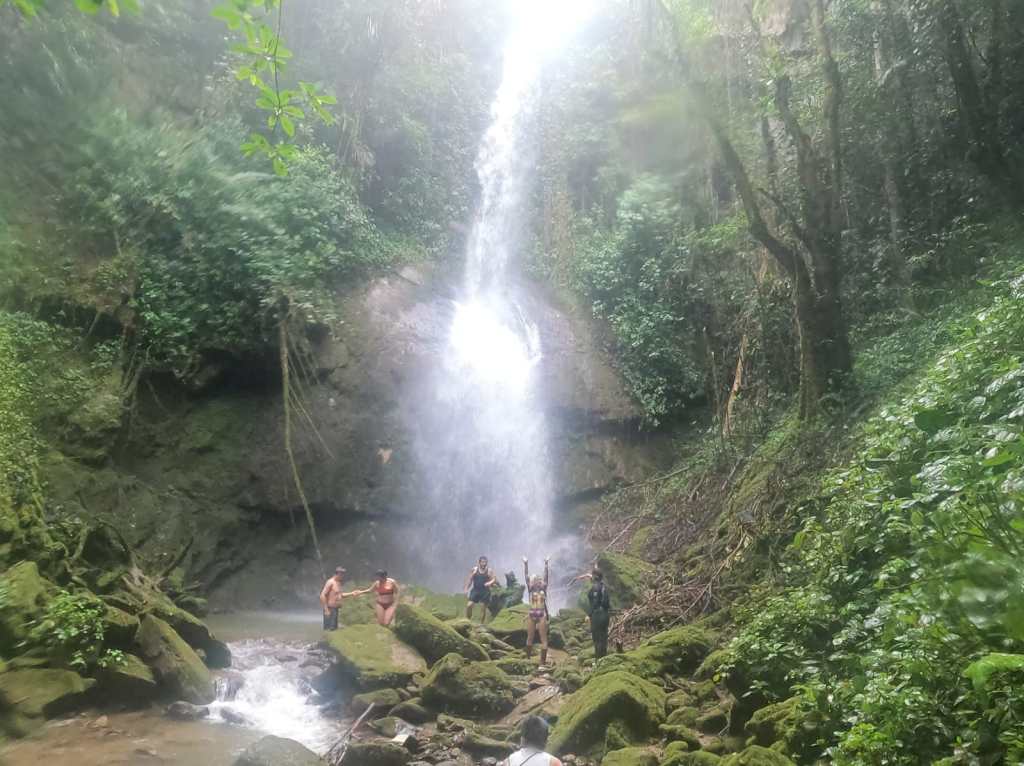
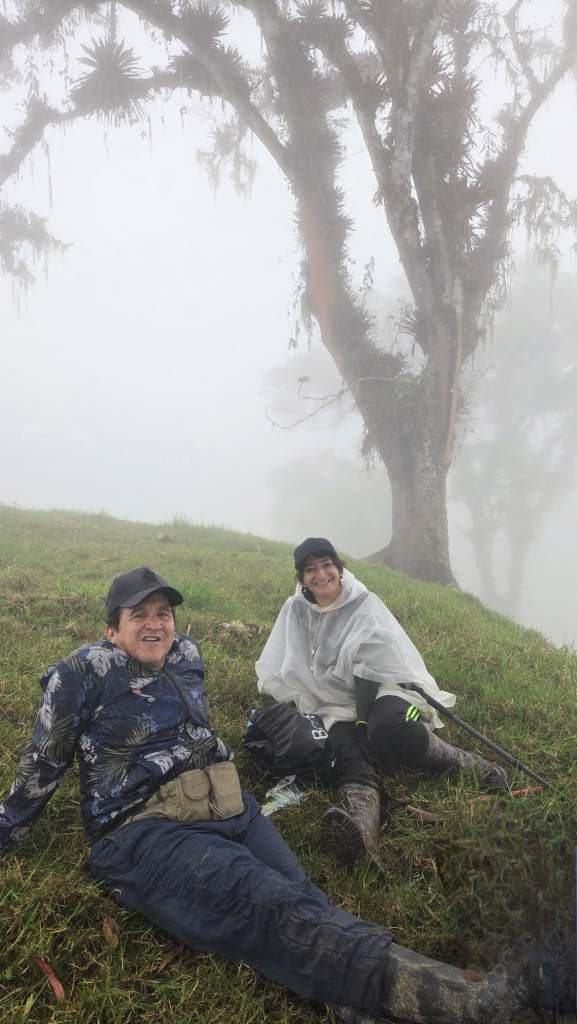

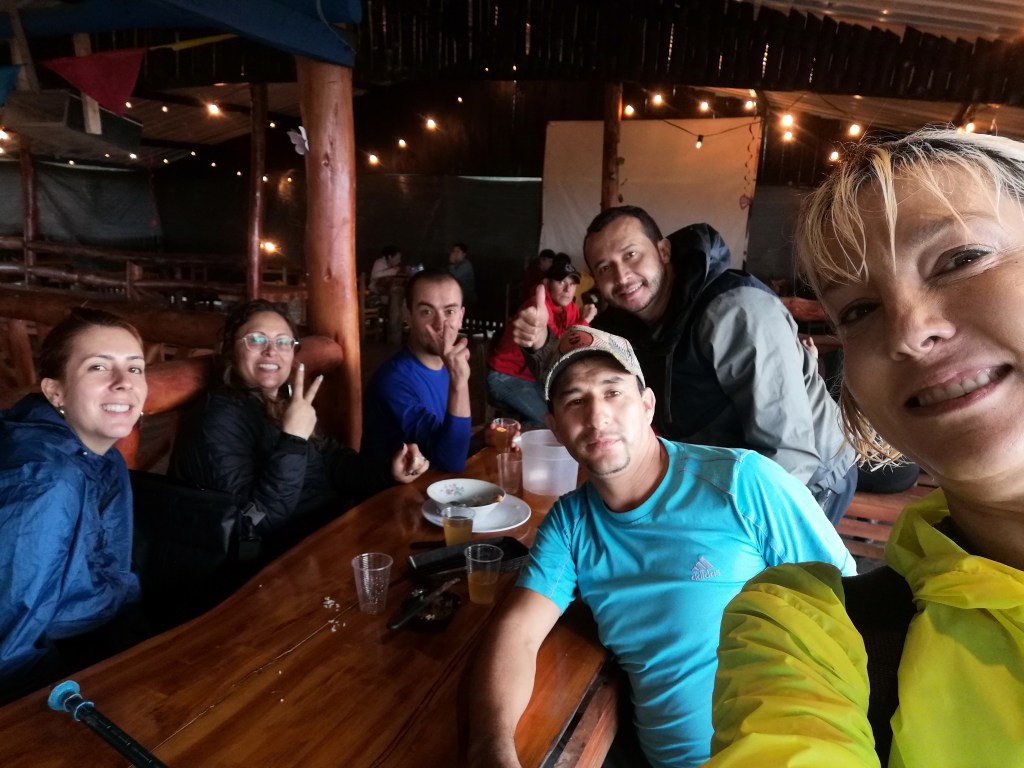

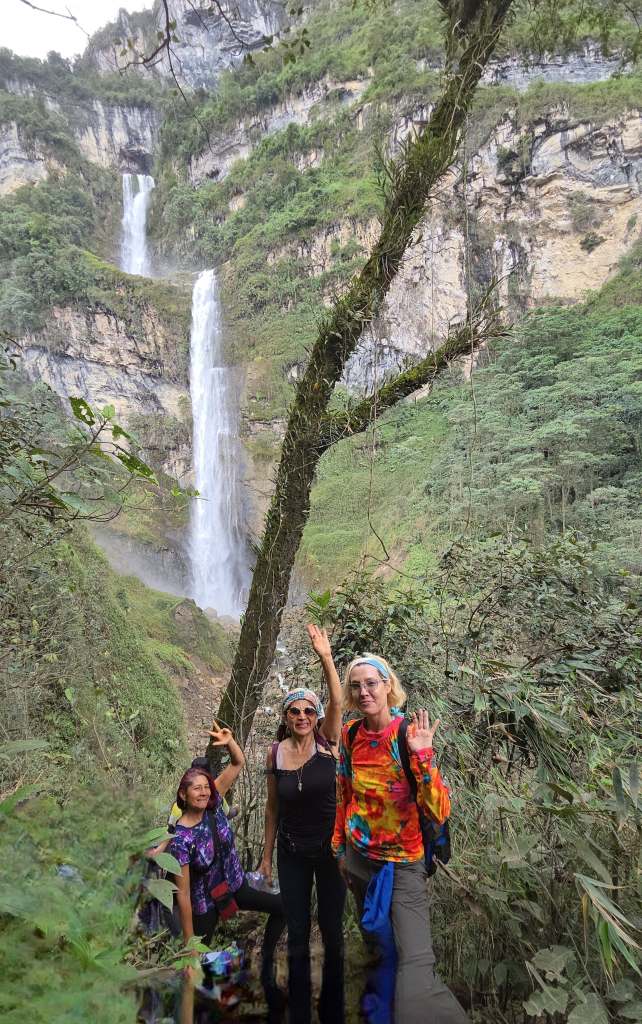

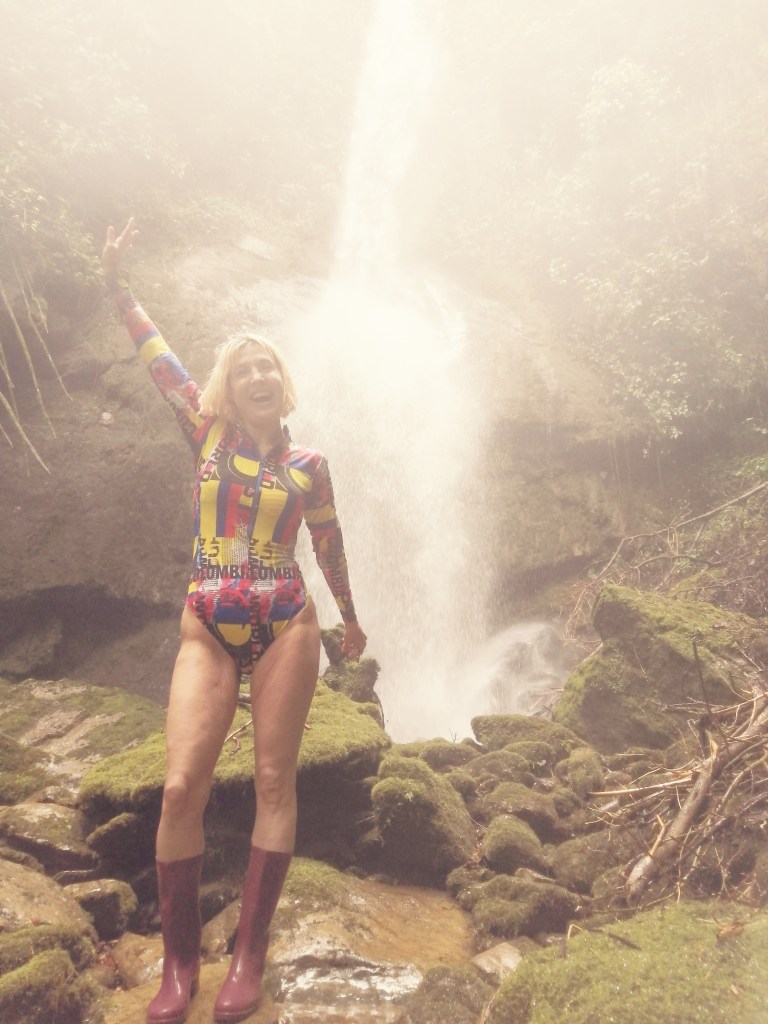

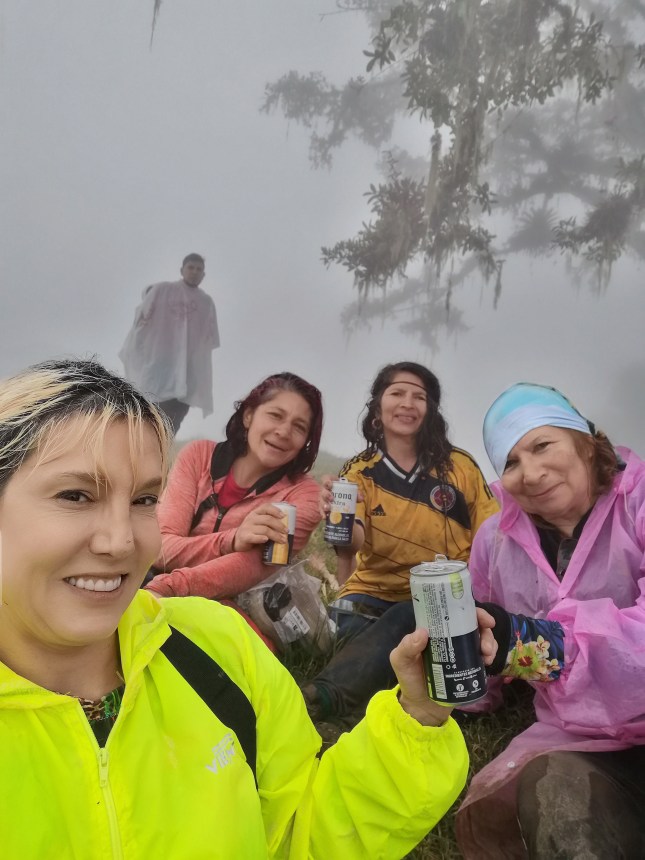
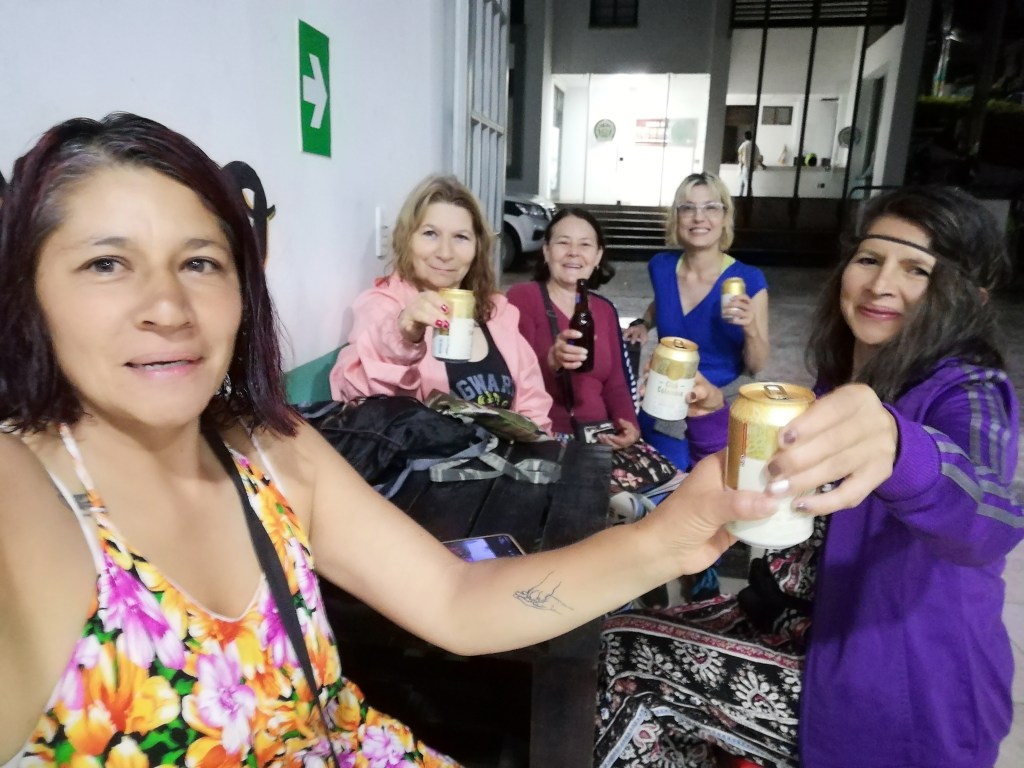


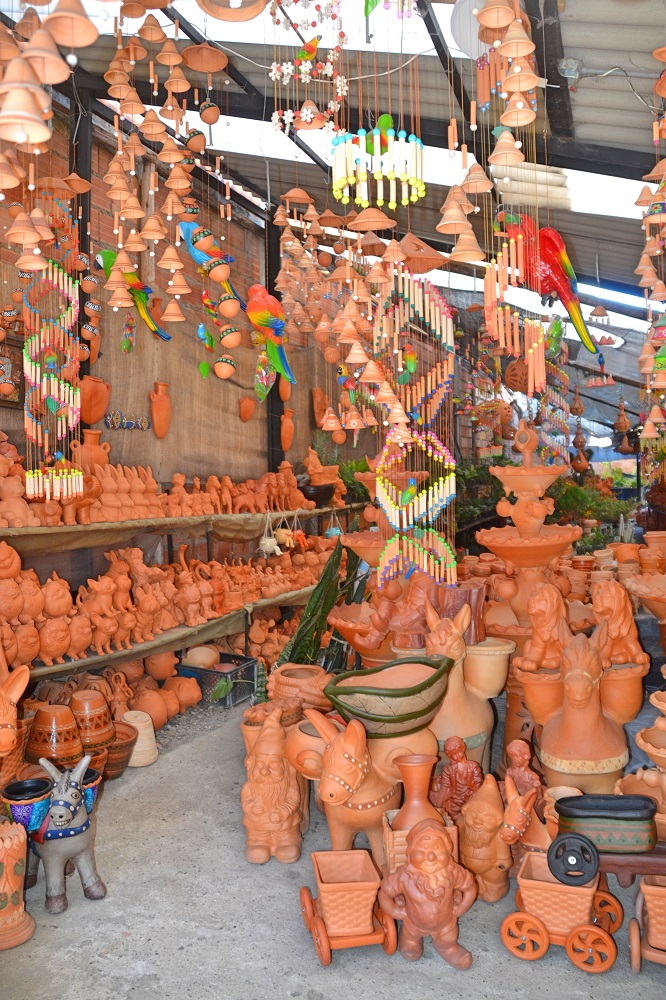


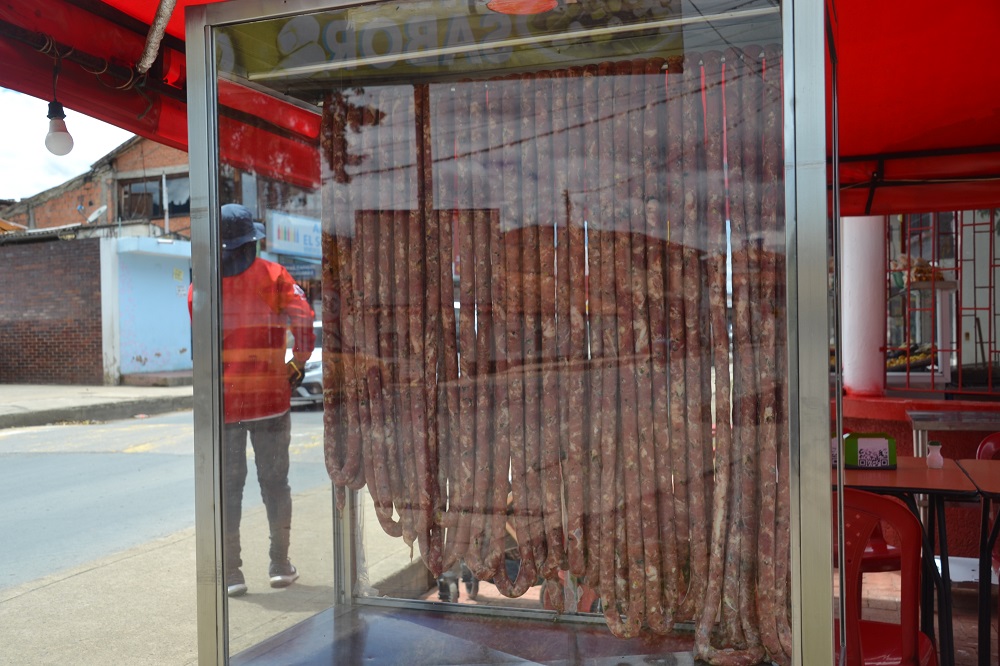


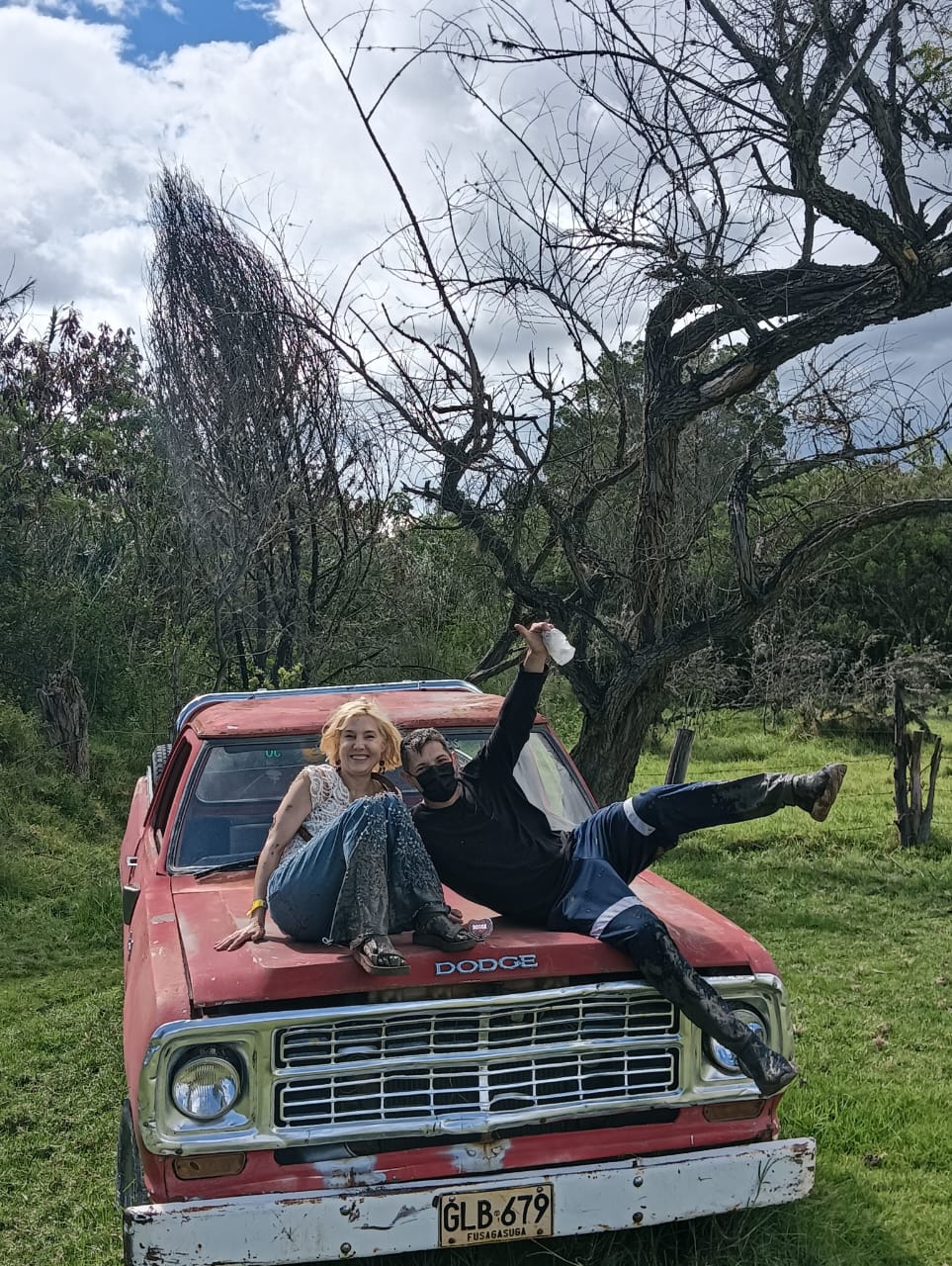
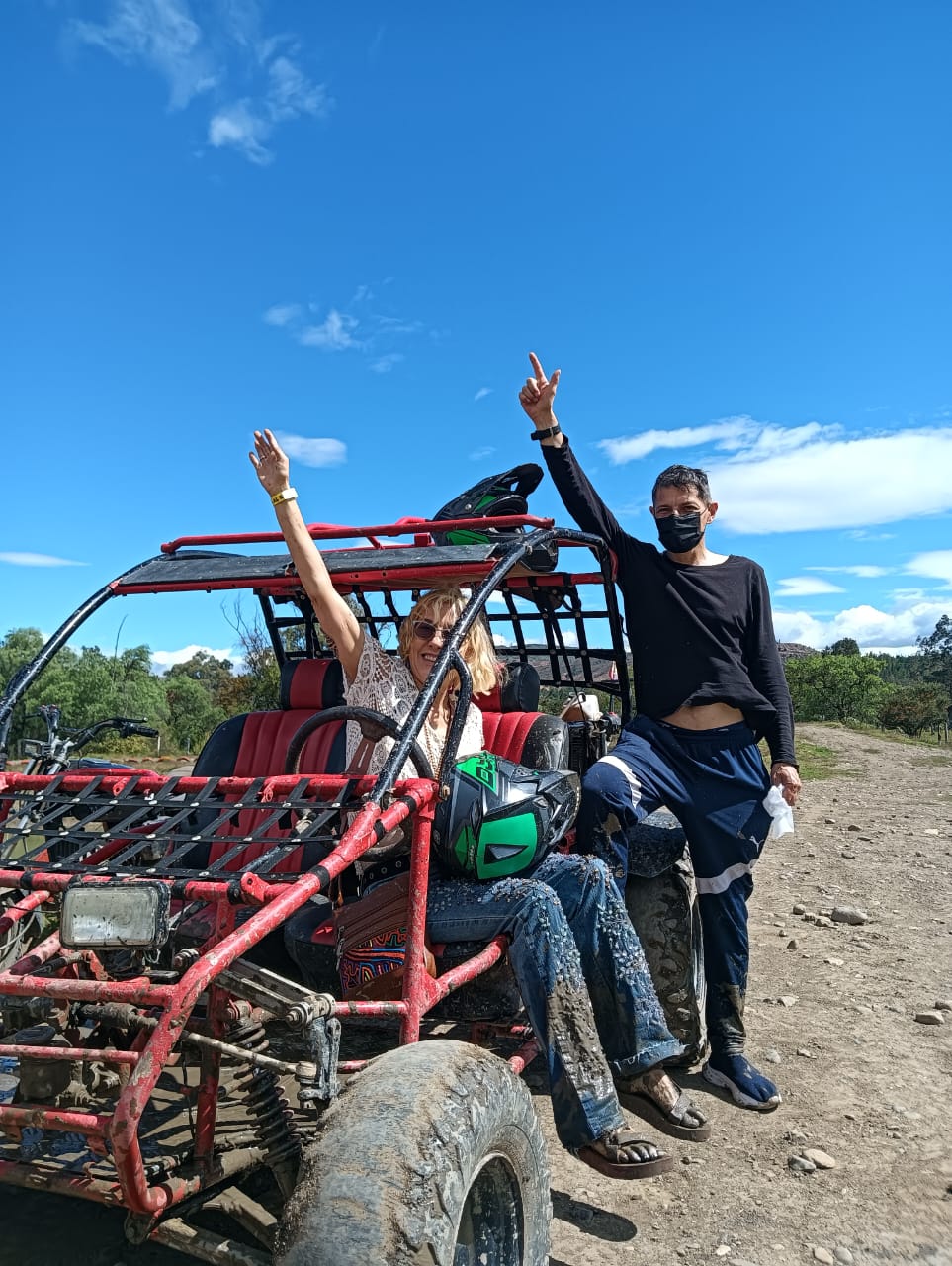


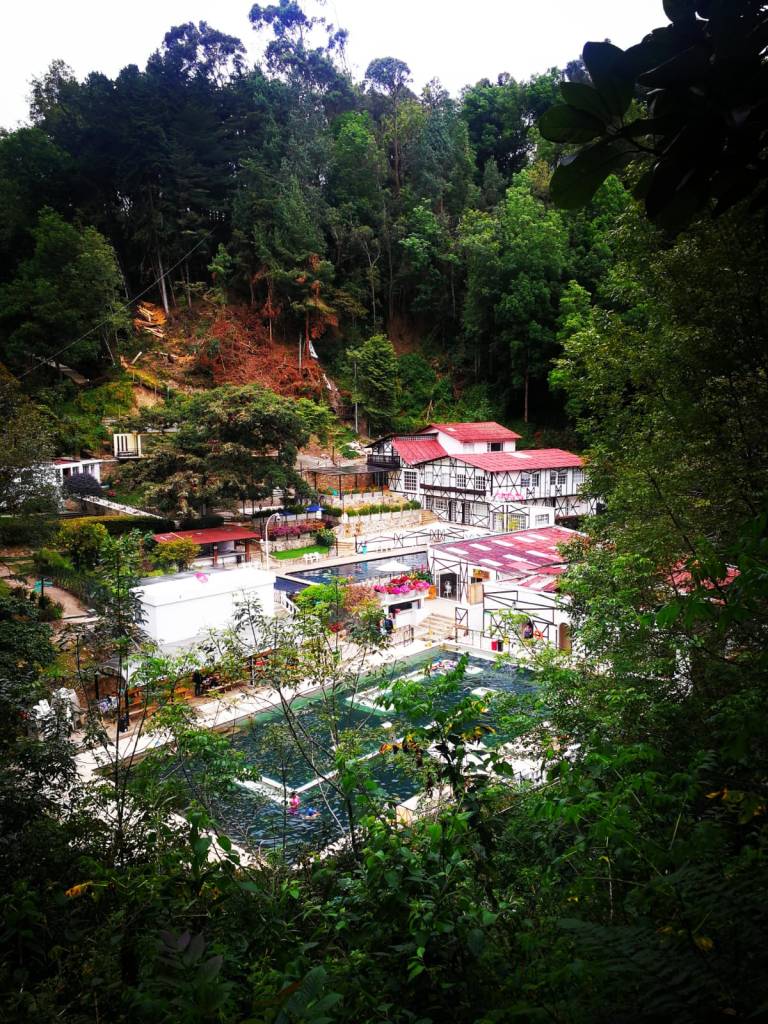


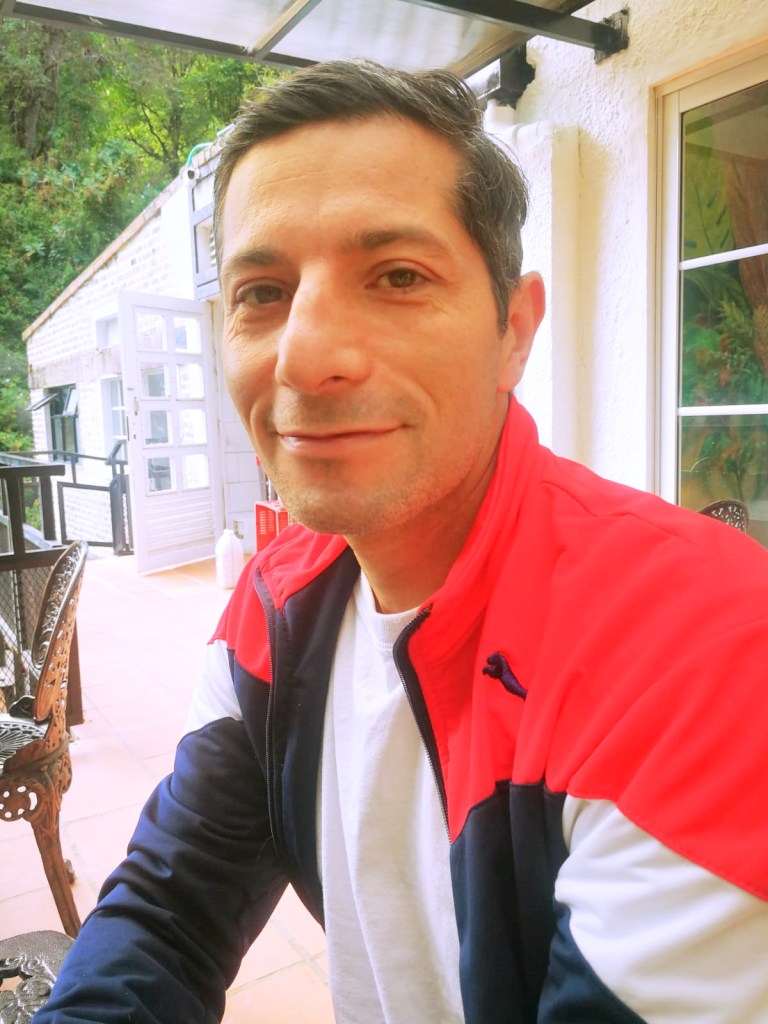

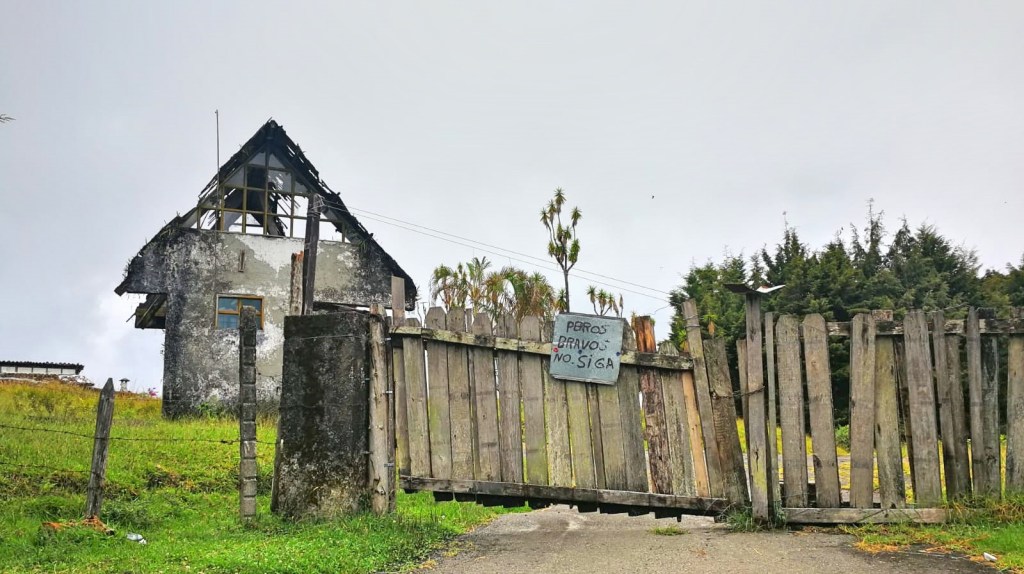


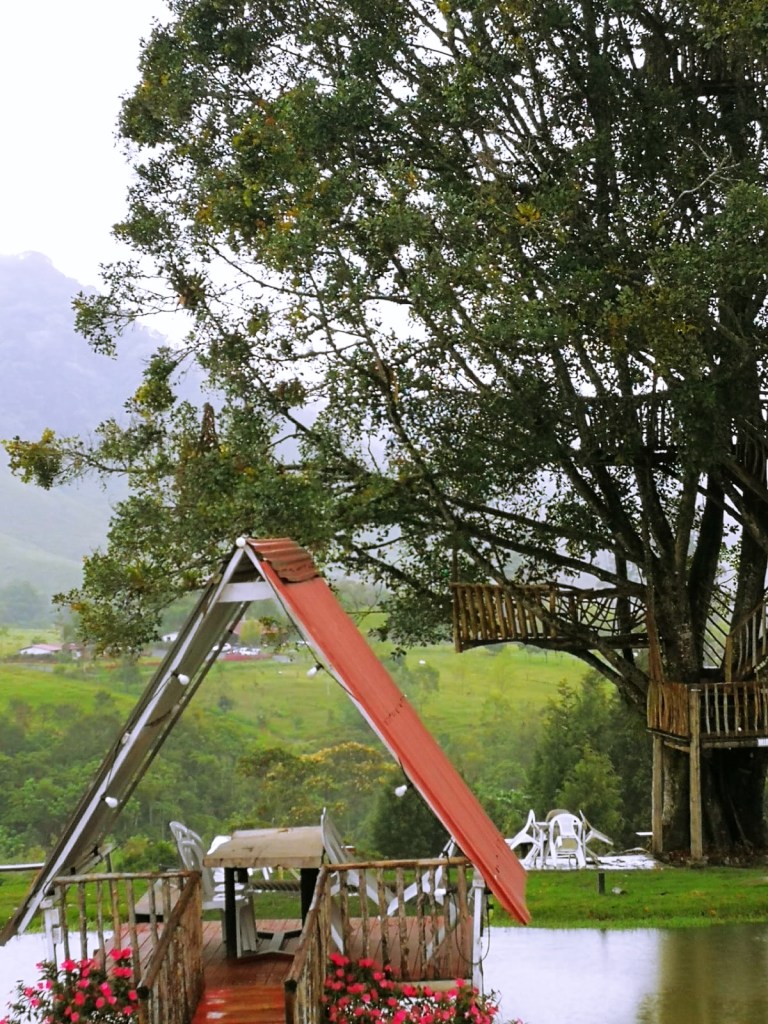


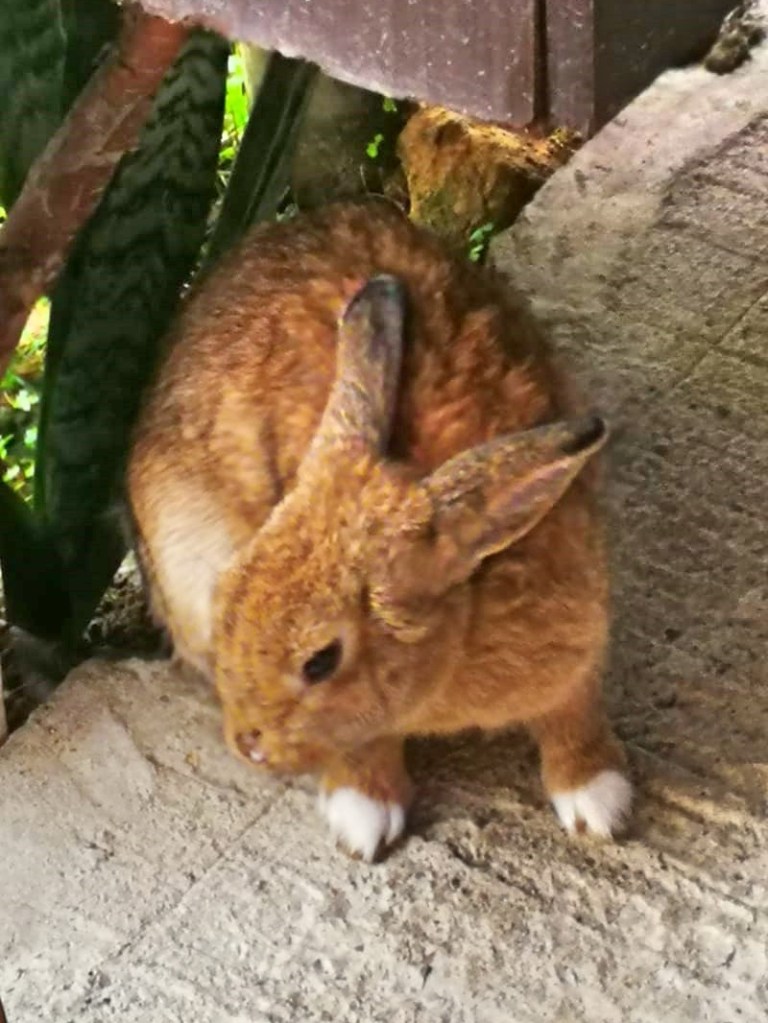

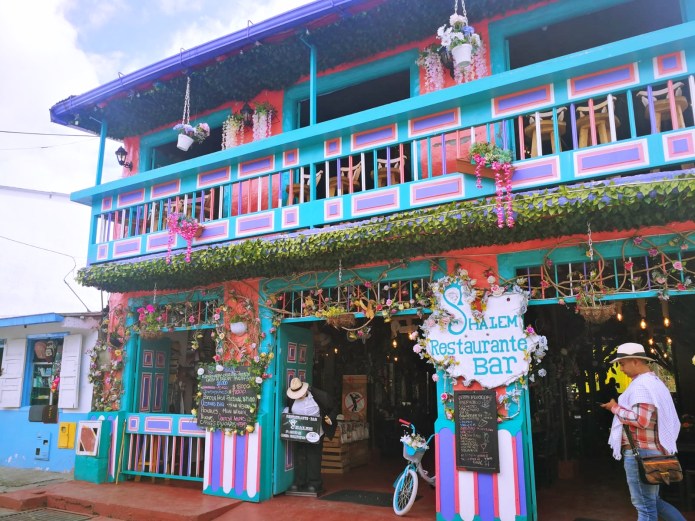

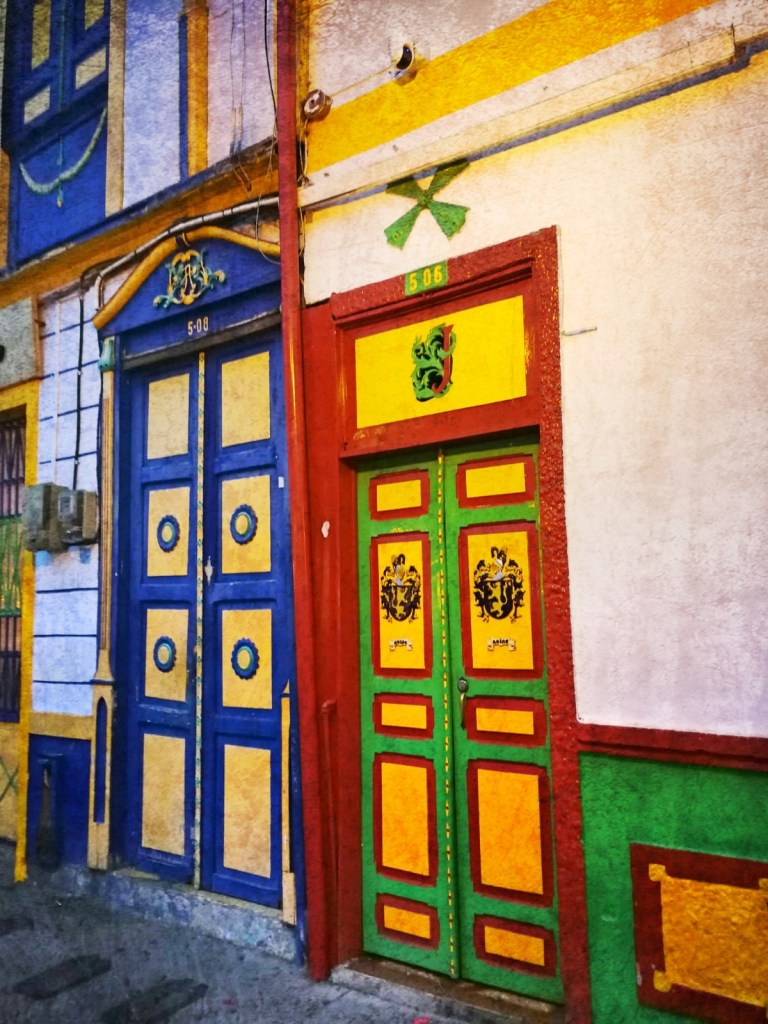


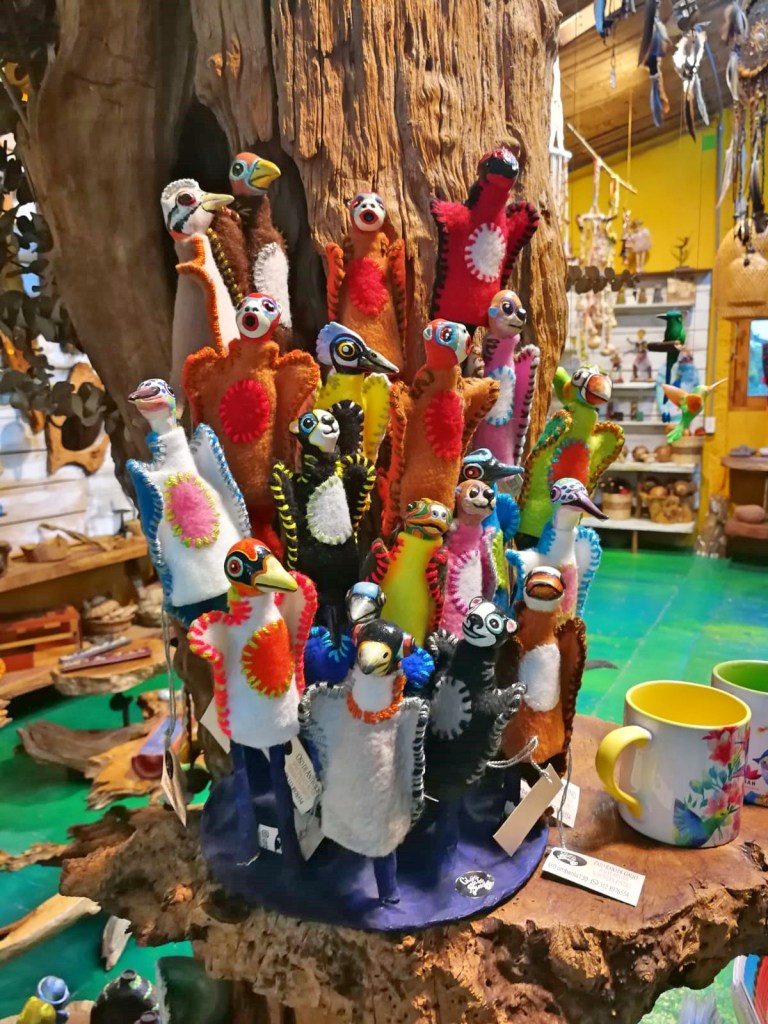


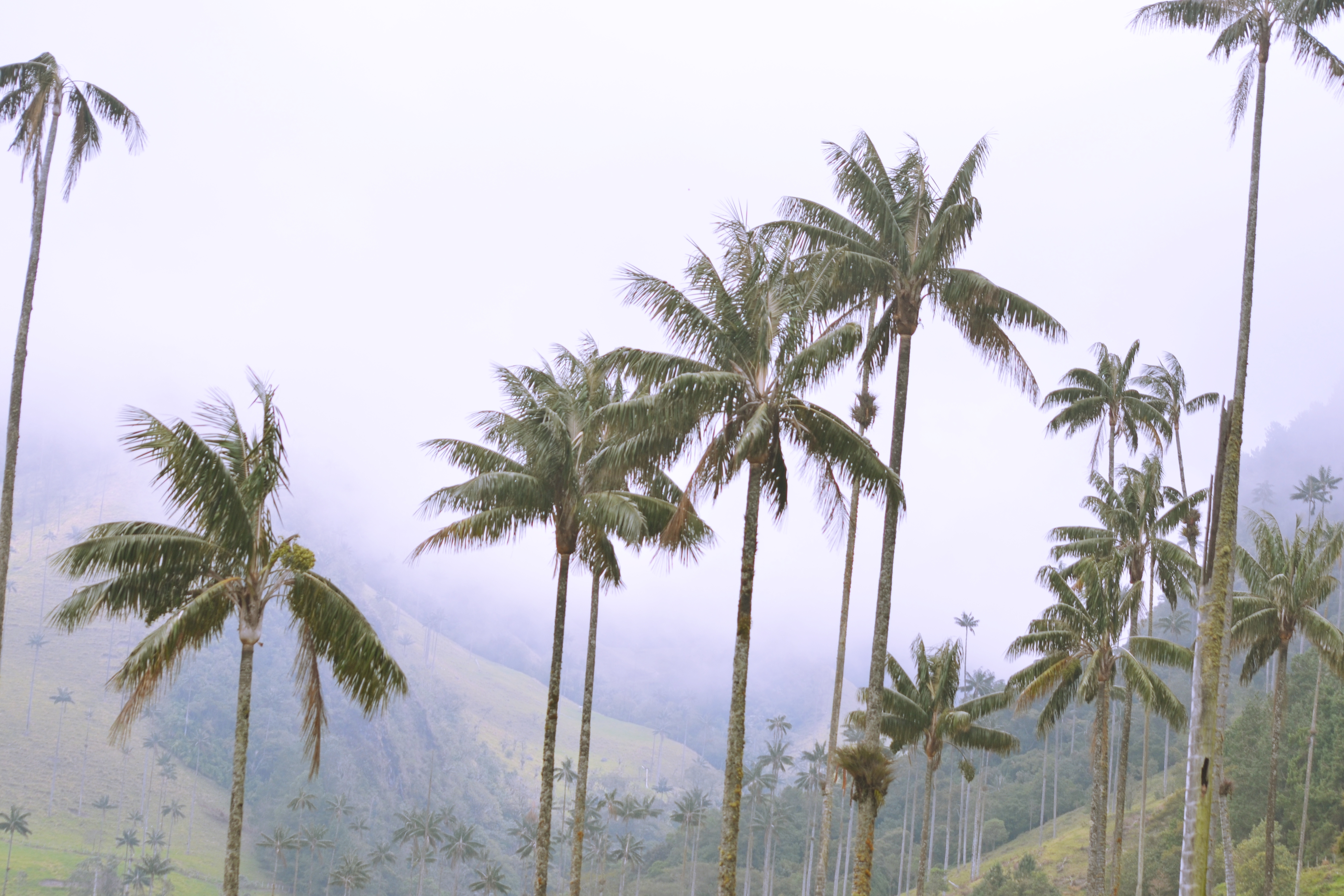
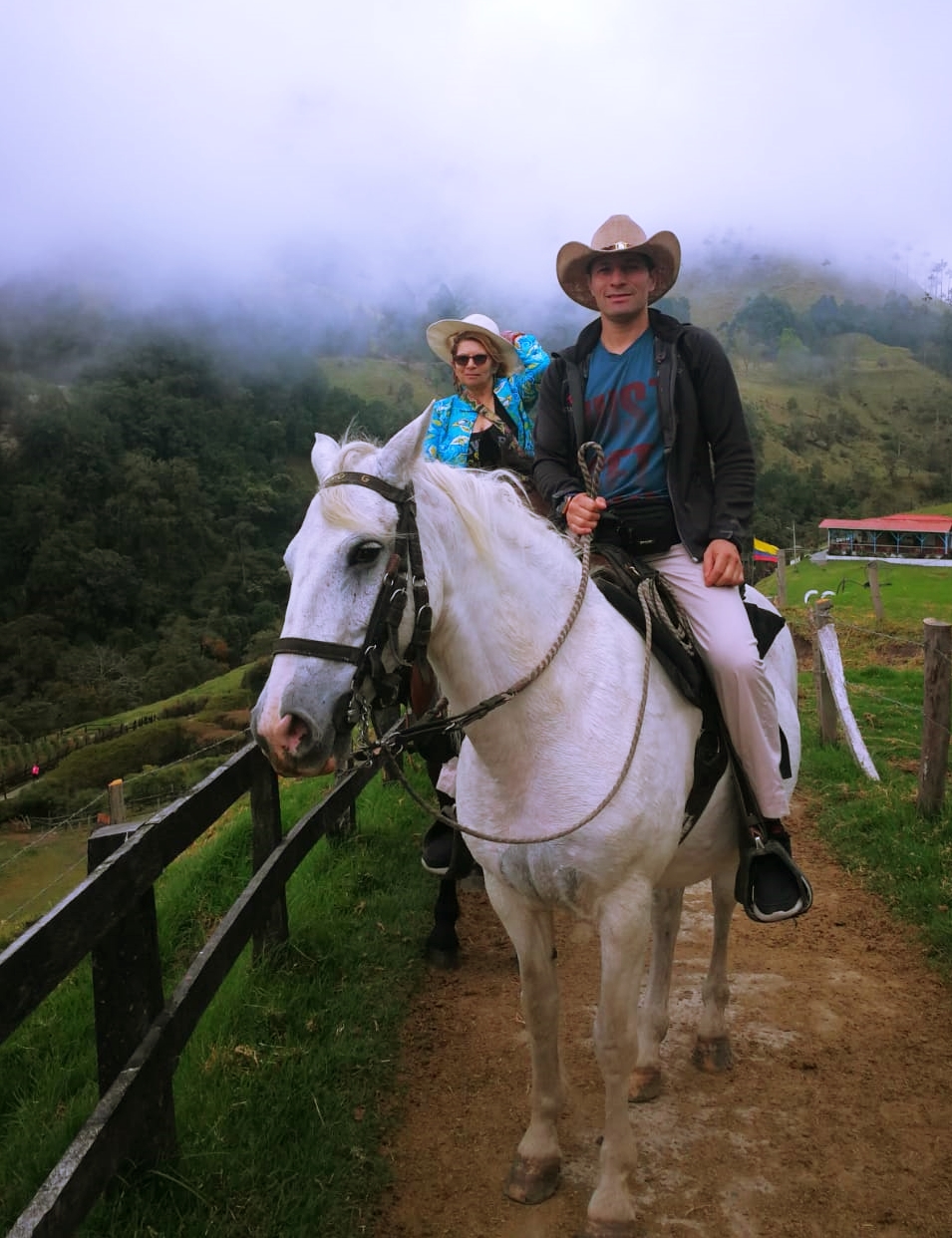
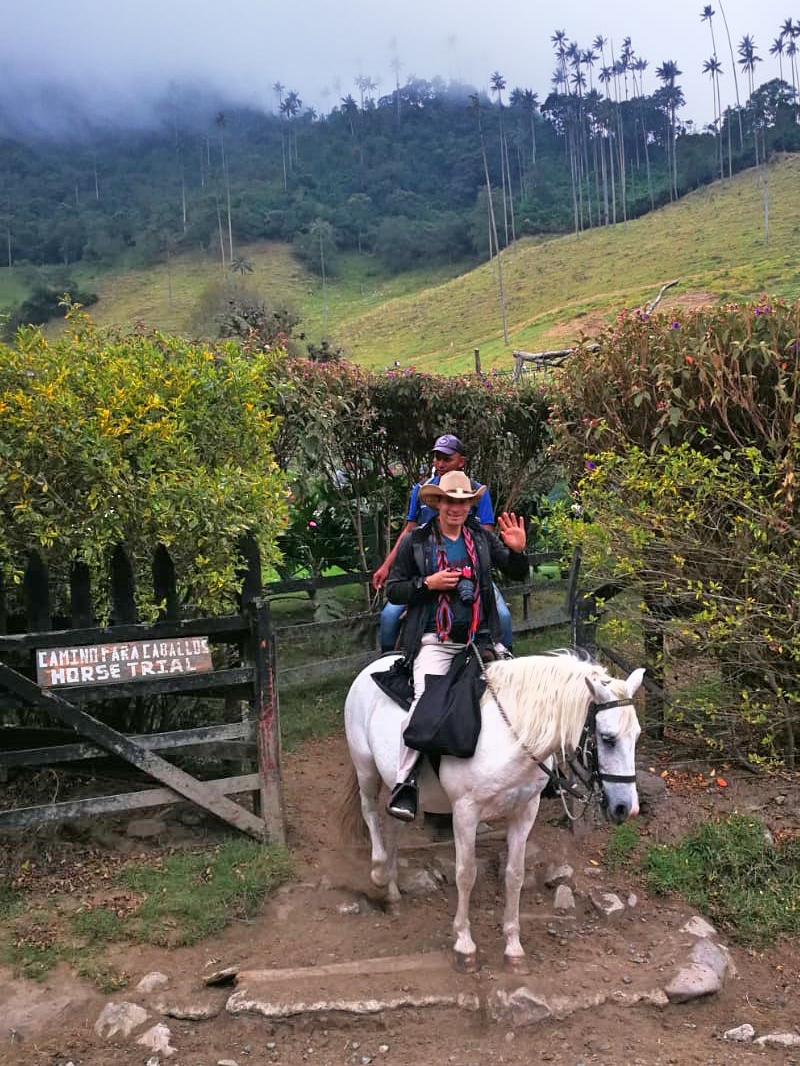


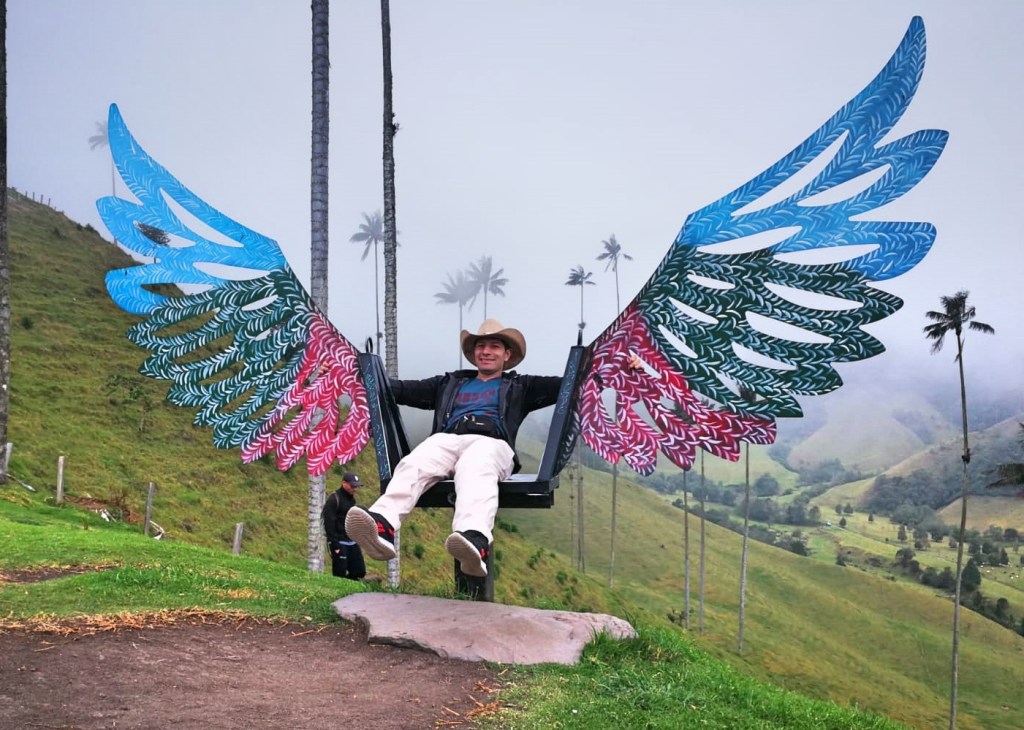
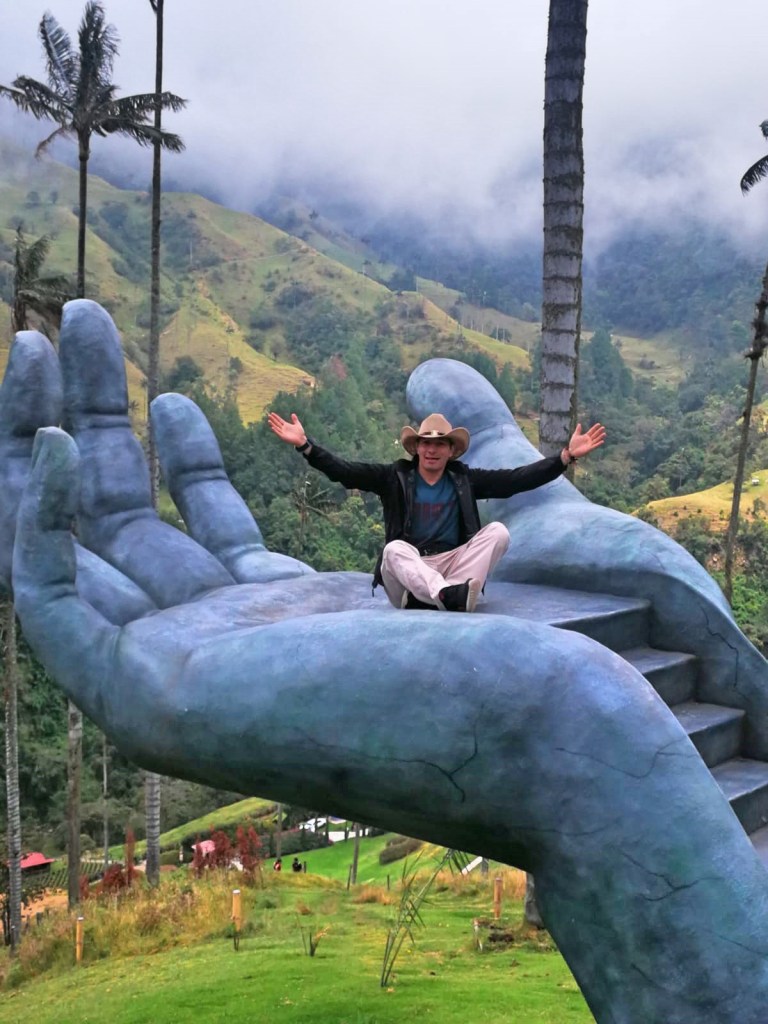


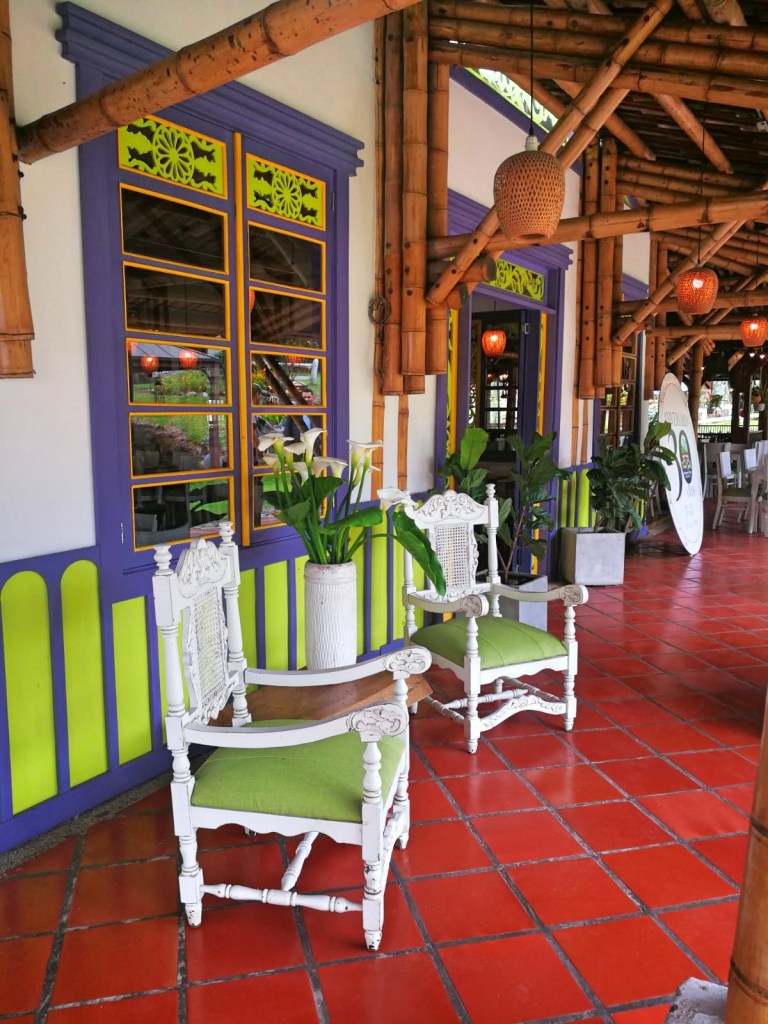

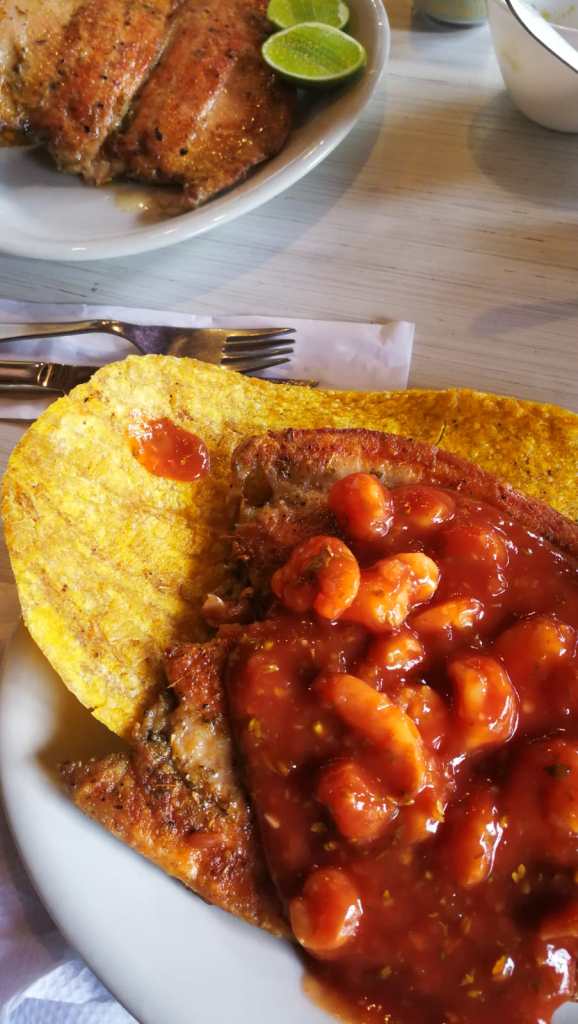

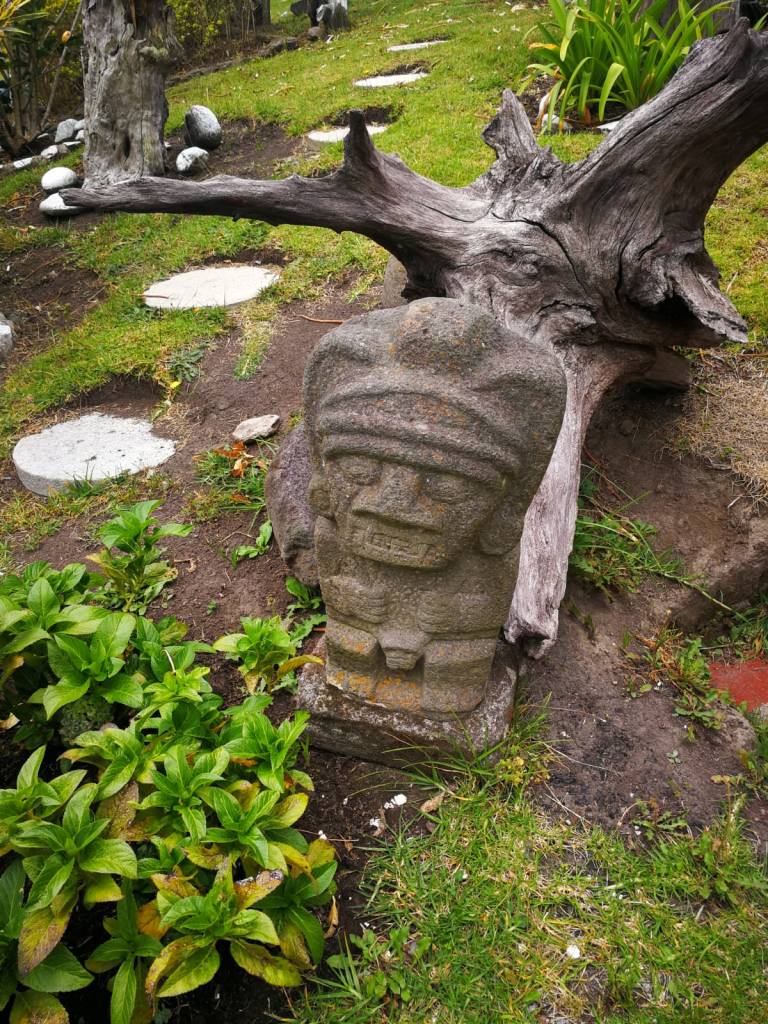
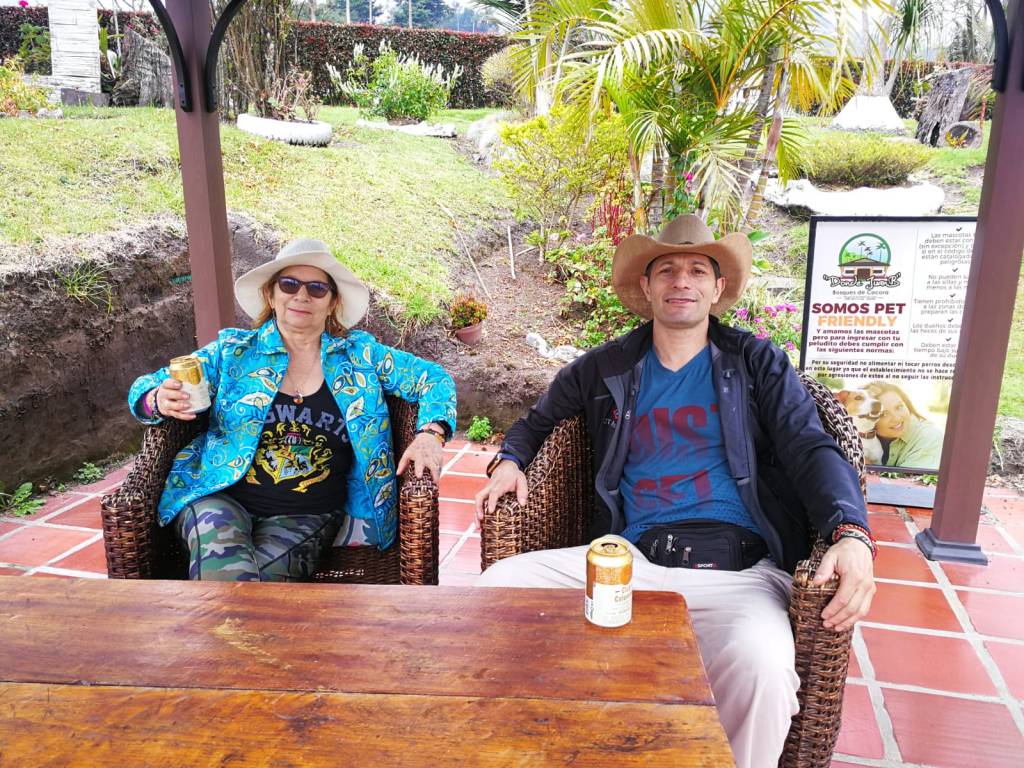


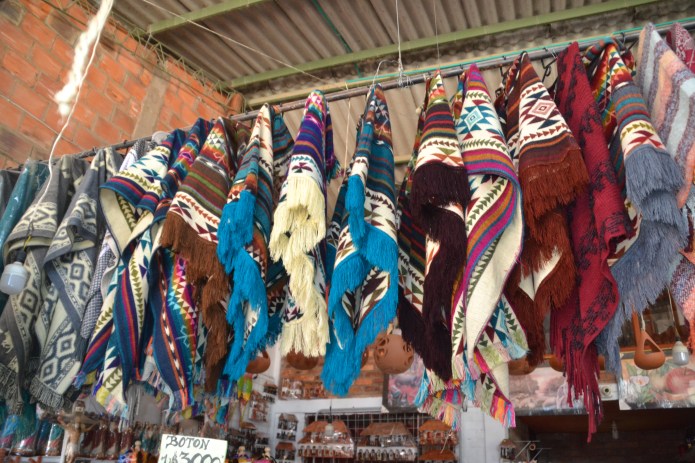

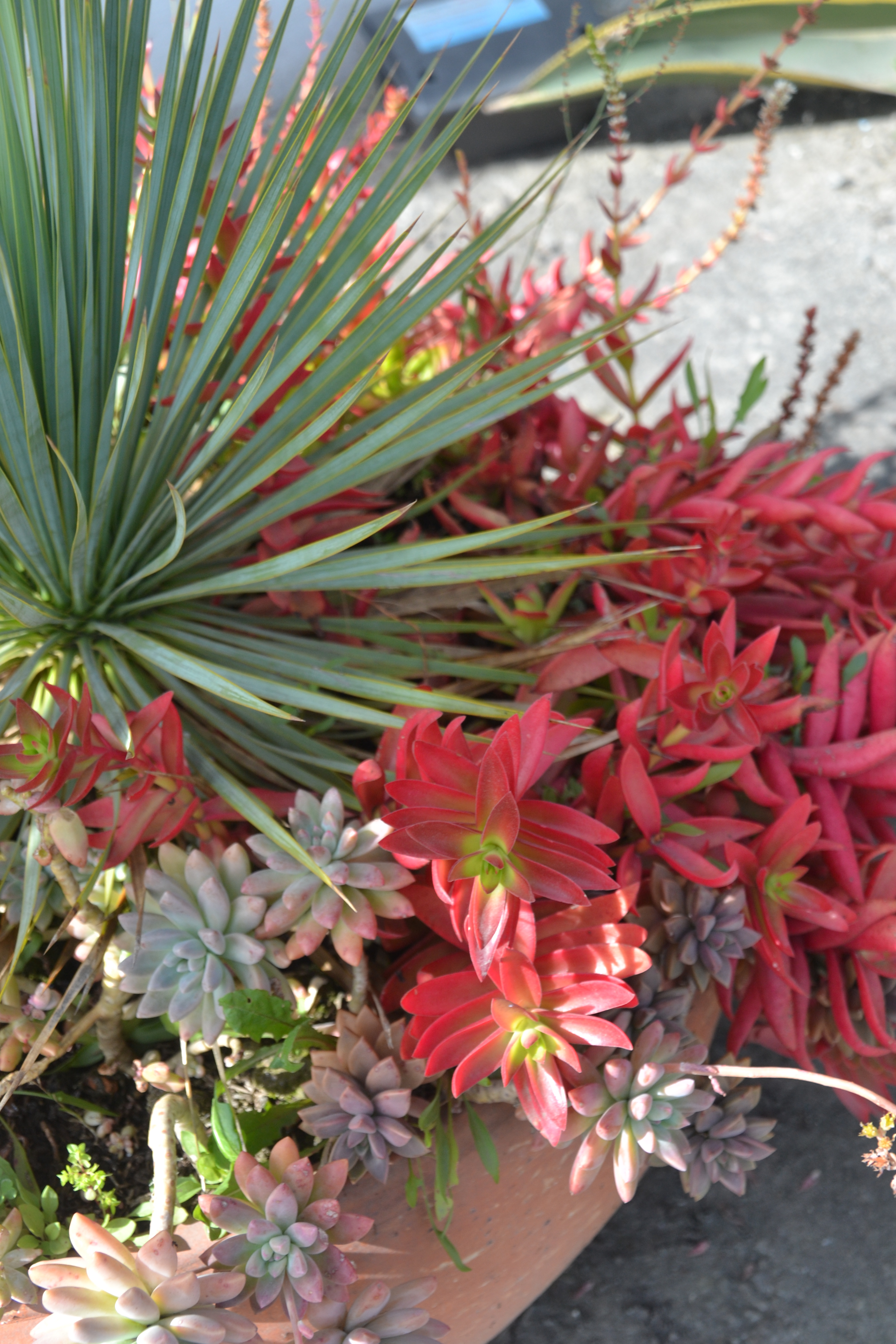

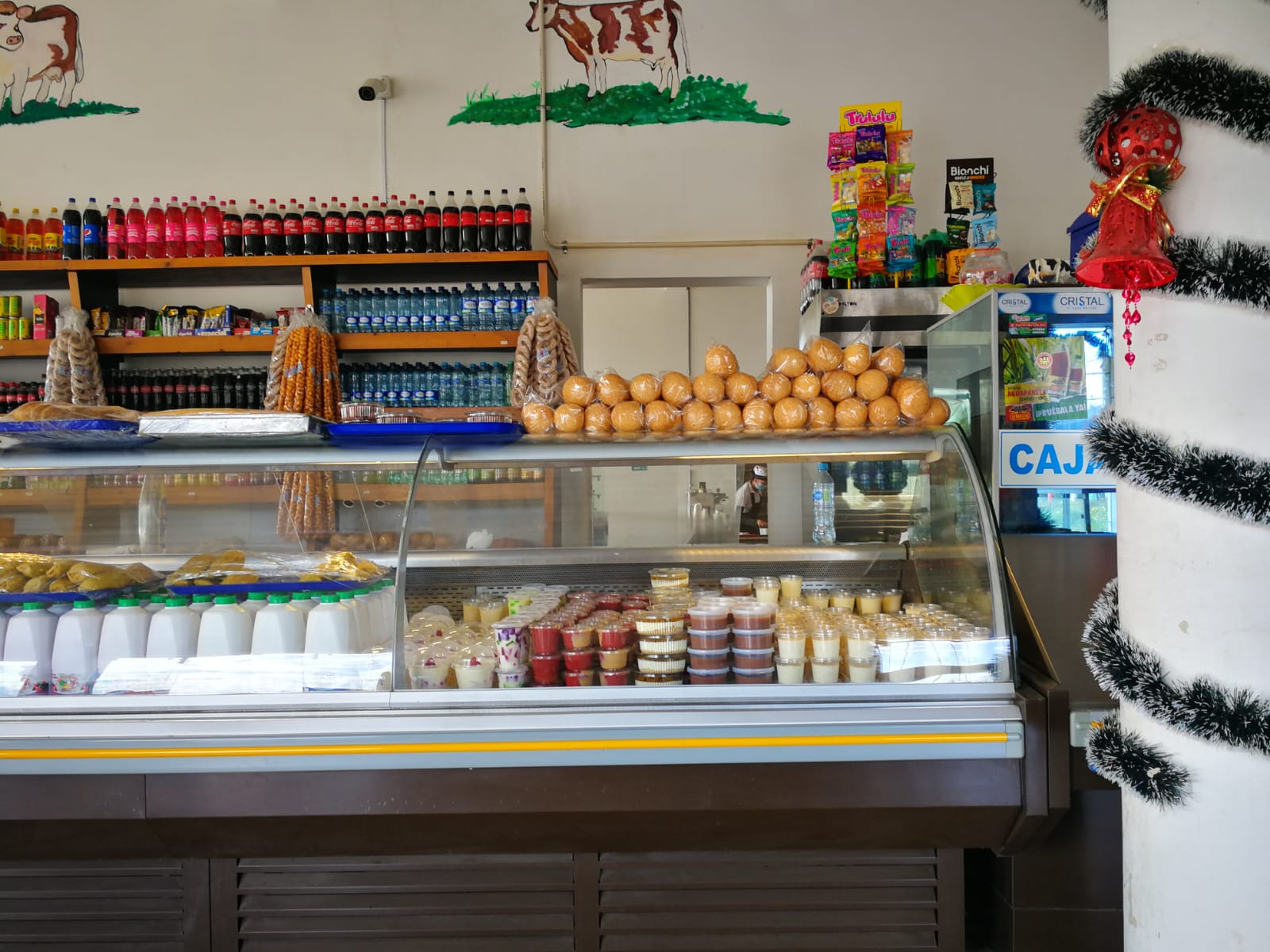


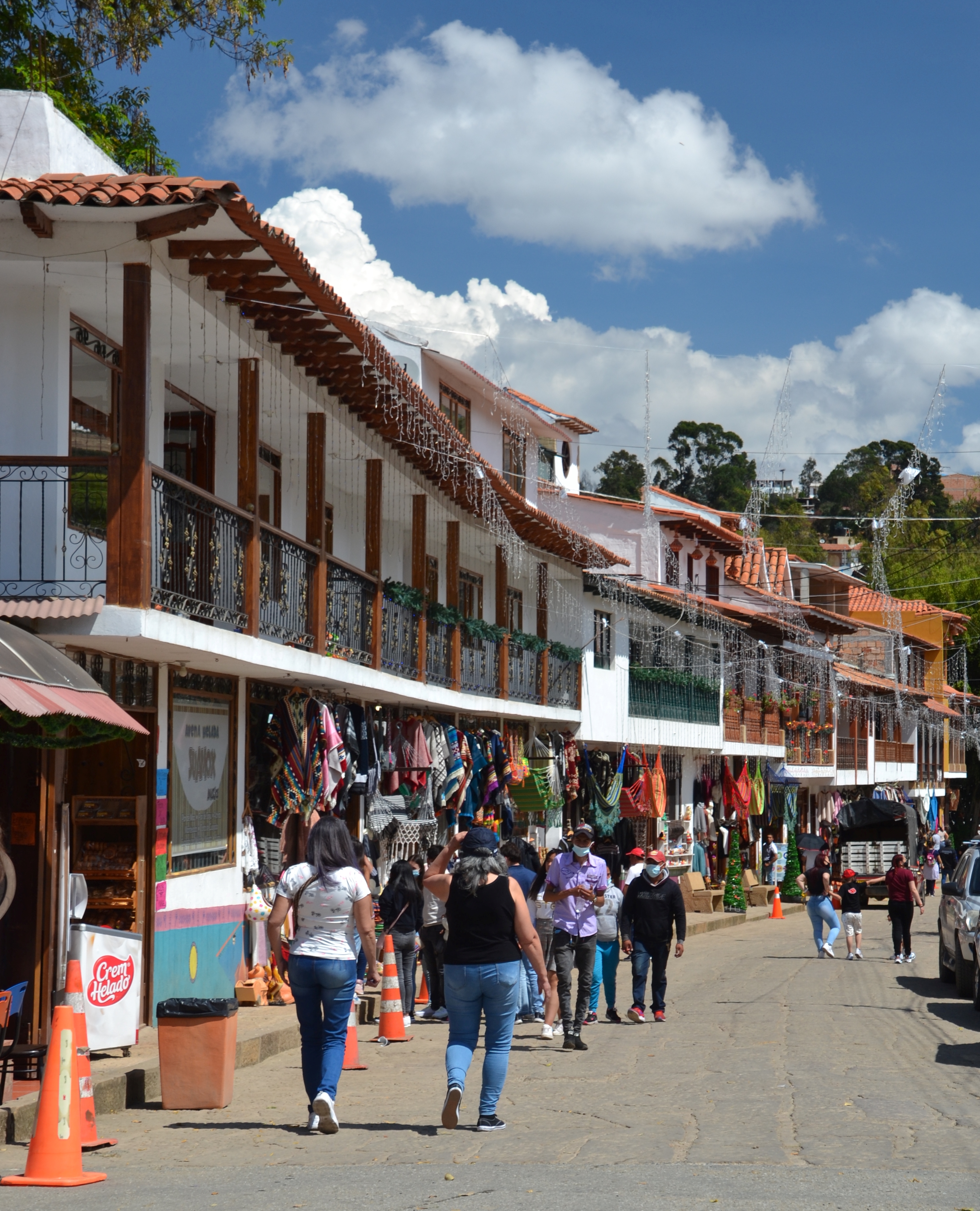


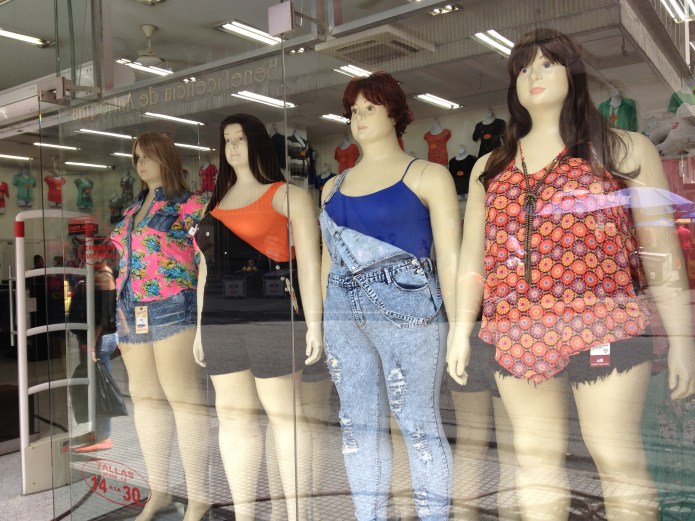


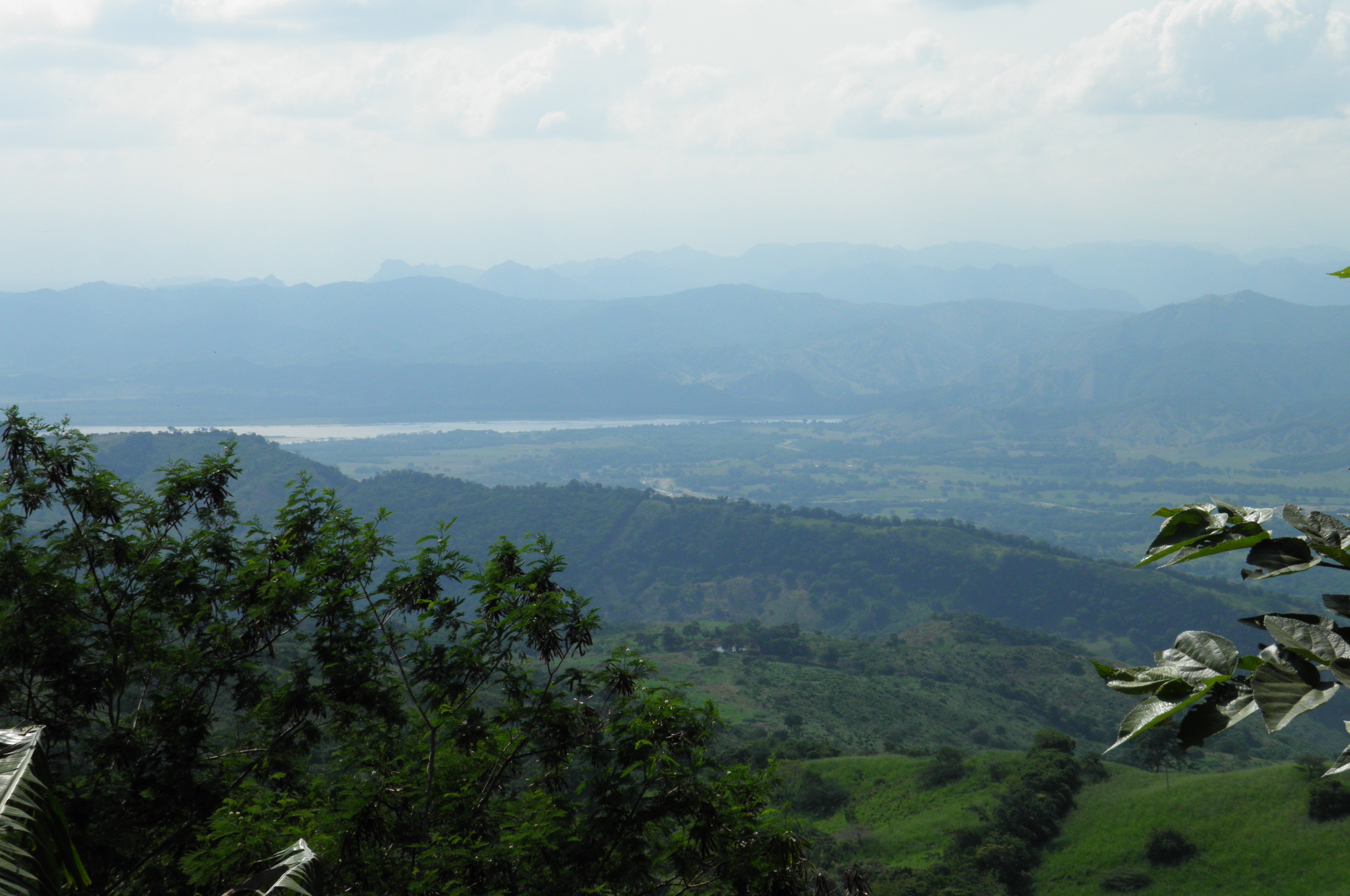

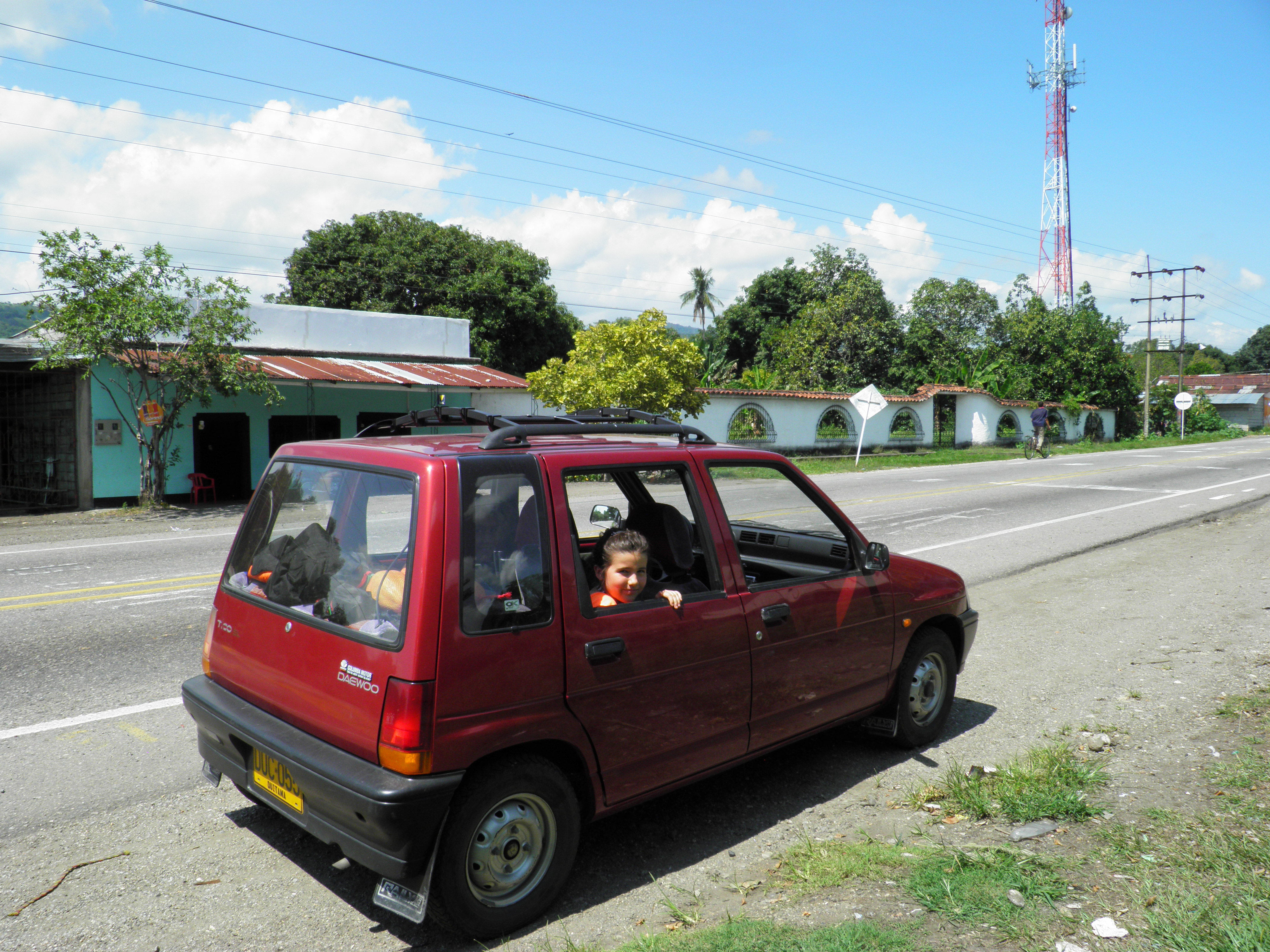


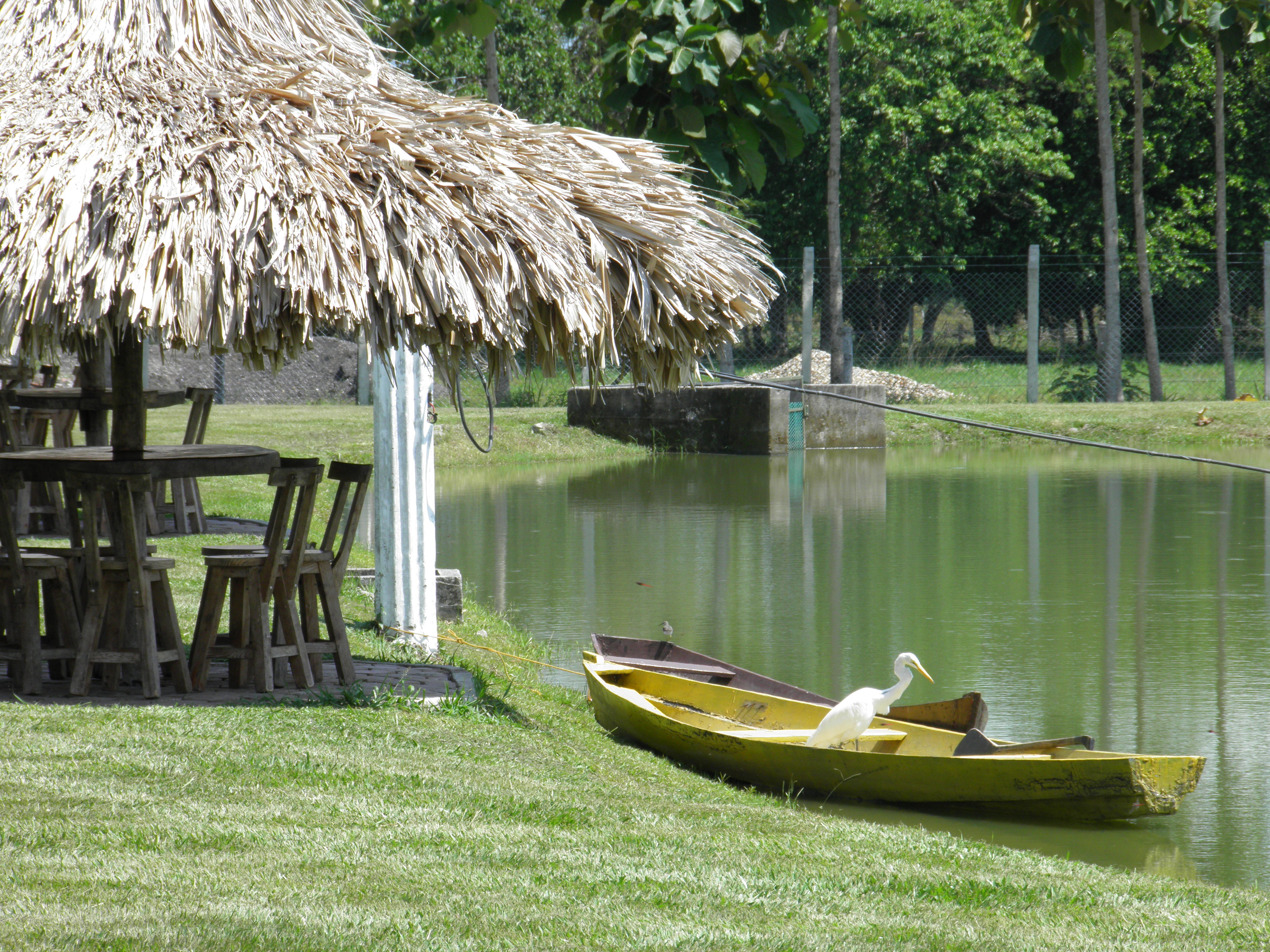


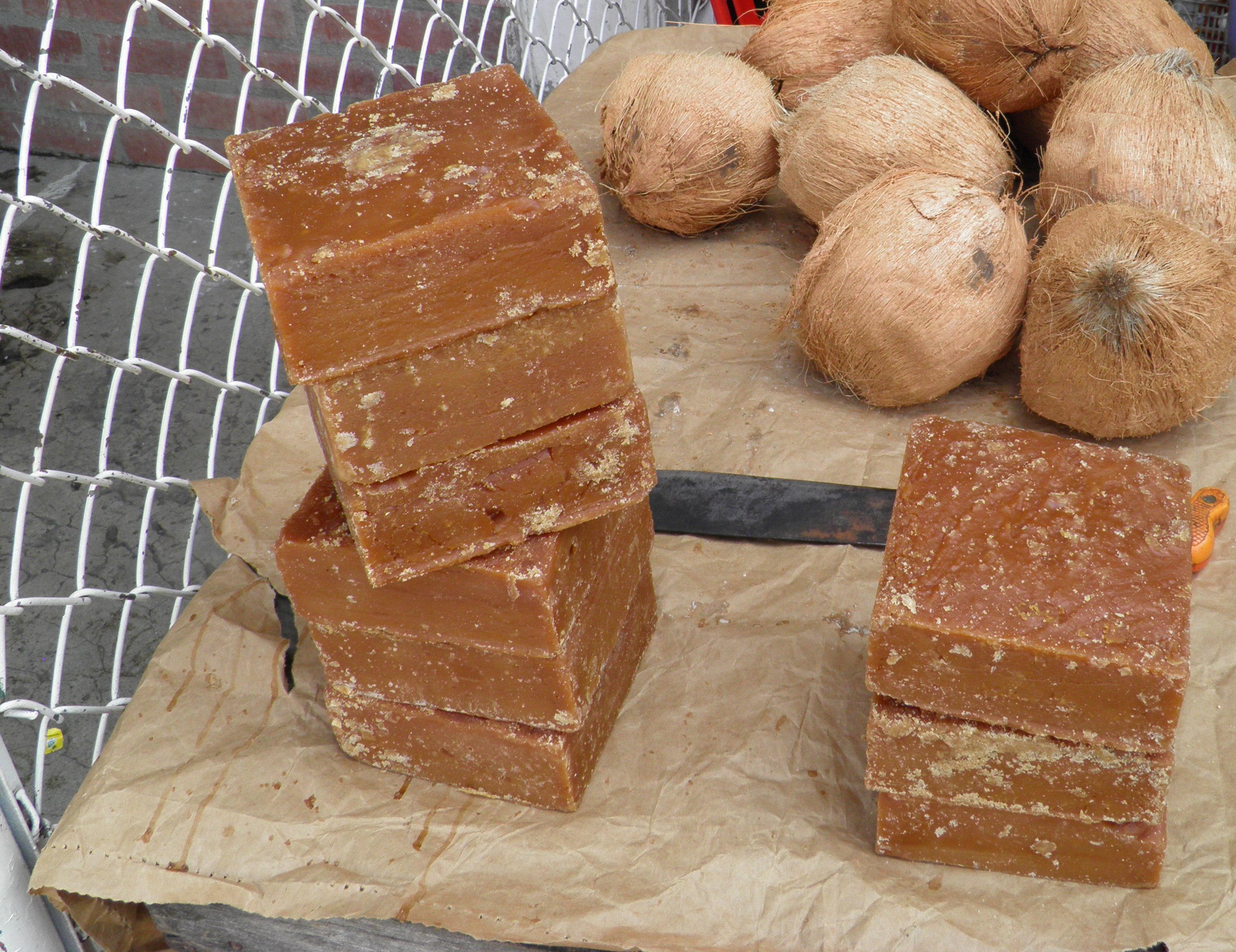


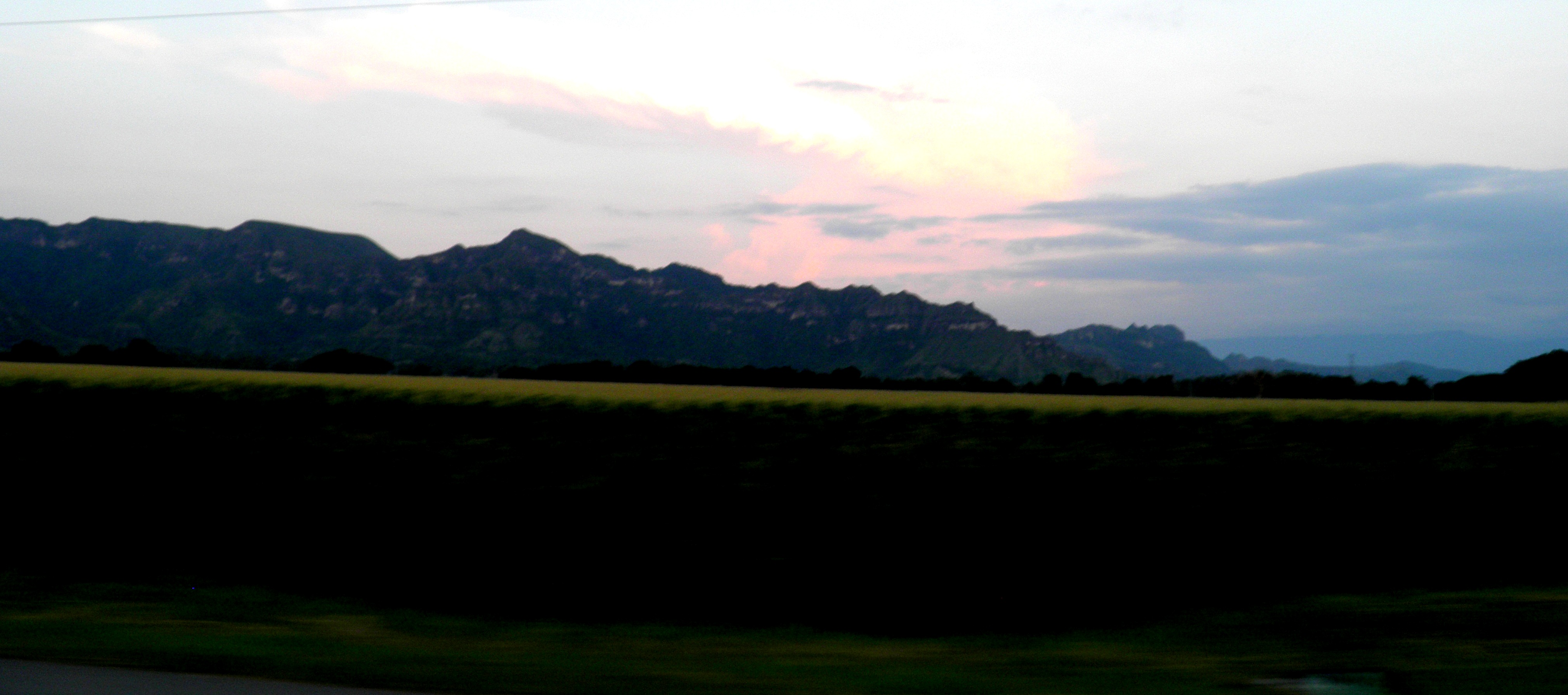


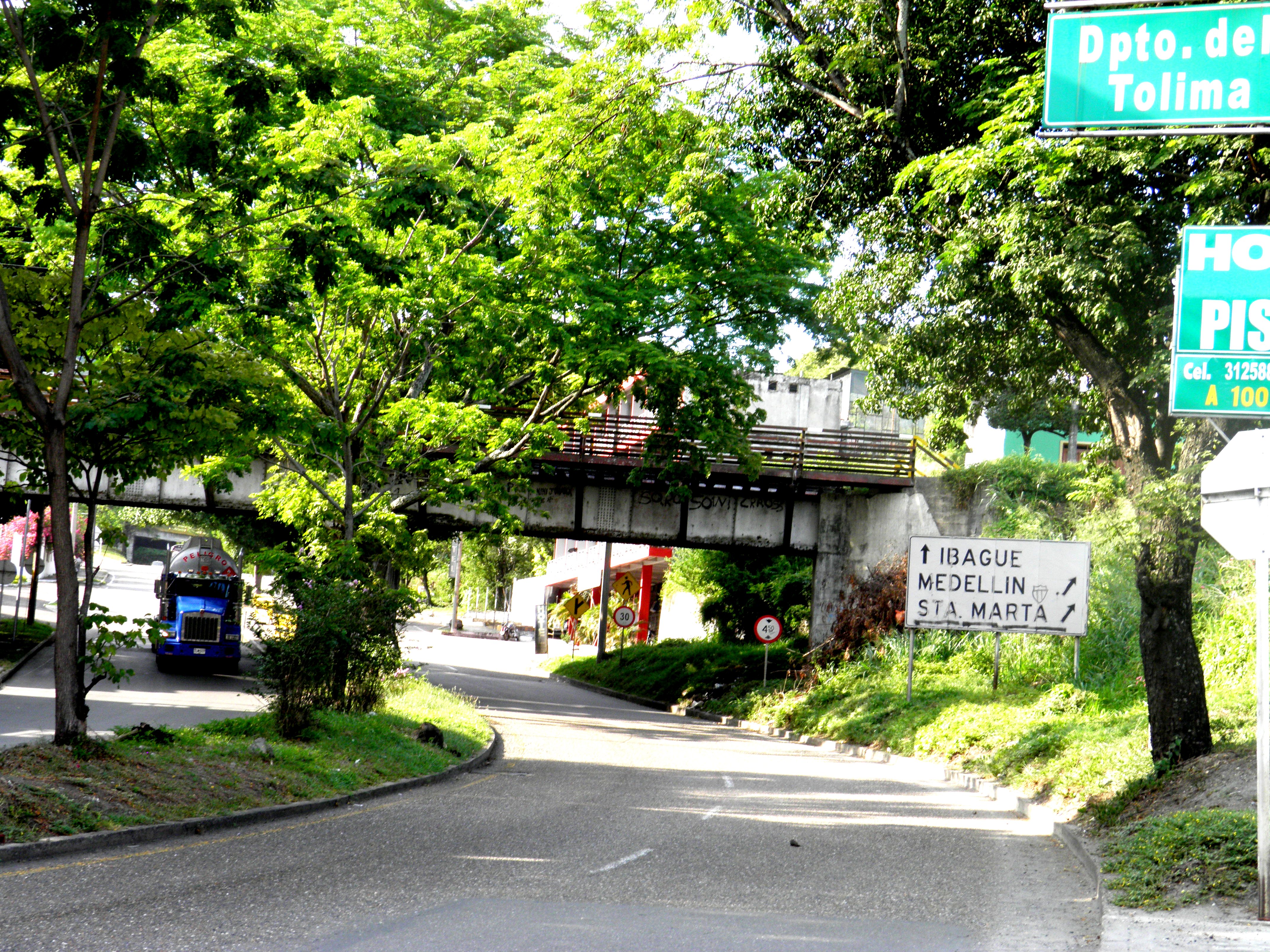

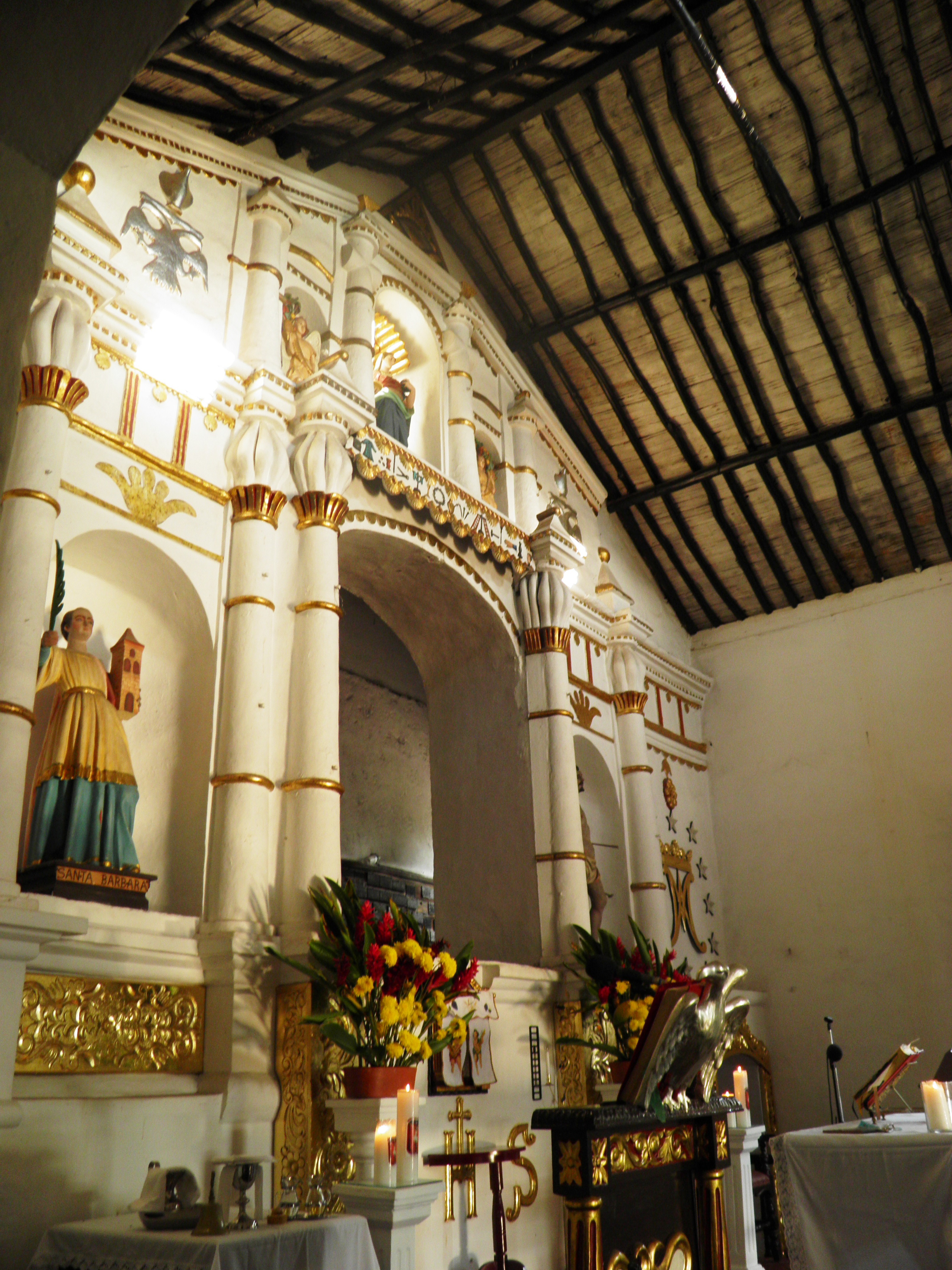


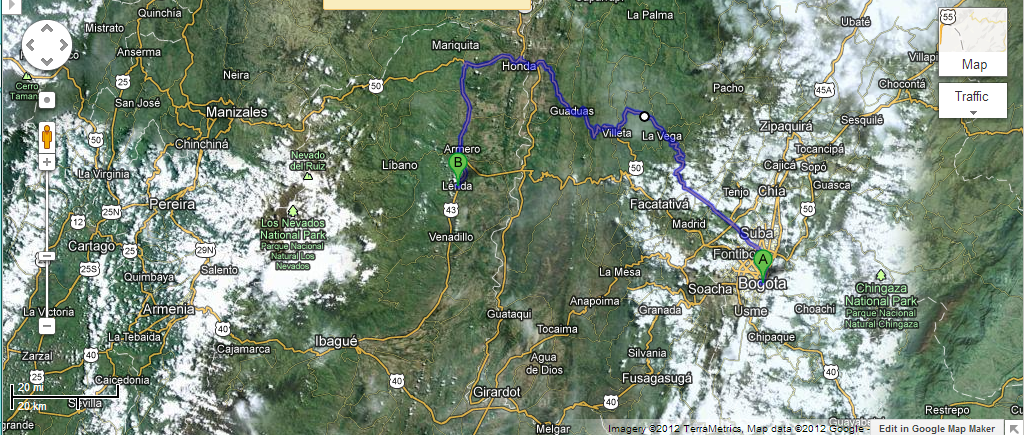


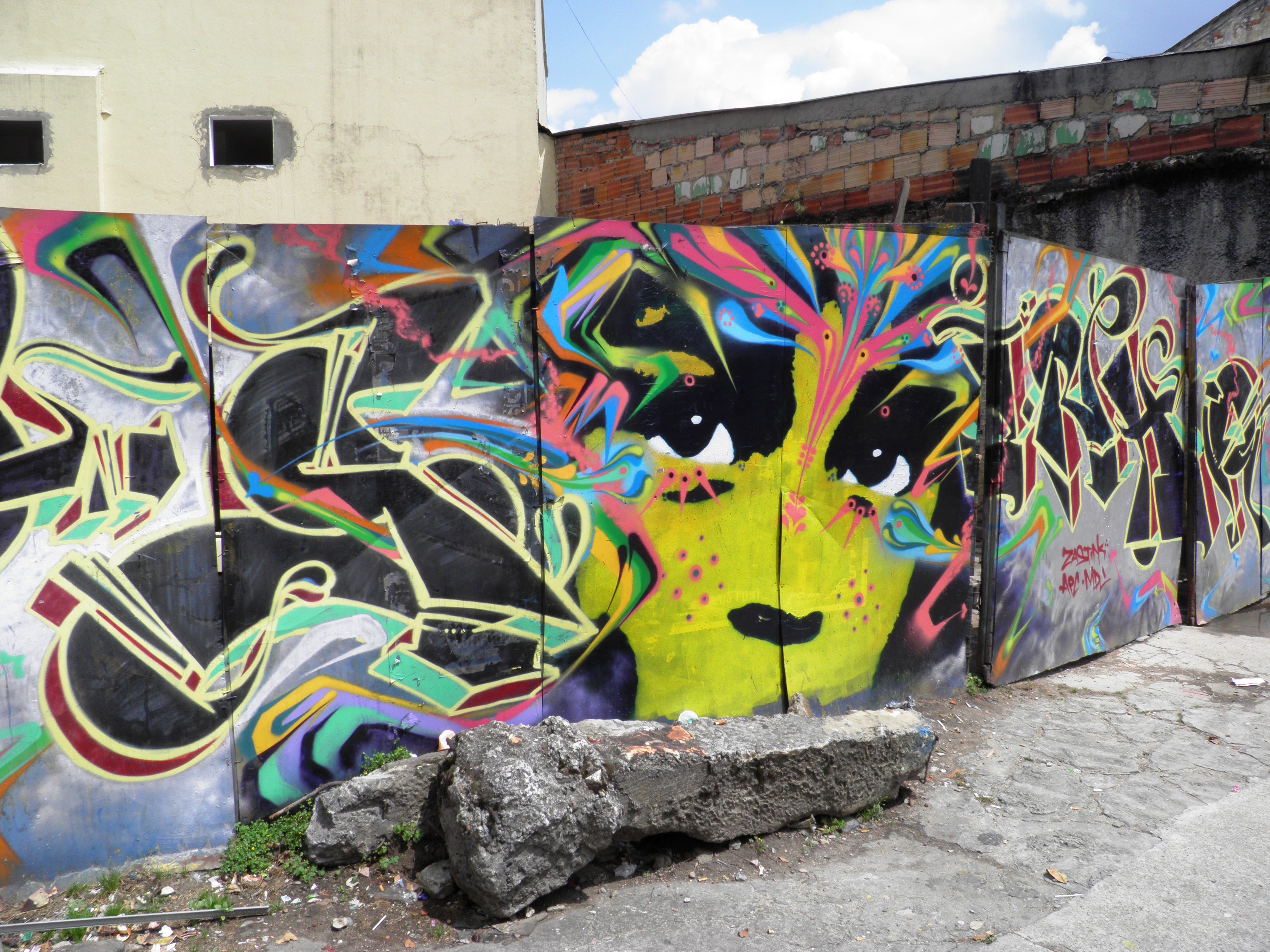


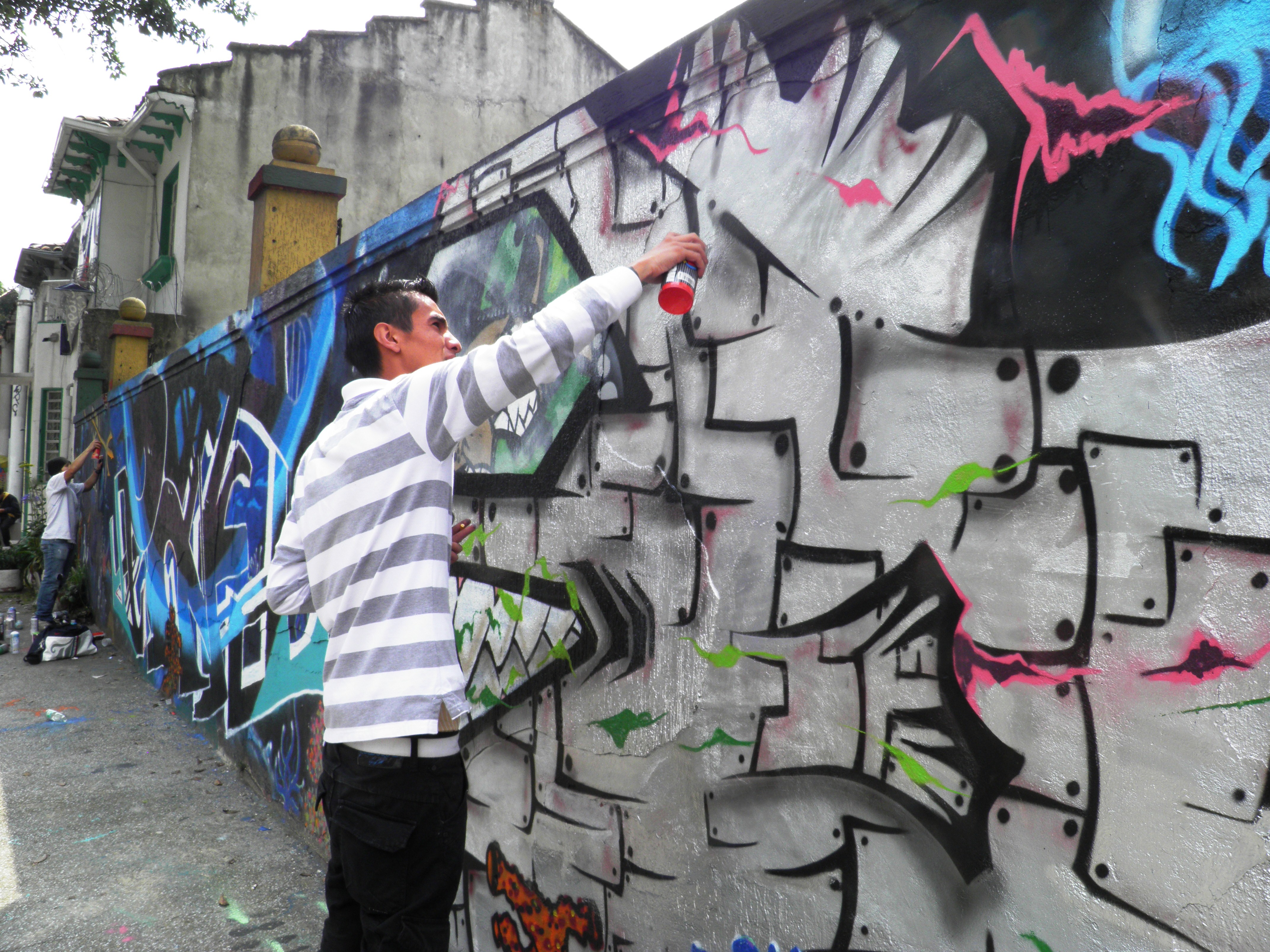


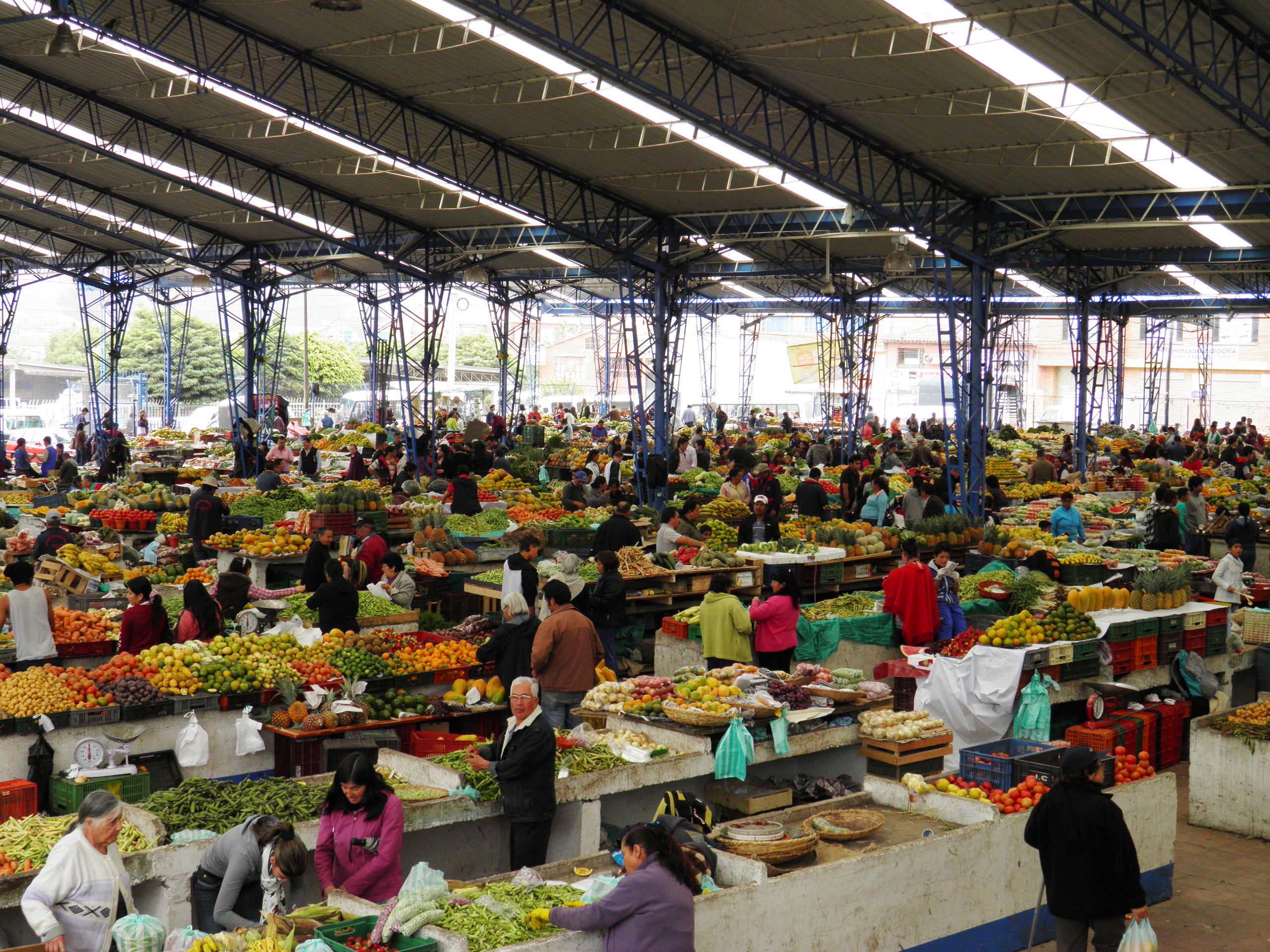


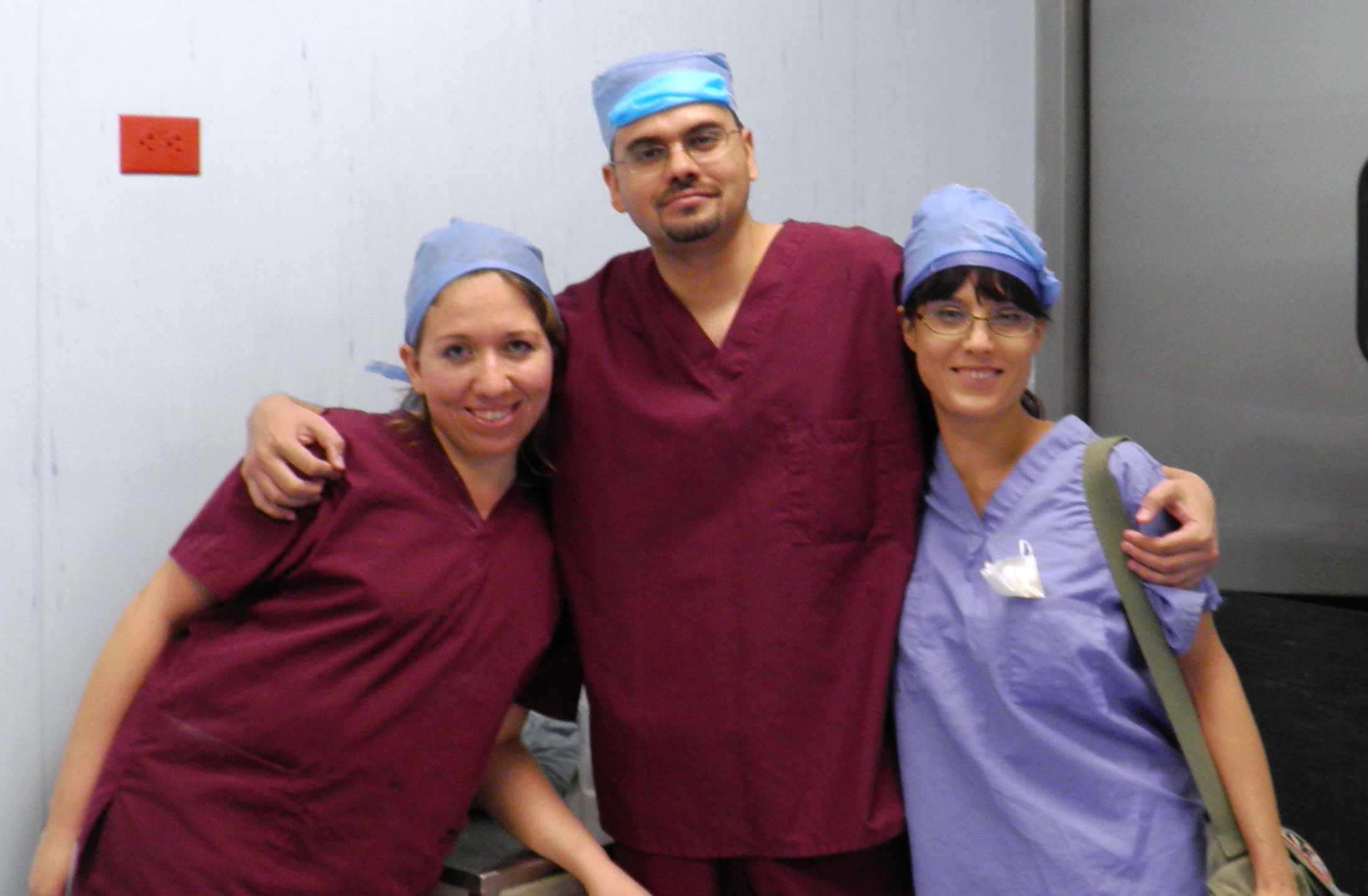
 Colombian Culture & Cuisine