Crime and Violence in Mexicali, Mexico


Update:  May 15, 2012:  Newest estimates place the 6 year murder total at 55,000 for Mexico.  This latest incident in Monterrey is just heart-breaking – Monterrey used to have the reputation of being the safest of ALL Latin American cities.

As I’ve said before, Mexico border towns have a nasty reputation – and have had this reputation for decades.  Recently, it’s gotten worse, and the state department has issued multiple warnings to American travelers.

In fact, if you scan the headlines of American newspapers – you get the impression that it’s spiralled into open warfare in the streets..  and maybe it has in other cities, (notably Juarez).  But Mexicali – well I am just not sure.

The feeling of fear is notably absent here.  That wasn’t the case during my visits to Bogotá and Medellin, which were terrorized by Pablo Escabar and his minions in the 80’s and 90’s.  Despite dramatic decreases in crime in Bogotá (where I spent the majority of my time in 2011) the populace remained afraid – and acted accordingly.  It wasn’t unusual to see security guards armed with machine guns outside private businesses and on street corners in more affluent neighborhoods.   Hospitals were another secured environment – as someone who toured multiple institutions in that city – I endured countless scrutiny from security officials who searched all bags, and parcels and demanded documentation before allowing entry.

Security on a street corner in an upscale Bogota neighborhood

Admittedly, all of that seemed excessive to outsiders like me – who never had to deal with the violence (bombings and killings) that native Bogotanos endured.  But still, many Bogotá residents remained afraid – including my friends and neighbors who were often horrified by my adventures into the southern parts of the city.

But it doesn’t feel that way here – my friends never caution me about my travels; women don’t travel in packs – gripping their belongings tightly to their chests, taxis aren’t viewed as potential vehicles for kidnapping, rape or extortion.

I live just a few streets from the main trauma hospital, and while I occasionally hear sirens, it isn’t incessant (I heard more living next to the trauma hospital in Flagstaff, Arizona), and I have no way of knowing whether it’s police, fire or ambulances.

But I also study at that same hospital, and while I see ambulances bringing in patients strapped to gurneys, they haven’t been gunshot victims, or blood-splattered people who I’ve seen wheeled inside.  I’ve wandered around the ER with my instructor on several instances, and see a lot of the usual – people having heart attacks, strokes, respiratory problems..  Certainly none of the blood and guts from a typical episode of Gray’s Anatomy..

In fact, during my entire month here so far – we’ve only had one patient that had been stabbed on our service – about the same frequency as I saw in my native Danville, Virginia, which is a sleepy southern town.

But then again – maybe that’s the lure; as this 2009 LA Times article suggests that this apparent ‘tranquility’ is part of a larger plot orchestrated by drug cartels..  I kind of have a harder time believing that – I just don’t think that organized crime is so effective yet scattered – that they can prevent bank robberies, etc.. in one city – and have gun battles in the streets with police in neighboring cities..  The local Calexico paper also carried a similar story in 2010- but it’s not well written and makes some pretty larger leaps..  ( I have a much easier time believing the statistics presented by Professor Torres – which show Mexicali to have fewer homicides than Tijuana (somewhat lower than expected but no astronomical deviations from norms.). In his report, he concedes that Mexican homicide rates overall exceed that of the US, but that Mexicali itself compares with Savannah, Georgia (which has only about 1/3rd of Mexicali’s population.)

Does that mean I’ve been lulled into a false sense of security, or that I think Mexicali is crime free?  Of course not – as a city (any city) with almost a million residents, there is certainly crime, and drugs.. and with this – usually comes violence..   But how much?  I suspect some of  the hoopla is politically motivated and carefully crafted rhetoric, like suggested in this 2011 USAToday article..

So, in order to find out more about the realities of the situation – I am planning on asking the director of the emergency room (who I met on a previous visit), if I can come hang out this Saturday night – and get a better feel for the situation..
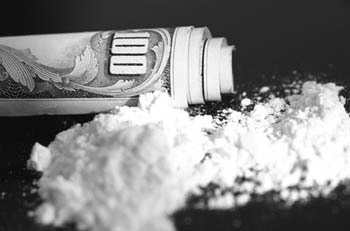
Move over Colombia, move over Mexico – make room for Argentina and paco


In the wake of the Americas Summit – some additional news on Latin America happenings and policy.  (Not my usual writing, but we all need change sometimes.)

Argentina rises as the new frontrunner in a game that Colombia and Mexico are only too happy to forfeit – as the New Narco State. But this new foray into ‘pharmaceutical manufacturing’ isn’t just feeding North American appetites as critics of the ‘American drug war’ policies often claim.

According to the article by Haley Cohen over at Foreign Policy:

“In 2008, Argentina surpassed its neighbors and the United States: it now has the highest prevalence of cocaine use in the Western Hemisphere: approximately 2.6 percent of the country’s population aged 15-64 uses cocaine, a 117 percent increase since 2000. Argentines now consume five times more cocaine than the global average and has one of the highest usage rates in the world.” 

Not only that – but according to an article from 2009, these Argentine chemists have developed a new form of crack: a super cheap, readily available, highly addictive and smokable form of cocaine called paco. 

And it isn’t just cocaine – add methamphetamines and any other addictive or mind-altering substance that people have a taste for – it’s not only being shipped through Argentina, but it’s being manufactured in labs all of over country.

Despite the massive amounts of money, resources and technology dedicated to controlling drug trafficking – these efforts often fail because the criminals have much of the same (or better) technology too.

In the wake of the Summit, discussions on real solutions or alternatives to current practices are coming out in to the open – as Americans open their eyes to the real scope of the issue here.  This isn’t just one country (far, far away as many people like to think).  This is a multi-national problem extending far beyond the borders of just one country, or even just South America – and it has (forget moral) economic, and political implications for all of us.

Not only that – but how do you continue to fight a war that has become more unpopular than Vietnam, in the midst of the greatest downturn in the American economy since the great depression?

Readers:  this editorial is no comment on living in Mexico, or Colombia – I am actually having the time of my life – and enjoy my time on both countries – this is just me – taking a minute to step away from medicine, surgery and medical tourism to take a look at the ‘big picture’ and the global events that shape our world.

In more personal news – made the ‘Classnotes section’ of Vanderbilt Nurse  (class of 2005) this month, alongside fellow classmate, Carrie Plummer for her efforts on the ‘war on drugs’.   Kudos to Carrie – but somehow I doubt she’s enjoy my perspectives on this issue.

Great day in thoracic surgery and oops!


Oops! probably shouldn’t be part of any blog about thoracic surgery – but I say – “Oops!” because as I look over some of my writing – I see that I have definitely fallen into old habits (of writing reviews).  But I won’t fight my natural tendencies – and just maybe, when we get done – there will be another ‘Hidden Gem’ for my loyal fans..

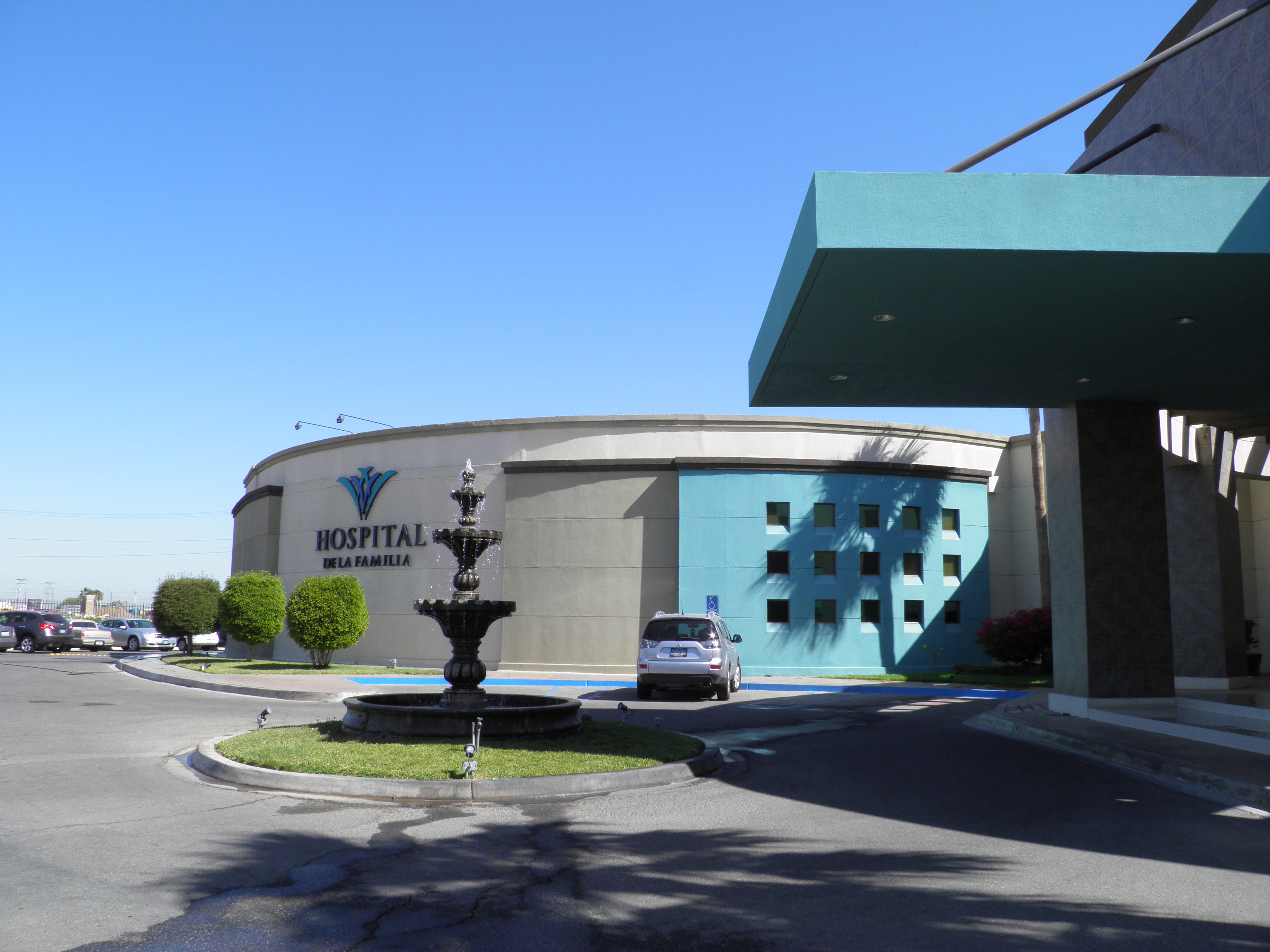
Long, wonderful day in thoracic surgery – which started at the Hospital de la Familia, a private facility on the outskirts of Mexicali by the ‘new’ border crossing.. It’s way out on Avenue Maduro (after it changes names a couple of times) in an industrial area.  But – like most of the private facilities I’ve seen so far in Mexicali – its sparkling, and gleaming with marble floors, and plenty of privacy for the patients..  Don’t worry – I’ll be writing more about this, and the other private hospitals in Mexicali soon..

Hospital de la Familia

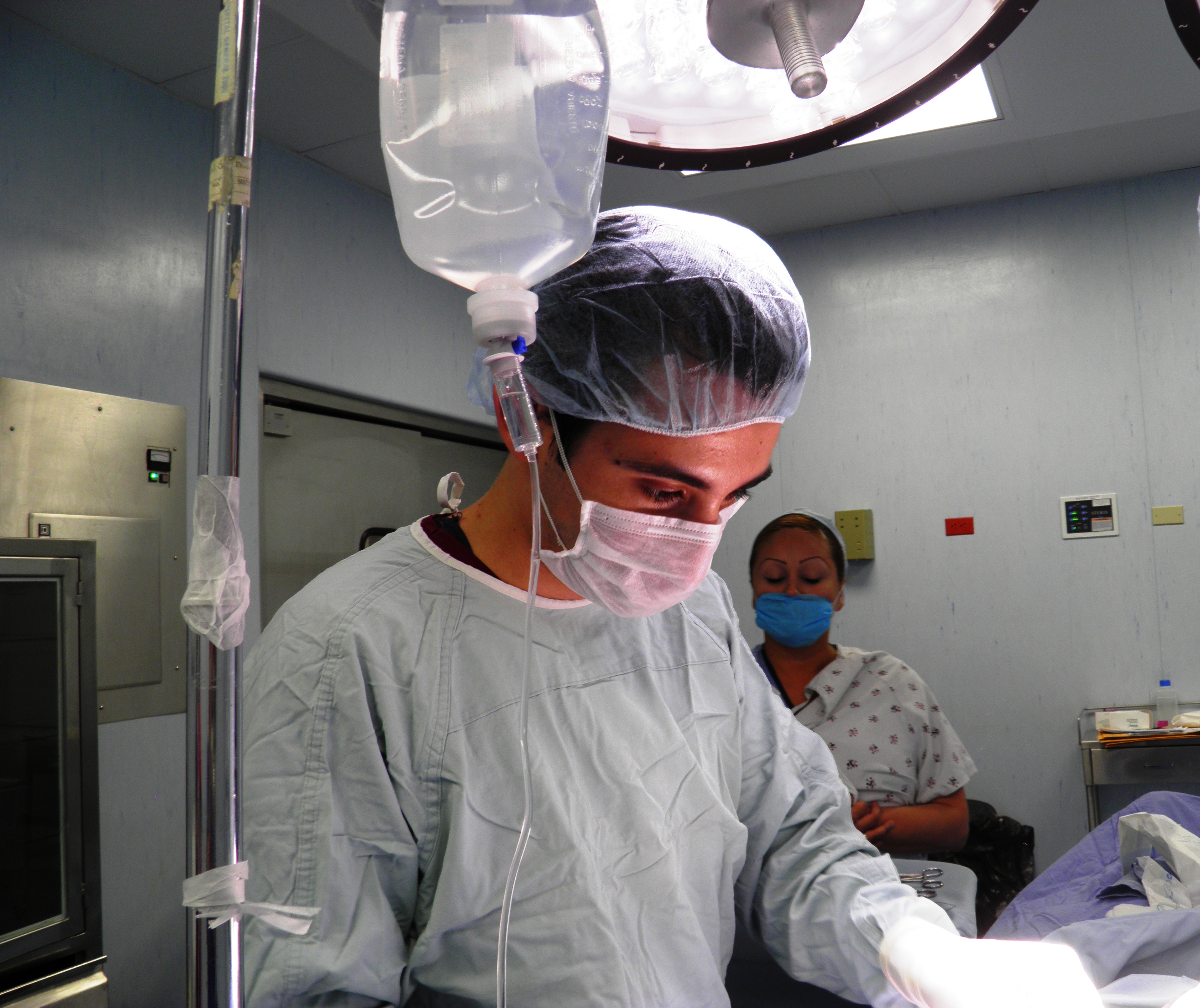
While I was there – I got to see Dr. Octavio Campa again.  He’s an anesthesiologist – and a pretty darn good one (and if you’ve read the previous books, you know I won’t hesitate to mention when anesthesia isn’t up to par, either.)  This picture* should show you exactly why I am so fond of him – as you’ll note, he pays very close attention to his patients, and their hemodynamic status.

Dr. Campa – Anesthesiologist

This is my second time in the operating room with Dr. Campa – and both times he has consistently shown excellence in his care of the patient.  (He’s pretty skilled with a double lumen tube, which helps.)

Dr. Octavio Campa Mendoza  MD

Anesthesiologist

(if you want to contact him to schedule anesthesia for your surgery – email me.)

Dr. Campa was born and raised in San Luis, Mexico. In fact, along with Dr. Gabriel Ramos – he’s known Dr. Ochoa for most of his life.  After completing his medical education, he did a three-year residency in Anaesthesia, and has been practicing for seven years.

Prior to starting the case, he started a thoracic epidural for post-operative pain control – using a nice combination of Fentanyl and bipivicaine, so this should be fairly comfortable for the patient when (s)he wakes up.   A lot of anesthesiologists don’t like performing thoracic epidurals (it’s an extra hassle, and takes more skill than a standard lumbar epidural) but I am sure the patient will appreciate the extra effort.

He was attentive during the case – and the patient’s vital signs stayed within acceptable ranges during the entire case – good oxygenation, no tachycardia, and no hypotension at all during the case.  He didn’t delegate any of his responsibilities to anyone else – he administered all the drugs, and stayed by the patient’s side during the entire case.  (Like, I said before – if you’ve read the books, you know that this is not always the situation.)

Recommended.

Dr. Vasquez, the cardiac surgeon joined us in the operating room today.  It was nice to see him.  I posted a picture of him in his surgical regalia so everyone will be able to recognize him when I interview him next week.

Dr. Vasquez (left) and Dr. Ochoa at the end of another successful case.

I can’t (and won’t) tell you much about the individual cases but I did get some great photos to share today.. (It’s too bad – because I always meet the most interesting people – disguised as ‘patients.’  But it wouldn’t be fair to them.)

* I don’t believe in ‘staged’ operating room photos – what you see is what you get – sometimes the photos aren’t perfect, because I take them while people are working – but I don’t want to add any artificiality to the scene.  Of course – the casual, between cases photos are a little different.

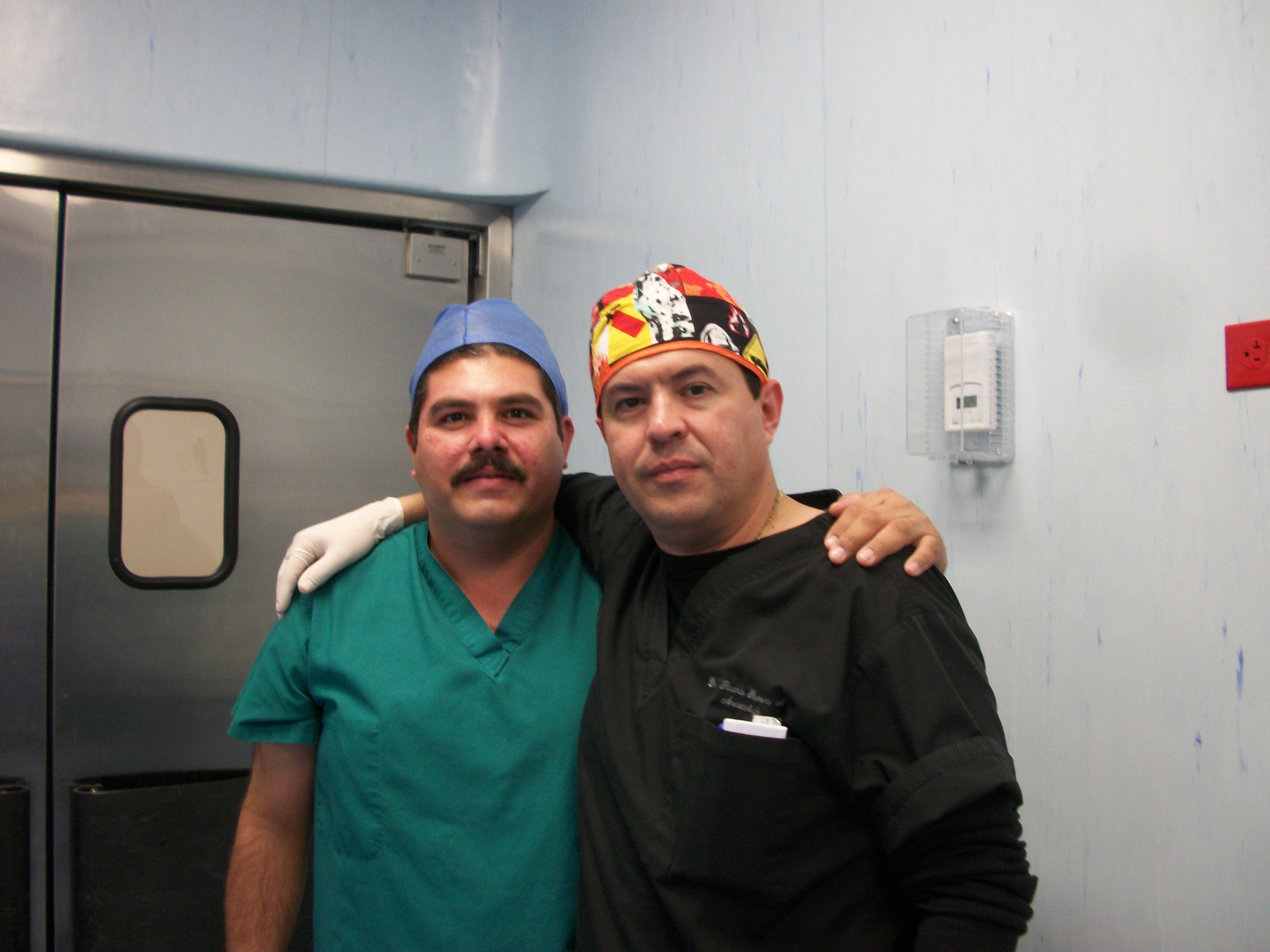
a more casual photo now that the case is over.. Dr. Vasquez, Dr. Campa and Dr. Ochoa

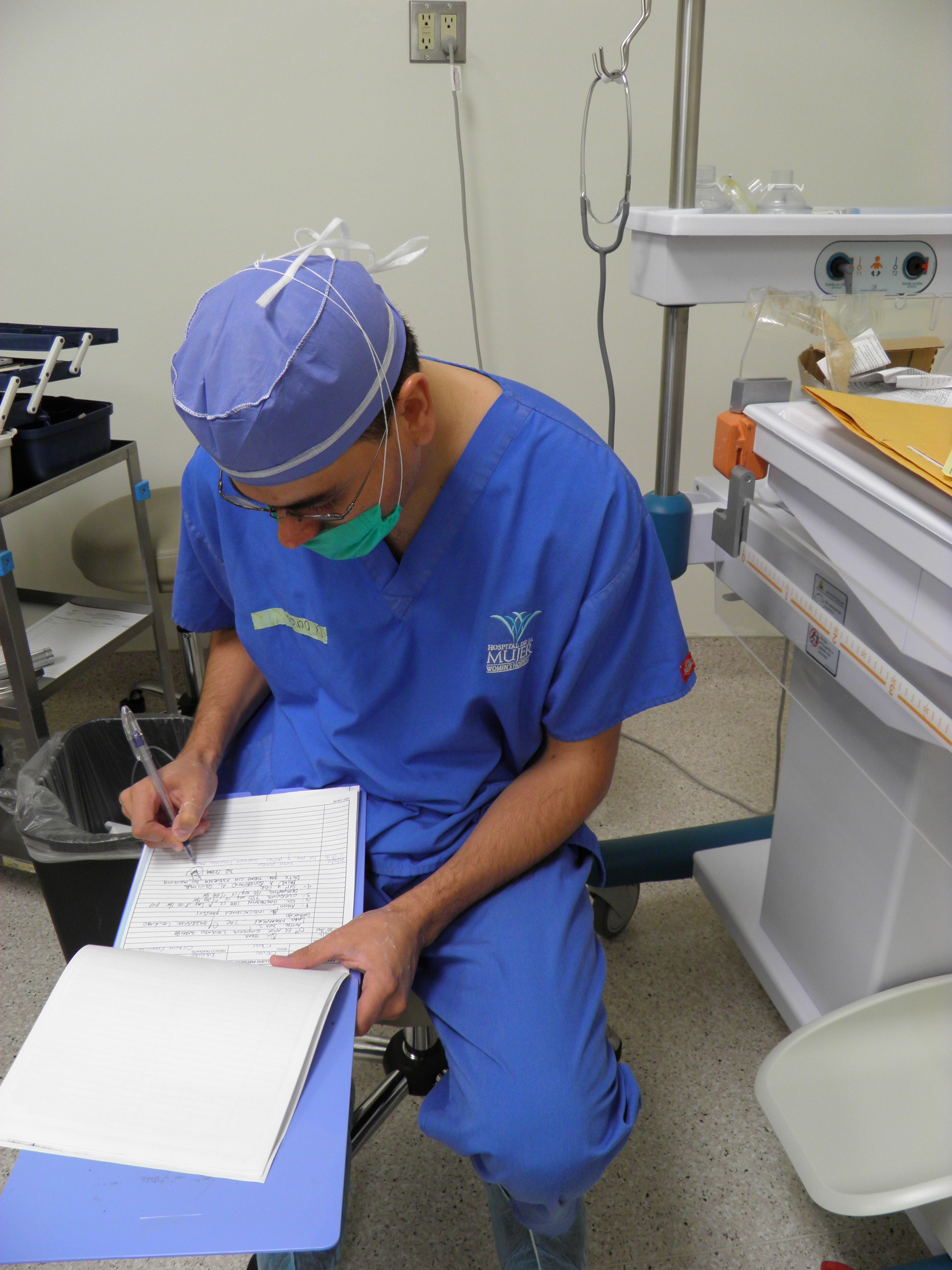
I promised everyone more photos – so don’t worry – I still have a lot more to share.  This is one of my favorite ones of Dr. Ochoa – he’s notoriously hard to get ‘good’ photos of – because he’s always in action, so to speak – so a lot of the operating room photos don’t always capture him well.

Dr. Ochoa, writing orders

After the first case – we headed over to Mexicali General – where I was able to get some more pictures of my friends.. However, this photo below – is probably my favorite that I’ve taken in Mexicali so far.. (Which is surprising because: a. it’s not a surgery photo and b. I had to set aside some of my ego to even post it.)

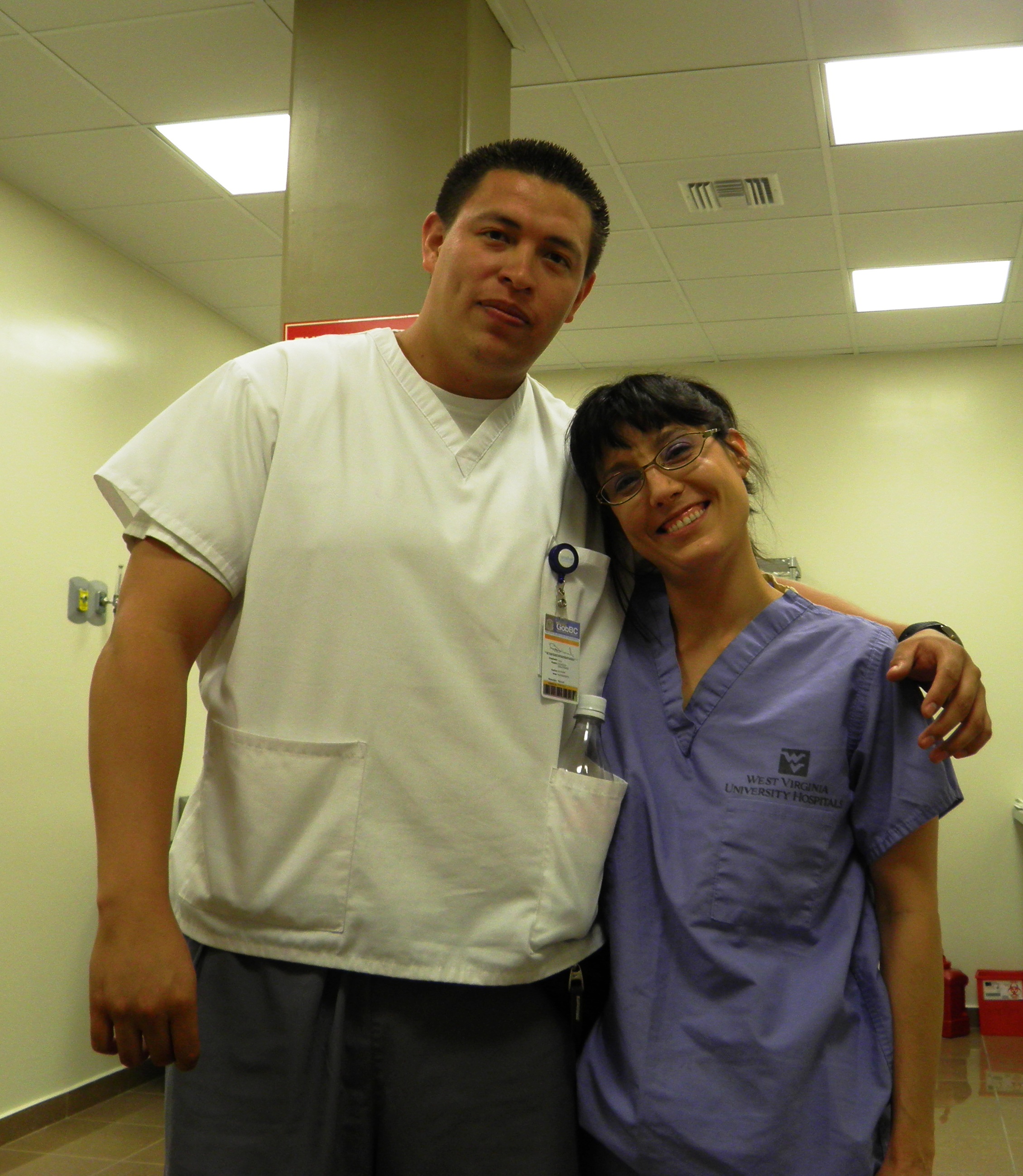
But then again – no one is going to look good in a photo next to Carmen – she’s a stunningly beautiful woman – even after an evening in the operating room.  Carmen is one of the circulating room nurses at Mexicali General – and she’s pretty awesome – in addition to having these amazing expressive eyes that peep out from behind the surgical mask.  I really enjoy talking to Carmen – because at the end of the day – whether I am taking on the role of medical writer, photographer or student – I am a nurse, and I always enjoy talking to other nurses and hearing about their work, and lives. (I know there is a great book there – a compilation of nursing stories from around the world – but try getting a nurse to slow down for five minutes for an interview..)

with Carmen, a circulating nurse at Mexicali General

Of course, I couldn’t end my post without more pictures of my two favorite people; Lalo and Jose Luis..

I like standing next to Jose Luis – besides being a fabulous guy – doesn’t it make me look thin??

For the last photo today – I’ve got a great, dramatic action photo of Lalo.. You can’t really see – but he’s throwing sutures in this picture – and I just think it will be a great photo for him to have when he’s a practicing cardiac surgeon someday.

Dr. Gutierrez, throwing sutures during a VATS case

The staff at Mexicali General


Mexicali General Hospital

I thought it was about time that I post some pictures of all the great people I see at Mexicali General.. I still need to get some more pictures, of course – so everyone can hear more about all the people I meet and talk to every day.

First, there’s Lalo,  who is probably one of the world’s nicest residents.. (After all, he rounds with me everyday – and hasn’t run away screaming..)  No, seriously, he’s just really kind – and patient with me, particularly when I have questions about cases (usually translation).  I haven’t convinced him that thoracic surgery is his passion yet – but he does have a thing for cardiac surgery, so he’s not entirely hopeless..

Lalo

Then – there’s Jose Luis – who is just about the nicest, friendliest guy an extranjera like myself could ever hope to meet..  Actually, everyone in the respiratory therapy department has been pretty awesome (and their use of slang has certainly advanced my education!)  I talk to Jose Luis about all my ideas about pre-surgical clinics and such – he never laughs.. Maybe he doesn’t completely understand me, (especially when I get excited and talk really fast in my horrible gringa spanish) but he never laughs at me, or does that shoulder shrug thing that people do when they aren’t real enthusiastic about your plans..

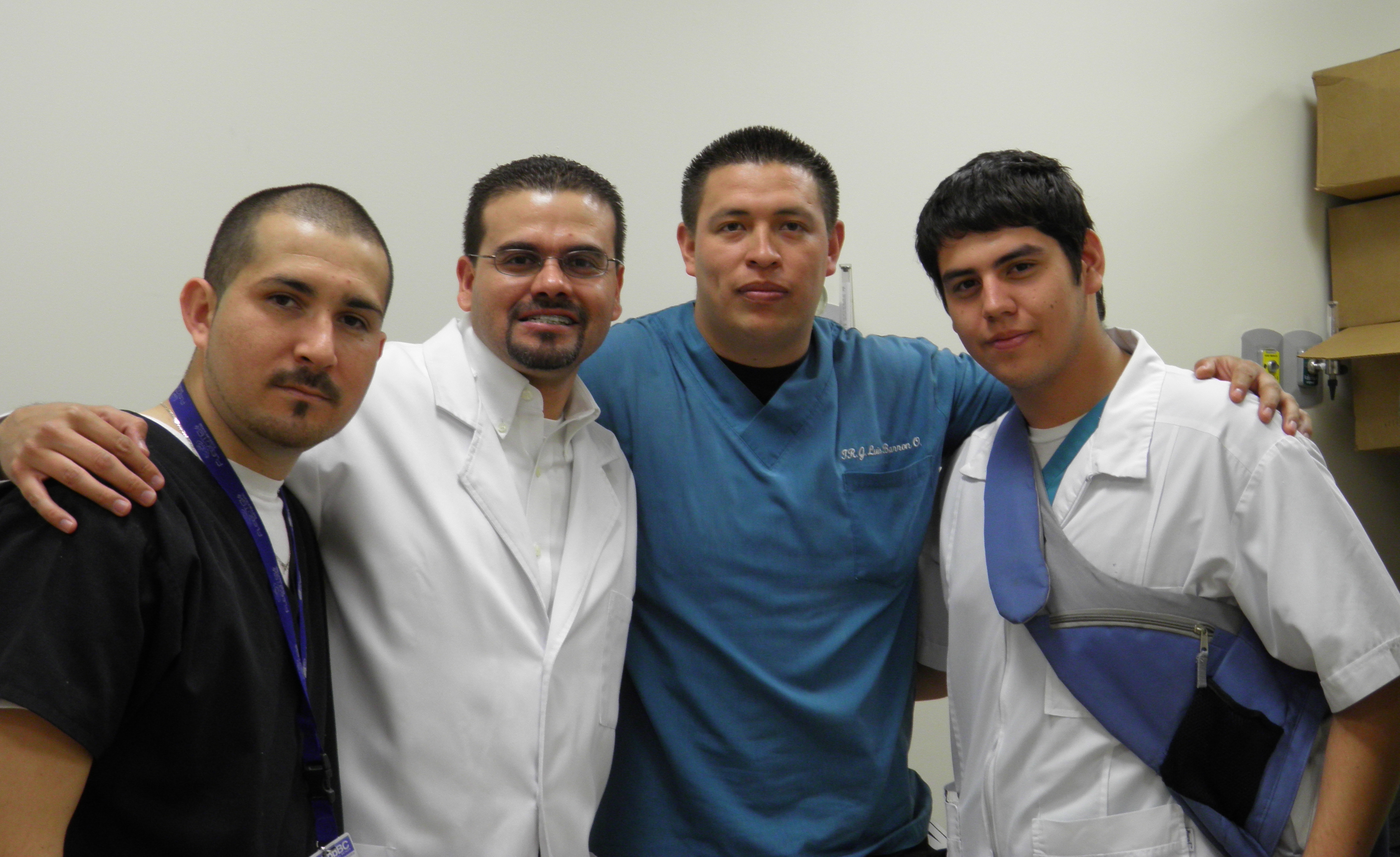
Dr. Ochoa is second from the left, Jose Luis is in the center (in blue)

Of course, there’s Dr. Ochoa – who certainly got more than he bargained for when I first contacted him for an interview (back in November 2011).   I don’t suspect he ever thought he’d end up with a gringa student (but then neither did I, at the time).

But he’s always gracious and good-natured – and I always feel like I am learning a tremendous amount, even when it’s not all surgical.  He certainly handles a lot more pulmonary medicine than I ever expected.

There are so many other cool people who I cross paths with – like Ariel (Raul Ariel del Prado Rivas.)   I don’t have his photo (yet!) but Ariel is the nurse in charge of emergency & disaster response for the hospital – for everything from natural disasters like earthquakes (which are pretty frequent here), mass casuality events, to biohazard / environmental spills, and bioterrorism.. If that wasn’t enough for any one person – he also teaches.. In fact, I’m planning to take his ACLS class next month..

Hopefully, knowing about all these nice folks who are always looking out for me will ease the fears of any of my friends and family at home..

We knew it would happen…


well, I guess we all knew what was coming next.. There was no way I could really stay still – and not interview some more surgeons while I was down here. So I thought I would start with two more specialities that are near and dear to my heart – and those of my readers; cardiac surgery and bariatric surgery.

I will be talking to Dr. Vasquez – who you may remember from a previous post (during an earlier visit to Mexicali) and Dr. Horatio Ham, a bariatric surgeon who also hosts the radio show, Los Doctores on 104.9 FM.

National conference in Cancun


No school-related posts this week as I attend the National Conference for Pulmonologists & Thoracic Surgeons.  Don’t worry – that doesn’t mean I’m slacking off, it just means it’s all a bit condensed as I try to absorb volumes of information in just a few days..  (I’ll be back in Mexicali at Monday – eager and ready to pick up where I left off.. Hope the doctor is in full “Professor” mode.)

Attended some great lectures this morning including a talk regarding the evaluation of patient quality of life as a whole package (health, culture, socio-economic status, etc) as part of health and wellness promotion and treatment for patients with chronic respiratory disease.  (Sounds like a great nursing lecture, doesn’t it?  But you’d be wrong – it was presented by a physician, Dra. Sarai Toral Freyre, which just goes to show that all of the holistic practices that nursing has promoted over the last hundred years are starting to catch on.)  That’s always encouraging – too often ‘the body as a machine’ has predominated medicine over the years – which I think is such a limited view that misses much of the individuality involved when treating people, particularly people with serious or chronic illness.

Met some nice people; a nurse and a respiratory therapist who have been sharing their experiences from different corners of Mexico – also enjoyed a great lecture by Dr. Luis Torre Bouscoulet.  He is giving a two day lecture for certification in spirometry (and I would have liked to stay for the entire thing but I knew I could never pass the exam in Spanish.)  But I enjoyed his historical overview of spirometry.

Bronchiectasis, Tuberculosis and Spontaneous Pneumothorax


Fun day yesterday  – saw several patients with the doctor in the general thoracic clinic over at Mexicali General, as well as a patient over at his private clinic office.

Dr. Gutierrez, a surgical intern joined us for the clinic, which I enjoyed.  He’s nice, and doesn’t seem to mind my halting, grammatic train wreck Spanish..  I took his picture earlier this week  – (his first intra-operative photo!) during one of the cases –

Dr. Gutierrez, surgical intern

Went with Dr. Ochoa over to a new private hospital across town – (had to use GPS to find it) called Arco Quinones Hospital.  It’s on Rio Tamazula Sur y Calle 4ta # 2600.  You have to drive thru the industrial section of Mexicali to get there – but it seemed like a cute little place.  It’ so new – there were only 3 patients in-house.

Dr. Luis Carlo Maldonado Martinez was kind enough to give us the full tour: there are two patients floors – one ICU bed with ventilator and cardiac monitoring equipment, one labor and delivery suite – a very small neonatal area, and 2 operating rooms.  There’s a small one-suite lab (about the size of my kitchen here but suitable for the more basic lab studies) and a radiography suite for x-rays and ultrasounds.  They also have a small ER (but probably more suitable for a ‘urgent care’) with two beds.  The place is brand-spanking new, with gleaming floors and smiling staff.  (Not a bad place for a nip / tuck sort of thing – but too tiny for any ‘real’ surgery or serious illnesses.)

The good doctor performed a small procedure over there in one of the operating rooms on a very nice patient – letting us try out the facility a bit.  Everything went very smoothly – and then it was off to another hospital to see another patient!

I take patient privacy very seriously – so I don’t publish any details about patients, or photographs without their express permission in their native language.

More homework today – he liked the English version of our patient education (for pre-surgical optimization to prevent post-operative complications) brochure so now I am working on creating a Spanish translation.

Life as a student (again) in Mexicali


It’s my first week in Mexicali, and it’s already been an interesting and educational one!   It took a few days to get hooked up to the internet – but I must say Telnor is certainly faster, more efficient (and cheaper!) that any internet service provider I’ve had before.

So far, everything has worked out with fewer complications that I’d expected, and I’ve already been back to the operating room with the good doctor, and visiting several of his patients.

Right now I am working on creating a pre-operative optimization protocol for the thoracic patients with one of the respiratory therapists at the Mexicali General Hospital.  (You may remember hearing about Jose Luis during my first visit.)  The doctor I am studying with is pretty easy-going but that doesn’t mean he lets things slide.  When I first proposed the ‘pre-op plan’ he said – “sure, sure, by all means… but I want to see a review of the literature on the items you want to include” (pulmonary toileting exercises, pre-operative beta blockade, patient teaching methods).  So, yeah – I’ve got homework, but I am enjoying the intellectual exercise.

I am almost finished with the English version of a patient education brochure, so once he looks it over – I’ll start trying to translate it into Spanish (with lots of help!)

Saw a couple of cases yesterday and Friday – including a pediatric case on a little tiny two-year old girl with an empyema, which meant I also got to meet one of the pediatric surgeons who was assisting on the case.

Dr. Ochoa, VATS case


Mexicali Project update


As you all know, thoracic surgery is my life, and my love.  But it has been a while since I’ve hit the road and done some serious writing.  A year ago, I was researching and writing my second book, living ‘on location’ in Bogota, Colombia – and I miss it!

I miss the life of a traveling writer; meeting new people, and learning (learning, learning, learning!) new things, and writing about all of it; the highs, the lows, the things that are mundane in everyday life but somehow become new and interesting when you are doing it somewhere else..  Why is riding the bus in your hometown boring and frustrating, but that same bus in Madrid, Bogota or London becomes a mini-adventure in itself?  (It’s not just the second story in London that makes it fun.)

But at the same time, it is always so difficult for me to be away from my patients, thoracic surgery and nursing –  all the things that I do so much better than my mediocre writing.

Now I have a chance to do both.  It’s a dream come true, even if like most dreams – the nitty-gritty details don’t always stand out; no salary (yet again), but I am thrilled with the opportunity nonetheless.   I’ll be studying as a student at the elbow of a young, energetic and up- and-coming thoracic surgeon.  In him – I’ve met my match (and then some!)  He has the energy and the passion for thoracics that brings joy to long days, and hours on your feet..  But he is also a talented surgeon, who is excited about teaching – and that pleases me to no end.

Right now, my family is preparing to move; boxing up our lives, and getting ready to immerse ourselves into my newest endeavor – and I am taking all of my readers with me.  It will be a change from the usual posts, but one I hope that everyone will enjoy.

in Mexicali..


Universidad de Baja, California

In Mexicali for a few days, to find an apartment and get ready for the big move.  Looked around but the ‘Kim’ billboard is gone.

I’ve already gotten a new SIM card for my cell watch. (Yes, my newest tool is the cell phone I can’t lose or forget – because it’s strapped to my wrist..) Luckily, it has bluetooth so I don’t have to talk into my watch – though when the 007 mood strikes me, I’ll be able to.

TMZ article

Hospital General de Mexicali


Following surgery at Hospital Alamater, we proceed to the Hospital General de Mexicali.  This is the largest public facility in Mexicali, and is surprisingly small.  After a recent earthquake, only three floors are currently in use, with the two remaining upper floors undergoing demolition for repair after earthquake-related damage.  The facility is old and dated, and it shows.  There are ongoing construction projects and repairs throughout the facility.

On the medical and surgical floors there are dormitory style accommodations with three patients in each room.  Sandwiched across from the nursing station are several rooms designated as ‘Intermediate’ care.  These rooms are full with patients requiring a higher level of care, but not needing the intensive care unit which is located downstairs adjacent to the operating theater.


surgical nurses at Hospital General

The intensive care unit itself is small and crowded with patients.  There are currently five patients, all intubated and in critical condition.  Equipment is functional and adequate but not new, with the exception of hemodynamic monitors.  There is no computerized radiology (all films are printed and viewed at bedside.)

We visit several post-operative patients upstairs on the surgical floors, and talk with the patients at length.  All of the patients are doing well, including several patients who were hospitalized after holiday-related trauma (stabbing with chest and abdominal injuries.) The floors are busy with internal medicine residents and medical students on rounds.

Despite it’s unattractive facade, and limited resources – the operating room is similar to operating rooms across the United States.. Some of the equipment is older, or even unavailable (Dr. Ochoa brings his own sterile packages of surgical instruments for cases here.)  However, during a case at the facility – all of the staff demonstrate appropriate knowledge and surgical techniques. The anesthesiologist invites me to look over his shoulder (so to speak) and read through the chart..

Since respiratory therapy and pulmonary toileting is such an important part of post-operative care of patients having lung surgery – we stopped in to check out the Respiratory department.  I met with Jose Luis Barron Oropeza who is the head of Respiratory Therapy.  He graciously explained the therapies available and invited me to the upcoming symposium, which he is chairing.  (The symposium for respiratory therapy in Mexicali is the 18th thru the 20th of this month.  If anyone is interested in attending, send me an email for further details.)

After rounding on patients at the General Hospital – despite the late hour (it is after midnight) we make one more stop, back at the Hospital Alamater for one last look at his patients there.  Dr. Ochoa makes a short stop for some much-needed food at a small taco stand while we make plans to meet the next morning.

Due to the limitedavailable resources, I wouldn’t recommend this facility for medical tourists.  However, the physicians I encountered were well-trained and knowledgeable in their fields.

Fired!!


As I review the few short film clips I delegated to my ‘cameraman’ (my husband) – all I can say is that he is totally, and completely fired!!  (and I am pretty irritated.)

All I needed was a few background clips of Mexicali for the first new video cast for the iTunes series – I took all the stills, interviewed the surgeons and got all the intra-operative footage..  He just needed to get about two minutes worth – for the introductory segments..

Totally.  Fired.

So, readers, I apologize but my first iTunes video cast won’t be the wonderful, glossy creation I had hoped for.. More like a schizophrenic, slightly generic – art house production.

But we’ll try again on our next journey – (with a new cameraman!)

In the operating room with Dr. Carlos Ochoa, thoracic surgeon


Mexicali, Baja California (Mexico)

Dr. Carlos Cesar Ochoa Gaxiola, Thoracic Surgeon

We’ve back in the city of Mexicali on the California – Mexico border to interview Dr. Carlos Cesar Ochoa Gaxiola as part of the first of a planned series of video casts.   You may remember Dr. Ochoa from our first encounter back in November 2011.  He’s the personable, friendly thoracic surgeon for this city of approximately 900,000 residents.  At that time, we talked with Dr. Ochoa about his love for thoracic surgery, and what he’s seen in his local practice since moving to Mexicali after finishing his training just over a year & a half ago.

Now we’ve returned to spend more time with Dr. Ochoa; to see his practice and more of his day-to-day life in Mexicali as the sole thoracic surgeon.  We’re also planning to talk to Dr. Ochoa about medical tourism, and what potential patients need to know before coming to Mexicali. He greets me with the standard kiss on the cheek and a smile, before saying “Listo?  Let’s go!”  We’re off and running for the rest of the afternoon and far into the night.  Our first stop is to see several patients at Hospital Alamater, and then the operating room for a VATS procedure.

He is joined in the operating room by Dr. Cuauhtemoc Vasquez, the newest and only full-time cardiac surgeon in Mexicali.  They frequently work together during cases.  In fact, that morning, Dr. Ochoa assisted in two cases with Dr. Vasquez, a combined coronary bypass/ mitral valve replacement case and a an aortic valve replacement.

Of course, I took the opportunity to speak with Dr. Vasquez at length as well, as he was a bit of a captive audience.  At 32, he is just beginning his career as a cardiac surgeon, here in Mexicali.  He is experiencing his first frustrations as well; working in the first full-time cardiac surgery program in the city, which is still in its infancy, and at times there is a shortage of cases[1].  This doesn’t curb his enthusiasm for surgery, however and we spend several minutes discussing several current issues in cardiology and cardiac surgery.  He is well informed and a good conversationalist[2] as we debate recent developments such as TAVI, carotid stenting and other quasi-surgical procedures and long-term outcomes.

We also discuss the costs of health care in Mexicali in comparison to care just a few short kilometers north, in California.   He estimates that the total cost of bypass surgery (including hospital stay) in Mexicali is just $4500 – 5000 (US dollars).  As readers know, the total cost of an uncomplicated bypass surgery in the USA often exceeds $100,000.

Hmm.. Looks like I may have to investigate Dr. Vasquez’s operating room on a subsequent visit – so I can report back to readers here.  But for now, we return to the case at hand, and Dr. Ochoa.

The Hospital Alamater is the most exclusive private hospital in the city, and it shows.   Sparkling marble tile greets visitors, and patients enjoy attractive- appearing (and quiet!) private rooms.  The entire hospital is very clean, and nursing staff wears the formal pressed white scrub uniforms, with the supervisory nurse wearing the nursing cap of yesteryear with special modifications to comply with sanitary requirements of today.

The operating rooms are modern and well-lit.  Anesthesia equipment is new, and fully functional.  The anesthesiologist is in attendance at all times[3].  The hemodynamic monitors are visible to the surgeon at all times, and none of the essential alarms have been silenced or altered.  The anesthesiologist demonstrates ease and skill at using a double lumen ETT for intubation, which in my experience as an observer, is in itself, impressive.  (You would be surprised by how often problems with dual lumen ETT intubation delays surgery.)

Surgical staff complete comprehensive surgical scrubs and surgical sterility is maintained during the case.  The patient is well-scrubbed in preparation for surgery with a betadine solution after being positioned safely and correctly to prevent intra-operative injury or tissue damage.  Then the patient is draped appropriately.

The anesthesiologist places a thoracic epidural prior to the initiation of the case for post-operative pain control[4].  The video equipment for the case is modern with a large viewing screen.  All the ports are complete, and the thoracoscope is new and fully functioning.

Dr. Ochoa demonstrates excellent surgical skill and the case (VATS with wedge resection and pleural biopsy) proceeds easily, without incident.  The patient is hemodynamically stable during the entire case with minimal blood loss.

Following surgery, the patient is transferred to the PACU (previously called the recovery room) for a post-operative chest radiograph.  Dr. Ochoa re-evaluates the patient in the PACU before we leave the hospital and proceed to our next stop.

Recommended.  Surgical Apgar: 8


[1] There is another cardiac surgeon from Tijuana who sees patients in her clinic in Mexicali prior to sending patients to Tijuana, a larger city in the state of Baja California.  As the Mexicali surgery program is just a few months old, many potential patients are unaware of its existence.

[2] ‘Bypass surgery’ is an abbreviation for coronary artery bypass grafting (CABG) aka ‘open-heart surgery.’  A ‘triple’ or ‘quadruple’ bypass refers to the number of bypass grafts placed during the procedure.

[3] If you have read any of my previous publications, you will know that this is NOT always the case, and I have witnessed several cases (at other locations) of unattended anesthesia during surgery, or the use poorly functioning out-dated equipment.

[4] During a later visit with the patient, the patient reported excellent analgesia (pain relief) with the epidural and minimal adjuvant anti-inflammatories.

More about the Mexicali project


The ‘Mexicali project’ is different from any of the previous surgical tourism projects I’ve undertaken.  For starters – since I am currently working full-time in Northern Arizona – I can’t just drop everything and move to Mexicali for several months, like I’ve done previously.

So I really am a tourist – just like you, while I am here.  (I just plan to be a repeated one.)  That’s a critical difference because one of the most important aspects of my writing is that in many ways, I am just like you.  Or, at least a lot like many of the people reading my articles.  The only difference is that I am a nurse with a lot of experience in surgery and medicine.  But as a stranger in a stranger land? – well, I’m a novice, like many of the people who are considering traveling for health care.

I don’t speak Spanish – or at least not much.  [It’s one of the first things people assume about me, “Oh, you must speak Spanish”, but they are wrong.]   I am kind of learning a bit as I wander my way around different locations, which is fun – but I’ll never be fluent.  That’s crucial when I am roaming around in a strange country – How well can I navigate?  How safe is it for foreigners?  Will I be able to find people to help me (get directions, find a restroom, etc.)

I’m not an adventurous person (actually, I am kind of a chicken.)  – Many of you might be adventurers at heart, but I don’t want people to assume that medical travel is only for the daring or brave-hearted because I can be one of the meekest, mildest, most easily intimidated people you could ever meet.  You might think that some of my recent travels would have made me more confident or brave – but that’s not really the case.  I still get nervous going to unfamiliar places, reading maps, finding the right bus – so I understand how other people might feel (and for much of my travels – I’ve gone alone..)  So I like to think that this is my own kind of litmus test – if “Cartagena Surgery” can manage to find her way around, then most of my readers will be able to also.

But this time, it’s a little different – I’m not traveling alone – I brought my husband this time – and he’s a big gringo too.. (okay, I’m five foot one, so I am a “little” gringo).   He speaks even less ‘Spanglish’ than I do..But since he’s with me – I’ve changed the pace a little bit.. No 16 hour days this time. [During the Bogotá trip, I lost almost thirty pounds, because I was basically working or writing during all of my waking hours, and things like regular meals were pushed to the wayside.]  So, now I am smelling the roses, so to speak – enjoying the local culture instead of breezing past most of it.  Also, having my husband here helps me maintain perspective – of how others may see Mexicali.  Not everyone gets excited by medical facilities and doctors’ offices.

the hotel del Norte

So for now, I am planning to make several short trips to Mexicali – to fact-find and bring you information; about medicine, doctors, and facilities and some of the other things we encounter along the way.

“Exceeded Expectations!”


is how I would rate my entire trip to Mexicali.  After making several previous trips to different parts of Mexico over the years – I had a lot of preconceived notions about Mexicali.  But despite being a large border city; I encountered few, if any of the tourist stereotypes that I expected (from visits to Ensenada, Cabo San Lucas, La Paz, and other tourist towns).  Instead of being treated like a ‘mark’ or a rich gringo, everyone I encountered went out of their way to be helpful, friendly and polite.  Strangers on the street offered directions – hotel staff gave friendly advice, and all of the medical receptionists I spoke with were exceedingly kind (which is not always the case.)  Much of the time, people on the street, in restaurants, and other locations assisted us in English.  Needless to say, it was a pleasant surprise – that my husband commented on several times.

Of course, some of the stereotypes about border towns were true; such as the occasional whiff of open sewer, poorly maintained sidewalks and pedestrian walkways but there were crosswalks at many corners and drivers did seem to yield to pedestrians.  Traffic was fairly smooth and uncongested in Zona Central.  Stoplights were present and functional, but the streets were not particularly well-lit at night, so I would advise taking the usual ‘big-city’ precautions.

The border crossings were easy (took about fifteen minutes to come back across to Calexico), and it seemed like even the American border patrol were more pleasant than usual.  (Unfortunately, I found in the past that they do look at you a bit sideways in Orlando after several months in Colombia).

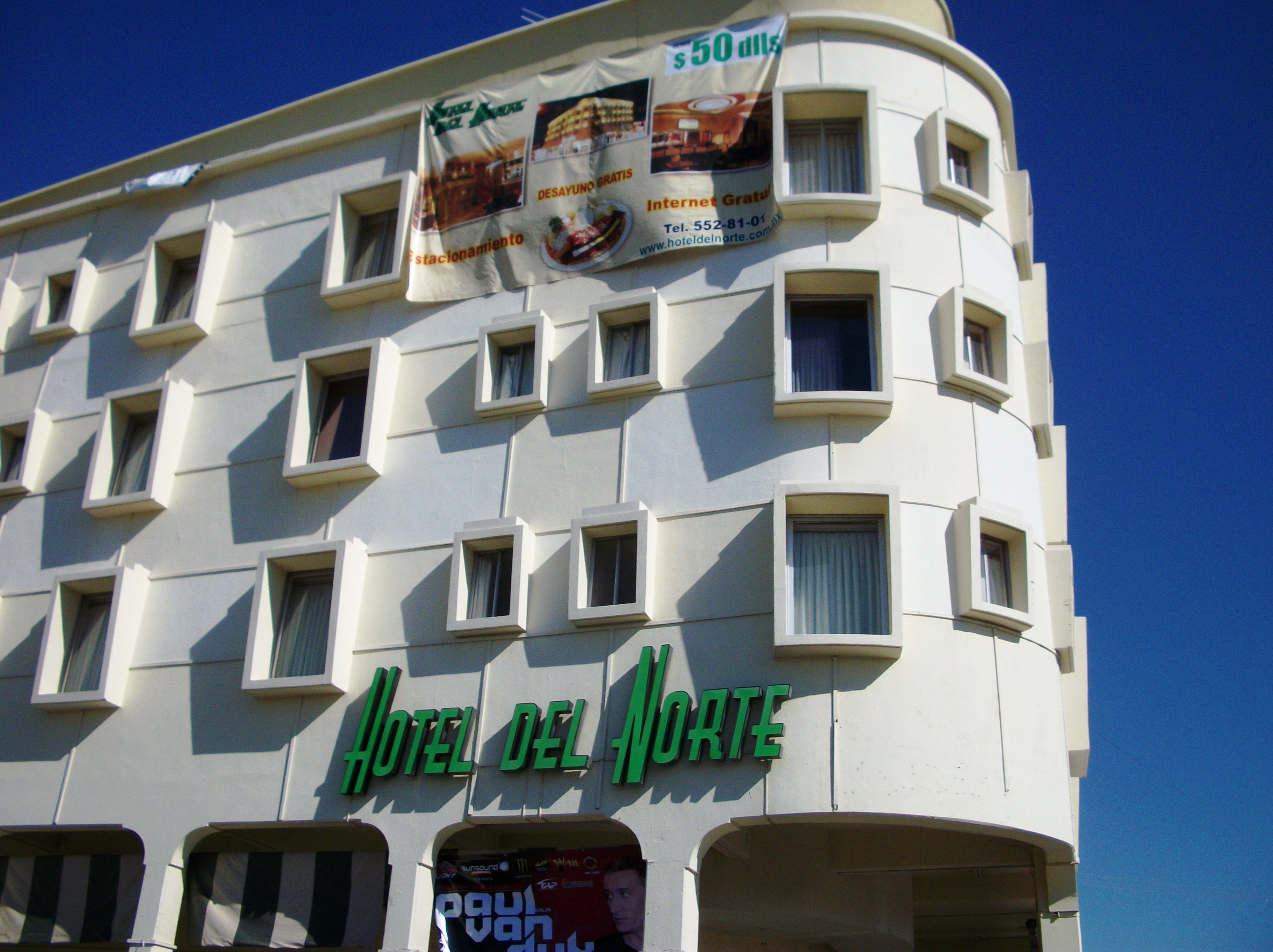
I don’t usually recommend hotels and such (since I’m not ‘Trip Advisor’, after all) but in this case – I would like to recommend the Hotel del Norte for several reasons.  It’s a modest but attractive establishment, reasonably priced with friendly staff but more importantly, it’s one of few appropriate hotels in Zona Central, where most of the medical offices and hospitals are located.

There are quite a few gorgeous, and luxurious properties in Mexicali but most of them are located farther across town.  The Hotel del Norte is literally just steps away from the border on Francisco Maduro, which was very convenient for my needs. (I prefer to be in walking distance of the areas I am touring/ interviewing in.)  So – over time – as I move across town in my interviewing process, I get to see and know more parts of the city I am writing about.  I stayed in four different hotels while writing the first Cartagena book, for example.

I’ll bring you more news on my next visit..

Thoracic Surgery in Mexicali, Baja California


As most readers know, Thoracic surgery is my absolute passion – and it’s a big part of my day-to-day life, too.. So, it was a great pleasure to spend this morning talking to Dr. Carlos Cesar Ochoa Gaxiola, here in Mexicali.

Dr. Ochoa is one of those surgeons that make this project so worthwhile.  He is enthusiastic, and enjoys what he does.  Talking with young surgeons like Dr. Ochoa seems to restore my faith in the future – which is desperately needed sometimes after reading (and reporting) all of the negative headlines regarding the health care crisis; shortages of vital medications (and surgeons!), escalating and out-of-control costs, fraudulent practices and patient mistreatment.

For more on this morning’s interview, see my sister site, www.cirugiadetorax.org

He kindly extended an invitation to visit the operating room, and see more about his practice – so I’ll give a full report on my next visit to this city.

In the meantime, I am enjoying the mild (and sunny) winter weather.

Interview with Dr. Victor Ramirez, Plastic Surgeon


Read about my visits to the OR with Dr. Ramirez here.)

Today, I interviewed the charming young plastic surgeon, Dr. Victor Manuel Ramirez Hernandez, 37.   Dr. Ramirez is well-versed in medical tourism – he tells me that 90% of his current practice are American patients.  He reports that many of these patients are from nearby areas in California and Arizona but that he has patients from across the United States.

Undoubtedly, these patients found Dr. Ramirez the same way I did – via the internet, thru his well-designed and attractive website, www.cirugiaplasticamexicali.com   Parts of the bilingual site are still under construction, so I contacted Dr. Ramirez directly to arrange for an in-person interview.  He also offers his services thru Costuco, a medical tourism agency that published their own medical tourism guide.  He is one of four local plastic surgeons listed in their recent publication advertising surgical services in the city called guia de cirugia en Mexicali.)

His office is located just a short walk from FCO (Francisco) Maduro, on Calle B – between Reforma and Obregon and across the street from Hospital Hispanol Americano.   (Interestingly enough – and coincidentally, his office is next to one of the thoracic surgeons I had previously contacted.)

He readily agreed – and with a minimum of fuss, we sat down together to discuss his practice.  He is friendly, polite and patient.  (I, myself, am surprisingly nervous – as much of my Spanish deserts me, the usually smoothly phrased questions becoming a jumbled, hurly burly mix.)  Luckily for me, Dr. Ramirez has arranged for his nephew, an Arizona native* to stand by and assist with translation as I try and gather my wits and compose myself.  Dr. Ramirez, who primarily speaks Spanish tells me that he often does this in order to facilitate communication with his English-speaking clientele.

As we talk, one of the things Dr. Ramirez and his nephew touch on is the importance of medical training and education, and the importance of being able to quantify the validity of this training in Mexico, where training standards and requirements are not standardized.

Dr. Ramirez himself received his medical education** in Morelia, which is the capital of the Mexican state of Michoacan (de Ocampo).  He attended the well- respected, and well-reputed Universidad de Michoacana de San Nicolas de Hidalgo***.  After graduating in 1997, he completed his general surgery residency (1997 – 2002) at Hospital Central Militar (which is a large military hospital – similar to Bethesda or other American VA facilities, located in Mexico City.)

He completed his plastic and reconstructive specialty surgery at the same facility in 2007 – 2008.   During his fellowship, he published several papers in a national medical journal, Revista Sanidad Militar (Military Health Magazine).

He completed additional training in microsurgery and breast reconstruction and received his board certification in plastic, esthetic and reconstructive surgery.

(As we’ve mentioned in previous posts, and in prior publications – not all countries require specialty surgeons such as plastic surgeons, cardiac surgeons etc. to have general surgery training.)

Since then, he has presented, and lectured at several national conferences (Mexican Association of Plastic, Esthetic and Reconstructive Surgery as an active member of this organization.)

He currently performs (on average of) four surgeries a week.   He performs a wide range of facial and body procedures including injectables, face-lifts, breast augmentation, abdominoplasties, and liposuction. (This is not an all-inclusive list.)  During his initial consultation, Dr. Ramirez performs a full medical evaluation.  If patients have uncontrolled diseases (such as diabetes) or are at high rick for surgical complications, Dr. Ramirez will refer patients for further medical evaluation and treatment before undergoing surgery.

For patients who live nearby (but outside Mexicali), Dr. Ramirez recommends a three-day stay with a return to Mexicali for a one week post-operative follow-up.  For medical tourists from greater distances, Dr. Ramirez recommends a one week stay in Mexicali.  He and his staff will assist in making hotel arrangements, and Dr. Ramirez has nurses that make house calls after surgery.

During my visit today, we also reviewed several of his cases – including before and after photographs.  Notably, in the photos viewed, post-operative photos, while showing dramatic differences, also showed natural appearing results.  The post-operative breast augmentation photos were particularly interesting – in all of the photos reviewed, the patients had elected for cosmetically appealing, natural looking results [versus dramatically endowed, ‘porn star’ breast implants].  (As discussed in Bogotá! – styles and fashions of plastic surgery may vary among cultures, geographic regions and the general public.)

*It turns out that his nephew, who is currently studying medicine is practically my neighbor, having been raised and attending school in Williams, AZ which is near Flagstaff (my current home.)

** In Mexico, like many countries, students do not attend a separate undergraduate program prior to medical school.  Instead, students undertake a six or seven year program that encompasses medicine and general studies.

*** This is one of the oldest universities in Mexico, originally founded as the colegio de San Nicolas de Higaldo in 1540. It became a university in 1917. It is also one of the largest public universities in Mexico. At the Universidad Michoacana – students may apply for the five-year medicine program after completing two years of general study.

Publications: (selected sample, not a full listing)

Percutaneous tracheostomy: Experience in the intensive care unit of the regional military hospital in irapuato, guanajuato.  (2005) full-text pdf download.

Ring injuries: case report and review of the literature. (2006).  full text pdf download

Clinical experiences in burns at Hospital Central Militar. (2007) full text pdf.

Welcome to Mexicali!


As I mentioned in a previous post – here at Cartagena Surgery, we’ve decided to explore some of the border cities of our neighbor to the south, Mexico.  For many people,  Mexico is the most practical option when it comes to medical tourism.

For our first look at Mexico, we’ve decided to travel to Mexicali, in Baja, California.  It’s just across the border from Calexico, California and is home to around one million people – making it a large metropolitan area.

With the drastic increase in drug-related crime and killings plaguing many of the other cities in Mexico such as Cuidad Juarez “Murder capital of the world,”  Tijuana and even the smaller Nogales, Mexicali is the safer, sweeter option for border cities.

In fact, Mexicali is known as the most affluent of cities in Baja California – and it is certainly apparent during our visit due to the availability of a wide range of medical services.  While the entry from the central border gate leads to a bustling commercial district, the more upscale, attractive residential neighborhoods are only a fifteen minute walk from the border.

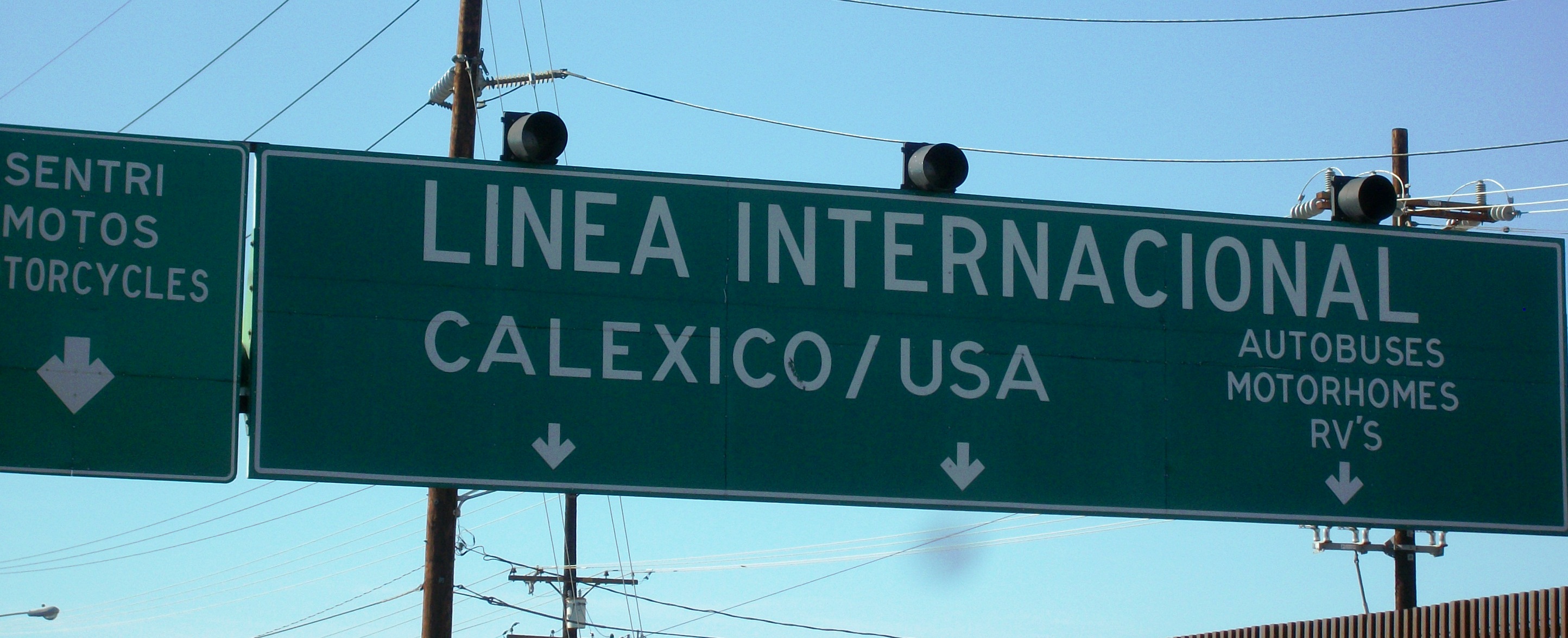
At the Mexicali - Calexico border

About Mexicali:

Travel and Tourism links for Mexicali:

Official Mexicali tourism page – has English version. Also has a health section promoting local physicians and hospitals.

Mexico Tourism Information

WikiTravel

Getting Here:

The easiest way to get for (for many people) is to walk.  After driving to Calexico, California – turn down Imperial Boulevard and head towards the border.  Turn right on second street – and cross the railroad tracks.  Immediately on the left – there is a secured parking lot.  It costs about three dollars to park here overnight.

Take your valuables with you – and as you leave, proceed back down second street towards Imperial.  Cross Imperial – and walk about two more blocks.   Turn left on Rockland, and proceed towards the Calexico government building.  On the front of the building – you will see a set of turnstiles (like at an amusement park.)  Walk through the turnstiles – walk another 40 feet to the second set of turnstiles – and you are now in Mexico..

the doorway to Mexico

You will then walk through a short underground causeway – filled with little shops, and money changers/ cambios.  (This is one of the better places to change money – the rates are surprisingly competitive, and beat anything on the American side.)  When you emerge from the short hallway – there are stairs on the left.

These stairs lead to one of the main streets in Mexicali for medical services – Maduro.

Update: March 2012

I will be living in Mexicali for several months – so look for more postings and information about medical tourism/ medical services in Mexicali in the future.