End of the road


I know many people were not thrilled about my latest post, “What I don’t like about Colombia,” but I felt it was a fair question (posed by a reader) and it deserved an honest answer.  Whitewashing my opinions / experiences and perspectives or painting a pretty picture does a disservice to this beautiful country and its people.

Colombia, like any country – has its beauty, its strengths, its joys and its share of problems.  Ignoring issues because they may appear less than favorable undermines my integrity and the integrity of my work.

So I apologize if I have offended anyone, particularly any of the wonderful people who have graciously extended hospitality and friendship to me.  That was not my intention.  But I cannot apologize for sharing my perspectives as an outsider looking in.

As my time here in Cartagena and Sincelejo comes to a close – I hope that my readers, colleagues and friends can appreciate my experiences for what they are, my experiences.

Last week in Sincelejo

My last week in Sincelejo was a bittersweet one.  Sweet because we had two coronary cases but bitter because it was sad knowing this was the last time I would see everyone.

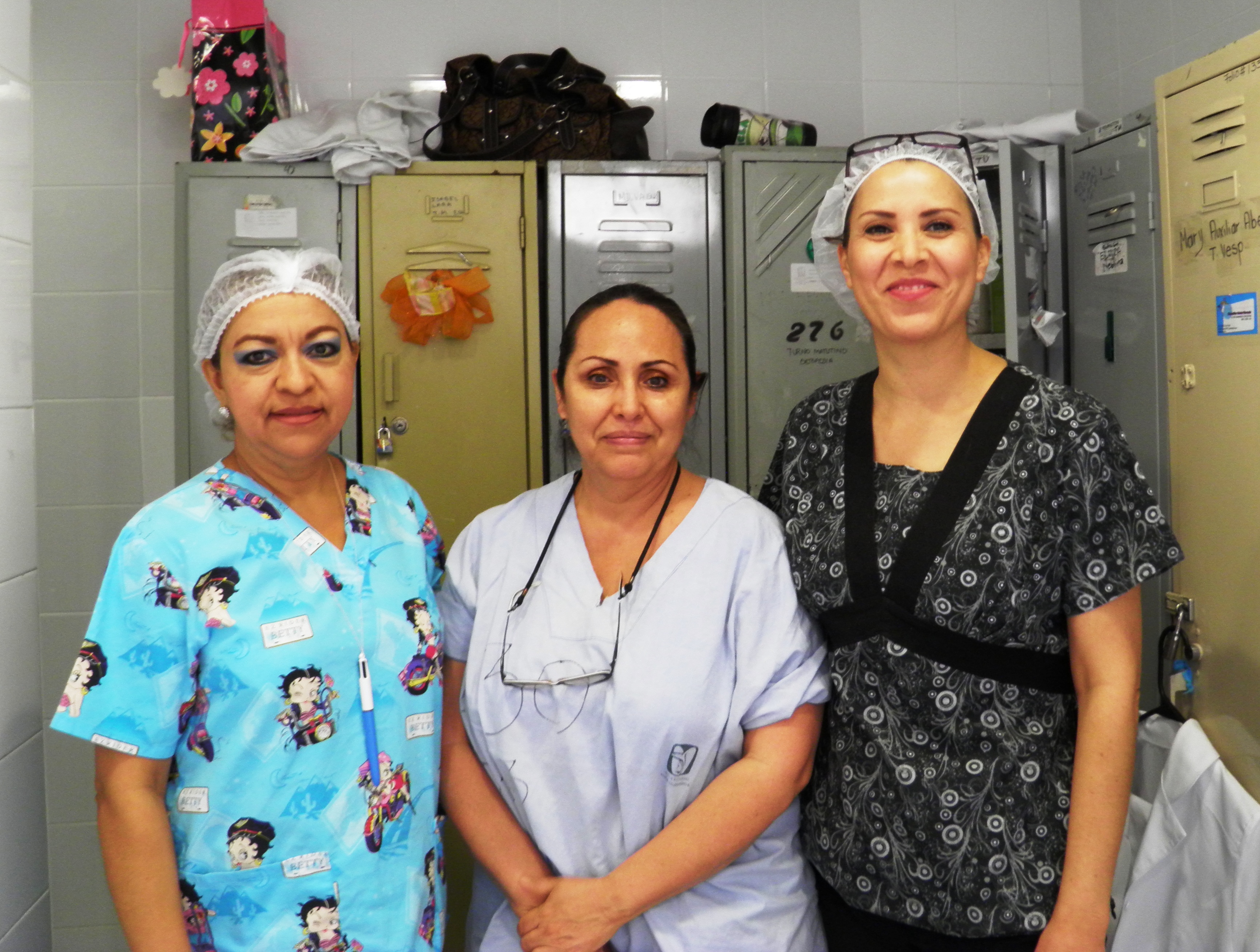
Anita, Patricia and Estebes

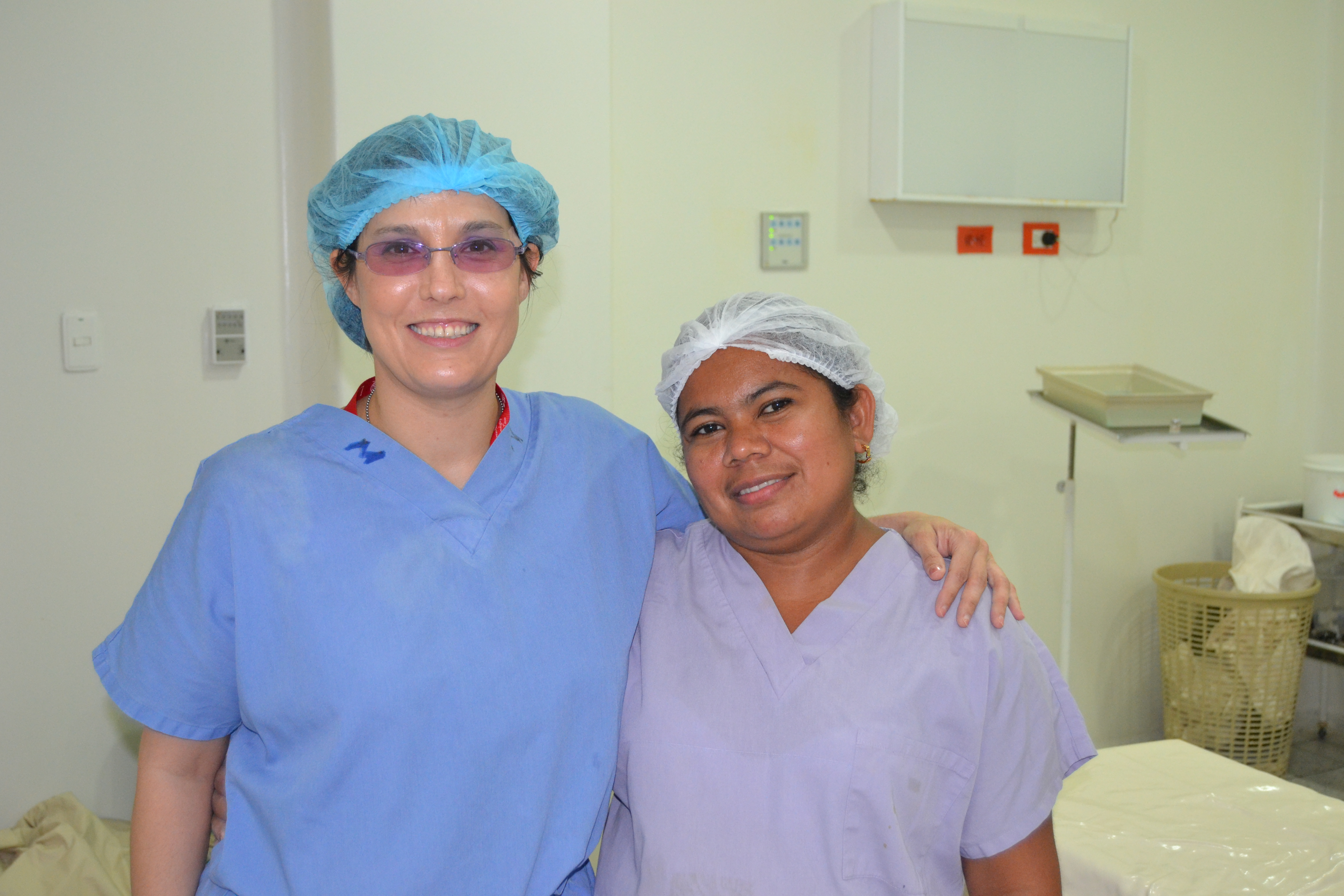
These three ladies have made all the difference in my operating room experiences here, and I am grateful for that.  I have really enjoyed getting to know them – and I feel sad at the thought that I may never see them again.
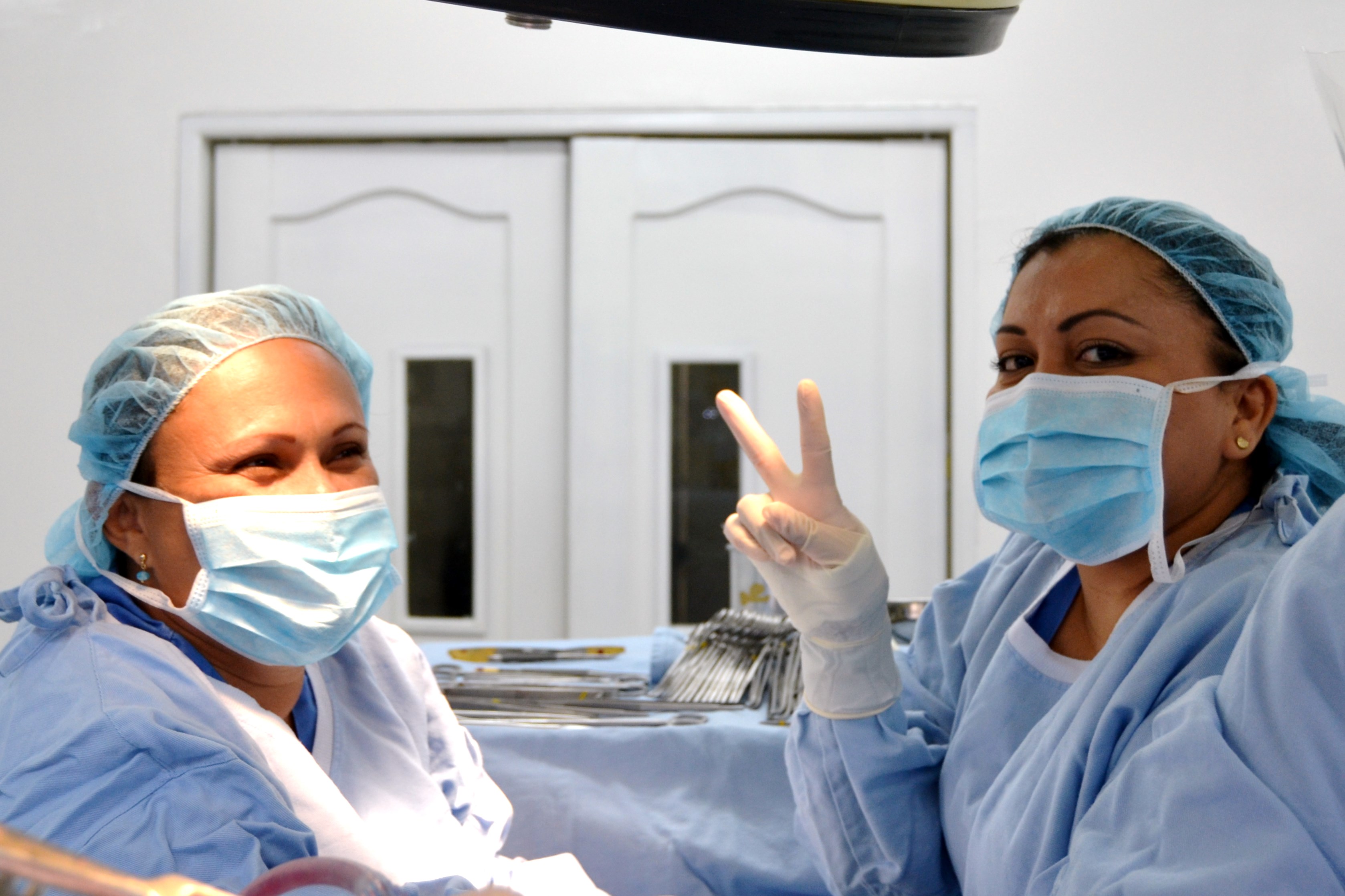
Raquel (right) and Anita, the instrumentadors

Raquel (right) and Anita, the instrumentadors

I am really going to miss Patricia and her perpetually sunny nature, easy smiles and ready laughter.  She was so sweet to introduce me to her son so I would have an escort and companion if I wanted to go out dancing.

Patricia and Estebes, circulating nurses

Patricia and Estebes, circulating nurses

I will miss Estebes, who always seems to go out of her way to help me.  She is always there to adjust the light, offer a stool or anything else that might make it easier for me while I am peering into one of the dark tunnels of someone’s leg.
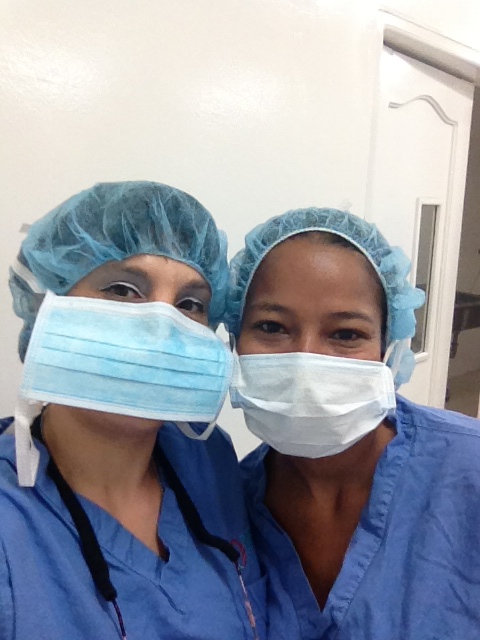
with Estebes

with Estebes

Anita, too, has wonderful.  I feel like we have also had some fun, working at the ‘back’ of the table.  I’ve tried not to be in her way – and to actually be somewhat helpful.  (I’ve probably failed at this – but she has been very sweet and has never made me feel unwelcome.)  She’s also extremely knowledgeable about surgery so it’s good to have her there.  It’s hard to feel nervous with Anita watching over me.  Or when I need a third hand – she is always there – even while managing everything at the top of the table too.

barbosa 045

Tuesday

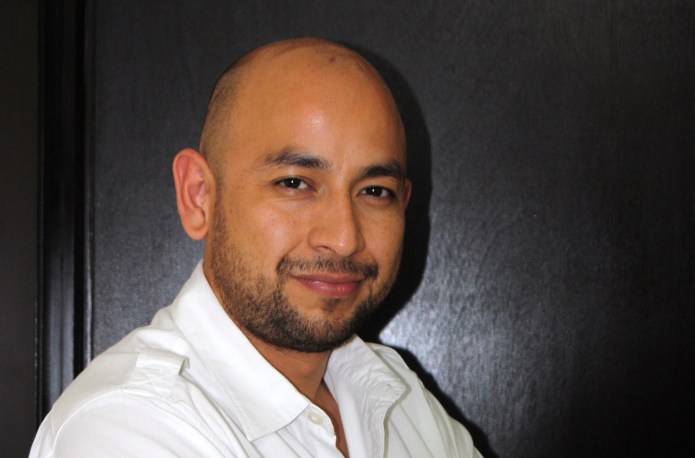
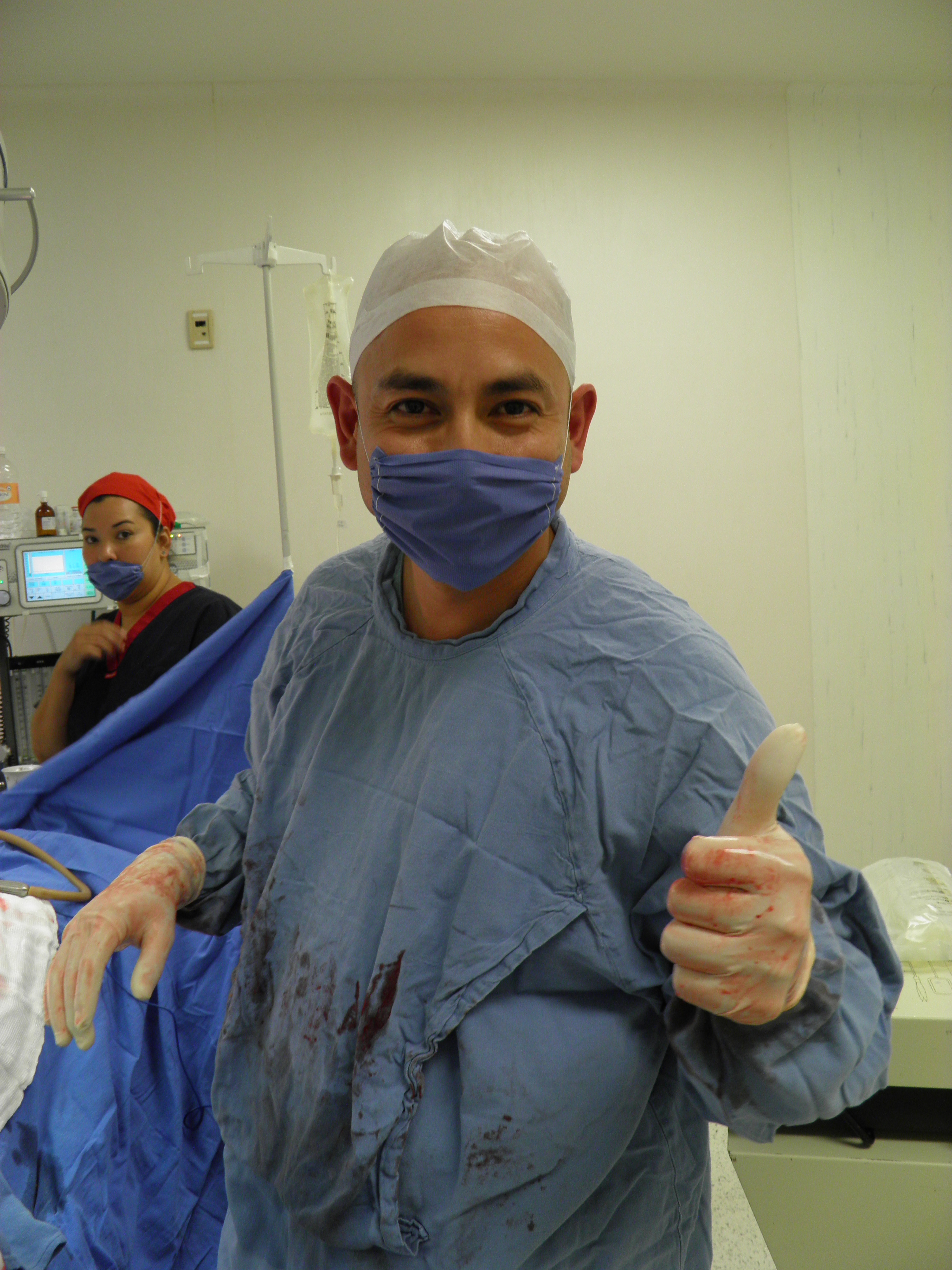
We arrived in Sincelejo this morning for surgery this afternoon.   I did a fitting with Dr. Barbosa and his new headlamp apparatus so I could fit the final piece of Velcro.  It’s not the prettiest thing in the world, but it’s functional and fully washable.  (The previous headlamp anchor is an uncovered foam that crumbles with washing).  I added a border to the old one as well, and repaired it the best I could, so he would be able to swap them out as needed.  I hope he liked it – despite its ‘ugly duckling’ appearance.  I thought it would be a nice gesture since he has done so much for me – and I don’t know how to say “Thank You.”

Dr. Barbosa models his new headgear.

Dr. Barbosa models his new headgear.


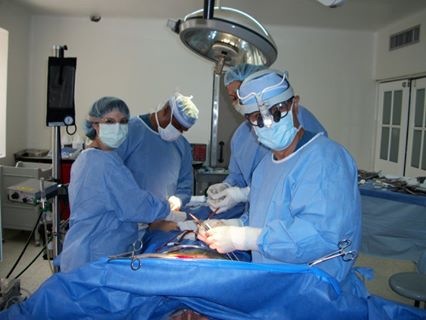
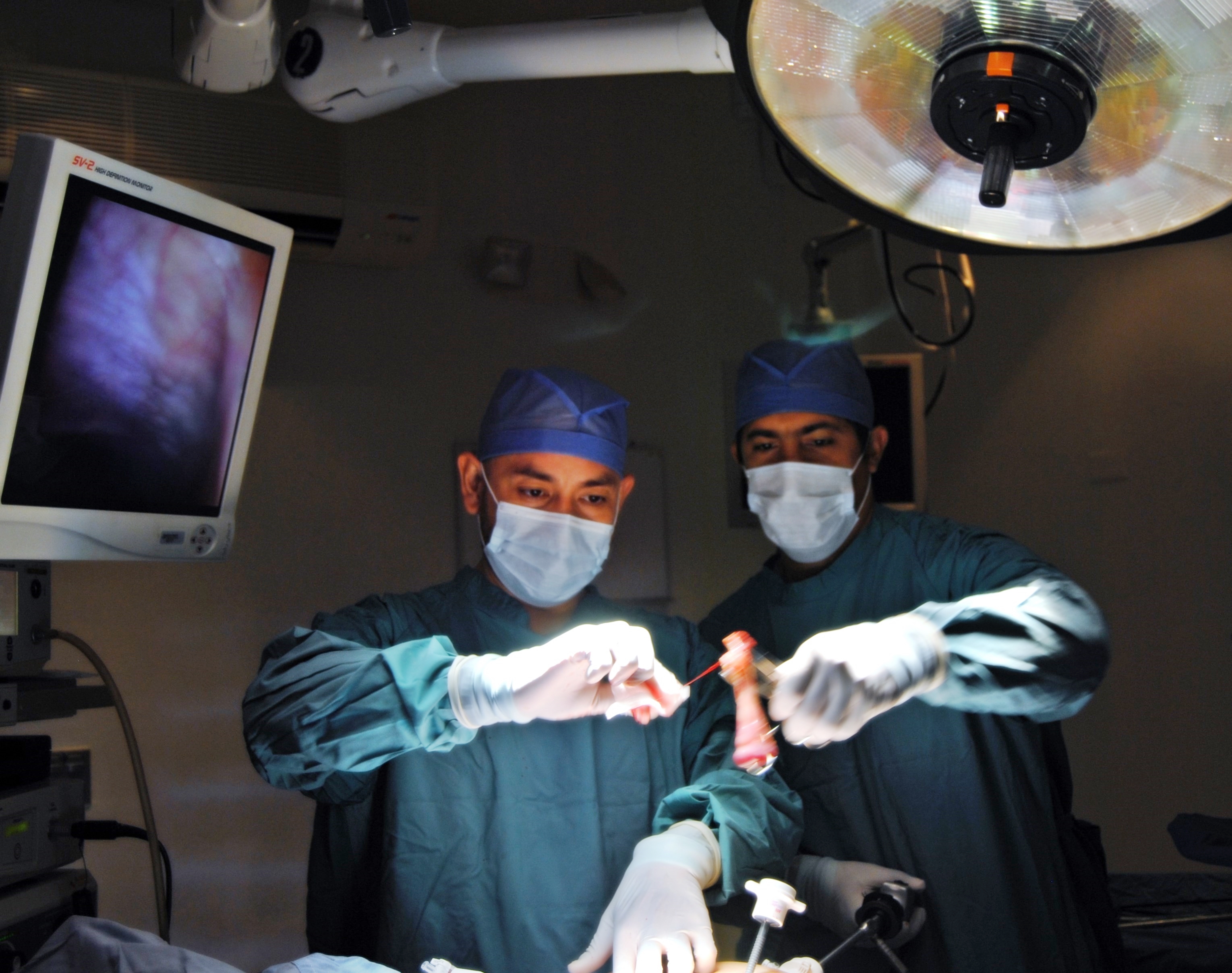
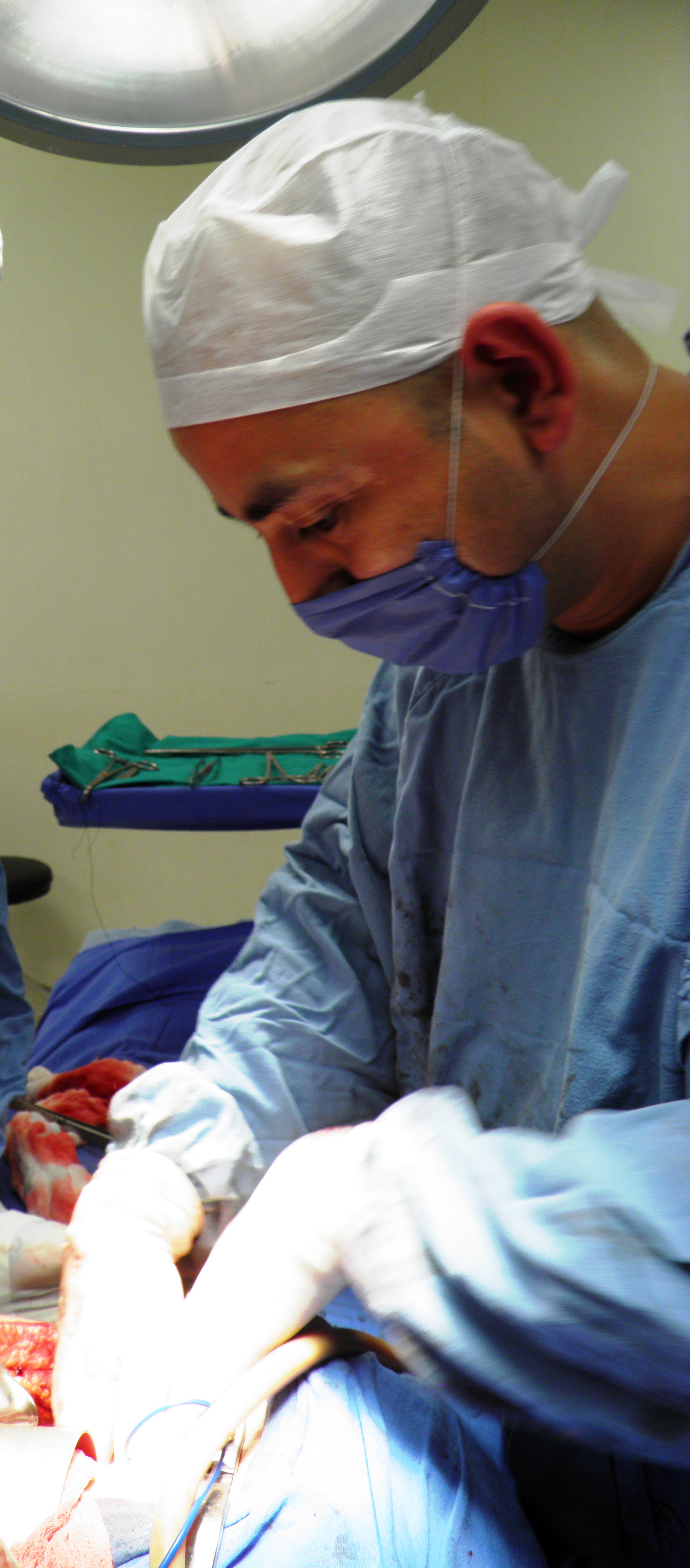
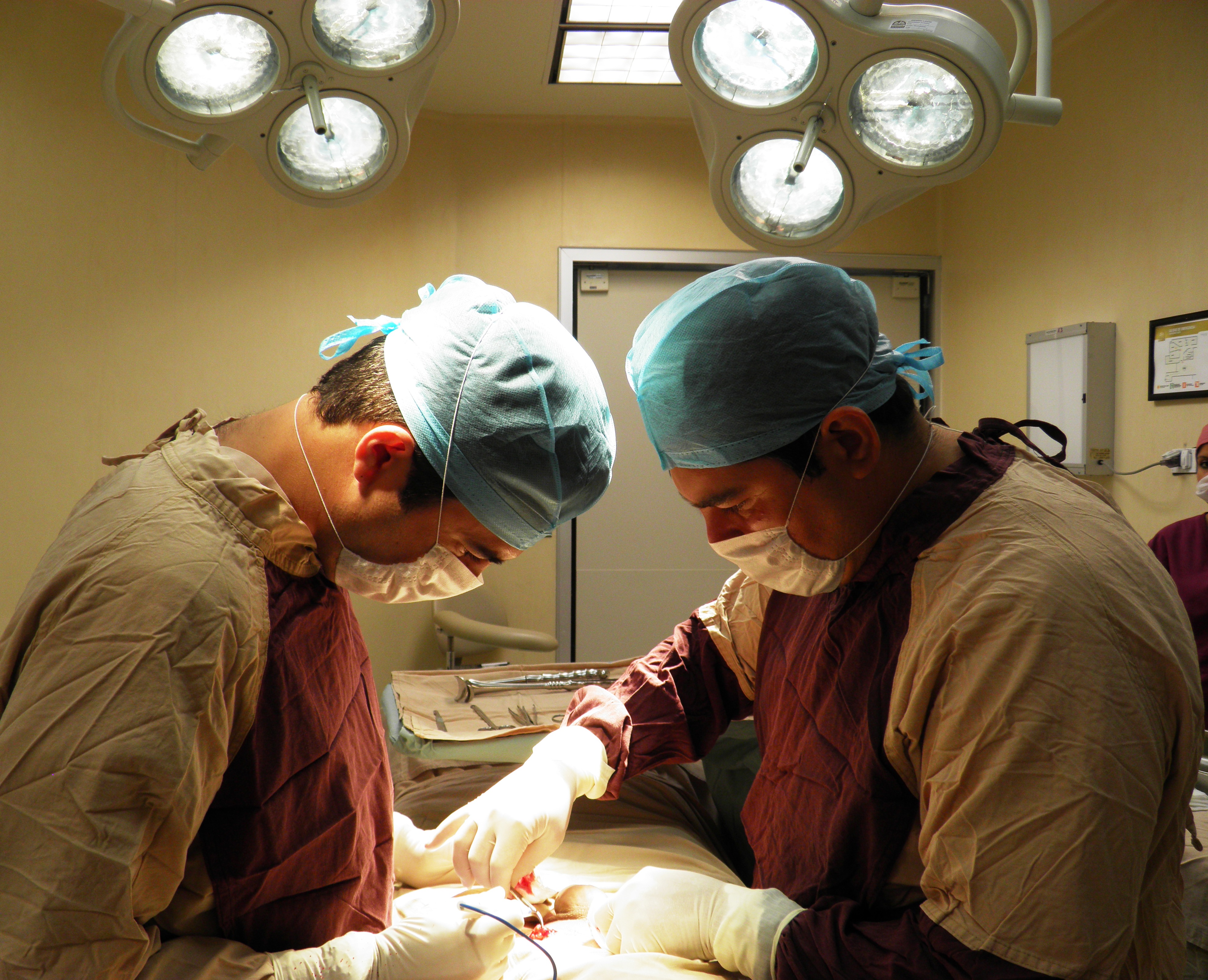
The patient only needs one small segment of vein – so Dr. Barbosa decided it would be a good time for me to learn open saphenectomy.  (I think I have convinced him on the soundness of my theory of learning the principles of saphenectomy, especially with my argument on the need to know for emergency cases.)

performing a saphenectomy

performing a saphenectomy

It was amazingly fast and essentially a bloodless field.  Since everything is open before you, it is easy to ligate and clip all of the collaterals.  I was surprised by how quickly I was able to free the vein.  Closure didn’t take much longer than normal because even though it was an ‘open saphenectomy’ since it was only one graft it wasn’t that long of an incision.

I am glad I had an opportunity to try it because it certainly gave me more confidence than I would have had if I was expected to learn it during an emergency case.  I also felt it gave me a better feel for the anatomy – because it’s all laid out in front of you. (It doesn’t matter how much you read or study a textbook – people are ‘never’ completely textbook, and ‘real’ anatomy looks different from the pretty drawing in my Grey’s Anatomy, especially when you are peering down a dark tunnel tract.)

Wednesday

The patient from yesterday is doing well.  The morning chest x-ray showed significant atelectasis but the patient was hemodynamically stable and without other complications.  I reviewed post-operative teaching (pulmonary toileting, ambulation) with the patient and explained that due to underlying COPD, he needed to be more aggressive in pulmonary toileting, and post- operative exercises.

Just a nurse?  I don’t think so…. But you are only a doctor.

Today a doctor attempted to insult me by stating, “You aren’t a doctor.” (Don’t worry, dear readers – it wasn’t Dr. B – I think he ‘gets” me.)  It made me want to laugh out loud but I managed to restrain myself since I was scrubbed in at the time.  Of course I’m not a doctor – and thank the lord that I am a nurse!  I never have and never will want to be anything else!

I feel sorry for someone so limited that they can’t see all that is missing from their life because they are “just a doctor.”  They are just a doctor, but I am fortunate enough to be a nurse!  I get to be everything that they can’t.  For him, the people who come to us for help are just patients – part of an endless cycle of work, a means to pay the bills, buy a big house and have the status that being a doctor brings.

But for me, well, I am not usually overly religious in my speech but there is no other way to describe it but to say, I am blessed. I do feel it’s a ‘calling’ of sorts.   I am blessed with the opportunity to care for these people, each one unique; with their own hopes, dreams and rich histories.  I have the privilege of being one of the people alongside the family and friends who cares for them.  I am lucky enough to be invited to share in that care.  The patients may leave the hospital, but they never leave my heart.

I am so much more than just a nurse to my patients; I am a teacher, a friend, a source of comfort and compassion during a life-changing experience.  I am the one who holds their hands when they are frightened – and the person who brings a smile to their face when they think they will never smile again.

Just a nurse?

Just a nurse?

I am a little bit social worker, a tiny little angel, a physical therapist, a cheerleader and friend, and even to many, their favorite ‘doctor’.  Often, I am the one they feel comfortable talking to – I am the one they bring their questions and concerns to.  Usually, I am the one they trust – to tell them to truth and to assist them on their journey back to health.  And, that sir, is a privilege you may never know.

To my surgeons, I am the extra right hand they didn’t know they needed.  I am always where I am needed – often behind the scenes, taking care of small issues so the surgeon can continue to do the things he needs to do – namely operate.  I am someone to bounce ideas off of – someone to teach (and wants to learn).  I am the very best resident a surgeon will ever have.

To the other doctors (who may have limited experience with cardiac surgery patients), the ones who are willing to admit it – I am an advisor, a teacher and a trusted colleague.

To my nursing colleagues – I am a mentor, a teacher and someone willing to listen to their concerns.  I know their jobs and I know their intrinsic value.  I know their talents – even if you don’t.  I never shrug off a nurse’s concerns, and that has saved lives.  If the nurse caring for the patient comes to me and says, “I don’t know what it is but something isn’t right,” than I know that something isn’t right.  And together, we figure it out and make it better.  I know that these nurses, the ones you dismiss – they have hopes and dreams too – and they take pride in excelling in their job.  If they don’t know something, it’s not for a lack of trying – it’s for want of a mentor.

Ever Luis, one of my favorite floor nurses

Ever Luis, one of my favorite floor nurses

And yet – there is still more to this nurse – I am an investigator, a researcher and a bit of a detective.  But you sir, are only a doctor.

In today’s case, the patient needed two grafts.  Dr. B started the initial incisions (I was off by a centimeter yesterday on my initial incision, so I think he lost confidence in my skills – I was worried about avoiding the patients more superficial varices.)  I am a little afraid of jumping in too quickly and harming the patient – so I am cautious in making my initial incisions – but once that’s done, I feel like I am in familiar territory.  I looked at my case log after the surgery – and it seems incredible for me that I’ve only had eight cases because it feels like I’ve been doing it for longer – parts of the procedure feel almost automatic now.  I wish it was 25 or 3o cases but the service just isn’t that busy.  I knew that would be the case when I came here – so I am grateful for the eight cases.  Eight is still more than none, and none is how many cases I was getting back at home.  (It’s that tired cliché – everyone wants someone with experience but no one wants to give a person a chance to get experience.)

I am still hoping that future employers will take my willingness and eagerness to train into consideration and offer me a chance even though I am a locum tenens provider.  I have just been burned too many times in permanent positions to risk taking another one in hopes that they will fulfill their promises to train me.

Thursday

No surgery today but a full clinic!  It was a good day in clinic because I got to see all the post-operative patients from our previous surgeries, and it was just a bit heart wrenching.  But then again, I am always a big sap for my patients.

All the patients seemed so happy to see me – and I was so happy to see all of them too!

Everyone looked really good, and I was impressed by their questions and attentiveness during the appointments.  My patients knew all of their medications by name, and were eager to discuss this and other post-operative instructions they received at the time of discharge.  (Usually it seems like people forget a lot of what we talk about in the hospital – but I think my horrible gringa accent sticks in their minds).

The only disappointing aspect, was seeing one of our patients (who had been really fragile pre-operatively) amble in.  She looked great – and said she felt pretty good, (other than the usual sternal soreness) but one of her leg incisions had partially dehisced.  (Luckily it was a very small skip incision and the patient had been fastidious about cleaning it as directed).  The wound was very clean, with no signs of infection.  It was healing well by secondary intention but I was disappointed in myself that the wound closure didn’t hold up.

After clinic – we headed back home.  All the while, I was thinking of how I will miss Sincelejo.  I will miss my friends, my patients and Clinica Santa Maria.  I will miss the chance to work with Dr. Barbosa – who was always such a great teacher, even if we didn’t always see eye-to-eye.  Most of all, I will miss Iris, who has been my best friend, confident and colleague during this journey.  I will miss working with her – I honestly think that between the two of us, we could be a force to change the world (or at least cardiac surgery) for the better.

From the bottom of my heart, I sincerely say, Thank you Iris, Thank you Dr. Barbosa, Thank you, Estebes, Anita and Patricia – and thank you Dr. Salgua for having me here among all of us – and making me part of the team.  I will miss you all.

Dr. Salgua Feris

Dr. Salgua Feris

The great fistula adventure


Just back from Sincelejo  – and off on another adventure!

sabanalargo

Dr. Barbosa was asked by a local nephrologist if he would be willing to come to Clinica San Rafael in Sabenalargo to make dialysis fistulas for several patients who are currently dialysing through subclavian catheters.  (These in-dwelling catheters, which are made of plastic, place patients at a much higher risk of infections including systemic infections like sepsis (due to easy access to central blood supply.)

This medscape article gives a nice overview regarding Dialysis Fistulas.  (However is mainly focused on maintaining fistulas rather than creating them.)

So off we went to Sabanalargo in the Colombian state of Atlantico.  While small, with just 2 operating rooms, Clinica San Rafael was a fine place to operate.

Despite its small size, the clinic had an intensive care unit, a neonatal unit and fluoro for catheterization and endovascular procedures (in operating room #1).  The hospital also had a large maternity unit.  Looking through the previous operating room procedure log showed that most of the procedures were C – sections and general surgery procedures (like hernia repair.)

One of the nicest aspects of this facility is something that is essentially unheard of in the United States.  At the end of the day, Dr. Barbosa was paid in full.

outside Clinica San Rafael

outside Clinica San Rafael

All of the staff were very welcoming despite the fact that it was our first time there.  The patients were happy to see us – and the surgeries proceeded at a rapid pace.  After receiving discharge instructions and prescriptions for a daily aspirin along with pain medication, all of the patients were discharged home.

with Liliana, circulating nurse

with Liliana, circulating nurse

All told, Dr. Barbosa performed 4 Cimino – Brescia fistulas with excellent results.  All of the fistulas had an easily palpable thrill at the end of the procedure with no evidence of limb ischemia or other complications.  (Cimino – Brescia fistulas utilize the native artery and vein versus PTFE grafts which are not as durable).

The way home was a lengthy process since one of the main roads was closed so we had to back track to Barranquilla to get on the main coastal highway.  (I’m sure it was lovely, but it was too dark to know.)

But all-in-all, it was a fun and interesting day.

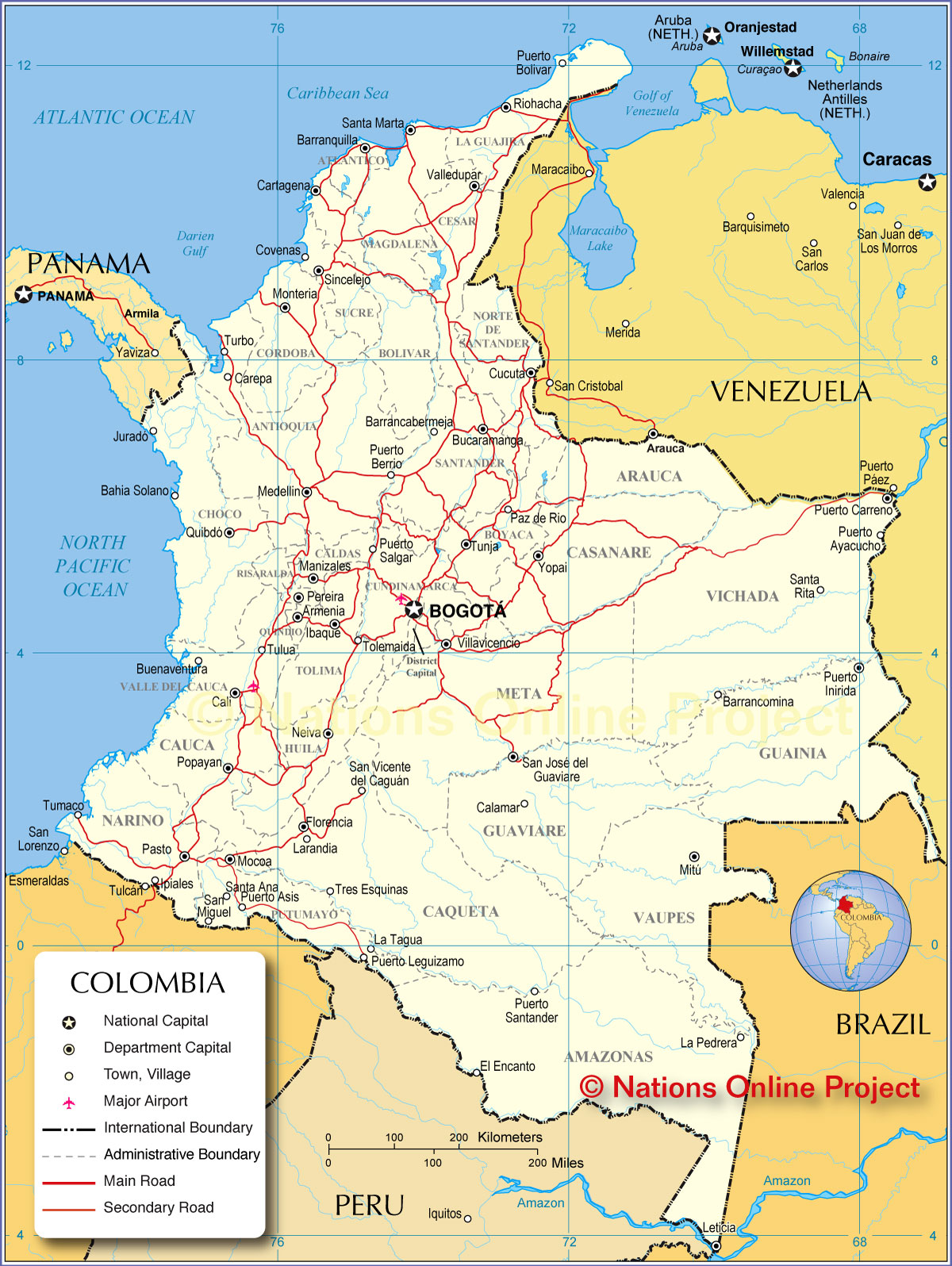
The Road to Sincelejo


colombia_pol_map

The Road to Sincelejo

For me, the road to Sincelejo has been in the making for a long time.  Since meeting Dr. Cristian Barbosa, cardiac surgeon in February 2010, I have wanted to know more about his work.  I first meet Dr. Barbosa on my initial trip to Cartagena de Indias when I (literally) accosted him in a hallway in Hospital Bocagrande.  At that time he was the chief of cardiovascular surgery of the now defunct cardiac surgery program at Hospital Bocagrande.  He was minding his own business, walking down the hallway.  As he passed, I read the title on his lab coat, “Cirguia Cardiovascular.”

Back on 2010, my Spanish was even worse than it is now – just forgotten bits of high school Spanish.  But that didn’t deter me on my mission.  I had entered the hospital under stealth (okay, not really, but I was just a ‘gringa’ wandering around without authorization) to meet and talk to surgeons, so I wasn’t about to let this opportunity pass by.

with Dr. Hector Pulido (left) and Dr. Barbosa in Cartagena (2010) after a chance encounter in a hallway,

with Dr. Hector Pulido (left) and Dr. Barbosa in Cartagena (2010) after a chance encounter in a hallway,

Of course, since my Spanish was limited – I didn’t know how to express all the normal social graces in these sort of situations.   Instead,  I said, “please stop” as it was the first phrase that came to mind.  He did, and we managed to exchange enough conversation for me to explain who I was, and what I would like to know.  Despite my lack of manners, and random appearance, he didn’t seem to mind.   A visiting cardiac surgery nurse, “por supuesto!” (of course!)

I knew I was successful when he then asked, “Do you want to go to the cath lab and review today’s films with me?”  The rest is now history, on the pages of this blog, multiple articles and the Cartagena book.

Sometimes, the language of surgery is universal – which is what makes all of this possible.

in the operating room with Dr. Barbosa in 2010.

in the operating room with Dr. Barbosa in 2010.

Since that first meeting, Dr. Barbosa and I have both improved our language skills (his English, my Spanish) and we’ve kept in contact.  We’ve caught up with each at various conferences and meetings.  Therefore, I was saddened to hear of the closure of the cardiac surgery program at Hospital Bocagrande due to financial difficulties*.

Cardiac Care

I was excited when Dr. Barbosa told me about his new position in Sincelejo (Sucre) a few years ago, providing cardiac surgery services to the local community.  The program called Cardiac Care provides cardiac surgery services to a populace that would otherwise have to travel several hours (to Barranquilla or another large city).

When Dr. Barbosa invited to come join his team in Sincelejo, it took some re-arranging and re-scheduling to do – but it was an opportunity I just couldn’t miss.

The program remains small and relatively unknown even among Sincelejo residents.  For this reason, Dr. Barbosa and his team (cardiac anesthesiologist, Dr. Sebastian Melano and nurse perfusionist, Sra. Iris Castro) all live in Cartagena but maintain another apartment in Sincelejo.  When they have surgery scheduled, they stay in Sincelejo for several days to perform surgery and oversee the patient’s recovery.

Road trip

On Thursday, I took my first trip with the group to Sincelejo to see several patients (post-operative patients and new consultations).

Dr. Barbosa and his cardiac anesthesiologist see patients at the Clinic in Sincelejo

Dr. Barbosa and his cardiac anesthesiologist see patients at the Clinic in Sincelejo

This trip itself was very interesting.  Sucre is a region (state) of Colombia that is entirely new for me.  Even though the trip is just 125 km from Cartagena, it’s a journey into a new landscape of rolling hills (Mountains de Maria) and takes over three hours.

Leaving Cartagena, we pass through the various areas of the city.  We pass through barrio Manga, past several hospitals including Hospital San Juan de Dios, and toll stops.   As we pass through the industrial areas of the city,  the massive oil refinery expansion project dominates the landscape.  Evidence of other ongoing construction and expansion outside city limits is also present.

Like most roads outside cities, we pass through several security checkpoints.

As we leave Bolivar we pass several palm plantations, where palm oil is produced. (Alas, no palm wine – one of my favorites)**.

Like Texas with hills

March is the tail end of the ‘drought season’ of this tropical locale so much of the landscape is brown, and barren appearing (think of Texas, with hills.)  This year has been particularly dry with several wildfires due to the effects of the El Niño weather systems.  This year, they tell me is even worse than previous El Niño years.  A comparison to Texas is appropriate since this part of Sucre is mainly farms with livestock (horses, chickens etc.) and cattle grazing.  For this reason, Sucre is well-known to Colombians for both its beef and the richness of the local cheese.

Along the way, we pass several small settlements of tiny houses along with the fincas (working farms) of the wealthy.  Some of the homes are poured concrete with concrete floors and painted in gay colors, others are hard-packed manure with dirt floors.

one the modest dwellings roadside in Sucre

one the modest dwellings roadside in Sucre

As part of a promise made to improve the infrastructure of Colombia during President Juan Manuel Santos’ famous “five points” most of the roadways are either newly paved or in the process of being paved and expanded.

During the drive, my companions give me the history of the various settlements.

Palenque

One the first settlements we pass while still in the state of Bolivar is the town of Palenque.  Palenque is known for being the first settlement of escaped/ free Africans in Colombia.  (As one of the main ports for the slavery trade, Cartagena – escaping slaves would make their way to small settlements to live as free members of society.)

Palenque is known for adhering to mainly of the African traditions of their ancestors, as female residents wear traditional dress.  Residents speak a distinct dialect of a creole based, Spanish language mix  also called Palenque.

photo courtesty of Proexport Colombia.  Photo by Juan guFo.

photo courtesy of Proexport Colombia. Photo by Juan guFo.

A decade makes a difference – The Red Zone

Just ten years ago, this simple journey would have been venturing into dangerous territory***.  Guerillas and paramilitary groups controlled the area, and terrorized residents and travelers alike.  No where does the history of conflict in Colombia become more real than in the tiny town of Chinulito.  This town was one of the first casualties of paramilitary activity in the area.  Over 300 families had to flee the area for their very lives.  Many more were killed. (For a bit of eye-opening, remember that while we often think of these massacres  as a thing of the past, the violence is ongoing in parts of Colombia, and this incidence occurred in 2000, not 1970).

It wasn’t until 2008, that 56 of these former residents were able to return, under the protective watch of the Colombian military and police.  The military presence is significantly heavier than any of the other areas I’ve been to. 

Soon we enter the town of Sincelejo and head to the office to see patients.

Not a puebla

Despite being considered a somewhat rural area by more cosmopolitan coastal residents of Barranquilla and Cartagena, Sincelejo is no small puebla.  The city, which is the capital of Sucre, has a population exceeding 200,000.  The city has a long history and was initially inhabited by native peoples prior to Spanish exploration, and subsequent “discovered” in the 16th century.  The city was formally founded in 1535 in the name of San Francisco de Asís de Sincelejo.  (We will talk more about the city in future posts since I’ll be spending considerable time here.)

*Cardiac surgery services lines are particularly expensive to maintain in comparison to other hospital services.

** Apparently, I am not alone in my appreciation of this type of wine, which is widely considered among locals as the  Colombian equivalent of “bum wines” like Thunderbird, Ripple, MD 20/20 or other cheap drinks favored by alcoholics.

*** If you are thinking of doing something like venturing solo into the Red Zones, particularly if unaccompanied by Colombians, please read this article, “Backpacking in a red zone.”

Start here…


This is a page re-post to help some of my new readers become familiarized with Latin American Surgery.com – who I am, and what the website is about..

As my long-time readers know, the site just keeps growing and growing.  Now that we have merged with one of our sister sites, it’s becoming more and more complicated for first time readers to find what they are looking for..

So, start here, for a brief map of the site.  Think of it as Cliff Notes for Latin American surgery. com

Who am I/ what do I do/ and who pays for it

Let’s get down to brass tacks as they say .. Who am I and why should you bother reading another word..

I believe in full disclosure, so here’s my CV.

I think it’s important that this includes financial disclosure. (I am self-funded).

I’m not famous, and that’s a good thing.

Of course, I also think readers should know why I have embarked on this endeavor, which has taken me to Mexico, Colombia, Chile, Bolivia and continues to fuel much of my life.

Reasons to write about medical tourism: a cautionary tale

I also write a bit about my daily life, so that you can get to know me, and because I love to write about everything I see and experience whether surgery-related or the joys of Bogotá on a Sunday afternoon.

What I do and what I write about

I interview doctors to learn more about them.

Some of this is for patient safety: (Is he/she really a doctor?  What training do they have?)

Much of it is professional curiosity/ interest: (Tell me more about this technique you pioneered? / Tell me more about how you get such fantastic results?  or just tell me more about what you do?)

Then I follow them to the operating room to make sure EVERYTHING is the way it is supposed to be.  Is the facility clean?  Does the equipment work?  Is there appropriate personnel?  Do the follow ‘standard operating procedure’ according to international regulations and standards for operating room safety, prevention of infection and  overall good patient care?

I talk about checklists – a lot..

The surgical apgar score

I look at the quality of anesthesia – and apply standardized measures to evaluate it.

Why quality of anesthesia matters

Are your doctors distracted?

Medical information

I also write about new technologies, and treatments as well as emerging research.  There is some patient education on common health conditions (primarily cardiothoracic and diabetes since that’s my background).  Sometimes I talk about the ethics of medicine as well.  I believe strongly in honesty, integrity and transparency and I think these are important values for anyone in healthcare.  I don’t interview or encourage transplant tourism because I think it is intrinsically morally and ethically wrong.  You don’t have to agree, but you won’t find information about how to find a black market kidney here on my site.

What about hospital scores, you ask.. Just look here – or in the quality measures section.

Cultural Content

I also write about the culture, cuisine and the people in the locations I visit.  These posts tend to be more informal, but I think it’s important for people to get to know these parts of Latin America too.  It’s not just the doctors and the hospitals – but a different city, country and culture than many of my readers are used to.

Why should you read this?  well, that’s up to you.. But mainly, because I want you to know that there is someone out there who is doing their best – little by little to try to look out for you.

How the site is organized

See the sidebar! Check the drop-down box.

Information about surgeons is divided into specialty and by location.  So you can look in plastic surgery, or you can jump to the country of interest.  Some of the listings are very brief – when I am working on a book – I just blog about who I saw and where I was, because the in-depth material is covered in the book.

information about countries can be found under country tabs including cultural posts.

Issues and discussions about the medical tourism industry, medical safety and quality are under quality measures

Topics of particular interest like HIPEC have their own section.

I’ve tried to cross-reference as much as possible to make information easy to find.

If you have suggestions, questions or comments, you are always welcome to contact me at k.eckland@gmail.com or by leaving a comment, but please, please – no hate mail or spam.  (Not sure which is worse.)

and yes – I type fast, and often when I am tired so sometimes you will find grammatical errors, typos and misspelled words (despite spell-check) but bear with me.  The information is still correct..

Thank you for coming.

Spending the day with Dr. Gabriel Ramos, Oncology Surgeon


Spent the day in the operating rooms with one of my favorite Mexican surgeons, Dr. Gabriel Ramos Orozco.  Dr. Ramos is an oncology surgeon with offices in Mexicali (Baja California) and his hometown of San Luis Rio del Colorado in Sonora, Mexico.

Dr. Gabriel Ramos Orozco, Oncology Surgeon

Dr. Gabriel Ramos Orozco, Oncology Surgeon

In the operating room with Dr. Gabriel Ramos

We spent the day in his hometown – first at the Hospital Santa Margarita, where he performed a laparoscopic cholecystectomy, and then in his offices seeing patients.

In the operating room

In the operating room – photos edited to preserve patient privacy

Hospital Santa Marta

The hospital itself was a small intimate clinic.  The operating rooms were small but well-equipped.  We were joined by Dr. Campa, an excellent anesthesiologist and another general surgeon.  While the anesthesia equipment was dated, all of the equipment was functional.  At one point, the sensors for cardiac monitoring and oxymetry readings malfunctioned but within seconds a backup monitor was attached.  (This is a frequent occurrence in most hospitals around the world and the USA because the sensors that connect to the patient with gel are cheap disposable and somewhat fragile.)

There were several monitors dedicated to laparoscopy with good display quality.  The operating rooms had ample light and functioned well. Overall the clinic was very clean.

ramos surgery

The surgery itself proceeded in classic fashion.  The patient was positioned appropriately and safely before being prepped and draped in sterile fashion.  Since the surgery itself was of short duration, anti-embolic / DVT prophylaxis was not required but was still applied.  (Note:  in Mexico, these stockings are of limited utility – and for more lengthy procedures, TEDS or electronic squeezing devices are usually applied.)

The surgery itself was under an hour, with no bleeding or other complications. The patient was then transferred to the post-operative care area for monitored recovery from general anesthesia.

Dr. Ramos performs laparoscopic surgery

Dr. Ramos performs laparoscopic surgery

In the clinic

It was an interesting day – because he sees a diverse mix of patients.  As a general surgeon, he also operates for many of the classic indications, so there were several patients who saw Dr. Ramos for post-operative visits after appendectomies, cholecystomies (gallbladder removal) and the like.  There was also a mix of patients with more serious conditions like colon, testicular and breast cancers.  His patients were a cross section of people, from the United States and Mexico alike.

International patients

Some of these patients came for the lower cost of treatment here in Mexico, but others came due to the dearth of specialty physicians like oncology surgeons in places like Yuma and Las Vegas.  Many of these international patients spoke Spanish, or brought translators with them since Dr. Ramos is primarily Spanish speaking.

Since D. Ramos is not well-known outside of Mexico, many of these patients were referred by word-of-mouth, by former patients, friends and family.

Then it was back to the hospital twice to visit his patient post-operative.  She was resting comfortably and doing well.  It is this level of service that draws patients to his clinic both here and in central Mexicali.

This winter, Dr. Ramos returns to school so to speak – as he will be spending several months in Barcelona, Spain and Colombia learning new techniques such as uni-port laparoscopy.  He will then be able to offer these state-of-the-art treatments to his patients back here at home; whether these patients come from northern Mexico or other parts of the globe.

Highly Recommended:  Excellent surgeon with well-coordinated team.  However, patients requiring more extensive surgery (large tumor surgeries/ cytoreductive surgery) should request Dr. Ramos perform surgery in the larger Mexicali facilities for better access to advanced and specialized support services like hemodialysis etc. for sicker/ higher risk patients. 

However, the level of care was appropriate at this facility for this procedure, which is rated as low-risk.  (i.e. generally healthy patient, with straight-forward procedure)

Is your ‘cosmetic surgeon’ really even a surgeon?


The answer is “NO” for several disfigured patients in Australia, who later found out that a loophole in Australian licensing laws allowed Dentists and other medical (nonsurgeons) professionals to claim use of the title of ‘cosmetic surgeon’ without any formalized training or certification in plastic and reconstructive surgery (or even any surgery specialty at all).

In this article from the Sydney Morning Herald, Melissa Davey explains how dentists and other nonsurgical personnel skirted around laws designed to protect patients from exactly this sort of deceptive practice, and how this resulted in harm to several patients.

As readers will recall – we previously discussed several high-profile cases of similar instances in the United States, including a doctor charged in the deaths of several patients from his medical negligence.  In that case, a ‘homeopathic’  and “self-proclaimed” plastic surgeon, Peter Normann was criminally indicted in the intra-operative deaths of several of his patients.  The patients died while he was performing liposuction due to improper intubation techniques.

But at least, in both of the cases above – the people performing the procedures, presumably, had at a minimum, some training in a medical/ quasi-medical field..

Surgeon or a handyman

More frightening, is the ‘handyman’ cases that have plagued Las Vegas and several other American cities – where untrained smooth operators have preyed primarily on the Latino community – injecting cement, construction grade materials and even floor wax into their victims.

How to protect yourself from shady characters?  In our post, “Liposuction in a Myrtle Beach Apartment” we discuss some of the ways to verify a surgeon’s credentials.  We also talk about how not to be fooled by fancy internet ads and the like.  (Even savvy consumers can be fooled by circular advertisements designed to look like legitimate research articles as well as bogus credentials/ or ‘for-hire’ credentials*. )

*We will talk about some of the sketchy credentials in another post – but the field is growing, by leaps and bounds..More and more fly-by-night agencies are offering ‘credentials’ for a hefty fee (and not much else.)

Dr. Gabriel Ramos, Oncology Surgeon


Dr. Gabriel Ramos, Oncologic Surgeon

Been a busy week  – (Yea!) but now that it is the weekend, I have a chance to post some more pictures and talk about my day in the operating room with Dr. Gabriel Omar Ramos Orozco. 

Despite living in a neighboring apartment, interviewing Dr. Ramos proved to be more difficult than anticipated.  But after several weeks, I was able to catch up with the busy surgeon.

Outside of the operating room, he is a brash, young surgeon with an off-beat charm and quirky sense of humor.  But inside the operating room, as he removes a large tumor with several cancerous implants, Dr. Gabriel Ramos Orozco is all business.

It’s different for me, as the interviewer to have this perspective.  As much as I enjoy him as a friendly neighbor – it’s the serious surgeon that I prefer.  It’s a side of him that is unexpected, and what finally wins me over.

Originally from San Luis Rio Colorado in the neighboring state of Sonora, Dr. Ramos now calls Mexicali home.  Like most surgeons here, he has a staff position at a public hospital separate from his private practice.  It is here at IMSS (Instituto Mexicano del Seguro Social) where Dr. Ramos operates on several patients during part of the extended interview.

Operating room nurses at IMSS

During the cases, the patients received a combination of epidural analgesia and conscious sedation.  While the anesthesiologist was not particularly involved or attentive to the patients during the cases, there was no intra-operative hypotension/ alterations in hemodynamic status or prolonged hypoxia.

Dr. Ramos reviewed patient films and medical charts prior to the procedures.  Patients were prepped, positioned and draped appropriately.  Surgical sterility was maintained during the cases.  The first case is a fairly straight forward laparoscopic case – and everything proceeds rapidly, in an uncomplicated fashion.  45 minutes later, and the procedure is over – and Dr. Ramos is typing his operative note.

Dr. Gabriel Ramos in the operating room

But the second case is not – and Dr. Ramos knows it going in..

The case is an extensive tumor resection, where Dr. Ramos painstakingly removes several areas of implants (or tumor tissue that has spread throughout the abdomen, separate from the original tumor).

The difference between being able to surgical remove all of the sites and being unable to remove all of the gross disease is the difference between a possible surgical ‘cure’ and a ‘de-bulking’ procedure, Dr. Ramos explains.  As always, when entering these surgeries, Dr. Ramos and his team do everything possible to go for surgical eradication of disease.  The patient will still need adjunctive therapy (chemotherapy) to treat any microscopic cancer cells, but the prognosis is better than in cases where gross disease is left behind*.  During this surgery, after extended exploration – it looks like Dr. Ramos was able to get everything.

“It’s not pretty,” he admits, “but in these types of cases, aesthetics are the last priority,” [behind removing all the tumor].  Despite that – the aesthetics after this large surgery are not as worrisome as one might have imagined.

The patient will have a large abdominal scar – but nothing that differs from most surgical scars in the pre-laparoscopy era.  [I admit I may be jaded in this respect after seeing so many surgeries] – It is several inches long, but there are no obvious defects, the scar is straight and neatly aligned at the conclusion of the case – and the umbilicus “belly-button” was spared.

after the successful removal of a large tumor

As I walk out of the hospital into the 95 degree heat at 11 o’clock at night – I admit surprise and revise my opinion of Dr. Ramos – he is better than I expected, (he is more than just the kid next door), and he deserves credit for such.

*This may happen due to the location of metastatic lesions – not all lesions are surgically removable.  (Tumor tissue may attach to major blood vessels such as the abdominal aorta, or other tissue that cannot be removed without seriously compromising the patient.)  In those cases, surgeons try to remove as much disease as possible – called ‘de-bulking’ knowing that they will have to leave tumor behind.

In the operating room with Dr. Marnes Molina, MD


with Dr. Marnes Molina, Urologist

Spent the day with Dr. Marnes Molina, MD, a urologist here in Mexicali.  I initially met Dr. Molina by happenstance – in the hallways of Mexicali General Hospital.  After a brief chat we arranged for a longer interview and operating room visit.

Today, I spent the entire day in Dr. Molina’s company – first in surgery at one of the private hospitals, then his office on Madero Avenue, and then at another facility for another surgery.

Talking to the fluent English-speaking physician was a delight and a treat.  Since I don’t usually spent much time in urology – I do admit that I spent yesterday as a cram session reading about J stents and the like  so I would even know what questions to ask.  (Urology has come a long way since your basic lithotripsy.)

Dr. Molina performs a wide range of procedures – from treatment of kidney stones and ureteral obstructions, BPH, prostate cancer as well as continence restoring surgeries such as vaginal tape, and treatment of varicocele that may be contributing to infertility issues in men.

Today, for both cases, patients received conscious sedation – and both patients looked comfortable during the procedures.  (This also means that the associated risks of general anesthesia are avoided.) Everything went well – and quickly!

Dr. Marnes Molina (left) and his nurse in the operating room

Dr. Marnes Molina also tells me that he is the only urologist in the Mexicali area utilizing the green laser for treatment of benign prostate hypertrophy as an option instead of traditional surgery.

Dr. Marnes Molina Torres

Urology/ endourology

www.urologiamexicali.com

Madero 1059

Col. Nueva

Mexicali, BC

Email: marnesm@urologiamexicali.com

Tele (686) 553 6989

Expect to hear more about Dr. Molina soon..

References on Lasers in Urology

Lasers in urology (Grasso & Schwartz), 2008 Medscape.com article

Another Medscape article courtesy of Reuters Health on Green Light laser technology entitled, “Latest green-light laser effective for large prostate volumes.”

Dr. Horacio Ham, and Los Doctores


Just finished interviewing Dr. Horacio Ham, a bariatric surgeon with the DOCS (Diabetes & Obesity Control Surgery) Center here in Mexicali.  Later this evening, we’ll be heading off to surgery, so I can see what he does first-hand.

Tomorrow sounds like a jam-packed day for the young doctor, he’s being interviewed for a University television series on Obesity in addition to his normal activities (surgery, patients) and of course, the radio show.  Turns out his guest doctor tomorrow evening is none other my professor, the ‘good doctor.’

Sounds like a great show – so if you are interested it’s on 104.9 FM (and has internet streaming) at 8 pm tomorrow night..

I’ll report back on the OR in my next post..

The ‘Art of Medicine’ with Dr. Jose Mayagoitia Witron, MD, FACS


I should be finishing my readings in preparation for clinic this afternoon, but after reading most of the day yesterday (it was an international holiday for people living outside the USA), I guess I am entitled to spend some time writing.

Besides, I spent an illuminating morning with Dr. Jose Mayagoitia Witron, MD, FACS over at Mexicali General Hospital.  While he was telling me what he doesn’t do: (no uniport laparoscopic surgery, and not a huge amount of bariatric surgery), what I observed told a very different story.

Dr. Mayagoitia, MD, FACS

I didn’t follow Dr. Mayagoitia to the operating room.  Instead – I accompanied him to a teaching session with his medical students, who presented case studies – and I observed Dr. Mayagoitia instructing his students in the ‘Art of Medicine’.  This skill is fast becoming a lost one in today’s emphasis on the science of diagnostics, and laboratory testing.  But not here, not today – and not with Dr. Mayagoitia.

He believes strongly in the physical examination and all of the wealth of information that it provides.  He also believes it is an underutilized tool to connect doctors with their patients.  As he explains, too often doctors become too busy ordering tests – which separates the doctors from their patients – instead of listening to ‘the person in the bed’.  (My terminology not his).  So during his students case presentations – the emphasis is on the story (the clinical history), the patient’s life (background, social settings, diet, habits) and the clinical physical examination.  Students aren’t allowed to talk about, or ask questions about diagnostic results such as radiographs or serum analysis until the story and the physical findings have been throughly discussed and examined in detail.

Even then – he challenges them – to use more than their eyes – to engage their brains, and their other senses.. “What about the description of this surgical scar?  Does it seem a little large for an appendectomy?” he asks.. “What about it’s location?’ he challenges**..

“What about the differentials?  What other diagnoses should we consider? he asks.  “I know you think the diagnosis is obvious – but give me some alternatives,” he coaxes.  “What else could be going on?  Tell me why you don’t think that it’s X” he asks – making the students review and explore the other possible causes for this patient’s abdominal pain.  “Could it be Z?” he asks.. “Why not?  What else would we see?” he states in reply to a student’s mumbled answer..

Then, only then, do we review the labs, and the films – the more tangible aspects of the practice of medicine.  Those results that students can see easily, (maybe too easily) and tempt them into abandoning the ‘art’ of medicine and patient care.  But he doesn’t allow it – and quickly steers the conversation back to the displayed pathology to this pathophysiology and symptomatology of the patient in question.

As someone who still struggles with the physical skill of percussion – this entry into the art of medicine hits home.  It is an art, and a woefully underappreciated one.

** Please note – these quotes are my best approximation from my translations during the case presentation, and may miss nuances. 

About Dr. Jose Mayagoitia Witron

Dr. Mayagoitia is more than a clinical instructor – he is a respected professor of surgery at the Universidad Autonoma Baja California (UABC) and has been teaching medical students for over 20 years. He also teaches surgical residents and has been doing so for over fifteen years.  He gives lectures daily at the University, in addition to his busy schedule as the Supervising Surgeon for the Intensive Care Unit at Mexicali General, and private surgical practice (with evening clinic hours).

He speaks in clear, unaccented English (my southern accent is thicker than any accent he might possess) which may be as a result of his fellowship training in San Diego.   He completed his general surgery residency right here at Mexicali General after attending UABC).

He remains active in the research community as a supervisor for resident research projects including two ongoing projects worthy of note: a new study looking at the treatment of open abdomens, (from massive trauma, infection, etc.) and a study looking at the early initiation of enteral feedings versus delayed (72 hours or greater) in surgical intensive care patients.

He, along with his wife, Gisela Ponce y Ponce de León, MD, PhD (a family medicine physician and instructor at the UABC nursing school) recently presented a paper on obesity research in Barcelona, Spain.

He does all of this in addition to a steady diet of general surgery (cholecystectomies, appendectomies, bowel surgery (such as resections) and the occasional bariatric surgery.  As one of the lead surgeons at a major trauma hospital** – he also sees a considerable amount of emergency and trauma cases.

He reports that on the last – bariatric surgery, he has mixed feelings.  While it has become a popular staple for the treatment of obesity and obesity-related complications – he questions it’s role in a society that steadfastedly ignores the causes.  “I wonder if we will look back one day and realize that we [surgery] did a real disservice to our patients by doing so much of this.”  So, while he does perform some bariatric procedures, he is very selective in his patients.  “It’s not a quick -fix, and they are going to be dealing with this [changes from bariatric surgery] for the rest of their lives so they [patients] need to understand that it’s a lifelong endeavor.”  When he does perform bariatric procedures, he prefers the gastric sleeve, which he believes is more effective [than lap-band, and smaller procedures] but less devastating in terms of complications and dramatic life alterations.

Dr. Jose Mayagoitia Witron, MD, FACS

General surgeon, Fellow in the American College of Surgeons

Edificio Azahares

Av. Reforma 1061 – 6

Mexicali, B. C.

Tele: 686 552 2400

** He reports that Mexicali General, as a public facility, sees about 80% of all traumas in the area.

Cartagena update: Dr. Cristian Barbosa, cardiac surgeon


with Dr. Pulido (left) and Dr. Barbosa in Cartagena (2010).

I wanted to post an update on a fantastic surgeon (who has since become a good friend).  In fact, Dr. Cristian Barbosa was one of the first surgeons I ever interviewed back in 2010 – and without his encouragement, the first book would have never gotten off the ground.  Maybe not the second book (Bogotá!) either – since once I said the magic words, “Oh – I interviewed Dr. Barbosa in Cartagena last year,” plenty of other surgeons who might not have talked to me – started to take me seriously.

with Dr. Barbosa back in 2010

Ever since then – I try to keep in contact with Dr. Barbosa – he’s a great person and an absolutely phenomenal surgeon, so I email him every so often..

Since my last visit, back in August – Dr. Barbosa has left Hospital Neuvo Bocagrande – and is now operating in Clinica Santa Maria in Sincelejo, Colombia.

Sincelejo is the capital of the state of Sucre, which is part of the Caribbean region of Colombia.  Like most of this part of Colombia – it has a rich history, and was founded back in 1535 in the name of St. Francis de Assis, though it was long inhabited prior to that by native Colombian tribes such as the Zenu.  Unlike nearby Cartagena (125km north), Sincelejo is a more mountainous landscape, and is known for their agriculture, particularly cattle.  (wow – my stomach just rumbled  – must be missing those gourmet Corral burgers, which are my one Colombian indulgence.. Argentina has nothing on Colombian beef.)

Dr. Barbosa is still living in Cartagena and making a three-hour commute to perform life-saving surgery, while he works on creating a new cardiac surgery program back in our favorite seaside city.  (Hopefully, when he does – we’ll be invited back to take a look!)

gate at the entrance to the historic el centro district

sunset in Cartagena, Colombia

The Pros & Cons of Bariatric Surgery


As my loyal readers know, I do my best to try to give fair and balanced depictions of surgical procedures, as well as reviews of medical and surgical news and research.  Over at Medscape.com – there is a new video discussion by Dr. Anne Peters, MD.  Dr. Peters is an endocrinologist and a certified diabetic education.  In this video – she talks about the realities of bariatric surgery, and these are things I think that people need to hear.

For more on Bariatric surgery – see my other posts

One of the points that she makes, is (in my opinion) critical.  While bariatric surgery has been shown to cure diabetes in many individuals – there is no medical/ surgical or other treatment to cure much of the pathology related to the development of obesity in the first place.  Obesity is more than poor dietary and exercise habits – it is a psycho-social and cultural phenomenon as well.

For people who don’t want to go to the Medscape site – I have re-posted a transcript of the video from Medscape.com below.

Bariatric Surgery a ‘Magic Bullet’ for Diabetes?

Anne L. Peters, MD, CDE

Transcript
Hi. I’m Dr. Anne Peters from the University of Southern California. Today I’m going to talk about the role of bariatric surgery in the treatment of type 2 diabetes.

There have been a number of recent studies that show just how good bariatric surgery can be for patients with type 2 diabetes.[1,2] In many cases, it seems to cure type 2 diabetes (at least for now), and I think it is an important tool for treating patients with obesity and diabetes.

However, I also have concerns about bariatric surgery, concerns that go back for years as I watched its increased use. When I was a Fellow, I developed a sense of the benefit of extreme caloric restriction for the treatment of type 2 diabetes. I will never forget the first patient I had, an extremely obese man with type 2 diabetes who was on 200 units of insulin per day. His blood sugar levels remained high no matter what we did. He was a significant challenge in terms of management.

One day, he got sick. I don’t remember how or why he got sick, but he ended up in the hospital and I thought that his management would continue to be incredibly difficult. In fact, it was miraculously easy. Within 2 days, he was completely off of insulin and his blood glucose levels remained normal for the entire time he was in the hospital.

This was only a short-lived benefit, however. After he was discharged, he went back to his old habits. He started eating normally, regained the weight, and went back on several hundred units of insulin per day. But it really impressed me how acute severe caloric restriction could, in essence, treat type 2 diabetes.

I have seen many overweight and obese patients with diabetes over the years, and I have seen the frustration as patients go on drugs (such as insulin) that are weight-gain drugs, and they keep gaining more weight. Although I am a big advocate for lifestyle change, many patients can’t do much better. They can’t lose appropriate amounts of weight by their own will or through weight loss programs, or increase their exercise. Therefore, bariatric surgery remains a reasonable option.

For many of my patients who have a body mass index > 35 and type 2 diabetes, I recommend that they at least consider bariatric surgery. Interestingly, very few of my patients actually go for the procedure and I ponder why this is. In part, I think it’s because of the initial evaluation, when you are told what bariatric surgery is like and how much you have to change your habits after the procedure. Before surgery, you are eating however you want to eat and, although you may be trying to diet, there is no enforcement of that diet. After surgery, you have to change how you eat, the portions you eat, and when you eat. I know that people feel fuller, and this is a lot more than just changing one’s anatomy. I think there are significant changes in gut hormones that regulate appetite and satiety. Nonetheless, it is a big change, and many people don’t want to change their habits that much. I know I would be somewhat leery if I were to undergo a surgical procedure that would change my whole way of being. For lots of people, food has many different associations. It’s not just caloric intake; it’s festival, it’s party, it’s joy, it’s sadness. It’s something people like to do, and it hasn’t a lot to do with just maintaining a positive or neutral caloric balance.

I find that people are reluctant to change, and that is understandable. We also don’t know the long-term complications of the procedure. As an endocrinologist, I see 2 things. First, I tend to get sicker patients, so my patients who are on insulin when they undergo bariatric surgery may not get off insulin entirely. They become very disappointed because they think that bariatric surgery will cure them of their diabetes. I also see patients who are too thin, who are nutritionally deficient, who have severe hypoglycemia, or who have significant issues from the surgery itself. In some cases, these patients have needed a takedown of the surgical procedure, restoring them back to their native anatomy.

I think of bariatric surgery as a tool. It is one of many ways to treat our patients with type 2 diabetes. I am a little concerned because we don’t have long-term follow-up data. I think that all bariatric surgery programs, in addition to doing a very thorough preoperative evaluation and counseling, need to do long-term, lifelong follow-up of these patients to see how they do, to see if their obesity returns. In many cases, this does happen. [Patients need to be followed up] to see what happens to their lipids, their blood pressure, and their blood sugar levels over time, and to monitor for other complications.

I think [bariatric surgery] is something that we need to recommend to our patients, and for those in whom it’s appropriate, it is a reasonable step. This has been Dr. Anne Peters for Medscape.

 References
  1. Mingrone G, Panunzi S, De Gaetano A, et al. Bariatric surgery versus conventional medical therapy for type 2 diabetes. N Engl J Med. 2012 Mar 26. [Epub ahead of print]
  2. Schauer PR, Kashyap SR, Wolski K, et al. Bariatric surgery versus intensive medical therapy in obese patients with diabetes. N Engl J Med. 2012; Mar 26. [Epub ahead of print]

Life after Bariatric Surgery

There is also an excellent article by two nurse practitioners about the long-term interventions and health monitoring needed for wellness promotion and health maintenance after bariatric surgery.  While this article is written for other health care providers – it gives an excellent look at life after bariatric surgery, as well as an overview of the surgical techniques, pre-operative evaluation and anticipated post-operative outcomes.

Thomas, C. M. & Morritt Taub, L. F. (2011).  Monitoring and preventing the long-term sequelae of bariatric surgery.  J of the American Academy of Nurse Practitioners, 2011, 23 (9).

More criminal malpractice, and patient deaths: in my own backyard…


Phoenix, Arizona –

In a case of criminal malpractice that sickens and horrifies health care personnel like myself – ‘self-proclaimed’ plastic surgeon, Peter Normann was able to delay sentencing after being found guilty earlier this summer in the deaths of three of his patients  – in three separate incidents.

The details of each of the cases are quite frightening, and highlight reasons why trained observers like myself are critical for objective and unbiased evaluations for potential patients.  In one case, another ‘homeopathic’ doctor working with Mr. Normann (not a licensed plastic surgeon) participated in a liposuction case that resulted in the death of a patient.  In two cases – patients died because Mr. Normann failed to intubate the patients correctly (and tore the esophagus of one of the patients.)

In all cases,  there was no intra-operative monitoring during cases – and Mr. Normann’s only assistant was a massage therapist (not an anesthesiologist, not a surgical nurse or trained surgical team.)  Horrifying – completely criminal, and unforgivable and unacceptable.

Additional Links on this case:

Homeopathy in Arizona covered for doctors’ mistakes

‘Homeopathic’ doctor kills patient performing liposuction.

The Times: Surgical Roulette

Another sad story


of a preventable/ unnecessary plastic surgery death in a young woman in Massachusetts.  In this instance – yet again – the ‘surgeon’ performing the breast augmentation wasn’t a surgeon at all – he was a “family practitioner”.

He may be a doctor – but specialty specific training is an absolute must – along with board certification.  Medical doctors (in medicine specialties) as opposed to surgeons spend only a very limited time in the operating room during medical school, primarily as observers.  This is not adequate preparation!

Board certified specialty trained surgeons on the other hand, spend years training in the operating room – performing surgeries under the direct supervision of more experienced surgeons before completing their surgical residencies.

Please do your homework – as we’ve discussed in several previous posts; research your physician and evaluate all health claims.  Your life, health and well-being are a stake.


Liposuction in a Myrtle Beach apartment


Another case of sketchy plastic surgery reported – this time in Myrtle Beach, South Carolina.   Yet again, I would like to caution readers about seeking ‘cheap’ plastic surgery on the internet.  (I’m not saying don’t look – please do!  But look smartly.)  This doesn’t only apply to plastic surgeons, but to all surgeons, physicians, and healthcare professionals.

‘The internet’ is not all the same – the grade of information can vary widely from scientific journals (highly reputable/ reliable) to fiery but heavily opinionated blogs (unreliable/ unscientific) to frankly fraudulent such as in this instance (in the story above).  People need to use caution, due diligence and common sense when researching anything, but particularly medical information on the internet.  You need to do your homework.

There are a few things to consider when researching medical information/ providers on the internet.

1.  Is the information independently verifiable?  (and by what sources?) 

As a medical writer – this is a huge portion of my job – verifying the information obtained during interviews, etc.  But when you are looking to purchase goods or services – you need to do a little investigative work yourself.  Luckily, once again – the internet makes this simple.

The first thing you should investigate is – the person making the claims/ and what their focus is.  Use this website for an example, if you like.  So take the following information (below) – that is easily available on the site..

(If this information isn’t readily available on the site – that should make you suspicious.  “Anonymous” blogs or hidden author websites are NOT reputable.  People with valid, truthful information have nothing to hide, and are not ashamed to stand by their work/ writings.)

so you’ve gathered the following information  from the site:

Author – XXXX   credentials claimed/ authority source:  Physician (MD/ DO etc.)

Product or service advertised on the site:  surgical procedure XX

Use this information to answer the following questions:

1. Who is this person?

2. How do they know this/ what special knowledge do they possess?  (for example – a hairdresser shouldn’t be giving medication advice)

3.  Can I verify this?

– Medical personnel can be verified thru state licensing boards. 

Some states make this easier than others, but ALL states have this information available to consumers.  So go to the website of the licensing board (medical board for doctors, nursing board for nurses) and look the person up.

In this example, I am currently licensed in several states – so pick one, and do an internet search for the board of nursing for that state.  (Tennessee is particularly easy since they post educational information, license violations etc. on-line).  If this licensing information isn’t easy to find on the website, call the board.**

If the website (ie. plastic surgery clinic) lists an address – use that state for your search.

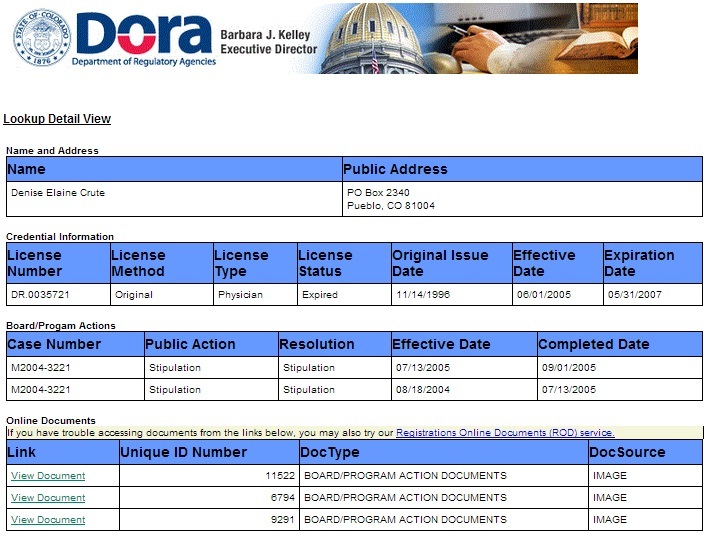
In another example – as seen below – we’ve looked up a surgeon at the Colorado Medical Board.

Looking up a medical license

Looking up a medical license

– All physicians should be licensed in the state of practice (where their clinic is.)  If they aren’t licensed in that state – STOP and find another provider.  Even if the doctor claims to be from another country, he or she is STILL required to have an active license in the state they are working in.**

Here is an example of physicians sanctioned by the Texas medical board (all of this information is freely available on the internet for your safety.)


Here is another example of a surgeon with multiple medical board actions against her.

licence details

license details

Many of the state medical boards will let you read the complaints, actions and disciplinary measures against physicians licensed in that state.  However, some states allow physicians under investigation to ‘surrender’ or inactive their license to avoid having disciplinary measures recorded.

– All surgeons, or specialty doctors should also be listed with specialty boards – such as the American College of Surgeons, or the American Society of Plastic Surgery(While membership is not mandatory, the vast majority of specialty trained surgeons maintain memberships in their specialty organizations.)  Other things to consider while investigating credentials:

Do the credentials match the procedure?  (Is this the right kind of doctor for this procedure?)

These credentials should match the procedure or treatment you are looking for: such as Plastic surgeons advertising breast augmentation.

This may sound obvious but it isn’t always the case.  (for example:  dermatologists shouldn’t be doing eyelid lifts or plastic surgery, primary care physicians shouldn’t be giving Botox injections, general surgeons shouldn’t be performing lung surgery etc.)
If you aren’t sure what procedures the doctor should be performing, look at the specialty surgery board – it should list the procedure.  i.e plastic surgery and liposuction.

4.  After verifying this information, it is time to do a basic internet search on the individual.  To do this – perform both a Yahoo! and Google search.   This should give you at minimum, 10 to 15 results.

These results should include several non-circular results.  “Circular results” are results that return you to the original website, or affiliated websites.   For example: Using the information from above – both Google and Yahoo! return several results that link directly to this website.  These results also return links for the sister sites.  All these of these are circular results – that return you to the starting point without providing any additional outside information.

However, if you scroll down the results:  outside links should appear.  These should include articles/ publications or scholarly work.  Other search results may include more personal information, social networking sites and other newsworthy articles.  This gives you a more comprehensive picture of the provider.

One of the things we should mention, is patient testimonials.  While many providers include extensive patient testimonials, I disregard these for several reasons:

– There is usually not enough information to verify the authenticity of these patient claims.  “I love my doctor. He’s a great surgeon.” – Gina S.  doesn’t really tell you anything.  In particular, there is no way to verify if there really is a Gina S. or if she is a fictitious creation of the website author.  (There have been several cases where people working for the doctors have created ficticious accounts including before and after photos talking about procedures that they never had).  Don’t be lulled into a false sense of security with patient testimonials.

– Some people use blogs, or message boards for the same purpose, and the same caveats apply.

– Another reason that patient testimonials are not useful in my opinion, is that patients (and their families) are only able to provide subjective information.  Several of the cases in the news recently (of fraudulent individuals posing as doctors) had several “happy patients’ to recommend them.  Patients, for the most part – aren’t awake and able to judge whether the surgery proceeded in a safe, appropriate fashion.  The testimonials are merely a comment on the physician’s charisma, which may give future patients a false sense of security.

I’ve finished my search – Now what?

   Use commonsense:

– Surgical treatments should be performed in an appropriate, sterile environment like a hospital or freestanding clinic.  A reputable surgeon does not operate in the back of a motor home, a motel room or an apartment.  (All of these have been reported in the media.)  If the setting doesn’t seem right – leave.  You can also investigate the clinic.

– Bring a friend.  In fact, most surgeons will require this, if you are having liposuction or another large procedure.  Doctors don’t usually drive their patients around (as was done in several recent cases.)  The exception to this rule is medical tourism packages.  These packages often include limousine transportation services but these services are provided by a professional driver (not the doctor, or ‘his cousin’).  Your friend/ companion is not just your driver – they are also there to help feel out the situation.  If something seems amiss – do not proceed.

– if the price is too cheap – be suspicious.  If every other provider in the same location charges a thousand dollars – why is this doctor only charging a hundred dollars? Chances are, it’s not a sale – and he/ she is not a doctor.

– Use reputable sources to find providers – Craigslist is not an appropriate referral source.

– Are the claims over-the-top?  Is the provider claiming better outcomes, faster healing or an ‘easier fix’ than the competition? (We will talk more about this in a future post on  “miracle cures’ and how to evaluate these claims.

I hope these hints provide you with a good start to your search for a qualified, safe, legitimate provider.  The majority of health care providers are excellent, however the internet has given criminals and frauds with an easy avenue to lure/ and trap unsuspecting consumers.

** The majority of cases that have been recently reported have taken place in the United States (Nevada, New Jersey, Florida and South Carolina.)  Many of the people perpetrating these crimes have posed as Latin American surgeons to capitalize on the international reputation of plastic surgeons from South America.  They also used these claims to try and explain away the lack of credentials.  A legitimate doctor from Brazil,  Argentina, Colombia, Costa Rica or another country, who is practicing in the United States WILL HAVE an American license.

Additional references/ stories on fraudulent surgeons.

(Hopefully this section will not continue to grow)

More on the Myrtle Beach story

Myrtle Beach – a nice article explaining why people should see specialty surgeons

Basement surgery

Article on unlicensed clinics in Asia (medical tourists beware!)

A truly bizarre story about unlicensed dentistry in Oregon

Additional references:

American College of Surgeons – lists doctors distinguished/ recognized as “fellows” in the academic organization, and provides a brief summary of specialties.

Plastic Surgery: Breast Augmentation news


For all of my devoted readers, who have been wondering what I have been doing since I returned from my latest trip to Bogota:

Still traveling around, still interviewing surgeons whenever I get the opportunity.  Today, I spent the day in the operating room in Fresno, California watching a very large cardiac surgery case (Aortic valve replacement/ Mitral valve replacement/ Tricuspid Repair (annuloplasty) with multi-vessel bypass) with Dr. Richard Gregory, MDa native Fresno resident and cardiothoracic surgeon at St. Agnes Medical Center, in a Stanford affiliated surgery program.  Today’s case seems to tie in (unplanned) with our previous discussions on valve surgery last week.  It was a great – but complex case.

The facility is a private boutique specialty hospital; elegantly appointed with large, well-lit operating rooms.  The surgeon was experienced and talented.  Most importantly, the patient did beautifully.

All international/ national protocols followed with pre-operative time-out (which consists of several criteria to meet the National Surgical Quality Improvement Project (NSQIP) requirement.  (More about this and the surgical apgar scoring system is detailed in Bogota! a hidden gem guide to surgical tourism).  Sterility was maintained throughout the case – and the patient’s hemodynamic needs were promptly and properly addressed.  Continuous Anesthesia / Perfusion monitoring through out the case.

Surgical Apgar scores not applied (not appropriate for this type of case.)

In other surgery news – this time, plastics and aesthetics – the Food and Drug Administration released a new statement today cautioning consumers on the use of Silicone breast implants.  Previously, the FDA had attempted to limit the use of silicone-filled breast prostheses but had been met with significant resistance from groups of consumers who preferred silicone implants over saline filled implants.

In the article (re-posted below) the FDA states that while previous concerns regarding health complications related to the use of silicone implants such as silicone toxicity/ silicone poisoning have not been validated – the FDA cautions that over 20% of women will need to have their breast implants removed within ten years of implantation.  This data confirms information provided during previous interviews with plastic surgeons, who stressed that breast implants are NOT a lifetime device, and several surgeons who stated, “Most patients will need the implants changed within ten years.”  [notably, during these physician inteviews – the plastic surgeons were not specifically talking about silicone breast implants.]

Article Re-post: Medscape

Long-term complications likely with silicone breast implants 

Mark Crane

June 22, 2011 — Silicone gel–filled breast implants are safe and effective when used according to their labeling, but the longer a woman has the implants, the more likely she is to experience complications, the US Food and Drug Administration (FDA) said in a new report released today.

“Breast implants are not lifetime devices,” Jeffrey Shuren, MD, JD, director of the FDA’s Center for Devices and Radiological Health, said during a telephone news conference. “One in 5 patients who received implants for breast augmentation will need them removed within 10 years of implantation. For patients who received implants for breast reconstruction, as many as half will require removal 10 years after implantation.”

Women with silicone breast implants will need to monitor their breasts for the rest of their lives. To screen for silent ruptures, women should undergo magnetic resonance imaging 3 years after implantation, and then every 2 years thereafter, Dr. Shuren said. Women with saline implants do not need regular imaging.

When the FDA allowed silicone breast implants back on the market in November 2006, it required manufacturers to conduct follow-up studies to learn more about the long-term performance and safety of the devices. The FDA’s report is based on preliminary safety data from these studies, as well as other safety information from recent scientific publications and adverse events reported to the agency.

The most frequently observed complications and adverse outcomes are tightening of the area around the implant (capsular contracture), additional surgeries, and implant removal. Other complications include a tear or hole in the outer shell (implant rupture), wrinkling, uneven appearance (asymmetry), scarring, pain, and infection.

Studies to date do not indicate that silicone breast implants cause breast cancer, reproductive problems, or connective tissue disease, such as rheumatoid arthritis, the FDA said. However, no study has been large enough or lasted long enough to completely rule out these and other rare complications.

“Most women report high levels of satisfaction” with their implants, Dr. Shuren said.

The FDA is working with the 2 manufacturers who make silicone breast implants, Allergan and Mentor, to address the challenges in collecting follow-up data on the women who have received these implants.

Approximately 5 to 10 million women worldwide have breast implants. In the United States, 296,203 breast augmentation procedures and 93,083 breast reconstruction procedures were performed last year, according to the American Society of Plastic Surgeons. About half the procedures used saline implants, and half used silicone implants.

Patients with either saline or silicone implants may have a very small risk for a rare cancer called anaplastic large-cell lymphoma (ALCL) adjacent to the implant. However, the risk is “profoundly small,” said Dr. Shuren. “Since 1997, there are only 34 cases in the published literature, and at most 60 cases out of the 5 to 10 million women with implants worldwide,” he said. “We don’t yet know if there is a causal link.”

When the FDA first released information about the risk in January, William Maisel, MD, MPH, chief scientist and deputy director for science in the FDA’s Center for Devices and Radiologic Health, said the evidence suggests that the kind of ALCL found in conjunction with breast implants is less aggressive and is sometimes treatable by simply removing the implant, the capsule, and the collected fluid.

“The FDA will continue to monitor and collect safety and performance information on silicone gel–filled breast implants, but it is important that women with breast implants see their healthcare providers if they experience any symptoms,” Dr. Shuren said. “Women who have enrolled in studies should continue to participate so that we may better understand the long-term performance of these implants and identify any potential problems.”

The FDA is holding an expert advisory panel in the next few months to discuss how postapproval studies on breast implants can be more effective.

The FDA will issue an update at a future date on saline implants, Dr. Maisel said.

All serious adverse effects should be reported to the breast implant manufacturer and Medwatch, the FDA’s safety information and adverse event reporting program, by telephone at 1-800-FDA-1088, by fax at 1-800-FDA-0178, online at https://www.accessdata.fda.gov/scripts/medwatch/medwatch-online.htm, or by mail to MedWatch, FDA, 5600 Fishers Lane, Rockville, Maryland 20852-9787.

Gastric banding versus gastric bypass: Easy?


Another example in the realm of surgery where easiest doesn’t equal most effective: gastric banding (lap-band). This is one of those procedures highly touted in American medicine – and heavily advertised on television as an ‘easy’ way to lose weight..

First, let’s get some things clear – the ‘easy’ mentality needs to go away in medicine, and so does the pushing of this concept with patients.. None of this; not surgery, weight loss drugs, or conventional treatment is easy for the patient..It’s all hard work, so don’t mislead your patients – that sets them up for failure..

In the article linked here (from the LA times, February 2011) the two doctors interviewed do their best to avoid answering the easy/ effective question. “I let the patient decide,” which is a royal cop-out. Patients come to doctors for expert opinions and recommendations not wishy-washy information that doesn’t present the facts and evidence. The picture accompanying the article is disturbing as well, since it’s captioned as a patient awaiting lap-band.. The patient is clearly morbidly obese – yet is undergoing the least effective option available!

What makes this frustrating to me – is that in talking to patients – is that it’s usually such a long road to even get to bariatric surgery.. Contrary to popular belief and tabloid reporting, the majority of overweight people don’t jump to bariatric surgery.. These patients spend years (sometimes decades) dieting, gaining and losing weight..
This isn’t always the case in other countries where surgery is more readily available – but in the USA where insurance coverage or lack there of, usually dictates care – bariatric surgery is usually the end of a long, frustrating road..

I know I’ve discussed this before on the site – but I feel that there needs to be transparency in treatment options – and that we need to do away with the ‘easy’ concept whether it’s bariatric surgery, stents or even medications.. Don’t sell people easy – give them safe, proven and effective.

I’ll be updating the article over the next few days with links for more information – and hard facts about surgical options and obesity surgery.

Related Articles: Free full-text links: (my titles, the actual titles are a bit longer)

1. It’s Not Easy – a study looking at the patients perspective, and perceptions before and 2 years after bariatric surgery.

2. Current treatment guidelines and limitations – a discussion of current treatment guidelines in the USA and Canada

3. German study with 14 year outcomes after gastric banding – this is a nice study because they use terms that are easily understood for laypeople – and shows decent outcomes for patients with this procedure

4. Single port bariatric surgery – this has been a hot topic over at the sister site. This article discusses the most recent innovations in surgical techniques for bariatric surgery.

5. A review of the current data (2008) surrounding bariatric surgery, obesity, and diabetes and the cost of care.
This is a particularly good article (reviews often are) because it gives a nice summary of multiple other studies – so intead of reading about eight patients in Lebanon or some other small group – you are getting a good general overview..also it gives a good idea the scope of the problem..

I’m trying to collect a wide range of articles for patient education; unfortunately, since surgeons in Latin America are on the forefront of bariatric surgery – a lot of the most interesting articles are in Spanish and Portuguese (or paid articles). i haven’t posted the translations since they are secondary source and all of the other citations are primary source.

Bariatic surgery, revisited


In honor of the Latin-American Bariatric Surgery Congress, currently in progress in Cartagena – (since I couldn’t make time in my research to go) I am posting a brand new article about bariatric surgery and the severely obese. It seems American medicine is finally starting to catch up, and take notice..

It’s hard concept out there – and I still have trouble with it myself, sometimes.. In our society, it seems we are too busy blaming ourselves, and others for being overweight and attaching labels; ‘lazy’, to really see how fundamentally things need to change to improve our health as a nation.

From my perspective, down here in Bogota – it’s interesting, because I am seeing Colombians just beginning to start to struggle with obesity – as more and more imported snack foods, and fast foods replace traditional diets. Obese people are still very rare here – and after several months, I can still say I’ve not seen a single super-obese person here, but the ‘chubbies’ are starting to grow in number..

At the same time, by being in such a walkable city, and having access to (cheap!), delicious, ripe fruit every day, I’ve managed to lose over ten pounds with almost no effort.. I’ve been tracking my walking, and I walk about 6 to 10 miles a day with my various errands. But these are things that aren’t readily available – in the urban sprawl of American life.. A week’s worth of fruit for several meals for ten dollars? Not hardly, unless you gorged yourself on bananas every single day..

Surgery as a solution seems drastic to American healthcare providers, myself including.. Removing/ destroying a perfectly functioning organ.. But then – when you look at the drastic effects, and the desperate states our patients are in – Bariatric surgery really is as lifesaving as cardiac surgery for many people.. Until we change society as a whole (which may never happen), we need to help these individuals regain their health,and their lives..

Bariatric Surgery for the Severely Obese

In the meantime, everyone, stay away from soft drinks (all soft drinks, including ‘diet drinks’, juices and fruit drinks, sweet tea) and stick to water, plain tea. Coffee too – if you remember not to load it up with too many calories.. Try it for a month, and I wager you will be unable to go back to the supersurgery drinks you formerly enjoyed out cringing..

Today’s headlines: Obesity Kills


Everyone knows this already – but finally some scientists sat down and worked it out for the rest of us:  Obesity Kills!

Seems like a pretty timely article: Obesity Increases Risk of Deadly Heart Attacks – over on WebMD..

Here I am in Bogota, spending much of the week with Bariatric surgeons; discussing procedures, outcomes, meeting patients..

More news on Bariatric Surgery & Diabetes


I’ve re-posted the lastest medical article from medscape on Bariatric Surgery in Diabetes Mellitus.  As many of you know, I have a special interest in Bariatrics/ Diabetes due to the increased incidence of cardiovascular complications.  However, here in the USA – it’s easier to get cardiac bypass surgery then gastric bypass..

So – instead of helping people with real medical problems – we wait for drastic complications (heart attacks etc.)  Even then, society in general and medical society in particular can be rather judgemental about obese patients.  In stead of judging – make the information more available, and give people an opportunity to decide for themselves.

This is a straight cut and paste, with no editing or editorializing (except my comments above) for my interested readers.  Also – please let me know what other surgical procedures you are interested in hearing about and I will post articles with helpful information.

Authors and Disclosures :Journalist Daniel M Keller, PhD Daniel M. Keller is a freelance writer for Medscape. Daniel M. Keller has no disclosures.

From Medscape Medical News:

 Remission of Type 2 Diabetes Can Occur Within a Week of Gastric Bypass Surgery

Daniel M. Keller October 1, 2010 (Stockholm, Sweden) — Twelve patients with type 2 diabetes had improvements in insulin sensitivity and beta cell function just 1 week after Roux-en-Y gastric bypass surgery (RYGB), with concomitant reductions in fasting and 2-hour postprandial plasma glucose levels, compared with preoperative levels, according to a poster presentation here at the European Association for the Study of Diabetes 46th Annual Meeting. Lead author Nils Bruun Jørgensen, MD, from the Department of Endocrinology at Hvidovre Hospital in Denmark, showed evidence that the improvements in insulin sensitivity and beta cell function were associated with a 16-fold increase in secretion of glucagon-like peptide 1 (GLP-1). Type 2 diabetes patients with fasting plasma glucose of more than 7.0 mmol/L at the beginning of the study were given a mixed-meal tolerance test 1 to 3 days before and 4 to 6 days after surgery. The 200 mL, 1260 kJ liquid meal provided 15% of energy from protein, 50% from carbohydrate, and 35% from fat. The average age of the patients was 51.8 years, 7 were male, and they had diabetes for an average of 5.2 years. Significant reductions in fasting and in 120-minute postprandial plasma glucose levels occurred after surgery, compared with preoperative values (see table). Similarly, there were decreases in both fasting insulin and C-peptide serum levels. Subject Characteristics and Laboratory Values Before and After RYGB Surgery Variables Pre-RYGB Post-RYGB Change P value Glycated hemoglobin 7.0 ± 0.3 Fasting plasma glucose (mmol/L) 8.8 ± 0.7 7.0 ± 0.3 –21.2% .005 120-min plasma glucose (mmol/L) 11.4 ± 0.8 8.2 ± 0.7 –28.5% <.001 Fasting serum insulin (pmol/L) 132 ± 22 73 ± 9 –44.6% .006 Fasting serum C-peptide (pmol/L) 1542 ± 151 1175 ± 172 –23.8% <.001 Weight (kg) 129.8 ± 4 127 ± 3.8 –2.2% .001 Body mass index (kg/m2) 43.3 ± 1.5 42.4 ± 1.5 –2.1% .001 Waist (cm) 130.8 ± 2.9 131.3 ± 2.6 0.4% .734 Hip (cm) 121.0 ± 2.9 118 ± 2.7 –2.5% .051 Using the homeostasis model assessment of insulin resistance (HOMA-IR), Dr. Jørgensen determined that insulin resistance decreased by 54%, from 6.9 ± 1.0 before to 3.2 ± 0.43 after RYGB (P = .001). The Matsuda Index, a measure of tissue insulin sensitivity, increased in parallel with the decrease in insulin resistance, going from 2.58 ± 0.38 before to 4.16 ± 0.55 after RYGB (P = .01). “We also looked at the C-peptide levels in response to the meal, and although we couldn’t show any significant difference in the individual postprandial sample points, what we did get was an impression of the changed secretion dynamics, and we could show an increased incremental area under the curve for C-peptide,” he said. The area under the curve of concentration for C-peptide over time increased significantly after surgery (P = .04). The disposition index, a measure of the relation between the sensitivity of beta cells to glucose and tissue sensitivity to insulin, “improved dramatically,” according to the investigators. “We found a significant increase in the beta cell function, and when we related this to the ambient insulin resistance, we found a 3-fold increase in the disposition index,” according to Dr. Jørgensen — from 54 ± 12 before to 157 ± 30 after RYGB (P = .001). To determine the underlying cause of these improvements, the researchers investigated secretion of incretins, and “found a significant and very dramatic increase in the GLP-1 secretion after surgery,” he said. GLP-1 peak plasma levels increased 5.6-fold after surgery, compared with preoperative values (P < .001), and the incremental area under the curve for plasma GLP-1 was 16 times greater after than before RYGB (P < .001). There was no observed change in gastric inhibitory polypeptide. In conclusion, “gastric bypass surgery significantly reduced fasting plasma glucose levels and 2-hour postprandial glucose levels. These changes were associated with increased insulin sensitivity and beta cell function, and may involve the increased secretion of GLP-1,” Dr. Jørgensen told the audience. Discussion leader Ele Ferrannini, MD, professor of medicine at the University of Pisa Medical School in Italy, asked Dr. Jørgensen about the potential influence of caloric deprivation on the findings, “which would mimic these data almost perfectly,” Dr. Ferrannini said. Dr. Jørgensen replied that he could not dissect such a proposed mechanism from the results he saw after RYGB. Dr. Ferrannini noted that the literature contains studies of patients with type 2 diabetes who were subjected to low-calorie diets in the range used in this study. “And their findings, with the exception of the release of GLP-1, were precisely what is here, so this is a confounder in this particular finding,” he said. An audience member noted that the patients in this study had diabetes for an average of a little more than 5 years, and wondered what would be the result if one performed RYGB on patients who had their disease and had been on insulin much longer, in essence, questioning whether there would be enough preserved beta cell function to see effects similar to those in this study. Dr. Ferrannini replied that “there is evidence that . . . the longer the duration of diabetes, . . . the lower the remission rate, particularly if you look a year later. Any diabetic will go into remission if you starve them, but when they start eating again [after they lost weight], a year later or 2 years later, some will be in remission, others will not be in remission or will be halfway between remission and nonremission. Those that have had the disease the longest . . . may relapse if they remitted initially.” “And then to the point of the insulin secretion — it’s true that it’s not really very much higher, but this is in the face of lower glucose levels. So if you construct a kind of relationship between the insulin and the concomitant glucose levels, there will be an input, and this can be attributed also to the GLP-1. What you cannot ascribe to the increased GLP-1 levels is any improvement in insulin sensitivity, because of a lack of evidence that GLP-1 has any influence on insulin action,” Dr. Ferrannini said.

Dr. Jørgensen reports that his doctoral studies were partially funded by Novo Nordisk, and that 2 of his coauthors are Novo Nordisk employees. Dr. Ferrannini has disclosed no relevant financial relationships. European Association for the Study of Diabetes (EASD) 46th Annual Meeting: Abstract 668. Presented September 23, 2010. Medscape Medical News © 2010 WebMD, LLC