Talking to Dr. Juan David Londoño, plastic surgeon


Dr. Juan David Londoño, plastic surgeon

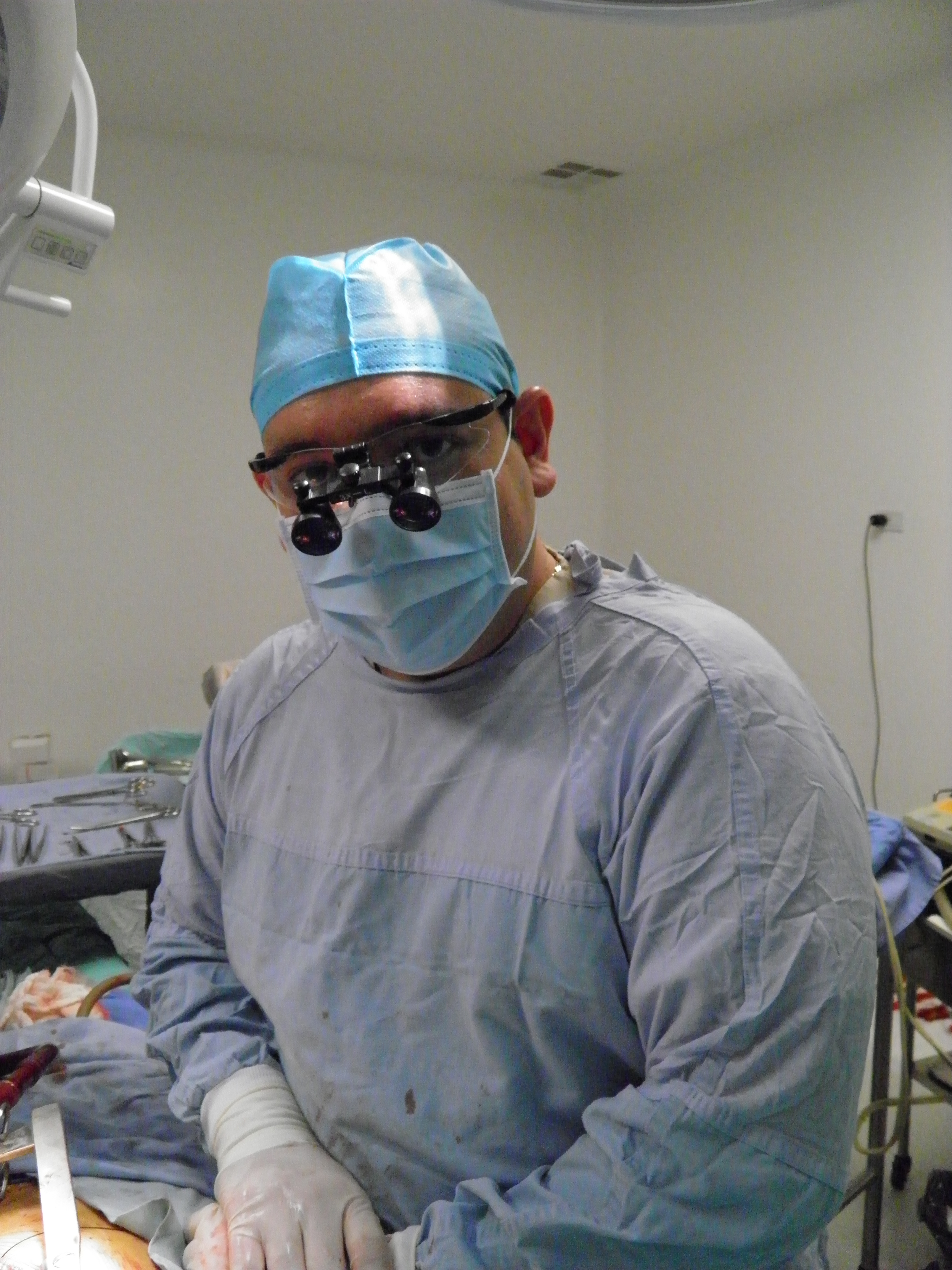
Dr. Juan David Londoño, plastic surgeon (photo provided)

Dr. Juan David Londoño is a plastic surgeon here in Medellin who specializes in body procedures such as liposuction, abdominoplasties and breast augmentation.

He shares an office with Dr. Jorge Aliro Mejia Canas in the Forum building, next to the Santa Fe shopping mall in the upscale Poblado neighborhood.

He is also one of just a handful of surgeons here who specialize in hair restoration.

Dr. Londoño attended medical school at the Universidad de Antioquia, graduating in 1995.  He completed his plastic surgery residency at the same institution and completed his training in 2003.  While he trained in both reconstructive and aesthesthic plastic surgery, he states that he prefers aesthetic surgery because of the close relationship it entails with patients.

Today we talked primarily about Hair Restoration procedures because it’s his favorite procedure, and one I don’t know much about.

Patience is the key, he states as he explains the ins and outs of hair restoration treatments.  Patience was certainly the order of the day as he carefully and graciously explained the principles of hair transplantation to me.  Patience is necessary he explains, as in, there is no ‘quick fix’.  Hair restoration techniques have evolved with the development of newer procedures but it remains a painstaking process.

Not just for male pattern baldness

While people traditionally think of this treatment as exclusively for male pattern baldness, women also undergo hair restoration in cases of thinning hair.  People can also use this treatment to restore hair to other areas of the body such as the eyebrows (or as commonly publicized in Turkey) for beard restoration.

Treatment options

As Dr. Londoño explains, there are a range of treatments available for the treatment of hair loss, such as male pattern baldness, or thinning hair.  While these treatments run along a continium of scalp massage –> medications  –> surgery; these treatments can also be used to compliment each other.

Probably the best well-known treatments are the medications such as topical applications of minoxidil  (Rogaine) or oral (finesteride) Propecia tablets.  Many people are familiar with these medications due to long-standing and widely viewed pharmaceutical advertisements in the early and late 1990’s.   Both of these medications were originally developed to treat other conditions (hypertension and BPH) and hair growth was quickly noted to be a frequently occurring side effect.   These medications underwent additional clinical trials and study by the FDA before being re-formulated (as a topical spray), in the case of minoxidil, and re-marketed to treat hair loss.

However, these medications are less than ideal for treating a long-term problem like hair loss.  While the medications can prevent additional hair loss, in most cases – additional hair growth is modest and requires continued medical therapy (pills) to maintain.

Scalp massage, is believed to stimulate blood circulation in the scalp and improve the health of the scalp and hair.  It is also quite pleasant for most people.  However, the results of scalp massage as a sole treatment are minimal at best when it comes to the treatment of alopecia.

Surgical methods of hair restoration

The original surgical methods of hair transplantation (or hair restoration) are more widely known for their limited results.  “Hair plugs” refer to the artificial appearance due to the technique of implanting a group of hair in one area, with the finished results often having a row-like appearance (like a doll).

More modern techniques include the strip method, and the most recent technique called Follicular Unit Extraction (FUE).

With the strip method a small area of scalp on the back of the head (where hair is usually the densest, and has the greatest longevity) is surgically removed in a long strip.  The scalp is then sutured closed, leaving a small linear scar.  The area of scalp, and hair follicules are then used for implantation.  By taking a portion of the scalp, the surgeons are able to ensure that the critical portion of the hair shaft – the root is preserved.  This root is needed for hair to survive and grow after implantation.

With the newer Follicular Unit Extraction, each hair, including the root is extracted using a 1mm punch biopsy technique.  (This is like a skin biopsy punch but much smaller.)  Since each root is extracted individually, this is a painstaking and time consuming process.  He reports that depending on the degree of hair loss, the length of the sessions and the results desired by the patient – determines the number of sessions a person will need.   Since this procedure requires multiple sessions, some patients elect for shorter sessions but require a higher number of sessions since this is often more convenient for the schedules of working people.

The first treatment is usually done to re-establish the natural hairline.  Subsequent treatments are needed to fill in areas of hair loss.

For patients who have very little remaining head hair, hair can be taken from other parts of the body.  In general, surgeons use hair from areas (like the so-called “fringe area”) where hair persists despite months or years of hair loss.  These areas are less likely to have hair that will succumb to the processes that caused alopecia in these individuals.

There are newer methods of FUE which use a more automated process, but as Dr. Londoño explains this often incurs a higher cost – and does not improve the outcomes (but does shorten the process somewhat.)  He has the Artas Robot to assist him with the process, (if needed), but cautions readers not to be fooled by surgeons advertising the latest and greatest machinery.  We digress into a conversation about general plastic surgery and the widespread advertising of specifically trademarked (and very expensive) equipment such as SlimLipo, Ultrasound and Vaser.

It’s more about the surgeon than the tools

He cautions consumers not to be fooled into thinking that having the most expensive equipment equals the best surgeon as often these devices are employed only to attract customers and command more expensive prices.  As we discussed in a previous post, these devices were designed for specific uses that may not even be needed for many clients.

Why should patients pay for ultrasound-assisted liposuction when standard liposuction will be equally effective in their case? That’s kind of how he feels about the hair transplant robot.  He has it – and he will use it if he needs it, but it isn’t for everyone.

Results take time

Results of this procedure are not immediate.  The scalp takes time to heal from the transplant procedure, and the newly implanted follicules need to adjust to the transplantation process.   Usually, the initially transplanted hair sheds – leaving living, hair producing roots behind.  These hair roots will then grow new hair as part of the normal hair growth cycle.  But hair takes time to grow – so many patients won’t see the full results of their procedure for up to six months afterwards as the hair grows in to the patient’s normal length.

Costs of the procedure

The near universal standard for hair restoration at many facilities is a dollar a hair.  When you consider that the average (full) head of hair contains 100,000 hairs – the potential costs of this procedure* can be daunting.  However, Dr. Londoño does not apply a “one price fits all” approach to his patients.  Instead his assesses the client, their restoration needs (a small area versus the entire coronal area), the amount (and type) of treatments involved, and the expected results before determining a price.  It is a more personalized and individualized accounting that may not suit some medical tourists who are looking for bargain basement prices however, it seems a better practice.

Dr. Londoño, hair transplant specialist

Dr. Londoño, hair transplant specialist

Dr. Juan David Londoño

Calle 7 sur N. 42-70

Edificio Fórum Poblado,

consultorio 511

Medellin, Colombia

Telé: 448489 or 3140478

Email: ciruplas2@une.net.co

Website: www.cirplalondono.com

Speaks primarily Spanish.

*Generally patients would only need a small fraction of this number for hair restoration.

References and Resources

Khanna M. (2008). Hair transplantation surgery.  Indian J Plast Surg. 2008 Oct;41(Suppl):S56-63.  An excellent overview of the procedures used in hair transplantation with photographs depicting these techniques and results.

Rashid RM, Morgan Bicknell LT. (2012).  Follicular unit extraction hair transplant automation: options in overcoming challenges of the latest technology in hair restoration with the goal of avoiding the line scar. Dermatol Online J. 2012 Sep 15;18(9):12.  The authors compare automated FUE extraction (and limitations) with manual extraction.

Note: the feature photograph(on the front page) has been heavily edited (by me) to depict a gentleman with a receding hairline.  This model actually has a lovely head of hair, but I did not want to use the photo of a real person without permission.  (This photo is open source). This photo is for article art only and is not an attempt to dupe or trick readers.  It is my policy to always disclose when photos have been altered from the original image.

Talking with Dr. Jhon Jairo Berrio about vascular disease and Prostaglandin E1


XXIX Congreso Latinoamericano de cirugia vascular y angiologia

Santa Cruz de la Sierra, Bolivia

Dr. Berrio, Vascular Surgeon, Tulua, Colombia

Dr. Jhon Jairo Berrio is  the Chief of Vascular Surgery at the Clinica San Francisco, Tulua, Colombia, which is a small community outside of Cali.  He attended medical school in Colombia, completing his general surgery residency at Hospital clinics for Carlos.  He completed additional training at New York University and he completed his vascular surgery residency in Bogota at the Hospital de Kennedy  and trained under the instruction of Dr. Albert Munoz, the current president of the Association of Latin American Vascular Surgery and Angiography (ALCVA) .  He does a range of vascular procedures such as aortic aneurysm repair, fistula creation as well as endovascular surgery but his favorite procedures are limb salvage procedures such as aorto-femoral bypass, femoral-popliteal bypass and other treatments designed to prevent amputation.

He is here in Bolivia giving a presentation on the use of Prostaglandin E1 for critical ischemia / and last chance limb salvage.

Today we are talking to Dr. Berrio about the use of prostaglandin E1 (Iloprost/ iprostadil) for peripheral vascular disease (PAD).  In the past, we have used a myriad of treatments including statins, pentoxifylline, clopidogrel and even quinine for the prevention and relief of claudication symptoms.  However, all of these previous agents are designed for early PAD and are only minimally effective at treating later stages of disease.  Treatment of severe disease (rest pain or ulceration/ ischemia wounds) has been limited to stenting (angioplasty) and surgical revascularization – but this strategy often fails for patients with microvascular disease (or disease that affects vessels that can not be operated on.)

Last effort at Limb Salvage in critical ischemia

No – Prostaglandin E is not some magic ‘panacea’ for peripheral vascular disease.  There is no such thing – but it is a medication in the treatment arsenal for vascular surgeons – and it has shown some promising results particularly in treating limb-threatening ischemia.  In fact, the data goes back over 20 years – even though most people in the United States have never heard of it.  That’s because prostaglandin E1 is more commonly used for other reasons in the USA.  It is a potent vasodilator, and in the US, this medication is often used in a different (aerosolized form) for primary pulmonary hypertension.  It is also used for erectile dysfunction.  Despite a wealth of literature supporting its use for critical ischemia it is not currently marketed for such use in the United States – and thus – must be individually compounded in a hospital pharmacy for IV use.  Supplies of this medication in this form are often limited and costly.

Intravenous Prostaglandin E1

This medication offers a desparately needed strategy for patients with critical ischemia who (for multiple reasons) may not be surgical candidates for revascularization and is a last-ditch attempt to treat ‘dry’ gangrene and prevent amputation and limb loss.  Since more than 25% of all diabetes will undergo amputation due to this condition – this is a critical development that potentially affects millions of people.  (Amputations also lead to high mortality for a variety of reasons not discussed here.)

What is Prostaglandin E1?

As mentioned above, prostaglandin E1 is a potent vasodilator – meaning it opens up blood vessels by forced the vessels to dilate.  This brings much-needed blood to ischemia tissue (areas of tissue dying due to lack of blood.)

Treatment details:

A full course of treatment is 28 days.  Patients receive 60 micrograms per day by IV.

Patients must be admitted to the hospital for observation for the first intravenous administration of prostaglandin E1.  While side effects such as allergic reactions, rash or tachycardia are rare – since this medication is given as an IV infusion, doctors will want to observe you for the first few treatments. The most common side effect is IV irritation.  If this occurs the doctors will stop the infusion and dilute it further to prevent discomfort.  Once your treatment has been established, doctors may arrange for you to have either out-patient therapy at an infusion center, or home health – where a nurse comes to your house to give you the medication.

The surgeons will evaluate your legs before, during and after treatment.  If the ischemia or rest pain are not improving, or worsen during treatment – doctors may discontinue therapy.

Prostaglandin E1 therapy is compatible with other medications for PAD such as clopidogrel, aspirin, pentoxifylline and statins, so you can continue your other medications for PAD while receiving this treatment.  However, if you are taking nitrates such as nitroglycerin, (Nitro-dur, Nitropaste) or medications for pulmonary hypertension or erectile dysfunction – please tell your surgeon.

In Colombia, the average cost of the entire course of treatment (4 weeks of daily therapy) is 12 million Colombian pesos.  At today’s exchange rate – that is  a little under $ 7000.00  (seven thousand dollars, USD).

While this is a hefty price tag – it beats amputation.  In some cases, arrangements can be made with insurance companies to cover some of the costs.  (Insurance companies know that amputation-related costs are higher over the long run, since amputation often leads to a lot of other problems due to decreased mobility).

Additional Information about Dr. Berrio:

Dr. Jhon Jairo Berrio, MD

Vascular surgeon

Calle 414 – 30

Buga, Colombia

Tele: 236 9449

Email: vascular@colombia.com

Speaks fluent English, Espanol.

References/ Additional information about peripheral arterial disease (PAD) and prostaglandin e1

Pharmacotherapy for critical limb ischemia  Journal of Vascular Surgery, Volume 31, Issue 1, Supplement 1, January 2000, Pages S197-S203

de Donato G, Gussoni G, de Donato G, Andreozzi GM, Bonizzoni E, Mazzone A, Odero A, Paroni G, Setacci C, Settembrini P, Veglia F, Martini R, Setacci F, Palombo D. (2006).  The ILAILL study: iloprost as adjuvant to surgery for acute ischemia of lower limbs: a randomized, placebo-controlled, double-blind study by the italian society for vascular and endovascular surgery.  Ann Surg. 2006 Aug;244(2):185-93.  An excellent read – even for novices.

S Duthois, N Cailleux, B Benosman, H Lévesque (2003).   Tolerance of Iloprost and results of treatment of chronic severe lower limb ischaemia in diabetic patients. A retrospective study of 64 consecutive cases .  Diabetes & MetabolismVolume 29, Issue 1February 2003Pages 36-43

Katziioannou A, Dalakidis A, Katsenis K, Koutoulidis V, Mourikis D. (2012).  Intra-arterial prostaglandin e(1) infusion in patients with rest pain: short-term results.  Scientific World Journal. 2012;2012:803678. Epub 2012 Mar 12.e Note extremely small study size (ten patients).

Strecker EP, Ostheim-Dzerowycz W, Boos IB. (1998).  Intraarterial infusion therapy via a subcutaneous port for limb-threatening ischemia: a pilot study.  Cardiovasc Intervent Radiol. 1998 Mar-Apr;21(2):109-15.

Ruffolo AJ, Romano M, Ciapponi A. (2010).  Prostanoids for critical limb ischaemia.  Cochrane Database Syst Rev. 2010 Jan 20;(1):CD006544.

Volteas N, Leon M, Labropoulos N, Christopoulos D, Boxer D, Nicolaides A. (1993).  The effect of iloprost in patients with rest pain.  Eur J Vasc Surg. 1993 Nov;7(6):654-8.

In the operating room with Dr. Enrique Davalos Ruiz, Neurosurgeon


Dr. Enrique Davalos Ruiz, Neurosurgeon

Spent the morning in the operating room with Dr. Davalos.  As we discussed in a previous post, Dr. Davalos is one of just a few neurosurgeons here in Mexico to specialize in both adult and pediatric neurosurgery procedures.  He performs a wide range of procedures such surgery for cerebral tumors, spinal bifida, hydrocephalus, trauma, spinal surgery and epilepsy.  But one of the procedures he is best-known for here in Mexicali is the surgical repair of craniosynostosis.  However, if you’ve ever watched this intricate procedure – ‘repair’ really isn’t the word that comes to mind to describe the procedure.  ‘Rebuild’ is much more appropriate.

Craniosynostosis is a congenital cranial deformity caused by the premature fusion of the cranial sutures.  (These sutures allow for the babies head to be slightly compressed during natural childbirth).  Many new moms can attest that their neonate’s head was temporarily ‘squashed’ looking at birth, but normalize over the first few days as the bones relax into their natural position.  In normal development, these sutures (or ridges where the bones come together) are not yet fused  – and fuse over the first few months of life.

When the bones that comprise the skull fuse early, it can result in a significant cranial abnormality.  (Luckily, in most cases of [primary] craniosynostosis – the patient’s brain functions normally despite this.)

To treat this surgically, Dr. Davalos had to essentially rebuild part of the skull (the coronal sections of the parietal and frontal bones).   He did this by removing and reshaping the skull in separate sections and then rejoining the pieces to conform to a more natural shape.  (As a someone who sews, it reminded me of lacing a corset to get curved shaping).   In a child of this age – the bones should fuse/ heal within approximately six weeks – with no long term limitations for activities.

Sterility was maintained during the case, and everything proceeded in a rapid and appropriate fashion.  Anesthesia was proficient during the case, with excellent hemodynamic stability and oxygenation.

Dr. Davalos beveling a portion of the skull

Dr. Enrique Davalos Ruiz, MD

Pediatric and Adult Neurosurgery specialist

Calle B No 248

entre Av. Reforma and Obregon

Zona Centro

Mexicali, B. C.

In the OR with Dr. Ramos & Talking with Dr. Enrique Davalos Ruiz, Neurosurgeon


Interesting day today – as I travelled across a wide range of specialties in just a few short blocks.  I started out this afternoon in thoracic surgery with the good doc seeing patients in clinic, then off to IMSS to watch a Whipple procedure (pancreatoduodenectomy) with Dr. Gabriel Ramos.   (The Whipple procedure would be the ‘open heart’ surgery of the general/ oncology surgery specialty – it’s a complex, complicated and involved procedure – so, naturally, I loved every minute of it!)

Dr. Gabriel Ramos & Dr. Maria Rivera

Some of you will recognize the absolutely delightful Dr. Maria Rivera from one of our pictures last week (on facebook) – in which she was an absolute stunner.

Not an everyday photo – but then that case was pretty breathtaking too – (when I finish writing about it, I will post a link.)

Dr. Elias Garcia Flores, who I met briefly last week was there too.. (Of course, I didn’t recognize him since he had a mask on this time.)

Unfortunately, I couldn’t stay because I had a previous appointment to interview Dr. Enrique Davalos Ruiz, a local neurosurgeon.  He turned out to very charming and interesting..

He’s the only neurosurgeon specializing in pediatric and adult neurosurgeon for all of Baja California and Sonora.  (I’ll write more about him soon – I am hoping to head to the operating room with him next week.) He’s pretty busy working at IMSS and Hospital General de Mexicali, in addition to private practice but he didn’t seem to mind taking time to talk to me.

In the operating room with Dr. Martin Juzaino


This post is a little overdue since I was out of town for a few days.. I missed the 115 degree temps and I missed Mexicali too..

Dr. Juzaino (left) and Dr. Rivera

Usually, I go to surgery after I’ve spoken to the surgeon, and talked to them for a while but in this case – I had heard of Dr. Juzaino (after all – he practices at Hospital General de Mexicali) but couldn’t find a way to contact him – he’s not in the yellow pages, and no one seemed to have his number..

So I just hung out and waited for him when I saw his name on the surgery schedule. He was supernice, and invited me to stay and watch his femoral – popliteal bypass surgery.  Case went beautifully – leg fully revascularized at the end of the case.   Patient was awake during the case but appeared very comfortable.

intern during surgery

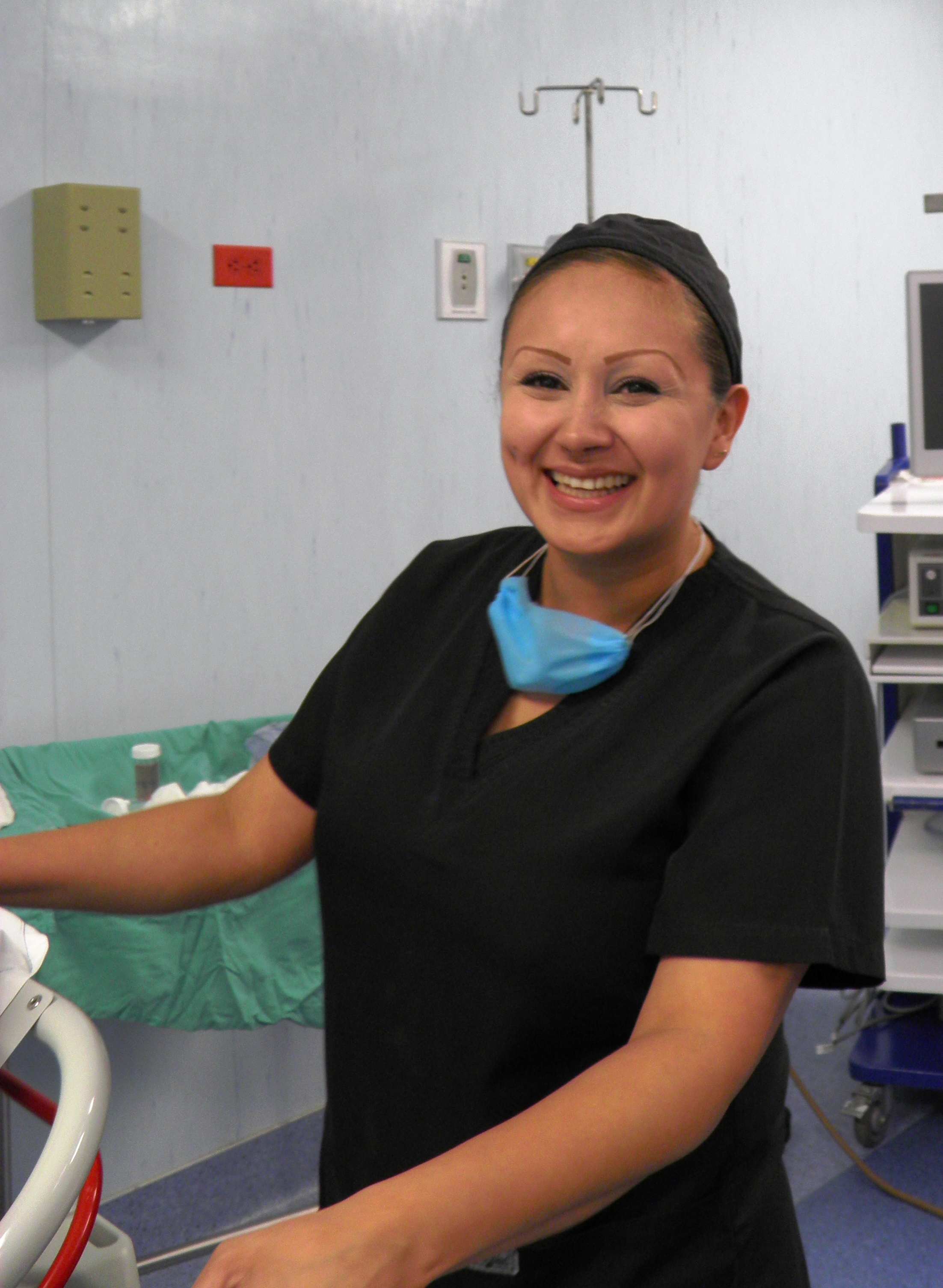
There was a beautiful intern in the surgery – her face was just luminous so I couldn’t resist taking a picture.  Unfortunately, I didn’t get her name, and no one recognizes her because of the mask – so I am hoping some one from the OR recognizes her here.. I’d like to send her a copy of the picture.. (and get permission to post it..)

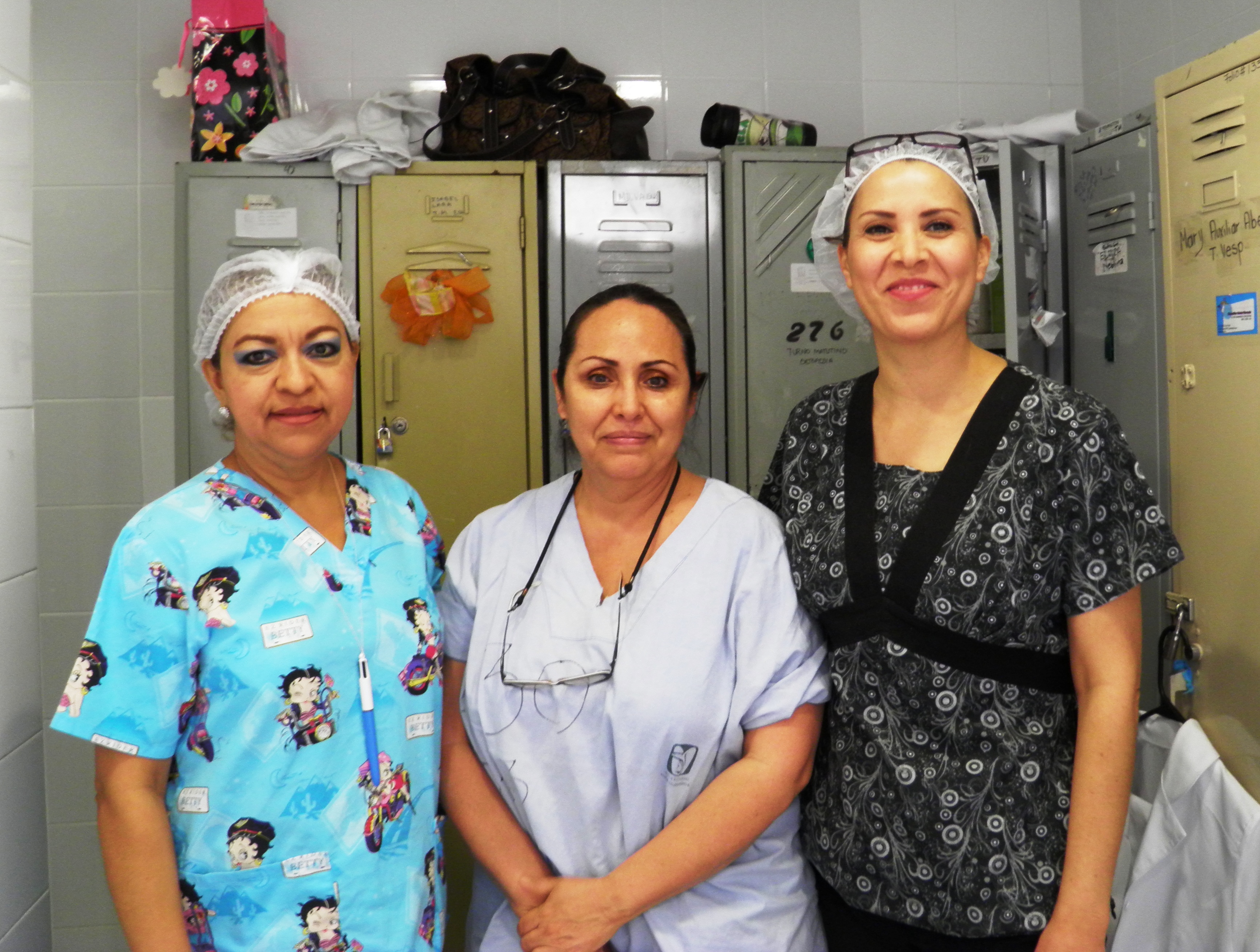
Saw Lupita Dominguez – who in the role of nursing instructor that day.  She is always so delightful – I need to get a picture of her with out the mask so all of you can see her -besides being an outstanding nurse, and nursing instructor,  she is just the friendliest, sweetest person with cute freckles to boot.. (I am very envious of people with freckles..)

On another note entirely, here’s some more information about the ethical implications of transplant tourism for my interested readers as follow up to my Examiner.com article.  It’s a video of lectures by one of the leading ethicists and transplant surgeons, Dr. Delmonico.. (yes, like the steak.)

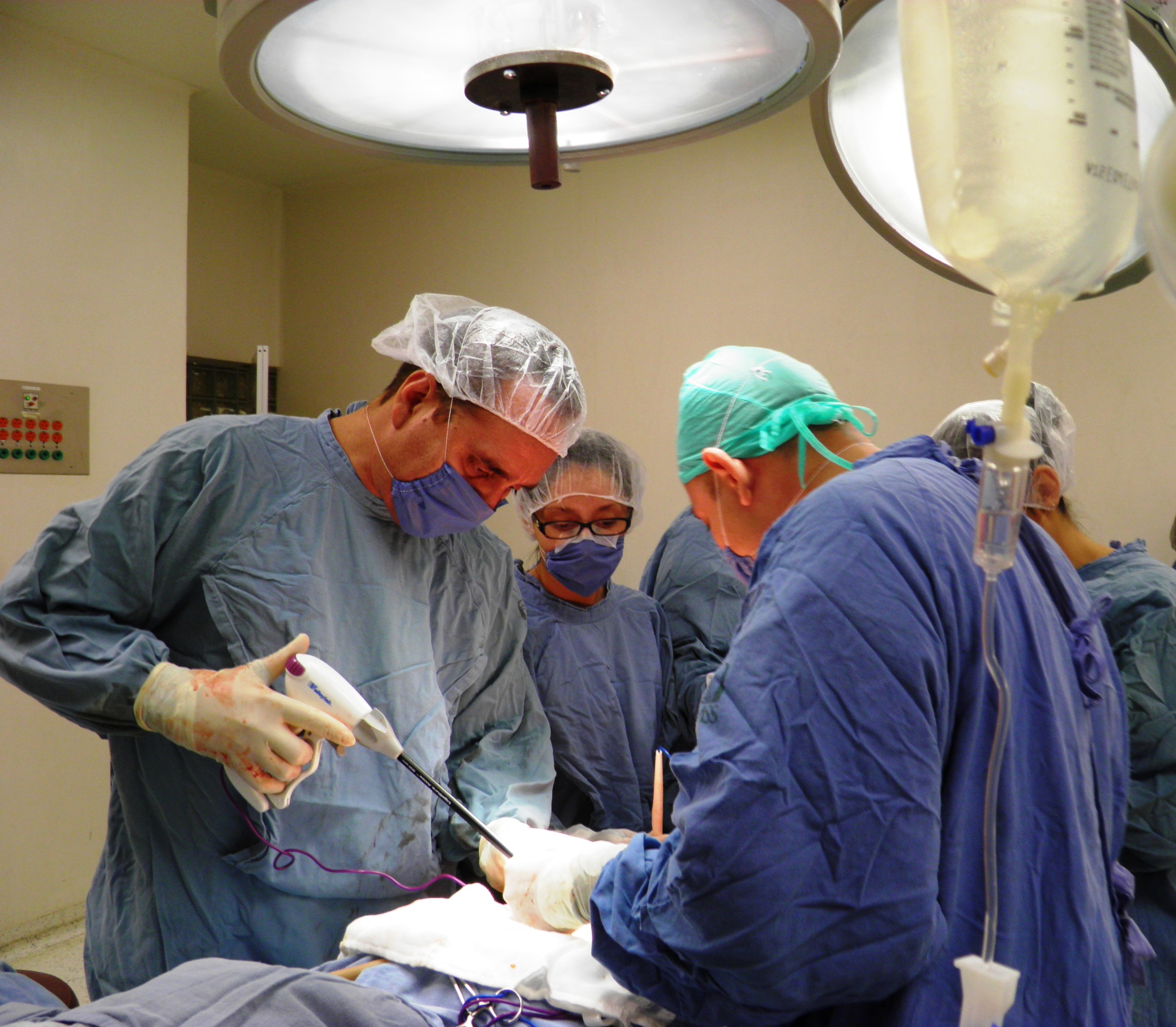
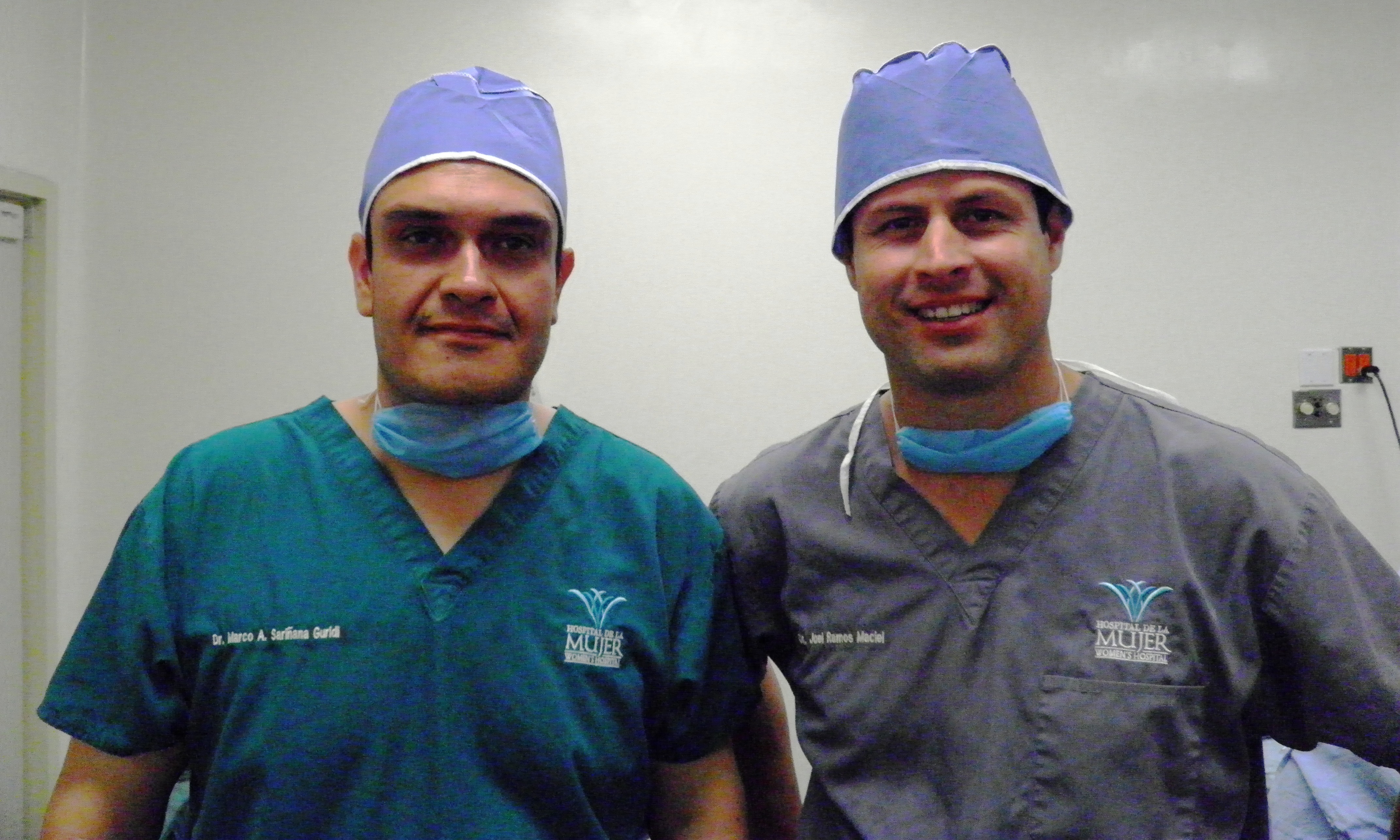
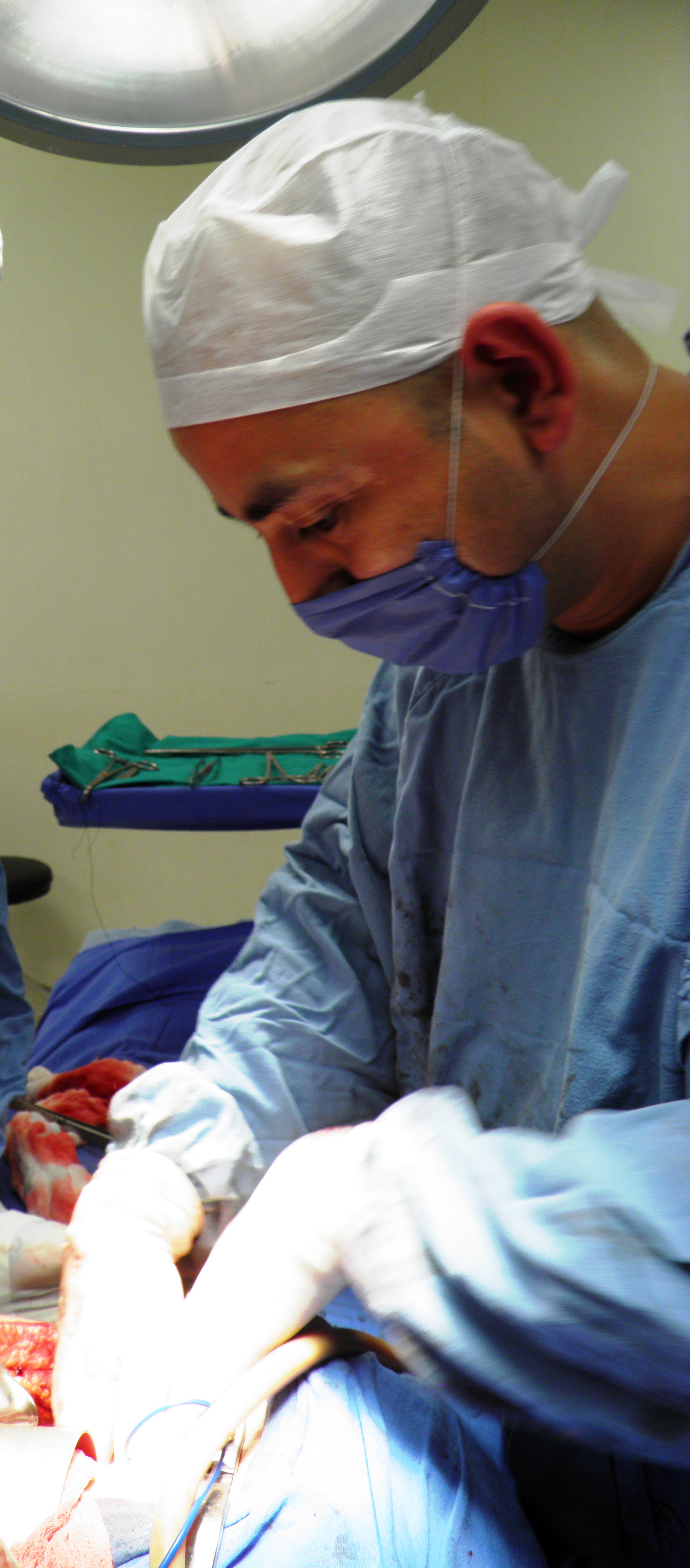
Dr. Marco Sarinana and Dr. Joel Ramos,Bariatric surgeons


Busy day yesterday – spent the morning shift with Jose Luis Barron over at Mexicali General..  Then raced over to Hospital de la Familia for a couple of general and bariatric cases.

The first case was with the ever charming Drs. Horatio Ham, and Rafael Abril (who we’ve talked about before.)  with the always competent Dr. Campa as the anesthesiologist.   (Seriously – Dr. Campa always does an excellent job.)

Then as we prepared to enter the second case – the director of the hospital asked if I would like to meet Dr. Marco Sarinana G. and his partner, Dr. Joel Ramos..  well, of course.. (Dr. Sarinana’s name has a tilde over the first n – but try coaxing that out this antique keyboard..)

So off to the operating room with these three fellows.  (This isn’t my usual protocol for interviewing surgeons, etc. but sometimes it works out this way.)  Their practice is called Mexicali Obesity Solutions.

Dr. Marco Sarinana and Dr. Joel Ramos, Bariatric surgeons

Dr. Alejandro Ballesteros was the anesthesiologist for the case – and everything proceeded nicely.

After that – it was evening, and time to write everything down!

Today should be another great day – heading to IMSS with Dr. Gabriel Ramos for a big case..

Dr. Gabriel Ramos, Oncology Surgeon


Dr. Gabriel Ramos, Oncologic Surgeon

Been a busy week  – (Yea!) but now that it is the weekend, I have a chance to post some more pictures and talk about my day in the operating room with Dr. Gabriel Omar Ramos Orozco. 

Despite living in a neighboring apartment, interviewing Dr. Ramos proved to be more difficult than anticipated.  But after several weeks, I was able to catch up with the busy surgeon.

Outside of the operating room, he is a brash, young surgeon with an off-beat charm and quirky sense of humor.  But inside the operating room, as he removes a large tumor with several cancerous implants, Dr. Gabriel Ramos Orozco is all business.

It’s different for me, as the interviewer to have this perspective.  As much as I enjoy him as a friendly neighbor – it’s the serious surgeon that I prefer.  It’s a side of him that is unexpected, and what finally wins me over.

Originally from San Luis Rio Colorado in the neighboring state of Sonora, Dr. Ramos now calls Mexicali home.  Like most surgeons here, he has a staff position at a public hospital separate from his private practice.  It is here at IMSS (Instituto Mexicano del Seguro Social) where Dr. Ramos operates on several patients during part of the extended interview.

Operating room nurses at IMSS

During the cases, the patients received a combination of epidural analgesia and conscious sedation.  While the anesthesiologist was not particularly involved or attentive to the patients during the cases, there was no intra-operative hypotension/ alterations in hemodynamic status or prolonged hypoxia.

Dr. Ramos reviewed patient films and medical charts prior to the procedures.  Patients were prepped, positioned and draped appropriately.  Surgical sterility was maintained during the cases.  The first case is a fairly straight forward laparoscopic case – and everything proceeds rapidly, in an uncomplicated fashion.  45 minutes later, and the procedure is over – and Dr. Ramos is typing his operative note.

Dr. Gabriel Ramos in the operating room

But the second case is not – and Dr. Ramos knows it going in..

The case is an extensive tumor resection, where Dr. Ramos painstakingly removes several areas of implants (or tumor tissue that has spread throughout the abdomen, separate from the original tumor).

The difference between being able to surgical remove all of the sites and being unable to remove all of the gross disease is the difference between a possible surgical ‘cure’ and a ‘de-bulking’ procedure, Dr. Ramos explains.  As always, when entering these surgeries, Dr. Ramos and his team do everything possible to go for surgical eradication of disease.  The patient will still need adjunctive therapy (chemotherapy) to treat any microscopic cancer cells, but the prognosis is better than in cases where gross disease is left behind*.  During this surgery, after extended exploration – it looks like Dr. Ramos was able to get everything.

“It’s not pretty,” he admits, “but in these types of cases, aesthetics are the last priority,” [behind removing all the tumor].  Despite that – the aesthetics after this large surgery are not as worrisome as one might have imagined.

The patient will have a large abdominal scar – but nothing that differs from most surgical scars in the pre-laparoscopy era.  [I admit I may be jaded in this respect after seeing so many surgeries] – It is several inches long, but there are no obvious defects, the scar is straight and neatly aligned at the conclusion of the case – and the umbilicus “belly-button” was spared.

after the successful removal of a large tumor

As I walk out of the hospital into the 95 degree heat at 11 o’clock at night – I admit surprise and revise my opinion of Dr. Ramos – he is better than I expected, (he is more than just the kid next door), and he deserves credit for such.

*This may happen due to the location of metastatic lesions – not all lesions are surgically removable.  (Tumor tissue may attach to major blood vessels such as the abdominal aorta, or other tissue that cannot be removed without seriously compromising the patient.)  In those cases, surgeons try to remove as much disease as possible – called ‘de-bulking’ knowing that they will have to leave tumor behind.

Dr. Ramos, HIPEC and Radio Broadcasts


Finally caught up with the busy Dr. Gabriel Ramos, MD, oncologic surgeon and spent several hours with him in the operating room at IMSS (the social security hospital) for a couple of cases on Wednesday..  I’ll be writing more about him soon.

Dr. Gabriel Ramos, Oncologic Surgeon

Yesterday was a full day with clinics here and San Luis.  Also – more homework, so I have to get some studying in before heading back in this afternoon.

On the radio with Cartagena Surgery:

Recorded my very first radio interview with Ilene Little at Traveling 4 Health..  I hope I don’t sound too bad (when I get nervous, I laugh..)  It’s not a pre-determined format, so I didn’t know the questions until she asked them – which makes it more interesting, but I sound less polished as I search my brain for names, dates, places etc.  Trying to remember the name of the researchers who published a paper in 1998, 2008, or 1978 is daunting when you worry about ‘dead air’.. I was so nervous I was even forgetting my abbreviations.  I hope it comes across better to listeners.

We talked about the books, what I do (and how I am surviving on savings to do it).  We also talked about some of the great doctors I’ve interviewed, treatments such as HIPEC as well as some of the quackery and false hope being peddled by people with a lot to gain.. I kind of wish HIPEC and quackery weren’t in the same segment.  Since it was off the cuff – I didn’t have all of my medical references and literature to talk about to distinguish the two (so if you are here looking for information on HIPEC – search around the site – I have links to on-going studies, and research going back over a decade, both here at BogotaSurgery.org .  Of course, the crucial difference between the two is:

HIPEC is a new treatment, but there is NO assurance of success – in fact, some patients die from the treatment itself.

– There is a body of scientific literature on HIPEC for advanced abdominal cancers (ovarian, uterine, etc)

Quakery or pseudo-science can be a bit trickery.  Maybe they take an existing or  promising treatment (like therapies for stroke, Parkinson’s etc.) and apply it to something else – like treatment of serious cancers.  (Yes – people will find papers written about the ‘treatment’, but these papers may not meet scientific rigor, or may not be about the condition or treatment that they are receiving.)  They also promise miracles and cures.

In medicine, even the very best doctors and surgeons can’t promise these things – because medicine itself isn’t an exact science, and different people respond to the same treatments differently – ie. one patient may have complications and another patient doesn’t.

Lastly  – we just touched on it – but I think it’s an important concept – is patient self-determination.  That no matter what I, or anyone writes, does or says – people always have the right to determine their own medical treatment.

Introducing Trish Hutton, CRNFA


Today we are talking to one of my colleagues – Ms. Trisha Hutton.

Ms. Trisha Hutton, CRNFA

Ms. Trisha Hutton, CRNFA, ACNP (student)

Trisha is a certified registered nurse first assistant (CRNFA) .   She performs procedures in the operating room such as endovascular saphenous vein harvesting (EVH) for bypass surgery, and assists in other aspects of surgery, such as suturing, retraction and tissue dissection.

  Years in the operating room:   16

  Years working in cardiac surgery:  8

We’re talking to Ms. Hutton today about her current career and her developing role as an acute care nurse practitioner in cardiothoracic surgery.   Ms. Hutton is currently pursuing her master’s degree for certification in acute care, and will be part of a small but growing sub-specialty of acute care nurse practitioners in surgical practices.

As we’ve discussed during past posts; in the midst of a primary care crisis, advanced practice nurses such as nurse practitioners have moved to the forefront of the health care arena.  While NPs have worked (successfully) in this role since the creation of the specialty in the late 1960’s – the efforts of NPs in this (and other) roles are just now being recognized.

However, for nurses like Trisha Hutton, the increasing recognition (by surgeons) of the utility of nurse practitioners IN and OUT of the operating room is equally important.  So it’s important that nurses like Ms. Hutton receive the exposure to the public that may not always be aware of their role behind the scenes in caring for patients undergoing surgery.

What prompted you to return to school to become a nurse practitioner?

 “I felt like something was missing.  It was like chapters were missing from a book,” Ms. Hutton states, explaining that while she loves her current role, assisting and caring for patients in surgery – she wants to expand her role to encompass the care of patients outside of the operating room; from admission to discharge.

Ms. Hutton (pictured on the right) in the operating room

What drew you to cardiothoracic surgery, specifically?

I have always been interested in vascular surgery, and had been trained by and a vascular surgeon (Dr. Mark Donnelly) who I have worked closely with for many years.  When Flagstaff Medical Center started talking about beginning a heart program, I was immediately interested, and Donnelly encouraged me to be involved in it.  Also, because of our elevation (7000 ft), there was controversy about the success of our program, and that challenge excited me.

How do you see your role evolving after graduation?

To have the ability to continue my care to patients outside of the operating room.  I am looking forward to the opportunity to meet patients pre-operatively, participate in their diagnosis, operate on them, then continue their care through discharge.

Where do you see yourself in five years?

I hope to continue practicing within the CT and vascular specialty, and be comfortable within my expanded role.

Who are your role models?

I began as nurse in the operating room 16 years ago, and was instantly attracted to the vascular specialty.  I developed a relationship with a surgeon named Mark Donnelly, a very respected and talented General/Vascular surgeon.  When I decided to become a RNFA, he supported me, acted as my preceptor, and taught me how to operate.  As mentioned earlier, when word of a heart program started, he encouraged me to join the heart team.  That was a bitter-sweet decision for me….learning CT surgery has been a fantastic choice for me and has opened many doors, but it meant leaving a surgeon that I truly enjoyed operating and spending my day with.  He has been such an important role model for me and “life” coach (advice ranging from career to parenting!!), and I still miss working with him. More recently, our current heart surgeon Dr. Steve Peterson has been an important role model to me.  I joined cardiac surgery with good assisting skills, but he has pushed and challenged me even more.  He continues to test me daily, teaching me the finesse of cardiac surgery.  Without him I would not be  successful within this specialty, and I would never have considered continuing my education.  He has given me endless opportunities, pushed me to grow, and I am very grateful for him.

How do you see the nurse practitioner role in comparison to other peri-operative roles?  Do you think NPs provide any unique perspectives or contributions to surgical care?

NP’s absolutely offer unique contributions to surgical care!  Especially if they have had perioperative experience prior to becoming an advanced practice nurse.  I believe continuity of care is an important factor in delivering high quality care to our patients, and if the NP can follow her patient into the operating room, that continuity of care can be achieved.  They see and experience first hand what occurs during surgery, which can aid in their post op management.

For instance, if closing an aorta post AVR and the aortic tissue is particularly fragile, the NP will know that post op blood pressure management will be even  more critical. If a different practitioner had been operating, that concern may not be communicated adequately.  The surgeon who practices with a NP First Assistant can feel at ease knowing that both HIS needs and the patients’ needs will be met.  The NP who is familiar with the patient will know just what the surgeon will want in the operating room, will have appropriate equipment, supplies, support staff etc available, therefore making the patients’ surgical experience smooth and uneventful. A first assistant that does not have that relationship with the surgeon or patient (ie family practice MD or TechFA) cannot offer that unique service.

Nurse Practitioners in the operating room?  Current issues and controversies

While this seems like a natural and normal progression for many nurses and nurse practitioners within the field – it isn’t as obvious to people outside the profession.  Many people including human resources personnel, staffing companies and the surgeons themselves have pre-conceived notions that exclude nurse practitioners, even those with extensive operating room (peri-operative) experience from assisting in the operating room.  That role is often exclusively assigned to Physician Assistants, often to the detriment of our profession, our nursing colleagues and the patients.

In fact, in this recent statement and study on the role of surgical assistants (2011) only mentions nurses as assistants as a side note.  It fails to recognize the different levels of qualifications (ie. a certified registered nurse first assistant (RNFA) versus a surgical technician (with weeks to months of formalized training).

Now, with the adverse economy, and changes in medicare regulations, nurse practitioners face even more competition for the operating room; the disenfranchised primary care physician.  In several of the facilities where I have worked in the past; more and more of these physicians were taking an active role in assisting in surgery.  These doctors, often primary care doctors ‘moonlight’ in the operating room as a way to augment their salaries.  Conversely, while these physicians had the least amount of surgical training, they were afforded the most reimbursement for their intra-operative role.    This array of peri-operative assistants has led to a wide range of skill sets in this patient care role with little research or comparison of effectiveness of these positions.

Ideally, the best ‘surgical assistants*’ would be patient care roles that encompassed the entire patient surgical experience from pre-operative evaluation to patient discharge, which is the spectrum of both nurse practitioners and physician assistants.  But only nurse practitioners can bring a holistic, patient-centered approach to this

* The ‘surgical assistant’ title like surgical technician/ technologist has also been designated to another career entirely, with similar focus.  However, in this post, we are using the term generically to refer to any individual (NP, RNFA, PA , MD or technician) who acts as an assistant to the surgeon intra-operatively, and performs procedures under the supervision of the attending surgeon.

References/  Literature surrounding nurse practitioners in the Operating Room

Hodson D. M. (1998).  The evolving role of advanced practice nurses in surgery.  AORN J. 1998 May;67(5):998-1009. Erratum in: AORN J 1998 Jun;67(6):1102

Pear, S. M., & Williamson, T. H. (2009).  The RN first assistant: An expert resource for surgical site infection prevention.  AORN, 89(6); 1093 – 1097.  No free full text available.
Schroeder JL. (2008).  Acute care nurse practitioner: an advanced practice role for RN first assistants.  AORN J. 2008 Jun;87(6):1205-15.
Wadas T. M. (2008).  Expanding the scope of acute care nurse practitioners with a registered nurse first assist specialty.  AACN Adv Crit Care. 2008 Jul-Sep;19(3):261-3.

Wadlund D. L.  (2001).  Graduate education: the perioperative nurse practitioner.  Semin Perioper Nurs. 2001 Apr;10(2):77-9

Zarnitz P, Malone E.  (2006).    Surgical nurse practitioners as registered nurse first assists: the role, historical perspectives, and educational training.  Mil Med. 2006 Sep;171(9):875-8.   No free full text available.
More about the Registered Nurse First Assistant (RNFA) role from the Association of peri-Operative Nurses (AORN).

In the operating room with Dr. Victor Ramirez, MD, plastic surgeon


Frankly, I wasn’t sure what to expect when I returned to see Dr. Victor Ramirez.  I had enjoyed talking to him during the first interview back in November of 2011, but as most people know – a lot had happened since then.  It took me a couple of weeks to re-connect with the now somewhat wary and (media-weary) surgeon, but when I did – he didn’t hesitate to invite me to the operating room.  And then – after the first case, he immediately invited me back**.

Dr. Victor Ramirez, plastic surgeon

For readers unfamiliar with the concept of my work – let me tell you, this is usually an excellent prognostic indicator.  It’s certainly not fail-proof – but as a general rule; when a surgeon invites you to his operating room, he is generally confident because he is a good surgeon. 

You’ll notice a couple of things about the statement above – when the surgeon invites me, is important.  Often when I have to ask – it’s because the surgeons are hesitant to let me watch.  Most (but not all of the time) – there is a good reason that a surgeon doesn’t want an observer in their operating room.  (And there are a multitude of reasons – not just a poorly skilled surgeon.)

But there are certainly no absolutes.  I have met fantastic surgeons who initially were not crazy about the idea (but quickly warmed up to it) and I have met less than skilled surgeons who happily encouraged me to visit – and everything in-between.. I’ve visited great surgeons who were hampered by poor facilities, unskilled staff, or limited resources.  That’s why the on-site, operating room visit is so important.  Anything less, is well – less than the full picture.

But back to Dr. Victor Ramirez – in the quirofano (operating room) performing surgery.

Dr. Victor Ramirez, Dr. Perez and Ricardo (RN)

I observed Dr. Ramirez operating at two different facilities – Hospital Quirurgico del Valle, and the Bellus clinic.  Hospital Quirurogico is a private hospital – with excellent operating room facilities.  While there are only two operating rooms, both rooms are large, well-lit, new, and very well equipped.  There are three separate ‘big screen’ tv sized monitors for video-assisted procedures – so if you are looking for a facility for video-assisted procedures such as endoscopy, laparoscopy or thoracoscopy – this is the place.  All the equipment was modern, in new or ‘near-new’ condition.  As a facility specifically designed as a surgical hospital – with private rooms, patients are segregated from ‘medical patients’ with infectious conditions.  (The facility is not designed for pneumonia patients, and other medical type hospitalizations.)

Dr. Ramirez applied the sequential stockings himself (kendall pneumatic devices), and supervised all patient preparations.  Patients received a combination of conscious sedation, and epidural analgesia – so they were awake, but comfortable during the procedures.  (This eliminates many of the risks associated with general anesthesia – and reduces other risks.)  The anesthesiologist himself, Dr. Luis Perez Fernandez, MD was excellent – attentive and on top of the situation at all times.  There was no hypoxia or hemodynamic instability during either of the cases.  (I have been favorably impressed by several of the anesthesiologists here in Mexicali.)

Dr. Perez monitors his patient closely

As for the surgery itself – everything proceeded in textbook fashion – sterility was maintained, and Dr. Ramirez demonstrated excellent surgical techniques.

For example – One of the signs of ‘good’ liposuction (and good preparation) is the color of the fat removed.  Ideally, it should be golden or light pink in color.  Over-aggressive liposuction or poorly prepped liposuction results in more bleeding.  As I watched fat being removed – the fat remained golden-yellow in the suction tubing, and even at the conclusion of the procedure, the accumulated suction canister contents remained just slightly tinged pink.

Results were cosmetically pleasing in both cases with minimal trauma to the patients***- but there will be more details forthcoming in the free book (since the post is becoming pretty long, and may be more detail than casual readers would like.)  I’ll have more information about the doctors, including the anesthesiologists, the clinics and the procedures themselves..

I did want to post some specifics – especially in this case, as the patient told me that her/his parent is a retired physician and had concerns about surgical conditions.

Mom, Dad – you don’t have to worry – Dr. Ramirez runs an excellent OR. Even in the tiny Bellus clinic, there is a full crash cart, a defibrillator and an emergency intubation cart – just in case.

**Given what I know about Dr. Ramirez, I am pretty confident – that if I wanted – I’d be there right now, and every day for a month, or until I said, “stop”..  That’s the kind of person Dr. Ramirez is.

*** In some liposuction cases – the patients appear as if they have been beaten (extensive bruising) due to the amount of trauma and force used during the procedure.

Talking with Dr. Jose Juan Durazo Madrid, MD about GI endoscopy


This post is long overdue since I interviewed Dr. Jose Juan Durazo Madrid, MD, FACS almost two weeks ago – but as readers know, things have gotten pretty busy lately.  I’ve seen Dr. Jose Juan Durazo a couple times since the initial interview – but alas! I still haven’t talked my way into his operating room.

Dr. Durazo, who is a fellow in the American College of Surgeons is a primarily Spanish-Speaking general surgeon specializing in gastroenterology (endoscopy, and capsule endoscopy) and general surgery procedures such as cholecystectomies, appendectomies, hemorrhoid surgery and Nissen fundaplication for GERD.  H also performs surgery for cancers of the GI tract.  He performs bariatric surgery but reports that this is only a small portion of his practice.

Dr. Durazo has been a surgeon for 22 years.  After attending UABC (Universidad Autonoma Baja California) here in Mexicali, he completed his general surgery residency in Hermosillo, Sonora.

He now serves as a professor of surgery for his alma mater, in addition to his private practice.  He primarily operates at Hispano – Americano, Hospital Almater, Hospital Quirugico de la Valle, and IMSS (government facility.)

Hopefully, I’ll be reporting back from the operating room one of these days.

In the operating room with Dr. Marnes Molina, MD


with Dr. Marnes Molina, Urologist

Spent the day with Dr. Marnes Molina, MD, a urologist here in Mexicali.  I initially met Dr. Molina by happenstance – in the hallways of Mexicali General Hospital.  After a brief chat we arranged for a longer interview and operating room visit.

Today, I spent the entire day in Dr. Molina’s company – first in surgery at one of the private hospitals, then his office on Madero Avenue, and then at another facility for another surgery.

Talking to the fluent English-speaking physician was a delight and a treat.  Since I don’t usually spent much time in urology – I do admit that I spent yesterday as a cram session reading about J stents and the like  so I would even know what questions to ask.  (Urology has come a long way since your basic lithotripsy.)

Dr. Molina performs a wide range of procedures – from treatment of kidney stones and ureteral obstructions, BPH, prostate cancer as well as continence restoring surgeries such as vaginal tape, and treatment of varicocele that may be contributing to infertility issues in men.

Today, for both cases, patients received conscious sedation – and both patients looked comfortable during the procedures.  (This also means that the associated risks of general anesthesia are avoided.) Everything went well – and quickly!

Dr. Marnes Molina (left) and his nurse in the operating room

Dr. Marnes Molina also tells me that he is the only urologist in the Mexicali area utilizing the green laser for treatment of benign prostate hypertrophy as an option instead of traditional surgery.

Dr. Marnes Molina Torres

Urology/ endourology

www.urologiamexicali.com

Madero 1059

Col. Nueva

Mexicali, BC

Email: marnesm@urologiamexicali.com

Tele (686) 553 6989

Expect to hear more about Dr. Molina soon..

References on Lasers in Urology

Lasers in urology (Grasso & Schwartz), 2008 Medscape.com article

Another Medscape article courtesy of Reuters Health on Green Light laser technology entitled, “Latest green-light laser effective for large prostate volumes.”

In the OR with Los Doctores, Dr. Ham & Dr. Abril


Haven’t had time to sit down and write about my trip to the operating room with Dr. Horacio Ham and Dr. Rafael Abril until now, but that’s okay because I am going back again on Saturday for a longer case at a different facility.  Nice surprise to find out that Dr. Octavio Campa was scheduled for anesthesia.  Both Dr. Ham and Dr. Abril told me that Dr. Campa is one their ‘short list’ of three or four preferred anesthesiologists.  That confirms my own impressions and observations and what several other surgeons have told me.

campa

Dr. Campa (left) and another anesthesiologist at Hispano Americano

That evening we were at Hispano – Americano which is a private hospital that happens to be located across the street from the private clinic offices of several of the doctors I have interviewed.  It was just a quick short case (like most laparoscopy cases) – but everything went beautifully.

As I’ve said before, Dr. Campa is an excellent anesthesiologist so he doesn’t tolerate any hemodynamic instability, or any of the other conditions that make me concerned about patients during surgery.

Dr. Ham  and Dr. Abril work well together – everything was according to protocols – patient sterilely prepped and draped, etc..

laparoscopy

laparoscopy with Dr. Ham & Dr. Abril

I really enjoy talking with the docs, who are both fluent in English – but I won’t get more of an interview with Dr. Abril until Saturday.

w/ Dr. Ham

with Dr. Horacio Ham in the operating room after the conclusion of a successful case

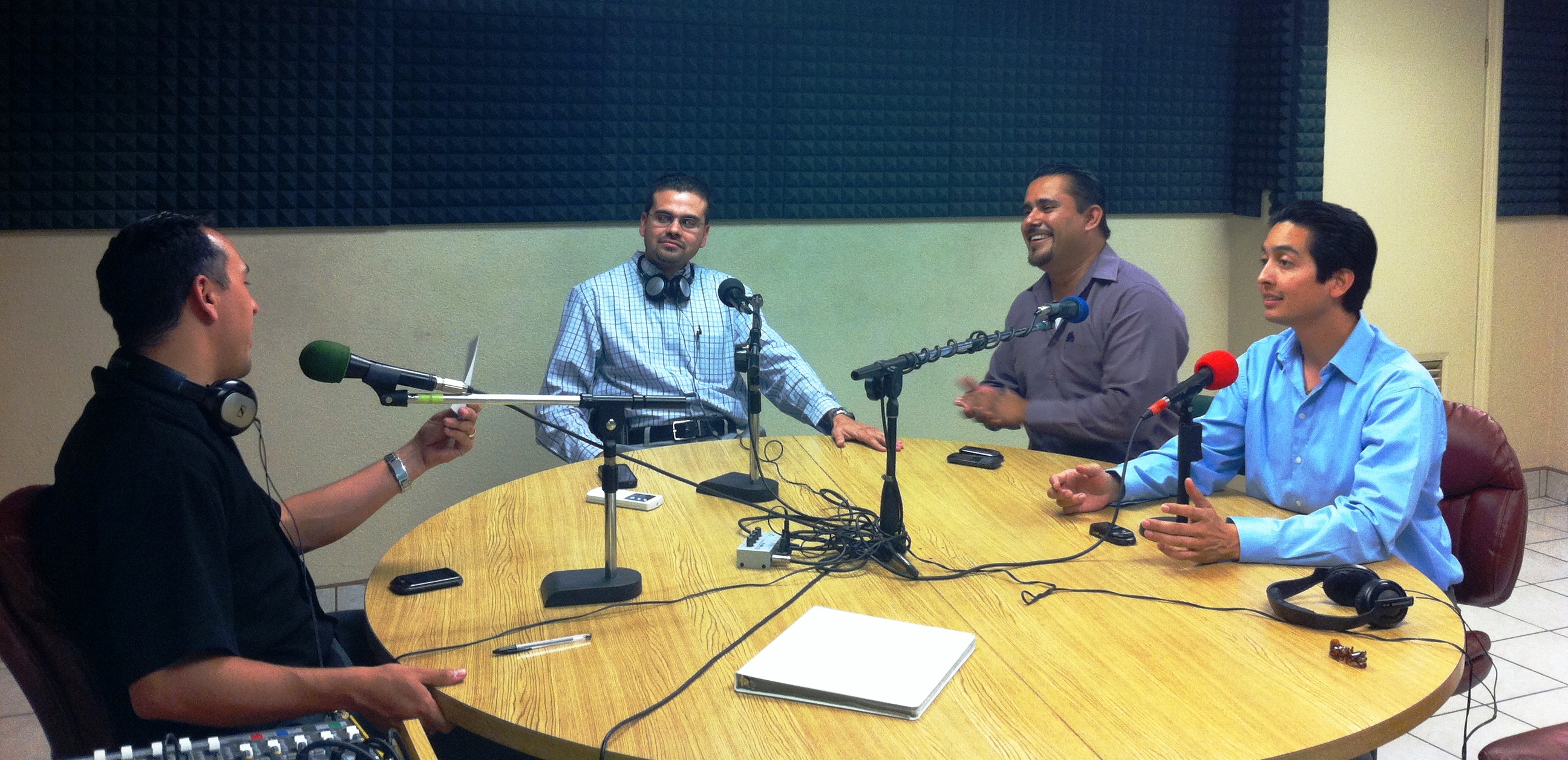
Then – on Wednesday night – I got to see another side of the Doctors Ham & Abril on the set of their radio show, Los Doctores.  They were interviewing the ‘good doctor’ on sympathetectomies for hyperhidrosis – so he invited me to come along.

Los Doctores invited me to participate in the show – but with my Spanish (everyone remembers the ‘pajina’ mispronunciation episode in Bogotá, right?)  I thought it was better if I stay on the sidelines instead of risking offending all of Mexicali..

Los Doctores

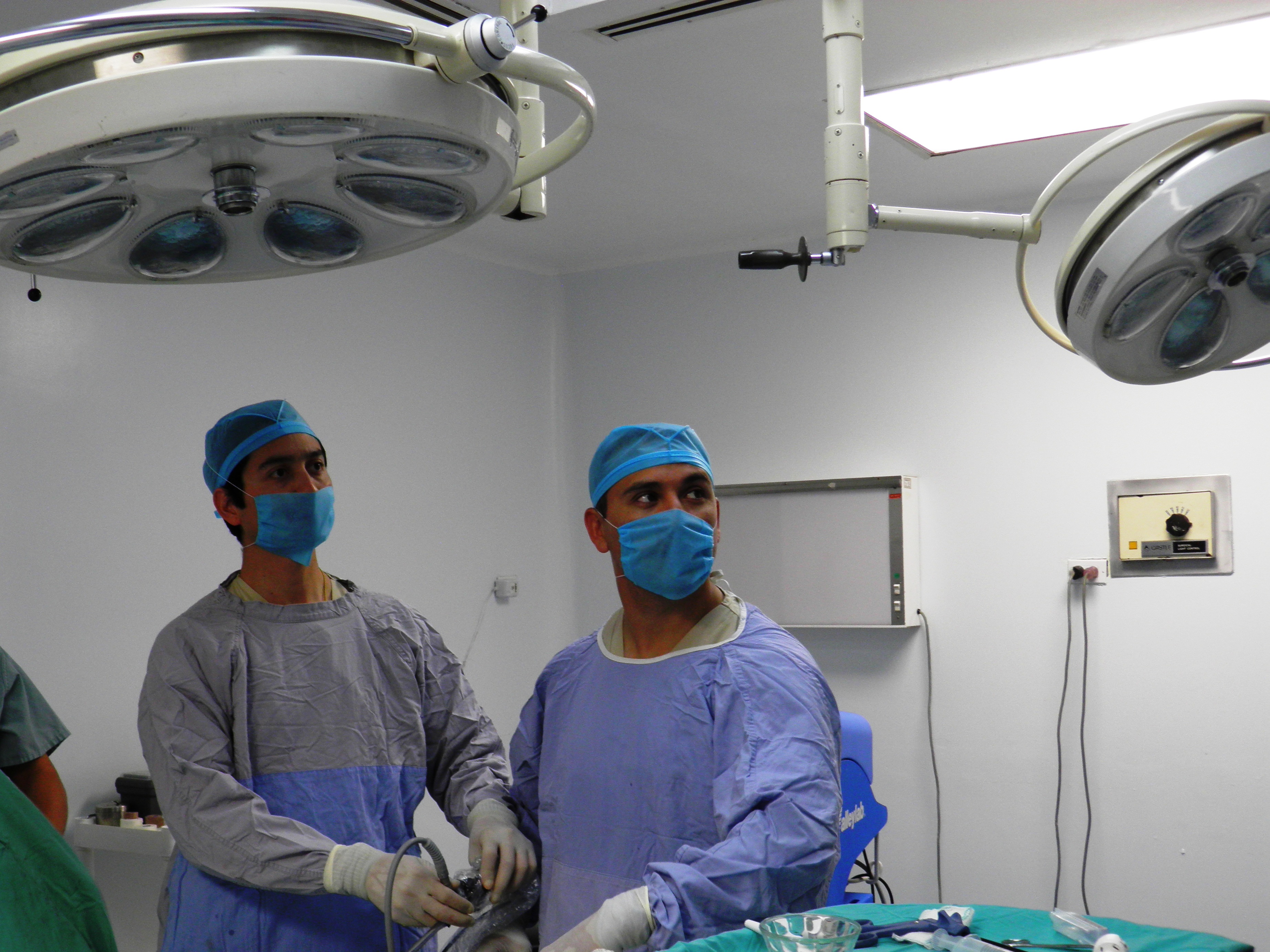
on the set of Los Doctores; left to right: Dr. Rafael Abril, Dr. Carlos Ochoa, Dr. Mario Bojorquez and Dr. Horacio Ham

It really wasn’t much like I expected; maybe because all of the doctors know each other pretty well, so it was a lot more relaxed, and fun than I expected.  Dr. Abril is the main host of the show, and he’s definitely got the pattern down; charming, witty and relaxed, but interesting and involved too.. (my Spanish surprises me at times – I understood most of his jokes…)  It’s an audience participation type show – so listeners email / text their questions during the show, which makes it interesting but prevents any break in the format, which is nice.  (Though I suppose a few crazy callers now and then would be entertaining.)

Dr. Ochoa did a great talk about sympathectomy and how life changing it can be for patients after surgery, and took several questions.  After meeting several patients pre and post-operatively for hyperhidrosis, I’d have to say that it’s true.  It’s one of those conditions (excessive palmar and underarm sweating) that you don’t think about if you don’t have – but certainly negatively affects sufferers.  I remember an English speaking patient in Colombia telling me about how embarrassing it was to shake hands -(she was a salesperson) and how offended people would get as she wiped off her hands before doing so.  She also had to wear old-fashioned dress shields so she wouldn’t have big underarm stains all the time..  This was in Bogota (not steamy hot Cartagena), which is known for it’s year-round fall like temperatures and incredibly stylish women so you can imagine a degree of her embarrassment.

It (bilateral sympathectomy) is also one of those procedures that hasn’t really caught on in the USA – I knew a couple people in Flagstaff who told me they had to travel to Houston (or was it Dallas?) to find a surgeon who performed the procedure..  So expect a more detailed article in the future for readers who want to know more.

Tomorrow, (technically later today) I head back to San Luis with the good doctor in the morning to see a couple of patients – then back to the hospital.. and then an interview with a general surgeon.. So it should be an interesting and fun day.

Dr. Horacio Ham, and Los Doctores


Just finished interviewing Dr. Horacio Ham, a bariatric surgeon with the DOCS (Diabetes & Obesity Control Surgery) Center here in Mexicali.  Later this evening, we’ll be heading off to surgery, so I can see what he does first-hand.

Tomorrow sounds like a jam-packed day for the young doctor, he’s being interviewed for a University television series on Obesity in addition to his normal activities (surgery, patients) and of course, the radio show.  Turns out his guest doctor tomorrow evening is none other my professor, the ‘good doctor.’

Sounds like a great show – so if you are interested it’s on 104.9 FM (and has internet streaming) at 8 pm tomorrow night..

I’ll report back on the OR in my next post..

The ‘Art of Medicine’ with Dr. Jose Mayagoitia Witron, MD, FACS


I should be finishing my readings in preparation for clinic this afternoon, but after reading most of the day yesterday (it was an international holiday for people living outside the USA), I guess I am entitled to spend some time writing.

Besides, I spent an illuminating morning with Dr. Jose Mayagoitia Witron, MD, FACS over at Mexicali General Hospital.  While he was telling me what he doesn’t do: (no uniport laparoscopic surgery, and not a huge amount of bariatric surgery), what I observed told a very different story.

Dr. Mayagoitia, MD, FACS

I didn’t follow Dr. Mayagoitia to the operating room.  Instead – I accompanied him to a teaching session with his medical students, who presented case studies – and I observed Dr. Mayagoitia instructing his students in the ‘Art of Medicine’.  This skill is fast becoming a lost one in today’s emphasis on the science of diagnostics, and laboratory testing.  But not here, not today – and not with Dr. Mayagoitia.

He believes strongly in the physical examination and all of the wealth of information that it provides.  He also believes it is an underutilized tool to connect doctors with their patients.  As he explains, too often doctors become too busy ordering tests – which separates the doctors from their patients – instead of listening to ‘the person in the bed’.  (My terminology not his).  So during his students case presentations – the emphasis is on the story (the clinical history), the patient’s life (background, social settings, diet, habits) and the clinical physical examination.  Students aren’t allowed to talk about, or ask questions about diagnostic results such as radiographs or serum analysis until the story and the physical findings have been throughly discussed and examined in detail.

Even then – he challenges them – to use more than their eyes – to engage their brains, and their other senses.. “What about the description of this surgical scar?  Does it seem a little large for an appendectomy?” he asks.. “What about it’s location?’ he challenges**..

“What about the differentials?  What other diagnoses should we consider? he asks.  “I know you think the diagnosis is obvious – but give me some alternatives,” he coaxes.  “What else could be going on?  Tell me why you don’t think that it’s X” he asks – making the students review and explore the other possible causes for this patient’s abdominal pain.  “Could it be Z?” he asks.. “Why not?  What else would we see?” he states in reply to a student’s mumbled answer..

Then, only then, do we review the labs, and the films – the more tangible aspects of the practice of medicine.  Those results that students can see easily, (maybe too easily) and tempt them into abandoning the ‘art’ of medicine and patient care.  But he doesn’t allow it – and quickly steers the conversation back to the displayed pathology to this pathophysiology and symptomatology of the patient in question.

As someone who still struggles with the physical skill of percussion – this entry into the art of medicine hits home.  It is an art, and a woefully underappreciated one.

** Please note – these quotes are my best approximation from my translations during the case presentation, and may miss nuances. 

About Dr. Jose Mayagoitia Witron

Dr. Mayagoitia is more than a clinical instructor – he is a respected professor of surgery at the Universidad Autonoma Baja California (UABC) and has been teaching medical students for over 20 years. He also teaches surgical residents and has been doing so for over fifteen years.  He gives lectures daily at the University, in addition to his busy schedule as the Supervising Surgeon for the Intensive Care Unit at Mexicali General, and private surgical practice (with evening clinic hours).

He speaks in clear, unaccented English (my southern accent is thicker than any accent he might possess) which may be as a result of his fellowship training in San Diego.   He completed his general surgery residency right here at Mexicali General after attending UABC).

He remains active in the research community as a supervisor for resident research projects including two ongoing projects worthy of note: a new study looking at the treatment of open abdomens, (from massive trauma, infection, etc.) and a study looking at the early initiation of enteral feedings versus delayed (72 hours or greater) in surgical intensive care patients.

He, along with his wife, Gisela Ponce y Ponce de León, MD, PhD (a family medicine physician and instructor at the UABC nursing school) recently presented a paper on obesity research in Barcelona, Spain.

He does all of this in addition to a steady diet of general surgery (cholecystectomies, appendectomies, bowel surgery (such as resections) and the occasional bariatric surgery.  As one of the lead surgeons at a major trauma hospital** – he also sees a considerable amount of emergency and trauma cases.

He reports that on the last – bariatric surgery, he has mixed feelings.  While it has become a popular staple for the treatment of obesity and obesity-related complications – he questions it’s role in a society that steadfastedly ignores the causes.  “I wonder if we will look back one day and realize that we [surgery] did a real disservice to our patients by doing so much of this.”  So, while he does perform some bariatric procedures, he is very selective in his patients.  “It’s not a quick -fix, and they are going to be dealing with this [changes from bariatric surgery] for the rest of their lives so they [patients] need to understand that it’s a lifelong endeavor.”  When he does perform bariatric procedures, he prefers the gastric sleeve, which he believes is more effective [than lap-band, and smaller procedures] but less devastating in terms of complications and dramatic life alterations.

Dr. Jose Mayagoitia Witron, MD, FACS

General surgeon, Fellow in the American College of Surgeons

Edificio Azahares

Av. Reforma 1061 – 6

Mexicali, B. C.

Tele: 686 552 2400

** He reports that Mexicali General, as a public facility, sees about 80% of all traumas in the area.

In the operating room with Dr. Cuauhtemoc Vasquez, Cardiac Surgeon


Had a great day in the operating room with Dr. Cuauhtemoc Vasquez, MD the promising young heart surgeon I told you about several months ago.  I have some absolutely breathtaking photos of the case – but I want to double-check with the patient before posting anything potentially revealing in such a public forum.

Todays’ surgery was at one of the public hospitals in Mexicali – and while technology was sometimes in short supply – talent sure wasn’t.  I was frankly surprised at the level of skill and finesse Dr. Vasquez displayed given the fact that he is so early in his career.

Dr. Cuauhtemoc Vasquez, Cardiac surgeon

He’s also just an all-around pleasant and charming person.  I know from previous encounters that he’s well-spoken, interesting, engaging and an excellent conversationalist –  We didn’t talk at length on this occasion – because honestly, I really don’t like to be distracting during cases – especially since much of the discussion was in an English-heavy Spanglish.. (He is fluent in English but we both tend to slip in and out of Spanish.  I mainly slip out when I start thinking in English and come across a concept that I am not sure about explaining or asking about in Spanish.**

But don’t worry – I am planning on seeing him next week – where I can hopefully lure him to lunch/ coffee or something so we have a more lengthy discussion – so I can give you all the details in a more formal fashion in a future post.

As a crazy side note – finally got that ‘great’ picture of the good doctor.. Oh, the irony – not during a thoracic case but while he was assisting Dr. Vasquez – (the good doctor is board-certified cardiothoracic surgeon, after all..) I didn’t post it here because there are some ‘patient bits’ in the photo..

**I know this can be frustrating from my experiences with my professor – but it’s also frustrating when: a. a question gets misinterpreted as a statement (because of my poor grammar) or b. misconstrued completely – which still happens pretty frequently.  Luckily, people around here are awfully nice, and tend to give me the benefit of a doubt.

Also – I need to post this photo of one of my favorite operating room nurses – Lupita.  (Lupita along with Carmen and Marisol) have been an absolute delight to be around even of those very first anxious days..

Lupita, operating room nurse.. Doesn’t hurt that she’s as cute as a button, eh?

TAVI/ TAVR and AVR in Arizona with Dr. Brady


Sat down today with Dr. Kevin Brady to talk about TAVI, or as he corrects me with a smile, TAVR (R is for Replacement).  Dr. Brady is a cardiothoracic surgeon, and one of the few currently performing TAVI/ TAVR here in Arizona.  As we’ve discussed before, I have mixed feelings on this procedure but have elected to provide the information here for my interested readers.

Dr. Brady shares many of my apprehensions, that the public will come to view this currently quasi-experimental treatment for very high risk, and inoperable patients with Aortic Stenosis as a ‘easy fix’.   We discuss this at length, and he reviews the current recommendations guiding the implementation of TAVR programs, and the TAVR registry with me.

As part of this discussion, I have invited Dr. Brady to write a short post here, explaining the procedure, patient selection criteria and other facts about TAVI/ TAVR.  With over 41 Core-valve implantations (since March 2011, as part of the Core Valve Pivotal trial) and seven Sapien valve implantations this month, he certainly qualifies as an expert on the topic.

Dr. Brady will be able to give readers a more in-depth perspective on this procedure.  As all of you know, I have taken a fairly cautious stance on this issue.  (I haven’t talked him into letting me observe yet, but I am working on it.)

Dr. Kevin M. Brady, MD

Southwest Heart & Lung

www.swheartlung.com

10930 North Tatum Boulevard, Suite 103

Phoenix, Arizona 85020

Tele: 602-263-7600

In the operating room with Dr. Carlos Ochoa, thoracic surgeon


Mexicali, Baja California (Mexico)

Dr. Carlos Cesar Ochoa Gaxiola, Thoracic Surgeon

We’ve back in the city of Mexicali on the California – Mexico border to interview Dr. Carlos Cesar Ochoa Gaxiola as part of the first of a planned series of video casts.   You may remember Dr. Ochoa from our first encounter back in November 2011.  He’s the personable, friendly thoracic surgeon for this city of approximately 900,000 residents.  At that time, we talked with Dr. Ochoa about his love for thoracic surgery, and what he’s seen in his local practice since moving to Mexicali after finishing his training just over a year & a half ago.

Now we’ve returned to spend more time with Dr. Ochoa; to see his practice and more of his day-to-day life in Mexicali as the sole thoracic surgeon.  We’re also planning to talk to Dr. Ochoa about medical tourism, and what potential patients need to know before coming to Mexicali. He greets me with the standard kiss on the cheek and a smile, before saying “Listo?  Let’s go!”  We’re off and running for the rest of the afternoon and far into the night.  Our first stop is to see several patients at Hospital Alamater, and then the operating room for a VATS procedure.

He is joined in the operating room by Dr. Cuauhtemoc Vasquez, the newest and only full-time cardiac surgeon in Mexicali.  They frequently work together during cases.  In fact, that morning, Dr. Ochoa assisted in two cases with Dr. Vasquez, a combined coronary bypass/ mitral valve replacement case and a an aortic valve replacement.

Of course, I took the opportunity to speak with Dr. Vasquez at length as well, as he was a bit of a captive audience.  At 32, he is just beginning his career as a cardiac surgeon, here in Mexicali.  He is experiencing his first frustrations as well; working in the first full-time cardiac surgery program in the city, which is still in its infancy, and at times there is a shortage of cases[1].  This doesn’t curb his enthusiasm for surgery, however and we spend several minutes discussing several current issues in cardiology and cardiac surgery.  He is well informed and a good conversationalist[2] as we debate recent developments such as TAVI, carotid stenting and other quasi-surgical procedures and long-term outcomes.

We also discuss the costs of health care in Mexicali in comparison to care just a few short kilometers north, in California.   He estimates that the total cost of bypass surgery (including hospital stay) in Mexicali is just $4500 – 5000 (US dollars).  As readers know, the total cost of an uncomplicated bypass surgery in the USA often exceeds $100,000.

Hmm.. Looks like I may have to investigate Dr. Vasquez’s operating room on a subsequent visit – so I can report back to readers here.  But for now, we return to the case at hand, and Dr. Ochoa.

The Hospital Alamater is the most exclusive private hospital in the city, and it shows.   Sparkling marble tile greets visitors, and patients enjoy attractive- appearing (and quiet!) private rooms.  The entire hospital is very clean, and nursing staff wears the formal pressed white scrub uniforms, with the supervisory nurse wearing the nursing cap of yesteryear with special modifications to comply with sanitary requirements of today.

The operating rooms are modern and well-lit.  Anesthesia equipment is new, and fully functional.  The anesthesiologist is in attendance at all times[3].  The hemodynamic monitors are visible to the surgeon at all times, and none of the essential alarms have been silenced or altered.  The anesthesiologist demonstrates ease and skill at using a double lumen ETT for intubation, which in my experience as an observer, is in itself, impressive.  (You would be surprised by how often problems with dual lumen ETT intubation delays surgery.)

Surgical staff complete comprehensive surgical scrubs and surgical sterility is maintained during the case.  The patient is well-scrubbed in preparation for surgery with a betadine solution after being positioned safely and correctly to prevent intra-operative injury or tissue damage.  Then the patient is draped appropriately.

The anesthesiologist places a thoracic epidural prior to the initiation of the case for post-operative pain control[4].  The video equipment for the case is modern with a large viewing screen.  All the ports are complete, and the thoracoscope is new and fully functioning.

Dr. Ochoa demonstrates excellent surgical skill and the case (VATS with wedge resection and pleural biopsy) proceeds easily, without incident.  The patient is hemodynamically stable during the entire case with minimal blood loss.

Following surgery, the patient is transferred to the PACU (previously called the recovery room) for a post-operative chest radiograph.  Dr. Ochoa re-evaluates the patient in the PACU before we leave the hospital and proceed to our next stop.

Recommended.  Surgical Apgar: 8


[1] There is another cardiac surgeon from Tijuana who sees patients in her clinic in Mexicali prior to sending patients to Tijuana, a larger city in the state of Baja California.  As the Mexicali surgery program is just a few months old, many potential patients are unaware of its existence.

[2] ‘Bypass surgery’ is an abbreviation for coronary artery bypass grafting (CABG) aka ‘open-heart surgery.’  A ‘triple’ or ‘quadruple’ bypass refers to the number of bypass grafts placed during the procedure.

[3] If you have read any of my previous publications, you will know that this is NOT always the case, and I have witnessed several cases (at other locations) of unattended anesthesia during surgery, or the use poorly functioning out-dated equipment.

[4] During a later visit with the patient, the patient reported excellent analgesia (pain relief) with the epidural and minimal adjuvant anti-inflammatories.

Thoracic Surgery in Mexicali, Baja California


As most readers know, Thoracic surgery is my absolute passion – and it’s a big part of my day-to-day life, too.. So, it was a great pleasure to spend this morning talking to Dr. Carlos Cesar Ochoa Gaxiola, here in Mexicali.

Dr. Ochoa is one of those surgeons that make this project so worthwhile.  He is enthusiastic, and enjoys what he does.  Talking with young surgeons like Dr. Ochoa seems to restore my faith in the future – which is desperately needed sometimes after reading (and reporting) all of the negative headlines regarding the health care crisis; shortages of vital medications (and surgeons!), escalating and out-of-control costs, fraudulent practices and patient mistreatment.

For more on this morning’s interview, see my sister site, www.cirugiadetorax.org

He kindly extended an invitation to visit the operating room, and see more about his practice – so I’ll give a full report on my next visit to this city.

In the meantime, I am enjoying the mild (and sunny) winter weather.

Interview with Dr. Victor Ramirez, Plastic Surgeon


Read about my visits to the OR with Dr. Ramirez here.)

Today, I interviewed the charming young plastic surgeon, Dr. Victor Manuel Ramirez Hernandez, 37.   Dr. Ramirez is well-versed in medical tourism – he tells me that 90% of his current practice are American patients.  He reports that many of these patients are from nearby areas in California and Arizona but that he has patients from across the United States.

Undoubtedly, these patients found Dr. Ramirez the same way I did – via the internet, thru his well-designed and attractive website, www.cirugiaplasticamexicali.com   Parts of the bilingual site are still under construction, so I contacted Dr. Ramirez directly to arrange for an in-person interview.  He also offers his services thru Costuco, a medical tourism agency that published their own medical tourism guide.  He is one of four local plastic surgeons listed in their recent publication advertising surgical services in the city called guia de cirugia en Mexicali.)

His office is located just a short walk from FCO (Francisco) Maduro, on Calle B – between Reforma and Obregon and across the street from Hospital Hispanol Americano.   (Interestingly enough – and coincidentally, his office is next to one of the thoracic surgeons I had previously contacted.)

He readily agreed – and with a minimum of fuss, we sat down together to discuss his practice.  He is friendly, polite and patient.  (I, myself, am surprisingly nervous – as much of my Spanish deserts me, the usually smoothly phrased questions becoming a jumbled, hurly burly mix.)  Luckily for me, Dr. Ramirez has arranged for his nephew, an Arizona native* to stand by and assist with translation as I try and gather my wits and compose myself.  Dr. Ramirez, who primarily speaks Spanish tells me that he often does this in order to facilitate communication with his English-speaking clientele.

As we talk, one of the things Dr. Ramirez and his nephew touch on is the importance of medical training and education, and the importance of being able to quantify the validity of this training in Mexico, where training standards and requirements are not standardized.

Dr. Ramirez himself received his medical education** in Morelia, which is the capital of the Mexican state of Michoacan (de Ocampo).  He attended the well- respected, and well-reputed Universidad de Michoacana de San Nicolas de Hidalgo***.  After graduating in 1997, he completed his general surgery residency (1997 – 2002) at Hospital Central Militar (which is a large military hospital – similar to Bethesda or other American VA facilities, located in Mexico City.)

He completed his plastic and reconstructive specialty surgery at the same facility in 2007 – 2008.   During his fellowship, he published several papers in a national medical journal, Revista Sanidad Militar (Military Health Magazine).

He completed additional training in microsurgery and breast reconstruction and received his board certification in plastic, esthetic and reconstructive surgery.

(As we’ve mentioned in previous posts, and in prior publications – not all countries require specialty surgeons such as plastic surgeons, cardiac surgeons etc. to have general surgery training.)

Since then, he has presented, and lectured at several national conferences (Mexican Association of Plastic, Esthetic and Reconstructive Surgery as an active member of this organization.)

He currently performs (on average of) four surgeries a week.   He performs a wide range of facial and body procedures including injectables, face-lifts, breast augmentation, abdominoplasties, and liposuction. (This is not an all-inclusive list.)  During his initial consultation, Dr. Ramirez performs a full medical evaluation.  If patients have uncontrolled diseases (such as diabetes) or are at high rick for surgical complications, Dr. Ramirez will refer patients for further medical evaluation and treatment before undergoing surgery.

For patients who live nearby (but outside Mexicali), Dr. Ramirez recommends a three-day stay with a return to Mexicali for a one week post-operative follow-up.  For medical tourists from greater distances, Dr. Ramirez recommends a one week stay in Mexicali.  He and his staff will assist in making hotel arrangements, and Dr. Ramirez has nurses that make house calls after surgery.

During my visit today, we also reviewed several of his cases – including before and after photographs.  Notably, in the photos viewed, post-operative photos, while showing dramatic differences, also showed natural appearing results.  The post-operative breast augmentation photos were particularly interesting – in all of the photos reviewed, the patients had elected for cosmetically appealing, natural looking results [versus dramatically endowed, ‘porn star’ breast implants].  (As discussed in Bogotá! – styles and fashions of plastic surgery may vary among cultures, geographic regions and the general public.)

*It turns out that his nephew, who is currently studying medicine is practically my neighbor, having been raised and attending school in Williams, AZ which is near Flagstaff (my current home.)

** In Mexico, like many countries, students do not attend a separate undergraduate program prior to medical school.  Instead, students undertake a six or seven year program that encompasses medicine and general studies.

*** This is one of the oldest universities in Mexico, originally founded as the colegio de San Nicolas de Higaldo in 1540. It became a university in 1917. It is also one of the largest public universities in Mexico. At the Universidad Michoacana – students may apply for the five-year medicine program after completing two years of general study.

Publications: (selected sample, not a full listing)

Percutaneous tracheostomy: Experience in the intensive care unit of the regional military hospital in irapuato, guanajuato.  (2005) full-text pdf download.

Ring injuries: case report and review of the literature. (2006).  full text pdf download

Clinical experiences in burns at Hospital Central Militar. (2007) full text pdf.

Talking with Frankie Jazz


As I mentioned before, Colombia is rich country for arts and culture.  I had the pleasure of speaking with Frankie Jazz (Jose Vergara) while in Cartagena about what he’s doing now.

For people who aren’t familiar with Frankie Jazz, the name comes from a children’s book character created by Vergara and his brother while they were in school. (Very cool.. I don’t know what you were doing in school but Cartagena Surgery wasn’t writing books yet.)

These days, the almost thirty year old Vergara is clean cut, and working as the publicist for the House of Design for Ketty Tinoco, a well-known Cartagena designer (and incidentally, his mother.)

His influence on the house of design is apparent – the website, and promotional materials have a slick, professional and modern feel. His talents are certainly being put to good use – though I am certain that his devoted fans would love another album.

I’d like to Thank both Mr. Vergara and Ketty Tinoco for taking the time to talk to Cartagena Surgery.

Talking with Ketty Tinoco


Cartagena’s Fashionable Best

One of the things that I really enjoy about Colombia is the accessibility to arts, literature, entertainment and to those that provide  these contributions to local culture.  As a small country of only 45 million, there’s just a greater chance to encounter these national treasures.

Today was another example of that – as I had the opportunity to talk to one of Cartagena’s home grown fashion designers, the fabulous Ketty Tinoco and her son, Jose Vergara.

This wonderful chance encounter with the queen of elegance with her trademark crisp cool linens was absolutely thrilling.  As long time friends and readers know – medicine/ surgery are my life, and my obsession – but clothing design and fashion are a close second.  It all stems from an elective course at Dalhousie University many (too many!) years ago when I was just a few classes short of graduation.
Dalhousie University is well-known to everyone (except this gringa) for its costume studies program – and after taking one class – I was hooked forever with a love of design, fashion and fabric.
Some of you have read about my love of native Bogotano fashion, and how I
haunted the shop windows during the months I lived in Bogotá.  Now, I turn my eyes to the coast..

So here I am, sitting next to Ketty Tinoco as she gives me a sneak peek of her upcoming collection – coming out September 1st.   (Yes – the collection is luscious, beautiful – and no – all of you will have to wait – no sneak peeks here at Cartagena Surgery.)  Ms. Tinoco speaks just a little English, and while looking at her lovely, lovely pieces, all of my adjectives in Spanish just desert me.  I am speechless with wonder as I look at the way the fabric is soft, yet crisp, simply elegant yet beautifully detailed.
All the fancy terms I learned in school – are instantly erased – I have no words to describe the loose drape, the relaxed yet classic looks.

Her clothing evokes images of romantic evenings in the steamy Cartagena heat – a return to the glamour of the past. Lauren Bacall, Casablanca, Marlene Dietrich and Katherine Hepburn in those fabulous trousers, this is what it makes me think of.  A time when people dressed to impress and dressed for dinner.  And these clothes  make me long for that.

While all the pieces are beautiful, there is one piece of such classic beauty that my heart just stops – this dress it calls to me, it speaks to me, it evokes images of screen legends and black and white films, of forgotten eras.  This dress is so amazingly beautiful and brings to mind such lovely feelings – that tears come to my eyes.  And that is fashion, my friends.

from the Ketty Tinoco Collection

Now that I’ve had a chance to share my lovely afternoon with you – let me share a little more about the charming, elegant, talented Ms. Tinoco.  She started sewing at home over thirty years ago (just barely 52, and certainly doesn’t look it!)

Since then she has earned a reputation for her style and extensive use of washed linens in her work, as one of Cartagena’s best known designers.

Ketty Tinoco

 (Centro Historico)

Calle Baloco, Edif.
Pineres Local 1

Cartagena, Colombia

57 5 664 0525


Ketty Tinoco’s boutique in historic El Centro

Hotel Hilton Cartagena, Local H

Cartagena, Colombia

57 5 665 0660 ext 217

Website:  http://www.kettytinoco.com

This video is in Spanish – but you certainly don’t need to know Spanish to love her style!

Dr. Richard Eljadue Martinez, DDS


My readers may remember Dr. Richard Eljadue Martinez, DDS one of the dentists profiled in Hidden Gem.   He still maintains an active dental practice in the heart of Cartagena.

Dr. Eljadue also has a small hotel, Portal de San Diego in the middle of the historic district of the El Centro district.  (This is where I have been staying during my return visit to Cartagena – and as you should know by now, No – not for free – that’s not my style*.)

Portal de San Diego

Calle 2nd (segundo) de Badillo No 36 – 17

email: portaldesandiego@gmail.com

Portal San Diego is a charming hotel, a typical property with just a few rooms in the heart of one of the most interesting areas in Cartagena.  It is more than miles away from the high rises of Bocagrande and the modern, all access beach resorts lining the coastal highway – it is a world away.  The rooms are clean, comfortable and European in style – fast internet, hot water and air conditioning make it the perfect hideaway for a writer like myself with a myriad of nearby restaurants and cafes to supplement the complimentary breakfast.  It’s been such a nice place to relax and write while I’ve been here in Cartagena that it would be a crime not to mention it.

Since my first visit to interview Dr. Eljadue – he has added a small bar, Bar del Portal aside the hotel.  It’s a cozy, intimate sort of place, with a retro early 1960’s feel; everything is sparkling clean with crisp lines, and cool lighting.  Frank Sinatra or any of the Rat Pack would be perfectly at home in its relaxed atmosphere.  Normally the music is pure Colombiano – but for me, they’ve added a bit of Puerto Rican Reggeaton to the playlist.

One of the bartenders, Jesus (not pictured) looks a lot like the singer, Prince when he was younger and we joke about that as we sip Aguila and enjoy the evening.

Bar del Portal

*I do not accept gifts, payments or gratuities from any of the physicians or dentists profiled.  *