If you want to understand and to really know life in Medellin, than you need to see the richness and complexities of life here. It’s simplistic to say that life here is more than black and white. It isn’t varieties of grey either.. There are so many levels, and sublevels and little pockets / slices of life here. Every barrio has its own personality; community, strengths and weaknesses.
Never has that been more apparent than during my visit to El Tesoro yesterday to interview Dr. Botero. Even so, I would be selling the city short if I pretended that I truly understood Medellin in my brief time here. My friend, Adriaan has lived here since 2008 and he would be the first person to admit – that it takes much of that time just to scratch beneath the surface.
One of the reasons I write about Colombian life so frequently, in addition to medical issues is to better understand life here – and to share that with my readers. It’s not just another language, or another Latin American country. Superficial differences are great for picture postcards and brief visits – but if you spend any real time here, or want to have lasting business relationships or friendships with people here, than you have to dig deeper (not just into Colombia, but in yourself).
One of the lessons has to do to with what we bring to other countries. A lecturer at the Global Health Conference in Duke one year explained it best. He went on a ‘medical mission’ to Mongolia.. And he thought he should teach them American principles of surgery. But when he got there he talked to the surgeons there and realized they didn’t want or need this. They wanted to learn more about laparoscopic surgery. So he changed his project entirely, and taught laparoscopic surgery. (Notably, he was the only speaker at this three-day conference who listened – and taught what the hosts wanted to learn.)
This is not a medical mission, it’s the anti-thesis to what I do. But I still have to listen, and to consider Colombians and Colombia as a big part of what I do. I am not an imperialist, and I am not a big multi-national organization. But if I am going to encourage people to see Colombia as a viable option to affordable surgery, then I need to consider the Colombians that will be impacted by this.
I have to take time to make sure that my efforts don’t undermine the needs of Colombian citizens – that they don’t lose access to health care providers in favor of the ‘wealthy gringos’ with cold hard cash in hand. I have to try to encourage others in this industry to do the same; to work within the existing framework to try to ensure services for all.
This means that I tend to steer clear of facilities created only for ‘rich gringos’ and send people to the excellent public and private facilities that also serve Colombian citizens. This prevents the diversion of resources away from the very people who live here and rely on these services for everyday life. It means sending people to Fundacion Cardioinfantil, Clinica San Rafael or the National Cancer Institute for the wonderful doctors who work there, instead of the ‘Medical Cities” that are popping up almost daily. That way, these excellent providers continue to serve their communities and the money from medical tourism enriches these same communities instead of the pockets of a very few. These facilities then add services – for everyone. There are enough excellent facilities here that it’s an easy choice – but people traveling to other countries like Thailand and India need to think about this. These countries already suffer from a “brain drain” as their most talented health care providers flock to the ultra-expensive and ultra-elite facilities for wealthy travelers (and leave their own citizens out in the cold.)
There is talk of building several of these tourist hospitals in the coastal cities (Cartagena, Barranquilla and Santa Marta) and I hope it doesn’t come to pass. It would change, and damage this country which I have come to love so much.
This is also why I steer clear of transplant tourism – which is inherently unfair.
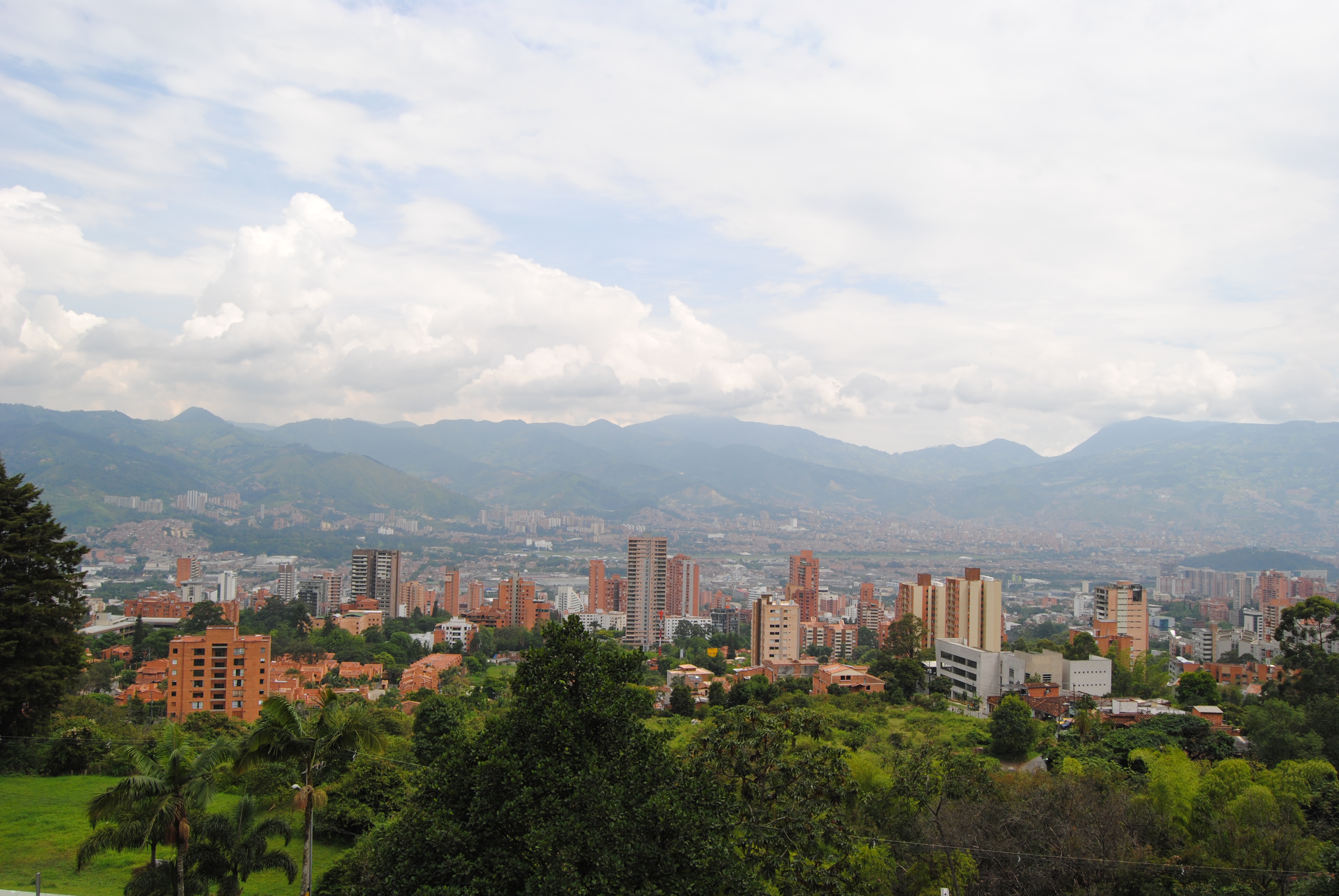
Being in Colombia has changed me, because it makes me question a lot of the things that I held as ‘facts’ merely due to my upbringing and geographic orientation. But I feel this is essential for becoming a more intelligent and informed person and citizen of the world. Sometimes it is just noticing the obvious – like the view from the mall at El Tesoro.. Sometimes its taking a minute to talk to the vendors in the park; to listen to their dreams, hopes, worries as well as get their perspectives on life, global and local events. But sometimes its just being here.
 Colombian Culture & Cuisine