It’s not vanity and it’s not easy: NHS agrees


As reported on Sky News and the New York Times, there has been a radical turn around regarding the use of bariatric surgery to prevent/ control and even “cure” diabetes.

vanity

Not a vanity procedure

Once relegated to the category of a” vanity” procedure, bariatric surgery has emerged as a legitimate,  life-saving intervention which has been scientifically proven to have multiple major health benefits.

For years, patients have had to jump numerous hurdles to be considered for this procedure.  One of the biggest hurdles was often that patients were not considered fat enough to qualify for this procedure.  The traditional guidelines restricted surgery to morbidly obese people, and then required these patients to perform numerous tasks to be considered eligible candidates of surgery such as attaining a diagnosis of “carbohydrate addiction” and losing weight prior to surgery as a sign of “commitment” to weight loss.  This was in addition to several months of therapy with nutritionists and counselors.

hoops

A punitive process

While including this ancillary education may have assisted patients post-operatively, it also felt punitive to people who were seeking medical help.  No one forces lung cancer patients to attend smoking cessation courses or counselling before having their cancer treatment nor do we require several sessions of pre-operative classes prior to a bowel resection.
No, not this kind of scale

New guidelines – perform surgery earlier (2012)

But as the data started to emerge that showed long-lasting health benefits of surgery-assisted weight loss, debates raged between International and American physicians.  Several years ago, several international organizations such as the International Diabetes Federation began to recommend lowering the eligibility criteria for bariatric surgery – particularly for patients with documented complications of obesity present (diabetes, coronary artery disease, severe orthopedic injuries).  But these recommendations were ignored by American medical societies and many physicians including the doctors responsible for initiating referrals to bariatric surgery programs.  Americans. it seemed were reserving the the more effective treatments (like gastric bypass or gastric sleeve) for the super-obese, and the prototypical 600 pound patients.

Obese patients who did not meet these rigid guidelines were often sent for less effective procedures like lap-band or balloon placement.  Insurance companies often denied payment stating that surgery in these patients were ‘not medically necessary’  and thus it was considered a ‘vanity’ procedure.  Additionally, in most cases, the procedures failed to produce meaningful or long-lasting results.

Adding stigma and shame to a medical condition

Patients who were overweight  and seeking definitive treatment were often made to feel “lazy” for being unable to lose weight without surgical assistance.  They were also told to return only if they continued to fail (or gain weight).

The Diabetes Pandemic

But as the obesity pandemic continued to escalate at breakneck speed along with obesity-related complications (and healthcare costs skyrocketed), the evidence began to become too overwhelming to ignore.

New guidelines were passed for eligibility criteria for gastric bypass procedures.  These guidelines reduced the necessary BMI to qualify for surgery, especially in patients with co-morbidities such as diabetes.  But it still ignored a large segment of people; non-morbidly overweight people with early diabetes – the very group that was most likely to have a high rate of success and immediate normalization of blood sugars*.

But now the government of the United Kingdom and the National Health Service (NHS) have adopted some of the most progressive recommendations world-wide; aimed at stemming the tide of diabetes and diabetes-related complications such as heart attacks, strokes, renal failure, non-alcoholic fatty liver disease (NASH) and limb ischemia leading to amputation.

The NHS should be commended for their early adoption of eligibility criteria that lowers the BMI requirement to 30 in diabetic individuals and eliminates this requirement entirely in diabetes of Asian descent**. Conservative estimates believe that this change will make an additional one million British citizens eligible for bariatric surgery.

* As a ‘cure’ for diabetes, gastric bypass is most successful in people who have had the disease for less than eight years.

Surge of patients but few surgeries

But can supply keep up with demand?  Last year, according to the our source article (NYT), only 9,000 bariatric procedures were performed in the UK.

**Diabetics of Asian and East Indian  heritage (India, Bangladesh, Pakistan) often develop a more severe, aggressive, rapidly progressive form of diabetes which is independent of BMI or obesity.

More from the Diabetes & Bariatric Archive:

Life after bariatric surgery

Bariatric surgery and the family

Bariatric surgery and CV risk reduction

The Diabetes Pandemic

Part II

Diabetes as a surgical disease

Gastric bypass as a cure for diabetes

Talking with Dr. Jhon Jairo Berrio about vascular disease and Prostaglandin E1


XXIX Congreso Latinoamericano de cirugia vascular y angiologia

Santa Cruz de la Sierra, Bolivia

Dr. Berrio, Vascular Surgeon, Tulua, Colombia

Dr. Jhon Jairo Berrio is  the Chief of Vascular Surgery at the Clinica San Francisco, Tulua, Colombia, which is a small community outside of Cali.  He attended medical school in Colombia, completing his general surgery residency at Hospital clinics for Carlos.  He completed additional training at New York University and he completed his vascular surgery residency in Bogota at the Hospital de Kennedy  and trained under the instruction of Dr. Albert Munoz, the current president of the Association of Latin American Vascular Surgery and Angiography (ALCVA) .  He does a range of vascular procedures such as aortic aneurysm repair, fistula creation as well as endovascular surgery but his favorite procedures are limb salvage procedures such as aorto-femoral bypass, femoral-popliteal bypass and other treatments designed to prevent amputation.

He is here in Bolivia giving a presentation on the use of Prostaglandin E1 for critical ischemia / and last chance limb salvage.

Today we are talking to Dr. Berrio about the use of prostaglandin E1 (Iloprost/ iprostadil) for peripheral vascular disease (PAD).  In the past, we have used a myriad of treatments including statins, pentoxifylline, clopidogrel and even quinine for the prevention and relief of claudication symptoms.  However, all of these previous agents are designed for early PAD and are only minimally effective at treating later stages of disease.  Treatment of severe disease (rest pain or ulceration/ ischemia wounds) has been limited to stenting (angioplasty) and surgical revascularization – but this strategy often fails for patients with microvascular disease (or disease that affects vessels that can not be operated on.)

Last effort at Limb Salvage in critical ischemia

No – Prostaglandin E is not some magic ‘panacea’ for peripheral vascular disease.  There is no such thing – but it is a medication in the treatment arsenal for vascular surgeons – and it has shown some promising results particularly in treating limb-threatening ischemia.  In fact, the data goes back over 20 years – even though most people in the United States have never heard of it.  That’s because prostaglandin E1 is more commonly used for other reasons in the USA.  It is a potent vasodilator, and in the US, this medication is often used in a different (aerosolized form) for primary pulmonary hypertension.  It is also used for erectile dysfunction.  Despite a wealth of literature supporting its use for critical ischemia it is not currently marketed for such use in the United States – and thus – must be individually compounded in a hospital pharmacy for IV use.  Supplies of this medication in this form are often limited and costly.

Intravenous Prostaglandin E1

This medication offers a desparately needed strategy for patients with critical ischemia who (for multiple reasons) may not be surgical candidates for revascularization and is a last-ditch attempt to treat ‘dry’ gangrene and prevent amputation and limb loss.  Since more than 25% of all diabetes will undergo amputation due to this condition – this is a critical development that potentially affects millions of people.  (Amputations also lead to high mortality for a variety of reasons not discussed here.)

What is Prostaglandin E1?

As mentioned above, prostaglandin E1 is a potent vasodilator – meaning it opens up blood vessels by forced the vessels to dilate.  This brings much-needed blood to ischemia tissue (areas of tissue dying due to lack of blood.)

Treatment details:

A full course of treatment is 28 days.  Patients receive 60 micrograms per day by IV.

Patients must be admitted to the hospital for observation for the first intravenous administration of prostaglandin E1.  While side effects such as allergic reactions, rash or tachycardia are rare – since this medication is given as an IV infusion, doctors will want to observe you for the first few treatments. The most common side effect is IV irritation.  If this occurs the doctors will stop the infusion and dilute it further to prevent discomfort.  Once your treatment has been established, doctors may arrange for you to have either out-patient therapy at an infusion center, or home health – where a nurse comes to your house to give you the medication.

The surgeons will evaluate your legs before, during and after treatment.  If the ischemia or rest pain are not improving, or worsen during treatment – doctors may discontinue therapy.

Prostaglandin E1 therapy is compatible with other medications for PAD such as clopidogrel, aspirin, pentoxifylline and statins, so you can continue your other medications for PAD while receiving this treatment.  However, if you are taking nitrates such as nitroglycerin, (Nitro-dur, Nitropaste) or medications for pulmonary hypertension or erectile dysfunction – please tell your surgeon.

In Colombia, the average cost of the entire course of treatment (4 weeks of daily therapy) is 12 million Colombian pesos.  At today’s exchange rate – that is  a little under $ 7000.00  (seven thousand dollars, USD).

While this is a hefty price tag – it beats amputation.  In some cases, arrangements can be made with insurance companies to cover some of the costs.  (Insurance companies know that amputation-related costs are higher over the long run, since amputation often leads to a lot of other problems due to decreased mobility).

Additional Information about Dr. Berrio:

Dr. Jhon Jairo Berrio, MD

Vascular surgeon

Calle 414 – 30

Buga, Colombia

Tele: 236 9449

Email: vascular@colombia.com

Speaks fluent English, Espanol.

References/ Additional information about peripheral arterial disease (PAD) and prostaglandin e1

Pharmacotherapy for critical limb ischemia  Journal of Vascular Surgery, Volume 31, Issue 1, Supplement 1, January 2000, Pages S197-S203

de Donato G, Gussoni G, de Donato G, Andreozzi GM, Bonizzoni E, Mazzone A, Odero A, Paroni G, Setacci C, Settembrini P, Veglia F, Martini R, Setacci F, Palombo D. (2006).  The ILAILL study: iloprost as adjuvant to surgery for acute ischemia of lower limbs: a randomized, placebo-controlled, double-blind study by the italian society for vascular and endovascular surgery.  Ann Surg. 2006 Aug;244(2):185-93.  An excellent read – even for novices.

S Duthois, N Cailleux, B Benosman, H Lévesque (2003).   Tolerance of Iloprost and results of treatment of chronic severe lower limb ischaemia in diabetic patients. A retrospective study of 64 consecutive cases .  Diabetes & MetabolismVolume 29, Issue 1February 2003Pages 36-43

Katziioannou A, Dalakidis A, Katsenis K, Koutoulidis V, Mourikis D. (2012).  Intra-arterial prostaglandin e(1) infusion in patients with rest pain: short-term results.  Scientific World Journal. 2012;2012:803678. Epub 2012 Mar 12.e Note extremely small study size (ten patients).

Strecker EP, Ostheim-Dzerowycz W, Boos IB. (1998).  Intraarterial infusion therapy via a subcutaneous port for limb-threatening ischemia: a pilot study.  Cardiovasc Intervent Radiol. 1998 Mar-Apr;21(2):109-15.

Ruffolo AJ, Romano M, Ciapponi A. (2010).  Prostanoids for critical limb ischaemia.  Cochrane Database Syst Rev. 2010 Jan 20;(1):CD006544.

Volteas N, Leon M, Labropoulos N, Christopoulos D, Boxer D, Nicolaides A. (1993).  The effect of iloprost in patients with rest pain.  Eur J Vasc Surg. 1993 Nov;7(6):654-8.

Back in the OR with Drs. Ham & Abril, bariatric and general surgeons


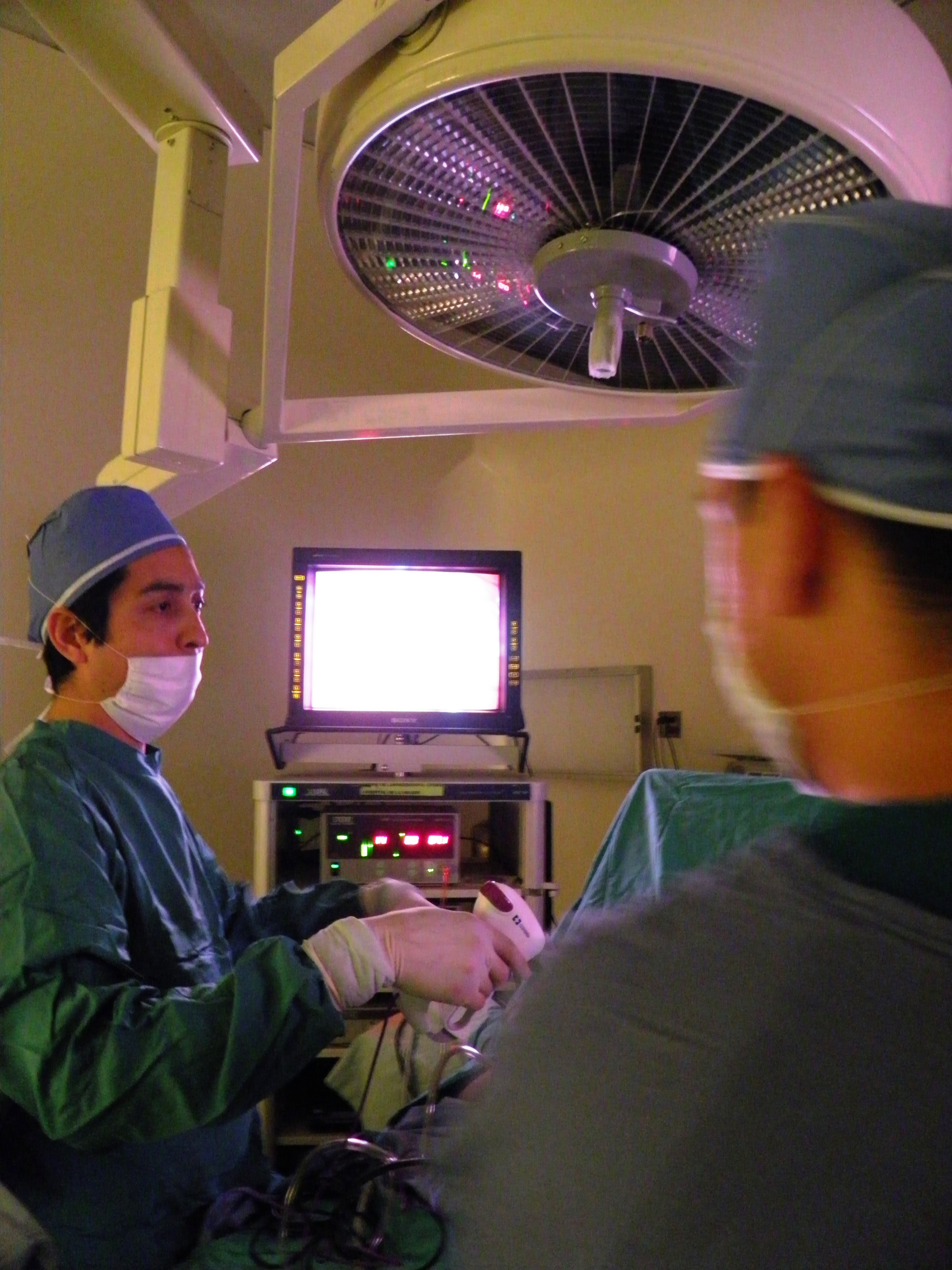
My first case this morning with another surgeon was cancelled – which was disappointing, but I still had a great day in the operating room with Dr.  Ham and Dr. Abril.  This time I was able to witness a bariatric surgery, so I could report back to all of you.

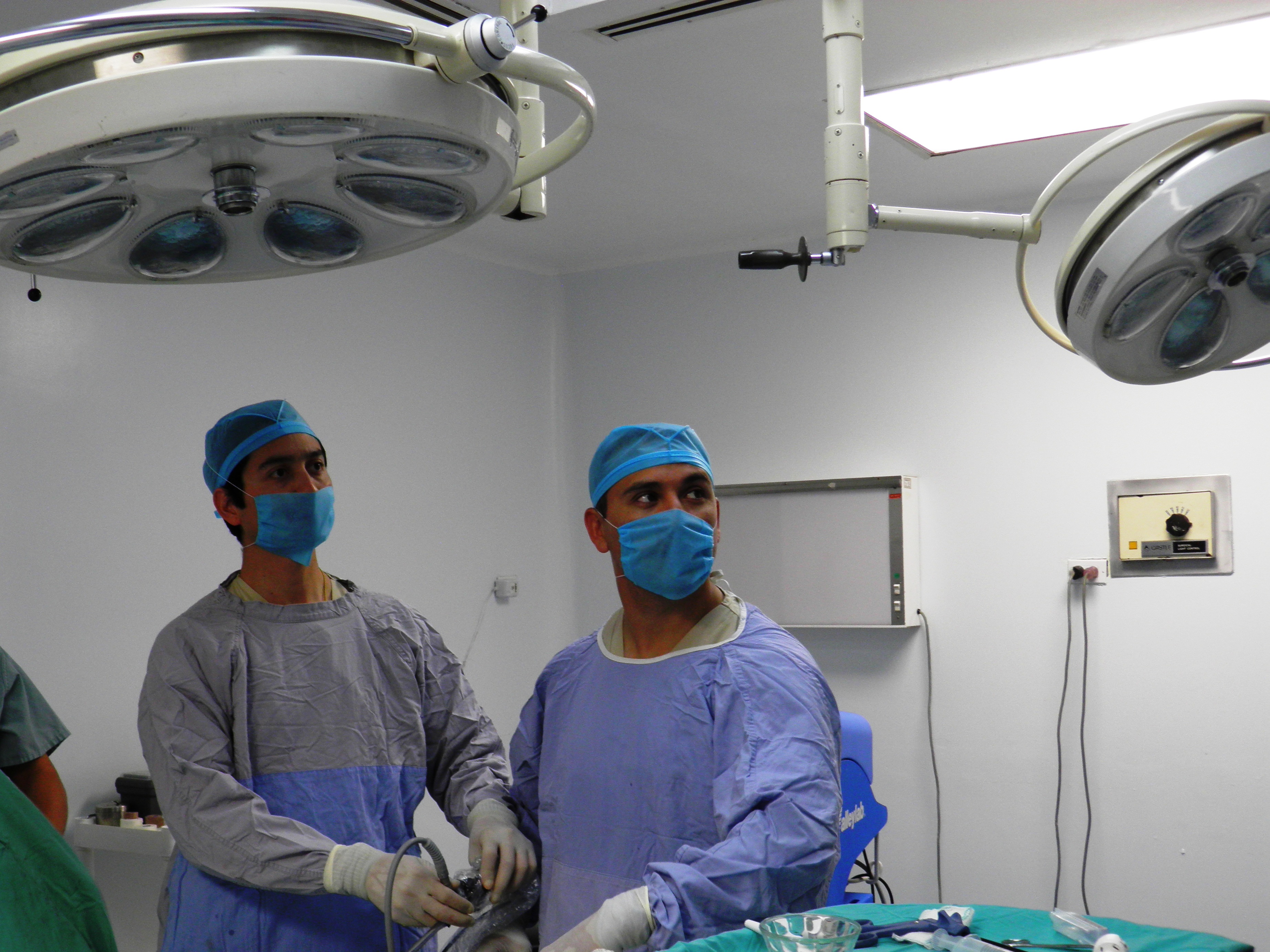
Dr. Ham (left) and Dr. Abril

I really enjoy their relaxed but detail oriented style – it makes for a very enjoyable case.  Today they performed a sleeve gastrectomy** so I am able to report – that they (Dr. Ham) oversewed the staple line (quite nicely, I might add).  If you’ve read any of the previous books, then you know that this is an important step to prevent suture line dehiscence leading to leakage of stomach contents into the abdomen (which can cause very serious complications.)  As I said – it’s an important step – but not one that every doctor I’ve witnessed always performed.   So I was a pleased as punch to see that these surgeons are as world-class and upstanding as everything I’d seen already suggested..

** as long time readers know, I am a devoted fan of the Roux-en-Y, but recent literature suggests that the sleeve gastrectomy is equally effective in the treatment of diabetes.. Of course – we’ll be watching the research for more information on this topic of debate. I hope further studies confirm these results since the sleeve gives patients just a little less of a drastic lifestyle change.. (still drastic but not shot glass sized drastic.)

Dr. Ham

They invited me to the show this evening – they are having several clowns (that are doctors, sort of Patch Adams types) on the show to talk about the health benefits of laughter.  Sounds like a lot of fun – but I thought I better catch up on my writing..

I’ll be back in the OR with Los Doctores again tomorrow..

Speaking of which – I wanted to pass along some information on the anesthesiologist for Dr. Molina’s cases since he did such a nice job with the conscious sedation yesterday.  (I’ve only watched him just yesterday – so I will need a few more encounters, but I wanted to mention Dr. Andres Garcia Gutierrez all the same.

the Weight of a Nation: the obesity epidemic


There’s a new series on HBO that is a collaboration between the Institute of Medicine, the CDC and the National Institute of Health (NIH) that begins airing tomorrow night.  This is a huge undertaking that took over three years to bring to the screen.

As many of you know – Obesity, diabetes and bariatric surgery are some of the topics that have been covered fairly extensively here at Cartagena Surgery.  In fact – it’s the heart of Cartagena Surgery – since the very first surgeon interview I ever performed back in 2010 was Dr. Francisco Holguin Rueda, MD, FACS, the renown Colombia bariatric surgeon.  (Shortly after that first leap – came Drs. Barbosa and Gutierrez – which is how we ended up here today.)

I’ve also been spending time, both last week and this week in the company of several bariatric surgeons here in Mexicali. MX and plan to go to several surgeries this week – so it seemed only appropriate to publish a few articles on the topic.

Talking with Dr. Horacio Ham – Bariatric surgeon, part 1

Talking with Dr. Ham, part 2

(I’m still transcribing notes from another one of my recent interviews – with Dr. Jose Durazo Madrid, MD, FACS).

I’d also like to encourage readers to take a look at HBO’s new mini-series (four episodes over Monday and Tuesday).

In the OR with Los Doctores, Dr. Ham & Dr. Abril


Haven’t had time to sit down and write about my trip to the operating room with Dr. Horacio Ham and Dr. Rafael Abril until now, but that’s okay because I am going back again on Saturday for a longer case at a different facility.  Nice surprise to find out that Dr. Octavio Campa was scheduled for anesthesia.  Both Dr. Ham and Dr. Abril told me that Dr. Campa is one their ‘short list’ of three or four preferred anesthesiologists.  That confirms my own impressions and observations and what several other surgeons have told me.

campa

Dr. Campa (left) and another anesthesiologist at Hispano Americano

That evening we were at Hispano – Americano which is a private hospital that happens to be located across the street from the private clinic offices of several of the doctors I have interviewed.  It was just a quick short case (like most laparoscopy cases) – but everything went beautifully.

As I’ve said before, Dr. Campa is an excellent anesthesiologist so he doesn’t tolerate any hemodynamic instability, or any of the other conditions that make me concerned about patients during surgery.

Dr. Ham  and Dr. Abril work well together – everything was according to protocols – patient sterilely prepped and draped, etc..

laparoscopy

laparoscopy with Dr. Ham & Dr. Abril

I really enjoy talking with the docs, who are both fluent in English – but I won’t get more of an interview with Dr. Abril until Saturday.

w/ Dr. Ham

with Dr. Horacio Ham in the operating room after the conclusion of a successful case

Then – on Wednesday night – I got to see another side of the Doctors Ham & Abril on the set of their radio show, Los Doctores.  They were interviewing the ‘good doctor’ on sympathetectomies for hyperhidrosis – so he invited me to come along.

Los Doctores invited me to participate in the show – but with my Spanish (everyone remembers the ‘pajina’ mispronunciation episode in Bogotá, right?)  I thought it was better if I stay on the sidelines instead of risking offending all of Mexicali..

Los Doctores

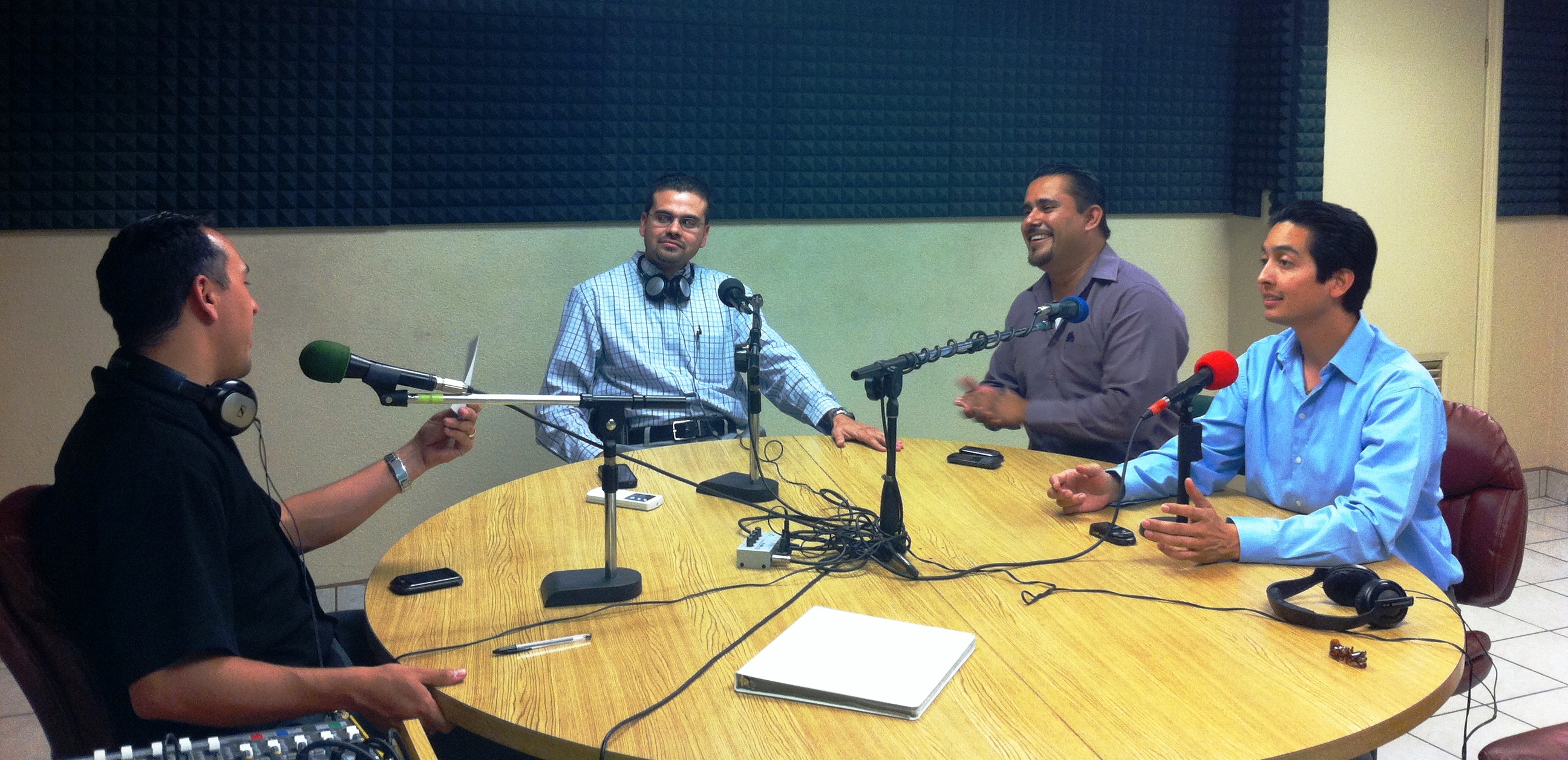
on the set of Los Doctores; left to right: Dr. Rafael Abril, Dr. Carlos Ochoa, Dr. Mario Bojorquez and Dr. Horacio Ham

It really wasn’t much like I expected; maybe because all of the doctors know each other pretty well, so it was a lot more relaxed, and fun than I expected.  Dr. Abril is the main host of the show, and he’s definitely got the pattern down; charming, witty and relaxed, but interesting and involved too.. (my Spanish surprises me at times – I understood most of his jokes…)  It’s an audience participation type show – so listeners email / text their questions during the show, which makes it interesting but prevents any break in the format, which is nice.  (Though I suppose a few crazy callers now and then would be entertaining.)

Dr. Ochoa did a great talk about sympathectomy and how life changing it can be for patients after surgery, and took several questions.  After meeting several patients pre and post-operatively for hyperhidrosis, I’d have to say that it’s true.  It’s one of those conditions (excessive palmar and underarm sweating) that you don’t think about if you don’t have – but certainly negatively affects sufferers.  I remember an English speaking patient in Colombia telling me about how embarrassing it was to shake hands -(she was a salesperson) and how offended people would get as she wiped off her hands before doing so.  She also had to wear old-fashioned dress shields so she wouldn’t have big underarm stains all the time..  This was in Bogota (not steamy hot Cartagena), which is known for it’s year-round fall like temperatures and incredibly stylish women so you can imagine a degree of her embarrassment.

It (bilateral sympathectomy) is also one of those procedures that hasn’t really caught on in the USA – I knew a couple people in Flagstaff who told me they had to travel to Houston (or was it Dallas?) to find a surgeon who performed the procedure..  So expect a more detailed article in the future for readers who want to know more.

Tomorrow, (technically later today) I head back to San Luis with the good doctor in the morning to see a couple of patients – then back to the hospital.. and then an interview with a general surgeon.. So it should be an interesting and fun day.

Dr. Horacio Ham, and Los Doctores


Just finished interviewing Dr. Horacio Ham, a bariatric surgeon with the DOCS (Diabetes & Obesity Control Surgery) Center here in Mexicali.  Later this evening, we’ll be heading off to surgery, so I can see what he does first-hand.

Tomorrow sounds like a jam-packed day for the young doctor, he’s being interviewed for a University television series on Obesity in addition to his normal activities (surgery, patients) and of course, the radio show.  Turns out his guest doctor tomorrow evening is none other my professor, the ‘good doctor.’

Sounds like a great show – so if you are interested it’s on 104.9 FM (and has internet streaming) at 8 pm tomorrow night..

I’ll report back on the OR in my next post..

The Pros & Cons of Bariatric Surgery


As my loyal readers know, I do my best to try to give fair and balanced depictions of surgical procedures, as well as reviews of medical and surgical news and research.  Over at Medscape.com – there is a new video discussion by Dr. Anne Peters, MD.  Dr. Peters is an endocrinologist and a certified diabetic education.  In this video – she talks about the realities of bariatric surgery, and these are things I think that people need to hear.

For more on Bariatric surgery – see my other posts

One of the points that she makes, is (in my opinion) critical.  While bariatric surgery has been shown to cure diabetes in many individuals – there is no medical/ surgical or other treatment to cure much of the pathology related to the development of obesity in the first place.  Obesity is more than poor dietary and exercise habits – it is a psycho-social and cultural phenomenon as well.

For people who don’t want to go to the Medscape site – I have re-posted a transcript of the video from Medscape.com below.

Bariatric Surgery a ‘Magic Bullet’ for Diabetes?

Anne L. Peters, MD, CDE

Transcript
Hi. I’m Dr. Anne Peters from the University of Southern California. Today I’m going to talk about the role of bariatric surgery in the treatment of type 2 diabetes.

There have been a number of recent studies that show just how good bariatric surgery can be for patients with type 2 diabetes.[1,2] In many cases, it seems to cure type 2 diabetes (at least for now), and I think it is an important tool for treating patients with obesity and diabetes.

However, I also have concerns about bariatric surgery, concerns that go back for years as I watched its increased use. When I was a Fellow, I developed a sense of the benefit of extreme caloric restriction for the treatment of type 2 diabetes. I will never forget the first patient I had, an extremely obese man with type 2 diabetes who was on 200 units of insulin per day. His blood sugar levels remained high no matter what we did. He was a significant challenge in terms of management.

One day, he got sick. I don’t remember how or why he got sick, but he ended up in the hospital and I thought that his management would continue to be incredibly difficult. In fact, it was miraculously easy. Within 2 days, he was completely off of insulin and his blood glucose levels remained normal for the entire time he was in the hospital.

This was only a short-lived benefit, however. After he was discharged, he went back to his old habits. He started eating normally, regained the weight, and went back on several hundred units of insulin per day. But it really impressed me how acute severe caloric restriction could, in essence, treat type 2 diabetes.

I have seen many overweight and obese patients with diabetes over the years, and I have seen the frustration as patients go on drugs (such as insulin) that are weight-gain drugs, and they keep gaining more weight. Although I am a big advocate for lifestyle change, many patients can’t do much better. They can’t lose appropriate amounts of weight by their own will or through weight loss programs, or increase their exercise. Therefore, bariatric surgery remains a reasonable option.

For many of my patients who have a body mass index > 35 and type 2 diabetes, I recommend that they at least consider bariatric surgery. Interestingly, very few of my patients actually go for the procedure and I ponder why this is. In part, I think it’s because of the initial evaluation, when you are told what bariatric surgery is like and how much you have to change your habits after the procedure. Before surgery, you are eating however you want to eat and, although you may be trying to diet, there is no enforcement of that diet. After surgery, you have to change how you eat, the portions you eat, and when you eat. I know that people feel fuller, and this is a lot more than just changing one’s anatomy. I think there are significant changes in gut hormones that regulate appetite and satiety. Nonetheless, it is a big change, and many people don’t want to change their habits that much. I know I would be somewhat leery if I were to undergo a surgical procedure that would change my whole way of being. For lots of people, food has many different associations. It’s not just caloric intake; it’s festival, it’s party, it’s joy, it’s sadness. It’s something people like to do, and it hasn’t a lot to do with just maintaining a positive or neutral caloric balance.

I find that people are reluctant to change, and that is understandable. We also don’t know the long-term complications of the procedure. As an endocrinologist, I see 2 things. First, I tend to get sicker patients, so my patients who are on insulin when they undergo bariatric surgery may not get off insulin entirely. They become very disappointed because they think that bariatric surgery will cure them of their diabetes. I also see patients who are too thin, who are nutritionally deficient, who have severe hypoglycemia, or who have significant issues from the surgery itself. In some cases, these patients have needed a takedown of the surgical procedure, restoring them back to their native anatomy.

I think of bariatric surgery as a tool. It is one of many ways to treat our patients with type 2 diabetes. I am a little concerned because we don’t have long-term follow-up data. I think that all bariatric surgery programs, in addition to doing a very thorough preoperative evaluation and counseling, need to do long-term, lifelong follow-up of these patients to see how they do, to see if their obesity returns. In many cases, this does happen. [Patients need to be followed up] to see what happens to their lipids, their blood pressure, and their blood sugar levels over time, and to monitor for other complications.

I think [bariatric surgery] is something that we need to recommend to our patients, and for those in whom it’s appropriate, it is a reasonable step. This has been Dr. Anne Peters for Medscape.

 References
  1. Mingrone G, Panunzi S, De Gaetano A, et al. Bariatric surgery versus conventional medical therapy for type 2 diabetes. N Engl J Med. 2012 Mar 26. [Epub ahead of print]
  2. Schauer PR, Kashyap SR, Wolski K, et al. Bariatric surgery versus intensive medical therapy in obese patients with diabetes. N Engl J Med. 2012; Mar 26. [Epub ahead of print]

Life after Bariatric Surgery

There is also an excellent article by two nurse practitioners about the long-term interventions and health monitoring needed for wellness promotion and health maintenance after bariatric surgery.  While this article is written for other health care providers – it gives an excellent look at life after bariatric surgery, as well as an overview of the surgical techniques, pre-operative evaluation and anticipated post-operative outcomes.

Thomas, C. M. & Morritt Taub, L. F. (2011).  Monitoring and preventing the long-term sequelae of bariatric surgery.  J of the American Academy of Nurse Practitioners, 2011, 23 (9).

Gastric bypass to ‘cure’ diabetes goes mainstream


A full year after we reported it here (and several years after initially being reported in the literature), mainstream media has finally picked up the story about gastric bypass surgery for the definitive treatment of diabetes.   The story made all of the heavies; the Washington Post, the Wall Street Journal, and the Los Angeles Times.

Unfortunately, all of these outlets seem unaware of the existing literature in this area – these results while encouraging, are not surprising.  Similar results have been demonstrated in several other (but smaller) studies for the past ten years, which led to previous recommendations (last summer) for the adoption of gastric bypass surgery as a first-line treatment for diabetes in obese patients.

The publication of two new studies showing clear benefits for diabetics undergoing bariatric surgery has brought this news to the forefront.  In both of these studies, diabetic patients were able to stop taking oral glycemics and insulins after surgery within days..

As this front page story from the New York Times notes – these results do not apply to the more widely marketed ‘lap-band.’  This comes to no surprise to dedicated followers at Cartagena Surgery, who have been reading articles on this topic since our site’s inception in late 2010.

You heard it here first.  For more information on this topic, see our tab on Diabetes & Bariatrics under the ‘surgery’ header. We’ve included a small selection from our archives here.

Bariatric surgery headlines – August 2010

Gastric bypass surgery gets the international federation of diabetes approval.

Gastric bypass as treatment for diabetes

The doctor won’t see you now..


Ironically, just a few days ago we were talking about lung cancer and discrimination against patients with lung cancer in the post, The Pearl Ribbon.   Now a new article published in Physicians Money Digest,  suggests that one of the latest trends is discrimination against the obese.  As obese people can tell you – this discrimination has always existed in some form, and from all avenues in society including medicine.

However, this new trend consists of doctors avoiding accepting obese patients in their practice, mainly to avoid the increased workload related to obesity related complications.  That’s right – as discussed in the article by Laura Mortokowitz, which I have re-posted below -some doctors are avoiding caring for obese patients because they do not want to provide care to patients with higher risks of certain complications – diabetes, heart disease, etc.

As someone who works in heart surgery, I can see this issue from both sides.  As many of you know – I am sometimes disheartened by the sheer overwhelming volume of disease (due to diabetes) and the amount of suffering involved for my patients.  I am particularly distressed at times when I see the amount of preventable suffering, and damage my patients experience from not controlling their blood pressure, checking their glucose or taking their medications.  But my patients are already sick – that’s why the are seeing a heart surgeon.  So, I often mourn these lost opportunities to prevent disease (heart attacks, strokes etc.), and I can see how primary care providers, and other providers may feel emotional fatigue and frustration at times.

But, other the other hand –  not every obese person is a stroke or heart attack waiting to happen.  Many of these people can be helped – by education, counseling or even bariatric surgery.  If these people are aggressively followed and cared for, risk reduction can help prevent catastrophic complications – by managing medical conditions that may develop – with aggressive cholesterol control, blood pressure management, etc.

Lastly, medicine is not an exact science – while risks may be greatly increased in many obese people – it is not a guarantee.. Just as it’s a false assumption that all overweight people are sedentary (ie. ‘fat and lazy’), not all overweight people will develop any or all of the complications we’ve discussed before.   But it is guaranteed that these obese patients will suffer, if this trend continues and more and more doctors shun them.

But my door is always open.

By Laura Mortkowitz, Wednesday, November, 16th, 2011
A recent move by Florida ob-gyn physicians to begin turning away overweight patients on the grounds that they were too risky might be the beginning of a new trend. According to Michael Nusbaum, MD, FACS, the health reform bill’s Accountable Care Organizations essentially de-incentivize physicians from taking on morbidly obese patients.
As they stand now, ACOs look at quality measures and they base reimbursements on complications. Doctors already know that a high complication rate will mean less money, and obese patients are considered high-risk patients by definition.
“Under the current bill, the Accountable Care Organizations are looking strictly at outcome measures, so unless that changes I don’t see the perception by physicians changing toward who they’re going to want to treat and who they’re not going to treat,” says Nusbaum, the Medical Director at The Obesity Treatment Centers of New Jersey.
This new practice is not something that would have occurred in the past for two reasons: one, physicians might be reluctant to treat an obese patient, but it was rare to turn them away completely; and two, it was very rare to treat a morbidly obese patient a couple of decades ago.
However, over the last 10 years, the percentage of the population that is overweight has increased dramatically. Today, close to 70% of the population is at least overweight, according to data from the Centers for Disease Control and Prevention. Even more concerning, is the fact that pediatric obesity has tripled over the last 20 years.
“Is the health care system to take care of morbidly obese patients? I would argue that it’s not,” Nusbaum says. “Pretty clearly it’s not. The problem with the health care system is that it lacks infrastructure.”
Most machines and tables can only hold up to 350 pounds, and any patients that exceed that weight might not even be able to get treated at a hospital that doesn’t have the equipment to handle an obese patient. According to Nusbaum, it should be a requirement that hospitals are equipped to treat any morbidly obese patient.
“Nobody is even talking about it,” he says. “Everybody is afraid to even talk about this.”
And it doesn’t seem as if new health laws are encouraging to the treatment of obesity. Under the new health bill’s Essentials Benefit Package, bariatric surgery is not covered because morbid obesity is being considered a poor lifestyle choice. As a result, insurance companies “have become emboldened to say, ‘Well, we’re not going to cover it either,’” Nusbaum says.
In New Jersey, Blue Cross/Blue Shield has 14 insurance policies, and eight of them do not cover bariatric surgery at all.
“What you’re seeing happening is a change in attitude to bariatric surgery and in my opinion a discrimination against those people who have weight issues,” Nusbaum says.
However, there was a rather positive turn of events in Michigan, where bariatric surgery will be covered in 2012 after it was dropped for all of this year.
“They noticed that while they were making money in the short term — they were saving money — they were losing more money by not taking care of these patients,” Nusbaum says. “[The patients] were getting sicker. It was very short sighted.”

//

Diabetes – Global epidemic, part II


As reported at Medpage – the latest Diabetes estimates were released by the International Diabetes Foundation (IDF) this week at the EASD (European Association for the Study of Diabetes) as the news was even grimmer than predicted just a few short months ago: Researchers now estimate 366 million people HAVE diabetes worldwide – greatly surpassing all previous estimates – causing 4.6 million deaths every year.

Leading physicians at this year’s conference continued to stress the importance of Early diagnosis and treatment of Diabetes to prevent serious complications (and death).  This is something we’ve talked about here at Cartagena Surgery – the need for early diagnosis, prompt treatment and aggressive risk reduction.

Preventing diabetes remains a key element of this strategy, but one which we are failiing miserably.  Simple dietary changes such as reducing the consumption of sugar-laden beverages appears to be impossible to implement as we are hopelessly entrenched in American diets (and Indian, Chinese and other nations – as they adopt our fast-food habits).

As many of my face-to-face patients already know, one of the best lines of defense is also one of the oldest in our arsenal of oral anti-glycemics.  For all of my patients who have heard my metformin spiel in person, feel free to skip ahead.  As we’ve discussed in lectures and presentations – Metformin, that simple drug from the 1970’s (one of my $4 faves) has so many side benefits – and the potential cancer benefits are encouraging.. [what’s not encouraging  – is the difficulty getting patients to take their medications regularly – even humble Metformin which is one of the safest, most effective – (clinically proven!) and cheapest diabetes drugs available.]

*as many readers and patients know – this is the one topic where even Cartagena Surgery gets overwhelmed at times.. There is just so much disease/ disability and suffering but it seems like no one is listening or cares enough about themselves to change their habits.**  Please – dear readers – prove me wrong, and write me letters to let me know how you are taking control of your diabetes and your health..

Sugary drink follow up (as promised!)


If you remember, in my blogs about the health benefits of coffee (here, here and here) as well as a previous blog on the health risks related to sugary soft drinks, I promised to bring you more information about our favorite devil-in-disguise, Starbucks.  (I will give them credit for making this information easily accessible, even if it is tiny print.)

I call Starbucks this because on initial consideration..

Coffee: Good!      Big super-sized coffees: Even Better!  and look – a Regular black coffee, no cream, no sugar, any size (including their super-size Venti) is only FIVE calories..

Coffee loaded with cream and sugar:  Not so good.  (How bad is it – you ask? or you should be asking)

well once you start drinking their specialty drinks (and I must be the only person who drinks regular coffee anymore) – that’s when you get into trouble.. so knowing that everyone loves their super-sized coffees, I’ve skipped right to the “Venti” calorie counts..

Cafe Latte with skim milk: 170 calories

Cafe Latte with 2% milk:  240 calories and NINE grams of fat

Cafe Mocha (without whipped cream in these examples)

with nonfat-milk: 280 calories

with 2% milk: 340 calories and 10 grams of fat (that’s a reasonable sized salad with a vinaigrette dressing and maybe cheese or not-so-healthy add-ons)

Vanilla (or other flavored) Lattes:

with non-fat milk: 250 calories (all sugar)

with 2% milk: 320 calories and eight grams of fat

Even the ‘skinny’ lattes have 160 calories..

The specialty espressos are no better (in fact – some are worse, as you will see)

Carmel macchiato:

 with non-fat milk: 240 calories, one gram of fat

with 2% milk:  300 calories, 8 grams of fat

White chocolate mocha (without whipped cream – I think they were afraid of putting the whipped cream calorie counts on this brochure)

with non-fat milk: 450 calories and 7 grams of fat (that’s a decent meal’s worth of calories!!)

with 2% milk: 510 calories and fifteen grams of fat – for a ‘coffee’ !  (I think you can see here how a few of these coffees a week can certainly pile on the pounds.)

Now, if you think that’s no big deal – go on over to www.Fitday.com (and don’t lie to yourself about your exercise) and put in your information (they have free accounts) and figure out how much walking, jogging or aerobics you have to do to equal out that one coffee.. Hint: It’s a lot more than you’d think – or we wouldn’t be in this mess!

The other items on the menu (including the teas) are no better once you pile in the milks, sugars and other garbage.

What about coffee with soy milk?  Isn’t that supposed to be good for you?  Well, in theory, perhaps.. But actually, for some products, the fat and calorie counts for Starbucks products with soy milk go way, way up.

Cafe Latte with soy milk: 220 calories, 6 grams of fat

Cafe Mocha (no whipped cream) with soy milk: 320 calories, 8 grams of fat

Vanilla Latte with soy milk: 300 calories with 6 grams of fat

Carmel macchiato with soy milk: 280 calories with 6 grams of fat

White chocolate mocha: (no whipped cream): 490 calories, 12 grams of fat

all of this – for a little eye-opener in the morning – time to stick with the regular coffee!

In fairness – I am not picking on Starbucks, they are just the most popular.  Even the local 7 – 11 has a coffee flavored slushy drink that is packed full of sugar and calories.  Of course it’s delicious – but really, that’s besides the point.  Obesity and diabetes are just a mathematical formulation – and it seems many of us are failing the subject entirely.

The Lancet, a well reputed medical journal has just published a series on Obesity, and the numbers are frightening – researchers estimate that by 2030 – (really not that far away) over 165 million Americans will be obese.

The costs of this to society are enormous, and frankly staggering.  Bloomberg published a story estimated an additional 66 BILLION dollars PER year in obesity related costs.  That isn’t just a threat to our health as a nation, but our financial future.

More gastric bypass news


In a new story by Megan Brooks over at Medscape, “Gastric Bypass Has Advantages in Less Obese Patients” – the latest news from an Orlando conference confirms what cartagena surgery fans already know; that gastric bypass surgery is a viable and effective option in moderately obese patients (particularly patients with diabetes.)  This is encouraging in the continuing battles between patients and insurance providers.

As we’ve said before – it’s important to treat obesity definitively before patients develop serious and potentially life threatening complications such as diabetes and hypertension, and the sequelae related to this (coronary artery disease, ischemic limbs, stroke, renal failure).

In order to treat this effectively and aggressively, we shouldn’t wait until the problem is out of control.  A patient shouldn’t have to be 600 pounds for the doctors to consider bariatric surgery – we should help people before that.

I’ve re-posted the article below. [italics are mine.]

Gastric Bypass Has Advantages in Less Obese Patients

June 16, 2011 — There are benefits to performing laparoscopic Roux en Y gastric bypass (RYGB) in obese patients who have a body mass index (BMI) below 35 kg/m2, according to a study reported at the American Society for Metabolic and Bariatric Surgery 28th Annual Meeting in Orlando, Florida.

Among patients who underwent the surgery, the rates of remission of type 2 diabetes were higher in those with a BMI below 35 kg/m2 than in those with higher BMIs. The “less obese” patients also lost a greater percentage of their excess weight in the first year after surgery than their peers with higher BMIs.

“The study raises the question of whether early referral leads to better outcomes,” John Morton, MD, director of bariatric surgery at Stanford Hospital & Clinics at Stanford University in Palo Alto, California, and an investigator with the study, noted in a conference statement.

“Bariatric surgery is tremendous for weight loss, but its other big advantage is improving medical problems, in particular type 2 diabetes,” Dr. Morton noted in an interview with Medscape Medical News.

Outcomes Better at Lower BMI

Current guidelines from the National Institutes of Health recommend that gastric bypass be reserved for patients who have a BMI of 35 kg/m2 or higher and an obesity-related condition, or who have a BMI of at least 40 kg/m2.

Dr. Morton’s team took a look back at 980 patients who underwent laparoscopic RYGB at their institution between 2004 and 2010. “We ask patients to lose some weight before surgery because it’s a good way to make sure they are committed to the program, and it makes the surgery a little bit safer,” Dr. Morton said. “Therefore, we had some patients below a BMI of 35 kg/m2 at the time of surgery.”

For the analysis, the patients were grouped according to their presurgery BMI: below 35 kg/m2, 35 to 39.9 kg/m2, 40 to 49.9 kg/m2, and above 50 kg/m2.

“When we examined type 2 diabetes resolution rates, we found that those with the lowest BMI had the best resolution rates,” Dr. Morton reported. All 12 patients with a BMI below 35 kg/m2 no longer had type 2 diabetes after surgery, whereas patients with higher BMIs had remission rates of roughly 75%.

We are looking to entertain the idea that maybe obese patients should have the option of surgical intervention for their diabetes sooner rather than later because, as the study showed, as the BMI gradient goes up, your diabetes resolution rate with surgery goes down,” Dr. Morton said.

The researchers also found that patients with a BMI below 35 kg/m2 who had the surgery had lost more of their excess weight at 3, 6, and 12 months than patients with a higher BMI.

After 1 year, the patients with BMIs below 35 kg/m2 had lost 167% of their excess weight. By comparison, those with a BMI from 35 to 39.9 kg/m2 had lost 112%, those with a BMI from 40 to 49.9 kg/m2 had lost 85%, and those with a BMI above 50 kg/m2 had lost 67% of their excess weight.

Laparoscopic RYGB also took less time in patients with the lowest BMI (170 minutes) than in those with higher BMIs (177 minutes, 182 minutes, and 194 minutes, respectively).

Reevaluation of BMI Guideline Needed

In an interview with Medscape Medical News, John David Scott, MD, a bariatric surgeon at Greenville Hospital System University Medical Center in South Carolina, who was not involved in the study, said that “the BMI level of 35 is an arbitrary standard set many years ago that certainly needs to be reevaluated.”

“Most of the evidence that has been coming out lately has shown not only a positive weight loss benefit for that particular group, but also positive overall health effects,” he added. “In particular, the resolution of diabetes is astounding. To be able to offer patients a surgical cure for their type 2 diabetes is very exciting,” Dr. Scott said.

Dr. Morgan has disclosed no relevant financial relationships. Dr. Scott reports receiving speaker fees from WL Gore & Associates and fellowship support from Ethicon Endo Surgery.

American Society for Metabolic and Bariatric Surgery (ASMBS) 28th Annual Meeting: Abstract P-54. Presented June 16, 2011.

In other news, from the same conference (Megan Brooks reporting) – patients undergoing successful bariatric surgery (with resultant weight loss) had decreased rates of heart attacks and stroke.
“Bariatric Surgery good for the Heart”

June 16, 2011 — Bariatric surgery and the significant weight loss it achieves can  significantly reduce the incidence of myocardial infarction (MI), stroke, and premature death, according to a study presented at the American Society for Metabolic and Bariatric Surgery (ASMBS) 28th Annual Meeting in Orlando, Florida.

“In addition to weight loss, bariatric surgery offers patients a whole host of health benefits, including a reduction in the risk of major cardiovascular problems,” study presenter John David Scott, MD, a bariatric surgeon at Greenville Hospital System University Medical Center in South Carolina, noted in an interview with Medscape Medical News.

“There is a long line of studies showing that bariatric surgery affects cardiovascular outcomes,” Dr. Scott noted. “The difference between our study and other studies is that we looked at major cardiovascular events (heart attack and stroke), whereas a lot of other studies have looked at risk for these events.”

The researchers reviewed data on 9140 morbidly obese individuals, 40 to 79 years of age, who had undergone bariatric surgery (n = 4747), gastrointestinal (GI) surgery (n = 3066), or orthopedic surgery (n = 1327) in South Carolina between 1996 and 2008.

The GI group (hernia or gallbladder) and the orthopedic group (joint replacement) served as control groups because of their similar health and risk profiles, the authors note.

All patients had similar a health status before surgery and no history of MI or stroke. The patients were followed to the end points of first MI, stroke, transient ischemic attack, or death.

“Life-table analysis demonstrated significantly improved event-free survival in the bariatric patients within 6 months of surgery, and it was sustained over time,” the authors note in the meeting abstract.

Five years after surgery, an estimated 85% of bariatric surgery patients were free of MI and stroke, compared with 73% of orthopedic patients and 66% of GI patients, the researchers say.

At 10 years, event-free survival was 77% in the bariatric group, 64% in the orthopedic group, and 62% in the GI group (P < .05).

After adjustment for differences in age and relevant comorbidities, bariatric surgery was an independent predictor of event-free survival. Compared with orthopedic surgery, the hazard ratio (HR) was 0.57 (95% confidence interval [CI], 0.47 to 0.69); compared with GI surgery, the HR was 0.35 (95% CI, 0.29 to 0.43).

“Important Area of Emerging Study”

In a statement from the ASMBS, Anita Courcoulas, MD, MPH, director of minimally invasive bariatric and general surgery at the University of Pittsburgh Medical Center, Pennsylvania, who was not involved in the study, said: “The impact of bariatric surgery on both cardiovascular risk factors and events is an important area of emerging study.”

The findings, she said, are “suggestive of an association between undergoing bariatric surgery and improved event-free survival. This relationship needs to be further explored with prospective clinical data, but still highlights the importance of understanding the broader impact of bariatric surgery on long-term outcomes.”

In an interview with Medscape Medical News, John Morton, MD, director of bariatric surgery at Stanford Hospitals & Clinics at Stanford University in Palo Alto, California, who was also not involved in the study, made the point that “obesity affects every single body part and if you are able to affect the weight, you’re going to help other medical problems — particularly the ones that are inflammatory-mediated.”

“Obesity is really an inflammatory-mediated disease, and stroke, cardiac risk, and even diabetes are now being recognized as inflammatory-related. With weight-loss surgery, direct markers of inflammation go down and, more importantly, these diseases get better,” Dr. Morton explained.

Studies have shown that morbidly obese patients can lose 30% to 50% of their excess weight in the first 6 months after surgery, and 77% as early as 1 year after surgery.

American Society for Metabolic and Bariatric Surgery (ASMBS) 28th Annual Meeting. Abstract PL-105. Presented June 15, 2011.

A frank talk about Diabetes: part one


We are going to switch gears a little bit today.  Instead of our usual discussions relating to surgery, surgical procedures and medical (surgical) tourism – we are going to spend some time talking about Diabetes in a series of posts.

In my role as a nurse practitioner, I became surprisingly familiar with diabetes.  I say surprisingly because as an acute care nurse practitioner specializing in surgery, I never expected to have to fill the role of family doctor or family practitioner.  However, the prevalence of diabetes in this country (USA) is so incredibly pervasive, particularly undiagnosed diabetes – that every health care provider should become well-versed in the treatment of diabetes, and diabetes related conditions.

Diabetes = Coronary Artery Disease!

Working in heart surgery also means that patient education is critical for diabetics, particularly newly diagnosed diabetics[1].   Now one of the things that complicates the issue significantly is providers’ hesitancy to label people as “diabetics” due to insurance implications and all sorts of other issues.  So a lot of primary care providers are dancing around the issue, soft-pedaling the news and generally ignoring or under treating this disease.   As someone who treats the complications of these decisions everyday, (heart attacks, ischemic limbs, infections, etc.) I vehemently disagree with this strategy.

 How can I get my patient to take this seriously, and treat their diabetes aggressively, if I don’t?

Some of the things we need to do to treat Diabetes effectively are:

1. To detect it (estimates place the number of undiagnosed Americans at greater than 17 million people)

The best way to detect Diabetes is to use the newer generation of tests, specifically the hemoglobin A1c.  This test looks at the average glucose levels over several months.  This helps to rule out false elevations from acute illness, injury or surgery.  It also prevents under diagnosing from the tendency to ‘ignore’ one or two abnormal glucose readings.  “Oh, his glucose was 160; we’ll check it again in three months.”  That’s three more months that the patient goes untreated.  (Despite being abnormal, many of the older guidelines ignore readings of less than 180, and require two or more readings for diagnosis.  (Normal glucose is 70 -105 or 110, depending on source.)

2.   To treat it – using SAFE and effective medications.

Many people would be surprised to know that the best drugs for treating Diabetes are the older (cheaper) medications such as metformin (Glucophage) which has been used since 1977.  It’s readily available on many $4.00 pharmacy plans.

Many of the newer, fancier drugs (Avandia is the best known) have been linked to serious complications such as myocardial infarctions (or heart attacks).  Many of the other new drugs have no side benefits[2].  A good prescriber finds the best combination of medications to have the most beneficial effects, limited negative side effects and is cost effective.  Why treat five problems with twenty drugs (expensive with multiple drug interactions) when you can do it with four medications?

3. Finally – and most importantly, lets do more to prevent it.  Let’s all stop soft pedaling, and speak frankly and truthfully with our patients.  Diabetes is a horrible disease, so let’s stop pretending it isn’t.

Instead of trying to be the good, likable provider who turns a blind eye to health destroying behaviors – we need to be direct, and address these issues.  A glucose of 200 isn’t ‘good enough’.  Testing glucose once in a while isn’t ‘good enough’.    You may not like me when I tell you to absolutely, completely stop drinking soft drinks[3] (NEVER drink another soft drink), or to get out and start walking, (or a myriad of other things we’ll talk about) but if that helps reduce your risk of diabetes, prevents diabetic complications and ultimately lengthens and improves your quality of life – then that is a trade-off I am willing to make.


[1] In my previous practice, all patients had a hemoglobin A1c as part of their pre-operative laboratory work-up.  Up to 25% of the patients having heart surgery were found to have elevated A1c levels, and were undiagnosed diabetics.

[2] Just as medications have side effects – many drugs such as metformin have side benefits.   One of the side benefits of metformin is the protective blood vessel effect – patients that take metformin have fewer amputations than patients on other anti-diabetic drugs. Metformin has also been shown to be an important tool in the treatment of certain cancersSeveral research studies show that the use of metformin has been linked to decreased tumor growth in breast cancers.

[3] I am planning for a future article to discuss this in-depth, and present the research.  Please contact me if there is other Diabetes related content you would like to see.

American Hospitals get into the act: Bariatric Surgery


After recent changes in the recommendations for the treatment of obesity and diabetes supporting the use of surgery (as previously discussed here) American hospitals have begun aggressively campaigning for medical tourists.. Several hospitals in Tennessee have created Bariatric programs to steer interested patients to their clinics – and in some cases are using TennCare dollars to do so. (TennCare is the Tennessee medicare program – which has been plagued with problems since it’s inception.)

With the FDA lowering the BMI restrictions for Lap-band procedures in particular, this procedure which is often marketed as the ‘easy bariatric surgery’ has taken off in popularity.  This is concerning since much of the research shows this device to be limited in effectiveness, particularly in the treatment of diabetes.

These BMI restrictions which were reduced from a BMI of 35 (with diabetes)  down to 30 can also be viewed as a government endorsement of the Lap-Band device since similar recommendations regarding the more definitive procedures such as Roux-en-Y have not been addressed.  It looks like a double win for this private company (Allergan) as the FDA prepares to approve this device for use in teenagers as young as 14, despite criticisms from the medical community.

Now in the past, I have strongly advocated for better and more aggressive treatment recommendations for diabetes and morbid obesity – but I have also believe in following the scientific data and research findings – which just don’t seem to support Lap-Banding for permanent / effective weight loss or blood sugar reductions.  Like we’ve seen several times before, these ‘easy’ quick fix solutions to try to take short cuts around surgery don’t always work – and in the end, you end off worse off then someone who didn’t have any procedures at all.  If patients want effective solutions to real problems – we should give it to them.  But we need to stop candy coating the risks and dangers, and hard selling devices, and give patients the actual facts.

I’d also like to recommend that interested readers sign up for Medscape.com accounts – it’s free and they have an entire section devoted to obesity/ diabetes/ bariatric procedures that highlights all of the research related to different procedures, and treatments.  I try to re-post when I can but it’s difficult for lengthy articles.

In that spirit – I have re-posted the latest gastric bypass article from Heartwire below.  (Interesting commentary that heartwire has a bariatric surgery section now.) It’s another Reed Miller report dated May 2, 2011:

Gastric Bypass Does More than Reduce Weight

April 29, 2011 (New York, NY) — Gastric-bypass surgery may provide benefits to patients with type 2 diabetes beyond the benefits that can be directly attributed to weight loss, a new study finds [1].

According to Dr Blandine Laferrère (St Luke’s Roosevelt Hospital, New York, NY) and colleagues, recent studies that show a strong correlation between the concentrations of plasma branched-chain amino acids (BCAAs) and related metabolites with insulin resistance and loss of insulin sensitivity raise the possibility that the rapid remission of diabetes seen in many diabetic patients after gastric-bypass surgery may be related to the pronounced changes in BCAAs or other metabolites and not the weight loss alone.

In a study published in the April 27, 2011 issue of Science Translational Medicine, Laferrère et al found the total amino acids and BCAAs decreased in the gastric bypass surgery group but not in a similar group of patients who lost the same amount of weight (10 kg) with diet alone. Also, the metabolites derived from BCAA oxidation decreased only in the surgery group. Levels of acylcarnitines and BCAAs and their metabolites were inversely correlated with proinsulin concentrations, C-peptide response to oral glucose, and the insulin-sensitivity index after weight loss, whereas the BCAAs and their metabolites were uniquely correlated with levels of insulin resistance.

These data suggest that the enhanced decrease in circulating amino acids that follows weight loss after gastric-bypass surgery is caused by a mechanism other than weight loss and may be related to why gastric-bypass patients often show more rapid improvement in glucose homeostasis than similar patients who lose weight without surgery, Laferrère et al conclude. However, the authors caution, “Whether the decrease in these metabolites and the implied activation of fuel oxidation is a cause or consequence of the diabetes remission after gastric bypass remains to be determined. . . . Future studies will further characterize the pathways involved in these metabolic alterations and will seek to understand whether the specific metabolic signature of [gastric-bypass surgery] is related to changes in gut peptides after surgery.”

In an accompanying perspective [2], Drs Robert E Gerszten and Thomas J Wang (Harvard University, Boston, MA) agree that “further work is needed to establish whether the reduction in concentrations of circulating amino acids after weight loss is the cause or a consequence of improvements in insulin sensitivity.”

Circulating amino-acid concentrations are likely to be determined partly by genetics and partly by environmental and nutritional factors, they explain, so “dissecting these effects will require nutritional manipulation studies with a variety of amino acids to be conducted in human subjects, especially given the availability of profiling technologies that permit characterization of the molecular consequences of such interventions,” the editorialists state.”

To the multiple readers who emailed me for more bariatric surgery/ diabetes information – I usually post whenever new or interesting information gets published. If you send specific questions about procedures, indications or related matter – I will try and address it in a future post.

Gastric banding versus gastric bypass: Easy?


Another example in the realm of surgery where easiest doesn’t equal most effective: gastric banding (lap-band). This is one of those procedures highly touted in American medicine – and heavily advertised on television as an ‘easy’ way to lose weight..

First, let’s get some things clear – the ‘easy’ mentality needs to go away in medicine, and so does the pushing of this concept with patients.. None of this; not surgery, weight loss drugs, or conventional treatment is easy for the patient..It’s all hard work, so don’t mislead your patients – that sets them up for failure..

In the article linked here (from the LA times, February 2011) the two doctors interviewed do their best to avoid answering the easy/ effective question. “I let the patient decide,” which is a royal cop-out. Patients come to doctors for expert opinions and recommendations not wishy-washy information that doesn’t present the facts and evidence. The picture accompanying the article is disturbing as well, since it’s captioned as a patient awaiting lap-band.. The patient is clearly morbidly obese – yet is undergoing the least effective option available!

What makes this frustrating to me – is that in talking to patients – is that it’s usually such a long road to even get to bariatric surgery.. Contrary to popular belief and tabloid reporting, the majority of overweight people don’t jump to bariatric surgery.. These patients spend years (sometimes decades) dieting, gaining and losing weight..
This isn’t always the case in other countries where surgery is more readily available – but in the USA where insurance coverage or lack there of, usually dictates care – bariatric surgery is usually the end of a long, frustrating road..

I know I’ve discussed this before on the site – but I feel that there needs to be transparency in treatment options – and that we need to do away with the ‘easy’ concept whether it’s bariatric surgery, stents or even medications.. Don’t sell people easy – give them safe, proven and effective.

I’ll be updating the article over the next few days with links for more information – and hard facts about surgical options and obesity surgery.

Related Articles: Free full-text links: (my titles, the actual titles are a bit longer)

1. It’s Not Easy – a study looking at the patients perspective, and perceptions before and 2 years after bariatric surgery.

2. Current treatment guidelines and limitations – a discussion of current treatment guidelines in the USA and Canada

3. German study with 14 year outcomes after gastric banding – this is a nice study because they use terms that are easily understood for laypeople – and shows decent outcomes for patients with this procedure

4. Single port bariatric surgery – this has been a hot topic over at the sister site. This article discusses the most recent innovations in surgical techniques for bariatric surgery.

5. A review of the current data (2008) surrounding bariatric surgery, obesity, and diabetes and the cost of care.
This is a particularly good article (reviews often are) because it gives a nice summary of multiple other studies – so intead of reading about eight patients in Lebanon or some other small group – you are getting a good general overview..also it gives a good idea the scope of the problem..

I’m trying to collect a wide range of articles for patient education; unfortunately, since surgeons in Latin America are on the forefront of bariatric surgery – a lot of the most interesting articles are in Spanish and Portuguese (or paid articles). i haven’t posted the translations since they are secondary source and all of the other citations are primary source.

Diabetes as a surgical disease


There’s a great new article over at Medscape by David Lautz, MD; Florencia Halperin, MD; Ann Goebel-Fabbri, PHD; Allison B. Goldfine, MD
that was recently published in Diabetes Care 2011;34(3):763-770 entitled

“The Great Debate: Medicine or Surgery: What Is Best for the Patient With Type 2 Diabetes?”

It’s quite lengthy so I won’t repost here – but it’s definitely recommended reading for my diabetic readers out there. I have included some highlights from the discussion – which correlate with much of what we’ve previously discussed here.

Re-post from article:
“Recent observational studies demonstrate that bariatric surgical procedures reduce the incidence of type 2 diabetes and lead to substantial improvement or “resolution” for many patients with preexisting disease. Type 2 diabetes has “resolved” (defined in the surgical literature as maintenance of normal blood glucose after discontinuation of all diabetes-related medications, in most studies with HbA1c 35 kg/m2 and raise the question of whether surgical interventions should be considered earlier in the course of disease or for lesser magnitude of excess weight and specifically for the treatment of diabetes as opposed to treatment of obesity.”

It’s a nice well-balanced article, which discusses the theories behind the resolution of diabetes after surgery (Roux-en-Y gastric bypass), as well as the concerns of endocrinologists about the use of surgery for diabetes management. The authors give a nice detailed description of the various bariatric surgery procedures and nonsurgical treatment options, in a fair and balanced manner. It’s a timely article, coming on the heels of the recent AHA statement – which harks back to an era of blaming the patient and ignoring the problem..

Bariatic surgery, revisited


In honor of the Latin-American Bariatric Surgery Congress, currently in progress in Cartagena – (since I couldn’t make time in my research to go) I am posting a brand new article about bariatric surgery and the severely obese. It seems American medicine is finally starting to catch up, and take notice..

It’s hard concept out there – and I still have trouble with it myself, sometimes.. In our society, it seems we are too busy blaming ourselves, and others for being overweight and attaching labels; ‘lazy’, to really see how fundamentally things need to change to improve our health as a nation.

From my perspective, down here in Bogota – it’s interesting, because I am seeing Colombians just beginning to start to struggle with obesity – as more and more imported snack foods, and fast foods replace traditional diets. Obese people are still very rare here – and after several months, I can still say I’ve not seen a single super-obese person here, but the ‘chubbies’ are starting to grow in number..

At the same time, by being in such a walkable city, and having access to (cheap!), delicious, ripe fruit every day, I’ve managed to lose over ten pounds with almost no effort.. I’ve been tracking my walking, and I walk about 6 to 10 miles a day with my various errands. But these are things that aren’t readily available – in the urban sprawl of American life.. A week’s worth of fruit for several meals for ten dollars? Not hardly, unless you gorged yourself on bananas every single day..

Surgery as a solution seems drastic to American healthcare providers, myself including.. Removing/ destroying a perfectly functioning organ.. But then – when you look at the drastic effects, and the desperate states our patients are in – Bariatric surgery really is as lifesaving as cardiac surgery for many people.. Until we change society as a whole (which may never happen), we need to help these individuals regain their health,and their lives..

Bariatric Surgery for the Severely Obese

In the meantime, everyone, stay away from soft drinks (all soft drinks, including ‘diet drinks’, juices and fruit drinks, sweet tea) and stick to water, plain tea. Coffee too – if you remember not to load it up with too many calories.. Try it for a month, and I wager you will be unable to go back to the supersurgery drinks you formerly enjoyed out cringing..

More news on Bariatric Surgery & Diabetes


I’ve re-posted the lastest medical article from medscape on Bariatric Surgery in Diabetes Mellitus.  As many of you know, I have a special interest in Bariatrics/ Diabetes due to the increased incidence of cardiovascular complications.  However, here in the USA – it’s easier to get cardiac bypass surgery then gastric bypass..

So – instead of helping people with real medical problems – we wait for drastic complications (heart attacks etc.)  Even then, society in general and medical society in particular can be rather judgemental about obese patients.  In stead of judging – make the information more available, and give people an opportunity to decide for themselves.

This is a straight cut and paste, with no editing or editorializing (except my comments above) for my interested readers.  Also – please let me know what other surgical procedures you are interested in hearing about and I will post articles with helpful information.

Authors and Disclosures :Journalist Daniel M Keller, PhD Daniel M. Keller is a freelance writer for Medscape. Daniel M. Keller has no disclosures.

From Medscape Medical News:

 Remission of Type 2 Diabetes Can Occur Within a Week of Gastric Bypass Surgery

Daniel M. Keller October 1, 2010 (Stockholm, Sweden) — Twelve patients with type 2 diabetes had improvements in insulin sensitivity and beta cell function just 1 week after Roux-en-Y gastric bypass surgery (RYGB), with concomitant reductions in fasting and 2-hour postprandial plasma glucose levels, compared with preoperative levels, according to a poster presentation here at the European Association for the Study of Diabetes 46th Annual Meeting. Lead author Nils Bruun Jørgensen, MD, from the Department of Endocrinology at Hvidovre Hospital in Denmark, showed evidence that the improvements in insulin sensitivity and beta cell function were associated with a 16-fold increase in secretion of glucagon-like peptide 1 (GLP-1). Type 2 diabetes patients with fasting plasma glucose of more than 7.0 mmol/L at the beginning of the study were given a mixed-meal tolerance test 1 to 3 days before and 4 to 6 days after surgery. The 200 mL, 1260 kJ liquid meal provided 15% of energy from protein, 50% from carbohydrate, and 35% from fat. The average age of the patients was 51.8 years, 7 were male, and they had diabetes for an average of 5.2 years. Significant reductions in fasting and in 120-minute postprandial plasma glucose levels occurred after surgery, compared with preoperative values (see table). Similarly, there were decreases in both fasting insulin and C-peptide serum levels. Subject Characteristics and Laboratory Values Before and After RYGB Surgery Variables Pre-RYGB Post-RYGB Change P value Glycated hemoglobin 7.0 ± 0.3 Fasting plasma glucose (mmol/L) 8.8 ± 0.7 7.0 ± 0.3 –21.2% .005 120-min plasma glucose (mmol/L) 11.4 ± 0.8 8.2 ± 0.7 –28.5% <.001 Fasting serum insulin (pmol/L) 132 ± 22 73 ± 9 –44.6% .006 Fasting serum C-peptide (pmol/L) 1542 ± 151 1175 ± 172 –23.8% <.001 Weight (kg) 129.8 ± 4 127 ± 3.8 –2.2% .001 Body mass index (kg/m2) 43.3 ± 1.5 42.4 ± 1.5 –2.1% .001 Waist (cm) 130.8 ± 2.9 131.3 ± 2.6 0.4% .734 Hip (cm) 121.0 ± 2.9 118 ± 2.7 –2.5% .051 Using the homeostasis model assessment of insulin resistance (HOMA-IR), Dr. Jørgensen determined that insulin resistance decreased by 54%, from 6.9 ± 1.0 before to 3.2 ± 0.43 after RYGB (P = .001). The Matsuda Index, a measure of tissue insulin sensitivity, increased in parallel with the decrease in insulin resistance, going from 2.58 ± 0.38 before to 4.16 ± 0.55 after RYGB (P = .01). “We also looked at the C-peptide levels in response to the meal, and although we couldn’t show any significant difference in the individual postprandial sample points, what we did get was an impression of the changed secretion dynamics, and we could show an increased incremental area under the curve for C-peptide,” he said. The area under the curve of concentration for C-peptide over time increased significantly after surgery (P = .04). The disposition index, a measure of the relation between the sensitivity of beta cells to glucose and tissue sensitivity to insulin, “improved dramatically,” according to the investigators. “We found a significant increase in the beta cell function, and when we related this to the ambient insulin resistance, we found a 3-fold increase in the disposition index,” according to Dr. Jørgensen — from 54 ± 12 before to 157 ± 30 after RYGB (P = .001). To determine the underlying cause of these improvements, the researchers investigated secretion of incretins, and “found a significant and very dramatic increase in the GLP-1 secretion after surgery,” he said. GLP-1 peak plasma levels increased 5.6-fold after surgery, compared with preoperative values (P < .001), and the incremental area under the curve for plasma GLP-1 was 16 times greater after than before RYGB (P < .001). There was no observed change in gastric inhibitory polypeptide. In conclusion, “gastric bypass surgery significantly reduced fasting plasma glucose levels and 2-hour postprandial glucose levels. These changes were associated with increased insulin sensitivity and beta cell function, and may involve the increased secretion of GLP-1,” Dr. Jørgensen told the audience. Discussion leader Ele Ferrannini, MD, professor of medicine at the University of Pisa Medical School in Italy, asked Dr. Jørgensen about the potential influence of caloric deprivation on the findings, “which would mimic these data almost perfectly,” Dr. Ferrannini said. Dr. Jørgensen replied that he could not dissect such a proposed mechanism from the results he saw after RYGB. Dr. Ferrannini noted that the literature contains studies of patients with type 2 diabetes who were subjected to low-calorie diets in the range used in this study. “And their findings, with the exception of the release of GLP-1, were precisely what is here, so this is a confounder in this particular finding,” he said. An audience member noted that the patients in this study had diabetes for an average of a little more than 5 years, and wondered what would be the result if one performed RYGB on patients who had their disease and had been on insulin much longer, in essence, questioning whether there would be enough preserved beta cell function to see effects similar to those in this study. Dr. Ferrannini replied that “there is evidence that . . . the longer the duration of diabetes, . . . the lower the remission rate, particularly if you look a year later. Any diabetic will go into remission if you starve them, but when they start eating again [after they lost weight], a year later or 2 years later, some will be in remission, others will not be in remission or will be halfway between remission and nonremission. Those that have had the disease the longest . . . may relapse if they remitted initially.” “And then to the point of the insulin secretion — it’s true that it’s not really very much higher, but this is in the face of lower glucose levels. So if you construct a kind of relationship between the insulin and the concomitant glucose levels, there will be an input, and this can be attributed also to the GLP-1. What you cannot ascribe to the increased GLP-1 levels is any improvement in insulin sensitivity, because of a lack of evidence that GLP-1 has any influence on insulin action,” Dr. Ferrannini said.

Dr. Jørgensen reports that his doctoral studies were partially funded by Novo Nordisk, and that 2 of his coauthors are Novo Nordisk employees. Dr. Ferrannini has disclosed no relevant financial relationships. European Association for the Study of Diabetes (EASD) 46th Annual Meeting: Abstract 668. Presented September 23, 2010. Medscape Medical News © 2010 WebMD, LLC

Bariatric surgery in the medical news


New article on Medscape (a medical literature website for health care providers) discussing the benefits of bariatric surgery.  In this article they cite a surgery cost of at least $30,000 which is out of reach for many of the people who need it;  as morbid obesity and related complications push up health care costs for individuals.

I’ve posted the link for you to read it for yourself:

http://www.medscape.com/viewarticle/726966?src=mp&spon=22&uac=63155MX

this website does require registration, (which I think is free.)

But as my readers know, there are more cost-effective alternatives, as mentioned in the entire chapter devoted to bariatric surgery in Cartagena.

As readers know, in that chapter, I introduce you to one of Latin America’s most famous surgeons, Dr. Holguin, a former trauma surgeon at Maryland’s Shock Trauma hospital in Baltimore, MY in addition to several other excellent surgeons.  Most North Americans don’t know it but Cartagena is fast gaining a reputation for excellence in bariatric surgery, and is becoming a destination of choice for gastric bypass, lap-band, sleeve resection and other bariatric surgery procedures.