Locums life – the traveling NP


Best of both worlds

It looks like sometimes I can have the best of both worlds; spending time with my patients (and hopefully helping to improve their lives/ restore wellness) while having the opportunity to travel, to interview and observe surgeons from around the world.  It’s been a difficult balance because it’s hard to find nurse practitioner positions that allow the sort of flexibility I need to continue my other (pursuits?)

Nurse Practitioner/ Medical Writer?

I love being a nurse practitioner but I also see myself as a writer so it’s hard to relegate my journalistic endeavors to the little corner known as ‘hobby’.   In fact, I feel that my travels are an essential counterbalance to my daily practice in nursing and cardiothoracic surgery.  My travels, particularly into cardiothoracic surgery in other locations – give me grounding and perspective.  Otherwise, without continuous effort – things can become too routine, too “by rote”.  While it’s critical to stay-up-to-date in medicine; it’s also crucial to continue to think about what we are doing – to get away from the ‘cookbook medicine’ of algorithms and protocols every so often.

Is it all about the protocol?

Protocols and algorithms based on ‘evidence-based practice’ are highly useful but they aren’t the only consideration when it comes to patient care.  Patients are individuals – and care needs to be individualized to each person’s situation and needs – which is where protocols often fail.

So it’s also helpful to see other variations in practice.  Sometimes the ways that other people/ hospitals/ groups practice isn’t just different; it’s better.  Maybe it’s not better for every situation, and maybe it shouldn’t replace the current standardized protocols at your hospital – but it might fit the needs of some of your individual patients.

But you have to be more that open and receptive to the idea of variations in practice – you have to be aware of different practices.   While conferences, lectures and publications may present and discuss different practices, the best way to learn about and see different practices – is to go there.  

But how/ when can a working nurse practitioner find the time to see different practices?

Locum tenums

Both, now I have found a way to see and experience this on both a national and international level.  I’ve begun practicing as a locum tenums (or temporary) nurse practitioner at different facilities in the United States.   I work for a few (or several) months at different hospitals and practices across the USA – giving me a spectrum of care within a basic framework of American medicine; from rural or small-town surgery programs to big-city/ metropolitan or academic settings.

In between assignments – with careful planning and budgeting, I can continue my international travels.. So far it seems ideal..

fwy bw

Coming to a city near you..

Dear Edward


In the middle of all the news about Lance Armstrong and his upcoming interview with Oprah Winfrey – where he has reportedly expressed his apologies for his years of lies and cover-ups over blood doping and steroid use, came this interesting piece by Lance Pugmire at The Los Angeles Times.    In the article, several of Armstrong’s teammates and their families talk about what they consider to be the worst aspect of this entire scandal – the years of intimidation, threats and forced silence.  Armstrong committed these abuses of the system, and flagrant cheating for years, and got away with it for over a decade.  Not only that – but he had a team comprised to maintain this conspiracy of silence, of lawyers and such to protect Armstrong  – while his unwilling colleagues paid the price for their honesty and integrity..

In a similar, but much smaller scale – I am publishing an open letter here at Bogota Surgery.  As my regular readers know – we have had our own legal encounters (with threats and intimidation) over several of our previous posts about patient safety.

This all started due to a blog post on patient safety – based on an article from another website, verified by the original news agency and the original investigative reporter.

These fact-based, well-researched posts with supporting documents told the story of a surgeon who had committed multiple surgical errors including several different ‘wrong-sided’ surgeries.  This surgeon, after being reported to the medical board in her state answered this action by moving to another state (where malpractice charges are now pending) and ultimately moved to a third state to practice.

However, one of the limitations of having state-based medical regulatory boards (versus a nationalized system) was that these complaints did not follow the doctor.. Meaning that when current patients / hospitals/ potential employers investigate or look up her licensure or credentials – they will have no idea of the previous charges against her.  However, by publishing a blog post about this individual and re-posting links to original news articles and court documents, her lawyers threatened me with legal action to enact my silence.

So this is my response – in an open letter to her lawyer:

Dear Edward;

First, I would like to extend my sincerest sympathies to you.  I am guessing that you are a nice person, and are working hard to perform your occupation to the best of your abilities.  But by taking on this client, you are doing yourself and American patients a great disservice.

Your client has been found to be medically negligent in multiple cases in the state of Colorado.  She acknowledged that through her own actions, and she now stands accused of the same in Illinois.  Not only that, her brazen disregard for the health and safety of the unfortunate people who came under her care led to changes in the laws and regulations of the Colorado Medical Board.  She may claim that she did not ‘lose’ her license in that state, but it was her actions that demonstrated to the medical board that there were significant loopholes in their processes that allowed physicians who admitted guilt, like your client, to move on to another state without penalty.

However, all of this is fact, and it is public record, so you and your client have no cause or claim against me for writing about these published facts.  In my previous writing, I included supporting articles and documents to demonstrate that what I reported, was indeed, fact.

One of those facts in particular, is that – yes, you are targeting and bullying me.  It is bullying and an intimidation tactic to threaten to sue someone for writing an established truth.  It is bullying and a targeted attack, when it has been confirmed that you have not approached or sent similar letters to major news outlets such as the news agency that wrote and produced the original story, or another large agency that republished the story.  But then again, large agencies have legal departments.  So, yes, it is a targeted intimidation when you threaten me.

You may be just doing your job today, but what about tomorrow or ten years from now?    Unfortunately, you are just part of a bigger problem in regards physicians and medical malpractice, which is what the heart of this discussion is really about; a surgeon who makes repeated surgical mistakes and then denies they ever occurred.  That may not affect you, personally today but what about when one of your loved ones needs care for heart surgery, cancer or maybe even a brain tumor?  How much confidence can you have in a system that allows surgeons such as this one to continue to practice?  How much confidence will you have, knowing how easy it is to threaten others into silence?

My heart goes out to you, but my only advice is – give the money back to your client.  Take no part in her actions and let people like myself continue our efforts; of trying to promote patient safety, education and protect this public, and people like you.


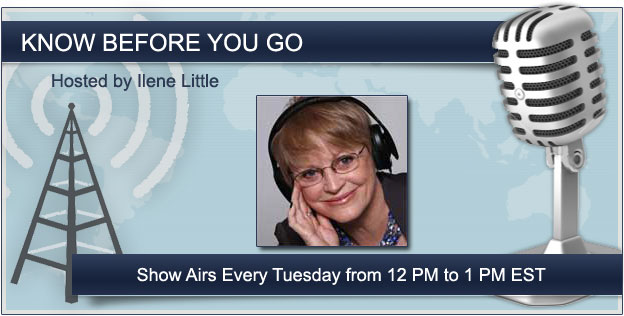
Know before you go: Medical tourism and patient safety


The file download for the latest radio program, “Know before you go” with Ilene Little is available.  It’s from the Christmas broadcast with Dr. Freddy Sanabria.

Image courtesy of Ilene Little

Image courtesy of Ilene Little

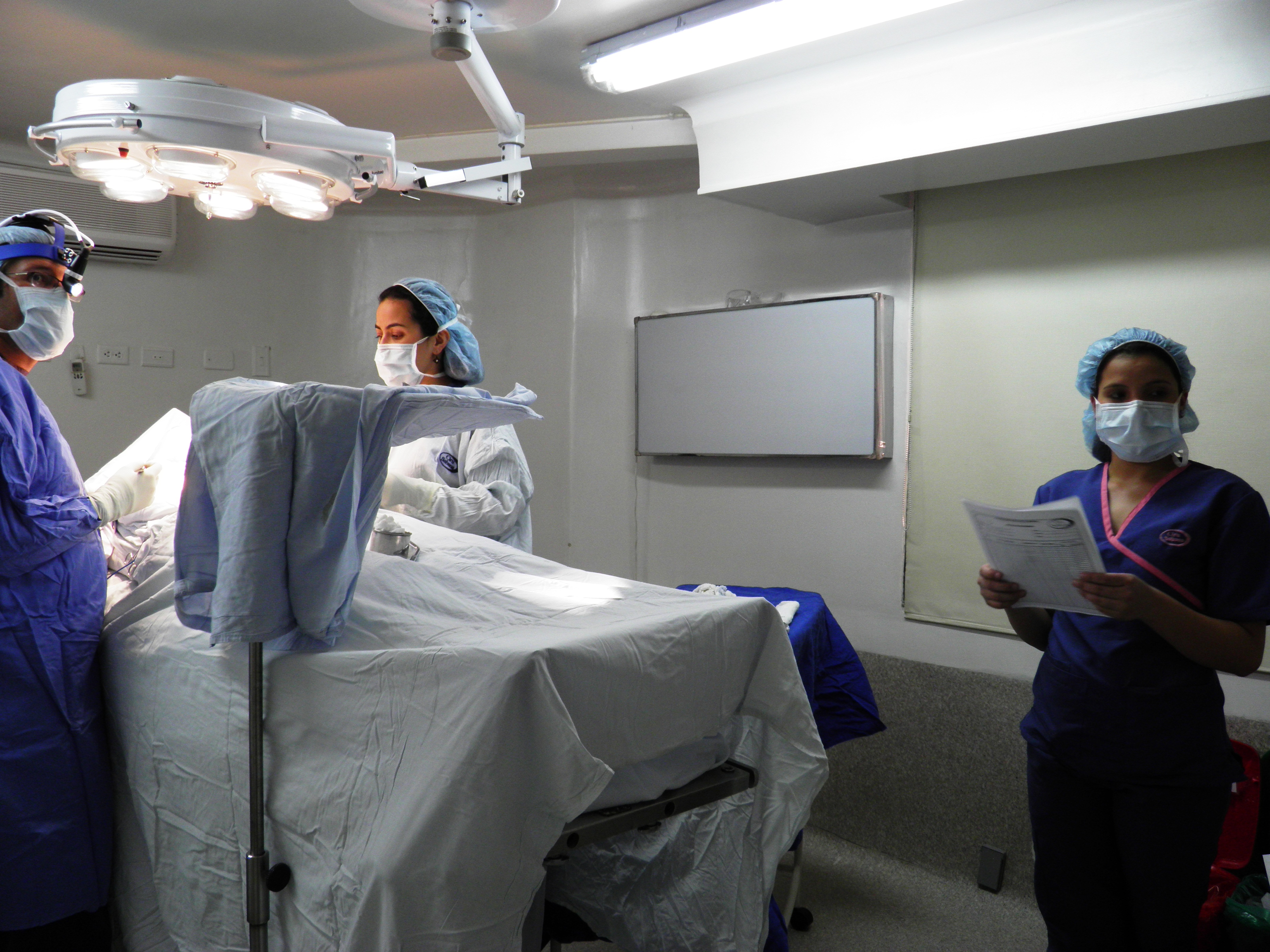
(I am on the periphery of the show – introducing Dr. Sanabria and talking about safety guidelines and intra-operative safety protocols.  (Same stuff I talk about here – just a different medium.)

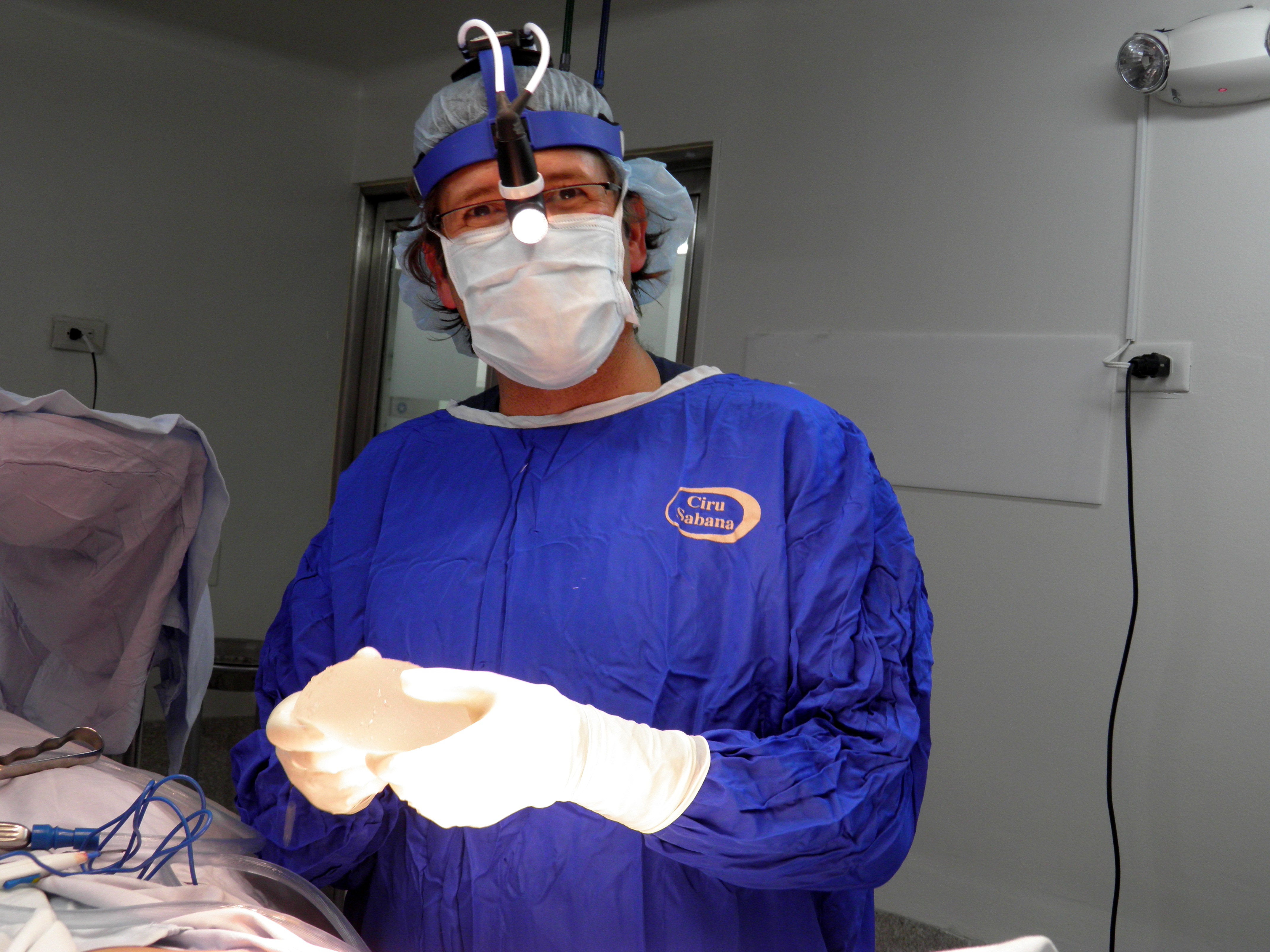
Sanabria, breast implant

Dr. Sanabria, plastic surgeon

Dr. Sanabria joined us to talk about his experiences, and his clinic in Bogotá, as well as his ongoing projects and  patient safety protocols.  It was nice to be able to share some of my observations from my visits to his operating room.

safety checklist

Click here to connect to the Radio show archives

Dr. Alejandro Jadad and Jose Vergara


Much thanks to Jose Vergara  for sending me a link to an article on Dr. Alejandro Jadad.  Jose Vergara, aka Frankie Jazz, as some readers may remember, is a Cartagena native and talented artist in his own right.

Frankie Jazz/ Jose Vergara

Frankie Jazz/ Jose Vergara

We try to keep up with each other – so he knows all about my interest in Colombian medicine and surgery, and I love his new album (so I try not to gush and be too much of a groupie when I hear from him) but he recently sent me a link to one of his more recent projects.   The Voxxi article by Silvia Casablanca is pretty interesting, so I wanted to share it with readers.

For starters – Jose Vergara is the photographer for the article..

Dr. Alejandro Jadad, MD, PhD

But it’s the life of Dr. Alejandro Jadad that is so inspiring..  Dr. Jadad is a Colombian anesthesiologist, textbook author and founder of the Centre for Global eHealth Innovation in Toronto, Canada (among other things).  He has been credited with being one of the major innovators in the fields of clinical research, medicine and information technology.

While at Oxford, as a research fellow in Anesthesiology, he developed a validation tool (the Jadad scale) to critically evaluate and analyze clinical research studies.  This is an important tool to distinguish the quality (and value) of individual research studies – or how much weight a study (and its findings) should have.   We talk about the importance of objective scales and measures quite a bit here at Bogotá Surgery, and the Jadad scale is one of the best known and most widely used scales for clinical research.

Clinical research is how surgeons know whether a patient has a better chance for survival with surgery or chemotherapy/ radiation, for example.

So as you can imagine – having a tool like this is particularly vital when talking about clinical medicine / or health research where the findings of research studies are used to guide and determine medical decisions – aka the medical treatments for people like in our example above.

As the Casablanca article points out – Dr. Jadad didn’t stop with writing textbooks and creating the Jadad scale.  After completing his fellowship in the United Kingdom, he moved to Ontario, Canada to continue his research at McMaster University.   Since then, he has continued to innovate and create tools to help both clinicians and the public.  One of the ways he helps clinicians is by further creating and refining tools to evaluate medical research.

He has also been a major creator and contributor to the development of internet and computer based applications to connect doctors and their patients.  His efforts are based on more that the patient – provider dyad, and are part of a larger, global framework for reforming and transforming healthcare.

More about Dr. Alejandro Jadad, MD, PhD

Casablanca, Silvia (2013, January).  Dr. Alejandro Jadad: Redefining health and  making it global.  Voxxi [on-line article].

(Canadian) Pioneers for Change

Making Longer Life Worth Living“, lecture by Dr. Jedad at Singularity webblog as part of the ‘Singularity University lecture’ series.

More about Jose Vergara / Frankie Jazz

Frankie Jazz – wikipedia page

Vimeo page

Let Me Take My Way – which is one of my personal favorites…